Hotels by Trip.com
Flights by Trip.com
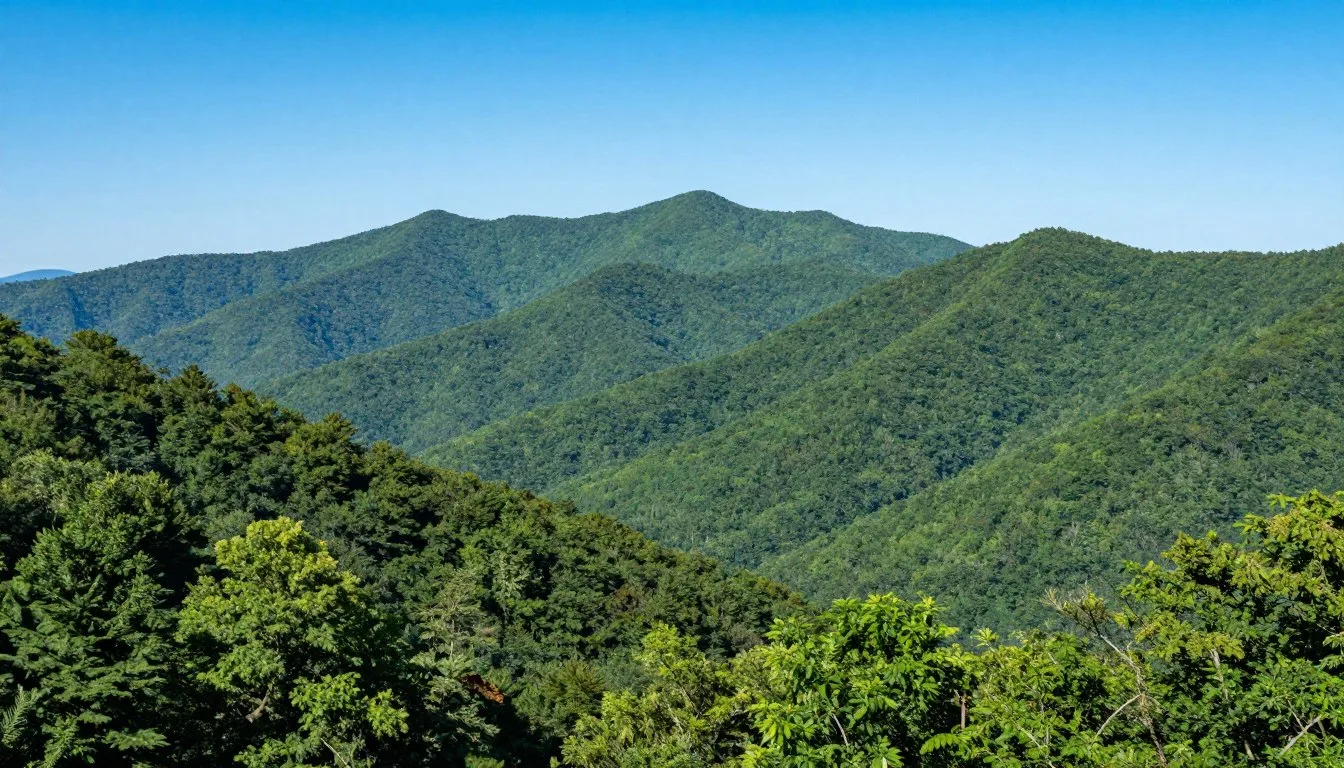
Tucked away in West Tennessee, Chickasaw State Park spans 14,384 acres of pristine forest and offers something remarkable: it’s one of the few state parks in Tennessee where you can camp right beside a lake, ride horses through wooded trails, and catch bass before breakfast. The park is named after the Chickasaw Native American tribe who historically inhabited this region of Tennessee before their forced removal in the 1830s.
This hidden gem attracts outdoor enthusiasts seeking a peaceful escape. The park features Lake Placid at its heart, offering water activities and fishing opportunities.
Whether you’re planning a family camping trip or a solo hiking adventure, this comprehensive guide covers everything you need to know. From the best time to visit to where to stay and what to do, you’ll find all the essential information here.
Getting There & Planning Your Journey
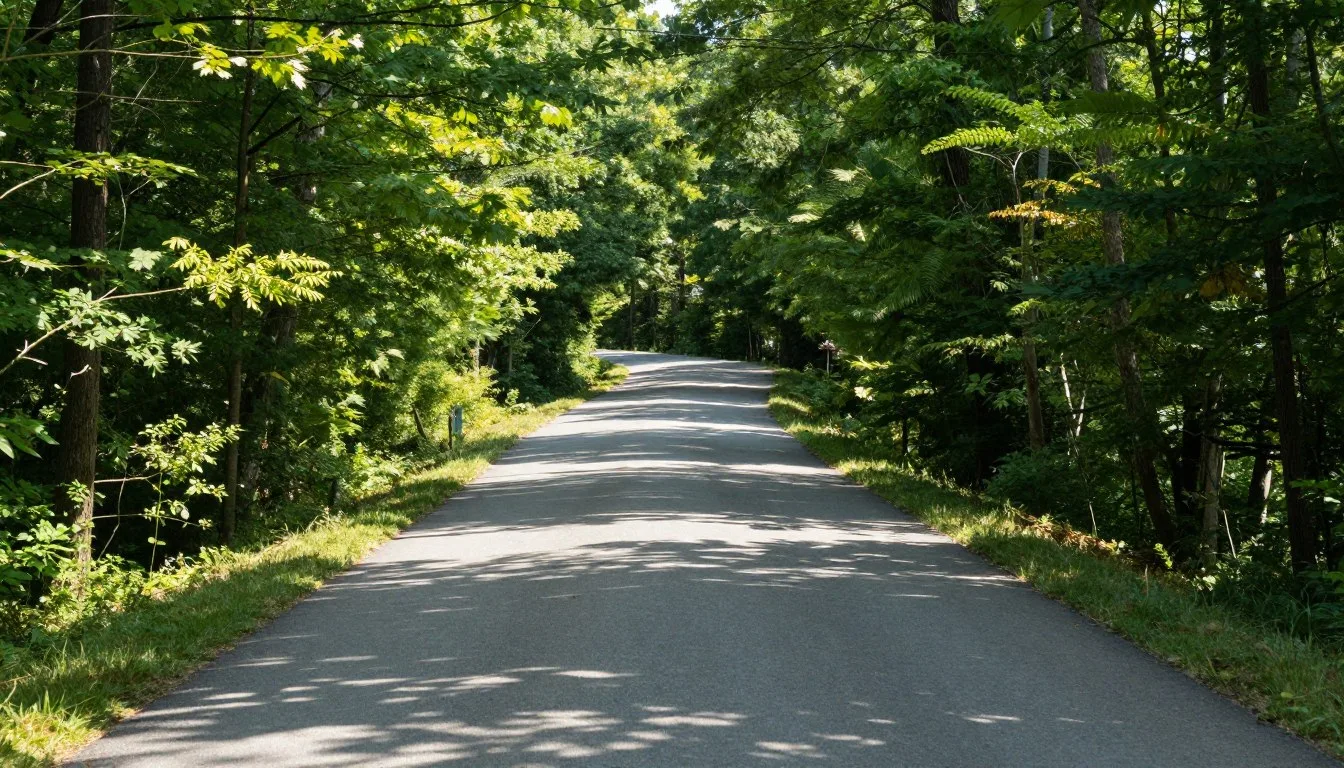
Chickasaw State Park sits in Henderson, Tennessee, approximately 145 kilometers (90 miles) northeast of Memphis. The park’s location makes it accessible from several major cities in the region.
The closest airport is Memphis International Airport, about 161 kilometers (100 miles) southwest of the park. Nashville International Airport lies approximately 201 kilometers (125 miles) to the east. Both airports offer rental car services.
From Memphis, take Interstate 40 east to Highway 22 north. Follow Highway 22 through Henderson, then look for park signs directing you to the entrance. The drive takes roughly 90 minutes.
From Nashville, head west on Interstate 40, exit at Highway 22 south near Lexington, and follow signs to the park. This route takes about two hours.
The park office is open daily and can answer questions about your visit. Contact them at:
Park staff can provide information about current conditions, activity schedules, and reservation availability. Office hours are typically 8:00 AM to 4:30 PM.
Best Time to Visit & Weather Tips
Spring and fall offer the most comfortable weather conditions at Chickasaw State Park. These seasons provide pleasant temperatures and beautiful natural scenery.
Best Time to Visit Chickasaw State Park Tennessee
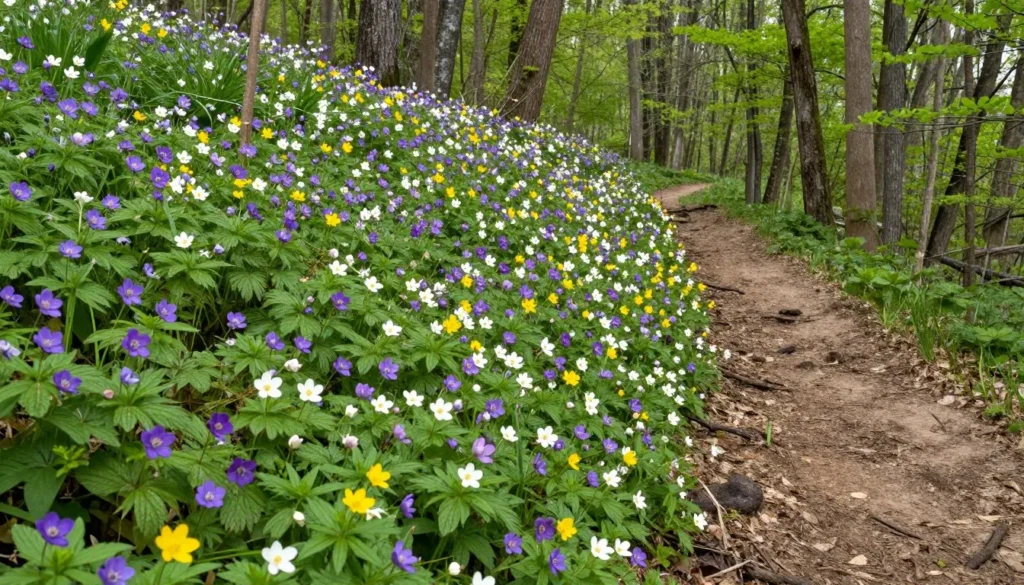
March through May brings mild temperatures ranging from 15°C to 24°C (59°F to 75°F). Wildflowers bloom throughout the park during this time. The forest comes alive with new growth and vibrant colors.
September through November delivers comfortable weather with temperatures between 16°C and 26°C (61°F and 79°F). Fall foliage peaks in October, painting the forest in brilliant reds and golds. This season attracts many visitors seeking autumn colors.
Summer months from June through August see temperatures climbing to 29°C to 35°C (84°F to 95°F). High humidity makes outdoor activities more challenging during midday. Early morning and evening offer the most comfortable conditions for hiking and fishing.
Winter from December through February brings cooler weather with temperatures between 2°C and 12°C (36°F and 54°F). While some facilities close, the park remains open for hiking and camping. Pack warm layers if visiting during winter months.
Seasons to Avoid
Late July and August present the most challenging conditions. High heat and humidity can make outdoor activities uncomfortable. Mosquitoes are most active during this period as well.
Late winter in January and February can bring occasional ice storms. These weather events may temporarily close trails and roads within the park.
Notable Annual Festivals
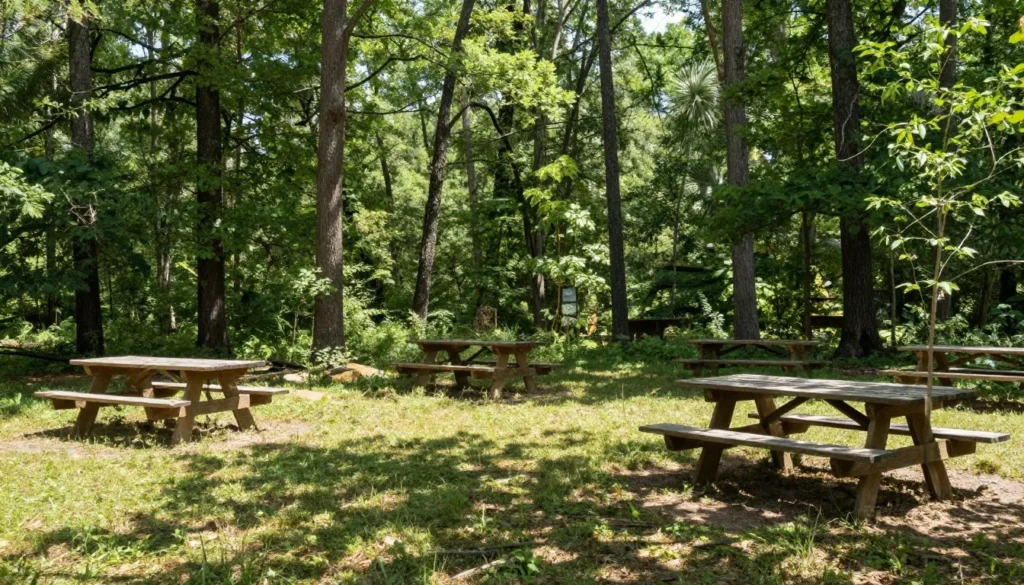
Chickasaw State Park hosts several events throughout the year. These programs connect visitors with nature and local culture.
The Spring Wildflower Festival typically occurs in April. This event features guided nature walks highlighting native wildflowers. Park naturalists lead educational programs about local plant species.
Summer Campfire Programs run throughout June and July. Rangers share stories about park history and wildlife. These free programs take place at the campground amphitheater.
Fall Colors Celebration happens in October during peak foliage. Special guided hikes showcase the best autumn viewing areas. Photography workshops help visitors capture the seasonal beauty.
For current festival dates and details, contact the park office at the number provided earlier. Event schedules change annually, so confirming dates before your visit ensures you don’t miss special programs.
Getting Around Locally
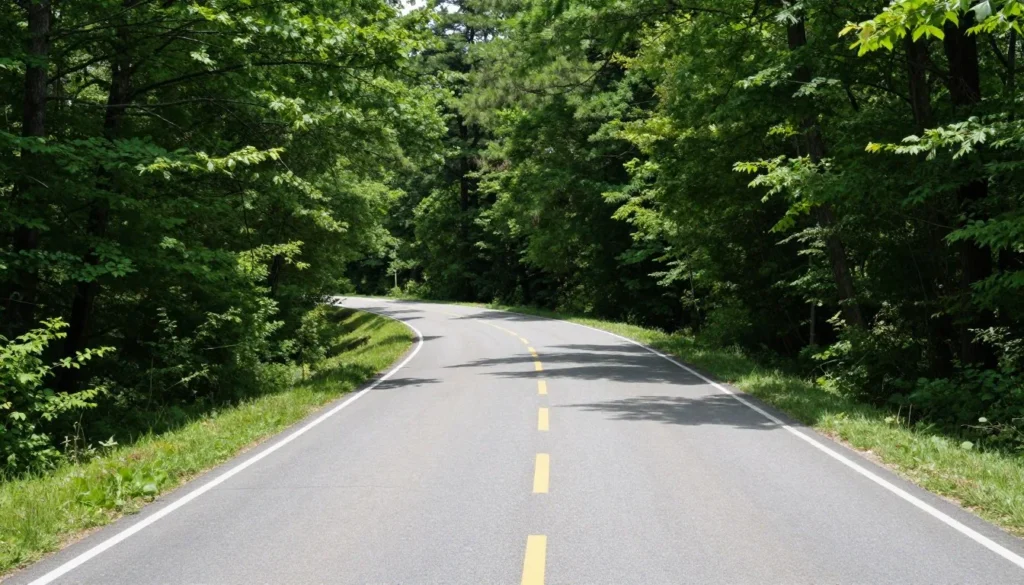
A personal vehicle is essential for navigating Chickasaw State Park. The park spans thousands of acres with facilities spread across different areas.
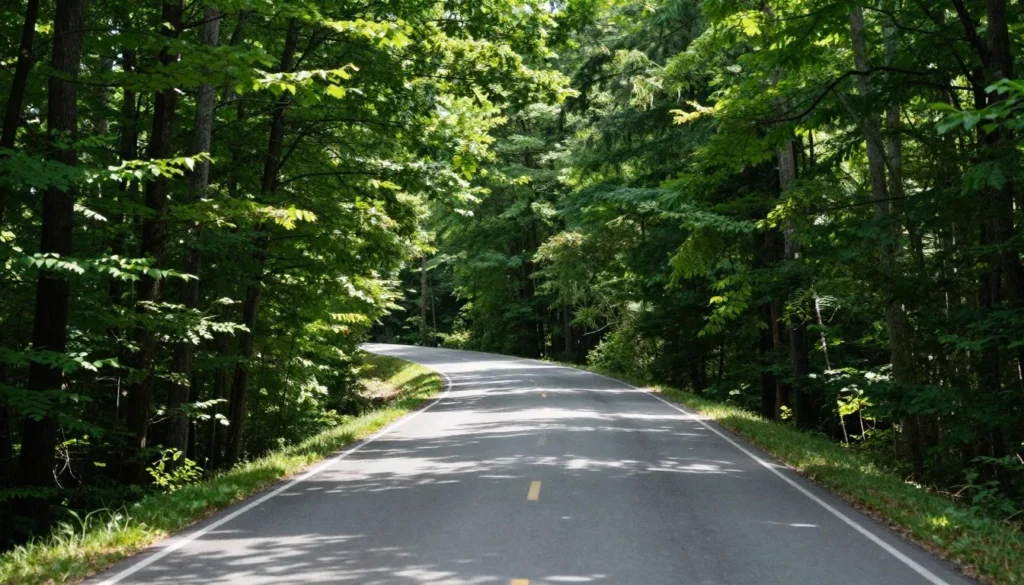
Well-maintained paved roads connect major park areas. These roads lead to the campground, cabin area, boat launch, and trailheads. Speed limits remain low throughout the park for wildlife safety.
Parking areas are available at each major attraction. The main parking lot near Lake Placid provides easy access to the beach and boat ramp. Additional parking exists at various trailheads throughout the park.
The park features several miles of equestrian trails. Visitors can bring their own horses or arrange rides through the park’s equestrian program. Horse trailer parking is available near the riding trails.
Bicycles offer another option for getting around. Paved park roads work well for cycling. However, bicycles are not permitted on hiking trails.
Walking between facilities is possible but time-consuming given the distances. The area between the campground and cabin area spans approximately 3.2 kilometers (2 miles).
Where to Stay
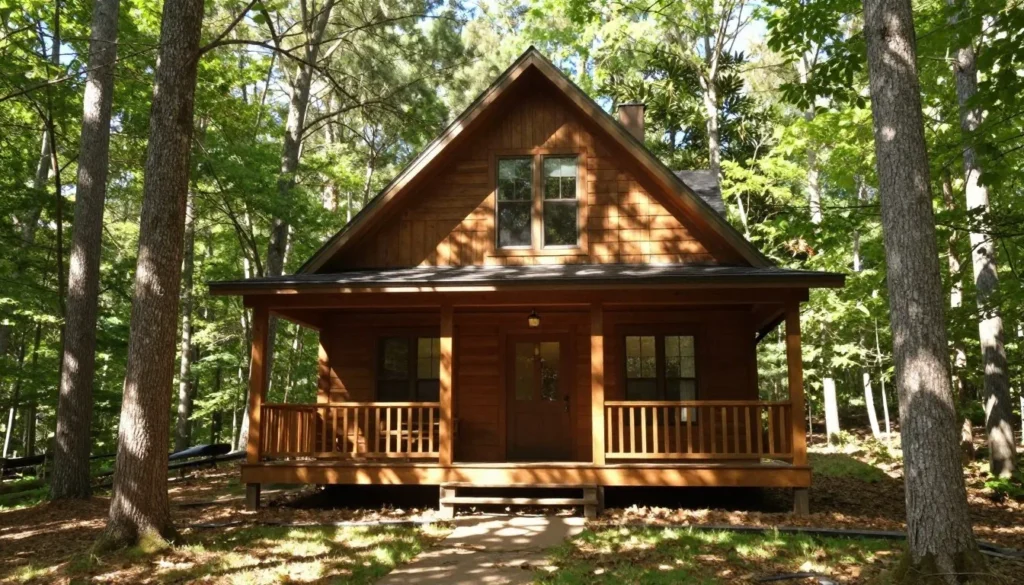
Chickasaw State Park offers diverse lodging options for every type of visitor. Accommodations range from primitive tent camping to comfortable cabins.
Campground Options
The park operates two main campground areas. Wrangler Campground caters to tent campers seeking a rustic experience. This area features 24 primitive sites with picnic tables and fire rings.
The main campground provides 75 sites with modern amenities. Full hookups are available for RVs at many sites. Each site includes water, electricity, a picnic table, and a grill. Bathhouses with hot showers serve the camping area.
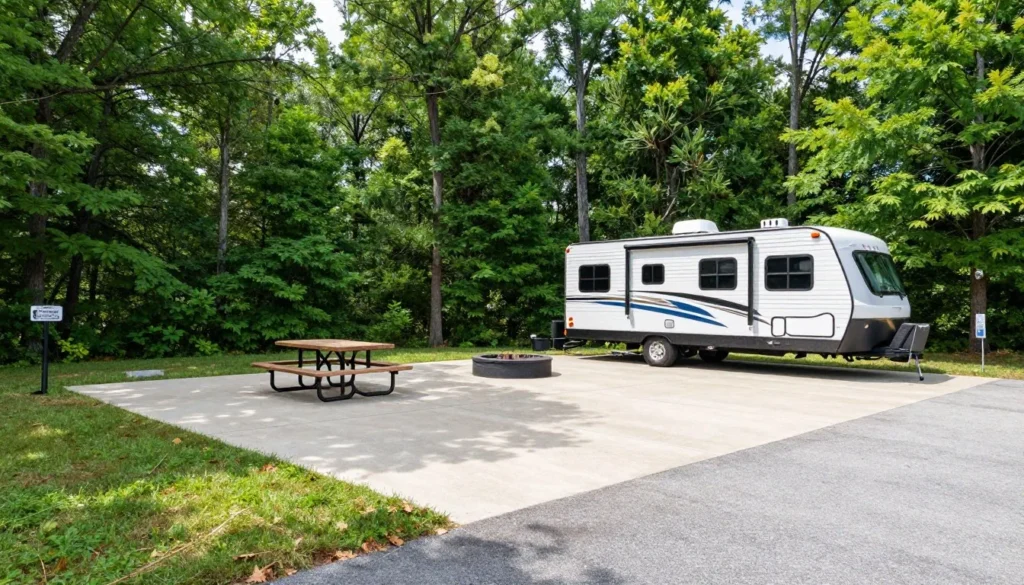
Tent camping sites offer more privacy and natural settings. These sites sit farther apart and provide a more secluded camping experience. Most tent sites can accommodate small trailers as well.
The campground stays open year-round. However, water may be shut off during freezing weather in winter months. Check with the park office about seasonal closures before planning a winter camping trip.
For campground reservations, call:
Cabin Rentals
The park features ten modern cabins for visitors seeking more comfort. These cabins sleep up to six people and include full kitchens. Air conditioning and heating make them suitable for year-round stays.
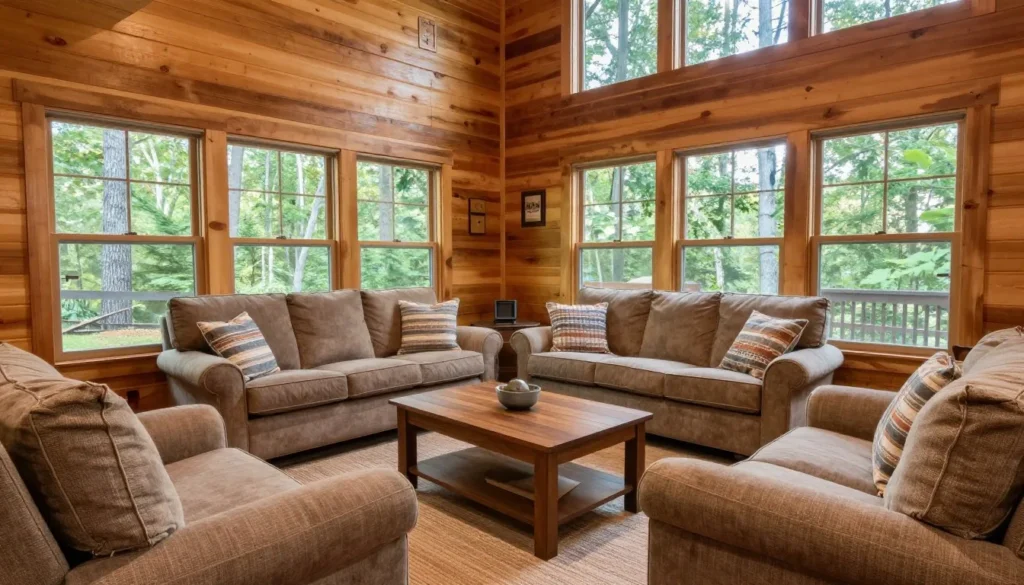
Each cabin comes equipped with cookware, dishes, and basic linens. Living areas include comfortable seating and dining tables. Private porches offer views of the surrounding forest.
Bathrooms feature modern fixtures with hot water. Bedrooms provide queen or double beds. Some cabins include additional sleeping areas in lofts.
Cabin reservations fill quickly during peak seasons. Book several months in advance for spring and fall weekends. The same reservation number handles both camping and cabin bookings.
Nearby Accommodations
Henderson, located 11 kilometers (7 miles) from the park, offers several hotels and motels. These provide alternatives when park accommodations are full. Options include budget chains and locally-owned properties.
Jackson, Tennessee, sits 48 kilometers (30 miles) south and features a wider range of hotels. This larger city provides more dining and shopping options as well.
Dining & Local Cuisine
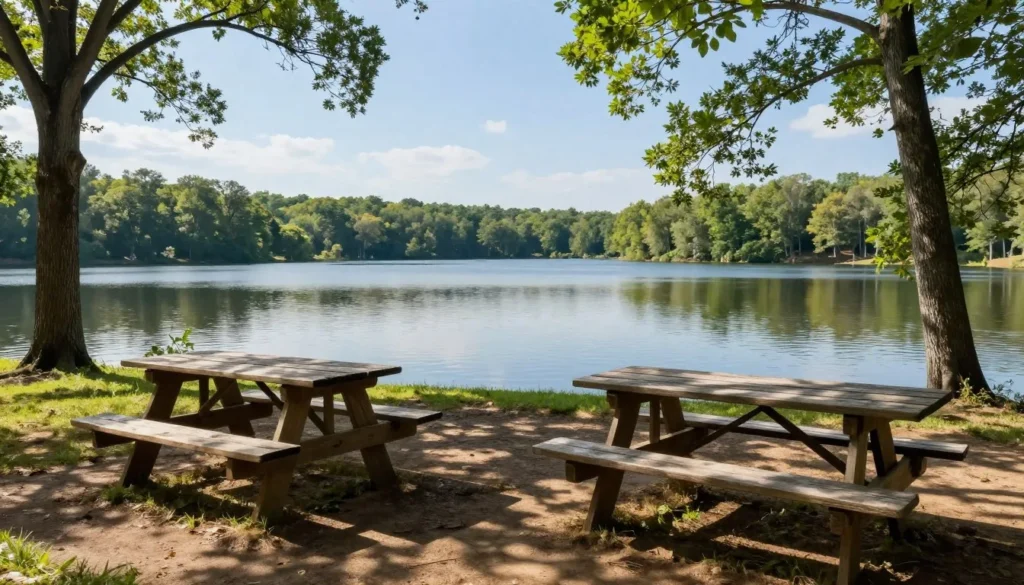
Chickasaw State Park does not have a restaurant on-site. Visitors should plan to bring food or dine in nearby Henderson.
The park offers numerous picnic areas perfect for outdoor meals. These spots feature tables and grills. Many picnic sites sit near Lake Placid with scenic water views.
Cabin guests have full kitchen facilities for preparing meals. Campground visitors can cook at their sites using camp stoves or fire rings. The park store sells limited snacks and supplies.
Local Dining Options
Henderson provides several restaurant choices within a short drive. Local barbecue joints serve Tennessee-style smoked meats. Family restaurants offer home-style cooking and Southern comfort food.
Fast food chains line the main highway through Henderson. These provide quick meal options before entering the park. A grocery store in town allows visitors to stock up on supplies.
Regional specialties include fried catfish, pulled pork, and sweet tea. Many local restaurants serve traditional Southern sides like cornbread, collard greens, and fried okra.
For a special meal, consider visiting Jackson. This larger city offers diverse dining from steakhouses to international cuisine. Several restaurants feature local farm-to-table ingredients.
Attractions, Sightseeing & Activities
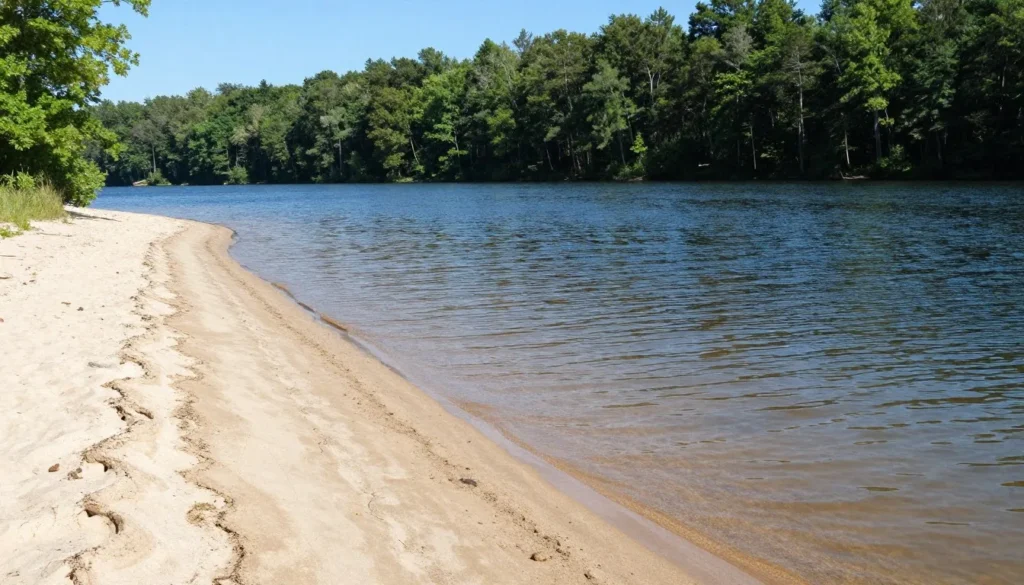
Chickasaw State Park Tennessee offers year-round activities for outdoor enthusiasts. The park’s diverse landscape supports numerous recreational opportunities.
Lake Placid Activities
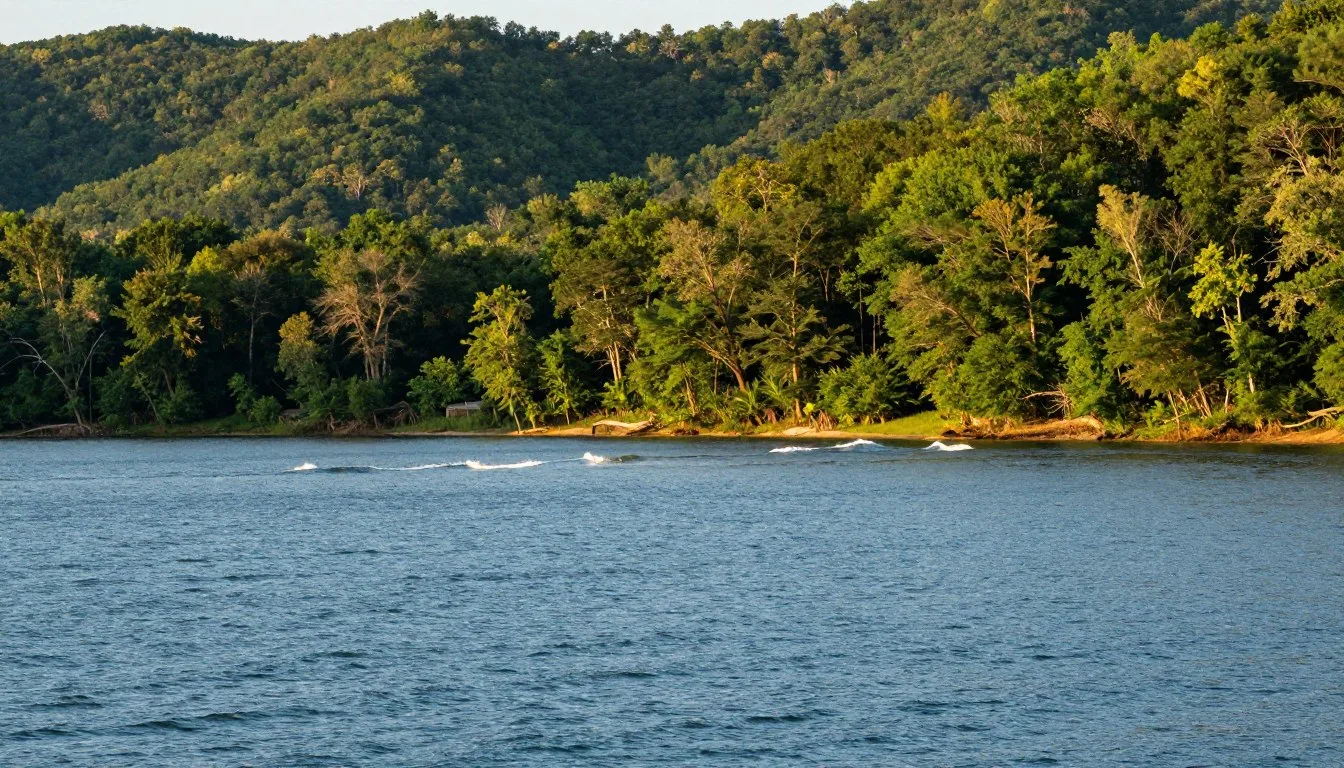
Lake Placid covers 134 hectares (331 acres) and serves as the park’s centerpiece. The lake provides opportunities for fishing, boating, and swimming.
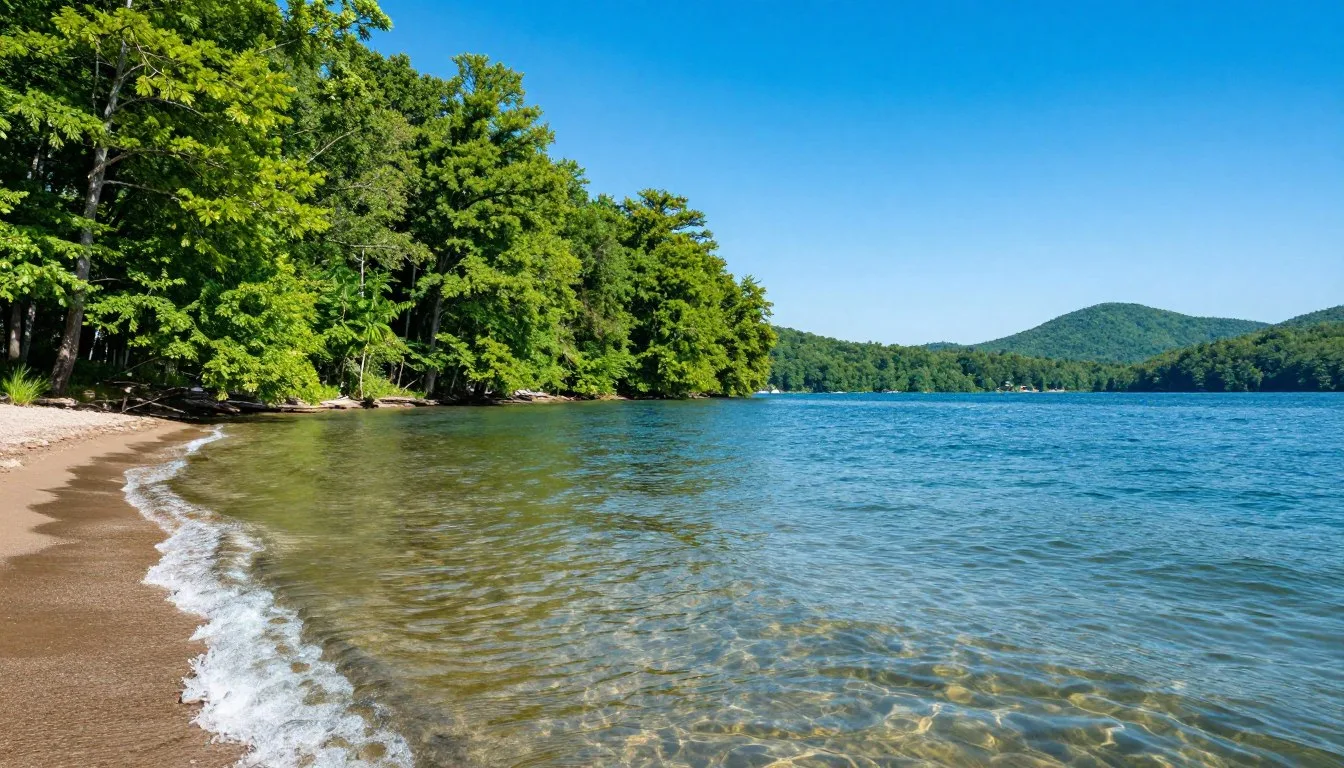
A designated swimming beach opens from Memorial Day through Labor Day. The sandy beach includes a bathhouse with changing facilities. Lifeguards are not on duty, so swimmers assume responsibility for their own safety.

A boat ramp provides access for visitors with watercraft. Electric motors and paddle craft are permitted. Gas-powered motors are not allowed on the lake. This restriction keeps the water peaceful and protects wildlife.
Fishing attracts many visitors to Lake Placid. The lake contains largemouth bass, bluegill, crappie, and catfish. Anglers fish from the shore or from boats. A valid Tennessee fishing license is required for anyone over 13 years old.
Trail System
The park features over 32 kilometers (20 miles) of hiking trails. These trails range from easy nature walks to challenging backcountry routes. Trail difficulty levels accommodate all fitness levels.
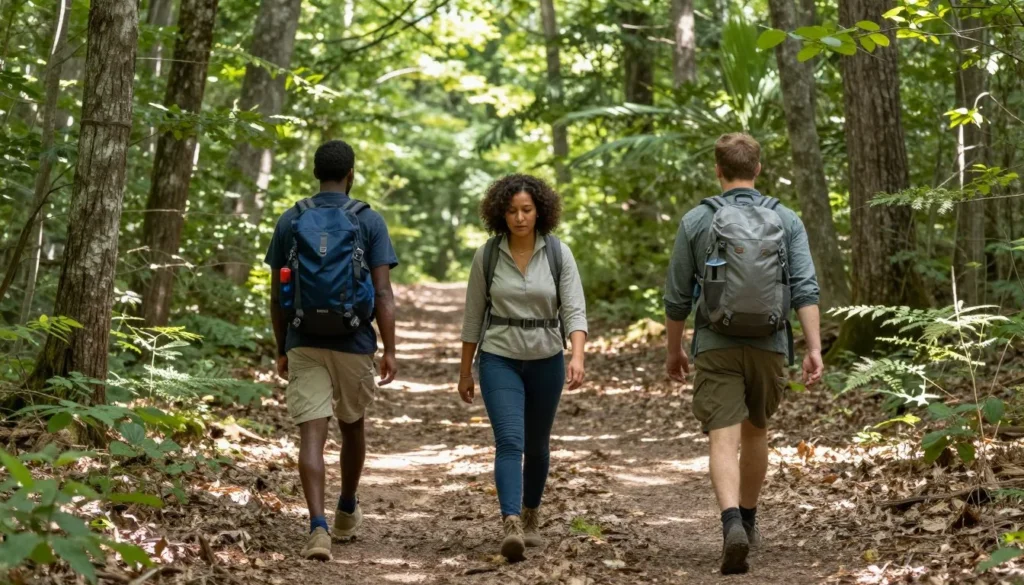
The Lake Trail circles Lake Placid and provides easy walking. This 4.8-kilometer (3-mile) loop takes about 90 minutes to complete. The path offers numerous lake views and bird watching opportunities.
Forest trails wind through hardwood bottomlands and pine plantations. These paths showcase the park’s diverse ecosystems. Spring wildflowers bloom along many forest trails.
Backcountry trails venture into more remote areas. These routes require more time and preparation. Always carry water, a map, and let someone know your hiking plans.
Horseback Riding
Chickasaw State Park Tennessee is known for its equestrian facilities. The park maintains 48 kilometers (30 miles) of horseback riding trails. These trails wind through scenic forests and open areas.
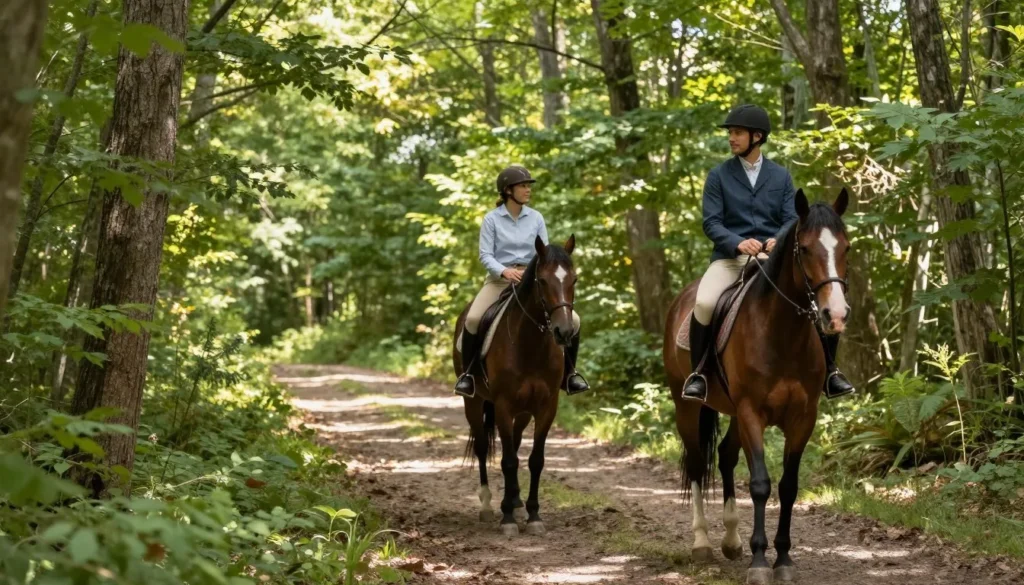
Wrangler Campground specifically accommodates visitors with horses. This area includes stalls and hitching posts. The campground provides easy access to equestrian trails.
Guided trail rides are sometimes available through park programs. Check with the park office about current riding program schedules and requirements.
Museums, Cultural Spots & Festivals

While Chickasaw State Park focuses primarily on outdoor recreation, it offers educational programs about natural and cultural history.
The park office serves as an information center. Staff members provide maps and answer questions about park history. Interpretive displays explain local ecosystems and wildlife.
Ranger-led programs run throughout the year. These free educational activities teach visitors about Tennessee wildlife, plants, and conservation. Topics vary by season and include bird watching, tree identification, and nature photography.
The park’s history connects to the Civilian Conservation Corps era. The CCC built many park structures in the 1930s. Some original stone and timber buildings still stand today.
Cultural Heritage
The park name honors the Chickasaw people who lived in West Tennessee for centuries. Before European settlement, this area served as hunting grounds for the Chickasaw Nation.
Historic markers throughout the park provide information about the region’s past. These signs explain how the land has changed over time.
Nearby Cultural Attractions
Pinson Mounds State Archaeological Park lies 40 kilometers (25 miles) southwest. This site preserves ancient Native American ceremonial mounds. The museum offers insights into prehistoric cultures of the region.
Casey Jones Home and Railroad Museum in Jackson showcases railroad history. This attraction sits 48 kilometers (30 miles) from the park.
Nature & Outdoor Experiences
Chickasaw State Park protects a diverse ecosystem in West Tennessee. The park’s varied habitats support abundant wildlife and plant species.
Wildlife Viewing
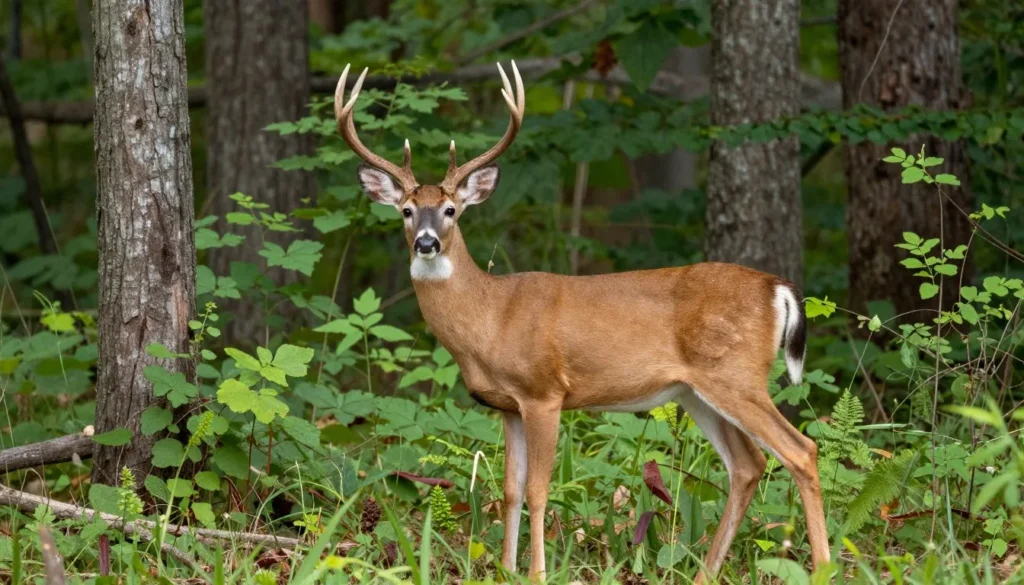
White-tailed deer are commonly seen throughout the park. Early morning and evening provide the best viewing opportunities. Deer often appear near forest edges and open areas.
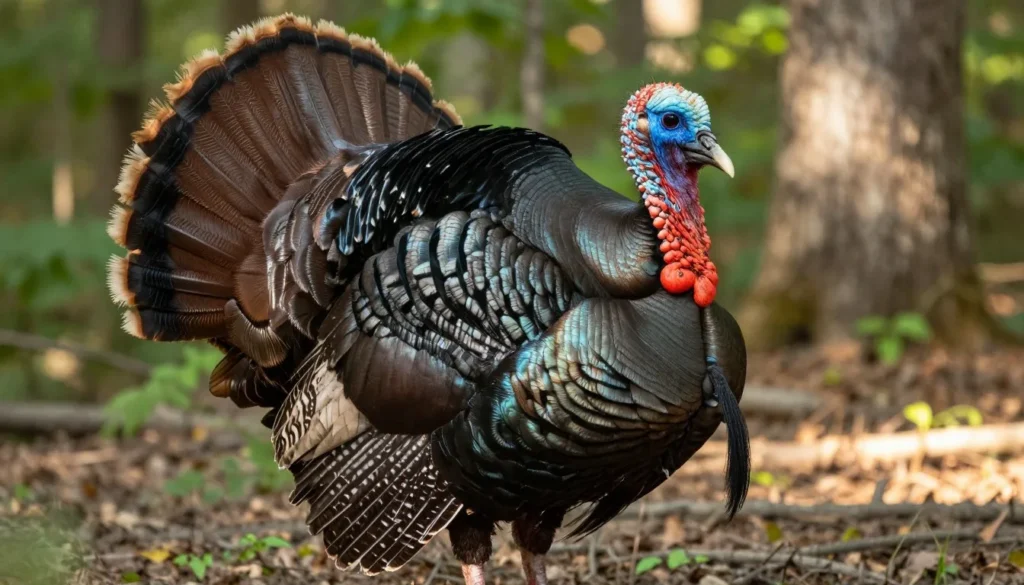
Wild turkey populations thrive in the park. These large birds become especially visible during spring mating season. Their distinctive calls echo through the forest.
Small mammals including raccoons, opossums, and squirrels inhabit the park. These creatures often visit campgrounds, so proper food storage is essential.
Coyotes and bobcats live in more remote areas. While sightings are rare, their tracks appear along trails. These predators play important roles in the ecosystem.
Bird Watching
Over 100 bird species have been recorded at Chickasaw State Park. The diverse habitats attract both resident and migratory birds throughout the year.
Bald eagles occasionally visit Lake Placid during winter. These majestic birds hunt for fish in the lake. Several observation points around the lake offer good viewing locations.
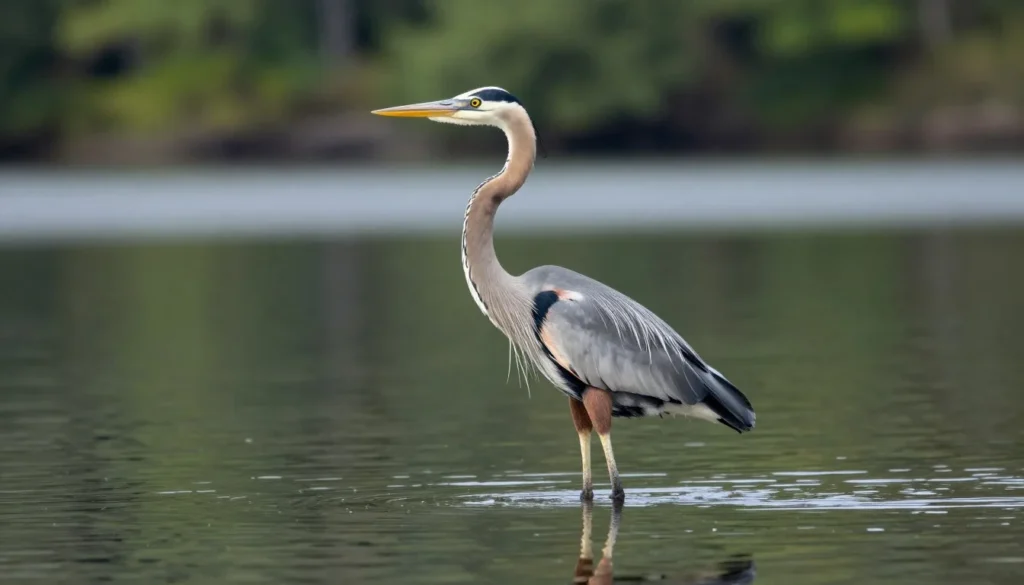
Great blue herons wade along the lake shore year-round. These large wading birds hunt for fish in shallow water. Wood ducks nest in tree cavities near the lake.
Spring migration brings colorful songbirds through the park. Warblers, tanagers, and orioles pass through during their northern journey. Fall migration is equally impressive with different species.
Woodpeckers including pileated, red-bellied, and downy species inhabit the forests. Their distinctive drumming sounds echo through the trees.
Plant Life and Ecosystems
The park contains multiple forest types. Upland areas feature oak-hickory forests typical of Tennessee. Bottomland areas near streams support different tree species adapted to wetter conditions.
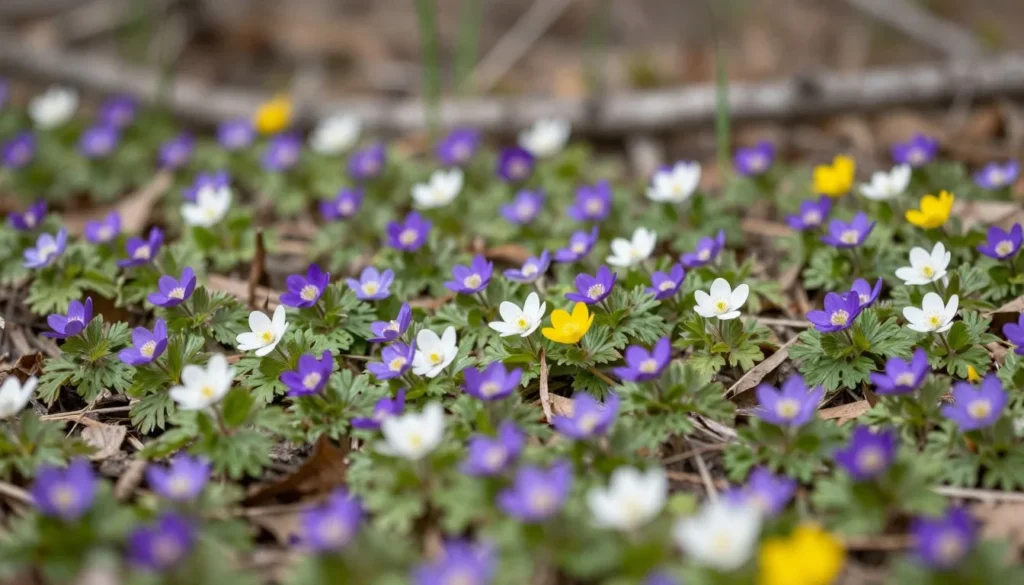
Spring wildflowers create spectacular displays. Trilliums, wild geraniums, and violets carpet the forest floor. Dogwood trees add white blooms to the forest canopy.
Pine plantations grow in certain park areas. These managed forests provide habitat while demonstrating sustainable forestry practices.
Native grasses and wildflowers grow in open meadow areas. These spaces attract butterflies and other pollinators during summer months.
Travel With Children
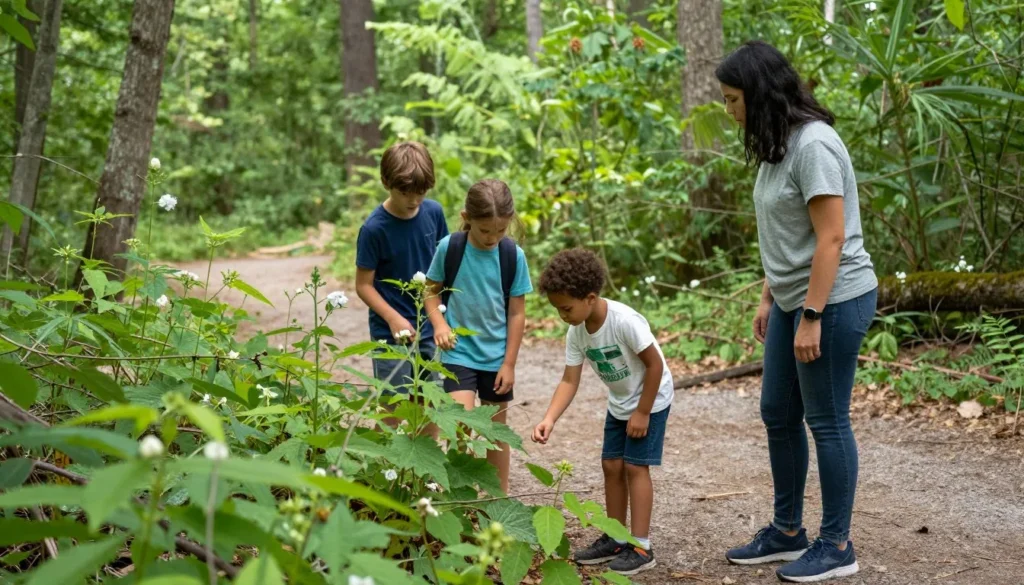
Chickasaw State Park provides family-friendly activities that engage children with nature. The park’s safe environment makes it ideal for introducing kids to outdoor recreation.
The Lake Placid swimming beach offers supervised water play during summer. Sandy areas allow children to build and dig. Shallow water near the shore suits younger swimmers.
Easy hiking trails work well for families with small children. The nature trail near the park office features interpretive signs that teach about local plants and animals. This short loop takes only 30 minutes to complete.
Fishing introduces children to patience and outdoor skills. Lake Placid’s abundant bluegill provide action that keeps young anglers interested. The park office sometimes loans fishing equipment.

Campground areas include playgrounds with swings and climbing equipment. These provide entertainment when children need a break from hiking.
Junior Ranger programs run during summer months. These educational activities teach children about wildlife and conservation. Participants earn badges by completing activity booklets.
Evening campfire programs offer storytelling and songs. Rangers share tales about park animals and history. These programs create memorable family experiences.
Safety Tips for Families
Always supervise children near water. Lake Placid has no lifeguards, so parents must watch swimmers constantly.
Teach children to stay on marked trails. Getting lost is easier than many people realize. Brightly colored clothing helps adults keep track of active kids.
Apply insect repellent regularly during warmer months. Mosquitoes and ticks are common in forested areas. Check children for ticks after outdoor activities.
Pack extra layers even during warm weather. Children get cold more easily than adults, especially when wet.
Money Saving Tips
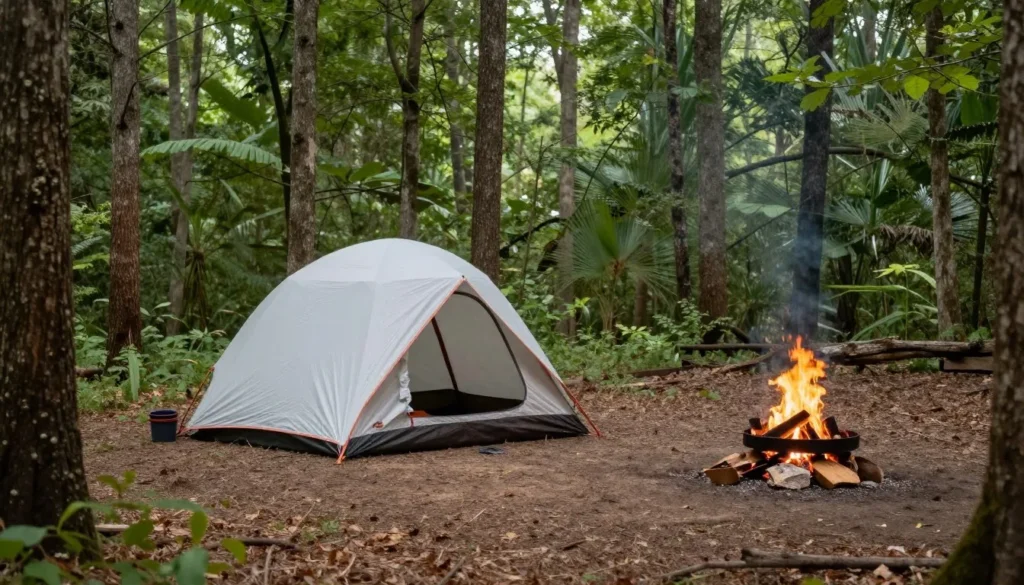
Visiting Chickasaw State Park can be very affordable with proper planning. These strategies help reduce costs while enjoying everything the park offers.
Camping costs significantly less than cabin rentals. Primitive tent sites at Wrangler Campground offer the lowest rates. These basic sites still provide a quality camping experience at minimal cost.
Pack all food and supplies before arriving. The limited park store charges premium prices. Henderson’s grocery stores offer much better value for stocking up on essentials.
Tennessee state parks charge minimal day-use fees. Many activities including hiking, fishing from shore, and wildlife viewing cost nothing beyond park admission.
Visit during weekdays rather than weekends when possible. Campground rates are sometimes lower Monday through Thursday. The park also feels less crowded on weekdays.
Bring your own equipment rather than renting. Kayaks, fishing gear, and bikes from home eliminate rental expenses. Many families save substantially by using gear they already own.
Free ranger programs provide entertainment and education without additional cost. These activities rival paid attractions found elsewhere.
Consider visiting during shoulder seasons. Spring and fall offer pleasant weather with potentially lower accommodation rates compared to peak summer demand.
Purchase an annual Tennessee State Parks pass if planning multiple visits. The pass covers day-use fees at all state parks and pays for itself after a few trips.
Cook meals at your campsite or cabin rather than dining out. Campground grills and cabin kitchens allow you to prepare food at grocery store prices.
Download free trail maps and information from the Tennessee State Parks website before your visit. This eliminates the need to purchase printed guides.
Safety & Local Customs
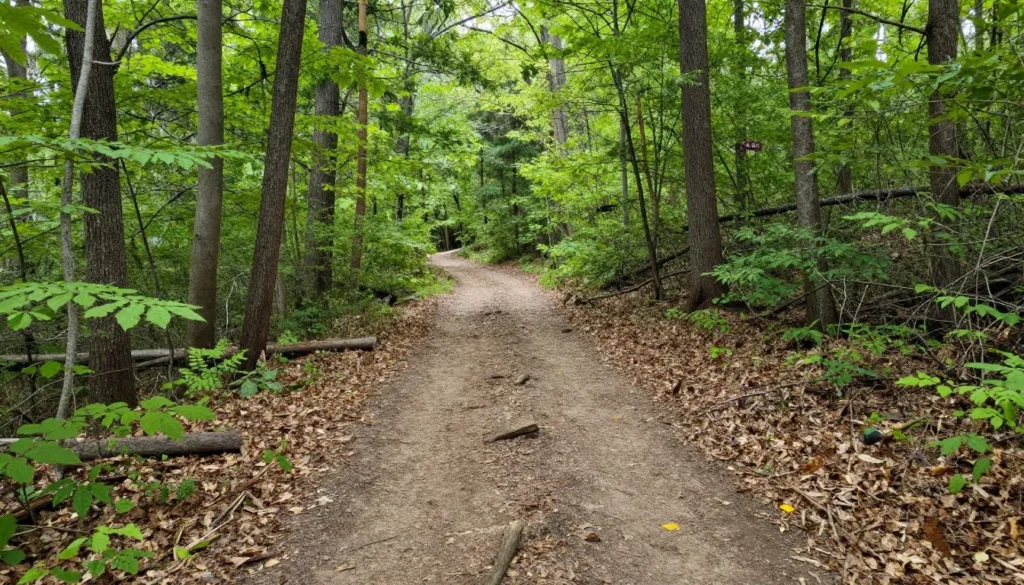
Chickasaw State Park maintains high safety standards, but visitors should take personal precautions. Understanding local conditions ensures a safe and enjoyable visit.
Wildlife Safety
Keep a safe distance from all wildlife. Never attempt to feed animals, as this creates dangerous situations and harms wildlife health. Store all food securely to avoid attracting animals to campsites.
Venomous snakes including copperheads and cottonmouths live in the park. Watch where you place hands and feet when hiking. Most snake encounters occur when people don’t pay attention to their surroundings.
Ticks are common in Tennessee forests. Wear long pants and apply insect repellent containing DEET. Check your entire body for ticks after hiking. Remove any attached ticks promptly and properly.
Water Safety
Wear life jackets when boating on Lake Placid. Tennessee law requires appropriate flotation devices for all boat passengers. Keep life jackets accessible and in good condition.
Swimming occurs at your own risk as no lifeguards are present. Never swim alone and always have someone watching from shore. Avoid swimming during storms or when lightning is visible.
Water levels in the lake can change. Submerged hazards may exist, so exercise caution when entering the water.
Trail Safety
Stay on designated trails to avoid getting lost. Inform someone of your hiking plans and expected return time. Carry a charged cell phone, though service may be limited in remote areas.
Bring adequate water especially during warm weather. Dehydration occurs quickly in Tennessee’s humid climate. Plan for one liter of water per hour of hiking.
Weather can change rapidly. Afternoon thunderstorms are common during summer. Seek shelter immediately if lightning approaches.
Emergency Contacts
For emergencies, call 911. The nearest hospital is in Jackson, approximately 48 kilometers (30 miles) from the park.
Contact the park office during business hours for non-emergency situations:
Local Customs
Tennessee residents value politeness and friendliness. Greet fellow visitors on trails with a simple hello or nod. This courtesy is standard practice in outdoor settings.
Respect quiet hours in campgrounds, typically from 10 PM to 7 AM. Keep noise levels reasonable to allow others to enjoy nature’s sounds.
Practice Leave No Trace principles. Pack out everything you bring in. Dispose of trash properly in designated receptacles. Leave natural objects where you find them.
If bringing dogs, keep them leashed at all times. Clean up after pets immediately. Some trail areas may restrict pets, so check current regulations.
Visitor Comments About Chickasaw State Park Tennessee

Visitors consistently praise Chickasaw State Park for its natural beauty and well-maintained facilities. Here are perspectives from recent guests:
“This park exceeded our expectations in every way. The trails were clearly marked and offered varying difficulty levels. Lake Placid was perfect for morning fishing. We caught several bass right from the shore. The campground bathhouses were the cleanest we’ve seen in any state park. Our family of four had an amazing weekend here.”
“Chickasaw State Park provided exactly what we needed – peace and quiet surrounded by nature. The cabin was comfortable and had everything we required. We especially enjoyed the lack of crowds even during a weekend visit. Horseback riding through the forest trails was the highlight of our trip. The park staff were helpful and knowledgeable about the area.”
“We visited during fall when the leaves were changing colors. The scenery was absolutely stunning. Walking around Lake Placid gave us countless photo opportunities. Our children loved the playground and swimming beach. The ranger program about local wildlife was both educational and entertaining. We’re already planning our return visit next spring.”
Additional Nearby Destinations

Several attractions near Chickasaw State Park Tennessee offer additional experiences. These destinations complement a visit to the park.
Natchez Trace State Park
Located 32 kilometers (20 miles) east, this larger park offers similar outdoor activities. Natchez Trace features four lakes and extensive trail systems. The park includes horseback riding and camping facilities.
Pinson Mounds State Archaeological Park
This unique site sits 40 kilometers (25 miles) southwest. Ancient ceremonial mounds built by Native Americans create an impressive landscape. The museum explains the archaeology and history of these prehistoric structures.
Walking trails connect the various mounds throughout the site. The largest mound rises 22 meters (72 feet) high. Educational programs help visitors understand the significance of this sacred place.
Jackson, Tennessee
The city of Jackson offers urban amenities 48 kilometers (30 miles) from the park. Casey Jones Home and Railroad Museum preserves railroad history. The museum complex includes historic buildings and vintage rail equipment.
Downtown Jackson features shopping, dining, and entertainment options. The Farmers Market operates seasonally with local produce and crafts.
Tennessee River
The Tennessee River flows approximately 64 kilometers (40 miles) west of the park. This major waterway offers additional boating and fishing opportunities. Several public access points provide boat launches.
Shiloh National Military Park
This Civil War battlefield lies 97 kilometers (60 miles) southwest. The park preserves the site of the Battle of Shiloh, one of the war’s bloodiest conflicts. A driving tour covers key battle locations.
The visitor center contains artifacts and exhibits explaining the battle’s significance. Walking trails allow closer examination of specific battlefield features.
Practical Travel Tips
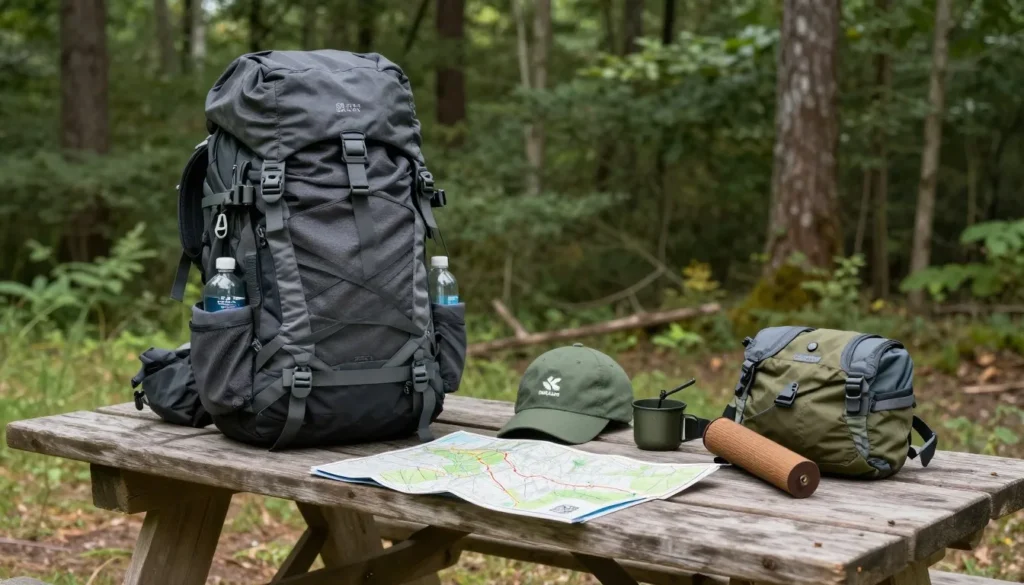
These practical tips help you make the most of your Chickasaw State Park experience.
Reservations
Book campground sites and cabins well in advance during peak seasons. Spring and fall weekends fill up quickly. Summer holidays require even earlier reservations.
Weekday visits offer more flexibility and availability. Last-minute reservations are more likely successful Monday through Thursday.
What to Pack
Bring layers regardless of the season. Tennessee weather can be unpredictable. Morning temperatures may be cool even when afternoons warm up.
Essential items include:
- Sturdy hiking shoes with good tread
- Insect repellent containing DEET
- Sunscreen with high SPF rating
- Reusable water bottles
- First aid kit with basic supplies
- Flashlight or headlamp with extra batteries
- Trail maps downloaded or printed
- Weather-appropriate clothing layers
Camping additions include sleeping bags rated for expected temperatures, cooking equipment, food storage containers, and campfire supplies.
Cell Phone Service
Cell phone coverage varies throughout the park. Some areas have reliable service while remote locations may have no signal. Don’t rely solely on your phone for navigation or emergencies.
Download offline maps before arriving. The park office provides paper maps for backup navigation.
Accessibility
Several park facilities meet accessibility standards. Accessible parking is available at major areas. Some campsites accommodate visitors with mobility challenges.
Contact the park office before your visit to discuss specific accessibility needs. Staff can provide detailed information about accessible trails and facilities.
Pets
Dogs are welcome but must remain on leashes no longer than 1.8 meters (6 feet). Clean up after pets immediately. Some cabin rentals do not permit pets, so verify policies when booking.
Keep dogs under control around wildlife. Even friendly dogs can disturb nesting birds or other animals.
Photography
Chickasaw State Park offers excellent photography opportunities year-round. Golden hour light at sunrise and sunset creates stunning images around Lake Placid.
Fall foliage peaks in mid-October. Spring wildflowers bloom from late March through April. Wildlife photography works best during early morning and late evening when animals are most active.
Fishing Licenses
Anyone age 13 or older needs a valid Tennessee fishing license. Purchase licenses online through the Tennessee Wildlife Resources Agency website or at sporting goods stores.
Know current fishing regulations including size limits and catch limits for different species. The park office can provide basic fishing regulation information.
Your Adventure Awaits in West Tennessee
Chickasaw State Park Tennessee stands ready to welcome you with its pristine forests, tranquil lake, and endless opportunities for outdoor recreation. Whether you choose to spend your days casting for bass, hiking through colorful woodlands, or riding horses along scenic trails, this West Tennessee treasure delivers authentic nature experiences.
The park’s combination of modern amenities and wild spaces creates the perfect balance for any visitor. Families find safe areas for children to explore nature. Solo travelers discover peaceful solitude. Groups enjoy facilities that accommodate everyone comfortably.
From sunrise fishing on Lake Placid to evening campfires under star-filled skies, each moment at Chickasaw State Park creates lasting memories. The changing seasons transform the landscape, offering new reasons to return throughout the year.
Start planning your visit today. Contact the park office to discuss your specific interests and needs. Whether you’re pitching a tent for one night or booking a cabin for a week, your adventure in this beautiful corner of Tennessee awaits.