Hotels by Trip.com
Flights by Trip.com
Did you know that Chuck Swan State Forest spans over 10,925 hectares (27,000 acres) of pristine wilderness, making it one of Tennessee’s most expansive wildlife management areas? This hidden gem in the Cumberland Mountains attracts fewer than 50,000 visitors annually, yet offers some of the state’s best hunting, camping, and outdoor recreation opportunities.
The area is named after Charles “Chuck” Swan, a prominent conservationist and former Tennessee Wildlife Resources Agency commissioner who championed wildlife preservation in the region during the mid-20th century. His legacy lives on through this spectacular protected forest.
Nestled in the scenic Tennessee Valley, Chuck Swan State Forest and Wildlife Management Area provides outdoor enthusiasts with miles of forest roads, primitive camping spots, excellent hunting grounds, and quiet solitude far from urban noise. Whether you seek a weekend camping adventure, prime hunting season access, or peaceful nature exploration, this guide covers everything you need to plan an unforgettable visit.
Getting There & Planning Your Journey
Chuck Swan State Forest is located in Campbell and Union counties in East Tennessee. The main entrance sits off Sharps Chapel Road, approximately 80 km (50 miles) northwest of Knoxville.
The closest major airports include:
- McGhee Tyson Airport (Knoxville) – 95 km (59 miles) southeast, approximately 75 minutes by car
- Tri-Cities Regional Airport (Blountville) – 145 km (90 miles) northeast, approximately 90 minutes by car
- Chattanooga Metropolitan Airport – 209 km (130 miles) south, approximately 2 hours by car
From Knoxville, take Interstate 75 North to Highway 441 North, then follow Sharps Chapel Road west. The main forest road entrance is clearly marked. Most visitors access Chuck Swan via personal vehicles, as no public transportation serves this remote area.
Important: Cell phone coverage is extremely limited throughout Chuck Swan State Forest. Download offline maps before arrival and inform someone of your travel plans and expected return time.
Best Time to Visit & Weather Tips
Best Time to Visit Chuck Swan State Forest
The ideal time to visit Chuck Swan depends on your planned activities. Spring and fall offer the most comfortable temperatures and spectacular scenery.
Recommended seasons:
- Spring (April-May): Temperatures 13-21°C (55-70°F), wildflowers blooming, moderate rainfall
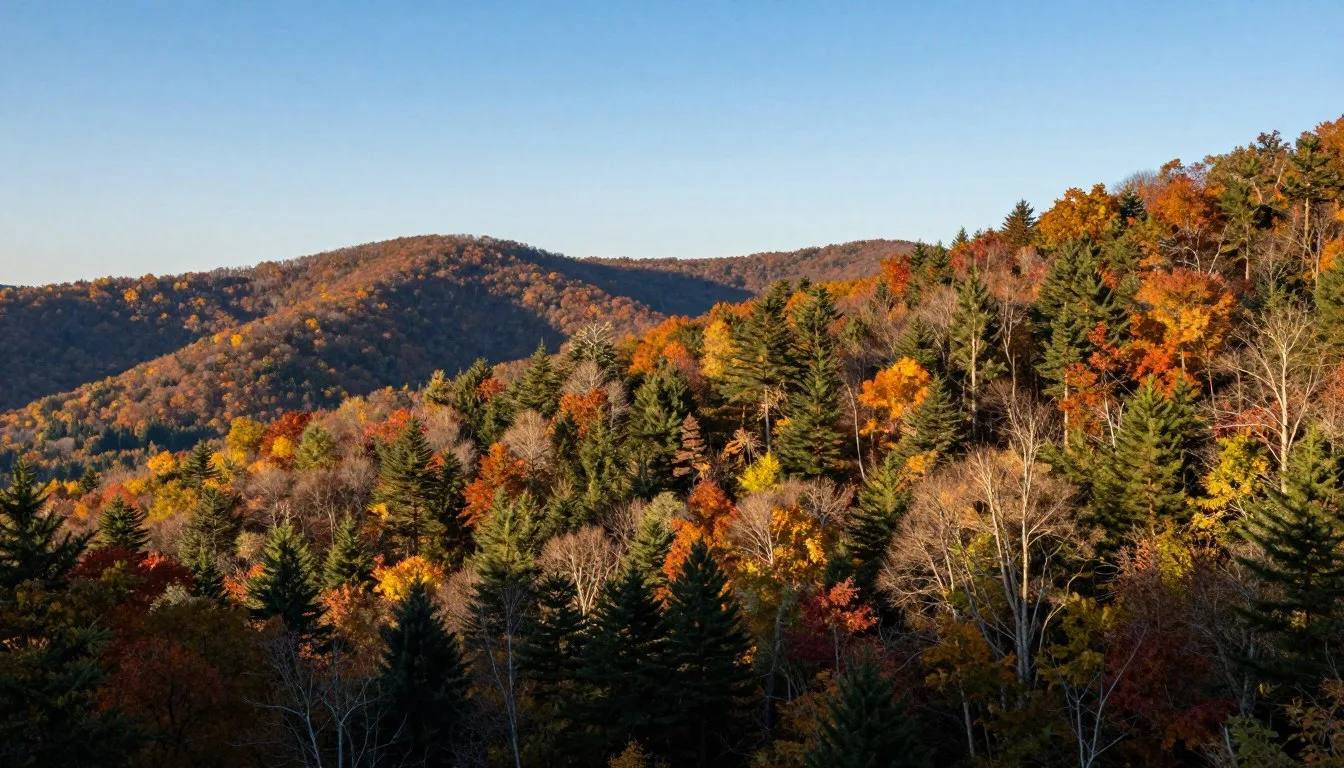
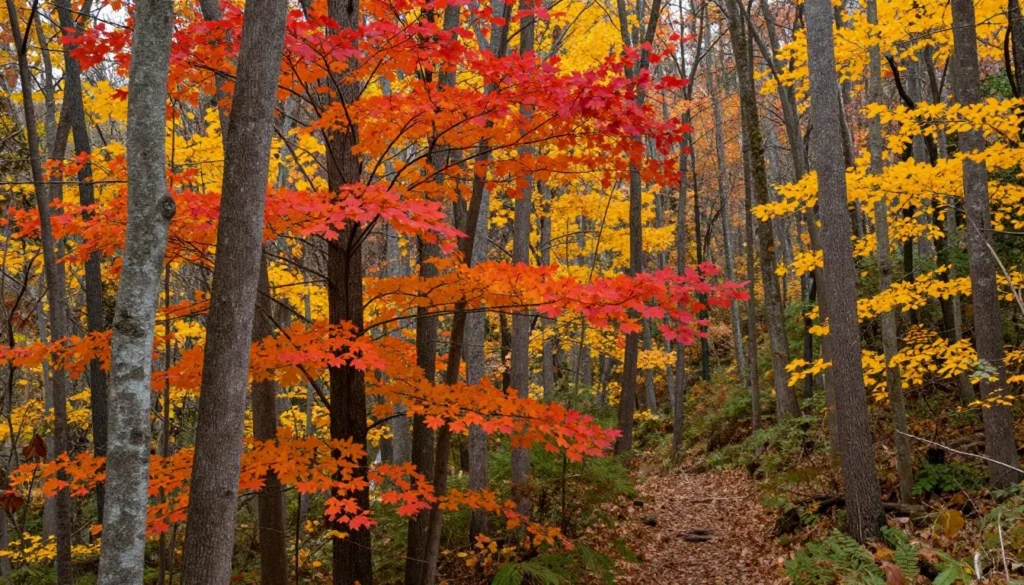
- Fall (September-November): Temperatures 10-24°C (50-75°F), stunning autumn foliage, prime hunting season
- Early Summer (June): Temperatures 18-27°C (65-80°F), lush green forest, longer daylight hours
Seasons to avoid:
- Late Summer (July-August): Hot and humid, temperatures often exceeding 32°C (90°F), heavy insect activity
- Winter (December-February): Cold temperatures 1-7°C (30-45°F), possible snow and ice making roads impassable
Notable Annual Festivals
While Chuck Swan State Forest itself does not host organized festivals, nearby communities celebrate regional events:
- Campbell County Fair (September) – Agricultural fair featuring local crafts, food, and entertainment in Jacksboro, 40 km (25 miles) east
- Norris Lake Fall Festival (October) – Lakeside celebration with music, food vendors, and outdoor activities near Norris Lake
- Tennessee Hunting Season Opener (varies by game species) – Statewide celebration marking various hunting seasons throughout fall and winter
Weather Tip: Mountain weather changes rapidly at Chuck Swan. Pack layers, rain gear, and check forecasts before departure. Summer afternoon thunderstorms are common.
Getting Around Locally
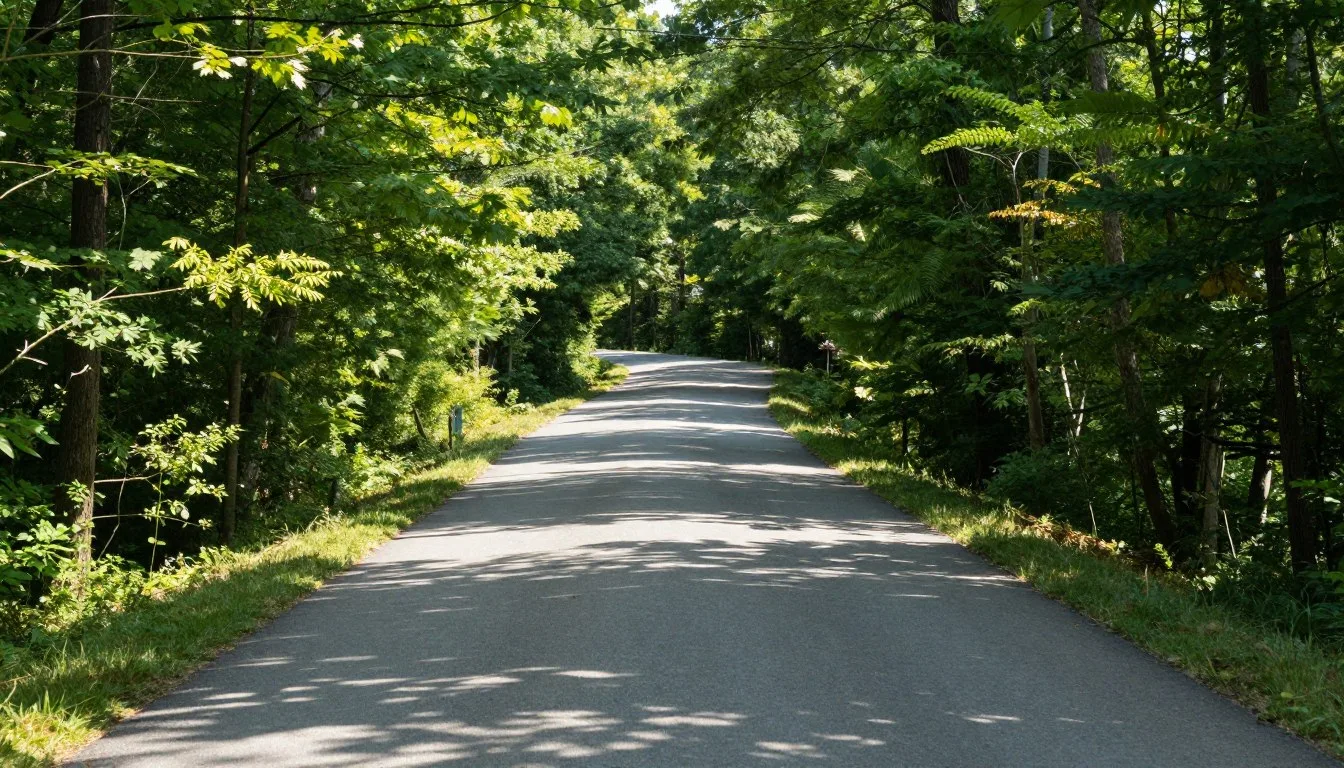
Navigating Chuck Swan State Forest requires a reliable vehicle, preferably with high clearance or four-wheel drive capabilities. The area features over 160 km (100 miles) of unpaved forest roads, many of which become muddy or rutted during wet seasons.
The main forest road runs through the center of the area, connecting to Sharps Chapel Road at both the north and south entrances. Numerous smaller roads branch off, providing access to remote camping areas, hunting zones, and scenic overlooks.
- All roads are unpaved gravel or dirt surfaces
- Road conditions vary significantly with weather and season
- Gates may close certain roads during hunting season or poor weather
- ATVs and off-road vehicles are permitted on designated trails only
- No vehicle rental services operate within the forest area
For hikers, numerous trails and old logging roads provide foot access to interior areas. Bring detailed maps or GPS devices, as trails are minimally marked and easy to lose in dense forest.
Where to Stay
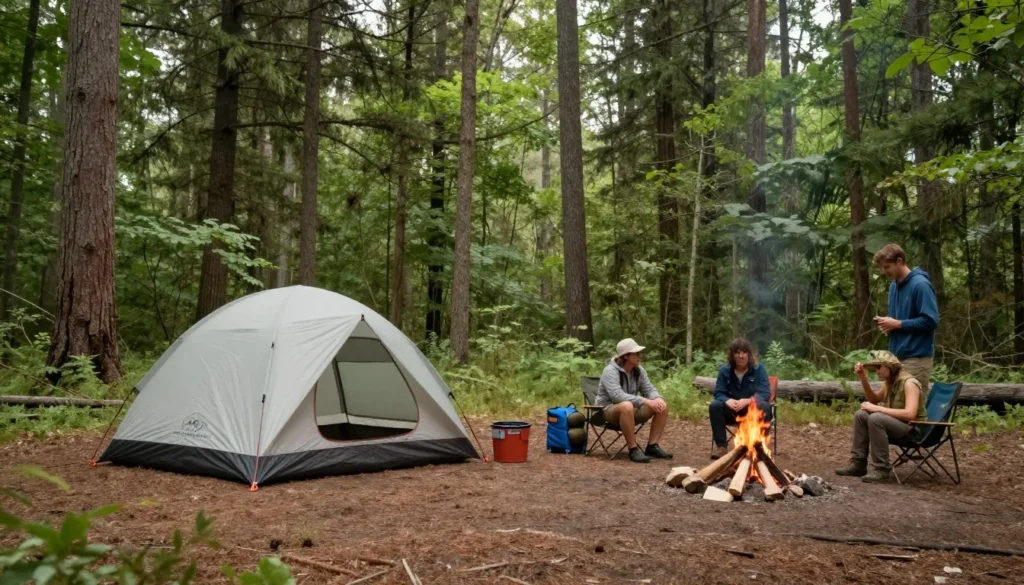
Camping at Chuck Swan
Chuck Swan offers primitive, dispersed camping throughout the state forest. There are no developed campgrounds with facilities, making this an ideal destination for experienced campers seeking solitude.
- Camping is free and permitted anywhere within the forest boundaries
- No reservations required – first-come, first-served basis
- No amenities: no water, restrooms, or electric hookups
- Popular camping areas located along the main forest road
- Pack out all trash – Leave No Trace principles strictly enforced
- Campfires permitted in established fire rings or cleared areas
Many visitors prefer roadside camping along wider sections of forest roads, allowing vehicle access to campsites. Backcountry camping deeper in the forest provides maximum privacy and wildlife viewing opportunities.
Nearby Lodging Options
For those preferring more comfort, several lodging options exist within 32-48 km (20-30 miles) of Chuck Swan:
- Norris Lake Cabins – Vacation rental cabins on Norris Lake, 24 km (15 miles) south, offering full amenities and lake access
- LaFollette Hotels – Budget-friendly hotels and motels in LaFollette, 32 km (20 miles) east
- Cove Lake State Park Campground – Developed campground with RV hookups and bathhouses, 40 km (25 miles) southeast
- Vacation Rentals – Private cabins and homes available through rental platforms in surrounding communities
Dining & Local Cuisine
Chuck Swan State Forest contains no restaurants, stores, or dining facilities. Visitors must bring all food and water for their entire stay. The nearest dining and grocery options are in surrounding towns.
Nearby dining options (32-48 km/20-30 miles from forest entrance):
- LaFollette – Fast food chains, local diners, grocery stores including Walmart and Save-A-Lot
- Jacksboro – Small-town restaurants featuring Southern comfort food, fried catfish, barbecue
- Norris – Local cafes and family restaurants near Norris Lake
Pro Tip: Stock up on supplies before entering Chuck Swan. Bring a cooler with ice, non-perishable foods, and at least 3-4 liters (1 gallon) of water per person per day. The nearest grocery store is 45 minutes away.
Many hunters and campers prepare meals over campfires or portable camp stoves. Popular camping foods include hot dogs, canned beans, freeze-dried meals, and grilled meats. Always store food in sealed containers to avoid attracting wildlife.
Attractions, Sightseeing & Activities
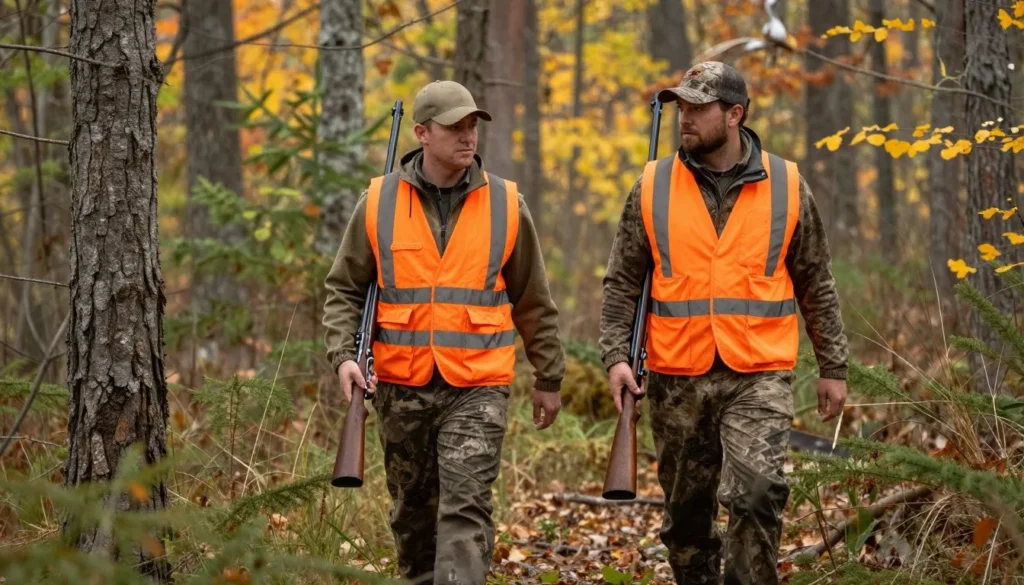
Hunting at Chuck Swan WMA
Chuck Swan State Forest is primarily managed as a wildlife management area, making hunting one of the most popular activities. The area provides excellent opportunities for various game species.
Available hunting:
- White-tailed deer (archery and firearms seasons)
- Wild turkey (spring and fall seasons)
- Black bear (limited quota hunts)
- Wild hog (year-round, no bag limit)
- Small game: squirrel, rabbit, raccoon
- Waterfowl (limited opportunities near water sources)
Hunting season dates vary annually. Hunters must possess valid Tennessee hunting licenses and follow all TWRA regulations. During hunting season, wearing blaze orange is mandatory for safety. Non-hunters should avoid the area during firearms deer season in November.
Shooting Range
Chuck Swan features a public shooting range accessible via the main forest road. The range offers pistol and rifle shooting opportunities in a controlled, designated area. The shooting range operates during daylight hours only and requires users to follow posted safety rules.
Hiking and Nature Observation
Miles of forest roads double as hiking routes, providing access to remote areas. While no designated hiking trails exist, visitors can explore old logging roads and wildlife paths throughout the forest.
Wildlife viewing opportunities include white-tailed deer, wild turkey, black bear, songbirds, and occasionally bobcats. Early morning and dusk offer the best chances for wildlife sightings.
Museums, Cultural Spots & Festivals
Chuck Swan State Forest itself contains minimal cultural infrastructure, focusing instead on natural preservation and wildlife management. However, the area does feature several historic cemeteries scattered throughout the forest, remnants of homesteads that existed before the land became public forest.
Historic Cemeteries
Several small family cemeteries can be found along forest roads and hiking paths. These cemeteries date from the 1800s and early 1900s when families farmed this region before it transitioned to state ownership. Visitors should treat these sites with respect and not disturb grave markers or surrounding areas.
Nearby Cultural Attractions
Within 48 km (30 miles) of Chuck Swan, several museums and cultural sites provide context about the Tennessee Valley region:
- Museum of Appalachia – Living history museum in Norris showcasing Appalachian pioneer life, 48 km (30 miles) southeast
- Norris Dam State Park – Historic dam built by the Tennessee Valley Authority in the 1930s, visitor center with exhibits
- Campbell County Historical Society – Small museum in Jacksboro with regional history exhibits
Nature & Outdoor Experiences
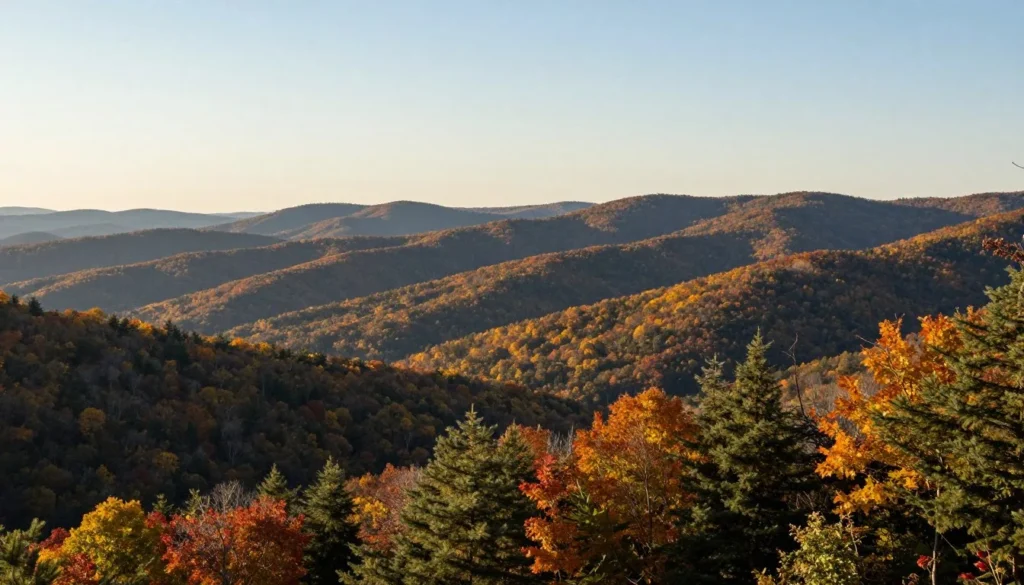
Forest Exploration
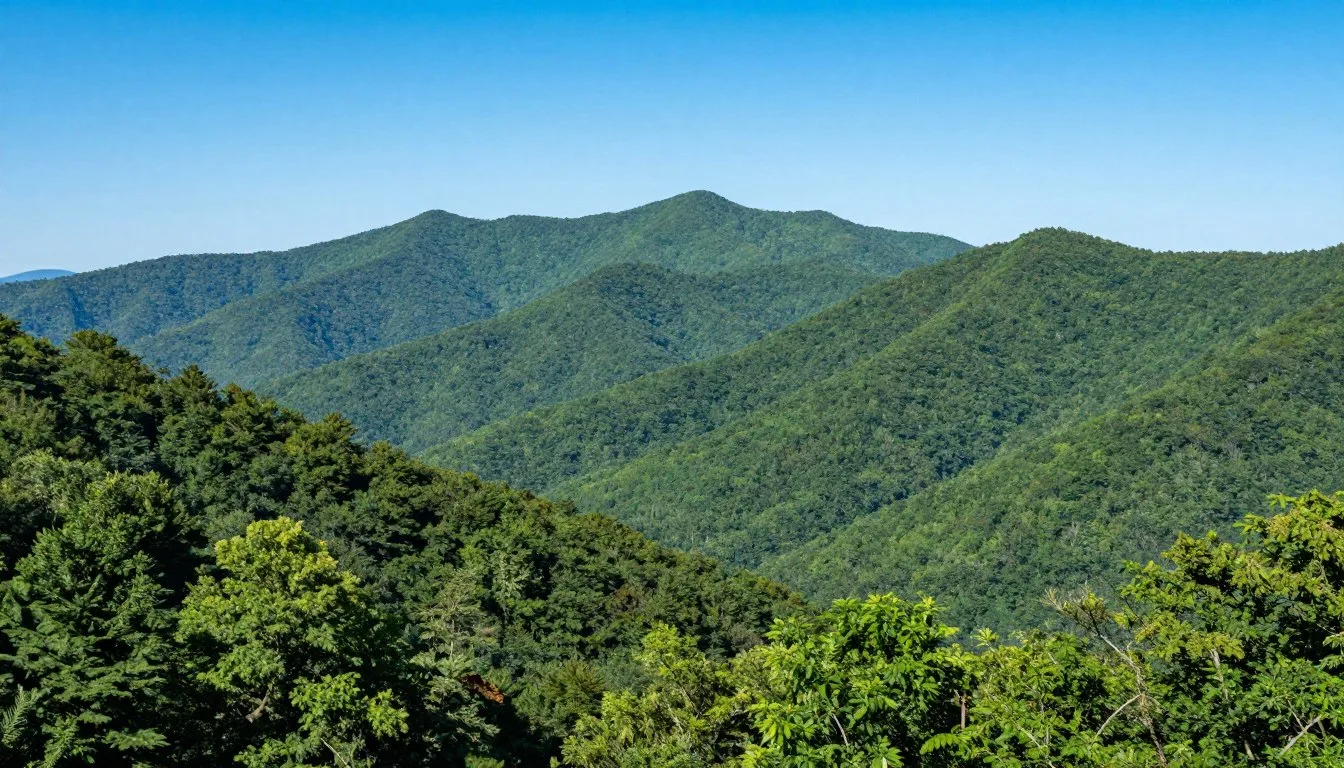
Chuck Swan’s 10,925 hectares (27,000 acres) consist primarily of mixed hardwood forest, including oak, hickory, maple, and poplar trees. The terrain features rolling hills, narrow valleys, and numerous small streams feeding into the Forks River watershed.
The forest provides habitat for diverse wildlife and offers quiet solitude for nature enthusiasts. Spring brings wildflower blooms, while autumn showcases spectacular fall foliage across the mountains.
Norris Lake Access
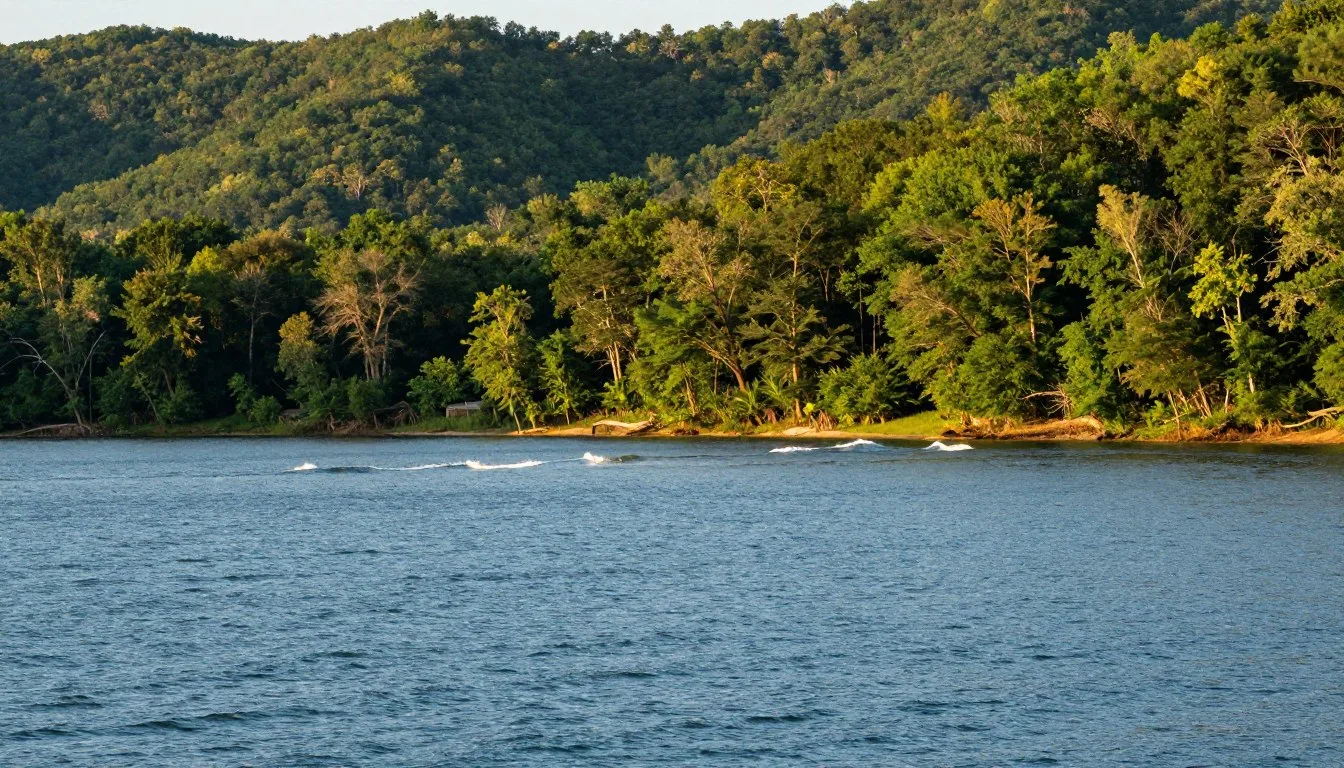
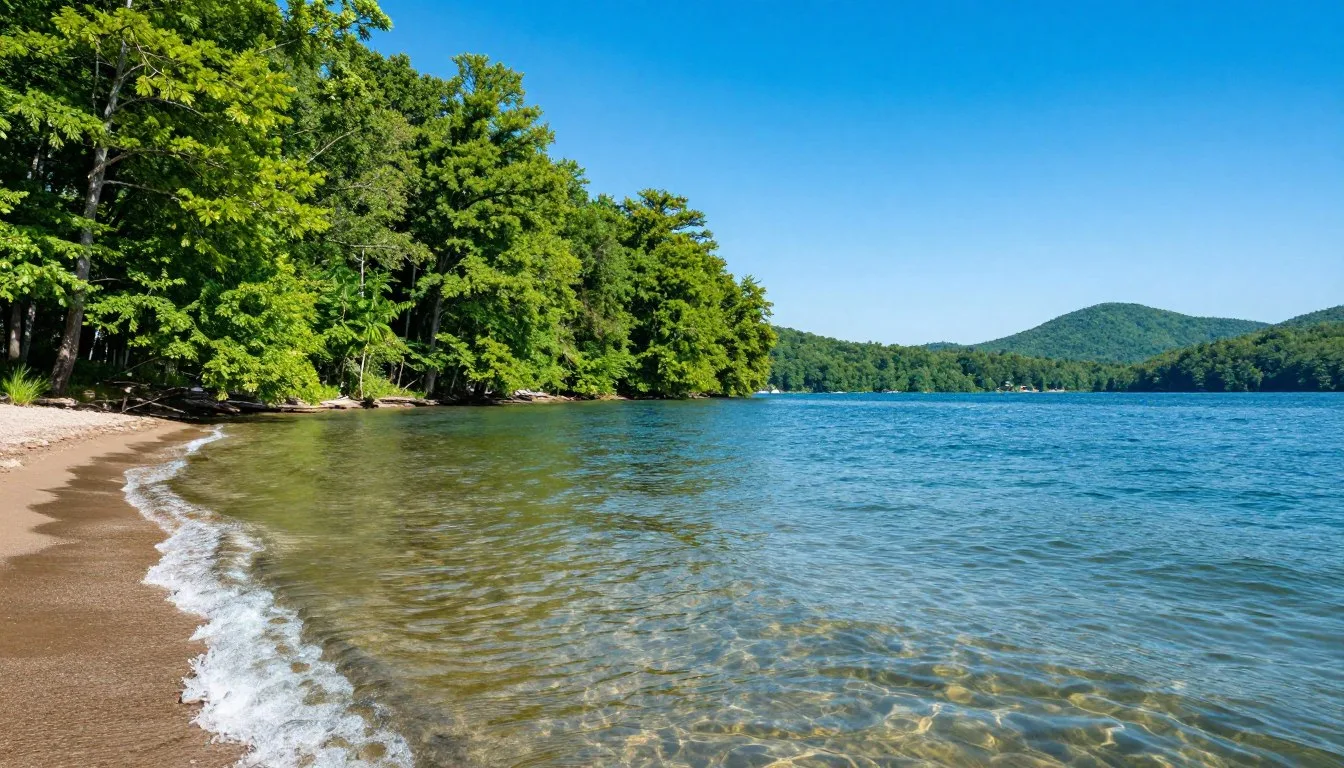
While Chuck Swan State Forest does not directly border Norris Lake, the massive reservoir lies just 16 km (10 miles) south. Norris Lake covers approximately 13,760 hectares (34,000 acres) and offers additional recreation opportunities including boating, fishing, and swimming.
Many visitors combine trips to Chuck Swan with day visits to Norris Lake for water-based activities. Several marinas and boat launches provide lake access.
Photography Opportunities
Chuck Swan offers outstanding photography opportunities, particularly during autumn when fall colors peak. Popular subjects include:
- Sunrise and sunset views from elevated forest roads
- Wildlife photography (deer, turkey, black bear)
- Autumn foliage along scenic drives
- Starry night skies free from light pollution
- Historic cemeteries and old homestead remnants
Travel With Children
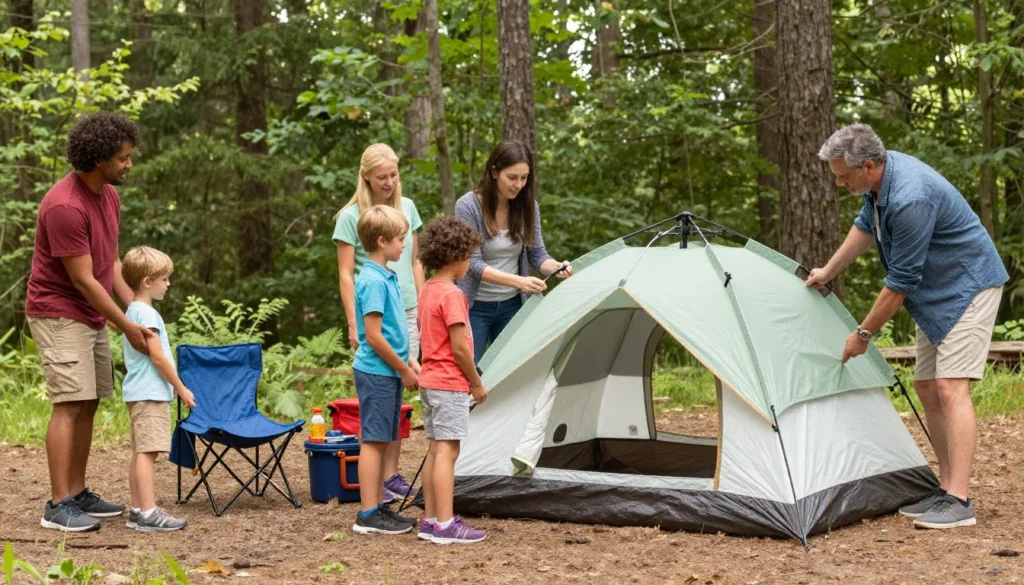
Chuck Swan State Forest presents unique challenges for families with young children due to its primitive nature and lack of facilities. However, with proper planning, families can enjoy memorable outdoor experiences.
Family-Friendly Activities
- Car camping – Set up base camp near your vehicle for easy access to supplies
- Short nature walks – Explore forest roads on foot, looking for wildlife tracks and interesting plants
- Campfire activities – Stories, songs, and marshmallow roasting create lasting memories
- Stargazing – Exceptional dark skies perfect for teaching constellations
- Nature scavenger hunts – Search for specific leaves, rocks, animal signs
Important Considerations
Safety First: Chuck Swan has no visitor centers, restrooms, or emergency services on-site. Families must be completely self-sufficient. Supervise children constantly, especially near forest roads where vehicles pass.
- Bring comprehensive first aid kit with supplies for minor injuries
- Pack extra clothing layers – mountain temperatures drop significantly at night
- Teach children to stay close to camp and never wander alone
- Avoid visiting during hunting season (especially firearms deer season)
- Bring entertainment for downtime (books, games, nature guides)
Families with very young children may prefer starting with developed campgrounds at nearby Cove Lake State Park before attempting primitive camping at Chuck Swan.
Money Saving Tips
Chuck Swan State Forest already offers one of Tennessee’s most budget-friendly outdoor experiences. Use these tips to maximize savings:
- Free camping – Unlike many state parks, Chuck Swan charges no camping fees
- No entrance fees – Access to the entire state forest is completely free
- Annual hunting license – If planning multiple hunting trips, annual licenses save money versus daily permits
- Bring all supplies – Avoid expensive purchases at distant stores by shopping before arrival
- Group trips – Share fuel costs and bulk camping supplies with friends
- Off-season visits – Spring and early fall provide comfortable weather without peak season crowds
- Pack meals – Prepare and freeze meals at home, saving money on restaurant dining
- Free firewood – Collect downed wood within the forest for campfires (never cut standing trees)
Budget Breakdown: A weekend camping trip to Chuck Swan State Forest can cost as little as $30-50 per person, covering only fuel and food. This makes it one of Tennessee’s most affordable getaway destinations.
Safety & Local Customs
Essential Safety Guidelines
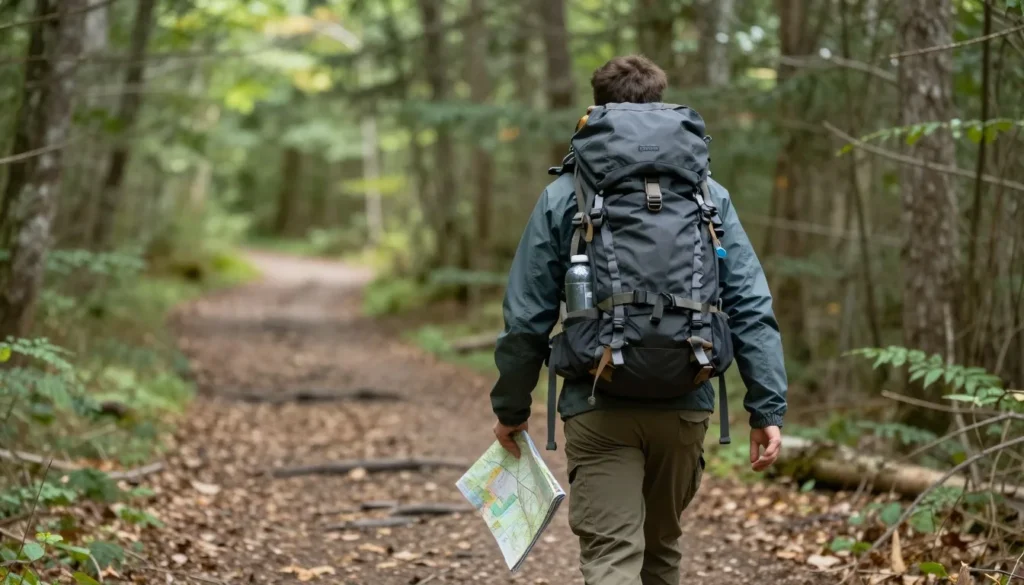
Chuck Swan’s remote location requires visitors to prioritize safety and self-sufficiency:
- No cell service – Assume zero phone coverage throughout the forest
- Inform others – Always tell someone your plans and expected return time
- Bring maps – Download offline GPS maps or carry paper maps and compass
- Weather awareness – Check forecasts before arrival; storms develop rapidly
- Wildlife encounters – Store food properly, never approach wild animals, especially bears
- Hunting season safety – Wear blaze orange during firearms seasons, even if not hunting
- Road conditions – Drive slowly on gravel roads, especially after rain
- Water safety – Treat or filter all water from streams before drinking
Emergency Contacts
Note that emergency response times to Chuck Swan’s interior areas can exceed 60 minutes due to remote location and rough roads. Serious medical emergencies may require helicopter evacuation.
Leave No Trace Principles
Respect for the environment ensures Chuck Swan remains pristine for future visitors:
- Pack out all trash and litter
- Use established fire rings or clear areas for campfires
- Keep campsites at least 61 m (200 feet) from water sources
- Dispose of human waste properly (bury 15-20 cm/6-8 inches deep, 61 m/200 feet from water)
- Respect wildlife – observe from distance, never feed animals
- Stay on established roads and trails to prevent erosion
Visitor Comments About Chuck Swan State Forest
“Chuck Swan is the perfect place to truly disconnect and experience nature. We spent three days camping along the main forest road and barely saw another person. The hunting opportunities are excellent, and the fall colors were absolutely stunning. Just be prepared – this isn’t a developed campground. You need to bring everything.”
“My family has hunted at Chuck Swan for over 20 years. The deer population is healthy, and the remote location means less hunting pressure than more accessible areas. The shooting range is well-maintained and provides a safe place to sight in rifles before season. Road conditions can be challenging after heavy rain, so plan accordingly.”
“As someone who enjoys primitive camping, Chuck Swan exceeded my expectations. The peace and quiet are unmatched – no generators, no crowds, just forest sounds and wildlife. I hiked several miles along old roads and discovered beautiful overlooks. It’s not for everyone, but if you want authentic wilderness camping close to Knoxville, this is the place.”
Additional Nearby Destinations
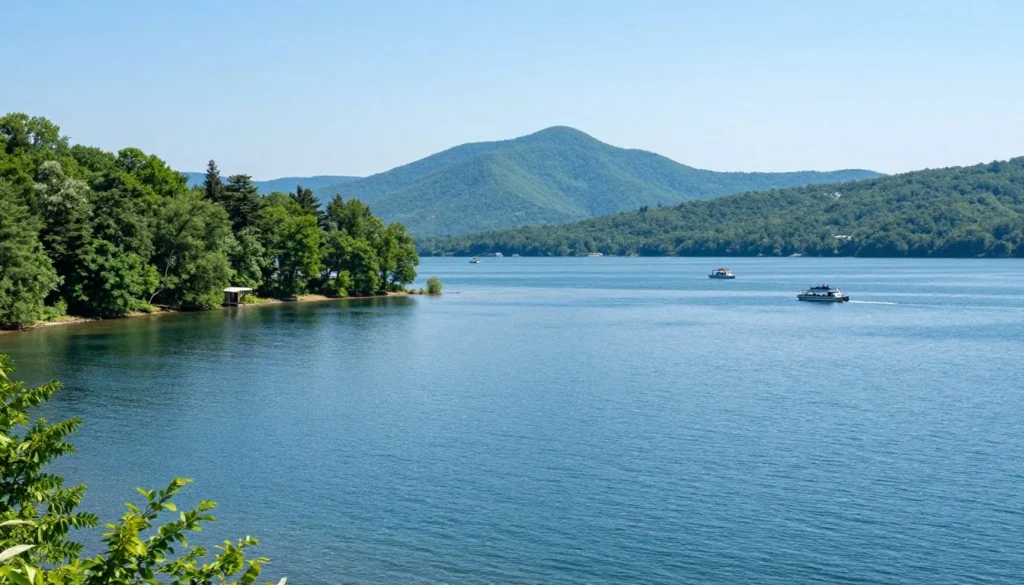
Chuck Swan’s location in the Tennessee Valley provides easy access to numerous other attractions:
Norris Lake (16 km/10 miles south)
This massive reservoir offers boating, fishing, swimming, and developed recreation areas. The lake’s 1,287 km (800 miles) of shoreline features marinas, boat rentals, and waterfront dining.
Big South Fork National River and Recreation Area (64 km/40 miles northwest)
A stunning national recreation area featuring gorges, waterfalls, whitewater rafting, rock climbing, and extensive hiking trail networks through rugged Cumberland Plateau terrain.
Great Smoky Mountains National Park (113 km/70 miles southeast)
America’s most visited national park offers world-class hiking, wildlife viewing, historic sites, and scenic mountain drives. Popular entrance points include Gatlinburg and Townsend.
Museum of Appalachia (48 km/30 miles southeast)
This living history museum preserves Appalachian culture through authentic buildings, artifacts, and demonstrations of traditional crafts and farming techniques.
Cove Lake State Park (40 km/25 miles southeast)
A developed state park offering camping with amenities, picnic areas, fishing, and an easy lakeside trail system – perfect for families seeking more facilities than Chuck Swan provides.
Practical Travel Tips
What to Bring
Essential Gear
- Tent and sleeping bags rated for expected temperatures
- Camp stove and fuel (campfires may be restricted during dry periods)
- Cooler with ice for perishable food
- Water containers (at least 12 liters/3 gallons per person)
- First aid kit with medications
- Offline maps, GPS device, or paper maps and compass
Additional Recommendations
- Headlamps and flashlights with extra batteries
- Weather-appropriate clothing layers
- Rain gear and waterproof bags
- Insect repellent (especially spring and summer)
- Sunscreen and sun protection
- Firewood or hatchet for collecting downed wood
Best Practices
- Arrive during daylight hours – Navigating unfamiliar forest roads at night is extremely difficult
- Fuel up beforehand – No gas stations exist near Chuck Swan; fill tank before entering the area
- Download maps – Cell service is non-existent; prepare navigation tools in advance
- Check road conditions – Contact TWRA if concerned about accessibility after storms
- Respect private property – Some land parcels within the forest remain privately owned; obey posted signs
- Plan for weather – Mountain conditions change rapidly; prepare for temperature swings
Accessibility
Chuck Swan State Forest is not wheelchair accessible. Rough forest roads, lack of paved paths, and primitive camping areas make this destination unsuitable for visitors with mobility limitations. Nearby Cove Lake State Park offers accessible facilities and trails.
Your Wild Tennessee Adventure Awaits
Chuck Swan State Forest and Wildlife Management Area stands as one of Tennessee’s last true wilderness refuges, offering adventurous visitors an authentic escape into nature’s embrace. Whether you’re seeking prime hunting grounds during season, peaceful primitive camping under starlit skies, or simply miles of quiet forest roads to explore, this expansive state forest delivers experiences increasingly rare in modern America.
The remoteness that defines Chuck Swan – no cell service, no facilities, no crowds – transforms from challenge to reward for those properly prepared. Here, among 10,925 hectares of rolling hardwood forest, you’ll discover what outdoor recreation meant before development tamed wild places.
Pack your gear, download your maps, inform your loved ones of your plans, and venture into Chuck Swan State Forest. The Tennessee Valley’s hidden gem awaits your discovery, promising adventures and memories that only true wilderness can provide.