Hotels by Trip.com
Flights by Trip.com
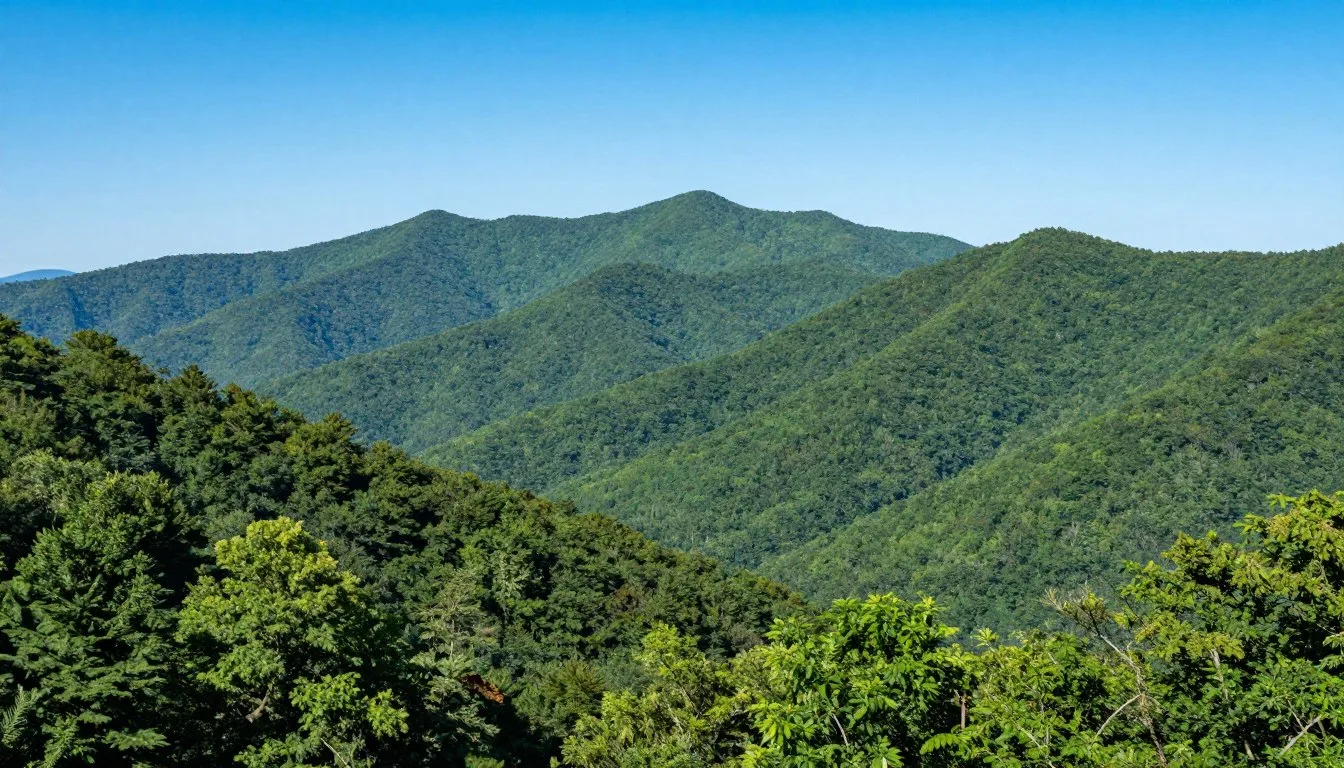
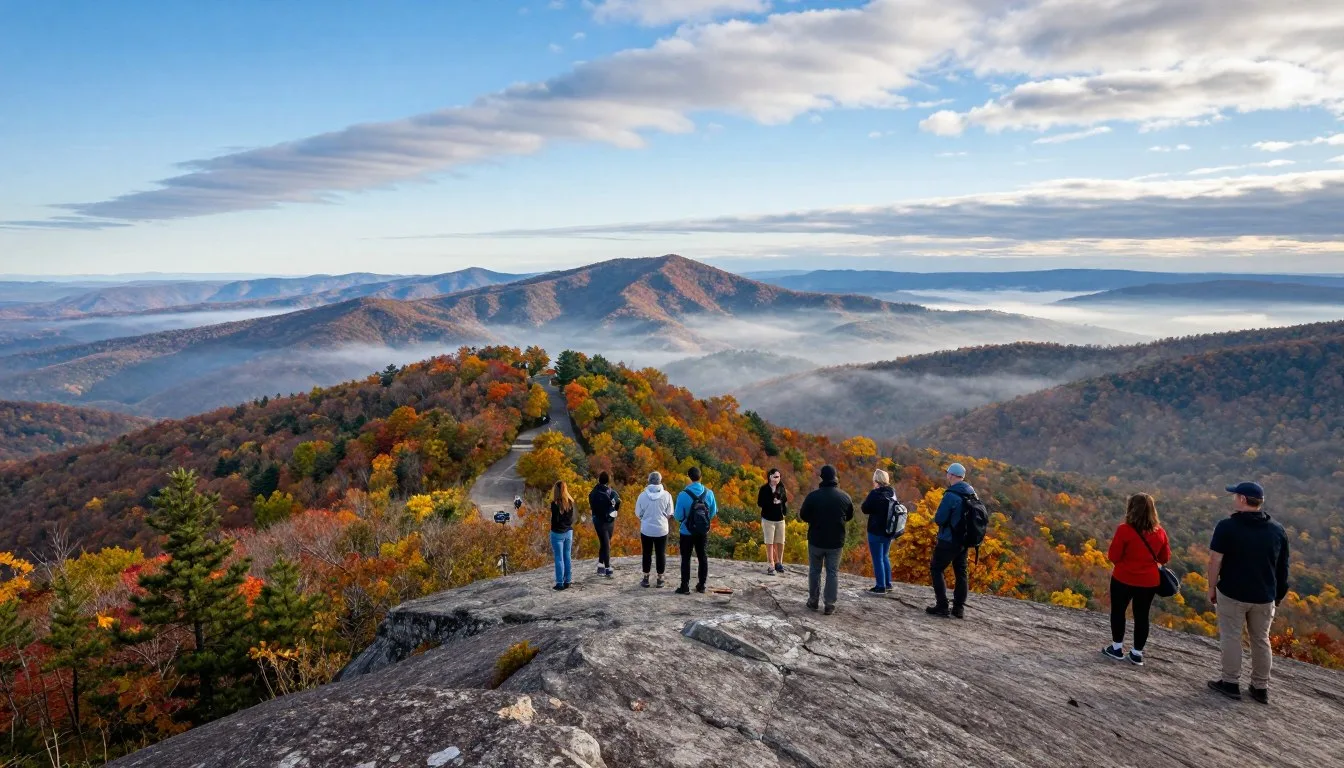
Did you know that on clear days, visitors standing at the Veterans Overlook can see up to five mountain ranges stretching across 97 km (60 miles) of Tennessee and Virginia wilderness? This breathtaking vista sits at 457 m (1,500 ft) elevation along Historic Highway 25E, offering one of the most accessible yet stunning mountain views in East Tennessee. The overlook earned its name as a tribute to American military veterans, dedicated to honor those who served the country with a viewing spot that captures the natural beauty they helped protect.
Most travelers rush past Bean Station on their way to the Great Smoky Mountains, missing this hidden gem that locals consider superior for sunset viewing. The overlook provides a perfect introduction to the region’s natural splendor without the crowds that pack more famous destinations.
Whether you’re planning a quick photo stop or a full day exploring the surrounding Clinch Mountain area, this guide covers everything you need to know. From the best viewing times to nearby attractions and practical travel tips, you’ll discover why this spot deserves a prominent place on your Tennessee itinerary.
Getting There & Planning Your Journey
The Veterans Overlook sits just off US Highway 25E near Bean Station, Tennessee, making it remarkably easy to reach by car. Most visitors access the site as part of a scenic drive through East Tennessee’s mountain country.
Closest Airports
McGhee Tyson Airport (TYS)
Located 89 km (55 miles) south in Knoxville, this is your primary gateway. The airport serves major carriers and offers rental car services. Drive time to the overlook takes about 75 minutes via I-81 North.
Tri-Cities Airport (TRI)
Positioned 97 km (60 miles) northeast, this smaller facility in Blountville serves the region well. The scenic drive takes approximately 90 minutes through authentic Appalachian countryside.
From Knoxville, take I-40 East to I-81 North, then exit onto Highway 25E toward Bean Station. The overlook appears on your right heading northeast, marked with clear signage. GPS coordinates make navigation simple for first-time visitors.
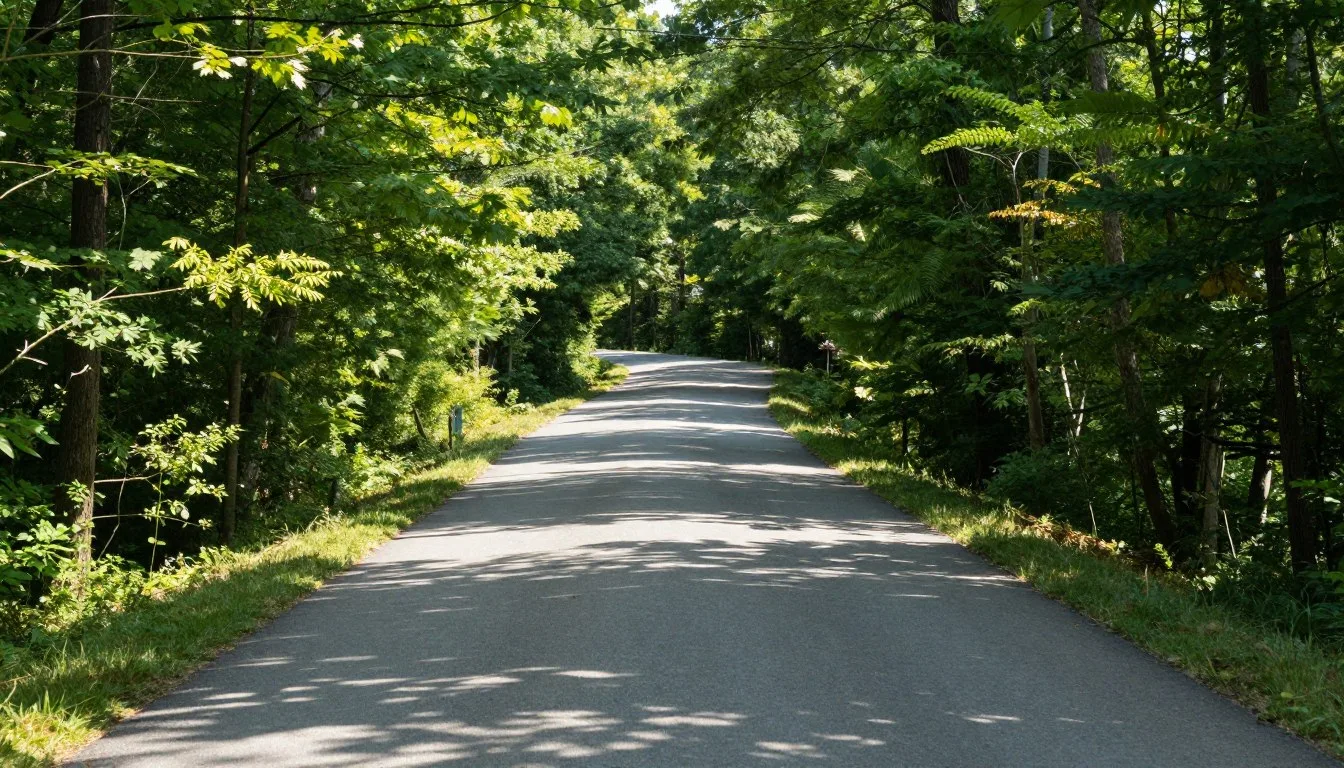
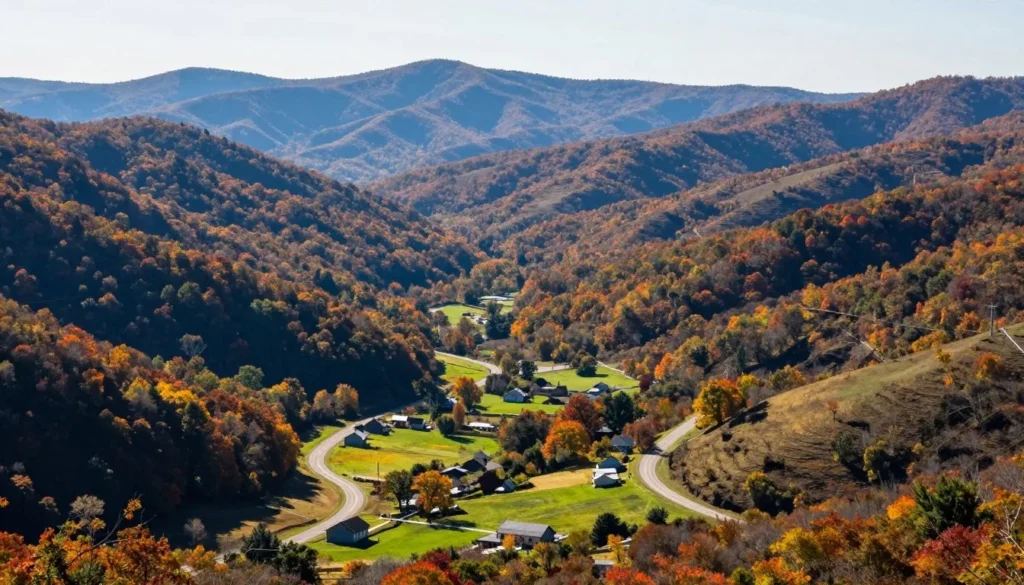
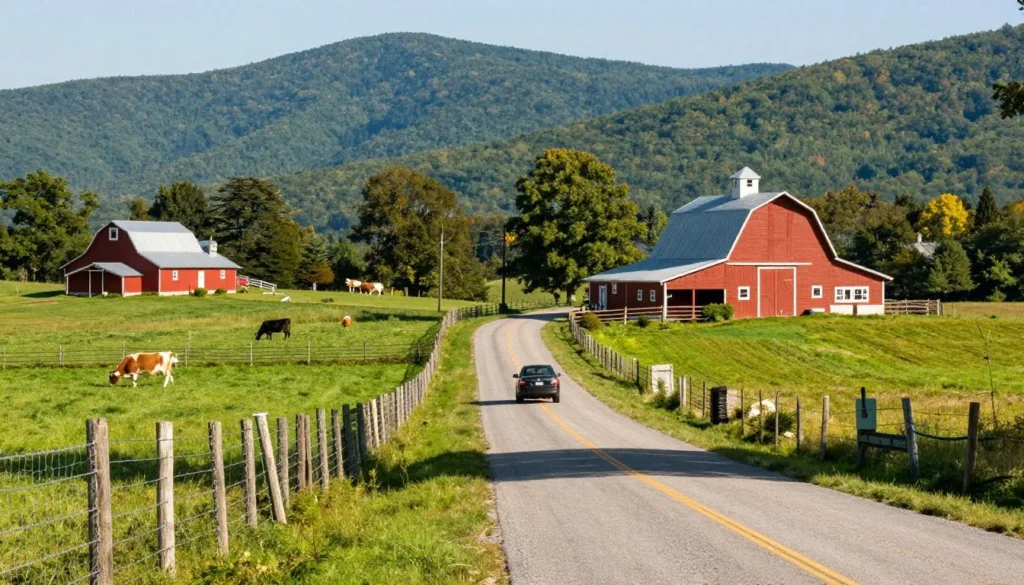
The drive itself rewards travelers with rolling farmland views, historic barns, and glimpses of mountain ridges. Plan for regular photo opportunities along Highway 25E, especially during fall foliage season.
Best Time to Visit & Weather Tips
Best Time to Visit Clinch Mountain Veterans Overlook
Timing your visit significantly impacts your experience at this mountain viewpoint. The overlook remains accessible year-round, but certain seasons offer distinct advantages.
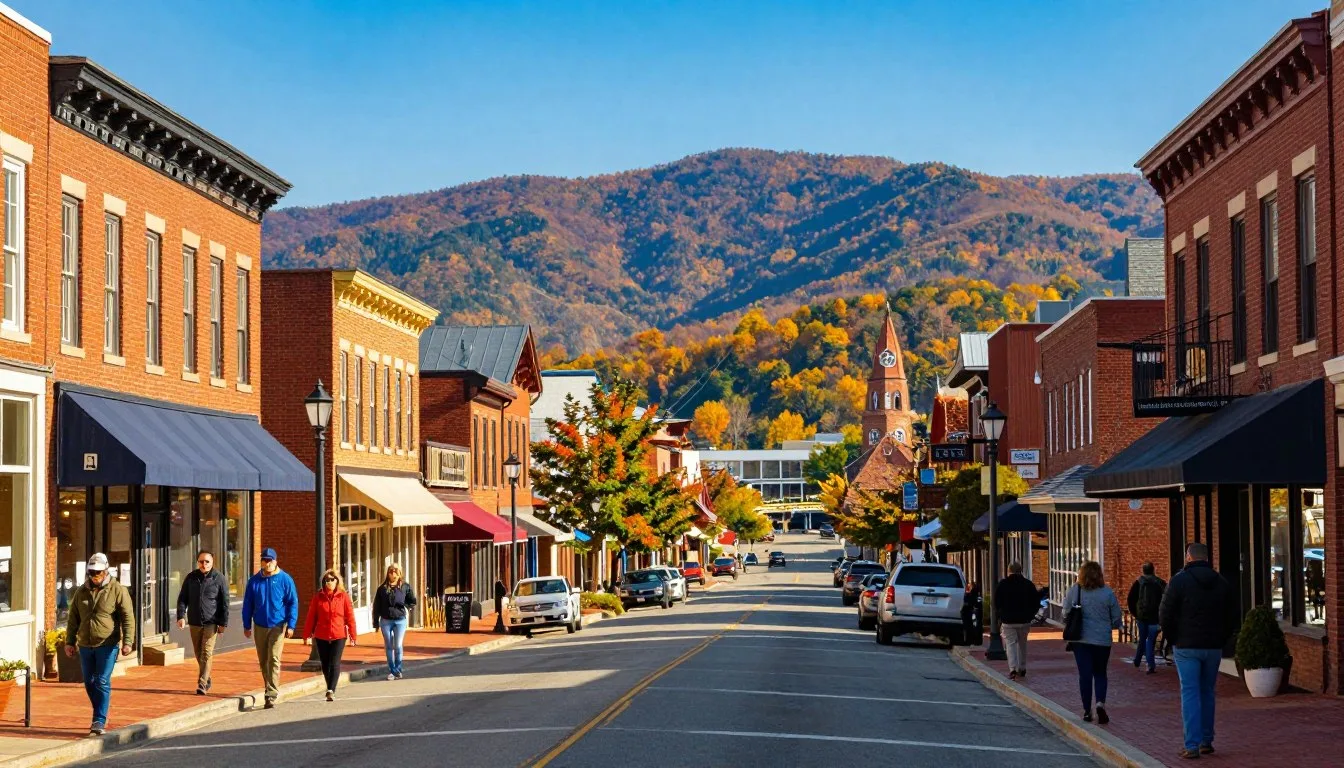
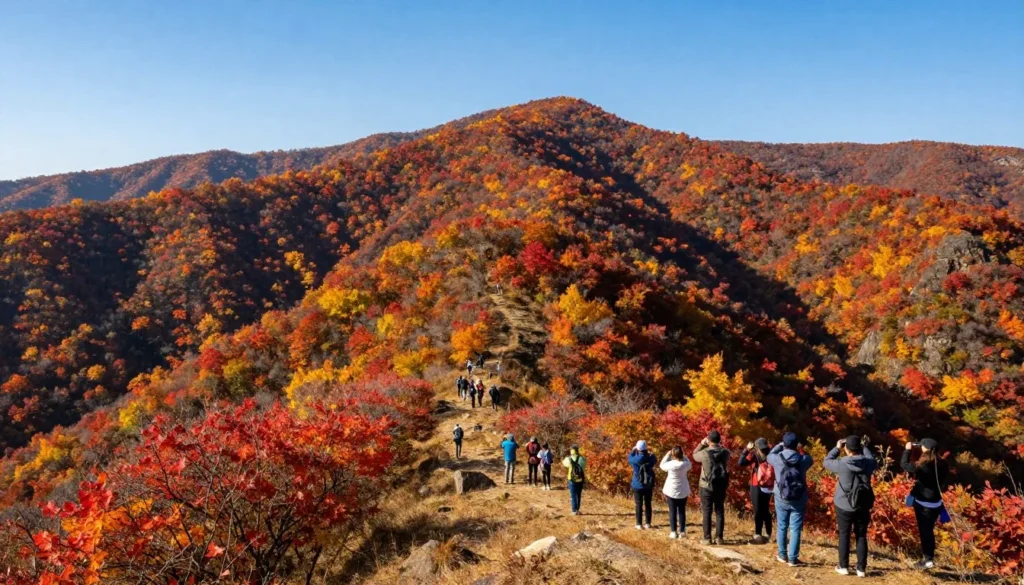
Peak Season: Mid-October through early November brings spectacular fall color. The mixed hardwood forests explode in crimson, amber, and gold hues visible across multiple mountain ranges. Arrive early morning for the best light and fewer crowds.
Shoulder Season: April through May offers wildflower displays and comfortable temperatures averaging 18°C to 24°C (65°F to 75°F). Spring also provides excellent visibility before summer haze develops.
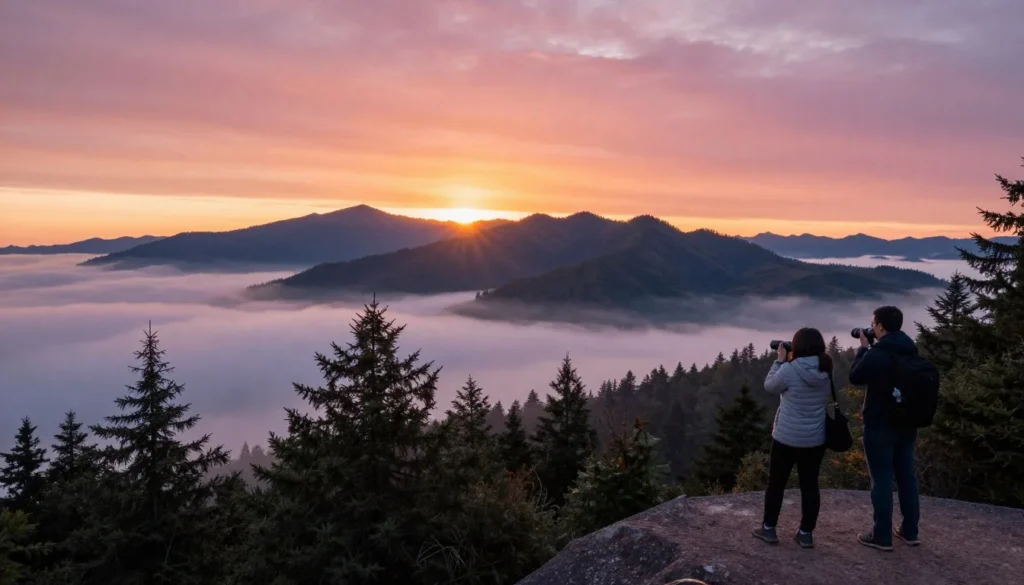
Off-Season: Winter months (December through February) deliver crystal-clear viewing conditions when temperatures drop. On cold mornings, valleys fill with fog while peaks rise above, creating dramatic layered vistas. Dress warmly as temperatures can reach -7°C to 4°C (20°F to 40°F).
Avoid: July and August see afternoon thunderstorms and heat combined with humidity. Summer haze often obscures distant mountain views, reducing visibility to just a few ranges instead of the full panorama.
Weather Patterns
Mountain weather changes rapidly in this region. Morning fog frequently blankets valleys before burning off by mid-morning. Afternoon temperatures typically run 3°C to 6°C (5°F to 10°F) cooler than nearby lowland towns.
Notable Annual Festivals
The Bean Station area hosts several events that pair well with an overlook visit. These festivals celebrate Appalachian culture and provide additional reasons to time your trip strategically.
- Bean Station Fall Festival (Late September): Held annually in downtown Bean Station, this community celebration features local crafts, traditional music, and regional food vendors. The festival coincides with early fall color, offering a cultural complement to natural beauty.
- Veterans Day Ceremony (November 11): Special commemorative services occasionally take place at the overlook itself, honoring military service members. Local veterans groups organize brief programs when weather permits.
- Clinch Mountain Spring Wildflower Walks (April): Guided nature walks explore nearby trails during peak wildflower season. Local naturalists lead small groups through woodland areas adjacent to the overlook access points.
Festival schedules vary annually, so contact organizers directly for current dates and details. Most events remain free or charge minimal admission fees.
Getting Around Locally
This rural region requires personal transportation. No public transit serves the overlook or surrounding Bean Station area, making rental cars essential for visitors arriving by air.
The overlook itself provides a paved parking area accommodating roughly 20 vehicles. Larger RVs and trailers can park safely, though space fills quickly during peak fall weekends. Parking remains free at all times.
Highway 25E carries moderate traffic, with heavier flows during weekday commute hours. The road handles all vehicle types well, though occasional logging trucks share the route. Drive carefully on mountain curves, especially in wet conditions.
Most visitors combine the overlook with stops in nearby towns. Bean Station sits 8 km (5 miles) northeast and offers basic services. Larger towns like Morristown (32 km/20 miles south) and Tazewell (24 km/15 miles north) provide more extensive amenities.
Where to Stay
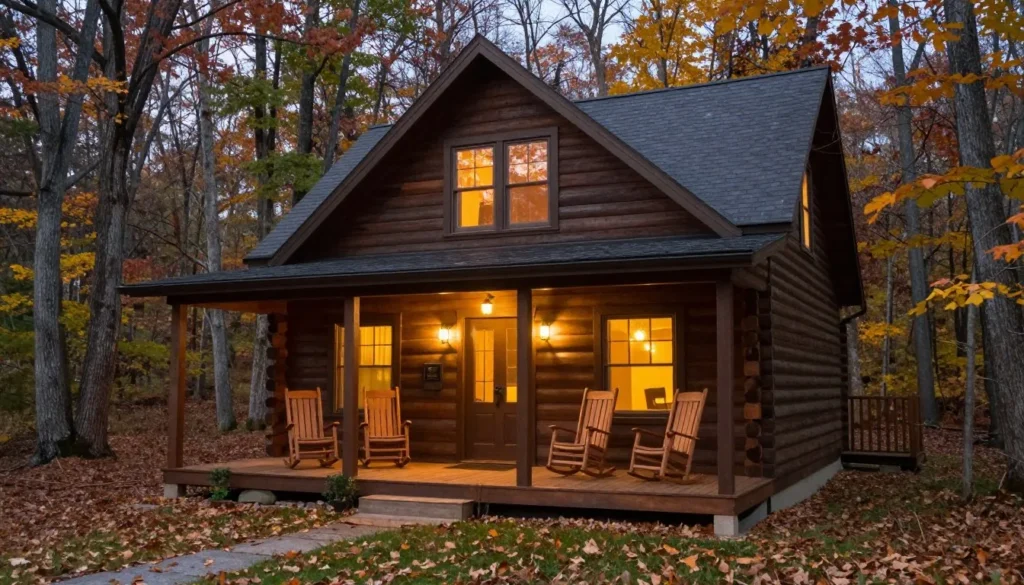
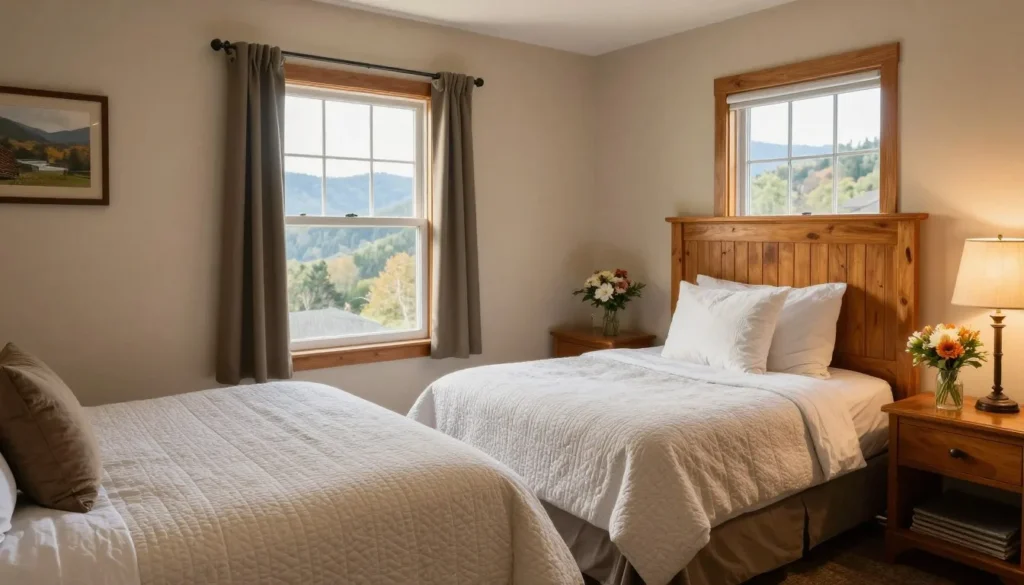
Accommodation options near the Veterans Overlook range from budget motels to mountain cabins. Most visitors stay within a 32 km (20 mile) radius, balancing proximity with amenities.
Lodging Options by Category
- Chain motels in Morristown (32 km/20 miles)
- Basic amenities with free breakfast
- Easy interstate access
- Rates from $65-$85 per night
- Pet-friendly options available
Budget-Friendly
- Country inns near Bean Station
- Bed and breakfast establishments
- Personal service and local knowledge
- Rates from $95-$140 per night
- Often include homemade meals
Mid-Range Comfort
- Private mountain cabins with views
- Full kitchens and outdoor spaces
- Secluded forest settings
- Rates from $175-$300 per night
- Ideal for extended stays
Premium Experience
Bean Station itself offers limited lodging, mostly small motels serving overnight travelers. The town’s central location provides easy morning access to the overlook for sunrise viewing.
Morristown presents the widest selection, including national chains and local properties. This larger town delivers restaurants, shopping, and services alongside lodging. The short drive to the overlook takes about 35 minutes.
For those seeking immersive mountain experiences, rental cabins dot the Clinch Mountain area. These properties often include multiple bedrooms, making them cost-effective for families or groups. Book early for fall weekends when demand peaks.
Dining & Local Cuisine
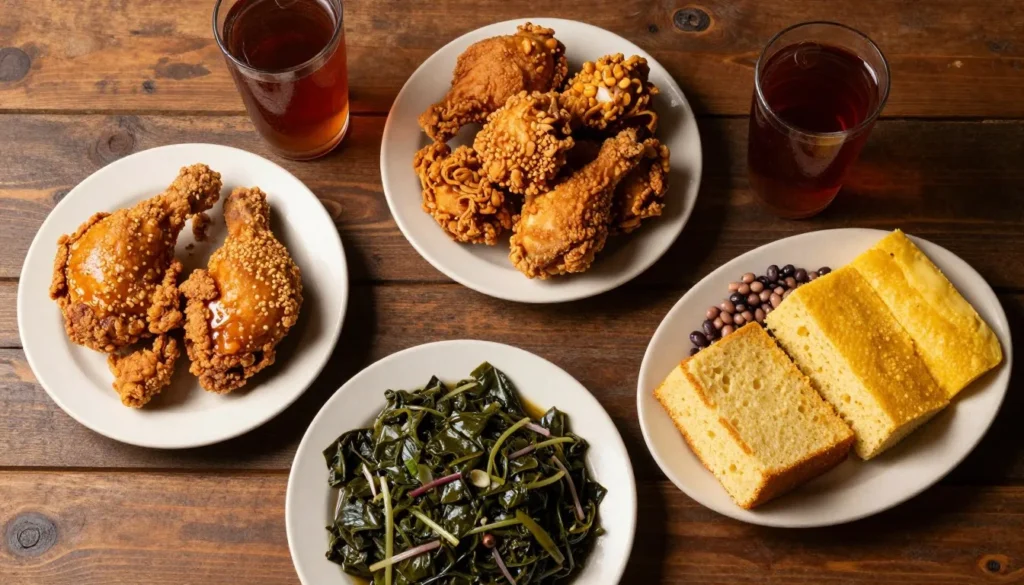
The Veterans Overlook area reflects authentic Appalachian food culture. Dining options emphasize hearty Southern cooking and locally-sourced ingredients, with restaurants ranging from roadside diners to family-run establishments.
Regional Specialties to Try
- Country Ham: Salt-cured and aged, this Tennessee staple appears on breakfast menus throughout the region. Local producers smoke ham using traditional methods passed through generations.
- Soup Beans and Cornbread: This humble dish represents mountain comfort food at its finest. Pinto beans slow-cooked with pork, served alongside skillet cornbread, fuels many locals daily.
- Stack Cake: An Appalachian dessert tradition featuring thin cake layers with apple butter filling. This special-occasion treat requires patient assembly and tastes best after flavors meld overnight.
- Fried Green Tomatoes: Unripe tomatoes breaded and pan-fried appear as appetizers or side dishes. The tangy crunch pairs perfectly with creamy dipping sauces.
Bean Station offers several casual eateries serving breakfast and lunch. These small establishments cook familiar favorites without pretension. Expect generous portions, friendly service, and prices well below urban standards.
Morristown expands dining choices significantly. The downtown area features locally-owned restaurants alongside national chains. Several establishments focus on farm-to-table concepts, highlighting regional produce and meats.
Breakfast & Lunch
Family diners open early to feed local workers and passing travelers. Biscuits with gravy, country ham, and eggs dominate morning menus. Coffee flows freely with unlimited refills. Lunch specials often include meat-and-three options, where diners select protein plus three vegetable sides.
Dinner Options
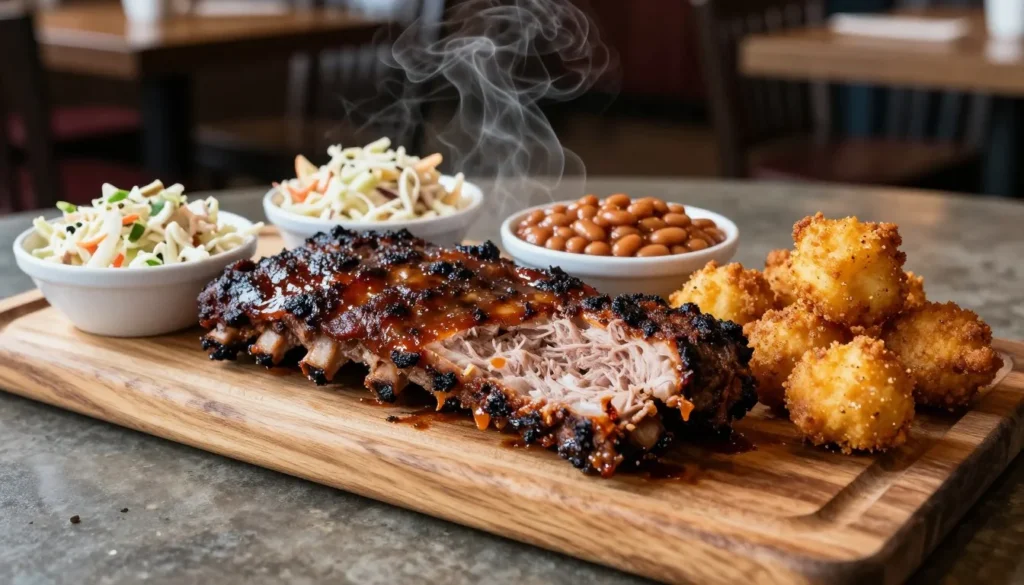
Evening meals trend toward Southern classics like fried catfish, barbecue, and chicken. Some restaurants smoke their own meats, creating distinctive regional flavors. Sweet tea remains the default beverage, served so cold that glasses sweat profusely in summer.
Pack snacks and drinks for the overlook itself. No vendors operate at the site, and the nearest convenience store sits several miles away in Bean Station. Picnicking is welcome at the overlook, though visitors must pack out all trash.
Attractions, Sightseeing & Activities
While the Veterans Overlook serves as the star attraction, the surrounding region offers numerous activities for extended visits. The area blends natural beauty with Appalachian heritage.
Primary Viewing Experience
The overlook itself rewards visitors with panoramic mountain views requiring minimal effort. A short walk from parking leads to viewing platforms and interpretive signs. The site includes:
- Multiple viewing angles capturing different mountain ranges
- Memorial plaques honoring military service branches
- Informational displays explaining visible peaks and valleys
- Bench seating for comfortable extended viewing
- Photography-friendly open sightlines
Plan to spend 30 to 60 minutes at the overlook for a relaxed visit. Photography enthusiasts often linger longer, especially during golden hour light. The site offers wheelchair accessibility, though some areas feature gentle slopes.
Scenic Driving Routes
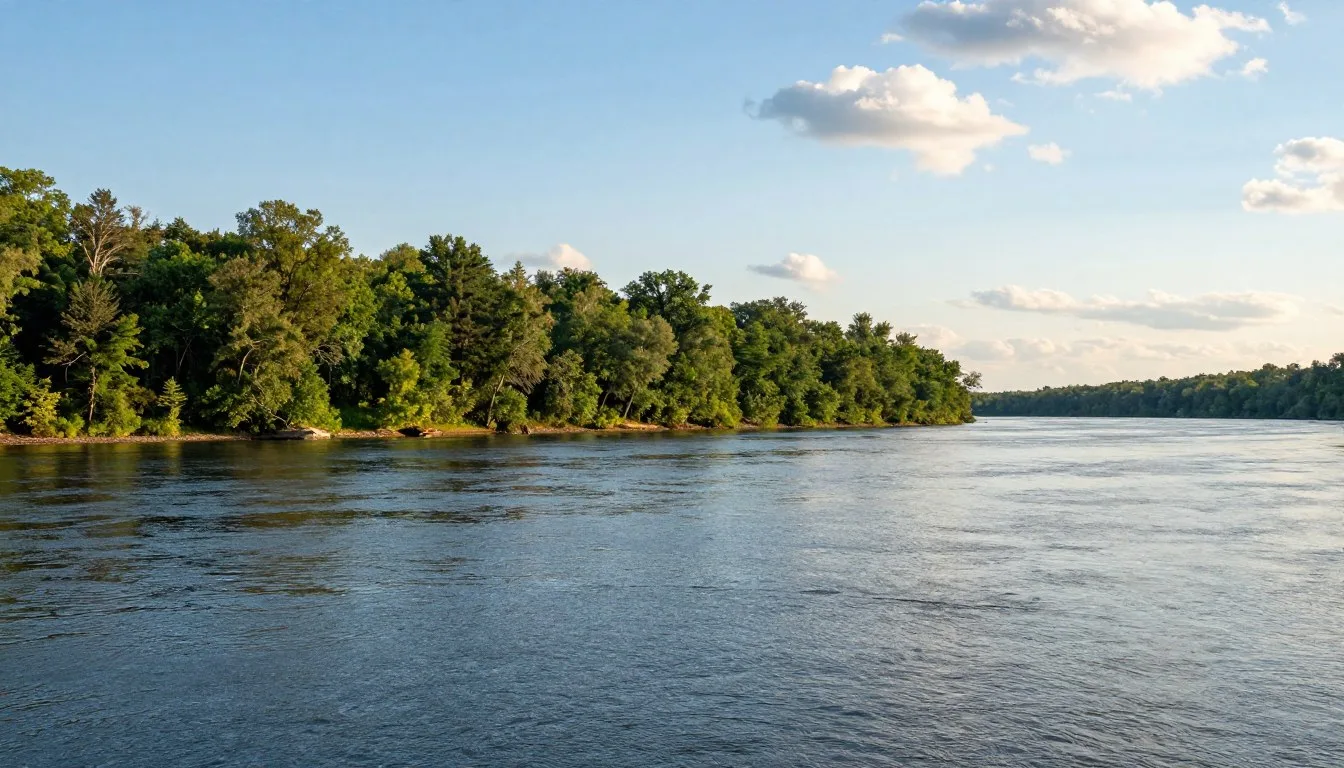
Highway 25E itself qualifies as a scenic byway, winding through classic East Tennessee countryside. The route connects to the Clinch River valley, passing historic farmsteads and mountain views. Several pull-offs allow safe stopping for photos.
Create a loop drive by combining Highway 25E with nearby country roads. This approach reveals hidden valleys, covered bridges, and small communities time seems to have bypassed. Allow extra time for spontaneous exploration.
Nearby Natural Areas
The Clinch Mountain region provides access to wilderness areas worth exploring. Panther Creek State Park sits 40 km (25 miles) south, offering lake activities and camping. The park’s 611 hectares (1,510 acres) include hiking trails with elevation changes and water views.
Cherokee National Forest borders the area to the southeast, presenting extensive backcountry opportunities. Day hikers can tackle portions of trail systems accessing remote ridgelines and waterfalls. Remember that national forest areas require proper preparation and wilderness awareness.
Museums, Cultural Spots & Festivals
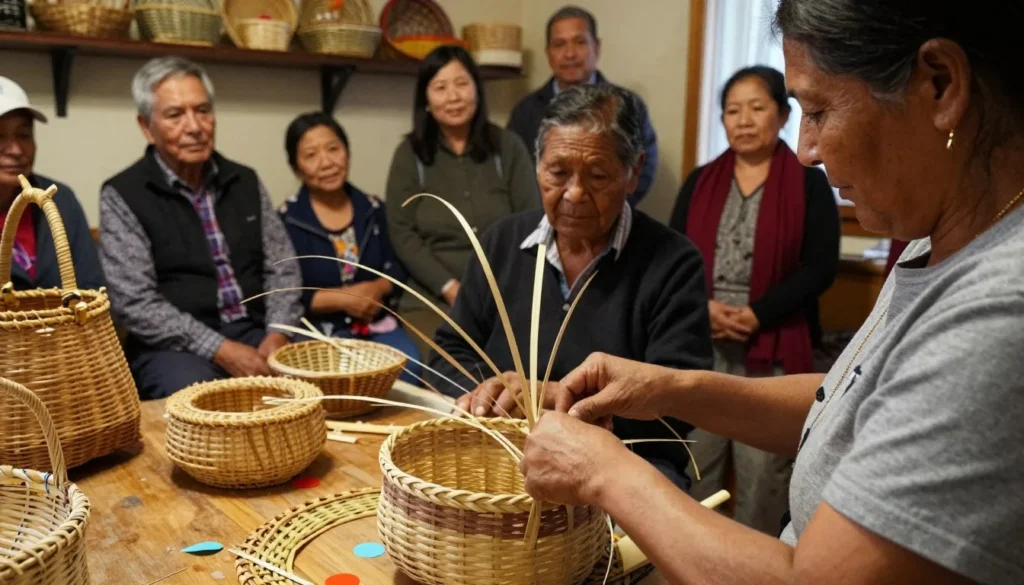
The Bean Station area preserves Appalachian heritage through small museums and cultural sites. While options remain limited compared to larger cities, these authentic spots provide genuine insight into mountain culture.
Local History
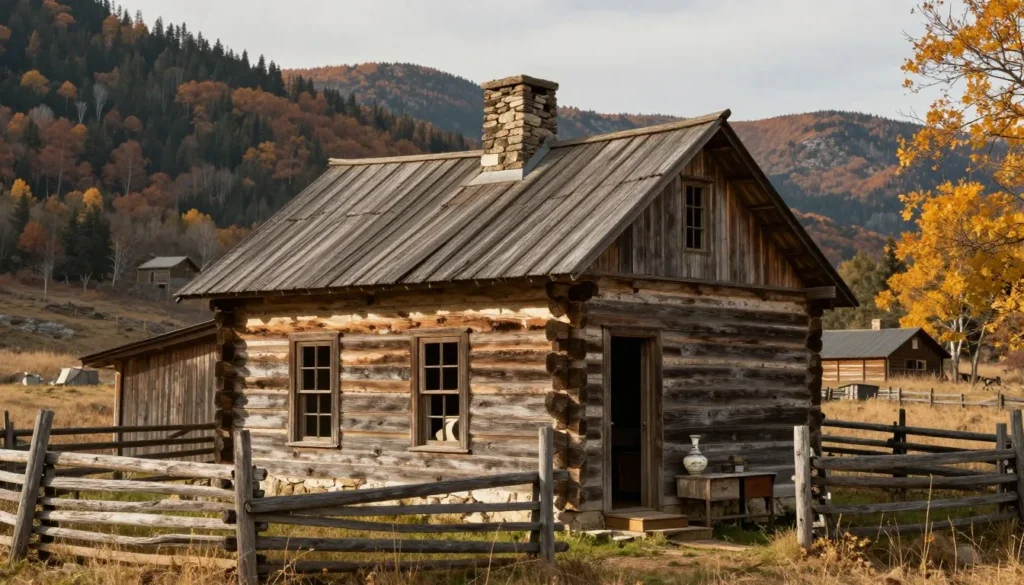
Bean Station earned its name from a tavern that served beans to travelers along the Wilderness Road in the 1700s. This historic route carried pioneers westward through Cumberland Gap, making the area significant in American frontier expansion.
Small historical markers dot Highway 25E, noting Civil War skirmishes and Native American heritage. The region saw considerable conflict during the war, with both Union and Confederate forces moving through the mountain passes.
Cultural Experiences
Several area festivals celebrate traditional mountain music and crafts. These events typically occur spring through fall, featuring:
- Bluegrass and old-time music performances
- Traditional craft demonstrations (basket weaving, quilting, woodworking)
- Heritage cooking methods and food preservation techniques
- Storytelling sessions preserving oral history traditions
The nearby Museum of Appalachia in Norris (56 km/35 miles southwest) presents the region’s most comprehensive cultural collection. This living history museum sprawls across 26 hectares (65 acres) with authentic log structures, artifacts, and seasonal demonstrations.
Nature & Outdoor Experiences
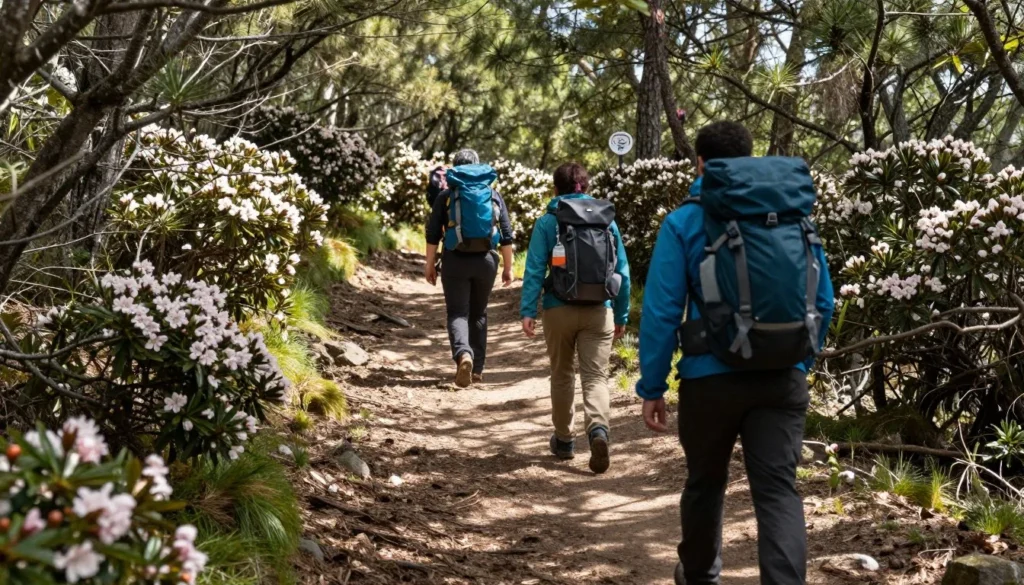
Beyond the overlook’s viewing platform, the Clinch Mountain region invites active exploration. Outdoor enthusiasts find numerous ways to engage with the landscape, from easy nature walks to challenging backcountry adventures.
Hiking Opportunities
While the Veterans Overlook itself requires minimal walking, nearby trail systems accommodate various skill levels. The surrounding mountains hide waterfalls, wildlife habitat, and remote ridgetop vistas.
Shorter trails near the overlook typically span 1.6 to 4.8 km (1 to 3 miles) round trip. These paths wind through mixed hardwood forests showcasing seasonal wildflowers and migrating birds. Trail conditions vary from maintained paths to rough wilderness routes requiring navigation skills.
Longer backcountry options demand proper equipment and planning. Cherokee National Forest sections feature multi-day hiking possibilities with primitive camping. Always inform someone of your plans when venturing into remote areas.
Wildlife Watching
The Clinch Mountain ecosystem supports diverse wildlife populations. Patient observers may spot:
Common Species
- White-tailed deer (especially dawn/dusk)
- Wild turkey flocks in forest openings
- Red-tailed hawks soaring on thermals
- Eastern gray squirrels year-round
Seasonal Visitors
- Neotropical songbirds (spring migration)
- Monarch butterflies (fall passage)
- Bald eagles (winter along rivers)
- Black bears (summer, stay cautious)
Bring binoculars to enhance wildlife viewing from the overlook itself. Raptors frequently ride air currents along ridge lines, visible from viewing platforms. Early morning visits increase animal encounter chances when species are most active.
Seasonal Nature Highlights
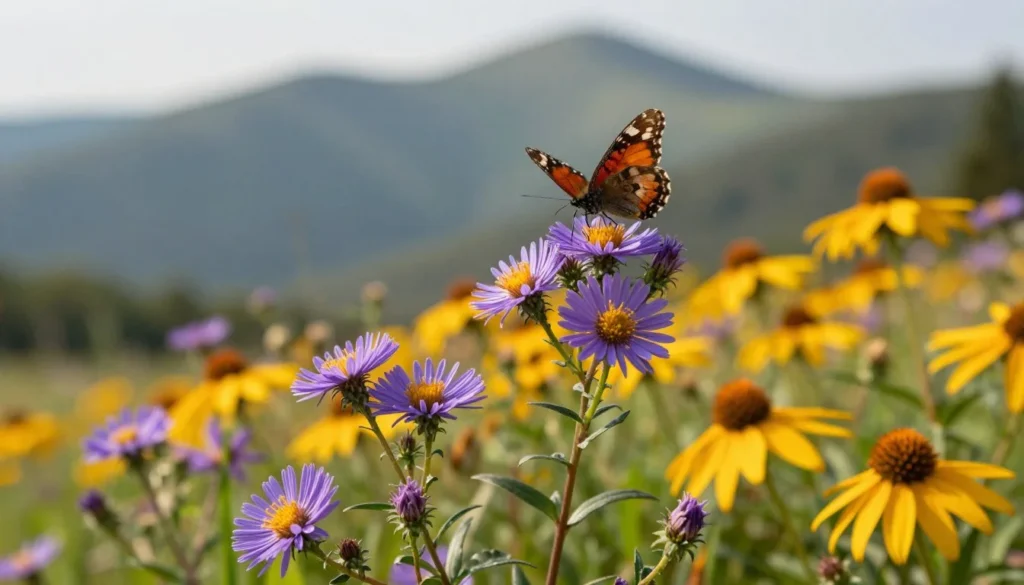
Each season transforms the mountain landscape. Spring brings explosive wildflower displays, with trilliums, violets, and mountain laurel blooming in succession. Summer foliage reaches maximum density, creating a solid green canopy.
Fall color progression follows elevation gradients. Higher peaks turn first, usually by early October, while valleys retain green into November. Peak color timing varies annually based on temperature and rainfall patterns.
Winter strips away leaves, revealing rock formations and distant views previously hidden. Snow occasionally dusts the mountains, creating dramatic black-and-white landscapes. Ice formations appear along seeps and small waterfalls during prolonged cold snaps.
Travel With Children

The Veterans Overlook welcomes families and provides an excellent introduction to mountain environments for children. The accessible location combined with short walking distances makes this spot ideal for young travelers.
Kid-Friendly Features
Children appreciate the overlook’s immediate visual rewards. Unlike lengthy hikes requiring patience, this destination delivers impressive views within minutes of leaving the car. The open viewing area allows kids to move freely while staying safely away from edge barriers.
Educational opportunities abound through interpretive signs explaining geography and military history. Parents can create simple scavenger hunts, challenging children to identify different mountain ranges or count visible ridgelines.
Age-Appropriate Activities
- Preschoolers (3-5 years): Focus on sensory experiences like feeling wind, listening for birds, and identifying colors in the landscape. Bring simple nature identification books with pictures.
- Elementary Age (6-10 years): Introduce basic map reading skills by comparing overlook views to topographic maps. Encourage nature journaling with drawings and written observations.
- Tweens and Teens (11-17 years): Teach photography composition techniques using the dramatic landscapes. Discuss geological formation processes visible in exposed rock layers.
Pack entertainment for car rides between destinations. The rural location means longer drives with limited roadside attractions. Audiobooks, travel games, and downloaded movies help pass time.
Practical Family Tips
Restroom facilities exist in Bean Station, but not at the overlook itself. Make bathroom stops before arriving. Bring hand sanitizer and wet wipes for basic hygiene needs.
The overlook lacks shade structures, so protect children from sun exposure. Hats, sunscreen, and plenty of water prevent heat-related issues during summer visits. Conversely, dress kids in layers for cooler seasons when mountain winds create chilly conditions.
Snacks keep energy levels stable and reduce whining. Simple items like crackers, fruit, and granola bars satisfy hunger without creating mess. Avoid leaving food waste that might attract wildlife.
Money Saving Tips
Visiting the Veterans Overlook and surrounding region need not strain travel budgets. This area offers numerous ways to experience authentic Tennessee mountain culture without premium prices.
Free and Low-Cost Experiences
The overlook itself costs nothing to visit. No entrance fees, parking charges, or hidden costs apply. This represents the trip’s crown jewel available to all travelers regardless of budget.
Many scenic pull-offs along Highway 25E provide additional free viewing opportunities. Create your own progressive photography tour, stopping at multiple vantage points throughout the day. Morning and evening light transforms ordinary views into extraordinary scenes.
Hiking trails in the region require no fees outside designated park areas. National forest lands allow free access for day use, offering countless miles of wilderness exploration. Pack a lunch and make a full day outdoors without spending extra money.
Accommodation Savings
Budget Lodging Strategies
- Book weekday stays for lower rates
- Compare prices across multiple booking sites
- Join hotel loyalty programs for discounts
- Consider motels outside Morristown center
- Look for properties offering free breakfast
Alternative Options
- Primitive camping in national forest (free)
- State park campgrounds (modest fees)
- Cabin rentals split among groups
- RV parking at designated areas
- Extended stay discounts for longer trips
Dining Economically
Local diners offer filling meals at fraction of chain restaurant prices. Daily lunch specials often cost $8 to $12 including drink and dessert. These establishments provide authentic regional food while supporting local businesses.
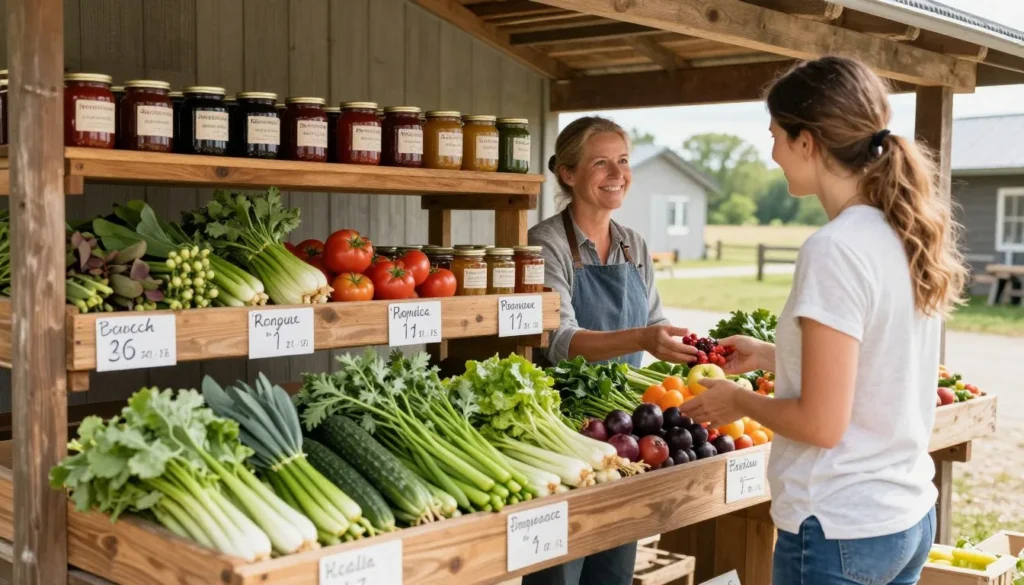
Shop at roadside farm stands for fresh produce, preserves, and baked goods. Prices undercut grocery stores significantly while delivering superior quality. Create picnic meals from local ingredients, enjoying them at scenic spots along your route.
Grocery stores in Morristown stock supplies for self-catering. Preparing some meals yourself, especially breakfasts, substantially reduces food expenses over multiple days. Many budget motels include mini-fridges and microwaves in rooms.
Fuel Efficiency
Plan driving routes to minimize backtracking. Group nearby attractions into single-day itineraries, reducing total mileage. Mountain driving decreases fuel economy, so anticipate slightly higher gas consumption than flat terrain would produce.
Fill tanks in larger towns where competition keeps prices lower. Rural gas stations charge premium rates for convenience. Apps tracking fuel prices help identify best values along your route.
Safety & Local Customs
The Veterans Overlook area presents minimal safety concerns for prepared travelers. Understanding basic mountain precautions and respecting local culture ensures smooth, enjoyable visits.
Physical Safety
Weather represents the primary variable affecting safety. Check forecasts before heading to the overlook, especially during transitional seasons. Thunderstorms develop quickly over mountains during summer afternoons. Lightning poses serious risk in exposed areas like overlooks.
Road conditions stay generally good along Highway 25E, though mountain curves require attention. Fog occasionally reduces visibility during morning hours. Drive cautiously when weather limits sight lines, and use headlights to increase your visibility to others.
Wildlife encounters remain rare at the overlook itself. Black bears inhabit surrounding forests but typically avoid areas with human activity. Never approach or feed wildlife. Store food securely in vehicles when hiking nearby trails.
Personal Security
This rural region experiences low crime rates. Nevertheless, practice common-sense precautions. Lock vehicles when parked, even at remote trailheads. Keep valuables out of sight to avoid attracting opportunistic theft.
Cell phone coverage varies throughout the area. Don’t rely solely on phones for navigation or emergency communication. Carry paper maps and inform others of your itinerary when exploring less-traveled locations.
Local Customs and Etiquette
Appalachian culture values friendliness and politeness. Locals often greet strangers with nods or brief hellos. Returning these gestures shows respect and typically leads to helpful conversations about area highlights.
Southern hospitality remains genuine here. Don’t be surprised if strangers offer unsolicited advice about routes, weather, or places to eat. This helpfulness reflects cultural norms, not intrusion. Accept recommendations graciously.
Respect private property boundaries. Much land near public roads belongs to families who have farmed these mountains for generations. Don’t trespass, block gates, or litter on private land. These actions violate both law and local sensibilities.
Environmental Responsibility
The Leave No Trace principle applies throughout the region. Pack out everything you pack in. Dispose of trash properly in designated receptacles or carry it until reaching appropriate disposal sites.
Stay on designated trails and viewing areas. Shortcutting damages vegetation and accelerates erosion. These mountains have survived centuries of natural processes; modern visitor impacts can harm ecosystems within years.
Respect the military memorial aspects of the Veterans Overlook. This site honors those who served. Maintain appropriate behavior, speak respectfully, and teach children about the memorial’s significance.
Visitor Comments About Clinch Mountain
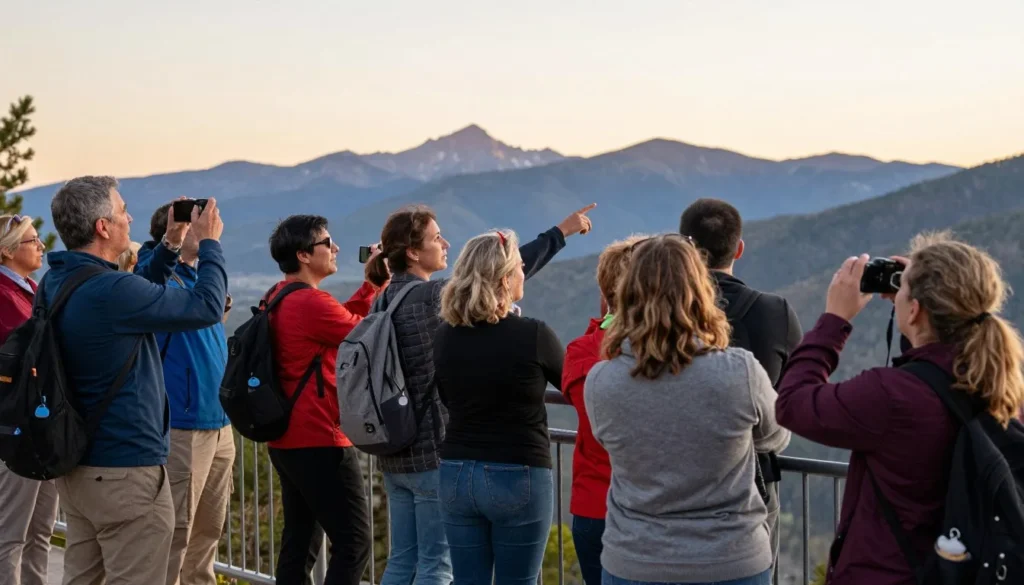
“We discovered this spot completely by accident while driving through East Tennessee. The view absolutely took our breath away, especially with the fall colors at their peak. What impressed us most was how accessible everything was—my elderly father uses a walker and had no trouble reaching the viewing area. We stayed for over an hour just soaking in the peaceful mountain atmosphere. This overlook deserves far more recognition than it gets.”
“As someone who visits the Great Smoky Mountains regularly, I was skeptical that a roadside overlook could compete with national park vistas. Veterans Overlook proved me completely wrong. The panoramic scope here actually surpasses many Smokies viewpoints, and we encountered maybe five other people during our visit instead of the crowds typical at more famous spots. The memorial aspect added meaningful depth to the experience. We’ll definitely return on future Tennessee trips.”
“Perfect stop for families with young children. Our kids (ages 4 and 7) loved the big views and open space to run around safely. The interpretive signs taught them about mountains and military service in ways they could understand. Best of all, the entire experience took only 30 minutes, which matched their attention span perfectly. We combined it with lunch in Bean Station and made a lovely half-day outing without the stress of long hikes or complicated logistics.”
Additional Nearby Destinations
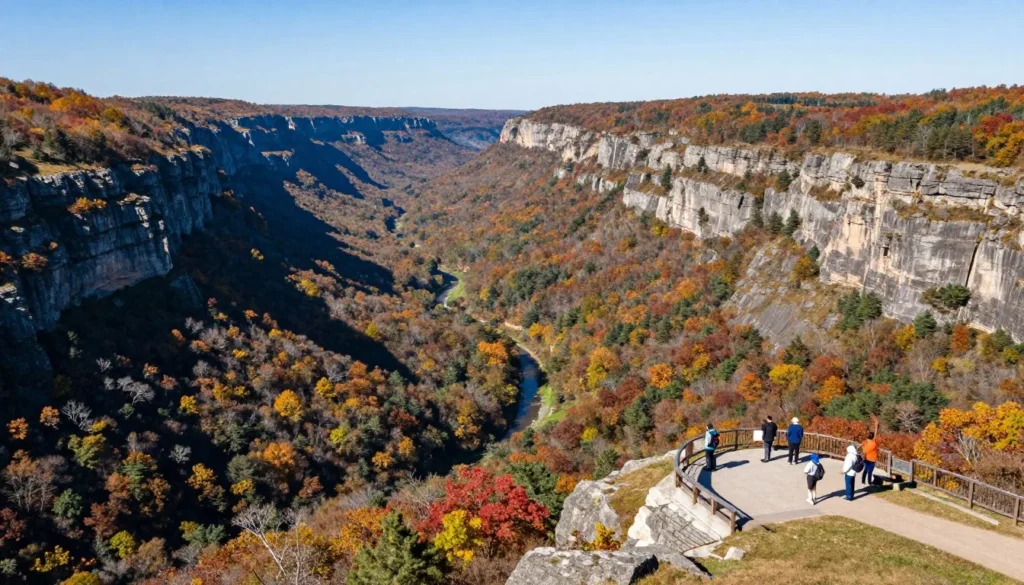
The Veterans Overlook anchors a region rich with additional attractions. Extending your stay allows exploration of diverse destinations within easy driving distance, each offering unique perspectives on East Tennessee’s natural beauty and cultural heritage.
Cumberland Gap National Historical Park
Located 64 km (40 miles) northeast, this national park preserves the historic mountain pass that carried pioneers westward. The gap sits at the junction of Kentucky, Virginia, and Tennessee, creating unique tri-state views. Extensive trail systems range from easy walks to challenging ridge hikes. The visitor center provides excellent historical context about westward migration.
Great Smoky Mountains National Park
America’s most-visited national park lies 97 km (60 miles) southeast. While crowds pack famous destinations like Cades Cove and Clingmans Dome, the park’s northern entrances near Cosby offer quieter experiences. These sections deliver classic Smokies scenery—rushing streams, old-growth forests, and mountain vistas—without the traffic jams.
The drive from Veterans Overlook to Smokies backcountry takes roughly 90 minutes. This makes day trips feasible while maintaining lodging in the less expensive Bean Station area. Early morning departures beat crowds and catch ideal wildlife viewing conditions.
Norris Dam and Lake
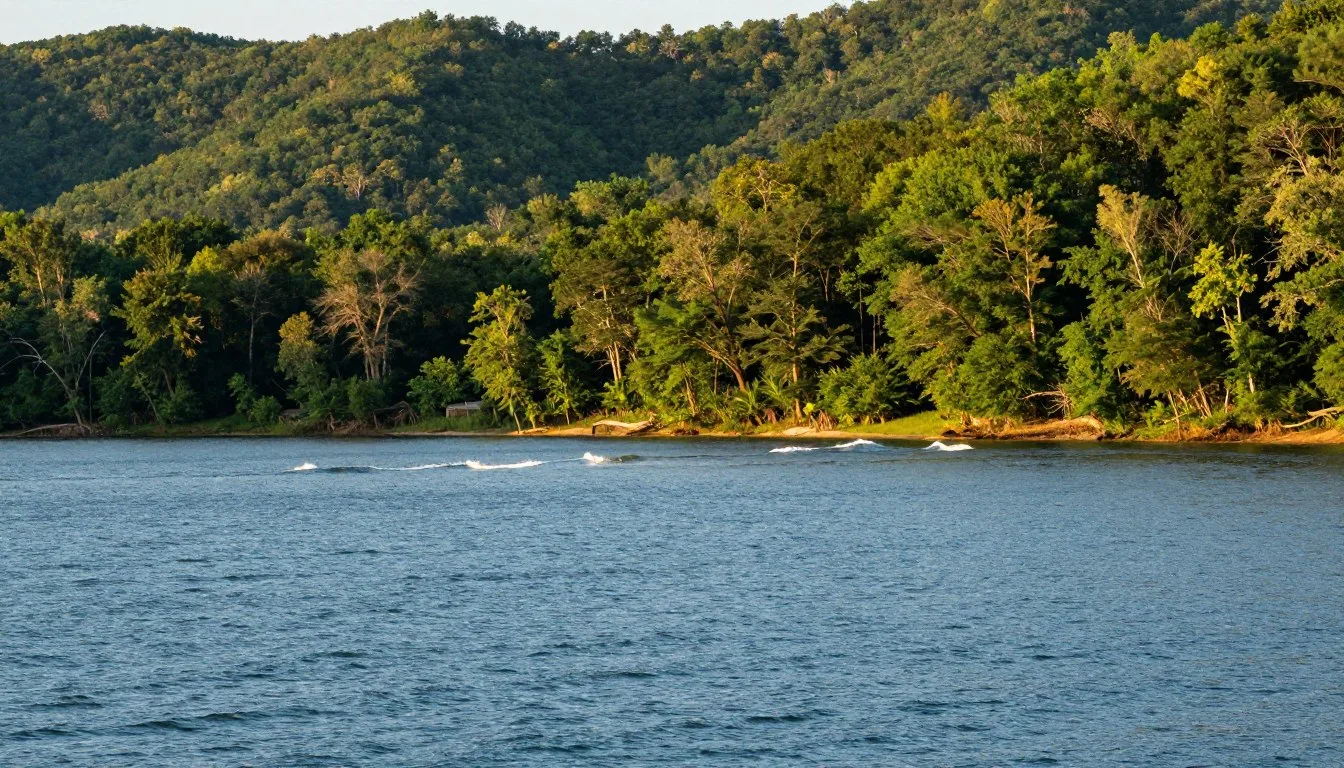
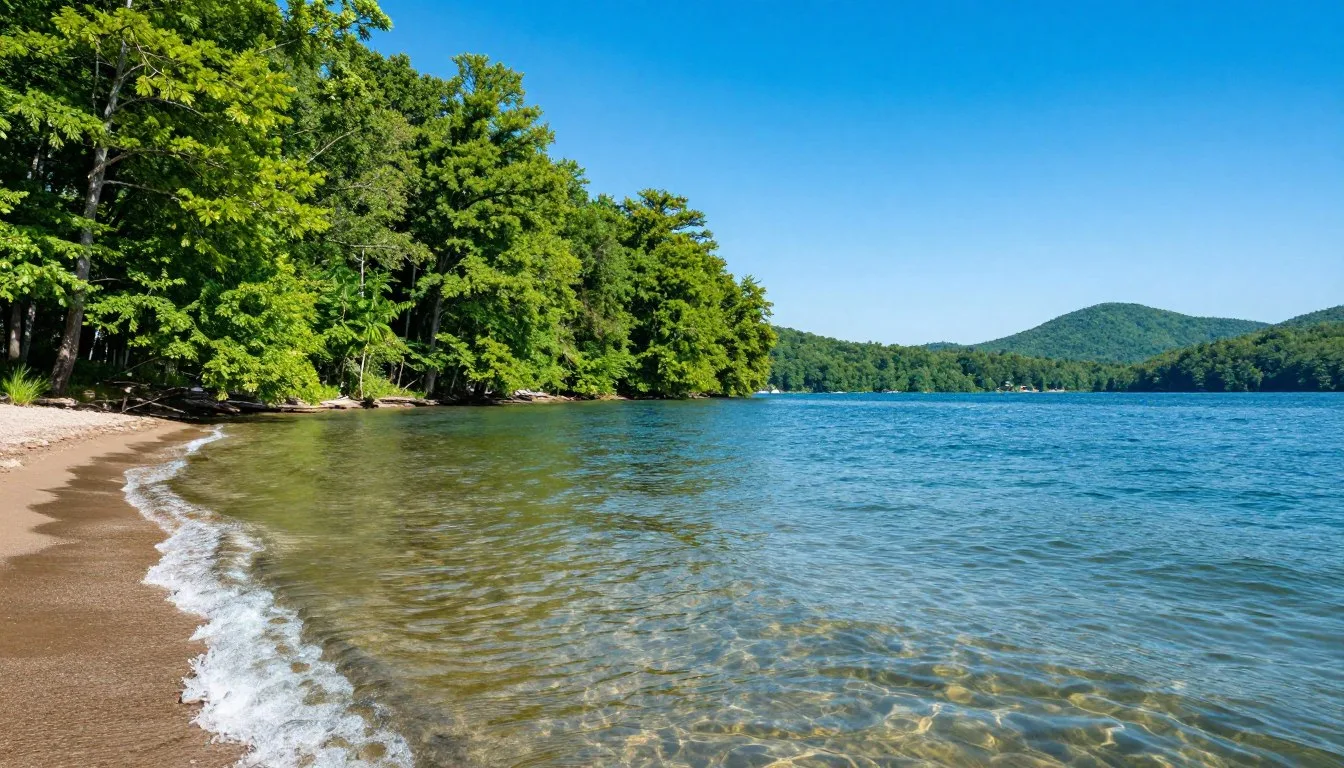
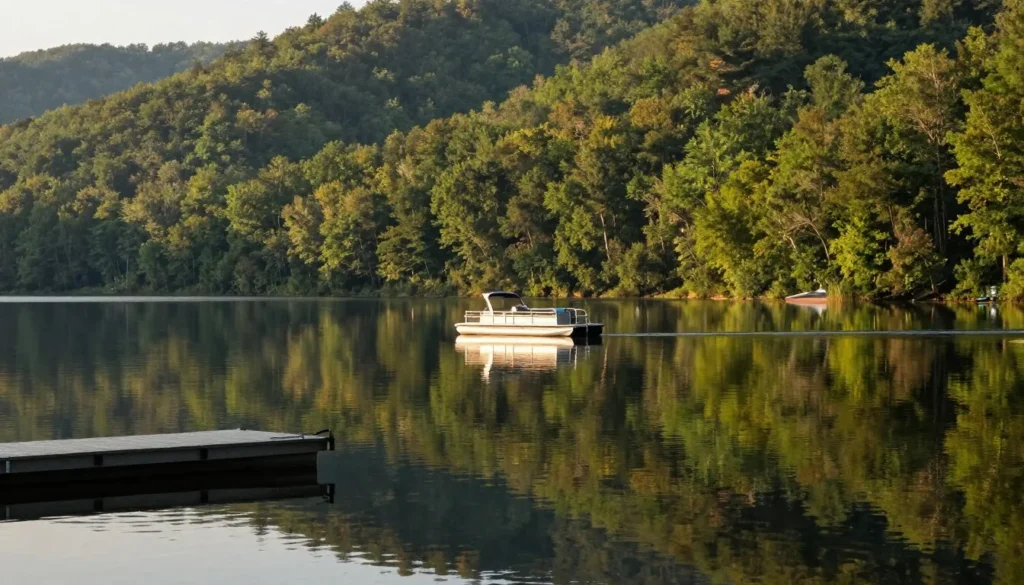
Tennessee Valley Authority’s first dam, completed in 1936, created this reservoir 48 km (30 miles) southwest. Norris Lake sprawls across 13,700 hectares (33,840 acres) with 1,287 km (800 miles) of shoreline. The clear water supports swimming, boating, and fishing. Marinas rent pontoon boats and kayaks for self-guided exploration.
Norris Dam State Park adjoins the reservoir, offering hiking trails, camping, and a historic district with 1930s-era buildings. The Museum of Appalachia, mentioned earlier, sits just outside the park entrance.
Historic Jonesborough
Tennessee’s oldest town, established in 1779, preserves its heritage through well-maintained historic buildings and cultural programs. Located 72 km (45 miles) northeast, Jonesborough hosts the National Storytelling Festival each October, attracting thousands to hear traditional and contemporary stories.
The downtown walkable district features antique shops, local restaurants, and the Chester Inn State Historic Site. Architecture buffs appreciate the concentration of 18th and 19th-century structures still serving original purposes.
Creating Multi-Day Itineraries
Combine Veterans Overlook with these destinations for comprehensive regional exploration. A sample three-day itinerary might include:
- Day One: Arrive at Veterans Overlook for sunset, overnight in Bean Station, explore town’s historic sites.
- Day Two: Morning at Norris Dam and Museum of Appalachia, afternoon boating or hiking at Norris Lake.
- Day Three: Day trip to Cumberland Gap National Historical Park or Great Smoky Mountains depending on preferences.
This pacing allows depth rather than rushing through. Each location deserves proper time for appreciation and understanding.
Practical Travel Tips
Success in travel often depends on small details handled properly. These practical tips address common questions and smooth potential obstacles when visiting the Veterans Overlook area.
What to Bring
- Weather-Appropriate Clothing: Layer systems work best. Mountain temperatures fluctuate throughout the day. Pack a light jacket even during summer for morning chill or unexpected weather changes.
- Sun Protection: The overlook offers no shade. Bring sunscreen (SPF 30+), sunglasses, and hats for extended viewing sessions. Mountain sun feels more intense due to elevation and reflection off rock surfaces.
- Hydration and Snacks: No water sources exist at the overlook. Carry sufficient drinks, especially during warm months. Snacks maintain energy if you explore area trails beyond the main viewing platform.
- Camera Equipment: Bring your best camera for landscape photography. Wide-angle lenses capture panoramic scope. Telephoto lenses isolate distant peaks. Tripods help with low-light shots during sunrise or sunset.
- Binoculars: Quality optics enhance both scenic viewing and wildlife watching. Even budget binoculars reveal details invisible to naked eyes across those vast distances.
Timing Your Visit
Arrive early for best light and solitude. Sunrise viewing requires planning but rewards effort with spectacular colors and typically empty parking areas. Morning mist in valleys creates ethereal scenes as sun breaks over eastern ridges.
Sunset draws more visitors but still rarely feels crowded. Golden hour delivers warm tones across mountain faces. Allow time after sunset for twilight color displays that follow direct sunlight.
Midday visits work fine for quick stops, though harsh overhead light flattens landscape features photographically. High sun does provide clearest visibility for identifying distant ranges.
Communication and Connectivity
Cell phone service quality depends on your carrier. Some providers maintain strong signals along Highway 25E, while others show only sporadic coverage. Don’t assume reliable connectivity for navigation or emergency calls.
Download maps and important information before leaving areas with WiFi. Save accommodation addresses and phone numbers in formats accessible without internet. Consider renting a satellite communicator if planning extensive backcountry exploration beyond the overlook.
Accessibility Considerations
The Veterans Overlook provides wheelchair access from parking to main viewing platform. Paved surfaces accommodate mobility devices without difficulty. Some viewing angles require navigating slight slopes, though nothing preventing access for determined visitors.
Nearby towns offer limited accessibility services. Morristown hotels typically include ADA-compliant rooms. Restaurants along Highway 25E vary in accessibility—call ahead to confirm capabilities if this affects your travel party.
Emergency Preparedness
Save the above emergency number with area code even though 911 works from cell phones. Know your exact location when calling for help. Highway mile markers appear regularly along Route 25E, providing reference points for emergency responders.
Carry basic first aid supplies including bandages, pain relievers, and any personal medications. Inform someone outside your travel party about your itinerary and expected check-in times. This precaution proves valuable if problems arise in areas with limited cell service.
Seasonal Considerations
Winter weather occasionally affects mountain roads. Highway 25E receives priority treatment for snow removal, but ice can develop on bridges and shaded sections. Check road conditions before winter trips. Tennessee Department of Transportation provides real-time updates.
Summer heat combines with humidity, creating uncomfortable conditions during midday. Plan morning or evening visits when temperatures moderate. Thunderstorms develop quickly—abandon exposed overlooks when lightning threatens.
Spring and fall provide most comfortable weather but also see highest visitation. Book accommodations early for October weekends when fall color peaks. Spring wildflower season (April-May) attracts fewer crowds while delivering beautiful natural displays.
Your Clinch Mountain Adventure Awaits
The Veterans Overlook stands as proof that Tennessee’s greatest treasures don’t always appear in glossy brochures or Instagram feeds. This authentic mountain experience connects visitors with landscapes that have inspired generations, honoring those who served while revealing natural beauty that words struggle to capture fully.
Whether you seek dramatic photography opportunities, peaceful contemplation, or simply an accessible taste of Appalachian grandeur, this remarkable spot delivers. The surrounding region adds depth with cultural heritage, outdoor recreation, and genuine mountain hospitality untainted by mass tourism.
Pack your camera, check the weather forecast, and point your compass toward Bean Station. Those mountain ridges stretching to the horizon hold stories waiting for you to discover. Stand where veterans are honored, breathe that clear mountain air, and understand why locals consider this view worth sharing with the world.
The mountains don’t rush, and neither should you. Take time to truly see what spreads before you—it’s a view earned through simple presence, rewarding everyone who makes the journey.