Hotels by Trip.com
Flights by Trip.com
More than 280 million vehicles have passed through the Cumberland Gap Tunnel since its opening in 1996. This makes it one of the most traveled mountain tunnels in the eastern United States. The tunnel stretches 4,600 feet through Massacre Mountain.
Cumberland Gap takes its name from the Duke of Cumberland. British explorers named this natural passage through the Appalachian Mountains in the mid-1700s.
The twin-bore Cumberland Gap Tunnel represents remarkable engineering achievement. It replaced the dangerous mountain route that wound over the gap for decades. Today, travelers on U.S. Route 25E experience a safe, modern passage through this historic corridor.
This guide covers everything you need to plan your visit to Cumberland Gap Tunnel Route, Tennessee. You will discover attractions, outdoor activities, dining options, and practical travel tips. Whether you are interested in history, nature, or mountain scenery, this area offers memorable experiences.
Getting There and Planning Your Journey

The Cumberland Gap Tunnel sits at the intersection of three states. Tennessee, Kentucky, and Virginia meet at this historic mountain pass. The tunnel carries U.S. Route 25E through Massacre Mountain.
Driving remains the primary way to reach the area. The tunnel connects Middlesboro, Kentucky, to the north with Cumberland Gap, Tennessee, to the south. Interstate 75 provides the main highway access from major cities.
Several airports serve visitors traveling by air. McGhee Tyson Airport in Knoxville, Tennessee sits 121 km (75 miles) southeast. This airport offers the most flight options. Blue Grass Airport in Lexington, Kentucky lies 161 km (100 miles) north. Tri-Cities Airport in Tennessee provides another option at 145 km (90 miles) east.
The drive from Knoxville takes approximately 90 minutes via Interstate 75 North and U.S. Route 25E. From Lexington, expect a two-hour journey south on Interstate 75. Plan extra time for mountain driving conditions.
Car rentals are available at all three airports. Reserve your vehicle in advance during peak travel seasons. GPS navigation works reliably in this area. Cell phone coverage can be spotty in remote mountain sections.
The tunnel itself is free to use. No tolls apply on this section of Route 25E. Parking areas exist at the Cumberland Gap National Historical Park Visitor Center.
Best Time to Visit and Weather Tips
Best Time to Visit Cumberland Gap Tunnel Route Tennessee
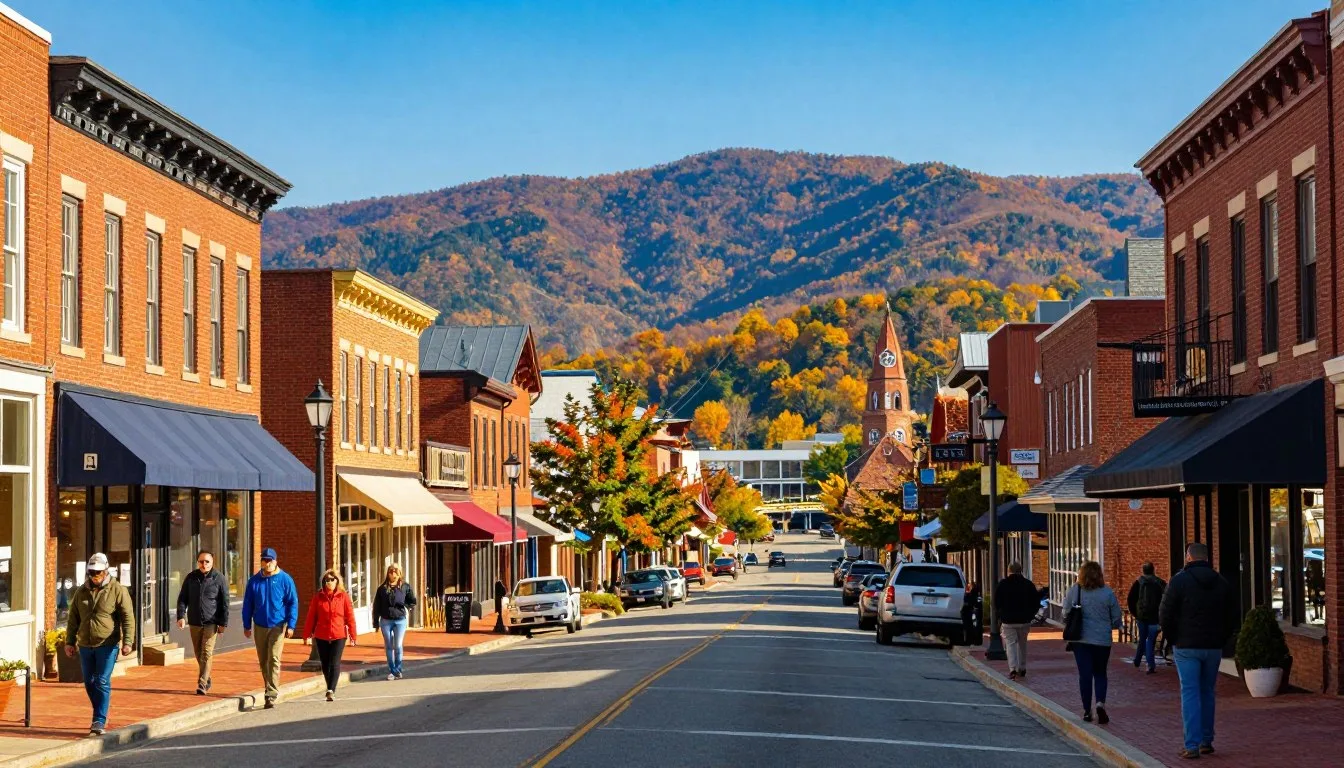
Spring and fall offer the most pleasant conditions for visiting Cumberland Gap. April through May brings mild temperatures and blooming wildflowers. September through October features brilliant fall foliage across the mountains.
Summer attracts the most visitors to Cumberland Gap National Historical Park. June, July, and August see temperatures reaching 27°C to 32°C (80°F to 90°F). These months work well for hiking and outdoor activities. Afternoon thunderstorms occur frequently.
Winter months from December through February bring cold conditions. Temperatures often drop below freezing. Snow and ice can affect mountain roads. The tunnel remains open year-round. Road conditions may require caution during winter storms.
Avoid visiting during major holiday weekends if you prefer smaller crowds. Memorial Day, Independence Day, and Labor Day weekends see peak visitor numbers. Mid-week visits typically offer more peaceful experiences.
Notable Annual Festivals
The Cumberland Gap hosts several festivals celebrating Appalachian culture and history. These events showcase local traditions, music, and crafts.
- Cumberland Gap Founder’s Day Festival – Held annually in June, celebrating the town’s heritage with live music, crafts, and historical demonstrations. Contact: +1 (423) 869-3860
- Trail of the Lonesome Pine Outdoor Drama – Summer theatrical production running June through August, depicting the history and culture of the region. Contact: +1 (276) 523-1235
- Cumberland Mountain Fall Festival – September celebration featuring traditional Appalachian music, food vendors, and artisan crafts. Contact: +1 (423) 869-3860
Weather Patterns
The Cumberland Gap region experiences four distinct seasons. Spring temperatures range from 10°C to 21°C (50°F to 70°F). Rainfall increases during spring months. Pack layers and rain gear.
Summer brings warm, humid conditions. Afternoon temperatures often reach 29°C to 32°C (85°F to 90°F). Thunderstorms develop quickly in the mountains. Morning activities offer cooler temperatures.
Fall weather proves ideal for outdoor exploration. September and October average 15°C to 24°C (60°F to 75°F). Lower humidity makes hiking more comfortable. Peak fall color occurs mid-October.
Winter temperatures range from -4°C to 10°C (25°F to 50°F). Snow accumulation varies yearly. The tunnel handles winter weather well. Mountain trails may become icy.
Getting Around Locally
Personal vehicles provide the most practical transportation around Cumberland Gap. Public transit options are limited in this rural mountain region. The area spans portions of three states, making a car essential for visiting multiple attractions.
The Cumberland Gap Tunnel itself extends 1,402 m (4,600 feet) through the mountain. Two separate tunnels carry traffic in each direction. Speed limits are strictly enforced inside the tunnel. The posted limit is 72 km/h (45 mph).
Parking is available at Cumberland Gap National Historical Park. The visitor center offers free parking. Additional parking areas serve trailheads throughout the park. Arrive early during peak seasons for better parking availability.
Bicycle touring is possible but challenging. Mountain roads feature steep grades and narrow shoulders. Experienced cyclists attempt the route during cooler months. The tunnel allows bicycle traffic but requires caution.
Walking within the Cumberland Gap National Historical Park provides excellent access to trails and historic sites. The park covers more than 9,712 hectares (24,000 acres). Hiking remains the best way to explore the interior areas.
Gas stations are available in Middlesboro, Kentucky, and Cumberland Gap, Tennessee. Fill your tank before exploring remote areas. Services are limited along mountain roads.
Where to Stay
Lodging options near Cumberland Gap Tunnel range from budget motels to comfortable inns. The small-town setting means limited choices compared to larger cities. Reservations are recommended during summer and fall peak seasons.
Middlesboro, Kentucky, located just north of the tunnel, offers several chain hotels. These properties provide reliable accommodations with standard amenities. Options include Holiday Inn Express and Hampton Inn. Rates typically range from 80 to 130 US dollars per night.
Cumberland Gap, Tennessee, features smaller independent motels and bed-and-breakfast establishments. The English Oaks Bed and Breakfast provides a historic experience. The Olde Mill Bed and Breakfast offers mountain views. Expect to pay 90 to 150 US dollars per night at these properties.
The Cumberland Gap National Historical Park operates a campground. The Wilderness Road Campground provides 160 sites. Facilities include restrooms, picnic tables, and fire rings. Camping fees are approximately 20 US dollars per night. The campground operates from April through October.
Nearby Harrogate, Tennessee, home to Lincoln Memorial University, has additional lodging. Several chain properties serve university visitors. These hotels sit about 11 km (7 miles) from the tunnel.
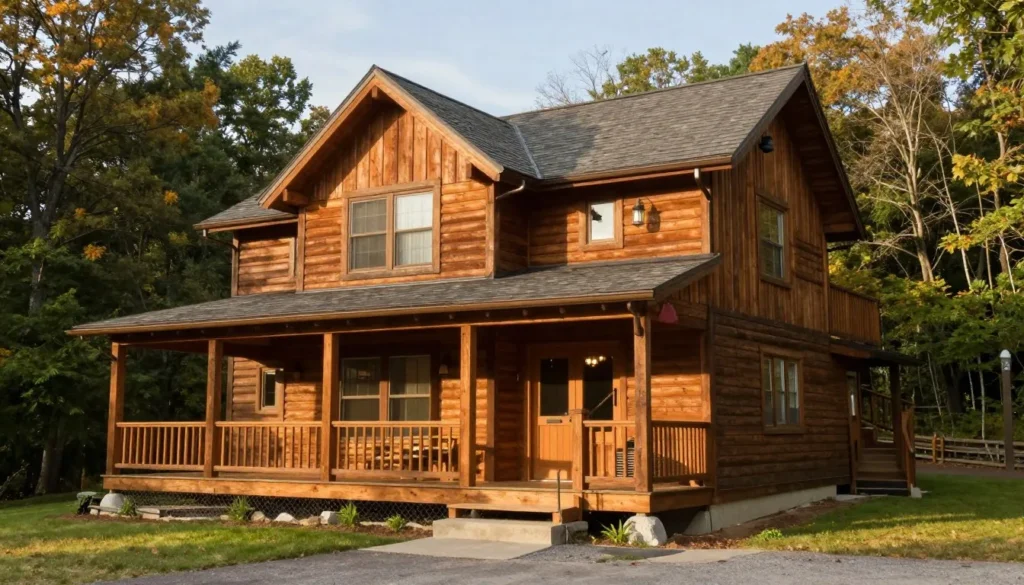
For extended stays or larger groups, vacation rentals exist in the area. Check availability for cabins in the surrounding mountains. These properties often include kitchens and multiple bedrooms.
Dining and Local Cuisine
Dining options near Cumberland Gap reflect traditional Appalachian and Southern cuisine. The area features family-owned restaurants serving hearty, home-style meals. Expect comfort food with generous portions.
Local specialties include country ham, biscuits and gravy, and fried chicken. Many restaurants serve breakfast all day. Southern-style vegetables like green beans, mashed potatoes, and corn are standard side dishes.
Pap’s Place in Middlesboro, Kentucky, offers classic American diner fare. This local favorite serves breakfast and lunch. The restaurant is known for generous portions and friendly service. Prices are budget-friendly, with meals averaging 8 to 15 US dollars.
The Skillet Restaurant, also in Middlesboro, provides Southern comfort food. Menu items include country-fried steak, meatloaf, and homemade desserts. Expect to spend 10 to 18 US dollars per person.
For barbecue enthusiasts, several establishments offer smoked meats. Try pulled pork, ribs, or brisket with traditional sides. Many barbecue spots operate seasonally or have limited hours.
Coffee shops and bakeries in Cumberland Gap, Tennessee, provide lighter options. Stop for fresh pastries and locally roasted coffee. These spots work well for quick breakfasts or afternoon snacks.
Grocery stores exist in Middlesboro for travelers planning picnics. The Cumberland Gap National Historical Park permits picnicking in designated areas. This option saves money and allows flexibility in meal timing.
Restaurant hours can be limited, especially on Sundays. Many establishments close early in the evening. Plan dinner by 7:00 PM to ensure availability. Call ahead to verify hours during your visit.
Attractions, Sightseeing and Activities

Cumberland Gap Tunnel
The Cumberland Gap Tunnel represents a major engineering achievement completed in 1996. The project cost 280 million US dollars and took nearly a decade to complete. Two parallel tunnels each measure 1,402 m (4,600 feet) in length.
The Federal Highway Administration and National Park Service partnered on the tunnel project. The Eastern Federal Lands Highway Division managed construction. The tunnel project eliminated the dangerous mountain road that previously crossed over Cumberland Gap.
Each tunnel bore accommodates two lanes of traffic. Modern ventilation and lighting systems maintain safety. Emergency exits connect the two tunnels at regular intervals. The tunnel construction followed strict environmental standards to protect Cumberland Gap National Historical Park.
Before the tunnel opened, U.S. Route 25E climbed steep grades over the mountain. The old route featured sharp curves and limited sight distance. Accidents were frequent. The tunnel project greatly improved safety for travelers on this important regional corridor.
Cumberland Gap National Historical Park
Cumberland Gap National Historical Park preserves the historic mountain pass. The park encompasses 9,712 hectares (24,000 acres) across three states. More than one million visitors explore the park annually.
The gap served as a natural passageway through the Appalachian Mountains for centuries. Native Americans first used the route for hunting and trade. Daniel Boone blazed the Wilderness Road through Cumberland Gap in 1775. This trail became the main route for westward migration.
The park visitor center provides orientation and exhibits. Rangers offer programs about the area’s history and ecology. The center is open daily except major holidays. Admission to the park is free.
More than 112 km (70 miles) of trails wind through the park. Options range from easy walks to strenuous mountain hikes. The Tri-State Peak trail leads to a point where Tennessee, Kentucky, and Virginia meet.
Historic Sites
Hensley Settlement showcases early 20th-century mountain life. This restored community sits atop Brush Mountain. Twelve structures remain from the families who lived here from 1904 to 1951. Access requires a strenuous hike or special shuttle service during summer months.
The Gap Cave tour takes visitors underground. This limestone cave extends more than 2.4 km (1.5 miles) into the mountain. Tours operate seasonally and require advance reservations. The cave maintains a constant 13°C (55°F) temperature.
Fort McCook overlooks the gap from a Civil War-era fortification. Union forces built the earthworks to control the strategic passage. Interpretive signs explain the fort’s role during the war.
Museums, Cultural Spots and Festivals
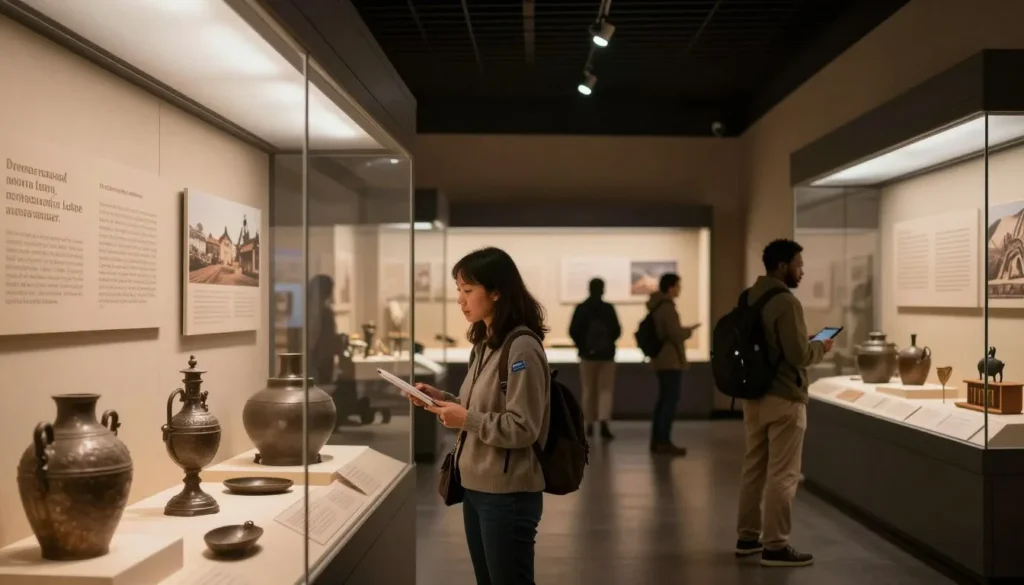
The Cumberland Gap National Historical Park Visitor Center houses a small museum. Exhibits trace the gap’s role in American westward expansion. Displays cover Native American use, pioneer migration, and Civil War battles. A film presentation introduces visitors to the area’s significance.
Lincoln Memorial University in nearby Harrogate maintains the Abraham Lincoln Library and Museum. This collection contains one of the largest assemblages of Lincoln artifacts. The museum explores Lincoln’s connection to the region. His parents traveled through Cumberland Gap during their migration to Kentucky.
The Bell County Historical Society Museum in Middlesboro preserves local heritage. Collections include photographs, documents, and artifacts from the area’s coal mining era. The museum occupies a historic building downtown. Hours are limited, so call ahead to confirm: +1 (606) 242-0005.
Appalachian culture comes alive through traditional music events. Local venues host bluegrass and old-time music performances. These informal gatherings, called “pickin’ sessions,” welcome visitors. Ask at the visitor center for current schedules.
The town of Cumberland Gap hosts heritage events throughout the year. These celebrations include demonstrations of traditional crafts like basket weaving and blacksmithing. Local artisans sell handmade items.
Nature and Outdoor Experiences
Hiking Trails
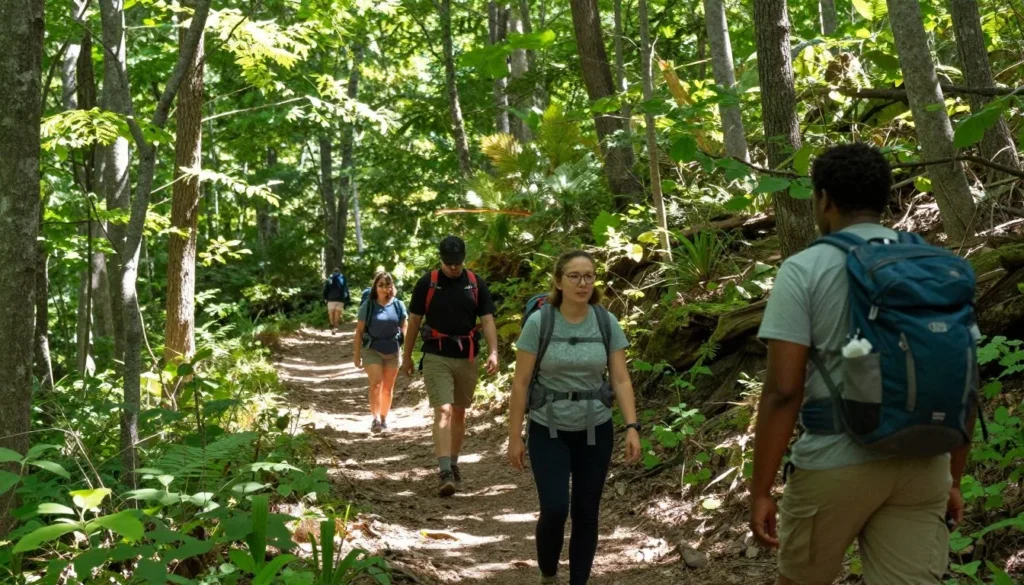
Cumberland Gap National Historical Park offers extensive hiking opportunities. Trails vary in difficulty and length. The Ridge Trail provides panoramic views after a moderate climb. This 3.2 km (2 mile) trail gains 305 m (1,000 feet) in elevation.
The Wilderness Road Trail follows Daniel Boone’s historic route. This easier path stretches 6.4 km (4 miles) through hardwood forests. Interpretive signs explain the pioneer experience. The trail is suitable for families with children.
For experienced hikers, the Gibson Gap Trail presents a challenge. This 11.3 km (7 mile) loop climbs to remote ridgelines. The trail passes through old-growth forest. Allow five to six hours to complete the circuit.
The Sand Cave Trail is a short, easy walk. This 0.8 km (0.5 mile) path leads to a massive rock shelter. The cave’s overhang extends 30 m (100 feet). Native Americans and early settlers used this natural shelter.
Wildlife Watching
The park supports diverse wildlife populations. White-tailed deer are commonly seen along trails and roads. Black bears inhabit the backcountry areas. Maintain proper distance from all wildlife. Never feed animals.
Bird watchers find excellent opportunities in Cumberland Gap. More than 130 bird species have been recorded. Spring migration brings warblers and other songbirds. Hawks and vultures soar on mountain thermals during fall.
Wild turkeys are frequently encountered in forested areas. These large birds were reintroduced successfully after earlier population declines. Dawn and dusk offer the best viewing times.
Scenic Drives
The park features several scenic overlooks accessible by car. Pinnacle Road climbs to the highest point in the park. The overlook sits at 792 m (2,600 feet) elevation. Views extend across three states on clear days.
This mountain road is steep and narrow. The route is not suitable for large RVs or trailers. The road closes during winter weather. Spring wildflower displays along this route are spectacular.
Picnic Areas
Several designated picnic areas provide facilities for outdoor meals. Iron Furnace Picnic Area offers tables and grills near the visitor center. Restroom facilities are available. This area works well for families.
Backcountry picnicking is permitted in most park areas. Follow Leave No Trace principles. Pack out all trash. Use existing fire rings where available.
Travel With Children

Cumberland Gap offers family-friendly activities suitable for children of various ages. The national park provides Junior Ranger programs. Kids complete activity booklets while exploring the park. Rangers award certificates and badges upon completion.
The Cumberland Gap Visitor Center features interactive exhibits. Children enjoy hands-on displays about pioneer life. A short film introduces the area’s history in an engaging format. The presentation lasts 20 minutes.
Easy walking trails work well for families with young children. The Sand Cave Trail is stroller-accessible for most of its length. The trail is paved near the trailhead. Allow about 30 minutes for the round trip.
Picnic areas provide space for children to play safely. Iron Furnace Picnic Area has open grassy areas. Pack a ball or frisbee for active play. Playground equipment is not available within the park.
Seasonal ranger programs include guided walks designed for families. Topics cover wildlife, plants, and history. Check the visitor center for the current schedule. Programs typically last one to two hours.
The Gap Cave tour captivates children’s imaginations. Kids must be able to walk independently for the entire tour. The underground environment stays cool, so bring jackets even in summer. Sturdy shoes with good traction are essential.
Pack snacks and water for children. Vending machines are not available on trails. The visitor center has limited food options. Plan meals in nearby towns.
Restroom facilities exist at the visitor center and main picnic areas. Backcountry trails do not have facilities. Plan accordingly for younger children.
Money Saving Tips
Visiting Cumberland Gap Tunnel Route can be budget-friendly with proper planning. Many attractions and activities cost nothing. Cumberland Gap National Historical Park charges no entrance fees. All trails, overlooks, and facilities are free to access.
Camping provides the most economical lodging option. The park campground costs approximately 20 US dollars per night. This rate includes picnic tables, fire rings, and access to restroom facilities. Reserve sites in advance during peak seasons.
Prepare picnic lunches instead of eating at restaurants for every meal. Grocery stores in Middlesboro offer provisions. Designated picnic areas throughout the park provide pleasant settings. This approach saves money and adds flexibility to your schedule.
Visit during shoulder seasons for lower accommodation rates. April to May and September to October offer pleasant weather with fewer crowds. Hotel rates often drop 20 to 30 percent compared to summer peaks.
Free ranger programs provide educational entertainment. Daily walks, talks, and evening programs require no fees. These activities offer high value for families. Check the visitor center for current schedules.
Fill your gas tank before entering the park area. Prices at mountain gas stations often exceed rates in larger towns. Planning fuel stops saves money on longer trips.
Many local festivals and cultural events are free to attend. The Cumberland Gap Founder’s Day Festival charges no admission. Enjoy live music, demonstrations, and activities without paying entrance fees.
Download park maps and information before arriving. The park offers free WiFi at the visitor center. Print materials are available without charge. Purchasing guidebooks is unnecessary for most visitors.
Safety and Local Customs
Cumberland Gap is a safe destination for travelers. The rural mountain setting presents different considerations than urban areas. Common sense precautions ensure a pleasant visit.
Cell phone coverage is unreliable in remote park areas. Download offline maps before hiking. Tell someone your planned route and expected return time. Carry a fully charged phone even where service is unavailable.
Weather changes quickly in the mountains. Afternoon thunderstorms develop rapidly during summer. Lightning poses serious danger on ridgelines and open areas. Seek lower elevations at the first sign of storms. Check forecasts before extended hikes.
Wildlife encounters require appropriate responses. Black bears inhabit the park backcountry. Make noise while hiking to avoid surprising animals. Store food properly at campsites. Never approach or feed wild animals.
Ticks are common in wooded areas during warmer months. Wear long pants and use insect repellent. Check for ticks after outdoor activities. Lyme disease and other tick-borne illnesses occur in this region.
Steep terrain demands caution on trails. Wear appropriate footwear with good traction. Trails can be slippery when wet. Use trekking poles for stability on challenging sections.
Local residents are generally friendly and welcoming to visitors. The area has deep Appalachian cultural roots. Respect for privacy and property is important in rural communities. Always ask permission before entering private land.
Southern hospitality is common in this region. Expect polite greetings from strangers. “Yes, ma’am” and “Yes, sir” are standard expressions of respect. Patience is valued more than rushed efficiency.
Sunday activities are limited in many small towns. Businesses often close for the day. Plan accordingly if visiting over a weekend. Church attendance remains central to community life.
The tunnel requires attention while driving. Keep your headlights on inside the Cumberland Gap Tunnel. Obey posted speed limits strictly. Police patrol the area regularly. Emergency callboxes line the tunnel walls.
Visitor Comments About Cumberland Gap Tunnel Route Tennessee
“The drive through the Cumberland Gap Tunnel was impressive, but the real treasure is the national park surrounding it. We hiked to Tri-State Peak and stood in three states at once. The historical significance of this area came alive through the ranger programs. Our children earned Junior Ranger badges and learned about Daniel Boone’s trail. The cave tour was the highlight for our family.”
“Cumberland Gap exceeded my expectations for a mountain destination. The engineering of the tunnel itself fascinated me as someone interested in infrastructure projects. But the natural beauty of the surrounding mountains was stunning. Fall colors were at peak during our visit. We stayed at a local bed and breakfast that offered wonderful hospitality. The dining options were limited but the food was hearty and authentic.”
“Visiting the Cumberland Gap Tunnel Route provided an unexpected history lesson. I had no idea how significant this passage was to American westward expansion. The visitor center exhibits were excellent. We drove up to Pinnacle Overlook and the views were breathtaking. The trails offered varying difficulty levels, perfect for our mixed-ability group. This area deserves more recognition as a travel destination.”
Additional Nearby Destinations
Cumberland Gap’s location makes it an excellent base for exploring the wider Appalachian region. Several worthwhile destinations lie within a short drive.
Big South Fork National River and Recreation Area sits 64 km (40 miles) west. This park protects gorges carved by the Cumberland River. Whitewater rafting, rock climbing, and horseback riding attract adventure seekers. The park offers more than 193 km (120 miles) of trails.
Breaks Interstate Park straddles the Virginia-Kentucky border 129 km (80 miles) northeast. Known as the “Grand Canyon of the South,” the park features a deep gorge cut by the Russell Fork River. The five-mile-long canyon reaches depths of 490 m (1,600 feet).
Natural Tunnel State Park in Virginia lies 89 km (55 miles) east. A massive naturally formed tunnel extends 274 m (900 feet) through a limestone ridge. The tunnel is tall enough to accommodate a railroad line that still operates through it. A chairlift carries visitors to the canyon floor.
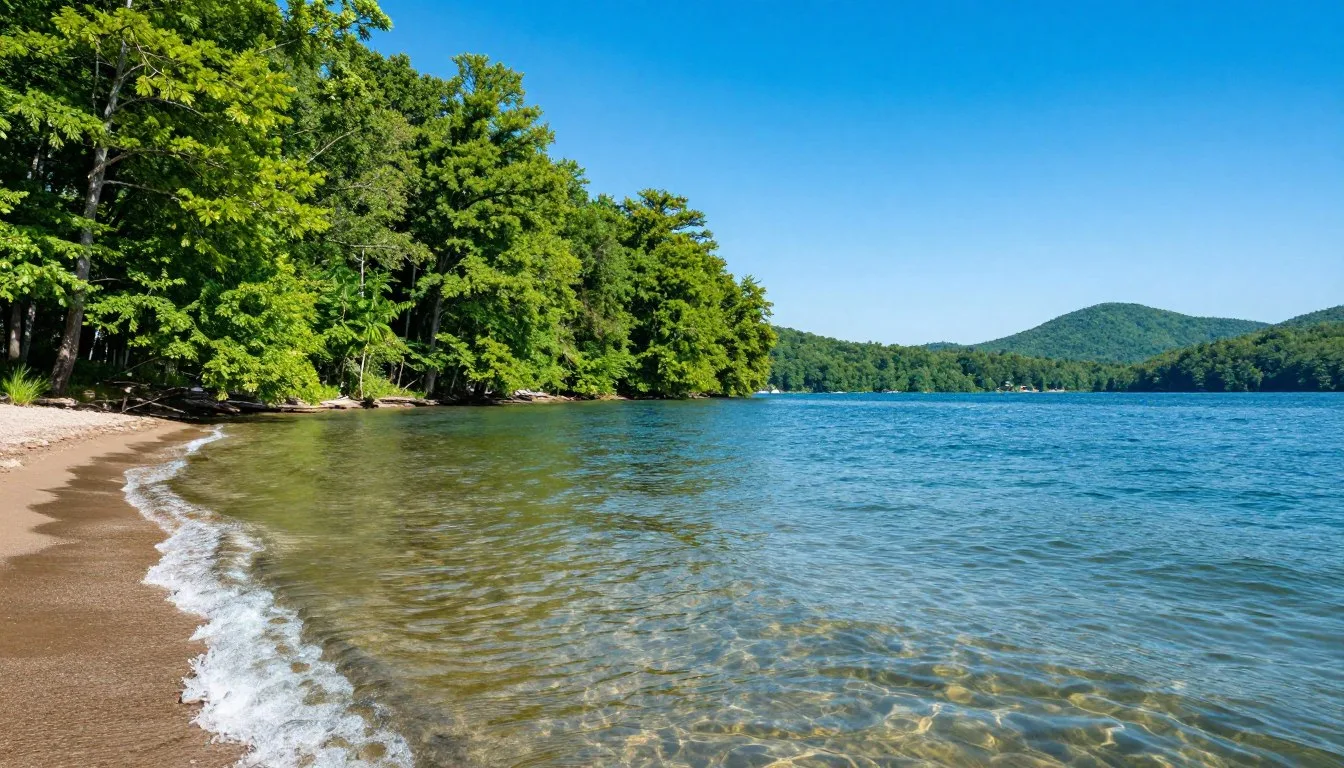
Norris Dam State Park near Knoxville offers lake recreation 121 km (75 miles) south. Norris Lake covers 13,640 hectares (33,700 acres). Boating, fishing, and swimming are popular activities. The park also features hiking trails and a historic grist mill.
The town of Berea, Kentucky, markets itself as the “Folk Arts and Crafts Capital of Kentucky.” Located 113 km (70 miles) northwest, Berea hosts numerous artisan studios. Visitors can watch craftspeople create pottery, weaving, and woodwork. Berea College’s student-made crafts are available for purchase.
Cumberland Falls State Resort Park in Kentucky is 145 km (90 miles) northwest. The waterfall spans 38 m (125 feet) wide and drops 20 m (68 feet). Under the right conditions, a “moonbow” appears in the mist during full moons. This rare phenomenon attracts photographers from around the world.
Practical Travel Tips
Planning ahead enhances your Cumberland Gap experience. This section covers essential practical information for visitors.
What to Pack
Comfortable walking shoes are essential. Trails range from paved paths to rugged mountain terrain. Hiking boots provide the best support for longer trails. Pack both light and warm layers regardless of season. Mountain weather changes rapidly.
Bring rain gear even if forecasts appear clear. Afternoon thunderstorms develop quickly during summer. A lightweight, packable rain jacket works well. Sunscreen and hats protect against sun exposure at higher elevations.
Insect repellent is necessary from spring through fall. Ticks and mosquitoes are common in wooded areas. Treat clothing with permethrin for extended protection. Check for ticks after outdoor activities.
Carry plenty of water for hiking. No water sources exist along most trails. Plan for at least one liter per person for short hikes. Longer excursions require more capacity.
Visitor Center Resources
The Cumberland Gap National Historical Park Visitor Center opens daily from 8:00 AM to 5:00 PM. Extended hours apply during summer months. The center closes on Thanksgiving, Christmas, and New Year’s Day.
Rangers provide free maps and current trail conditions. Ask about ranger-led programs during your visit. The bookstore sells regional guides and souvenirs. Restrooms and water fountains are available.
Contact the visitor center for information: +1 (606) 248-2817. Staff can answer questions about accessibility, camping, and special events. The website provides additional planning resources.
Accessibility Information
The visitor center is fully accessible. Wheelchair-accessible parking is available near the entrance. The center’s exhibits, theater, and restrooms accommodate visitors with mobility challenges.
Some shorter trails offer paved or hard-packed surfaces. The Sand Cave Trail is accessible for most of its length. Check with rangers about current trail conditions for accessibility.
Designated accessible campsites exist at the Wilderness Road Campground. These sites feature level parking and accessible picnic tables. Reserve these sites in advance by calling: +1 (606) 248-2817.
Photography Tips
Early morning and late afternoon provide the best natural light. Mountain overlooks face different directions, so plan accordingly. The Pinnacle Overlook faces south, making it ideal for mid-day and afternoon shots.
Fall foliage photography is spectacular from mid-October through early November. Cloudy days actually enhance color saturation in forest scenes. Bring a polarizing filter to reduce glare and deepen colors.
Wildlife photography requires patience and long lenses. Respect minimum distance requirements for all animals. Never approach wildlife for closer shots.
Leave No Trace Principles
Help preserve Cumberland Gap for future visitors. Pack out all trash including biodegradable items like fruit peels. Use established trails to prevent erosion. Camp only in designated areas.
Respect wildlife by observing from a distance. Never feed animals, which alters their natural behavior. Keep pets on leashes on all trails.
Cultural and historical artifacts are protected by law. Do not remove or disturb any items found in the park. Report significant finds to rangers.
Cumberland Gap Location
Cumberland Gap Tunnel location at the Tennessee, Kentucky, and Virginia tri-state border
Your Appalachian Adventure Awaits
Cumberland Gap Tunnel Route Tennessee offers a unique blend of engineering marvel and natural beauty. The modern tunnel provides safe passage through mountains that once challenged pioneers. Today’s travelers enjoy comfortable access to stunning landscapes and rich history.
Whether you spend a day or a week exploring this area, memorable experiences await. Hike trails that follow Daniel Boone’s footsteps. Stand at the point where three states meet. Discover the fascinating story of westward expansion.
The mountains, forests, and historic sites create lasting impressions. This corner of Appalachia preserves both natural wonders and cultural heritage. Your journey through Cumberland Gap connects you to centuries of American history.
Start planning your visit today. The tunnel, the park, and the surrounding region welcome you to explore America’s first frontier.