Hotels by Trip.com
Flights by Trip.com
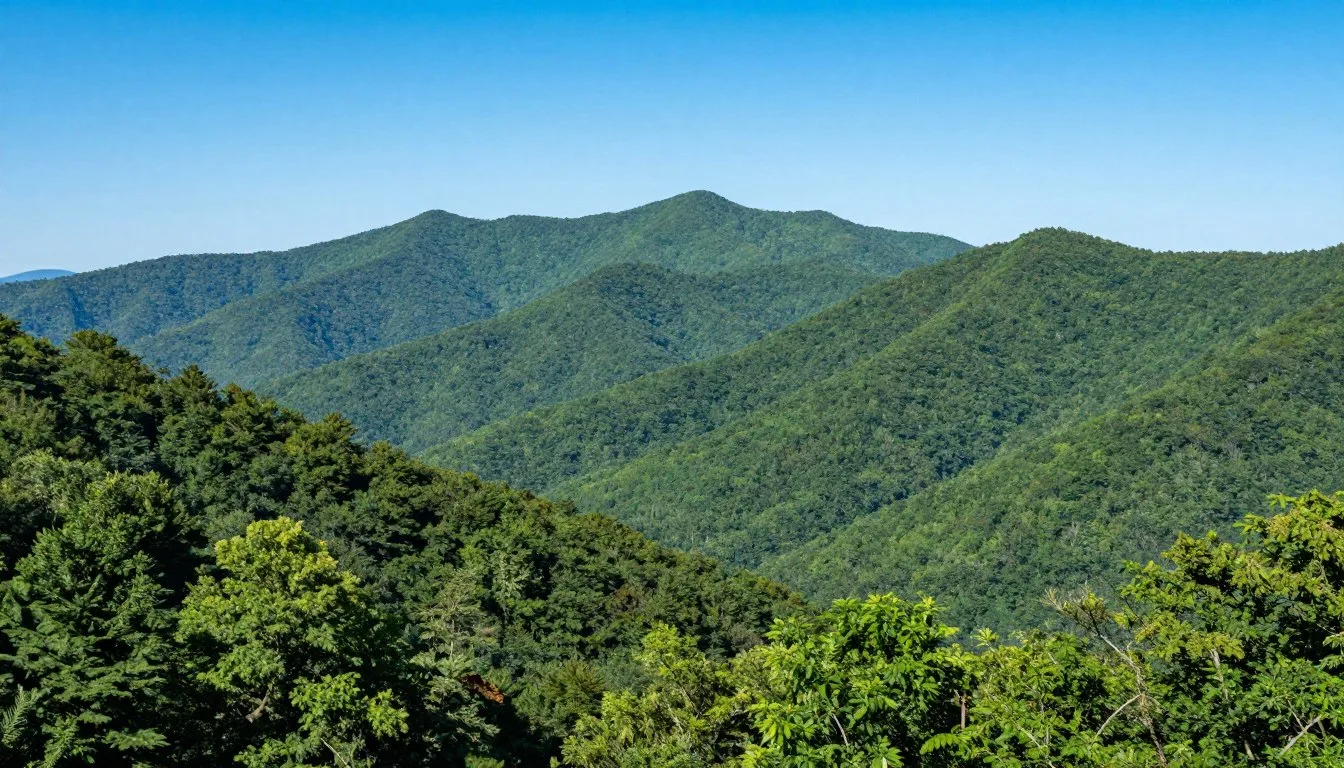
Every year, over 100,000 outdoor enthusiasts discover the hidden gem of Doe Mountain Tennessee, yet most visitors never learn about the area’s fascinating connection to early Appalachian settlers. This mountain recreation area takes its name from the abundant white-tailed deer that once roamed these ridges in such numbers that pioneers called it “Doe Mountain” to distinguish it from nearby peaks.
Nestled in the northeastern corner of Tennessee, Doe Mountain offers adventures that rival better-known destinations. The area spans thousands of acres across Johnson County.
Whether you seek challenging trails or family-friendly outdoor experiences, this guide reveals everything you need to know. From mountain biking paths to scenic fire tower views, Doe Mountain delivers authentic Appalachian adventure.
Getting There & Planning Your Journey
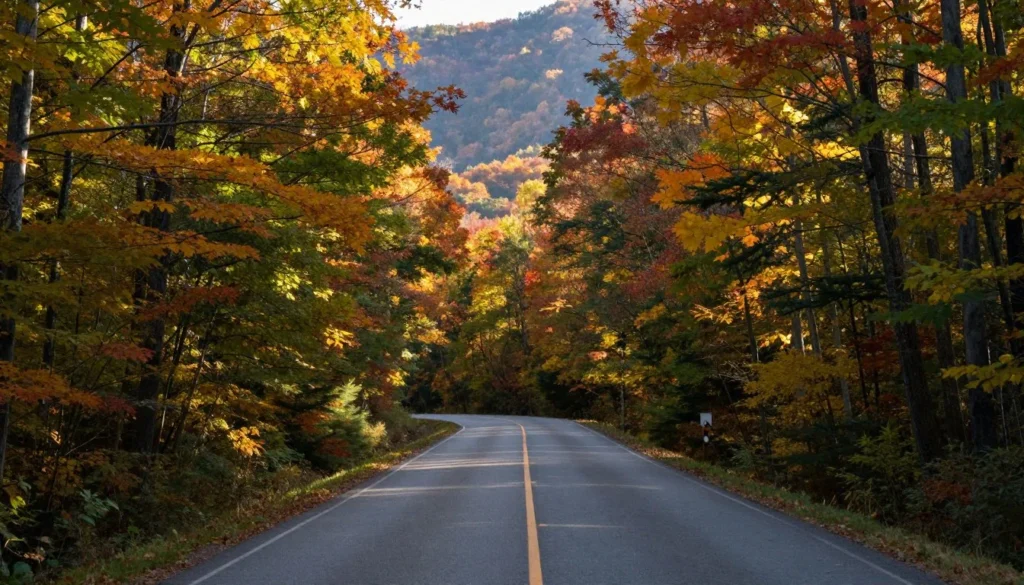
Reaching Doe Mountain Tennessee requires some planning. The area sits near Mountain City, the county seat of Johnson County. Most visitors arrive by car since public transportation options remain limited in this rural region.
Closest Airports
The nearest major airport is Tri-Cities Airport (TRI) in Blountville, Tennessee, located approximately 97 km (60 miles) southwest of Mountain City. This regional airport offers connections through major hubs. Flight options increase significantly at larger airports further away.
Charlotte Douglas International Airport (CLT) in North Carolina sits 201 km (125 miles) east. This major hub provides more flight choices but requires a longer drive through scenic mountain roads. The journey takes about two and a half hours.
Rental cars are essential for exploring the area. Book vehicles in advance during peak seasons. The drive from Tri-Cities Airport follows US Route 421 north through beautiful countryside.
Visitor Information
The Doe Mountain Recreation Authority serves as your primary resource for trail information and passes. Contact them for current conditions and access requirements.
Best Time to Visit & Weather Tips

Best Time to Visit Doe Mountain Tennessee
Spring and fall offer ideal conditions for exploring Doe Mountain. April through June brings comfortable temperatures between 15°C and 24°C (59°F to 75°F). Wildflowers bloom across the trails during this time.
September through November delivers spectacular fall colors. The mountain recreation area transforms into a canvas of reds, oranges, and golds. Temperatures range from 10°C to 21°C (50°F to 70°F). These months attract photographers and nature lovers.
Summer months from July through August see warmer weather reaching 27°C to 32°C (80°F to 90°F). Early morning rides and hikes beat the afternoon heat. Thunderstorms develop frequently during summer afternoons.
Seasons to Approach with Caution
Winter visits require preparation. December through March brings temperatures between -4°C and 7°C (25°F to 45°F). Snow and ice make trails challenging. Some dirt roads become impassable. The mountain biking season essentially closes during harsh winter weather.
Late winter through early spring creates muddy trail conditions. Heavy rains saturate the dirt trails. The Doe Mountain Recreation Authority may close certain paths to prevent erosion damage.
Notable Annual Festivals
Mountain City hosts several events that enhance any Doe Mountain visit. The Laurel Blooms Festival celebrates the mountain laurel flowering in June. This event features local crafts, music, and Appalachian culture.
Contact the Johnson County Welcome Center for current festival schedules and details:
The area celebrates Old Time Music Heritage each summer. Local musicians showcase traditional Appalachian instruments and songs. These authentic cultural experiences connect visitors to the region’s rich musical traditions.
Getting Around Locally

Personal vehicles provide the best way to explore Doe Mountain and surrounding areas. The mountain recreation system covers extensive territory accessible only by car or bike. No public transit serves the trail system.
Four-wheel-drive vehicles handle the terrain best. Many access roads remain unpaved. During wet weather, high clearance becomes necessary. Standard passenger cars can reach main trailheads during dry conditions.
Mountain bikes offer another excellent option for exploring the trail system. The Doe Mountain Recreation Authority maintains over 64 km (40 miles) of designated mountain biking trails. Riders of various skill levels find suitable paths.
Parking areas exist at major trailheads. Arrive early during peak season weekends. Popular spots fill quickly between 9 AM and 10 AM. Weekdays offer more solitude and easier parking.
GPS navigation works inconsistently in remote areas. Download offline maps before your visit. Trail maps are available at the visitor center and online through the recreation authority website.
Where to Stay
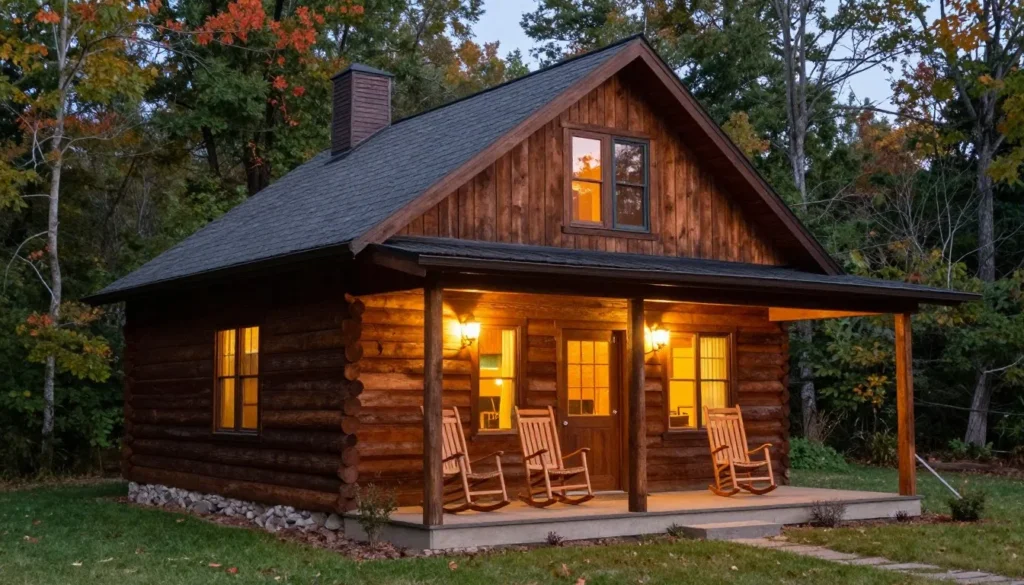
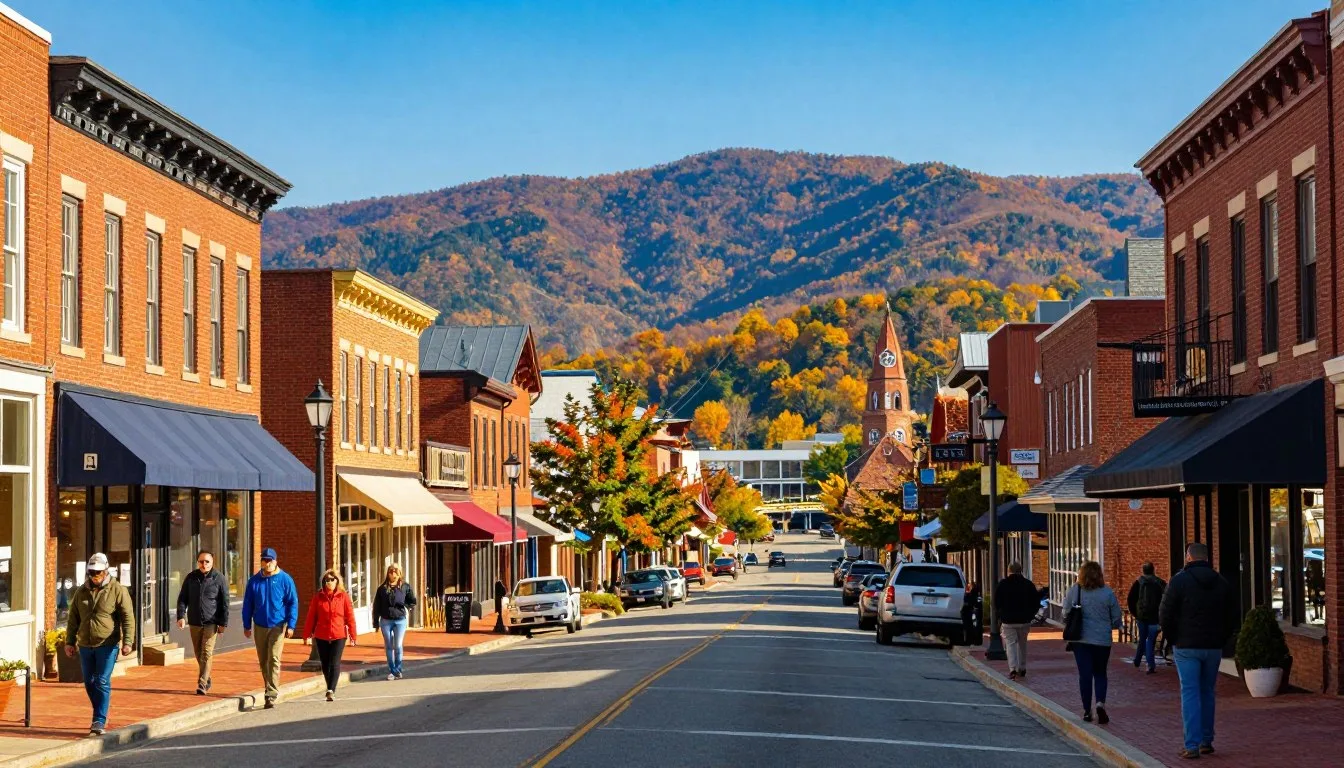
Mountain City provides the closest lodging options to Doe Mountain Tennessee. The small town offers various accommodations ranging from budget motels to charming bed and breakfasts. Most properties sit within 16 km (10 miles) of trailheads.
Hotels and Motels
Several chain hotels operate in Mountain City. These properties offer reliable amenities including WiFi, breakfast, and parking. Rates typically range from $75 to $120 per night depending on season.
For reservations and availability, contact local properties directly. The Mountain City Inn provides comfortable rooms and easy access to the recreation area:
Vacation Rentals and Cabins
Private cabins offer immersive mountain experiences. These rentals provide full kitchens, privacy, and often spectacular views. Properties sleep anywhere from two to twelve people. Weekly rates offer better value than nightly bookings.
Many cabins sit along country roads within 8 km (5 miles) of trail access points. Some properties allow early morning departures for sunrise hikes. Book several months ahead for fall color season and holiday weekends.
Camping Options
Primitive camping spots exist throughout the Doe Mountain Recreation area. Campers must follow Leave No Trace principles. Pack out all waste. Campfires are permitted only in designated areas during appropriate seasons.
Developed campgrounds operate in nearby state parks. These facilities provide restrooms, water access, and defined campsites. Reservations open several months in advance for peak seasons.
Dining & Local Cuisine

Mountain City and Johnson County offer authentic Appalachian cuisine. Local restaurants serve hearty portions that fuel outdoor adventures. Southern hospitality defines the dining experience throughout the area.
Local Favorites
Country cooking dominates menus. Expect fried chicken, biscuits and gravy, green beans cooked with fatback, and cornbread. These traditional dishes reflect the region’s agricultural heritage. Portions satisfy even the hungriest hikers.
Barbecue restaurants smoke pork and beef over hardwood. Each establishment guards its sauce recipe carefully. Sweet tea flows freely. Coleslaw and baked beans accompany most plates.
Several family-owned diners have served the community for decades. These establishments open early for breakfast. Pancakes, eggs, bacon, and sausage fuel morning trail adventures. Coffee refills come without asking.
Dining Recommendations
For authentic local flavor, visit downtown Mountain City restaurants. Call ahead for hours since some establishments close certain weekdays:
Pack provisions for all-day adventures. Small grocery stores stock sandwich supplies, snacks, and beverages. Preparation ensures you spend maximum time on trails rather than driving to restaurants.
Regional Specialties
Apple butter made from local orchards appears on many tables. This sweet spread complements biscuits perfectly. Fall brings fresh apple cider from nearby farms. Sourwood honey produced in the mountains offers unique flavor.
Country ham cured in traditional methods showcases regional food traditions. The salty, intense flavor differs from commercial ham. Biscuits filled with thin-sliced country ham make legendary breakfasts.
Attractions, Sightseeing & Activities

The Doe Mountain Recreation Authority manages the primary attraction system. This extensive network offers activities for various skill levels and interests. The recreation area has become a destination for riders and hikers throughout the Southeast.
Mountain Biking
Over 64 km (40 miles) of purpose-built trails wind through the mountain recreation area. These paths range from beginner-friendly routes to technical challenges. Dirt surfaces provide excellent grip when maintained properly.
Beginners should start with designated easier trails. These paths feature gentler grades and wider turning radius. As skills improve, intermediate trails introduce roots, rocks, and steeper sections. Advanced riders tackle technical descents and challenging climbs.
The trail system connects through various loops. Riders can customize route length and difficulty. Popular loops range from 8 km to 24 km (5 to 15 miles). Full-day adventures combine multiple sections.
Trail conditions vary with weather and season. Spring and fall offer prime riding conditions. Summer heat requires early starts. Winter riding becomes limited during freezing weather.
Hiking Adventures
Hikers share many trails with bikers. Designated hiking-only paths provide quieter experiences. These trails explore different areas of the mountain recreation territory. Distances range from short nature walks to full-day treks.
The fire tower hike ranks among the most popular destinations. This moderately challenging trail climbs to historic lookout structures. Views extend across multiple mountain ridges. Clear days reveal peaks in three states.
Trail markers guide hikers along established routes. Carry maps despite good signage. Cell phone coverage remains unreliable in remote areas. Share your planned route with someone before departing.
Off-Road Vehicle Adventures
ATV and dirt bike enthusiasts find dedicated trails throughout the system. These paths accommodate motorized recreation while separating from non-motorized users. Different skill levels enjoy appropriate challenges.
Technical sections test experienced riders. Rocky climbs, steep descents, and tight turns require skill and concentration. Beginners appreciate wider trails with gentler terrain. The variety keeps riders returning season after season.
Safety equipment requirements include helmets for all riders. Proper gear prevents injuries during falls. Protective clothing guards against branches and debris. Boots with ankle support help control vehicles on uneven terrain.
Fire Tower & Harbin Hill Highlights
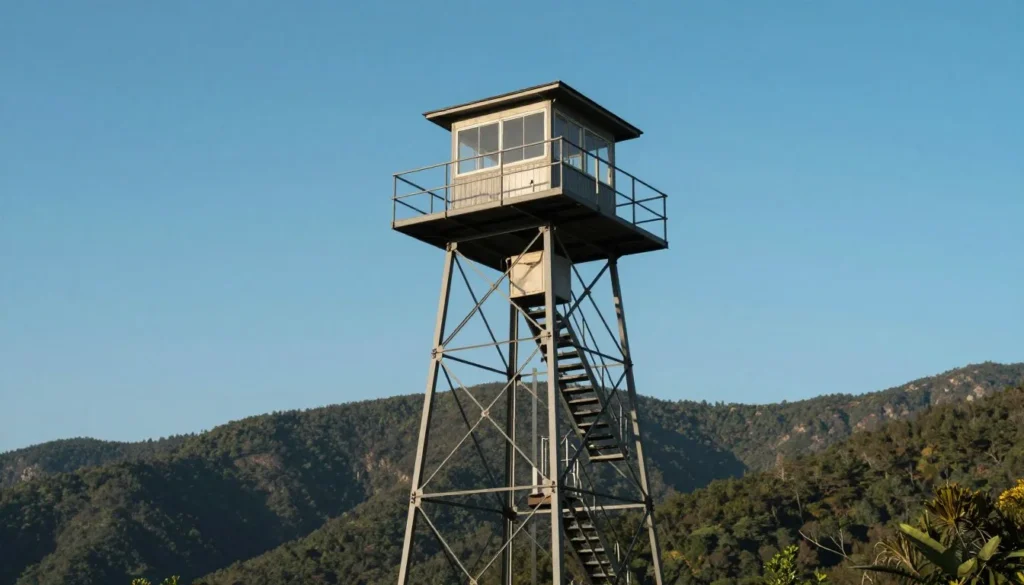
The fire tower stands as an iconic landmark within Doe Mountain Tennessee. This structure served forest fire detection for decades. Today it offers spectacular views for those willing to make the climb.
The fire tower trail gains elevation steadily. Most hikers complete the ascent in 45 to 90 minutes depending on pace and fitness. The path measures approximately 3.2 km (2 miles) one way. Switchbacks ease the gradient in steeper sections.
From the top, panoramic views extend in every direction. On clear days, visibility reaches 48 km (30 miles) or more. Sunrise and sunset times provide dramatic lighting. Photographers arrive early to capture morning mist in valleys.
Harbin Hill Exploration
Harbin Hill represents another significant feature within the recreation area. This section offers diverse trail options. Terrain varies from flowing descents to technical rock gardens. Riders and hikers find new challenges each visit.
The hill provides natural viewpoints without climbing towers. Rocky outcrops create perfect rest spots. Pack snacks and water to enjoy extended breaks at scenic locations. These natural viewing areas require no reservation or fee.
Wildlife sightings occur frequently around Harbin Hill. White-tailed deer, wild turkeys, and various bird species inhabit the area. Early morning and evening hours increase wildlife viewing opportunities. Move quietly and watch carefully to spot animals before they detect you.
Museums, Cultural Spots & Festivals

Johnson County preserves rich Appalachian heritage through various cultural institutions. Mountain City serves as the hub for historical and artistic attractions. These venues provide context for the landscape you explore.
Local History
The Johnson County Welcome Center houses historical displays. Exhibits chronicle early settlement, Civil War impacts, and agricultural development. Photographs show how the region has changed across generations. Admission remains free, funded by local tourism support.
Traditional craft demonstrations occur during special events. Local artisans showcase blacksmithing, basket weaving, and woodworking. These skills passed down through families for generations. Visitors can purchase handmade items directly from craftspeople.
Music Heritage
Appalachian music forms an integral part of local culture. Mountain City has produced notable bluegrass and old-time musicians. Impromptu jam sessions occur at various venues throughout the year. The authentic, unpolished performances capture traditional mountain music.
Several churches feature shape-note singing traditions. These unique four-part harmonies originated in early American singing schools. Visitors respectfully attending services experience this distinctive musical form. The haunting harmonies create unforgettable impressions.
Seasonal Cultural Events
Spring and fall festivals celebrate regional heritage. Events feature traditional food, music, and crafts. Local families attend these gatherings for generations. Visitors experience genuine community rather than manufactured tourist attractions.
The Laurel Blooms Festival highlights native mountain laurel flowering. Educational programs explain forest ecology and native plant identification. Guided hikes reveal botanical diversity. These programs connect visitors to the landscape more deeply.
Nature & Outdoor Experiences
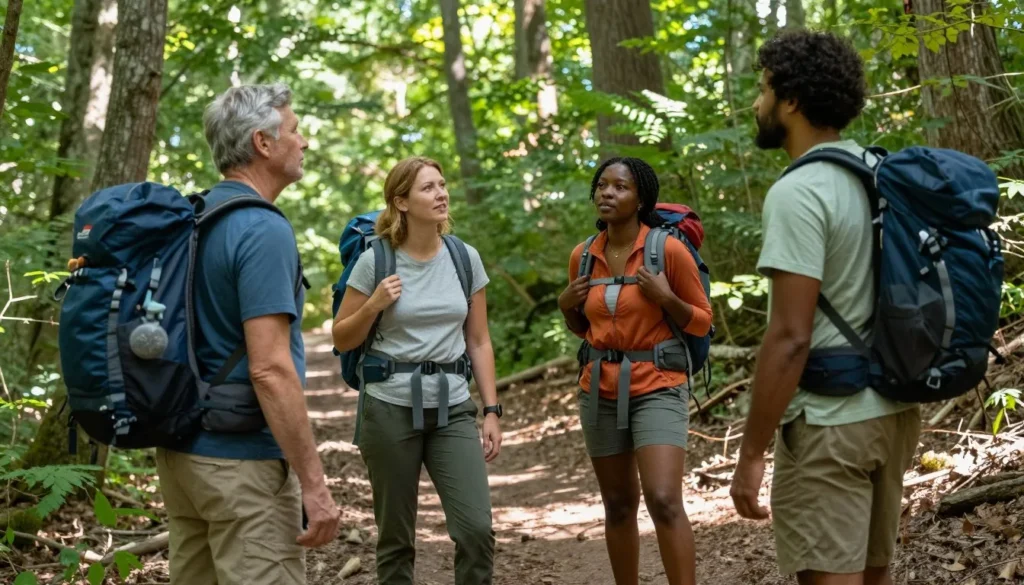
Beyond organized trails, Doe Mountain Tennessee offers countless opportunities to connect with nature. The mountain recreation area protects thousands of acres of forest and wildlife habitat. This preservation ensures future generations can enjoy similar experiences.
Forest Ecosystems
Mixed hardwood forests dominate the landscape. Oak, hickory, maple, and poplar trees create diverse canopy layers. Understory plants include rhododendron, mountain laurel, and various wildflowers. Each season brings different blooms and foliage colors.
The elevation changes create distinct ecological zones. Lower elevations support different species than higher ridges. Observant visitors notice these transitions while climbing trails. This diversity supports varied wildlife populations.
Wildlife Watching
White-tailed deer remain abundant despite hunting pressure in surrounding areas. The recreation area provides safe habitat. Early morning hours offer best viewing opportunities. Move slowly and quietly to observe natural behaviors.
Black bears inhabit the region though sightings remain relatively rare. Proper food storage prevents bear encounters at campsites. Never approach bears regardless of apparent docility. These powerful animals demand respectful distance.
Bird species include wild turkeys, various woodpeckers, hawks, and songbirds. Spring migration brings colorful warblers through the mountains. Serious birders bring binoculars and field guides. Even casual observers notice the remarkable variety.
Photography Opportunities
Landscape photographers find endless subjects throughout the area. Mountain vistas, forest details, and wildlife provide varied compositions. Morning fog creates ethereal scenes in valleys. Golden hour light paints ridges in warm tones.
Macro photography reveals intricate details of wildflowers and insects. The diverse forest ecosystem supports countless small subjects. Spring wildflowers offer particular appeal for close-up work. Patience and careful observation reveal hidden beauty.
Fall foliage attracts photographers from distant locations. The color transformation peaks in October typically. Exact timing varies with weather patterns. Scout locations before peak color to identify best viewpoints.
Travel With Children

Doe Mountain Tennessee welcomes families with children. Several trails and activities suit younger adventurers. Proper planning ensures everyone enjoys the outdoor experience safely.
Kid-Friendly Trails
Shorter loop trails provide appropriate distances for small legs. These paths rarely exceed 3 km (2 miles) total length. Gentle grades prevent exhaustion and complaints. Frequent rest spots maintain enthusiasm.
Nature scavenger hunts engage children’s attention. Create lists of items to spot: specific leaves, animal tracks, interesting rocks, bird calls. This interactive approach transforms hiking into adventure games. Children forget they are exercising while searching for treasures.
Safety Considerations
Children should stay within sight on trails. The extensive trail network makes getting separated easy. Bright clothing helps track kids visually. Whistle protocols establish communication methods if anyone gets turned around.
Teach children trail etiquette before arriving. Staying on marked paths protects both children and fragile ecosystems. Yielding to other trail users demonstrates courtesy. These lessons benefit kids beyond this single trip.
Educational Opportunities
The mountain recreation area offers natural classroom experiences. Identify trees by bark patterns and leaf shapes. Discuss how seasons affect plant and animal life. These informal lessons create lasting memories.
Pack field guides appropriate for children’s age levels. Simplified identification books maintain interest better than technical volumes. Apps can help but remember inconsistent cell coverage. Traditional books work everywhere.
Practical Family Tips
Bring significantly more snacks than expected. Active children consume remarkable quantities of food. Hunger causes meltdowns more than fatigue. Protein-rich options sustain energy better than sugary treats alone.
Plan shorter adventures than adults might choose independently. Success matters more than distance. Positive early experiences build enthusiasm for future outdoor activities. End adventures while everyone still feels happy.
Money Saving Tips

Visiting Doe Mountain Tennessee need not drain your budget. Strategic planning reduces expenses while maintaining experience quality. These tips help maximize adventure value.
Annual Pass Benefits
The Doe Mountain Recreation Authority offers annual passes for frequent visitors. This single purchase grants unlimited access for one year. The pass pays for itself after just a few day visits. Families spending a week in the area save considerably.
Annual passes also support trail maintenance and facility improvements. Your purchase directly benefits the recreation area. This investment ensures trails remain accessible for future visits.
Accommodation Strategies
Camping represents the most economical lodging option. Primitive sites cost nothing beyond the recreation area pass. Developed campgrounds charge modest fees compared to hotels. Bringing your own food and cooking equipment further reduces expenses.
Vacation rental cabins become economical for groups. Six people splitting costs often pay less per person than individual hotel rooms. Full kitchens allow meal preparation rather than restaurant dining. Weekly rates offer better value than nightly bookings.
Food and Supplies
Pack lunches and snacks before heading to trails. Mountain City grocery stores stock supplies at reasonable prices. Preparing food yourself costs a fraction of restaurant meals. Reusable water bottles eliminate buying disposable drinks.
Shop at local markets for fresh produce and regional products. These purchases often cost less than chain supermarkets. You also support local farmers and food producers. Quality frequently exceeds mass-market alternatives.
Free Activities
Most outdoor experiences at Doe Mountain cost only the access pass. Hiking, wildlife watching, and photography require no additional fees. Natural beauty provides entertainment without admission charges. Simple pleasures often create the best memories.
Attend free community events and festivals. These gatherings offer authentic cultural experiences without tickets. Local music, craft demonstrations, and educational programs welcome visitors. Check community calendars for current opportunities.
Safety & Local Customs
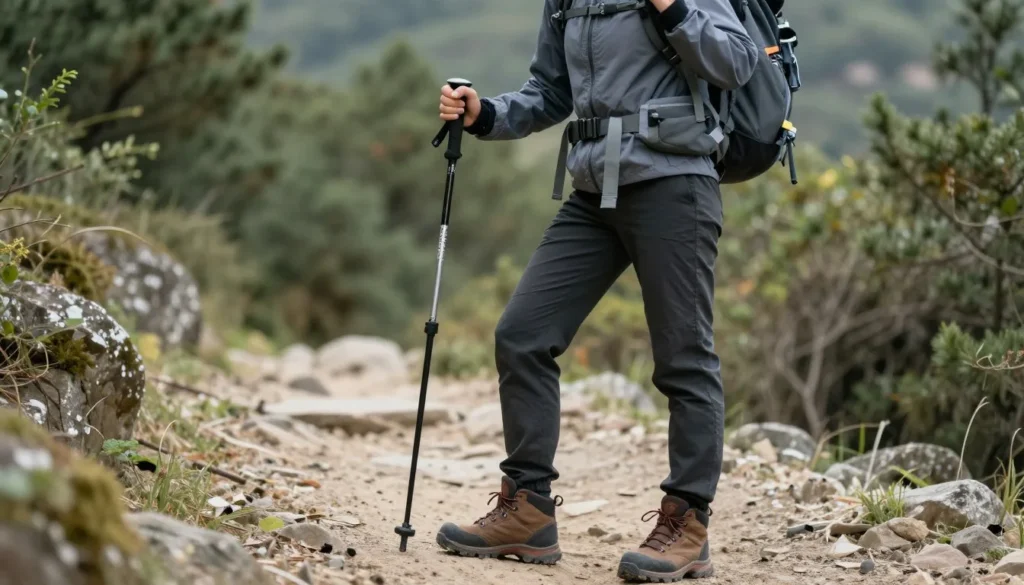
Responsible recreation ensures everyone enjoys Doe Mountain Tennessee safely. Understanding both physical hazards and local culture enhances your visit. Preparation prevents most problems before they occur.
Trail Safety
Always inform someone of your planned route and expected return time. Cell phone coverage remains unreliable throughout much of the recreation area. Emergency communication becomes difficult in remote locations. Someone should know when to alert authorities if you fail to return.
Carry essential safety items even on short hikes. Water, high-energy food, first aid supplies, map, and emergency shelter weigh little but prove invaluable during unexpected situations. Weather changes rapidly in mountains. Afternoon thunderstorms develop with little warning.
Proper footwear prevents most injuries. Ankle support becomes crucial on uneven terrain. Grippy soles handle loose dirt and rocks. Break in new boots before visiting to avoid blisters. Foot problems end adventures quickly.
Weather Awareness
Monitor forecasts before departing. Mountain weather differs from valley conditions. Temperatures drop with elevation. Wind speeds increase on exposed ridges. Rain at lower elevations may fall as snow at higher points.
Lightning poses serious danger during thunderstorms. Seek low ground away from tall trees and exposed peaks. Avoid open areas and ridgelines. If caught in the open, crouch low but do not lie flat. Wait thirty minutes after the last thunder before resuming activity.
Wildlife Encounters
Black bears inhabit the area though encounters remain uncommon. Make noise while hiking to avoid surprising bears. If you see a bear, remain calm and back away slowly. Never run or approach bears. Carry bear spray in active bear habitat.
Venomous snakes including copperheads and timber rattlesnakes live throughout the region. Watch where you place hands and feet. Most snake bites occur when people fail to look before reaching. Give snakes space and they will move away. Seek immediate medical attention for any snake bite.
Local Customs
Appalachian communities value courtesy and respect. Greet people you meet on trails and in town. Simple “hello” or “good morning” acknowledges others. This friendliness reflects regional culture. Visitors who reciprocate integrate better.
Respect private property boundaries. Much land surrounding the recreation area belongs to individuals and families. Do not trespass despite seeming lack of activity. Posted signs communicate clear boundaries. Honor these markers without exception.
The area maintains conservative social norms. Modest dress and behavior demonstrate respect. Loud music, excessive alcohol consumption, and inappropriate language offend local sensibilities. Remember you are a guest in their community.
Emergency Contacts
For emergencies requiring immediate assistance, dial 911. Provide your location as precisely as possible. Trailhead names and directions from major roads help responders. Johnson County emergency services respond to recreation area incidents.
For non-emergency questions about trail conditions or closures, contact the Doe Mountain Recreation Authority during business hours. Staff provide current information and guidance.
Visitor Comments About Doe Mountain Tennessee

“The trail system exceeded all expectations. We spent three full days exploring different routes and never felt bored. The variety of terrain keeps every ride interesting. Mountain biking here rivals destinations that charge significantly more. The annual pass represents incredible value.”
“Our family discovered Doe Mountain by accident while visiting Tennessee. The fire tower hike challenged our teenage kids just enough without overwhelming them. Views from the top made everyone forget their tired legs. We plan to return next fall specifically for this area. The authentic Appalachian experience felt refreshing compared to crowded tourist destinations.”
“As a photographer, I appreciated the unspoiled beauty throughout the recreation area. Early morning mist in the valleys created magical conditions. Wildlife sightings happened frequently when I moved quietly. The lack of commercialization allowed genuine connection with nature. I captured some of my best landscape work during a week-long visit.”
Additional Nearby Destinations
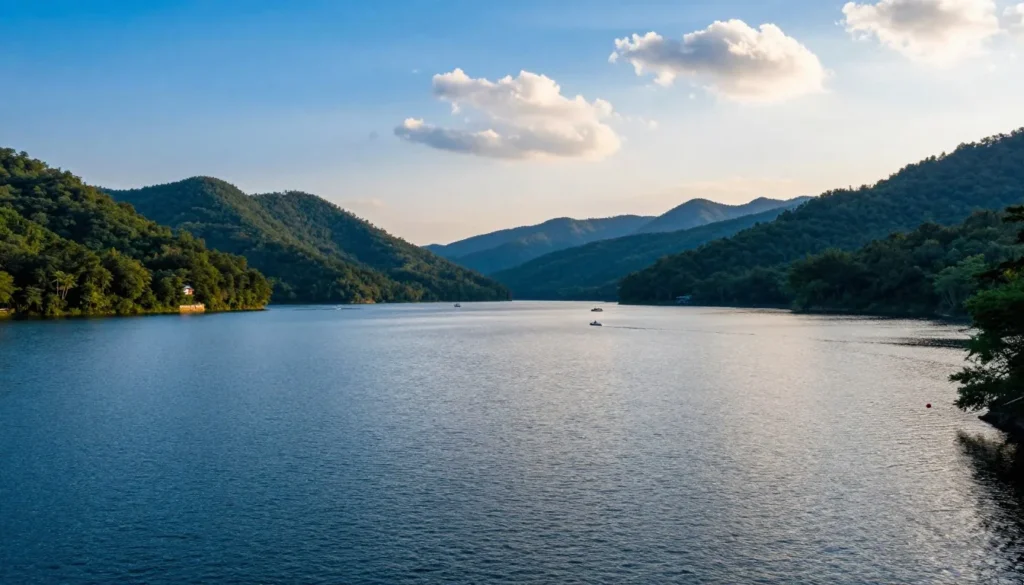
Doe Mountain serves as an excellent base for exploring northeast Tennessee. Several significant attractions lie within easy driving distance. Extending your trip allows discovery of diverse regional features.
Watauga Lake
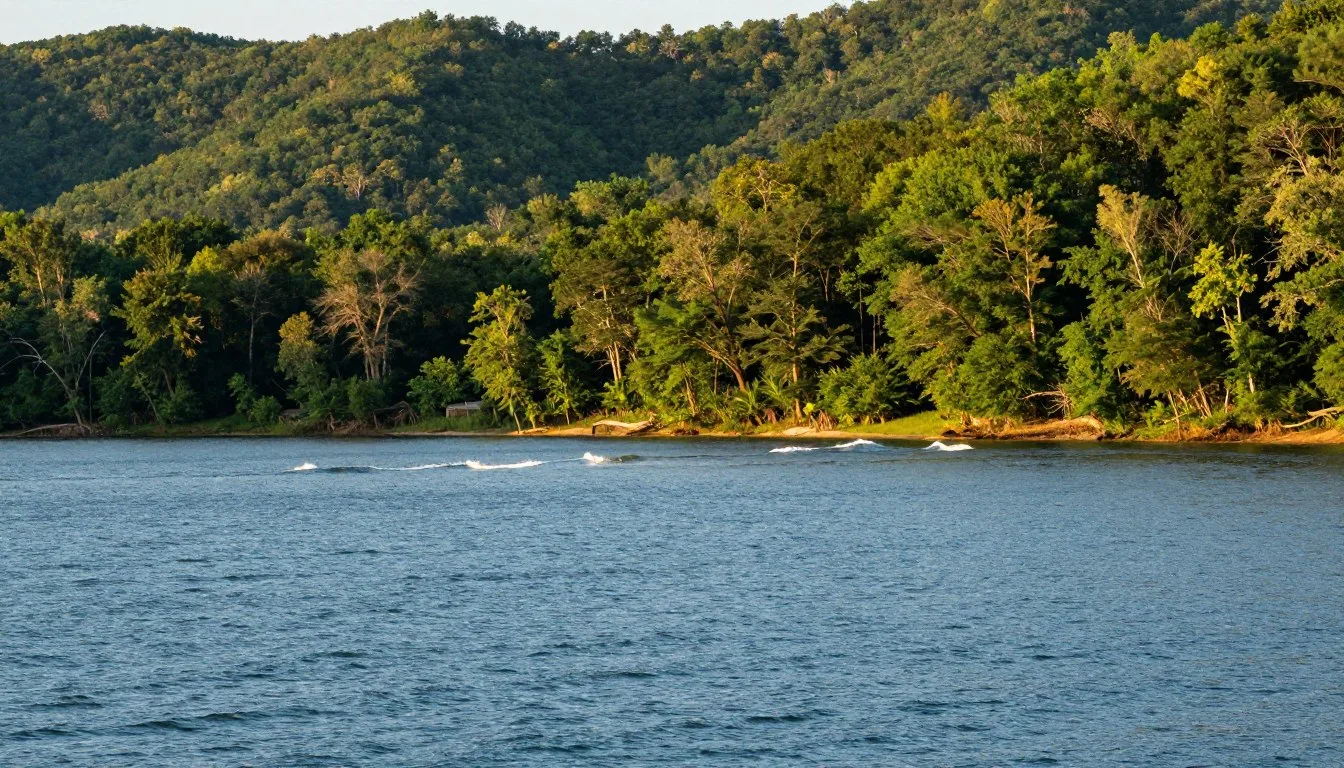
This massive reservoir stretches across 2,430 hectares (6,000 acres) approximately 32 km (20 miles) southwest of Mountain City. The lake offers boating, fishing, and swimming opportunities. Campgrounds ring the shoreline. Scenic drives follow winding roads along the water.
The Tennessee Valley Authority created Watauga Lake by damming the Watauga River. Clear water and dramatic mountain backdrop attract photographers. Sunset views particularly impress visitors. Several marinas provide boat rentals and supplies.
Roan Mountain
Roan Mountain State Park sits roughly 48 km (30 miles) south of Doe Mountain Tennessee. This park protects the world’s largest natural rhododendron garden. Purple blooms cover the mountain in mid-June. The spectacle draws thousands of visitors annually.
The Appalachian Trail crosses Roan Mountain. Day hikers access this famous long-distance trail without committing to extended backpacking. Views from Roan High Knob extend across five states on clear days. The elevation reaches 1,916 m (6,285 feet).
Abingdon, Virginia
This historic town lies 40 km (25 miles) northeast across the state line. Abingdon features the famous Barter Theatre, Virginia’s State Theatre. The institution began during the Great Depression when patrons paid admission with produce. Professional productions continue year-round.
The Virginia Creeper Trail, a renowned rail-trail, begins in Abingdon. This 54 km (34-mile) path follows an old railroad bed through beautiful countryside. Gentle grades make cycling accessible for most fitness levels. Shuttle services transport riders to the start.
Bristol
Split between Tennessee and Virginia, Bristol claims the title “Birthplace of Country Music.” The historic recording sessions of 1927 captured Appalachian musical traditions. The Birthplace of Country Music Museum preserves this heritage through exhibits and programs.
Bristol sits approximately 64 km (40 miles) southwest of Mountain City. The larger city offers additional dining, shopping, and lodging options. Bristol Motor Speedway hosts major NASCAR races. The massive facility draws racing fans from across the country.
Practical Travel Tips

What to Pack
Layer clothing to adapt to changing conditions. Temperatures fluctuate significantly between morning and afternoon. Moisture-wicking base layers manage perspiration. Insulating mid-layers provide warmth. Waterproof outer shells protect against unexpected rain.
Sturdy hiking boots or mountain biking shoes form the foundation of appropriate gear. Do not attempt trails in casual sneakers. Ankle support prevents injuries on uneven terrain. Break in footwear before your trip to avoid blisters.
Carry more water than you think necessary. Exertion in mountain air increases fluid requirements. A minimum of two liters per person for half-day adventures prevents dehydration. Water purification tablets allow refilling from streams in emergencies.
Cell Phone and Communication
Cell coverage remains spotty throughout the recreation area. Do not rely on phones for navigation or emergency communication. Download offline maps before departing. Inform someone of your plans and expected return time.
Portable battery packs keep devices charged for photos and emergency use. Airplane mode conserves battery when signal remains unavailable. Reserve phone power for genuine needs rather than casual use.
Best Practices
Arrive early to beat crowds and heat. Popular trailheads fill by mid-morning on weekends. Early starts provide solitude and cooler temperatures. Wildlife viewing improves during first light hours.
Leave No Trace principles protect the recreation area for future visitors. Pack out all trash including food waste. Stay on established trails to prevent erosion. Respect wildlife by observing from distance. Your actions either preserve or degrade this natural resource.
Seasonal Considerations
Spring brings unpredictable weather and muddy trails. Some paths close temporarily to prevent damage. Call ahead for current conditions. The Doe Mountain Recreation Authority provides updates on closures and trail status.
Summer heat requires early morning or evening adventures. Midday temperatures make strenuous activity uncomfortable. Thunderstorms develop most afternoons. Watch weather carefully and descend before storms arrive.
Fall offers ideal conditions but attracts maximum visitors. Popular trails see heavy use during peak color weeks. Weekday visits avoid worst crowds. Book accommodations months in advance for October weekends.
Winter visits require serious preparation. Snow and ice create dangerous conditions. Some trails close completely. Check current status before attempting winter adventures. Those who visit during this challenging season find remarkable solitude.
Permits and Regulations
All visitors must purchase day passes or annual passes. The recreation authority enforces this requirement. Proceeds fund trail maintenance, signage, and facility improvements. Passes can be purchased at self-service kiosks when offices are closed.
Respect trail designations. Hiking-only paths prohibit bikes and motorized vehicles. Shared-use trails require courtesy between different user types. Mountain bikers yield to hikers. Everyone yields to horses though equestrian use remains limited here.
Your Appalachian Adventure Awaits
Doe Mountain Tennessee delivers authentic mountain experiences without artificial tourist trappings. The extensive trail network challenges and rewards adventurers of all skill levels. From leisurely nature walks to demanding technical rides, every visitor finds appropriate activities.
The fire tower views, diverse trails, and unspoiled forests create lasting memories. This destination rewards those who seek genuine outdoor adventure over manufactured attractions. Whether you spend a day or a week, Doe Mountain reveals new discoveries with each visit.
Plan your journey carefully, respect the land, and embrace the Appalachian spirit. The mountains will welcome you with open ridges and winding trails. Your adventure story begins when you arrive at this remarkable recreation area.