Hotels by Trip.com
Flights by Trip.com
Did you know that Dunbar Cave harbors some of the oldest known cave art in the southeastern United States, with Native American mud glyph drawings dating back over 2,000 years? This remarkable cave state park in Tennessee offers visitors a rare glimpse into ancient history while providing modern outdoor recreation opportunities.
The park takes its name from Thomas Dunbar, who purchased the property in the 1850s. Since then, this state natural area has transformed from a private attraction into one of Tennessee’s most treasured state parks.
Whether you’re drawn by the mysterious cave tours, scenic trails, or the peaceful Swan Lake, this destination promises an unforgettable experience. Let’s explore everything you need to know for planning your trip to this hidden gem.
Getting There and Planning Your Journey
Dunbar Cave State Park sits in Clarksville, Tennessee, making it easily accessible from multiple major cities. The park entrance is located at 401 Old Dunbar Cave Road, just minutes from downtown Clarksville.

The closest airports include:
- Nashville International Airport (BNA) – 64 km (40 miles) southeast, approximately 50-minute drive
- Outlaw Field (CKV) – 8 km (5 miles) from the park, smaller regional airport
- Louisville Muhammad Ali International Airport (SDF) – 193 km (120 miles) north for international connections
From Nashville, take Interstate 24 West toward Clarksville. Exit at Highway 79 and follow signs to the state park. The drive offers pleasant countryside views as you approach the area.
Most visitors arrive by car, which provides flexibility for exploring nearby attractions. Rental cars are available at Nashville International Airport with numerous options from major providers.
Park Contact Information: Dunbar Cave State Park Visitor Center, phone (931) 648-5526. Open Wednesday through Sunday, 8:00 AM to 4:30 PM. The park itself remains open daily from dawn to dusk year-round.
Best Time to Visit Dunbar Cave State Park Tennessee and Weather Tips
Timing your visit correctly enhances your experience at this cave state park considerably. Each season brings unique advantages and some limitations worth considering.
Recommended Visiting Seasons
Spring (March through May) ranks as the ideal time for most visitors. Temperatures range from 15°C to 24°C (59°F to 75°F), perfect for trail hiking. Wildflowers bloom throughout the state natural area, and wildlife becomes increasingly active.
Fall (September through November) offers equally pleasant conditions. Expect temperatures between 13°C to 23°C (55°F to 73°F). The changing foliage transforms the park into a painter’s palette of reds, oranges, and golds. This season sees fewer crowds than summer months.
Summer (June through August) brings warm weather, with temperatures reaching 27°C to 33°C (80°F to 91°F). The cave maintains a constant cool temperature around 14°C (58°F) inside, providing welcome relief from summer heat. However, humidity can be high, and trails may feel challenging during peak afternoon hours.
Seasons to Approach Cautiously
Winter (December through February) presents some challenges. While temperatures rarely drop below freezing for extended periods, ranging from 1°C to 10°C (34°F to 50°F), cave tours face restrictions. White nose syndrome concerns have temporarily suspended cave access to protect bat populations during their hibernation period.
Late winter and early spring can bring ice on trails, making hiking treacherous. Always check current conditions before visiting during these months.
Weather Considerations
Tennessee weather can change quickly. Pack layers regardless of season. Rain showers occur throughout the year, so bring waterproof gear. Summer thunderstorms typically arrive in late afternoon.
Inside the cave, temperature remains stable year-round. Bring a light jacket even on hot summer days, as the sudden temperature drop can feel dramatic.
Notable Annual Festivals
The Clarksville area hosts several annual festivals that coincide wonderfully with a visit to Dunbar Cave State Park. These events showcase local culture and provide entertainment beyond the park itself.
Rivers and Spires Festival
This major spring celebration happens each April in downtown Clarksville, just minutes from the park. The festival features live music, arts and crafts vendors, food trucks, and family activities. It celebrates the Cumberland River heritage and local history.
Contact: Clarksville Parks and Recreation, (931) 645-7476
Fall Festival at Port Royal State Historic Park
Held in October at nearby Port Royal, this event recreates 19th-century life with demonstrations, traditional crafts, and historical reenactments. The festival complements a visit to Dunbar Cave State Park beautifully.
Contact: Port Royal State Historic Park, (931) 358-9696
The Clarksville area also hosts smaller community events throughout the year. Check with the Clarksville-Montgomery County Convention and Visitors Bureau at (931) 645-7476 for current event schedules during your planned visit.
Getting Around Locally
Navigating the Clarksville area requires a vehicle for maximum convenience. The park itself covers 44 hectares (110 acres), with trails and facilities easily accessible on foot once you arrive.
Parking at Dunbar Cave State Park is free and ample. The main parking area sits near the visitor center, providing easy access to trailheads and the cave entrance. Overflow parking becomes available during peak visiting times.
Public transportation options in Clarksville remain limited. The Clarksville Transit System operates bus routes, but none service the park directly. Ride-sharing services like Uber and Lyft operate in the area, though availability may vary.
For visitors staying in downtown Clarksville, the park is approximately 4.8 km (3 miles) away. This distance makes taxi or ride-share services practical for those without personal vehicles.
Inside the park, all trails are clearly marked and well-maintained. The main trail to the cave entrance measures approximately 1.2 km (0.75 miles) and takes 15-20 minutes to walk at a leisurely pace.
Where to Stay
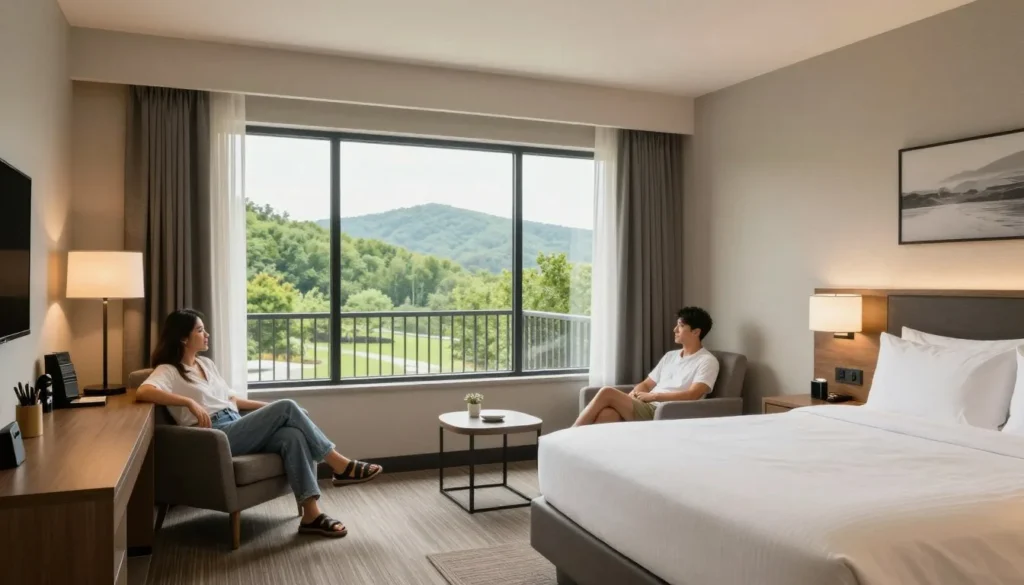
Dunbar Cave State Park does not offer camping facilities, but the Clarksville area provides numerous lodging options to suit every budget and preference. Most accommodations sit within 8 km (5 miles) of the park.
Hotels and Motels
Downtown Clarksville features several chain hotels offering comfortable rooms and standard amenities. Options include Hampton Inn, Holiday Inn Express, and Fairfield Inn, all providing reliable service and easy highway access. Expect rates between $80-150 per night depending on season.
Budget-conscious travelers will find economy options like Quality Inn and Super 8 with rates starting around $60-80 per night. These properties offer clean, basic accommodations perfect for visitors spending most time at the park.
Bed and Breakfasts
Several charming bed and breakfast establishments operate in historic downtown Clarksville. These properties provide personalized service and home-cooked breakfasts, with rates typically ranging from $100-180 per night.
Vacation Rentals
Private vacation rentals and cabins are available through various booking platforms. These work especially well for families or groups planning extended stays. Some properties sit on land adjacent to other Tennessee state parks, offering additional outdoor access.
Nearby Camping
While Dunbar Cave State Park lacks camping, nearby Port Royal State Historic Park offers limited camping facilities. The Land Between the Lakes National Recreation Area, about 64 km (40 miles) away, provides extensive camping options for those preferring that experience.
Dining and Local Cuisine
Clarksville’s dining scene reflects its Tennessee heritage while embracing diverse culinary influences. The area surrounding the cave state park offers everything from traditional Southern comfort food to international cuisine.
Local Specialties
Tennessee cuisine features prominently in local restaurants. Try authentic Southern barbecue with slow-smoked meats, tangy sauces, and classic sides like coleslaw and baked beans. Several establishments serve country ham, a regional delicacy cured with traditional methods.
Fried catfish appears on many menus, often served with hushpuppies and sweet tea. Biscuits and gravy make popular breakfast choices, especially after morning hikes at the park.
Casual Dining
Downtown Clarksville features numerous family-friendly restaurants. Edward’s Steakhouse offers upscale dining with locally sourced ingredients. For barbecue, try Blackhorse Pub and Brewery, which combines Southern cooking with craft beer.
Silke’s Old World Breads provides European-style baked goods and sandwiches perfect for picnic lunches at the park.
Quick Options
Fast-casual chains and local quick-service restaurants line Wilma Rudolph Boulevard near the park. These spots work well for grabbing supplies before heading to Dunbar Cave State Park for a day of exploration.
Several grocery stores in the area allow you to assemble picnic supplies. The park has designated picnic areas near Swan Lake.
Remember that the park itself has no food service facilities. Plan accordingly by eating before arrival or bringing packed meals to enjoy in designated picnic areas.
Attractions, Sightseeing, and Activities
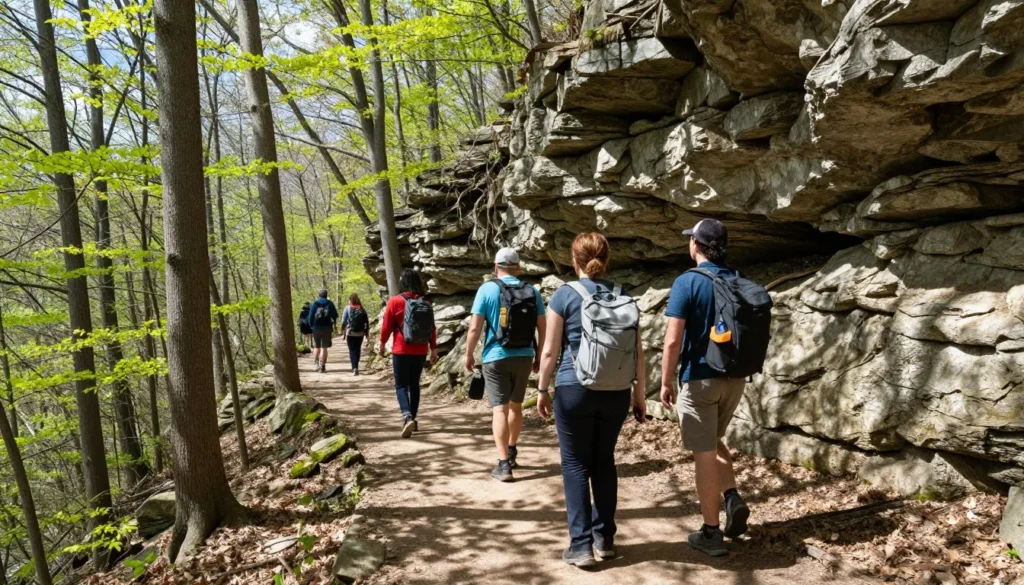
Dunbar Cave State Park Tennessee centers around its namesake cave, but visitors discover much more than just the cave itself. The entire state natural area provides diverse activities for all interests and fitness levels.
The Cave Experience
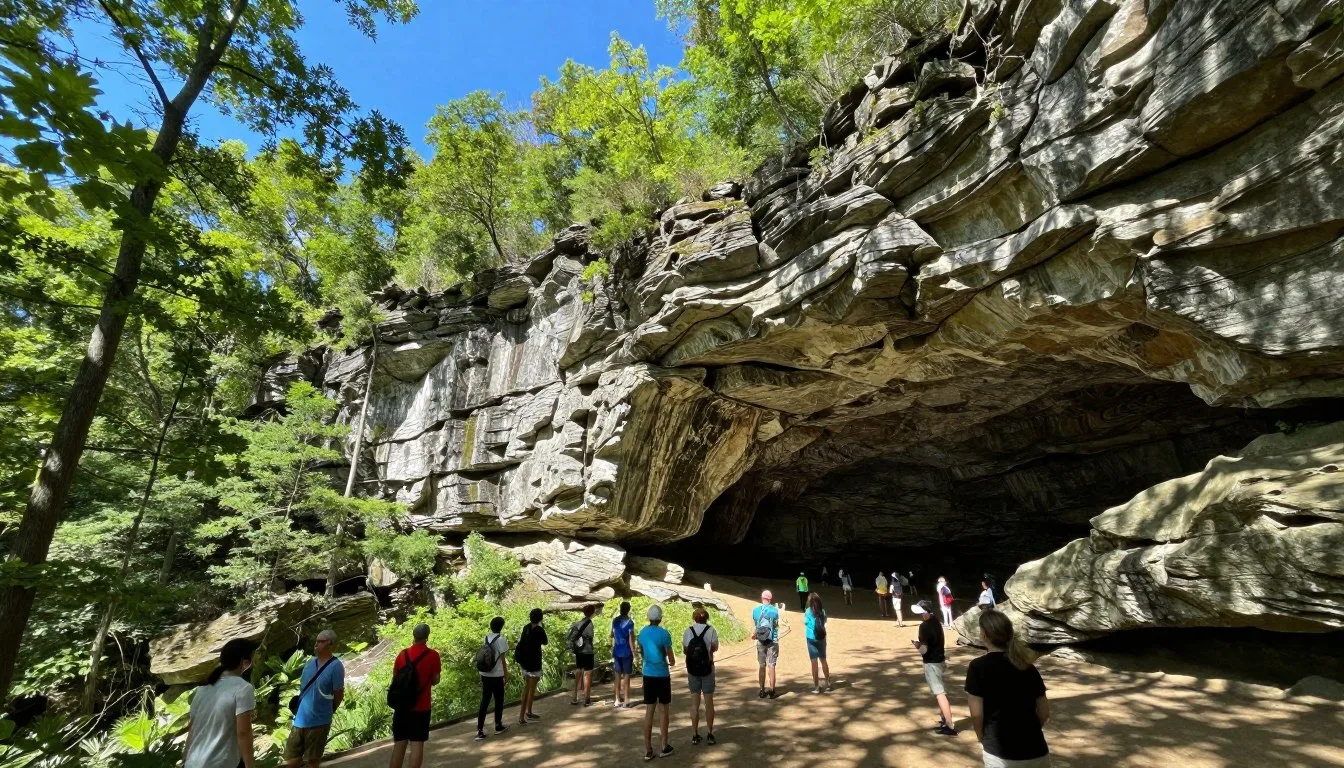
The cave stretches approximately 13 km (8 miles) into the limestone hillside, though only the entrance area is accessible to the public. This entrance chamber measures roughly 30 meters (100 feet) wide and 6 meters (20 feet) high, creating an impressive natural cathedral.
Due to white nose syndrome concerns affecting bat populations, cave tours have been temporarily suspended. However, visitors can still view the impressive entrance and learn about cave formation, history, and ecology from interpretive displays near the site.
The cave maintains a constant temperature of approximately 14°C (58°F) year-round. When tours resume, visitors should expect a 30-45 minute guided experience exploring the entrance chamber and learning about the site’s archaeological significance.
Swan Lake
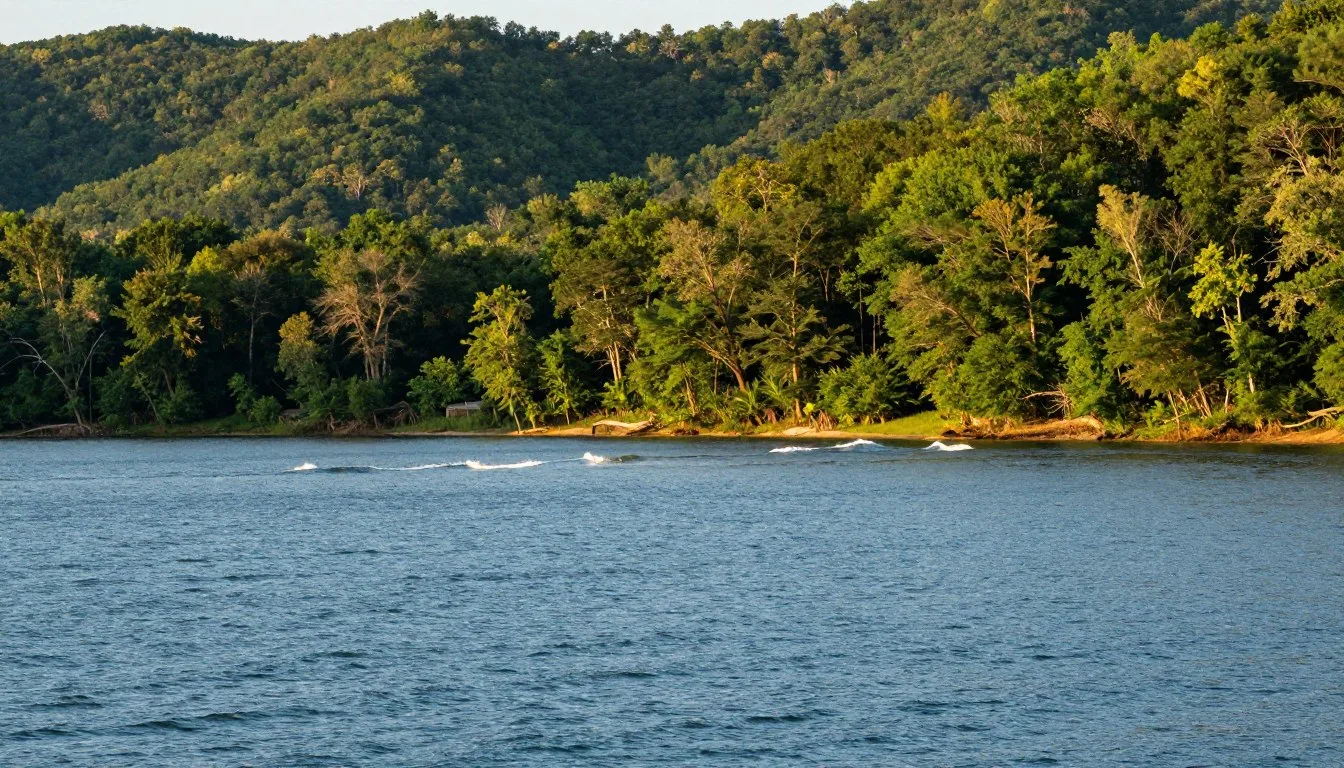
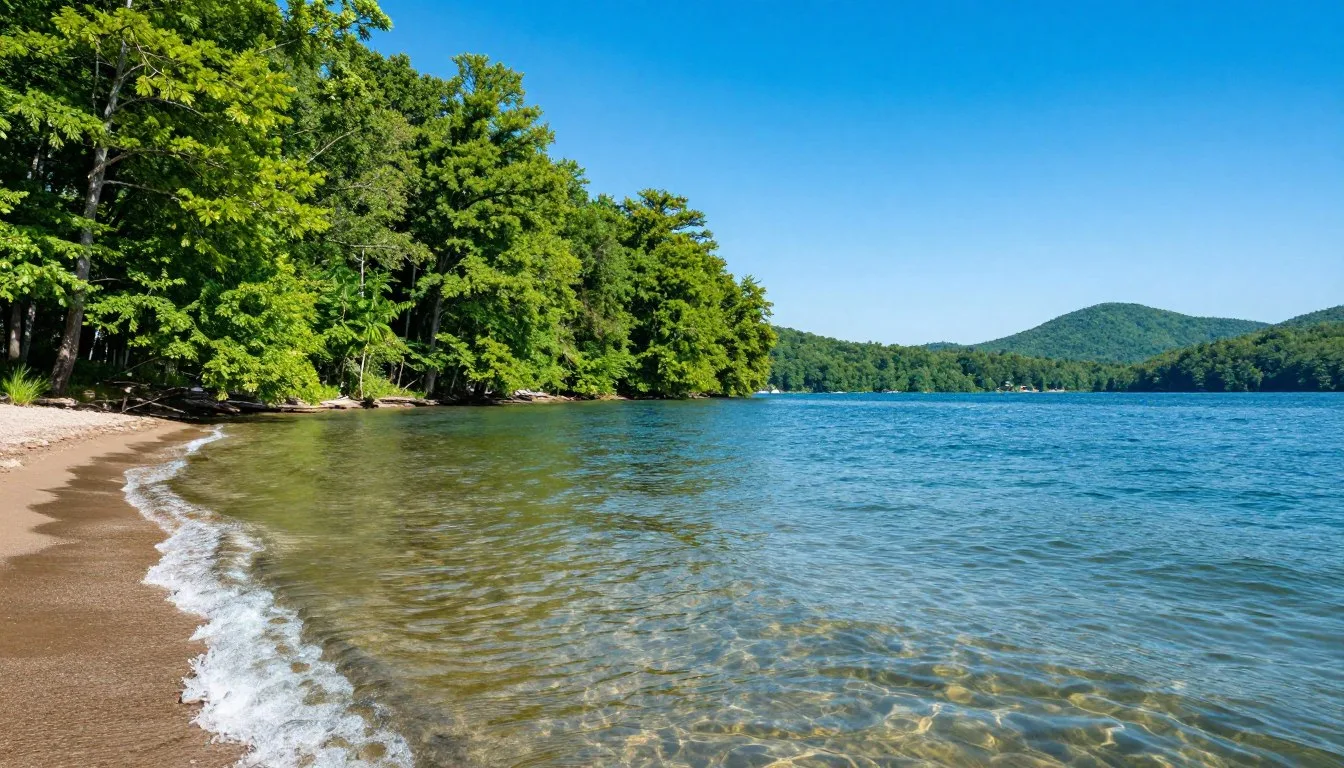
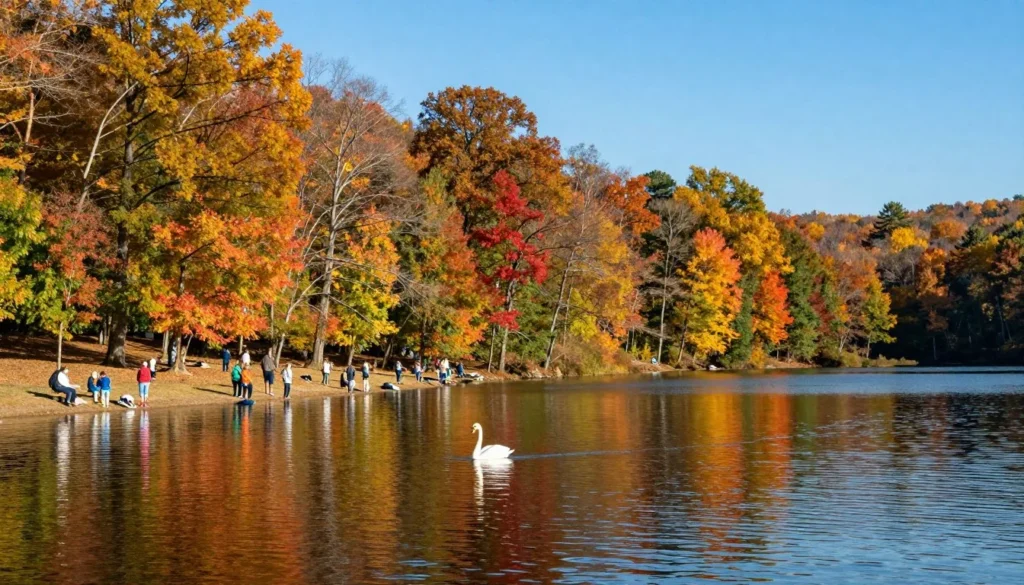
This picturesque 2-hectare (5-acre) lake formed naturally where underground streams emerge from the cave system. The lake provides habitat for various waterfowl, turtles, and fish. A paved path circles the entire perimeter, offering accessible viewing opportunities.
Fishing is permitted in Swan Lake with proper Tennessee fishing license. Catch-and-release practices are encouraged to preserve the ecosystem. Bank fishing works best, as no boats or kayaks are allowed on this small body of water.
Historical Site
Before becoming a state park, the Dunbar Cave area operated as a commercial entertainment venue during the 1930s and 1940s. Big band performances attracted thousands of visitors. Roy Acuff, a country music legend, owned the property during the 1950s and held concerts inside the cave.
Interpretive panels throughout the park tell these stories. The Dunbar family history connects to early Tennessee settlement, adding another layer of historical interest.
Museums, Cultural Spots, and Festivals
While Dunbar Cave State Park focuses primarily on natural features, the surrounding Clarksville area offers rich cultural attractions complementing your park visit.

Customs House Museum and Cultural Center
Located in downtown Clarksville, this museum houses extensive collections including Native American artifacts, regional history exhibits, and rotating art galleries. The connection to local Native American culture provides context for understanding the ancient cave art at Dunbar Cave State Park.
Contact: (931) 648-5780
Fort Defiance Civil War Park
This site preserves earthwork fortifications from the Civil War period. Interpretive trails and displays explain the area’s military significance. The fort sits about 6.4 km (4 miles) from Dunbar Cave State Park.
Clarksville Greenway
This paved multi-use trail system connects various parks and cultural sites throughout the city. While not directly connected to Dunbar Cave State Park, the greenway provides additional outdoor recreation opportunities and links several points of interest.
Local Arts Scene
Downtown Clarksville hosts First Thursday Art Walk monthly, featuring galleries, studios, and street performers. This free event showcases local artists and provides entertainment for visitors staying overnight in the area.
Nature and Outdoor Experiences
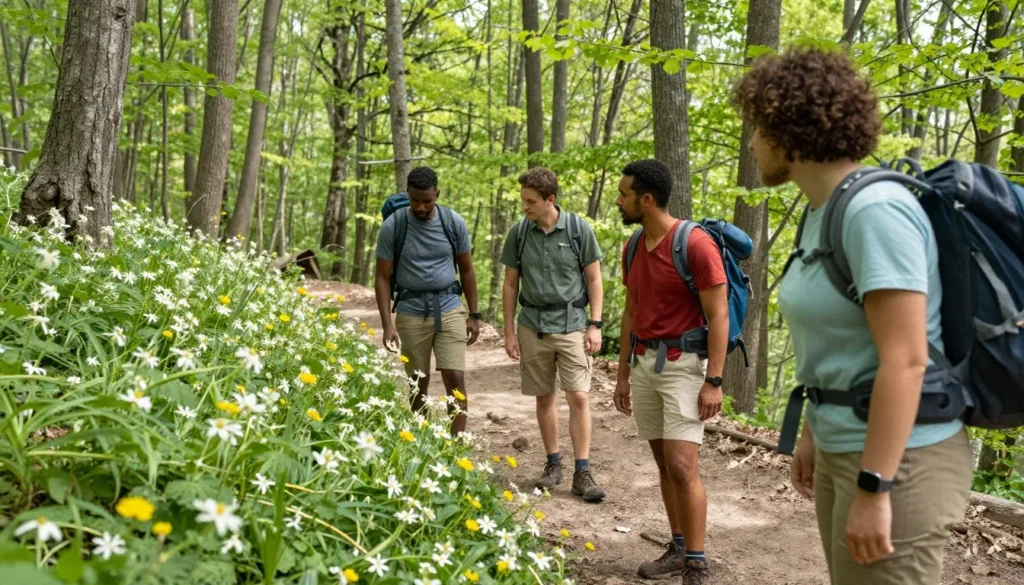
The natural beauty of Dunbar Cave State Park extends well beyond the cave itself. The entire state natural area provides immersive outdoor experiences for nature enthusiasts and casual visitors alike.
Trail System
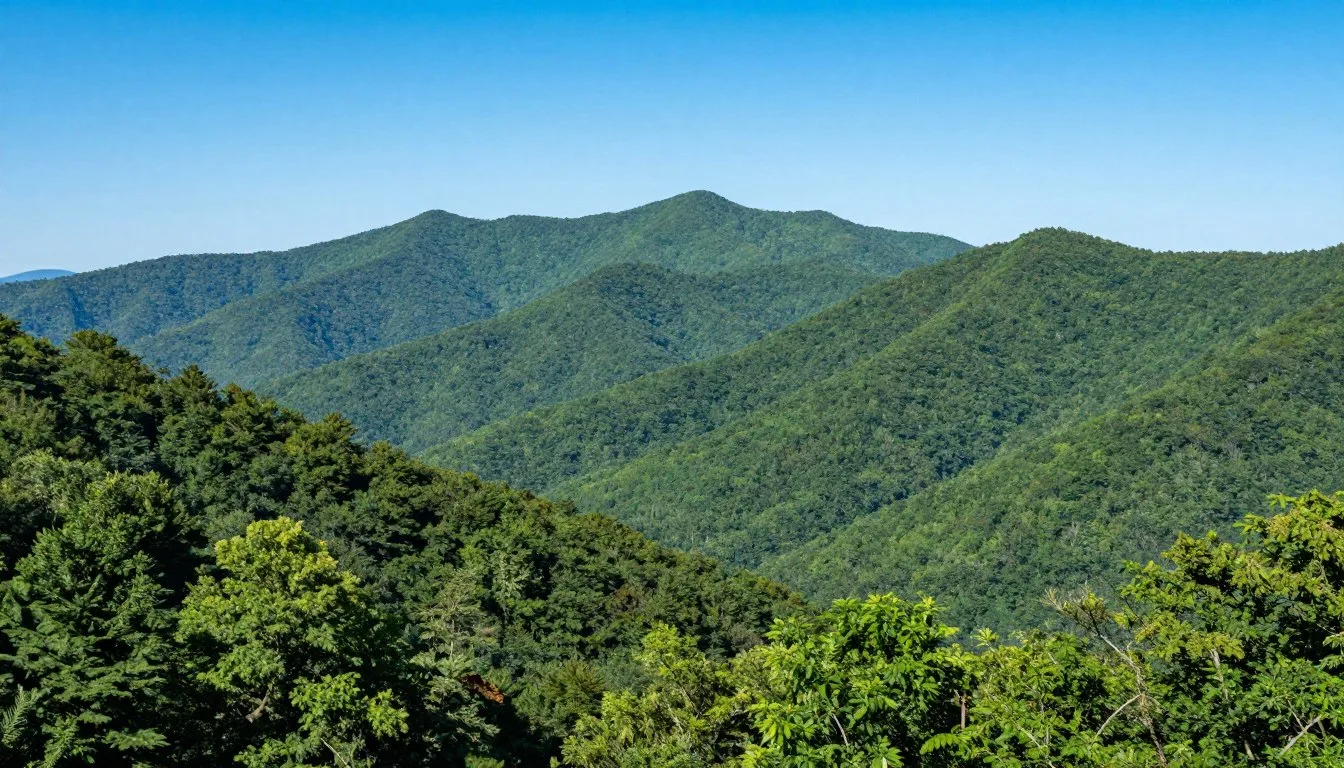
The park features approximately 4.8 km (3 miles) of marked trails winding through mixed hardwood forest. These paths range from easy, paved walkways to moderate natural surface trails suitable for most fitness levels.
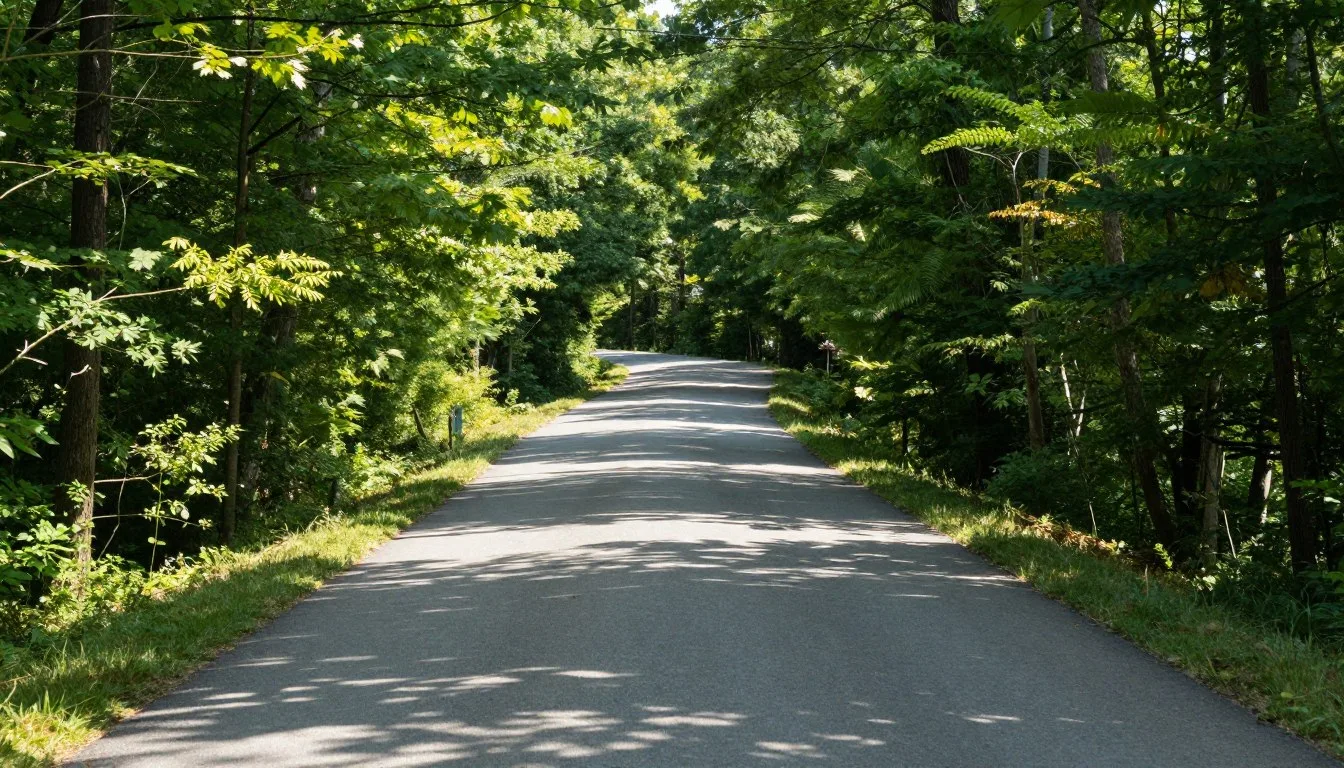
The main trail to the cave entrance follows Swan Lake shoreline before ascending gradually through the woods. This 1.2 km (0.75-mile) route takes about 20 minutes one-way at a comfortable pace. The path remains well-maintained and accessible most of the year.
Additional trails loop through the state natural area, offering opportunities for extended hikes. These paths showcase the region’s geology, with limestone outcroppings and seasonal streams creating scenic viewpoints.
Wildlife Viewing
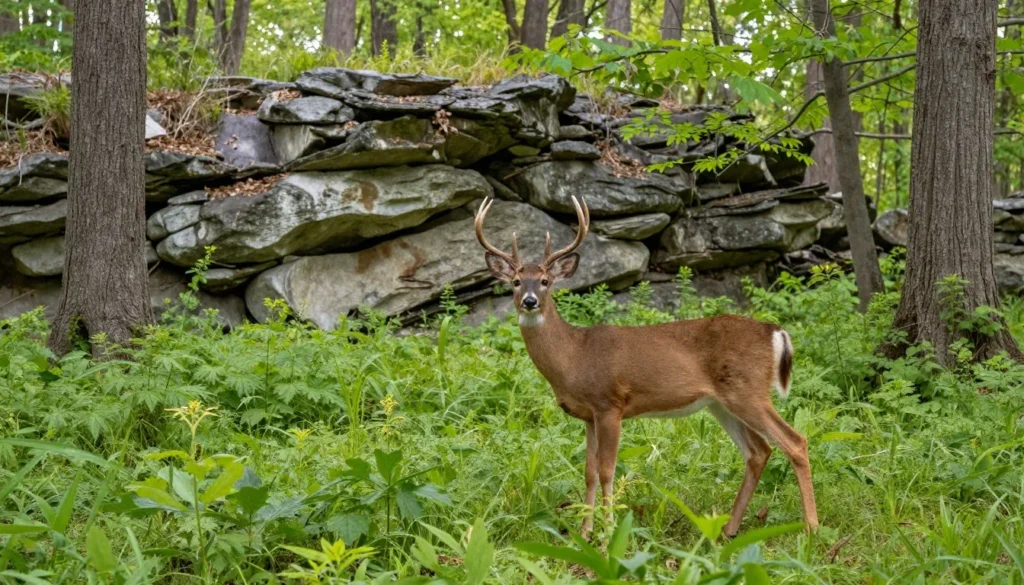
The park hosts diverse wildlife populations. White-tailed deer frequently appear near dawn and dusk along trail edges. Wild turkeys, though wary, sometimes cross paths near the parking area.
Bird watchers appreciate the variety of species. Great blue herons fish in Swan Lake, while woodpeckers drum on dead trees throughout the forest. Seasonal migrations bring warblers and other songbirds through the area during spring and fall.
The cave historically housed significant bat populations. Conservation efforts focus on protecting these mammals from white nose syndrome, a fungal disease devastating bat colonies across North America. While direct bat viewing remains restricted, educational displays explain their ecological importance.
Seasonal Natural Features
Spring brings spectacular wildflower displays. Trilliums, bluebells, and wild geraniums carpet the forest floor. This brief but beautiful season typically peaks in April.
Summer showcases the mature forest canopy in full growth. The shade provides welcome relief during hot weather, and the property remains relatively cool compared to open areas.
Autumn transforms the landscape with vibrant foliage. Maples, oaks, and hickories display brilliant reds, oranges, and yellows. Peak color usually occurs in late October.
Winter reveals the park’s geological structure as deciduous trees drop their leaves. Limestone formations become more visible, and evergreen vegetation provides year-round color.
Travel With Children

Dunbar Cave State Park Tennessee welcomes families and provides appropriate activities for children of various ages. The relatively compact size and well-maintained facilities make it manageable for parents with young kids.
Kid-Friendly Features
The paved trail to the cave entrance accommodates strollers, though some sections have moderate grades. Parents with very young children can manage the journey with standard jogging strollers.
Swan Lake captivates children with visible fish, turtles basking on logs, and waterfowl. Bring bread alternatives like oats or specialized waterfowl food (regular bread can harm wildlife) to feed ducks under supervision.
The visitor center offers educational displays at child-friendly heights. Interactive exhibits explain cave formation and local ecology in engaging ways. Staff members can suggest age-appropriate activities.
Educational Opportunities
The park provides excellent outdoor classroom experiences. Children learn about geology, Native American history, ecosystems, and conservation. Many families use visits to fulfill homeschool science requirements or complement classroom learning.
Junior Ranger programs sometimes operate during peak season. Contact the visitor center at (931) 648-5526 to inquire about current programming.
Safety Considerations
Supervise children carefully near Swan Lake, as no barriers prevent access to the water. The lake remains shallow near edges but requires attention.
Stay on marked trails to avoid poison ivy, which grows throughout the park. Teach children to recognize the plant’s distinctive three-leaf pattern.
Restroom facilities are available near the visitor center and parking area. Plan accordingly, as trail amenities are limited.
Nearby Family Attractions
If children need additional activities, Clarksville offers several family-friendly options. Liberty Park features playgrounds and splash pads perfect for burning excess energy after a morning at the cave state park.
Money Saving Tips
Visiting Dunbar Cave State Park naturally fits modest budgets, as the site charges no entrance fee. However, smart planning can reduce overall trip costs significantly.
Free Activities
All trails, Swan Lake viewing, and the cave entrance area remain free to explore. The visitor center provides educational information at no charge. These offerings create a full day’s entertainment without spending money.
Parking is always free, eliminating a common expense at tourist attractions.
Picnic Planning
Pack meals rather than eating out for every meal. Designated picnic areas with tables sit near Swan Lake. Local grocery stores offer sandwich fixings and snacks at better prices than restaurants.
Bring refillable water bottles. The visitor center has water fountains for refills, reducing beverage costs.
Accommodation Strategies
Book hotels during mid-week when rates typically drop compared to weekends. Many chain hotels offer loyalty programs providing free nights after multiple stays.
Consider accommodation slightly farther from downtown Clarksville. Properties along Interstate 24 often cost less while remaining within 15 minutes of the park.
Timing Your Visit
Visit during shoulder seasons (early spring or late fall) when area hotels offer lower rates. You’ll also encounter fewer crowds, enhancing the experience.
Plan visits around free community events like First Thursday Art Walk in downtown Clarksville, adding entertainment without additional costs.
Transportation Savings
Combine your visit with other nearby Tennessee state parks to maximize value from your trip. Port Royal State Historic Park sits just 19 km (12 miles) away and also offers free admission.
Fill your vehicle’s gas tank before leaving major highways, as prices typically increase near tourist areas.
Safety and Local Customs
Dunbar Cave State Park maintains excellent safety standards, but visitors should observe basic precautions to ensure pleasant, incident-free experiences.
Trail Safety
Wear appropriate footwear with good traction. While main trails are paved or well-maintained, roots and rocks can create tripping hazards on natural surface paths.
Stay on marked trails to protect both yourself and the fragile ecosystem. Wandering off-trail risks encounters with poison ivy and can damage sensitive plant communities.
Bring adequate water, especially during summer months. The Tennessee climate can be surprisingly humid, and dehydration occurs quickly.
Wildlife Precautions
Maintain distance from all wildlife. While attacks are extremely rare, approaching animals causes stress and may trigger defensive behaviors.
Snakes inhabit the area, including venomous copperheads. Watch where you step and place your hands. Most snake encounters occur when people inadvertently surprise them.
Do not feed wildlife despite temptation. Human food harms animals and creates problematic behavior patterns.
Weather Awareness
Check weather forecasts before your visit. Tennessee thunderstorms can develop rapidly during summer afternoons. If you hear thunder, return to your vehicle immediately.
Winter ice on trails creates fall hazards. Visit midday when temperatures peak if hiking during cold months.
Local Customs
Southern hospitality remains strong in Tennessee. Friendly greetings between strangers on trails are normal and expected. A simple “hello” or “good morning” acknowledges fellow visitors appropriately.
Respect the quiet atmosphere many visitors seek. Keep voices moderate and music off to preserve the natural soundscape.
Leave No Trace
Pack out everything you bring in. Dispose of trash properly in designated receptacles near the visitor center and parking area.
Leave natural and archaeological features undisturbed. Removing anything from the park violates state law and damages the site for future visitors.
Emergency Contact: In case of emergency, call 911. Park rangers can be reached at (931) 648-5526 during visitor center hours. Cell phone coverage is generally reliable throughout the park.
Visitor Comments About Dunbar Cave State Park Tennessee
“The trails at Dunbar Cave State Park offered exactly what we needed – peaceful walks through beautiful forest with interesting geological features. Swan Lake was lovely, and we spotted several turtles and a great blue heron. The historical information about the cave’s entertainment past fascinated our whole family. Even without entering the cave itself, we spent a wonderful afternoon exploring.”
“I appreciated how well-maintained everything was at this state park. The paved paths made it accessible for my mother who uses a walking stick. The visitor center staff were incredibly helpful, explaining the cave’s history and why tours were suspended. We learned so much about white nose syndrome and bat conservation. The park provides a quality experience even with limited facilities.”
“Dunbar Cave State Park exceeded my expectations for a free attraction. The natural beauty, combined with fascinating history about Native American cave art and the property’s entertainment era, created a memorable visit. We’ll definitely return when cave tours resume. The trails offered good exercise, and the entire area felt safe and welcoming for our family.”
Additional Nearby Destinations
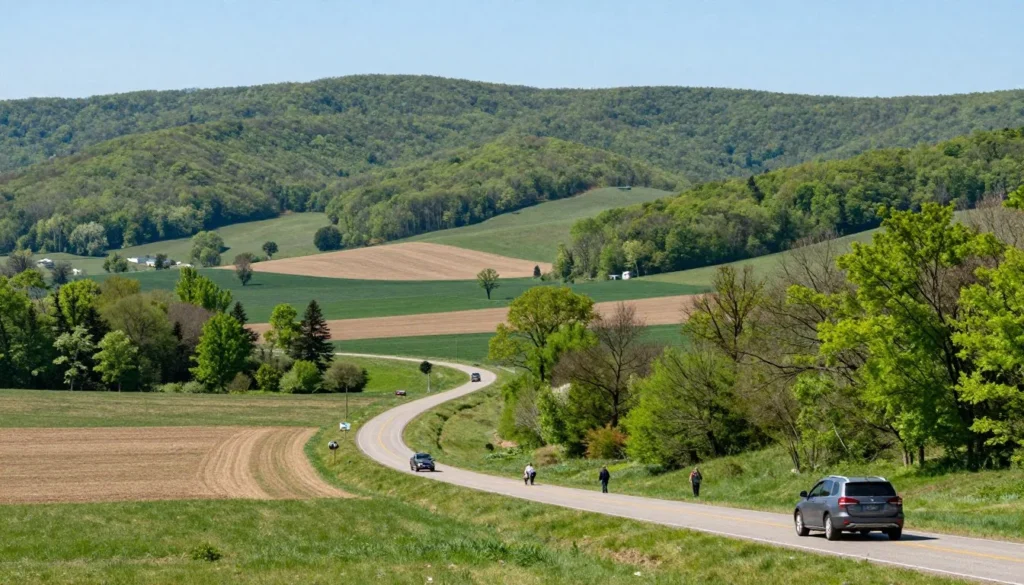
The Dunbar Cave State Park area provides an excellent base for exploring wider Middle Tennessee attractions. Several worthy destinations sit within easy driving distance.
Port Royal State Historic Park
Located just 19 km (12 miles) from Dunbar Cave, this site preserves Tennessee’s second oldest town. Covered bridge, historic buildings, and scenic river views create a charming half-day excursion. The property covers 26 hectares (65 acres) along the Red River.
Land Between the Lakes
This massive 68,000-hectare (170,000-acre) national recreation area sits approximately 64 km (40 miles) northwest. Visitors discover extensive hiking trails, water sports on Kentucky Lake, wildlife viewing, and camping. Plan a full day or overnight trip to appreciate this diverse landscape properly.
Nashville
Tennessee’s capital city lies 64 km (40 miles) southeast. Music City offers world-class entertainment, museums, restaurants, and nightlife. The Country Music Hall of Fame, Grand Ole Opry, and historic honky-tonks on Broadway attract millions annually. Consider staying overnight to experience Nashville’s vibrant scene fully.
Fort Donelson National Battlefield
About 56 km (35 miles) northwest, this Civil War site preserves the location of a crucial Union victory. Walking trails, fortifications, and an excellent visitor center explain the battle’s significance. The property overlooks the Cumberland River, providing scenic views alongside historical education.
Downtown Clarksville
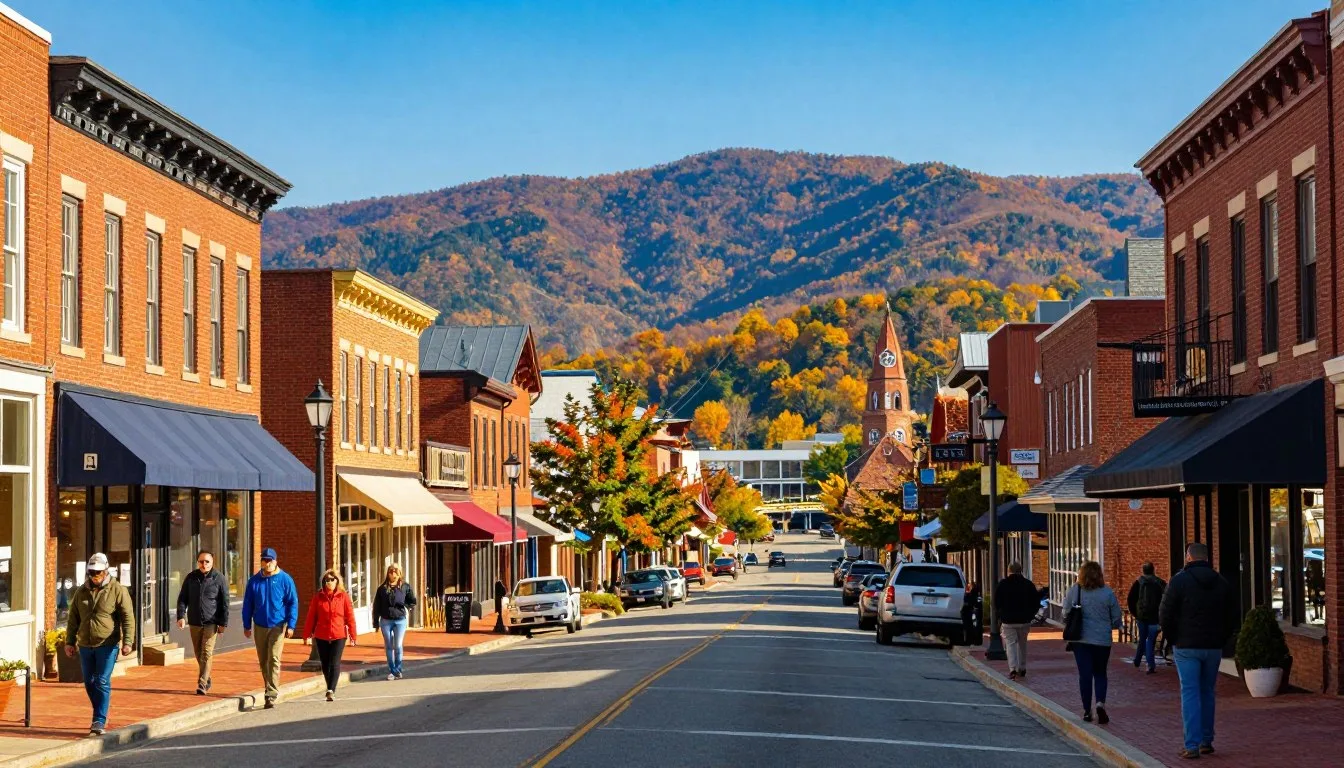
The city hosting Dunbar Cave State Park deserves exploration beyond just the park. Historic downtown features local shops, restaurants, and the Riverwalk along the Cumberland River. The Customs House Museum and Fort Defiance provide additional cultural experiences.
Practical Travel Tips
These final suggestions help maximize your Dunbar Cave State Park Tennessee experience while avoiding common pitfalls.
Essential Items to Pack
- Comfortable walking shoes with good traction for trails
- Layered clothing, as cave entrance remains cool even in summer
- Sunscreen and hat for exposed trail sections
- Insect repellent during warm months
- Refillable water bottles for hydration
- Camera or smartphone for photos (cave entrance provides dramatic backdrop)
- Binoculars for wildlife and bird watching
- Field guides for identifying plants and animals
Photography Tips
The cave entrance photographs best during midday when sunlight penetrates the opening. Swan Lake offers mirror-like reflections on calm mornings. Arrive early for wildlife photography, as animals are most active near dawn.
Accessibility Information
The main trail to the cave entrance is paved and relatively accessible, though some grades may challenge wheelchair users. The visitor center meets ADA standards with accessible restrooms and parking.
Contact the park office at (931) 648-5526 for specific accessibility questions or to arrange accommodations.
Visit Duration
Most visitors spend 2-4 hours exploring the park thoroughly. This allows time for the cave entrance visit, Swan Lake walk, and at least one trail loop. Serious hikers covering all trails may allocate 5-6 hours.
Cell Phone and Wi-Fi
Cell phone coverage is generally reliable throughout the park. However, download maps and directions before arrival in case of signal issues. The park does not provide public Wi-Fi.
Pet Policies
Pets are allowed on trails if kept on leashes no longer than 1.8 meters (6 feet). Owners must clean up after animals. Pets are not permitted in the visitor center or cave entrance area.
Seasonal Considerations
Summer visitors should start early to avoid afternoon heat and thunderstorms. Spring offers ideal conditions but can be muddy after rain. Fall provides comfortable temperatures and beautiful foliage. Winter visits require checking trail conditions, especially after ice or snow.
Your Adventure Awaits at This Tennessee Treasure
Dunbar Cave State Park Tennessee stands as proof that remarkable experiences don’t require elaborate planning or significant expense. This state natural area combines ancient history, geological wonder, and peaceful natural beauty into one accessible destination.
From the moment you arrive and glimpse Swan Lake reflecting the surrounding forest, you’ll understand why generations have treasured this land. The cave entrance looms as a gateway to mystery and prehistory, while miles of trails invite exploration through diverse habitats.
Whether you’re seeking educational experiences, outdoor recreation, or simply peaceful time in nature, this park delivers. The rich history spanning from Native American civilization through Big Band entertainment to modern conservation efforts adds depth to every visit.
Start planning your trip today. The trails, wildlife, and natural wonders of Dunbar Cave State Park Tennessee await your discovery. This hidden gem in Middle Tennessee promises memories that will last far beyond your visit.