Hotels by Trip.com
Flights by Trip.com
Did you know that the East Tennessee Crossing Byway follows the same route that Daniel Boone and thousands of pioneers traveled through the Cumberland Gap, making it one of America’s most historically significant roads? This scenic byway stretches across the rugged mountains of east Tennessee, connecting visitors to centuries of American history.
The East Tennessee Crossing name reflects the byway’s role as a historic crossing point through the Appalachian Mountains. This route served as the primary gateway for westward expansion during the late 1700s and early 1800s.
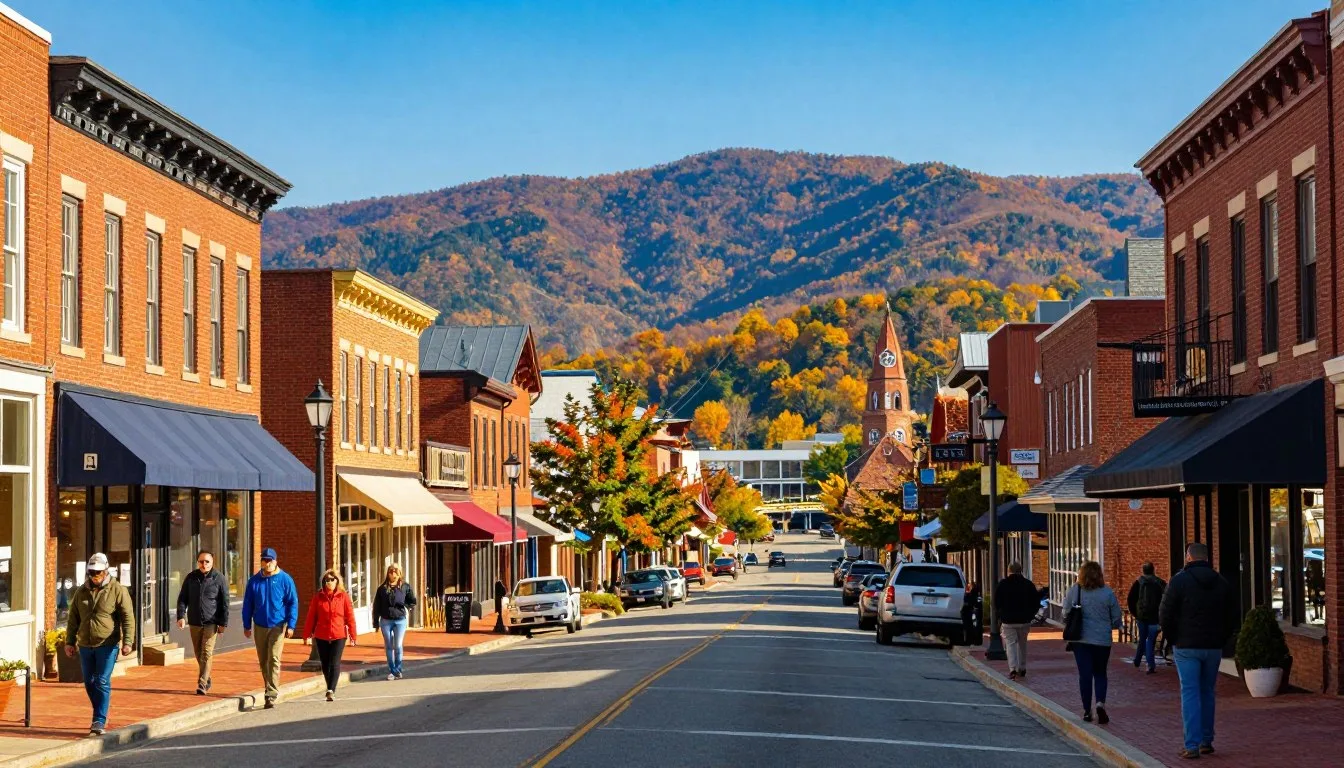
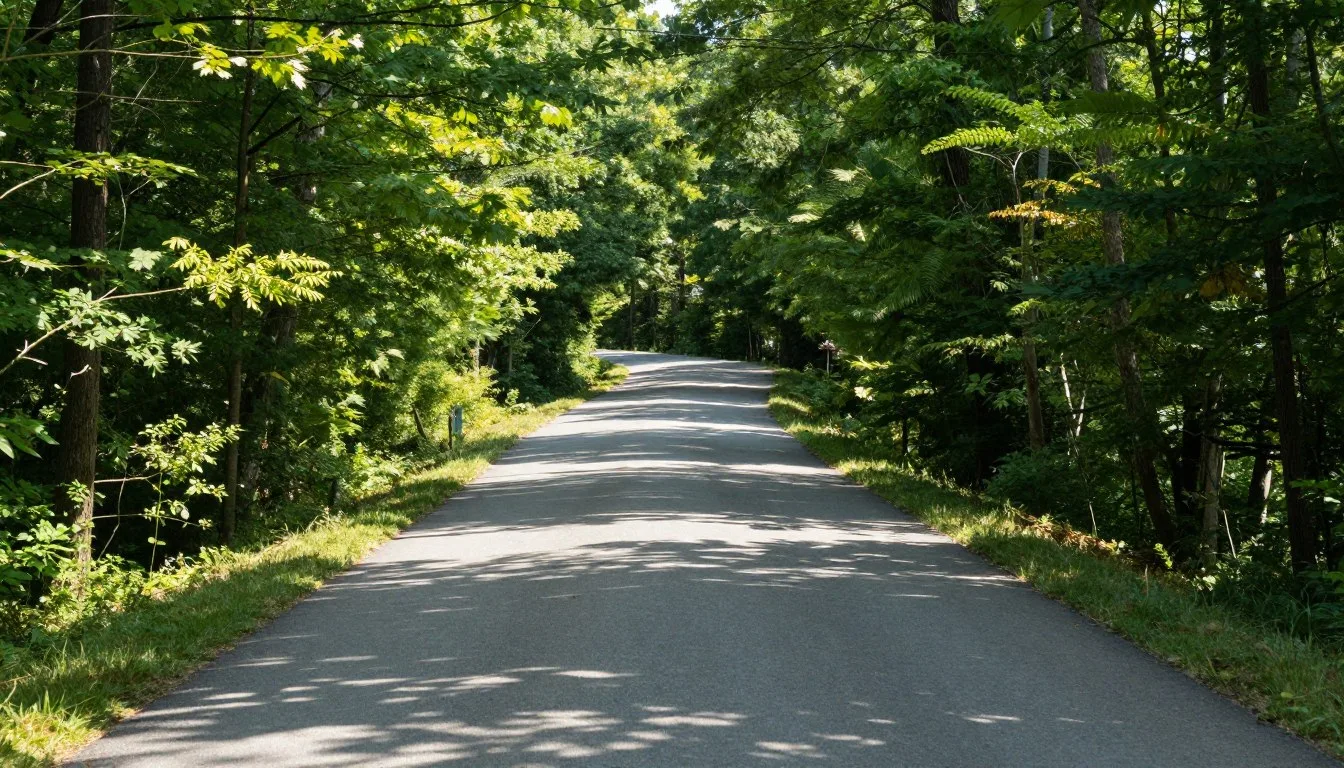
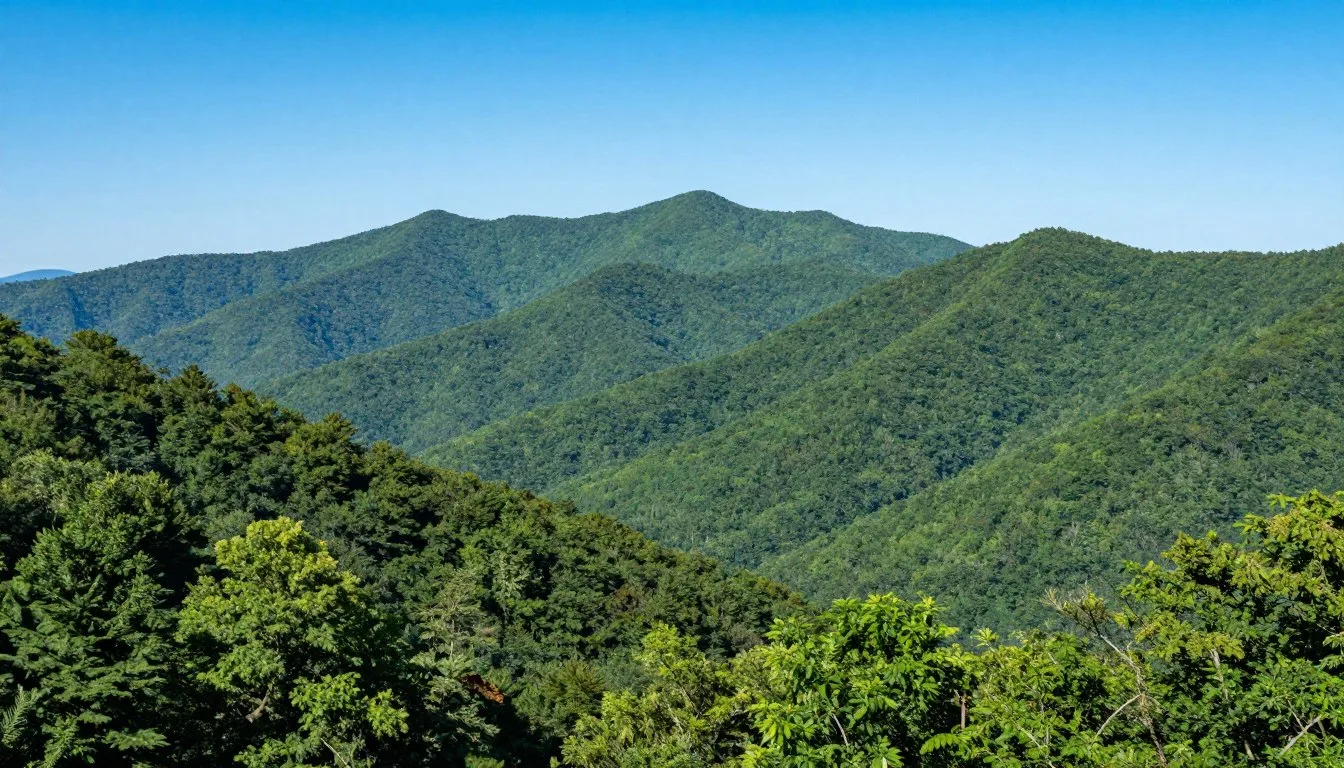
Today, travelers can experience this remarkable journey through 90 miles of stunning mountain scenery, historic towns, and natural wonders. The byway winds through Cumberland Gap National Historical Park, alongside the Cherokee National Forest, and past charming communities that preserve Appalachian culture.
Getting There & Planning Your Journey
The East Tennessee Crossing Byway officially begins near Harrogate in Claiborne County and extends to the North Carolina border near Hot Springs. This route offers travelers a true mountain adventure through some of Tennessee’s most remote and beautiful terrain.
Several major airports serve the region, making access convenient for visitors from across the country. McGhee Tyson Airport in Knoxville sits approximately 100 km (62 miles) from the byway’s western access points. This airport offers numerous daily flights and rental car services.
Asheville Regional Airport in North Carolina provides another option, located about 95 km (59 miles) from the eastern sections near Hot Springs. Tri-Cities Airport in Bristol serves travelers approaching from the northeast, roughly 110 km (68 miles) from Cumberland Gap.
Planning Your Route
Most travelers complete the entire byway in one long day of driving. However, planning two to three days allows time to fully explore attractions, take short hikes, and experience local culture without rushing.
The byway intersects with several major highways. US Highway 25E provides primary access from the north and south. State Route 32 connects the route through beautiful Cocke County. These well-maintained roads make navigation straightforward for all vehicle types.
Best Time to Visit & Weather Tips
Best Time to Visit East Tennessee Crossing Byway Tennessee
The East Tennessee Crossing truly shines during specific seasons when weather conditions and natural beauty align perfectly. Understanding seasonal variations helps visitors plan the most enjoyable trip.
Spring Season (April-May)
Spring brings wildflower blooms throughout the mountains and comfortable temperatures ranging from 12°C to 22°C (54°F to 72°F). This season offers excellent hiking conditions.
- Wildflowers peak in April
- Moderate rainfall refreshes landscapes
- Fewer crowds than summer
- Pleasant temperatures for outdoor activities
Fall Season (September-October)
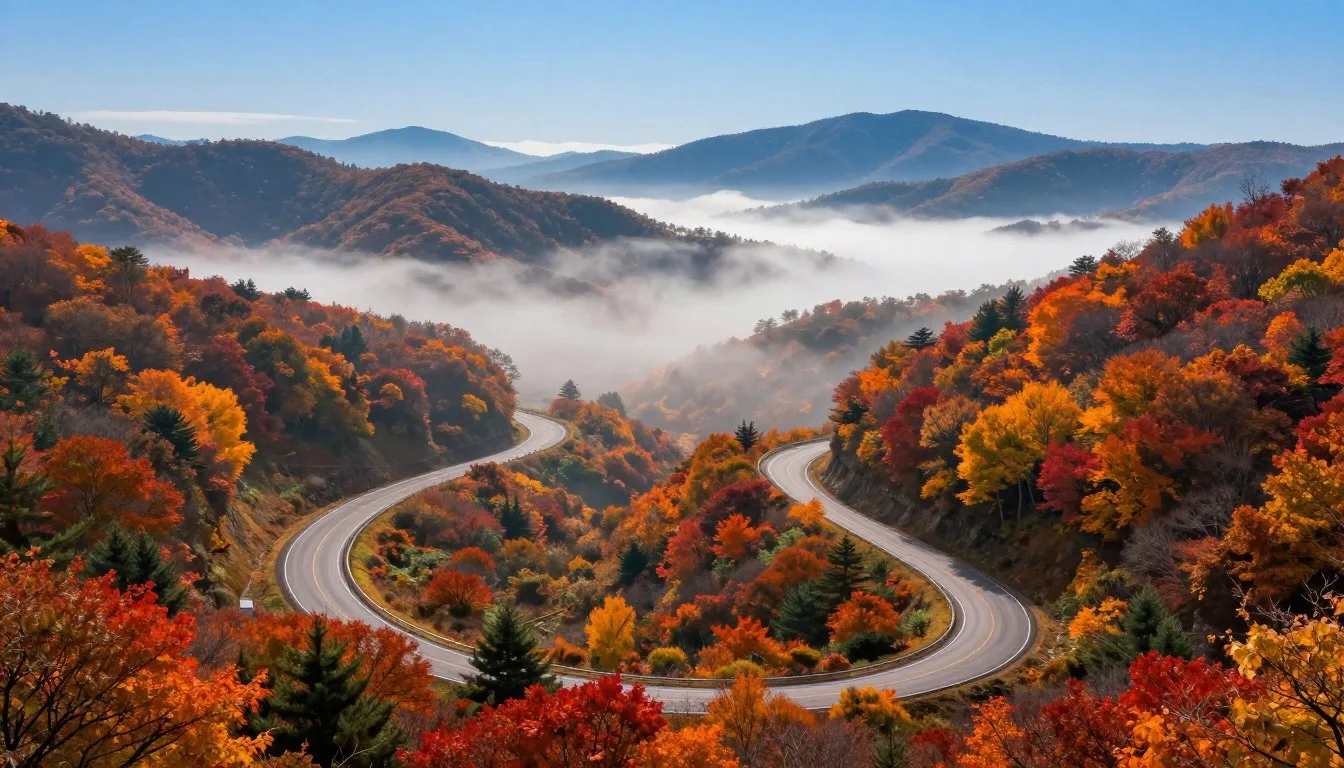
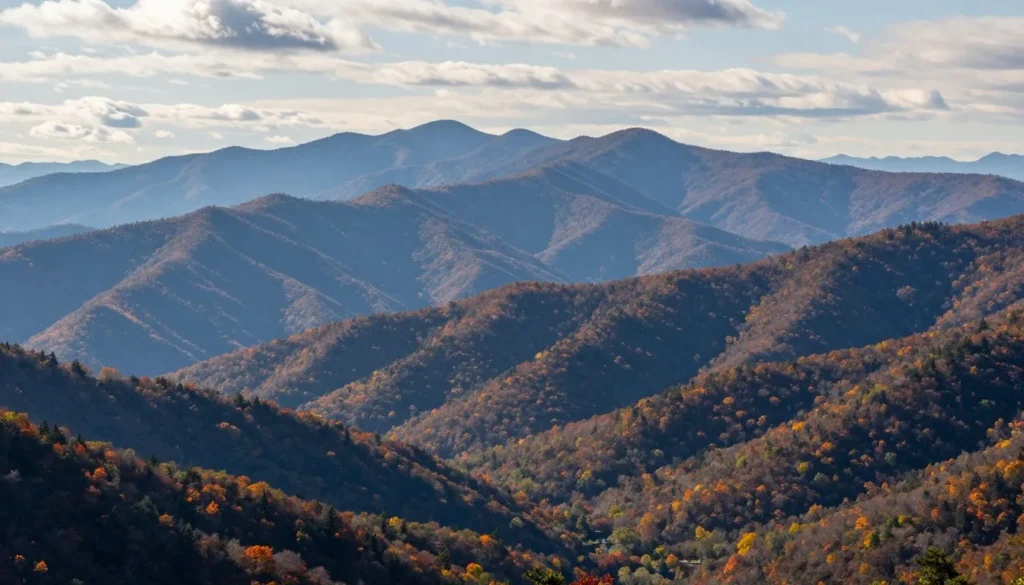
Autumn delivers spectacular foliage displays as leaves turn brilliant shades of red, orange, and gold. Temperatures range from 10°C to 24°C (50°F to 75°F).
- Peak foliage mid-October
- Clear, crisp mountain air
- Ideal photography conditions
- Comfortable daytime temperatures
Summer Season (June-August)
Summer offers warm weather perfect for water activities and extended daylight hours. Temperatures typically reach 24°C to 30°C (75°F to 86°F) in valleys.
✓ Check 30,000+ Local Sightseeing Tours Worldwide
- Longer days for sightseeing
- Higher humidity in valleys
- Cooler temperatures at higher elevations
- Peak tourist season
Winter Season (December-February)
Winter brings occasional snow and temperatures from -2°C to 10°C (28°F to 50°F). This season offers solitude but requires careful planning.
- Beautiful snow-covered peaks
- Minimal crowds
- Some attractions close seasonally
- Check road conditions before traveling
Recommended: Visit during late September through mid-October for optimal weather and spectacular fall foliage along the Tennessee crossing byway. Spring months of April and May offer excellent alternatives with wildflowers and comfortable temperatures.
Avoid: Late January through early March typically brings unpredictable weather, road closures, and limited services in mountain communities. July and August can feel uncomfortably humid in lower elevations.
Notable Annual Festivals
The communities along the east Tennessee crossing celebrate rich Appalachian heritage through numerous festivals throughout the year. These events showcase local culture, music, crafts, and traditions passed down through generations.
Cumberland Gap Wilderness Road Festival
Held annually in May at Cumberland Gap National Historical Park, this festival celebrates pioneer heritage with living history demonstrations, period crafts, and traditional music. Visitors experience life as early settlers knew it during westward expansion.
The event features blacksmithing demonstrations, butter churning, candle making, and authentic pioneer cooking. Musicians perform traditional mountain music throughout the weekend.
When: Third weekend in May
Appalachian Fair
This traditional county fair in nearby Morristown showcases agricultural heritage with livestock shows, produce competitions, and carnival rides. The event celebrates farming traditions that sustained mountain communities for generations.
Visitors enjoy homemade apple butter, quilting displays, tractor pulls, and nightly entertainment featuring country music artists. Local vendors sell handmade crafts and traditional foods.
When: Late August through early September
Fall Foliage Festival
Multiple communities along the byway host fall celebrations during October’s peak foliage season. These festivals feature craft vendors, local food, live music, and scenic drives through brilliantly colored forests.
Towns like White Pine and Bean Station coordinate events that highlight local artisans, antique dealers, and musicians. Visitors explore mountain crafts while enjoying spectacular autumn scenery.
When: Throughout October

Getting Around Locally
Navigating the Tennessee crossing byway requires a personal vehicle, as public transportation options remain extremely limited throughout this rural region. The route’s remote character and mountain terrain make driving essential for visitors.
Most travelers rent vehicles from airports in Knoxville or Asheville. Standard cars handle the byway’s paved roads comfortably during good weather. However, higher-clearance vehicles provide advantages when exploring unpaved forest roads leading to remote attractions.
Road Conditions
The primary byway route follows well-maintained state highways with two lanes throughout most sections. Pavement quality ranges from excellent to fair, with occasional rough patches in more remote areas.
Mountain roads feature numerous curves, steep grades, and limited shoulders. Drivers should maintain moderate speeds and stay alert for wildlife crossing the road, particularly during dawn and dusk hours.
Winter conditions can make travel challenging. Snow and ice occasionally close higher elevation passes. Always check current conditions before departing, especially between November and March.
Fuel and Services
Gas stations appear regularly along the route but distances between towns can reach 40 km (25 miles) in some sections. Fill your tank when passing through larger communities like Bean Station or Del Rio.
Cell phone coverage varies significantly throughout the region. Major carriers provide service in towns and along main highways. However, expect limited or no coverage in remote valleys and mountain sections.
Emergency services respond throughout the area, though response times increase in remote locations. Keep emergency contacts readily available and inform someone of your travel plans when exploring backcountry areas.
Parking Information
Parking at attractions along the byway remains free and readily available. Cumberland Gap National Historical Park maintains large parking areas at trailheads and visitor facilities. Small town parking requires no fees, with spaces available along main streets.
Where to Stay
Accommodation options along the east Tennessee crossing range from rustic mountain cabins to comfortable chain hotels. Most lodging concentrates in gateway communities near the byway rather than directly on the route itself.
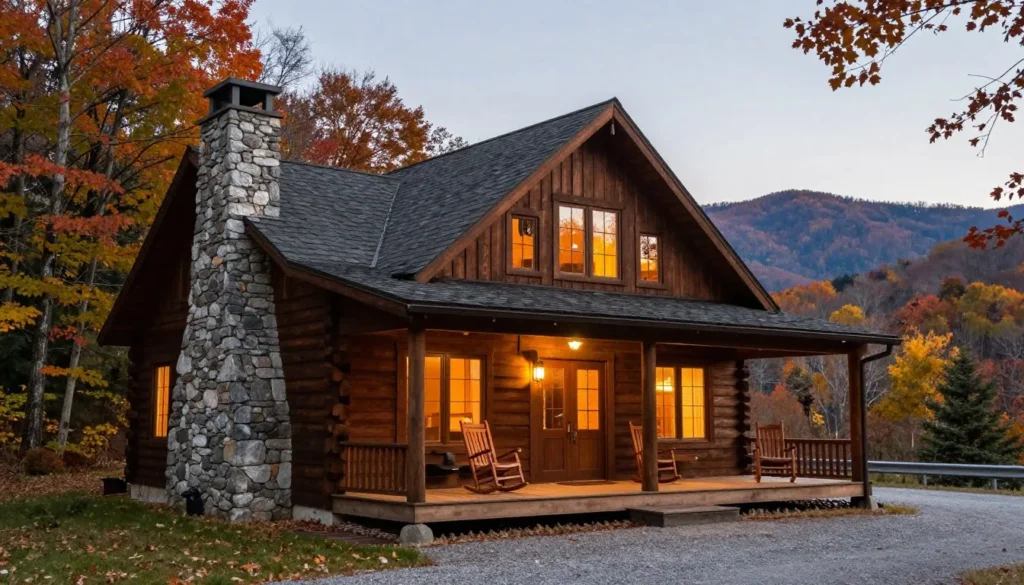
Mountain Cabins
Rental cabins provide authentic mountain experiences with privacy and spectacular views. These properties range from basic one-bedroom units to luxurious lodges accommodating large groups.
Many cabins feature hot tubs, full kitchens, and fire pits. Properties near the Cherokee National Forest offer direct access to hiking trails and wilderness areas. Rates typically range from $120 to $350 per night depending on size and amenities.
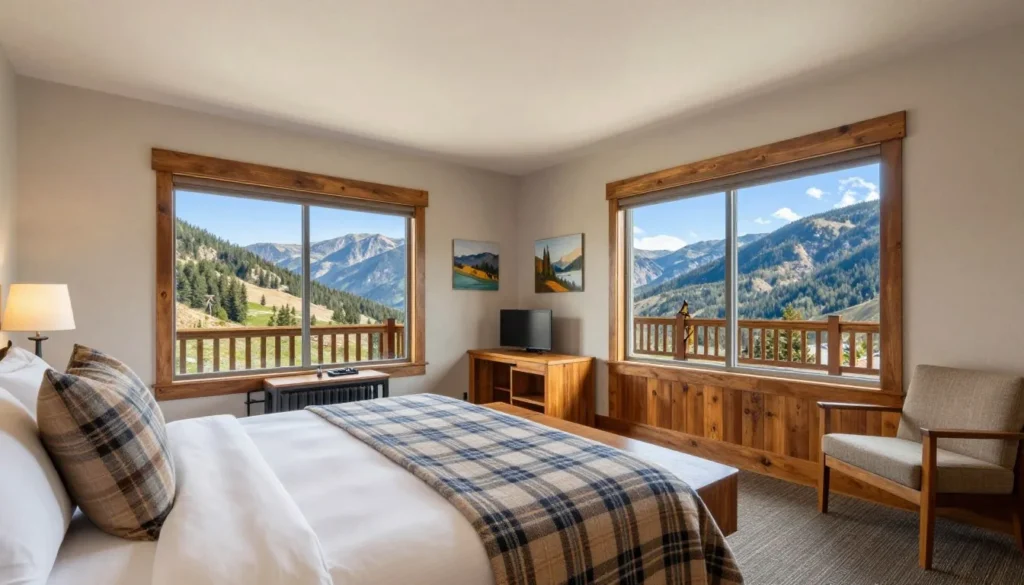
Hotels and Motels
Chain hotels in Morristown and smaller motels in towns like White Pine and Bean Station offer reliable accommodations. These properties provide clean rooms, breakfast options, and convenient access to the byway.
Most hotels feature standard amenities including WiFi, cable television, and parking. Rates run from $75 to $140 per night. Advance reservations prove essential during fall foliage season and summer weekends.
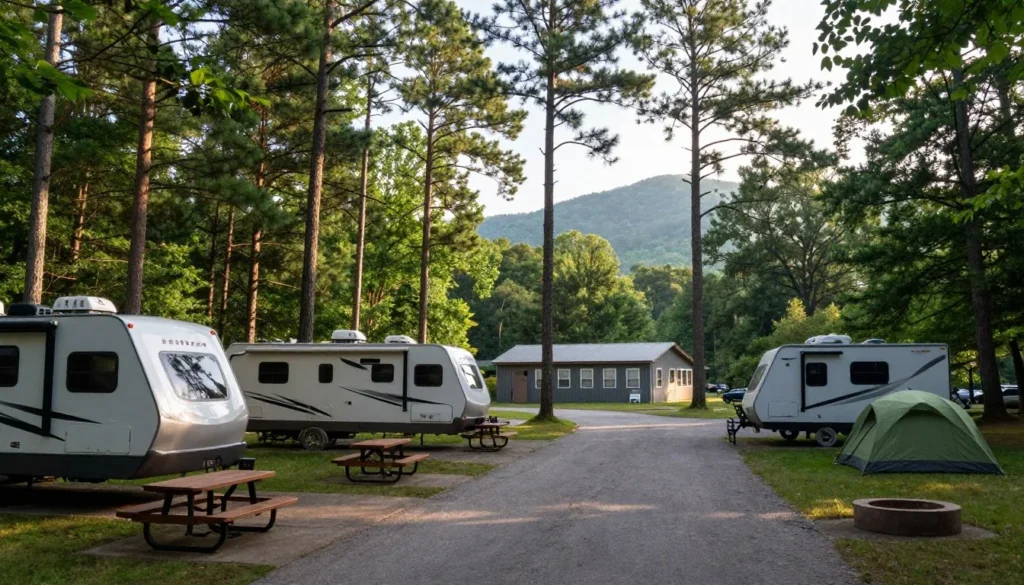
Campgrounds
Camping opportunities abound throughout the region, from developed campgrounds with full hookups to primitive backcountry sites. Cumberland Gap National Historical Park operates a well-maintained campground with water and electric hookups.
The Cherokee National Forest provides numerous camping options ranging from $15 to $25 per night. These sites offer fire rings, picnic tables, and access to hiking trails. Several private campgrounds along the route accommodate RVs and tent campers.
Booking Tips
Reserve accommodations several weeks ahead for October visits during peak foliage season. Summer weekends also fill quickly. Weekday travel during spring offers the best availability and rates. Many mountain cabins require minimum two-night stays during busy periods.
Dining & Local Cuisine
Dining options along the Tennessee crossing byway reflect authentic Appalachian food traditions. Local restaurants serve hearty mountain fare using recipes passed through generations. Visitors discover comfort food prepared with pride and regional ingredients.
Traditional dishes include country ham, biscuits and gravy, fried chicken, green beans cooked with fatback, and cornbread. Many establishments offer plate lunches featuring multiple sides with generous portions. Sweet tea accompanies most meals as the beverage of choice.
Bean Station Dining
This small town along the byway hosts several restaurants serving traditional Tennessee cooking. Local diners open early for breakfast featuring country ham, eggs, and fresh biscuits.
BBQ joints smoke pork shoulders and ribs using hickory wood, creating tender meat with distinctive mountain flavor. Family restaurants serve lunch buffets with rotating selections of southern vegetables and meats.
Del Rio Area
Restaurants near Del Rio specialize in trout dishes, taking advantage of nearby mountain streams. Fresh rainbow trout appears on menus fried, grilled, or blackened.
Small cafes prepare homemade pies using local apples, berries, and other seasonal fruits. These establishments maintain the tradition of from-scratch cooking that defines mountain cuisine.
Regional Specialties
Apple butter made from local orchards appears on breakfast tables throughout the region. Stack cake, a traditional Appalachian dessert featuring thin cake layers with dried apple filling, celebrates special occasions.
Visitors should try leather britches, green beans dried and later reconstituted with salt pork. This preservation method sustained mountain people through long winters for generations.
✓ Check 30,000+ Local Sightseeing Tours Worldwide
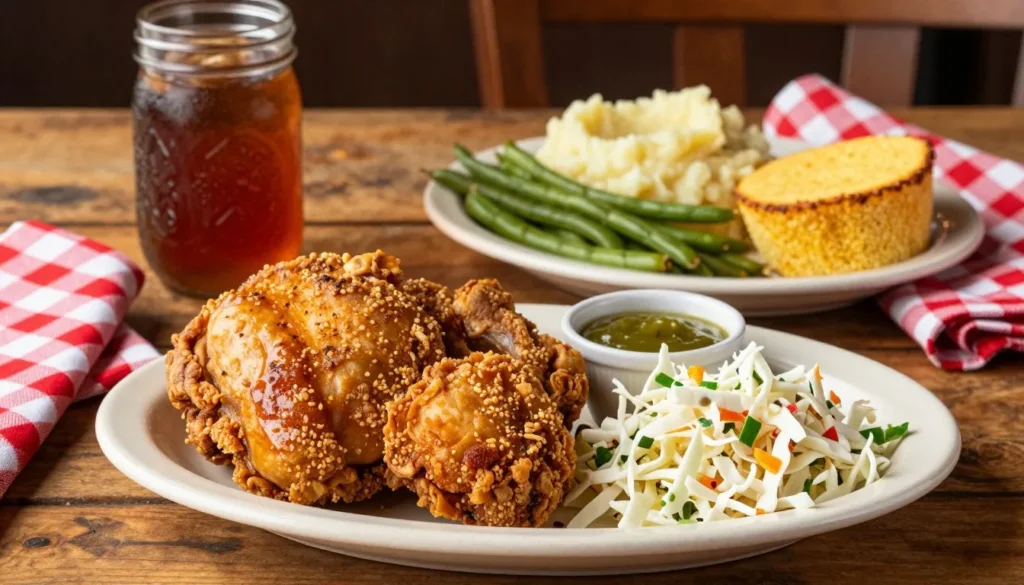
Dining Tips
Most restaurants along the byway serve breakfast and lunch but close by early evening. Many establishments close Sundays or Mondays. Cash payment remains preferred at smaller diners, though most accept cards. Portions typically exceed standard restaurant servings, so arrive hungry or plan to take leftovers.
Attractions, Sightseeing & Activities
The East Tennessee Crossing Byway Tennessee connects visitors with remarkable historical sites, natural wonders, and authentic mountain communities. Each attraction along this route tells part of the region’s fascinating story.
Cumberland Gap National Historical Park
This 10,117-hectare (25,000-acre) national park preserves the historic mountain pass that served as the primary route through the Appalachian Mountains during westward expansion. More than 300,000 settlers crossed through Cumberland Gap between 1775 and 1810.
The park visitor center features exhibits explaining the gap’s role in American history. Rangers present programs about Daniel Boone, the wilderness road, and pioneer life. A short film documents the gap’s importance to westward expansion.
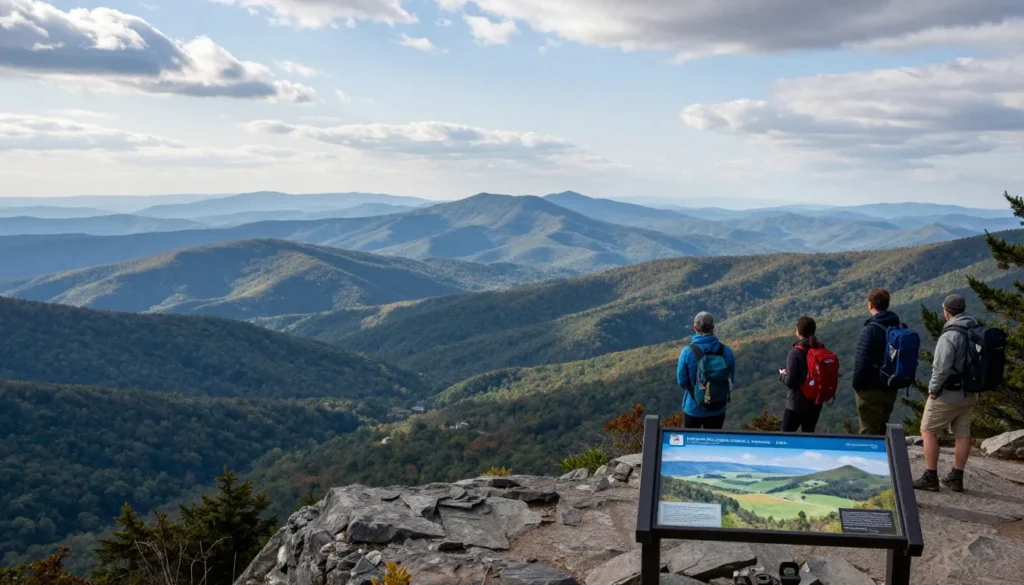
Hiking trails range from easy walks to challenging mountain climbs. The Pinnacle Overlook Trail covers 6.4 km (4 miles) round trip, climbing to spectacular views spanning three states. This moderate hike rewards visitors with panoramic vistas at 770 m (2,525 feet) elevation.
Wilderness Road Heritage Highway
This historic route parallels the east Tennessee crossing and follows the path blazed by Daniel Boone in 1775. The wilderness road enabled settlement of Kentucky and territories beyond the Appalachian barrier.
Interpretive markers along the highway explain significant events and locations. Visitors can walk sections of the original trail, seeing the same landscape that challenged pioneers over two centuries ago.
Clinch Mountain Lookout
This scenic overlook provides sweeping views across the Tennessee Valley and surrounding ridges. The lookout sits at 610 m (2,000 feet) elevation, offering perspectives of the region’s dramatic topography.
Information panels describe the geology and ecology of Clinch Mountain, part of the ridge-and-valley province of the Appalachians. Visitors often spot hawks and vultures riding thermal updrafts along the ridge.
Bean Station Historic District
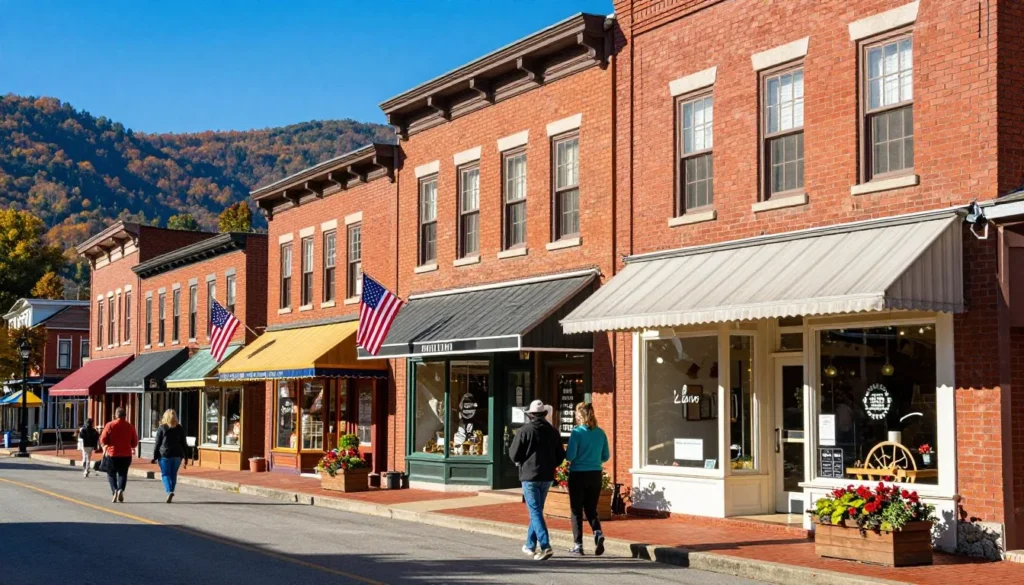
This small town played a crucial role as a stopping point for travelers on the wilderness road. Bean Station’s historic district preserves buildings from the 1800s when the town served pioneers heading west.
Walking tours reveal stories of taverns, trading posts, and ordinary people who built lives along this strategic route. The town maintains its historic character while serving modern travelers exploring the Tennessee crossing byway.
White Pine Area
This community nestled in the mountains offers antique shops, local crafts, and a slower pace reflecting mountain life. Visitors browse stores featuring handmade quilts, pottery, and woodwork created by regional artisans.
The area around White Pine provides access to numerous hiking trails in the Cherokee National Forest. Small waterfalls and swimming holes offer refreshing stops during summer travels.
Museums, Cultural Spots & Festivals
Cultural attractions along the byway preserve and celebrate Appalachian heritage through museums, interpretive centers, and living history sites. These locations help visitors understand the region’s unique character.
Abraham Lincoln Museum
Located near the byway in Harrogate, this museum explores Lincoln’s connection to the region and his impact on American history. The facility features artifacts, interactive exhibits, and educational programs about the Civil War era.
Exhibits examine Lincoln’s life from childhood through presidency, with particular attention to his relationship with Appalachian communities. The museum maintains high standards for historical accuracy and presentation.
Cumberland Gap Visitor Center
The national historical park operates an excellent visitor center providing context for the gap’s significance. Rangers answer questions and suggest activities based on visitor interests and time available.
The center bookstore offers regional history books, maps, and locally made crafts. Educational programs run throughout summer months, featuring topics like pioneer skills, Civil War history, and natural history.
Local Heritage Centers
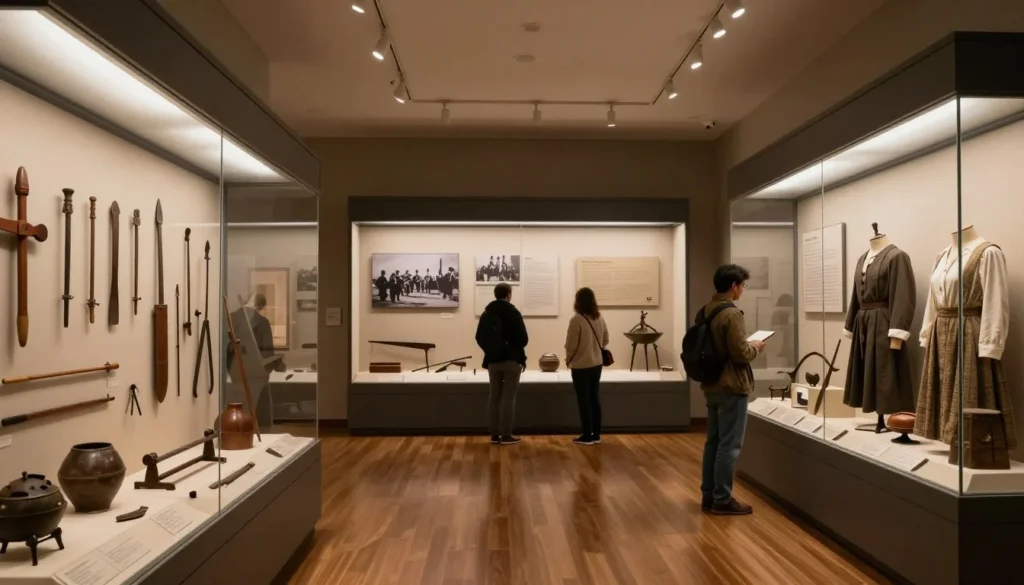
Small museums in towns like Bean Station and White Pine showcase local history through photographs, documents, and artifacts donated by longtime residents. These modest facilities preserve stories that might otherwise disappear.
Volunteers staff these heritage centers, often sharing personal memories and family stories that bring history to life. Admission remains free or minimal, supported by community donations.
Davy Crockett Birthplace
This state park near the byway commemorates the legendary frontiersman born in 1786. A replica cabin sits near the original birthplace site along the Nolichucky River. The park includes a museum with exhibits about Crockett’s life.
Visitors learn how Davy Crockett became a frontier legend, serving in Congress and dying at the Alamo. The site connects visitors with authentic Appalachian history beyond the myths.
Nature & Outdoor Experiences
The east Tennessee crossing passes through some of the region’s most spectacular natural landscapes. The Cherokee National Forest, Great Smoky Mountains National Park approaches, and numerous state natural areas provide endless outdoor recreation opportunities.
Cherokee National Forest
This 263,000-hectare (650,000-acre) national forest surrounds much of the byway route. The forest encompasses rugged mountains, clear streams, and diverse wildlife habitats. Over 1,600 km (1,000 miles) of trails wind through the forest.
Popular activities include hiking, fishing, wildlife watching, and camping. Spring wildflower displays attract botanists and photographers. Fall foliage transforms the forest into a kaleidoscope of color.
Hiking Opportunities
Trails range from easy riverside walks to challenging mountain climbs. The Appalachian Trail crosses through the region, offering day hike sections for ambitious visitors.
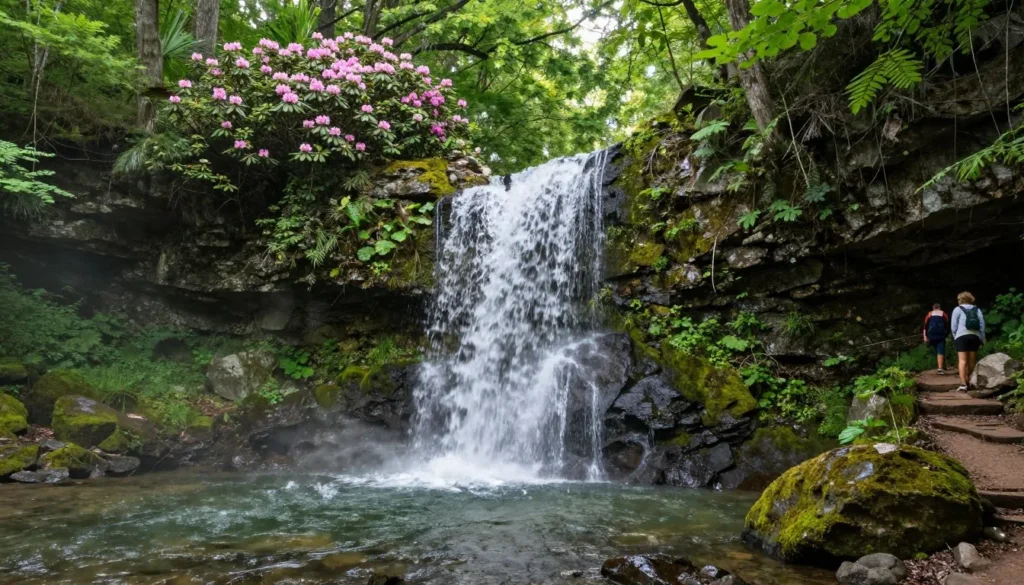
Shorter trails lead to waterfalls, overlooks, and old-growth forest stands. Many trailheads sit directly along the byway, requiring no additional travel to access wilderness.
Always carry water, snacks, and basic first aid supplies. Weather can change quickly in mountains. Inform someone of your hiking plans and expected return time.
Wildlife Viewing
The region supports diverse wildlife including white-tailed deer, wild turkeys, black bears, and numerous bird species. Dawn and dusk offer the best viewing opportunities.
Black bears inhabit the mountains but remain generally shy of humans. Store food properly when camping and never approach or feed wildlife. Binoculars enhance wildlife watching experiences.
Spring migration brings warblers and other songbirds through the mountains. Fall hawk migrations create spectacular viewing at mountain ridges like Clinch Mountain.
Hot Springs Area
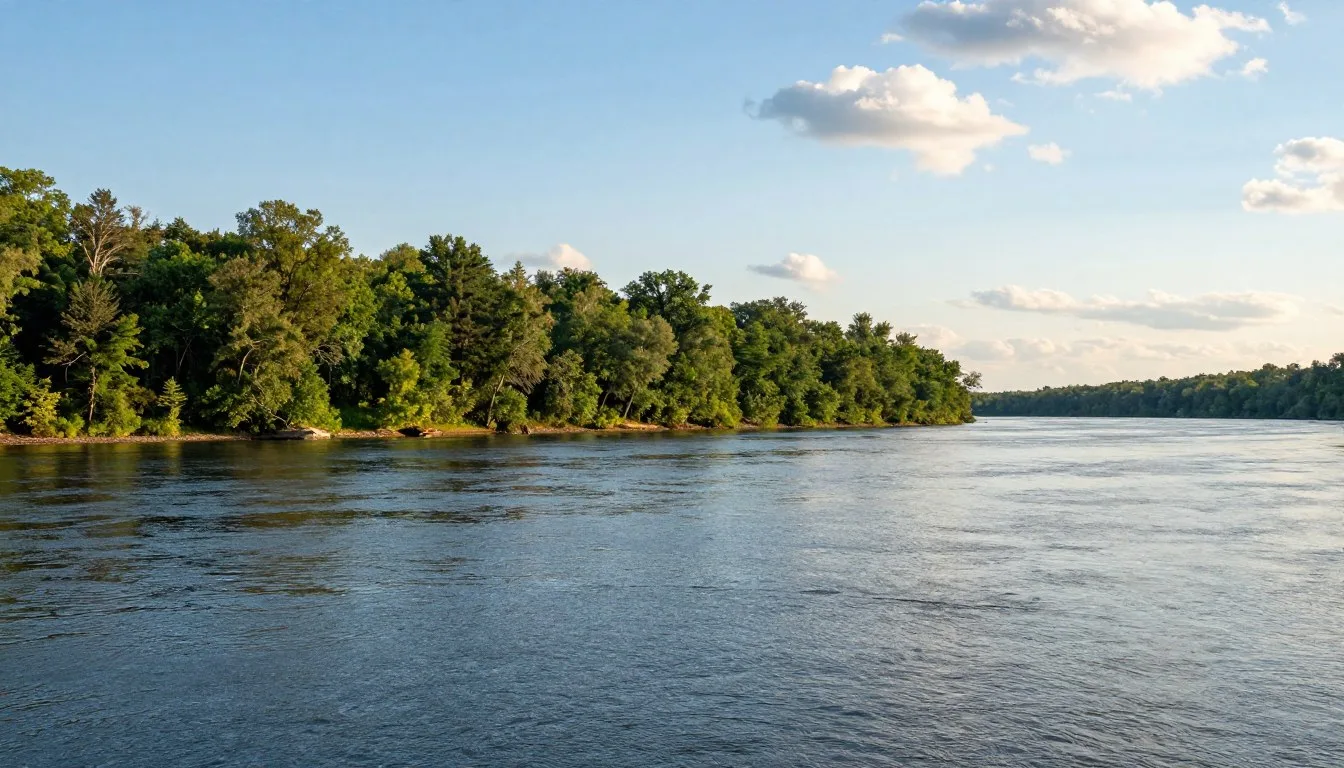
The eastern terminus of the byway near Hot Springs, North Carolina, offers unique natural attractions. The town sits along the French Broad River where the Appalachian Trail passes directly through Main Street.
Natural hot springs that gave the town its name once supported elaborate resort hotels. Today, a spa operates pools fed by the mineral springs. The setting provides relaxation after days of mountain exploration.
Water Activities
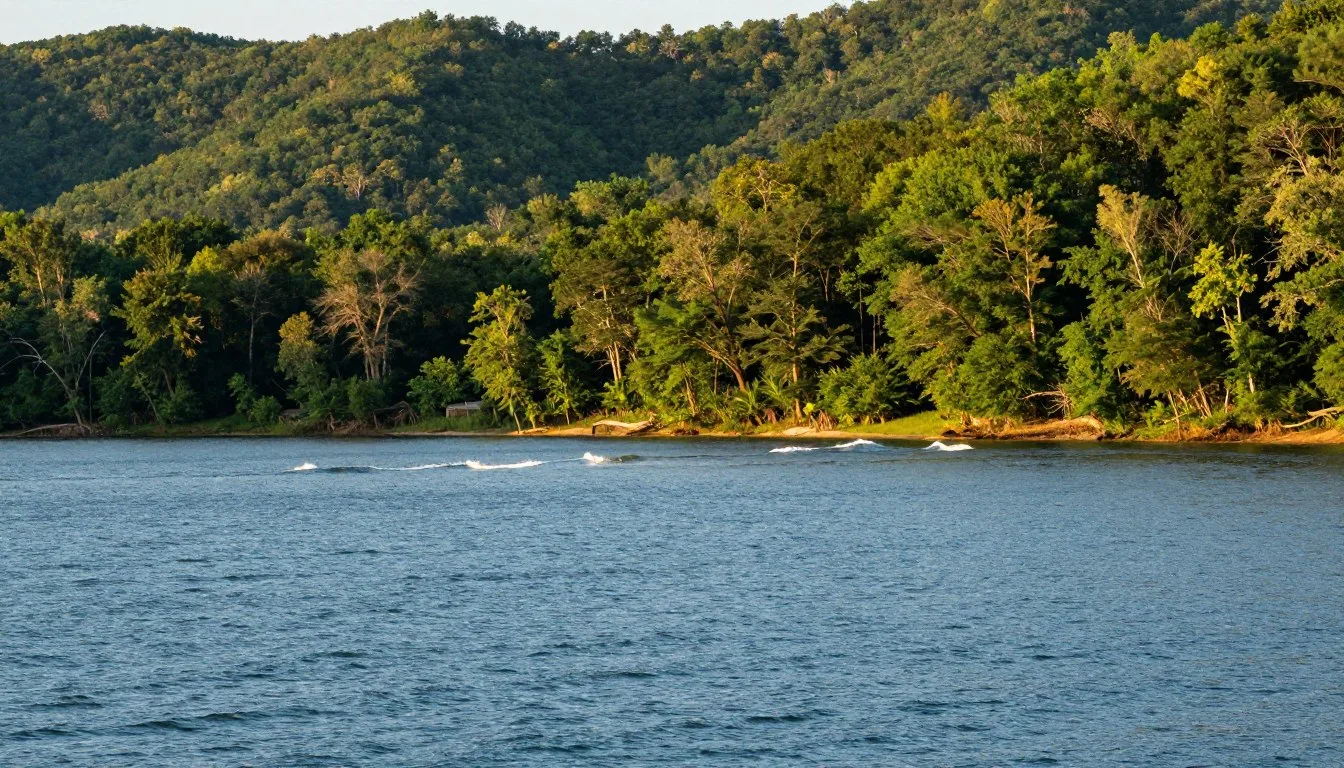
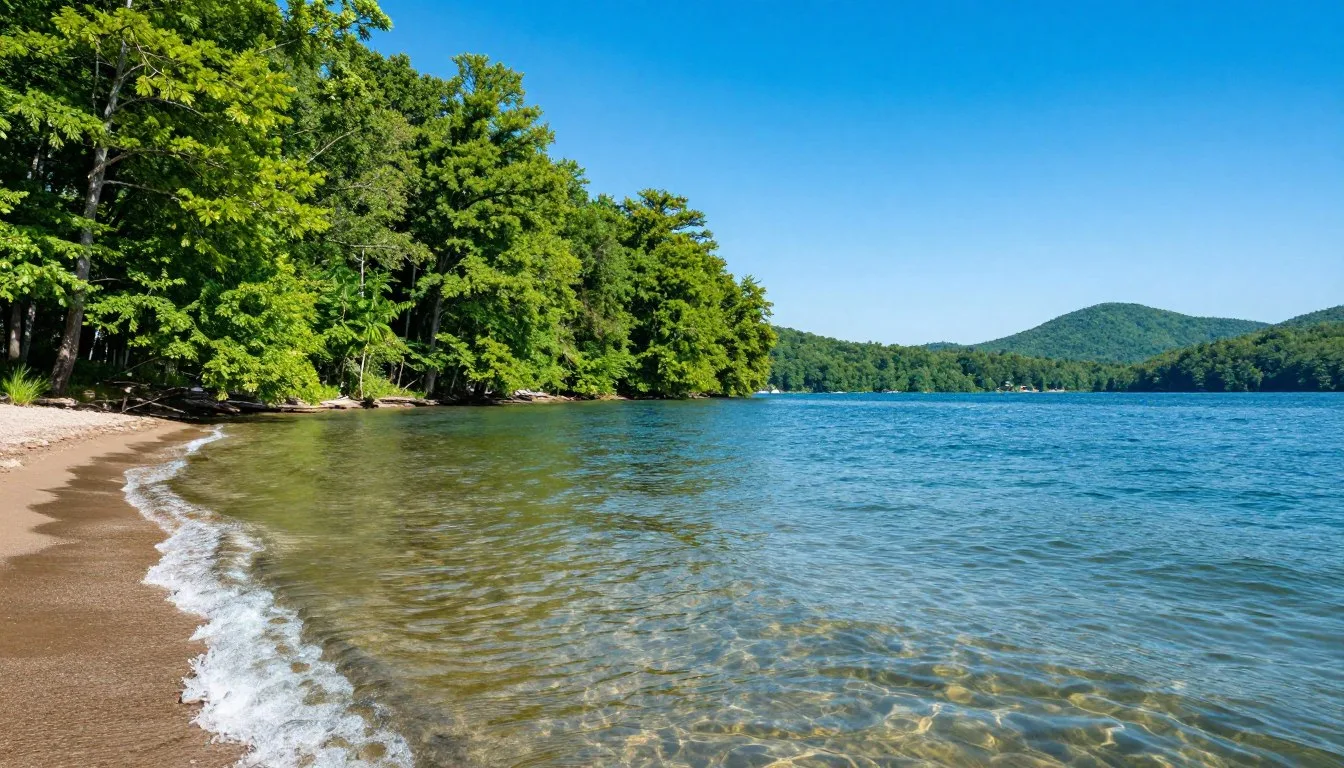
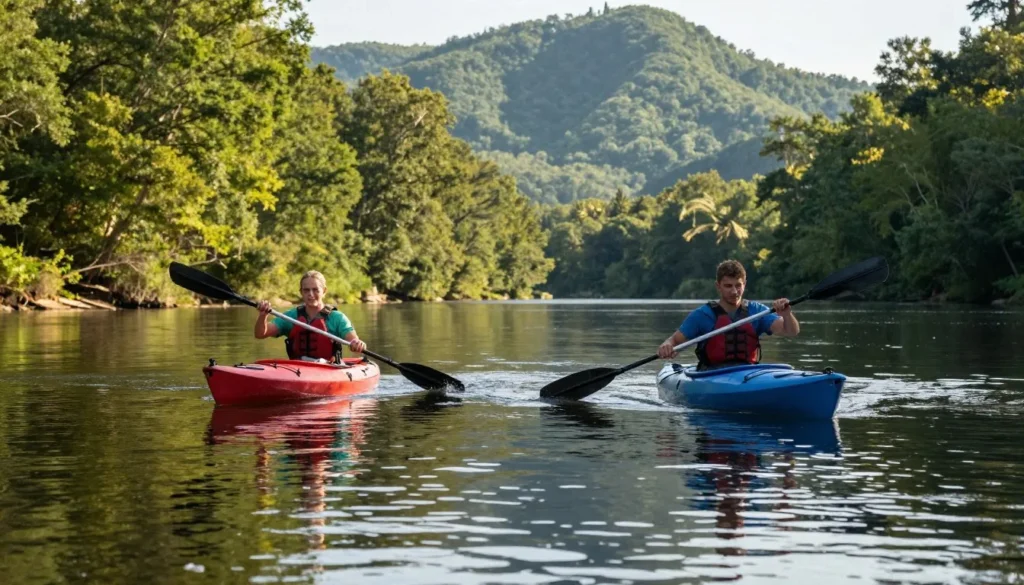
Rivers and streams throughout the region support fishing for trout, smallmouth bass, and other species. The Nolichucky River offers whitewater rafting and kayaking through impressive gorges.
Several outfitters operate along the byway, providing guided trips and equipment rentals. Experiences range from gentle float trips suitable for families to challenging whitewater for experienced paddlers.
Scenic Overlooks
Numerous pullouts along the byway provide safe places to stop and enjoy mountain views. These overlooks offer photo opportunities and chances to spot hawks, ravens, and other birds soaring along ridges.
Interpretive signs at major overlooks explain the geology, ecology, and human history visible in the landscape. These stops help visitors understand the complex natural and cultural systems that define the region.
Travel With Children
The Tennessee crossing byway offers numerous family-friendly activities that engage children while teaching about nature and history. Most attractions welcome families and provide experiences appropriate for various age groups.
Junior Ranger Programs
Cumberland Gap National Historical Park operates an excellent Junior Ranger program. Children complete activity booklets while exploring the park, learning about history, geology, and wildlife.
Rangers award badges to children completing the program, creating lasting memories and pride in accomplishment. Activities include short hikes, attending ranger talks, and sketching natural features.
Easy Family Hikes
Several trails accommodate families with young children. The Tri-State Peak Trail in Cumberland Gap offers a relatively easy 1.6 km (1 mile) walk reaching a point where Tennessee, Kentucky, and Virginia meet.
Children enjoy standing in three states simultaneously. The trail features gradual grades suitable for elementary-age kids who can walk reasonable distances.
Educational Exhibits
Visitor centers along the byway feature hands-on exhibits designed for young visitors. Children can touch artifacts, watch short films, and participate in interactive displays.
These facilities provide air conditioning and restroom breaks, important considerations when traveling with children. Rangers often engage kids with questions and stories that bring history alive.
Tips for Family Travel
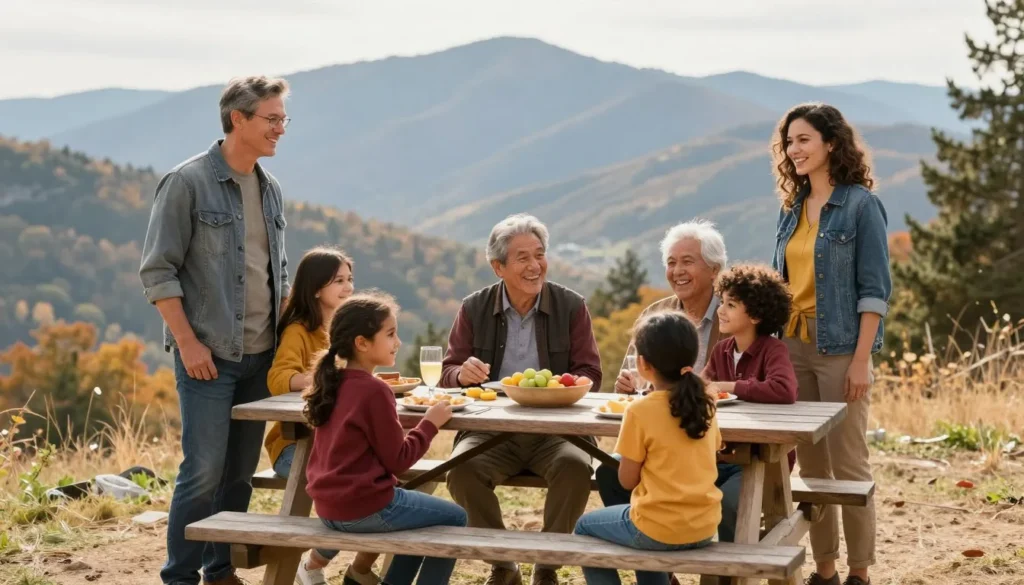
Plan shorter driving days when traveling with children, allowing time for frequent stops. Pack snacks and activities for car time. Many mountain roads have limited cell coverage, so download movies or games before leaving developed areas. Bring layers of clothing as mountain temperatures vary significantly.
✓ Check 30,000+ Local Sightseeing Tours Worldwide
Safety Considerations
Mountain environments present specific safety concerns for families. Keep children close on overlooks and cliff edges. Teach kids to recognize poison ivy, which grows abundantly in the region.
Black bears inhabit the mountains, so review bear safety guidelines with children before hiking. Make noise while walking to avoid surprising wildlife. Never allow children to approach any wild animals.
Stream crossings can challenge young hikers. Test water depth and current before crossing with children. Consider bringing trekking poles that can help kids maintain balance on rocky trails.
Money Saving Tips
Exploring the east Tennessee crossing need not strain travel budgets. Strategic planning and smart choices allow families and individuals to experience the byway’s attractions while minimizing expenses.
Free Attractions
- Cumberland Gap National Historical Park charges no entrance fees
- Cherokee National Forest access remains free at most trailheads
- Scenic overlooks provide spectacular views without cost
- Historic town walking tours cost nothing
- State natural areas welcome visitors at no charge
- Visitor centers offer free educational programs
Accommodation Savings
- Camping costs $15-25 per night versus $75-150 for hotels
- Weekday rates run lower than weekend prices
- Shoulder seasons offer discounts on cabins and hotels
- Group rentals split costs among multiple families
- Staying slightly off the byway route reduces lodging costs
- Book directly with properties to avoid booking fees
Food Cost Reduction
Packing picnic supplies from grocery stores costs far less than restaurant meals for every dining occasion. Local supermarkets in larger towns offer better prices than convenience stores. Breakfast at lodging or homemade saves $10-15 per person daily. Lunch as your main meal takes advantage of lower prices than dinner menus.
Transportation Savings
Renting fuel-efficient vehicles reduces gas expenses on mountain roads. Combining the byway with other regional attractions maximizes the value of a single trip. Traveling during off-peak times means lower fuel prices and better lodging rates.
Plan your route to minimize backtracking. The byway’s linear nature works well for one-way trips that conclude at opposite ends. This approach saves fuel and time versus returning to starting points.
Activity Costs
Many outstanding experiences along the Tennessee crossing require zero expenditure beyond transportation. Hiking, wildlife watching, photography, and historical exploration cost nothing but provide rich rewards.
When choosing paid activities, guided tours and equipment rentals can enhance experiences but aren’t essential for enjoyment. Assess your family’s interests and abilities before committing to expensive guided experiences.
- Camp at national forest sites
- Prepare own meals frequently
- Visit during shoulder seasons
- Focus on free natural attractions
- Rent fuel-efficient vehicles
- Book accommodations directly
- Use refillable water bottles
Budget-Friendly Choices
- Stay at full-service resorts
- Dine out for all meals
- Travel during peak foliage
- Book last-minute accommodations
- Use oversized vehicles
- Pay for guided experiences
- Buy bottled water constantly
Higher-Cost Options
Safety & Local Customs
The east Tennessee crossing passes through rural communities where traditional values and customs remain strong. Understanding local expectations and safety considerations ensures positive experiences for visitors.
Personal Safety
The region maintains low crime rates, and residents genuinely welcome visitors. Standard precautions suffice for personal security. Lock vehicles when parked at trailheads. Don’t leave valuables visible inside cars.
Cell phone coverage remains spotty throughout mountain areas. Download maps and important information before leaving developed areas. Inform someone of your travel plans and expected return times when hiking.
Medical facilities concentrate in larger towns like Morristown. Remote areas can sit 50 km (30 miles) or more from emergency rooms. Carry basic first aid supplies and any necessary medications.
Weather Hazards
Mountain weather changes rapidly. Morning sunshine can give way to afternoon thunderstorms. Lightning poses serious danger on exposed ridges and peaks. Descend immediately when storms threaten. Flash flooding can occur in narrow valleys during heavy rain. Never cross flooded roadways.
Wildlife Safety
Black bears inhabit mountains throughout the region. Store food properly and never approach bears. Make noise while hiking to avoid surprising wildlife. Keep dogs leashed on trails.
Venomous snakes including copperheads and timber rattlesnakes live in rocky areas and forests. Watch where you place hands and feet when scrambling over rocks. Give snakes space and they’ll retreat.
Ticks carry diseases including Lyme disease. Wear long pants and check for ticks after hiking. Remove attached ticks promptly and monitor for symptoms.
Local Customs and Etiquette
Mountain communities value politeness and respect. Greetings exchange freely between strangers. A simple hello or nod acknowledges others on trails or in towns.
Many residents hold conservative religious and social values. Modest dress and respectful behavior suit the cultural context. Sunday activities may be limited as many businesses close for religious observance.
Do’s
- Greet people you encounter
- Thank service workers and volunteers
- Respect private property boundaries
- Follow posted rules at attractions
- Ask permission before photographing people
- Support local businesses when possible
Don’ts
- Mock local accents or customs
- Litter or deface natural areas
- Trespass on private land
- Make assumptions about residents
- Rush interactions with locals
- Ignore trail closures or warnings
Environmental Responsibility
The Cherokee National Forest and other natural areas depend on visitor stewardship. Pack out all trash. Stay on designated trails to prevent erosion. Camp only in designated areas.
Never remove natural or historical artifacts. Federal and state laws protect cultural resources. Wildflower picking damages populations and deprives others of enjoyment.
Visitor Comments About East Tennessee Crossing Byway Tennessee
Travelers who have explored the Tennessee crossing byway share their experiences and impressions. These authentic visitor perspectives provide insights for those planning their own adventures.
The Cumberland Gap section absolutely took my breath away. Standing at the Pinnacle Overlook and seeing three states at once made me appreciate why this gap was so important to American history. The visitor center staff were incredibly knowledgeable and patient answering all our questions. We spent three days exploring and still didn’t see everything we wanted. Already planning a return trip for fall foliage season.
Our family loved the combination of history and nature along this byway. The kids earned Junior Ranger badges at Cumberland Gap and learned so much about pioneer life. Local restaurants served amazing comfort food, and everyone was so friendly. Bean Station felt like stepping back in time. We camped at a Cherokee National Forest campground that had crystal-clear streams running nearby. Best family vacation we’ve taken in years.
As a photographer, I was in heaven on this byway. Every turn revealed another stunning vista or interesting historical site. I visited during peak fall color and the mountains looked like they were on fire with reds, oranges, and golds. Met some wonderful local people who shared stories about the area. The pace of life here is refreshingly slow. Cell service was spotty, which actually enhanced the experience of disconnecting from daily life.
Additional Nearby Destinations
The east Tennessee crossing connects to numerous other attractions within reasonable driving distances. Extending your trip to include these destinations creates a comprehensive Appalachian experience.
Great Smoky Mountains National Park
America’s most visited national park lies approximately 90 km (56 miles) south of the byway. The Great Smoky Mountains offer unparalleled hiking, wildlife viewing, and scenic beauty.
Over 1,200 km (800 miles) of trails explore diverse ecosystems from lowland coves to high alpine-like peaks. Historic structures preserve mountain settlement history.
Cades Cove provides an 18 km (11-mile) scenic loop through an historic valley. The park charges no entrance fees despite hosting over 12 million visitors annually.
Bristol Motor Speedway
NASCAR fans find world-class racing about 80 km (50 miles) northeast of Cumberland Gap. This iconic speedway hosts major races throughout the season.
The venue also presents concerts and other events. Tours offer behind-the-scenes looks at this legendary facility when races aren’t scheduled.
Bristol itself maintains a charming downtown with shops, restaurants, and the Birthplace of Country Music Museum celebrating the region’s musical heritage.
Knoxville
Tennessee’s third-largest city sits 100 km (62 miles) southwest of the byway. Knoxville offers urban amenities including museums, restaurants, shopping, and entertainment.
The downtown Market Square hosts farmers markets, festivals, and outdoor dining. The University of Tennessee campus adds cultural venues and collegiate sports.
Knoxville makes an excellent base for exploring multiple East Tennessee attractions while enjoying city conveniences.
Appalachian Trail
The famous 3,500 km (2,190-mile) hiking trail from Georgia to Maine passes near and through sections along the byway. Day hikers can experience portions without committing to long-distance backpacking.
Trail towns like Hot Springs welcome hikers with services, supplies, and encouragement. The trail community celebrates the hundreds of thru-hikers who pass through each year attempting to complete the entire route.
Blue Ridge Parkway
This scenic highway lies about 65 km (40 miles) east near the North Carolina border. The Blue Ridge Parkway offers 755 km (469 miles) of mountain driving connecting the Smoky Mountains to Shenandoah National Park.
Overlooks, visitor centers, and hiking trails provide access to southern Appalachian highlands. The parkway maintains a leisurely 72 kph (45 mph) speed limit, encouraging relaxed travel and frequent stops.
Practical Travel Tips
Successful byway exploration depends on practical preparation and realistic planning. These tips help visitors avoid common pitfalls and maximize enjoyment along the Tennessee crossing.
What to Pack
- Layered clothing for variable mountain temperatures
- Rain jacket regardless of forecast
- Comfortable hiking shoes with good traction
- Sun protection including hat and sunscreen
- Reusable water bottles
- Basic first aid supplies
- Insect repellent from April through October
- Camera or smartphone for photography
- Binoculars for wildlife and scenic viewing
- Physical maps as backup to GPS
Banking and Currency
ATMs appear in larger towns but may be scarce in remote areas. Carry sufficient cash for small purchases at country stores, roadside stands, and small restaurants that may not accept cards.
Major credit cards work at most hotels and larger establishments. However, some local diners and shops prefer cash or may have card minimum purchase requirements.
Internet and Connectivity
Cell phone service varies dramatically along the byway. Major carriers provide coverage in towns and along main highways. However, expect limited or no service in mountain valleys and remote areas.
Download maps, directions, and any needed information before leaving areas with reliable connectivity. Hotels and some restaurants offer WiFi, though speeds may be slower than urban areas.
The limited connectivity actually enhances the byway experience for many visitors, providing a welcome break from constant digital connection.
Photography Tips
Morning and late afternoon light creates the most dramatic mountain photography. Overlooks facing east work best for sunrise shots, while west-facing vistas shine during sunset.
Fall foliage photography peaks from mid-October through early November. Overcast conditions actually enhance color saturation compared to harsh midday sun. Waterfalls photograph beautifully after rains when flows increase.
Accessibility Considerations
The Cumberland Gap visitor center provides full accessibility including ramps, accessible restrooms, and exhibits designed for wheelchair users. Several short trails near the visitor center accommodate mobility devices.
Most scenic overlooks along the byway feature paved parking areas within short distances of viewing points. However, many historic sites and natural areas involve uneven terrain challenging for those with mobility limitations.
Best Day Trip Itinerary
Start early at Cumberland Gap visitor center for orientation. Hike to Tri-State Peak (2 hours round trip). Drive to the Pinnacle Overlook parking area. Explore Bean Station historic district for lunch. Continue through White Pine browsing antique shops. End at a Cherokee National Forest overlook for sunset. This itinerary covers major highlights in 8-10 hours.
✓ Check 30,000+ Local Sightseeing Tours Worldwide
Language and Communication
English is the universal language throughout the region. Local dialects preserve Appalachian speech patterns and vocabulary that differ from standard American English. These unique expressions reflect the region’s cultural heritage.
Residents appreciate when visitors listen carefully and ask for clarification when needed. The pace of conversation may seem slower than urban areas, reflecting a more relaxed approach to time.

Your Journey Awaits on the East Tennessee Crossing
The East Tennessee Crossing Byway Tennessee offers an authentic journey through American history and natural beauty. From the legendary Cumberland Gap to quiet mountain communities, every mile reveals stories of pioneers, settlers, and the rugged land that shaped them.
This route delivers experiences that remain rare in modern America. You’ll discover genuine mountain culture preserved in small towns where life moves slower. You’ll walk trails that pioneers traveled seeking new opportunities beyond the mountains. You’ll witness landscapes that inspired generations of Americans to push westward.
The byway welcomes all travelers, whether you seek outdoor adventure, historical discovery, or peaceful mountain scenery. Pack your curiosity, respect for the land and its people, and a sense of adventure. The east Tennessee crossing rewards those who take time to truly explore its wonders.
Your Appalachian adventure begins where Daniel Boone blazed his trail through the wilderness. The mountains are calling, and the crossing awaits.