Fall Creek Falls State Park, Tennessee: Best Things to Do – Top Picks

Experience the breathtaking scenery of Fall Creek Falls State Park
Book reservations in numerous Languages + World Currencies.

Hotels by Trip.com

Flights by Trip.com

Experience the breathtaking scenery of Fall Creek Falls State Park, a must-visit destination in the Southeast. Welcome to Fall Creek Falls State Park, Tennessee’s largest and most visited state park, featuring some of the most spectacular scenery in the region.

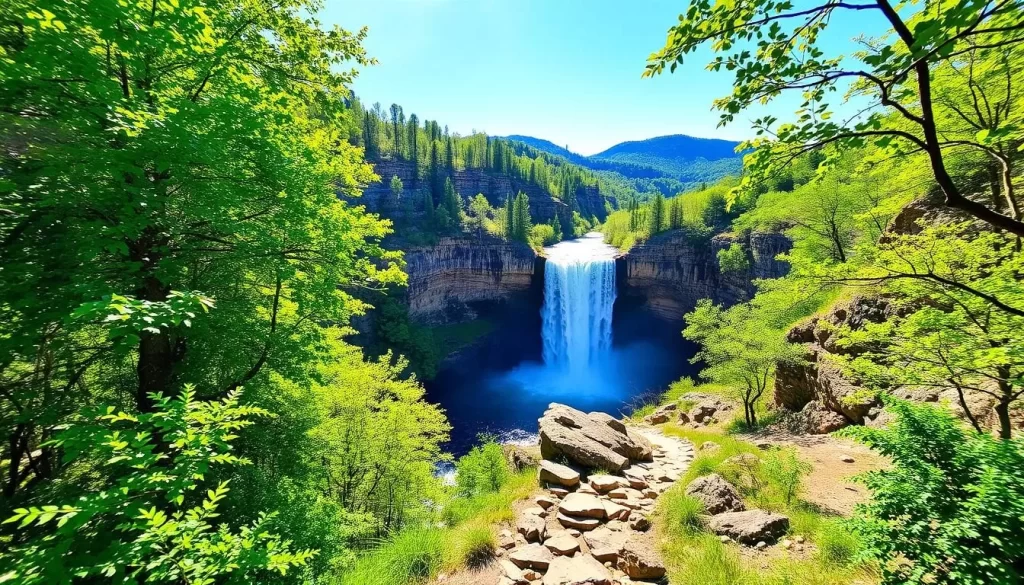
This natural wonderland is home to Fall Creek Falls, one of the highest waterfalls in the eastern United States, plunging 256 feet into a scenic gorge. The park’s 26,000 acres of cascades, gorges, streams, and hardwood forests offer a diverse range of landscapes to explore.

Explore the Park’s Natural Beauty

The park is a haven for nature lovers and adventure seekers alike. With its numerous hiking trails, recreational activities, and accommodation options, Fall Creek Falls State Park is the perfect destination for a day trip or an extended stay.

From breathtaking waterfall views to serene fishing spots, you’ll find everything you need to plan your perfect outdoor getaway in Tennessee’s crown jewel state park. Whether you’re interested in hiking, fishing, or simply taking in the views, this comprehensive guide will help you navigate the park’s many attractions.

You’ll discover why Fall Creek Falls State Park is a top destination for outdoor enthusiasts, with its unique blend of natural beauty and recreational activities. So, get ready to experience the best of Tennessee’s great outdoors.

Discovering Fall Creek Falls State Park

Fall Creek Falls State Park, Tennessee’s largest state park, offers a diverse range of activities and breathtaking scenery that is sure to captivate visitors of all ages. Spanning over 26,000 acres of protected wilderness on the eastern portion of the Cumberland Plateau, this park is a haven for nature enthusiasts and adventure seekers.

Overview of Tennessee’s Largest State Park

The park is home to Fall Creek Falls, a 256-foot waterfall, along with several other impressive waterfalls that attract visitors from across the country. The diverse ecosystem includes virgin hardwood forests, cascades, gorges, streams, and lush vegetation that support a wide variety of wildlife. You can explore the park’s natural beauty and enjoy the serene atmosphere.
Fall Creek Falls State Park, Tennessee: Best Things to Do - Top Picks

Best Times to Visit and What to Expect

The best times to visit Fall Creek Falls State Park are during the spring and fall seasons, when the temperatures are comfortable and the scenery is spectacular. In the spring, wildflowers bloom in April and May, while the fall season brings vibrant foliage in October and November. Summer months are ideal for swimming and water activities at Fall Creek Lake, but be prepared for larger crowds. Winter visits offer a unique perspective with possible frozen waterfalls and fewer crowds, though some facilities may have limited hours.

You should expect varying trail conditions throughout the year, from muddy paths in spring to dry, leaf-covered trails in fall. Weekends and holidays are busiest, so consider a weekday visit if you prefer solitude while exploring creek falls and the surrounding natural beauty.

Fall Creek Falls State Park, Tennessee: Best Things to Do – Top Picks

With its breathtaking waterfalls and lush landscapes, Fall Creek Falls State Park is a must-visit destination in Tennessee. The park offers a variety of exciting attractions and activities that cater to different interests and ages.

Imagine standing in front of a majestic 256-foot waterfall surrounded by lush greenery.

Fall Creek Falls – The Crown Jewel

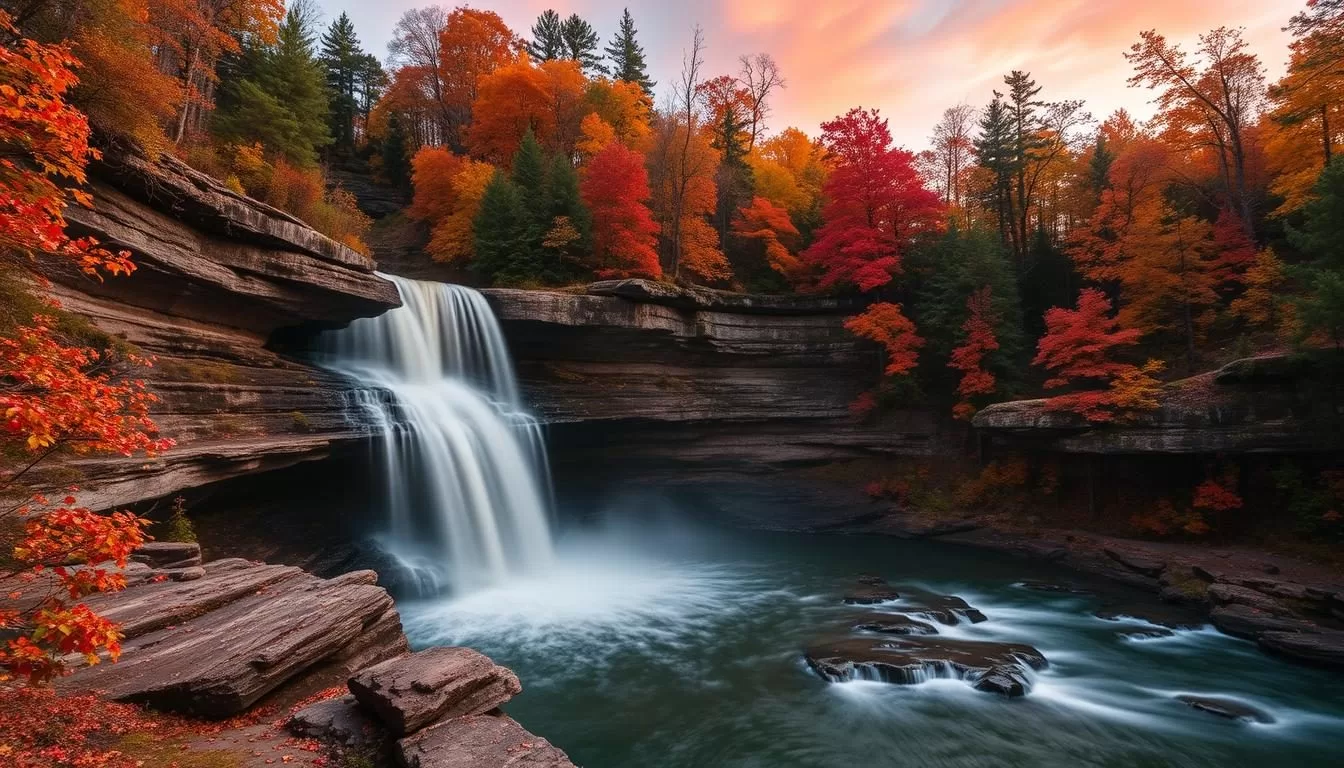
Fall Creek Falls stands as the park’s centerpiece and is one of the highest waterfalls in the eastern United States, plummeting 256 feet into a rocky, mist-filled gorge. You can view this magnificent waterfall from several overlooks along the rim, with the Gorge Overlook providing the most spectacular vantage point of the falls.

✓  Check 30,000+ Local Sightseeing Tours Worldwide

Click Here

For the adventurous, the challenging Base of Falls Trail leads you down to the plunge pool where you can feel the spray and truly appreciate the waterfall’s immense power.

Cane Creek Falls and Cascades

Cane Creek Falls drops 85 feet and is easily accessible from the Nature Center area, making it one of the park’s most photographed waterfalls. The Cane Creek Cascades, located just upstream from Cane Creek Falls, offer a series of beautiful, smaller waterfalls that are perfect for families and those seeking easier access to water features.

A suspension bridge crosses above Cane Creek Cascades, providing unique views and photo opportunities of the rushing water below.

Piney Falls and Other Waterfalls

Piney Falls, a 95-foot waterfall, is located in a more remote section of the park and rewards hikers with a less crowded, pristine natural setting. Rockhouse Falls and Coon Creek Falls are additional waterfalls worth exploring, each with its own unique characteristics and scenic beauty.

The best time to see these waterfalls at peak flow is typically after rainfall or during the spring months when snowmelt and seasonal rains feed the creek falls. Fall Creek Falls State Park’s collection of waterfalls makes it one of the premier waterfall destinations in the eastern United States, with each cascade offering a different experience.

Hiking Adventures in the Park
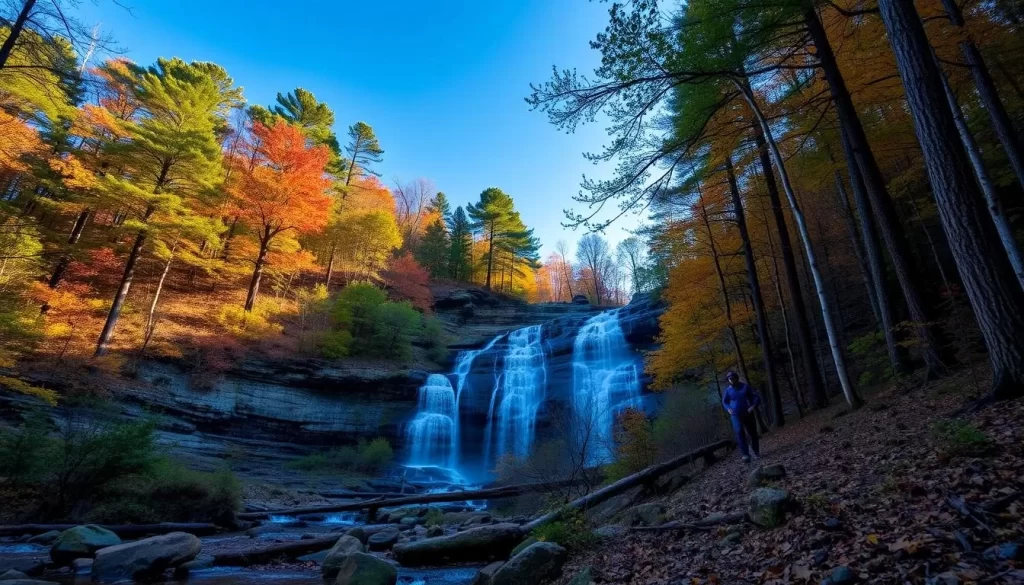
Imagine hiking through the lush landscapes of Fall Creek Falls State Park, surrounded by the sounds of nature and the thrill of adventure.

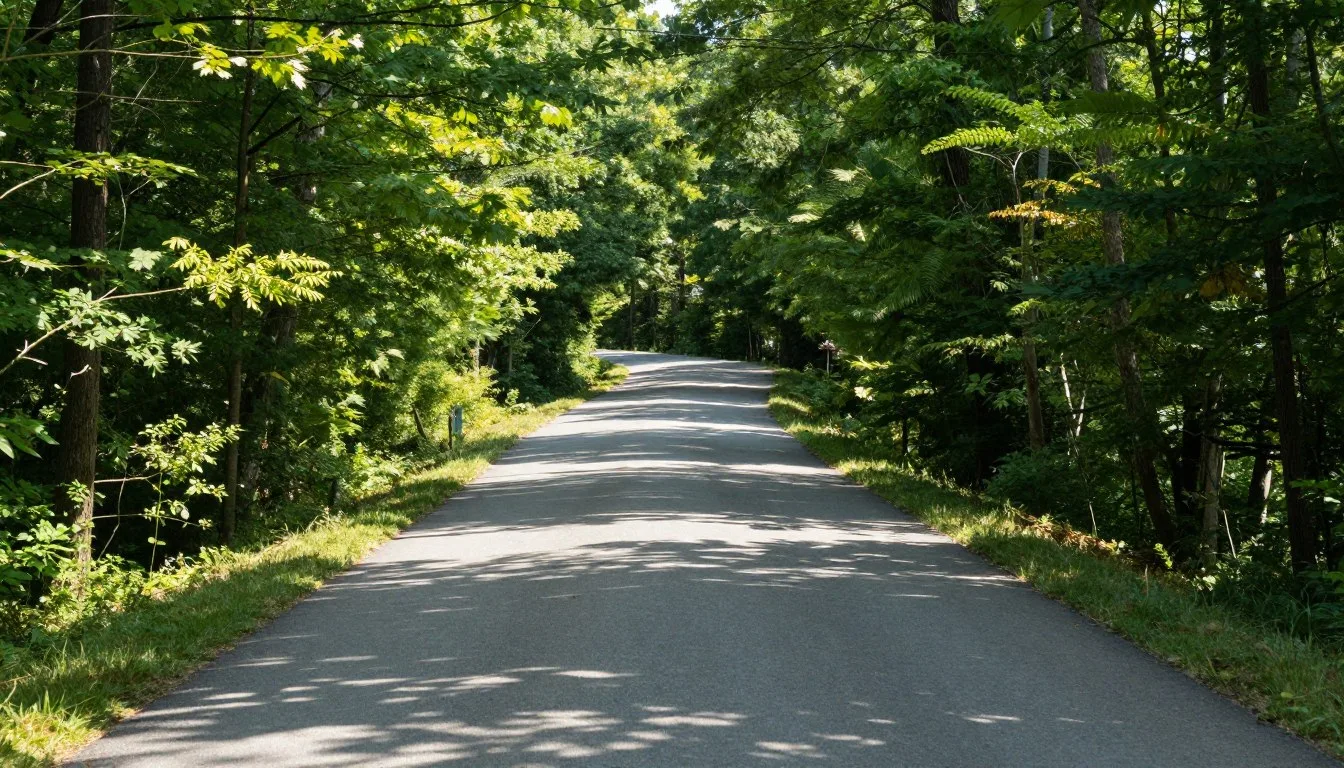
With over 56 miles of hiking trails, Fall Creek Falls State Park offers an unparalleled hiking experience in the heart of Tennessee. The park’s trails cater to a wide range of abilities, from easy, paved paths suitable for all ages to more strenuous routes that require a good level of physical fitness and hiking experience.

Base of Falls Trail

The Base of Falls Trail is a challenging but rewarding 0.4-mile descent that takes you to the bottom of Fall Creek Falls, where you can experience the waterfall’s full power and magnitude up close. This trail requires navigating steep terrain and rocky sections, making proper footwear and caution essential for your safety and enjoyment.

Gorge Overlook Trail

The Gorge Overlook Trail offers spectacular panoramic views of Fall Creek Falls and the surrounding gorge, with several viewing platforms perfect for photography. You’ll find this relatively easy 0.5-mile trail accessible for most fitness levels, making it one of the most popular hiking options in the park.

Woodland Trail and Other Hiking Options

The Woodland Trail provides a 1.1-mile loop through diverse forest ecosystems, ideal for nature lovers and birdwatchers seeking a peaceful hike away from the crowds. For more serious hikers, the 13.5-mile Overnight Trail offers a challenging backcountry experience through some of the park’s most remote and pristine areas.

The Paw Paw Trail (2.6 miles) connects the Nature Center to Fall Creek Falls, passing by Cane Creek Falls and crossing a suspension bridge over Cane Creek Cascades. This trail showcases the park’s diverse landscapes and is a must-visit for any hiker.

Tips for Hikers and Trail Difficulty Levels

When hiking any trail in the park, it’s essential to carry water, wear appropriate footwear, and check trail conditions at the Nature Center before setting out. Trail difficulty ranges from easy paved paths to strenuous routes, ensuring there are options for every ability level. The park’s network of trails allows you to customize your hiking adventure, with interconnected paths that cater to your preferences.

Outdoor Recreation Beyond the Waterfalls

Beyond the breathtaking waterfalls, Fall Creek Falls State Park offers a diverse range of outdoor activities. The park is a haven for outdoor enthusiasts, with numerous adventures waiting to be explored.

Fishing and Boating on Fall Creek Lake

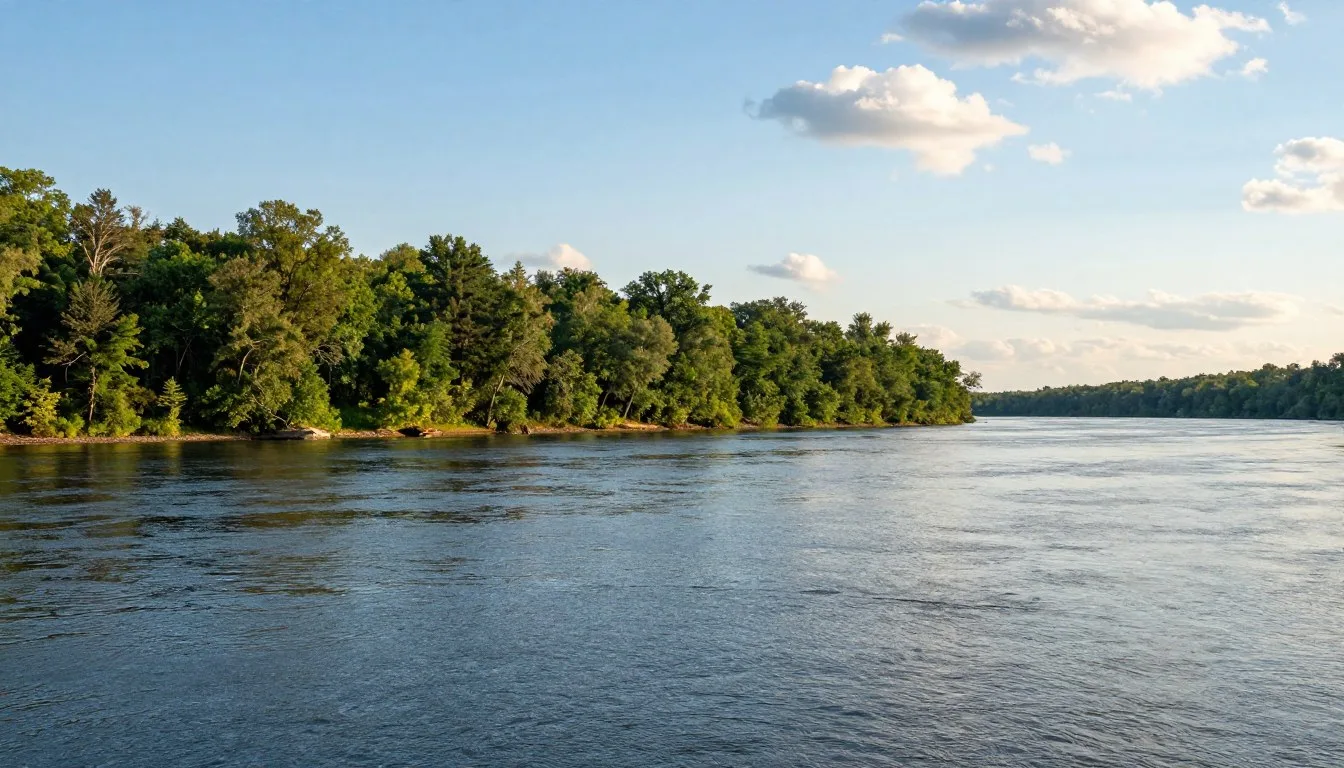
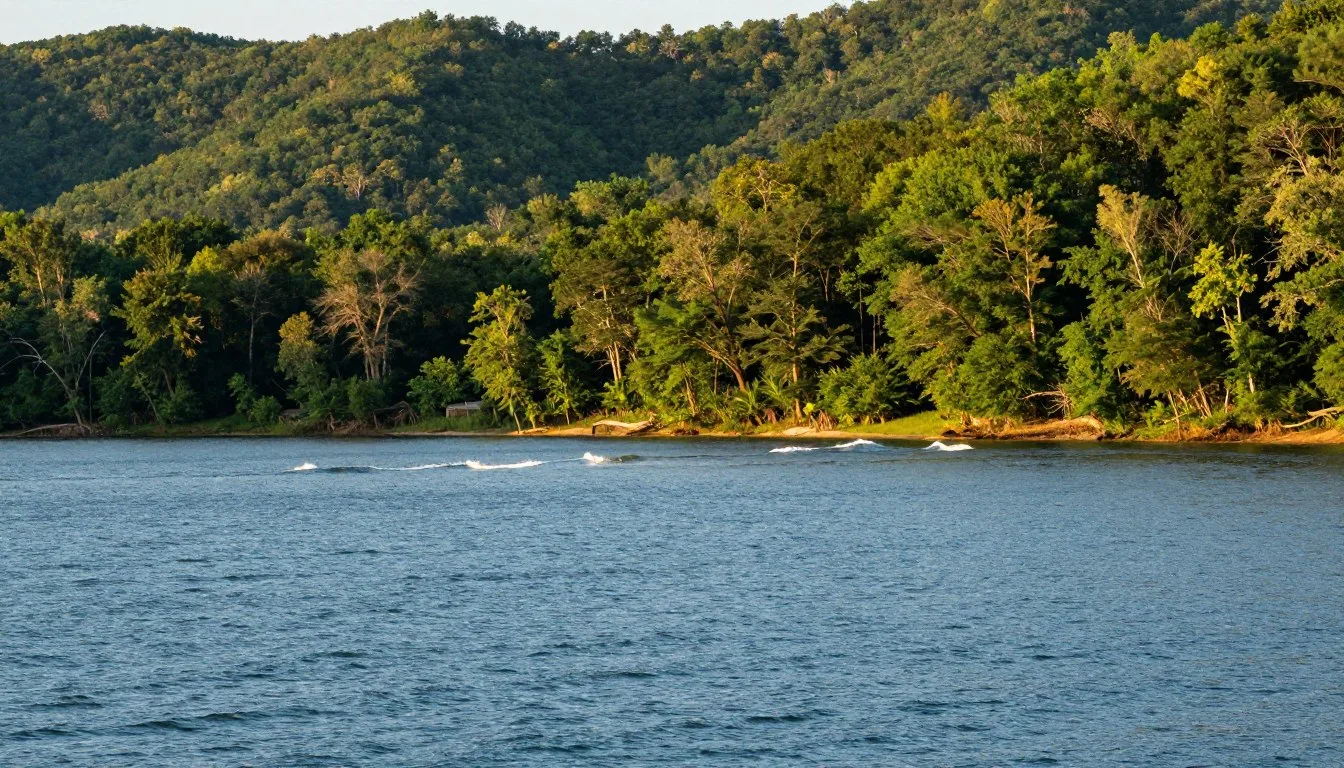
Fall Creek Lake is a fisherman’s paradise, with the 345-acre reservoir offering excellent fishing opportunities. You can catch bass, bluegill, and catfish, making it a great spot for families. During the summer season, you can rent fishing boats, canoes, and paddleboats or bring your own non-motorized or electric-powered watercraft to explore the lake.
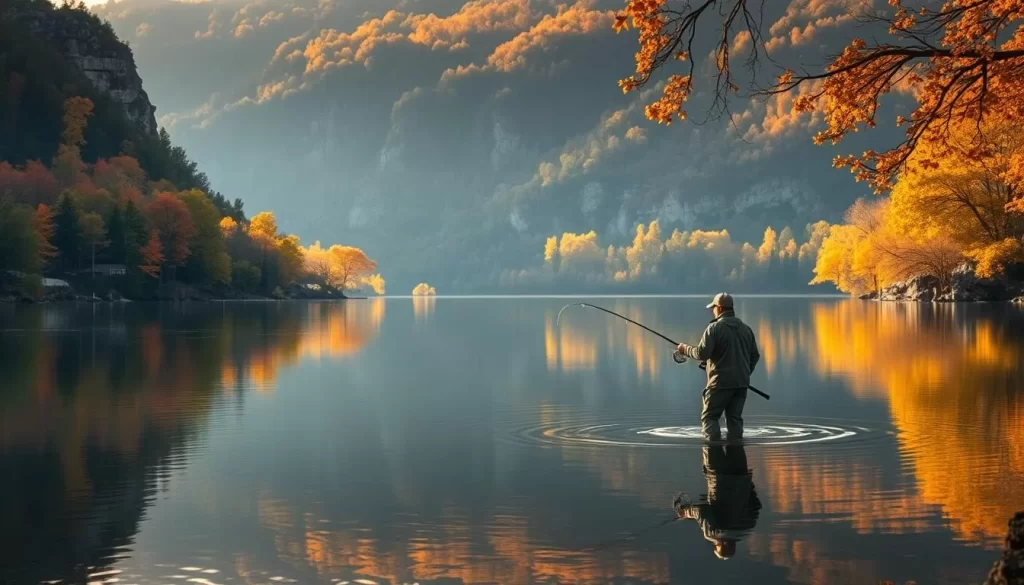
An idyllic autumn scene at Fall Creek Lake, Tennessee. In the foreground, a fisherman wades knee-deep in the tranquil, mirror-like waters, casting his line towards the schools of trout and bass. The middle ground is dotted with vibrant trees in shades of gold, orange, and crimson, their reflections rippling on the surface. In the background, rugged cliffs and lush forests rise up, framing the serene landscape. Soft, warm sunlight filters through the canopy, casting a natural, cinematic glow over the entire scene. The atmosphere is one of peaceful solitude, inviting the viewer to immerse themselves in the beauty of Tennessee's great outdoors.

Swimming Pool and Beach Areas

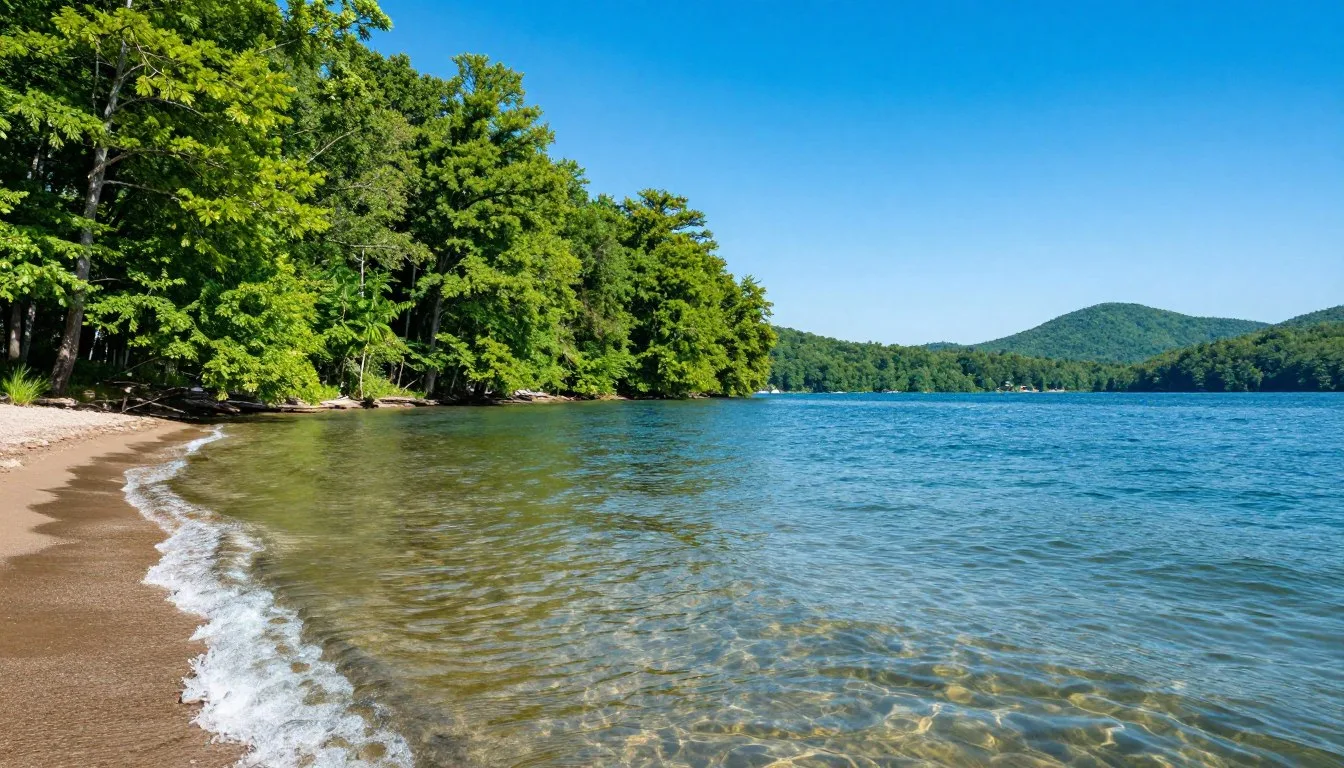
The park features a large Olympic-sized swimming pool that is open during the summer months. The pool is equipped with a wading pool for younger children and plenty of deck space for sunbathing. For a more rustic experience, you can visit the natural swimming areas at the lake’s beach, where you can cool off after a day of hiking around the creek falls.

Golfing, Biking, and Zipline Adventures

Golfing enthusiasts will enjoy the 18-hole golf course at Fall Creek Falls, renowned for its scenic beauty and challenging play. The course winds through wooded areas, offering views of the surrounding landscape. For those looking for more adventure, the park offers designated mountain biking trails ranging from beginner-friendly paths to more technical routes. You can also experience the thrill of the Canopy Challenge Course and zipline adventures, soaring above the treetops for a unique perspective of the park.

Additional activities include seasonal interpretive programs led by park rangers, which provide educational activities for the whole family. You can also enjoy picnic areas equipped with tables, grills, and nearby restroom facilities, perfect for family gatherings or a relaxing day in nature. Playgrounds and recreational fields are available for families with children to burn off energy between waterfall visits.

Where to Stay and Eat in Fall Creek Falls

Your stay at Fall Creek Falls State Park will be more enjoyable with the right lodging and dining choices. The park offers a range of accommodations to suit different preferences and needs.

Lodge and Cabin Options

The newly renovated Lodge at Fall Creek Falls offers 85 modern rooms with private balconies overlooking the lake, providing comfortable accommodations right in the heart of the park. You’ll find the lodge includes amenities such as free Wi-Fi, a restaurant, conference facilities, and easy access to park activities. Thirty well-appointed cabins are available for rent year-round, ranging from one to three bedrooms, each equipped with full kitchens, fireplaces, and outdoor grills.

Campground Facilities

The park’s campground features 222 sites with water and electrical hookups, suitable for tents, trailers, and RVs up to 65 feet in length. Each campsite includes a grill, fire ring, and picnic table, with modern bathhouses featuring hot showers and restroom facilities located throughout the camping areas. For those looking for a more rustic experience, five primitive group camping areas are available for organized groups.

Dining Options and Picnic Areas

The Restaurant at the Lodge serves breakfast, lunch, and dinner with a menu featuring Southern classics and spectacular views of Fall Creek Lake. The Snack Bar near the Nature Center provides quick meal options, ice cream, and refreshments during the busy season. Numerous picnic areas throughout the park offer a place to enjoy meals amid natural beauty, with some shelters available for reservation for larger gatherings.

Planning Your Perfect Visit to Fall Creek Falls

Fall Creek Falls State Park awaits your visit, but first, ensure you’re prepared with the latest details from the official Tennessee State Parks website. This step is crucial for a seamless trip, providing you with up-to-date information on park hours, fees, and any seasonal closures.

Upon arrival, make the Nature Center your first stop to gather trail maps and insights from the staff. Checking the weather forecast is also advisable, as it can significantly impact your experience, especially for viewing Fall Creek Falls and Cane Creek Cascades. For a day trip, prioritize the park’s highlights, including the suspension bridge over Cane Creek Cascades and Cane Creek Falls.

To fully appreciate the park’s beauty, consider a visit during weekdays or off-season months. Don’t forget to pack essentials like water, sturdy shoes, and layers for varying temperatures. With its diverse activities and breathtaking waterfalls, Fall Creek Falls State Park is a must-visit destination in the eastern United States.
When preparing for a cruise, it is easy to remember the obvious items: swimsuits, formal wear, sunscreen, and flip-flops. However, cruise ship cabins are highly unique environments with specific regulations and structural layouts that differ completely from standard hotel rooms.

If you only pack like you are staying at a land-based resort, you might find yourself dealing with a dead phone battery, a damp swimsuit, or a cabin door that slams shut at the slightest breeze.

To ensure your cabin functions perfectly, add these five unexpected, high-utility essentials to your packing list.

1. Magnetic Cabin Hooks

Space is at a premium inside a standard stateroom, and counter space can disappear quickly once you unpack your toiletries and electronics.

  • Why you need them: Cruise ship walls are not made of drywall; they are constructed from solid steel. This means the entire cabin is a giant magnet-friendly zone. Heavy-duty magnetic hooks can be slapped directly onto the walls or ceiling to create instant hanging space.

  • Best uses: Hang up your wet swimsuits to dry, air out your formal wear, or hang your lanyards, hats, and day bags right by the door so they don't clutter up the desk.

2. A Cruise-Approved Power Strip (No Surge Protectors)

Older cruise ships are notorious for having only one or two electrical outlets in the entire room, which is a major issue if you need to charge phones, cameras, tablets, and smartwatches overnight.

  • Why you need them: You cannot simply grab any extension cord from your house. Cruise lines strictly prohibit standard household surge protectors because they pose a severe fire hazard to the ship’s unique electrical grid. Security will confiscate them at the luggage scanner.

  • What to buy instead: Look for an extension block explicitly labeled as "Non-Surge Protected" or certified cruise-compliant. Many of these feature a mix of traditional outlets and USB ports to handle all your devices safely.

3. Over-the-Door Organizer

The bathroom vanity in a cruise cabin is notoriously small, often featuring just a couple of narrow glass shelves to hold everything for multiple passengers.

  • Why you need them: A clear, plastic over-the-door shoe organizer hung on the back of your bathroom door keeps all your small items visible and off the limited counter space.

  • Best uses: It is perfect for storing sunscreen, medications, makeup, hairbrushes, room cards, sunglasses, and charging cables.

4. A Heavy Rubber Doorstop

Cruise ship cabin doors are heavy, fire-rated steel structures equipped with intense automatic closing mechanisms designed to slam the door shut immediately behind you.

  • Why you need them: If you are trying to coordinate with family members in a nearby room, carrying heavy luggage over the threshold during embarkation day, or enjoying a breeze while sitting out on your private balcony, a heavy rubber doorstop is a lifesaver. It keeps the door securely propped open without relying on a heavy suitcase to hold it back.

5. Lanyards or Card Holders

Your room key (often called a cruise card) is your lifeblood on the ship. It acts as your room key, your identification boarding and leaving the ship at port, and your digital wallet for every onboard purchase.

  • Why you need them: Because men's swim trunks and women's sundresses rarely have deep, secure pockets, it is incredibly easy to misplace a loose plastic card while lounging on a pool deck chair. A simple lanyard or a sticky card sleeve attached to the back of your smartphone keeps your card safe and accessible at all times.

🛑 A Quick Warning on Prohibited Items

Before adding extra items to your luggage, remember that cruise lines ban heating elements to prevent fires. Leave the clothing irons, steamers, hot plates, and candles at home—the ship’s laundry service or a bottle of wrinkle-release spray can handle your wrinkled clothes instead.

When booking a cruise stateroom, you face one final choice after picking your deck and room category: Port or Starboard?

For decades, maritime tradition has designated the left side of the ship as Port (think of how both words have four letters) and the right side as Starboard when facing forward toward the bow.

Many first-time cruisers stress over this choice, worried they will spend a week staring at the empty ocean while passengers on the opposite side enjoy stunning postcard views. Let’s clear up the myths and look at how to choose the ideal side of the ship for your next vacation.

The Sunset Myth: Can You Guarantee a View?

The single most common reason travelers agonize over port vs. starboard is wanting to watch the sunset from their private balcony.

  • The Reality: Unless your cruise is a straight line going in one direction for seven days, the ship will be constantly changing heading. It snakes around islands, navigates twisting fjords, and turns around completely to head home.

  • The Math: If you are sailing south, the starboard side faces west (sunset) and the port side faces east (sunrise). When you turn around to sail north back to your home port, those views swap completely.

3 Scenarios Where the Side of the Ship Matters

While general ocean crossings make the side of the ship mostly irrelevant, there are three specific travel scenarios where your choice will drastically impact your experience.

1. One-Way Landfall Itineraries (e.g., Alaska or Europe Northbound)

If you are taking a cruise that begins in one city and ends in another without turning back, the side of the ship is critical.

  • Northbound Alaska: If you are sailing north from Vancouver or Seattle up to Seward or Whittier, the starboard side will face the dramatic mountain ranges, coastal forests, and passing wildlife for the majority of the trip. The port side will face the open Pacific Ocean.

  • Southbound Alaska: If you are starting up north and sailing south, you want the port side to stay facing the coastline.

2. Scenic Cruising Days (Glaciers and Fjords)

Some itineraries feature dedicated days where the ship sails deep into a narrow bay or fjord strictly for sightseeing, such as Glacier Bay in Alaska or the Geirangerfjord in Norway.

  • The Reality: Captains want everyone to get their money's worth. When entering a scenic area, the ship will typically slow down or spin a full 360 degrees in front of major landmarks so both sides of the vessel get a view.

  • The Catch: While both sides get a view eventually, one side will get it while you are getting ready in the morning, and the other will get it while you are at lunch.

3. Iconic Harbor Departures

Sailing out of certain world-famous ports offers spectacular sights right from your balcony—if you choose correctly.

  • Sailing out of New York City: If you want a close-up, unobstructed view of the Statue of Liberty as the ship heads out to the Atlantic, you need to be on the port side.

What About Docking at the Pier?

A common belief is that the port side always faces the cruise terminal or town dock. After all, it's called the "port" side for a reason.

In the modern cruising world, this is completely false. How a ship docks depends entirely on:

  1. Coast Guard or Local Regulations: Marine traffic safety dictates how a ship must enter a harbor.

  2. Ship Maintenance: Ships often dock with a specific side facing the pier so crew members can paint the hull or perform safety drills on the lifeboats.

  3. Port Availability: If multiple ships are docked side-by-side, the captain will park whichever way fits safely.

You have a 50/50 chance of facing the bustling town or the open water on either side of the ship when tied up at a pier.

Summary Checklist: How to Choose

If you are still undecided, use these guidelines to make your final choice:

  • Choose Port If: You are taking a one-way southbound itinerary, love watching the sunrise while heading south, or want a view of the skyline when departing certain eastern ports.

  • Choose Starboard If: You are taking a one-way northbound itinerary, prefer watching the sunset while heading south, or enjoy seeing the coast while sailing north.

  • Choose Mid-Ship (Regardless of Side) If: You are prone to motion sickness. Staying low and centered on the ship matters significantly more for stability than being on the left or right side.

When booking a cruise, it is incredibly easy to get swept up in the excitement of choosing between an interior, oceanview, or balcony room. Cruise lines make every cabin look like a pristine, peaceful sanctuary in their brochure photos.

But seasoned cruisers know a hard truth: A cabin’s location on the deck plan matters significantly more than the room type itself.

If you choose the wrong spot, you could find yourself sleeping directly beneath a pounding nightclub subwoofer, or waking up at 5:00 AM to the sounds of metal lounge chairs scraping across a deck. To ensure your next vacation is actually relaxing, pull up your ship’s deck plan and ensure you aren’t accidentally booking one of these five problematic cabin locations.

1. The "Lido Deck Victim" (Directly Under the Pool or Buffet)

This is arguably the most common mistake first-time cruisers make. They see a cabin on a high deck just one floor below the pool and think, "Perfect! I’m only steps away from the action."

  • The Reality: The deck directly above you isn't just a place to swim; it is a high-traffic service zone. At 5:30 AM every single morning, the crew begins dragging hundreds of heavy, metal-framed lounge chairs across the deck to set up for the day, creating a loud, screeching noise that radiates straight through your ceiling.

  • How to avoid it: Always look at the deck plan for the level directly above your cabin. If it's the pool deck, the buffet, or a sports court, change your room.

2. The Late-Night Noise Trap (Above Nightclubs and Bars)

Conversely, you also have to look at what is directly below your feet. Many modern mega-liners place passenger cabins directly above the ship's main promenade, theater, or entertainment district.

  • The Reality: If your room sits over the main theater, a busy piano bar, or the nightclub, you are going to experience intense ambient noise. Even if a ship has great soundproofing, bass frequencies travel effortlessly through steel hulls. If the nightclub thumps until 2:00 AM, your cabin walls will likely vibrate right along with it.

  • The Worst Culprit: Cabins located near the aft (rear) elevator banks on lower passenger decks are notorious for sitting right over the ship's loudest late-night lounges.

3. The "Early Morning Wake-Up Call" (Lower Forward Cabins)

If you are trying to save money, the lowest passenger decks at the very front (bow) of the ship often look like an incredible bargain.

  • The Reality: These rooms face two major issues: motion and mechanics. The front of the ship acts like a teeter-totter; it pitches up and down far more dramatically than the middle of the ship, making it a nightmare if you are prone to seasickness.

  • The Hidden Noise: When the ship arrives at a port early in the morning, the captain will fire up the bow thrusters to maneuver, causing the entire front of the ship to vibrate violently. If the ship is dropping anchor rather than docking at a pier, the massive, clanging anchor chains are housed right next to these forward walls.

4. The Elevator Bank Bottleneck

Being close to the elevators seems like a great accessibility hack to cut down on walking down those incredibly long cruise ship corridors.

  • The Reality: Elevator lobbies are the primary meeting points on the ship. You will have to deal with the constant "ding" of the elevator doors opening and closing all night. Worse, you will hear crowds of high-energy passengers talking, laughing, and shouting as they return to their rooms after a few drinks at the bar.

5. Connecting Cabins (When You Don't Know the Neighbors)

Connecting cabins have a physical interior door that links two adjacent rooms—perfect for families traveling together. But if you are a solo traveler or a couple booking a standard room, cruise lines will frequently assign you a connecting room if it’s the last one available.

  • The Reality: An interior wooden connecting door provides significantly less sound insulation than a solid steel wall. Even when locked, you will likely hear your neighbors' television, their morning conversations, and the sound of their suitcases slamming around.

🛑 The Golden Rule of Cruise Booking

If you want a guaranteed quiet night of sleep, use the Sandwich Rule. Only book a cabin that is "sandwiched" safely between two other full decks of passenger cabins. If there are rooms above you and rooms below you, you are virtually guaranteed to avoid the ship's worst acoustic nightmares.

What About "Guarantee" Cabins?

When booking, you might see an option to book a "Guarantee Balcony" or "Guarantee Interior" at a steep discount. This means you pay a lower rate, but you let the cruise line pick your specific cabin number close to sail date.

While it's a great way to save money, keep in mind that cruise lines use this system to fill the rooms that nobody else wanted to pick. If you are a light sleeper or sensitive to motion, it is always worth paying a fraction more to hand-select your own room number safely away from the noise.

You’ve booked your cabin, picked your excursions, and now you’re staring at your cruise planner screen, facing one of the most hotly debated questions in travel: Should you buy the cruise drink package?

Cruise lines heavily market these unlimited packages, tempting you with the peace of mind that comes with a truly "all-inclusive" vacation. But at prices frequently soaring past $80 to $100+ per guest, per day (plus an automatic 18%–20% gratuity), a drink package can easily add over $1,400 to a 7-night vacation for a couple.

Let’s skip the marketing fluff and look at the actual math. Here is exactly how many drinks you need to consume per day to break even on major cruise lines right now, along with the hidden rules you need to know before you buy.

The Baseline: What Do Drinks Cost A La Carte?

To know if a package saves you money, you have to know what you’d spend without one. Across mainstream lines like Royal Caribbean, Carnival, and Celebrity, average a la carte prices generally sit within these ranges:

  • Cocktails & Mixed Drinks: $12 – $15

  • Glass of Wine: $10 – $14

  • Draft or Bottled Beer: $7.50 – $9.50

  • Specialty Coffee (Lattes, Espresso): $4.50 – $5.50

  • Bottled Water / Sodas: $3.00 – $4.00

Cruise Line Break-Even Math

Most lines require every adult sharing a cabin to purchase the package if one person does. This rule is designed to prevent couples from sharing a single package, and it drastically changes the financial math for a lot of travelers.

Here is what the daily math looks like based on average pre-cruise booking discounts:

1. Royal Caribbean (Deluxe Beverage Package)

  • Average Onboard Price: $75 to $105 per day (varies heavily by ship and sail date)

  • The Break-Even Number: 5 to 7 alcoholic drinks per day.

  • The Catch: If you use your package for morning specialty coffees, bottled waters to take to port, and fresh-squeezed juices, that break-even number drops to about 4 cocktails and 3 non-alcoholic premium drinks per day.

2. Carnival Cruise Line (CHEERS! Beverage Program)

  • Pre-Cruise Price: $64.95 per day (+18% gratuity)

  • The Break-Even Number: 5 to 6 alcoholic drinks per day.

  • The Catch: Carnival enforces a strict 15-alcoholic-drink limit per 24-hour period. While most people don't hit this cap, the package also includes unlimited sodas, energy drinks, and milkshakes.

3. Celebrity Cruises (Classic vs. Premium Package)

  • Average Price: Classic sits around $89/day; Premium sits around $109/day.

  • The Break-Even Number: 6 to 8 drinks per day.

  • The Catch: Celebrity’s Classic package only covers individual drinks up to $10. If you like premium spirits or high-end wine, you'll be charged the difference out of pocket unless you upgrade to the Premium package (which covers up to $17 drinks).

The "Hidden" Value: Non-Alcoholic Add-Ons

People often forget that these packages aren't just for alcohol. If you are someone who drinks a lot of fluids throughout the day, the non-alcoholic options can quickly push you into the profit zone.

Pro-Tip: If you drink two specialty lattes in the morning ($10), grab two large bottled waters for a shore excursion ($8), and have a Red Bull or soda by the pool ($5), you’ve already knocked $23 off your daily break-even target before ever touching a drop of alcohol.

When the Drink Package is WORTH It

  • You Love Peace of Mind: If you hate looking at your running balance on the ship's app and want to walk off the ship on the final morning with a $0 balance, buy the package.

  • You Spend a Lot of Time at Sea: On sea days, you are steps away from a bar 24/7. It is incredibly easy to hit your break-even point when you're lounging by the pool all day.

  • You're Visiting Private Islands: If your itinerary includes Perfect Day at CocoCay (Royal Caribbean) or Labadee, your drink package actually works on the island. This adds a massive amount of value to your purchase.

When the Drink Package is a WASTE of Money

  • Your Itinerary is Port-Intensive: If you are on a European or Alaskan cruise where you are off the ship from 8:00 AM to 5:00 PM almost every day, you won't have enough time on board to drink your money's worth.

  • One of You Doesn't Really Drink: Because of the "all adults in the cabin must buy it" rule, if you drink 8 cocktails a day but your spouse only drinks water, you are paying for two packages while only utilizing one. You will lose money overall.

  • You Only Drink Beer: Because beer is significantly cheaper than cocktails, you have to drink almost double the volume to break even. If you're a beer-only cruiser, paying a la carte is usually the smarter play.

The Verdict

Before hitting "purchase" in your cruise planner, look at your itinerary and your daily habits. If you honestly see yourself having a specialty coffee in the morning, a few beers by the pool, wine at dinner, and a cocktail during the evening theater show, the package will likely save you money.

If that sounds like exhausting work just to break even, save your cash, pay a la carte, and spend that money on a fantastic shore excursion instead.

The above is subject to change. Check back often to TRAVEL.COM for the latest travel information and deals.

Related Posts

Coming Soon: Clickable Maps