Hotels by Trip.com
Flights by Trip.com
Over 20 miles of preserved earthworks snake through the Tennessee landscape at Fort Donelson National Battlefield, marking the site where Union forces achieved their first major victory of the Civil War in February 1862. This stunning fact reveals just how massive the fortification system was during one of history’s most pivotal conflicts.
The battlefield is named after Fort Donelson itself, a Confederate fortification constructed in 1861 and named in honor of Daniel Smith Donelson, a Confederate brigadier general and prominent Tennessee planter who served in the Mexican-American War.
Today’s visitors discover far more than military history. This national battlefield park combines compelling Civil War heritage with natural beauty along the Cumberland River. Whether you’re a history enthusiast, outdoor adventurer, or family seeking educational experiences, Fort Donelson offers remarkable opportunities to walk in the footsteps of soldiers who shaped American history.
Getting There & Planning Your Journey
Fort Donelson National Battlefield sits in Stewart County near Dover, Tennessee, approximately 128 km (80 miles) northwest of Nashville. The park’s accessible location makes it an easy addition to Tennessee travel itineraries.
Closest Airports
Nashville International Airport (BNA) serves as the primary gateway. Located 137 km (85 miles) southeast of the battlefield, it offers the most flight options and rental car availability.
For travelers from the north, Barkley Regional Airport in Paducah, Kentucky lies 88 km (55 miles) northwest. This smaller facility provides limited commercial service but can be convenient for certain routes.
Driving Directions
From Nashville, take Interstate 24 West toward Clarksville. Exit onto US Highway 79 North at Exit 11. Continue approximately 48 km (30 miles) through rolling countryside to Dover. Clear signage directs visitors to the battlefield entrance.
The drive showcases beautiful Tennessee scenery. Plan about 90 minutes from Nashville, accounting for potential traffic near Clarksville.
For assistance planning your visit, contact the National Park Service Visitor Center at +1 (931) 232-5706. Staff provide current conditions, tour schedules, and accessibility information.
Best Time to Visit & Weather Tips
Best Time to Visit Fort Donelson National Battlefield
Spring and fall deliver ideal conditions for exploring this Civil War site. March through May brings mild temperatures between 15-24°C (59-75°F) with blooming wildflowers across the battlefield landscape.
September through November offers similarly comfortable weather. Crisp autumn air and changing foliage create stunning backdrops for photography and hiking. These shoulder seasons avoid summer heat and winter cold while providing excellent visibility across historic positions.
Recommended Months: April, May, September, October, early November
Months to Avoid: July and August bring heat exceeding 32°C (90°F) with high humidity. January and February can see temperatures below freezing with occasional ice.
Seasonal Weather Patterns
Tennessee weather requires preparation. Summer months June through August bring temperatures of 29-35°C (85-95°F) with substantial humidity. Afternoon thunderstorms occur frequently.
Winter presents fewer visitors but challenging conditions. December through February average 2-8°C (35-46°F). Snow remains uncommon but possible, and bitter winds sweep across exposed earthworks.
Spring thunderstorms develop quickly between March and May. Pack rain gear regardless of morning forecasts. Fall weather proves most stable, with September and October offering the most reliable conditions.
Packing Essentials: Layered clothing works best year-round. Bring sun protection, insect repellent for wooded trails, and sturdy walking shoes. The battlefield terrain includes uneven ground and slopes.
Notable Annual Festivals
Fort Donelson National Battlefield hosts living history events that transport visitors to the Civil War era. These immersive experiences feature period-dressed interpreters, military demonstrations, and educational programs.

Fort Donelson Battle Anniversary
Each February, the park commemorates the 1862 battle with special programs. The anniversary weekend typically includes guided tours, artillery demonstrations, and ranger-led discussions of battle tactics and significance.
Confederate and Union reenactors establish period camps. Visitors walk through authentic military encampments and observe soldier daily life demonstrations. The event educates about both military and civilian experiences during the campaign.
For current year schedules and details, contact the park directly at +1 (931) 232-5706.
Summer Living History Programs
Throughout summer months, weekends feature interpretive programs. Rangers in period clothing present weapons demonstrations, discuss soldier life, and explain fort construction techniques.
These programs run June through August on various weekends. Check with the visitor center for specific dates as schedules vary annually.
National Public Lands Day
September brings National Public Lands Day celebrations. The park offers free activities, volunteer opportunities, and special guided tours. This nationwide event celebrates public lands and encourages stewardship.
Getting Around Locally
Personal vehicles provide essential transportation at Fort Donelson National Battlefield. The park spans over 550 acres with multiple historic sites connected by roads rather than walking paths.
Park Road System
A well-maintained road network links key battlefield features. Begin at the visitor center, then follow the self-guided tour route marked with interpretive signs. The complete driving tour covers approximately 9.6 km (6 miles).
Parking areas serve each major site including river batteries, fort earthworks, and the Dover Hotel. Pavement quality remains excellent, suitable for all vehicle types.
Walking and Hiking
Once parked at individual sites, exploration continues on foot. Well-marked trails connect fortification positions. The longest hiking route extends 9.6 km (6 miles) through varied terrain.
Shorter walks of 400-800 meters (quarter to half mile) access most major features. Trail surfaces vary from paved walkways to natural paths. Comfortable walking shoes prove essential on uneven historic earthworks.
Accessibility Note: Paved trails and accessible parking serve the visitor center, Dover Hotel, and river battery positions. Contact the park for specific mobility accommodation information.
Bicycle Access
Bicycles are permitted on park roads but not on hiking trails. The scenic route makes pleasant cycling, though no dedicated bike lanes exist. Early morning or late afternoon offer quieter road conditions.
Where to Stay
Accommodation options surround Fort Donelson National Battlefield, ranging from campgrounds to hotels. The nearby communities of Dover, Clarksville, and Paris, Tennessee offer various lodging choices.

Nearby Campgrounds
Paris Landing State Park sits 32 km (20 miles) southeast on Kentucky Lake. The park offers 43 campsites with electric and water hookups. Facilities include modern bathhouses, picnic areas, and lake access. The campground operates year-round with seasonal rate variations.
Private campgrounds dot the Land Between the Lakes National Recreation Area, located 24 km (15 miles) west. These facilities provide full RV hookups, tent sites, and cabin rentals.
Hotels and Motels
Clarksville, located 40 km (25 miles) south, presents the widest hotel selection. National chains offer reliable accommodations at various price points. Expect to pay $80-150 USD per night depending on season and amenities.
Dover maintains limited lodging. Several small motels and inns provide basic comfortable rooms within 8 km (5 miles) of the battlefield.
Bed and Breakfast Options
Historic bed and breakfasts operate in Stewart County and surrounding areas. These properties often occupy restored 19th-century homes with period furnishings and personalized hospitality.
The Blue Bank Resort near Dover offers cottage-style accommodations with Cumberland River views. Rates typically range $100-180 USD nightly.
Booking Tip: Reserve accommodations early for February anniversary weekend and summer weekends. Spring and fall shoulder seasons offer better availability and rates.
Dining & Local Cuisine
Tennessee cuisine blends Southern traditions with local specialties. The Fort Donelson area offers dining experiences from casual cafes to family restaurants featuring regional favorites.

Local Specialties
Tennessee barbecue dominates local menus. Slow-smoked pork shoulder appears on most restaurant offerings, typically served with tangy vinegar-based sauces. Sweet and smoky flavors define the regional style.
Catfish, pulled fresh from Kentucky Lake and the Cumberland River, features prominently. Cornmeal-breaded and fried golden, it arrives with hushpuppies and coleslaw. This Tennessee River Valley classic satisfies appetites after battlefield exploration.
Country cooking traditions shine through biscuits and gravy, fried chicken, and slow-cooked vegetables. Many establishments serve “meat and three” style meals where diners select one protein and three side dishes.
Dining in Dover
Dover’s small-town restaurants provide homestyle cooking. The Dover Restaurant serves breakfast all day alongside traditional lunch and dinner options. Portions come generous, and prices remain budget-friendly at $8-15 USD per meal.
Local cafes offer sandwiches, burgers, and daily specials. Expect casual atmospheres where locals gather and visitors receive friendly service.
Clarksville Dining Scene
Clarksville expands dining variety considerably. Downtown features farm-to-table restaurants, international cuisines, and upscale Southern dining. The Blackhorse Pub and Brewery combines craft beers with elevated pub food.
Chain restaurants line Wilma Rudolph Boulevard for familiar options. However, locally-owned establishments deliver more authentic regional flavors and character.
Picnic Opportunities
Fort Donelson National Battlefield maintains picnic areas near the visitor center. Bring provisions from local markets or restaurants for outdoor dining with historic views. Shaded tables overlook battlefield terrain where significant Civil War events unfolded.
Food Tip: No restaurants operate within the battlefield park boundaries. Plan meals before arriving or pack snacks. Dover lies 4.8 km (3 miles) from the visitor center.
Attractions, Sightseeing & Activities
Fort Donelson National Battlefield preserves one of the Civil War’s most significant early Union victories. Multiple historic sites within the park reveal the February 1862 battle that opened the Cumberland and Tennessee rivers to federal forces.
Fort Donelson Visitor Center
Begin exploration at the visitor center where exhibits explain the battle’s strategic importance. A detailed orientation film presents the military campaign context and profiles key commanders including Ulysses Grant and Nathan Bedford Forrest.
Park rangers answer questions and provide current trail conditions. Bookstore selections include Civil War histories, battlefield guides, and children’s educational materials. Restrooms and water fountains serve visitor needs.
River Batteries
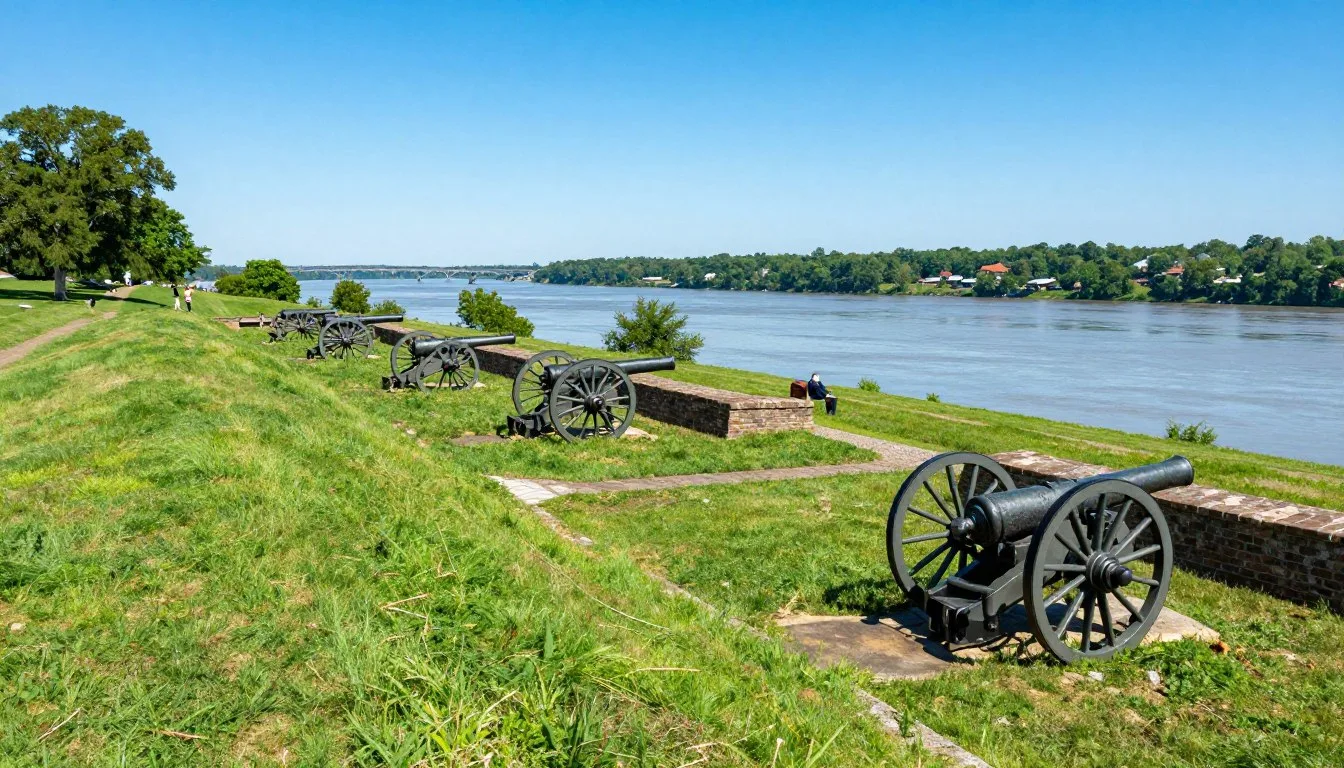
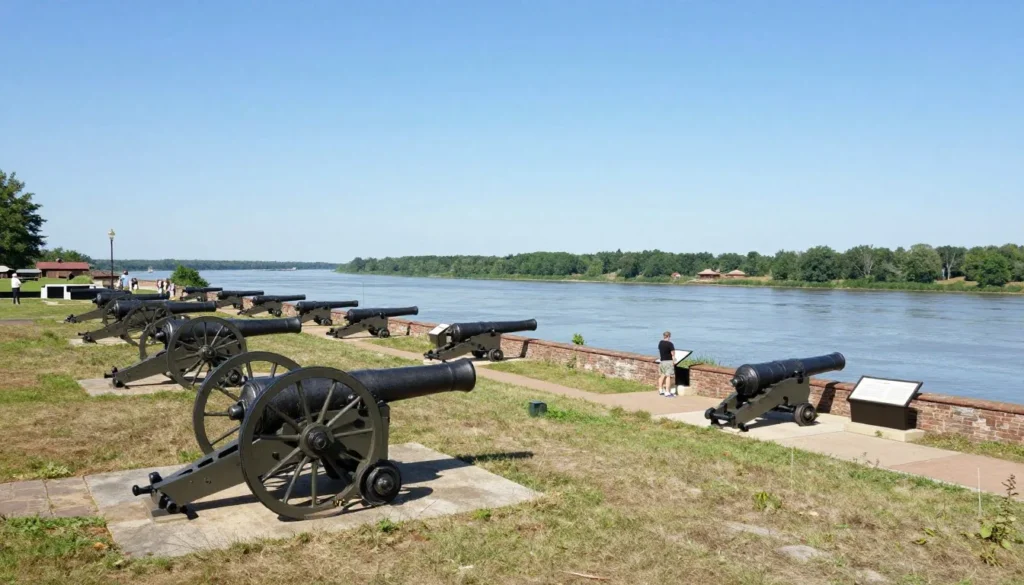
The water batteries represent Fort Donelson’s primary defensive features. Confederate forces positioned heavy artillery here to control Cumberland River traffic. Restored fortifications and period cannons show how defenders attempted to block Flag Officer Andrew Foote’s gunboat fleet.
Interpretive exhibits describe the intense February 14, 1862 naval bombardment. Union gunboats attacked the river batteries but sustained heavy damage, forcing retreat. This Confederate tactical victory preceded their ultimate defeat.
Walk along earthwork ramparts where soldiers manned guns under fire. The Cumberland River view reveals why this position held such strategic value during the Civil War.
Fort Earthworks and Entrenchments
Over 3.2 km (2 miles) of preserved earthwork fortifications encircle the historic fort. These defensive lines demonstrate mid-19th century military engineering. Confederate troops constructed these earthen walls and trenches during late 1861.
Walking tours follow original trench lines where soldiers fought in brutal winter conditions. February 1862 brought freezing temperatures and snow during the three-day battle. Imagine defenders manning these positions as Union forces under Grant surrounded the fort.
Dover Hotel (Surrender House)
The Dover Hotel witnessed Fort Donelson’s surrender on February 16, 1862. Confederate commanders gathered here to negotiate terms with Union forces. This frame building, restored to 1862 appearance, stands as the site where Grant demanded and received “unconditional surrender.”
Guided tours reveal rooms where Confederate Generals Simon Buckner, John Floyd, and Gideon Pillow debated their impossible situation. Nathan Bedford Forrest refused surrender terms and escaped with cavalry forces across frozen backroads.
The surrender represented the first major Union victory in the western theater. It earned Grant national recognition and his nickname “Unconditional Surrender” Grant.
Fort Heiman
Across the Tennessee River, Fort Heiman’s earthworks occupy Kentucky high ground. Confederate forces abandoned this position without fighting when Fort Henry fell on February 6, 1862. The site offers panoramic river views and demonstrates how forts Henry and Donelson worked together defending the Tennessee and Cumberland rivers.
Access requires driving to the Kentucky side. The short trail to earthworks rewards visitors with solitude and excellent photography opportunities.
Museums, Cultural Spots & Festivals
Beyond the national battlefield itself, the surrounding region preserves Civil War heritage through museums and cultural institutions. These sites complement Fort Donelson exploration with broader historical context.
Fort Donelson National Cemetery
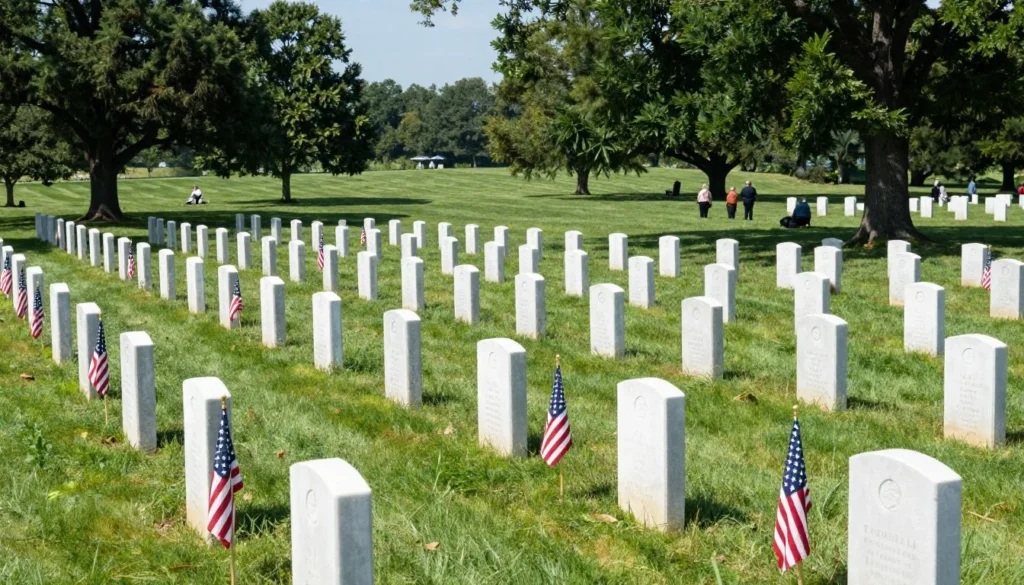
Adjacent to the battlefield, Fort Donelson National Cemetery honors Union soldiers who died during the campaign. Established in 1867, the cemetery contains 670 Civil War interments, including 512 unknown soldiers.
White marble headstones stand in precise rows across manicured grounds. The cemetery also includes veterans from later American conflicts. A peaceful atmosphere invites reflection on the human cost of war.
Stewart County Museum
Located in Dover, this small museum preserves local history including Civil War artifacts. Collections feature period weapons, uniforms, and civilian items. The facility provides insight into how the war affected Tennessee communities.
Operating hours vary seasonally. Call ahead to confirm opening times for your visit.
Clarksville’s Customs House Museum
Tennessee’s second-largest general museum operates in Clarksville 40 km (25 miles) south. While not exclusively focused on the Civil War, exhibits include regional history covering the 1860s conflict period.
The museum occupies a historic 1898 U.S. Post Office and Customs House building. Collections span fine arts, historical artifacts, and interactive children’s exhibits. Admission fees apply with discounts for seniors and children.
Cultural Programs at Fort Donelson
The National Park Service presents regular interpretive programs during peak seasons. Rangers conduct guided tours, artillery demonstrations, and educational talks. These programs bring Civil War history alive through expert interpretation.
Junior Ranger programs engage children with age-appropriate activities. Participants complete activity booklets and receive official Junior Ranger badges.
Nature & Outdoor Experiences
Fort Donelson National Battlefield’s 550 acres blend historical preservation with natural beauty. The Cumberland River landscape supports diverse wildlife and offers outdoor recreation beyond battlefield tours.
Hiking Trails
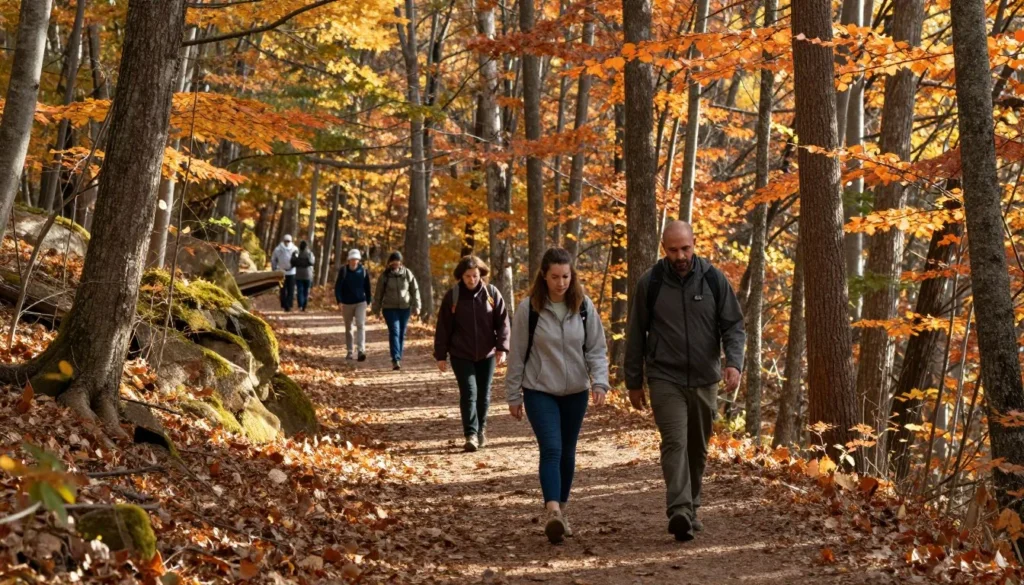
Multiple trails wind through battlefield terrain offering varying difficulty levels. The River Trail follows the Cumberland River shoreline for 1.6 km (1 mile). This moderate path provides water views and wildlife observation opportunities.
Longer options include trails connecting fort positions and earthworks. The most extensive route covers 9.6 km (6 miles) through wooded areas and open fields. These paths trace troop movements during the 1862 battle.
Trail conditions range from paved walkways to natural surfaces. Some sections include steep grades across earthwork fortifications. Spring wildflowers and fall foliage enhance scenic beauty.
Wildlife Watching
The park supports abundant wildlife. White-tailed deer browse throughout morning and evening hours. Wild turkeys forage in open areas, particularly near wooded edges.
Birdwatchers identify numerous species including hawks, woodpeckers, and songbirds. Spring and fall migrations bring additional variety. The Cumberland River attracts great blue herons and other waterfowl.
Bring binoculars for optimal wildlife observation. Remain quiet and patient for best sightings. Early morning visits typically yield the most animal activity.
Cumberland River Access
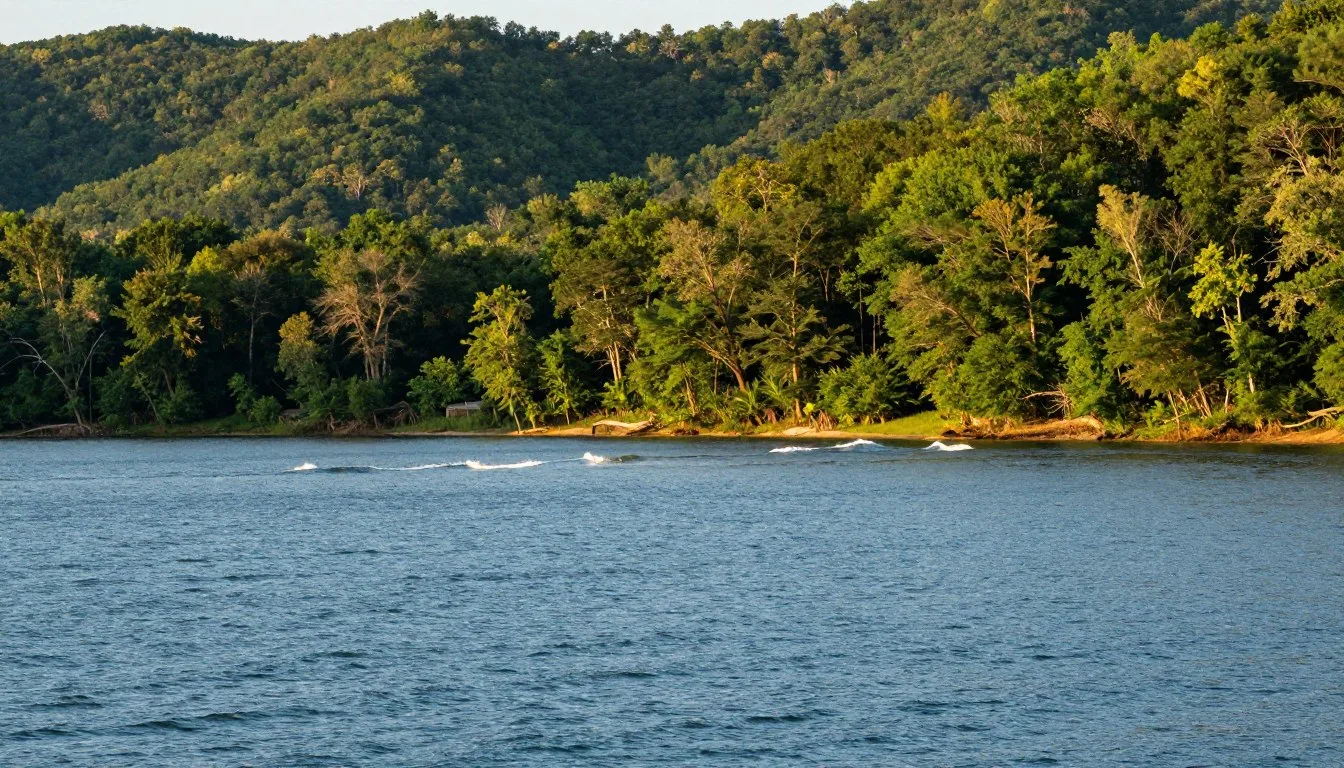
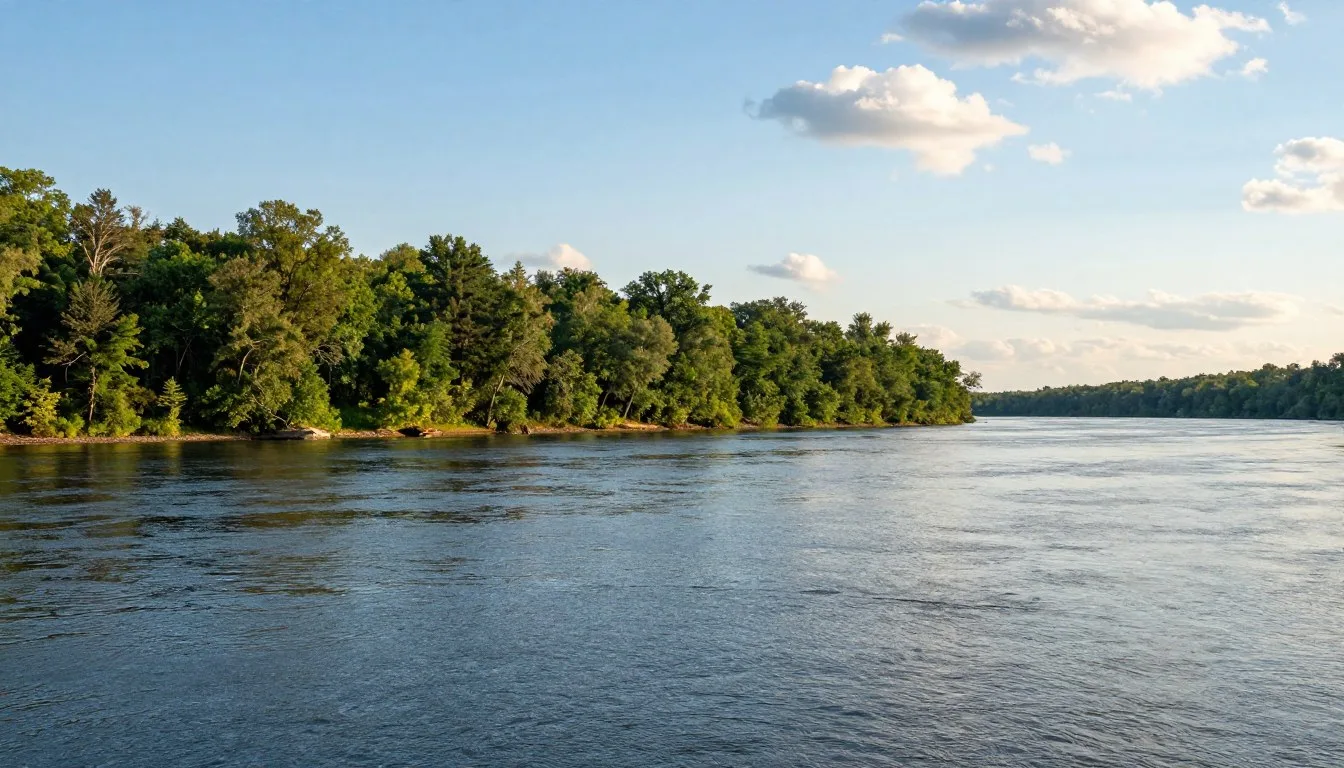
The Cumberland River borders the battlefield’s northern edge. While the national park doesn’t operate a boat launch, nearby facilities provide water access. Boaters enjoy scenic river cruising past historic fortification sites.
Fishing opportunities exist throughout the Cumberland. Anglers target catfish, bass, and crappie. Tennessee fishing licenses apply. Check current regulations regarding seasons and catch limits.
Photography Opportunities
Fort Donelson offers exceptional photography subjects. Historic cannons against river backdrops create dramatic compositions. Sunrise and sunset light transforms earthwork landscapes.
Spring’s dogwood blooms and autumn’s foliage colors add seasonal interest. Winter snow occasionally blankets fortifications, evoking the battle’s harsh conditions. Weather changes create varied moods across identical scenes.
Nature Note: Stay on designated trails to protect historic earthworks and vegetation. The National Park Service maintains these areas for preservation and visitor safety.
Travel With Children
Fort Donelson National Battlefield welcomes families with educational programs designed to engage young visitors. The combination of outdoor exploration and hands-on learning creates memorable experiences for children of various ages.
Junior Ranger Program
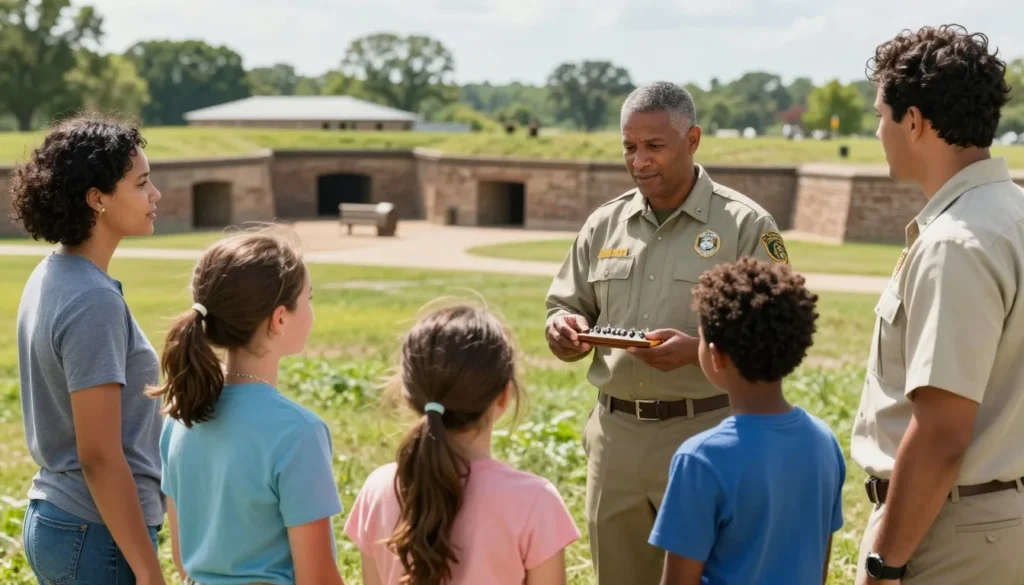
The National Park Service Junior Ranger program transforms young visitors into active learners. Children receive activity booklets at the visitor center. Age-appropriate versions guide kids through battlefield exploration with puzzles, questions, and observation challenges.
After completing activities, children present booklets to rangers. They recite the Junior Ranger oath and receive official badges. The program typically requires 1-2 hours and keeps kids engaged throughout the visit.
Educational Activities
Interactive exhibits at the visitor center explain Civil War concepts at child-friendly levels. Touch-screen displays and replica artifacts allow hands-on exploration. The orientation film presents battle events through compelling storytelling.
Ranger-led programs during summer months include special children’s presentations. These shortened tours focus on soldier life, fort construction, and historical context appropriate for younger audiences.
Family-Friendly Trails
Shorter walking paths accommodate families with small children. The paved trail to river batteries extends only 400 meters (quarter mile) from parking. Minimal elevation change makes this route stroller-accessible with assistance.
Older children enjoy longer hikes connecting battlefield positions. These trails offer adventure while teaching historical significance. Parents should supervise children near steep earthwork edges.
Practical Considerations
Visitor center facilities include family restrooms and water fountains. No food service operates on-site, so pack snacks and drinks. Picnic areas provide spaces for outdoor meals.
Warm weather requires sun protection and hydration. Cold weather demands layers as wind sweeps across open battlefield terrain. Bug spray proves essential during summer months in wooded areas.
Parent Tip: Visit during morning hours when children have more energy. Allow 2-3 hours to explore major sites without rushing. The combination of outdoor activity and historical learning creates positive educational experiences.
Money Saving Tips
Visiting Fort Donelson National Battlefield provides excellent value for budget-conscious travelers. Multiple strategies help families and individuals minimize costs while maximizing experiences.
Free Park Admission
Fort Donelson National Battlefield charges no entrance fees. The National Park Service maintains the site with taxpayer funding, allowing free access year-round. This represents significant savings compared to many tourist attractions.
All trails, exhibits, and ranger programs remain free to the public. Only the bookstore sells items, and purchases are entirely optional.
Accommodation Savings
Camping provides the most economical lodging option. Paris Landing State Park campgrounds charge $23-30 USD nightly depending on hookups and season. This beats hotel rates by $50-100 per night.
Budget motels in Dover cost less than Clarksville hotels. While amenities may be simpler, clean comfortable rooms serve travelers focused on battlefield experiences rather than luxurious accommodations.
Booking midweek rather than weekends often yields lower rates. Avoid the February battle anniversary and summer peak weekends for best availability and prices.
Dining Economically
Picnic lunches eliminate restaurant expenses. Dover grocery stores stock sandwich supplies, snacks, and drinks. Eating at park picnic areas saves $10-20 per person compared to restaurant meals.
When dining out, choose local cafes over tourist-oriented restaurants. Dover establishments typically cost 20-30% less than Clarksville dining. Generous portions often provide leftovers for second meals.
Breakfast accommodations at many hotels eliminate one daily meal expense. Coffee and continental options, while simple, add value to overnight stays.
Transportation Economics
Carpooling splits fuel costs among travelers. The drive from Nashville uses approximately 11 liters (3 gallons) of gasoline roundtrip. Shared vehicles reduce per-person transportation expenses significantly.
Walking extensively within the park eliminates driving between sites. This saves minimal fuel but adds physical activity benefits without cost.
Free Resources
Download the National Park Service app before visiting. It provides free audio tours, maps, and information without data charges if downloaded via WiFi beforehand.
Ranger-led programs offer expert interpretation at no charge. These scheduled talks provide value equivalent to paid commercial tours at other destinations.
Safety & Local Customs
Fort Donelson National Battlefield presents few safety concerns beyond common outdoor recreation considerations. Understanding basic precautions and local etiquette ensures pleasant visits.
Weather-Related Safety
Tennessee weather changes rapidly, particularly during spring and fall. Afternoon thunderstorms develop quickly with little warning. Monitor weather forecasts and seek shelter in your vehicle or the visitor center if storms approach.
Summer heat creates dehydration risks. Carry adequate water, wear sun protection, and take breaks in shaded areas. Heat exhaustion symptoms include dizziness, nausea, and confusion. The visitor center provides air conditioning and water fountains for cooling.
Winter ice occasionally forms on trails and earthworks. Postpone visits during icy conditions as steep slopes become hazardous. No sand or salt treatment occurs on natural surface trails.
Wildlife Precautions
Ticks inhabit wooded areas throughout warm months. Wear long pants tucked into socks when hiking. Apply insect repellent containing DEET. Check for ticks after outdoor activities as they transmit Lyme disease and other illnesses.
Venomous snakes including copperheads and timber rattlesnakes live in the area. Stay on maintained trails and watch where you step. Snakes typically avoid humans but may defend themselves if surprised. Give any snake a wide berth.
Poison ivy grows throughout the battlefield. Learn to identify its three-leaf clusters and avoid contact. Oils cause severe itching rashes. Wash exposed skin immediately if contact occurs.
Trail and Earthwork Safety
Historic earthworks feature steep slopes and uneven surfaces. Watch footing carefully, especially when wet conditions create slippery grass. Supervise children near drop-offs from fortification ramparts.
Stay on designated trails to protect fragile historic resources and vegetation. Climbing on earthworks causes erosion damage to irreplaceable Civil War fortifications.
Local Customs and Etiquette
Southern hospitality characterizes the Fort Donelson region. Locals appreciate friendly greetings and polite interactions. “Yes, ma’am” and “yes, sir” remain common courtesies across generations.
Respect the battlefield’s solemn historical significance. Avoid loud behavior near the national cemetery. Many visitors come to honor ancestors who fought or died here.
Battlefield artifacts belong to everyone. Federal law protects all historic items. Metal detecting is prohibited. Report any visible artifacts to rangers rather than handling them.
Emergency Contacts
For emergencies within the park, dial 911. Cell phone coverage exists throughout most areas but may be spotty in remote locations. The visitor center staff can assist with non-emergency situations during operating hours: +1 (931) 232-5706.
Stewart County Hospital in Dover provides emergency medical services 11 km (7 miles) from the battlefield. Clarksville’s larger medical facilities lie 40 km (25 miles) south.
Visitor Comments About Fort Donelson National Battlefield
“Walking the earthworks where soldiers fought brings history alive in ways textbooks never could. The preserved fortifications and river batteries help you understand the tactical challenges both sides faced. Our kids loved the Junior Ranger program, and we appreciated how well the park combines education with outdoor exploration. The rangers’ knowledge and passion for sharing Fort Donelson’s story made our visit truly memorable.”
“As a visitor from overseas, I found Fort Donelson fascinating for understanding American Civil War history. The battlefield’s excellent preservation shows the scale of military operations. I particularly enjoyed the Dover Hotel where the surrender occurred—standing in those actual rooms connects you to historical events in powerful ways. The peaceful countryside setting provides contemplative space to reflect on this important turning point in the war.”
“Fort Donelson exceeded expectations as a national battlefield park. We spent an entire day exploring the various sites and still wanted more time. The combination of military history, natural beauty along the Cumberland River, and well-designed interpretive exhibits creates a complete experience. The February living history event we attended featured incredibly dedicated reenactors who answered all our questions. This battlefield deserves more recognition among Civil War historic sites.”
Additional Nearby Destinations
Fort Donelson’s location places visitors near several other worthwhile destinations. Extending your Tennessee visit to include these sites creates a richer historical and recreational experience.
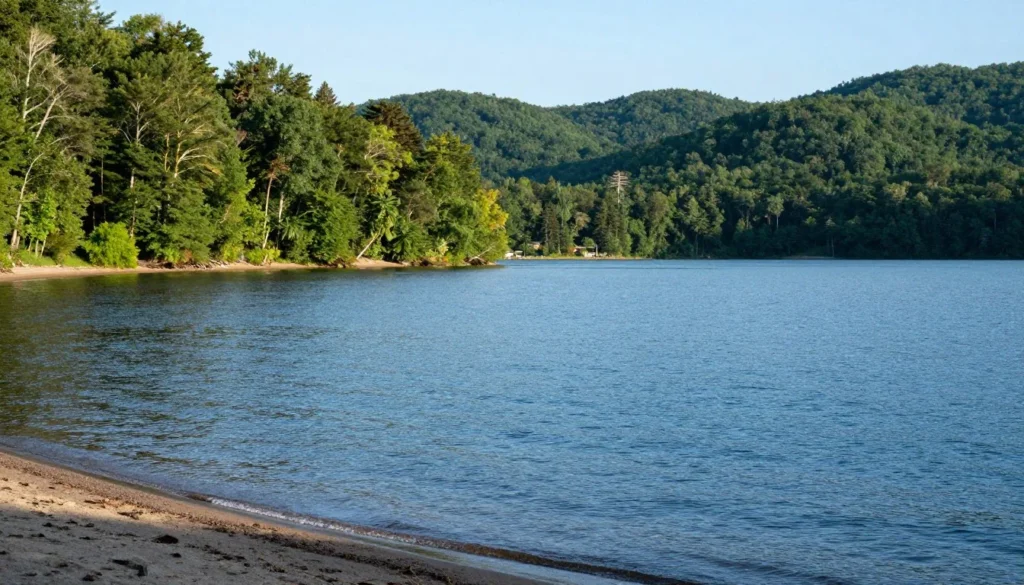
Fort Henry and Fort Heiman
Fort Henry sits 19 km (12 miles) west on the Tennessee River. Union forces under Grant captured this Confederate fortification on February 6, 1862, six days before Fort Donelson’s surrender. The site includes battlefield markers and earthwork remains, though Kentucky Lake now covers the original fort location.
Fort Heiman across the river offers a quieter battlefield experience. These connected sites demonstrate the Forts Henry and Donelson campaign’s strategic scope.
Land Between the Lakes National Recreation Area
This 68,000-hectare (170,000-acre) national recreation area lies immediately west of Fort Donelson. Kentucky Lake and Lake Barkley border a peninsula offering extensive outdoor recreation.
Activities include camping, hiking, fishing, boating, and wildlife viewing. The Elk and Bison Prairie features large mammals in natural habitats. The Homeplace living history farm recreates 1850s rural life through costumed interpreters and heritage breed animals.
Clarksville
Tennessee’s fifth-largest city provides cultural attractions 40 km (25 miles) south. The Customs House Museum, mentioned earlier, represents one option among several historic sites and galleries.
Fort Defiance Civil War Park preserves earthworks that protected Clarksville during the war. The city’s riverside downtown features restaurants, shops, and the Cumberland Riverwalk trail system.
Nathan Bedford Forrest State Park
Located 61 km (38 miles) south along Kentucky Lake, this state park honors the controversial Confederate cavalry commander who escaped Fort Donelson’s surrender. The park features Pilot Knob, the highest point between the Tennessee and Cumberland rivers, offering panoramic views.
Hiking trails, a campground, and the Tennessee River Folklife Center provide diverse activities. The museum interprets regional history and river culture.
Nashville
Tennessee’s capital lies 128 km (80 miles) southeast. Beyond its famous country music scene, Nashville offers numerous Civil War sites. Fort Negley, Battle of Nashville sites, and the Tennessee State Museum provide complementary historical context to Fort Donelson.
The city’s entertainment district, museums, and dining scene create options for extending your Tennessee visit beyond Civil War tourism.
Practical Travel Tips
Several practical considerations help visitors prepare effectively for Fort Donelson National Battlefield exploration. These details smooth logistics and enhance overall experiences.
Visitor Center Hours
The Fort Donelson visitor center operates daily from 8:00 AM to 4:30 PM. The park closes only on Thanksgiving Day, Christmas Day, and New Year’s Day. Battlefield grounds remain accessible dawn to dusk year-round, even when the visitor center is closed.
Plan to arrive when the visitor center opens to maximize time. Ranger talks and demonstrations typically occur during midday hours in peak seasons.
What to Bring
- Comfortable walking shoes with good tread for uneven terrain
- Weather-appropriate clothing in layers
- Sun protection including hat, sunglasses, and sunscreen
- Insect repellent during warm months
- Water bottles and snacks (no food service on-site)
- Camera and binoculars for wildlife and scenic photography
- Small first aid kit for minor scrapes
Cell Phone and Internet
Cell phone coverage exists throughout most of Fort Donelson National Battlefield. Major carriers provide reliable service, though signals may weaken in remote wooded areas.
Free WiFi operates inside the visitor center. Download maps and National Park Service app content before visiting if data usage concerns exist.
Accessibility Services
The National Park Service provides multiple accessibility accommodations. The visitor center features wheelchair-accessible entrances, restrooms, and exhibits. Paved trails lead to river batteries and the Dover Hotel.
Accessible parking spaces serve major sites. While some battlefield areas involve uneven ground, several key locations remain accessible to visitors with mobility limitations.
Contact the park at +1 (931) 232-5706 to discuss specific accessibility needs and available services.
Photography Policies
Personal photography and videography are welcome throughout Fort Donelson for non-commercial purposes. The park prohibits commercial filming without permits.
Drones require special authorization from the National Park Service. Unauthorized drone flights violate federal regulations.
Pets
Leashed pets are permitted on trails and grounds. Owners must clean up after animals and keep them under physical control at all times. Pets are not allowed inside buildings including the visitor center and Dover Hotel.
Recommended Visit Duration
Allow 3-4 hours minimum to tour major battlefield features. This includes visitor center time, driving the tour route, and walking to key sites. History enthusiasts often spend full days exploring thoroughly.
Half-day visits work for travelers with limited time, covering essential sites like river batteries, fort earthworks, and the Dover Hotel. Full-day experiences permit leisurely hiking and deeper historical engagement.
Planning Tip: Download the National Park Service Fort Donelson brochure and app before visiting. These free resources provide maps, site descriptions, and self-guided tour information that enhance exploration.
Your Fort Donelson Adventure Awaits
Fort Donelson National Battlefield offers a remarkable journey through Civil War history where preserved earthworks, river batteries, and historic buildings connect visitors to pivotal 1862 events. The battlefield’s accessible location, free admission, and combination of outdoor recreation with educational experiences create compelling reasons to visit.
Whether you explore Union and Confederate positions along earthwork trails, stand in the Dover Hotel where surrender negotiations unfolded, or simply enjoy Cumberland River scenery while reflecting on history’s weight, Fort Donelson provides meaningful experiences. The park’s excellent preservation and interpretation make this often-overlooked battlefield a Tennessee treasure worth discovering.
Plan your visit to walk where soldiers fought, learn how Grant’s first major victory opened the path to Union success, and appreciate the strategic significance of Tennessee and Cumberland rivers in the American Civil War. Fort Donelson National Battlefield awaits your exploration.