Hotels by Trip.com
Flights by Trip.com
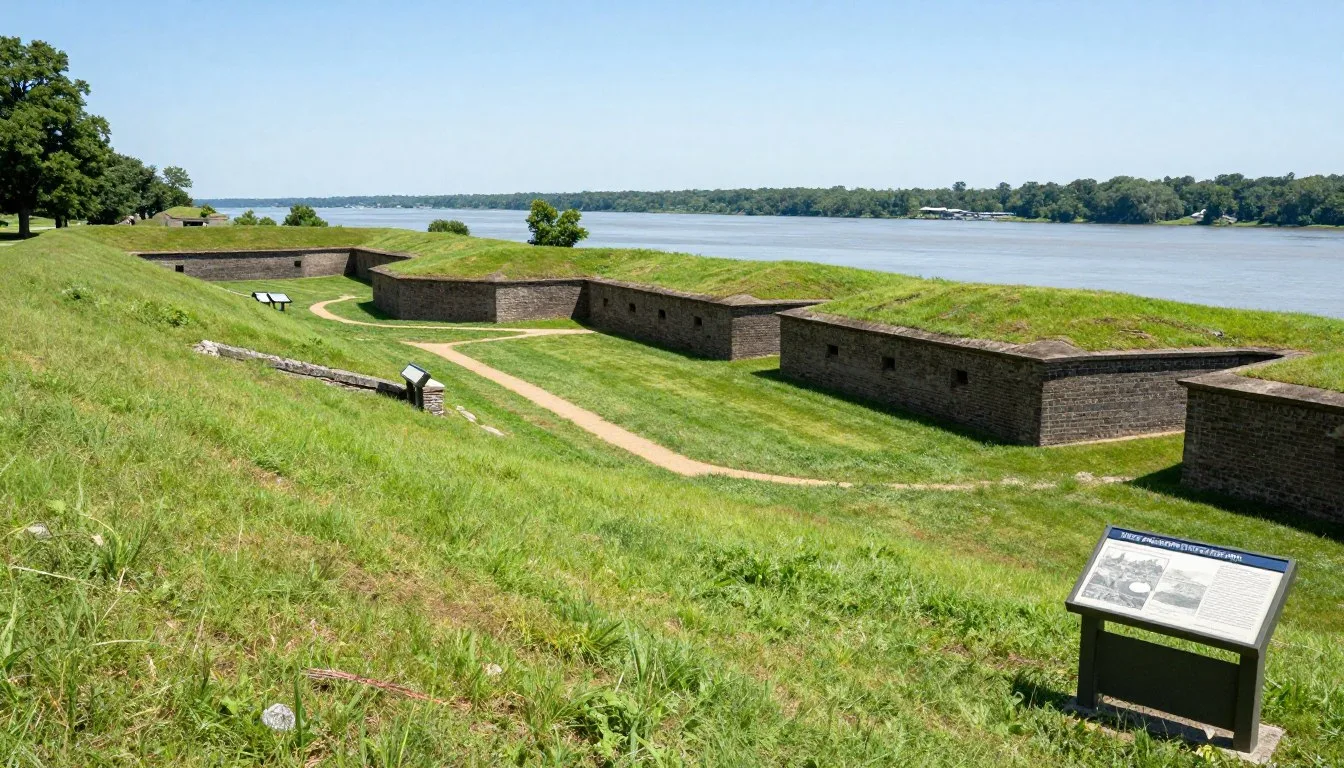
On April 12, 1864, one of the Civil War’s most controversial battles unfolded along the Mississippi River bluffs, resulting in over 230 Union soldiers losing their lives in what historians still debate as either a massacre or a battle gone tragically wrong. This event would forever mark Fort Pillow as a pivotal moment in American history and the struggle for African American soldiers to receive equal treatment in war. The park is named after Gideon Johnson Pillow, a Confederate general who helped establish the original fortification in 1861 to defend the Mississippi River.
Today, Fort Pillow State Historic Park stands as both a memorial to those who fought and died here and a beautiful recreational destination where history meets nature. Visitors can walk the same ground where Confederate and Union forces clashed while enjoying modern amenities like hiking trails, camping facilities, and educational exhibits. The park preserves not just the restored fortification but also the memory of the 262 primarily African American Union soldiers who defended this strategic position along the Mississippi River.
Located just 40 miles north of Memphis near the small community of Henning, this Tennessee state park offers a unique combination of Civil War history and outdoor recreation. Whether you’re a history enthusiast eager to explore authentic battlefield terrain or a nature lover seeking peaceful trails and river views, Fort Pillow delivers an experience that honors the past while celebrating the natural beauty of western Tennessee.
Getting There & Planning Your Journey
Fort Pillow State Historic Park sits in Lauderdale County, Tennessee, approximately 75 kilometers (47 miles) north of Memphis. The park address is 3122 Park Road, Henning, Tennessee 38041. Most visitors arrive by car, as the rural location makes personal transportation the most practical option for reaching this historic site.
Closest Airports
Memphis International Airport serves as the primary gateway for visitors to Fort Pillow State Historic Park. Located about 80 kilometers (50 miles) south of the park, Memphis International offers numerous daily flights from major cities across the United States. The airport provides rental car services from all major companies, making it easy to secure transportation for your journey north.
From Memphis International Airport, take I-240 north to I-40 west, then follow US-51 north toward Henning. The drive takes approximately one hour under normal traffic conditions. An alternative but smaller option is McKellar-Sipes Regional Airport in Jackson, Tennessee, located about 120 kilometers (75 miles) east of the park, though this facility has limited commercial service.
Driving Directions
From Memphis, take US Highway 51 north through Millington and continue to Henning. Turn west on Route 87 and follow the signs to the park entrance. The route offers straightforward navigation with clear signage marking the way to Fort Pillow State Historic Park.
Visitors traveling from Nashville should take I-40 west to Jackson, then follow US-412 west to Dyersburg before heading south on US-51 to Henning. This journey covers approximately 240 kilometers (150 miles) and takes about three hours. The park office can be reached at 731-738-5581 for specific directions or current road conditions.
Best Time to Visit & Weather Tips
Understanding the seasonal patterns at Fort Pillow State Historic Park helps visitors plan the most enjoyable experience. The park welcomes guests year-round, but certain months offer distinct advantages for different types of activities and interests.

Best Time to Visit Fort Pillow State Historic Park
Spring months from March through May provide ideal conditions for exploring Fort Pillow. Temperatures range from 15°C to 24°C (59°F to 75°F), making outdoor activities comfortable. Wildflowers bloom across the park grounds, and the restored fortification earthworks display vibrant green grass. This season also coincides with important historical commemorations of the Battle of Fort Pillow in April.
Fall, particularly October and November, offers another excellent window for visiting. Temperatures cool to a pleasant 13°C to 22°C (55°F to 72°F), and autumn foliage transforms the Mississippi River bluffs into a colorful landscape. The reduced humidity makes hiking more comfortable, and camping conditions are nearly perfect during these months.
Months to Avoid
July and August bring intense heat and humidity to western Tennessee. Temperatures frequently exceed 32°C (90°F), with humidity levels making outdoor exploration uncomfortable. Mosquitoes and other insects are most active during these summer months. January and February can be unpredictably cold, with occasional ice storms making park roads hazardous.
Weather Throughout the Year
Winter temperatures at Fort Pillow average 2°C to 10°C (36°F to 50°F). Snow is rare but possible, and the park takes on a quiet, contemplative atmosphere. Summer heat peaks in July with averages around 33°C (91°F). Spring and fall transition periods offer the most stable weather patterns for planning outdoor activities at the state park.
Rainfall occurs throughout the year, with spring seeing the highest precipitation. Visitors should pack rain gear regardless of season, as weather along the Mississippi River can change quickly. The park remains open during most weather conditions, though severe storms may temporarily close certain trails or facilities.
Notable Annual Festivals
Fort Pillow State Historic Park hosts several annual events that bring Civil War history to life while celebrating the cultural heritage of western Tennessee. These festivals provide unique opportunities to experience living history demonstrations and educational programs that make the past tangible for modern visitors.
Battle of Fort Pillow Commemoration
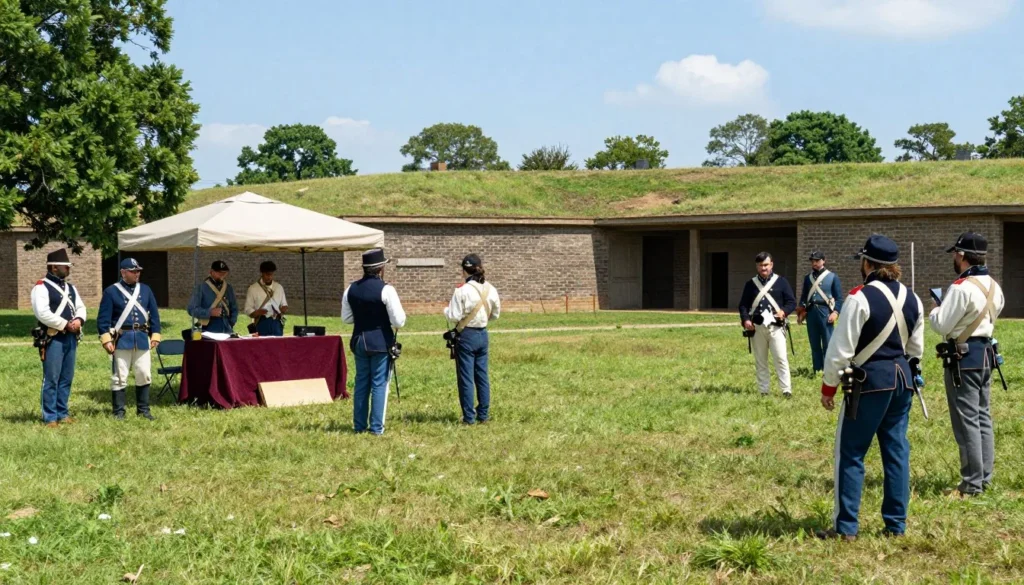
Each April, the park holds a solemn commemoration of the Battle of Fort Pillow, marking the anniversary of the 1864 engagement. This event typically includes living history presentations, interpretive programs led by park rangers, and educational talks about the battle’s significance in Civil War history. The commemoration honors both Union and Confederate soldiers who fought here, with special emphasis on the African American troops who defended the fort.
The Tennessee State Parks system coordinates this annual remembrance. Visitors can contact the park office at 731-738-5581 for specific dates and program schedules, as exact timing varies slightly from year to year.
Heritage Days
Fall brings Heritage Days to Fort Pillow, usually held in October. This festival showcases Civil War era crafts, music, and military demonstrations. Reenactors set up authentic period camps, demonstrating daily life for soldiers stationed at the fortification during the war years. Blacksmithing, cooking over open fires, and period medical practices are among the demonstrations that help visitors understand 19th-century military life.
Educational Programs
Throughout the spring and fall, Fort Pillow State Historic Park coordinates with local schools and historical societies to offer specialized educational programs. These include guided battlefield tours, archeology demonstrations, and discussions about the role of African American soldiers in the Civil War. The visitor center provides information about upcoming programs and special events scheduled during your visit.
Getting Around Locally
Navigating Fort Pillow State Historic Park requires personal transportation, as the rural location offers no public transit options. The park encompasses over 600 hectares (1,500 acres), with most attractions accessible by a combination of driving and walking.
The main park road connects key facilities including the visitor center, campground, picnic areas, and trailheads. This paved route allows easy access for all vehicles. Parking areas are strategically located near major points of interest, minimizing walking distances for those with mobility concerns. The restored fortification sits approximately 0.8 kilometers (0.5 miles) from the visitor center via a gentle walking path.
Bicycles offer an excellent way to explore the park during pleasant weather. The relatively flat terrain and light traffic on internal park roads make cycling both safe and enjoyable. No bike rental facilities exist within the park, so visitors must bring their own equipment.
For those planning to explore the hiking trails extensively, sturdy walking shoes are essential. The park’s trail system covers varied terrain, from riverside paths to bluff-top routes. Trail maps are available at the visitor center, and rangers can provide recommendations based on your fitness level and time constraints.
Where to Stay
Accommodation options near Fort Pillow State Historic Park range from on-site camping to hotels in nearby communities. The park itself offers the most immersive experience, while surrounding towns provide conventional lodging for those preferring modern amenities.

Camping at Fort Pillow
The park maintains a modern campground with 32 sites, offering both RV hookups and tent camping areas. Each site includes a picnic table and fire ring, with clean bathhouses providing hot showers and restroom facilities. The campground sits in a wooded area, providing shade and privacy between sites.
Electric and water hookups are available for RVs up to 12 meters (40 feet) in length. Reservations are strongly recommended during spring and fall weekends when the campground often reaches capacity. The camping area provides direct access to hiking trails and sits within easy walking distance of the Mississippi River overlooks.
Nearby Hotels and Motels
Ripley, Tennessee, located about 24 kilometers (15 miles) east of the park, offers several chain hotels and local motels. This small town provides basic amenities including restaurants and gas stations. Expect standard rooms with typical highway hotel features.
Memphis, while farther at 80 kilometers (50 miles), presents the widest range of lodging options from budget motels to upscale hotels. Staying in Memphis allows visitors to combine their Fort Pillow visit with other area attractions, though it requires a longer daily commute to the park.
Bed and Breakfast Options
Several historic bed and breakfast establishments operate in Lauderdale County and nearby communities. These typically occupy restored antebellum homes or Victorian-era buildings, offering a taste of Southern hospitality and regional character. Properties in Henning and surrounding rural areas provide quiet settings with home-cooked breakfasts featuring local ingredients.
Dining & Local Cuisine
The rural character of Fort Pillow State Historic Park means dining options focus on regional Tennessee cuisine rather than fine dining establishments. Visitors should plan accordingly, as the park itself contains no restaurants or food vendors beyond vending machines at the visitor center.

Picnicking at the Park
Multiple picnic areas throughout Fort Pillow State Historic Park offer scenic spots for meals. Covered pavilions provide shelter from sun and rain, while individual tables scatter across shaded groves. Many visitors pack coolers with food from Memphis or Ripley, enjoying outdoor dining with views of the Mississippi River bluffs or peaceful woodland settings.
Henning Area Restaurants
The small town of Henning, closest to the park, features a handful of local restaurants serving classic Southern fare. Expect barbecue joints, family-style cafeterias, and casual diners offering fried catfish, pulled pork, and traditional sides like collard greens and cornbread. These establishments typically close by early evening, so plan lunch or early dinner accordingly.
Regional Specialties
West Tennessee cuisine reflects its proximity to the Mississippi River and Delta influences. Catfish, often fried or blackened, appears on nearly every menu. Barbecue reigns supreme, with local pitmasters smoking pork shoulder over hickory wood for hours. Sweet tea accompanies most meals, served in generous portions over ice.
Ripley and other nearby towns offer expanded dining choices including chain restaurants for those seeking familiar options. Memphis, though requiring a drive, provides world-famous barbecue restaurants and diverse international cuisines if you’re planning to combine your park visit with urban exploration.
Attractions, Sightseeing & Activities
Fort Pillow State Historic Park offers diverse attractions that blend Civil War history with natural beauty along the Mississippi River. The restored fortification serves as the centerpiece, but numerous other features reward exploration and provide context for understanding this significant site.
The Restored Fortification
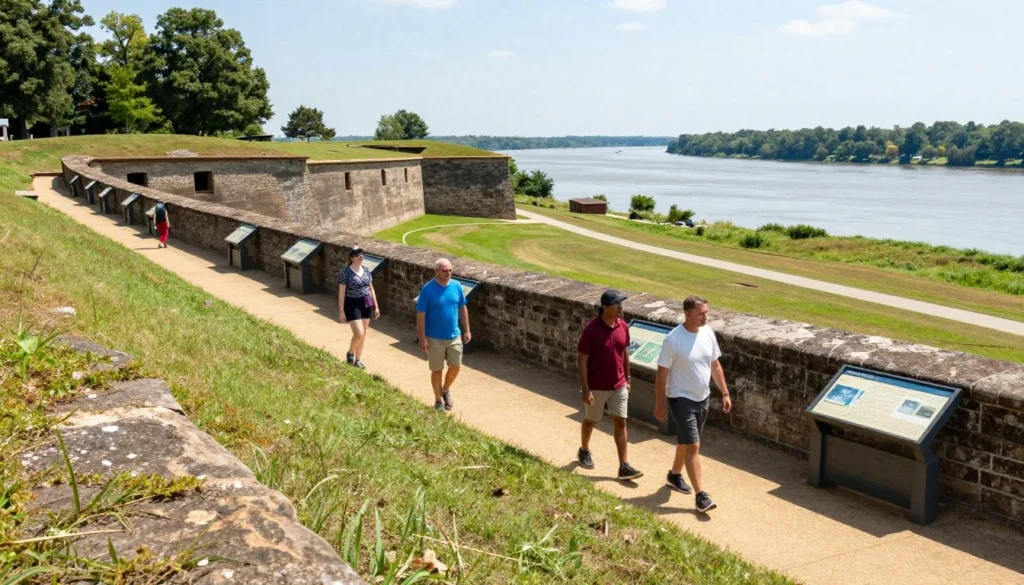
The reconstructed Civil War fort represents the park’s primary historical attraction. Earthwork ramparts, rifle pits, and defensive positions have been carefully restored to reflect their 1864 appearance. Walking the perimeter of the fortification takes approximately 30 minutes at a leisurely pace, with interpretive markers explaining tactical significance and battle positions.
From the highest points of the fort, visitors gain commanding views of the Mississippi River and understand why Confederate forces chose this location for a strategic stronghold. The earthworks demonstrate impressive engineering, considering they were constructed by hand during wartime conditions. Photography enthusiasts find excellent vantage points throughout the fortification area.
Mississippi River Overlooks
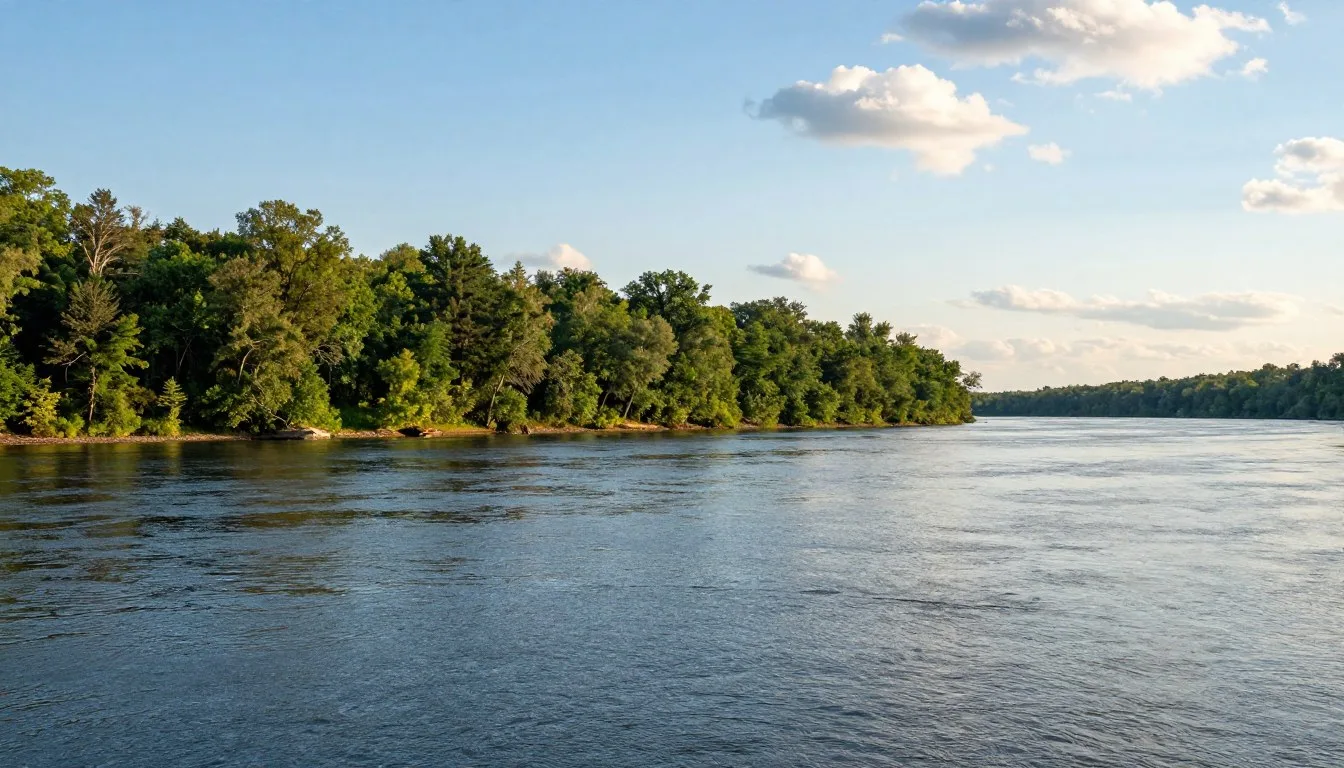
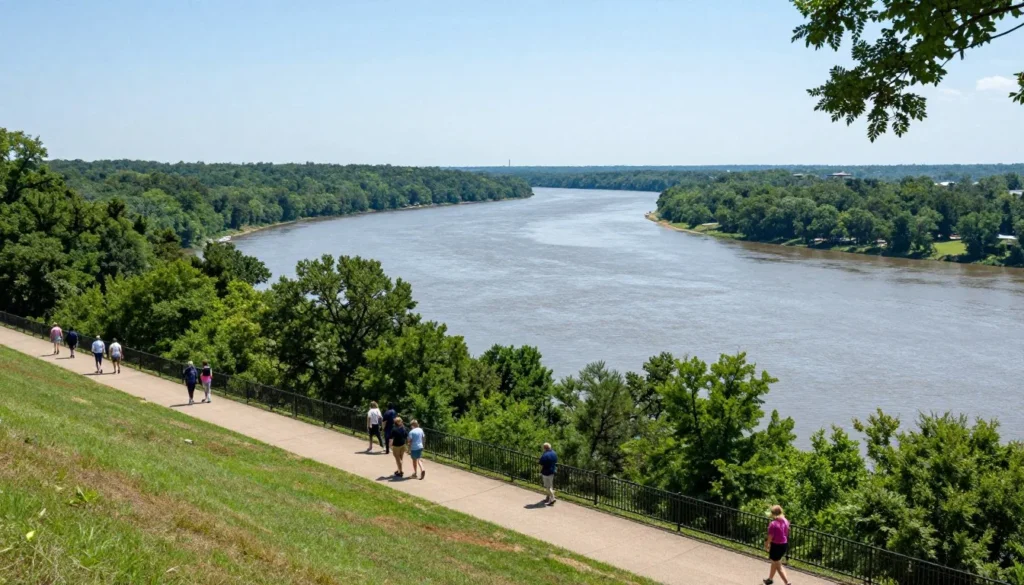
Several designated overlook points along the park’s western boundary provide spectacular views of the Mississippi River. These observation areas sit atop bluffs rising approximately 24 meters (80 feet) above the water, offering panoramic vistas of the river’s broad expanse and the Arkansas floodplain beyond.
The overlooks prove particularly impressive during spring floods when the Mississippi swells to its widest extent, or in fall when migration brings waterfowl to the area. Benches at each viewpoint invite visitors to sit and contemplate the river that played such a crucial role in Civil War strategy and continues to shape the landscape today.
Confederate Monument and Union Memorial
Two separate memorials within the park honor those who fought at Fort Pillow. The Confederate monument acknowledges Southern soldiers who served, while a newer Union memorial specifically recognizes the African American troops who defended the fort. Both monuments provide solemn spaces for reflection on the human cost of the Civil War and the particular tragedy that unfolded here in April 1864.
Museums, Cultural Spots & Festivals
The Fort Pillow State Historic Park visitor center functions as the primary museum and interpretive facility, offering comprehensive exhibits about the battle, its aftermath, and the ongoing historical debate surrounding the events of April 1864.

Visitor Center and Museum
Located near the park entrance at 3122 Park Road, the visitor center houses artifacts recovered from the battlefield including uniform buttons, weapons fragments, and personal items belonging to soldiers from both armies. A detailed timeline chronicles the fort’s construction, the Confederate occupation, Union takeover, and the fateful battle that made Fort Pillow infamous.
Interactive exhibits explore the controversial question of whether the high casualty rate among Union defenders, particularly African American soldiers, constituted a massacre or resulted from the chaos of battle. The museum presents multiple historical perspectives, allowing visitors to examine primary source documents and scholarly interpretations.
The facility includes a gift shop selling historical books, reproduction artifacts, and Tennessee state park merchandise. Knowledgeable staff members answer questions and provide orientation for first-time visitors. The center typically operates from 8:00 AM to 4:30 PM, though hours may vary seasonally.
Interpretive Programs
Park rangers conduct guided walks and talks throughout the year, with increased programming during spring and fall when visitation peaks. These programs range from general battlefield tours to specialized presentations about African American military service during the Civil War, the archaeological work conducted at the site, and the natural history of the Mississippi River bluffs.
Educational Resources
Teachers and student groups find Fort Pillow particularly valuable for Civil War studies. The park offers curriculum materials aligned with Tennessee education standards, and rangers can tailor programs to specific grade levels or learning objectives. Advance scheduling ensures the best experience for educational groups visiting the historic site.
Nature & Outdoor Experiences
Beyond its Civil War significance, Fort Pillow State Historic Park protects diverse natural habitats where the Chickasaw Bluffs meet the Mississippi River floodplain. This ecological transition zone supports varied plant and animal communities that delight nature enthusiasts year-round.

Hiking Trails
The park maintains several miles of marked trails ranging from easy nature walks to more challenging terrain along the river bluffs. The Chickasaw Bluff Trail, approximately 4.8 kilometers (3 miles) long, offers the most comprehensive tour of the park’s natural features while passing historical points of interest.
This moderately difficult trail climbs from river level to the bluff top, providing changing perspectives on the landscape and excellent opportunities for wildlife observation. Spring wildflowers carpet sections of the trail, while fall brings brilliant leaf color to the hardwood forest. Hikers should allow two to three hours for the complete loop, though shorter options exist for those with limited time.
Birdwatching
The Mississippi River flyway makes Fort Pillow an excellent birdwatching destination, particularly during spring and fall migration periods. Waterfowl including ducks, geese, and various wading birds frequent the river and backwater areas. Forest sections of the park shelter woodpeckers, warblers, and other songbirds.
Winter brings bald eagles to the area, often visible from the river overlooks as they hunt fish in the Mississippi. Patient observers with binoculars can spot these magnificent raptors perched in tall trees along the shoreline or soaring above the water.
Fishing
The Mississippi River and park lakes provide fishing opportunities for anglers. Catfish, bass, and various panfish inhabit these waters. A Tennessee fishing license is required, and all state regulations apply. The park does not rent fishing equipment, so visitors must bring their own gear.

Wildlife Observation
White-tailed deer, raccoons, and various small mammals inhabit the park. Early morning and evening hours offer the best chances for wildlife sightings. Visitors should maintain safe distances from all animals and never attempt to feed park wildlife.
The diverse habitats support reptile and amphibian populations including several turtle species and numerous frogs. While venomous snakes do occur in the area, they generally avoid human contact. Staying on marked trails and watching where you step minimizes any risk.
Travel With Children
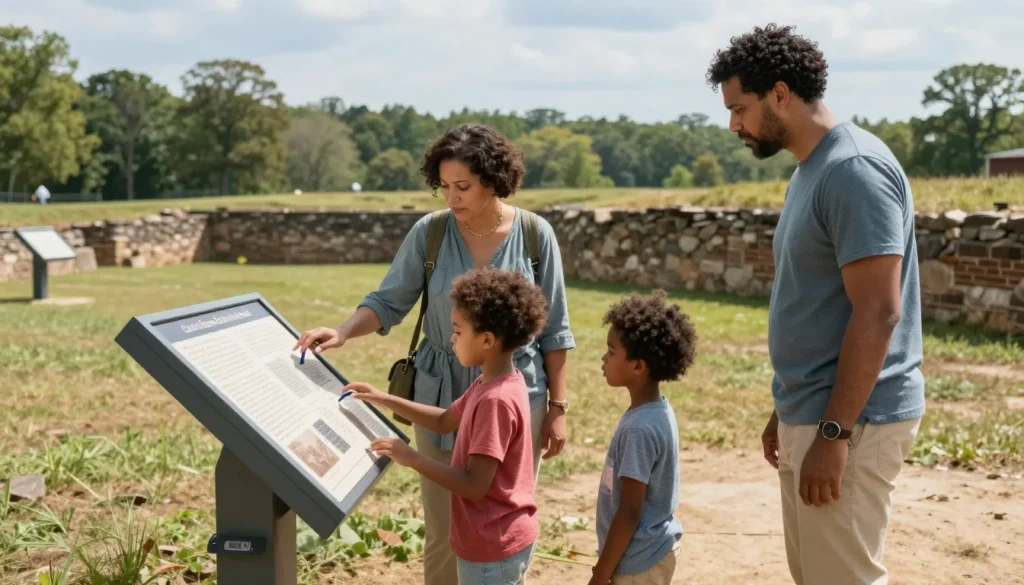
Fort Pillow State Historic Park welcomes families and provides educational experiences that engage young visitors while teaching important historical lessons. The combination of outdoor recreation and living history makes the park particularly suitable for school-age children interested in American history or nature.
Age-Appropriate Activities
Children ages eight and older typically find the Civil War history most engaging, especially when visiting during living history events where they can see period uniforms, weapons demonstrations, and camp life recreations. Younger children enjoy the outdoor aspects including easy trails, picnic areas, and opportunities to spot wildlife.
The visitor center offers a junior ranger program during summer months. This self-guided activity booklet helps children learn about the park through scavenger hunts and educational challenges. Completing the program earns participants a junior ranger badge, creating a memorable souvenir of their visit.
Family-Friendly Trails
Several shorter trails suit families with young children. The path from the visitor center to the fortification covers easy terrain and takes only 15 to 20 minutes each way. This route provides enough historical content to maintain interest while remaining manageable for small legs.
Educational Value
Fort Pillow offers tangible connections to events studied in school history classes. Standing on the actual battlefield where significant Civil War events occurred makes abstract historical concepts concrete for young minds. The park’s focus on African American military service introduces important but often overlooked aspects of Civil War history.
Safety Considerations
Parents should supervise children carefully near the river bluffs, as steep drop-offs present fall hazards. The fortification earthworks, while not extremely high, require attention when young children climb the sloped walls. Standard outdoor precautions apply including sun protection, insect repellent, and adequate hydration during warm weather months.
Money Saving Tips
Visiting Fort Pillow State Historic Park can be remarkably affordable with some planning. The park’s location away from major tourist areas means prices remain reasonable, and several strategies can minimize expenses further.
Free Entry and Activities
Tennessee state parks do not charge admission fees, making Fort Pillow completely free to enter and explore. All trails, overlooks, picnic areas, and the visitor center museum are accessible without any cost. This represents significant savings compared to many historical sites that charge per-person admission.
Self-guided exploration using the free trail maps and interpretive markers costs nothing. The museum and all exhibits remain free, as do ranger-led programs when available. This allows families to enjoy a full day of education and recreation without entry fees.
Camping Value
The park campground offers exceptional value compared to hotels. Nightly rates for campsites remain modest, and weekly rates provide additional discounts for extended stays. A family camping for several nights spends far less than equivalent hotel accommodations, while gaining a more immersive park experience.
Campground amenities including hot showers, clean bathhouses, and picnic facilities are included in the site fee. Full hookup sites for RVs cost only slightly more than basic tent sites, making this an economical choice for travelers with recreational vehicles.
Bring Your Own Food
The absence of park restaurants eliminates expensive on-site dining charges. Packing a cooler with groceries from Memphis or Ripley before arrival saves substantial money compared to restaurant meals. The numerous picnic areas provide pleasant settings for meals at no additional cost beyond the food itself.
Visit During Free Event Days
Annual commemorative events and living history programs occur without special admission charges. These enhanced experiences happen on select weekends throughout the year, offering additional value beyond the standard park visit at no extra cost. Timing your visit to coincide with these events maximizes the educational and entertainment value of your trip.
Combine with Memphis Attractions
Visitors staying in Memphis can combine Fort Pillow with that city’s many free or low-cost attractions including Mud Island River Park and various outdoor spaces. This multi-day approach spreads travel costs across several destinations while providing diverse experiences.
Safety & Local Customs
Fort Pillow State Historic Park presents few safety concerns for visitors who exercise normal outdoor recreation precautions. Understanding local conditions and following posted guidelines ensures a safe and enjoyable visit to this Tennessee state park.
Weather Awareness
Summer heat and humidity can be intense in western Tennessee. Visitors should carry adequate water, wear light clothing, and take breaks in shaded areas during the hottest parts of the day. Heat exhaustion can develop quickly, particularly for those unaccustomed to Southern summer conditions.
Spring brings severe weather potential including thunderstorms and occasional tornadoes. Monitor weather forecasts before and during your visit. If severe weather threatens while you’re in the park, seek shelter in the visitor center or your vehicle. Never remain on exposed hilltops or under isolated trees during lightning storms.
Wildlife Precautions
While Fort Pillow wildlife generally poses little threat, visitors should maintain awareness. Venomous snakes including copperheads and cottonmouths inhabit the area, though encounters are rare for those staying on marked trails. Wear closed-toe shoes and watch your step, particularly near water or in tall grass.
Ticks become active from spring through fall. Check yourself and children thoroughly after hiking, and wear insect repellent to reduce tick exposure. The park sits in an area where tick-borne illnesses occur, making prevention important.
River Safety
The Mississippi River presents serious hazards. Strong currents, unpredictable water levels, and commercial barge traffic make swimming extremely dangerous. The park prohibits swimming in the river. Observe the water from designated overlooks and maintain safe distances from the bluff edges.
Local Customs
West Tennessee culture reflects traditional Southern hospitality and customs. Visitors find locals generally friendly and helpful. Respectful behavior at the battle site and memorials is expected, as this remains a place of historical tragedy where hundreds died.
Sunday closures affect some businesses in nearby small towns, as local traditions observe the Sabbath. Plan accordingly if visiting on weekends, particularly for dining or shopping needs. The park itself remains open seven days weekly.
Emergency Contacts
Cell phone coverage exists throughout most of the park, though some areas near the river may have weak signals. In emergencies, dial 911. The park office at 731-738-5581 can be contacted during business hours for non-emergency assistance or information.
Visitor Comments About Fort Pillow State Historic Park
Travelers from around the world share their experiences at Fort Pillow State Historic Park, offering insights into what makes this Tennessee destination memorable for different types of visitors.
“The combination of preserved Civil War fortifications and beautiful natural scenery exceeded our expectations. Walking the same ground where such significant historical events occurred gave us chills. The museum exhibits provided context we hadn’t found in books, particularly about the African American soldiers who defended this position. We spent an entire afternoon exploring the trails and learning from the interpretive markers. A truly powerful experience for anyone interested in American history.”
“Our family camped at Fort Pillow State Park for three nights and absolutely loved it. The campground was clean and well-maintained, with friendly staff who answered all our questions. Our children enjoyed hiking to the Mississippi River overlooks and spotting wildlife. The junior ranger program kept them engaged with the history in an age-appropriate way. We appreciated that everything was free except the modest camping fee. Definitely planning to return next year.”
“As a Civil War enthusiast, Fort Pillow had been on my bucket list for years. The restored earthworks are impressive, and standing at the river overlook helps you understand the strategic importance of this location. The park rangers were knowledgeable and passionate about sharing the complicated history of the battle. I visited during the annual commemoration event, which added living history demonstrations and special presentations. The rural setting means fewer crowds than more famous battlefields, allowing for peaceful contemplation of this tragic event.”
Additional Nearby Destinations
Fort Pillow’s location in western Tennessee positions visitors within reach of several other attractions that complement a trip to this historic park. These nearby destinations offer opportunities to expand your understanding of regional history and culture.

Memphis Historical Sites
Located 80 kilometers (50 miles) south, Memphis offers numerous Civil War related attractions. The National Civil Rights Museum occupies the former Lorraine Motel where Dr. Martin Luther King Jr. was assassinated, connecting Civil War era struggles for equality with 20th century civil rights movements. The Memphis Brooks Museum of Art contains significant collections of American art including Civil War period pieces.
Memphis also preserves Mud Island River Park, where visitors can walk along a scale model of the entire Mississippi River while learning about its role in American history and commerce. Beale Street’s musical heritage and culinary scene provide evening entertainment options for those staying overnight in the city.
Alex Haley Museum and Interpretive Center
Just minutes from Fort Pillow in Henning, this museum occupies the childhood home of author Alex Haley, who wrote the groundbreaking book “Roots.” The site explores African American history and genealogy, themes that connect powerfully with Fort Pillow’s story of African American soldiers fighting for their freedom and that of others.
Reelfoot Lake State Park
Approximately 80 kilometers (50 miles) north of Fort Pillow, Reelfoot Lake was created by the New Madrid earthquakes of 1811-1812. This unique natural area supports exceptional birdwatching, particularly during winter eagle migrations. The shallow lake and cypress forests offer a completely different ecosystem from the Mississippi River bluffs at Fort Pillow.
Shiloh National Military Park
Located about 145 kilometers (90 miles) northeast in southern Tennessee, Shiloh preserves the site of one of the Civil War’s bloodiest early battles. This National Park Service facility offers extensive interpretive programs and a large battlefield perfect for those who want to explore multiple Civil War sites during a western Tennessee visit.
Practical Travel Tips
Successful visits to Fort Pillow State Historic Park benefit from advance planning and awareness of the park’s rural character. These practical considerations help visitors maximize their experience while avoiding common oversights.
Plan Ahead for Basics
No gas stations, convenience stores, or restaurants operate within the park boundaries. Fill your vehicle’s gas tank before arrival, and bring any food, drinks, or supplies you’ll need. The nearest services are in Henning, several miles away, with more extensive options in Ripley or Memphis.
Visitor Center Hours
While the park grounds remain open from dawn to dusk daily, the visitor center maintains limited hours, typically 8:00 AM to 4:30 PM. These hours may vary seasonally or on holidays. Calling ahead to 731-738-5581 confirms current schedules and ensures you can access the museum exhibits and speak with rangers during your visit.
Technology and Connectivity
Cell phone service works in most areas of Fort Pillow State Park, though signal strength may weaken near the river. Download trail maps or historical information before arriving if you want guaranteed access to these resources. The visitor center does not offer public WiFi.
Photography Opportunities
Photographers find excellent subjects throughout Fort Pillow including the restored fortification earthworks, Mississippi River vistas, and natural landscapes. Early morning and late afternoon provide the best natural lighting. Spring wildflowers and fall foliage create seasonal photo opportunities. Always be respectful when photographing memorials or during commemorative events.
Accessibility
The visitor center and some picnic areas meet accessibility standards for wheelchair users. However, the historic earthwork fortification and most trails involve uneven terrain and slopes that may challenge those with mobility limitations. Contact the park office in advance to discuss specific accessibility needs and identify the most suitable routes for your situation.
Historical Research
Serious students of Civil War history should allocate several hours to explore the museum exhibits thoroughly and walk the battlefield with attention to interpretive markers. The park staff can recommend additional resources including academic publications about the Battle of Fort Pillow and its aftermath. Some visitors find it valuable to read about the battle before arriving to better understand the site’s significance.
Seasonal Considerations
Each season at Fort Pillow offers distinct advantages. Spring brings comfortable weather and commemorative events but can be crowded on anniversary weekends. Summer heat reduces crowds but makes extended outdoor activity challenging. Fall provides excellent conditions for both historical touring and nature appreciation. Winter offers solitude and a contemplative atmosphere, though some facilities may have reduced hours.
Respect for History
Fort Pillow remains a place where hundreds of soldiers, particularly African American troops fighting for their freedom, lost their lives in tragic circumstances. Visitors should approach the site with appropriate respect. Climbing on monuments, removing artifacts, or behaving disrespectfully dishonors those who fought and died here. The park protects both natural and cultural resources for future generations.
Where History Meets the Mighty Mississippi
Fort Pillow State Historic Park stands as a testament to courage, tragedy, and the ongoing American journey toward understanding our complex past. The restored earthwork fortifications rising above the Mississippi River tell stories of strategic military importance and the brutal realities of Civil War combat. Yet this Tennessee state park offers far more than Civil War history alone.

The combination of preserved battlefield, interpretive museum, hiking trails, and natural beauty creates a destination where families can camp under the stars, history enthusiasts can walk authentic Civil War ground, and nature lovers can explore diverse ecosystems along the great river. The park’s free admission removes barriers to access, welcoming all who seek to understand this chapter of American history or simply enjoy the peaceful landscapes of western Tennessee.
Whether you spend a few hours touring the fortification and museum or settle in for several days of camping and exploration, Fort Pillow rewards visitors with experiences that educate, inspire, and connect us to both our shared history and the enduring natural world. The park preserves the memory of those who fought and died here while inviting new generations to learn from the past and appreciate the present beauty of this remarkable place along the Mississippi River.