Hotels by Trip.com
Flights by Trip.com
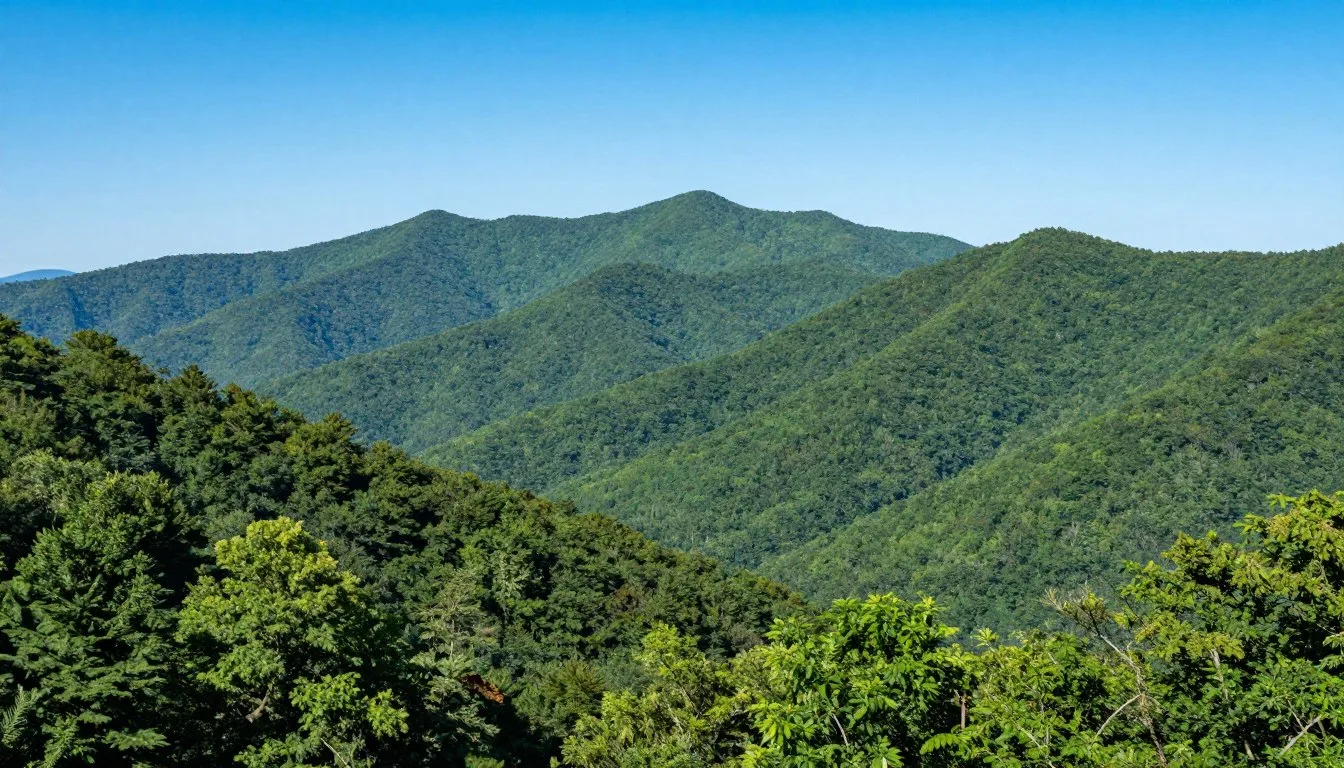
Hidden within Tennessee’s Cumberland Mountains lies a wilderness so rugged that only three percent of hikers who attempt its most famous challenge actually finish. Frozen Head State Natural Area spans 24,000 acres of pristine forest. The park earned its unique name from the way ice and snow cling to its highest peak during winter months, creating a frozen appearance visible from miles away.
This mountain state park offers some of the most challenging and rewarding outdoor experiences in Tennessee. Frozen Head State Park remains relatively uncrowded compared to other Tennessee state parks. Visitors discover a landscape shaped by dramatic elevation changes and ancient forests.
The park serves as home to the legendary Barkley Marathons. This extreme race tests even the world’s toughest ultra-runners. But you don’t need to be an athlete to enjoy Frozen Head. The area welcomes families, casual hikers, and nature lovers seeking peaceful mountain retreats.
Getting There & Planning Your Journey
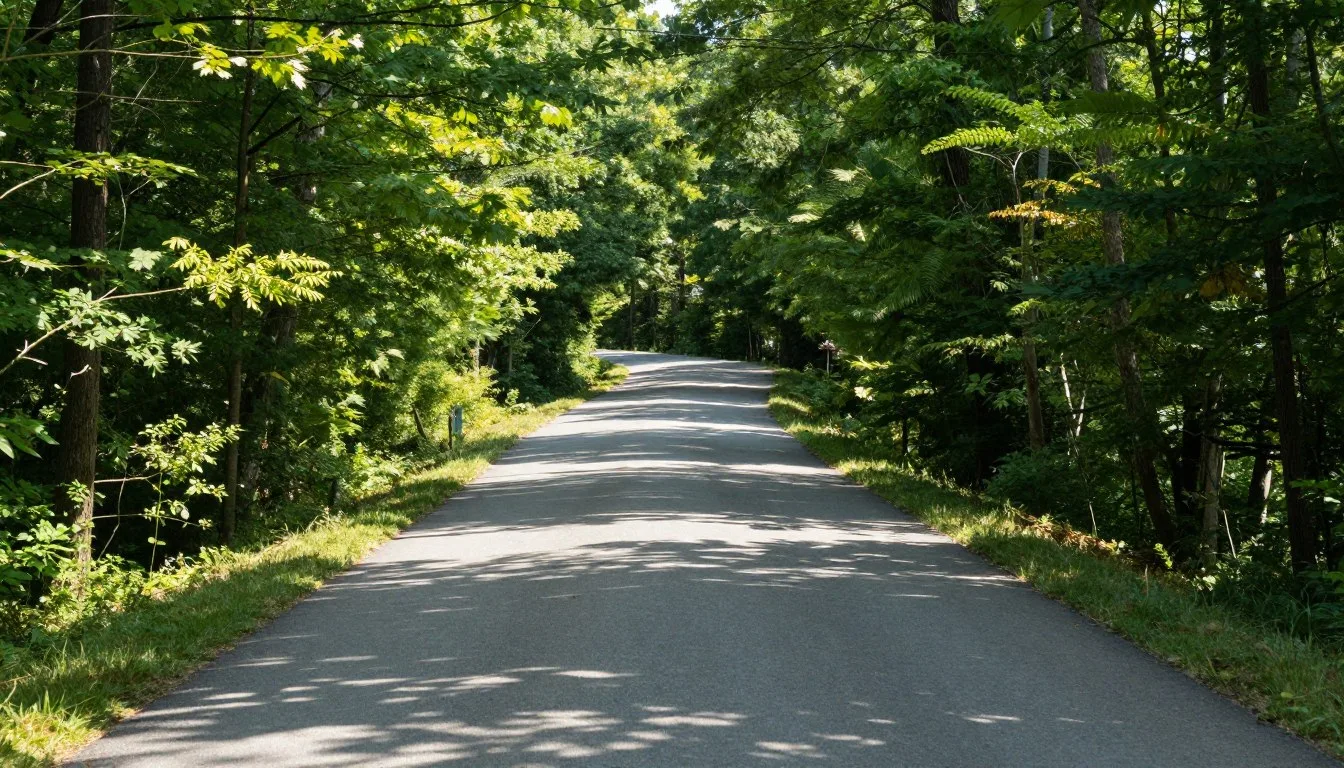
Frozen Head State Natural Area sits in Morgan County, Tennessee. The park is located about 97 km (60 miles) northwest of Knoxville. Getting to this mountain retreat requires some planning. The park is not near major highways.
Closest Airports
McGhee Tyson Airport in Knoxville serves as the nearest major airport. It is located approximately 105 km (65 miles) from Frozen Head. The airport offers connections to most major U.S. cities. Rental cars are available at the airport.
Nashville International Airport is another option. It sits about 241 km (150 miles) west of the park. This airport provides more flight options but requires a longer drive.
Driving Directions
From Knoxville, take Interstate 40 west to the Wartburg exit. Follow Highway 62 north through Wartburg. Turn onto Flat Fork Road. This road leads directly to the park entrance. The final stretch on Flat Fork Road is narrow and winding.
The drive from Knoxville takes about 90 minutes. Allow extra time for the mountain roads. Cell phone service becomes limited as you approach the park. Download maps before you leave.
Park Contact Information: Call ahead to check road conditions and campsite availability, especially during winter months or after heavy rain.
Best Time to Visit & Weather Tips
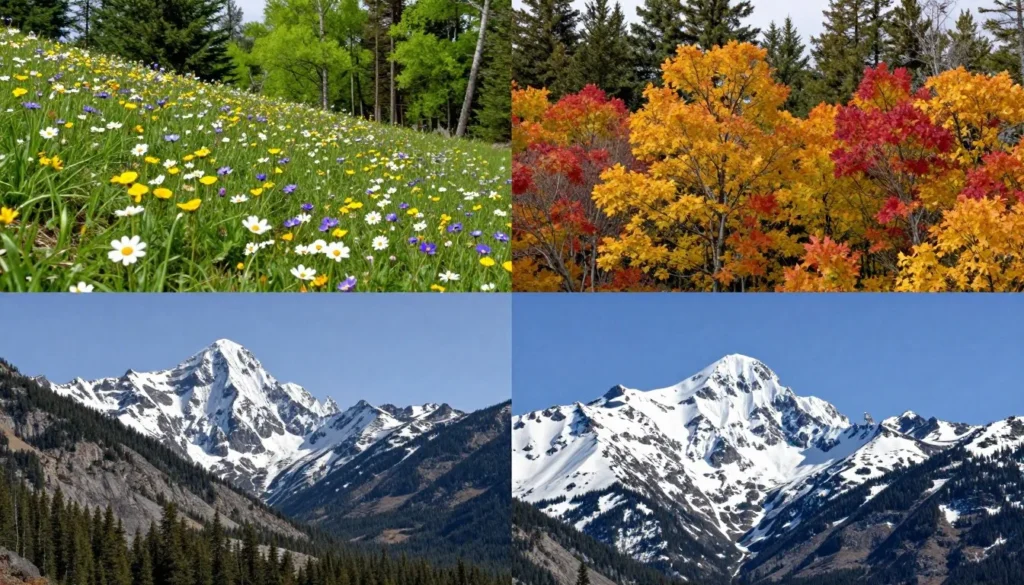
Best Time to Visit Frozen Head State Natural Area
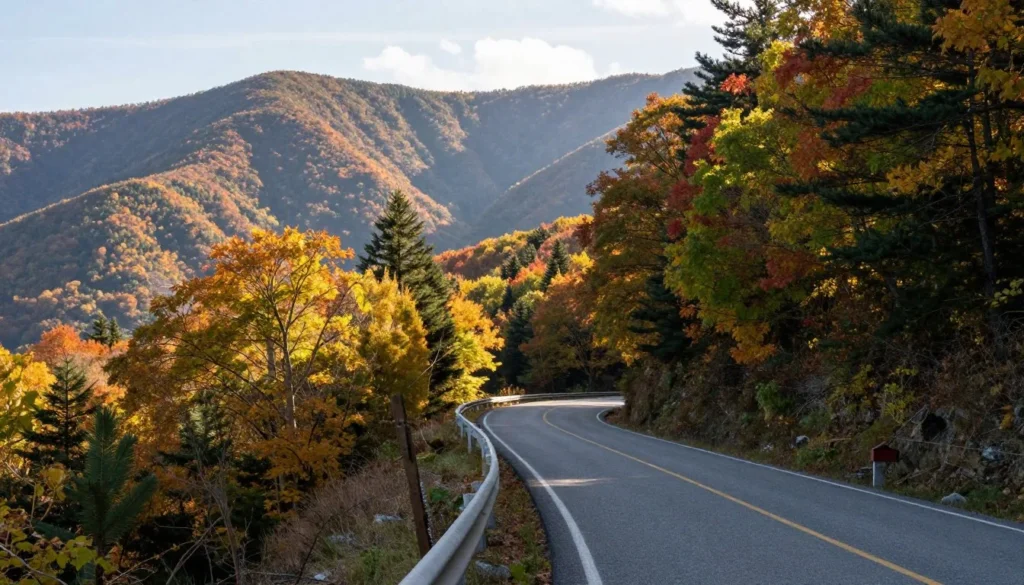
Spring and fall offer the best conditions for visiting Frozen Head State Park. April through May brings wildflowers and comfortable temperatures. September through November showcases brilliant fall colors across the Cumberland Mountain forests.
Summer months from June through August attract more visitors. Temperatures stay cooler in the mountains than in nearby valleys. The forest canopy provides shade on hiking trails. However, afternoon thunderstorms are common during summer.
Winter presents unique challenges and beauty. December through March brings snow and ice to higher elevations. Frozen Head earns its name during these months. Some trails become difficult or dangerous. The park office may close certain areas.
Seasons to Avoid
Late winter (February and early March) can be unpredictable. Ice on trails makes hiking dangerous. Roads may close due to weather. Many facilities remain closed during this period.
Late July and August bring high humidity. Storms can roll in quickly. These months also see the highest visitor numbers at campsites and on popular trails.
Weather Patterns
Frozen Head experiences significant elevation changes. The lowest point sits at about 366 m (1,200 feet). The highest peak reaches 1,005 m (3,300 feet). Temperature varies dramatically with elevation gain.
Expect temperatures to drop 3-5°C (5-9°F) for every 305 m (1,000 feet) of elevation. Spring temperatures range from 10-21°C (50-70°F) at lower elevations. Summer highs reach 27-32°C (80-90°F) in valleys but stay cooler on peaks.
Fall temperatures span 7-21°C (45-70°F). Winter lows can drop below -7°C (20°F) on mountain tops. Always bring layers regardless of season.
Weather Tip: Check conditions before you leave. Weather can change rapidly in the mountains. Bring rain gear even on sunny days. Afternoon thunderstorms develop quickly during warmer months.
Notable Annual Festivals
The Barkley Marathons takes place each March or early April. This legendary ultra-marathon attracts international attention. The exact date remains secret until shortly before the race. Only about 40 runners receive invitations each year. Spectators are not encouraged at this event.
The Frozen Head Challenge occurs in October. This organized trail running event welcomes participants of various skill levels. Runners tackle distances from 8 km to 50 km (5 to 31 miles) on park trails.
For information about organized events, contact the park office directly:
Getting Around Locally
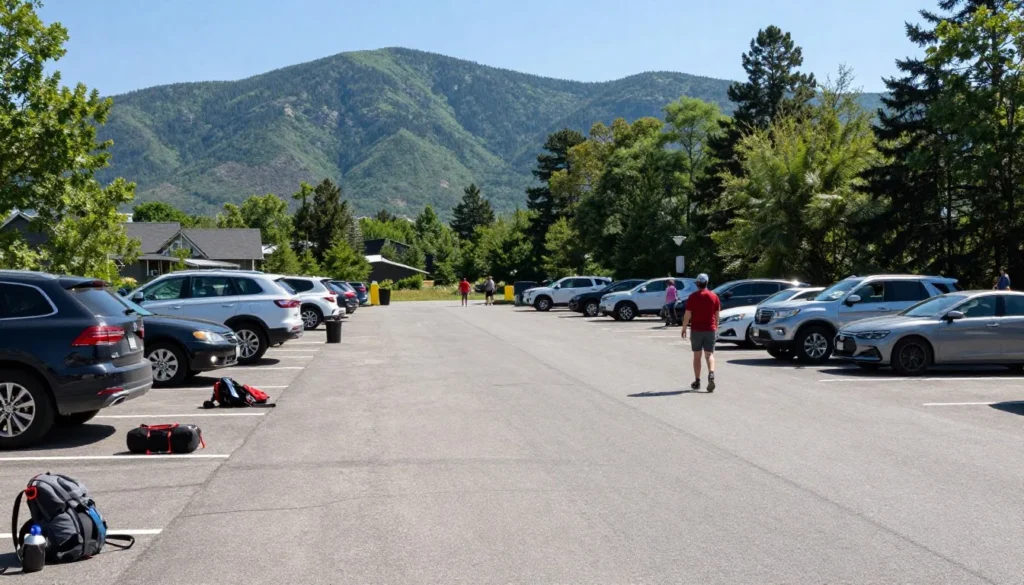
Frozen Head State Park requires a personal vehicle. No public transportation serves the area. The park entrance sits at the end of Flat Fork Road. This road is paved but narrow and winding.
Navigating the Park
The main parking lot sits near the visitor center. From here, most major trails begin. Additional parking areas exist at Big Cove Campground and other trailheads. Parking spaces fill quickly on weekend mornings during peak seasons.
Roads within the park are well-maintained but not suitable for large RVs. The road to Big Cove Campground is narrow. Plan to arrive early to secure parking spots near popular trailheads.
Trail Access
Most visitors park at the main lot and hike to their destinations. The park contains over 80 km (50 miles) of hiking trails. No shuttle services operate within Frozen Head. You must return to your starting point on foot.
Cell phone coverage is extremely limited. GPS devices may not work in deep valleys. Carry a paper trail map. Maps are available at the visitor center and park office.
Nearby Towns
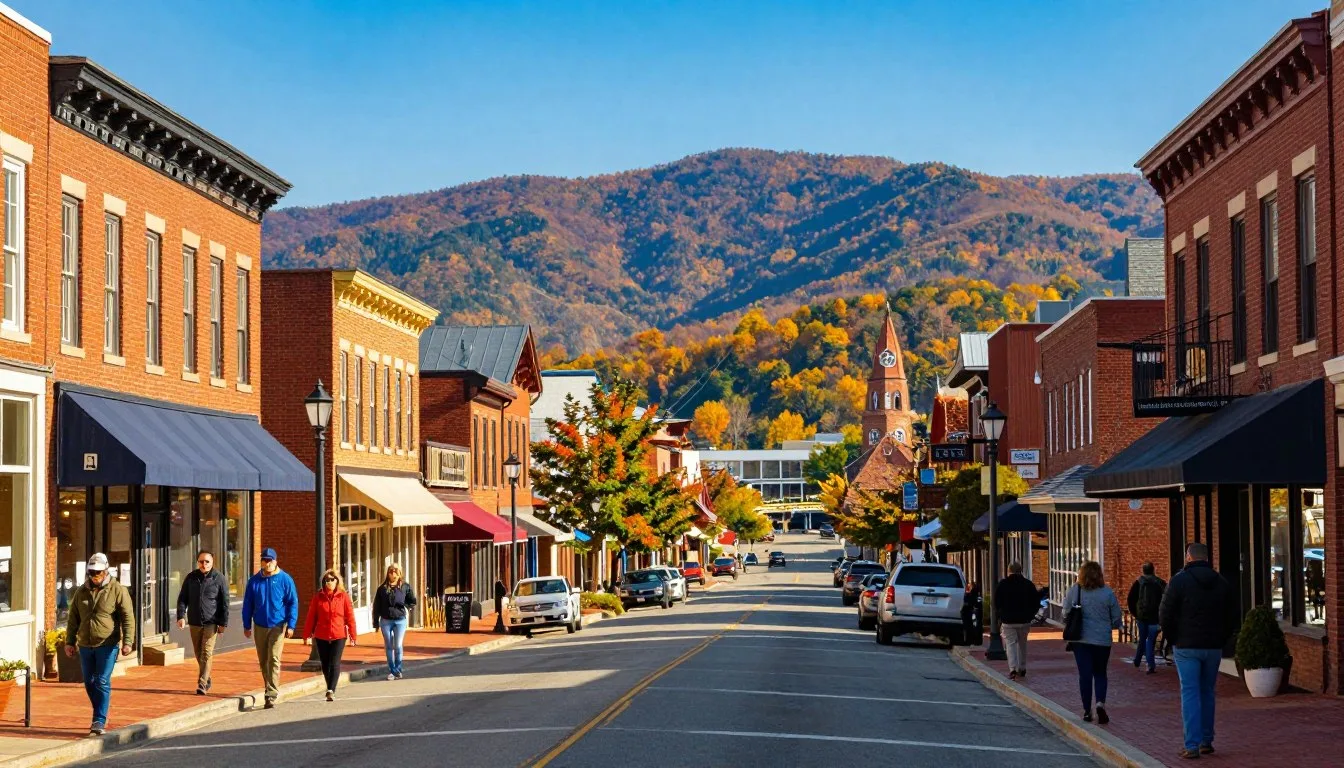
Wartburg, the closest town, sits about 16 km (10 miles) from the park entrance. This small town offers basic services including gas stations, a grocery store, and a few restaurants. Wartburg makes a good supply stop before entering the park.
Oliver Springs is located about 24 km (15 miles) south. This slightly larger community provides additional dining and shopping options. Both towns have limited services. Stock up on supplies before reaching the area.
Where to Stay

Camping at Frozen Head
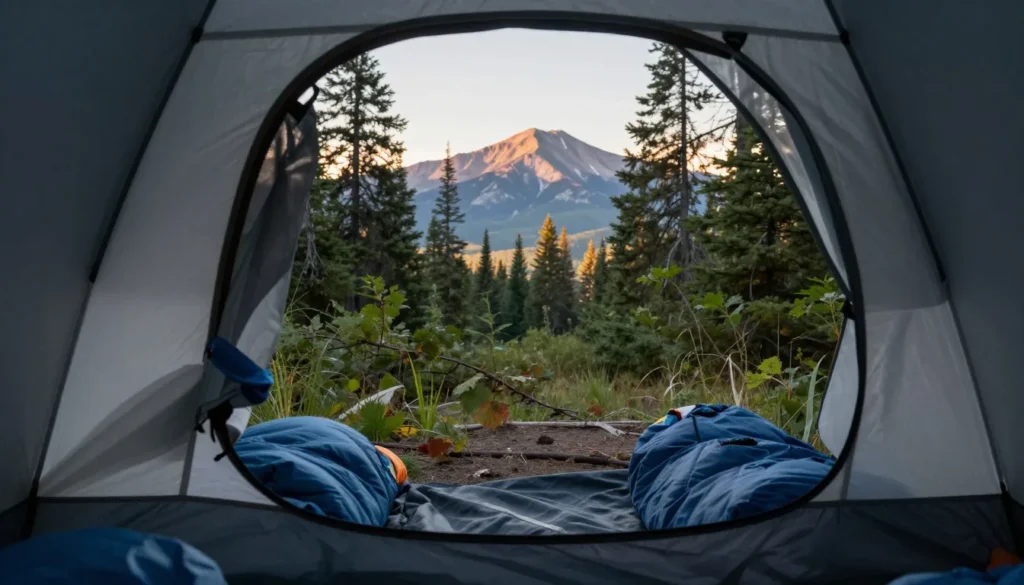
Big Cove Campground offers the primary camping option within the park. The campground features 20 campsites. Each site includes a picnic table, fire ring, and level tent pad. Sites accommodate tents and smaller RVs.
Water and restrooms are available at the campground. However, facilities are basic. The campground operates on a first-come, first-served basis during most of the year. Reservations are accepted for peak season weekends.
Backcountry camping is allowed in designated areas. Permits are required for backcountry sites. These primitive sites offer no facilities. Campers must practice Leave No Trace principles. Water sources exist along many trails but require treatment.
Big Cove Campground Features
- 20 developed campsites
- Picnic tables and fire rings
- Central water access
- Vault toilets
- No electrical hookups
- No showers
Backcountry Camping
- Multiple designated sites
- Permit required
- No facilities
- Water treatment necessary
- Bear precautions required
- Group size limits apply
Camping fees are reasonable. Sites at Big Cove Campground cost approximately $15-20 per night. Backcountry camping is free but requires a permit. Contact the park office to reserve campsites or obtain backcountry permits:
Lodging Outside the Park
No hotels or cabins exist within Frozen Head State Natural Area. Visitors seeking indoor accommodations must stay in nearby communities. Options are limited in this rural area.
Wartburg offers a few small motels. These basic accommodations provide clean rooms at budget prices. Options include locally-owned properties. Expect simple amenities without luxury features.
Oliver Springs has additional motel options. The town sits about 30-40 minutes from the park entrance. More lodging choices exist in Oak Ridge, located about 48 km (30 miles) south. Oak Ridge provides chain hotels with modern amenities.
Knoxville offers the widest selection of hotels and vacation rentals. However, the 90-minute drive each way makes day trips less convenient. Consider staying closer if you plan multiple days of hiking.
Dining & Local Cuisine

No restaurants or food services operate within Frozen Head State Natural Area. Visitors must bring their own food or eat in nearby towns. The closest dining options are in Wartburg.
Nearby Dining Options
Wartburg features several local restaurants serving traditional Southern and Tennessee cuisine. Expect comfort food including fried chicken, barbecue, and home-style cooking. Small diners and cafes offer breakfast and lunch options.
The town has a few fast-food chains. A local grocery store sells supplies for camping and picnics. This is your last chance to stock up before entering the park.
Oliver Springs provides additional restaurant choices. The slightly larger town has more variety. Several family-owned restaurants serve regional specialties. Pizza places and sandwich shops offer quick meals.
Regional Specialties
This area of Tennessee is known for hearty mountain cooking. Local favorites include country ham, biscuits with gravy, and fried catfish. Barbecue is popular throughout the region. Most restaurants serve sweet tea as the default beverage.
Don’t miss trying traditional sides. Pinto beans, cornbread, coleslaw, and fried okra appear on most menus. Portions tend to be generous. Prices remain reasonable compared to urban areas.
Planning Your Meals
Most visitors bring coolers with food for their entire stay. The park has no concessions or vending machines. Pack breakfast, lunch, and dinner if you are camping.
Several picnic areas exist throughout Frozen Head. Tables are available near parking lots and along some trails. These spots provide pleasant settings for outdoor meals.
Water is available at the campground and visitor center. Bring reusable bottles. Water along trails requires treatment before drinking. Pack a filtration system or purification tablets for backcountry trips.
Food Storage Tip: Store all food and scented items properly. Bears and other wildlife are active in the area. Use bear-proof containers or hang food bags at least 3.7 m (12 feet) high and 1.2 m (4 feet) from tree trunks.
Attractions, Sightseeing & Activities

Hiking Trails
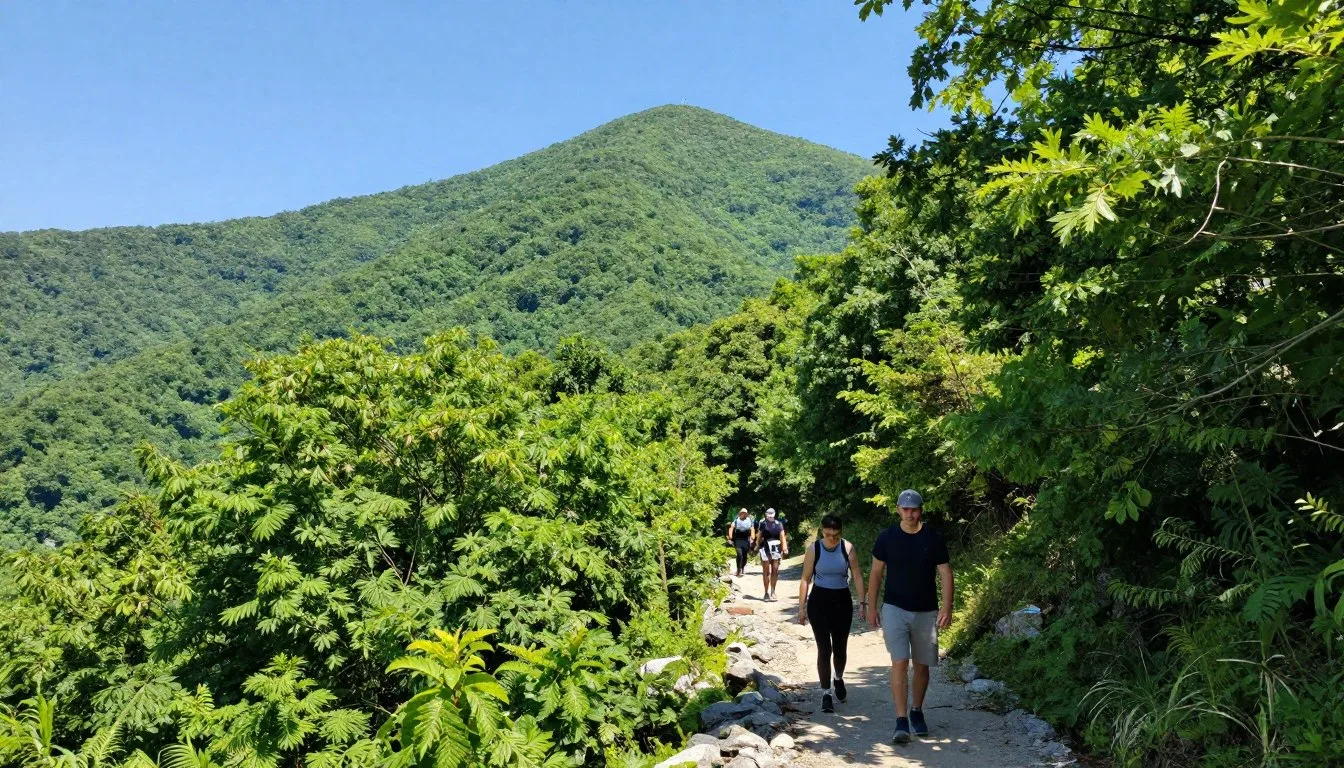
Frozen Head State Park is renowned for its extensive trail system. More than 80 km (50 miles) of trails wind through the 24,000 acres. Trails range from easy nature walks to extremely challenging mountain climbs.
The Chimney Top Trail ranks among the most popular routes. This challenging hike climbs to an elevation of 1,128 m (3,700 feet). The trail covers about 4.3 km (2.7 miles) one way. Elevation gain totals approximately 610 m (2,000 feet). Hikers are rewarded with panoramic views from the lookout tower at the summit.
Flat Fork Trail offers a gentler option. This path follows Flat Fork Creek through beautiful hardwood forest. The trail is relatively flat with minimal elevation gain. It stretches for about 4 km (2.5 miles). This route provides excellent opportunities for wildlife observation.
The Spicewood Branch Trail connects to several other paths. It can be combined with the Chimney Top Trail for a longer loop. This intermediate trail features moderate climbs and creek crossings.
Barkley Marathons Course
Frozen Head gained international fame as home to the Barkley Marathons. This brutal ultra-marathon covers approximately 161 km (100 miles). The course includes about 16,500 m (54,200 feet) of elevation gain. Runners navigate unmarked trails through dense forest and steep terrain.
Since its creation in 1986, only 15 runners have completed the full course. The race typically sees 40 or fewer participants. While spectators don’t attend the actual event, hikers can explore sections of the legendary route.
Lookout Tower
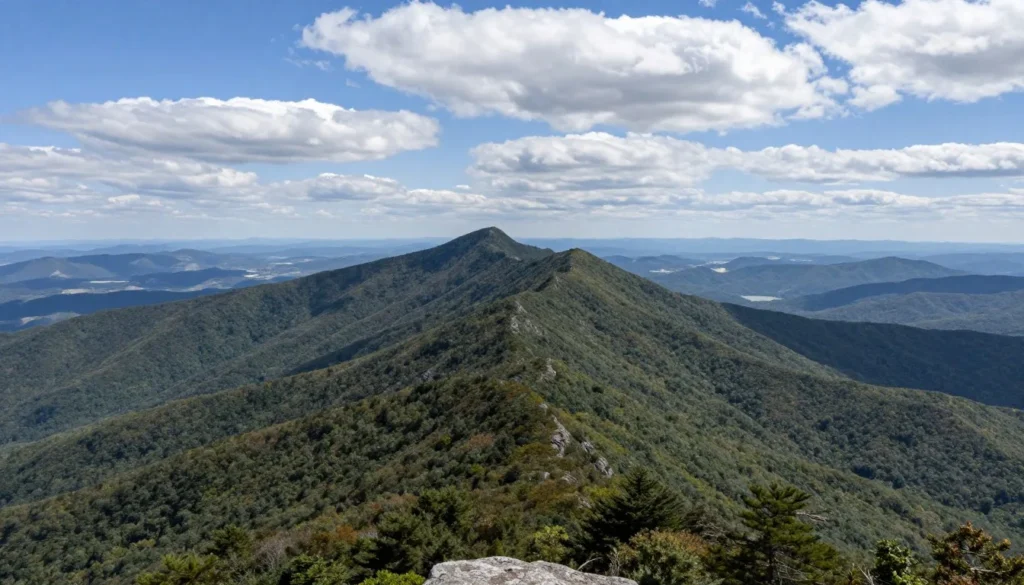
The fire lookout tower at Chimney Top provides stunning 360-degree views. On clear days, visibility extends for many miles across the Cumberland Mountains. The tower sits at the highest accessible point in the park.
Reaching the tower requires a strenuous hike. The climb takes most hikers 2-3 hours. The descent usually takes 1.5-2 hours. Start early to allow plenty of time. Afternoon storms often develop during summer months.
Wildlife Watching
The park supports diverse wildlife populations. Black bears inhabit the forests. Sightings occur regularly, especially during morning and evening hours. White-tailed deer are common throughout the area.
Bird watchers find excellent opportunities. Over 100 bird species have been recorded at Frozen Head. Spring and fall migrations bring warblers, thrushes, and other songbirds. Wild turkeys often appear near trails and campsites.
Smaller mammals include raccoons, opossums, and various squirrel species. The Rocky Fork and other creek areas attract otters. Salamanders and other amphibians thrive in moist forest environments.
Photography Opportunities
Frozen Head offers outstanding photography subjects. Mountain vistas from high points provide dramatic landscape shots. Waterfall photography opportunities exist along several trails. Spring wildflowers carpet the forest floor.
Fall colors peak from mid-October through early November. The mixed hardwood forests display brilliant reds, oranges, and yellows. Early morning fog in valleys creates ethereal scenes. Winter ice formations on the peaks live up to the park’s name.
Museums, Cultural Spots & Festivals
Visitor Center
The small visitor center at Frozen Head provides information about the park. Exhibits explain the area’s natural history and ecology. Staff members answer questions and provide trail maps. The center stocks educational materials about Tennessee state parks.
Hours vary by season. The center typically opens on weekends during peak seasons. Weekday hours may be limited. Call ahead to confirm the visitor center will be open during your visit.
Historical Context
The area around Frozen Head has deep Appalachian roots. Morgan County was formed in 1817. Early settlers harvested timber from these mountains. Coal mining became important in the early 1900s.
Nearby Brushy Mountain State Penitentiary operated from 1896 to 2009. This maximum-security prison once held James Earl Ray, who assassinated Dr. Martin Luther King Jr. The facility now operates as a distillery and tourist attraction outside the park.
Regional Cultural Sites
The Museum of Appalachia near Norris showcases mountain heritage. This living history museum sits about 56 km (35 miles) from Frozen Head. The site features historic buildings, artifacts, and demonstrations of traditional crafts.
Oak Ridge offers the American Museum of Science and Energy. This museum tells the story of the secret Manhattan Project city. Oak Ridge is about 48 km (30 miles) from the park.
Knoxville provides numerous cultural attractions. The Knoxville Museum of Art, historic Market Square, and University of Tennessee campus offer urban cultural experiences. These sites are about 97 km (60 miles) from Frozen Head.
Local Events
Morgan County hosts a few annual events in Wartburg. The Morgan County Fair takes place each summer. This small-town celebration features agricultural exhibits, rides, and local food vendors.
Nearby Oakdale holds the Oakdale Bluegrass Festival. This multi-day event typically occurs in June. Traditional bluegrass and country music fill the air. The festival attracts regional musicians and fans.
Most organized events at Frozen Head itself focus on outdoor activities. Trail races and guided nature walks occur throughout the year. Contact the park office for current schedules of ranger-led programs.
Nature & Outdoor Experiences
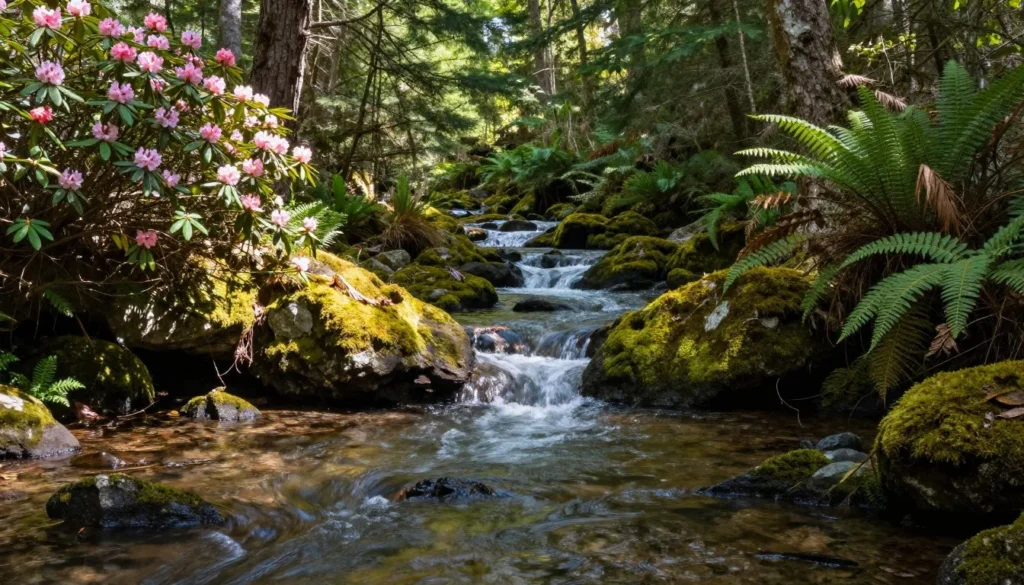
Forest Ecosystems
Frozen Head protects one of Tennessee’s finest old-growth forests. Massive tulip poplars, oaks, and hemlocks tower overhead. Some trees exceed 30 m (100 feet) in height. The diverse canopy creates habitat for countless species.
The understory includes mountain laurel, rhododendron, and azaleas. Spring brings spectacular wildflower displays. Trilliums, lady slippers, and dozens of other species bloom from March through May.
Several rare and endangered plants grow within park boundaries. The rich, moist cove forests support exceptional biodiversity. Tennessee ranks among the most biologically diverse states. Frozen Head exemplifies this diversity.
Waterfalls and Streams
Clear mountain streams cascade through the park. Flat Fork and Rocky Fork drain the high peaks. Numerous unnamed tributaries create small waterfalls and cascades.
The streams support populations of native brook trout. These cold-water fish thrive in pristine mountain streams. Fishing is permitted with a valid Tennessee license. Regulations protect native species.
Water quality remains excellent throughout Frozen Head. The streams provide drinking water after proper treatment. The sound of flowing water accompanies hikers on many trails.

Seasonal Changes
Each season transforms the landscape at Frozen Head State Park. Spring green-up begins in the valleys and slowly climbs the mountains. By May, the entire forest canopy has leafed out.
Summer brings peak forest density. The thick canopy moderates temperatures on trails. Ferns carpet the forest floor. Humidity increases in July and August.
Autumn color progression reverses spring’s pattern. High peaks change first, usually by early October. Peak color typically occurs mid-October in the cove forests. By early November, leaves have fallen from most deciduous trees.
Winter strips away the leaves, revealing the forest’s structure. Snow accumulates on north-facing slopes and higher elevations. The frozen peaks that give the park its name become most evident. Some trails see little use during the coldest months.
Rock Formations
The Cumberland Mountains consist primarily of sandstone and shale. These sedimentary rocks formed hundreds of millions of years ago. Erosion has created interesting formations along many trails.
Rock outcrops provide scenic viewpoints. Cliffs and bluffs add drama to the landscape. Some trails pass through boulder fields. These areas require careful footing but offer unique scenery.
Backcountry Exploration
Experienced hikers find exceptional backcountry opportunities. Multiple loops allow multi-day trips. The park’s size and rugged terrain create a true wilderness experience.
Backcountry permits are required for overnight trips. Designated camping areas exist throughout the trail system. These primitive sites have no facilities. Proper preparation and navigation skills are essential.
The trails connect to form numerous loop options. Popular routes include the Big Cove Circuit and variations combining multiple trails. Trail junctions are marked, but carrying a map is critical. Some paths are not well-maintained.
Backcountry Safety: These trails are extremely rugged. Many sections are steep and rocky. Weather can change quickly. Carry extra food, water, and emergency supplies. Inform someone of your itinerary before departing on overnight trips.
Travel With Children
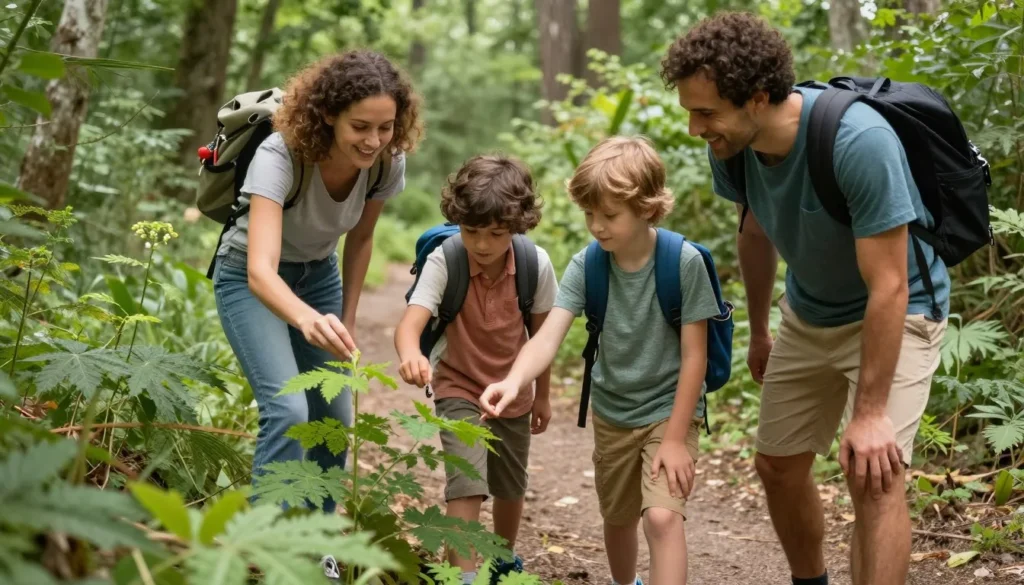
Family-Friendly Activities
Frozen Head can work well for families with older children. However, this park presents more challenges than typical Tennessee state parks. Most trails are steep and strenuous. Young children may struggle with the terrain.
The Flat Fork Trail provides the best option for families. This relatively level path allows children to experience the forest without extreme climbs. The trail follows the creek. Kids enjoy watching for wildlife and exploring near the water.
Camping at Big Cove Campground appeals to many families. Children can explore the campground area safely. Evening campfires create memories. The experience introduces kids to outdoor skills in a controlled environment.
Age Recommendations
Children should be at least 8-10 years old to attempt most hikes. Younger kids can handle short walks near the parking area. The challenging terrain and elevation gains make this park better suited for teens and adults.
Consider children’s fitness levels carefully. A family used to hiking will have better success. If your children have limited outdoor experience, start with easier Tennessee state parks.
Safety Considerations
Keep children close on trails. Steep drop-offs exist in many areas. The terrain is rugged with roots, rocks, and uneven surfaces. Young hikers can easily trip or fall.
Teach children about wildlife safety before arrival. Black bears live in the area. Kids should know how to respond if they see wildlife. Never let children approach animals.
The streams and creeks are beautiful but potentially dangerous. Water levels can rise quickly after rain. Rocks are slippery. Supervise children closely near water.
What to Bring for Kids
- Sturdy hiking boots with ankle support
- Multiple layers of clothing
- Child-sized backpack with water and snacks
- Insect repellent and sunscreen
- First aid supplies
- Whistles for each child
- Nature identification guides
- Camera or phone for photos
Educational Opportunities
Frozen Head offers excellent learning experiences. Children can study forest ecology firsthand. Identifying trees, plants, and animals teaches observation skills. The diverse habitat provides countless examples.
Rock formations demonstrate geology concepts. Erosion and weathering become visible. Kids can understand how mountains form and change over time.
The park’s history connects to broader Tennessee stories. Appalachian culture and logging history provide context. These topics enrich the outdoor experience.
Money Saving Tips
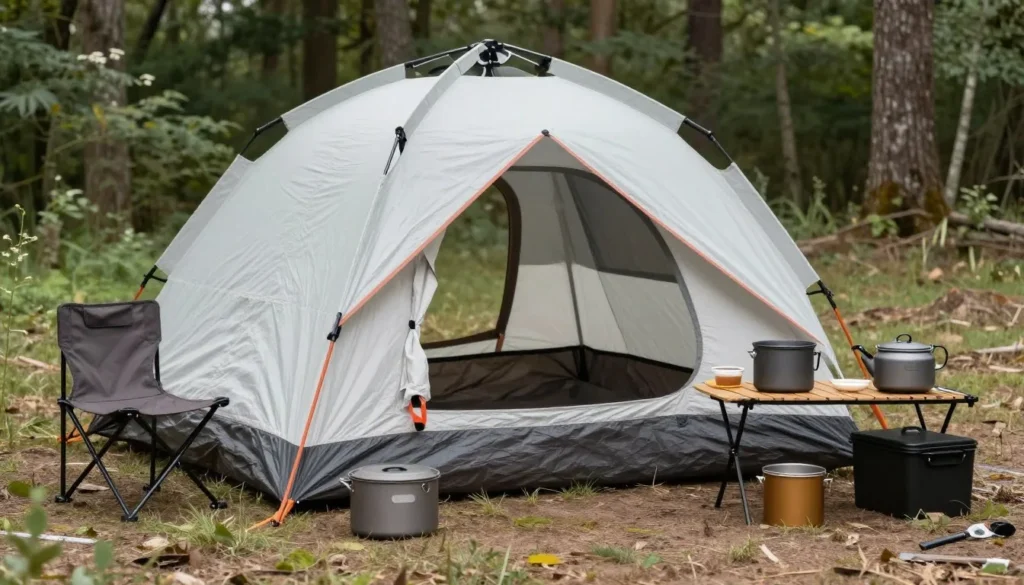
Free and Low-Cost Activities
Day hiking at Frozen Head State Park costs nothing. No entrance fees apply. Parking is free at all trailheads. You can explore the entire trail system without spending money beyond fuel costs.
The visitor center provides free trail maps. Rangers offer free advice and information. Educational displays teach about the area without admission charges.
Camping Savings
Big Cove Campground remains remarkably affordable. Sites cost about $15-20 per night. This price is significantly lower than private campgrounds or hotels. A family can camp for several days inexpensively.
Backcountry camping is free after obtaining a permit. This option costs nothing beyond the permit paperwork. However, proper gear is essential for safe backcountry travel.
Food and Supplies
Bring all food from home to save money. Grocery shopping in your home area costs less than buying supplies in small rural towns. Pack meals and snacks for your entire trip.
Freeze water in bottles before leaving home. These bottles serve double duty as cooler ice and drinking water. As ice melts, you have cold water available.
Cook your own meals at the campground. Fire rings allow campfire cooking. A basic camp stove provides more options. Both approaches cost far less than restaurants.
Gear and Equipment
Borrow gear if possible. Friends and family may have camping equipment to loan. Local outdoor clubs sometimes offer gear rentals or libraries.
Buy used equipment when purchases are necessary. Outdoor consignment stores and online marketplaces offer deals. Quality used gear functions as well as new items.
Invest in durable items that last many years. Quality hiking boots cost more initially but provide better value. Cheap boots wear out quickly and perform poorly.
Timing Your Visit
Visit during shoulder seasons for fewer crowds. Weekdays typically have more available campsites. You can often choose your preferred spot rather than taking what’s left.
Spring and fall offer comfortable temperatures. You’ll use less water and face fewer weather challenges. These seasons also showcase nature at its best.
Budget Tip: The nearby town of Wartburg has a grocery store. Stock up on last-minute items there rather than paying higher prices at gas station convenience stores. Fill your gas tank before the final approach to the park.
Group Savings
Travel with friends to share costs. Multiple families can share camping supplies and food expenses. Carpooling reduces fuel costs. Group camping also enhances safety and fun.
Larger groups can split the cost of shared gear. One family brings the stove, another brings the cooler. This approach means fewer purchases for everyone.
Safety & Local Customs
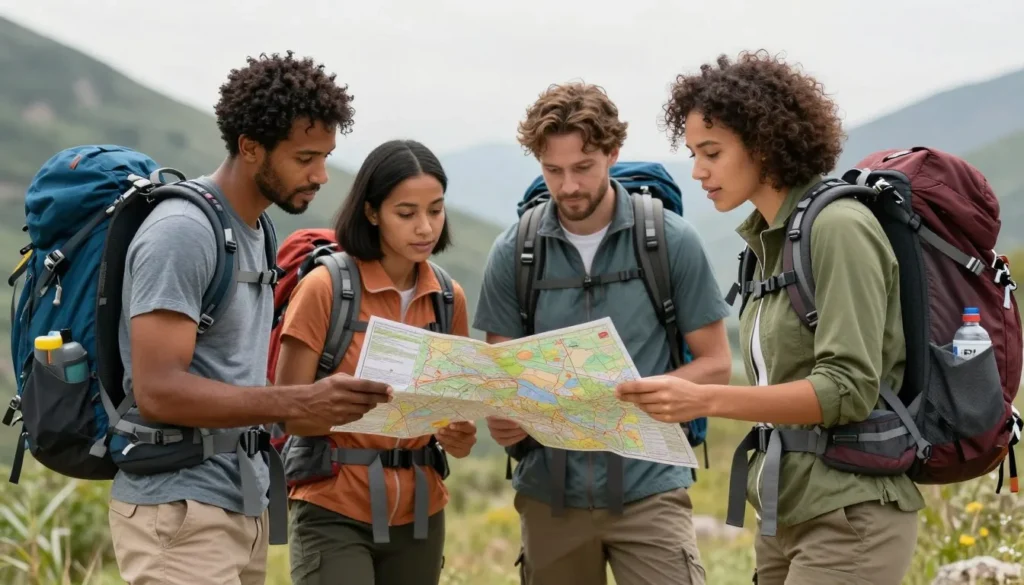
Trail Safety
Frozen Head’s trails demand respect. The terrain is genuinely challenging. Rocky paths, steep climbs, and unpredictable weather create real hazards. Preparation prevents most problems.
Always carry a trail map. Cell phones don’t work in most of the park. GPS devices may lose signal in deep valleys. Paper maps never need batteries or service.
Wear proper footwear. Hiking boots with ankle support are essential. Trail running shoes work for experienced runners but offer less protection. Avoid sneakers or casual shoes.
Bring more water than you think necessary. The elevation gains and Tennessee humidity increase water needs. Plan for at least 1 liter per person per hour of hiking. Water sources exist on trails but require treatment.
Wildlife Safety
Black bears live throughout Frozen Head State Natural Area. Sightings occur regularly. Most bears avoid humans, but encounters happen. Know how to respond properly.
Make noise while hiking. Talk, sing, or clap periodically. This alerts bears to your presence. Most will move away before you see them.
If you see a bear, remain calm. Do not run. Running triggers chase instincts. Instead, back away slowly while facing the bear. Make yourself appear large by raising your arms. Speak in firm, calm tones.
Store food properly at campsites. Use bear-proof containers or hang food bags. Never keep food in your tent. Even scented items like toothpaste must be stored correctly.
Venomous snakes including copperheads and timber rattlesnakes inhabit the area. Watch where you place hands and feet. Most snake bites occur when people don’t see the snake. Stay on trails and avoid tall grass.
Weather Hazards
Thunderstorms develop quickly in the mountains. Lightning poses serious danger on exposed ridges and peaks. Start summit attempts early in the day. Descend before afternoon storms arrive.
If lightning threatens while you’re on a peak, move to lower elevation immediately. Avoid isolated trees and open areas. Squat low if caught in the open. Don’t lie flat on the ground.
Winter ice creates dangerous conditions. Trails become treacherous when frozen. Microspikes or crampons may be necessary. Some trails should be avoided entirely during icy conditions.
Emergency Preparedness
Carry a first aid kit on all hikes. Include supplies for blisters, cuts, and sprains. Pain medication and any personal prescriptions should come along. A space blanket weighs little but provides emergency warmth.
Tell someone your hiking plans. Leave detailed information about your route and expected return time. This information proves critical if you don’t return as planned.
The park office can provide emergency assistance, but response times may be long. Self-rescue capability is important. Basic wilderness first aid knowledge helps tremendously.
For emergencies, contact the park office:
Local Etiquette
This area of Tennessee has strong Appalachian traditions. Residents are generally friendly but value privacy. Respect private property boundaries near the park.
The region is rural and conservative. Visitors from urban areas may notice cultural differences. Politeness and respect go far. Southern hospitality is real, but locals appreciate good manners.
Small town services operate on relaxed schedules. Don’t expect everything to be open late or on Sundays. Plan accordingly for supplies and meals.
Leave No Trace Principles
Practice Leave No Trace ethics throughout your visit. Pack out all trash. Yes, all of it. Orange peels and apple cores count as litter here.
Stay on established trails. Cutting switchbacks causes erosion. Creating new paths damages vegetation. The trails exist for good reasons.
Campfires are allowed in designated fire rings only. Use dead and down wood. Never cut live trees or branches. Completely extinguish fires before leaving.
Respect other visitors. Keep noise levels reasonable. Yield to uphill hikers on trails. Control pets if allowed. Many people seek solitude in nature.
Visitor Comments About Frozen Head State Natural Area Tennessee
P.B., Ilion:
“Frozen Head exceeded our expectations completely. We camped at Big Cove Campground for three nights. The campsites were well-maintained and peaceful. The hike to Chimney Top challenged us, but the views from the lookout tower made every step worthwhile. We saw a black bear from a safe distance on our last day. The park feels genuinely wild. This is what Tennessee state parks should be. We’re already planning our return trip.”
B.G., Krasnoyarsk:
“My family visited Frozen Head State Park during our Tennessee vacation. The trails proved more difficult than we expected. The elevation gain on even moderate trails was significant. However, the forest beauty amazed us. We have mountains in Russia, but these Cumberland Mountains have their own character. The visitor center staff helped us choose appropriate trails for our fitness level. We spent two wonderful days hiking and camping. The night sky from the campground was spectacular.”
C.R., Mopti:
“Frozen Head State Natural Area offers incredible hiking. I completed several trails over a long weekend. The Chimney Top summit provided views stretching for miles. I appreciated the trail variety from easy walks to challenging climbs. The backcountry camping allowed me to explore deeper into the area. Water sources were plentiful for filtering. The park truly deserves its reputation among serious hikers. I understand why the Barkley Marathons happens here. This terrain is no joke.”
Additional Nearby Destinations
Big South Fork National River and Recreation Area
Big South Fork sits about 56 km (35 miles) northwest of Frozen Head. This national park unit protects gorges carved by the Cumberland River. The area offers additional hiking, horseback riding, and whitewater opportunities.
Rock climbing is popular at Big South Fork. Natural sandstone bluffs provide hundreds of routes. The Twin Arches are among the largest natural stone arches in the eastern United States.
Oak Ridge
Oak Ridge, the “Secret City,” lies about 48 km (30 miles) south. This planned community was created during World War II for the Manhattan Project. The American Museum of Science and Energy tells this fascinating story.
Oak Ridge also offers shopping, dining, and lodging options. The city serves as a convenient base for exploring the region. Several parks and green spaces provide easier outdoor recreation.
Norris Dam and Museum of Appalachia
Norris Dam was the first Tennessee Valley Authority dam. Construction began in 1933. The structure created Norris Lake, a popular recreation destination. The dam is about 48 km (30 miles) from Frozen Head.
The Museum of Appalachia near Norris preserves mountain heritage. Historic buildings, artifacts, and demonstrations bring Appalachian culture to life. The living history museum spans over 26 hectares (65 acres).
Great Smoky Mountains National Park
America’s most visited national park sits about 129 km (80 miles) east. The Great Smoky Mountains offer more extensive trail systems and facilities. However, crowds are significantly larger than at Frozen Head.
The Smokies showcase similar ecosystems to Frozen Head. The park straddles the Tennessee-North Carolina border. Popular attractions include Cades Cove, Clingmans Dome, and numerous waterfalls.
Knoxville
Knoxville, Tennessee’s third-largest city, is about 97 km (60 miles) away. The city offers urban attractions including museums, restaurants, and shopping. The University of Tennessee campus adds cultural venues and sporting events.
Market Square in downtown Knoxville features local shops and eateries. The Sunsphere from the 1982 World’s Fair provides observation deck views. Several breweries and live music venues showcase local culture.
Cumberland Trail State Park
The Cumberland Trail eventually will stretch 482 km (300 miles) from Cumberland Gap to Signal Mountain. Sections near Frozen Head are complete. This long-distance trail offers backpacking opportunities through Tennessee’s Cumberland Mountains.
Multiple access points allow day hikes on the Cumberland Trail. The path connects several state parks and natural areas. Ambitious hikers can tackle multi-day sections.
Practical Travel Tips
Best Routes to the Park
From Interstate 40, take Exit 347 for Highway 62 North. Follow Highway 62 through Wartburg. Look for signs directing you to Frozen Head. Turn onto Flat Fork Road. This final stretch is about 11 km (7 miles) of winding mountain road.
From Interstate 75, exit at Highway 116 near Rocky Top. Follow Highway 116 west to Highway 62. Turn north on Highway 62 to Wartburg, then follow directions above.
The roads are paved but narrow in places. Large RVs should call ahead about road conditions. Winter weather can make the final approach treacherous.
Cell Service and Communication
Cell phone service is virtually nonexistent within the park. Limited service may be available near the entrance on Flat Fork Road. Don’t count on your phone for navigation or emergencies.
Download maps and information before entering the area. Save important phone numbers. The park office number should be in your contacts. Let someone know your plans before heading into the backcountry.
What to Pack
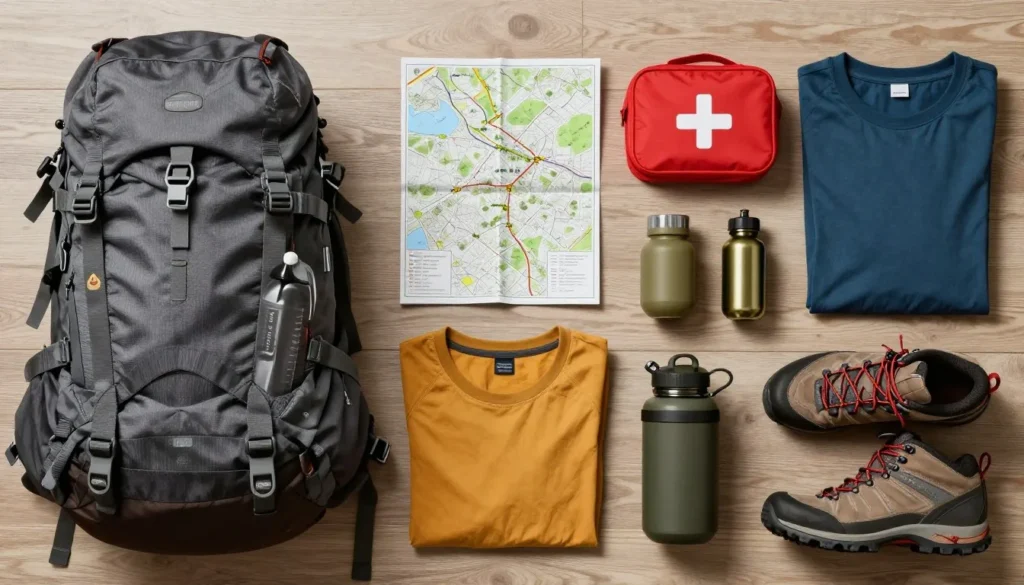
Essential Hiking Gear
- Sturdy hiking boots
- Multiple water bottles or hydration system
- Trail map and compass
- First aid kit
- Headlamp or flashlight
- Fire starter and matches
- Multi-tool or knife
- Emergency whistle
Camping Additions
- Tent and sleeping bag
- Sleeping pad
- Camp stove and fuel
- Cookware and utensils
- Food storage containers
- Water treatment system
- Rope for hanging food
- Camp chair (optional)
Clothing Recommendations
Layer your clothing for temperature changes. Start with a moisture-wicking base layer. Add an insulating layer like fleece. Top with a waterproof, breathable shell jacket.
Avoid cotton clothing. Cotton retains moisture and provides no insulation when wet. Synthetic or wool materials perform much better. This matters during unexpected weather changes.
Bring extra socks. Wet feet lead to blisters. Change into dry socks during lunch breaks on long hikes. Pack a warm hat and gloves even in summer. Higher elevations can be surprisingly cool.
Park Regulations
Pets are allowed on trails but must be leashed. Keep dogs under control at all times. Clean up after pets. Some backcountry areas may restrict pets for wildlife protection.
Campfires are permitted only in designated fire rings. Never leave fires unattended. Completely extinguish fires before leaving or sleeping. Fire bans may be in effect during dry periods.
Collecting plants, rocks, or artifacts is prohibited. Leave natural and historical features undisturbed. Take only photos and memories.
Accessibility Information
Frozen Head has limited accessibility features. The visitor center is accessible. However, most trails are not suitable for wheelchairs. The rugged terrain presents significant challenges.
Some parking areas and the campground have accessible spaces. Call the park office to discuss specific needs. Staff can provide information about the least difficult trails.
Final Contact Information
For current conditions, campsite availability, or other questions, contact Frozen Head State Park directly:
Park Address: Frozen Head State Park, 964 Flat Fork Road, Wartburg, Tennessee 37887
Operating Hours: Park grounds are open during daylight hours year-round. Visitor center hours vary by season.
Trip Planning Checklist
- Reserve campsites if visiting during peak season
- Check weather forecast for the entire visit
- Download trail maps and park information
- Fill vehicle with gas in Wartburg
- Buy groceries and supplies before final approach
- Inform someone of your itinerary
- Pack all essential gear and clothing layers
- Bring cash for camping fees
- Charge all electronic devices fully
- Verify park office hours if you need assistance
Your Frozen Head Adventure Awaits
Frozen Head State Natural Area Tennessee stands as one of the state’s best-kept secrets. The 24,000 acres of protected wilderness offer authentic mountain experiences. From the challenging trails to peaceful campgrounds, this park rewards visitors who seek genuine outdoor adventure.
The Cumberland Mountains reveal their beauty slowly. Each trail climbs through distinct forest zones. Every season paints the landscape differently. Whether you summit Chimney Top for panoramic views or simply walk along Flat Fork listening to rushing water, Frozen Head creates lasting memories.
This is not a park for everyone. The terrain demands respect and preparation. But for those willing to work for their rewards, Frozen Head delivers experiences found nowhere else. The solitude, the wildness, and the raw mountain beauty make every challenging step worthwhile.
Start planning your visit today. The trails are calling. The lookout tower awaits. Your Tennessee mountain adventure begins at Frozen Head State Natural Area.