Hotels by Trip.com
Flights by Trip.com
Every year, more than 24,000 hikers challenge themselves on one of America’s most grueling ultra-marathons right here in the rugged wilderness of Frozen Head State Park. This remarkable natural area spans over 12,141 hectares (30,000 acres) of pristine Cumberland Plateau forest in eastern Tennessee. The park earned its evocative name from the way clouds cap the highest peak during winter months, creating the appearance of a frozen crown atop the mountain.
Frozen Head State Park represents one of Tennessee’s most treasured outdoor destinations. The park features dramatic elevation changes, cascading waterfalls, and some of the most challenging hiking trails in the entire state park system. Whether you seek adventure on mountain trails or peaceful moments beside rushing creeks, this wilderness sanctuary offers unforgettable experiences for every visitor.
Getting There and Planning Your Journey
Frozen Head State Park sits in Morgan County, approximately 80 kilometers (50 miles) northwest of Knoxville. The park entrance lies just outside the small town of Wartburg, making it accessible yet wonderfully remote.
Nearest Airports
McGhee Tyson Airport in Knoxville serves as the closest major airport, located about 97 kilometers (60 miles) southeast of the park. This airport offers daily flights from major United States cities and provides all standard rental car services. From the airport, visitors can reach Frozen Head in approximately 90 minutes by car.
Nashville International Airport represents another option, situated roughly 241 kilometers (150 miles) west of the park. While farther away, this larger airport sometimes offers more flight options and competitive rental car rates. The drive from Nashville takes about two and a half hours through scenic Tennessee countryside.
Driving Directions
From Knoxville, take Interstate 40 West to exit 347 for Highway 27 North. Follow Highway 27 through Wartburg, then turn onto Flat Fork Road. Clear directional signs guide visitors the final 5 kilometers (3 miles) to the park entrance.
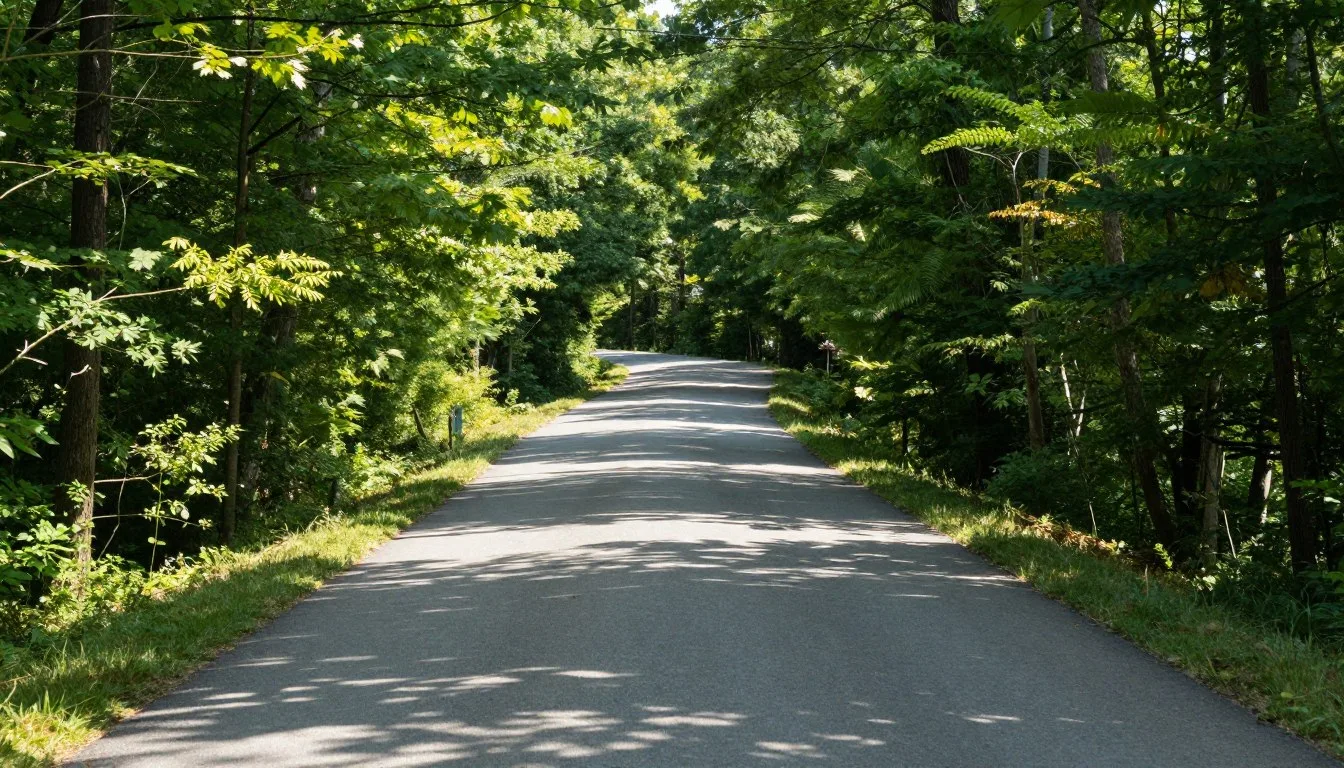
The final stretch of Flat Fork Road winds through beautiful forest and crosses several small bridges. Road conditions remain good year-round, though winter weather occasionally requires caution on the approach roads.
Location of Frozen Head State Park in Morgan County, Tennessee
Park Contact Information
For current conditions, trail status, or general inquiries, contact the park office:
The park office operates daily from 8:00 AM to 4:30 PM Central Time. Staff members provide helpful information about trail conditions, campsite availability, and current park programs.
Best Time to Visit and Weather Tips

Best Time to Visit Frozen Head State Park
Spring and fall emerge as the most rewarding seasons to explore Frozen Head State Park. These shoulder seasons offer comfortable temperatures, stunning natural beauty, and fewer crowds on the trail.
Recommended Months
- April through May – Wildflower blooms carpet the forest floor with color
- September through early November – Fall foliage reaches peak brilliance
- October specifically – Perfect hiking weather with temperatures around 18°C (65°F)
Months to Avoid or Approach with Caution
- July and August – Heat and humidity make strenuous hiking uncomfortable
- January and February – Ice on trails creates dangerous conditions
- March – Unpredictable weather with frequent rain and mud
Seasonal Weather Patterns
The park experiences four distinct seasons, each bringing unique character to the landscape. Spring temperatures range from 10°C to 21°C (50°F to 70°F), with frequent afternoon showers nourishing the emerging greenery. Summer heat pushes temperatures to 27°C to 32°C (80°F to 90°F), accompanied by high humidity that makes the forest feel like a steam bath.
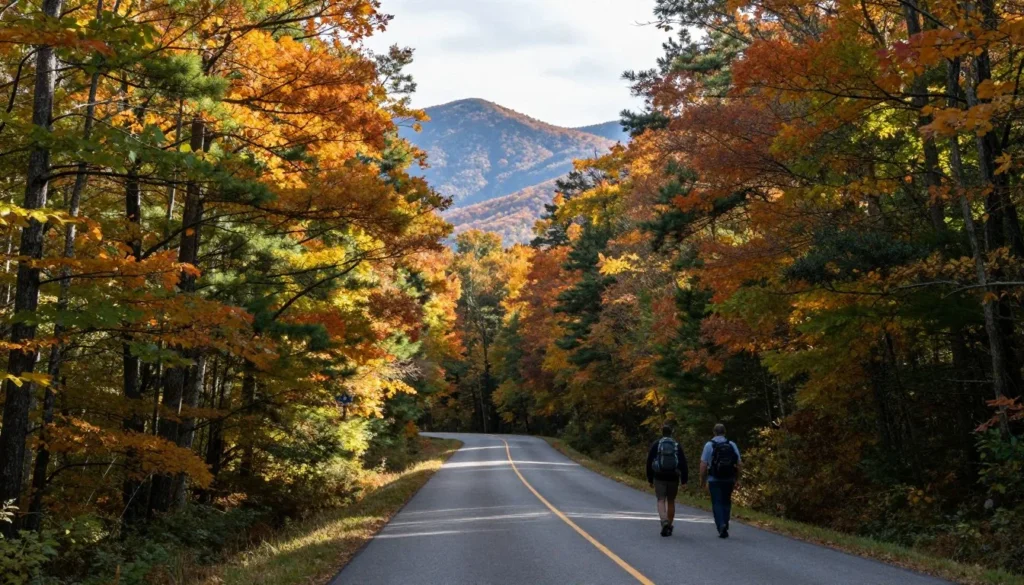
Fall brings relief with comfortable temperatures between 13°C and 24°C (55°F and 75°F). This season showcases the park at its most spectacular, as hardwood forests transform into a kaleidoscope of reds, oranges, and golds. Winter temperatures drop to -1°C to 10°C (30°F to 50°F), occasionally delivering snow that blankets the high peaks.
✓ Check 30,000+ Local Sightseeing Tours Worldwide
Weather Tip: Mountain weather changes rapidly at Frozen Head. Always pack layers, rain gear, and check forecasts before heading out on trails. Temperatures at higher elevations can be 6°C to 8°C (10°F to 15°F) cooler than at the campground.
Notable Annual Festivals
The park hosts several special events throughout the year that celebrate its natural beauty and outdoor heritage.
Barkley Marathons
This legendary ultra-marathon takes place each spring, typically in late March or early April. The event has gained worldwide fame as one of the most difficult running races on Earth. The course covers approximately 161 kilometers (100 miles) through the most rugged terrain in the park, with an elevation gain exceeding 18,000 meters (60,000 feet).
Only a handful of runners have ever completed the full course since the race began in 1986. While not a spectator-friendly event due to its remote nature, the Barkley Marathons have put Frozen Head on the map for adventure sports enthusiasts worldwide.
Wildflower Weekends
Tennessee state parks organize guided wildflower hikes during peak blooming season in April and May. Expert naturalists lead these walks, helping visitors identify dozens of native species carpeting the forest floor.
For information about scheduled wildflower programs, contact the park office at the number listed above. These popular programs often fill quickly, so early registration is recommended.
Getting Around Locally
Frozen Head State Park operates as a wilderness destination where visitors move primarily on foot along hiking trails. The park road provides vehicle access to key areas including the campground, picnic facilities, and various trailheads.
Park Road and Parking
A single paved road extends from the park entrance to the main facilities. This road ends at the campground, where the primary trailhead serves as the gateway to the backcountry trail system. Parking areas accommodate vehicles at the visitor center, picnic grounds, and campground.
During busy weekends in spring and fall, parking can fill up by mid-morning. Arriving early ensures you secure a spot and gives you more time to explore before afternoon weather changes.
Trail Access
Most trails begin from the upper parking area near the campground. A detailed trail map available at the visitor center shows all routes, distances, and difficulty ratings. Trail junctions feature color-coded markers that help with navigation, though carrying a physical map remains essential.
No shuttle services operate within the park. All hikes require either out-and-back routes or loop configurations. Cell phone coverage is unreliable throughout most of the park, so plan accordingly and inform someone of your hiking plans.
Where to Stay
Frozen Head State Park Campground
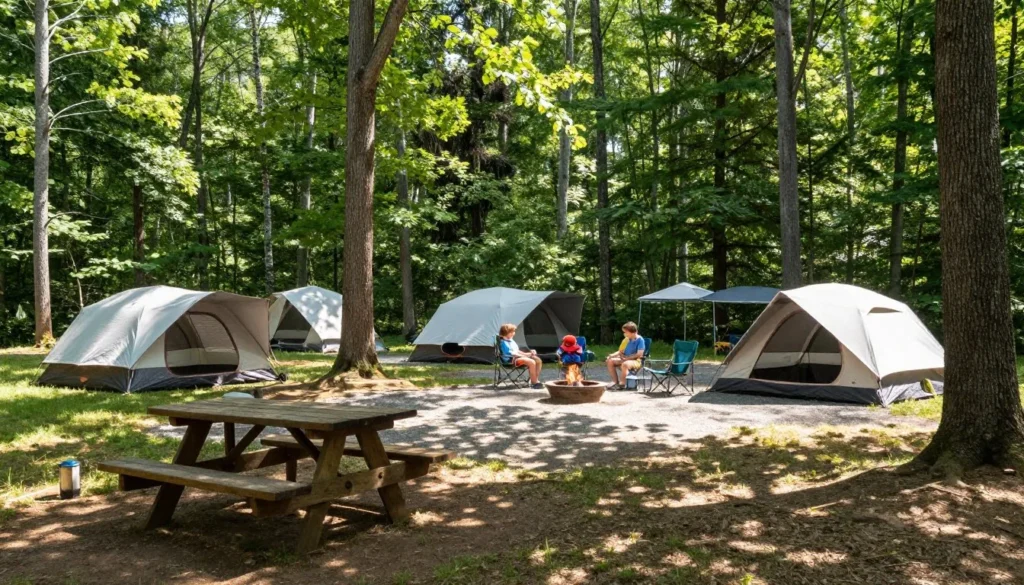
The park operates a developed campground with 20 campsites nestled in a peaceful hollow surrounded by mountains. Each campsite includes a picnic table, fire ring, and lantern post. The facility provides modern amenities while maintaining a rustic atmosphere that connects visitors with nature.
Sites accommodate both tents and recreational vehicles up to 9 meters (30 feet) in length. However, no hookups for electricity or water are available at individual sites. A central bathhouse features hot showers and restrooms, and a dump station serves RV campers.
Campground Reservations
Reservations are strongly recommended, especially during spring wildflower season and fall foliage peak. The Tennessee State Parks reservation system handles bookings up to one year in advance.
Camping fees range from $20 to $25 per night depending on the season. Annual Tennessee State Parks passes provide discounts on camping fees for frequent visitors.
Nearby Lodging Options
Visitors preferring indoor accommodations find several options in the surrounding area. The town of Wartburg, located 8 kilometers (5 miles) from the park entrance, offers basic motels and bed-and-breakfast establishments.
For more extensive lodging choices, Oak Ridge lies approximately 32 kilometers (20 miles) east, providing numerous chain hotels and restaurants. Knoxville, about 80 kilometers (50 miles) away, features the full range of accommodations from budget motels to luxury hotels.
Backcountry Camping
Adventurous backpackers can arrange primitive camping at designated backcountry sites. These remote locations require hiking several miles into the wilderness. All backcountry camping requires a free permit obtained from the park office.
Backcountry sites provide no facilities. Campers must practice Leave No Trace principles, carrying out all trash and properly storing food away from wildlife. Water sources exist along most trails, but all water requires treatment before drinking.
Dining and Local Cuisine
Frozen Head State Park contains no restaurants or food concessions. Visitors should pack all meals and snacks for their visit. The nearest dining options are found in Wartburg and surrounding communities.
Picnic Facilities
The park maintains several picnic areas equipped with tables and grills. These shaded spots provide perfect locations for enjoying packed lunches surrounded by nature. The main picnic area near the visitor center offers the most tables and includes a large pavilion available for group gatherings.
Smaller picnic spots are scattered throughout the park along the main road. These intimate locations offer quieter settings for families seeking peaceful meal times away from busier areas.
Dining in Wartburg
The town of Wartburg offers typical small-town American dining. Several local restaurants serve home-style Southern cooking, barbecue, and classic diner fare. Grocery stores provide supplies for those planning to cook at their campsite or prepare trail lunches.
Local specialties include traditional Tennessee barbecue, country-style breakfast with biscuits and gravy, and Southern sides like fried okra and collard greens. Several family-owned restaurants have served the community for generations, offering authentic regional flavor.
Food and Supplies
Stock up on groceries and camping supplies before arriving at the park. Wartburg has supermarkets and convenience stores carrying essentials. For specialty outdoor foods or camping gear, shops in Oak Ridge or Knoxville provide more extensive selections.
Important: Bring a cooler with ice for perishable foods. Store all food items properly at your campsite to avoid attracting wildlife. Use bear-proof containers for backcountry trips.
Attractions, Sightseeing and Activities
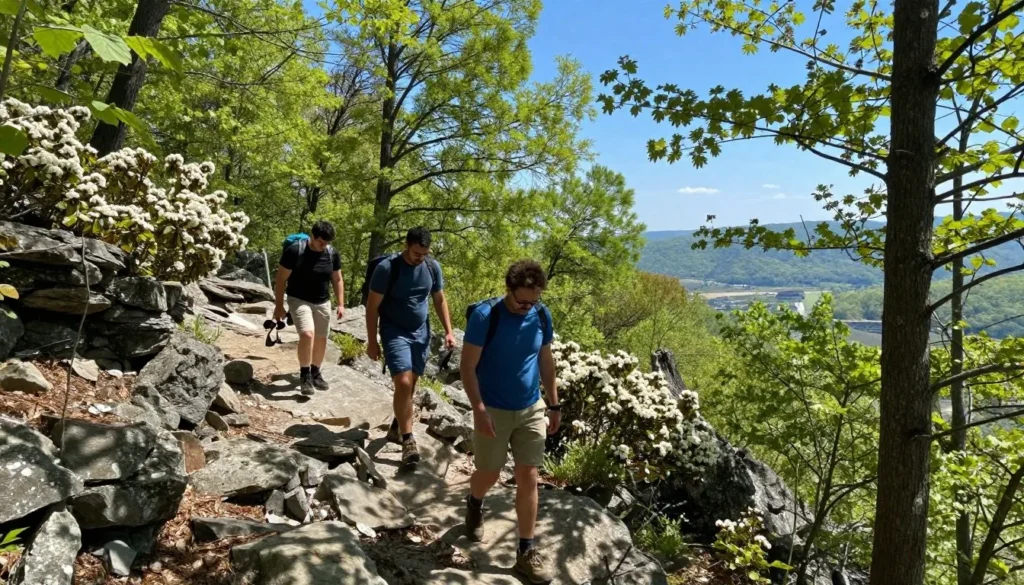
Frozen Head State Park delivers extraordinary outdoor experiences centered on hiking, nature observation, and wilderness exploration. The park’s extensive trail system ranges from easy forest walks to extremely challenging mountain ascents.
Hiking Trail System
More than 80 kilometers (50 miles) of marked trails wind through the park, creating endless combinations for day hikes and backpacking adventures. The trail network showcases the diverse ecosystems of the Cumberland Plateau, from creek valleys to high mountain ridges.
Panther Branch Trail
This moderate 3.2-kilometer (2-mile) trail follows a beautiful creek through a lush valley. The path leads to a small waterfall and offers excellent wildflower viewing in spring. Families with children find this trail accessible and rewarding, with interesting creek features keeping young hikers engaged.
The trail begins near the campground and climbs gradually through rhododendron thickets. Several creek crossings require careful footing on stepping stones, adding a touch of adventure without serious difficulty.
Old Mac Mountain Trail
Serious hikers seeking a challenge tackle the Old Mac Mountain Trail, which ascends to one of the park’s highest peaks. The 16-kilometer (10-mile) round trip gains over 914 meters (3,000 feet) of elevation, testing endurance and determination.
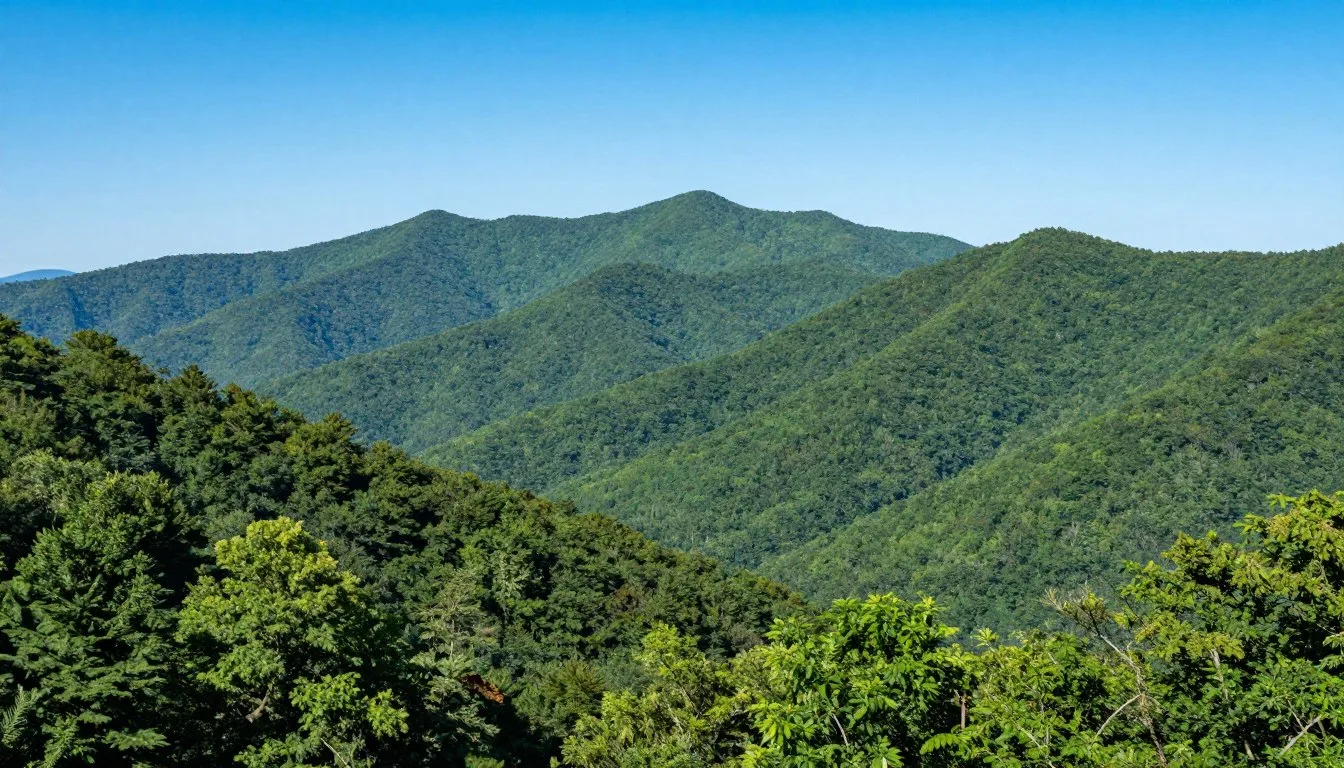
Summit views reward the strenuous climb with panoramic vistas across the Cumberland Plateau. On clear days, hikers can see mountain ranges extending into Kentucky and North Carolina. The trail passes through multiple forest zones, showcasing different tree species adapted to various elevations.
Emory Gap Falls Trail
A relatively short 2.4-kilometer (1.5-mile) hike leads to Emory Gap Falls, a scenic cascade tumbling over rocky ledges. The trail follows an old road grade before narrowing to a footpath near the falls. This moderate route suits most fitness levels and provides a satisfying destination.
The falls flow most impressively during spring and after heavy rains. In drier summer months, the waterfall reduces to a trickle, though the shaded forest walk remains pleasant. The area around the falls features interesting rock formations and moss-covered boulders.

Flat Fork Ridge Trail
This challenging route combines sections of several trails to create a strenuous loop covering approximately 13 kilometers (8 miles). The path climbs to the Flat Fork Ridge, offering occasional views through the forest canopy. Advanced hikers appreciate the solitude found on this less-traveled route.
The trail traverses remote sections of the park where wildlife sightings become more common. Deer, wild turkey, and various bird species inhabit these quiet forests. Spring brings colorful warblers and other migratory birds to the area.
Peak Bagging
The park contains numerous named peaks, creating opportunities for peak-bagging enthusiasts. The highest point, Frozen Head itself, reaches 1,012 meters (3,324 feet) above sea level. Other notable summits include Bird Mountain, Chimney Top, and Coffin Spring.
Reaching multiple peaks often requires combining several trails and covering significant distances. These adventures suit experienced hikers comfortable with navigation and prepared for full-day excursions in rugged terrain.
Observation Tower
A fire tower once stood atop Frozen Head Mountain, providing sweeping views across the region. While the tower no longer exists, the summit clearing still offers impressive panoramas. The hike to reach this high point challenges even fit hikers, requiring an ascent of more than 1,219 meters (4,000 feet) from the trailhead.
Museums, Cultural Spots and Festivals
Brushy Mountain State Penitentiary
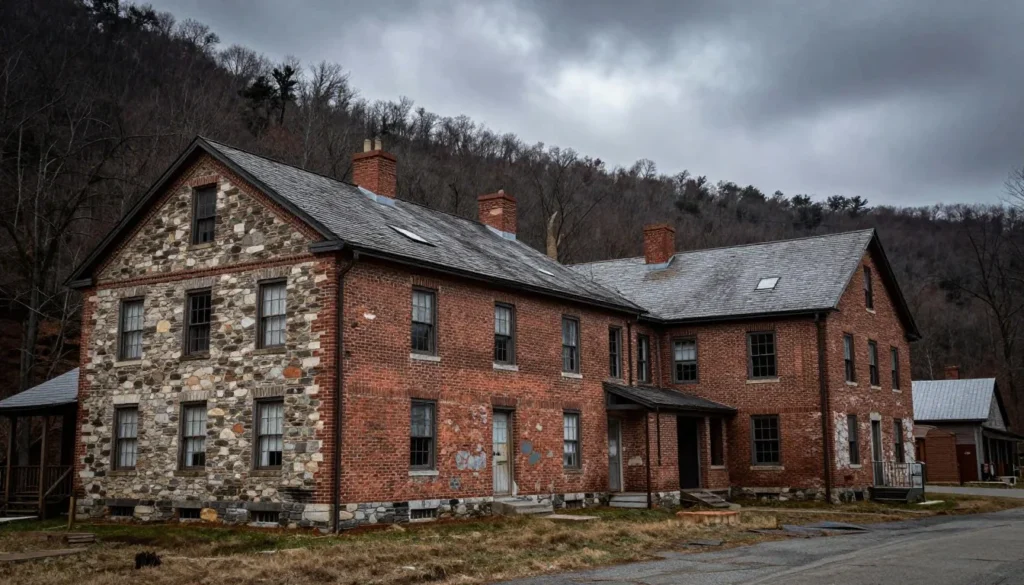
Just minutes from Frozen Head State Park sits one of Tennessee’s most fascinating historical sites. Brushy Mountain State Penitentiary operated as a maximum-security prison from 1896 until 2009. The facility once housed some of the state’s most notorious criminals and gained fame when James Earl Ray, the assassin of Dr. Martin Luther King Jr., briefly escaped from its walls in 1977.
Today, the prison operates as a museum and tourist attraction. Guided tours lead visitors through cell blocks, the cafeteria, and exercise yards while sharing stories of prison life and famous inmates. The experience provides a sobering look at the criminal justice system and life behind bars.
The site also features a restaurant and distillery in the former prison buildings, creating a unique dining experience within historic walls. Events like live music performances and special history programs draw visitors throughout the year.
Morgan County Heritage
The surrounding area carries rich Appalachian heritage. Small museums and historical societies in Wartburg preserve artifacts and stories from early settlers, coal mining operations, and mountain culture. These modest collections offer insights into the challenges and triumphs of mountain communities.
Annual Events in the Region
Local communities celebrate their heritage through various festivals. The Wartburg Homecoming typically occurs in early October, featuring craft demonstrations, traditional music, and local food vendors. This family-friendly event showcases mountain crafts and provides opportunities to meet local artisans.
Oak Ridge hosts the Secret City Festival each June, commemorating the city’s role in the Manhattan Project during World War II. The event includes historical reenactments, period music, and tours of preservation sites.
Nature and Outdoor Experiences
Flora and Fauna
Frozen Head State Park protects one of the most biodiverse forest ecosystems in Tennessee. The park’s elevation range creates distinct ecological zones, each supporting unique plant and animal communities.
Wildflowers
Spring transforms the forest floor into a botanical wonderland. More than 300 wildflower species bloom throughout the park, with peak displays occurring from mid-April through May. Trilliums, lady slippers, wild iris, and countless other species create carpets of color beneath the forest canopy.
Rare and endangered plant species find refuge in the park’s protected environment. Botanists and wildflower enthusiasts travel from across the country to observe this exceptional diversity.
Trees and Forest Types
The Cumberland Plateau supports magnificent forest communities. Lower elevations feature mixed hardwoods including oak, hickory, tulip poplar, and maple. Higher slopes transition to pine and hemlock, with some old-growth stands surviving in remote areas.
Fall foliage rivals any autumn display in the eastern United States. The variety of tree species creates a painter’s palette of colors from late September through early November. Peak color typically occurs in mid-October.

Wildlife
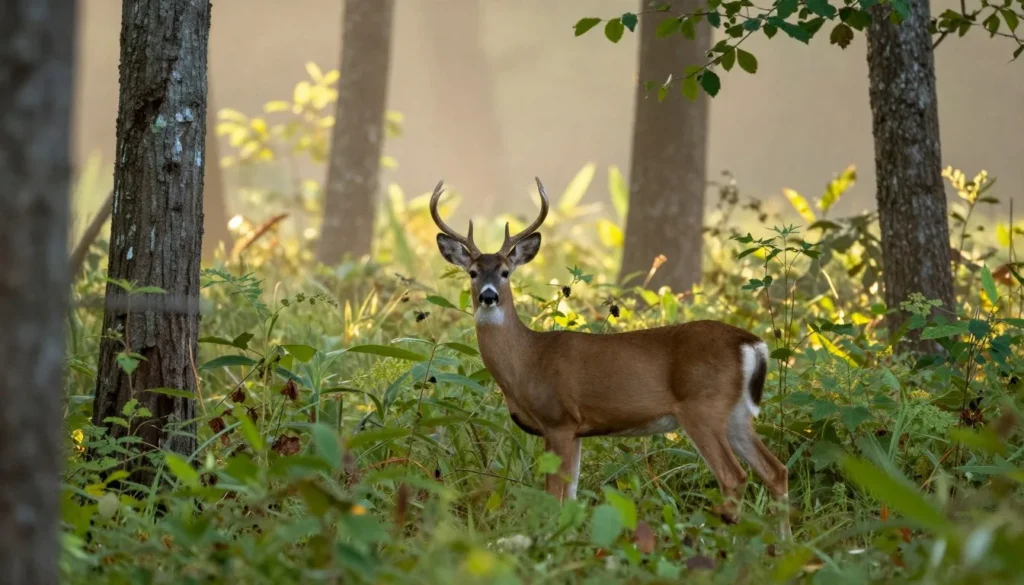
White-tailed deer, black bears, wild turkeys, and numerous smaller mammals call the park home. Bear sightings occur occasionally, though these shy animals typically avoid human contact. Proper food storage at campsites prevents negative wildlife encounters.
Bird diversity attracts ornithologists and casual observers alike. More than 150 bird species have been recorded in the park. Spring and fall migrations bring warblers, vireos, and other songbirds through the area. Year-round residents include pileated woodpeckers, barred owls, and wild turkeys.
Waterfalls and Water Features
Numerous creeks cascade down the steep mountain slopes, creating scenic waterfalls. Emory Gap Falls and DeBord Falls rank among the most accessible and photogenic. Many smaller unnamed cascades reward hikers who venture onto less-traveled trails.
Flat Fork Creek flows through the heart of the park, providing the soothing sound of rushing water throughout the campground and lower trail areas. The creek swells during spring rains, creating impressive displays of water power.
Mountain Biking
While most trails remain closed to bicycles to protect the hiking experience and prevent erosion, the park does allow mountain biking on designated routes. The Flat Fork Road and certain fire roads provide challenging riding through beautiful forest settings.
✓ Check 30,000+ Local Sightseeing Tours Worldwide
Bikers should check current regulations at the visitor center, as trail designations sometimes change. Always yield to hikers and practice responsible trail etiquette.
Photography Opportunities

Photographers find endless subjects throughout the park. Sunrise and sunset from high ridges create spectacular lighting. Wildflower season provides macro photography opportunities, while fall foliage and winter scenes suit landscape work.
The park’s relative obscurity means photographers often have scenic locations entirely to themselves. This solitude allows for patient composition and eliminates the crowds that plague more famous destinations.
Travel With Children
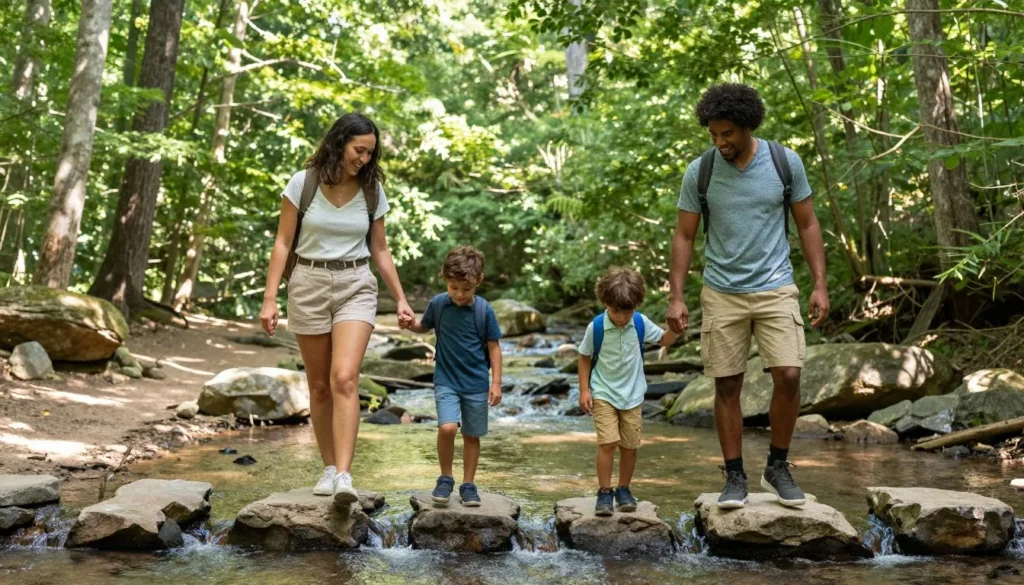
Frozen Head State Park welcomes families, though the challenging terrain requires realistic planning based on children’s ages and abilities. Several options suit family adventures while keeping young hikers safe and engaged.
Family-Friendly Trails
The Panther Branch Trail provides the best introduction for families. The moderate distance and creek features hold children’s attention without overwhelming their stamina. Kids enjoy hopping across stepping stones and watching for small fish and salamanders in the clear water.
Short nature walks near the campground offer easier options for very young children. These paths explore the immediate forest environment without venturing far from facilities.
Camping with Kids
The developed campground provides a perfect base for family camping adventures. Modern bathhouses ease the camping experience for families new to outdoor recreation. The proximity of campsites creates a friendly community atmosphere where children often make new friends.
Evening campfires, stargazing, and listening to night sounds teach children to appreciate nature’s rhythms. Bring flashlights for after-dark bathroom trips and simple games to play around the campfire.
Safety Considerations
Keep children close on trails and establish clear rules about staying on marked paths. The steep terrain and numerous cliffs create genuine hazards for unsupervised exploration. Equip older children with whistles to use if separated from the group.
Pack extra snacks and water, as children consume more than expected during active hiking. Frequent breaks prevent exhaustion and maintain positive attitudes about outdoor recreation.
Educational Opportunities
The park offers excellent opportunities to teach children about forest ecology, geology, and wildlife. Bring field guides for identifying wildflowers, trees, and birds. Simple nature scavenger hunts keep kids engaged while teaching observation skills.
Many children find the history of the Barkley Marathons fascinating. Sharing stories about the extreme race helps them appreciate the challenging landscape in a new way.
Money Saving Tips
Outdoor recreation at Frozen Head State Park naturally costs less than many vacation options. These additional strategies help minimize expenses while maximizing experiences.
Free Park Access
Tennessee state parks do not charge entrance fees for day use. Visitors can hike all trails, use picnic facilities, and enjoy the park without paying admission. This policy makes outdoor recreation accessible to everyone regardless of budget.
Camping Value
At approximately $20 to $25 per night, camping costs far less than hotel rooms. A family of four can camp comfortably for the price of a single budget motel room. The camping experience also eliminates restaurant expenses as meals cook over the campfire or camp stove.
Pack Your Own Food
Bringing all food from home represents the single biggest cost savings. Shop at regular grocery stores before the trip rather than paying convenience store prices in Wartburg. Plan simple meals that require minimal cooking equipment and preparation time.
Visit During Shoulder Seasons
While peak seasons offer optimal weather and scenery, shoulder season visits reduce camping fees and avoid crowds. Early spring and late fall provide pleasant conditions at lower costs. The park shines in every season, making off-peak visits rewarding.
Annual Park Pass
Frequent visitors to Tennessee state parks save money with an annual pass. The pass covers camping discounts and additional benefits. Families planning multiple state park visits throughout the year quickly recoup the pass cost.
Free Entertainment
Nature provides free entertainment. Hiking costs nothing beyond proper footwear. Wildlife watching, wildflower identification, photography, and stargazing deliver memorable experiences without entry fees or tickets.
Safety and Local Customs
Wilderness Safety
Frozen Head State Park presents real wilderness challenges requiring proper preparation and respect. The rugged terrain, weather variability, and remote locations demand careful planning.
Trail Safety Basics
- Carry detailed trail maps and know how to use them
- Bring more water than you think necessary
- Tell someone your hiking plans and expected return time
- Stay on marked trails to avoid getting lost
- Turn back if weather deteriorates or you feel unsure
Weather Preparedness
Mountain weather changes rapidly and without warning. Sunny mornings can transform into afternoon thunderstorms within hours. Always pack rain gear regardless of the forecast. Lightning poses serious danger on exposed ridges and peaks.
Winter conditions create special hazards. Ice on trails makes hiking treacherous, and snow can obscure trail markers. Hypothermia threatens unprepared hikers even in moderately cold temperatures when combined with wet conditions and wind.
Wildlife Encounters
Black bears inhabit the park, though sightings remain relatively uncommon. If you encounter a bear, remain calm and back away slowly while facing the animal. Never run or make sudden movements. Make noise while hiking to avoid surprising bears.
Store all food properly at campsites using bear-proof containers or hanging methods. Never keep food, toiletries, or scented items in tents overnight. Proper food storage protects both campers and wildlife.
Venomous snakes including copperheads and timber rattlesnakes live in the park. Watch where you step and place your hands when scrambling over rocks. Most snake encounters occur when people accidentally get too close. Give snakes space and they will retreat.
Emergency Contact: Cell phone service is unreliable in most of the park. In emergencies, try to reach higher ground where signals may be stronger. The nearest hospital is in Oak Ridge, approximately 45 minutes from the park. For life-threatening emergencies, call 911.
Leave No Trace Principles
Frozen Head State Park relies on visitors practicing Leave No Trace ethics to preserve its wild character. Pack out all trash, including small items like food wrappers and tissues. Stay on established trails to prevent erosion and protect fragile plant communities.
Camp only in designated sites in the campground or at established backcountry locations. Campfires should occur only in provided fire rings. Completely extinguish fires before leaving campsites or going to sleep.
Local Customs and Etiquette
East Tennessee mountain communities value politeness and friendliness. Greet fellow hikers on trails with a simple hello or nod. Yield to uphill hikers on narrow trails. Keep noise levels moderate at campsites to respect other visitors seeking peaceful nature experiences.
The surrounding rural communities appreciate visitors who respect local property and follow traffic laws on country roads. Small towns operate at a slower pace than urban areas. Patience and courtesy go a long way in interactions with local residents and park staff.
Visitor Comments About Frozen Head State Park
“The trail system at Frozen Head challenged me like nothing else. Every climb revealed new vistas, and the solitude on the backcountry routes made me feel truly immersed in wilderness. The spring wildflowers exceeded all expectations. This park deserves recognition as one of Tennessee’s finest outdoor destinations.”
“Our family discovered Frozen Head while visiting relatives in Oak Ridge. The campground provided everything we needed, and the staff offered excellent advice about trails suitable for our children. Watching fireflies from our campsite and hearing the creek at night created magical memories. We plan to return every autumn to see the fall colors.”
“As an avid trail runner training for mountain ultras, Frozen Head became my favorite training ground. The elevation gains build strength better than any gym workout. The trails are well-maintained yet challenging, and the forest scenery never gets boring. Learning about the Barkley Marathons inspired me to push my limits. This park truly tests and rewards outdoor enthusiasts.”
Additional Nearby Destinations
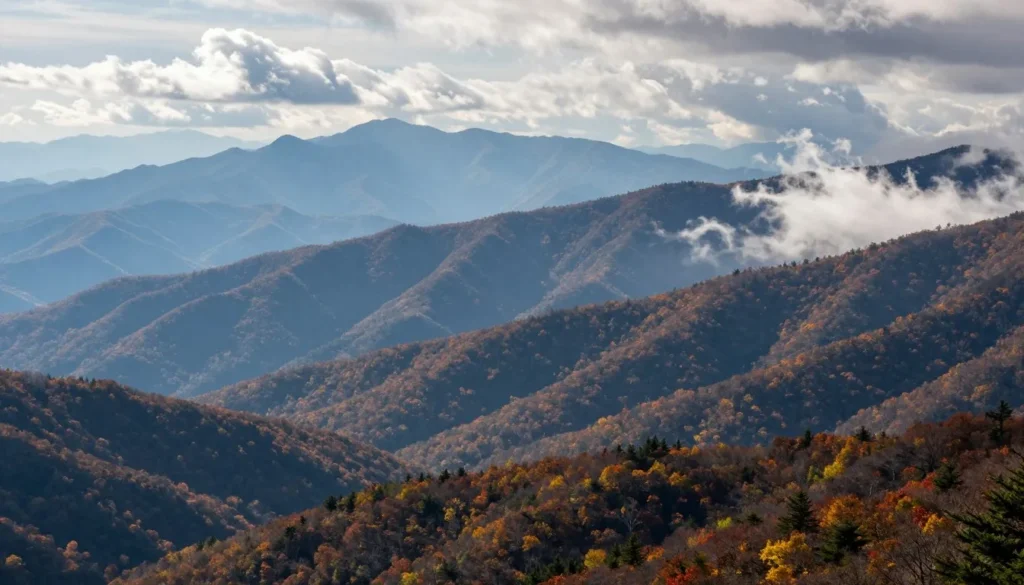
Great Smoky Mountains National Park
America’s most-visited national park lies approximately 113 kilometers (70 miles) southeast of Frozen Head. The Great Smoky Mountains offer hundreds of miles of hiking trails, historic structures, and unparalleled biodiversity. Combine visits to both parks for an extended Tennessee mountain adventure.
Big South Fork National River and Recreation Area
Located roughly 64 kilometers (40 miles) northwest, Big South Fork protects spectacular river gorges, natural arches, and historical sites. The area features excellent hiking, horseback riding, and whitewater opportunities. Day trips from Frozen Head easily reach this diverse recreation area.
Cumberland Gap National Historical Park
This historic mountain pass, where pioneers crossed into Kentucky, sits about 97 kilometers (60 miles) northeast of Frozen Head. The park interprets the history of westward expansion while offering hiking trails and scenic drives through beautiful mountain country.
Knoxville
Tennessee’s third-largest city provides urban amenities, museums, restaurants, and shopping. The Market Square area features local eateries and entertainment. The University of Tennessee campus adds collegiate energy. Knoxville makes a convenient base for exploring multiple state and national parks in the region.
Oak Ridge
The Secret City’s fascinating World War II history comes alive at the American Museum of Science and Energy. Tours of Oak Ridge National Laboratory (when available) provide glimpses into cutting-edge research. The town offers convenient lodging and services near Frozen Head.
Obed Wild and Scenic River
Rock climbers and paddlers flock to the Obed River gorges, located about 48 kilometers (30 miles) from Frozen Head. The area contains some of the Southeast’s best rock climbing routes. Scenic overlooks provide spectacular views even for non-climbers.
Practical Travel Tips
What to Pack
Essential Hiking Gear
- Sturdy hiking boots with good ankle support and tread
- Moisture-wicking clothing in layers
- Rain jacket and pants regardless of forecast
- Hat and sunglasses for sun protection
- Daypack large enough for water, food, and extra layers
- Water bottles or hydration system with 2-3 liter capacity
- Trail snacks and lunch for day hikes
- First aid kit with blister treatment supplies
- Map, compass, and GPS device or phone with downloaded maps
- Headlamp or flashlight with extra batteries
Camping Essentials
- Tent with rainfly and ground cloth
- Sleeping bags rated for expected temperatures
- Sleeping pads for insulation and comfort
- Camp stove and fuel for cooking
- Cookware, utensils, and dishes
- Cooler with ice for perishable food
- Firewood or gather on-site where permitted
- Camp chairs for relaxing around the fire
- Lantern for campsite lighting
- Toiletries and towels for the bathhouse
Physical Preparation
Frozen Head’s steep trails challenge even experienced hikers. Begin training several weeks before your visit if you plan strenuous hikes. Focus on building leg strength and cardiovascular endurance. Practice hiking with a loaded pack to prepare for backcountry trips.
Start with shorter, easier trails to assess your fitness level before attempting longer or more difficult routes. There is no shame in turning back if a trail proves too challenging. The mountains will be there for future visits.
Navigation Skills
While major trails feature good marking, backcountry routes require solid navigation skills. Learn to read topographic maps and use a compass before venturing onto remote trails. GPS devices and phone apps provide helpful backup, but always carry paper maps.
Trail junctions sometimes lack clear signage. Pay attention to blazes and landmarks to avoid wrong turns. Taking photos at junctions helps you recognize the correct route on your return.
Water Treatment
All natural water sources require treatment before drinking. The park’s streams may contain harmful microorganisms despite appearing clean. Carry water filters, purification tablets, or plan to boil water for at least one minute. Dehydration poses serious risks, so prioritize safe water access.
Permits and Regulations
Day hiking requires no permits. Backcountry camping requires free permits obtained at the park office. Campground reservations should be made well in advance for peak seasons. Dogs are permitted on trails but must remain leashed at all times.
Collecting plants, rocks, or other natural objects is prohibited. Leave everything for future visitors to enjoy. Drone flights require special permission and are generally not permitted in state parks.
Best Resources
The Tennessee State Parks website provides current information about Frozen Head including alerts, closures, and upcoming programs. Trail condition reports help plan safe hikes. Weather forecasts specific to the Cumberland Plateau give more accurate predictions than regional forecasts.
Local hiking clubs and online forums share recent trip reports and photos. These resources offer valuable insights from experienced visitors familiar with the park’s trails and conditions.
Your Frozen Head Adventure Awaits
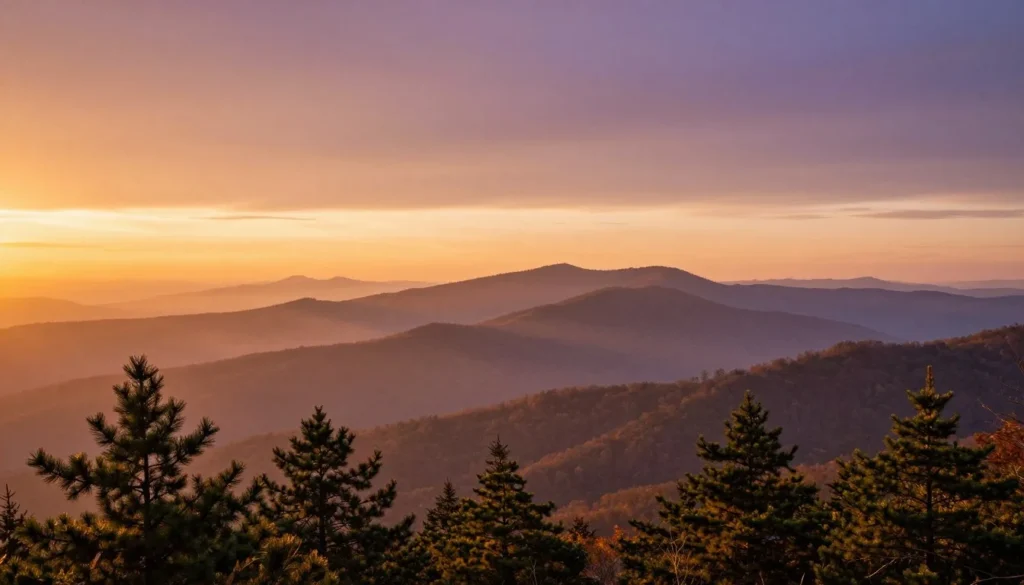
Frozen Head State Park stands as a testament to Tennessee’s commitment to preserving wild places for future generations. This remarkable landscape offers challenges and rewards that few destinations can match. Whether you seek the solitude of remote peaks, the beauty of spring wildflowers, or the simple pleasure of a family camping trip, Frozen Head delivers authentic mountain experiences.
The park’s trails wind through some of the most pristine forest remaining in the Cumberland Plateau. Each season paints the landscape in new colors and reveals different aspects of this complex ecosystem. Every visit uncovers new wonders, from hidden waterfalls to unexpected wildlife encounters.
Beyond the physical beauty, Frozen Head teaches valuable lessons about self-reliance, perseverance, and our connection to the natural world. The steep climbs test your limits while the summit views remind you why the effort matters. The quiet evenings at the campground restore perspective in our too-busy modern lives.
Start planning your Frozen Head adventure today. Study the trail maps, mark your calendar for wildflower season or fall colors, and make those campground reservations. The mountains are calling, and these ancient peaks have stories to share with everyone willing to venture onto their trails. Your journey into Tennessee’s wilderness begins with a single step onto a Frozen Head trail.