Hotels by Trip.com
Flights by Trip.com
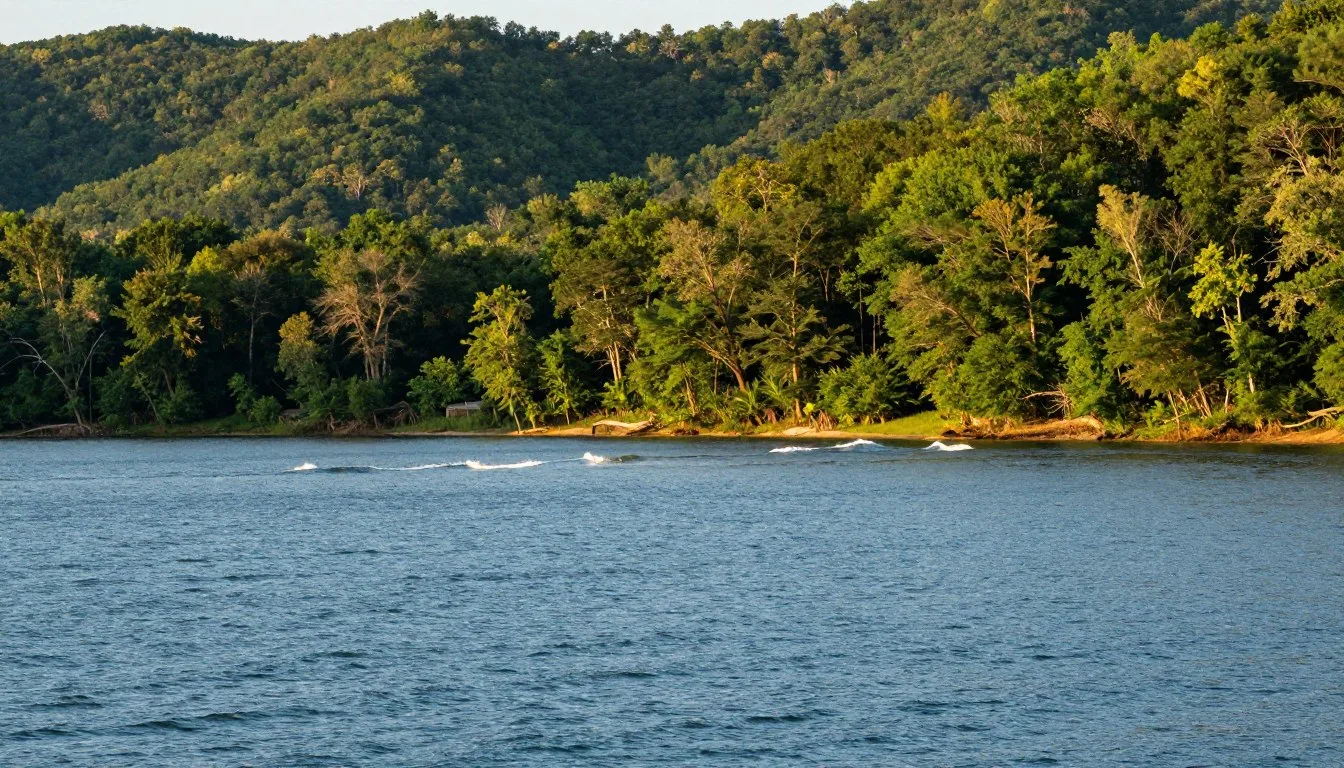
Nestled along the Tennessee River, this hidden gem hosts over 50,000 visitors each year who discover its unique blend of natural beauty and outdoor adventure. The area takes its name from the historic practice of local farmers grazing goats on the island, a tradition that shaped the region’s character for generations.
This comprehensive guide unlocks everything you need to plan an unforgettable journey to this remarkable destination. Whether you seek peaceful camping under starlit skies, challenging trail adventures, or family-friendly activities, you’ll find expert insights to make your trip exceptional.
From pristine waterways perfect for fishing to scenic trails winding through diverse landscape, this region offers experiences that connect you with Tennessee’s natural heritage. Local communities welcome travelers with warm hospitality, delicious regional cuisine, and countless opportunities to create lasting memories.
Getting There and Planning Your Journey
Reaching this beautiful destination located near the Tennessee River proves straightforward with multiple transportation options. The area sits within easy driving distance of several major cities, making it accessible for weekend getaways and extended vacations alike.
The closest major airport is Chattanooga Metropolitan Airport, positioned approximately 32 kilometers (20 miles) from the region. This facility handles numerous daily flights from major United States hubs. Nashville International Airport, located 193 kilometers (120 miles) northwest, offers additional flight options and rental car services for travelers.
Driving Directions
Most visitors reach the area by personal vehicle via well-maintained highways. From Chattanooga, take Interstate 75 north before connecting to local county road networks. Clear signage guides travelers through the final miles of the journey.
Parking facilities accommodate visitors throughout the region. The main access points provide ample space for standard vehicles, RVs, and trailers during peak seasons.
Travel Time Estimates
From downtown Chattanooga, expect a scenic 35-minute drive through rolling Tennessee landscape. Nashville travelers should plan approximately two hours and thirty minutes for the journey. Atlanta visitors face roughly a two-hour drive north.
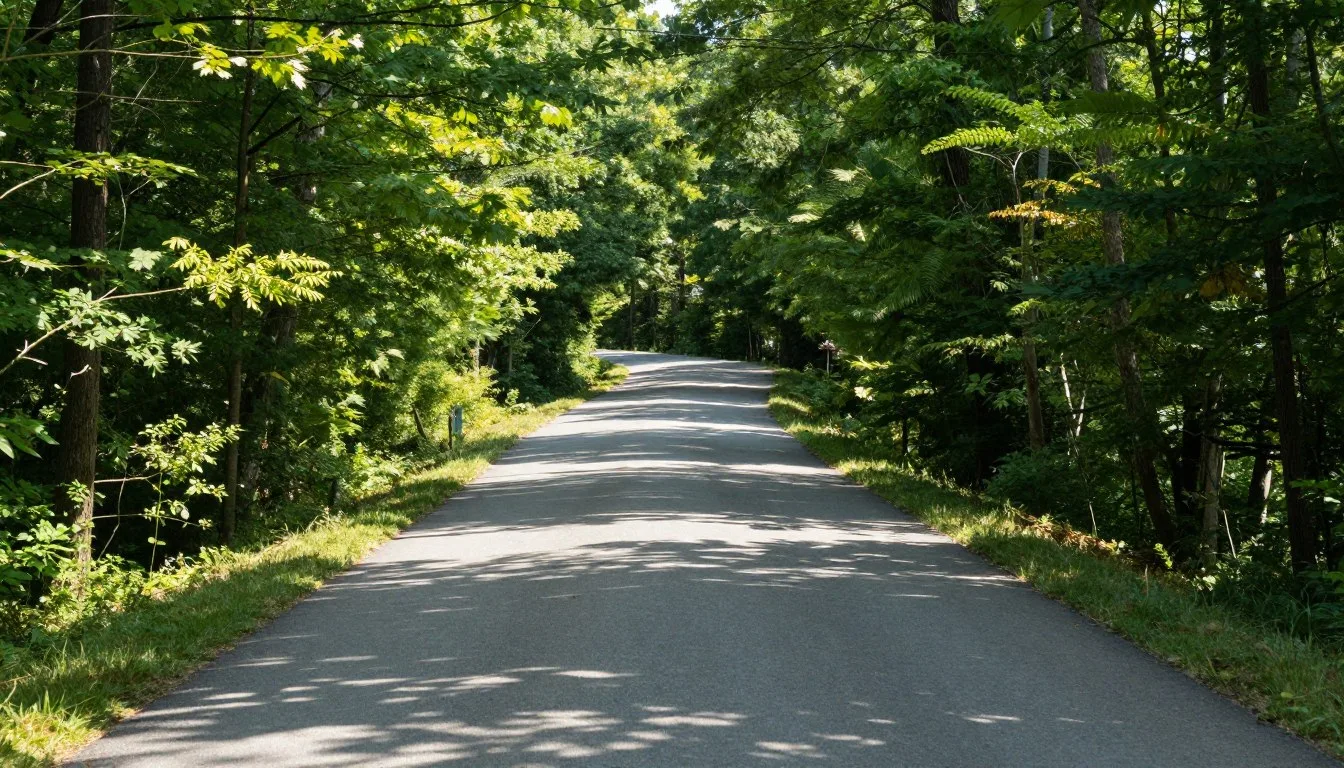
Interstate highways provide smooth travel, while county road sections showcase beautiful rural scenery. Plan extra time during autumn months when colorful foliage attracts additional tourists to the region.
Visitor Information Center
Stop by the regional visitor center for maps, current trail conditions, and local recommendations. Staff members provide valuable insights about seasonal activities and hidden spots worth exploring during your stay.
Best Time to Visit and Weather Tips
Understanding seasonal patterns helps maximize your experience in this Tennessee River region. Each season brings distinct advantages, from vibrant spring wildflowers to peaceful winter solitude along the water.
Best Time to Visit Goat Island
Spring months from April through May offer ideal conditions for outdoor exploration. Temperatures range from 15°C to 24°C (59°F to 75°F), creating comfortable hiking and camping weather. Wildflowers bloom across trails, while trees display fresh green foliage throughout the area.
Fall presents equally appealing conditions from September through October. Daytime temperatures hover around 18°C to 26°C (64°F to 79°F), while autumn colors transform the landscape into a spectacular display. This season attracts many visitors seeking photography opportunities and pleasant trail conditions.
Summer months from June through August bring warmth perfect for water activities. Expect temperatures between 24°C and 32°C (75°F and 90°F), with occasional afternoon thunderstorms. Early morning and evening hours provide the most comfortable times for hiking during these months.
Seasons to Approach Cautiously
Winter months from December through February present challenges for casual visitors. Temperatures drop to 1°C to 10°C (34°F to 50°F), with occasional freezing conditions affecting trail safety. Some facilities reduce operating hours or close entirely during this period.
Late July through early August experiences peak heat and humidity. Outdoor activities become less enjoyable during midday hours, though water-based recreation remains popular. Mosquitoes and other insects reach their highest populations during these weeks.
Monthly Weather Patterns
| Month | Average High | Average Low | Rainfall | Visitor Activity |
| March | 17°C (63°F) | 6°C (43°F) | 127 mm (5 in) | Moderate |
| April | 22°C (72°F) | 11°C (52°F) | 114 mm (4.5 in) | High |
| May | 27°C (81°F) | 16°C (61°F) | 102 mm (4 in) | Very High |
| September | 28°C (82°F) | 18°C (64°F) | 89 mm (3.5 in) | High |
| October | 23°C (73°F) | 12°C (54°F) | 76 mm (3 in) | Very High |
Pack layers regardless of season, as temperature fluctuations occur throughout each day. Waterproof jackets prove essential during spring and summer months when afternoon showers develop quickly across the region.
Notable Annual Festivals
The Tennessee River region celebrates its heritage through vibrant community events throughout the year. These festivals showcase local culture, outdoor recreation, and regional traditions that define this unique area.

Spring River Festival
Held annually in May, this celebration brings together outdoor enthusiasts for paddling events, fishing tournaments, and environmental education programs. Local vendors offer handcrafted items, while food stalls serve traditional Tennessee cuisine. The festival typically runs the second weekend of May along the riverbanks.
Autumn Heritage Days
October welcomes visitors to experience regional history through demonstrations of traditional crafts, storytelling sessions, and historical reenactments. This family-friendly event occurs during peak fall foliage, combining natural beauty with cultural experiences. Activities span three days in mid-October.
Summer Trail Challenge
Adventure seekers gather each July for organized hikes, trail running events, and outdoor skill workshops. Participants choose from multiple difficulty levels, making this event accessible to various fitness capabilities. The challenge raises funds for trail maintenance and conservation work.
Festival Information
For current festival dates and participation details, contact the regional tourism office. Event schedules may vary year to year based on weather conditions and local community calendars.
Getting Around Locally
Navigation within this Tennessee River area requires personal transportation for maximum flexibility. The region’s rural character means public transit options remain limited, though this creates opportunities for scenic drives through beautiful landscape.
Personal vehicles provide the most practical means of exploring multiple sites throughout your visit. Well-maintained county road networks connect camping areas, trailheads, and local communities. Road conditions generally remain excellent except during winter weather events.
Driving Considerations
Speed limits on county road sections range from 48 to 72 kilometers per hour (30 to 45 miles per hour). Watch for wildlife crossing during dawn and dusk hours, particularly deer that frequent the area. Cell phone coverage proves reliable near population centers but weakens in remote sections.
Parking areas accommodate standard vehicles easily. Larger RVs and trailers require attention to designated spaces with adequate turning radius. Most popular trailheads offer free parking, though spaces fill quickly on weekend mornings during peak season.
Alternative Transportation
Bicycle enthusiasts find suitable riding along less-traveled county road options. Some trails accommodate mountain bikes, offering different perspectives of the region. Local outfitters rent bicycles during warm months for those traveling without their own equipment.
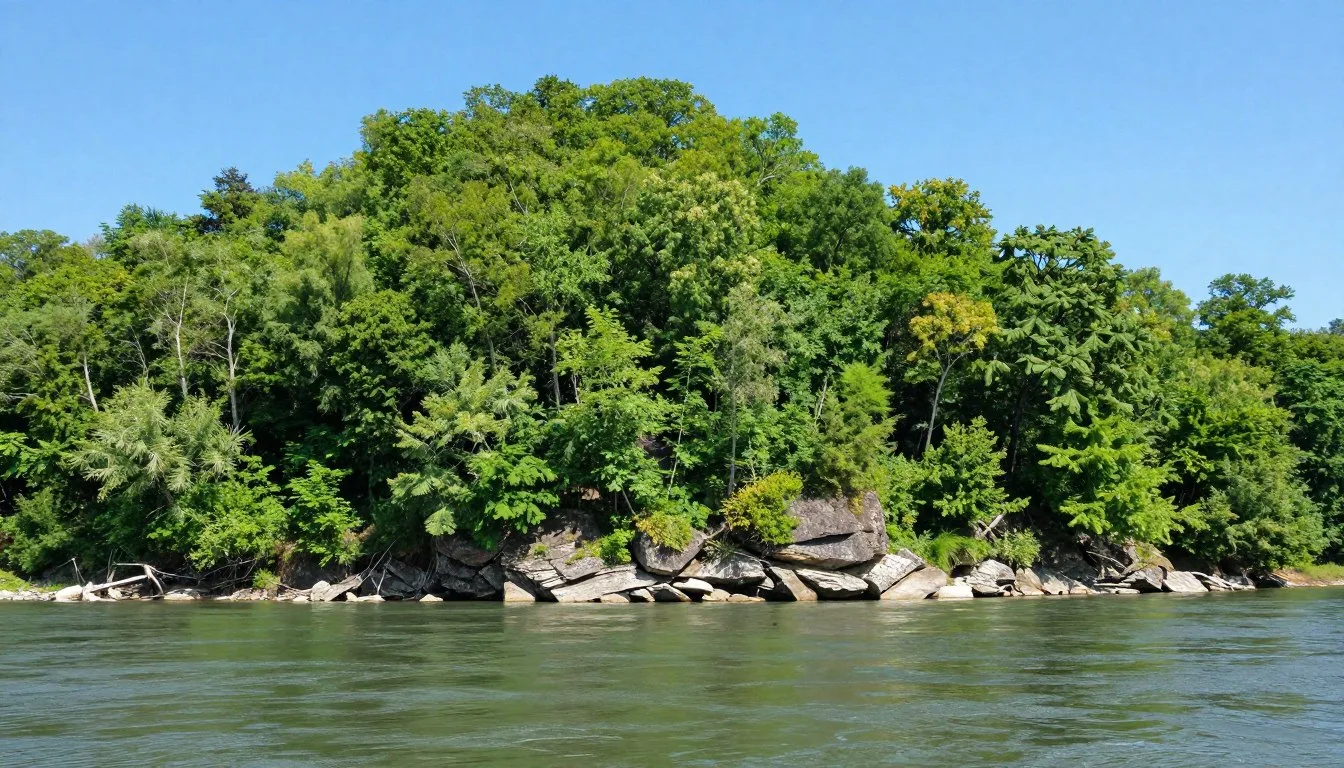
Water access points welcome kayaks and canoes for river exploration. Several launch sites provide easy entry to the Tennessee River, allowing visitors to reach otherwise inaccessible shoreline areas and islands.
Download offline maps before arriving, as internet connectivity varies across the region. GPS devices generally function well, though satellite signals occasionally weaken under dense forest canopy along certain trail sections.
Where to Stay
Accommodation options range from rustic camping experiences to comfortable lodging in nearby communities. The area provides diverse choices matching different travel styles, budgets, and comfort preferences for overnight stays.
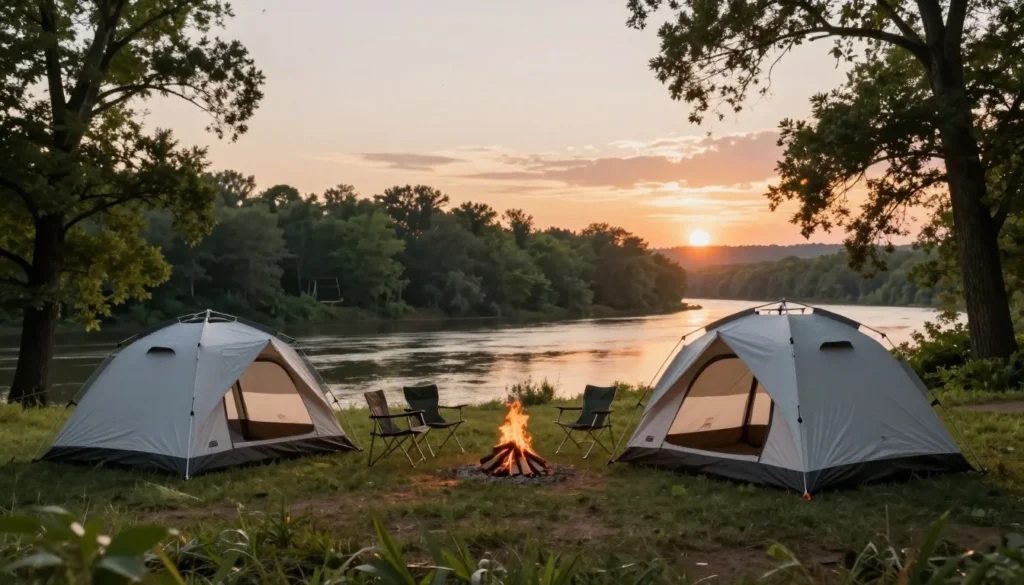
Camping Options
Primitive campsites offer authentic outdoor experiences along the Tennessee River. These sites provide basic amenities including fire rings and designated tent areas. Water access allows fishing and kayaking directly from your campsite location.
The main campground features 25 individual campsites suitable for tents and smaller RVs. Each spot includes a picnic table and fire pit. Shared facilities provide restrooms and potable water access. Reservations prove essential during spring and fall months when demand peaks.
Nightly camping fees typically range from $15 to $25 per site. Some locations operate on a first-come, first-served basis, while others accept advance bookings. Quiet hours extend from 10 PM to 7 AM across all camping areas.
Nearby Lodging
Downtown Chattanooga, located approximately 32 kilometers (20 miles) south, offers numerous hotels, motels, and bed-and-breakfast establishments. Options range from budget-friendly chains to upscale properties with river views. This proximity allows comfortable day trips to the region while enjoying urban amenities at night.
Smaller communities within 16 kilometers (10 miles) provide family-owned motels and vacation rental properties. These options often feature lower rates than city hotels while maintaining easy access to outdoor recreation areas. Many properties cater specifically to outdoor enthusiasts with gear storage and early breakfast options.
Camping Advantages
- Immersive nature experience
- Budget-friendly rates
- Direct access to trails and water
- Campfire evenings under stars
- Wildlife observation opportunities
Hotel Advantages
- Climate-controlled comfort
- Hot showers and amenities
- Nearby dining options
- Secure vehicle parking
- Weather protection
Book accommodations several weeks ahead for visits during peak autumn foliage season. Summer weekends also see high demand, particularly around holiday periods. Winter months typically offer immediate availability and discounted rates at area hotels.
Dining and Local Cuisine
Regional food traditions reflect Tennessee’s agricultural heritage and Southern culinary influences. Dining options emphasize fresh ingredients, traditional preparation methods, and generous portions that satisfy outdoor appetites built through trail adventures.

Local Specialties
Barbecue preparations dominate regional menus, with slow-smoked meats seasoned using family recipes passed through generations. Pulled pork, beef brisket, and smoked chicken appear alongside classic sides like coleslaw, baked beans, and cornbread. Many establishments smoke meats on-site, creating distinctive flavors unique to each location.
Catfish preparations showcase the Tennessee River’s bounty. Restaurants serve this mild whitefish fried in cornmeal coating or grilled with light seasoning. Hushpuppies, fried okra, and creamy coleslaw typically accompany fish plates.
Breakfast options feature Southern staples including biscuits with sausage gravy, country ham with red-eye gravy, and fluffy pancakes. Local diners serve these hearty meals throughout the day, perfect for fueling long trail adventures.
Dining Locations
Small family restaurants in nearby communities provide authentic regional cooking in casual atmospheres. These establishments often operate as local gathering spots where visitors experience genuine Tennessee hospitality alongside home-style cooking.
Downtown Chattanooga expands dining variety with upscale restaurants, international cuisines, and craft breweries. The city’s revitalized riverfront district offers outdoor seating with scenic water views. Drive approximately 35 minutes south to access these urban dining experiences.
Breakfast Spots
Local diners open early, serving traditional Southern breakfast from 6 AM onward. Expect generous portions, strong coffee, and friendly service that sets a positive tone for adventure-filled days ahead.
Lunch Options
Barbecue joints and sandwich shops provide quick, satisfying midday meals. Many offer takeout perfect for picnics at scenic overlooks or riverside spots after morning trail explorations.
Dinner Choices
Evening meals range from casual catfish houses to steakhouses serving locally-raised beef. Reservations help during weekend nights, though most places accommodate walk-in guests with minimal wait times.
Grocery and Supplies
Small convenience stores near camping areas stock basic supplies, snacks, and beverages. For comprehensive grocery shopping, visit larger supermarkets in communities within 16 kilometers (10 miles). These stores carry camping supplies, fishing tackle, and picnic essentials alongside standard groceries.
Pack coolers with ice for camping trips, as refrigeration remains unavailable at primitive sites. Local stores sell bags of ice at reasonable prices. Remember to secure all food items properly when camping to avoid attracting wildlife to your site.
Attractions, Sightseeing and Activities
This Tennessee River region offers remarkable variety for visitors seeking both relaxation and adventure. Natural beauty combines with recreational opportunities to create experiences appealing to diverse interests and activity levels throughout the year.
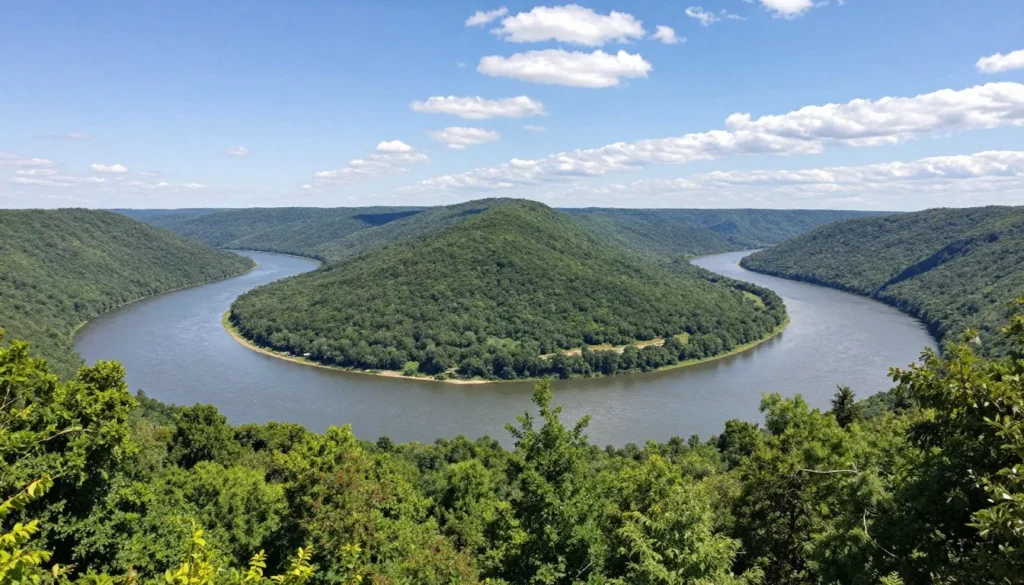
River Activities
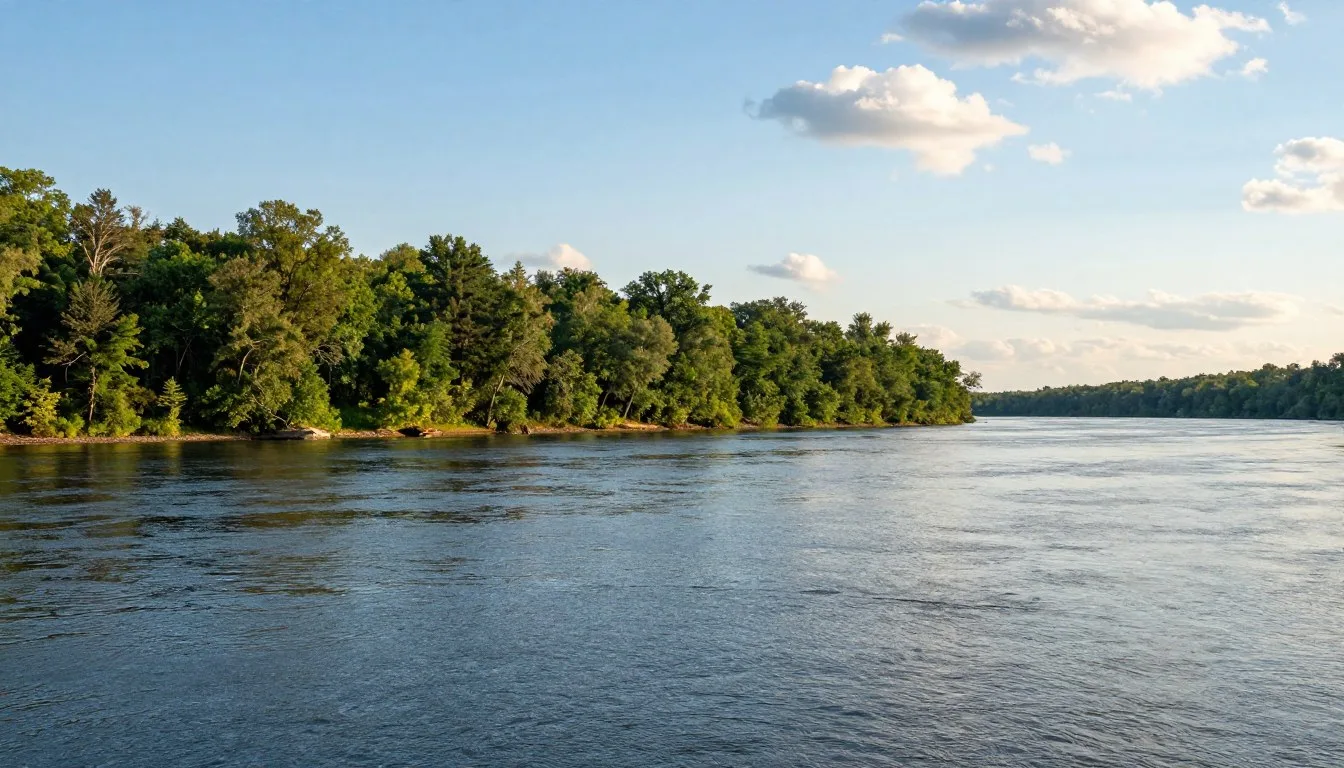
The Tennessee River provides endless water recreation possibilities. Fishing enthusiasts target bass, catfish, and crappie from shore or boats. The river mile markers help anglers locate productive spots recommended by locals who know seasonal fish movements.
Kayaking and canoeing allow peaceful exploration of quieter sections away from motorized boat traffic. Launch points provide easy water access for paddlers of various skill levels. Gentle current sections suit beginners, while more experienced paddlers challenge themselves in areas with moderate flow.
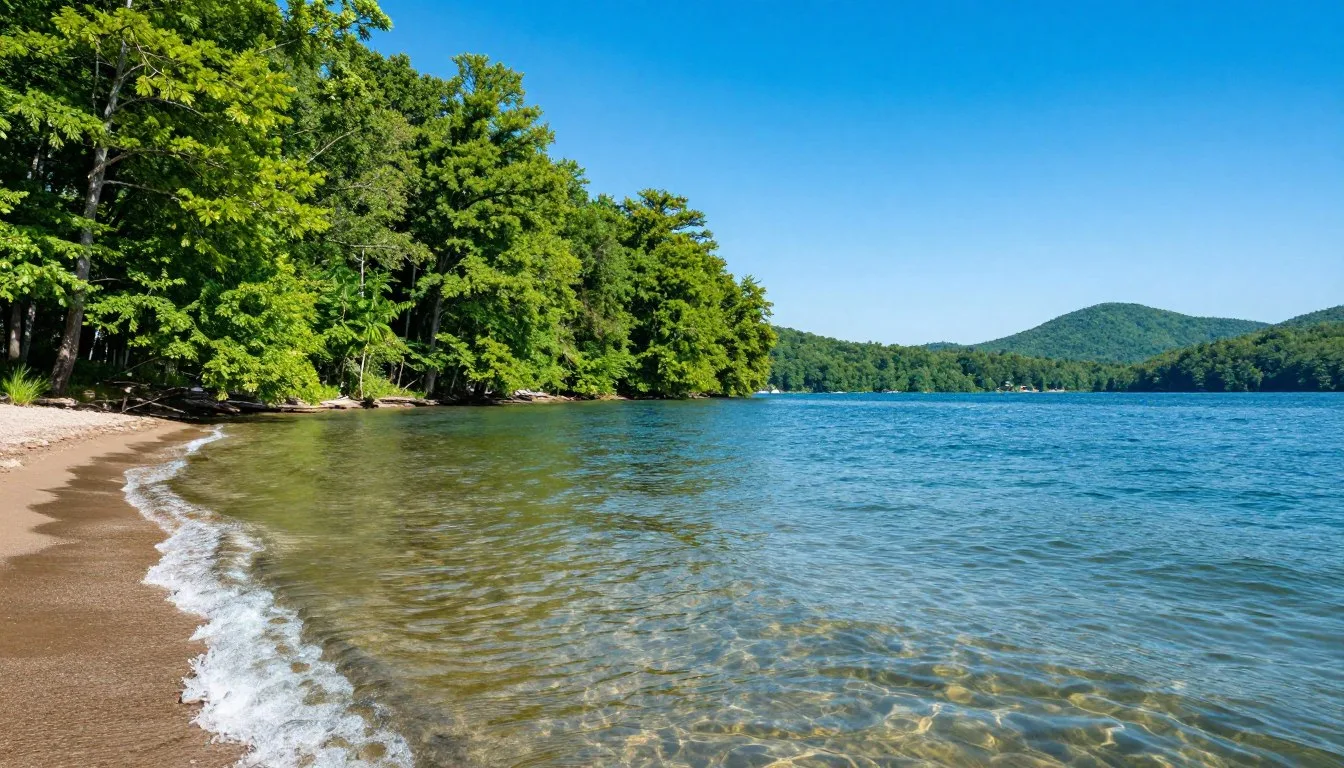
Swimming spots along designated areas offer refreshing breaks during warm summer months. Always check current conditions and water levels before entering, as the river’s flow varies based on upstream rainfall and dam operations.
Scenic Spots
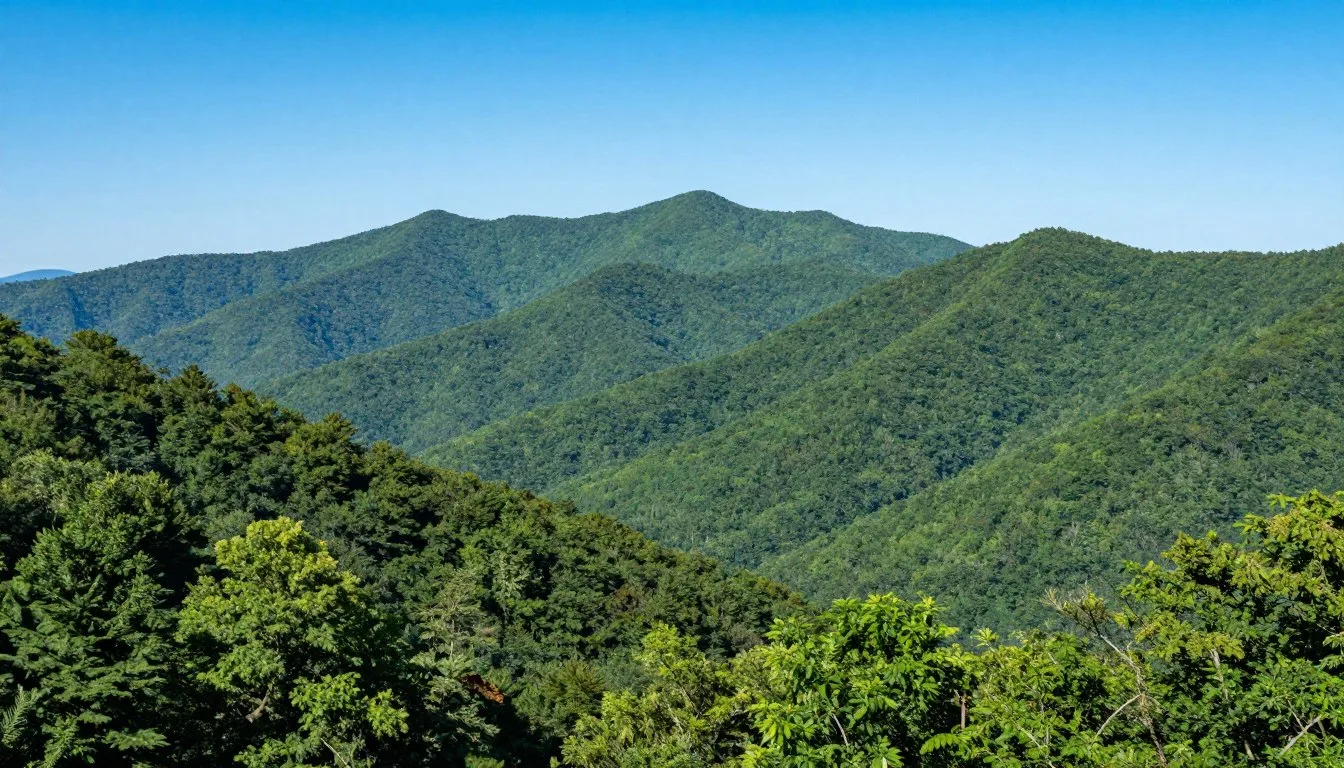
Overlook points along county road sections showcase sweeping valley views. These pullouts allow safe stopping for photographs capturing the region’s natural beauty. Sunrise and sunset times provide optimal lighting for landscape photography enthusiasts.
Wildlife observation opportunities abound throughout the area. Patient visitors spot white-tailed deer, wild turkeys, and numerous bird species. Spring migration brings colorful warblers, while bald eagles occasionally soar overhead during winter months.
Fishing Opportunities
The Tennessee River ecosystem supports thriving fish populations. Largemouth and smallmouth bass attract sport anglers year-round. Catfish fishing peaks during summer night hours when these bottom-feeders actively feed in warmer water temperatures.
Valid Tennessee fishing licenses prove mandatory for anyone over 13 years old. Purchase licenses online or from local sporting goods stores. Regulations specify size limits and daily catch quotas that protect fish populations for future generations.
Boating Access
Public boat ramps accommodate various watercraft from small fishing boats to larger recreational vessels. Parking areas with trailer spaces serve boaters throughout daylight hours. Launch fees typically remain minimal or free at most public access points.
Water safety equipment including life jackets proves essential for all passengers. The river’s width and boat traffic require attention to navigation rules. Check weather forecasts before launching, as afternoon thunderstorms develop rapidly during summer months.
Photography Locations
Landscape photographers find countless compositions throughout different seasons. Autumn colors reflect brilliantly in calm river sections. Spring wildflowers create colorful foregrounds for wider scenic shots. Winter’s bare trees reveal landscape structure often hidden during leafy months.
Golden hour lighting, occurring shortly after sunrise and before sunset, enhances the region’s natural beauty. Mist rising from the water during cool mornings adds atmospheric elements to river photographs. Wildlife photography requires patience and telephoto lenses for respecting animal space while capturing detailed images.
Museums, Cultural Spots and Festivals
Regional history comes alive through preserved sites and cultural institutions located within easy driving distance. These attractions provide educational experiences complementing outdoor adventures with insights into local heritage and traditions.
Historical Significance
The Tennessee River region played important roles throughout American history. Native American communities thrived along these waterways for thousands of years before European settlement. The Trail of Tears passed through this area during the forced relocation of Cherokee people in the 1830s, a somber chapter remembered through historical markers.
Civil War activity touched this region as Union and Confederate forces maneuvered for strategic positions. Downtown Chattanooga preserves multiple historical sites related to these conflicts, including battlefield parks and preserved fortifications.
Cultural Venues Nearby
Hunter Museum of American Art in Chattanooga showcases exceptional collections spanning centuries of artistic achievement. The building itself, perched on riverside bluffs, offers stunning architectural interest. Rotating exhibitions complement permanent galleries displaying paintings, sculptures, and decorative arts.
Tennessee Aquarium, one of the world’s largest freshwater facilities, educates visitors about river ecosystems. Interactive exhibits explore the Tennessee River’s journey from mountain streams to its confluence with the Ohio River. Touch tanks and feeding demonstrations engage children while teaching conservation messages.
Creative Discovery Museum provides hands-on learning experiences for young visitors. Science demonstrations, art activities, and outdoor exploration areas make this an excellent rainy-day option for families traveling with children.
Local Craft Traditions
Regional artisans maintain traditional crafts including woodworking, pottery, and textile arts. Small galleries in nearby communities showcase these handmade items. Purchasing directly from craftspeople supports local economy while providing unique souvenirs reflecting authentic regional character.
Seasonal craft fairs bring together dozens of vendors selling original artwork, handmade jewelry, and functional pottery. These events often coincide with festival weekends, creating lively atmospheres where visitors meet the creative people behind the work.
Nature and Outdoor Experiences
The landscape surrounding this Tennessee River section offers exceptional opportunities for connecting with natural environments. Diverse ecosystems support rich biodiversity while providing settings for recreation, contemplation, and adventure across all seasons.
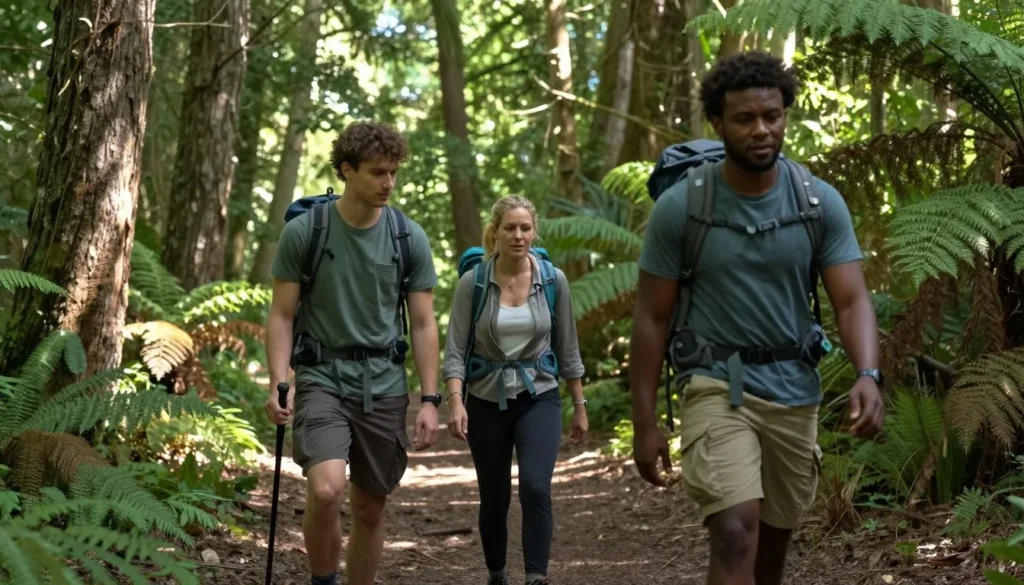
Trail System Highlights
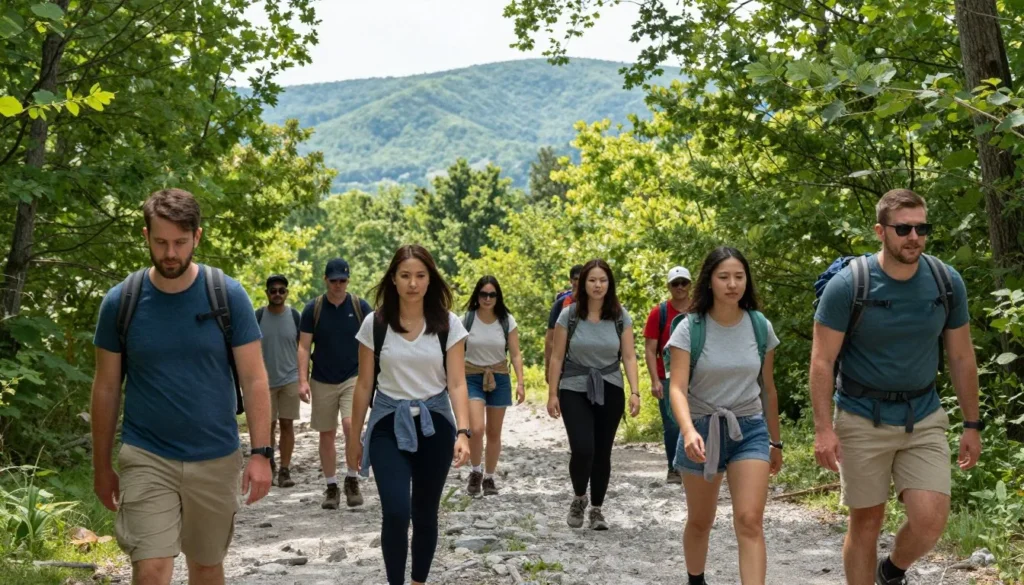
Over 48 kilometers (30 miles) of maintained trails wind through forests, along ridges, and beside water features. Trail difficulty ranges from easy riverside walks suitable for families to challenging climbs rewarding effort with panoramic views.
The Riverside Trail follows the Tennessee River for 8 kilometers (5 miles), offering level walking perfect for all ages. This path showcases diverse habitats where forest meets water, creating excellent wildlife viewing opportunities. Benches positioned at scenic spots invite rest while enjoying peaceful surroundings.
Ridge Trail climbs 274 meters (900 feet) through hardwood forest to reach overlook points. This moderate 6-kilometer (3.7-mile) loop takes approximately three hours including time for photographs and rest breaks. Spring wildflowers carpet the forest floor, while autumn brings spectacular color displays.
Hidden Waterfall Trail leads adventurous hikers to a secluded cascade tucked in a narrow ravine. The 4-kilometer (2.5-mile) round trip involves some rock scrambling and stream crossings. Waterflow peaks after spring rains, creating impressive displays worth the challenging terrain.
Trail Etiquette
Stay on marked paths to prevent erosion and protect fragile plant communities. Yield to uphill hikers on narrow sections. Keep dogs leashed where regulations require, cleaning up after pets throughout your visit.
Pack out all trash, leaving no trace of your passage. Many hikers carry small bags for collecting litter encountered along trails, helping maintain the area’s natural beauty for future visitors.
Trail Safety
Carry adequate water, especially during warm months when dehydration risks increase. One liter per person per two hours represents a reasonable guideline. Energy snacks help maintain stamina on longer hikes.
Inform someone of your planned route and expected return time. Cell coverage varies, so don’t rely solely on phones for emergency communication. Basic first aid supplies prove valuable for addressing minor injuries away from trailheads.
State Park Connections
Several state park facilities lie within reasonable driving distances, expanding recreational options for visitors spending multiple days exploring the region. These parks offer additional trail systems, camping facilities, and interpretive programs led by knowledgeable rangers.
Booker T. Washington State Park, located approximately 29 kilometers (18 miles) northeast, provides 353 hectares (872 acres) of protected land. Swimming beaches, boat ramps, and picnic areas complement hiking trails winding through mixed pine and hardwood forests.
Harrison Bay State Park sits along the Tennessee River’s wider sections, offering 1,214 hectares (3,000 acres) of recreational space. The park features a championship golf course, extensive marina facilities, and group pavilions available for reservation.

Seasonal Natural Events
Spring brings wildflower blooms transforming forest floors into colorful carpets. Trillium, bloodroot, and hepatica appear in March, followed by later-blooming species extending displays through May. Guided wildflower walks help visitors identify species while learning about ecosystem relationships.
Autumn migration draws birding enthusiasts hoping to spot traveling species. Hawk watches from ridge-top locations reveal raptors riding thermal currents southward. Songbird variety peaks during September and early October as warblers, thrushes, and other species pass through the region.
Winter’s quiet beauty offers different rewards for cold-weather enthusiasts. Bare trees reveal landscape features hidden during leafy seasons. Wildlife tracks in occasional snow provide evidence of animal activity rarely observed directly. Reduced visitor numbers create peaceful solitude along normally busy trails.
Leave No Trace Principles
Responsible outdoor recreation protects natural resources while ensuring quality experiences for future visitors. Plan ahead by checking weather forecasts and trail conditions. Travel and camp on durable surfaces, avoiding fragile vegetation areas.
Dispose of waste properly, packing out everything you bring in. Leave what you find, resisting temptations to collect rocks, plants, or historical artifacts. Minimize campfire impacts by using established fire rings and burning only dead wood found on the ground.
Respect wildlife by observing from distances that don’t alter animal behavior. Never feed wild animals, as human food proves harmful while encouraging problematic interactions. Be considerate of other visitors, keeping noise levels appropriate for natural settings.
Travel With Children
Family adventures in this region create wonderful opportunities for children to develop appreciation for outdoor environments. Age-appropriate activities ensure everyone enjoys their time while learning about nature, history, and outdoor skills in engaging ways.

Kid-Friendly Trails
Shorter paths with gentle terrain work best for young hikers building stamina and confidence. The Junior Explorer Trail spans just 1.6 kilometers (1 mile) with interpretive signs teaching about forest ecosystems, wildlife, and plant identification. This loop features minimal elevation change, completing in under an hour at a child’s pace.
Scavenger hunt activities transform ordinary hikes into exciting adventures. Create lists of items to find like specific leaf shapes, animal tracks, or different tree bark textures. This engagement keeps children interested while developing observation skills.
Stream exploration offers hands-on learning about aquatic ecosystems. Shallow creek sections allow safe wading where children discover crayfish, minnows, and aquatic insects. Bring small nets and containers for temporary observation before returning creatures to their habitat.
Educational Opportunities
Junior Ranger programs at nearby state park locations provide structured activities teaching outdoor ethics and environmental stewardship. Children complete activity booklets earning certificates and badges recognizing their learning achievements.
Nature journaling encourages creativity while developing observation skills. Provide children with notebooks for sketching plants, recording animal sightings, or writing about their outdoor experiences. These journals become treasured keepsakes documenting family adventures.
Packing for Kids
- Extra clothing layers for changing weather
- Sunscreen and insect repellent
- Healthy snacks and plenty of water
- Small backpack they can carry themselves
- Whistle for emergency signaling
Activity Ideas
- Rock skipping at river access points
- Cloud watching from scenic overlooks
- Leaf and flower identification games
- Nature photography with disposable cameras
- Geocaching treasure hunts
Safety Considerations
Dress children in bright colors making them easily visible on trails and around campsites. Establish clear boundaries about staying within sight of adults, especially near water features where supervision proves essential.
Teach basic outdoor safety including what to do if separated from the group. The “hug a tree” concept encourages lost children to stay in one spot rather than wandering farther from familiar areas. Whistles allow children to signal their location without exhausting themselves by shouting.
Apply sunscreen liberally and reapply every two hours during outdoor activities. Wide-brimmed hats provide additional sun protection for faces and necks. Insect repellent formulated for children helps prevent bites from mosquitoes and ticks common in wooded areas.
Rainy Day Alternatives
Indoor options in downtown Chattanooga provide engaging activities when weather prevents outdoor plans. The Tennessee Aquarium captivates children with colorful fish displays and interactive exhibits. Creative Discovery Museum offers hands-on science experiments and art projects perfect for active young minds.
Covered pavilions at some camping areas allow continued outdoor time during light rain. Bring board games, cards, or books for quiet entertainment during weather delays. Many children enjoy the novelty of watching rain from the shelter of a tent or pavilion.
Money Saving Tips
Experiencing this Tennessee River region need not strain travel budgets. Strategic planning and smart choices stretch dollars while maintaining quality experiences throughout your visit.
Camping Cost Savings
Choosing primitive campsites over developed campgrounds reduces nightly fees significantly. Basic sites charging $15 per night provide authentic outdoor experiences at half the cost of full-service facilities. Bring your own firewood rather than purchasing bundles at inflated prices near camping areas.
Visiting during shoulder seasons yields lower accommodation rates when demand decreases. March and November offer pleasant weather with campground fees sometimes discounted 20 to 30 percent compared to peak autumn months.
Food Expenses
Pack coolers with groceries purchased before arriving, avoiding premium prices at convenience stores near recreational areas. Preparing meals at campsites costs substantially less than restaurant dining for every meal.
Breakfast and lunch items requiring minimal cooking save both money and time. Sandwiches, trail mix, fresh fruit, and other simple foods fuel activities without elaborate camp kitchen setups.
Free Activities
Hiking, wildlife watching, and swimming cost nothing beyond transportation to access points. These activities provide the region’s most memorable experiences without admission fees or equipment rentals.
Many trailheads offer free parking, though popular spots fill quickly during peak times. Arriving early secures spaces while avoiding potential overflow parking fees some areas implement during busy periods.
Equipment Considerations
Borrowing camping gear from friends or family eliminates rental costs for occasional outdoor adventurers. Local outdoor clubs sometimes maintain equipment lending libraries for members, providing affordable access to quality gear.
Purchasing annual fishing licenses proves more economical than daily permits for visitors planning multiple fishing days. The yearly license costs roughly equivalent to five daily permits, breaking even quickly for enthusiastic anglers.
Transportation Savings
Carpooling with other families splits fuel costs while adding social enjoyment to road trips. Planning efficient routes visiting multiple sites in single outings reduces unnecessary driving miles.
Off-Peak Advantages
Weekday visits avoid weekend crowds while sometimes offering midweek lodging specials. Hotels near the area frequently discount Tuesday through Thursday nights during slower periods.
Group Discounts
Larger groups may qualify for reduced rates on campsite reservations or guided tour activities. Inquire about group pricing when booking accommodations or planning organized experiences.
Free Regional Resources
Visitor information centers provide complimentary maps, trail guides, and activity suggestions. Staff members share insider knowledge about free events, optimal viewing locations, and budget-friendly dining options favored by locals.
Public libraries in nearby communities offer free internet access for travelers needing connectivity without data charges. Some locations provide regional history books and field guides for temporary checkout, serving as free educational resources.
Safety and Local Customs
Understanding regional expectations and safety practices ensures positive experiences while respecting the communities and natural environments you visit. Rural Tennessee hospitality welcomes travelers who show courtesy and environmental consideration.
Outdoor Safety Essentials
Weather changes rapidly in mountainous terrain surrounding the Tennessee River valley. Morning sunshine can give way to afternoon thunderstorms within hours. Monitor forecasts before starting hikes, turning back if threatening weather approaches.
Lightning poses serious risks during electrical storms. Avoid open ridges, isolated trees, and water features when thunder sounds within 10 seconds of lightning flashes. Seek shelter in substantial buildings or vehicles with hard tops and closed windows.
Tick populations peak during warm months, carrying potential disease risks. Wear light-colored long pants and long sleeves when hiking through tall grass or brush. Perform thorough tick checks after outdoor activities, removing any found promptly with fine-tipped tweezers.
Venomous snakes including copperheads and timber rattlesnakes inhabit the region but rarely cause problems for aware hikers. Watch where you place hands and feet, especially around rocks and logs. Snakes typically retreat when given opportunity, biting only when cornered or surprised.
Emergency Contacts
Dial 911 for immediate emergency assistance. Cell coverage varies, so note your location carefully including trail names and landmarks to help responders find you quickly if needed.
Water Safety
The Tennessee River’s current proves stronger than appearances suggest, especially after upstream rainfall. Wade only in designated swimming areas where conditions remain monitored. Life jackets prove essential for all boaters and non-swimmers regardless of perceived swimming ability.
Water quality varies with recent weather and upstream discharge. Avoid swimming for 48 hours following heavy rains when runoff carries increased bacterial levels. Check with local authorities about current water quality conditions before recreational water contact.
Wildlife Encounters
Black bears occasionally appear in the region, though sightings remain uncommon. Store food properly in bear-resistant containers or suspended from tree branches away from campsites. Never approach or feed bears, maintaining minimum 100-meter (300-foot) distances when observations occur.
Raccoons and other small mammals visit campsites seeking easy meals. Secure all food items inside vehicles overnight or in provided storage lockers. Clean cooking areas thoroughly, disposing of waste in designated receptacles to avoid attracting animals.
Local Courtesy
Southern hospitality expects polite greetings when passing people on trails or in small communities. A simple “hello” or “good morning” acknowledges others while respecting regional social customs. Hold doors for people, say “please” and “thank you,” and show patience in service situations.
Sunday mornings see reduced business hours as many locals attend religious services. Plan accordingly if needing supplies or services on weekend mornings. Small-town pace moves slower than urban areas, a rhythm visitors often find refreshing once they adapt expectations.
Private Property Respect
Posted signs indicating private property require strict observance. Trespassing laws in Tennessee carry significant penalties. Stick to public lands and designated access points unless you obtain explicit landowner permission for crossing private parcels.
Hunting seasons run throughout autumn and winter months on lands where this activity remains legal. Wear bright orange clothing when hiking during these periods for visibility to hunters. Some areas close certain trails during specific hunting seasons for safety.
Visitor Comments About Goat Island
Travelers from around the world share their experiences discovering this special Tennessee River destination. These authentic perspectives provide insights into what makes the region memorable for diverse visitors.
“The camping experience exceeded all expectations. We found peaceful spots right along the water where our children could fish while we enjoyed morning coffee watching the sunrise over the Tennessee River. The trail system offered perfect variety, from easy walks to more challenging climbs with rewarding views. Local people provided helpful suggestions about hidden spots we would never have found on our own. This area deserves recognition as one of Tennessee’s special outdoor treasures.”
“As someone who has visited parks throughout the United States, this region stands out for its unspoiled character and genuine hospitality. The landscape delivers spectacular beauty without the crowds overwhelming more famous destinations. We spent four nights camping and could have easily stayed longer exploring the diverse trail options. Fishing proved excellent, and we enjoyed several memorable meals at nearby restaurants serving authentic regional cuisine. The entire experience felt like discovering a well-kept secret.”
“Our family adventure created memories we will treasure for years. The children loved exploring along the river, finding interesting rocks and watching for wildlife. Trail difficulty levels suited everyone from our six-year-old to active grandparents. Campground facilities provided necessary amenities while maintaining a natural atmosphere. We appreciated how affordable everything proved compared to more tourist-oriented destinations. The region offers tremendous value for families seeking authentic outdoor experiences without excessive commercial development.”
Additional Nearby Destinations
The Tennessee River valley contains numerous attractions within easy driving distance, allowing visitors to experience diverse landscapes, historical sites, and recreational opportunities during extended trips through the region.
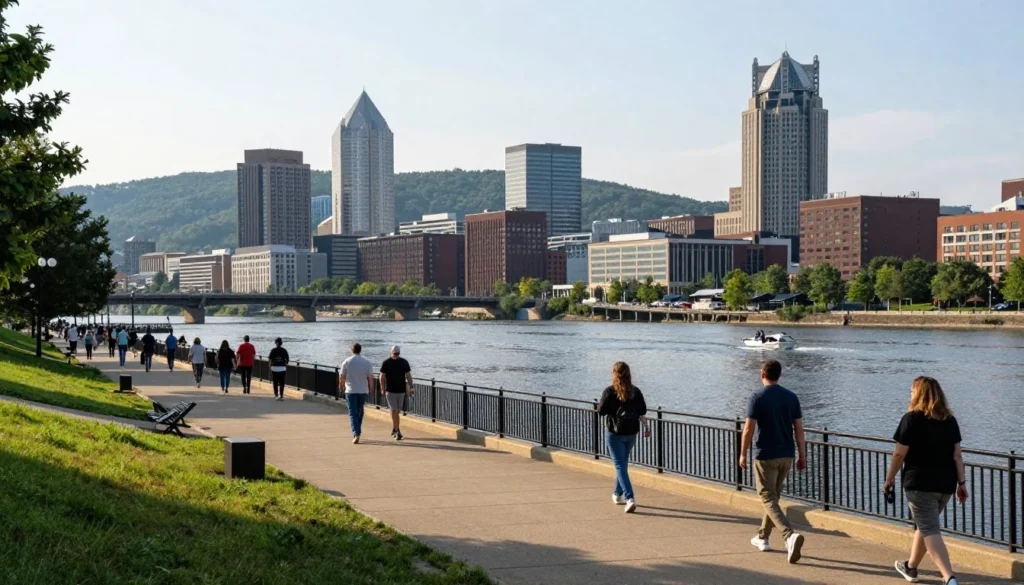
Downtown Chattanooga Attractions
This revitalized city located 32 kilometers (20 miles) south offers world-class attractions complementing outdoor adventures. The Tennessee Aquarium draws visitors to two buildings showcasing freshwater and ocean ecosystems. Interactive exhibits engage all ages while teaching about aquatic conservation.
Coolidge Park provides family-friendly recreation along the riverfront. The historic carousel, interactive fountain, and climbing areas delight children. The Walnut Street Pedestrian Bridge offers stunning views while connecting downtown to the North Shore district’s restaurants and shops.
Rock City Gardens, perched atop Lookout Mountain, features unique rock formations, beautiful gardens, and panoramic views spanning seven states on clear days. The attraction’s famous “See Rock City” barn advertisements appeared throughout the Southeast for decades, creating nostalgic appeal for many visitors.
Chickamauga and Chattanooga National Military Park
This preserved Civil War battlefield located approximately 24 kilometers (15 miles) south protects sites where significant 1863 battles occurred. Self-guided driving tours with interpretive stops explain military strategies and human experiences during these crucial conflicts. The visitor center museum displays artifacts and offers ranger-led programs during peak season.
Cherokee National Forest
Extensive wilderness areas sprawl across eastern Tennessee’s mountains, offering backcountry experiences for adventurous travelers. Hundreds of miles of trails wind through old-growth forests, past waterfalls, and up to ridge-top vistas. Developed campgrounds and primitive sites accommodate various camping preferences.
The Ocoee River, site of 1996 Olympic whitewater events, provides thrilling rafting experiences. Commercial outfitters offer guided trips suitable for first-time rafters through experienced paddlers seeking challenging rapids.
Lookout Mountain
Beyond Rock City, Lookout Mountain hosts Ruby Falls, an underground waterfall accessible via guided tours through cavern passages. The falls drop 44 meters (145 feet) in a dramatic underground chamber. Incline Railway climbs the mountain’s steep grade, earning recognition as one of the world’s steepest passenger railways.
TVA Recreation Areas
The Tennessee Valley Authority manages numerous public recreation sites along the Tennessee River and tributary reservoirs. These facilities offer boating, fishing, and camping opportunities throughout the region. Many operate on first-come, first-served basis with minimal fees.
Trail of Tears National Historic Trail
Several significant sites related to Cherokee forced removal in the 1830s lie within the region. Interpretive markers and preserved locations honor those who suffered during this dark chapter of American history. The Trail of Tears section passing through the area reminds visitors of the landscape’s layered history beyond natural beauty.
Regional State Parks
Tennessee operates numerous state park facilities within two hours’ drive. Each offers unique features from expansive lake recreation to challenging mountain trails. Park entry remains free, though camping and some activities require modest fees. Many parks host seasonal festivals and interpretive programs adding educational value to visits.
Practical Travel Tips
Final preparation details ensure smooth, enjoyable experiences throughout your Tennessee River adventure. These practical considerations address common questions and situations travelers encounter when visiting the region.
What to Pack
Layered clothing adapts to variable weather conditions throughout the day. Mornings often start cool even during summer, warming considerably by afternoon. Lightweight rain jackets prove essential year-round given the region’s changeable weather patterns.
Sturdy hiking footwear with good ankle support prevents injuries on uneven trail surfaces. Break in new boots before your trip to avoid painful blisters. Bring extra socks, as feet staying dry throughout hiking prevents most common foot problems.
Essential Gear
- Reusable water bottles or hydration systems
- Sunscreen and sunglasses for bright days
- Insect repellent for warm months
- First aid kit with basic supplies
- Headlamp or flashlight with extra batteries
- Trail maps and compass or GPS device
Nice to Have
- Binoculars for wildlife watching
- Camera with extra memory cards
- Field guides for plant and bird identification
- Portable phone charger
- Small backpack for day hikes
- Collapsible trekking poles
Cell Phone and Internet
Coverage varies significantly across the region. Major carriers provide reliable service near population centers and along main highways. Remote trail areas and river sections often lack signal entirely. Download offline maps and important information before departing areas with connectivity.
Public libraries and visitor centers offer free WiFi for travelers needing internet access. Many restaurants and coffee shops in nearby communities provide guest wireless access with purchase.
Medical Facilities
The nearest hospitals operate in Chattanooga, approximately 32 kilometers (20 miles) from most recreation areas. Urgent care clinics in smaller communities handle non-emergency medical needs during business hours. Carry necessary prescription medications and basic first aid supplies for minor injuries manageable without professional intervention.
Accessibility Considerations
Some trails and facilities accommodate visitors with mobility limitations. The Riverside Trail features paved sections suitable for wheelchairs and strollers for approximately 3 kilometers (1.9 miles). Contact park offices ahead of visits for specific accessibility information matching individual needs.
Accessible parking spaces appear at major trailheads and facilities. Designated campsites near restroom facilities ease challenges for visitors requiring close amenities access.
Pet Policies
Dogs on leashes up to 2 meters (6 feet) accompany owners on most trails. Clean up after pets, carrying waste bags and disposing properly in designated receptacles. Some swimming areas prohibit dogs for water quality and safety reasons. Verify specific regulations before arriving with four-legged companions.
Summer heat poses risks for dogs on extended hikes. Bring adequate water for pets and watch for signs of overheating. Paw protection helps on hot pavement and rough rocky sections.
Photography Regulations
Personal photography for non-commercial purposes requires no permits. Professional photographers conducting commercial shoots or wedding photography need special use permits from managing agencies. Drone operations face restrictions in many areas, requiring advance permission and following federal aviation regulations.
Alcohol and Smoking Policies
Alcoholic beverage consumption follows Tennessee state laws regarding public consumption and open container regulations. Many camping areas prohibit alcohol or restrict it to individual campsites. Smoking rules vary by location, with designated areas at some facilities. Extreme fire danger periods may implement smoking bans in outdoor areas.
Leave No Trace Reminders
Protect the region’s natural beauty by following established principles. Plan ahead, stay on durable surfaces, dispose of waste properly, leave what you find, minimize campfire impacts, respect wildlife, and be considerate of others. These simple practices preserve experiences for future visitors while protecting fragile ecosystems.
Your Tennessee River Adventure Awaits
This remarkable corner of Tennessee offers authentic outdoor experiences away from crowded tourist destinations. From peaceful riverside camping to challenging trail adventures, the region rewards visitors seeking genuine connections with natural beauty and regional heritage.
Whether you spend a weekend exploring scenic overlooks or a full week discovering hidden waterways, you’ll find the Tennessee River valley delivers memorable moments at every turn. Pack your sense of adventure, bring comfortable hiking shoes, and prepare for discoveries that remind you why outdoor exploration creates life’s most treasured memories.
The trails, water, and welcoming communities await your arrival. Start planning your journey to this special place where natural beauty, outdoor recreation, and Southern hospitality combine to create truly unforgettable travel experiences.