Hotels by Trip.com
Flights by Trip.com
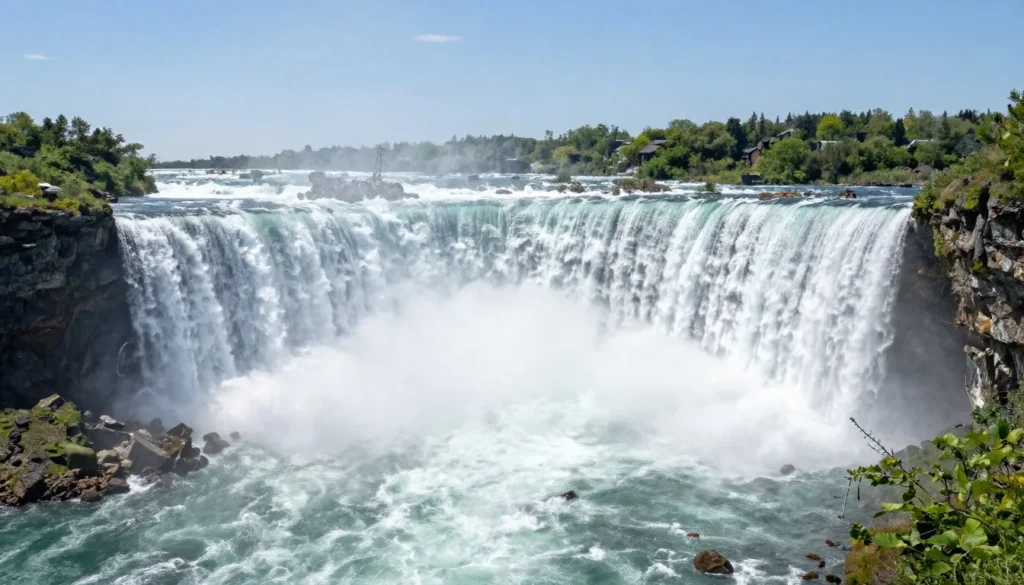
Did you know that Great Falls Lake releases over 1.7 million liters of water per second during peak discharge, creating one of Tennessee’s most powerful natural spectacles? This hidden gem in the Cumberland Plateau offers visitors a rare combination of engineering marvel and natural beauty that few destinations can match.
Great Falls Lake takes its name from the dramatic Great Falls waterfall, which has thundered through this river gorge for thousands of years. The name became prominent when the Tennessee Valley Authority constructed Great Falls Dam in the 1910s, forever linking the area’s identity to both its natural cascade and human ingenuity.
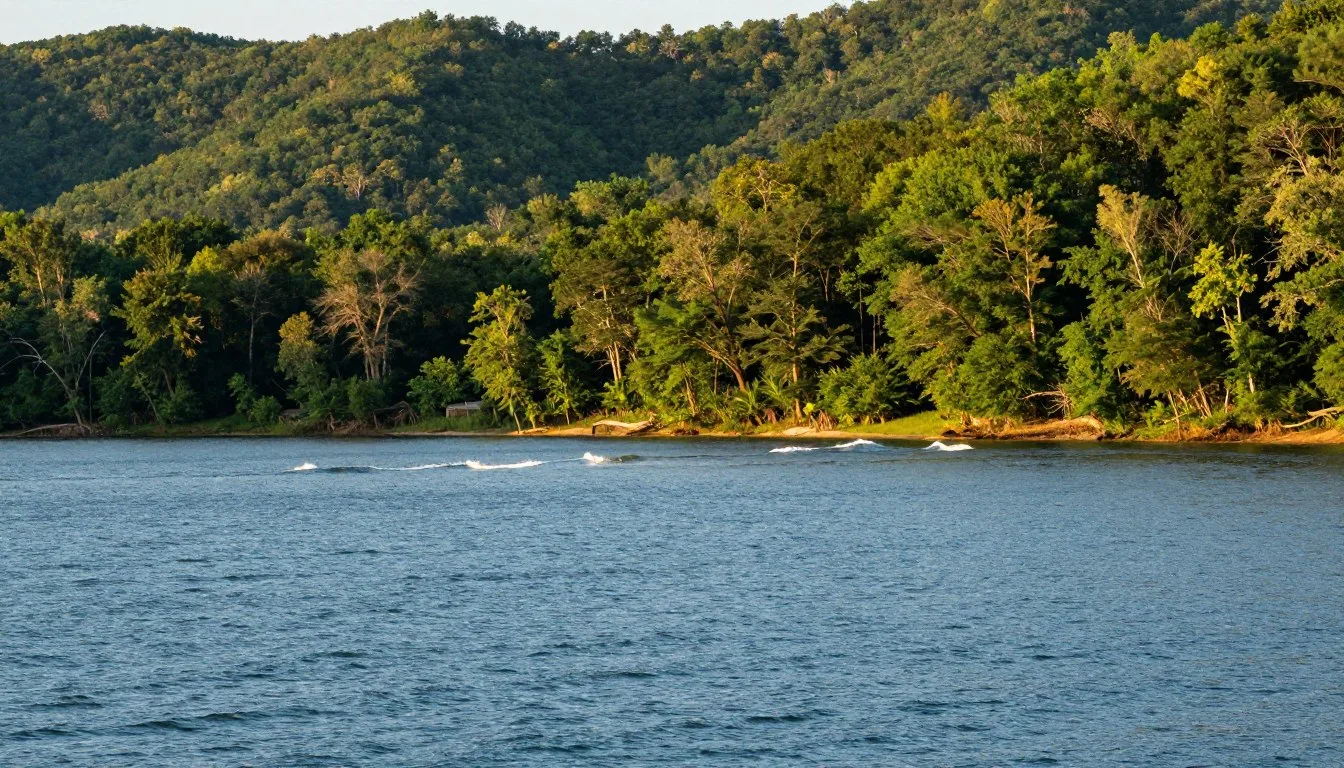
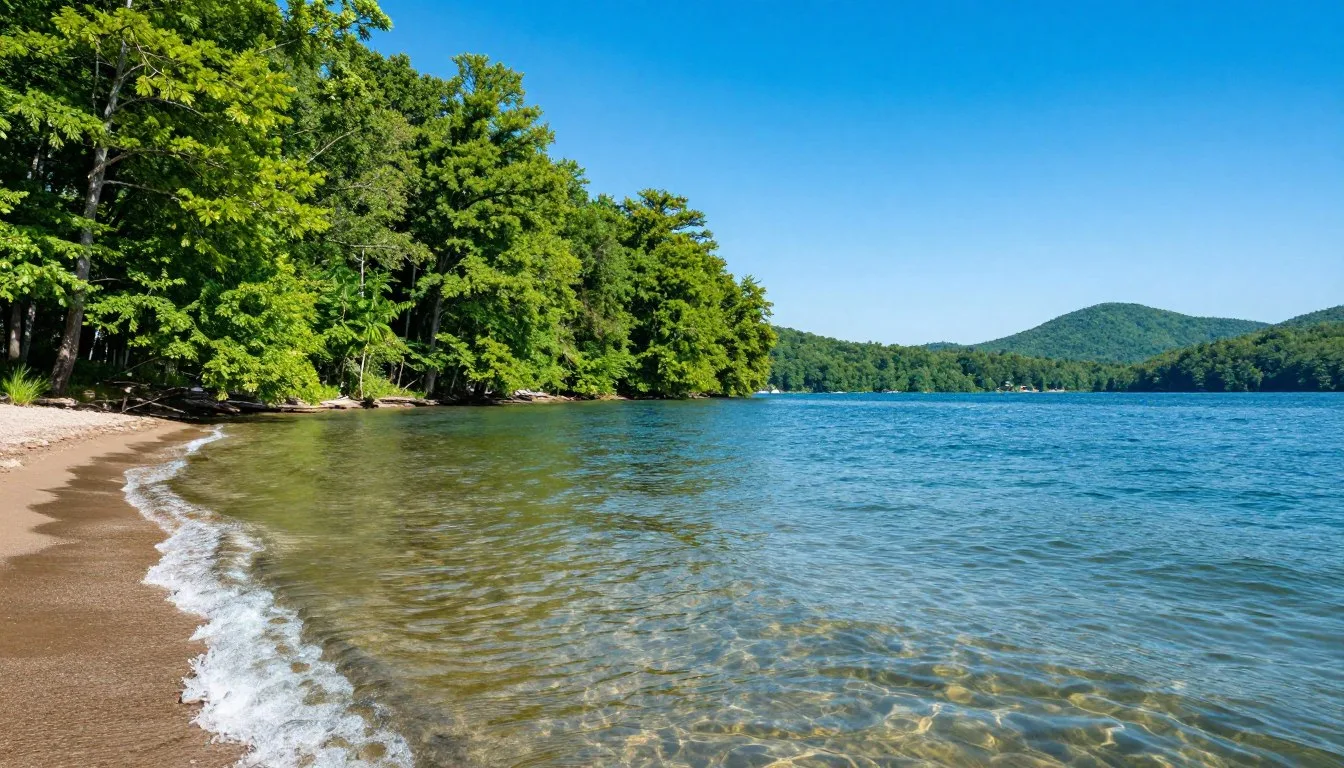
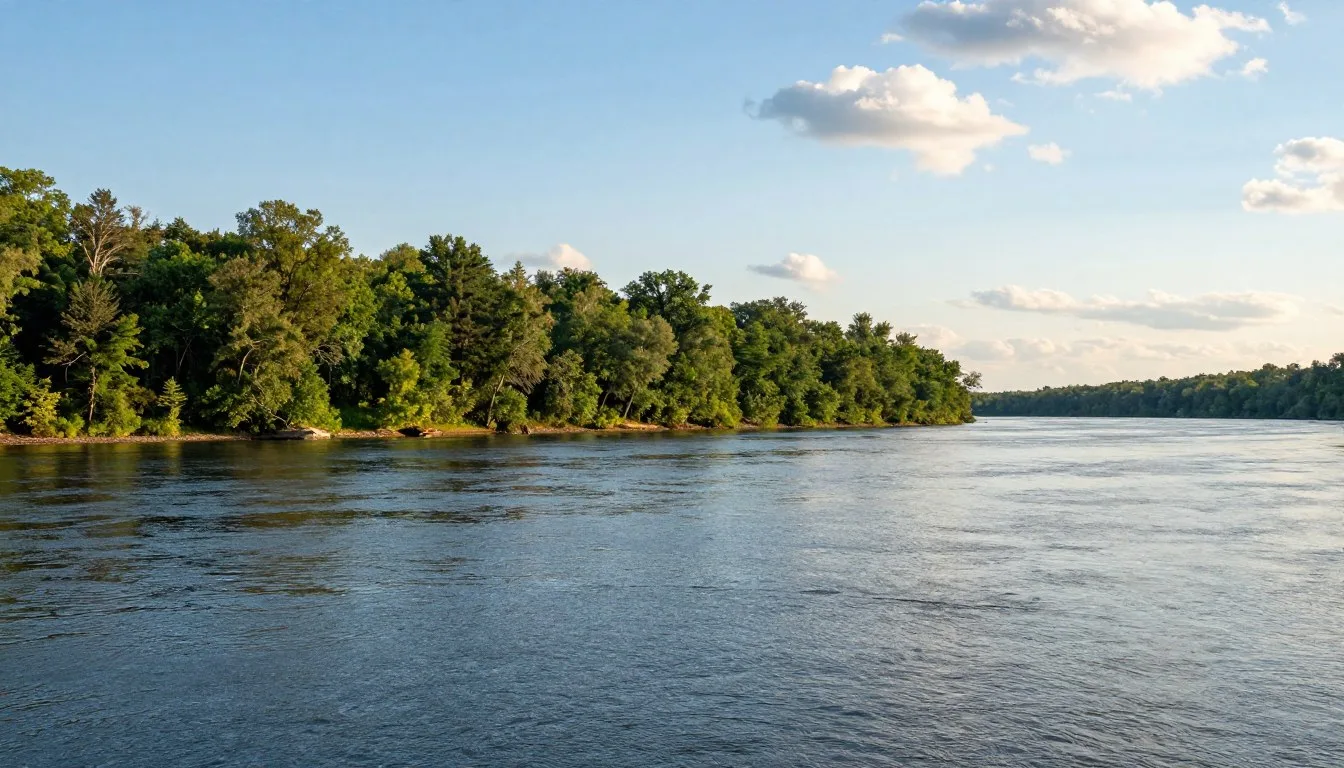
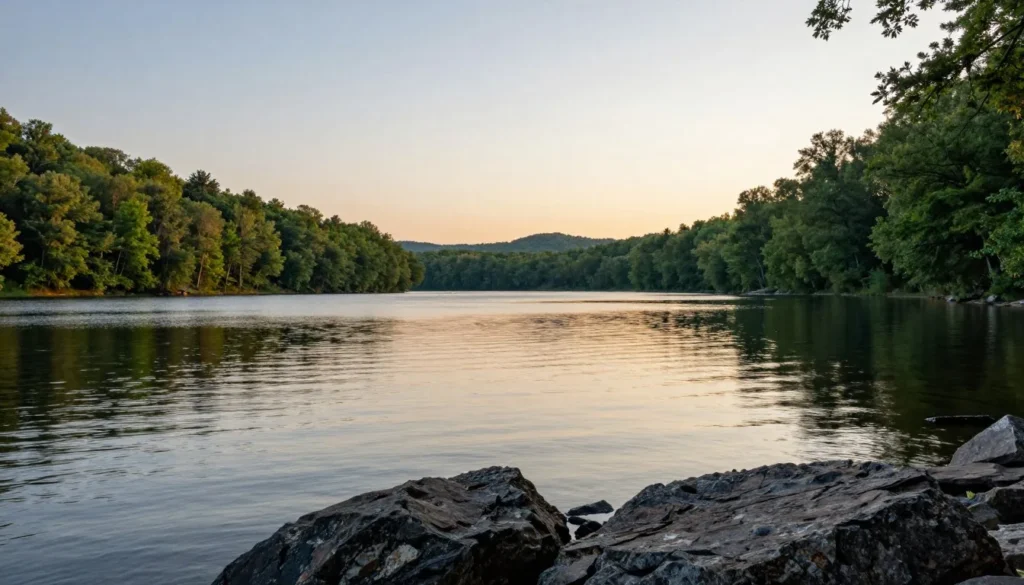
Located where the Caney Fork River meets the Collins River, this destination encompasses Rock Island State Park and the surrounding reservoir system. Whether you’re drawn to thundering waterfalls, excellent fishing opportunities, or peaceful kayaking on calm water, Great Falls Lake offers diverse experiences across approximately 809 hectares (2,000 acres) of protected waterways and parkland.
Getting There and Planning Your Journey
Reaching Great Falls Lake is straightforward from major Tennessee cities. The destination sits in the heart of middle Tennessee, making it accessible for day trips or extended stays.
The closest major airport is Nashville International Airport (BNA), located approximately 113 kilometers (70 miles) west of Great Falls Lake. This airport serves numerous domestic and international flights daily. From Nashville, the drive takes about 90 minutes via Interstate 40 East and State Route 287.
Alternatively, Chattanooga Metropolitan Airport (CHA) lies roughly 129 kilometers (80 miles) southeast. While slightly farther, this option works well for visitors combining Great Falls Lake with other southeastern Tennessee attractions.
Most visitors drive directly to Rock Island State Park, the primary access point for Great Falls Lake and the surrounding areas. The park entrance is clearly marked from State Route 287. Parking areas accommodate standard vehicles, though larger RVs should check with park staff about suitable spaces.
GPS coordinates for Rock Island State Park are approximately 35.8167° N, 85.6333° W. Cell phone reception can be spotty in certain gorge areas, so download offline maps before arrival.
Best Time to Visit and Weather Tips
Understanding seasonal patterns helps you experience Great Falls Lake at its best. Water levels, weather conditions, and visitor crowds vary significantly throughout the year.
Best Time to Visit Great Falls Lake Tennessee
Spring (March through May) ranks as the premier season for waterfall viewing. Increased rainfall and snowmelt raise water levels, making Great Falls particularly impressive. Temperatures range from 10°C to 24°C (50°F to 75°F), perfect for hiking without summer heat. Wildflowers bloom throughout Rock Island State Park during April and May.
Fall (September through November) offers the second-best visiting window. Comfortable temperatures between 13°C and 26°C (55°F and 78°F) combine with spectacular foliage. The gorge’s hardwood forests display brilliant reds, oranges, and yellows. Water levels remain adequate for most activities.
Summer (June through August) brings warm temperatures from 21°C to 32°C (70°F to 90°F). This season attracts the most visitors to Great Falls Lake. Water activities become especially popular, though swimming is prohibited near the dam areas for safety. Afternoon thunderstorms occur regularly, usually passing quickly.
Seasons to Avoid
Winter (December through February) presents challenges. Water levels drop significantly, reducing the falls’ visual impact. Temperatures range from -2°C to 10°C (28°F to 50°F). Ice can make trails treacherous. Many facilities at Rock Island State Park operate on reduced schedules or close entirely.
✓ Check 30,000+ Local Sightseeing Tours Worldwide
Notable Annual Festivals
The region hosts several events worth planning around, though specific dates change yearly:
- Rock Island Heritage Festival (typically May) – Celebrates local history with crafts, music, and food. Contact Rock Island City Hall at (931) 686-2216 for current information.
- Caney Fork River Festival (usually June) – Features river-themed activities, conservation education, and family entertainment. For details, call the White County Convention and Visitors Bureau at (931) 836-3552.
- Fall Color Festival (October) – Showcases autumn foliage with guided hikes and photography workshops at Rock Island State Park.
Water discharge schedules from Great Falls Dam affect viewing conditions. The Tennessee Valley Authority adjusts releases based on power generation needs and rainfall. High-discharge days create the most dramatic waterfall displays but may limit some access points.
Getting Around Locally
Great Falls Lake and Rock Island State Park require a personal vehicle for convenient exploration. No public transportation serves the area, and distances between points of interest make walking impractical.
Within Rock Island State Park, well-maintained roads connect major areas including the Great Falls overlook, picnic areas, and boat launch facilities. Parking lots serve each major attraction, though spaces fill quickly on summer weekends and spring peak-flow days.
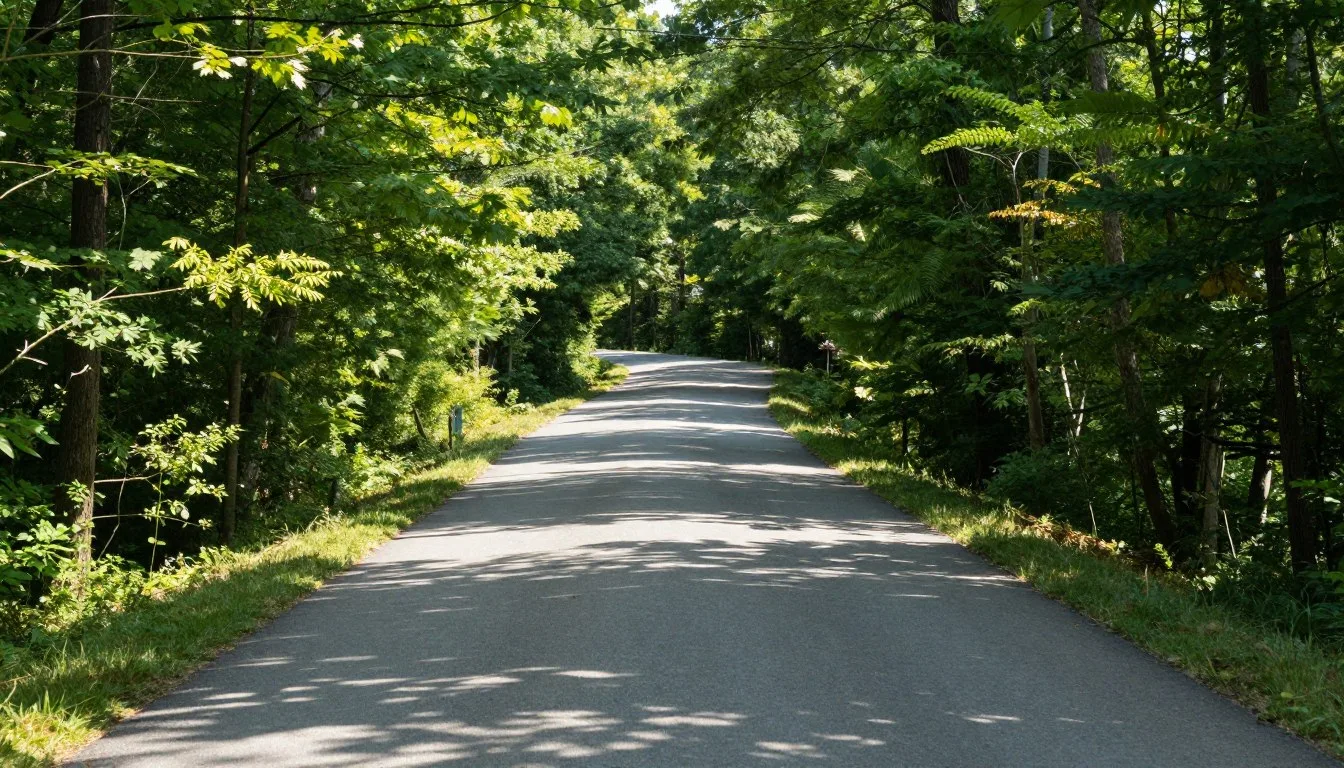
The park’s main access road is paved, but some secondary routes to fishing access points use gravel surfaces suitable for standard vehicles. Four-wheel drive is unnecessary except after heavy rain when certain access roads may become muddy.
For exploring the wider Great Falls Lake region, State Route 287 and connecting county roads provide access to various shoreline points and neighboring communities. Road signs are adequate, though GPS navigation helps locate less-obvious fishing access areas and trailheads.
Bicycles work well for exploring Rock Island State Park’s internal roads. The park terrain is moderately hilly. No dedicated bike paths exist, so cyclists share roads with vehicle traffic.
Boat access to Great Falls Lake is available through the park’s boat ramp facility. Water levels fluctuate based on dam discharge schedules, so boaters should check current conditions. Navigation near the dam powerhouse and falls areas is restricted for safety.
Where to Stay
Accommodation options near Great Falls Lake range from rustic camping to comfortable hotels in nearby towns. Rock Island State Park itself offers limited on-site lodging.
Rock Island State Park Camping
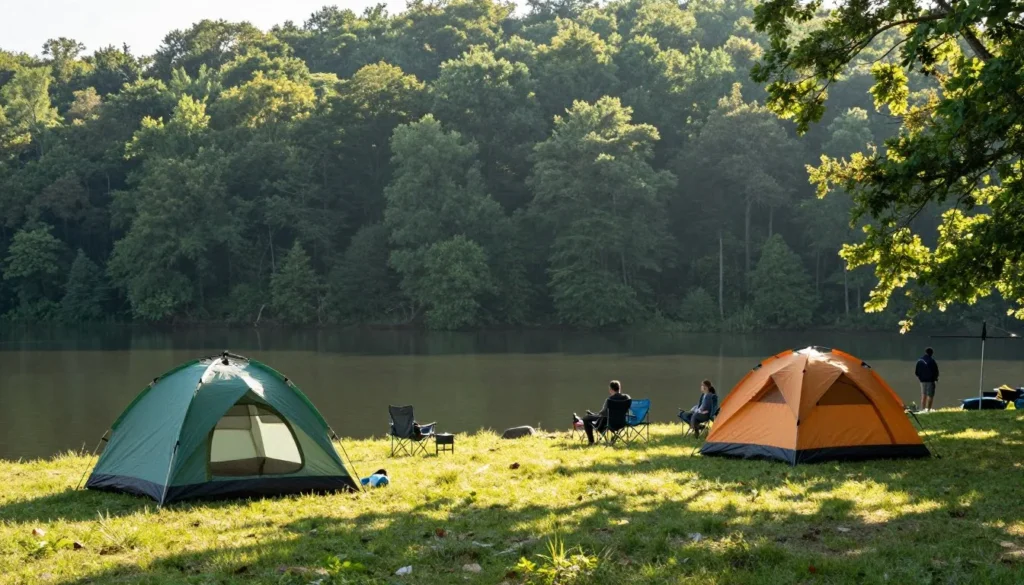
The park maintains a developed campground with approximately 60 sites. Most sites include water and electrical hookups suitable for RVs and campers. A limited number of primitive tent sites offer a more secluded experience near the Caney Fork River.
Campground facilities include restrooms with showers, a dump station, and picnic tables at each site. Sites are available first-come, first-served, though reservations are recommended during spring and fall peak seasons. For camping information and reservations, contact Rock Island State Park at (931) 686-2471.
Nearby Towns and Hotels
McMinnville, located 24 kilometers (15 miles) south, offers the widest selection of hotels and motels. Options range from budget chains to mid-range properties. This town of about 13,000 provides restaurants, grocery stores, and other services.
Sparta, approximately 32 kilometers (20 miles) northeast, presents additional lodging choices. This smaller community serves as White County’s seat and provides basic accommodations plus local dining options.
Vacation Rentals
Private cabins and lakeside houses are available for rent through various online platforms. These properties scatter throughout the Great Falls Lake area, particularly around Center Hill Lake to the east. Rental homes typically accommodate larger groups and offer full kitchen facilities.
Properties directly on the Caney Fork River below Great Falls Dam attract anglers seeking convenient fishing access. Book well in advance for spring and fall weekends when fishing conditions peak.
Dining and Local Cuisine
Dining options near Great Falls Lake reflect rural Tennessee’s character. While the immediate park area has no restaurants, nearby communities offer authentic regional food.
McMinnville provides the most diverse dining selection. Local barbecue restaurants serve Tennessee-style smoked meats with traditional sides like coleslaw, baked beans, and cornbread. Family-owned diners offer Southern breakfast staples including biscuits with gravy, country ham, and grits.
The area’s signature dish is catfish, often served fried with hushpuppies and coleslaw. Several restaurants near Great Falls Lake specialize in this regional favorite, typically sourcing fish locally from the Caney Fork River and its tributaries.
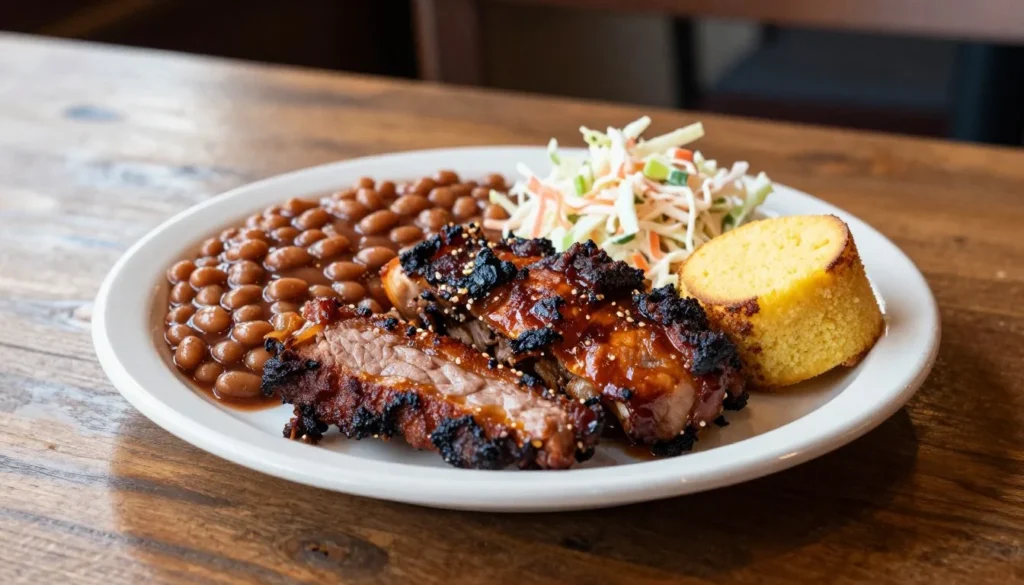
Meat-and-three restaurants, a Tennessee dining tradition, let customers choose one meat and three vegetables from daily selections. This style represents authentic local eating and offers excellent value.
Visitors should try local specialties including:
- Fried catfish with hushpuppies
- Slow-smoked pulled pork or ribs
- Buttermilk biscuits with sausage gravy
- Chess pie or pecan pie for dessert
- Sweet tea, the unofficial beverage of Tennessee
For picnicking at Rock Island State Park, grocery stores in McMinnville and Sparta stock supplies. The park provides numerous picnic areas with tables and grills, many overlooking the Caney Fork River or offering gorge views.
Alcohol sales vary by county. White County (where Rock Island sits) has limited alcohol sales regulations. Check local ordinances if purchasing beer or wine for camping.
Attractions, Sightseeing and Activities
Great Falls Lake and Rock Island State Park deliver remarkable natural attractions centered on powerful waterfalls and scenic river gorges. The area offers activities for various interests and fitness levels.
Great Falls and Dam
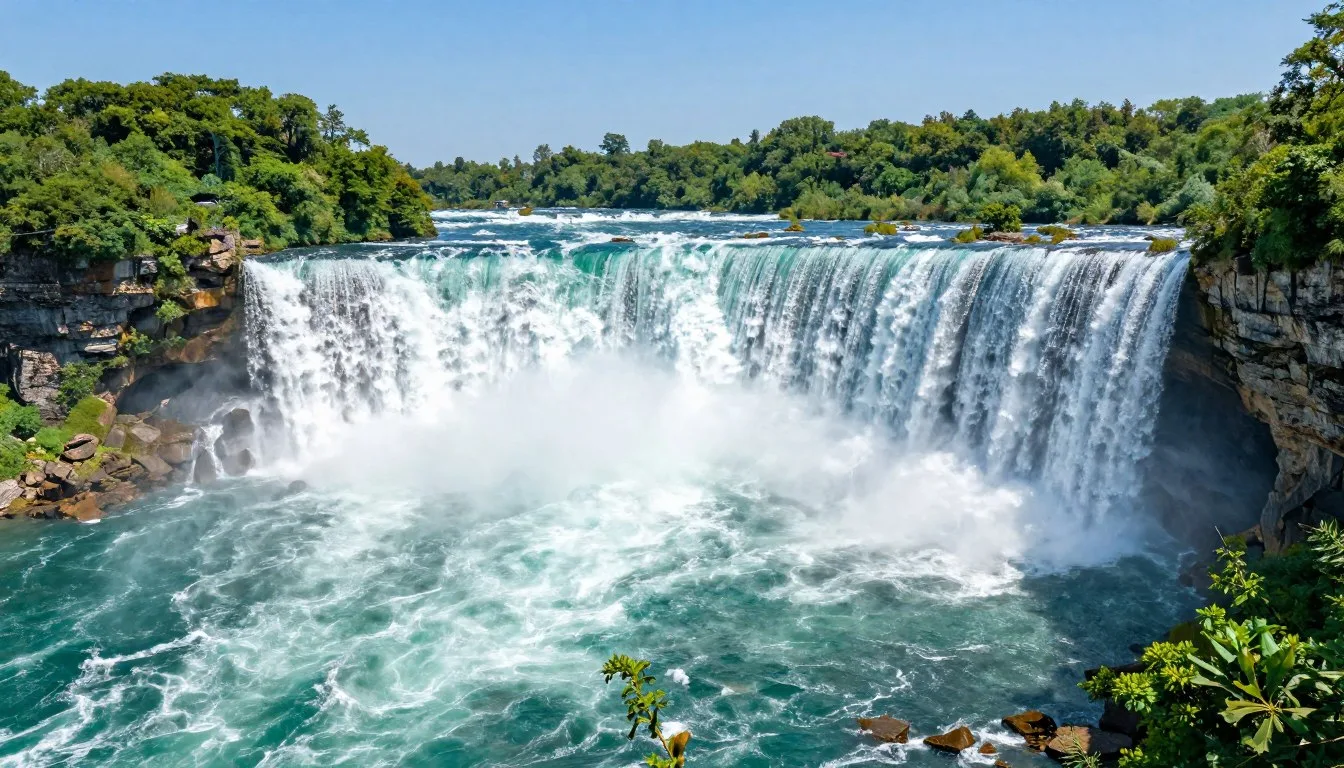
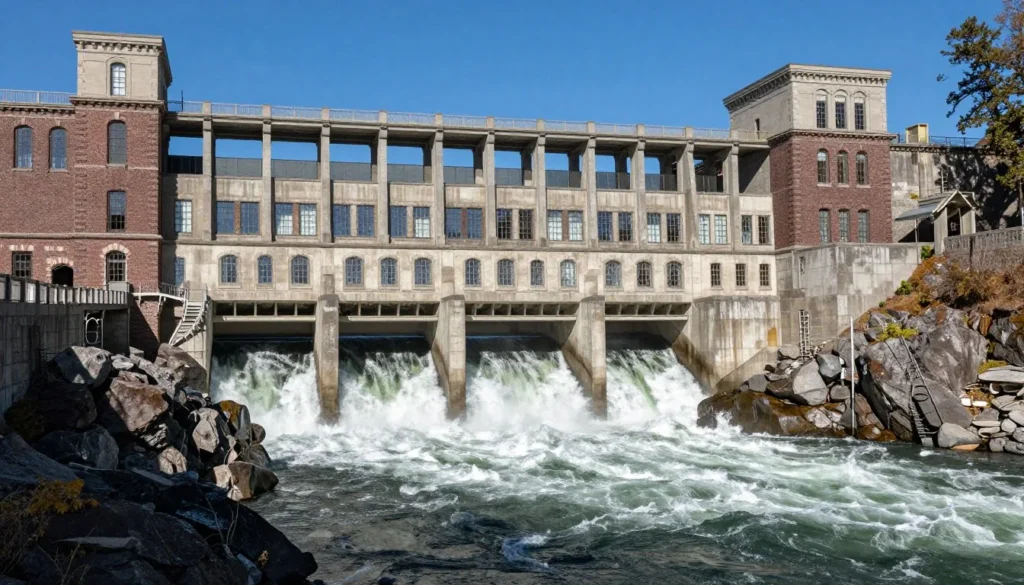
The centerpiece attraction is Great Falls itself, where the Caney Fork River plunges over a series of rock ledges. This natural waterfall was enhanced by Great Falls Dam construction in the early 1900s. The Tennessee Valley Authority operates the dam powerhouse, which generates electricity from the river’s flow.
Multiple overlook points provide different perspectives on the falls. The main overlook, easily accessible from the parking area, offers straight-on views of the falls’ full width. During high-discharge periods, mist from the falls creates rainbows in afternoon sun.
The gorge downstream from the dam stretches for several miles, with sheer rock walls rising 30 to 46 meters (100 to 150 feet) above the river. This dramatic landscape was carved over millions of years as the Caney Fork River cut through limestone and sandstone layers.
Twin Falls
Less known but equally impressive, Twin Falls lies a short hike from the main parking area at Rock Island State Park. These parallel waterfalls drop approximately 24 meters (80 feet) into the gorge. A viewing platform provides safe observation points.
The trail to Twin Falls is moderate in difficulty, covering about 0.8 kilometers (0.5 miles) one way. The path descends into the gorge through hardwood forest, with some steep sections requiring caution, especially when wet.
Fishing Opportunities
Great Falls Lake supports diverse fish species including largemouth bass, smallmouth bass, spotted bass, catfish, and various sunfish species. The tailwater below Great Falls Dam is particularly productive, especially for trout and smallmouth bass.
Fishing access points line both the reservoir shoreline and the river below the dam. Bank fishing is available at multiple locations within Rock Island State Park. Boat anglers can launch at the park’s ramp facility to access different areas of the lake.
Tennessee fishing licenses are required for anyone age 13 or older. Licenses can be purchased online through the Tennessee Wildlife Resources Agency or at local sporting goods stores. For current fishing regulations specific to Great Falls Lake, contact TWRA at (800) 624-7406.
Water Sports
Kayaking and canoeing are popular on the calmer sections of Great Falls Lake. Paddlers should avoid areas near the dam due to strong currents and restricted zones. The Collins River arm of the lake offers protected water ideal for beginning paddlers.
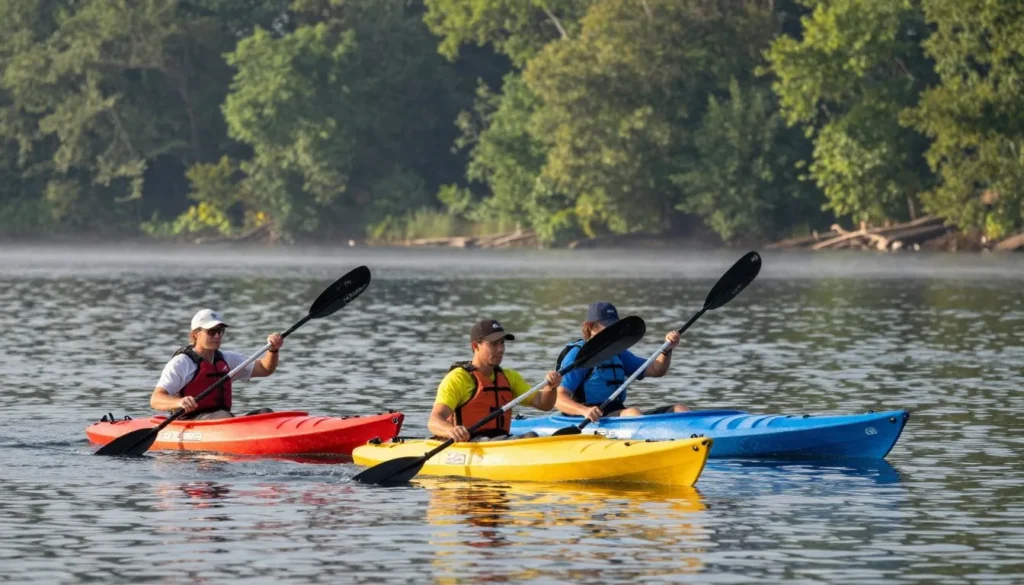
Swimming is prohibited in most areas of Great Falls Lake due to dangerous currents near the dam and underwater hazards. No designated swimming beaches exist within Rock Island State Park.
Water levels fluctuate based on dam operations and rainfall. Boaters should check current conditions before launching. Submerged rocks and stumps pose hazards during low-water periods.
Museums, Cultural Spots and Festivals
While Great Falls Lake itself focuses on natural attractions, the surrounding area offers cultural and historical sites worth exploring.
Falls City Cotton Mill Ruins
Near the entrance to Rock Island State Park, visitors can view remnants of the historic Falls City Cotton Mill. This industrial complex operated in the early 1900s, powered by the Caney Fork River’s flow. Today, partial walls and foundations remain as a testament to the area’s industrial heritage.
Information panels explain the mill’s history and its connection to the development of Great Falls Dam. The site is accessible via a short walk from the main park road.
Cumberland Plateau Heritage
The Great Falls Lake region sits within the Cumberland Plateau, an area with rich Appalachian cultural traditions. Nearby communities maintain these traditions through music, crafts, and storytelling.
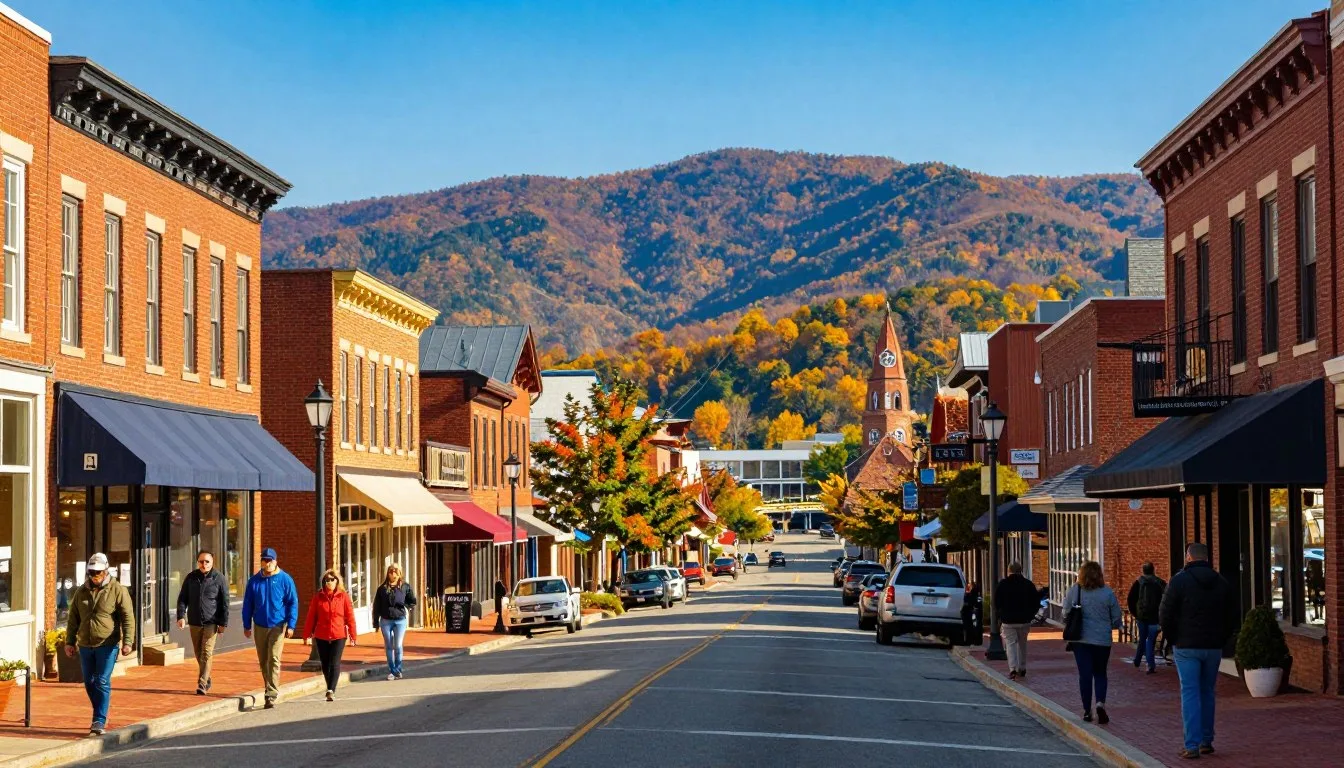
McMinnville hosts occasional bluegrass and country music events showcasing regional musicians. The town’s historic downtown district features locally owned shops selling handmade crafts including quilts, woodwork, and pottery.
Seasonal Events
Beyond the festivals mentioned earlier, Rock Island State Park occasionally hosts ranger-led programs covering topics from local geology to wildlife identification. These free programs typically run on summer weekends. Check with the park office at (931) 686-2471 for current schedules.
Photography is a cultural activity in itself at Great Falls. The dramatic waterfalls and gorge scenery attract photographers year-round. Spring and fall offer the best lighting conditions and most interesting natural elements.
Nature and Outdoor Experiences
Beyond waterfalls and fishing, Great Falls Lake and Rock Island State Park provide diverse outdoor opportunities for nature enthusiasts.
Hiking Trails
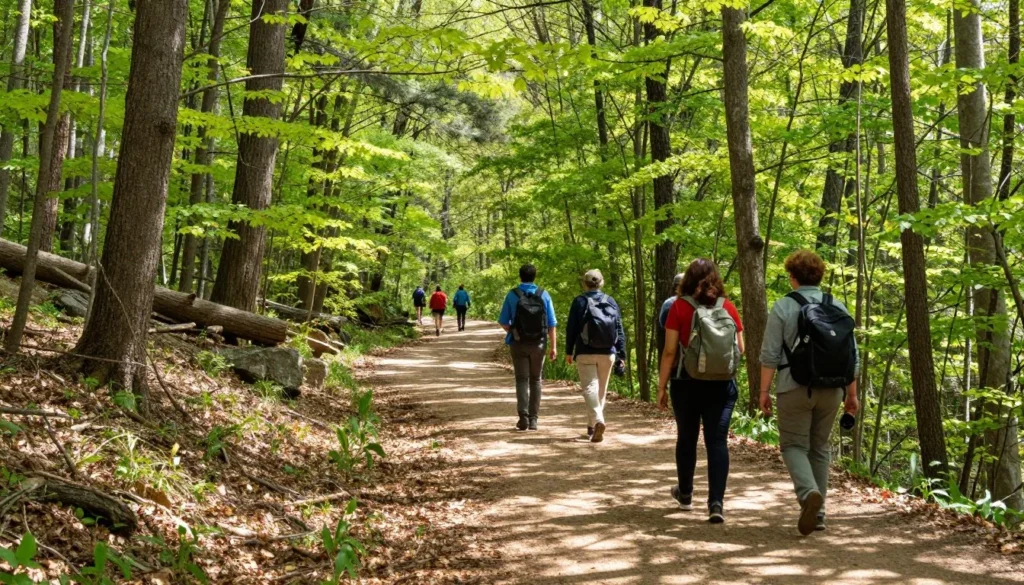
Rock Island State Park maintains several hiking trails ranging from easy walks to moderately difficult routes. The Gorge Overlook Trail offers the easiest access, a nearly flat path leading to panoramic views of the Caney Fork River gorge.
More adventurous hikers can tackle trails descending into the gorge itself. These routes require good fitness and proper footwear. Rocky, sometimes slippery conditions demand caution. Trail distances range from 1.6 kilometers (1 mile) to 6.4 kilometers (4 miles) roundtrip.
Trail maps are available at the park office and main parking areas. Cell phone coverage is unreliable on some trails, so carry a physical map and inform someone of your hiking plans.
Wildlife Viewing
The Great Falls Lake area supports diverse wildlife. White-tailed deer are commonly seen, especially during early morning and evening hours. Wild turkey populations thrive in the surrounding forests.
Birdwatchers can spot numerous species including bald eagles during winter months, various waterfowl on the lake, and forest songbirds year-round. The gorge’s rocky cliffs provide nesting habitat for cliff swallows and other birds.
River otters occasionally appear in the Caney Fork River and Collins River. These playful mammals hunt fish and can sometimes be observed from overlook points.
Geological Features
The rock formations at Great Falls showcase millions of years of geological history. Limestone and sandstone layers visible in the gorge walls contain fossils from ancient seas that once covered Tennessee.
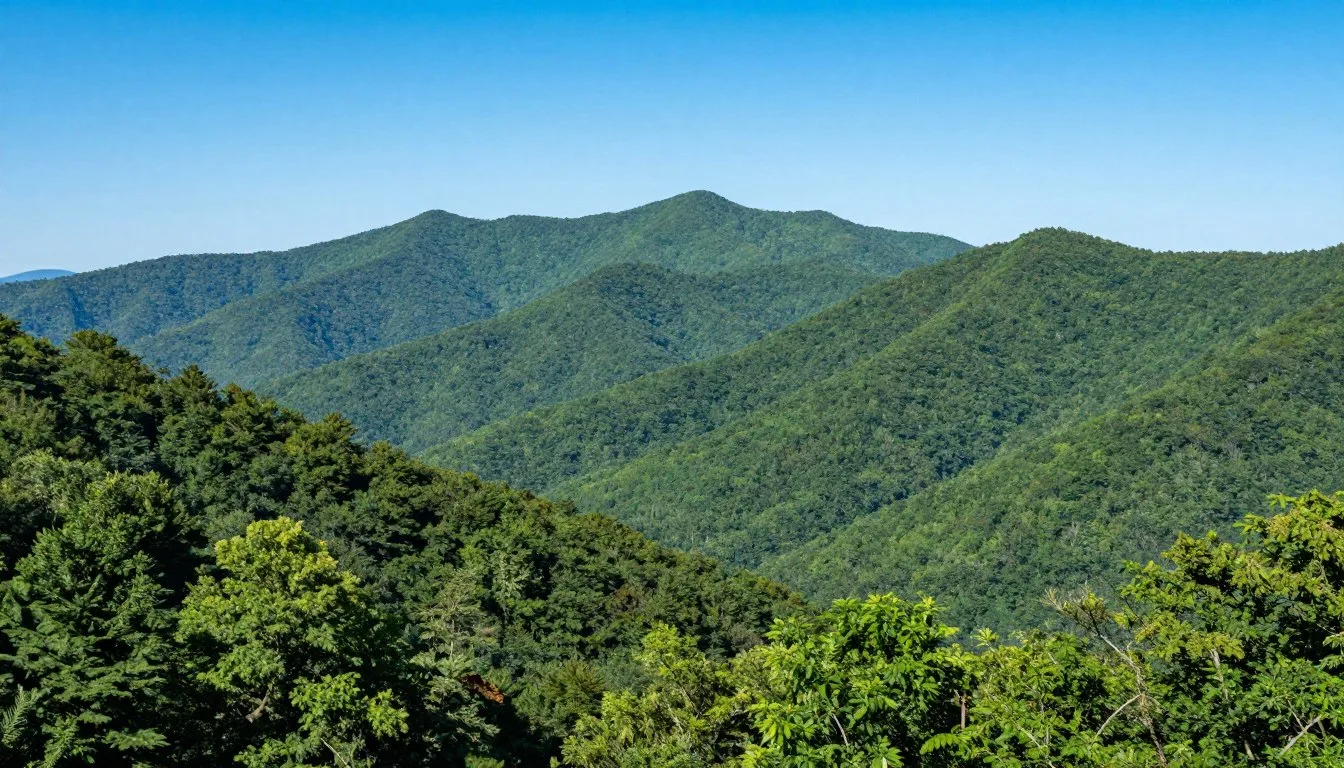
The Cumberland Plateau’s characteristic flat-topped hills and deep river gorges surround the area. This landscape formed through erosion as rivers cut down through horizontal rock layers.
Seasonal Natural Events
Spring brings wildflower blooms throughout Rock Island State Park. Trilliums, violets, and bloodroot carpet the forest floor in March and April. Peak bloom timing varies with weather but typically occurs in mid-April.
Fall foliage usually peaks in mid to late October. The mixed hardwood forests display brilliant colors as maples, hickories, and oaks change leaf color. The gorge setting intensifies the visual impact as colorful trees contrast with gray rock walls.
Winter offers stark beauty as ice formations develop along the waterfall spray zones. However, access may be limited due to hazardous conditions.
Travel With Children
Great Falls Lake and Rock Island State Park accommodate family visits well, though parents should consider safety factors given the area’s natural hazards.
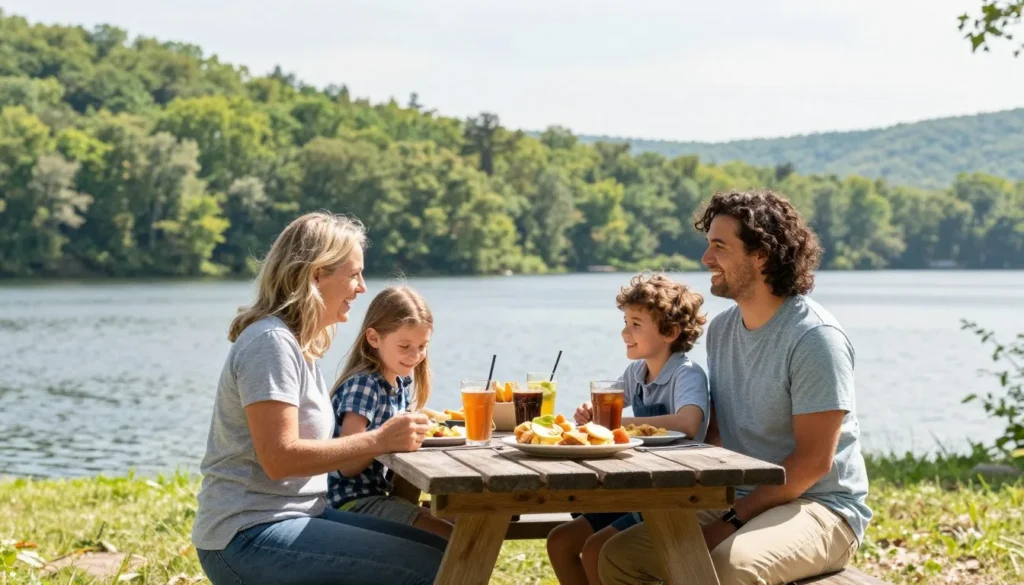
The main overlook areas for Great Falls and Twin Falls are fenced and suitable for children of all ages. Young visitors can safely view the waterfalls from designated viewing platforms. Parents should supervise closely, as the gorge drops away steeply in some areas.
Shorter hiking trails like the Gorge Overlook Trail work well for families with elementary-age children. The relatively flat terrain and short distance (less than 1.6 kilometers or 1 mile) prevent fatigue. Trails descending into the gorge are not recommended for young children due to steep, rocky conditions.
Rock Island State Park’s picnic areas provide playgrounds and open spaces where children can play safely. These areas also offer restroom facilities and shelter from sun or rain.
Fishing appeals to children, and the park’s accessible shoreline spots allow families to fish together. Tennessee regulations permit children under 13 to fish without a license. Pack snacks and be prepared for short attention spans, as fishing success varies.
Educational opportunities abound. Children learn about hydroelectric power at the Great Falls Dam powerhouse, observe diverse wildlife, and explore rock formations. Ranger-led programs during summer cover topics engaging for young visitors.
Safety considerations for families:
- Keep children away from cliff edges and swift water areas
- Apply insect repellent during warm months
- Bring sun protection including hats and sunscreen
- Carry adequate water for each family member
- Dress children in bright colors for visibility on trails
- Check weather forecasts and avoid visiting during thunderstorms
Camping at Rock Island State Park creates memorable family experiences. Children often enjoy the novelty of sleeping in tents or RVs. Evening campfires (where permitted) provide opportunities for family bonding.
Money Saving Tips
Visiting Great Falls Lake can be remarkably affordable with smart planning. Many activities cost nothing beyond transportation to the area.
Rock Island State Park charges no entrance fee. Visitors can access Great Falls overlooks, hiking trails, picnic areas, and most facilities without paying admission. This makes the destination exceptionally budget-friendly compared to many tourist attractions.
Camping at the park costs significantly less than hotel accommodations in nearby towns. Campsite fees are modest, and staying multiple nights reduces per-day costs. Primitive tent sites offer the most economical option.
Pack food for picnics rather than eating all meals at restaurants. McMinnville grocery stores offer supplies at regular prices. Cooking at your campsite or using picnic facilities saves considerable money over restaurant dining.
Tennessee fishing licenses represent the main activity cost. Annual licenses cost less per day than daily licenses if you plan multiple fishing trips. Anglers age 65 or older receive discounted rates. Consider whether you truly need a license or if simply exploring suffices.
Visit during weekdays rather than weekends when possible. Accommodation rates in nearby towns typically drop for weekday stays. Campgrounds are less crowded, and you’ll have better access to popular viewpoints.
Free activities include:
- Waterfall viewing at Great Falls and Twin Falls
- All hiking trails within Rock Island State Park
- Wildlife observation and bird watching
- Photography throughout the park
- Picnicking in designated areas
- Ranger-led programs when available
Gasoline prices in rural Tennessee towns near Great Falls Lake often run lower than in Nashville or other major cities. Fill your tank in McMinnville or Sparta rather than before leaving urban areas.
If you plan to kayak, bringing your own boat eliminates rental costs. The park’s boat launch facility is available to all visitors without additional fees beyond standard parking.
✓ Check 30,000+ Local Sightseeing Tours Worldwide
Time visits to avoid festival weekends if budget is tight. While events add interest, they also increase accommodation prices and crowd popular areas.
Safety and Local Customs
Great Falls Lake and Rock Island State Park are generally safe, but the natural environment presents specific hazards requiring awareness and preparation.
Water Safety
The Caney Fork River and areas near Great Falls Dam contain powerful currents. Swimming is prohibited for good reason. Several tragic accidents have occurred over the years when people ventured too close to the falls or ignored warning signs.
Water levels change rapidly based on dam discharge schedules. Areas safe during low flow can become dangerous within minutes when releases increase. Respect all restricted zones and warning signs.
If boating or kayaking, always wear a life jacket. Water temperatures remain cool even in summer due to the river’s depth and flow. Hypothermia can occur if you capsize.
Trail and Cliff Safety
Stay on marked trails. The gorge’s steep terrain can be deadly if you slip or venture too close to cliff edges. Rocks near waterfalls become slippery from constant mist and spray.
Wear appropriate footwear with good traction. Flip-flops and sandals are inadequate for anything beyond the main paved overlook areas.
Tell someone your hiking plans and expected return time. Cell phone coverage is unreliable in the gorge, so you cannot count on calling for help in emergencies.
Weather Hazards
Thunderstorms develop quickly during summer afternoons. Lightning poses serious risk near the exposed overlook points and on the lake. Seek shelter in vehicles or buildings at first sign of storms.
Flash flooding can occur in the gorge during heavy rainfall. Do not hike gorge trails if rain is forecasted or if storms are approaching.
Wildlife Precautions
Venomous snakes including copperheads and timber rattlesnakes inhabit the area. Watch where you step and place your hands when scrambling over rocks. Snakes are generally not aggressive but will defend themselves if surprised.
Ticks are common during warm months. Check yourself thoroughly after hiking. Ticks can transmit diseases including Lyme disease, so prompt removal is important.
Do not feed wildlife. While deer and other animals may seem tame, feeding disrupts natural behaviors and can make animals dangerous.
Local Customs
Rural Tennessee residents value courtesy and friendliness. Simple greetings when passing other hikers or visitors are customary. People are generally helpful if you need directions or information.
Respect private property surrounding the park. Some areas near Great Falls Lake remain privately owned. Trespassing is taken seriously and can result in legal consequences.
Most local businesses and restaurants are closed or have limited hours on Sundays. Plan accordingly if visiting over a weekend.
Leave no trace principles apply throughout Rock Island State Park. Pack out all trash, stay on designated trails, and leave natural features undisturbed for others to enjoy.
For emergencies within Rock Island State Park, contact park rangers at (931) 686-2471. In serious emergencies, call 911. Provide as much location detail as possible, as GPS coordinates may not work reliably for emergency responders in the gorge areas.
Visitor Comments About Great Falls Lake Tennessee
“The waterfalls at Rock Island State Park exceeded our expectations. Great Falls is absolutely stunning when they release water from the dam. We spent hours just watching the power of the falls and exploring the gorge trails. The camping facilities were clean and well maintained. This hidden gem deserves far more recognition than it gets.”
“As a Tennessee native, I’m embarrassed I only recently discovered Great Falls Lake. The fishing is excellent, especially below the dam where we caught several smallmouth bass. The state park offers incredible value with no entrance fee and reasonable camping rates. We’ll definitely return, probably making this an annual family tradition.”
“Our visit to Great Falls Lake provided the perfect balance of adventure and relaxation. The Twin Falls hike challenged us just enough without being too difficult. The gorge scenery rivals anything we’ve seen in our travels. My only complaint is that three days wasn’t nearly enough time to explore everything the area offers.”
Additional Nearby Destinations
Great Falls Lake’s central location makes it an excellent base for exploring other Middle Tennessee attractions. Several worthwhile destinations lie within easy driving distance.
Center Hill Lake
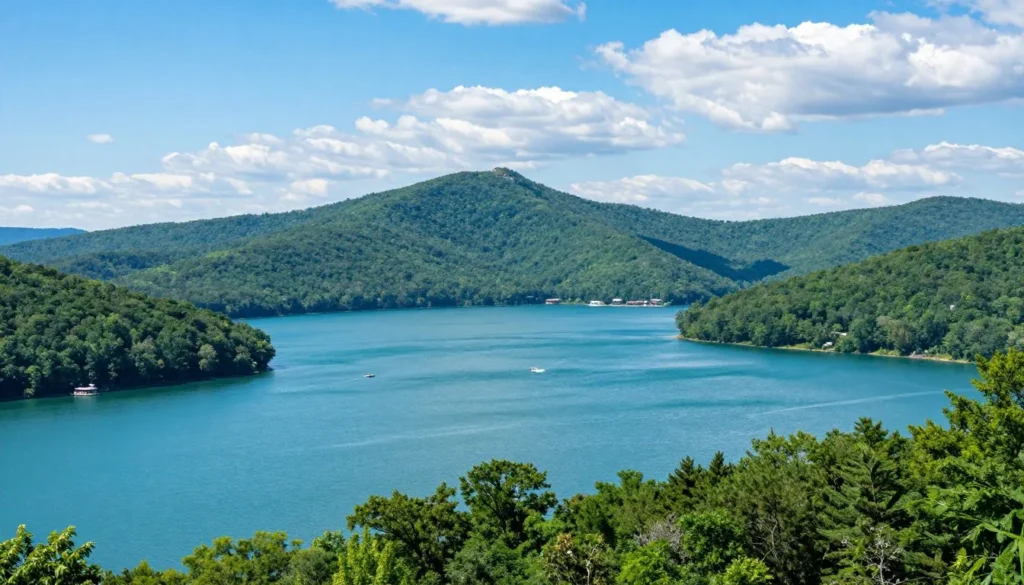
Just 19 kilometers (12 miles) east of Great Falls Lake, Center Hill Lake offers a much larger water recreation area. This 7,324-hectare (18,100-acre) reservoir provides extensive boating, fishing, and water sports opportunities. The lake’s clear water and limestone bluffs create beautiful scenery.
Center Hill Lake includes additional camping areas, marinas with boat rentals, and several resort accommodations. The lake is less developed and more secluded than popular Tennessee lakes closer to major cities.
Burgess Falls State Park
Located 40 kilometers (25 miles) northwest of Great Falls Lake, Burgess Falls State Park features another impressive waterfall dropping 40 meters (130 feet). The 1.6-kilometer (1-mile) trail to the falls is relatively easy and passes several smaller cascades along the way.
Burgess Falls offers a different gorge experience with unique geological features. The park is less crowded than Rock Island, providing a quieter nature experience.
Cumberland Caverns
About 48 kilometers (30 miles) southeast, Cumberland Caverns showcases Tennessee’s underground beauty. Guided tours explore massive chambers decorated with stalactites, stalagmites, and other cave formations. Special tours including overnight camping inside the cave are available for adventurous visitors.
McMinnville Historic Downtown
This small town 24 kilometers (15 miles) from Great Falls Lake preserves a charming historic downtown with local shops, cafes, and restaurants. The town square features a traditional courthouse and surrounding historic buildings.
McMinnville is also home to several craft producers including a small winery and local artisans selling handmade goods.
Nashville
Tennessee’s capital city lies 113 kilometers (70 miles) west. Nashville offers world-famous country music attractions, museums, professional sports, and diverse dining. The city makes an interesting contrast to Great Falls Lake’s natural focus.
Many visitors combine a Great Falls Lake nature retreat with Nashville city experiences, creating a varied Tennessee vacation.
Practical Travel Tips
Final considerations to help you make the most of your Great Falls Lake visit.
What to Pack
- Sturdy hiking shoes or boots with good traction
- Layered clothing for temperature changes
- Rain jacket regardless of forecast
- Sun protection including hat, sunglasses, and sunscreen
- Insect repellent containing DEET
- Reusable water bottles for each person
- Camera with extra batteries
- Binoculars for wildlife and waterfall viewing
- Basic first aid supplies
- Physical map of the area
Cell Phone and Internet
Cell coverage at Great Falls Lake is spotty. Major carriers have service at the main parking areas and overlooks but signal weakens in the gorge. Do not rely on your phone for navigation or emergency contact in remote areas.
Wi-Fi is not available within Rock Island State Park. Some hotels in McMinnville and Sparta offer Wi-Fi to guests.
Accessibility
The main Great Falls overlook is paved and accessible to visitors using wheelchairs or mobility devices. Accessible parking spaces are available in the main lot.
Most hiking trails are not accessible due to steep, rocky terrain. The gorge environment presents natural barriers to accessibility.
Accessible restroom facilities are located at the main visitor parking area and campground.
Park Hours and Seasons
Rock Island State Park is open year-round during daylight hours. Specific times vary by season. The park typically opens at 8:00 AM and closes at sunset.
Some facilities including the campground office operate on seasonal schedules with reduced hours or closures during winter months. Contact the park office at (931) 686-2471 to confirm hours before visiting during off-season periods.
Photography Tips
The best light for waterfall photography occurs during morning hours before strong overhead sun creates harsh shadows. Overcast days provide even lighting that works well for the falls.
Bring a tripod for long-exposure shots that blur the water into silky streams. Neutral density filters help achieve this effect even in bright conditions.
Spring high-water periods provide the most dramatic waterfall displays but also generate more mist that can spot your lens.
Respecting the Environment
Great Falls Lake’s beauty depends on visitors leaving no trace. Pack out everything you bring in. Use designated trash receptacles where available.
Stay on marked trails to prevent erosion and protect fragile plant communities. Shortcutting switchbacks damages trails and creates safety hazards.
Do not remove rocks, plants, or other natural features. Fossils in the gorge walls are protected by state law.
Keep noise levels reasonable to preserve the natural experience for other visitors and avoid disturbing wildlife.
Your Great Falls Lake Adventure Awaits
Great Falls Lake, Tennessee offers a refreshing escape where powerful waterfalls thunder through ancient gorges and outdoor adventures unfold around every bend. Whether you’re casting a line into productive waters, hiking trails through hardwood forests, or simply watching millions of liters cascade over Great Falls, this destination delivers authentic natural experiences without crowds or commercialization.
The combination of Rock Island State Park’s excellent facilities, nearby towns’ genuine hospitality, and the sheer power of the falls themselves creates memories that last long after you’ve returned home. Pack your hiking boots, charge your camera, and discover why those who visit Great Falls Lake inevitably start planning their return trip before they even leave. Tennessee’s hidden natural treasure is waiting for you.