Hotels by Trip.com
Flights by Trip.com
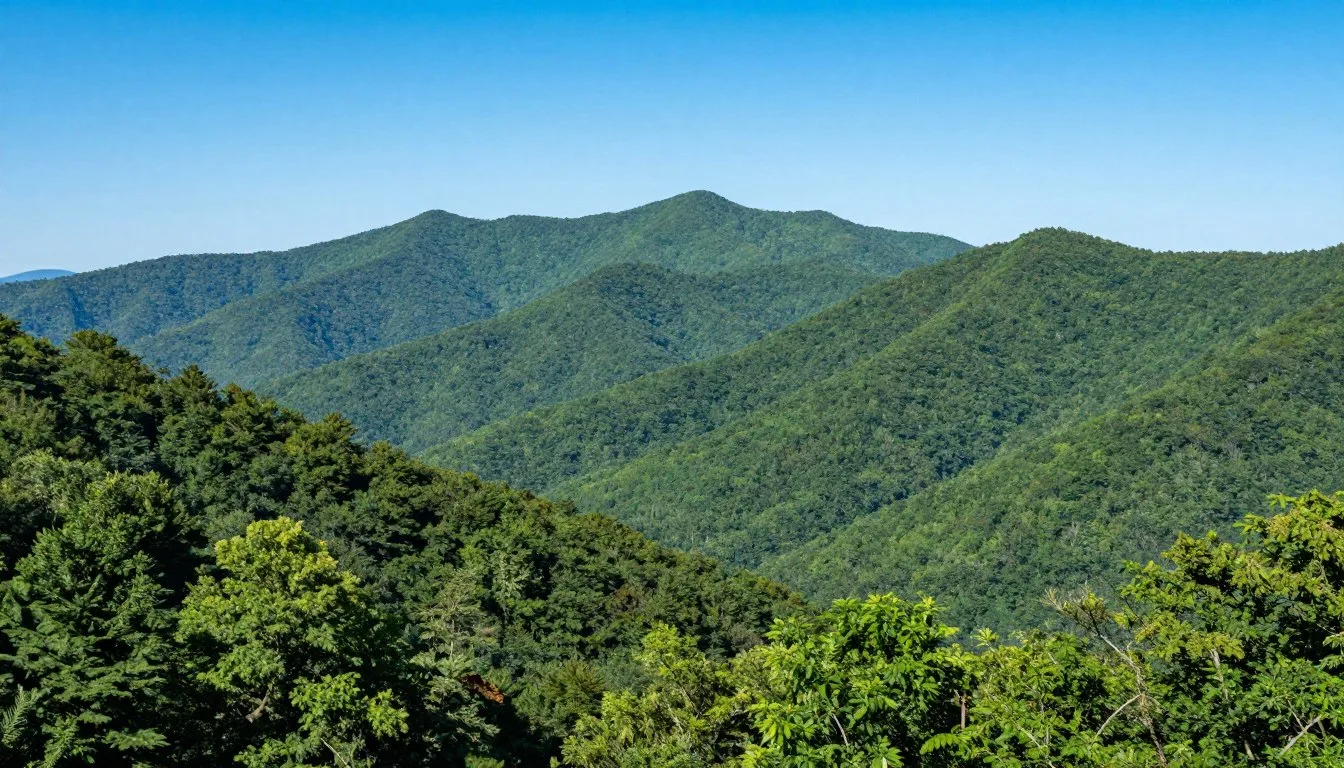
Over 14 million visitors explore Great Smoky Mountains National Park each year, making it America’s most visited national park. That’s more than twice the number who visit the Grand Canyon. The mountains earned their distinctive name from the natural fog that rises from the dense vegetation, creating a smoky blue haze that blankets the ancient peaks throughout the day.
This remarkable destination straddles the border between Tennessee and North Carolina. The park protects some of the oldest mountains on Earth and contains more tree species than all of Europe combined.
Whether you’re drawn to misty mountain vistas, cascading waterfalls, or encounters with black bears and elk, the Smoky Mountains offer unforgettable experiences. This comprehensive guide will help you plan the perfect visit to this natural wonderland.
Getting There and Planning Your Journey
Reaching the Great Smoky Mountains is straightforward from multiple directions. The park has three main entrance points that provide access to different areas and attractions.
The closest major airports include:
- McGhee Tyson Airport (TYS) in Knoxville, Tennessee – 64 km (40 miles) from Gatlinburg entrance
- Asheville Regional Airport (AVL) in North Carolina – 97 km (60 miles) from Cherokee entrance
- Charlotte Douglas International Airport (CLT) – 241 km (150 miles) away, offering more flight options
Most visitors rent a car at the airport. This gives you freedom to explore the park at your own pace. Public transportation within the mountains is limited.
The main park entrances are located in Gatlinburg, Tennessee, and Cherokee, North Carolina. A third entrance at Townsend, Tennessee provides access to Cades Cove. Each entrance offers different experiences and levels of crowds.
Plan your route based on which areas you want to explore first. The drive from Knoxville takes about an hour. From Asheville, expect roughly an hour and a half to reach the Cherokee entrance.
Best Time to Visit and Weather Tips
Recommended Seasons
Spring (April to May) brings wildflower blooms across the mountains. Temperatures range from 10°C to 21°C (50°F to 70°F). This is an excellent time for hiking and viewing waterfalls at peak flow.
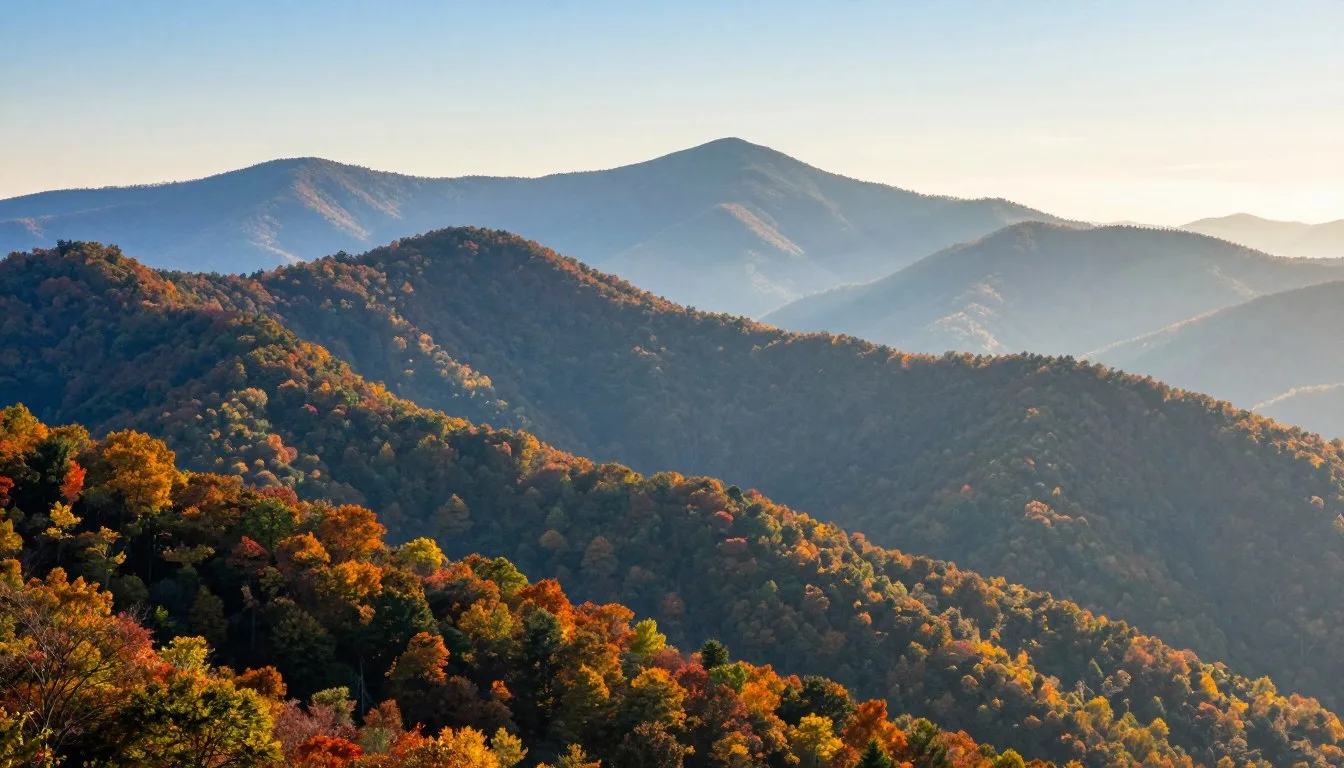
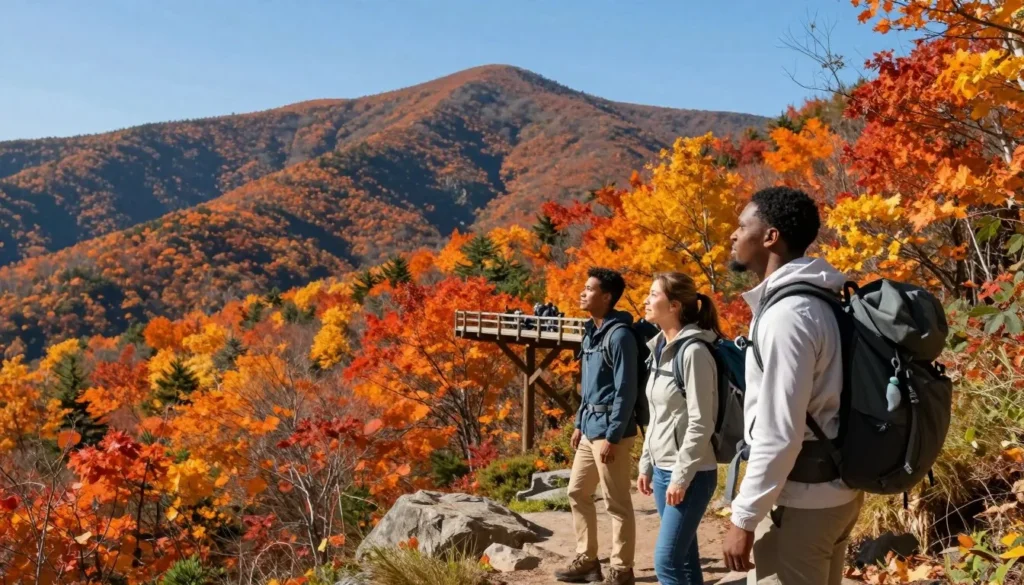
Fall (October to early November) showcases spectacular foliage. The mountains transform into a canvas of red, orange, and gold. Expect temperatures between 7°C and 18°C (45°F to 65°F). This is the most popular season.
Early summer (June) offers comfortable weather before peak heat. Days are warm but not sweltering, perfect for outdoor activities.
Seasons to Approach with Caution
Peak summer (July to August) brings crowds, heat, and humidity. Temperatures can reach 27°C to 32°C (80°F to 90°F) in lower elevations. Afternoon thunderstorms are common. Popular trails and parking areas fill by mid-morning.
Winter (December to March) sees road closures and unpredictable conditions. While the park remains open, many higher elevation roads close due to snow and ice. Temperatures can drop below freezing, especially at night.
Weather Patterns
The Great Smoky Mountains create their own weather patterns. Conditions change rapidly with elevation. Mountain peaks can be 10 to 15 degrees cooler than valleys.
Pack layers regardless of season. Bring rain gear even on sunny days. The mountains receive significant rainfall throughout the year, making this one of the wettest regions in the United States.
Notable Annual Festivals
The gateway communities surrounding the park host numerous festivals celebrating mountain culture and natural beauty.
Spring Events
Wildflower Pilgrimage (late April) – Five-day celebration of spring blooms with guided walks and workshops. Contact: 865-436-7318
Gatlinburg Spring Craftsmen’s Fair (late March) – Showcases traditional Appalachian crafts and artisans.
Fall and Winter Events
Oktoberfest (October) – Celebrates German heritage with music, food, and entertainment in downtown Gatlinburg.
Winterfest (November to February) – Millions of lights transform Gatlinburg and Pigeon Forge into winter wonderlands.
The Great Smoky Mountains Heritage Festival in Townsend occurs each September. This event features mountain music, traditional crafts, and local food. Contact organizers at 865-448-6134 for current year details.
Getting Around Locally
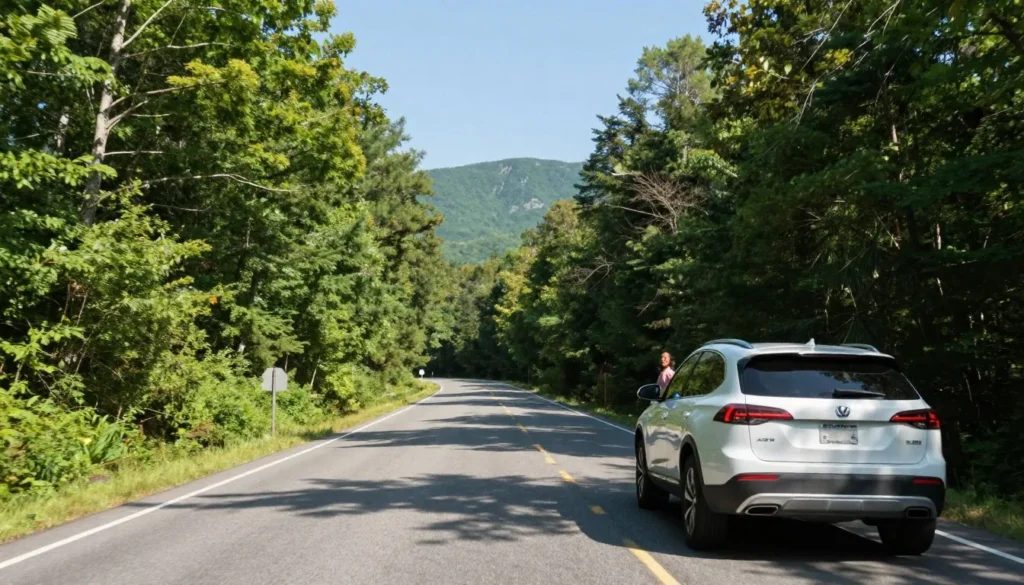
A personal vehicle is essential for exploring the Great Smoky Mountains National Park. The park covers over 209,000 hectares (517,000 acres). Attractions are spread across long distances with limited connectivity.
The park entrance is free, making it accessible to all visitors. However, parking fills quickly at popular trailheads and attractions. Arrive early in the morning to secure spots during peak season.
Main Park Roads
Newfound Gap Road (US 441) bisects the park, connecting Gatlinburg to Cherokee. This 51 km (32 mile) route crosses the mountain crest at 1,539 m (5,046′) elevation. The drive takes about an hour without stops.
Cades Cove Loop Road is a 18 km (11 mile) one-way loop through a historic valley. Allow three to four hours for the complete circuit. The road closes to vehicles on Wednesday and Saturday mornings until 10 AM for cyclists and walkers.
Little River Road connects Sugarlands Visitor Center to Cades Cove. This scenic route follows a mountain stream and provides access to numerous trailheads.
Seasonal Road Closures
Several roads close during winter months. Clingmans Dome Road typically closes from December through March. Roaring Fork Motor Nature Trail closes in winter as well.
Check current road conditions before your visit. Weather can change quickly in the mountains, affecting road accessibility even in mild seasons.
Where to Stay
Accommodation options range from rustic camping to luxury resorts. Your choice depends on budget, desired amenities, and proximity to park attractions.
Inside the Park
The park offers ten developed campgrounds. Cades Cove, Elkmont, and Smokemont are the largest and most popular. These campgrounds provide basic amenities including restrooms and running water.
Backcountry camping requires a free permit. The park has over 100 backcountry sites and shelters along hiking trails. This option suits experienced hikers seeking solitude.
LeConte Lodge is the only indoor lodging within park boundaries. Perched at 1,982 m (6,360′) elevation, this rustic lodge is accessible only by hiking trail. Reservations open a year in advance and fill quickly.
Gateway Communities
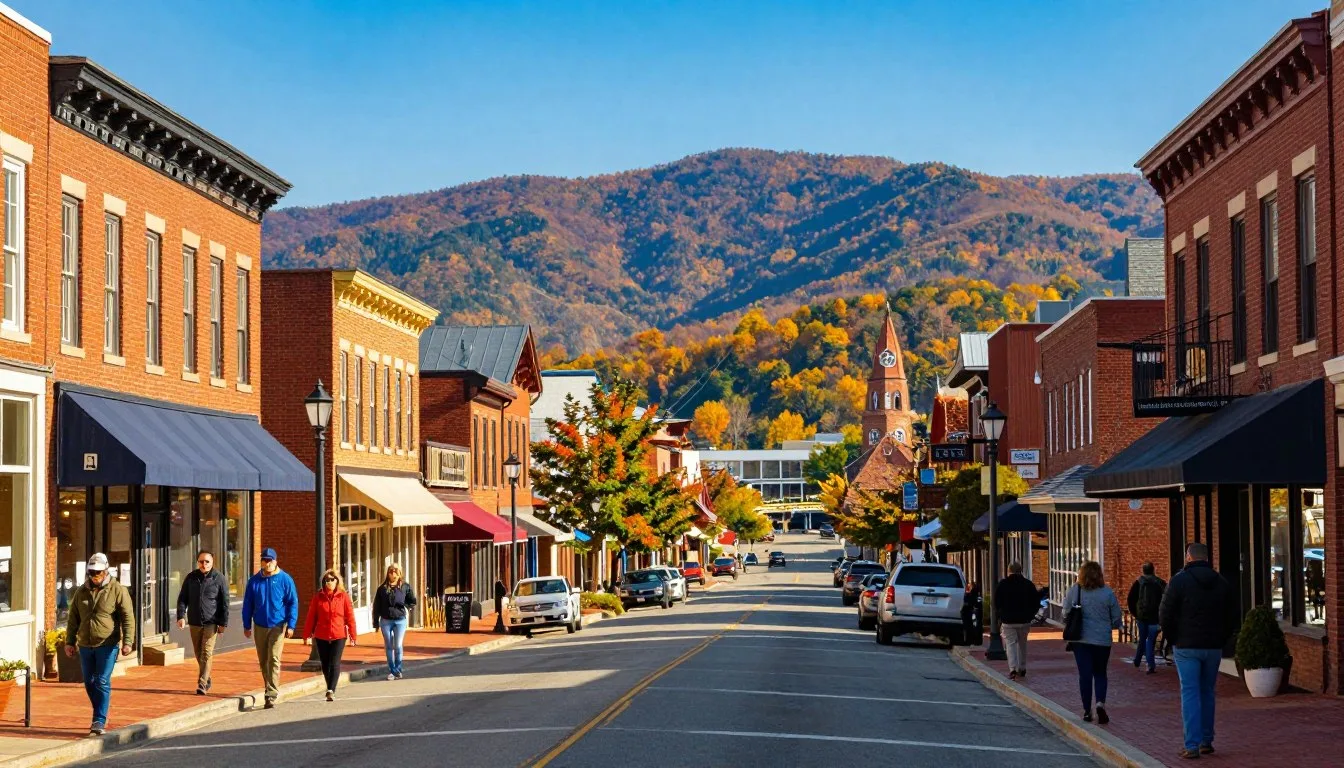
Gatlinburg offers the widest variety of accommodations. Options include hotels, cabin rentals, and vacation condos. The town sits right at the park entrance, providing immediate access.
Pigeon Forge, 13 km (8 miles) from the park, features numerous chain hotels and entertainment attractions. Prices are often lower than in Gatlinburg.
Townsend, known as the “peaceful side of the Smokies,” provides a quieter alternative. This small town near the Cades Cove entrance has fewer crowds and a relaxed atmosphere.
Cherokee, North Carolina sits at the southern entrance. This town offers hotels, cabins, and the Harrah’s Cherokee Casino Resort for visitors seeking gaming entertainment.
Dining and Local Cuisine

The region surrounding the Great Smoky Mountains celebrates traditional Appalachian and Southern cuisine. Local specialties reflect mountain heritage and agricultural traditions.
Must-Try Local Foods
Pancake houses dominate breakfast options in Gatlinburg and Pigeon Forge. Many serve towering stacks with local maple syrup and country ham.
Southern barbecue restaurants offer slow-smoked meats with regional sauces. Pulled pork, beef brisket, and ribs are menu staples.
Traditional mountain trout appears on many menus. Local streams once provided this fish as a dietary staple for mountain families.
Apple butter, made from local orchards, accompanies biscuits at numerous restaurants. The region’s apple-growing heritage remains strong.
Dining Options
No restaurants operate within the national park boundaries. Visitors must travel to gateway towns for meals. Pack snacks and water for full-day park excursions.
Gatlinburg’s downtown area features over 100 restaurants. Options range from casual cafes to upscale steakhouses. The Pancake Pantry consistently draws morning crowds for its creative pancake varieties.
Pigeon Forge offers family-style restaurants and buffets. These establishments serve large portions of Southern comfort food at moderate prices.
For authentic mountain fare, seek out smaller local establishments in Townsend and Cosby. These communities maintain stronger connections to traditional Appalachian cooking.
Attractions, Sightseeing and Activities
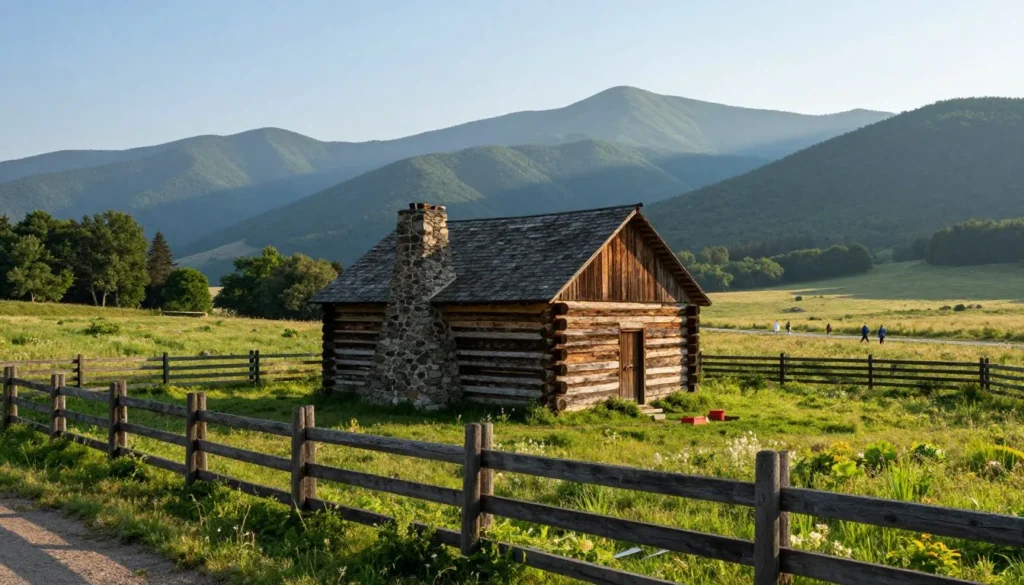
Cades Cove
This historic valley preserves 19th-century farm buildings and churches. The 18 km (11 mile) loop road winds through open meadows surrounded by mountains. Wildlife sightings are common, especially during early morning and evening hours.
Historic structures include three churches, a working grist mill, and numerous log cabins. Interpreters demonstrate traditional crafts at the Cable Mill area during summer months.
Allow at least three hours to drive the complete loop. Many visitors spend half a day or more exploring side trails and historic sites.
Newfound Gap
This mountain pass at 1,539 m (5,046′) elevation offers panoramic views. The Rockefeller Memorial marks where President Franklin Roosevelt dedicated the park in 1940.
The Appalachian Trail crosses the road here. Hikers can walk a short distance on this famous footpath that stretches from Georgia to Maine.
Temperatures at the gap average 10 to 15 degrees cooler than valley elevations. Bring a jacket even on warm days.
Clingmans Dome
At 2,025 m (6,643′), this is the highest point in the Great Smoky Mountains National Park. A steep 800 m (half-mile) paved trail leads to an observation tower.
Views extend up to 160 km (100 miles) on clear days. The tower provides 360-degree mountain panoramas.
The access road closes from December through March. Parking fills quickly on summer and fall weekends. Arrive before 10 AM for the best experience.
Roaring Fork Motor Nature Trail
This narrow, winding 9 km (6 mile) one-way road passes waterfalls and historic buildings. The route showcases how mountain families once lived in isolated hollows.
Several short trails branch off the road, including paths to waterfalls and old-growth forest. The entire drive takes about an hour without stops.
Large vehicles and trailers cannot navigate this road due to tight turns. The route closes in winter.
Museums, Cultural Spots and Festivals
Gateway communities surrounding the park preserve and interpret mountain heritage through various cultural attractions.
Sugarlands Visitor Center
Located just inside the Gatlinburg entrance, this facility introduces park natural and cultural history. Exhibits explain mountain ecology, pioneer life, and wildlife. Rangers provide trip planning assistance and current trail conditions.
A 20-minute orientation film plays throughout the day. The bookstore offers field guides, maps, and regional history books.
Mountain Farm Museum
This open-air museum near the Oconaluftee Visitor Center displays authentic farm buildings from the 1900s. Structures were relocated from various park locations and arranged to represent a typical mountain farmstead.
Buildings include a farmhouse, barn, springhouse, and blacksmith shop. During summer, interpreters demonstrate traditional farming and craft techniques.
Arrowmont School of Arts and Crafts
Located in Gatlinburg, this institution preserves traditional Appalachian crafts. The school offers workshops in pottery, weaving, woodworking, and other arts. A gallery displays student and instructor works.
Great Smoky Arts and Crafts Community
This 13 km (8 mile) loop near Gatlinburg features over 100 artists and craftspeople. Studios and galleries showcase traditional mountain crafts including pottery, woodcarving, dulcimers, and quilts. Most artisans welcome visitors to watch their creative process.
Nature and Outdoor Experiences
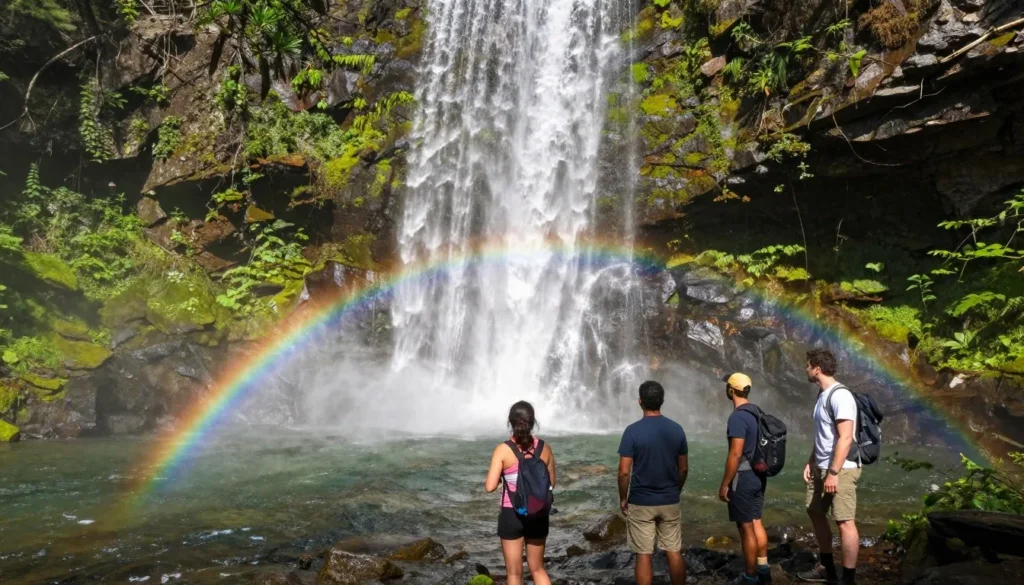
Hiking Trails
The Great Smoky Mountains National Park contains over 1,287 km (800 miles) of hiking trails. Routes range from easy nature walks to strenuous backcountry treks.
Laurel Falls Trail is the park’s most popular hike. This 4.2 km (2.6 mile) paved round-trip walk leads to a beautiful 24 m (80′) waterfall. Expect crowds during peak season.
Alum Cave Trail climbs 8.9 km (5.5 miles) round trip to dramatic rock formations. The route passes through old-growth forest and offers excellent mountain views. This moderate to strenuous hike requires about four hours.
Chimney Tops Trail ascends 6.4 km (4 miles) round trip to rocky peaks. The final section involves scrambling over bare rock. Panoramic views reward the steep climb.
Abrams Falls Trail in Cades Cove covers 8 km (5 miles) round trip. The path follows a creek to a 6 m (20′) waterfall with a large plunge pool. This moderate hike showcases diverse forest types.
Waterfalls
The mountains contain hundreds of waterfalls. Most require hiking to reach, but a few are roadside accessible.
Grotto Falls drops 7.6 m (25′) and allows hikers to walk behind the falling water. The 4.3 km (2.7 mile) round-trip trail departs from Roaring Fork Motor Nature Trail.
Cataract Falls is a roadside cascade visible from US 441 between Cherokee and Gatlinburg. A short path leads to the base during high water periods.
Wildlife Viewing
The park protects diverse wildlife including black bears, elk, white-tailed deer, and wild turkeys. Over 200 bird species inhabit the mountains.
Cades Cove offers excellent wildlife viewing. Bears and deer frequently appear in the open valley. Visit during early morning or evening for best sightings.
The Cataloochee Valley on the park’s eastern side hosts a reintroduced elk herd. Bulls bugle during fall mating season, creating memorable experiences.
Always maintain at least 46 m (150′) distance from bears and elk. These are wild animals and can be dangerous. Never approach or feed wildlife.
Scenic Drives
Several routes provide beautiful mountain views without hiking. These drives suit visitors with limited mobility or time constraints.
The Cades Cove Loop Road showcases pastoral valley scenery. Stop at pull-offs to scan meadows for wildlife.
Newfound Gap Road climbs from 460 m (1,500′) to 1,539 m (5,046′) elevation. Numerous overlooks provide mountain vistas. The entire route takes about an hour without stops.
Travel With Children

The Great Smoky Mountains offer numerous family-friendly activities. Many experiences suit children of various ages and energy levels.
Easy Family Trails
The Laurel Falls paved trail accommodates strollers for the first section. The gentle grade makes this accessible for young walkers.
Cataract Falls viewing area requires only a short walk from the parking area. Children can safely observe the waterfall from the platform.
Grotto Falls trail allows kids to walk behind falling water. This unique experience creates lasting memories. The moderate 4.3 km (2.7 mile) hike suits children ages six and older.
Junior Ranger Program
The park offers a free Junior Ranger program. Children complete activity books while exploring. After finishing activities, kids receive an official Junior Ranger badge from park rangers.
Activity books are available at visitor centers. Programs cater to different age groups from five years old through teens.
Educational Opportunities
Ranger-led programs occur daily during summer months. These free talks and walks teach children about nature, wildlife, and mountain history.
The Mountain Farm Museum lets kids explore authentic historic buildings. Hands-on exhibits demonstrate how pioneer children lived.
Family Considerations
Pack plenty of snacks and water for hiking. No concessions operate within the park.
Weather changes quickly. Bring rain jackets and extra layers even on sunny days.
Cell phone service is limited throughout most of the park. Download maps and information before entering.
Many trails involve stream crossings on rocks or logs. Supervise children carefully near water.
Money Saving Tips
Visiting the Great Smoky Mountains can fit various budgets. Strategic planning helps reduce costs while maximizing experiences.
Free Park Experiences
The park charges no entrance fees. This makes it accessible to all visitors regardless of budget. All hiking trails, scenic drives, and ranger programs are free.
Visitor centers provide free maps, trip planning advice, and educational exhibits. Ranger talks occur daily during peak season at no charge.
Accommodation Savings
Camping is the most economical lodging option. Developed campgrounds cost significantly less than hotels. Sites include picnic tables, fire rings, and access to restrooms.
Book accommodations in Pigeon Forge or Sevierville rather than Gatlinburg for lower rates. The drive to the park entrance adds only 10 to 20 minutes.
Food Cost Reduction
Bring a cooler with groceries rather than dining out for every meal. Gatlinburg and Pigeon Forge grocery stores provide supplies.
Pack lunches for full-day park excursions. No restaurants operate within park boundaries, eliminating impulse dining purchases.
Breakfast at your accommodation instead of restaurants saves money. Many hotels include continental breakfast with the room rate.
Visit Timing
Travel during shoulder seasons for lower accommodation rates. April to May and September offer pleasant weather with reduced prices compared to peak summer and fall foliage periods.
Weekday visits mean less competition for parking and lodging. Weekend rates are often higher in gateway communities.
Activity Selection
Focus on free park activities rather than commercial attractions in gateway towns. The mountains themselves provide the most memorable experiences.
The Great Smoky Arts and Crafts Community allows free browsing of artisan studios. You can watch craftspeople work without purchasing items.
Safety and Local Customs
Understanding mountain safety and regional customs enhances your visit and protects both visitors and natural resources.
Wildlife Safety
Black bears inhabit all areas of the park. Never approach bears. Maintain at least 46 m (150′) distance. If a bear approaches, back away slowly while facing the animal.
Store all food in vehicles or bear-proof containers. Bears have excellent smell and will investigate food odors. Feeding bears is illegal and dangerous.
Elk can be aggressive, especially during fall mating season. Keep 46 m (150′) away. Bull elk protecting harems may charge perceived threats.
Hiking Safety
Stay on marked trails. Shortcuts cause erosion and damage vegetation. Many steep areas have dangerous drop-offs.
Tell someone your hiking plans and expected return time. Cell service is unreliable in most areas.
Carry water, snacks, a map, and basic first aid supplies. Weather changes quickly. Pack rain gear and extra layers.
Stream crossings can be hazardous during high water. Turn back if water is too deep or fast-flowing.
Road Safety
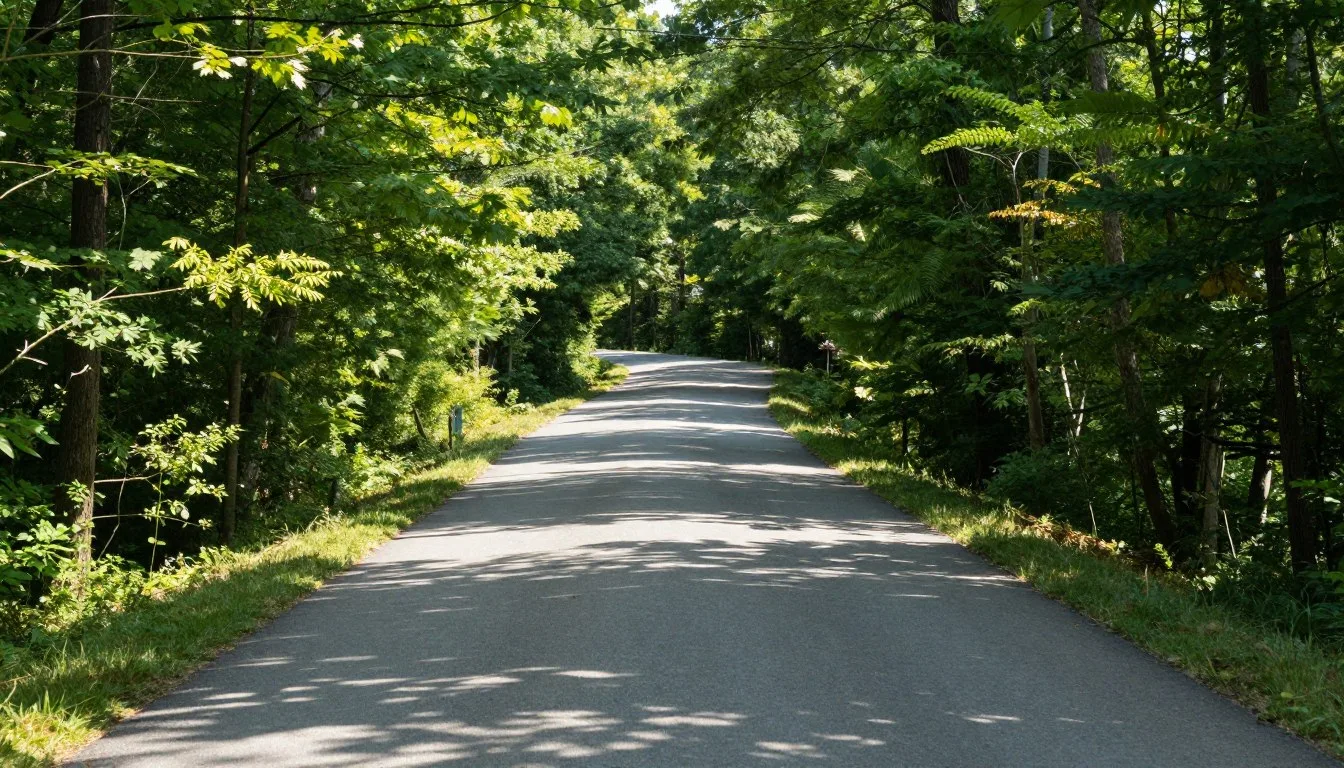
Mountain roads are narrow and winding. Drive slowly and use pull-offs to let faster traffic pass.
Wildlife frequently crosses roads, especially during dawn and dusk. Watch for animals and be prepared to stop.
Never stop in the road to view wildlife. Use designated pull-offs or parking areas.
Leave No Trace Principles
Pack out all trash. No garbage cans exist along trails. Carry a small bag for waste.
Do not disturb plants, rocks, or historic structures. Leave natural and cultural features for others to enjoy.
Stay on designated trails to protect fragile vegetation. Shortcutting trails causes lasting damage.
Regional Customs
Southern hospitality prevails in gateway communities. Locals are generally friendly and helpful to visitors.
Tipping 15 to 20 percent is expected at restaurants. Service industry workers rely on gratuities.
Respect historic structures and private property. Some areas within the park contain private inholdings. Stay on public lands.
Visitor Comments About Great Smoky Mountains
“The fall colors exceeded all expectations. We hiked the Alum Cave Trail and the views from the top were absolutely breathtaking. Cades Cove at sunrise offered incredible wildlife viewing. We saw three black bears and countless deer. The mountains are even more spectacular in person than in photographs.”
“Our family spent five days exploring different areas of the park. The kids loved earning Junior Ranger badges and walking behind Grotto Falls. We stayed in a cabin near Townsend and appreciated the peaceful atmosphere away from Gatlinburg crowds. The park’s free admission makes it accessible for families on any budget.”
“Hiking to Laurel Falls and Chimney Tops provided excellent workouts with rewarding scenery. The diversity of trails means options for all fitness levels. We encountered friendly fellow hikers on every trail. The ranger programs at Sugarlands were informative and engaging. This park deserves its reputation as America’s most visited.”
Additional Nearby Destinations
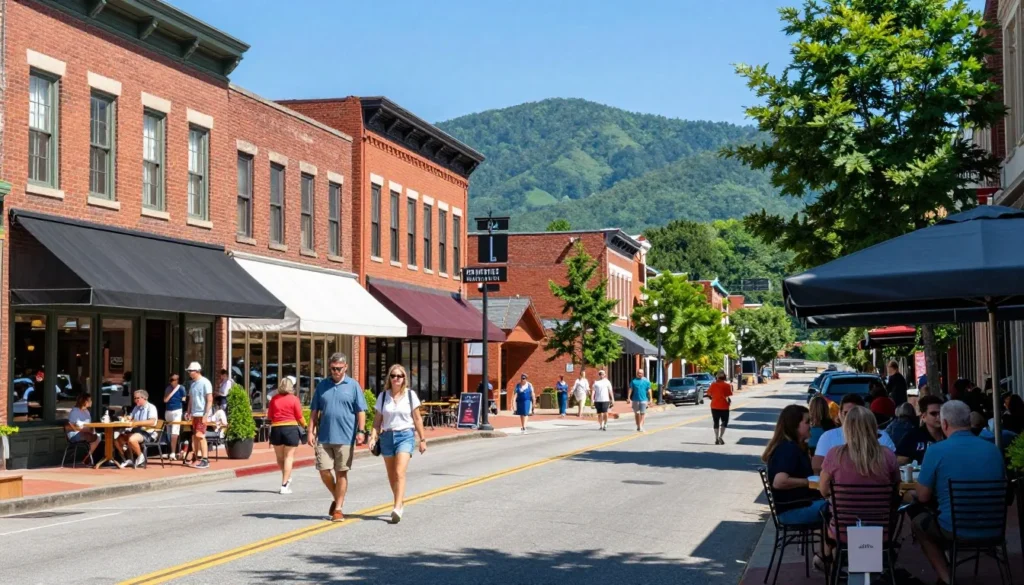
The region surrounding the Great Smoky Mountains offers additional attractions worth exploring. These destinations complement a mountain visit.
Asheville, North Carolina
This vibrant city sits 97 km (60 miles) from the park’s southern entrance. Asheville features the famous Biltmore Estate, craft breweries, and a thriving arts scene. The Blue Ridge Parkway begins here, offering another scenic mountain drive.
Dollywood
Located in Pigeon Forge, this theme park combines Appalachian culture with modern rides. The park features traditional crafts, mountain music, and award-winning roller coasters. Dollywood operates seasonally from spring through December.
Cherokee, North Carolina
The Eastern Band of Cherokee Indians maintains their ancestral homeland here. The Museum of the Cherokee Indian interprets tribal history. Oconaluftee Indian Village demonstrates 18th-century Cherokee life.
Blue Ridge Parkway
This scenic highway connects the Great Smoky Mountains to Shenandoah National Park in Virginia. The southern terminus is near Cherokee. The parkway offers stunning mountain views and numerous hiking trails along its 755 km (469 mile) length.
Knoxville, Tennessee
The closest major city sits 64 km (40 miles) from Gatlinburg. Knoxville offers museums, restaurants, and the University of Tennessee campus. Market Square and the Old City feature local shops and dining.
Practical Travel Tips
Essential Items to Pack
- Layered clothing for changing mountain weather
- Rain jacket or poncho
- Comfortable hiking shoes with good tread
- Water bottles and snacks
- Sunscreen and insect repellent
- Basic first aid supplies
- Park map and trail guide
- Binoculars for wildlife viewing
Communication and Services
- Cell phone service is limited in most park areas
- Download maps and information before entering
- Visitor centers provide current conditions
- No ATMs exist within park boundaries
- Bring cash for any purchases in gateway towns
- Gas stations are available in all gateway communities
Best Photography Locations
Cades Cove offers sunrise and sunset opportunities with mountains as backdrops. The open valley provides unobstructed views.
Clingmans Dome observation tower delivers 360-degree panoramas. Clear mornings before 10 AM offer best visibility.
Newfound Gap provides classic mountain ridge photos. The Rockefeller Memorial serves as an interesting foreground element.
Waterfalls photograph best during high water periods in spring. Use slower shutter speeds to blur falling water for dramatic effect.
Accessibility Information
Several trails accommodate wheelchairs including parts of Laurel Falls Trail and Sugarlands Valley Nature Trail.
Accessible parking spaces are available at visitor centers and major overlooks.
Cades Cove Loop Road provides wildlife viewing from vehicles. All historic structures have accessible viewing areas.
Pet Policies
Pets are allowed in campgrounds, picnic areas, and along roads. They must remain on leashes no longer than 1.8 m (6′).
Pets are prohibited on hiking trails except for Gatlinburg and Oconaluftee River Trails. This protects wildlife and maintains trail conditions.
Permits and Regulations
No permits are required for day hiking or vehicle access. Backcountry camping requires free permits available at visitor centers.
Fishing requires either a Tennessee or North Carolina license depending on location. Special park regulations apply.
Collecting plants, rocks, or historic artifacts is prohibited. Leave natural and cultural resources for others to enjoy.
Great Smoky Mountains Location
Great Smoky Mountains National Park straddles the Tennessee-North Carolina border, accessible from multiple gateway communities including Gatlinburg, Cherokee, and Townsend.
Your Mountain Adventure Awaits
The Great Smoky Mountains stand ready to welcome you into their ancient embrace. From misty ridges to cascading waterfalls, from historic valleys to wildlife encounters, every moment here creates lasting memories.
Whether you seek challenging hikes to remote peaks, peaceful drives through mountain valleys, or educational experiences exploring pioneer history, the park delivers. The diversity of landscapes and experiences means something new awaits around every bend in the trail or road.
Pack your bags, charge your camera, and prepare for adventure. The mountains are calling, and the experience of a lifetime is waiting in the Smokies.