Hotels by Trip.com
Flights by Trip.com
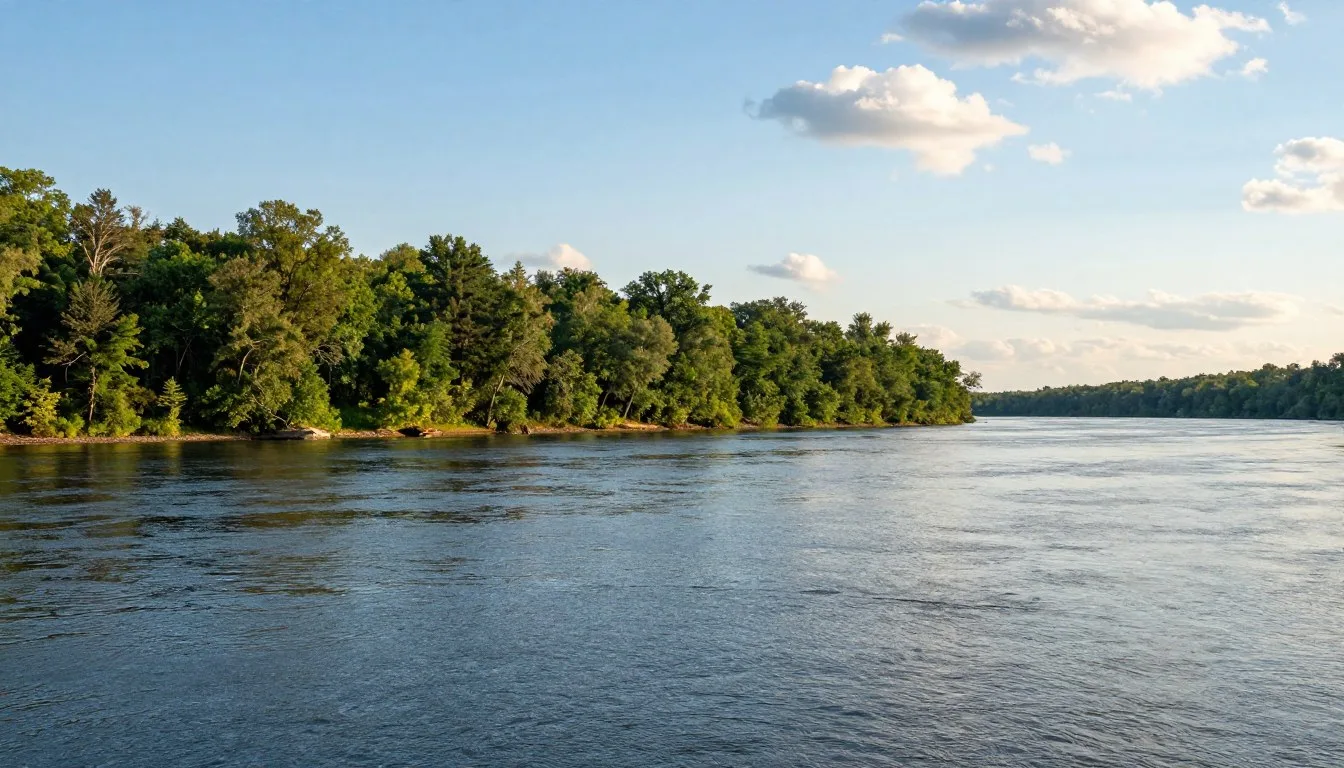
The Ocoee River hosted the 1996 Olympic whitewater slalom events, making it the only river in the southeastern United States to achieve this distinction. This remarkable waterway, along with its neighboring Hiwassee River, forms one of Tennessee’s most spectacular scenic river corridors.
The name “Hiwassee” derives from the Cherokee word “Ayuhwasi,” meaning “savannah” or “meadow place,” reflecting the indigenous heritage that shaped this land for thousands of years. The Ocoee takes its name from the Cherokee “Uwagahi,” though its meaning remains debated among historians.
This extraordinary state park stretches along two of Tennessee’s most pristine waterways. Visitors discover a paradise for outdoor recreation that ranges from world-class whitewater rafting to peaceful fishing experiences.
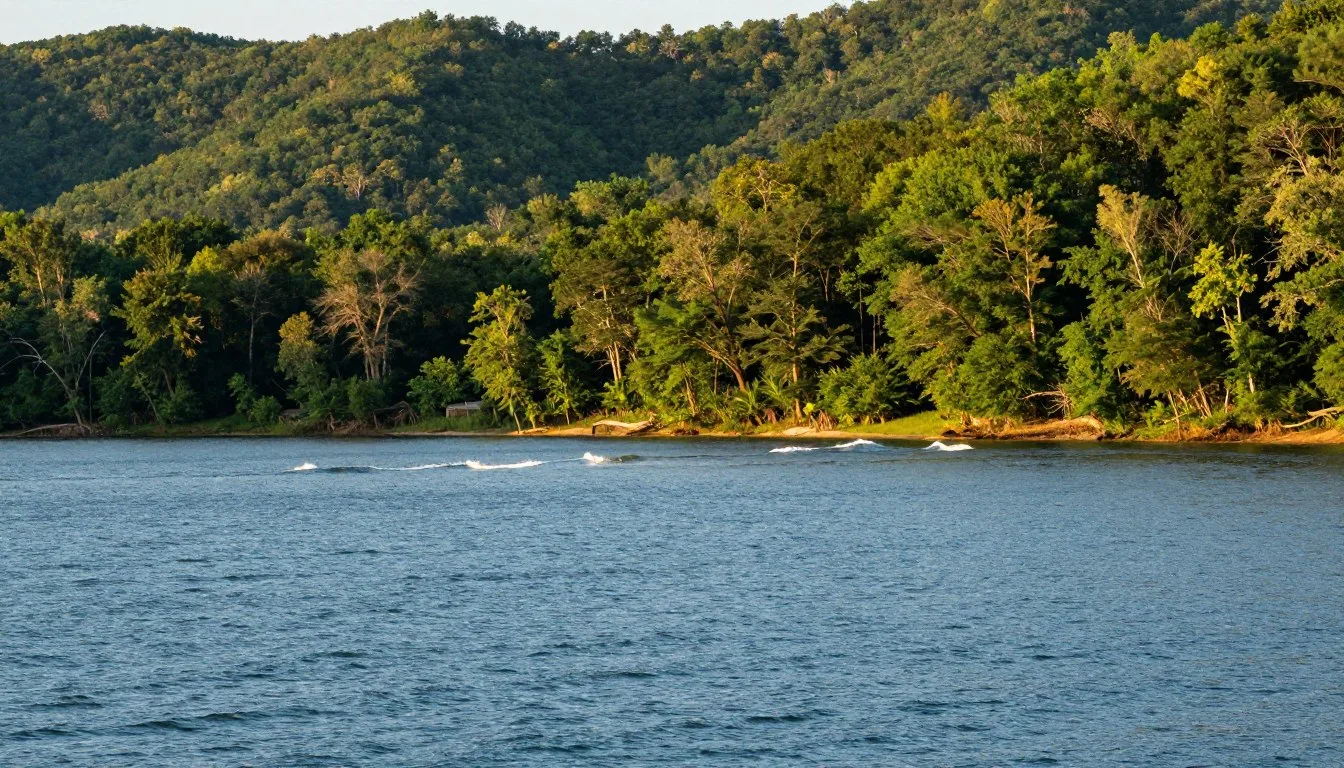
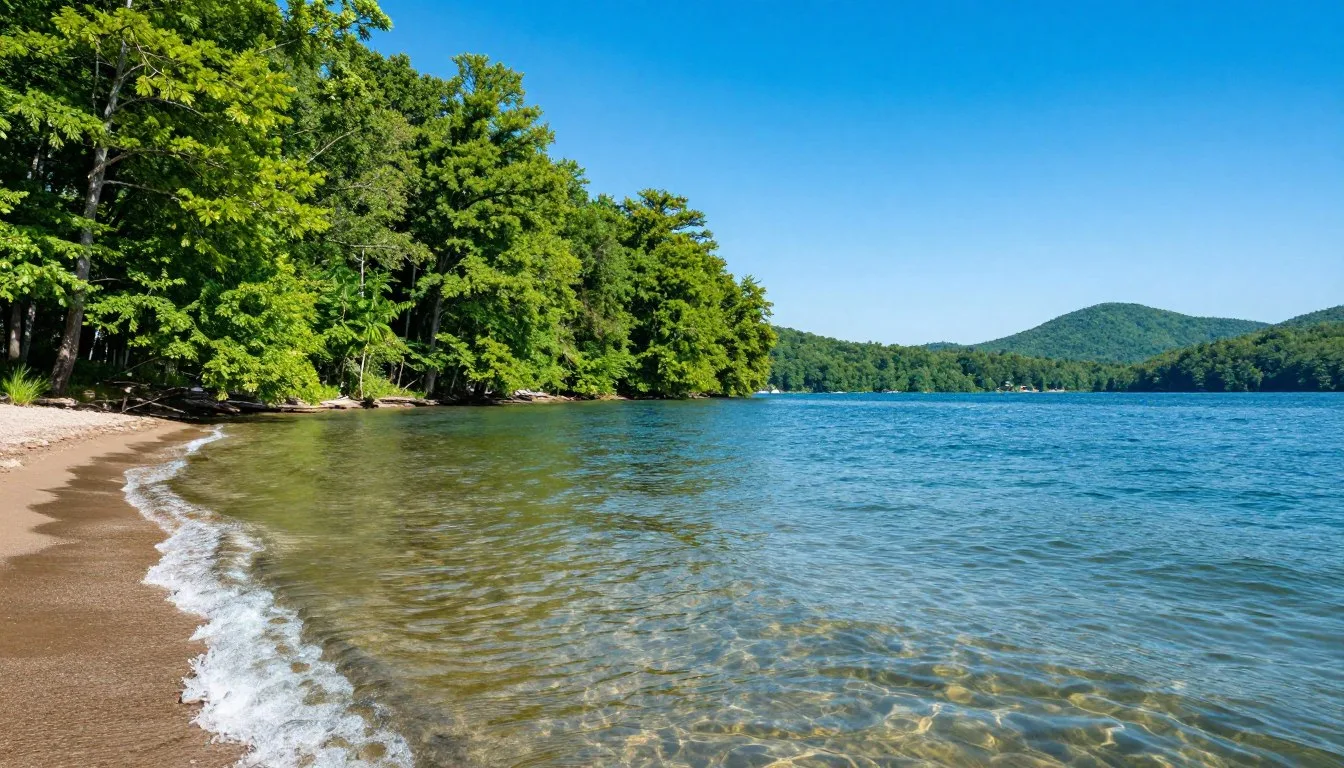
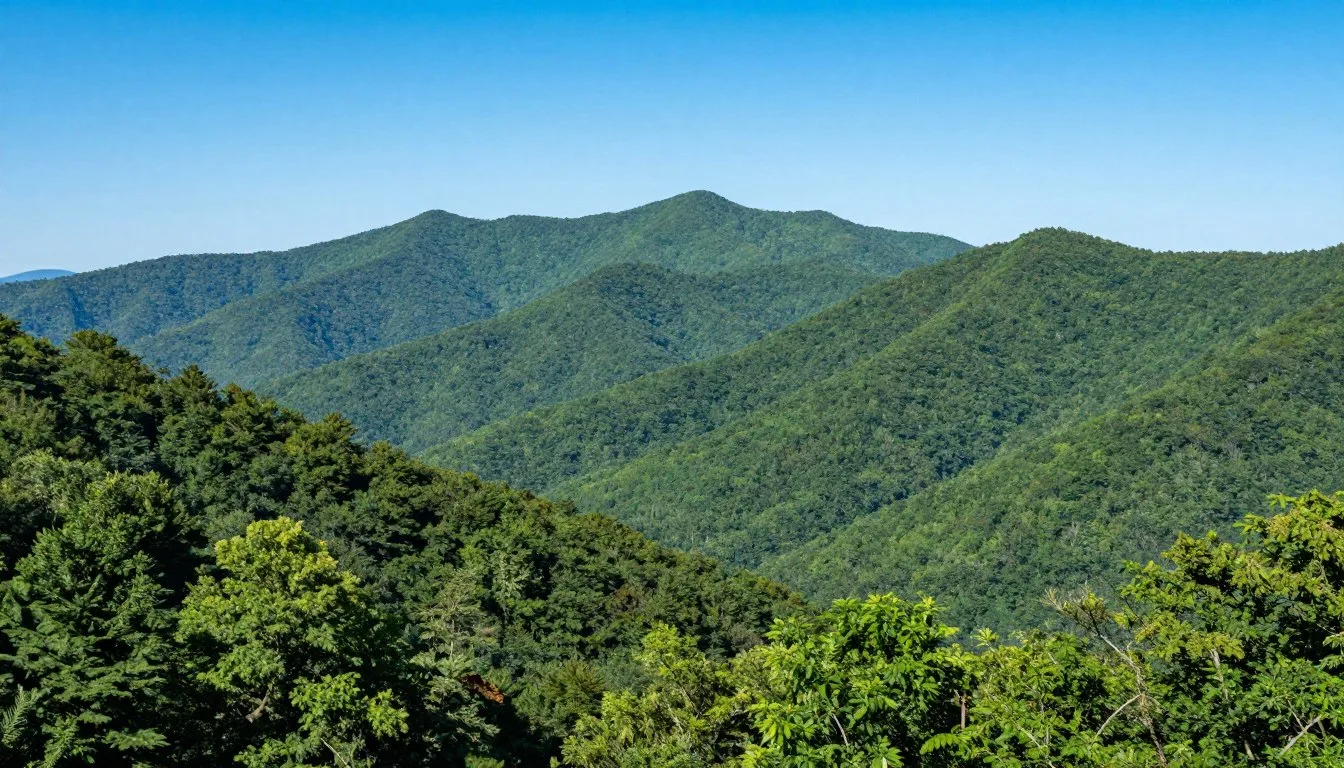
The natural beauty of these protected river corridors attracts adventure seekers and nature lovers throughout the year. Ancient mountains frame crystal-clear waters that have carved spectacular gorges over millennia.
Getting There & Planning Your Journey
The Hiwassee/Ocoee Scenic River State Park spreads across southeastern Tennessee in Polk County. The park’s central location makes it accessible from several major cities across the region.
The closest major airport is Chattanooga Metropolitan Airport, located approximately 97 km (60 miles) southwest of the park. This regional hub offers convenient connections to major cities throughout the United States.
McGhee Tyson Airport in Knoxville provides another excellent option, situated roughly 129 km (80 miles) north of the river state park. This larger facility serves more destinations and often features competitive airfare options.
Hartsfield-Jackson Atlanta International Airport lies about 193 km (120 miles) south. Many visitors find the expanded flight options and rental car availability worth the slightly longer drive time.
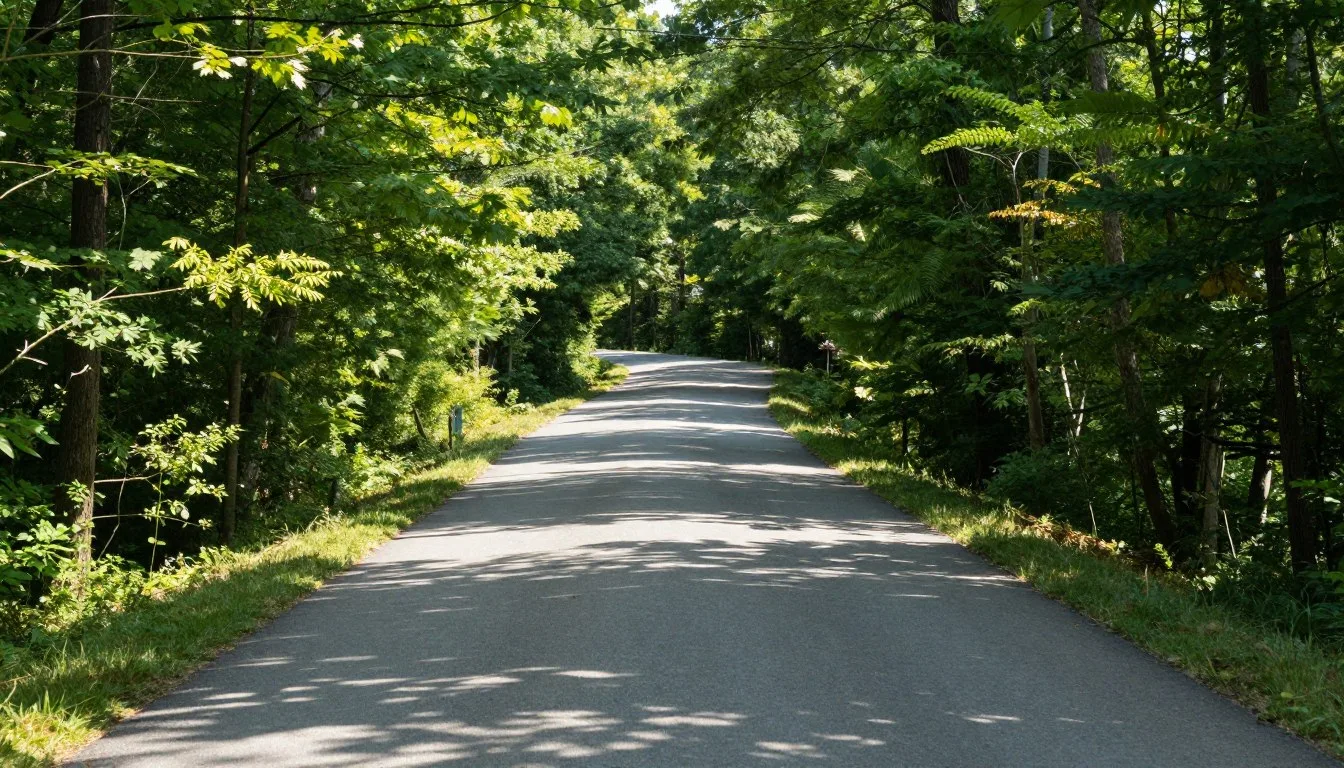
From Chattanooga, travelers follow US Highway 64 east through scenic countryside. The drive takes approximately 90 minutes under normal traffic conditions. The route passes through charming small towns and offers glimpses of the upcoming mountain scenery.
Visitors coming from Knoxville take Interstate 75 south to Cleveland, then follow US Highway 64 east. This journey typically requires two hours of driving time through beautiful Tennessee landscapes.
The Tennessee State Parks system maintains excellent visitor information services. For current road conditions, park access updates, and detailed directions, please contact the Visitor Information Center.
Peak season weekends may experience heavier traffic along US Highway 64. Early morning departures help visitors avoid congestion and secure preferred parking spots at popular access points.
Best Time to Visit & Weather Tips
The scenic river state park welcomes visitors year-round, though each season offers distinct experiences. Understanding weather patterns helps travelers plan the perfect trip for their interests.
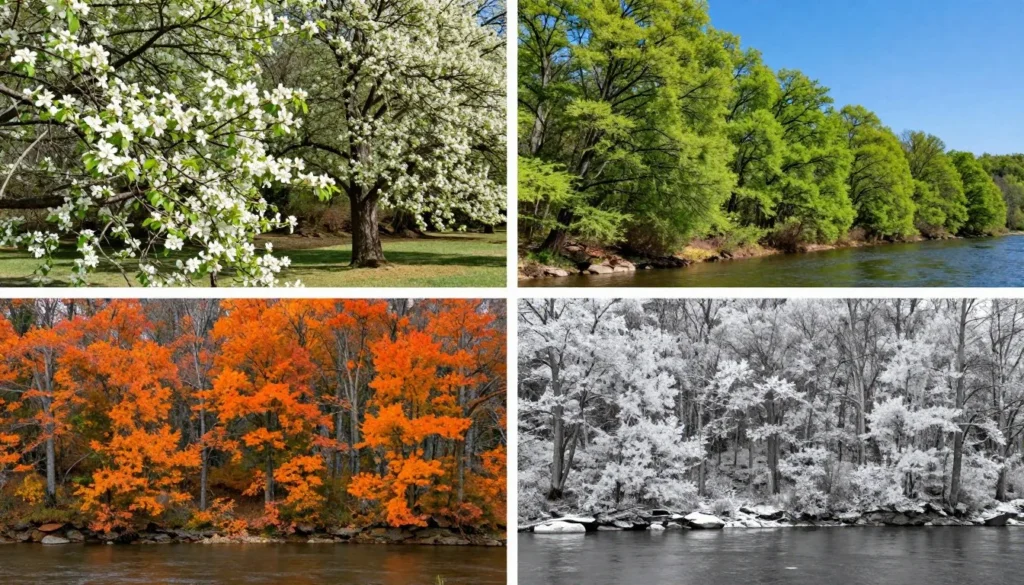
Best Time to Visit Hiwassee/Ocoee Scenic River State Park
Late April through early June represents the prime window for whitewater enthusiasts. Spring rainfall keeps water levels ideal for rafting adventures on the Ocoee River. Temperatures range from 18°C to 26°C (65°F to 80°F) during this period.
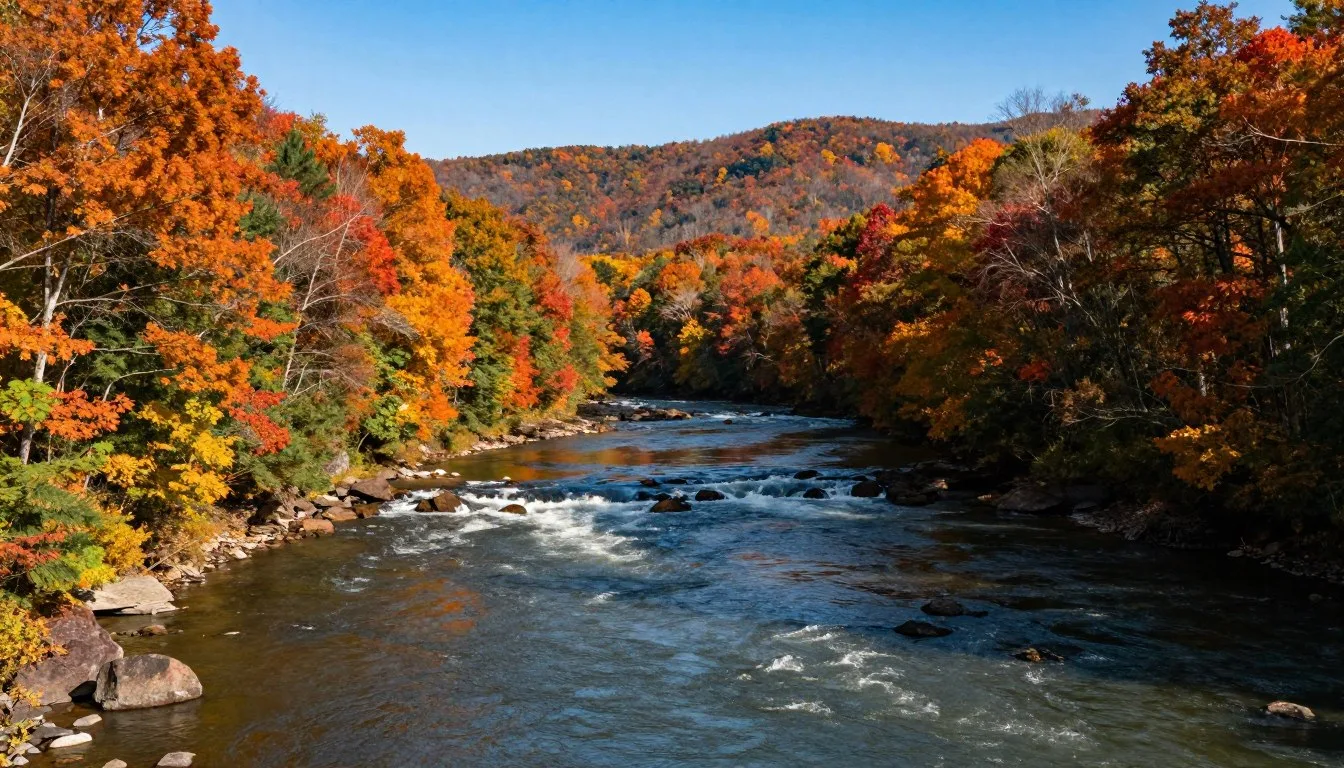
September through October delivers spectacular fall colors along both river corridors. The surrounding Cherokee National Forest explodes in brilliant reds, oranges, and golds. Comfortable temperatures between 15°C and 24°C (60°F to 75°F) make this season perfect for hiking.
Summer months from June through August bring the warmest weather, with temperatures often reaching 29°C to 32°C (85°F to 90°F). This time attracts the largest crowds but offers the most consistent water release schedules for whitewater activities.
Months to Avoid or Reconsider
Late November through March can present challenges for outdoor recreation. Winter temperatures drop to 2°C to 10°C (35°F to 50°F), and some facilities close for the season. Water releases for rafting are limited or suspended during these months.
January and February experience the coldest conditions and occasional ice or snow. These months suit only the most experienced cold-weather enthusiasts with proper equipment.
Weather Patterns and Seasonal Considerations
Spring storms can arrive quickly in the Tennessee mountains. Visitors should monitor weather forecasts and prepare for sudden temperature drops or rainfall during April and May.
Summer afternoon thunderstorms develop frequently in July and August. Morning activities often provide the best weather windows, with storms typically arriving between 2 PM and 5 PM.
Fall offers the most stable weather patterns. Clear, crisp days dominate September and October, though cool mornings may require layered clothing that can be removed as temperatures rise.
The river state park experiences moderate humidity throughout the warm season. Proper hydration becomes essential during summer activities, especially on exposed sections of the river.
Notable Annual Festivals
The Ocoee region celebrates its natural beauty and cultural heritage through several annual events. These festivals showcase local traditions and outdoor recreation opportunities.
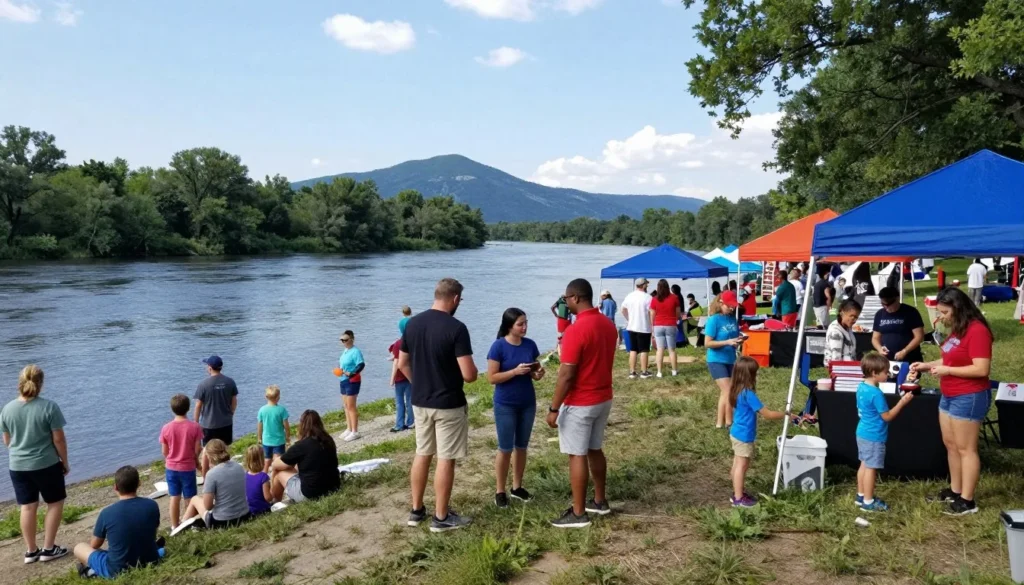
The Ocoee River Rodeo takes place each spring, typically in May. This event celebrates the opening of the whitewater season with competitions, demonstrations, and family activities along the river corridor.
Cherokee Days Festival honors the indigenous heritage of the region each October. Traditional crafts, storytelling, and cultural demonstrations provide insight into the area’s rich Native American history.
River Cleanup and Conservation Days occur throughout the year, organized by local environmental groups. These volunteer events combine community service with outdoor recreation and environmental education.
For current festival schedules and event information, contact the Polk County Tourism Office.
Getting Around Locally
A personal vehicle provides the most flexibility for exploring the Hiwassee/Ocoee Scenic River State Park. The park encompasses multiple access points spread along approximately 89 km (55 miles) of river corridor.
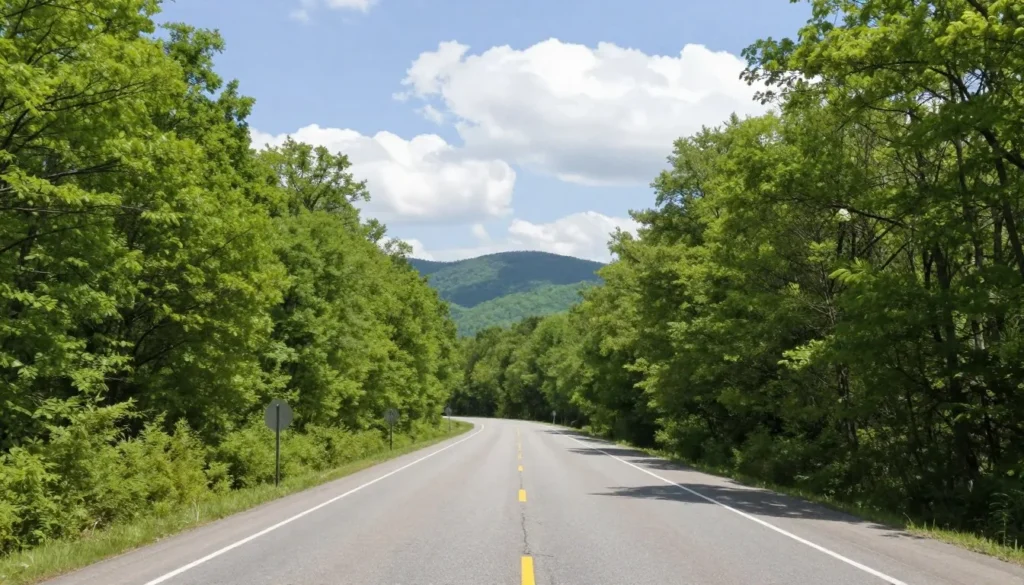
US Highway 64 serves as the main artery through the Ocoee River section. This well-maintained road offers numerous pullouts and access points to river sites and trailheads. Parking areas accommodate varying numbers of vehicles depending on location.
State Route 30 parallels the Hiwassee River and provides access to the northern sections of the park. This quieter road winds through rural landscapes and offers a more relaxed driving experience than the busier Ocoee corridor.
No public transportation system serves the park areas directly. Visitors should plan on driving between attractions, camping areas, and activity sites throughout their stay.
Bicycle touring attracts adventurous visitors during pleasant weather months. The rolling terrain challenges cyclists but rewards them with spectacular mountain and river views. Narrow shoulders on some road sections require caution and awareness.
Several commercial shuttle services operate in the area, primarily serving whitewater rafting companies. These shuttles transport paddlers and rafters between put-in and take-out points along the Ocoee River.
Parking can fill quickly at popular access points during peak summer weekends. Arriving before 9 AM increases the likelihood of securing convenient parking spots near preferred activity areas.
Where to Stay
Accommodation options around the Hiwassee/Ocoee Scenic River State Park range from primitive camping to comfortable lodges. Visitors find choices suitable for every preference and budget within the surrounding area.

Camping Within the Park
Gee Creek Campground offers the primary developed camping experience within the park system. This facility provides 47 campsites with varying levels of amenities. Each camping site includes a picnic table and fire ring for evening gatherings.
The Gee Creek campground sites accommodate both tent campers and recreational vehicles. Several sites offer electrical hookups for those requiring modern conveniences during their outdoor experience.
Restroom and shower facilities serve the campground, maintaining clean conditions throughout the season. These modern amenities provide comfort while preserving the natural camping atmosphere.
Primitive camping areas along certain sections of the Hiwassee River welcome self-sufficient adventurers. These undeveloped sites require visitors to practice Leave No Trace principles and carry out all waste.
For camping reservations and current availability at Gee Creek Campground, contact the park office directly.
Nearby Lodging Options
The town of Ducktown, located 24 km (15 miles) east, provides several motel and cabin rental options. These accommodations suit visitors preferring a roof overhead and easy access to restaurants and supplies.
Cleveland, Tennessee, approximately 48 km (30 miles) west, offers the widest selection of chain hotels and motels. This larger town provides all standard amenities and serves as a comfortable base for day trips to the river state park.
Vacation cabin rentals dot the mountainsides surrounding both rivers. These private properties offer seclusion and stunning views, often featuring full kitchens and multiple bedrooms for family groups.
Several bed and breakfast establishments operate in the region, providing personalized service and local knowledge. These smaller properties often include homemade meals and insider tips for exploring the area.
The Cherokee National Forest surrounding the park allows dispersed camping in designated areas. This option appeals to experienced backcountry enthusiasts seeking complete solitude and primitive conditions.
Dining & Local Cuisine
The Hiwassee/Ocoee Scenic River State Park itself contains no restaurants or dining facilities. Visitors should pack meals and snacks for their time in the park, or plan to travel to nearby communities for food options.

Ducktown and Copperhill, twin towns straddling the Tennessee-Georgia border, offer the closest dining selections. Small cafes and family restaurants serve traditional Southern cuisine with generous portions.
Barbecue ranks as the regional specialty across southeastern Tennessee. Local establishments smoke pork, chicken, and ribs using time-honored techniques passed down through generations. Tangy sauces complement the tender meat.
Biscuits appear on breakfast menus throughout the area, often served with country ham, sausage gravy, or local honey. These fluffy, buttery creations represent authentic Southern cooking at its finest.
Fried catfish features prominently in restaurants near both rivers. This freshwater fish, lightly breaded and fried until golden, reflects the region’s fishing traditions and river heritage.
Country cooking restaurants serve vegetables prepared Southern-style. Green beans simmered with bacon, fried okra, collard greens, and macaroni and cheese accompany most main courses as traditional side dishes.
Cleveland provides more diverse dining options, including Mexican, Italian, Asian, and American chain restaurants. This larger town accommodates varied tastes and dietary preferences.
Local farmers markets operate seasonally in surrounding communities. These markets offer fresh produce, artisanal jams, honey, and baked goods directly from regional producers.
Visitors planning extended stays should stock groceries from supermarkets in Cleveland or Ducktown. Cooking at campgrounds or rental cabins helps control costs and dietary needs.
Attractions, Sightseeing & Activities
The Hiwassee/Ocoee Scenic River State Park delivers endless opportunities for recreation and exploration. These two pristine waterways serve as the centerpiece for countless outdoor adventures.
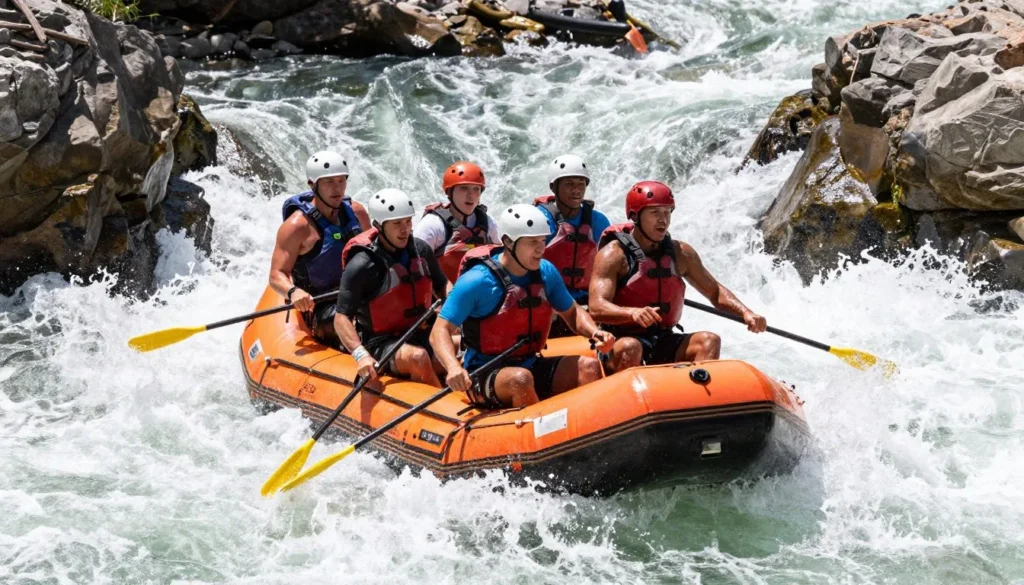
Whitewater Rafting Adventures
The Ocoee River gained international fame as the venue for Olympic whitewater events. Commercial rafting companies offer guided trips through the Middle Ocoee section, featuring continuous Class III and IV rapids.
The Upper Ocoee presents more challenging conditions with technical Class IV rapids. This section demands previous rafting experience and strong swimming skills from all participants.
Scheduled water releases from upstream dams control rafting availability throughout the season. The Tennessee Valley Authority releases water primarily from March through September on specific schedules.
Half-day trips cover approximately 8 km (5 miles) of river and take three to four hours including shuttle time. Full-day adventures combine multiple sections for experienced paddlers seeking maximum excitement.
Kayaking and Canoeing
The Hiwassee River offers calmer water perfect for kayaking and canoeing. This scenic river winds through the valley with gentle Class I and II rapids suitable for beginners and families.
John Muir Trail section of the Hiwassee provides a particularly beautiful float. This 5.6 km (3.5 mile) stretch features stunning mountain views and excellent opportunities for wildlife observation.
Paddlers encounter diverse river conditions throughout the Hiwassee corridor. Some sections flow peacefully through pastoral landscapes, while others navigate rock gardens and small rapids.
Personal watercraft users should check water levels before launching. Low water conditions during summer and fall can make certain sections challenging or impassable.
Fishing Opportunities
Both rivers support diverse fish populations that attract anglers year-round. The cold waters released from upstream dams create excellent trout habitat in specific sections.
Rainbow trout, brown trout, and brook trout inhabit the tailwater sections below the dams. These areas provide consistent fishing opportunities throughout the year with proper licenses.
Smallmouth bass thrive in warmer sections of both rivers. These hard-fighting fish challenge anglers with their acrobatic leaps and powerful runs.
Tennessee fishing licenses are required for all anglers over 13 years old. Licenses can be purchased online through the Tennessee Wildlife Resources Agency or at local sporting goods stores.
Catch and release practices help preserve fish populations for future generations. Barbless hooks minimize harm to fish that will be returned to the water.
Scenic Drives
The Ocoee Scenic Byway follows US Highway 64 for 42 km (26 miles) through spectacular mountain terrain. This designated scenic route offers numerous pullouts for photography and river viewing.
Historic sites along the byway tell the story of early copper mining operations. Interpretive signs explain the region’s industrial heritage and environmental recovery efforts.
The Cherohala Skyway, accessible from nearby Tellico Plains, ranks among the most beautiful mountain drives in the eastern United States. This 69 km (43 mile) route climbs to elevations exceeding 1,646 m (5,400 feet).
Museums, Cultural Spots & Festivals
The Hiwassee/Ocoee region preserves significant historical and cultural heritage. Several nearby sites interpret the area’s mining history and indigenous roots.
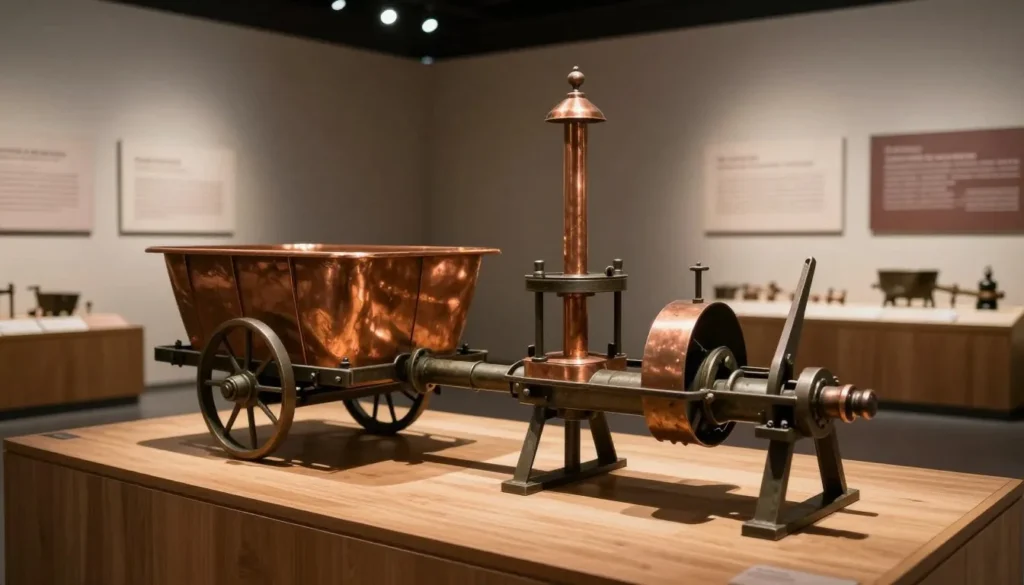
The Ducktown Basin Museum chronicles the region’s copper mining boom from the 1850s through the mid-20th century. This facility preserves artifacts, photographs, and stories from the mining era that shaped the local economy and landscape.
Mining operations devastated the surrounding forest for decades, creating a barren moonscape visible in historical photographs. The museum explains both the industrial history and remarkable environmental recovery that followed.
The Burra Burra Mine site offers outdoor exhibits and trails through former mining areas. Visitors walk among massive waste rock piles and peer into old mining structures while learning about extraction techniques.
Cherokee heritage sites scatter throughout the region, though most remain unmarked or on private property. The Trail of Tears passed through this area, leaving profound historical significance.
Lost Sea Adventure, located about 97 km (60 miles) north near Sweetwater, features America’s largest underground lake. This geological wonder combines cave tours with fascinating history.
Local churches throughout Polk County represent beautiful examples of Southern religious architecture. Many white frame buildings date to the late 1800s and early 1900s, serving communities for generations.
Nature & Outdoor Experiences
The river state park provides exceptional opportunities for nature observation and outdoor adventure beyond water sports. The surrounding Cherokee National Forest expands recreational possibilities dramatically.
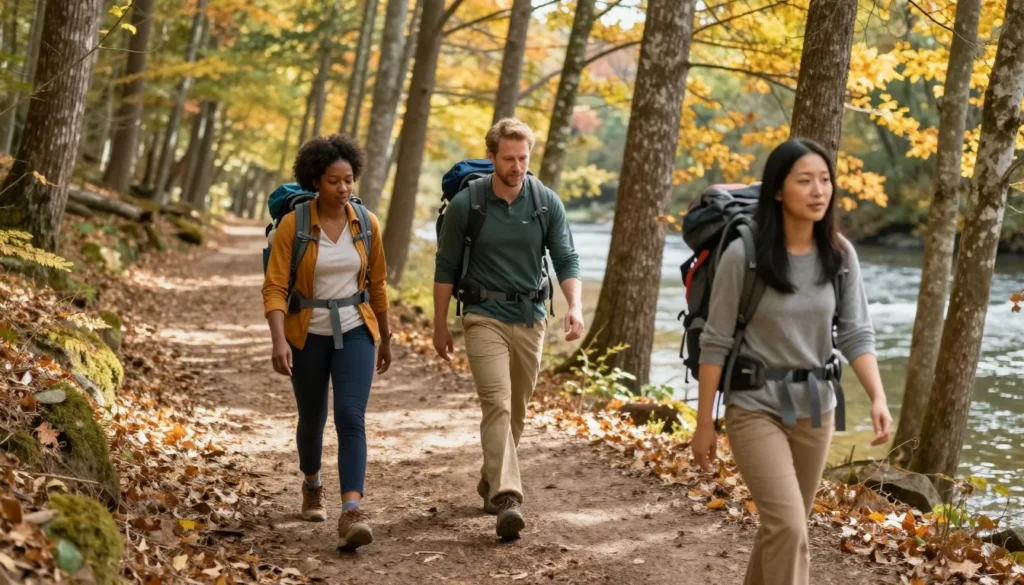
Hiking Trails
The John Muir Trail stretches for 33 km (20.5 miles) along the Hiwassee River corridor. This moderate trail follows the river through diverse ecosystems and offers spectacular views from elevated sections.
Rock Creek Gorge Trail provides a shorter 3.2 km (2 mile) option with stunning scenery. This path descends into a narrow gorge where waterfalls cascade over moss-covered rocks.
The Benton MacKaye Trail crosses through the region as part of its 483 km (300 mile) journey through Georgia, Tennessee, and North Carolina. Day hikers can access beautiful sections without committing to the entire route.
Trail conditions vary seasonally, with some paths becoming muddy or overgrown during wet periods. Early season hiking often encounters downed trees and debris from winter storms.
Elevation changes throughout the hiking areas require reasonable fitness levels. Some trails climb 244 m to 305 m (800 to 1,000 feet), testing endurance while rewarding effort with panoramic views.
Wildlife Watching
White-tailed deer frequent the river corridors, especially during dawn and dusk hours. These graceful animals often feed in meadows and drink from the rivers at quiet access points.
Black bears inhabit the surrounding forest, though sightings remain relatively uncommon. Proper food storage at campsites prevents negative bear encounters and protects these magnificent animals.
Bald eagles nest along both rivers during winter months. These majestic birds hunt for fish in the cold waters, offering spectacular viewing opportunities from November through March.
River otters play in the Hiwassee River, delighting observers with their playful antics. These sleek mammals hunt fish and crustaceans while demonstrating remarkable swimming abilities.
More than 150 bird species have been documented in the area. Spring and fall migrations bring colorful warblers, tanagers, and other songbirds through the river valleys.
Photography Opportunities
Golden hour lighting transforms the river gorges into magical scenes. Early morning mist rising from the water creates ethereal conditions for landscape photography.
Fall foliage typically peaks in mid-October, painting the mountainsides in brilliant colors. The contrast between autumn leaves and rushing water creates stunning compositions.
Spring wildflowers blanket the forest floor from March through May. Trillium, bloodroot, and numerous other species carpet the understory with delicate blooms.
Long exposure photography captures the silky texture of waterfalls and rapids. Tripods and neutral density filters allow photographers to transform rushing water into misty veils.
Travel With Children
The Hiwassee/Ocoee Scenic River State Park accommodates families with children of various ages. Activity selection should match children’s swimming abilities, physical fitness, and attention spans.
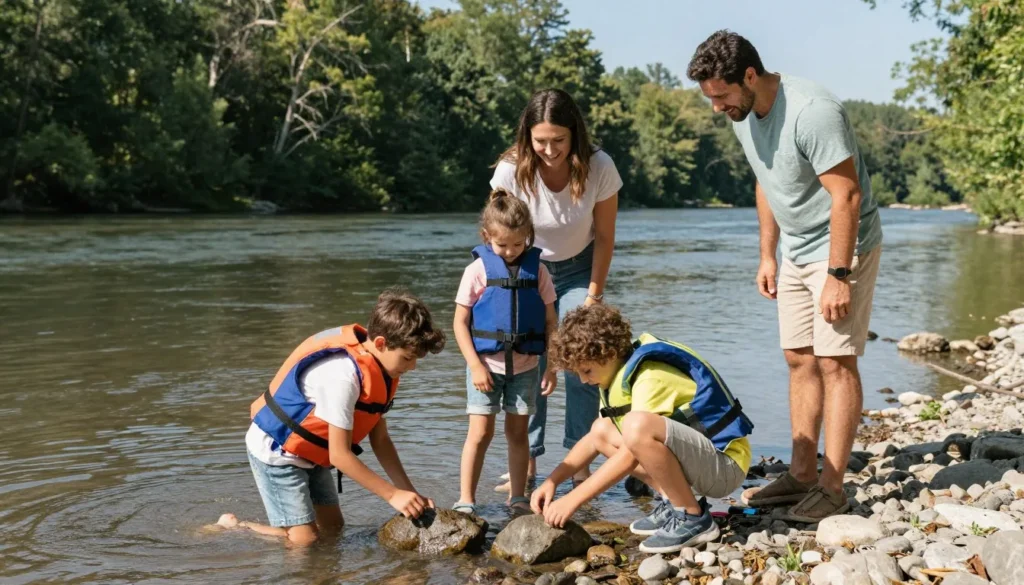
The calmer sections of the Hiwassee River suit families with younger children better than the intense Ocoee rapids. Several outfitters offer family-friendly float trips with minimal whitewater exposure.
Gee Creek Campground provides a safe base for families exploring the area. The developed facilities, including restrooms and water access, eliminate some camping challenges when traveling with kids.
Short nature walks along the river offer more manageable adventures for small legs. The quarter-mile to half-mile interpretive trails teach children about local ecosystems without exhausting their energy.
Swimming in designated areas provides refreshing summer fun. Parents should supervise children closely, as river currents can be deceptive even in apparently calm sections.
Junior Ranger programs through the Tennessee State Parks system engage children with educational activities. These free programs help kids learn about nature, history, and conservation through hands-on experiences.
Picnic areas throughout the park make excellent lunch stops. Tables in shaded spots near the river allow families to relax while children explore safely nearby.
Fishing introduces children to patience and observation skills. Simple bobber fishing for panfish in calm pools creates memorable experiences without requiring advanced techniques.
Insect repellent and sun protection become essential for children’s comfort during warm months. Lightweight long-sleeved shirts and hats provide defense against both sun and bugs.
Money Saving Tips
Visiting the Hiwassee/Ocoee Scenic River State Park can fit various budgets with strategic planning. Tennessee state parks charge no entrance fees, immediately reducing costs compared to many destinations.
Camping at Gee Creek Campground costs significantly less than hotel accommodations. The modest nightly fees include access to all park facilities and prime positioning for early morning adventures.
Bringing food from home eliminates restaurant expenses during park visits. Coolers stocked with sandwiches, snacks, and drinks stretch vacation budgets while ensuring dietary preferences are met.
Self-guided activities cost nothing beyond initial equipment investment. Hiking, wildlife watching, and photography require no fees, unlike commercial rafting trips or guided tours.
Weekday visits encounter smaller crowds and sometimes lower rates for commercial activities. Rafting companies occasionally offer midweek discounts compared to peak weekend pricing.
Purchasing fishing licenses online before trips saves time and sometimes money through multi-day or annual options. These licenses cost less than daily permits purchased repeatedly.
Free ranger programs and interpretive walks provide education and entertainment without additional cost. These guided experiences rival expensive tours while supporting conservation efforts.
Carpooling with friends or family members splits gas costs while making the journey more enjoyable. Multiple vehicles become unnecessary when exploring areas together.
Visiting during shoulder seasons like early fall delivers excellent conditions with reduced commercial activity pricing. September and October offer beautiful weather and fewer crowds than summer peak periods.
Borrowing or renting camping equipment locally costs less than purchasing gear for occasional use. Several regional outfitters offer rental options for kayaks, tents, and other equipment.
Safety & Local Customs
The Hiwassee/Ocoee Scenic River State Park presents natural hazards that demand respect and preparation. Understanding potential dangers and local expectations ensures safe and enjoyable visits.
Water Safety
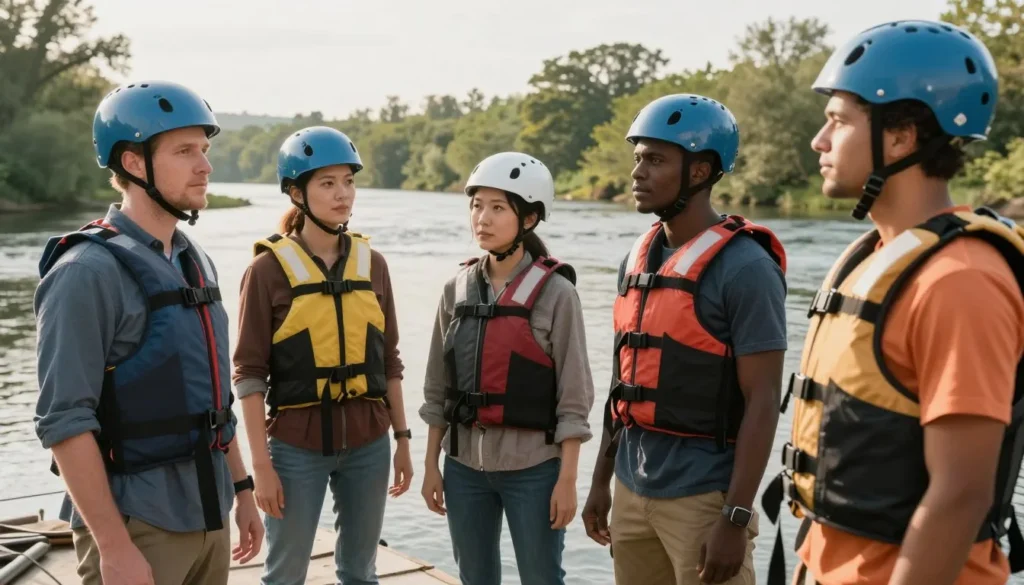
Life jackets should be worn by all persons on the water, regardless of swimming ability. Strong currents and cold water temperatures can quickly overwhelm even confident swimmers.
Water releases from upstream dams can change river conditions rapidly. Scheduled releases raise water levels within minutes, potentially trapping waders or creating dangerous currents.
Whitewater rapids demand proper training and equipment. First-time rafters should always use reputable commercial outfitters with experienced guides and quality safety gear.
Cold water remains a year-round concern in tailwater sections below dams. Hypothermia can develop quickly even during warm air temperatures if proper precautions aren’t followed.
Weather Hazards
Lightning poses serious threats during summer thunderstorms. Seek shelter immediately when thunder is heard, avoiding isolated trees, open fields, and water.
Flash flooding can occur in narrow gorges and creeks after heavy rainfall. Monitor weather forecasts and avoid canyon hiking during rainy periods.
Heat exhaustion affects visitors during summer months, particularly during strenuous activities. Drink water regularly and rest in shade when feeling overheated or dizzy.
Wildlife Precautions
Black bears inhabit the surrounding forest and occasionally visit campgrounds. Store all food and scented items in vehicles or bear-proof containers to prevent encounters.
Venomous snakes including copperheads and timber rattlesnakes live throughout the region. Watch footing when hiking and never place hands or feet where snakes might hide.
Ticks become active from spring through fall and can transmit diseases. Perform thorough tick checks after outdoor activities and remove any attached ticks promptly.
Local Customs and Etiquette
Southern hospitality characterizes the region, with friendly greetings exchanged between strangers. A simple “hello” or nod acknowledges others on trails and at access points.
Sunday mornings see many locals attending church services. Businesses may open later or remain closed, requiring advance planning for supplies.
Leave No Trace principles are expected by park users and residents. Pack out all trash, stay on established trails, and minimize impact on natural areas.
River access etiquette includes yielding right-of-way to downstream traffic. Rafters and kayakers moving with the current have priority over those paddling upstream.
For emergency assistance within the park, contact local authorities immediately.
The Polk County Sheriff’s Office responds to incidents throughout the river corridors. Save their non-emergency number for less urgent situations.
Visitor Comments About Hiwassee/Ocoee Scenic River State Park
Real experiences from travelers who have explored these scenic rivers provide valuable insights for future visitors planning their adventures.
“The Ocoee River exceeded every expectation we had. Our family spent three days camping at Gee Creek Campground, and we barely scratched the surface of available activities. The whitewater rafting was thrilling but safe with our professional guides. My teenagers loved every minute, and we’re already planning our return trip for next summer.”
“I’ve been fishing the Hiwassee River for over 20 years, and it never disappoints. The trout fishing below the dam ranks among the best in the Southeast. The scenery alone makes the trip worthwhile, but catching beautiful rainbow and brown trout turns a good day into a great one. Anyone who appreciates quality fly fishing needs to experience this river.”
“Our October visit for fall colors was absolutely spectacular. We hiked several sections of the John Muir Trail and were rewarded with stunning views at every turn. The combination of brilliant autumn foliage reflected in the clear river water created photo opportunities around every bend. The campground was quiet and peaceful, perfect for unwinding after days of exploration.”
Additional Nearby Destinations
The Hiwassee/Ocoee Scenic River State Park serves as an excellent base for exploring numerous attractions throughout southeastern Tennessee and northern Georgia.
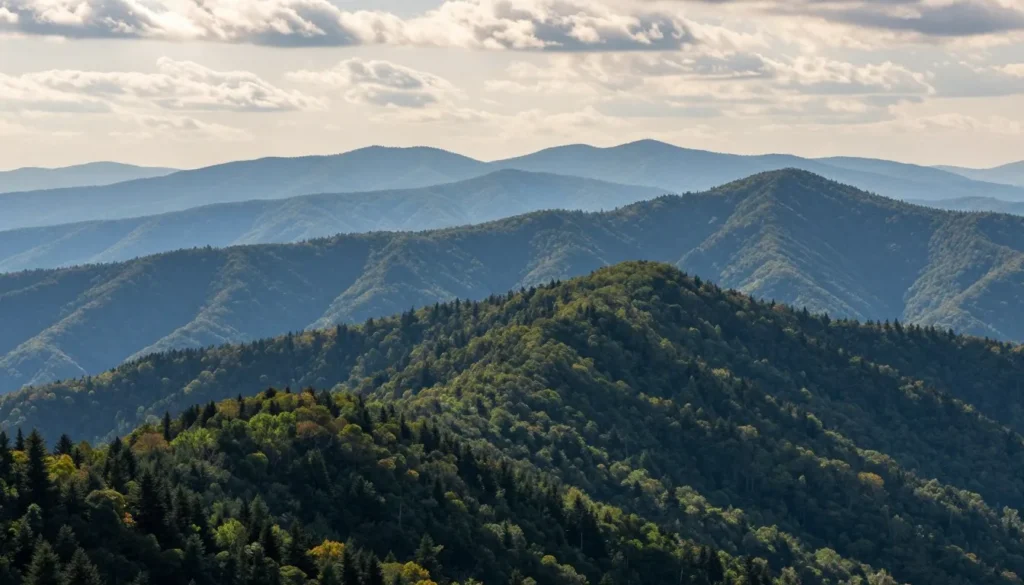
Cherokee National Forest surrounds the river corridors with over 263,000 hectares (650,000 acres) of protected wilderness. Hundreds of kilometers of trails, dozens of waterfalls, and countless camping opportunities await exploration.
The Bald River Falls cascades 27 m (90 feet) over a rocky ledge in a spectacular display of natural power. This easily accessible waterfall lies approximately 32 km (20 miles) northeast via the Tellico River Road.
Ruby Falls in Chattanooga offers underground adventure featuring a 44 m (145 foot) waterfall inside Lookout Mountain. This commercial cavern tour combines geology with history in an entertaining presentation.
Rock City Gardens, also on Lookout Mountain, delivers stunning views across seven states from its famous overlooks. The walking trails wind through unique rock formations and gardens established in the 1930s.
The Great Smoky Mountains National Park lies roughly 129 km (80 miles) northeast. America’s most visited national park protects ancient mountains, diverse wildlife, and rich Appalachian culture.
Cohutta Wilderness spans the Georgia border south of the Ocoee, protecting over 15,000 hectares (37,000 acres) of roadless forest. This remote area challenges experienced backpackers with rugged terrain and pristine conditions.
The Blue Ridge Scenic Railway operates vintage trains through the stunning Toccoa River valley in nearby Georgia. This two-hour round trip provides relaxing scenery viewing from comfortable passenger cars.
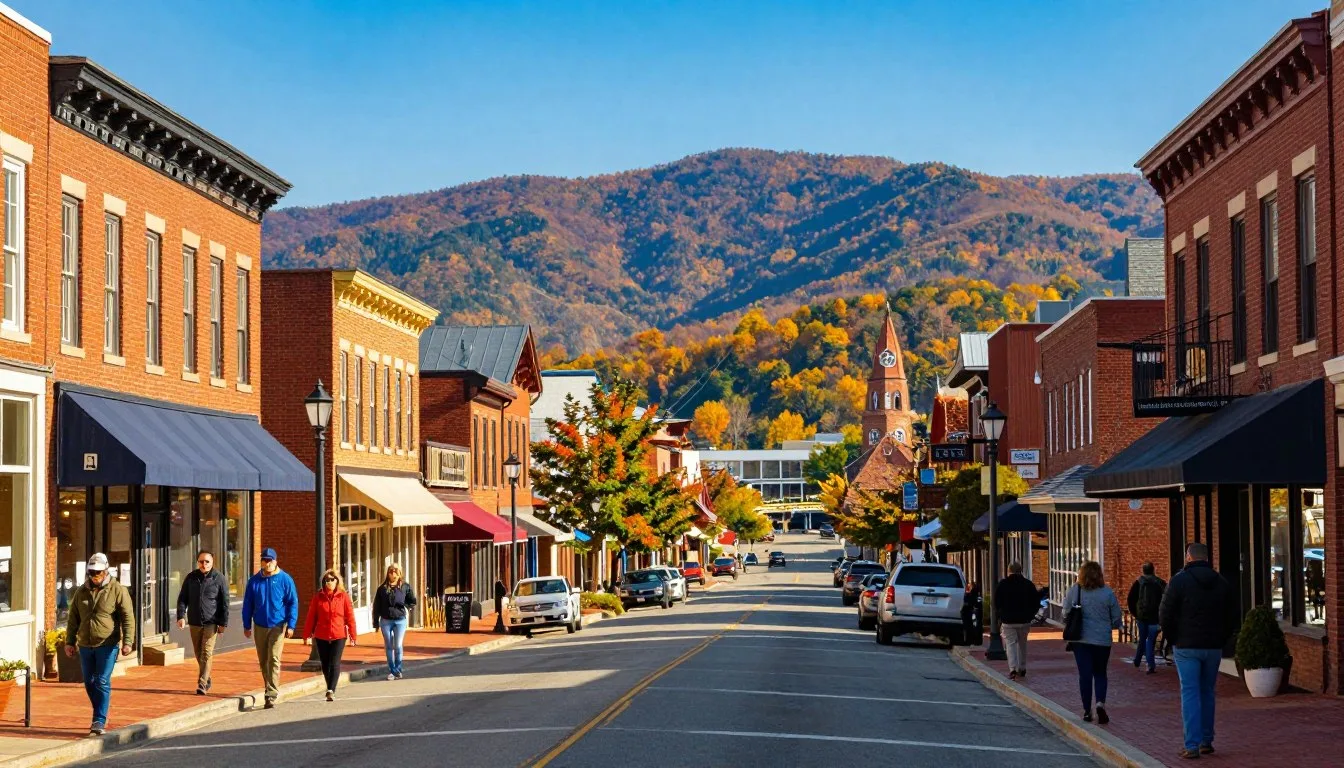
Historic Copper Basin towns of Ducktown and Copperhill preserve fascinating industrial heritage. Walking tours reveal the remarkable environmental recovery story from mining devastation to renewed forest.
Practical Travel Tips
Successful visits to the Hiwassee/Ocoee Scenic River State Park require advance planning and proper preparation. These practical suggestions help travelers avoid common problems.
Communication and Connectivity
Cell phone coverage varies significantly throughout the park. Verizon and AT&T provide the most reliable service, though dead zones exist in narrow gorges and remote valleys.
The visitor center and some campgrounds offer WiFi access, but connection speeds may be slow. Travelers should download maps and information before arriving in the area.
Paper maps remain essential backup navigation tools. GPS devices can fail or lose signal in the mountainous terrain surrounding the rivers.
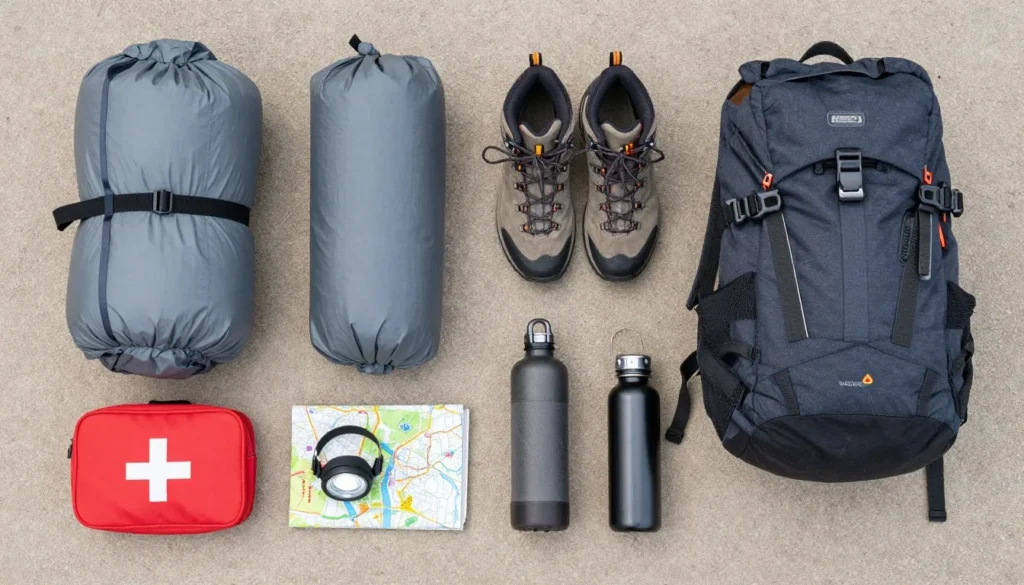
What to Pack
Layered clothing accommodates changing weather conditions throughout the day. Mornings and evenings can be cool even during summer, while midday temperatures soar.
Water shoes or sandals with secure straps protect feet during water activities. Rocky river bottoms can injure bare feet and make slippery surfaces treacherous.
Waterproof bags or dry sacks keep valuables, phones, and cameras protected from splashes and sudden rain. River activities almost guarantee some water exposure.
A basic first aid kit should include bandages, antibiotic ointment, pain relievers, and any personal medications. The nearest medical facilities lie 24 km (15 miles) or more from some access points.
Insect repellent containing DEET or picaridin defends against mosquitoes and ticks. Apply repellent to exposed skin and clothing before venturing onto trails.
Sunscreen rated SPF 30 or higher prevents painful burns during extended outdoor time. Reapply every two hours and after swimming or sweating.
Reservations and Permits
Camping reservations at Gee Creek Campground are strongly recommended during peak season. The facility fills completely most summer weekends and holiday periods.
Commercial rafting trips require advance booking, sometimes weeks ahead for popular summer weekends. Early planning ensures preferred dates and times.
Tennessee fishing licenses can be purchased online before trips or at local retailers. Valid licenses must be carried while fishing and presented upon request.
Money and Services
ATMs are not available within the park boundaries. The nearest cash machines operate in Ducktown and Copperhill, approximately 24 km (15 miles) east.
Credit cards are accepted at most commercial rafting outfitters and nearby restaurants. However, small mom-and-pop operations may prefer cash payment.
Gasoline stations serve Ducktown, Copperhill, and communities along US Highway 64. Fuel prices may run slightly higher than urban areas due to remote location.
The nearest hospitals operate in Cleveland, Tennessee, approximately 48 km (30 miles) west. Urgent care facilities in that town provide treatment for non-life-threatening injuries and illnesses.
Environmental Responsibility
Human waste disposal follows Leave No Trace principles in undeveloped areas. Bury waste in catholes 15 cm to 20 cm (6 to 8 inches) deep at least 61 m (200 feet) from water.
Campfires should only be built in designated fire rings where permitted. Check current fire restrictions, which may prohibit open flames during dry conditions.
Washing dishes and bathing should occur at least 61 m (200 feet) from rivers and streams. Use biodegradable soap sparingly and strain food particles from dishwater.
Respect wildlife by observing from distance and never feeding animals. Human food creates dangerous dependencies and can harm animal health.
Your Adventure Awaits in Tennessee’s River Paradise
The Hiwassee/Ocoee Scenic River State Park stands ready to deliver unforgettable experiences across all seasons. These pristine waterways, framed by ancient mountains and protected forest, offer a rare combination of natural beauty and accessible adventure.
Whether you seek the adrenaline rush of Olympic-class whitewater, the tranquility of a misty morning fishing for trout, or the simple joy of camping beneath star-filled skies, this remarkable destination delivers. The rivers that once sustained Cherokee communities and powered industrial growth now provide the setting for your own outdoor story.
Pack your sense of adventure, respect for nature, and willingness to disconnect from daily routines. The scenic rivers of southeastern Tennessee promise to refresh your spirit and create memories that last a lifetime. Your journey to this extraordinary natural treasure begins with a single decision to go.