
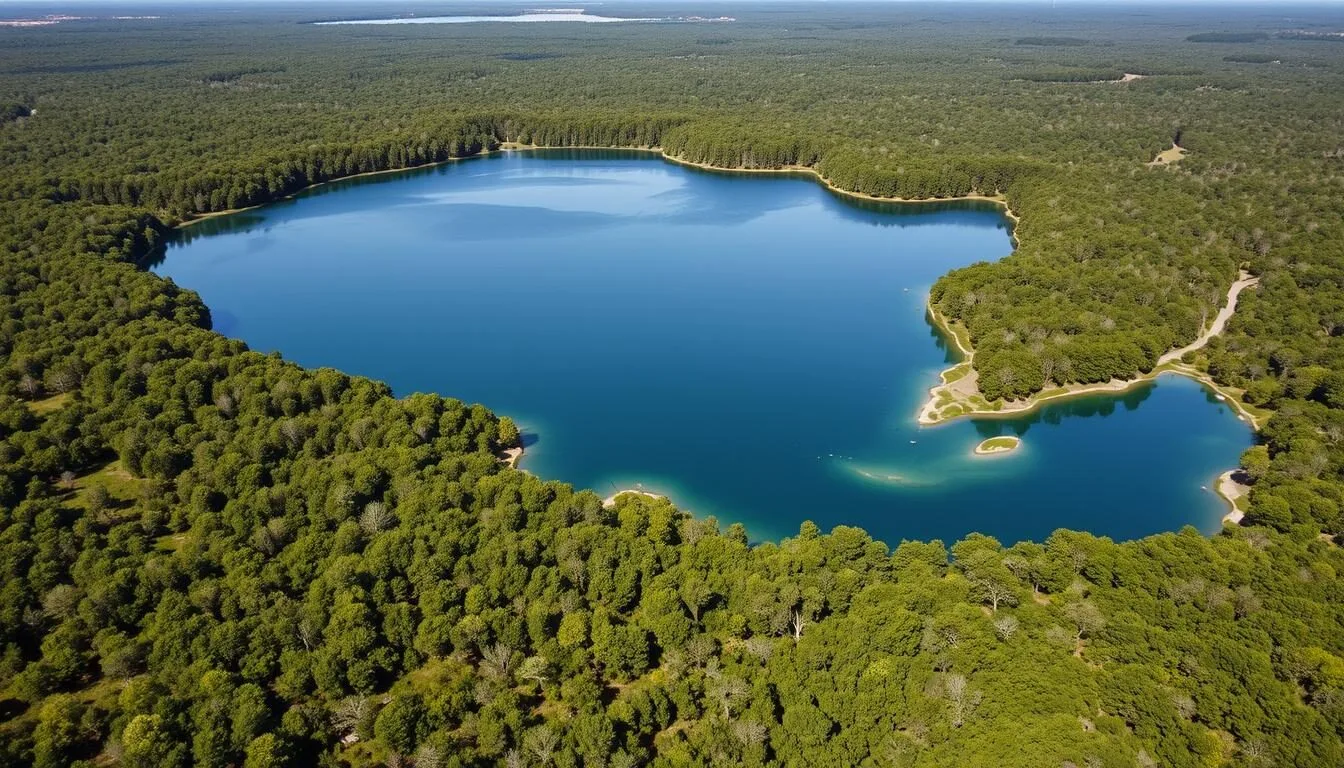
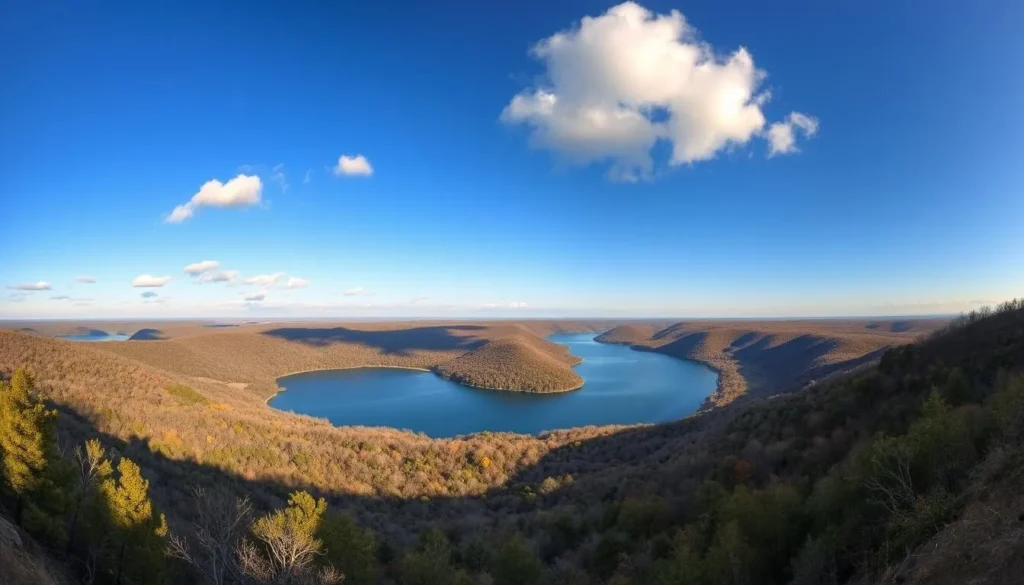
Did you know that Cleburne State Park’s pristine Cedar Lake wasn’t created by nature, but by the hard-working hands of the Civilian Conservation Corps in the 1930s? This 116-acre spring-fed lake sits as the crown jewel of this 528-acre hidden gem in Johnson County, Texas, drawing nearly 100,000 visitors annually who come to discover its crystal-clear waters and scenic limestone trails.
Getting There & Planning Your Journey
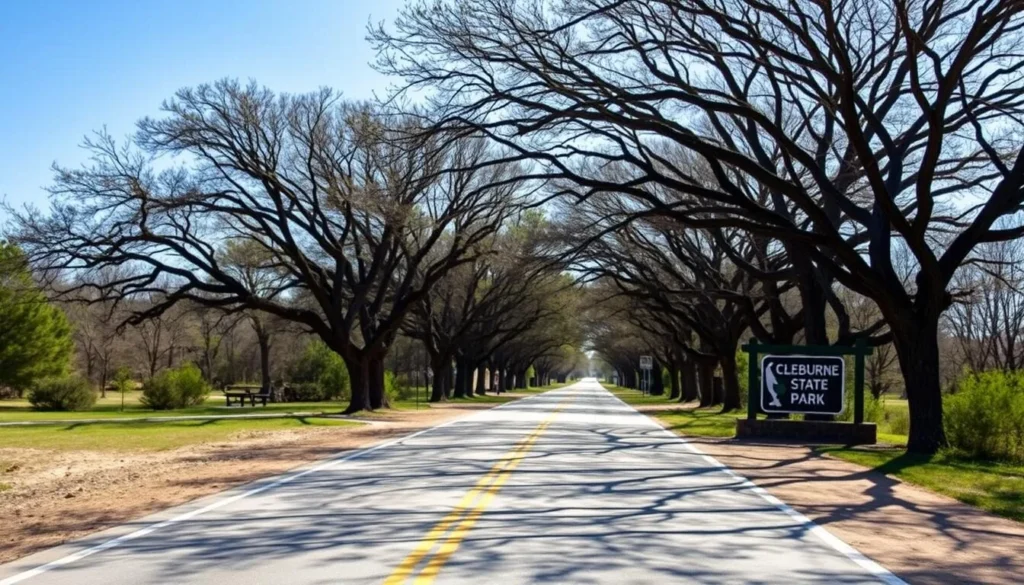
Located just 30 minutes southwest of Fort Worth, Cleburne State Park is easily accessible for both day trips and extended stays. The park sits approximately 6 miles from the city of Cleburne, making it a convenient escape from urban life without venturing too far from civilization.
From Dallas
Take I-35E South to US-67 South toward Cleburne. Continue on US-67 for approximately 53 miles, then turn left onto Park Road 21. After 6 miles, the park entrance will be on your right. The journey takes about 1 hour and 15 minutes, depending on traffic conditions.
From Fort Worth
Take I-35W South and exit onto SH-174 South toward Cleburne. After 13 miles, turn right onto Pipeline Road and merge onto US-67. Continue for about 8.5 miles, then turn left onto Park Road 21. After 6 miles, you’ll find the park entrance on your right. This route typically takes around 45 minutes.
Best Time to Visit & Weather Tips
Cleburne State Park is open year-round, but each season offers a unique experience for visitors. Understanding the seasonal patterns will help you plan the perfect trip based on your preferred activities.
Spring (March-May)
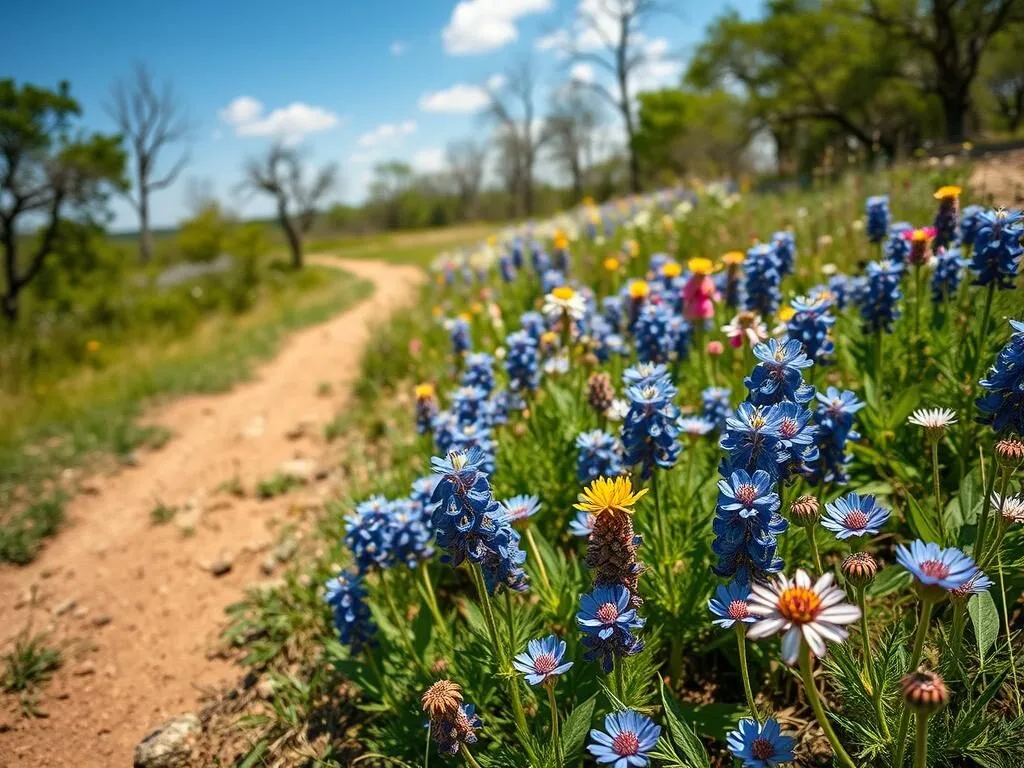
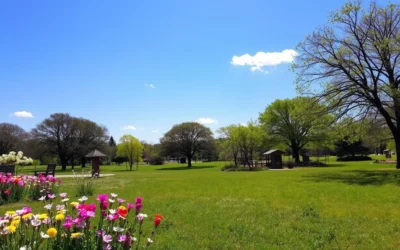
Spring brings mild temperatures ranging from 60-80°F and spectacular wildflower displays. This is the ideal time for hiking and camping, with Texas bluebonnets and other native wildflowers creating a colorful landscape. Rainfall is moderate, so pack a light rain jacket just in case.
Summer (June-August)
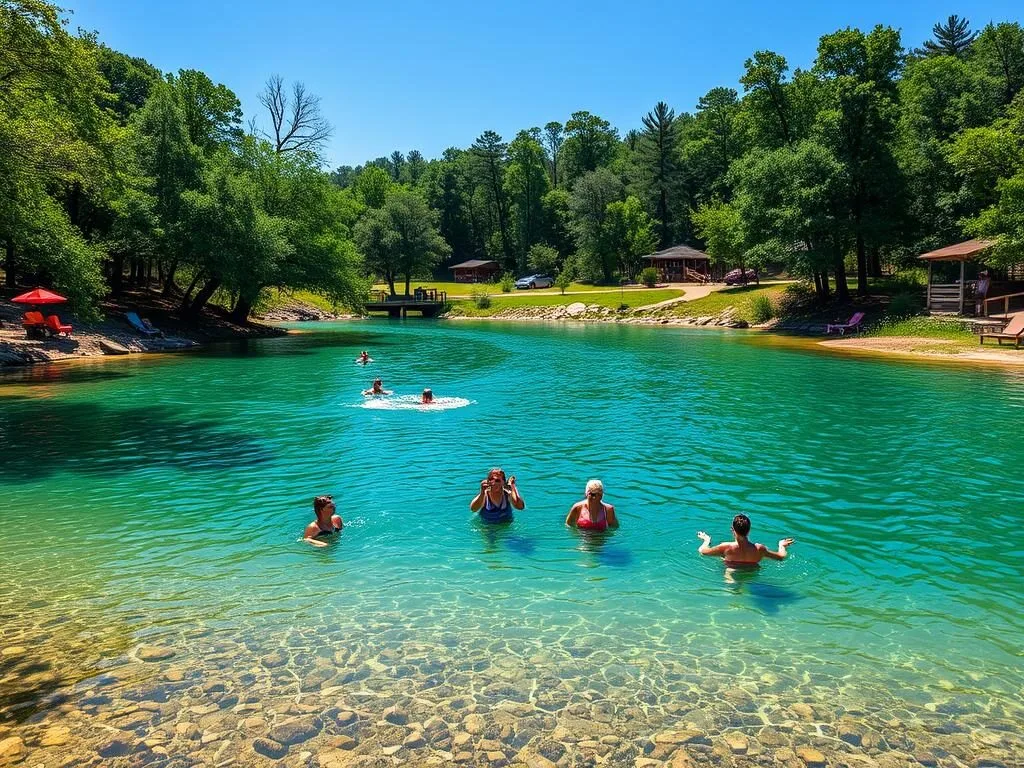
Summers are hot with temperatures often exceeding 90°F. This is peak season for water activities, with Cedar Lake providing a refreshing escape from the heat. Early mornings and evenings are best for hiking to avoid the midday sun. Afternoon thunderstorms are possible, so check the forecast.
Fall & Winter (September-February)
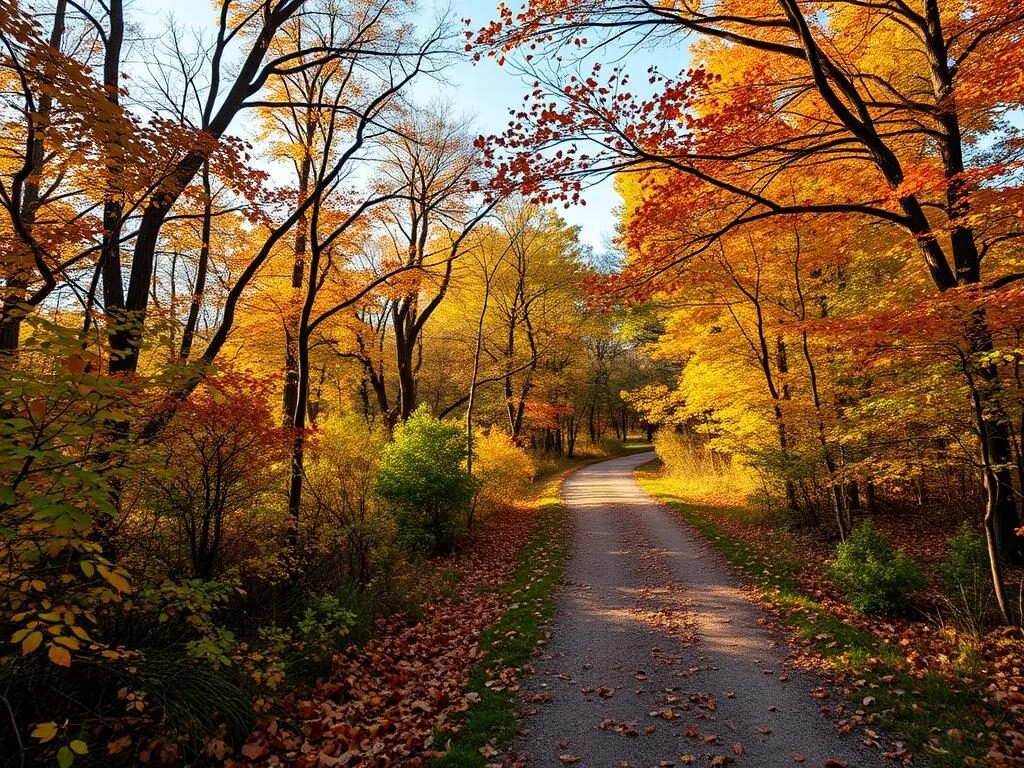
Fall brings pleasant temperatures between 50-75°F, making it perfect for hiking and mountain biking. Winter is mild with occasional cold snaps; temperatures typically range from 40-60°F. The park is less crowded during these seasons, offering a more peaceful experience for nature lovers.
Visitor Tip
The park can get crowded on summer weekends and holidays. For a more peaceful experience, consider visiting on weekdays or during the shoulder seasons (late spring and early fall) when the weather is still pleasant but crowds are thinner.
Where to Stay at Cleburne State Park
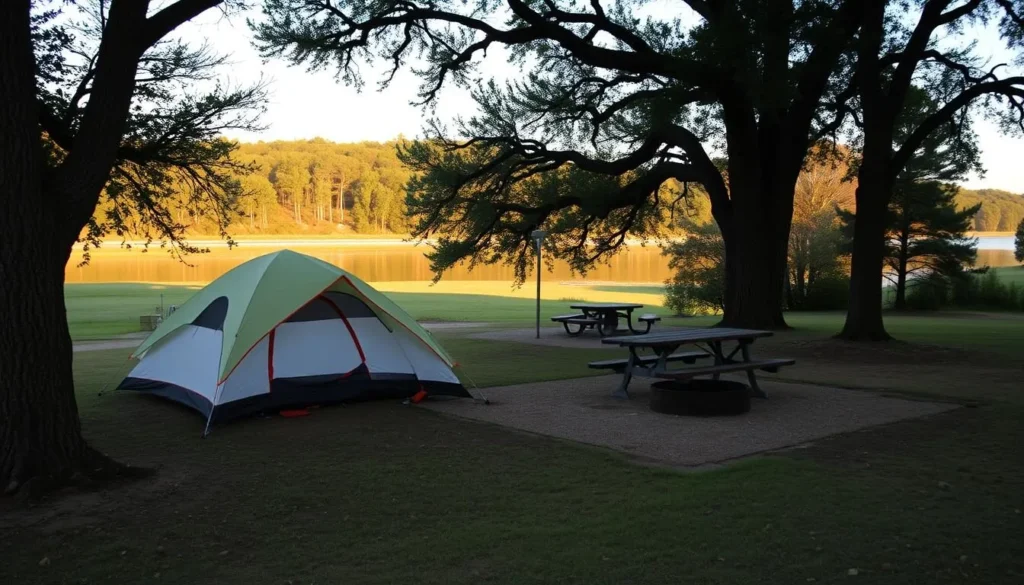
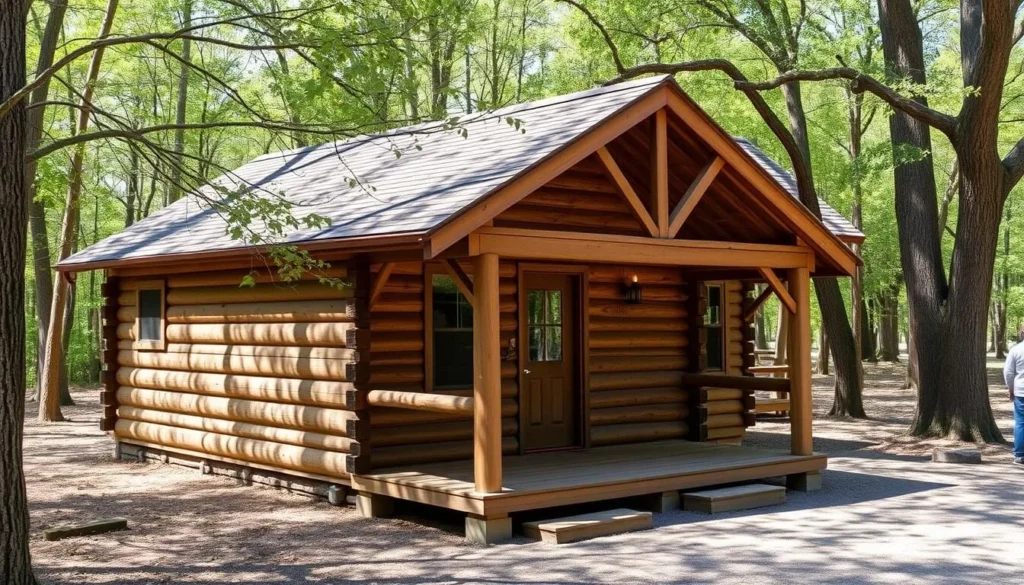
Cleburne State Park offers diverse accommodation options, from primitive camping to comfortable cabins. All camping areas provide access to restrooms with hot showers, making your outdoor experience more comfortable.
Camping Options
Other Accommodations
Reservation Information
Reservations can be made up to 5 months in advance for campsites and cabins, and up to 12 months in advance for group facilities. During peak seasons (spring and summer), sites fill quickly, especially on weekends, so booking early is recommended.
Things to Do at Cleburne State Park
From water recreation to challenging hiking trails, Cleburne State Park offers activities for outdoor enthusiasts of all ages and interests. The park’s diverse landscape provides the perfect backdrop for adventure and relaxation alike.
Hiking & Biking
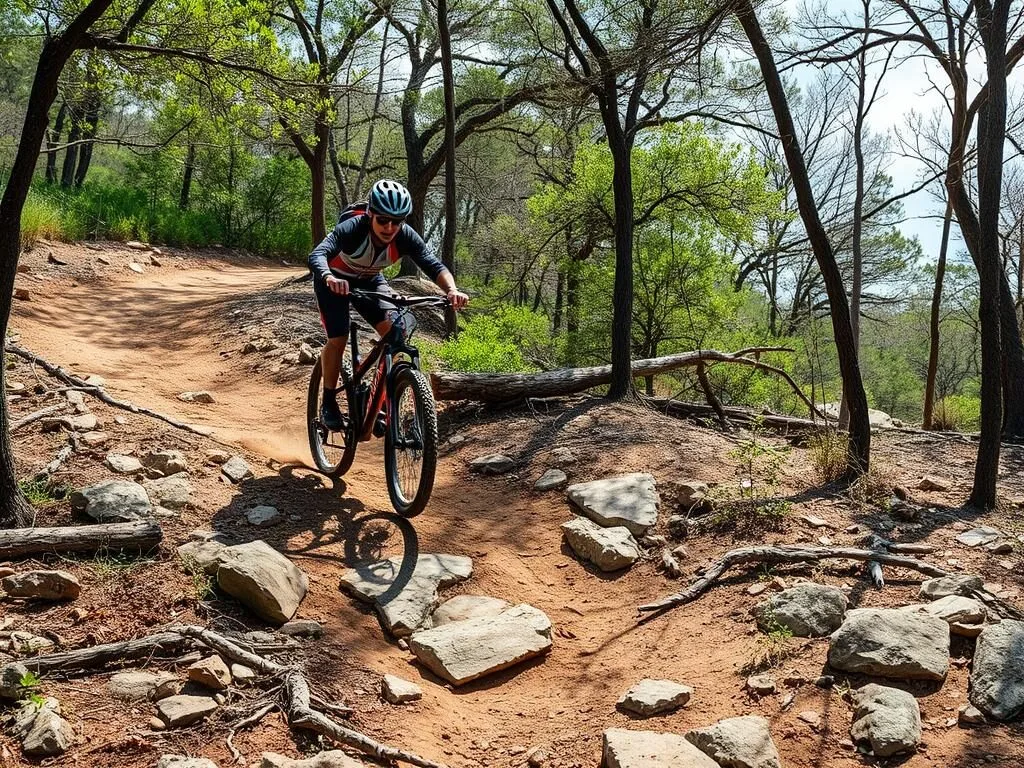
The park boasts 13 miles of multi-use trails that wind through diverse terrain, from limestone ridges to wooded valleys. The trail system is particularly popular with mountain bikers, offering challenges for all skill levels.
- Fossil Ridge Trail (2.5 miles): A challenging trail with significant elevation changes and diverse landscapes.
- Coyote Run Nature Trail: Offers excellent views of Cedar Lake with rocky, hilly terrain.
- Spillway Trail: Features the historic CCC-built limestone spillway, one of the park’s most photographed spots.
Water Recreation
Cedar Lake is the centerpiece of the park, offering numerous water-based activities throughout the warmer months.
- Swimming: A designated swimming area with a sandy beach is perfect for cooling off during hot Texas summers.
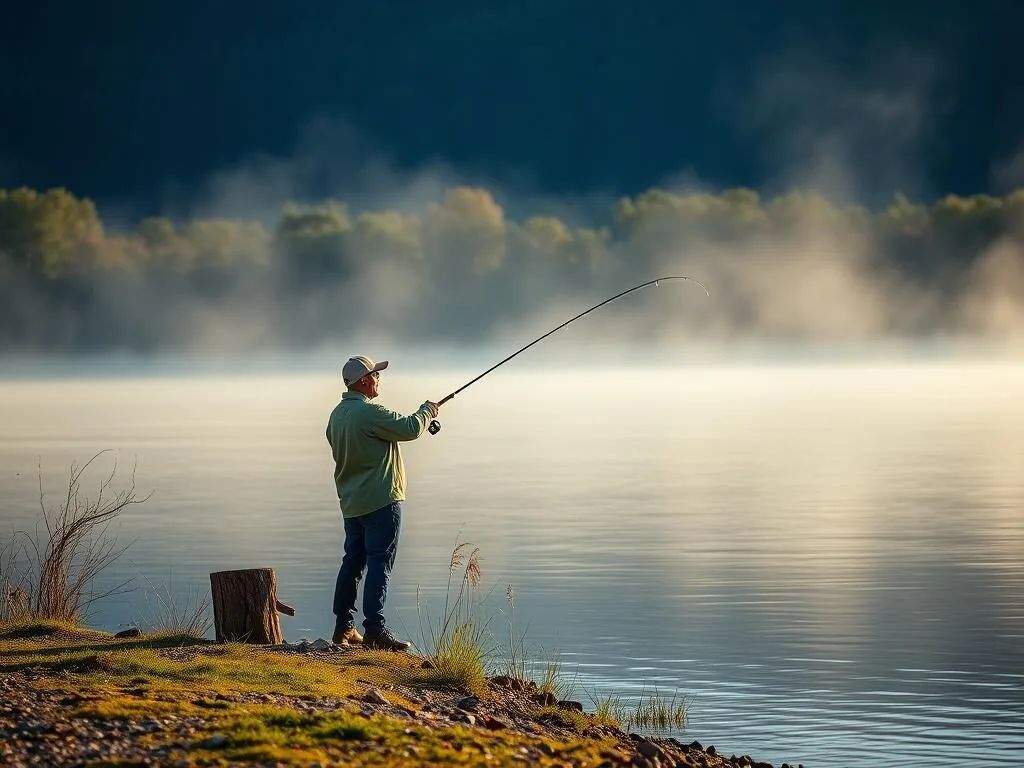
- Fishing: The lake is stocked with bass, crappie, catfish, and sunfish. Crappie Cove is particularly popular for bank fishing. No fishing license is required when fishing from shore in a state park.
- Boating: Non-motorized boats and boats with electric motors are welcome. Kayaks and paddleboards are available for rent during peak season.

Other Activities
Beyond hiking and water recreation, the park offers numerous other ways to enjoy the natural environment.
- Wildlife Viewing: The park is home to white-tailed deer, armadillos, raccoons, and numerous bird species. Early morning and dusk are the best times for wildlife spotting.
- Geocaching: Several geocaches are hidden throughout the park, offering a fun treasure-hunting experience.
- Picnicking: Numerous picnic areas with tables and grills are scattered throughout the park, many offering scenic views of the lake.
Practical Information & Tips
Park Fees & Hours
Cleburne State Park charges a daily entrance fee of $6 per person for visitors 13 years and older. Children 12 and under enter free. The park is open year-round, with gates typically open from 7 AM to 10 PM. Campers have 24-hour access with a valid reservation.
Park Facilities
What to Pack

Safety Tips
Stay hydrated, especially during summer months when temperatures can exceed 90°F. Watch for uneven terrain on trails, particularly after rain. The lake does not have lifeguards, so swim at your own risk and never swim alone. Check for fire restrictions before planning campfires, as conditions can change rapidly in dry periods.
Wildlife & Natural Features
Cleburne State Park is home to diverse wildlife and plant species, making it a paradise for nature enthusiasts. The park’s varied ecosystems support everything from large mammals to tiny insects, creating a vibrant natural environment.
Common Wildlife
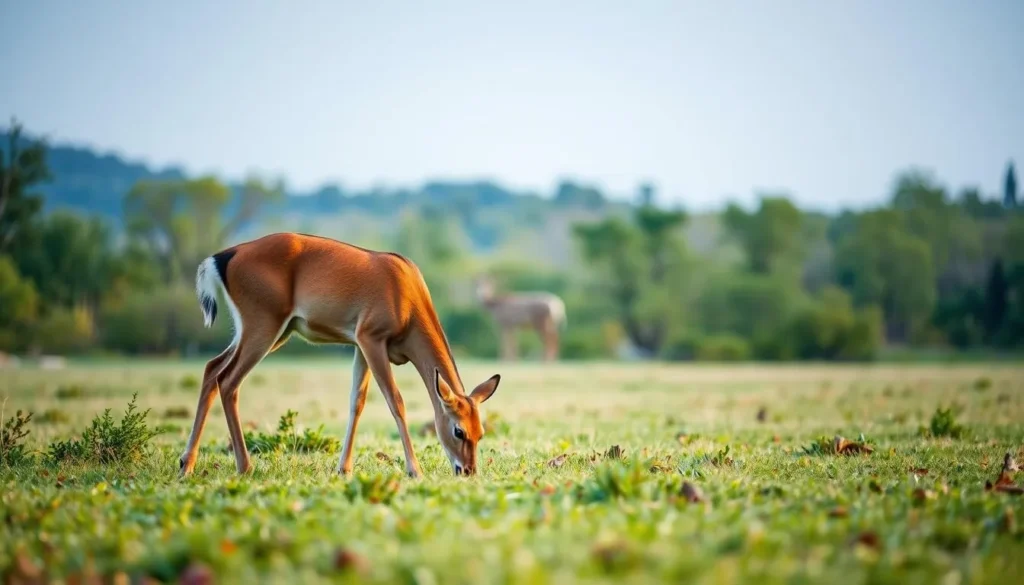
The park is home to white-tailed deer, armadillos, raccoons, opossums, and various rodent species. Lucky visitors might spot foxes, bobcats, or coyotes, especially during early morning or evening hours. Birdwatchers can observe cardinals, blue jays, woodpeckers, and various waterfowl around Cedar Lake.
Plant Life
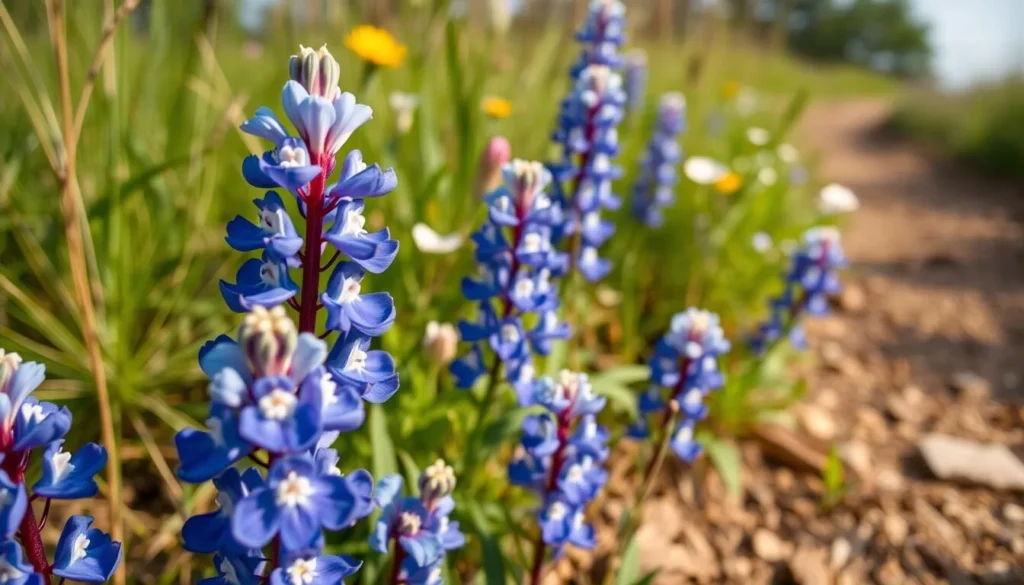
The park features diverse vegetation, including cedar, oak, elm, mesquite, redbud, and sycamore trees. Spring brings spectacular wildflower displays, including bluebonnets, Indian paintbrush, and black-eyed Susans. The limestone terrain supports unique plant communities adapted to the rocky soil conditions.
Nearby Attractions
While Cleburne State Park offers plenty to keep visitors engaged, the surrounding area provides additional attractions worth exploring during your visit to Johnson County.
City of Cleburne
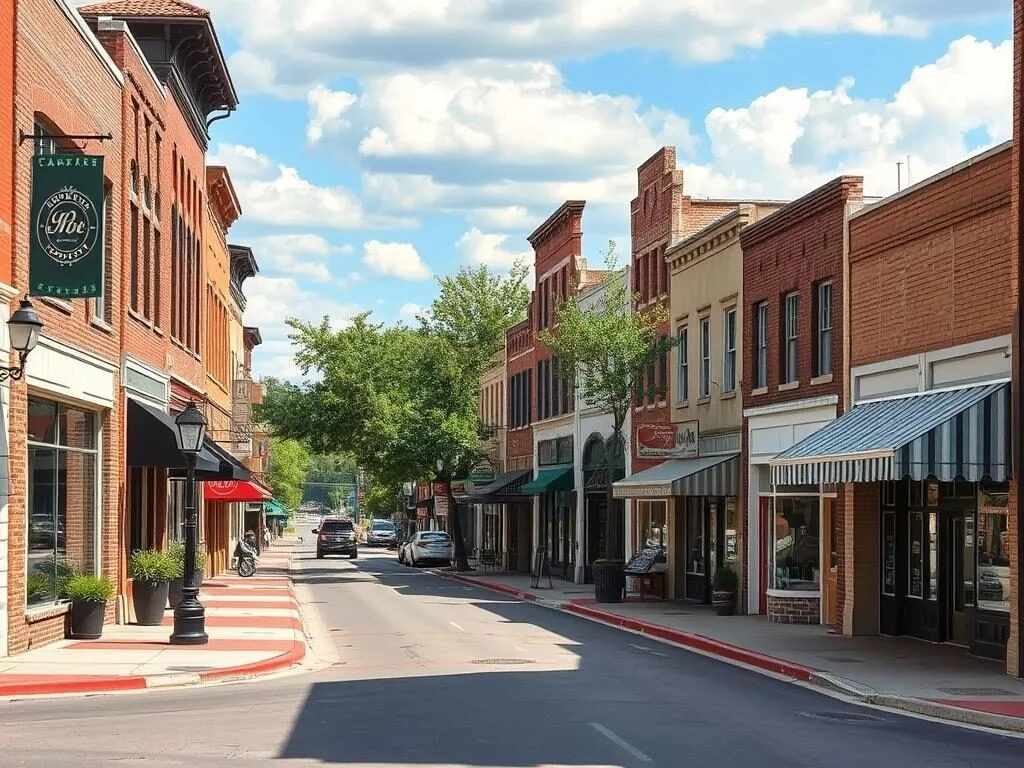
Just 15 minutes from the park, the city of Cleburne offers historical attractions, dining, and shopping. Visit the Layland Museum housed in a Carnegie Library building, explore the Gone With The Wind Remembered Museum, or catch a show at the historic Plaza Theatre.
Dinosaur Valley State Park
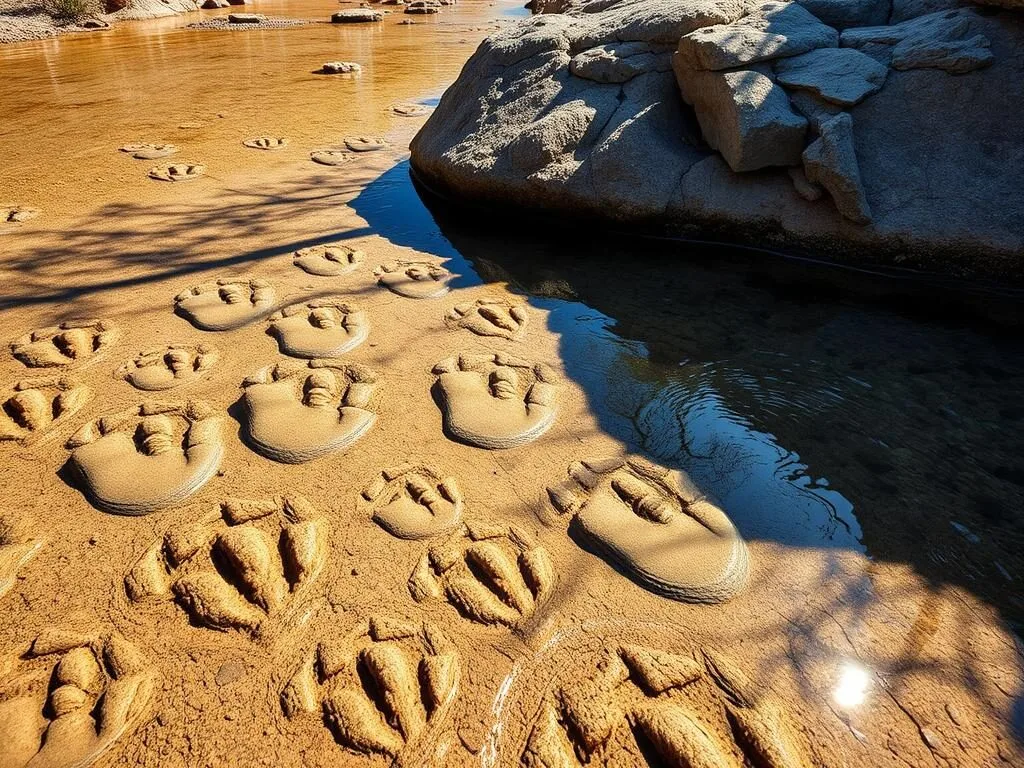
Located about 30 minutes west in Glen Rose, this park features preserved dinosaur tracks in the Paluxy River. Visitors can walk in the footsteps of dinosaurs that roamed the area 113 million years ago, making it a perfect day trip for families.

Fossil Rim Wildlife Center
Also near Glen Rose, this 1,800-acre conservation center offers drive-through safari experiences where visitors can observe and feed exotic and endangered species from around the world, including giraffes, rhinos, and cheetahs.
Plan Your Visit to Cleburne State Park
Cleburne State Park offers a perfect blend of natural beauty, outdoor recreation, and historical significance. Whether you’re seeking a challenging mountain bike ride, a peaceful fishing spot, or simply a place to disconnect and enjoy nature, this hidden gem in Johnson County delivers an exceptional outdoor experience.
With its crystal-clear spring-fed lake, diverse wildlife, and miles of scenic trails, the park provides a refreshing escape from urban life without requiring a long journey. The historic structures built by the Civilian Conservation Corps add cultural interest to the natural splendor, creating a multifaceted destination worth exploring in every season.
The above is subject to change.
Check back often to TRAVEL.COM for the latest travel tips and deals.



0 Comments