
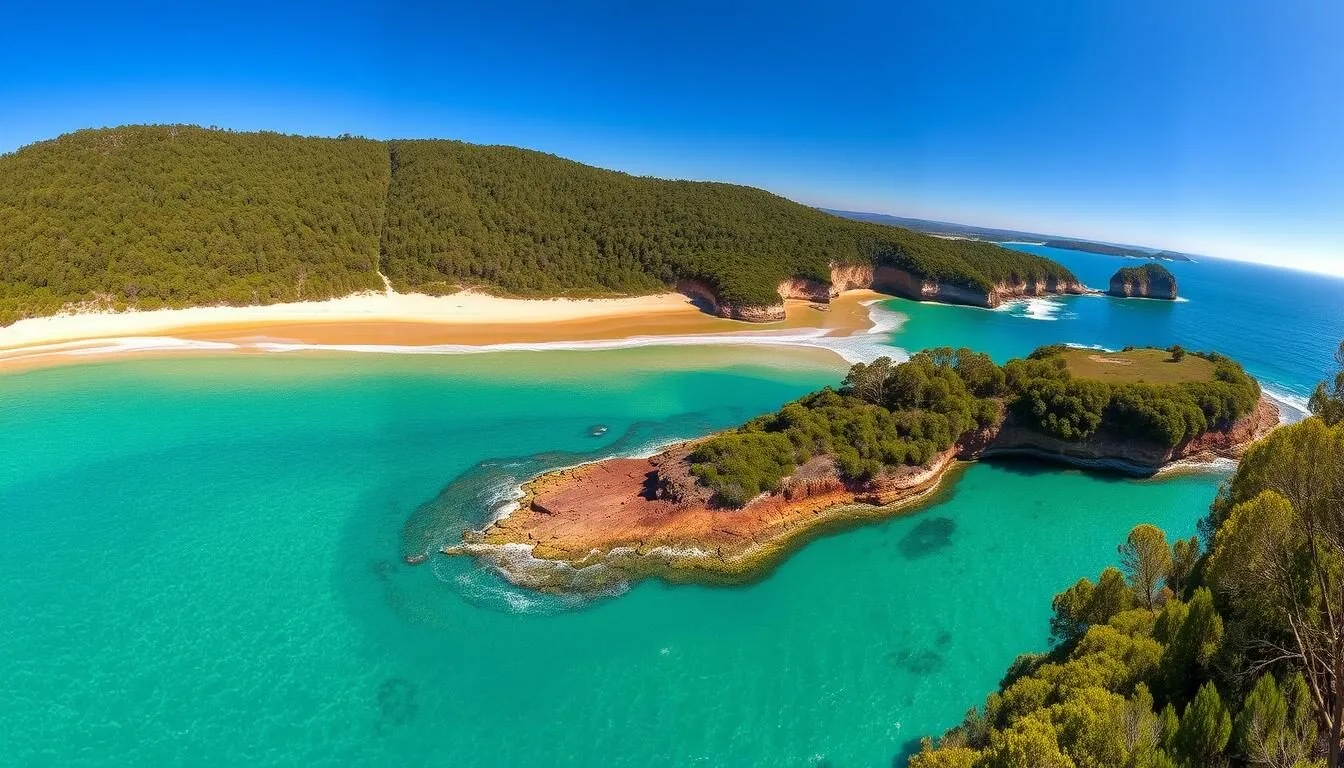
Did you know that Eurobodalla National Park is home to over 131 species of birds, including several endangered species like the hooded plover and little tern? This coastal gem stretches from Moruya Heads to Mystery Bay along New South Wales’ stunning South Coast, offering visitors a perfect blend of pristine beaches, coastal forests, and abundant wildlife. Established in 1995, this non-contiguous national park has become a sanctuary for nature lovers and adventure seekers alike.
Getting There & Planning Your Journey
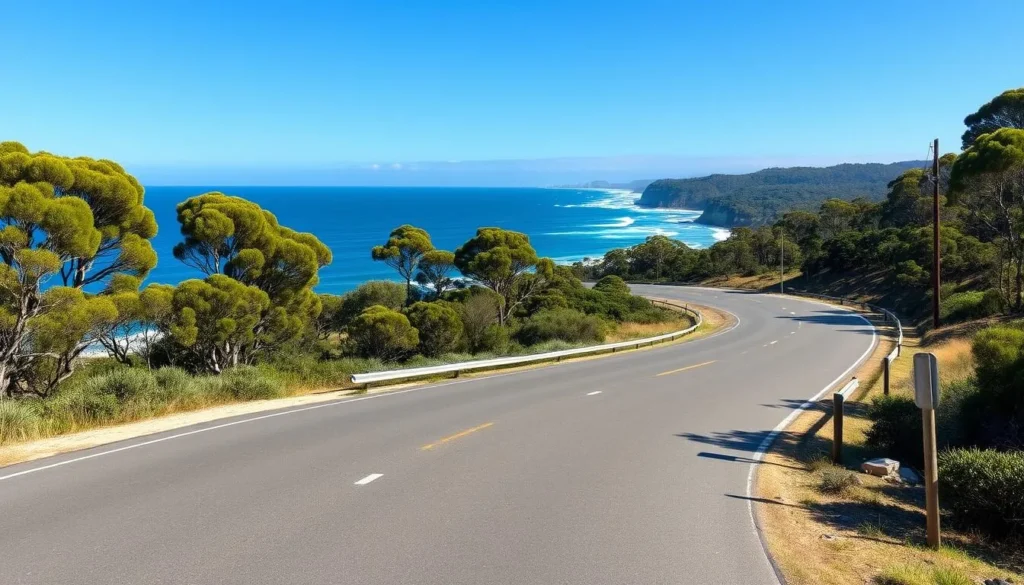
Eurobodalla National Park is conveniently located on the Far South Coast of New South Wales, making it accessible from major cities like Sydney and Canberra. The journey itself offers scenic views that set the tone for your adventure.
From Sydney
The drive from Sydney takes approximately 4 hours via the Princes Highway (A1). The highway runs parallel to the park, providing easy access to various entrances. For those who prefer not to drive, regular coach services operate between Sydney and coastal towns like Batemans Bay and Narooma.
From Canberra
Canberra is closer, with a travel time of around 3 hours. Take the Kings Highway (B52) to reach the coast, then join the Princes Highway south to the park. This route offers beautiful mountain and forest scenery before opening up to coastal views.
Park Entrances
The park has multiple access points along the coast. Major entrances include:
- Moruya Heads entrance – ideal for accessing the northern section
- Congo entrance – provides access to Congo Beach and campground
- Bingi entrance – gateway to the Bingi Dreaming Track
- Mystery Bay entrance – perfect for the southern section and camping
Before setting out, it’s advisable to check the NSW National Parks website for any alerts or closures, especially during bushfire season or after heavy rainfall.
Best Time to Visit & Weather Tips
Eurobodalla National Park is a year-round destination, but certain seasons offer unique experiences that might better align with your interests.
Spring (September-November)
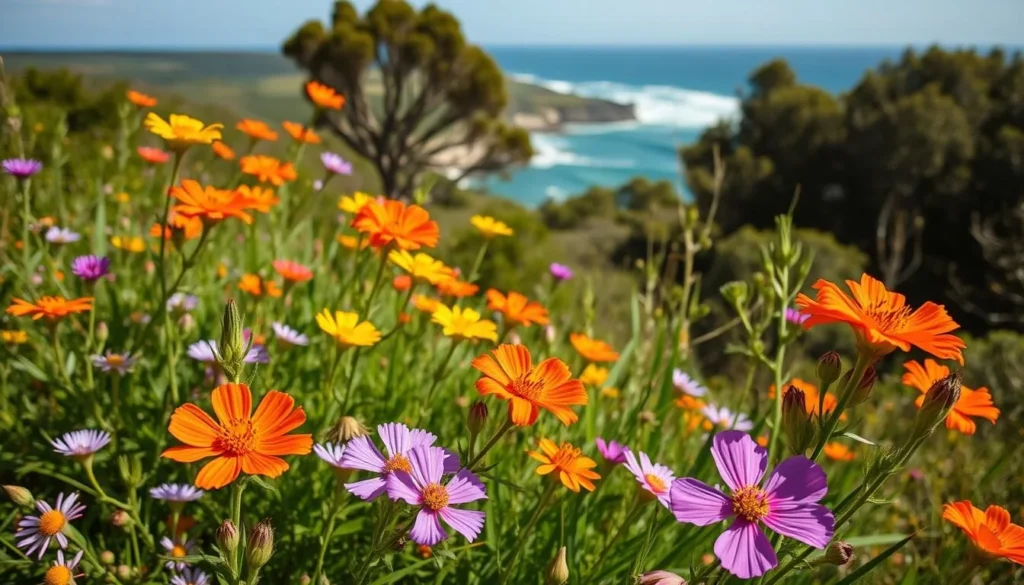
Spring brings mild temperatures (15-22°C) and blooming wildflowers throughout the park. This season is ideal for birdwatching as migratory birds return and breeding begins. It’s also the start of whale watching season as humpbacks migrate south.
Summer (December-February)
Summer offers warm temperatures (20-28°C) perfect for swimming, snorkeling, and beach activities. This is peak tourist season, so campgrounds should be booked well in advance. Early mornings and evenings are best for wildlife spotting.
Autumn/Winter (March-August)
The cooler months (10-18°C) offer peaceful experiences with fewer visitors. Winter brings whale watching opportunities as humpbacks migrate north. This is the perfect time for bushwalking and photography with clear, crisp days.
Weather Tips
- Always check weather forecasts before setting out
- Pack sunscreen, hat, and water regardless of season
- Bring warm layers even in summer as coastal evenings can be cool
- Be prepared for sudden weather changes, especially near the coast
- Check fire danger ratings during summer months
Getting Around Locally
Once you’ve arrived at Eurobodalla National Park, you’ll need to consider how to explore its various sections and attractions.
By Car
A vehicle is the most convenient way to explore the park’s non-contiguous sections. The Princes Highway connects most access points, with smaller roads leading to specific beaches and campgrounds. Some tracks may require a 4WD vehicle, especially after rain.
Parking is available at major entrances and attractions, though spaces can fill quickly during peak season.
On Foot
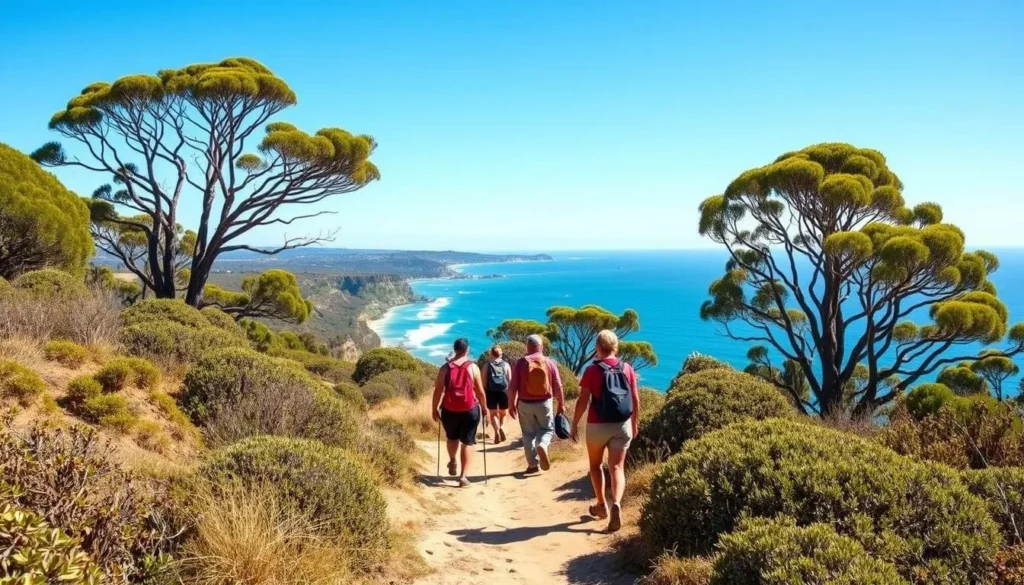
Many of the park’s highlights are best experienced on foot via its network of walking tracks. The Bingi Dreaming Track is a highlight, offering 14km of coastal scenery between Congo and Tuross Head. Shorter walks are available at Mystery Bay and around the various beaches.
Bicycle & Water Access
Cycling is permitted on public roads within the park but not on walking tracks. For water enthusiasts, kayaking and boating offer unique perspectives of the coastline. Launch points are available at Congo Creek, Moruya River, and Mystery Bay.
Local Transport Tip
Consider renting e-bikes in nearby towns like Moruya or Narooma for an eco-friendly way to explore the park’s accessible sections. Several local operators offer daily rentals with delivery options to your accommodation.
Where to Stay
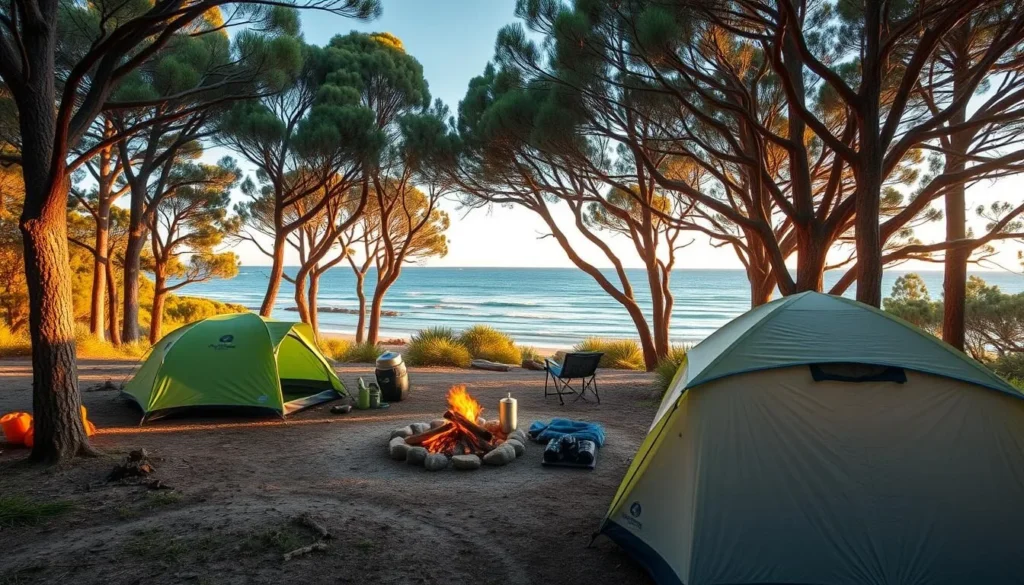
Eurobodalla National Park offers various accommodation options, from rustic camping to comfortable holiday parks. Staying within or near the park enhances your experience, allowing for early morning wildlife spotting and sunset beach walks.
Camping Options
For those seeking an immersive nature experience, the park offers several campgrounds:
Mystery Bay Campground
This popular spot offers unpowered sites nestled between forest and ocean. Facilities include cold showers, pit toilets, and barbecue areas. The campground is pet-friendly and provides easy access to beaches and walking trails.
Bookings essential, fees apply.
Congo Campground
With 29 marked sites suitable for tents, camper trailers, and caravans, this small campground sits alongside Congo Creek. Basic facilities include toilets and a boat ramp. Perfect for families who enjoy fishing and swimming.
Bookings essential, fees apply.
Brou Lake Campground
Located between bush and beach, this peaceful campground offers stunning views of ocean and lake. Suitable for tents and small caravans with basic facilities including composting toilets and picnic tables.
Free camping but bookings essential.
Holiday Parks & Nearby Accommodations
For those preferring more amenities, several holiday parks border the national park:
Beachcomber Holiday Park
This eco-retreat offers cabins with ocean views and beachfront campsites. The park features modern amenities including a playground and barbecue facilities. It’s known for wildlife spotting opportunities and sustainable practices.
BIG4 Narooma Easts Holiday Park
Located near the southern section of the park, this resort-style facility offers accommodation ranging from luxury cabins to powered sites. Amenities include a heated indoor waterpark, private boat ramp, and tennis court.
Booking Advice
Campgrounds and holiday parks in and around Eurobodalla National Park book out quickly during peak seasons (December-February and school holidays). Reserve your spot at least 3-6 months in advance for these periods.
Dining & Local Cuisine
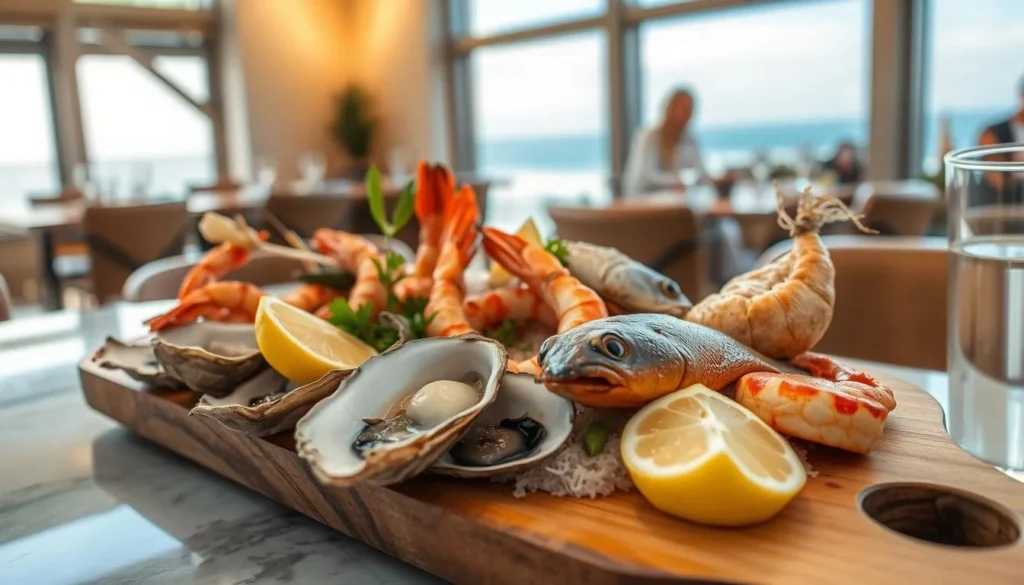
While Eurobodalla National Park itself has limited dining facilities, the surrounding region offers excellent culinary experiences featuring fresh local produce, especially seafood.
Self-Catering Options
Many visitors to the park choose to self-cater, especially when camping. The towns of Moruya, Narooma, and Batemans Bay have supermarkets, bakeries, and specialty food stores where you can stock up on supplies. Farmers markets are held regularly in these towns, offering fresh local produce.
Local Specialties
The Eurobodalla region is known for its outstanding seafood, particularly:
- Clyde River oysters – renowned for their creamy, briny flavor
- Fresh-caught fish including snapper, flathead, and bream
- Local dairy products from nearby farms
- Seasonal berries and stone fruits
- Bush tucker ingredients used in innovative local cuisine
Nearby Dining
When you’re ready for a break from camp cooking, these nearby towns offer excellent dining options:
Moruya
This charming town features riverside cafes, a great bakery, and the popular River Moruya restaurant known for showcasing local ingredients. The Saturday farmers market is perfect for picnic supplies.
Narooma
Famous for its oysters, Narooma offers several waterfront dining options. Try Quarterdeck for Tiki-inspired seafood or the Narooma Oyster Festival if you’re visiting in May.
Tuross Head
This small coastal village has a few excellent cafes with stunning views. The Tuross Boatshed & Cafe is perfect for breakfast or lunch overlooking the water.
Picnic Tip
The park features several designated picnic areas with barbecue facilities, including Shelly Beach, Mystery Bay, and 1080 Beach. Pack a cooler with local specialties for a memorable meal with ocean views.
Attractions, Sightseeing & Activities
Eurobodalla National Park offers diverse attractions that showcase the natural beauty of Australia’s South Coast. From pristine beaches to cultural sites, there’s something for every type of traveler.
Must-See Locations
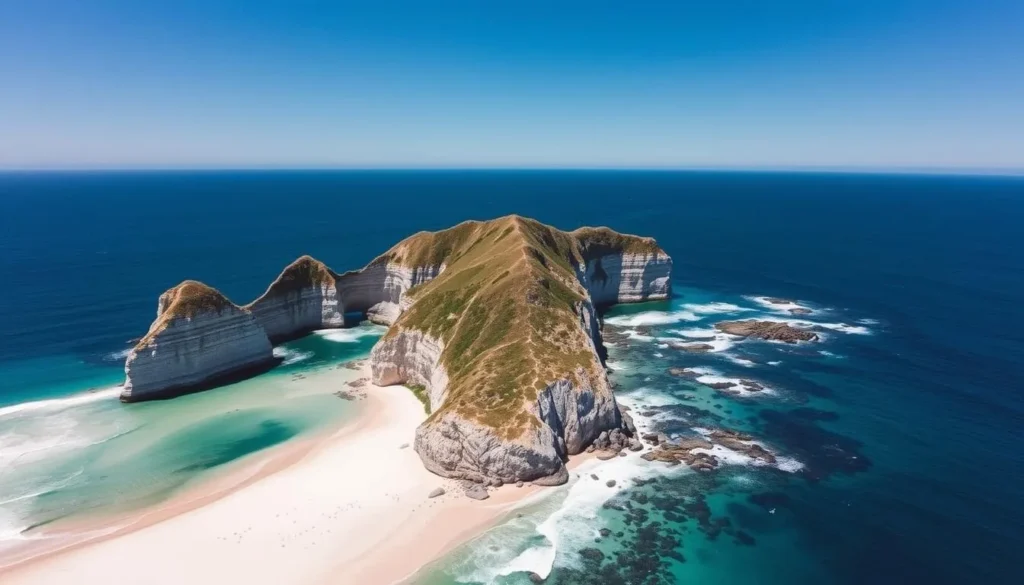
Bingi Bingi Point
This dramatic headland offers panoramic coastal views and is perfect for whale watching during migration seasons. The distinctive rock formations tell the geological story of the coastline, while interpretive signs explain the cultural significance to the Yuin people.
Mystery Bay
Named after the mysterious disappearance of a government official in 1880, this picturesque bay features secluded beaches, fascinating rock pools, and excellent snorkeling opportunities. The southern headland provides spectacular sunrise views.
Barunguba (Montague Island)
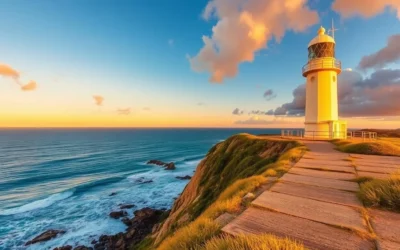
Located offshore from Narooma, this nature reserve is accessible by tour boat. The island is home to a historic lighthouse, thousands of seabirds, and a large seal colony. Snorkeling with seals is a popular activity.
Beaches & Swimming
The park is renowned for its pristine beaches, each with its own character:
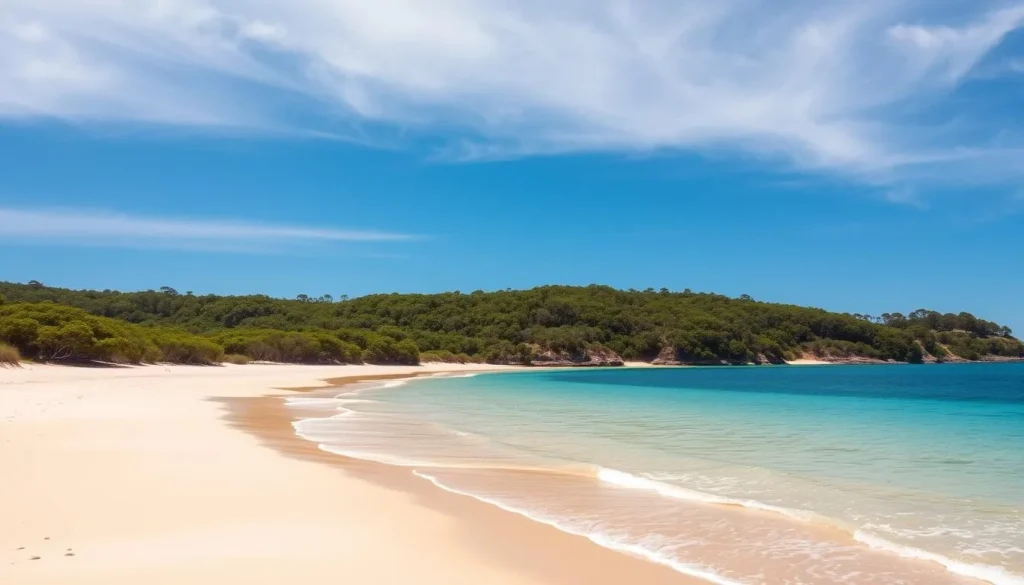
- Congo Beach – A long, surf-friendly beach backed by dunes and forest
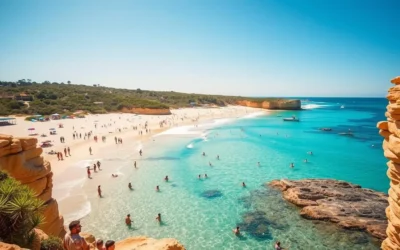
- 1080 Beach – A secluded cove perfect for swimming and snorkeling
- Mullimburra Point – Offers both protected rock pools and surf breaks
- Mystery Bay – Multiple small beaches and coves for exploration
Swimming Safety
Beaches within the park are not patrolled. Always check conditions before swimming, be aware of rip currents, and ideally swim with others. For safer swimming options, visit patrolled beaches in nearby towns during summer months.
Cultural Heritage & Wildlife
Eurobodalla National Park is rich in both cultural heritage and biodiversity, offering visitors insights into Aboriginal history and opportunities for wildlife encounters.
Aboriginal Heritage
The park lies within the traditional lands of the Yuin people, who have maintained a deep connection to this country for thousands of years. The Bingi Dreaming Track follows an ancient Aboriginal songline, with interpretive signs explaining the cultural significance of various sites.
Several middens (shell deposits) throughout the park demonstrate the long history of sustainable harvesting from the ocean. These sites are protected and should be respected by visitors.
European History
The park contains several sites of European historical significance, including:
- The wreck of the SS Monaro
- Toragy Point cemetery
- The former pilot station at South Head Moruya
- The wreck of the Kameruka
Wildlife Watching
The park is a biodiversity hotspot, home to numerous species including:
Birds
Over 131 bird species have been recorded in the park. Look for sea eagles soaring above the coastline, lyrebirds in forested areas, and migratory shorebirds like the Far Eastern curlew and bar-tailed godwit. The endangered little tern and hooded plover nest on beaches during summer.
Mammals
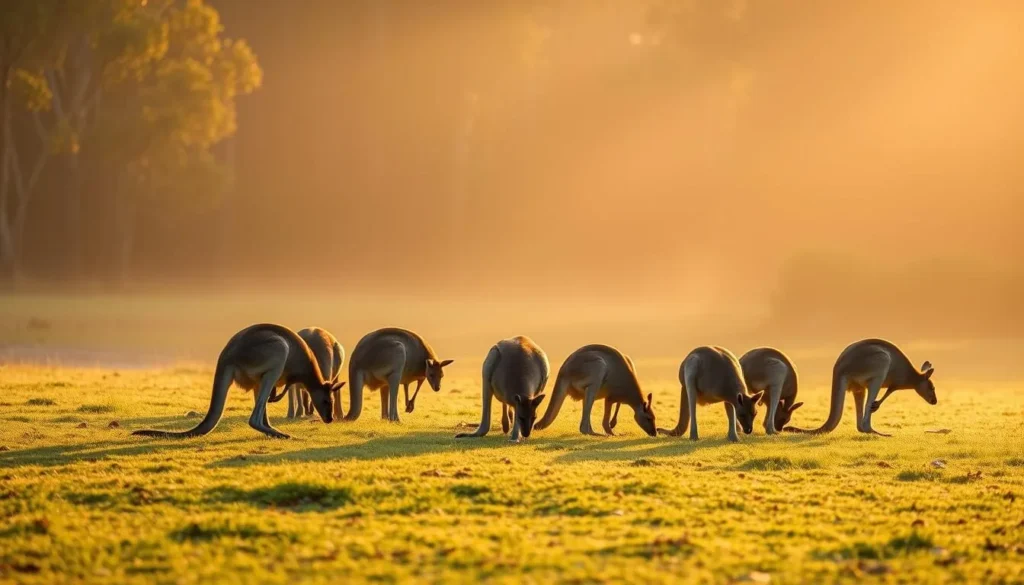
Dawn and dusk are the best times to spot eastern grey kangaroos and wallabies grazing in open areas. The park protects habitat for the endangered long-nosed potoroo and white-footed dunnart. Offshore, keep an eye out for dolphins and seals.
Marine Life
The park’s rock platforms and beaches provide habitat for diverse marine creatures. Explore rock pools at low tide to discover colorful anemones, starfish, and crabs. Snorkeling reveals an underwater world of fish, rays, and octopus.
Seasonal Highlights
Time your visit to coincide with these natural phenomena:
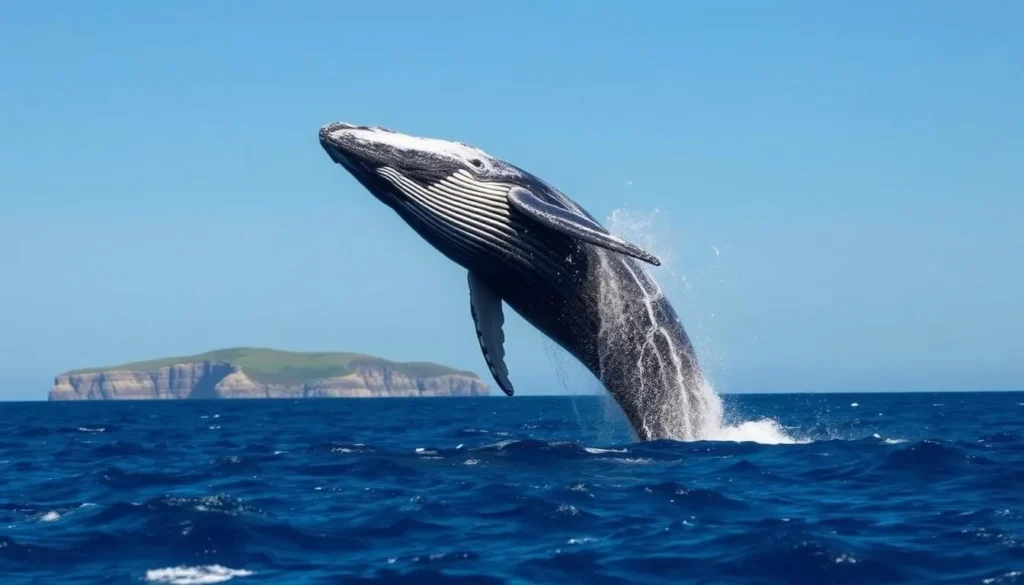
- Whale migration (May-November) – humpbacks can be spotted from coastal headlands
- Wildflower blooming (September-November) – coastal heathlands burst with color
- Little penguin breeding (September-February) on Barunguba/Montague Island
- Sea eagle nesting (June-September) – observe these majestic birds raising their young
Outdoor Activities & Adventures
Eurobodalla National Park offers numerous opportunities for outdoor recreation, from gentle walks to adrenaline-pumping adventures.

Walking & Hiking
The park features several walking tracks suitable for different fitness levels:
Bingi Dreaming Track (14km)
This signature walk follows the ancient Aboriginal songline between Congo and Tuross Head. The track traverses beaches, headlands, and coastal forest, offering spectacular ocean views. Allow 5-6 hours one-way or tackle it in sections.
Mystery Bay to 1080 Beach (2.5km)
This shorter coastal walk offers stunning views and access to secluded beaches. The trail passes through coastal heath and forest before descending to 1080 Beach. Allow 2 hours return.
Mullimburra Point Circuit (1km)
An easy loop walk suitable for families, offering panoramic coastal views and opportunities to spot whales during migration season. The trail passes through coastal banksia forest with interpretive signs explaining local ecology.
Water Activities
The park’s coastline and waterways provide the perfect setting for various water sports:
- Surfing – Congo Beach and 1080 Beach offer good breaks for experienced surfers
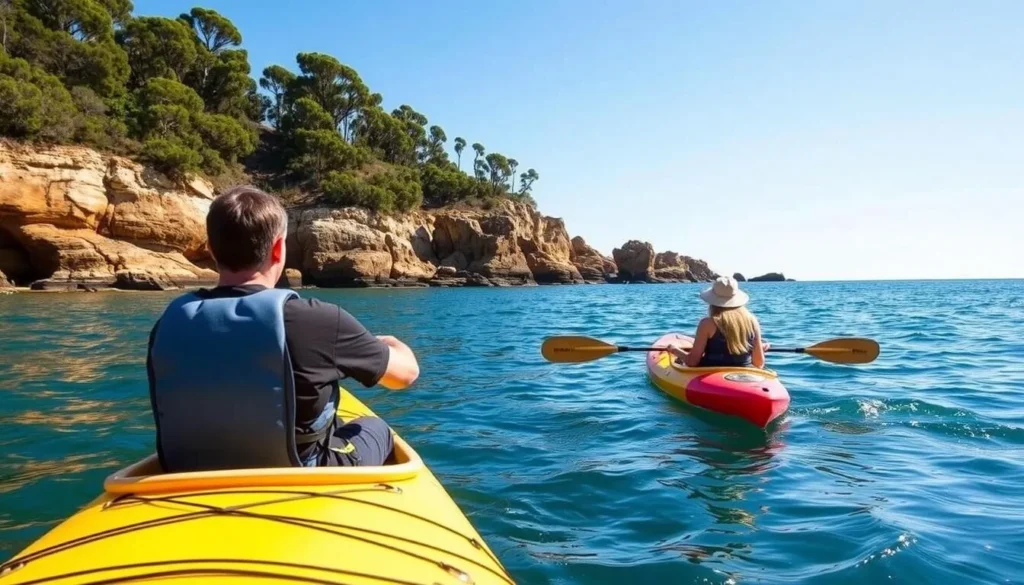
- Kayaking – Explore Congo Creek, Coila Lake, or paddle along the protected coastline
- Fishing – Try beach fishing at Mystery Bay or rock fishing at Bingi Bingi Point (always check regulations)
- Snorkeling – The clear waters around Mystery Bay and Barunguba/Montague Island offer excellent visibility
Practical Travel Tips
Make the most of your visit to Eurobodalla National Park with these essential tips and information.
Park Fees & Permits
A park entry fee applies to vehicles entering Eurobodalla National Park. As of 2024, the fee is $8 per vehicle per day. Annual passes are available and offer good value for frequent visitors.
Camping fees are separate from entry fees and vary by campground. Bookings are essential for all campgrounds within the park, especially during peak periods.
What to Pack
Be prepared for your visit with these essentials:
- Sun protection (hat, sunscreen, sunglasses, lightweight long-sleeved clothing)
- Insect repellent (especially in summer)
- Sufficient water (at least 2 liters per person per day)
- First aid kit including pressure bandages for snake bites
- Sturdy walking shoes and swimwear
- Binoculars for wildlife watching
- Camera to capture the stunning landscapes
Safety Information
Stay safe while enjoying the park with these important guidelines:
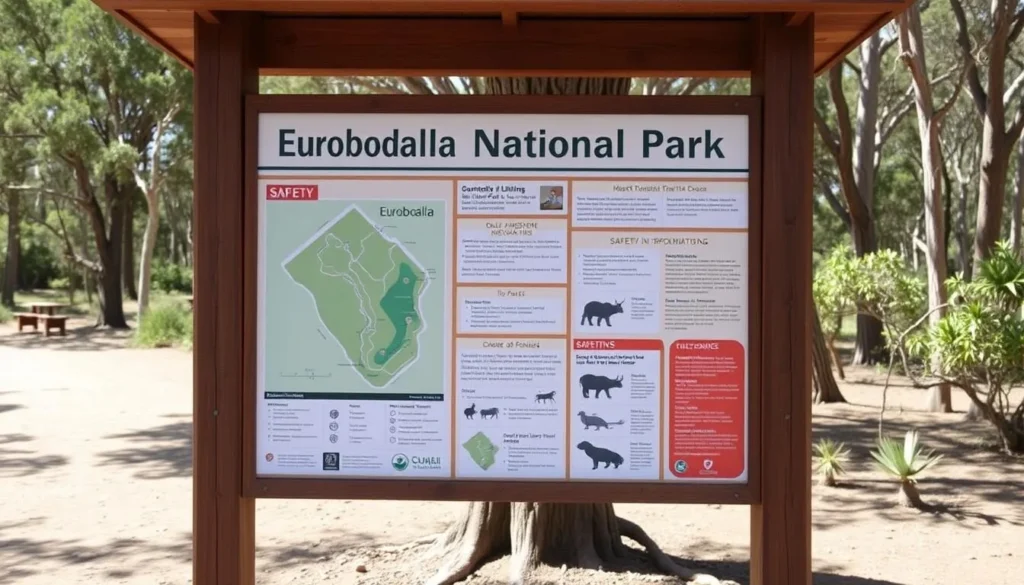
Essential Safety Tips
- Limited mobile reception exists within the park – download maps before your visit
- Tell someone your plans before heading into remote areas
- Be aware of tide times when exploring beaches and rock platforms
- Never swim alone and be cautious of rip currents at unpatrolled beaches
- Check fire danger ratings and weather forecasts before your visit
- Watch for wildlife on roads, especially at dawn and dusk
- Be snake aware in warmer months – stick to clear paths and wear closed shoes
Visitor Etiquette
Help preserve the natural and cultural values of Eurobodalla National Park:
- Take all rubbish with you – there are limited bins in the park
- Stay on marked trails to protect sensitive vegetation
- Observe wildlife from a distance and never feed native animals
- Respect Aboriginal cultural sites and do not disturb middens or artifacts
- Use designated fire pits only and observe fire bans when in place
- Keep dogs on leash in permitted areas only (dogs are prohibited in most sections of the national park)
For the most current information about Eurobodalla National Park, including alerts and closures, visit the NSW National Parks website before your trip.
Experience the Magic of Eurobodalla
Eurobodalla National Park offers a perfect blend of pristine beaches, coastal forests, and abundant wildlife that showcases the natural beauty of Australia’s South Coast. Whether you’re camping under the stars, hiking along ancient songlines, or simply relaxing on a secluded beach, this special place creates memories that last a lifetime.
From the cultural richness of Aboriginal heritage to the diverse ecosystems that support endangered species, Eurobodalla invites visitors to connect with nature in meaningful ways. Pack your sense of adventure and prepare to be enchanted by one of New South Wales’ most spectacular coastal treasures.
Ready to explore Australia’s wild coastal gem? Start planning your Eurobodalla adventure today!
The above is subject to change.
Check back often to TRAVEL.COM for the latest travel tips and deals.
0 Comments