

Did you know that the Tiwi Islands are home to Australia’s oldest continuous culture, with Aboriginal communities that have thrived for over 7,000 years? Often called the “Islands of Smiles,” the Tiwis comprise Bathurst and Melville Islands, where 90% of residents are Indigenous Australians who have maintained their unique cultural traditions, language, and art forms despite centuries of outside contact. This cultural treasure lies just 80 km (50 miles) north of Darwin, offering visitors a rare glimpse into authentic Aboriginal life that few travelers ever experience.
Getting There & Planning Your Journey
The Tiwi Islands are accessible primarily via Darwin, the capital of Australia’s Northern Territory. The most common route is a 2.5-hour ferry ride from Darwin to Wurrumiyanga on Bathurst Island via SeaLink NT ferries, which operate several times weekly. Alternatively, you can take a 20-minute scenic flight with Fly Tiwi from Darwin Airport to either Bathurst or Melville Island.
Most visitors come on organized day tours, as permits are required to visit the islands independently. These tours typically include cultural experiences, art center visits, and sometimes fishing expeditions. For the most authentic experience, book through operators who work directly with Tiwi communities.
Best Time to Visit & Weather Tips

The Tiwi Islands experience two distinct seasons: the dry season (May to October) and the wet season (November to April). The best time to visit is during the dry season when temperatures are milder (averaging 21-32°C or 70-90°F), humidity is lower, and rainfall is minimal. This period offers the most comfortable conditions for exploring the islands and participating in outdoor activities.
Recommended Months to Visit
- May to October (Dry Season): Ideal weather, accessible roads, and regular ferry services
- March (Late Wet Season): Perfect for witnessing the annual Tiwi Islands Football Grand Final and Art Sale
- July to August: Peak tourist season with the most tour options available
Months to Avoid
- December to February: Heavy rainfall, high humidity, and potential cyclones can disrupt travel plans
- November: Transitional month with unpredictable weather patterns
During the wet season, many roads become impassable, and some tour operators reduce their services. However, if you don’t mind occasional rain showers and higher humidity, the wet season offers lush landscapes and fewer tourists.
Getting Around Locally

Getting around the Tiwi Islands requires some planning, as public transportation is limited. Most visitors explore the islands as part of organized tours, which typically include transportation between key sites. If you’re staying overnight or visiting independently (with the required permits), here are your options:
- Guided Tours: The most common and recommended way to explore, with knowledgeable guides who can explain cultural significance and navigate the islands
- Walking: The main communities like Wurrumiyanga are compact enough to explore on foot
- 4WD Vehicles: Limited rental options are available for permit holders, but advance booking is essential
- Community Shuttles: Some accommodations offer shuttle services to key locations
Note that many areas on the islands are considered private land and require special permission to visit. Always respect local guidelines and travel with a guide when venturing beyond the main communities.
Where to Stay

Accommodation on the Tiwi Islands is limited but authentic, offering a genuine experience of island life. Most visitors come on day trips from Darwin, but staying overnight provides a deeper connection to the islands and their culture.
Tiwi Islands Adventure Lodge
Located on Melville Island, this fishing lodge offers comfortable rooms with private bathrooms, air conditioning, and full board meals. Perfect for fishing enthusiasts and cultural explorers alike.
Bathurst Island Accommodation
Basic but comfortable rooms are available at the Nguiu Bathurst Island Lodge, operated by the local community. Facilities include shared bathrooms, a communal kitchen, and a dining area.
Homestay Experiences
Some Tiwi families offer homestay experiences, providing the most immersive cultural experience. These must be arranged through tour operators with connections to the community.
Dining & Local Cuisine
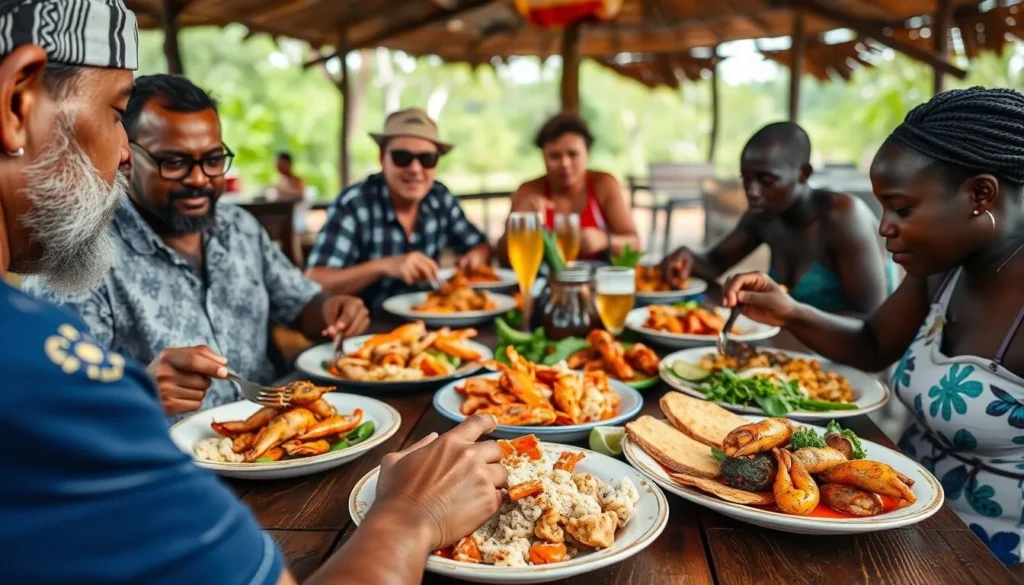
Dining on the Tiwi Islands offers a unique taste of traditional bush tucker combined with fresh seafood. Most meals are provided as part of tour packages or at accommodation facilities, as there are few standalone restaurants on the islands.
Local Specialties
- Seafood: Barramundi, mud crabs, and oysters caught fresh from surrounding waters
- Bush Tucker: Native fruits, nuts, and plants gathered according to seasonal availability
- Damper: Traditional Australian bush bread often cooked over open fires
- Tea: Strong black tea with milk and sugar is a staple beverage in Tiwi communities
Many tours include lunch or morning tea, where you can sample local specialties and learn about traditional food gathering and preparation techniques. If staying overnight, most accommodations provide full board meals featuring a mix of Western and traditional foods.
For day-trippers, it’s advisable to bring water and snacks, as food options can be limited outside of organized tours. When invited to community gatherings, you might have the opportunity to try traditional foods prepared for special occasions.
Attractions, Sightseeing & Activities
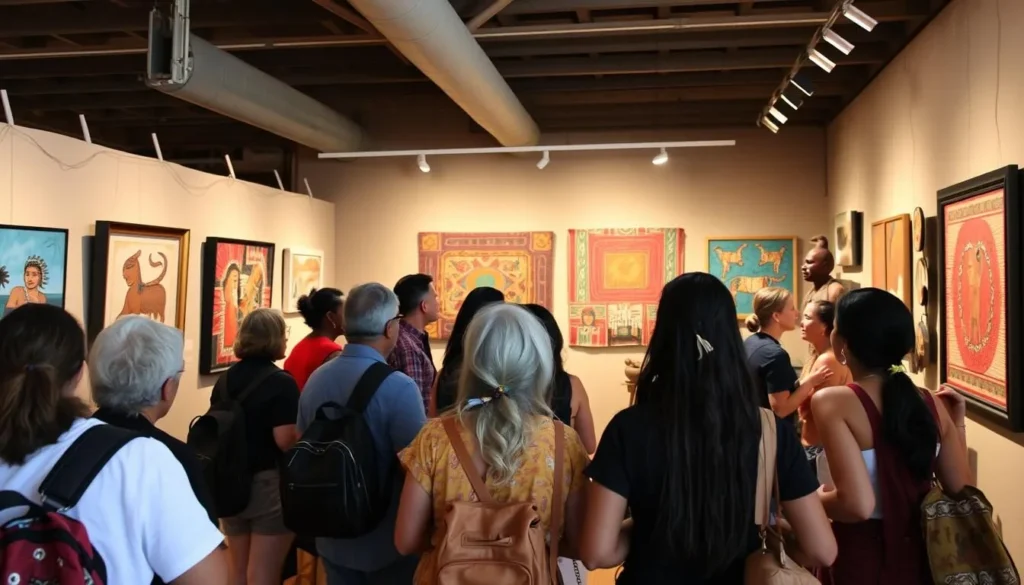
The Tiwi Islands offer a wealth of cultural and natural attractions that provide insight into one of Australia’s most distinctive Aboriginal communities. Here are the top things to do during your visit:
Tiwi Art Centers
The islands are renowned for their distinctive art style, characterized by bold patterns, natural ochre colors, and unique ironwood carvings. Visit Tiwi Design, Munupi Arts, and Jilamara Arts & Crafts to watch artists at work and purchase authentic pieces directly from creators.
Cultural Tours
Join a guided cultural tour led by Tiwi people to learn about traditional practices, kinship systems, and dreamtime stories. These tours often include welcome ceremonies, bush tucker demonstrations, and visits to significant sites.
Fishing Expeditions
The waters surrounding the Tiwi Islands offer world-class fishing opportunities, particularly for barramundi. Several operators offer guided fishing trips ranging from half-day excursions to multi-day adventures.
Historical Sites
Explore Mission Heritage sites, including the historic church at Wurrumiyanga and the museum housing artifacts that tell the story of European contact and mission history on the islands.
Museums, Cultural Spots & Festivals

The cultural landscape of the Tiwi Islands is rich and vibrant, offering visitors numerous opportunities to engage with traditional and contemporary Tiwi life.
Patakijiyali Museum
Located in Wurrumiyanga on Bathurst Island, this small but significant museum houses historical photographs, artifacts, and information about Tiwi culture, history, and the impact of mission life. It provides essential context for understanding contemporary Tiwi society.
Tiwi Art Centers
The three main art centers—Tiwi Design, Munupi Arts, and Jilamara Arts—are cultural hubs where visitors can learn about the distinctive Tiwi artistic tradition. Each center has its own style and specialties, from screen-printed fabrics to carved sculptures and paintings.
Tiwi Islands Football Grand Final and Art Sale
Held annually in March, this event combines the Tiwis’ two great passions: Australian Rules Football and art. The Grand Final attracts hundreds of visitors who come to watch the exciting match and purchase artwork directly from artists at what has become one of Australia’s most significant indigenous art sales.
Kulama Ceremony
This traditional initiation ceremony marks the beginning of the dry season. While the full ceremony is not open to tourists, some communities offer demonstrations of aspects of the ritual, including body painting and traditional dance.
When visiting cultural sites, always follow local protocols and guidelines. Photography may be restricted in certain areas, and some ceremonies or sites may be off-limits to visitors.
Sports, Nature & Outdoor Experiences
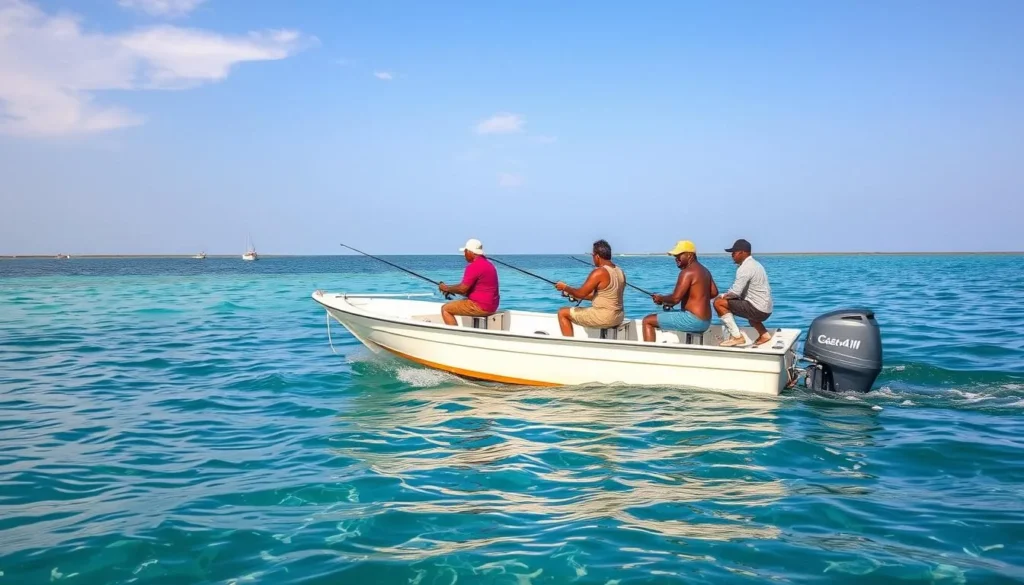
The natural environment of the Tiwi Islands offers abundant opportunities for outdoor adventures and wildlife encounters.
World-Class Fishing
The Tiwi Islands are renowned for their exceptional fishing, particularly for barramundi. Other prized catches include mangrove jack, threadfin salmon, and mud crabs. Several operators offer guided fishing tours with all equipment provided. The best fishing spots are often only accessible by boat or with local guides who know the secret locations.
Bird Watching
With over 100 bird species, including some found nowhere else, the Tiwi Islands are a paradise for bird enthusiasts. Look for the endangered Tiwi Hooded Robin, colorful Rainbow Pittas, and majestic Sea Eagles. Morning walks along the coastline or through forest areas offer the best bird-watching opportunities.
Beach Exploration
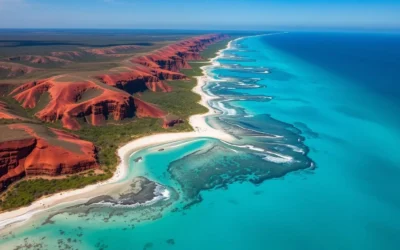
The islands boast pristine beaches with crystal-clear waters. While swimming is limited due to crocodile presence, beach walks and shell collecting are popular activities. Some tours include visits to secluded beaches accessible only by boat.

Bushwalking
Guided walks through monsoon forests and coastal habitats provide insight into the islands’ unique ecosystems. Local guides share knowledge about traditional plant uses, wildlife tracking, and bush survival skills.
For safety reasons, all outdoor activities should be undertaken with experienced guides who understand the local environment and potential hazards such as crocodiles and changing weather conditions.
Safety, Etiquette & Local Customs

Visiting the Tiwi Islands requires respect for local customs and awareness of safety considerations unique to this remote location.
Cultural Respect
- Permits: All visitors require permits to visit the Tiwi Islands. These are usually arranged by tour operators for day visitors
- Photography: Always ask permission before photographing people or ceremonies
- Sacred Sites: Some areas are restricted due to cultural significance. Never enter these areas without permission
- Dress Code: Modest dress is appreciated, particularly when visiting communities or attending ceremonies
Safety Considerations
- Crocodiles: Both saltwater and freshwater crocodiles inhabit the islands’ waterways. Never swim without local guidance
- Weather: The tropical climate can bring intense heat and sudden storms. Stay hydrated and be prepared for weather changes
- Remote Location: Medical facilities are limited. Bring necessary medications and consider travel insurance that covers medical evacuation
- Communications: Mobile phone coverage is limited outside main communities
Local Customs
The Tiwi people have a complex kinship system and unique cultural practices. They are generally warm and welcoming but appreciate visitors who show interest in learning about their culture respectfully. English is widely spoken, though many Tiwi people also speak their traditional language.
When offered food or invited to participate in activities, accepting is considered polite. Gift-giving is not expected but small, thoughtful gifts may be appreciated when staying with communities for extended periods.
Visitor Comments About Tiwi Islands
“My day trip to the Tiwi Islands was the highlight of my Northern Territory adventure. The art centers were incredible, and the artists were so generous in sharing their stories and techniques. I purchased a beautiful painting that now takes pride of place in my home. The cultural tour gave me insights into Aboriginal life I couldn’t have gained elsewhere.”
“The fishing expedition on Melville Island exceeded all expectations! Our guide knew exactly where to find the barramundi, and I caught my personal best. The overnight stay at the fishing lodge was comfortable, and the evening spent with local community members sharing stories around a fire was unforgettable.”
“We visited during the Football Grand Final and Art Sale in March, which I highly recommend if you can time your trip right. The atmosphere was electric, and watching how passionate the Tiwi people are about football was a joy. The art sale was amazing too—such unique pieces at reasonable prices directly from the artists.”
Practical Travel Tips

What to Pack
- Sun Protection: Hat, sunglasses, sunscreen, and lightweight, long-sleeved clothing
- Insect Repellent: Mosquitoes can be prevalent, especially during the wet season
- Water Bottle: Stay hydrated in the tropical climate
- Cash: Credit card facilities are limited, particularly at art centers
- Camera: For capturing the stunning landscapes and cultural experiences (with permission)
Planning Your Visit
- Book in Advance: Tours and accommodation should be booked well ahead, especially during peak season
- Allow Time: Consider staying overnight if possible to experience more of island life
- Respect Schedules: Island time can be relaxed, but ferry and flight departures are generally punctual
- Budget for Art: The quality of Tiwi art is exceptional, and you may want to purchase pieces
If you’re planning to visit during the Football Grand Final in March, book accommodation in Darwin well in advance, as this popular event attracts many visitors. The same applies to the peak dry season months of June to August.
Embrace the Island of Smiles

The Tiwi Islands offer a travel experience unlike any other in Australia—a genuine cultural immersion where ancient traditions thrive alongside contemporary Aboriginal life. From the moment you step onto these islands, you’re not just a tourist but a welcomed guest in one of Australia’s most vibrant Indigenous communities.
Whether you come for the world-renowned art, the spectacular fishing, the unique cultural festivals, or simply to experience the famous Tiwi hospitality, these islands will leave an indelible impression. In a world of increasingly homogenized travel experiences, the Tiwi Islands stand apart as a place where authenticity, tradition, and natural beauty create memories that will last a lifetime.
As the Tiwi people say, “Ngawurranungurrumiymiy” — We will see you again. And once you’ve experienced the magic of these islands, you’ll likely find yourself planning your return before you’ve even left their shores.
The above is subject to change.
Check back often to TRAVEL.COM for the latest travel tips and deals.



0 Comments