

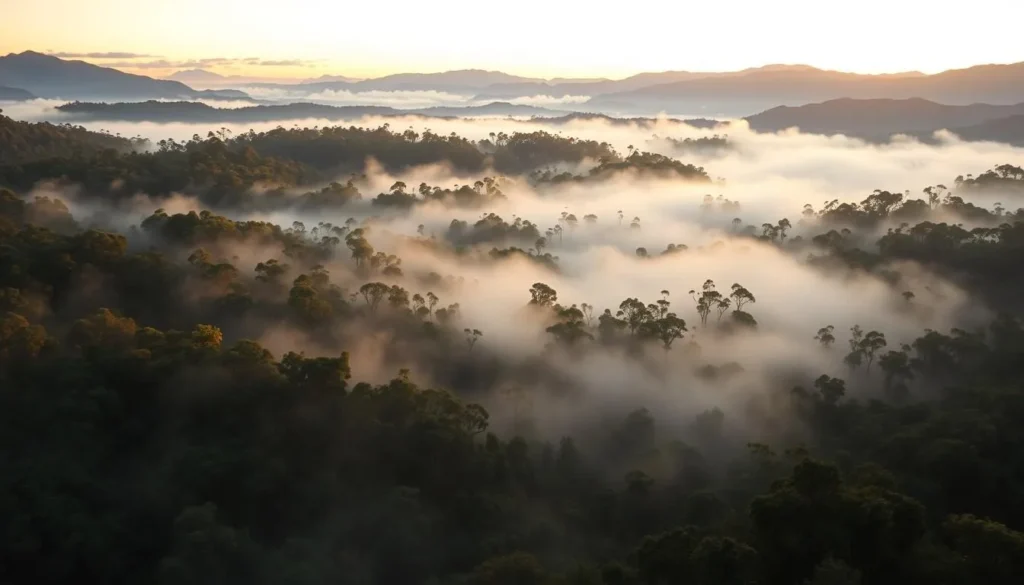
Did you know Eungella National Park contains Australia’s longest subtropical rainforest stretch at over 60km? This ancient ecosystem has remained unchanged for 20 million years, making it one of the most biologically diverse and historically significant natural areas in Queensland. As you venture into this misty mountain paradise, you’ll discover why the Aboriginal name “Eungella” translates to “Land of the Clouds” – a fitting description for this ethereal landscape where rare wildlife and breathtaking scenery await at every turn.
Getting There & Planning Your Journey
Eungella National Park is located approximately 80km west of Mackay in North Queensland. Most visitors access the park via the Mackay-Eungella Road, which winds up the Pioneer Valley through sugarcane fields before climbing the dramatic Clarke Range. The journey takes about 1.5 hours from Mackay, with the final stretch featuring hairpin bends and spectacular valley views.
From Mackay
- Drive west on the Peak Downs Highway
- Turn onto Mackay-Eungella Road at Mirani
- Continue through Finch Hatton to Eungella township
- Allow 1.5 hours for the 80km journey
Note: As of July 2024, repair works are ongoing on sections of the Mackay-Eungella Road following recent weather events. Check road conditions before departing.
From Brisbane
- Fly to Mackay Airport (approximately 2 hours)
- Rent a car for the drive to Eungella
- Alternatively, drive the Bruce Highway (12+ hours)

Best Time to Visit & Weather Tips
Eungella National Park experiences a subtropical climate with distinct wet and dry seasons. The park’s elevated position (over 700m above sea level) means temperatures are typically 5°C cooler than coastal areas, providing welcome relief during Queensland’s hot summers.
Dry Season (May-October)
The ideal time to visit with clear skies, comfortable temperatures, and minimal rainfall. Daytime temperatures range from 20-25°C, dropping to 10-15°C at night.
Perfect for: Hiking, wildlife spotting, and photography
Wet Season (November-April)
Characterized by higher humidity, afternoon thunderstorms, and occasional heavy rainfall. The rainforest is at its most lush, but some trails may be slippery.
Perfect for: Waterfall viewing and experiencing the true “cloud forest”
Wildlife Viewing Tips
For the best chance of spotting platypus at Broken River, visit during early morning (5-8am) or late afternoon (4-7pm) when they’re most active.
Pro tip: Pack binoculars and wear neutral colors
Weather Essentials: Even in summer, evenings can be cool in Eungella. Pack layers, rain protection, and sturdy walking shoes regardless of when you visit. The misty conditions that give Eungella its name can appear suddenly, so be prepared for quick weather changes.

Getting Around Locally
Exploring Eungella National Park requires your own transportation, as there’s no public transport within the park. The main attractions are spread across several areas, with Broken River and Finch Hatton Gorge being the most popular spots.
Self-Drive Options
A conventional vehicle is sufficient for visiting the main areas of Eungella National Park, including Broken River and the township. However, a 4WD vehicle offers more flexibility for exploring the more remote sections and is recommended during the wet season.
Key Distances
- Eungella township to Broken River: 5km (10 minutes)
- Eungella township to Sky Window lookout: 2km (5 minutes)
- Broken River to Finch Hatton Gorge: 25km (30 minutes)
- Eungella to Cape Hillsborough: 90km (1.5 hours)
Many visitors combine Eungella with nearby attractions like Cape Hillsborough National Park, where kangaroos and wallabies gather on the beach at sunrise.
Where to Stay
Eungella offers a range of accommodation options from camping to comfortable lodges. Staying overnight allows you to experience the park at dawn and dusk – the best times for wildlife spotting and when the rainforest comes alive with activity.
Camping
Fern Flat campground within the national park offers a true wilderness experience. Facilities are basic with composting toilets but no showers. Bookings are essential through Queensland Parks.
Cost: $7-10 per person per night
Eungella Chalet
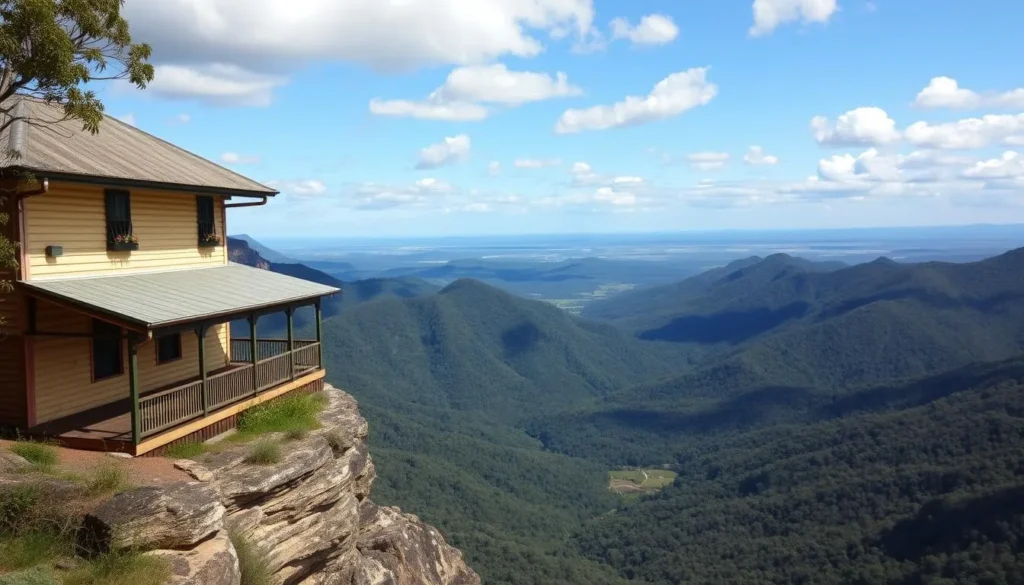
This historic guesthouse perched on the edge of the escarpment offers stunning Pioneer Valley views. Choose from motel-style rooms or self-contained cabins, plus there’s an on-site restaurant.
Cost: $120-200 per night
Broken River Mountain Resort
Located near the platypus viewing platforms, this resort offers cabins and units surrounded by rainforest. Their restaurant specializes in local produce and bush foods.
Cost: $150-250 per night
Book Now
Dining & Local Cuisine
Eungella’s dining scene is small but offers authentic country hospitality and fresh local produce. The area is known for its honey production, with local bees feeding on the unique rainforest flora to create distinctive flavors.
Where to Eat
- Eungella Chalet Restaurant – Hearty meals with spectacular valley views
- Platypus Lodge Restaurant – Local specialties including bush tucker-inspired dishes
- Possum’s Table – Casual café with homemade cakes and light meals
- Finch Hatton Gorge Café – Great coffee and sandwiches near the gorge entrance
Local Specialties
- Eungella Honey – Unique rainforest honey available at local shops
- Bush Tucker Platters – Featuring native ingredients like lemon myrtle and wattleseed
- Freshwater Crayfish – Local delicacy when in season
- Pioneer Valley Wines – Regional wines from nearby vineyards
Dining Tip: Opening hours can be limited in this small community, especially during weekdays in the off-season. It’s advisable to check current hours and make dinner reservations in advance. Many accommodations offer packed lunch options for hikers.

Must-See Attractions & Activities
Eungella National Park offers a perfect blend of natural wonders, wildlife encounters, and scenic lookouts. The park’s main attractions center around its unique ecosystem and the rare wildlife that calls it home.
Platypus at Broken River
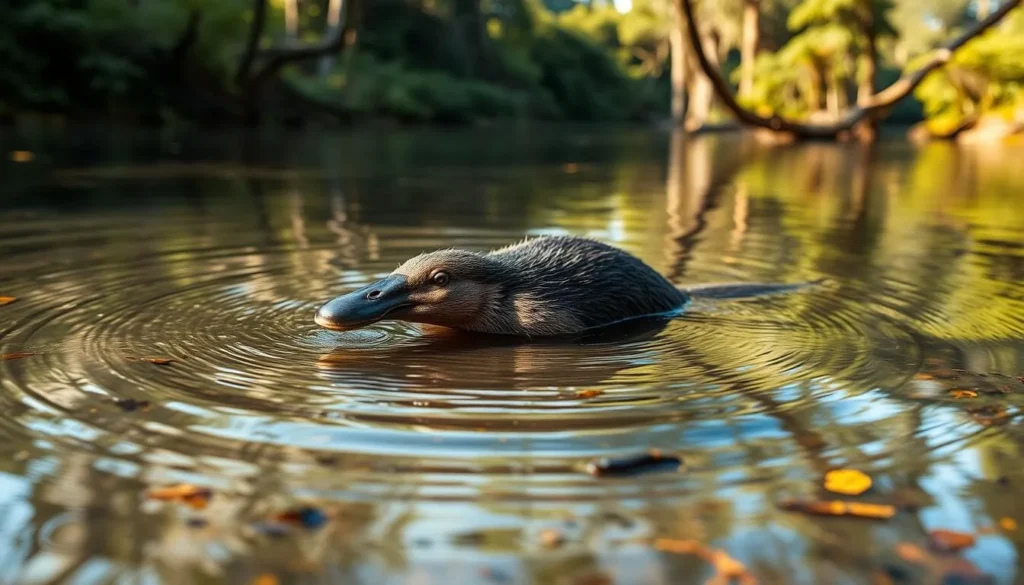
The highlight of any visit to Eungella is spotting the elusive platypus in the wild. Broken River is considered one of the best platypus viewing locations in Australia, with purpose-built platforms that allow visitors to quietly observe these fascinating creatures.
Best times: Dawn (5-8am) and dusk (4-7pm)
Sky Window Lookout
This easily accessible viewpoint offers breathtaking panoramas across the Pioneer Valley. On clear days, you can see all the way to the coast. The dramatic view showcases the sharp contrast between the lush rainforest and the agricultural lands below.
Tip: Visit at sunrise for spectacular lighting
Rainforest Discovery Centre
Learn about the park’s unique ecology, cultural history, and conservation efforts at this informative centre. Interactive displays explain the rainforest ecosystem and the traditional connections of the Wirri Aboriginal people to this land.
Open: 9am-4pm daily (seasonal variations apply)
Nature & Outdoor Adventures
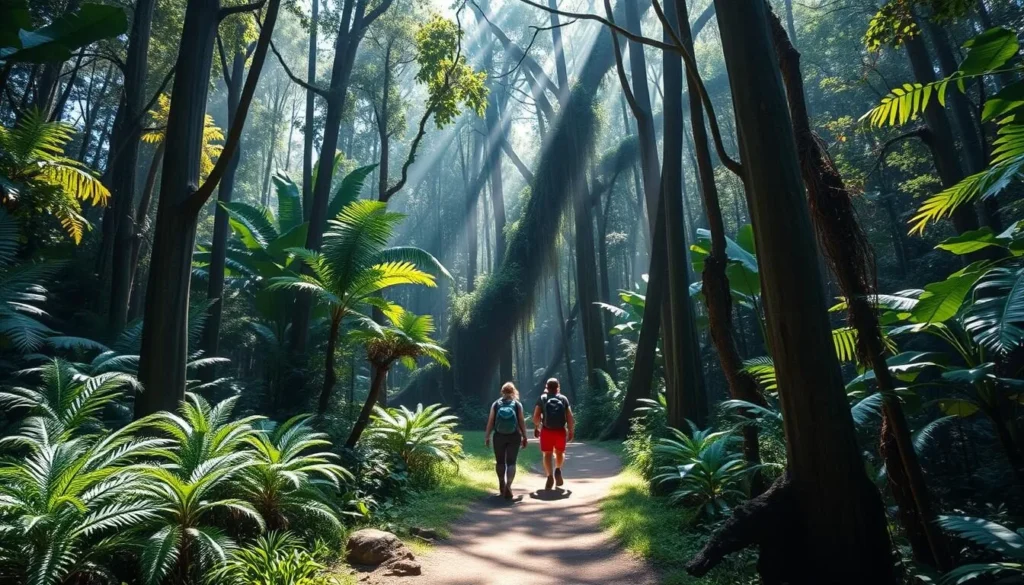
Eungella National Park boasts over 20km of walking tracks ranging from easy strolls to challenging hikes. The park’s diverse terrain offers opportunities for bushwalking, swimming, birdwatching, and photography in a pristine natural environment.
Top Walking Tracks
Rainforest Circuit (1.6km)
An easy loop track starting near the Broken River picnic area that showcases the diversity of the rainforest. Interpretive signs explain the ecology and identify key plant species.
Difficulty: Easy (30-45 minutes)
Pine Grove Circuit (2.8km)
This moderate track passes through changing forest types including impressive stands of hoop pines. Look for red-legged pademelon wallabies along the way.
Difficulty: Moderate (1-1.5 hours)
Clarke Range Track (8.2km)
A challenging hike along the escarpment offering spectacular views. This track requires good fitness and passes through some of the park’s most pristine areas.
Difficulty: Hard (3-4 hours)
Finch Hatton Gorge
Located in a separate section of Eungella National Park, Finch Hatton Gorge features crystal-clear rock pools and stunning waterfalls. The 2.8km return track to Araluen Waterfall and the 4.2km return track to Wheel of Fire Falls are among the park’s most popular walks.
Safety Alert: Swimming is permitted at designated areas in Finch Hatton Gorge, but never dive or jump into pools as submerged objects may be present. During the wet season, water levels can rise rapidly – always check conditions before swimming and avoid entering the water after heavy rain.

Safety & Local Etiquette
Eungella National Park is a wilderness area that requires appropriate preparation and respect for both the environment and wildlife. Following these guidelines will help ensure a safe and enjoyable visit while preserving the park for future generations.
Safety Essentials
- Carry plenty of water (at least 2 liters per person per day)
- Wear sturdy footwear suitable for uneven terrain
- Apply sunscreen and insect repellent
- Pack a basic first aid kit
- Check weather forecasts before setting out
Mobile phone coverage is limited within the park. Let someone know your plans before heading out on longer walks.
Wildlife Etiquette
- Observe wildlife from a distance – never approach or feed animals
- Stay quiet at platypus viewing areas (no flash photography)
- Keep to designated tracks to minimize habitat disturbance
- Be aware of snakes, especially in warmer months
- Check for leeches after walking in damp areas
“Take only photographs, leave only footprints. The unique ecosystem of Eungella has evolved over millions of years – help us protect it for millions more.”
Pro Travel Tips
Make the most of your Eungella adventure with these insider tips from experienced visitors and local experts. These practical suggestions will help you avoid common pitfalls and enhance your experience in this unique ecosystem.
Photography Tips
- Bring a zoom lens for wildlife photography
- Pack a tripod for low-light conditions at dawn/dusk
- Use polarizing filters to reduce glare on water
- The “golden hour” just after sunrise creates magical lighting in the rainforest
Money Matters
- There are no ATMs in Eungella – bring cash
- Many small businesses don’t accept credit cards
- Fuel up in Mirani or Finch Hatton before heading up the range
- National park entry is free, but camping requires permits
Local Secrets
- Visit the Eungella Dam for excellent fishing
- Try the homemade scones at the Possum’s Table café
- Look for the rare Eungella honeyeater bird (endemic to the area)
- The lesser-known Crediton Hall track offers excellent birdwatching
How long should I spend in Eungella National Park?
While it’s possible to visit Eungella as a day trip from Mackay, staying at least one night is recommended to experience both morning and evening wildlife activity. A 2-3 day stay allows time to explore the main attractions, complete several walks, and visit both the Broken River and Finch Hatton Gorge sections of the park.
Can I see platypus year-round at Eungella?
Yes, platypus can be seen year-round at Broken River. However, sighting chances increase during the cooler months (May-September) when the water is clearer. The best times are dawn and dusk when platypus are most active. Patience is key – wait quietly for at least 30 minutes at the viewing platforms.
Is Eungella National Park suitable for children?
Absolutely! Children love spotting platypus and other wildlife, and there are several short, family-friendly walks. The Rainforest Discovery Centre offers interactive displays, and the rock pools at Finch Hatton Gorge are perfect for supervised swimming in warmer months. Just be sure to keep children close on walking tracks and near water.

Experience the Magic of Eungella
As the morning mist rises through 20-million-year-old ferns and a platypus ripples the still waters of Broken River, you’ll understand why Eungella’s Aboriginal name means ‘Land of Clouds’. This ancient rainforest offers a rare glimpse into Australia’s prehistoric past, where unique wildlife thrives in a pristine ecosystem that has remained largely unchanged for millions of years.
Whether you come for the platypus encounters, the spectacular hiking trails, or simply to immerse yourself in the tranquility of one of Australia’s most special natural environments, Eungella National Park delivers an experience that connects you deeply with the natural world. Pack your binoculars, lace up your hiking boots, and prepare for an unforgettable journey into the clouds.
The above is subject to change.
Check back often to TRAVEL.COM for the latest travel tips and deals.




0 Comments