
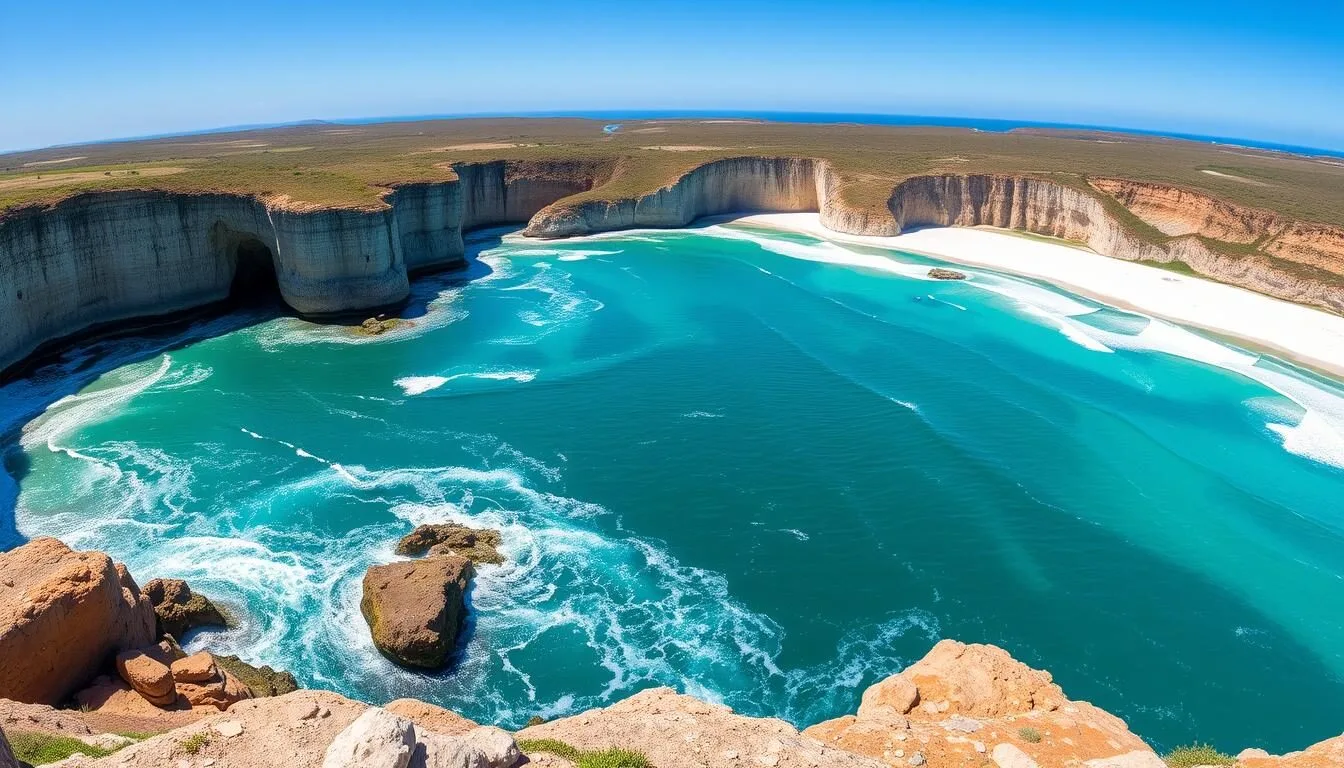
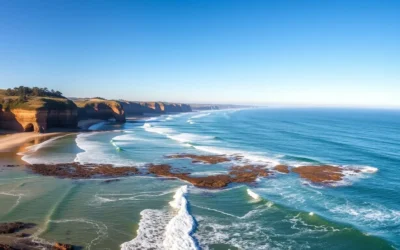
Did you know that Dhilba Guuranda-Innes National Park is home to over 40 shipwrecks along its rugged coastline? This stunning wilderness area on the southern tip of Yorke Peninsula offers some of South Australia’s most spectacular coastal scenery, with pristine white beaches, dramatic cliffs, and abundant wildlife that includes the once-extinct mainland Tammar wallaby, successfully reintroduced to the park in 2004.
Getting There & Planning Your Journey
Innes National Park sits at the southwestern tip of Yorke Peninsula, approximately 300km from Adelaide. The journey takes about 3-4 hours by car, making it perfect for a weekend getaway or longer stay. The route takes you through Port Wakefield, Ardrossan, and Minlaton before reaching Marion Bay, the gateway to the park.
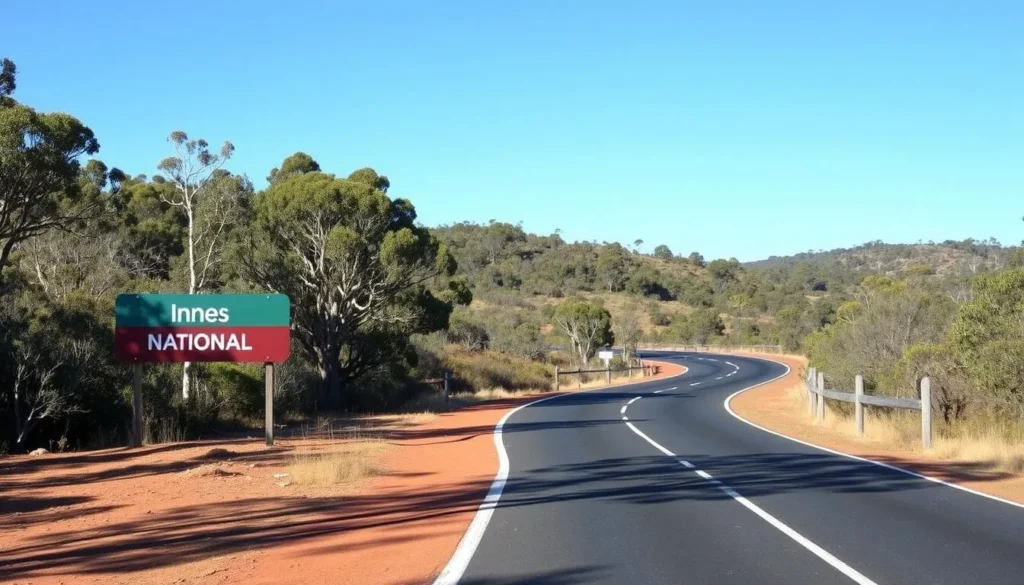
Before setting off, ensure you’ve purchased your park entry pass. A vehicle entry fee of $12 per day applies, or you can opt for a more economical multi-park pass if you’re planning to visit other South Australian national parks.
The park is fully accessible to 2WD vehicles, with the main road through the park being sealed. Side roads to beaches and attractions are unsealed but generally well-maintained. Be prepared with enough fuel, as there are no service stations within the park.
Best Time to Visit & Weather Tips
Innes National Park is a year-round destination, but each season offers a different experience. Summer (December-February) brings warm temperatures perfect for beach activities, though this is also the busiest period, especially on weekends and during school holidays.
Seasonal Highlights
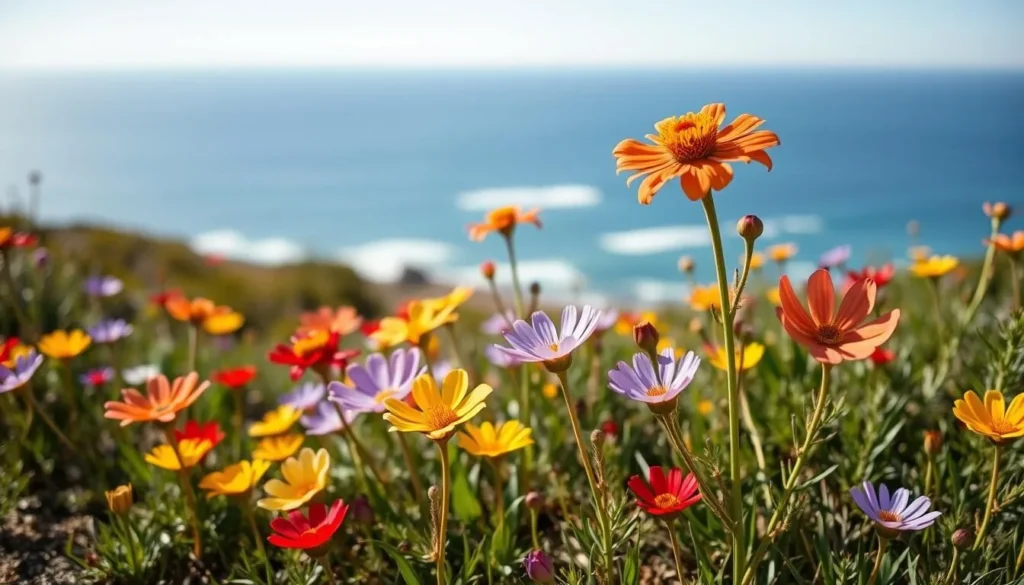
- Spring (Sep-Nov): Mild temperatures and spectacular wildflower displays make this an ideal time for hiking and photography.
- Summer (Dec-Feb): Perfect for swimming and beach activities with temperatures ranging from 25-35°C.
- Autumn (Mar-May): Comfortable temperatures and fewer crowds create excellent conditions for camping and wildlife spotting.
- Winter (Jun-Aug): Cooler weather (10-15°C) is ideal for hiking, with dramatic storm-watching opportunities and the chance to see southern right whales offshore.
Weather Considerations
- The park can experience strong winds, particularly in winter and spring.
- UV radiation is high year-round – always wear sunscreen, a hat, and sunglasses.
- Winter brings occasional heavy rainfall, which can affect road conditions.
- Temperature variations between day and night can be significant, so pack layers even in summer.
For the best balance of pleasant weather and smaller crowds, consider visiting during the shoulder seasons of spring and autumn. Spring offers the added bonus of vibrant wildflower displays throughout the park.
Getting Around Locally
Exploring Innes National Park requires your own transportation, as there’s no public transport within the park boundaries. The main road through the park (Stenhouse Bay Road) is sealed, while side roads to beaches and lookouts are unsealed but generally accessible to 2WD vehicles.

Driving Tips for the Park
- The speed limit throughout the park is 40km/h to protect wildlife.
- Dawn and dusk are peak times for animal activity – drive with extra caution.
- Keep to designated roads and tracks to protect the fragile environment.
- Some beaches are accessible by 4WD, but always check conditions first.
- Allow at least a full day to see the main highlights, or 2-3 days to explore thoroughly.
For those interested in hiking, many of the park’s attractions are connected by walking trails of varying difficulty. The Stenhouse Bay Lookout Walk (2km) and Inneston Historic Township Walk (2km) are excellent shorter options, while the Gym Beach Hike (11km return) offers a more challenging experience.
Where to Stay (Lodging Options)
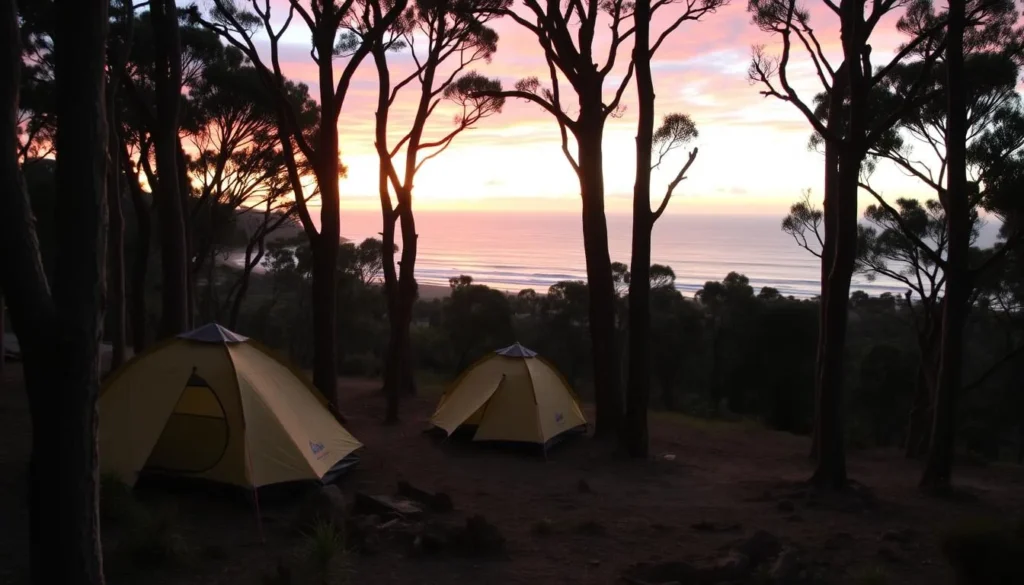
Innes National Park offers several accommodation options, from camping under the stars to staying in historic buildings. Booking ahead is essential, especially during peak periods (summer holidays and long weekends).
Camping
The park features seven campgrounds, each with its own character and proximity to beaches and attractions:
Stenhouse Bay
The main campground near the park entrance with 25 sites suitable for caravans, campers, and tents. Close to Stenhouse Bay Jetty and the Information Centre.
Pondalowie Bay
Two separate campgrounds – one for tents only and another for caravans and camper trailers. Popular with surfers due to proximity to Pondalowie surf break.
Shell Beach
A small, secluded campground with eight sites, offering shade and easy access to Shell Beach and its natural rock pool.
Other campgrounds include Cable Bay, Browns Beach, and Gym Beach. All sites cost $24 per night and must be booked online through the South Australian National Parks website.
Heritage Accommodation
For a unique experience, stay in the restored heritage buildings at Inneston Historic Township. These self-contained lodges offer a glimpse into the area’s mining past while providing comfortable accommodation within the park.
Nearby Options
If you prefer more amenities, Marion Bay just outside the park offers holiday homes, a caravan park, and basic services. For a wider range of accommodation, the towns of Warooka and Yorketown are within a 30-minute drive of the park entrance.
Dining & Local Cuisine
Innes National Park has no dining establishments within its boundaries, so visitors need to be self-sufficient or plan to dine in nearby towns. Marion Bay, just outside the park entrance, has limited food options including a general store that offers basic supplies and takeaway food.
Self-Catering Options
- Pack a cooler with fresh food and drinks for day trips.
- Bring a portable stove or use the BBQ facilities at Stenhouse Bay and Pondalowie Bay.
- Stock up on supplies in larger towns like Yorketown or Minlaton before heading to the park.
- Carry plenty of water – at least 2-3 liters per person per day.
Local Specialties
While in the Yorke Peninsula region, look out for these local specialties:
- Fresh seafood, especially King George whiting, garfish, and blue swimmer crabs
- Local wines from the Southern Yorke Peninsula wineries
- Yorke Peninsula honey and preserves
- Locally grown grain products, reflecting the region’s farming heritage
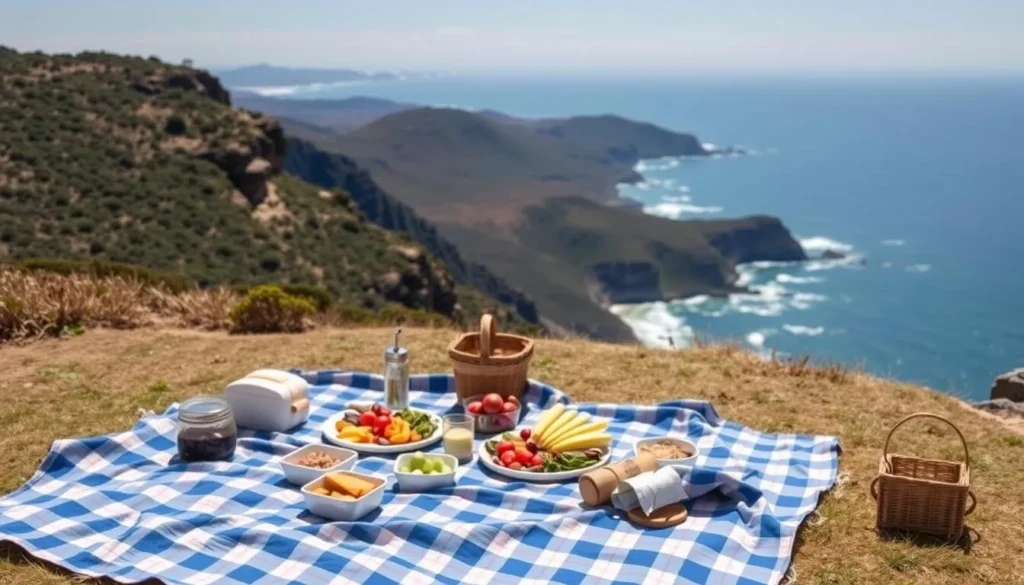
For the best dining experience, consider packing a gourmet picnic to enjoy at one of the park’s many scenic lookouts or beaches. West Cape Lighthouse and Dolphin Beach offer picnic tables with spectacular views.
Attractions, Sightseeing & Activities
Innes National Park is packed with natural wonders and historic sites that will keep visitors of all interests engaged. From pristine beaches to historic ruins, here are the must-see attractions:
Top Attractions
Cape Spencer Lighthouse
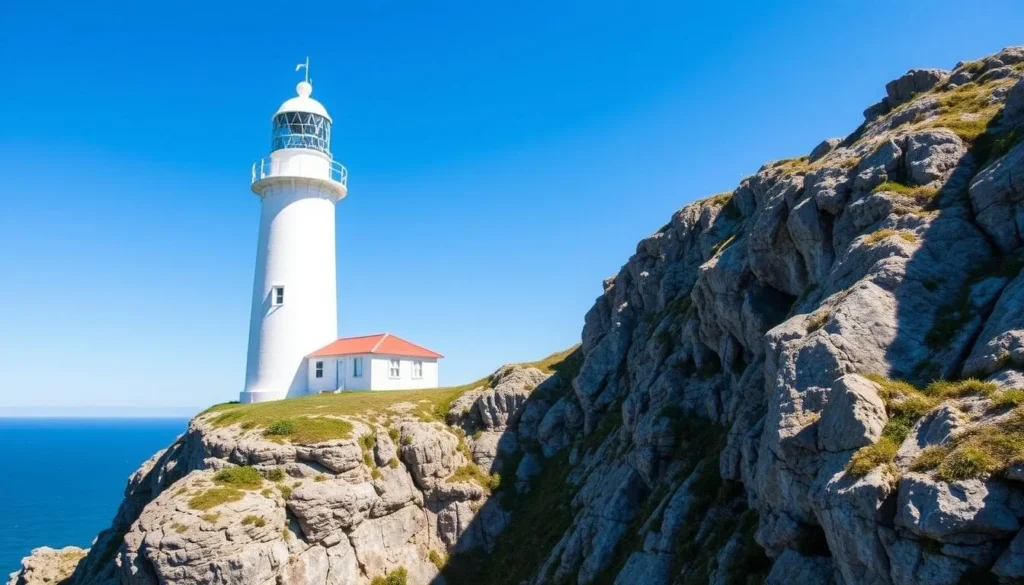
A short 300m walk leads to this lighthouse perched on dramatic cliffs with breathtaking 360-degree views across Investigator Strait to Althorpe Island. One of the park’s most photographed locations.
Ethel Beach & Shipwreck
Home to the remains of the Ethel, a three-masted iron ship that ran aground in 1904. The rusted wreckage is visible on the beach, creating a hauntingly beautiful scene against the coastal backdrop.
Inneston Historic Township
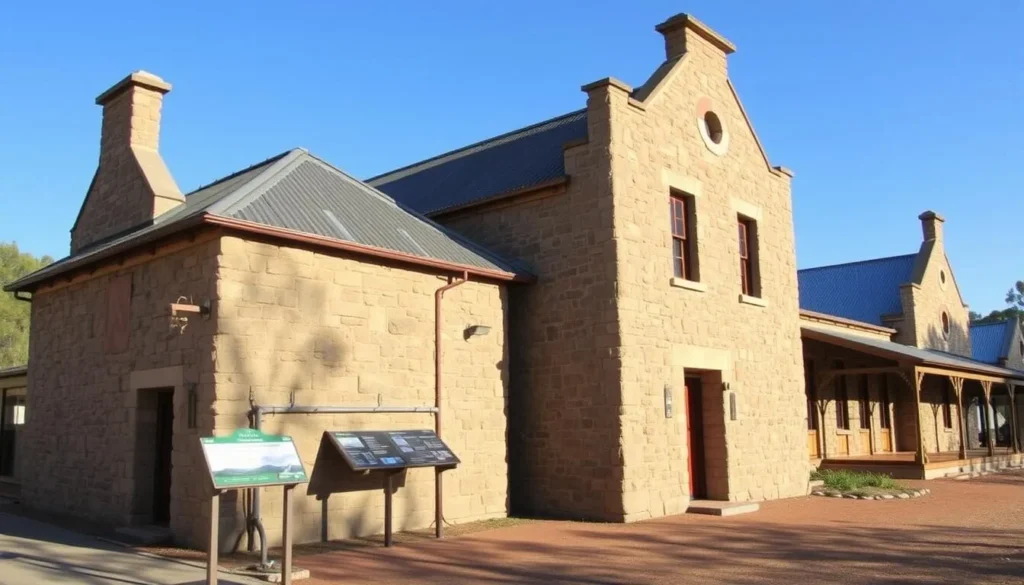
Once a thriving gypsum mining community of 200 people, now a fascinating ghost town with restored buildings, interpretive signs, and abundant wildlife. The 2km loop walk provides insight into early 20th-century life.
Beautiful Beaches
Dolphin Beach
Often described as one of South Australia’s most beautiful beaches, featuring white sand, crystal-clear water, and colorful rock formations. Look for the hidden rock pool at low tide.
Shell Beach
A stunning white sand bay with calm waters perfect for swimming. The famous Blue Pool natural rock pool at the northern end offers excellent snorkeling opportunities.
Pondalowie Bay
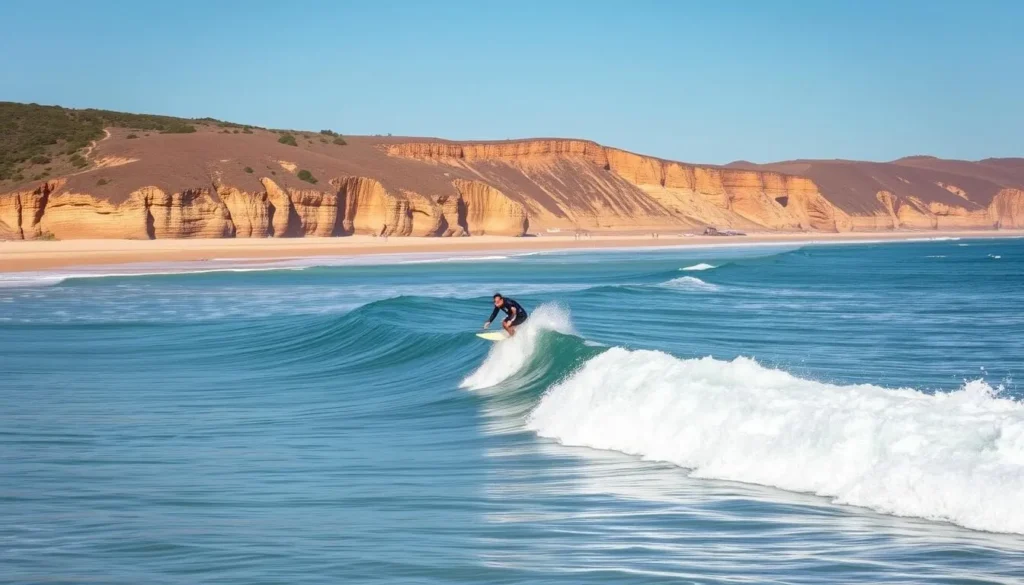
A 5km stretch of sandy beach popular with surfers. The southern surf break is one of the Yorke Peninsula’s most consistent waves, while dolphins are frequently spotted playing in the bay.
Scenic Lookouts
- West Cape Headland: Spectacular coastal views from the lighthouse, with a 1km loop walk around the cape.
- Stenhouse Bay Lookout: Panoramic views of Investigator Strait and the historic jetty.
- Royston Head: A 4km return walk to one of the park’s most dramatic headlands, offering unparalleled coastal vistas.
Museums, Cultural Spots & Festivals
While Innes National Park is primarily known for its natural beauty, it also offers rich cultural and historical experiences that provide insight into both European settlement and the area’s Aboriginal heritage.
Aboriginal Heritage
The park is co-managed by the South Australian government and the Narungga people, the traditional owners of the land. The Narungga nation comprises four clans: Kurnara, Windera, Wari, and Dilpa. The park’s official name, Dhilba Guuranda-Innes National Park, reflects this cultural connection.
Throughout the park, interpretive signs provide information about the Narungga people’s connection to country and their sustainable use of the land and sea resources over thousands of years.
Historical Sites
- Inneston Township: Beyond just a ghost town, the restored buildings include a school house, bakery, general store, post office, and plaster factory that tell the story of this once-isolated community.
- Stenhouse Bay Jetty: Built in 1900 for shipping gypsum, the jetty provides insight into the area’s industrial past and is now popular for fishing.
- Thomson-Pfitzner Plaster Trail: This 7.6km trail follows the old wooden railway line that once connected Inneston to Stenhouse Bay, transporting gypsum for export.
Seasonal Events
While the park itself doesn’t host regular festivals, the broader Yorke Peninsula region celebrates several events throughout the year:
- Yorke Peninsula Field Days: One of Australia’s oldest agricultural field days, held biennially in September near Paskeville.
- Yorkes Classic Surfing Competition: A prestigious surfing event occasionally held at Pondalowie Bay.
- Park of the Month: Innes National Park is occasionally featured as South Australia’s “Park of the Month,” with special ranger-guided activities and events.
For the most current information on cultural events and ranger-guided activities in the park, check with the Visitor Information Centre at Stenhouse Bay upon arrival.
Sports, Nature & Outdoor Experiences
Innes National Park is an outdoor enthusiast’s paradise, offering diverse activities from relaxed nature appreciation to adrenaline-pumping adventures. The park’s varied landscapes provide the perfect backdrop for memorable outdoor experiences.
Water Activities
- Surfing: Pondalowie Bay offers one of the Yorke Peninsula’s most consistent surf breaks, attracting surfers from across South Australia. West Cape Beach also provides excellent waves in the right conditions.
- Swimming: Dolphin Beach and Shell Beach offer protected waters ideal for swimming, while the Blue Pool natural rock pool provides a unique swimming experience.
- Fishing: The Stenhouse Bay Jetty and Browns Beach are popular fishing spots, with catches including King George whiting, salmon, and garfish. Remember to check local fishing regulations.
- Snorkeling: The clear waters around Shell Beach and the Blue Pool are perfect for exploring marine life, with colorful fish and seagrass meadows.
Hiking Trails
The park features several walking trails that showcase its diverse landscapes:
Stenhouse Bay Lookout Walk
Distance: 2km loop
Difficulty: Easy
Highlights: Coastal views, historic mining relics, interpretive signs
Royston Head Hike
Distance: 4km return
Difficulty: Moderate
Highlights: Spectacular headland views, diverse vegetation, wildlife spotting
Gym Beach Hike
Distance: 11km return
Difficulty: Challenging
Highlights: Remote beach access, sand dune ecosystems, coastal birds
Wildlife Watching
The park is home to abundant wildlife, making it a paradise for nature lovers:
- Look for Tammar wallabies at dawn and dusk, particularly around Inneston.
- Spot emus and Western grey kangaroos throughout the park.
- Over 150 bird species inhabit the park, including ospreys, white-bellied sea eagles, and malleefowl.
- Dolphins frequently visit Pondalowie Bay, sometimes playing with surfers.
- During winter, southern right whales can occasionally be spotted from the park’s headlands.

For photography enthusiasts, the golden hours of sunrise and sunset offer spectacular lighting conditions, particularly at Cape Spencer, Ethel Beach, and West Cape Lighthouse.
Safety, Etiquette & Local Customs
Ensuring a safe and respectful visit to Innes National Park requires awareness of both safety considerations and cultural protocols. The park’s remote location and rugged terrain mean visitors should come prepared.
Safety Tips
- Water Safety: Beaches can have strong currents and rips. Swim only at recommended beaches and never swim alone.
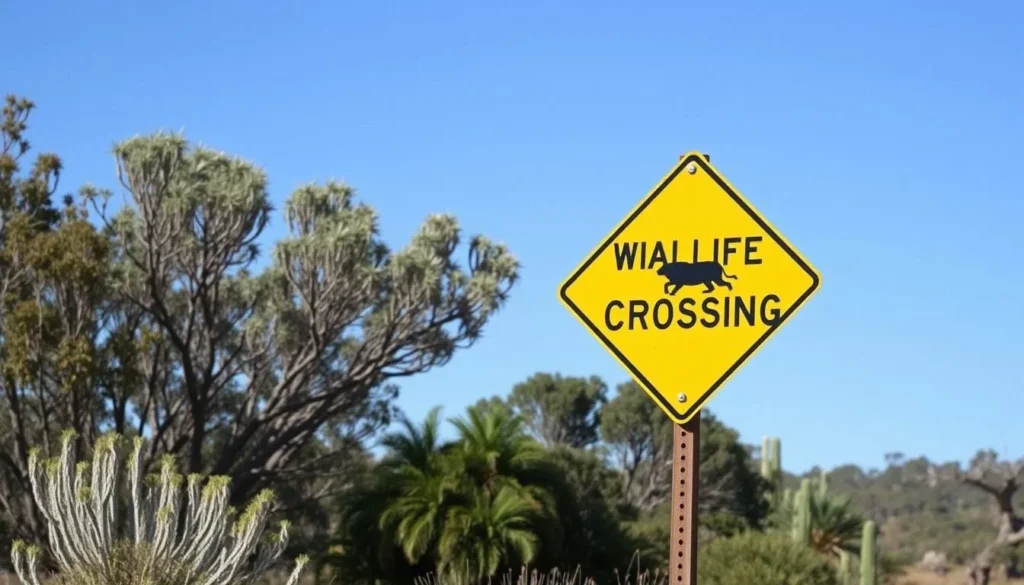
- Wildlife Awareness: Drive carefully, especially at dawn and dusk when animals are most active. The speed limit throughout the park is 40km/h.
- Cliff Safety: Many lookouts feature unfenced cliff edges. Stay on marked paths and keep a safe distance from cliff edges, particularly in windy conditions.
- Bushfire Risk: During summer, check fire danger ratings and park alerts before visiting. Total fire bans may be in place.
- Communications: Mobile reception is limited within the park. Optus and Telstra coverage is available at Stenhouse Bay, West Cape, Cape Spencer, and parts of Pondalowie and Shell Beach campgrounds.
- Emergency Preparation: Carry a first aid kit, extra water, and let someone know your plans if hiking or visiting remote areas.
Visitor Etiquette
Respecting the park’s natural and cultural values ensures its preservation for future generations:
- Stay on designated tracks and trails to protect vegetation and prevent erosion.
- Take all rubbish with you – there are limited waste facilities in the park.
- Use toilets where provided to protect water quality and public health.
- Keep noise to a minimum to avoid disturbing wildlife and other visitors.
- Fishing is permitted in designated areas, but be aware of size and bag limits.
- Drones require a permit and are prohibited in many areas to protect wildlife.
Cultural Respect
The park is co-managed with the Narungga people, who maintain a deep connection to this country:
- Respect sites of cultural significance and follow any specific guidance provided.
- Do not remove or disturb any artifacts you may find – report them to park staff.
- Learn about the Narungga connection to country through interpretive materials in the park.
- Use the dual name Dhilba Guuranda-Innes National Park to acknowledge traditional ownership.
Practical Travel Tips
Make the most of your visit to Innes National Park with these practical tips that will help you plan and enjoy a smooth, memorable experience.
Essential Packing List
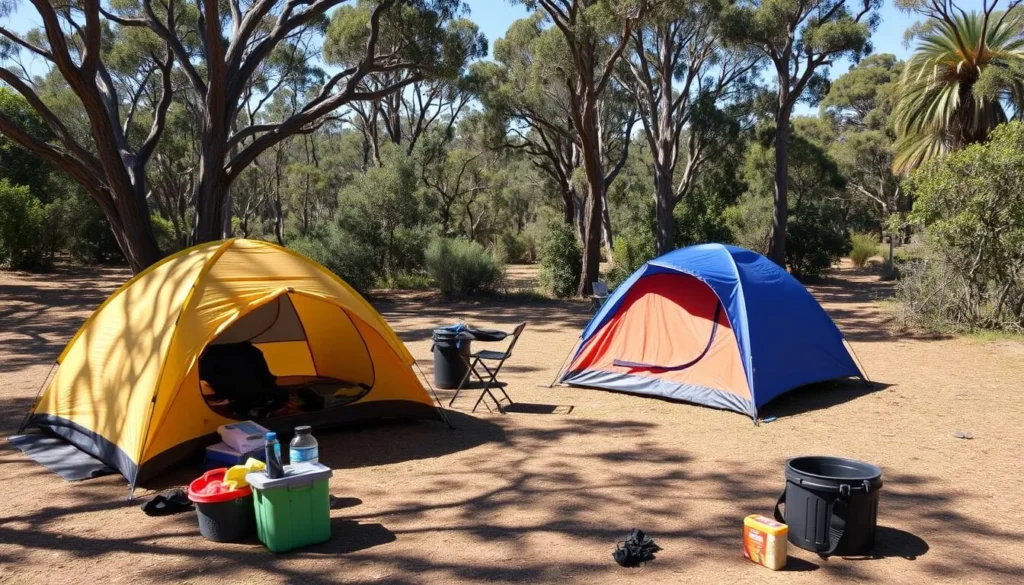
- Water: Bring at least 2-3 liters per person per day – drinking water is limited in the park.
- Food & Supplies: Pack all necessary food and supplies, as there are no shops within the park.
- Sun Protection: Hat, sunglasses, sunscreen, and protective clothing are essential year-round.
- Insect Repellent: Mosquitoes and flies can be prevalent, especially in warmer months.
- First Aid Kit: Include basics plus treatments for bites, stings, and minor injuries.
- Navigation: Download offline maps before arrival, as mobile reception is limited.
- Camera: The park’s spectacular scenery offers countless photo opportunities.
- Binoculars: Ideal for wildlife spotting and appreciating distant coastal views.
Planning Your Visit
- Park Passes: Purchase your vehicle entry pass online before arrival or from local agents.
- Accommodation: Book campsites well in advance, especially during peak periods.
- Fuel: Fill up in Warooka or Marion Bay, as there’s no fuel available within the park.
- Itinerary: Allow at least a full day to see highlights, or 2-3 days to explore thoroughly.
- Accessibility: Most lookouts and some beaches have wheelchair-accessible viewing platforms.
Sample Itineraries
One-Day Highlights
- Start at Stenhouse Bay Visitor Centre for orientation
- Visit Cape Spencer Lighthouse for spectacular views
- Explore Inneston Historic Township
- Lunch at West Cape Lighthouse picnic area
- Swim at Dolphin Beach or Shell Beach
- Visit Ethel Beach shipwreck
- Return via Stenhouse Bay Lookout Walk
Three-Day Explorer
- Day 1: Stenhouse Bay area, Cape Spencer, Inneston Township
- Day 2: West Cape, Pondalowie Bay, surfing or fishing
- Day 3: Royston Head hike, Dolphin Beach, Shell Beach, Browns Beach
This extended itinerary allows time for relaxation, wildlife spotting, and deeper exploration of the park’s features.
Conclusion
Dhilba Guuranda-Innes National Park represents South Australia at its most spectacular – a place where rugged coastal cliffs meet pristine white beaches, where historic ruins tell tales of industrial endeavor, and where native wildlife thrives in protected habitats. Whether you’re seeking adventure, relaxation, or connection with nature, this remarkable corner of the Yorke Peninsula delivers unforgettable experiences.
From the dramatic views at Cape Spencer to the serene waters of Dolphin Beach, from surfing at Pondalowie Bay to exploring the ghost town of Inneston, the park offers a perfect blend of natural beauty and cultural heritage. By respecting the land, acknowledging its traditional owners, and treading lightly, visitors can help preserve this special place for generations to come.
So pack your camping gear, load up your camera, and prepare for an adventure in one of South Australia’s most beloved national parks. The spectacular coastlines, abundant wildlife, and star-filled skies of Innes National Park are waiting to be discovered.


0 Comments