
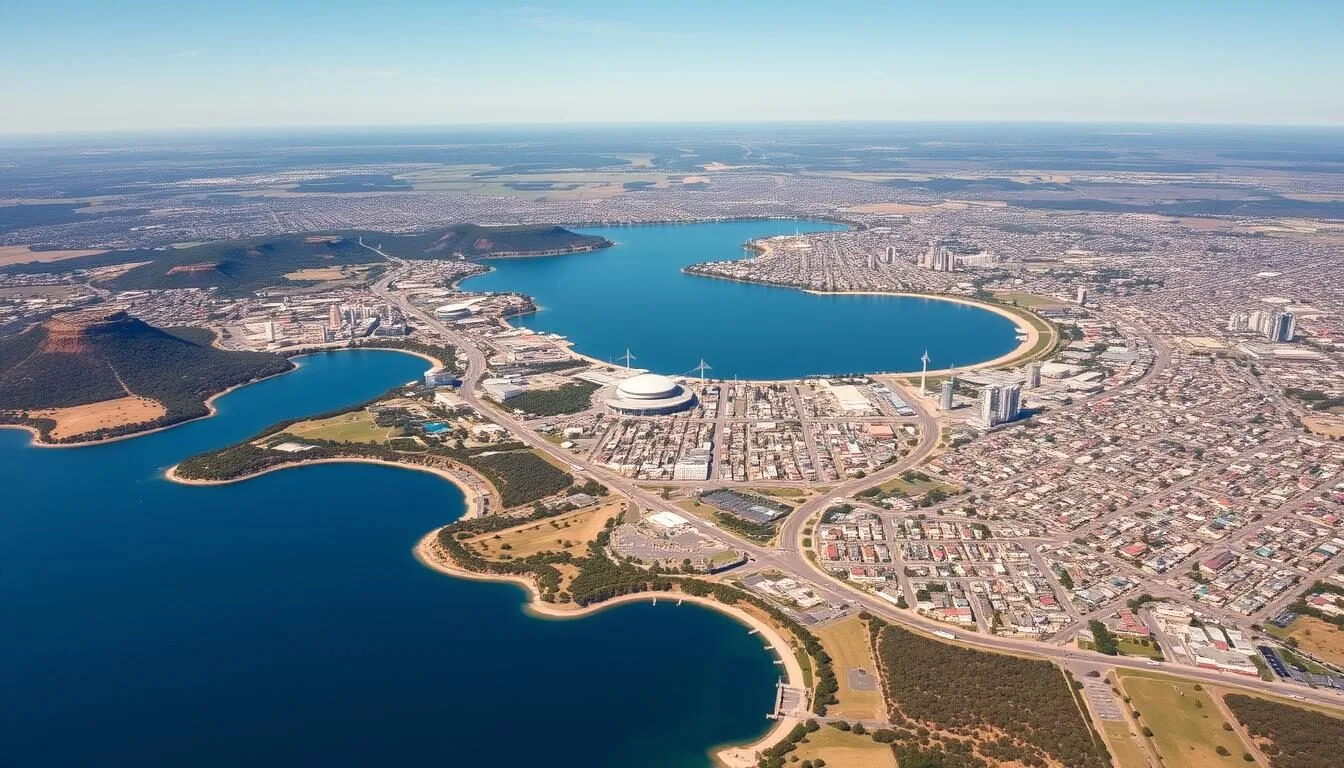
Did you know that Mount Gambier is home to a lake that mysteriously changes color with the seasons? This South Australian gem sits atop an extinct volcano where the cobalt-blue waters of the Blue Lake transform from steel gray in winter to a vibrant sapphire blue in summer—a phenomenon that has puzzled scientists for generations. As South Australia’s second-largest city, Mount Gambier offers visitors a unique blend of natural wonders, from sinkholes and caves to crater lakes, all within easy reach of a vibrant urban center.
Getting There & Planning Your Journey
Mount Gambier is located approximately 450km southeast of Adelaide and 435km west of Melbourne, making it accessible from both major cities. The journey takes about 5 hours by car from either direction, traveling along well-maintained highways.
By Air
The most convenient way to reach Mount Gambier is by flying. Regional Express (REX) and QantasLink operate daily flights from Adelaide and Melbourne to Mount Gambier Airport, located just a few kilometers north of the city center. Flight time is approximately 1 hour from either city.
By Road
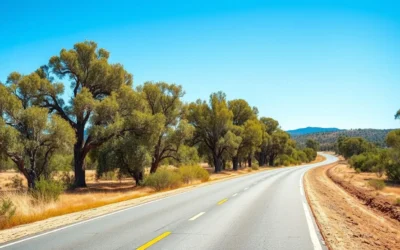
If you prefer a scenic drive, Mount Gambier is accessible via the Princes Highway from Melbourne or via the Riddoch Highway from Adelaide. The drive offers beautiful views of the Australian countryside and coastal scenery, particularly if you take the Great Ocean Road route from Melbourne.
By Bus
For budget travelers, Stateliner operates coach services between Adelaide and Mount Gambier daily. From Victoria, V/Line provides a daily coach service from Warrnambool to Mount Gambier, connecting with train services to Melbourne.
Best Time to Visit & Weather Tips
Seasonal Highlights
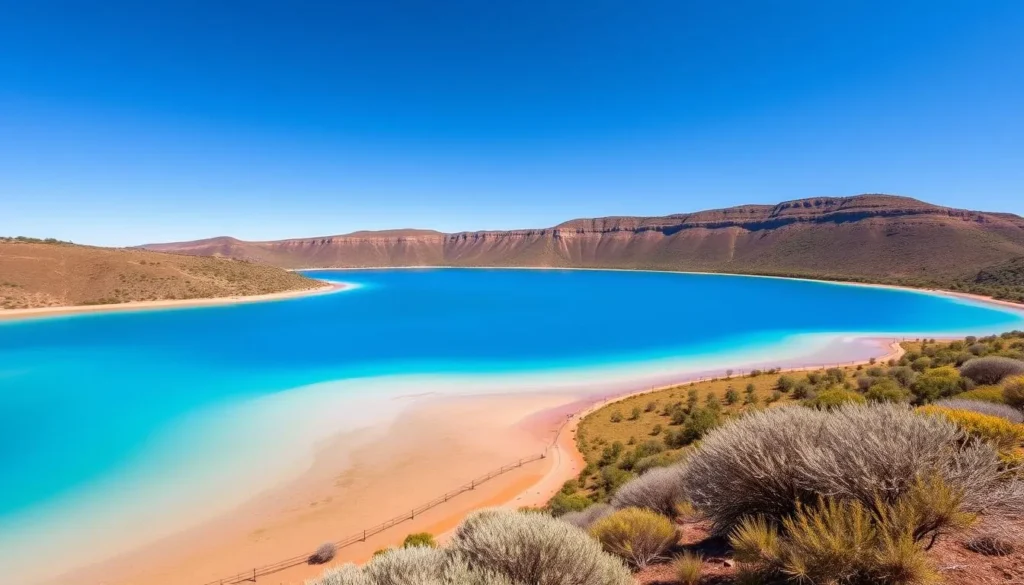
The best time to visit Mount Gambier is between November and March when the Blue Lake transforms to its stunning cobalt blue color. This natural phenomenon is a must-see and coincides with the region’s warmer months, making it ideal for outdoor activities.
Summer (December-February) brings warm days with temperatures averaging 23-26°C (73-79°F), perfect for exploring the region’s natural attractions. Autumn (March-May) offers mild temperatures and beautiful foliage, especially around the Valley Lake area.
Weather Considerations
Mount Gambier has a temperate climate with four distinct seasons. Winters (June-August) can be cool with temperatures ranging from 5-14°C (41-57°F) and higher rainfall, but this creates lush green landscapes and fewer tourists.
Spring (September-November) brings mild temperatures and blooming gardens, making it another excellent time to visit. The city receives moderate rainfall throughout the year, so packing a light raincoat is advisable regardless of when you visit.
Pro Tip: If you’re specifically visiting to see the Blue Lake at its bluest, plan your trip between December and February when the color is most vibrant. Early morning visits offer the best lighting for photographs.
Getting Around Locally
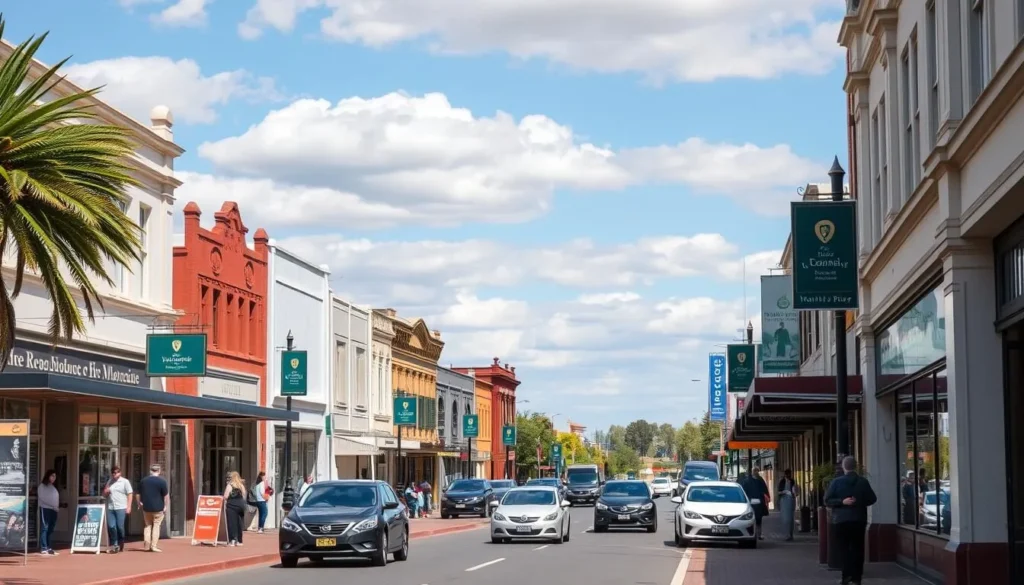
Mount Gambier is a compact city that’s relatively easy to navigate. While having your own vehicle provides the most flexibility for exploring the region’s attractions, there are several options for getting around.
By Car
Having your own vehicle is the most convenient way to explore Mount Gambier and the surrounding Limestone Coast region. Many attractions like Mount Schank and Little Blue Lake are located outside the city center and are best accessed by car.
Parking is generally plentiful and often free in the city center and at major attractions.
On Foot
The city center is compact and walkable, with many shops, restaurants, and some attractions like the Cave Garden and Riddoch Arts & Cultural Centre within easy walking distance of each other.
The Blue Lake circuit is a popular 3.6km walking track that offers stunning views of the lake and surroundings.
Taxis & Rideshare
Local taxi services are available for shorter trips within the city. It’s advisable to book in advance, especially during peak tourist season.
While rideshare services are more limited than in major cities, they are becoming increasingly available in Mount Gambier.
Where to Stay
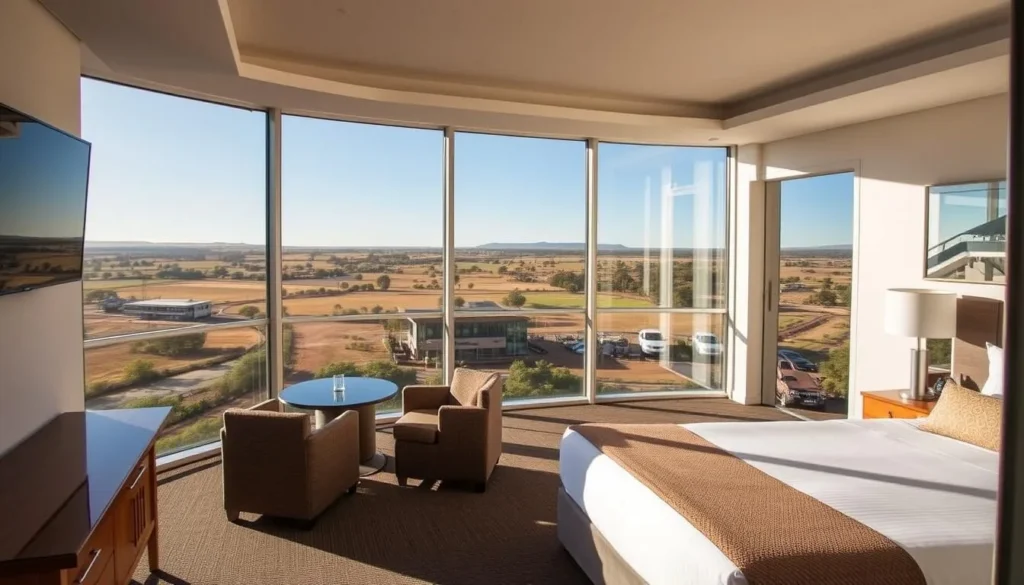
Mount Gambier offers a range of accommodation options to suit all budgets and preferences, from luxury hotels to cozy B&Bs and camping facilities.
Hotels & Motels
The city center features several quality hotels and motels that provide comfortable rooms and convenient access to local attractions. Many offer views of the city or surrounding countryside.
Popular options include The Commodore, Comfort Inn Silver Birch, and The Old Mount Gambier Gaol (a unique heritage accommodation in a converted 19th-century prison).
B&Bs & Apartments
For a more personalized experience, consider staying at one of Mount Gambier’s charming bed and breakfasts or self-contained apartments. These often provide a more intimate setting and local insights from hosts.
Many are located in historic buildings or offer unique features like garden settings or lake views.
Camping & Cabins
Nature lovers can enjoy camping at the Blue Lake Holiday Park or Pine Country Caravan Park, both offering powered sites and cabins. These parks provide excellent facilities and are well-positioned for exploring the region.
For a more rustic experience, camping is available at nearby conservation parks.
Dining & Local Cuisine

Mount Gambier’s dining scene offers everything from casual cafés to fine dining restaurants, with many establishments showcasing the region’s exceptional produce, wines, and seafood.
Local Specialties
The Limestone Coast region is known for its premium beef, fresh seafood (particularly rock lobster from nearby Port MacDonnell), and award-winning wines from the Coonawarra region.
Don’t miss trying the local cheeses, olive oils, and seasonal fruits that feature prominently on many menus.
Cafés & Bakeries
Mount Gambier has a thriving café culture, with numerous spots offering excellent coffee, breakfast, and lunch options. Metro Bakery & Café and Presto Eatery are local favorites known for their quality food and friendly service.
The city’s bakeries are also worth a visit for traditional Australian pastries and bread.
Restaurants & Pubs
For dinner, explore the city’s diverse restaurant scene, ranging from casual pub meals to upscale dining. The Barn Steakhouse is renowned for its premium steaks, while Thyme at the Lakes offers sophisticated modern Australian cuisine.
Local pubs like The South Eastern Hotel serve hearty meals in a traditional Australian pub atmosphere.
Foodie Tip: Visit the Mount Gambier Farmers Market (held every Saturday morning) to sample and purchase local produce directly from the growers. It’s a great way to experience the region’s food culture and pick up supplies if you’re self-catering.
Attractions, Sightseeing & Activities
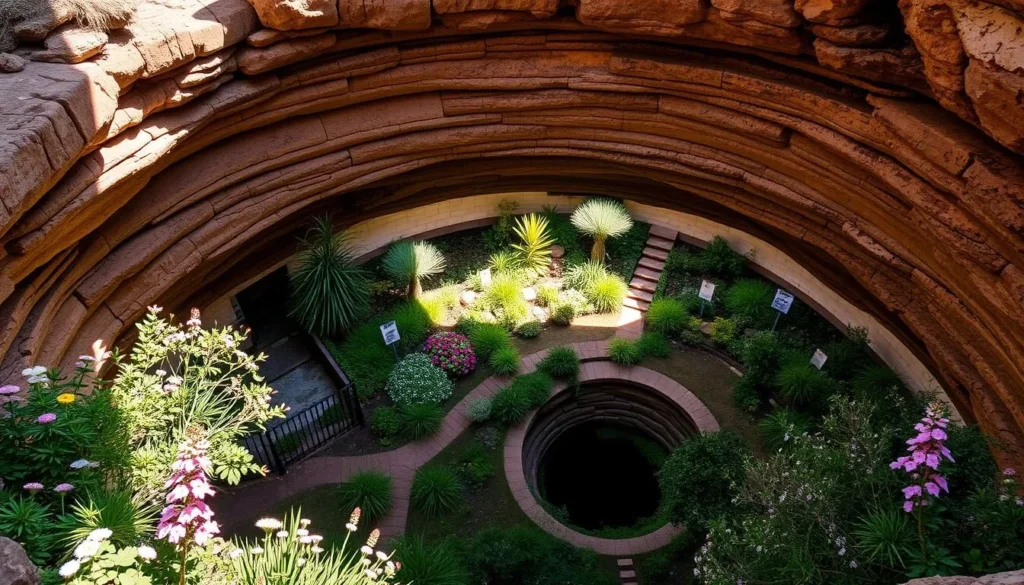
Mount Gambier is renowned for its unique geological features and natural attractions, many of which are conveniently located within or close to the city center.
Blue Lake/Warwar
The iconic Blue Lake is Mount Gambier’s most famous attraction. This crater lake occupies one of three extinct volcanic craters and is known for its striking color change. From November to March, the lake transforms from a steel gray to a vibrant cobalt blue.
A 3.6km walking track circles the lake, offering various viewpoints and information about its geological significance.
Umpherston Sinkhole/Balumbul
Also known as the Sunken Garden, this spectacular sinkhole was transformed into a garden by James Umpherston in 1886. Descend into the sinkhole to explore the terraced gardens, lush plantings, and hydrangea displays.
Visit at dusk to see the resident possums emerge to feed—a delightful experience for visitors of all ages.
Cave Garden/Thugi
Located in the heart of the city, this sinkhole features a beautiful garden and a waterfall during wet periods. The Cave Garden is illuminated at night, creating a magical atmosphere.
It’s also home to the Riddoch Arts & Cultural Centre and a starting point for understanding the region’s geological history.
Engelbrecht Cave
Take a guided tour of this fascinating cave system that runs beneath the city streets. The cave features impressive chambers and an underground water system that attracts cave divers from around the world.
The 30-minute guided tours provide insights into the cave’s history, geology, and significance.
Centenary Tower
Climb to the top of Mount Gambier’s highest point to visit this historic tower, built in 1901 to commemorate the first sighting of the area by European settlers.
The tower offers panoramic views of the city, crater lakes, and surrounding countryside—a perfect spot for photography enthusiasts.
Valley Lake/Ketla Malpi
Adjacent to Blue Lake, Valley Lake offers recreational facilities including picnic areas, BBQs, and a wildlife conservation park where you can spot koalas and kangaroos in a natural setting.
The adventure playground is perfect for families with children, and the disc golf course provides fun for all ages.
Museums, Cultural Spots & Festivals

Beyond its natural attractions, Mount Gambier offers a rich cultural experience through its museums, galleries, and vibrant events calendar.
Riddoch Arts & Cultural Centre
South Australia’s largest regional art gallery houses over 1,500 items, including significant collections of Aboriginal art and works depicting the region’s history and landscapes.
The center regularly hosts changing exhibitions, workshops, and cultural events. Don’t miss the immersive volcanic experience in “The Main Corner” section.
Lady Nelson Discovery Centre
This interpretive center provides insights into the region’s history, from its geological formation to Aboriginal heritage and European settlement.
Interactive displays and a replica of the HMS Lady Nelson ship make this an engaging experience for visitors of all ages.
Mount Gambier Library
More than just books, the award-winning library hosts cultural events, exhibitions, and community activities. Its modern architecture and welcoming atmosphere make it a cultural hub for the city.
Check their calendar for author talks, workshops, and special events during your visit.
Annual Festivals & Events
- Generations in Jazz (May) – A prestigious jazz festival attracting thousands of students and world-class musicians.
- Mount Gambier Show (October) – A traditional agricultural show with rides, exhibitions, and entertainment.
- Mount Gambier Fringe Festival (March) – A celebration of arts and culture with performances, exhibitions, and community events.
- Blue Lake Fun Run (November) – A community sporting event around the iconic Blue Lake.
- Christmas Parade (November) – A festive community celebration marking the beginning of the holiday season.
- New Year’s Eve Celebrations – Fireworks and family-friendly activities to welcome the new year.
Learn More
Sports, Nature & Outdoor Experiences
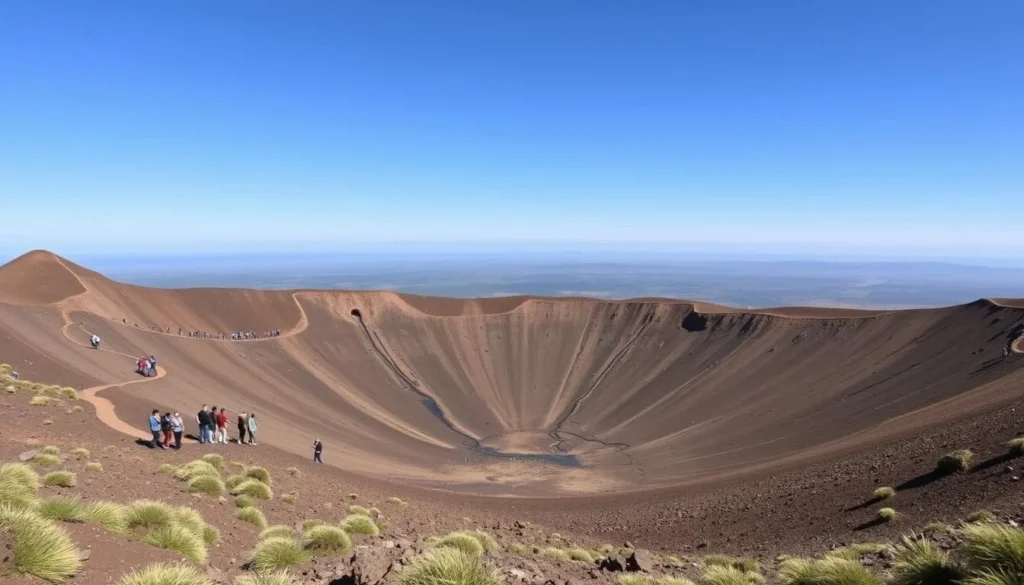
The unique landscape around Mount Gambier creates perfect conditions for a variety of outdoor activities and adventures.
Hiking & Walking Trails
The region offers numerous walking trails suitable for all fitness levels. The Blue Lake circuit (3.6km) is the most popular, while the Mount Schank summit walk provides spectacular views from the rim of this dormant volcano.
The Valley Lake Conservation Park features several nature trails where you can observe local flora and fauna.
Water Activities
While swimming isn’t permitted in Blue Lake (as it’s the city’s water supply), nearby Little Blue Lake offers a refreshing swimming spot during summer months, complete with a floating pontoon.
For certified divers, the region is famous for its cave diving opportunities in sinkholes like Kilsby Sinkhole and Piccaninnie Ponds.
Cycling & Mountain Biking
Mount Gambier has developed excellent cycling infrastructure, including the Rail Trail and mountain biking tracks at Valley Lake and Leg of Mutton Lake.
Bike hire is available in the city, making it easy for visitors to explore on two wheels.
Nearby Natural Attractions
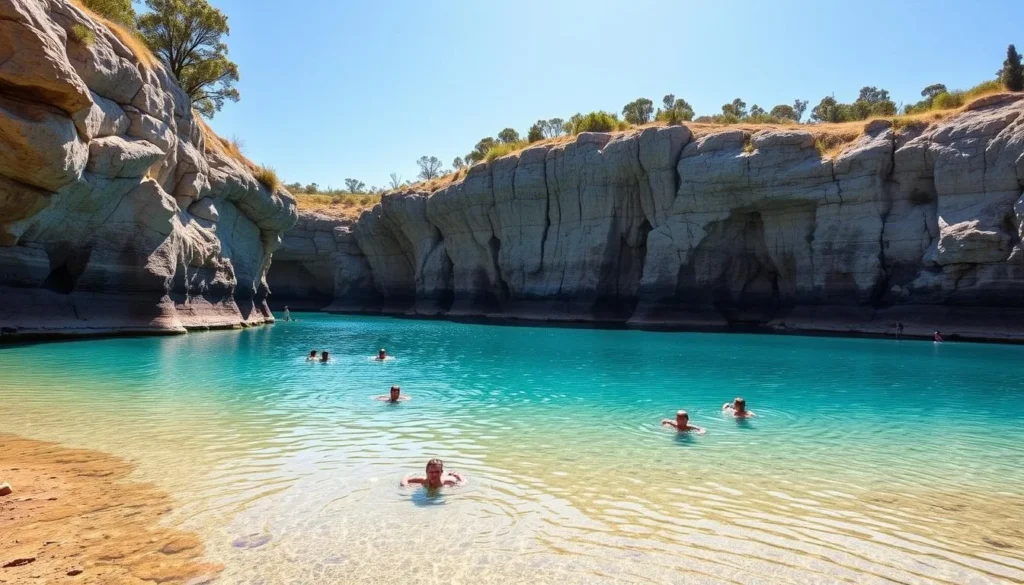
Little Blue Lake
Located about 15 minutes from Mount Gambier, this water-filled sinkhole offers a popular swimming spot during summer. The crystal-clear waters and surrounding limestone cliffs create a picturesque setting for a refreshing dip.
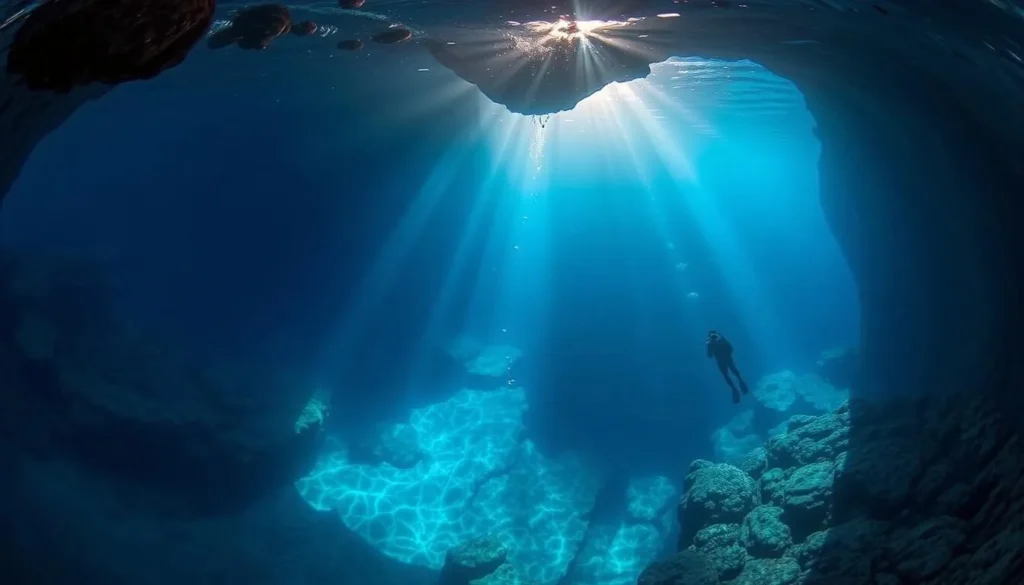
Kilsby Sinkhole
This privately-owned sinkhole on a working sheep farm offers guided snorkeling, freediving, and scuba diving experiences. The exceptional water clarity makes it a world-renowned diving destination and a must-visit for adventure seekers.
Safety, Etiquette & Local Customs
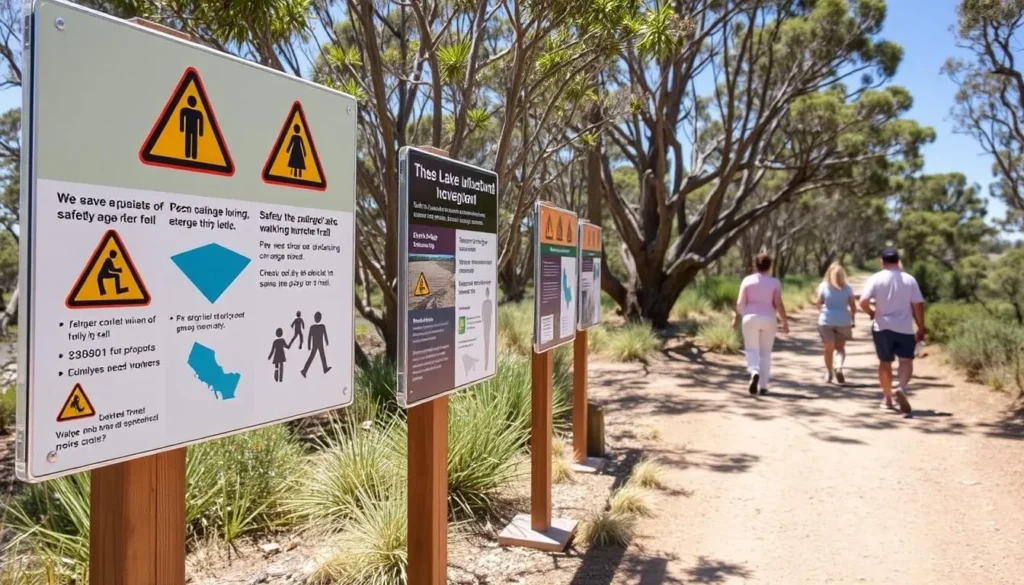
Mount Gambier is generally a safe destination for travelers, but as with any location, it’s important to be aware of local safety considerations and customs.
Safety Tips
- Natural Attractions – Stay on designated paths and behind safety barriers at sinkholes, caves, and crater lakes. These geological features can have steep drops and unstable edges.
- Water Safety – If swimming at Little Blue Lake or other water spots, be aware that there are no lifeguards. Never dive into sinkholes as water depths can vary.
- Wildlife – Respect local wildlife and maintain a safe distance. While kangaroos and possums are generally harmless, they are wild animals.
- Weather Preparation – Weather can change quickly in the region. Carry water, sun protection, and appropriate clothing, especially when hiking.
Local Etiquette & Customs
- Aboriginal Heritage – Show respect for the traditional owners of the land, the Boandik people, particularly at culturally significant sites.
- Conservation – Practice “leave no trace” principles in natural areas. Take all rubbish with you and don’t pick plants or disturb wildlife.
- Tipping – Tipping is not expected in Australia but is appreciated for exceptional service (10-15% is typical).
- Greetings – Australians are generally informal and friendly. A simple “G’day” or “Hello” is a common greeting.
Important: If visiting cave systems or sinkholes, always go with a licensed guide or tour operator. These natural formations can be dangerous if explored without proper knowledge and equipment.
Practical Travel Tips

Visitor Information
The Mount Gambier Visitor Centre is located at The Lady Nelson Discovery Centre on Jubilee Highway East. Staff can provide maps, brochures, and advice on local attractions and activities.
Opening hours: Monday-Friday 9am-5pm, Weekends & Public Holidays 10am-4pm
Phone: (08) 8724 9750
Connectivity & Services
Mobile coverage is generally good throughout Mount Gambier and major carriers have strong networks in the area.
Free Wi-Fi is available at the Mount Gambier Library, some cafés, and accommodation providers.
ATMs are readily available in the city center and major shopping areas.
Local Shopping
Commercial Street is the main shopping precinct, offering a range of retail stores, boutiques, and services.
Mount Gambier Marketplace and Mount Gambier Central are the main shopping centers with major retailers and supermarkets.
For local products, visit the Farmers Market on Saturday mornings or specialty stores like Limestone Coast Cheese Factory.
Suggested Itineraries
One-Day Visit
- Start with a morning walk around the Blue Lake
- Visit the Umpherston Sinkhole
- Lunch in the city center
- Explore the Riddoch Arts & Cultural Centre
- End the day with a visit to Valley Lake Conservation Park
Three-Day Visit
- Day 1: Blue Lake, Centenary Tower, and city attractions
- Day 2: Cave tours (Engelbrecht Cave), Valley Lake, and local museums
- Day 3: Day trip to nearby attractions like Mount Schank, Little Blue Lake, and Port MacDonnell
Local Insight: The best times to photograph Blue Lake are early morning or late afternoon when the light enhances its vibrant color. For Umpherston Sinkhole, visit around dusk (around 30 minutes before sunset) to see the resident possums emerge.
Ready to Explore Mount Gambier?
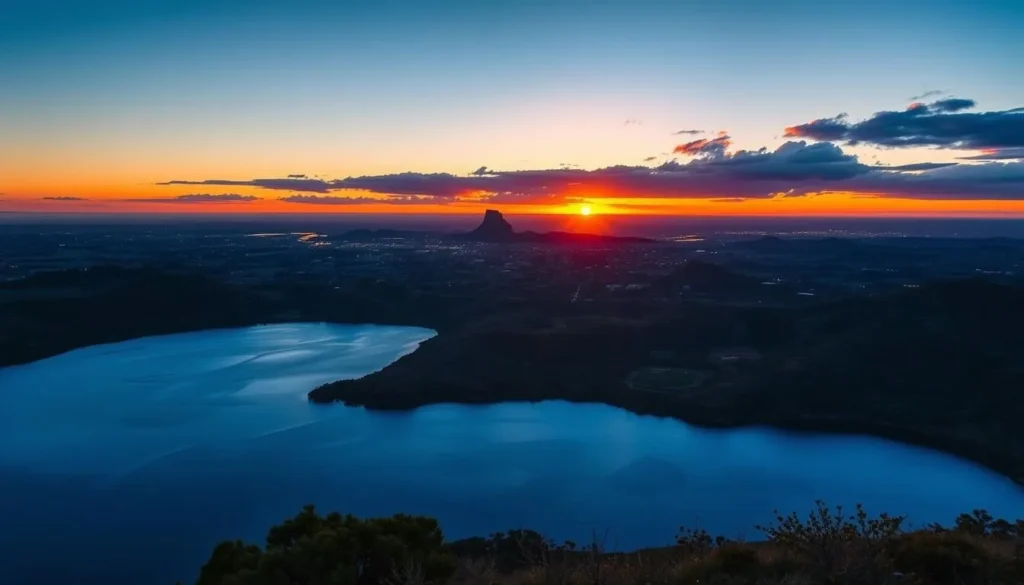
Mount Gambier offers a truly unique Australian experience where volcanic landscapes, mysterious blue lakes, and limestone caves create an otherworldly backdrop for your adventures. Whether you’re marveling at the color-changing Blue Lake, descending into the lush gardens of Umpherston Sinkhole, or exploring the city’s rich cultural offerings, this South Australian gem delivers unforgettable experiences for every type of traveler.
With its blend of natural wonders, outdoor activities, and small-city charm, Mount Gambier makes for an ideal destination whether you’re planning a weekend getaway or a longer exploration of the Limestone Coast region. Start planning your journey today and discover why this volcanic wonderland continues to captivate visitors from around the world.
0 Comments