
Hotels by Trip.com
Flights by Trip.com
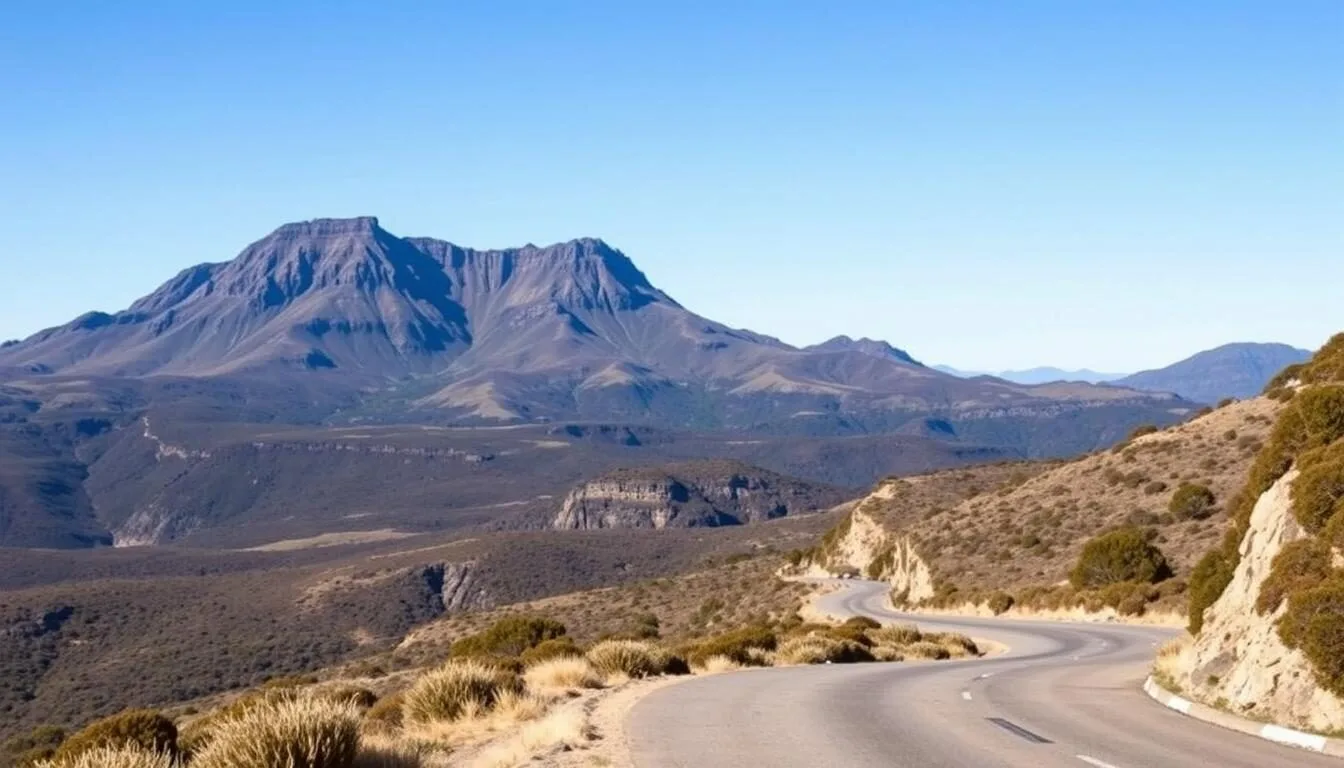
Did you know that Ben Lomond National Park is home to Tasmania’s second-highest peak and features one of Australia’s most challenging alpine roads? Rising to an impressive 1,572 m (5,157 ft), this magnificent mountain offers the state’s premier skiing facilities and boasts a unique alpine ecosystem found nowhere else in Tasmania. The park’s stark, treeless landscape and dramatic dolerite columns create an otherworldly experience that feels more like visiting the Scottish Highlands than Australia.
Getting There & Planning Your Journey
Ben Lomond National Park is located in northeastern Tasmania, approximately 54 km (34 miles) east of Launceston and 218 km (135 miles) north of Hobart. The closest major airport is Launceston Airport, which offers regular domestic flights from Melbourne, Sydney, and Brisbane.
From Launceston
The drive from Launceston takes approximately 1 hour 10 minutes. Follow the signs to the park via the B41 and C401 roads. The journey is scenic, passing through farmland before ascending into alpine territory.
From Hobart
If you’re coming from Hobart, expect a 3-hour 15-minute drive (218 km). Take the Midland Highway (A1) north toward Launceston, then follow signs to Ben Lomond via the B41 and C401.
Best Time to Visit & Weather Tips
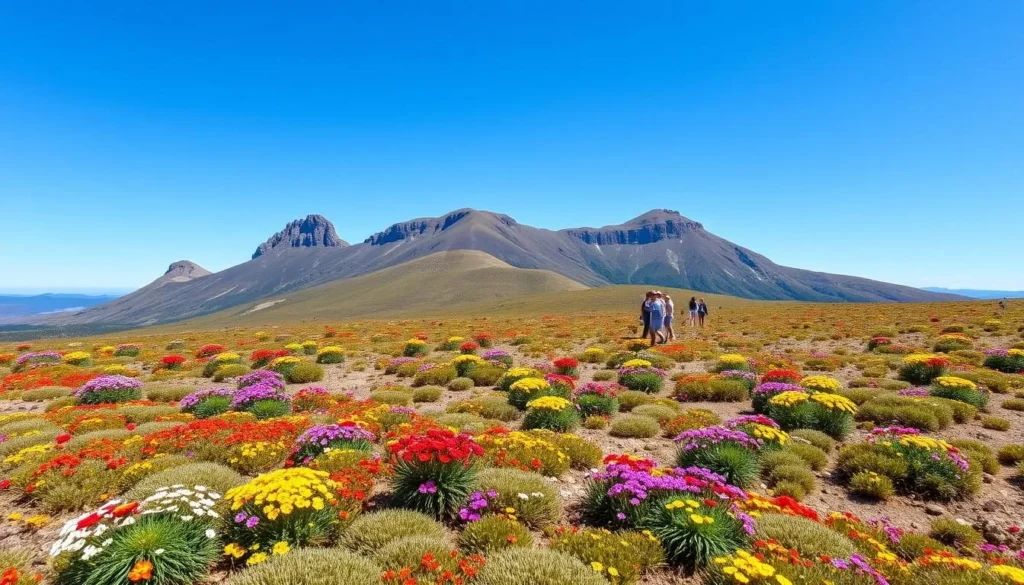
Ben Lomond National Park experiences distinct seasonal changes that dramatically affect visitor experiences. The park’s high elevation means weather conditions can change rapidly, so always check forecasts before visiting.
| Season | Months | Conditions | Recommended For |
| Summer | December-February | Mild temperatures (15-20°C/59-68°F), occasional rain | Hiking, wildlife watching, alpine wildflowers |
| Autumn | March-May | Cooling temperatures (5-15°C/41-59°F), increasing rainfall | Photography, fewer crowds, hiking |
| Winter | June-August | Cold (-5 to 5°C/23-41°F), snow, ice | Skiing, snowboarding, snow play |
| Spring | September-November | Warming temperatures (5-15°C/41-59°F), variable weather | Hiking, photography, early wildflowers |
Recommended Months to Visit
The best time to visit depends on your interests:
- For skiing and snow activities: July and August offer the most reliable snow conditions
- For hiking and alpine wildflowers: December through February provides the most comfortable temperatures
- For photography: April-May and September-October offer dramatic lighting and fewer crowds
Months to Avoid
Consider avoiding:
- Late May and early June – transitional period with unpredictable weather and limited activities
- September school holidays if you prefer quieter experiences
Getting Around Locally
Navigating Ben Lomond National Park requires some planning, especially if you’re visiting during winter when road conditions can be challenging.
Jacob’s Ladder
The most famous feature of the park’s road system is Jacob’s Ladder, a steep zigzag road with six switchbacks that climbs to the alpine plateau. This engineering marvel offers breathtaking views but requires careful driving:
- Observe the 30 km/h (19 mph) speed limit
- Give way to ascending vehicles when you’re descending
- In winter, snow chains are mandatory (available for hire at Ben Lomond Base)
Winter Shuttle Service
During the snow season (typically July-September), a shuttle service operates from the lower car park to the alpine village. This is ideal for visitors who aren’t comfortable driving in snow conditions or don’t have appropriate vehicles.
✓ Check 30,000+ Local Sightseeing Tours Worldwide
Where to Stay
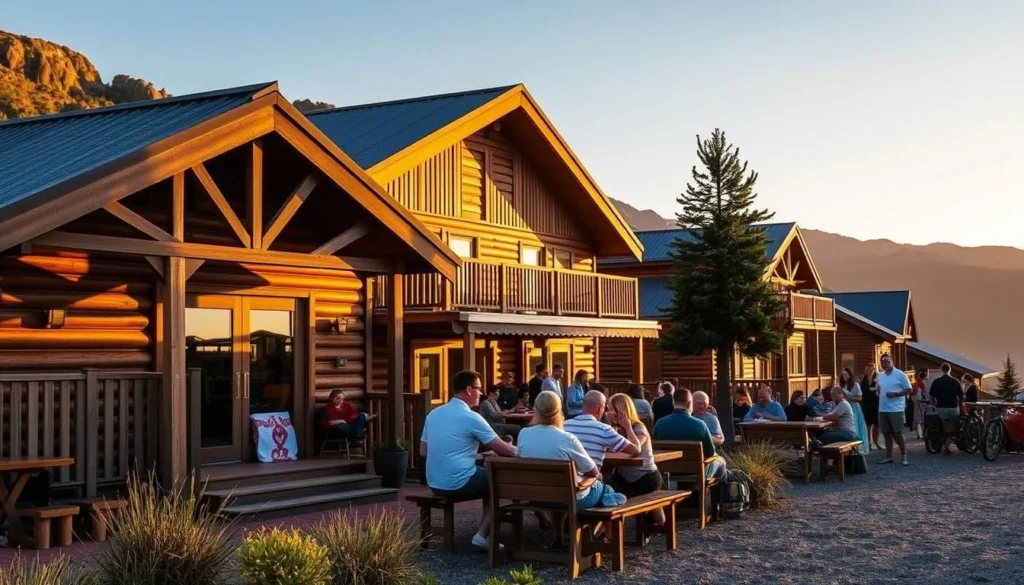
While Ben Lomond National Park is often visited as a day trip, staying overnight allows you to experience the mountain’s tranquility and stunning sunrises. Accommodation options include:
Within the Park
Alpine Village Lodges
Several private ski clubs maintain lodges in the Alpine Village at the foot of the ski slopes. While primarily for members, some offer limited public accommodation:
- Tasmanian Rover Ski Club – offers accommodation without full membership
- Ben Lomond Alpine Hotel – basic but comfortable rooms
Ben Lomond Campground
Located several kilometers below the summit, this small campground offers:
- Six unpowered sites suitable for tents or campervans
- Flush toilets and drinking water
- First-come, first-served basis (no bookings)
- No camping fees (park entry fees apply)
Nearby Accommodation
For more comfortable options, consider staying in nearby areas:
- Blessington – small community at the base of Ben Lomond with farmstays
- Evandale – historic village 20 minutes from Launceston with charming B&Bs
- Launceston – full range of accommodation from budget to luxury, 1 hour from the park
Dining & Local Cuisine
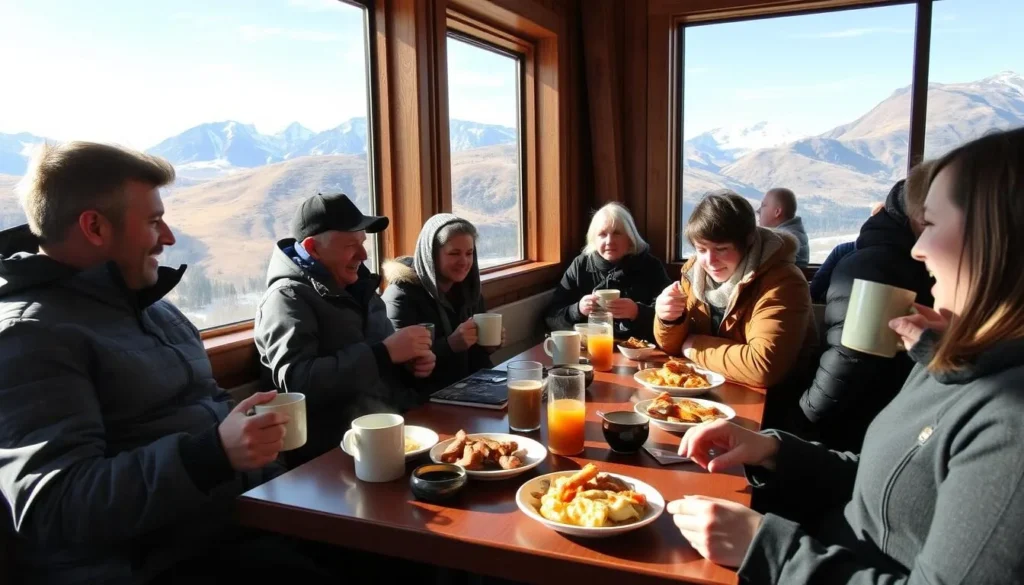
Dining options within Ben Lomond National Park are limited but sufficient for day visitors. For extended stays, consider bringing supplies or exploring options in nearby towns.
Within the Park
The Alpine Cafe in the ski village operates during peak periods (winter ski season and summer holidays). It offers:
- Hot drinks and warming beverages (the mountain hot chocolate is a must-try)
- Simple hot meals like soups, pies, and burgers
- Snacks and packaged foods
- Limited grocery items
Nearby Dining
For more substantial dining options, look to these nearby locations:
- Ben Lomond Base – cafe at the foot of the mountain with light meals and coffee
- Evandale – historic village with charming cafes and a pub
- Launceston – full range of dining options from casual to fine dining
Local Specialties
While in the region, try these Tasmanian specialties:
- Tasmanian salmon and seafood
- Local cool-climate wines
- Artisan cheeses from nearby dairy farms
- Leatherwood honey, unique to Tasmania
Attractions, Sightseeing & Activities
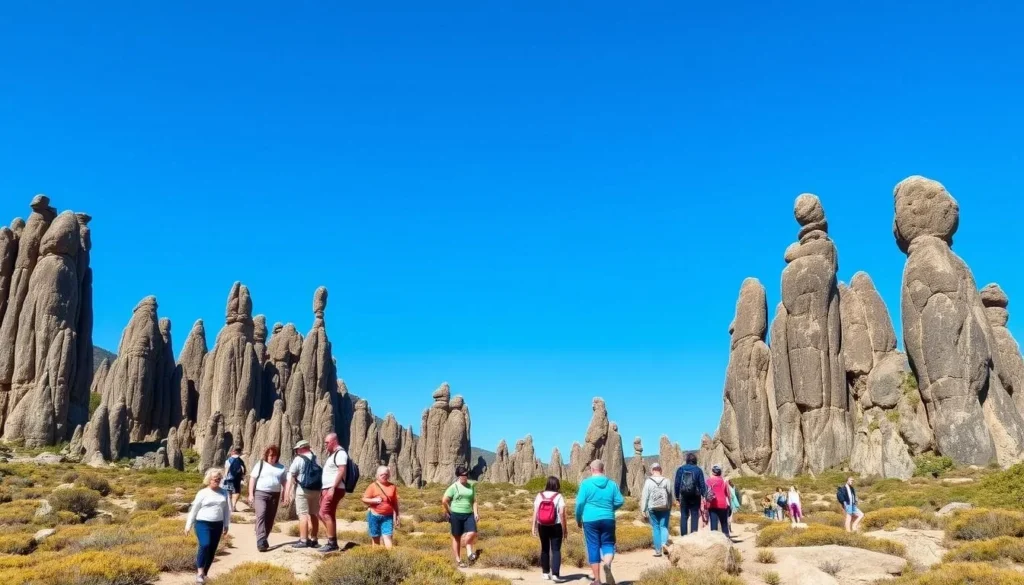
Ben Lomond National Park offers a variety of attractions and activities throughout the year, with different experiences available depending on the season.
Key Attractions
Jacob’s Ladder
This engineering marvel features six switchbacks carved into the mountainside, offering spectacular views and a thrilling drive. It’s one of Australia’s most remarkable mountain roads.
Legges Tor
At 1,572 m (5,157 ft), this is Tasmania’s second-highest peak and offers panoramic views across the northeast of the state on clear days.
Dolerite Columns
The distinctive dolerite columns and scree slopes create an otherworldly landscape unique to Tasmania, formed by ancient geological processes.
Seasonal Activities
Winter (June-August)
- Downhill skiing on seven runs
- Cross-country skiing on designated trails
- Snowboarding with terrain suitable for beginners to intermediates
- Tobogganing in designated areas
- Snowshoeing across the plateau
Summer (December-February)
- Hiking on numerous alpine trails
- Rock climbing on dolerite columns (for experienced climbers)
- Photography of alpine wildflowers
- Wildlife watching
- Picnicking with panoramic views
Museums, Cultural Spots & Festivals
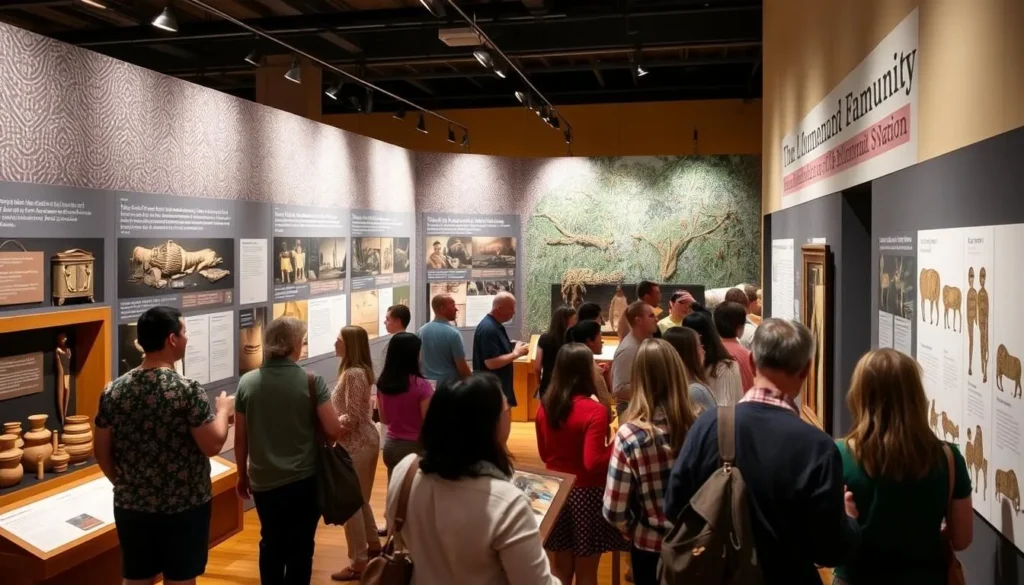
While Ben Lomond National Park is primarily known for its natural features, the area has a rich cultural history worth exploring.
Aboriginal Heritage
The Ben Lomond area was traditionally home to the Ben Lomond Nation, an aboriginal group consisting of three clans. Their presence in the region dates back thousands of years:
- Evidence of their habitation can still be seen near the park’s two peaks
- They used the mountain for hunting and seasonal gathering
- The Queen Victoria Museum in Launceston has displays about their culture and history
European History
European exploration of Ben Lomond began in the early 19th century:
- The first recorded European ascent was in 1829
- Famous Tasmanian landscape artist John Glover painted the mountain in 1833
- The area was officially surveyed in 1841
- Skiing began in the 1930s with the first ski tow installed in 1955
Seasonal Events
The park hosts several seasonal events throughout the year:
- Ben Lomond Snow Sports Festival (August) – skiing and snowboarding competitions
- Easter Fun Day (April) – family activities in the alpine village
- Summer Walking Festival (January) – guided walks highlighting alpine flora
Sports, Nature & Outdoor Experiences
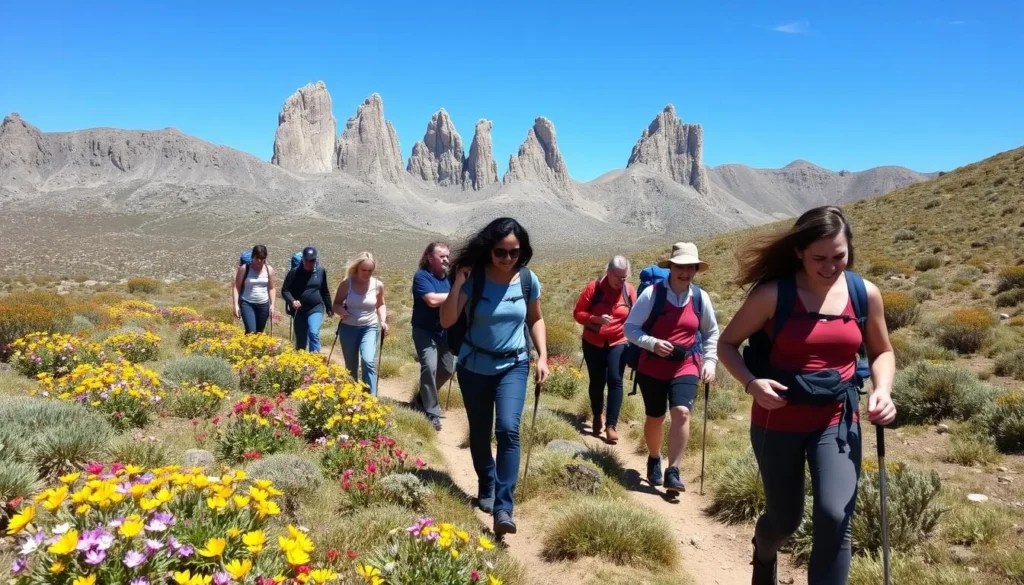
Ben Lomond National Park is a paradise for outdoor enthusiasts, offering activities for all fitness levels and interests throughout the year.
Walking Tracks
The park features several well-maintained walking tracks:
| Track Name | Distance | Time | Difficulty | Highlights |
| Alpine Village to Little Hell | 5.5 km return | 90 min return | Moderate | Sweeping views, alpine landscape |
| Ben Lomond Summit Link Track | 1 km one way | 30 min one way | Easy | Links village to Summit Pass Track |
| Summit Pass Track | 5 km return | 3 hr return | Challenging | Wildflowers, snow-covered landscape in winter |
| Carr Villa to Alpine Village | 3.5 km one way | 1.5 hr one way | Moderate | Forest transition to alpine environment |
Wildlife Watching
The park is home to abundant wildlife that has adapted to the alpine conditions:
- Bennett’s wallabies and wombats are commonly seen in the village area
- Pademelons inhabit the wet gullies with thick undergrowth
- Forester kangaroos can be spotted along the southwest edge
- Eastern quolls, echidnas, and platypus are occasionally sighted
- Birdwatchers can look for wedge-tailed eagles soaring above the plateau
Cycling
Ben Lomond has become a training ground for competitive cyclists:
- Jacob’s Ladder provides a challenging climb for road cyclists
- The ascent is used by professional cyclists like Richie Porte for training
- Mountain biking is permitted on designated fire trails in the lower sections
Safety, Etiquette & Local Customs
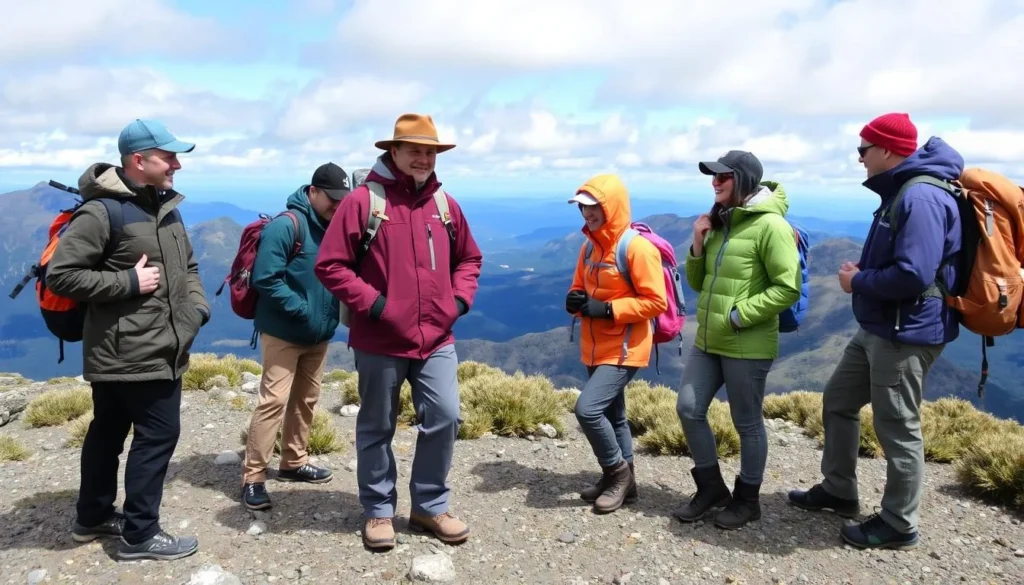
Ben Lomond’s alpine environment requires special preparation and awareness. Following these guidelines will help ensure a safe and enjoyable visit while preserving the park for future generations.
Safety Considerations
- Weather changes rapidly in alpine areas – check forecasts before visiting and be prepared for sudden changes
- Dress in layers, even in summer, and always carry a waterproof jacket
- Notify someone of your plans if hiking, especially in remote areas
- Carry sufficient water and emergency supplies
- Mobile phone coverage is limited – don’t rely on it for emergencies
- During winter, snow chains are mandatory for driving Jacob’s Ladder
Park Etiquette
- Stay on marked trails to protect fragile alpine vegetation
- Take all rubbish with you – there are limited facilities for waste disposal
- Observe wildlife from a distance and never feed animals
- Fires are prohibited throughout the park
- Respect other visitors by keeping noise to a minimum
Permits and Regulations
- A parks pass is required for entry to all Tasmanian national parks
- Passes can be purchased online, at visitor centers, or at Ben Lomond Base
- Camping is only permitted in designated areas
- Dogs and other pets are not allowed in the park
Visitor Comments About Ben Lomond National Park
“Jacob’s Ladder was both terrifying and exhilarating! The views from the top were worth every hairpin turn. We saw wombats near the village even during light snow – an unforgettable experience that felt uniquely Tasmanian.”
“Coming from Arizona, I was amazed by the alpine wildflowers in summer. The walking tracks were well-maintained and the stark landscape reminded me of another planet. Don’t miss the Summit Pass Track for the best views.”
“We visited during ski season and found it perfect for our family. The slopes weren’t crowded like mainland resorts, and the friendly atmosphere made everyone feel welcome. The hot chocolate at the Alpine Cafe is a must after a day in the snow!”
Practical Travel Tips
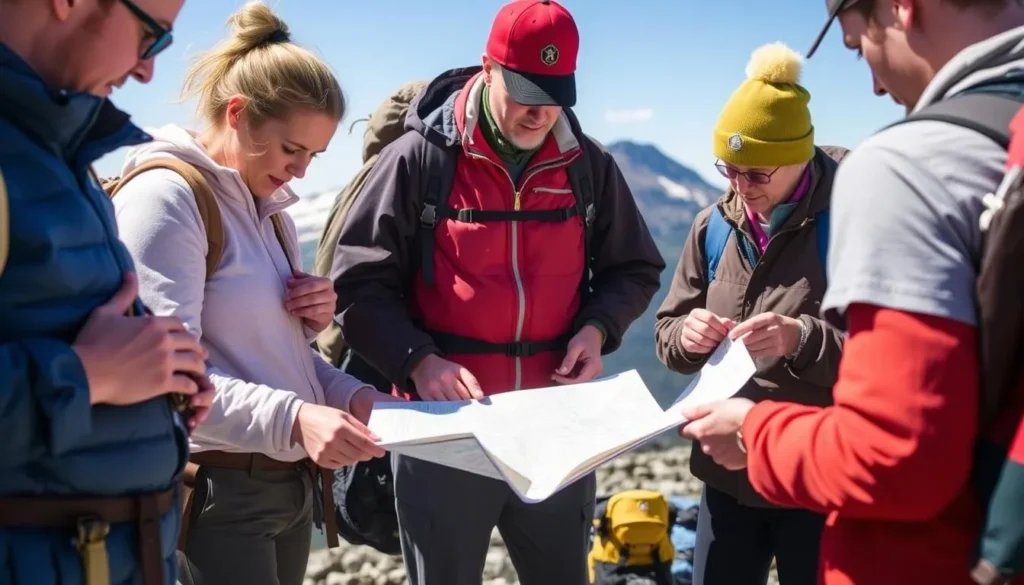
What to Pack
- Layered clothing (temperatures can vary dramatically)
- Waterproof jacket and pants
- Sturdy walking shoes or hiking boots
- Sun protection (UV is intense at high elevations)
- Water bottle and snacks
- Camera for the spectacular views
- Binoculars for wildlife spotting
Money-Saving Tips
- Purchase a holiday parks pass if visiting multiple Tasmanian parks
- Visit midweek during ski season for lower prices
- Pack your own food and drinks
- Consider camping instead of lodge accommodation
- Rent equipment at Ben Lomond Base rather than bringing your own
Accessibility Information
Ben Lomond National Park has limited accessibility for visitors with mobility challenges:
- The Alpine Village has some accessible facilities including toilets
- Most walking tracks are not suitable for wheelchairs due to rough terrain
- The main viewpoint at the top of Jacob’s Ladder has a small accessible area
- Contact the Parks and Wildlife Service for the most current accessibility information
Connectivity
Be prepared for limited connectivity in the park:
- Mobile reception is patchy and unreliable, especially on the plateau
- Ben Lomond Base at the foot of the mountain offers free WiFi
- Download maps and information before your visit
Your Alpine Adventure Awaits
Ben Lomond National Park offers a truly unique Tasmanian experience, whether you’re carving through powder snow in winter, hiking among colorful alpine wildflowers in summer, or simply marveling at the dramatic dolerite columns year-round. This accessible wilderness provides a perfect escape from the ordinary, with activities to suit every interest and ability level. As you navigate the thrilling twists of Jacob’s Ladder and stand atop Tasmania’s second-highest peak, you’ll understand why this remarkable alpine plateau has captivated visitors for generations. Pack your sense of adventure and prepare to be amazed by one of Australia’s most distinctive mountain landscapes.
Related Posts
Furneaux Islands, Tasmania: Best Things to Do – Top Picks
Hartz Mountains National Park, Tasmania: Best Things to Do – Top Picks
Freycinet National Park, Tasmania: Best Things to Do – Top Picks

Evandale, Tasmania: Best Things to Do – Top Picks
Cygnet, Tasmania: Best Things to Do – Top Picks
Corinna, Tasmania: Best Things to Do – Top Picks
Coming Soon: Clickable Maps