

Hotels by Trip.com
Flights by Trip.com
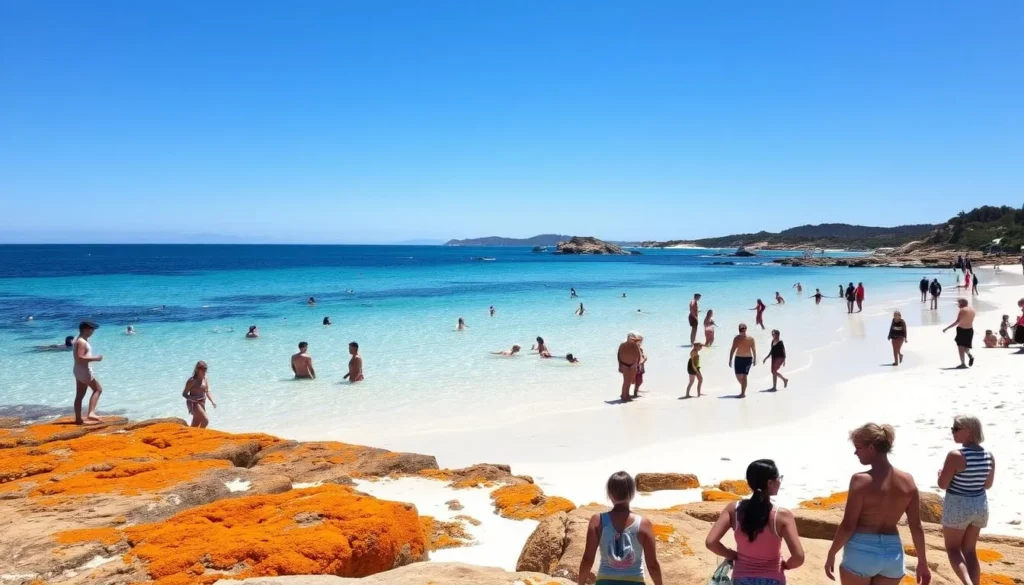
Did you know that Binalong Bay’s stunning white sand beaches contain some of the purest quartz in the world? This gives the sand its characteristic squeaky sound when walked upon and contributes to the extraordinary azure color of the water. As the gateway to the world-famous Bay of Fires Conservation Area, Binalong Bay offers visitors a remarkable blend of natural beauty with its orange lichen-covered granite boulders creating a striking contrast against pristine white beaches and crystal-clear turquoise waters.
Getting There & Planning Your Journey
Binalong Bay is located on Tasmania’s northeastern coast, approximately 175 km (109 miles) east of Launceston and 263 km (163 miles) northeast of Hobart. While remote, its extraordinary beauty makes the journey worthwhile.
Closest Airports
- Launceston Airport – 2 hours 20 minutes drive (175 km/109 miles)
- Hobart International Airport – 3 hours 20 minutes drive (263 km/163 miles)
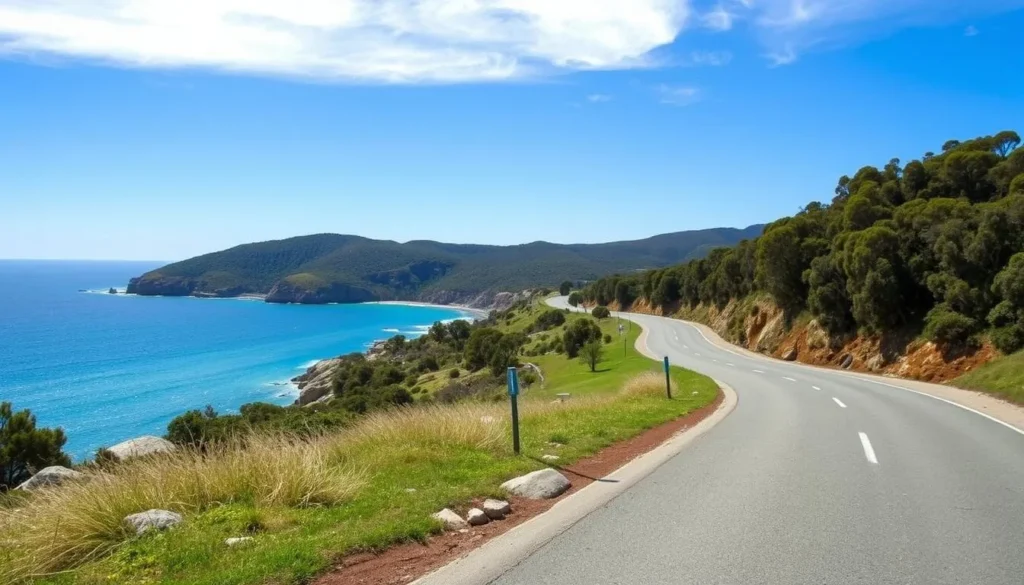
The journey to Binalong Bay is part of the experience, especially if you’re driving along the Great Eastern Drive from Hobart. This coastal route offers spectacular views and plenty of worthy stops along the way. If coming from Launceston, you’ll travel through the picturesque countryside before reaching the coast.
Best Time to Visit & Weather Tips
Tasmania’s east coast enjoys a milder climate than much of the island, making Binalong Bay accessible year-round. However, timing your visit can significantly enhance your experience.
| Season | Months | Temperature | Experience | Recommendation |
| Summer | December-February | 20-25°C (68-77°F) | Perfect beach weather, busier period | Highly Recommended |
| Autumn | March-May | 15-20°C (59-68°F) | Mild weather, fewer crowds | Recommended |
| Winter | June-August | 5-15°C (41-59°F) | Cooler, potential for dramatic coastal views | For scenery enthusiasts |
| Spring | September-November | 12-18°C (54-64°F) | Wildflowers, warming temperatures | Recommended |
The most popular time to visit is during the Australian summer (December to February) when temperatures are warmest for swimming and beach activities. However, autumn (March to May) offers a wonderful compromise with mild weather and fewer tourists. Winter can be chilly but provides dramatic coastal scenery, while spring brings wildflowers and gradually warming temperatures.
Getting Around Locally
Binalong Bay is a small coastal settlement, and while you can explore the main beach area on foot, having your own transportation is essential for properly experiencing the Bay of Fires region.
Rental Car
The most convenient option for exploring Binalong Bay and the surrounding Bay of Fires Conservation Area. A standard vehicle is sufficient for most visitors, though a 4WD might be preferable if you plan to access some of the more remote beaches and camping areas.
Guided Tours
If you prefer not to drive, guided tours operate from St Helens (10 minutes away) and can provide transportation to key attractions along with expert commentary on the region’s natural and cultural significance.
The main road through the Bay of Fires area is sealed until The Gardens (about 15 minutes north of Binalong Bay), after which it becomes a well-maintained gravel road. Most of the beaches and lookout points have designated parking areas within walking distance of the attractions.
Where to Stay
Binalong Bay offers a range of accommodation options, from beachfront holiday homes to glamping experiences and nearby campgrounds. The small size of the settlement means booking ahead is essential, especially during peak summer months.
✓ Check 30,000+ Local Sightseeing Tours Worldwide
Beach Houses
Binalong Bay features several holiday homes with stunning ocean views. These self-contained properties range from simple beach shacks to luxurious modern designs, many within walking distance of the main beach.
Bay of Fires Bush Retreat
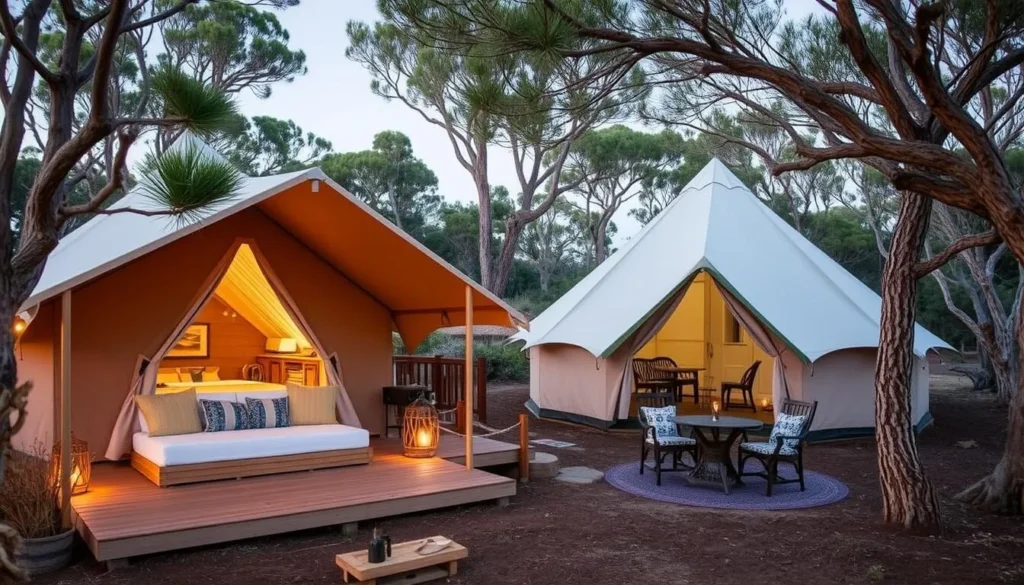
Located just minutes from Binalong Bay, this popular glamping option offers comfortable bell tents with proper beds and electric blankets, plus a communal kitchen and dining area serving pre-prepared meals.
St Helens Accommodation
The nearby town of St Helens (10 minutes drive) offers additional options including hotels, motels, and caravan parks for those seeking more amenities and dining choices.
Dining & Local Cuisine
Binalong Bay itself has limited dining options, with just one restaurant in the settlement. However, the nearby town of St Helens offers excellent seafood and more diverse dining choices.

Local Specialties
- Fresh Oysters – Available from Lease 65 near St Helens, renowned for their quality and value
- Tasmanian Crayfish – Known as rock lobster elsewhere, a local delicacy
- Bay of Fires Wines – Sample local cool-climate wines from nearby vineyards
- Tasmanian Cheeses – The region produces excellent dairy products available at St Helens shops
Where to Eat
The Binalong Bay Café offers beautiful views over the bay and serves breakfast and lunch with a focus on local seafood. For dinner options and more variety, head to St Helens where you’ll find The Wharf Bar & Kitchen for excellent seafood, and several other restaurants and cafés.
Local Tip: Stop by Lease 65 oyster farm on the road between St Helens and Binalong Bay to purchase freshly shucked oysters at incredible prices – perfect for enjoying on the beach at sunset!
Attractions, Sightseeing & Activities
Binalong Bay Tasmania things to do center around its natural beauty, with the stunning beaches and distinctive orange-lichen covered rocks being the main attractions. Here are the must-see spots in the area:
Binalong Bay Beach
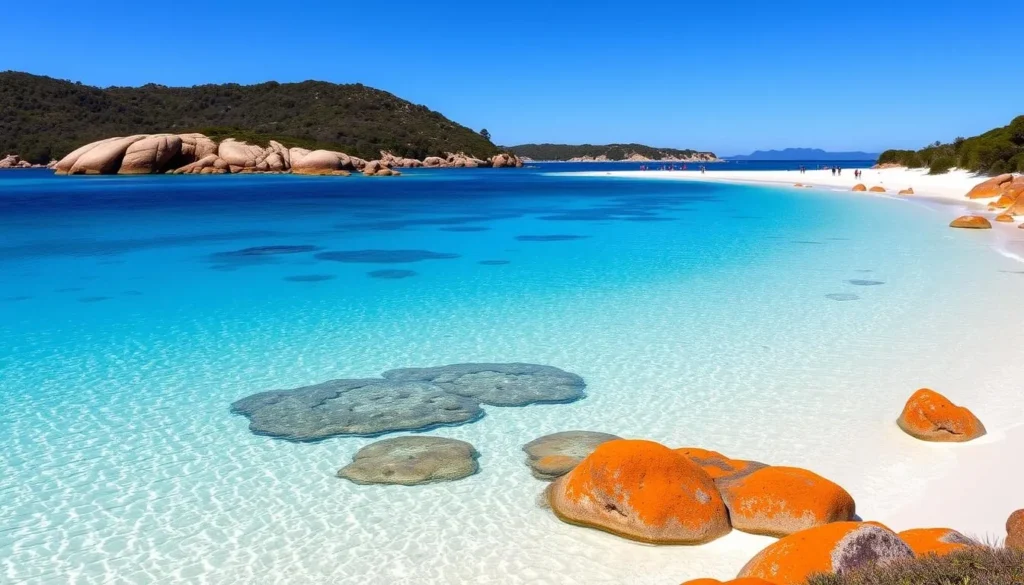
The main beach at Binalong Bay is often described as one of Australia’s most beautiful. The combination of extraordinarily white sand, crystal clear turquoise water, and the distinctive orange-lichen covered granite boulders creates a stunning visual feast. It’s perfect for swimming, snorkeling, and photography.
Bay of Fires Conservation Area
Stretching north from Binalong Bay to Eddystone Point, this conservation area encompasses numerous pristine beaches and rocky headlands. The name “Bay of Fires” comes from Aboriginal fires spotted by Captain Tobias Furneaux in 1773, not from the orange lichen as many assume.
Cosy Corner
A series of protected beaches and camping areas north of Binalong Bay. The rock pools here are perfect for exploring marine life, and the sheltered beaches are ideal for swimming.
The Gardens
The northern section of the Bay of Fires accessible by road, named for the fields of wildflowers that once dominated the area. Offers some of the most spectacular coastal views in the region.
Museums, Cultural Spots & Festivals
While Binalong Bay itself is primarily a natural destination with few formal cultural institutions, the surrounding area offers opportunities to connect with both European and Aboriginal heritage.
Aboriginal Heritage
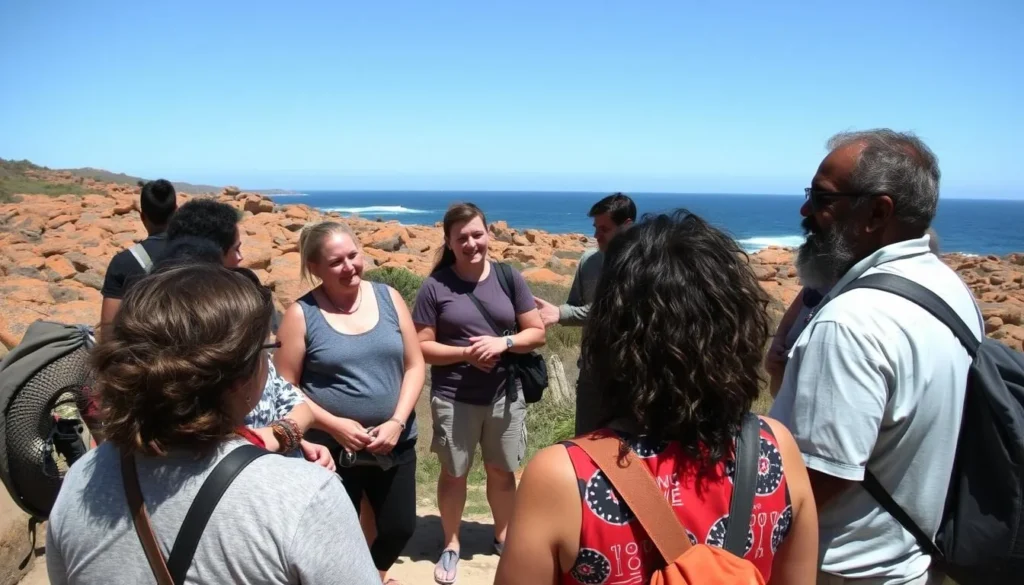
The Bay of Fires area is the traditional land of the Palawa people. The region was named when Captain Tobias Furneaux observed Aboriginal fires along the coast in 1773. Today, you can learn about this heritage through:
- wukalina Walk – A four-day guided Aboriginal cultural experience that includes the Bay of Fires area, led by Palawa guides sharing stories, bush tucker, and cultural knowledge
- Aboriginal Middens – Throughout the Bay of Fires area, you can observe shell middens, the remains of thousands of years of seafood meals eaten by Aboriginal people
St Helens History Room
Located in St Helens, this small museum documents the European settlement history of the region, including its fishing, timber, and mining industries. It provides context for understanding how the area developed.
Annual Events
The Bay of Fires Winter Arts Festival, held annually in June, brings together local artists and craftspeople for exhibitions, workshops, and performances in St Helens and surrounding areas, including Binalong Bay.
Sports, Nature & Outdoor Experiences
The natural environment around Binalong Bay offers abundant opportunities for outdoor activities and wildlife encounters.
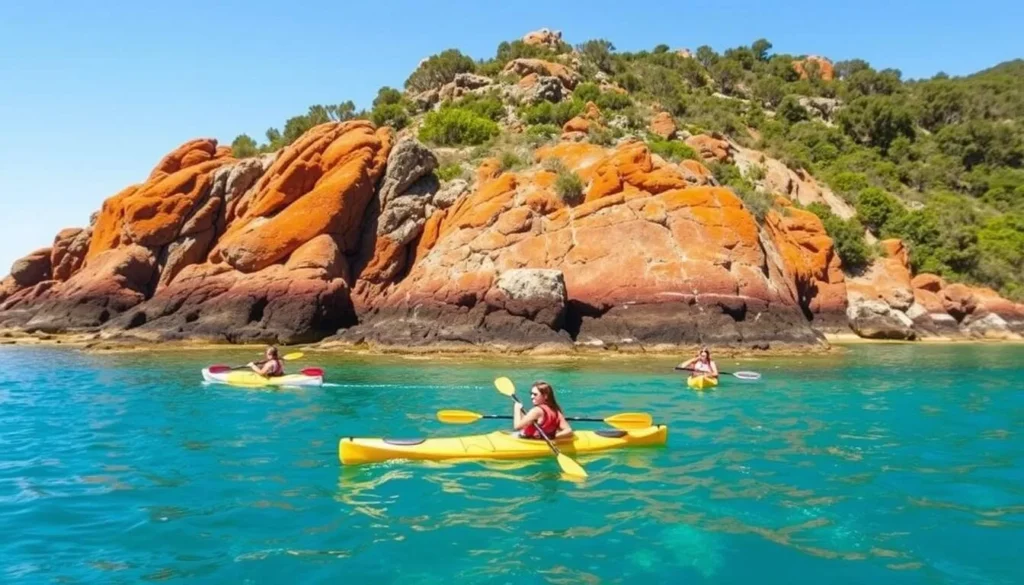
Water Activities
- Swimming in the crystal-clear waters
- Snorkeling around the granite boulders
- Kayaking along the coastline
- Fishing from the beaches and rocks
Land Activities
- Coastal walks between beaches
- Photography of the stunning landscapes
- Bird watching for sea eagles and shorebirds
- Mountain biking on the Bay of Fires Trail
Wildlife Spotting
- Dolphins and whales (seasonal)
- Wallabies and wombats at dawn/dusk
- Sea eagles and other coastal birds
- Marine life in rock pools
Bay of Fires Trail
Mountain biking enthusiasts shouldn’t miss the Bay of Fires Trail, a 42 km (26 mile) ride descending from the Blue Tier mountains to Swimcart Beach in the Bay of Fires Conservation Area. The trail takes riders through rainforest, eucalypt woodland, and coastal heathland before arriving at the stunning beaches.

Safety, Etiquette & Local Customs
Enjoying Binalong Bay safely requires awareness of both natural conditions and respect for the environment and local communities.
Beach Safety
- Beaches in the area are generally unpatrolled – swim with caution
- Be aware of rips and currents, especially when swimming at unfamiliar beaches
- The sun in Tasmania can be intense – wear sunscreen, a hat, and protective clothing
- Carry sufficient water when exploring remote beaches
Environmental Respect
- Take all rubbish with you – there are limited facilities in remote areas
- Stay on designated tracks to protect fragile coastal vegetation
- Do not disturb or remove wildlife, shells, or rocks
- If camping, use designated campgrounds and follow fire regulations
Aboriginal Cultural Awareness
The Bay of Fires area has significant Aboriginal heritage. Show respect by not disturbing middens (shell deposits) or other cultural sites you may encounter. Consider learning about the Palawa history of the region to enrich your understanding of this special place.
Visitor Comments About Binalong Bay
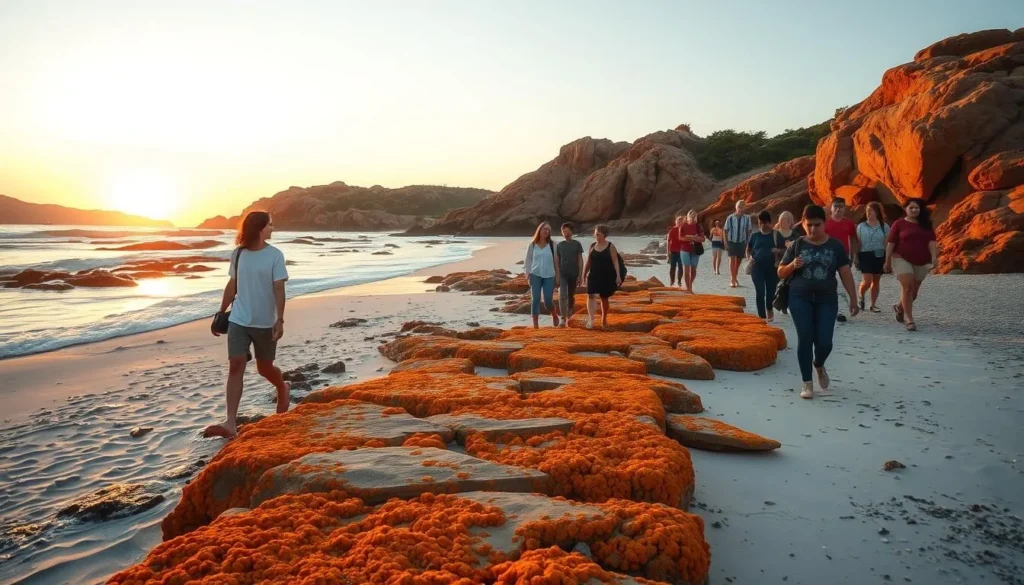
“Binalong Bay exceeded all my expectations. The contrast between the orange rocks, white sand, and turquoise water is even more spectacular in person than in photos. We spent three days exploring different beaches in the Bay of Fires area and each one was more beautiful than the last. Don’t miss sunset at The Gardens!”
“We visited during winter and had the beaches almost entirely to ourselves. While too cold for swimming, the dramatic skies and crashing waves made for incredible photographs. The Bay of Fires Bush Retreat was the perfect cozy accommodation with a fire pit for evening relaxation. A truly magical place even in the off-season.”
“As a photographer, Binalong Bay is paradise. The light here is extraordinary, especially at sunrise when the orange rocks glow against the morning sky. We stayed in St Helens and drove to different sections of the Bay of Fires each day. The seafood at the local restaurants was some of the freshest I’ve ever tasted.”
Practical Travel Tips

What to Pack
- Swimwear and towels
- Sun protection (hat, sunscreen, sunglasses)
- Walking shoes for coastal exploration
- Windproof jacket (coastal winds can be strong)
- Camera for the stunning scenery
- Reusable water bottle
Practical Information
- Limited ATM access – withdraw cash in St Helens
- Mobile reception can be patchy in remote areas
- Fuel up in St Helens before exploring
- Grocery shopping available in St Helens
- Book accommodation well in advance for summer
Local Etiquette
- Greet locals with a friendly “G’day”
- Drive carefully and watch for wildlife
- Respect private property when accessing beaches
- Keep noise levels down in camping areas
- Support local businesses when possible
Nature’s Perfect Canvas Awaits
Binalong Bay and the Bay of Fires region represent Tasmania at its most captivating – where nature has created a masterpiece of color and texture that changes with every shift of light. From the moment your feet touch the squeaky white sand to your first glimpse of those iconic orange-splashed boulders against turquoise waters, you’ll understand why this remote corner of Australia captures the hearts of all who visit. Whether you come for adventure, relaxation, or simply to witness one of the world’s most beautiful coastlines, Binalong Bay promises memories that will call you back to Tasmania’s magical east coast time and again.
Related Posts
Furneaux Islands, Tasmania: Best Things to Do – Top Picks
Hartz Mountains National Park, Tasmania: Best Things to Do – Top Picks
Freycinet National Park, Tasmania: Best Things to Do – Top Picks

Evandale, Tasmania: Best Things to Do – Top Picks
Cygnet, Tasmania: Best Things to Do – Top Picks
Corinna, Tasmania: Best Things to Do – Top Picks
Coming Soon: Clickable Maps