
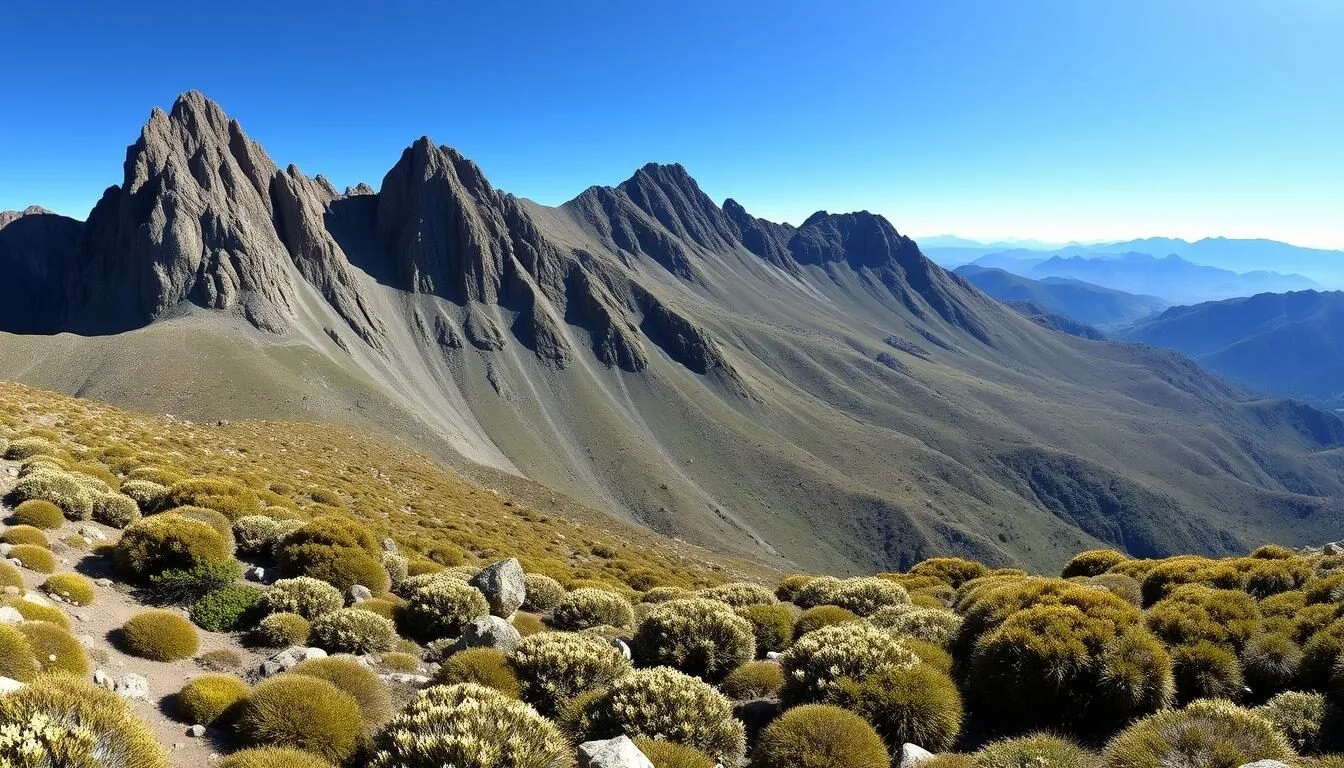
Did you know that Hartz Mountains National Park is home to some of Tasmania’s most ancient plant species, with cushion plants that can live for over 400 years? This glacially carved wonderland, just 90 minutes from Hobart, offers visitors a chance to experience pristine alpine environments without the multi-day hikes required in other Tasmanian wilderness areas. With its dolerite peaks, crystal-clear alpine lakes, and panoramic views stretching to the Southern Ocean, Hartz Mountains National Park provides a perfect introduction to Tasmania’s spectacular wilderness.
Getting There & Planning Your Journey
Hartz Mountains National Park is located in southern Tasmania, approximately 85 km (53 miles) southwest of Hobart. The journey takes about 90 minutes by car, making it perfect for a day trip from Tasmania’s capital city.
Closest Airports
Hobart International Airport is the nearest airport to Hartz Mountains National Park. From there, you’ll need to rent a car to reach the park, as there is no public transportation available to this remote area. Many visitors include Hartz Mountains as part of a broader Tasmania road trip itinerary.
Driving Directions
From Hobart, take the Huon Highway (A6) south towards Huonville. Continue along this scenic road for about 60 km until you reach the town of Geeveston. Turn right onto Arve Road (C632) and follow it for 13 km. Then turn left onto Hartz Road and continue for another 13 km until you reach the visitor shelter and car park at the end of the road.
The final 13 km on Hartz Road is unsealed but generally accessible to all vehicles. However, during winter months (June-August), the road can be affected by ice and snow, so checking road conditions before departing is essential.
Park Passes
A valid Tasmanian Parks Pass is required to enter Hartz Mountains National Park. You can purchase these online before your visit through the Tasmania Parks and Wildlife Service website or at visitor centers in Hobart or Geeveston. A single day pass costs $40 per vehicle, while an 8-week holiday pass is $80 per vehicle—ideal if you’re planning to visit multiple national parks during your Tasmania trip.
Best Time to Visit Hartz Mountains National Park
The park is open year-round, but weather conditions can vary dramatically across seasons, significantly affecting your experience.
| Season | Months | Weather | Advantages | Considerations |
| Summer | December-February | 10-22°C (50-72°F) | Longest daylight hours, warmest temperatures, alpine wildflowers in bloom | Busiest period, unpredictable weather still possible |
| Autumn | March-May | 5-15°C (41-59°F) | Fewer visitors, stable weather patterns, beautiful autumn colors | Cooler temperatures, shorter days |
| Winter | June-August | -2-8°C (28-46°F) | Snow-covered landscapes, very few visitors | Road access may be limited, specialized equipment needed for hiking |
| Spring | September-November | 5-15°C (41-59°F) | Wildflowers begin blooming, waterfalls at peak flow | Can be windy, weather still variable |
Weather Tips
The weather in Hartz Mountains National Park is notoriously unpredictable. Even in summer, conditions can change rapidly, with snowfall possible at any time of year. Always check the latest forecast before visiting and be prepared for all conditions regardless of the season. The park’s high elevation means it’s often significantly colder than Hobart, so pack accordingly.

Local Tip: The most reliable weather conditions typically occur in late summer and early autumn (February-March). This period offers a good balance of accessibility, comfortable temperatures, and fewer visitors than peak summer.
Getting Around Locally
Hartz Mountains National Park has a single access road that ends at the main car park and day visitor shelter. From here, all exploration is done on foot via the network of walking tracks.
Park Layout
The park is relatively compact, with all walking tracks beginning from either the main visitor shelter at the end of Hartz Road or from small parking areas along the final few kilometers of the road. The trails are well-marked and maintained by the Tasmania Parks and Wildlife Service.
Walking Tracks Overview
The walking tracks in Hartz Mountains National Park range from short, easy strolls to more challenging hikes. All distances are return trips from their respective starting points:
- Waratah Lookout: 300 m return (5 minutes) – Easy walk to a viewpoint over the Huon Valley
- Arve Falls: 1.4 km return (20 minutes) – Short walk to a picturesque waterfall
- Lake Osborne: 2 km return (40 minutes) – Gentle walk to a glacial lake
- Lake Esperance: 3.5 km return (1-1.5 hours) – Moderate walk to an alpine lake with mountain views
- Ladies Tarn: 5.5 km return (1.5-2 hours) – Extension of the Lake Esperance track
- Hartz Peak: 8.8 km return (3-5 hours) – Challenging hike to the highest point in the park (1,254 m)
Where to Stay
While there are no accommodation options within Hartz Mountains National Park itself, several excellent choices are available in the surrounding Huon Valley region, ranging from budget-friendly camping to cozy cottages.
Nearby Camping
The closest camping option to Hartz Mountains is the Arve River Camping and Picnic Area, located just 20 minutes from the park entrance. This free campsite offers basic facilities including toilets, picnic tables, and fire pits. It’s an ideal base for exploring the park over multiple days.
Accommodation in Geeveston (30 minutes from park)
Budget
Backpacker hostels and simple guesthouses from $30-60 AUD per night
Mid-range
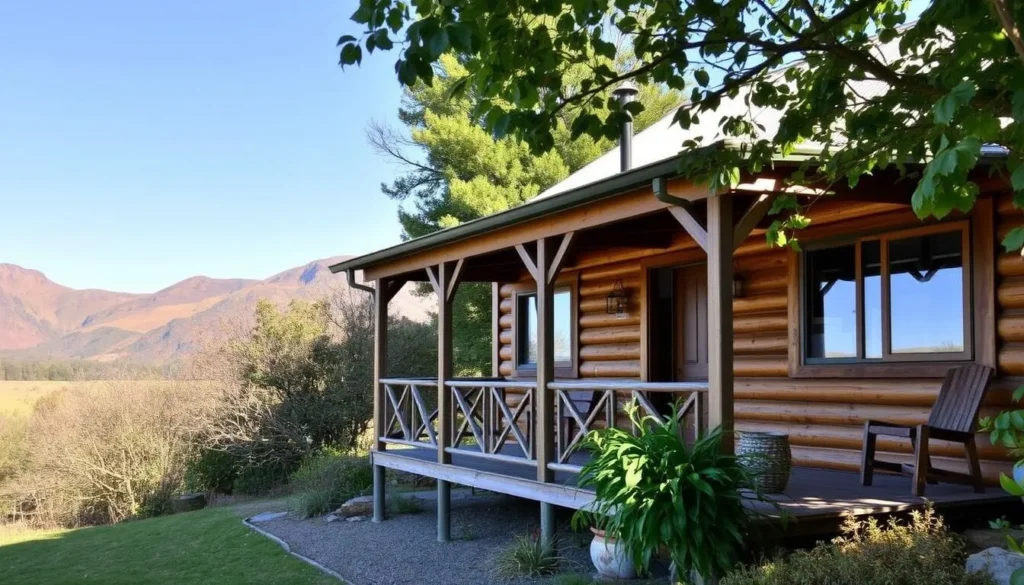
Cozy B&Bs and self-contained cottages from $120-180 AUD per night
Luxury
Boutique accommodations with valley views from $200+ AUD per night
Recommended Stays
For the best experience, consider staying in the Huon Valley area for at least two nights. This allows you to explore Hartz Mountains National Park thoroughly while also enjoying the region’s famous apple orchards, cider houses, and other attractions.
Dining & Local Cuisine
There are no dining facilities within Hartz Mountains National Park, so visitors should bring all food and drinks needed for their visit. However, the surrounding Huon Valley is renowned for its excellent local produce and dining options.
What to Pack for a Park Visit
- Plenty of water (minimum 2 liters per person for day hikes)
- Nutritious, high-energy snacks like nuts, dried fruit, and energy bars
- Sandwiches or other substantial lunch items for longer hikes
- Thermos with hot drinks during cooler months
Local Specialties in Huon Valley
The Huon Valley is famous for its apple production, cool-climate wines, and fresh seafood. When visiting the region, be sure to try:
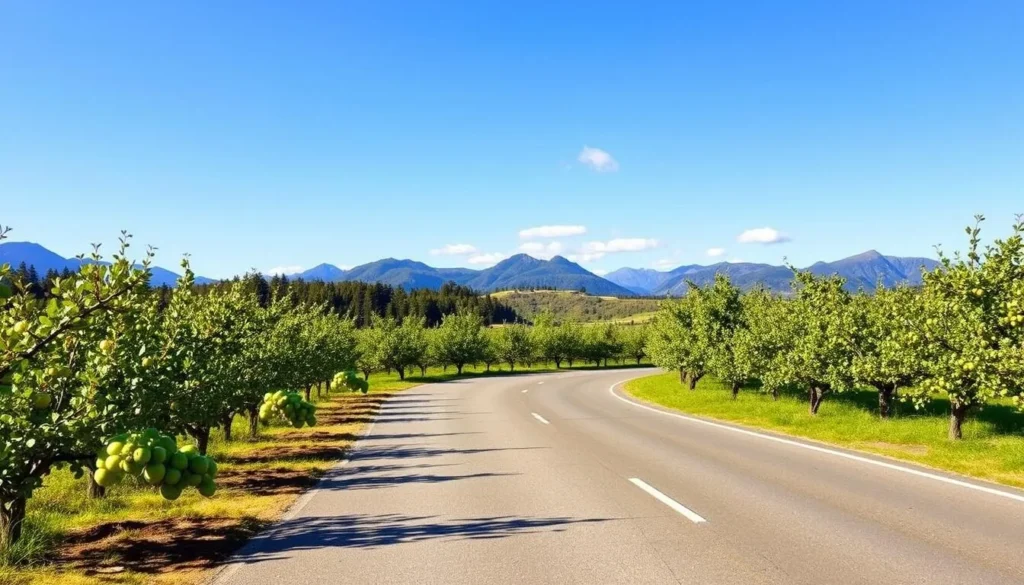
- Huon Valley Apples: Available at roadside stalls throughout the region
- Tasmanian Salmon: Locally farmed in the pristine waters of the D’Entrecasteaux Channel
- Artisanal Ciders: Made from local heritage apple varieties
- Cool-climate Wines: Particularly pinot noir and chardonnay from local vineyards
- Leatherwood Honey: A distinctive Tasmanian specialty with a unique flavor

Dining in Geeveston
The town of Geeveston, located 30 minutes from the park entrance, offers several cafes and restaurants where you can enjoy a meal before or after your park visit:
- Harvest & Light: Popular cafe serving breakfast and lunch with locally sourced ingredients
- The Old Bank: Casual dining in a historic building with comfort food options
- Masaaki’s Sushi: Award-winning sushi made with fresh Tasmanian seafood (open limited days)
Attractions, Sightseeing & Activities
Hartz Mountains National Park offers a variety of natural attractions and activities, primarily centered around its stunning alpine landscape and walking tracks.
Top Natural Attractions
1. Hartz Peak
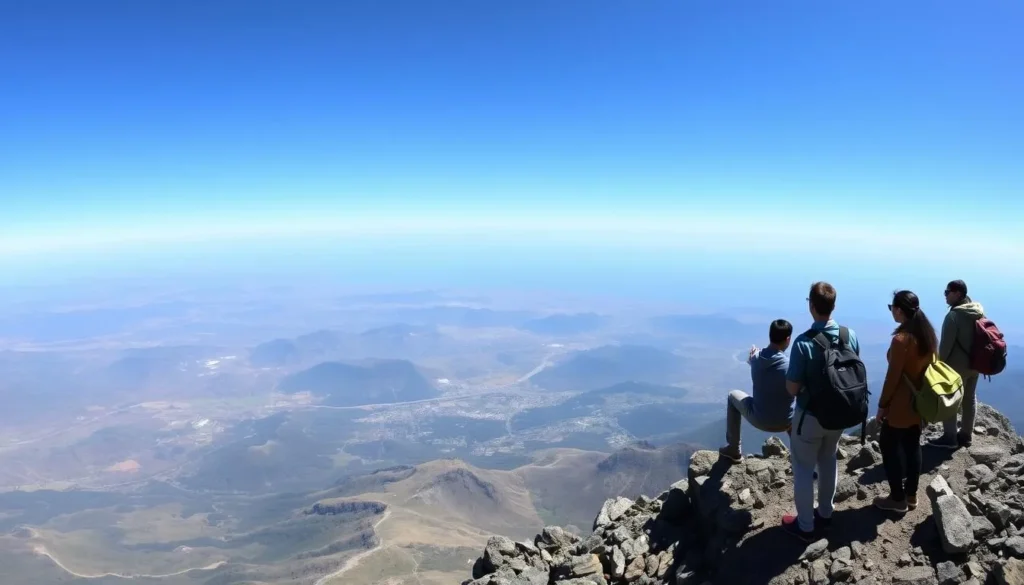
The crown jewel of the park, Hartz Peak stands at 1,254 m (4,114 ft) and offers spectacular 360-degree views. On clear days, you can see all the way to the Southern Ocean and into the heart of the Tasmanian Wilderness World Heritage Area. The summit requires a moderately challenging hike with some boulder scrambling near the top.
2. Alpine Lakes
The park features several pristine glacial lakes, each with its own character. Lake Esperance and Ladies Tarn are particularly photogenic, surrounded by alpine vegetation and reflecting the surrounding peaks on calm days. Lake Osborne is the most accessible, requiring just a 40-minute return walk from the main car park.
3. Arve Falls
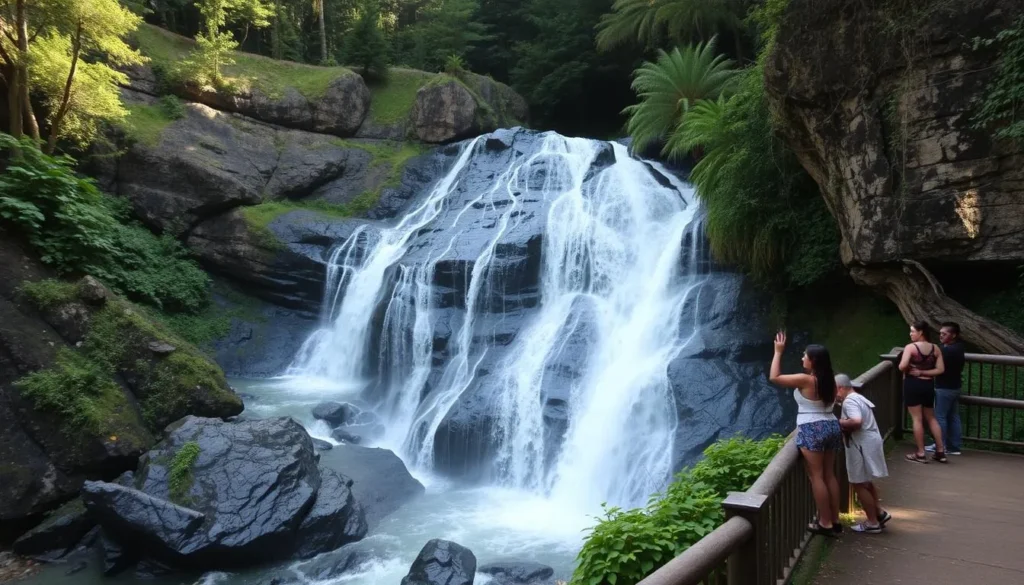
This picturesque waterfall cascades over dark dolerite rocks into the valley below. The short 20-minute return walk makes it accessible for visitors of all fitness levels and is particularly impressive after rainfall or during spring snowmelt.
4. Waratah Lookout
This easily accessible viewpoint offers sweeping views over the Huon Valley. During December and January, the area comes alive with the vibrant red blooms of the Tasmanian waratah, creating a stunning foreground to the valley views.
Activities in the Park
Photography
The park’s diverse landscapes offer endless opportunities for photography, from macro shots of unique alpine plants to sweeping vistas from the peaks. Early morning and late afternoon provide the best lighting conditions.
Birdwatching
Keep an eye out for native birds including green rosellas, forest ravens, and the distinctive call of the black currawong. Bring binoculars for the best experience.
Wildlife Spotting
While much of the park’s wildlife is nocturnal, you might spot pademelons, wallabies, or echidnas during quieter periods, especially near dawn or dusk.
Picnicking
The day visitor shelter at the main car park provides tables and a sheltered area for picnicking, with stunning mountain views as your backdrop.
Sports, Nature & Outdoor Experiences
Hartz Mountains National Park is primarily a hiking destination, with trails ranging from easy walks to challenging summit hikes. The park’s varied terrain and elevation changes provide options for visitors of all fitness levels.
Hiking Highlights
Beginner-Friendly Walks
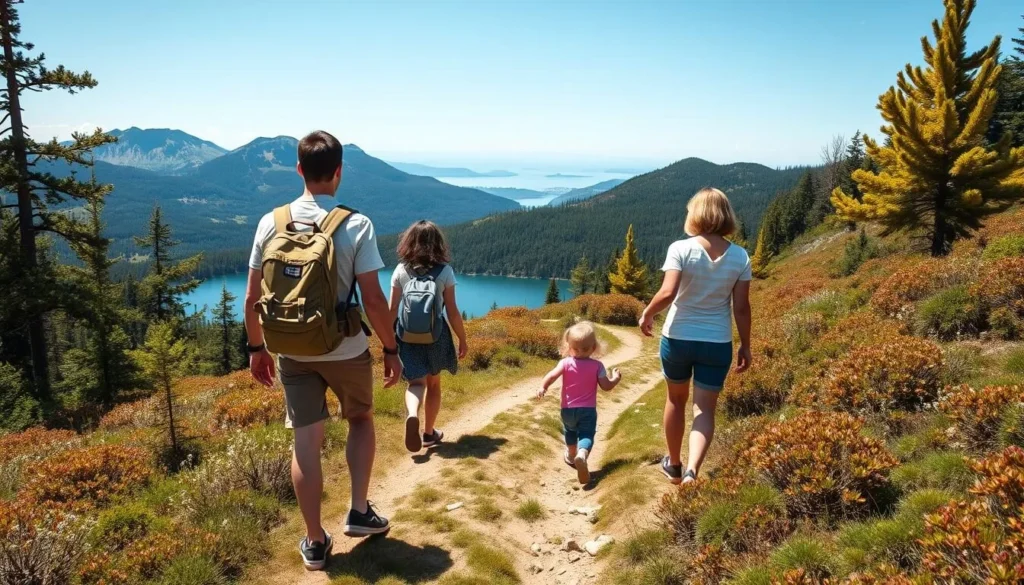
If you’re new to hiking or visiting with young children, these shorter walks offer a taste of the park’s beauty without demanding too much physically:
- Waratah Lookout (5 minutes): Almost flat 300 m return walk to a valley viewpoint
- Arve Falls (20 minutes): Gentle 1.4 km return walk on a well-maintained track
- Lake Osborne (40 minutes): 2 km return walk with minimal elevation gain
Intermediate Hikes
For those with moderate fitness and some hiking experience:
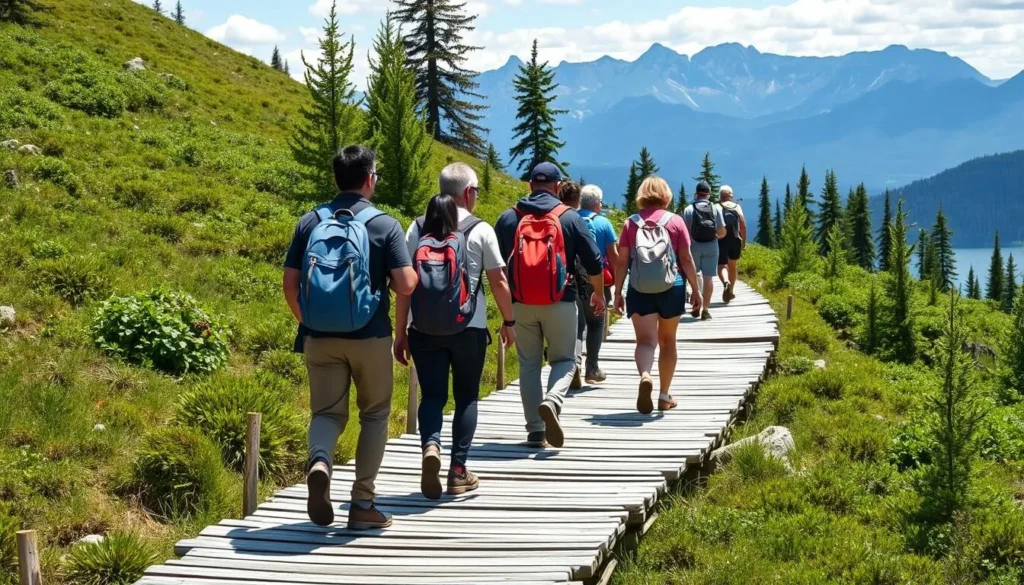
- Lake Esperance (1-1.5 hours): 3.5 km return with moderate elevation gain, mostly on boardwalks
- Ladies Tarn (1.5-2 hours): 5.5 km return, continuing beyond Lake Esperance
Advanced Hikes
For experienced hikers looking for a challenge:
- Hartz Peak (3-5 hours): 8.8 km return with 400 m elevation gain, including some boulder scrambling near the summit
Seasonal Outdoor Activities
Summer (December-February)
- Swimming in alpine lakes (for the brave!)
- Wildflower photography
- Extended hikes taking advantage of longer daylight hours
Winter (June-August)
- Snow hiking (with appropriate equipment)
- Photography of snow-covered landscapes
- Wildlife tracking in snow
Safety, Etiquette & Local Customs
Visiting Hartz Mountains National Park requires proper preparation and respect for the environment. The alpine environment can be hazardous, particularly in adverse weather conditions.
Safety Essentials
Weather Awareness: The weather in Hartz Mountains can change rapidly. Check forecasts before departing and be prepared to turn back if conditions deteriorate. Snow can fall at any time of year.
- Register Your Walk: Use the logbook at the visitor shelter to record your planned route and expected return time
- Carry Essential Gear: Waterproof jacket, warm layers, hat, gloves, first aid kit, map, compass, and adequate food and water
- Stay on Marked Tracks: This protects both you and the fragile alpine environment
- Allow Adequate Time: Start early and finish with plenty of daylight to spare
- Mobile Coverage: Is limited or non-existent in most of the park
Environmental Etiquette
- Leave No Trace: Pack out all rubbish, including food scraps
- Protect Alpine Plants: Stay on boardwalks and tracks to avoid damaging slow-growing alpine vegetation
- Respect Wildlife: Observe animals from a distance and never feed them
- No Fires: Open fires are prohibited within the park
- Toilet Facilities: Use the facilities at the visitor shelter; if needed while on track, bury waste at least 100 m from water sources

Cultural Awareness
Hartz Mountains National Park is part of the traditional lands of the Tasmanian Aboriginal people, who have maintained connections to this country for tens of thousands of years. Respect cultural heritage by not disturbing any artifacts you might encounter and understanding that this landscape holds deep cultural significance.
Visitor Comments About Hartz Mountains National Park
“The hike to Hartz Peak was challenging but absolutely worth it! We had perfect weather and could see all the way to the ocean. The alpine lakes along the way were picture-perfect, and we barely saw another soul all day. Definitely bring layers though—we needed them even in summer.”
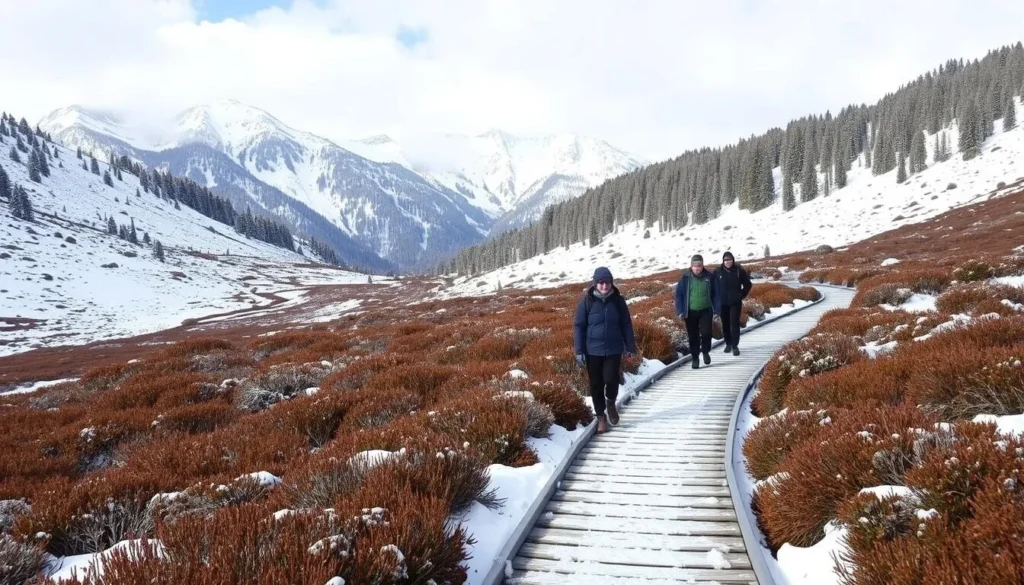
“We visited during winter and were treated to a magical snow-covered landscape. The boardwalks to Lake Osborne were manageable even with the snow, and the contrast of the dark water against the white surroundings was stunning. Just make sure your car can handle the road conditions if visiting in winter.”
“As a photographer, Hartz Mountains offered incredible opportunities. The cushion plants and alpine flora are unlike anything I’ve seen elsewhere, and the quality of light at sunrise from Ladies Tarn was exceptional. I recommend staying nearby and getting an early start to have the park mostly to yourself.”
Practical Travel Tips
What to Pack
- Layered Clothing: Weather can change quickly
- Sturdy Footwear: Waterproof hiking boots recommended
- Sun Protection: Hat, sunglasses, and sunscreen
- Rain Gear: Waterproof jacket and pants
- Water: At least 2 liters per person
- Food: Snacks and lunch for longer hikes
- Navigation: Map, compass, or GPS device
- First Aid Kit: Including blister treatment
Planning Your Visit
- Duration: Allow at least 4-5 hours for a park visit
- Ideal Stay: 2 days to experience multiple walks
- Facilities: Toilets and shelter at main car park only
- Fuel: Fill up in Huonville or Geeveston
- Connectivity: Download maps offline before your visit
- Pets: Not permitted in national parks
- Accessibility: Limited for those with mobility issues
Combining with Other Attractions
Hartz Mountains National Park makes an excellent day trip from Hobart, but can also be combined with these nearby attractions:
- Tahune Airwalk: Elevated walkway through the forest canopy, 30 minutes from Hartz Mountains
- Hastings Caves and Thermal Springs: Natural cave system and warm swimming pool, 45 minutes south
- Huon Valley Cider Trail: Visit local cider producers throughout the valley
- Far South Tasmania: Continue to Cockle Creek, the southernmost point accessible by road in Australia
Your Tasmanian Wilderness Adventure Awaits
Hartz Mountains National Park offers a perfect introduction to Tasmania’s spectacular alpine environments without requiring multi-day hikes or specialized equipment. From the easy stroll to Waratah Lookout to the rewarding summit of Hartz Peak, this compact national park delivers breathtaking scenery, pristine wilderness, and a genuine sense of adventure just 90 minutes from Hobart.
Whether you’re capturing the reflection of dolerite peaks in crystal-clear alpine tarns, spotting unique wildlife, or simply breathing in the clean mountain air, Hartz Mountains provides an authentic Tasmanian wilderness experience that will leave you with lasting memories. Pack your hiking boots, prepare for all weather conditions, and discover one of Tasmania’s most accessible yet remarkably pristine mountain landscapes.



0 Comments