Hotels by Trip.com
Flights by Trip.com
Fewer than 40,000 visitors explore Purnululu National Park each year, making it one of Australia’s most exclusive natural treasures. This remote wilderness shelters geological formations that existed for 350 million years before anyone outside the Aboriginal communities knew they were there. The park’s name comes from the Aboriginal word meaning “sandstone,” honoring the traditional Kija and Jaru people who have walked these lands for over 20,000 years.
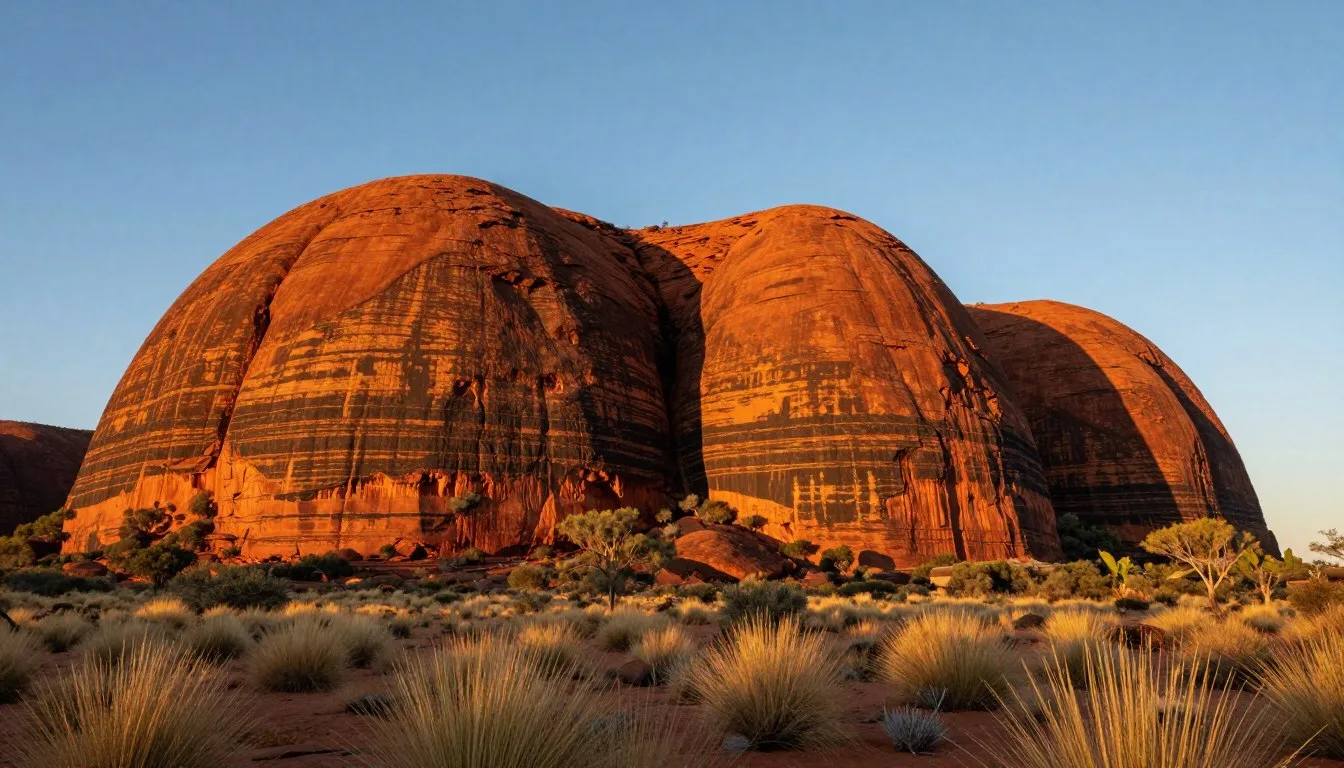
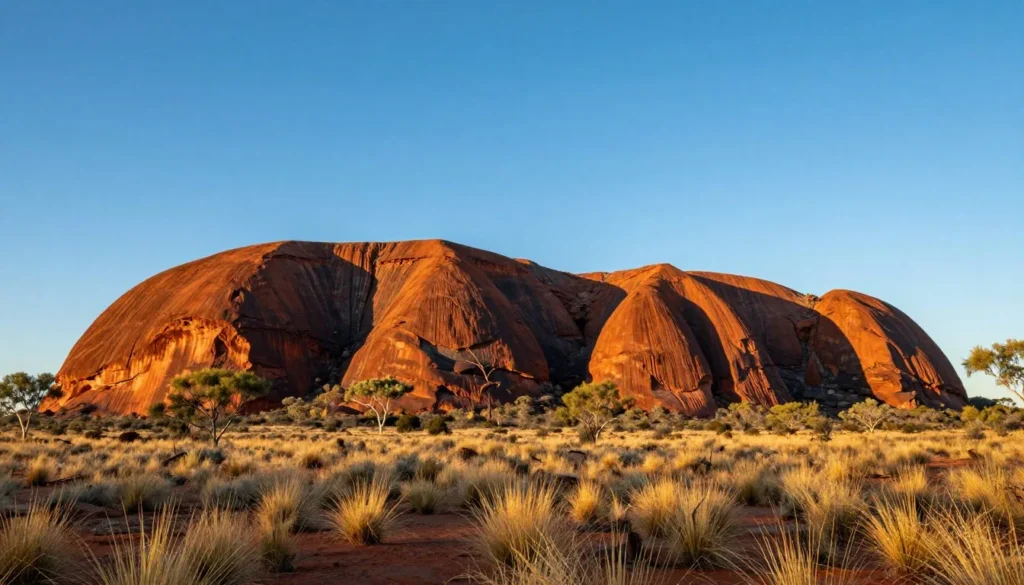
The Bungle Bungle Range rose to international fame only in 1983. A documentary film crew captured aerial footage that stunned the world. Scientists and travelers rushed to witness what had been hidden in plain sight for millennia.
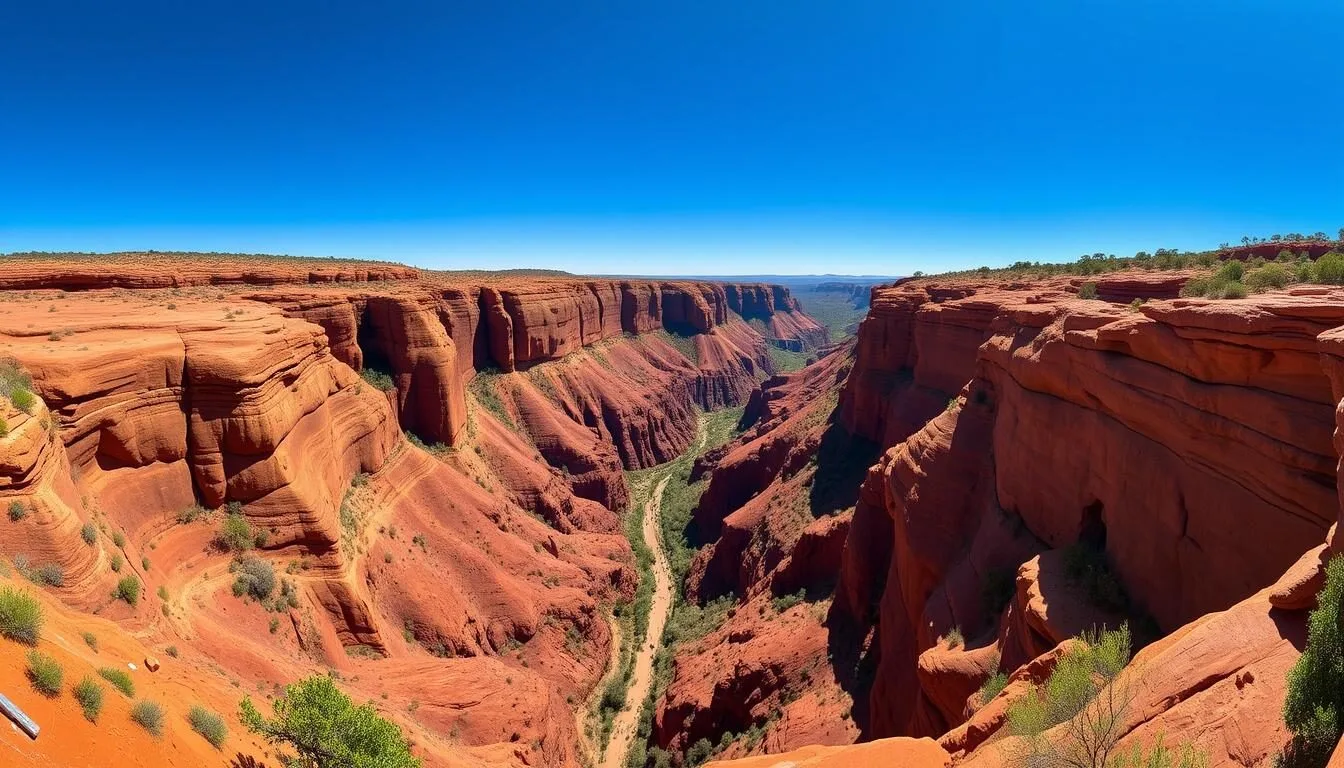
Today, this World Heritage site in the Kimberley region offers experiences you cannot find anywhere else on Earth. Ancient gorges slice through striped domes. Crystal-clear pools reflect ochre cliffs. The landscape shifts from burnt orange to deep crimson as the sun moves across the sky.
Getting There & Planning Your Journey
Reaching Purnululu National Park requires careful planning and determination. The park sits in one of Australia’s most isolated regions, roughly 300 kilometers (186 miles) south of Kununurra in Western Australia.
The closest major airports connect you to the Kimberley region. Kununurra Airport serves domestic flights from Darwin, Perth, and Broome. Alternatively, Halls Creek Airport provides access from the south, approximately 110 kilometers (68 miles) from the park entrance.
From Kununurra, you drive south on the Great Northern Highway toward Halls Creek. After about 250 kilometers (155 miles), turn onto Spring Creek Track, a 53-kilometer (33-mile) unsealed road leading to the park entrance. This rough track demands a high-clearance 4WD vehicle. Conventional cars cannot navigate the corrugated roads, creek crossings, and rocky terrain.
Road Access Notice: The park opens only during the dry season, typically April through November. Spring Creek Track becomes impassable during the wet season when creeks flood and roads turn to mud. Always check current conditions before departure.
Tour operators offer an easier alternative. Scenic flights from Kununurra, Halls Creek, or Lake Argyle showcase the Bungle Bungle Range from above. These aerial tours reveal the full scale of the striped domes in ways ground-level exploration cannot match.
For detailed road conditions and park access information, contact Parks and Wildlife Service:
Plan your journey with buffer time. The remote location means help is far away if problems occur. Carry spare tires, extra fuel, and emergency supplies. Mobile phone coverage is nonexistent throughout most of the region.
Best Time to Visit & Weather Tips
Timing shapes your entire Purnululu experience. The park’s extreme climate creates distinct visiting seasons that dictate accessibility, comfort, and the nature of your adventure.
Best Time to Visit Purnululu National Park
Recommended Months: April through September delivers ideal conditions. April and May offer cooler temperatures around 20-30°C (68-86°F) and spectacular post-wet season waterfalls. June through August brings the coolest weather, with daytime temperatures of 25-30°C (77-86°F) and crisp nights dropping to 5-10°C (41-50°F).
September marks the transition period. Temperatures climb toward 35°C (95°F), but crowds thin considerably. Early season visitors in April and late season travelers in October may encounter occasional road closures from late or early rains.
✓ Check 30,000+ Local Sightseeing Tours Worldwide
Months to Avoid: November through March constitutes the wet season. The park officially closes during this period. Monsoon rains transform the landscape into an inaccessible mud basin. Temperatures soar above 40°C (104°F), humidity reaches oppressive levels, and roads become dangerous or completely impassable.
| Month | Temperature Range | Rainfall | Park Status | Visitor Level |
| April | 20-32°C (68-90°F) | 15mm | Open | Moderate |
| May | 18-30°C (64-86°F) | 8mm | Open | Moderate |
| June | 15-28°C (59-82°F) | 2mm | Open | High |
| July | 14-28°C (57-82°F) | 1mm | Open | High |
| August | 16-30°C (61-86°F) | 0mm | Open | High |
| September | 20-34°C (68-93°F) | 3mm | Open | Moderate |
| October | 24-38°C (75-100°F) | 28mm | Variable | Low |
| November-March | 26-42°C (79-108°F) | 300+mm | Closed | None |
Notable Annual Festivals
The Kimberley region celebrates its cultural heritage and natural environment through several annual events. The Ord Valley Muster in Kununurra runs each May, combining concerts, rodeos, and cultural performances.
The Kimberley Moon Experience takes place during the full moon periods from April through October at various locations. This celebration showcases Indigenous culture, astronomy, and the region’s connection to lunar cycles.
For current festival dates and details, contact Kununurra Visitor Centre:
Getting Around Locally
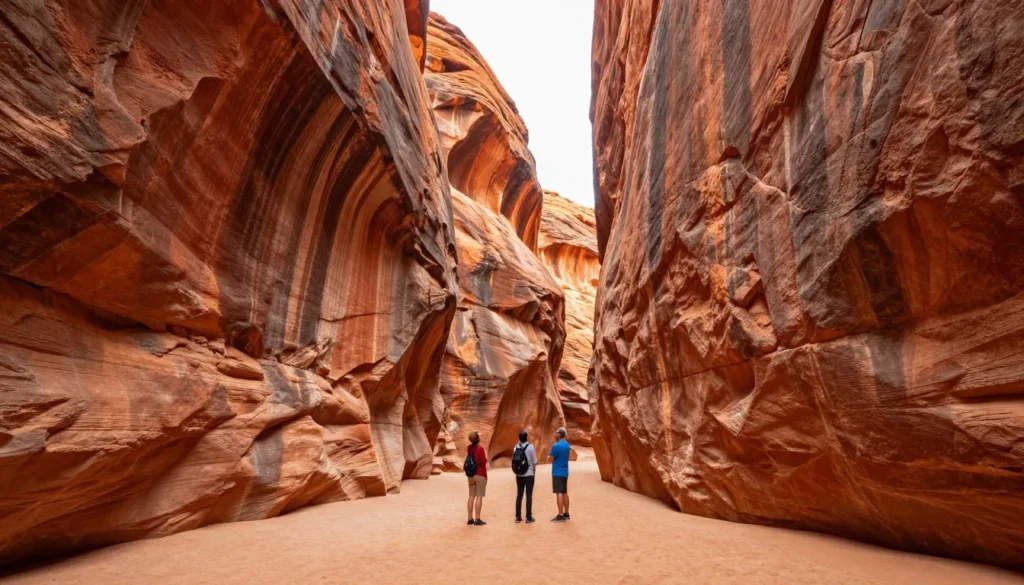
Transportation within Purnululu National Park follows strict guidelines. Only 4WD vehicles can access the park’s internal road network. The main access track splits into two routes once you pass the visitor center.
The northern route leads to Echidna Chasm and other attractions in the Bungle Bungle Range’s northern section. This 23-kilometer (14-mile) track requires about 90 minutes of careful driving over rocky, corrugated roads.
The southern route takes you to Cathedral Gorge, Piccaninny Creek, and other southern highlights. This 31-kilometer (19-mile) journey demands similar driving time and attention.
Walking forms the primary method for exploring specific sites. Once you reach parking areas, trails lead into gorges, around domes, and through spinifex grasslands. Most walking tracks are well-marked but challenging. Rocky surfaces, steep sections, and exposed conditions require proper footwear and preparation.
Driving Tips: Reduce tire pressure to 25-28 PSI for better traction on corrugated roads. Drive slowly, never exceeding 40 km/h (25 mph) on unsealed tracks. Watch for sharp rocks that can puncture tires.
Scenic flights eliminate driving challenges entirely. Helicopters and fixed-wing aircraft depart from Bellburn Airstrip within the park, as well as from Kununurra, Halls Creek, and Warmun. These flights range from 15-minute overflights to hour-long comprehensive tours covering the entire national park area.
Where to Stay
Accommodation options near Purnululu National Park reflect the region’s remote character. Most visitors choose between camping within the park or staying in nearby towns.
Inside the Park
Two designated camping areas operate within Purnululu National Park. Kurrajong Camp sits near the northern walking tracks, while Walardi Camp serves visitors exploring the southern section. Both locations offer basic bush camping with pit toilets, picnic tables, and fire rings.
No powered sites exist. No showers are available. You must bring all water, food, and camping equipment. Solar panels or generators provide the only electricity. The camping experience is genuinely remote and self-sufficient.
Camping fees are approximately $15 AUD per adult per night. Sites operate on a first-come, first-served basis during most of the season, though pre-booking becomes available for peak winter months.
Bungle Bungle Wilderness Lodge
This permanent tented camp operates just outside the national park boundary. Safari-style accommodation includes comfortable beds, private ensuites, and dining facilities. The lodge offers guided tours, meals, and transfers, creating an all-inclusive experience.
Rates start around $400 AUD per person per night including meals and some activities. The lodge operates April through October only.
Nearby Towns
Warmun (Turkey Creek) sits closest to the park, roughly 50 kilometers (31 miles) from the entrance. Basic roadhouse accommodation and camping provide simple overnight options.
Halls Creek offers more comprehensive services 110 kilometers (68 miles) south. Several motels, hotels, and caravan parks serve travelers. Expect rates from $150-$300 AUD per night for motel rooms.
Kununurra provides the widest accommodation range, though it requires a full day of driving to reach the park. Budget hostels start around $35 AUD per night, while resort hotels reach $300+ AUD per night.
Dining & Local Cuisine
No restaurants, cafes, or food vendors operate within Purnululu National Park. Complete self-sufficiency is mandatory. You must bring all meals, snacks, cooking equipment, and drinking water for your entire stay.
The nearest meal service is at Warmun Roadhouse, offering simple counter meals, meat pies, sandwiches, and basic groceries. Operating hours vary seasonally, and menu options are limited.
Halls Creek provides standard roadhouse and hotel dining. Expect pub meals, steaks, burgers, and basic Asian food. Fresh produce options are limited given the remote location.
Kununurra offers the region’s best dining variety. Fresh barramundi from local waters features prominently on menus. Several restaurants serve modern Australian cuisine incorporating native ingredients like crocodile, kangaroo, and bush tomatoes.
What to Bring for Park Camping
- Non-perishable foods requiring minimal refrigeration
- Gas stove and fuel (campfires restricted to designated rings)
- Large water containers (minimum 4 liters per person daily)
- Cooler with ice for perishables
- Cooking utensils and cleaning supplies
- Sealed containers to protect food from wildlife
Food Safety in Hot Conditions
- Freeze water bottles overnight to use as ice blocks
- Store coolers in shade and cover with wet towels
- Plan meals using foods that spoil last first
- Avoid mayonnaise and dairy products in extreme heat
- Pack dehydrated camping meals as backup options
- Dispose of all food waste properly to avoid attracting wildlife
Attractions, Sightseeing & Activities
Purnululu National Park delivers natural spectacles found nowhere else on the planet. The Bungle Bungle Range stands as the centerpiece, but countless gorges, lookouts, and geological features demand exploration.
Cathedral Gorge
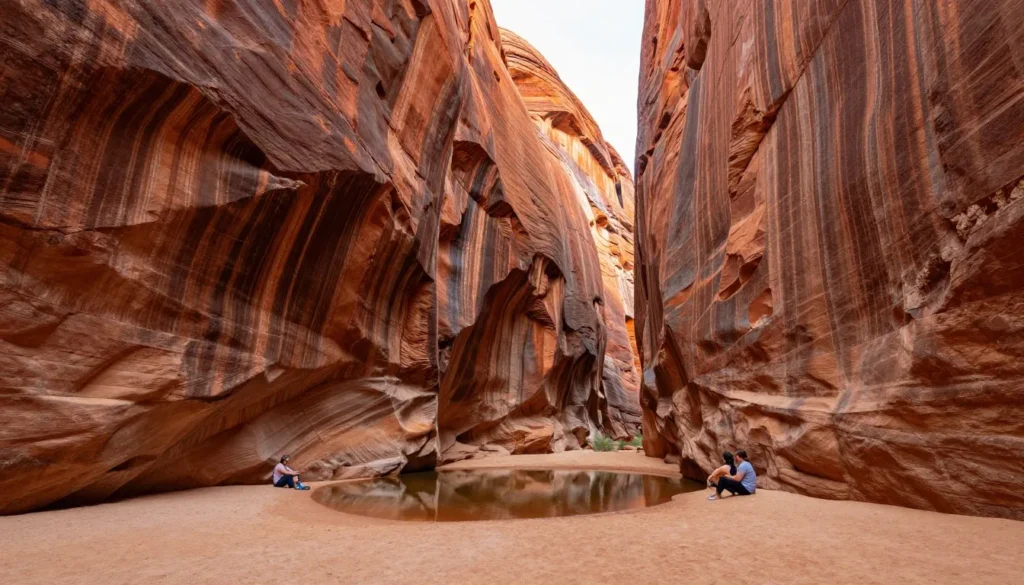
This natural amphitheater creates one of the park’s most powerful experiences. Towering walls rise 50 metres (164 feet) to form a smooth, curved chamber with remarkable acoustics. A small seasonal pool reflects the curved sandstone ceiling.
The 3-kilometer (1.9-mile) return walk from the car park takes about 90 minutes. The trail crosses sandy creek beds before entering the narrow gorge entrance. Inside, silence and scale create an almost spiritual atmosphere.
Echidna Chasm
Narrow walls squeeze so close that sunlight barely penetrates this spectacular fissure. The 200-metre (656-foot) chasm rises over 100 metres (328 feet) high, creating cathedral-like light effects as the sun moves overhead.
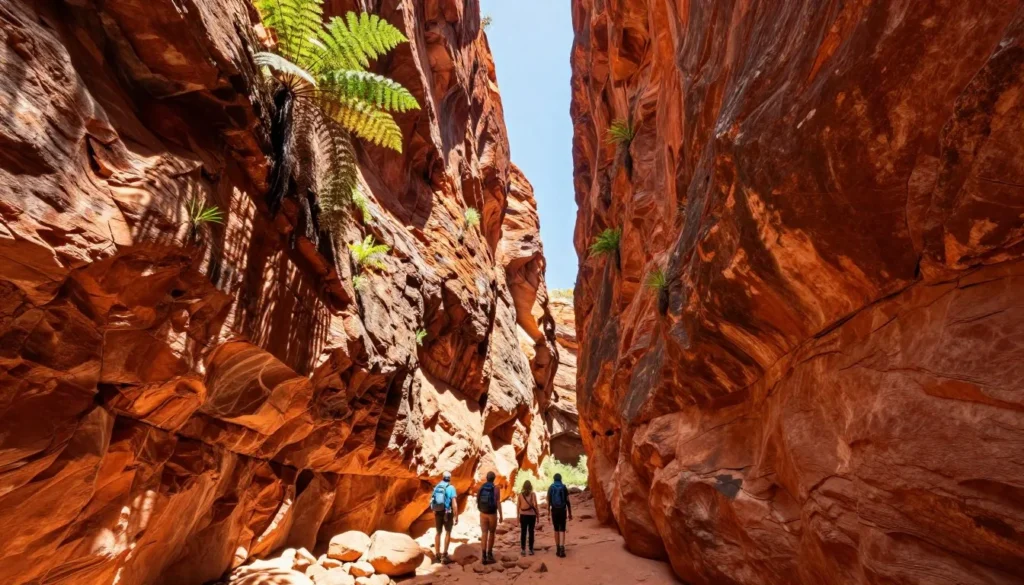
The 2-kilometer (1.2-mile) return walk involves boulder-hopping and navigating uneven surfaces. Allow 2 hours for careful exploration and photography. Livistona palms grow from cracks in the walls, adding emerald green against burnt orange stone.
Piccaninny Creek Walk
This extended overnight hike penetrates deep into the Bungle Bungle Range. The 30-kilometer (18.6-mile) return journey requires camping and excellent navigation skills. Remote gorges, seasonal waterfalls, and untouched wilderness reward experienced bushwalkers.
The full walk takes 2-3 days. Day walkers can complete shorter sections, exploring the creek’s lower reaches before turning back. Water availability varies seasonally, making early dry season the best time for overnight expeditions.
Scenic Flights
Aerial perspectives reveal the true scale and pattern of the Bungle Bungle domes. Helicopter tours offer low-level, intimate views, circling individual formations and descending into gorges.
Fixed-wing flights cover larger areas, often combining Purnululu with Lake Argyle, Argyle Diamond Mine, and other Kimberley highlights. Flight durations range from 15 minutes to 3 hours.
For scenic flight bookings and current schedules, contact HeliSpirit:
Guided 4WD Tours
Professional guides navigate the challenging tracks while sharing cultural and geological knowledge. Full-day tours depart from Kununurra or Warmun, including park entry, guided walks, and meals.
Multi-day tours combine Purnululu with El Questro, Gibb River Road, and other Kimberley attractions. These comprehensive expeditions last 3-7 days, with camping or lodge accommodation.
For tour packages and availability, contact Bungle Bungle Guided Tours:
Museums, Cultural Spots & Festivals
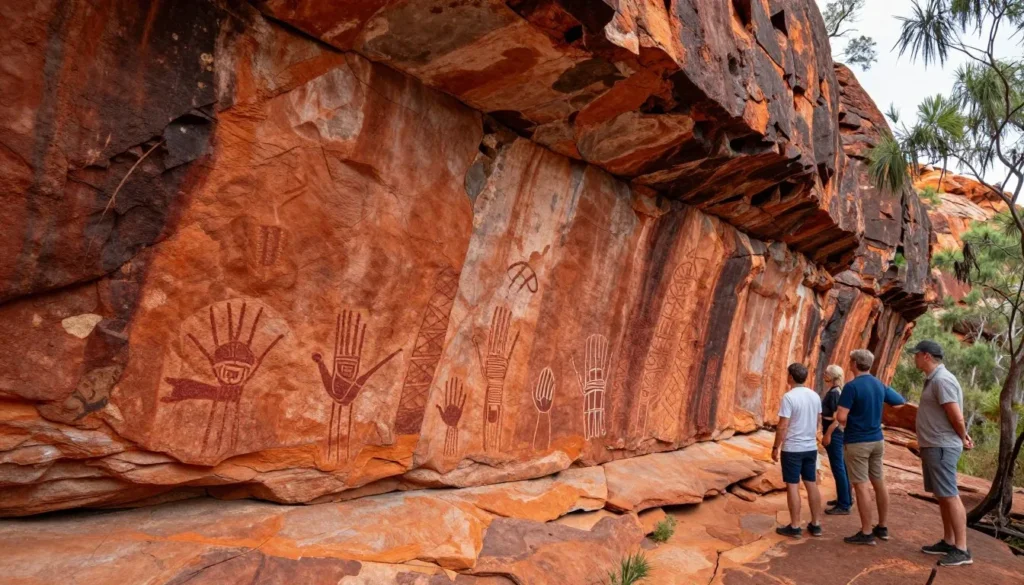
Purnululu National Park holds profound cultural significance for the Kija and Jaru Aboriginal people. These traditional owners maintained continuous connection to this landscape for over 20,000 years before European contact.
Rock art sites scattered throughout the park display ancient paintings and engravings. Many sites remain protected and closed to general visitors, preserving their cultural integrity. Accessible art sites feature information panels explaining their significance within Aboriginal law and tradition.
The Warmun Art Centre, located in the nearby community, showcases contemporary Aboriginal art rooted in traditional stories and connection to country. Warmun artists gained international recognition for their powerful paintings depicting the landscape and Dreamtime narratives.
Kununurra’s Waringarri Aboriginal Arts centre offers additional opportunities to engage with Kimberley Indigenous culture. Artists work on-site, and visitors can purchase authentic artworks directly from creators.
No formal museums exist within the national park itself. The park’s World Heritage listing recognizes both natural and cultural values. Interpretive signs at key locations explain geological processes and traditional Aboriginal uses of the area.
Nature & Outdoor Experiences
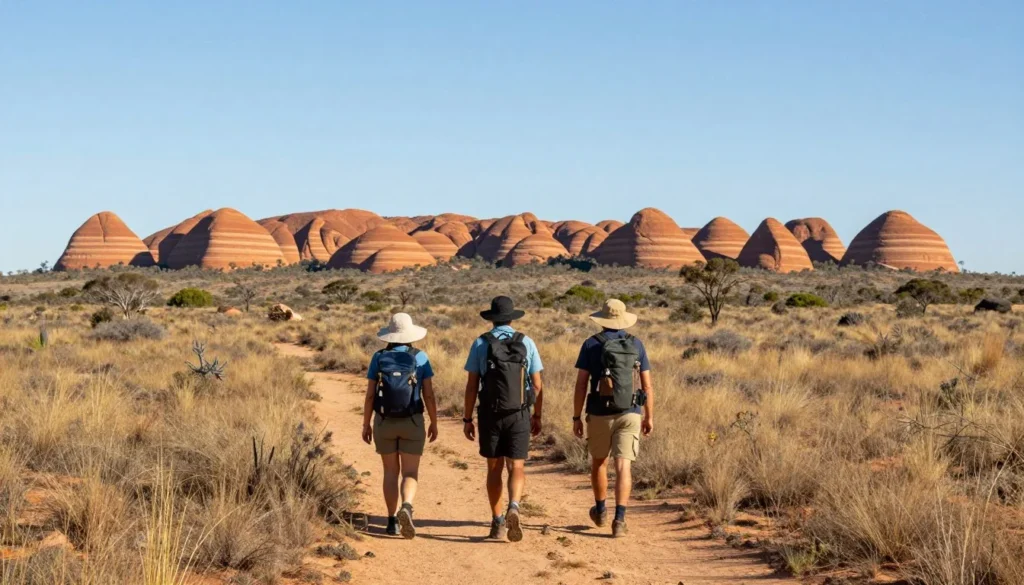
The Kimberley region’s natural environment creates extraordinary opportunities for outdoor adventure. Purnululu National Park anchors experiences ranging from gentle walks to multi-day wilderness expeditions.
Bushwalking and Hiking
Walking tracks throughout the park vary from easy strolls to strenuous treks. The Domes Walk provides a 1-kilometer (0.6-mile) circuit around the base of several beehive formations. This gentle introduction takes about 30 minutes and suits all fitness levels.
The Window walk covers 3 kilometers (1.9 miles) return, ending at a natural rock window framing views across plains to the Bungle Bungle Range. Moderate fitness is required for the rocky terrain.
Mini Palms walk traverses 5 kilometers (3.1 miles) through diverse landscapes including palm-filled gorges and open woodlands. This half-day walk reveals the park’s ecological variety beyond the famous sandstone domes.
Wildlife Observation
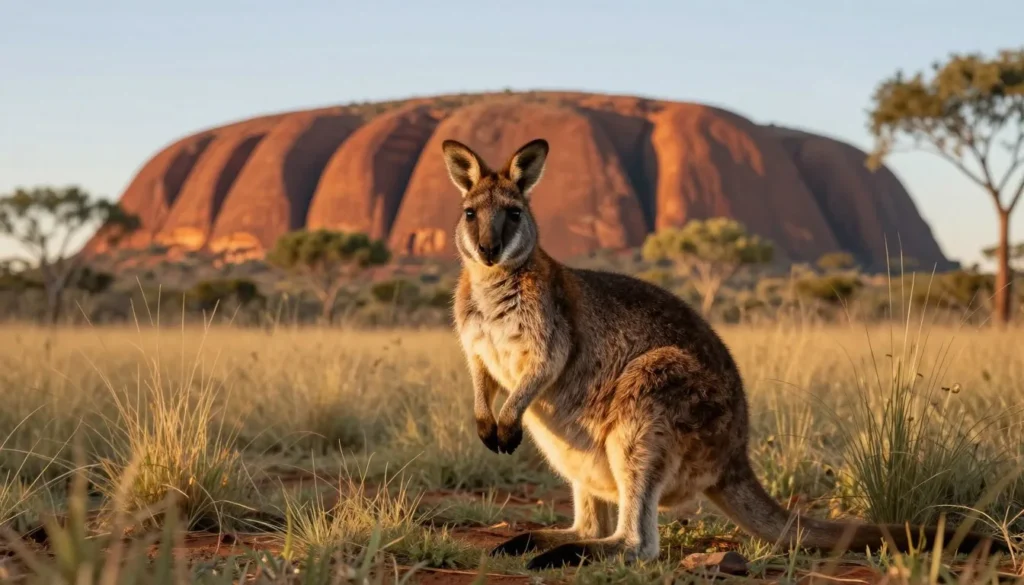
Over 130 bird species inhabit the park and surrounding area. Rainbow bee-eaters, white-quilled rock pigeons, and spinifex pigeons are commonly spotted. Raptors including wedge-tailed eagles soar above the ranges.
Mammals remain more elusive. Northern nail-tail wallabies, short-eared rock wallabies, and various bat species live throughout the park. Dingoes occasionally appear near campsites at dawn and dusk.
Reptiles thrive in the hot, dry conditions. King brown snakes, death adders, and various python species inhabit rocky areas. Numerous lizard species bask on sun-warmed rocks throughout the day.
Photography
Light transforms the Bungle Bungle Range throughout the day. Dawn delivers soft pink and orange tones across the sandstone. Midday’s harsh light emphasizes the dramatic striping patterns. Late afternoon creates long shadows that accentuate the domes’ rounded profiles.
The best photography locations include Cathedral Gorge (morning light), Echidna Chasm (late morning when sun penetrates deep into the chasm), and various lookout points along access roads.
Stargazing
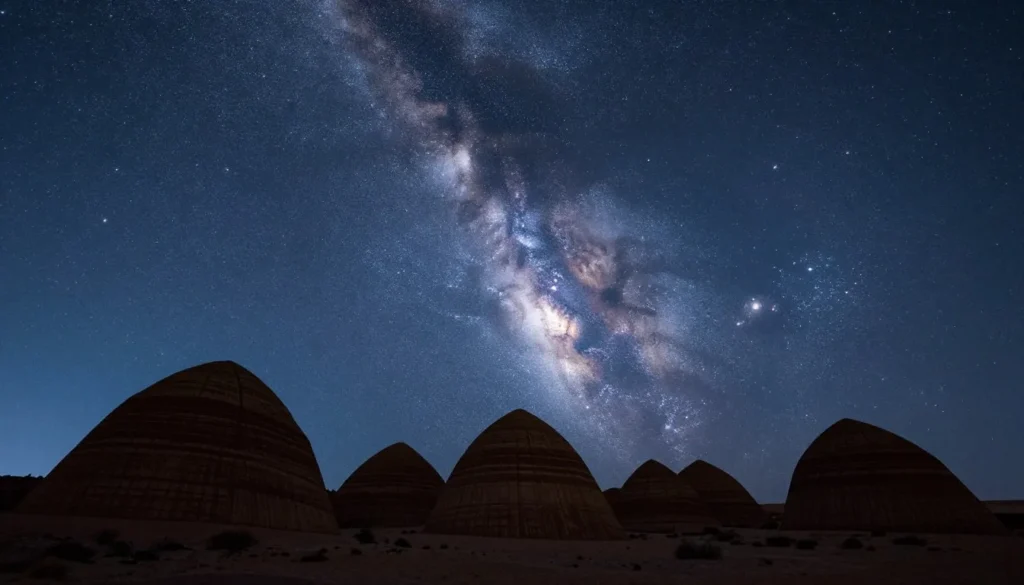
Remote location and absence of light pollution create spectacular stargazing conditions. The Milky Way stretches brilliantly across the night sky. Southern Cross, Orion, and countless other constellations appear with startling clarity.
Bring a red-light headlamp to preserve night vision. Allow 30 minutes for eyes to fully adjust to darkness. The park’s silence amplifies the sense of cosmic connection.
Travel With Children
Purnululu National Park presents unique challenges for families with young children. The remote location, basic facilities, and physical demands require careful consideration before bringing kids.
Children who enjoy camping and outdoor adventure will find the experience unforgettable. However, the harsh environment and absence of modern conveniences can overwhelm younger children accustomed to comfort.
Age Considerations
Children aged 8 and above typically cope well with the park’s shorter walks and camping conditions. Younger children require constant supervision given the rough terrain, extreme temperatures, and potential wildlife encounters.
Teenagers often embrace the adventure aspect. The rugged landscape and genuine wilderness appeal to adolescents seeking authentic outdoor experiences.
Safety Priorities
- Keep children within sight at all times on walking tracks
- Ensure adequate sun protection including hats, sunscreen, and long sleeves
- Maintain strict hydration schedules with frequent water breaks
- Explain wildlife safety rules before encountering snakes or other animals
- Choose shorter, easier walks during the hottest parts of the day
- Pack comprehensive first aid supplies for minor injuries
Making It Enjoyable
Turn walks into exploration games. Challenge children to spot different rock colors, count beehive domes, or identify bird species. Photography scavenger hunts keep kids engaged during hikes.
Evening campfires provide opportunities for storytelling and stargazing. The dramatic landscape sparks imagination and creates lasting family memories.
Consider hiring a guide for family tours. Professional guides adjust pace for children and share engaging stories that bring the landscape alive for younger audiences.
Money Saving Tips
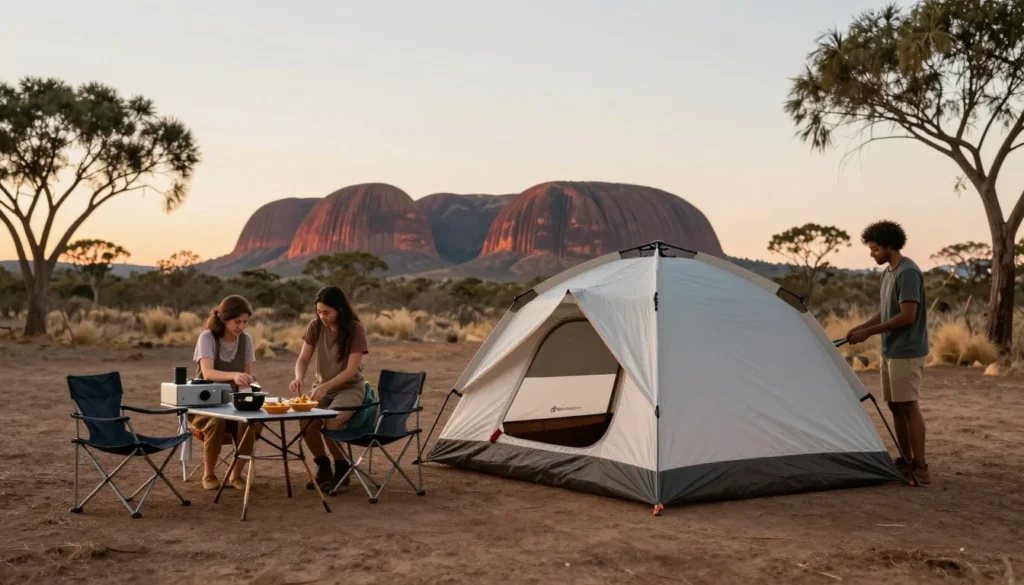
Visiting Purnululu National Park requires significant investment, but strategic planning reduces costs without sacrificing the experience quality.
Accommodation Savings
Camping within the park costs a fraction of lodge accommodation. The $15 AUD nightly camping fee compares to $400+ for permanent camps. Bring your own camping equipment to avoid rental fees.
If camping in Halls Creek or Kununurra before entering the park, caravan parks and campgrounds charge $30-45 AUD per night compared to $150+ for motel rooms.
Transportation Strategies
Share vehicle and fuel costs by joining group tours or finding travel companions through online forums. Splitting 4WD rental and petrol among four people dramatically reduces per-person expenses.
Rent 4WD vehicles in Perth or Darwin where rates are lower, then drive to the Kimberley. Though this adds driving time, weekly rental rates often beat short-term rentals from smaller regional centers.
Food and Supplies
Purchase all groceries and camping supplies in Darwin, Broome, or Perth before heading into the Kimberley. Prices in remote roadhouses and small towns run 50-100 percent higher than major centers.
Cook all meals yourself using camping equipment. Restaurant meals in the Kimberley are limited and expensive. A week of self-catered meals costs less than two restaurant dinners.
Tour and Activity Savings
Scenic flights cost significantly less when booked from Bellburn Airstrip inside the park rather than from Kununurra or Halls Creek. Shorter flights from the closer base reduce flying time and fuel costs.
Choose self-drive and self-guided exploration over organized tours. While guided tours offer convenience and knowledge, independent travelers save hundreds of dollars daily.
Insider Tip: Visit during shoulder season (April or September-October) when tour operators offer discounted rates and accommodation providers reduce prices to attract visitors outside peak winter months.
Safety & Local Customs
Purnululu National Park’s remote location and harsh environment demand serious attention to safety protocols. Preparation and awareness prevent most problems in this isolated wilderness area.
✓ Check 30,000+ Local Sightseeing Tours Worldwide
Environmental Hazards
Extreme heat kills unprepared visitors. Temperatures regularly exceed 40°C (104°F) during shoulder seasons. Heat exhaustion and heat stroke develop quickly without proper hydration and rest.
Drink minimum 4 liters (1 gallon) of water daily, more during strenuous activity. Recognize early warning signs including headache, dizziness, and decreased urination. Rest in shade immediately if symptoms appear.
Bushfires pose serious danger, especially late in the dry season. Total fire bans prohibit all open flames on high-risk days. Always check current fire danger ratings before your visit.
Wildlife Safety
Venomous snakes inhabit the entire park. King brown snakes, death adders, and various other species hide among rocks and vegetation. Watch where you place hands and feet. Wear closed-toe boots on all walks.
If bitten, apply a pressure immobilization bandage and seek emergency medical help immediately. Do not try to catch or kill the snake. Stay calm to slow venom spread.
For medical emergencies, contact emergency services:
Note that mobile phone coverage is nonexistent. Satellite phones or emergency beacons provide the only reliable communication in emergencies.
Cultural Respect
Purnululu remains deeply significant to Kija and Jaru Aboriginal people. Respect cultural sites by following these guidelines:
- Never touch or photograph rock art without explicit permission
- Stay on marked trails to avoid damaging sensitive sites
- Do not remove rocks, plants, or artifacts from the park
- Listen respectfully if traditional owners share cultural knowledge
- Recognize that some areas are restricted for cultural reasons
- Support Indigenous-owned tour operators and art centers
Leave No Trace Principles
Protect this World Heritage landscape through responsible behavior. Carry out all trash including food scraps. Use established campsites and toilet facilities. Minimize campfire impacts by using gas stoves when possible.
Stay on designated tracks to prevent erosion. Avoid shortcuts that create new paths. Never feed wildlife or leave food accessible to animals.
Visitor Comments About Purnululu National Park
K.T., Olathe: “Cathedral Gorge took my breath away. The smooth walls and perfect acoustics create an almost spiritual experience. Getting there required challenging driving, but every corrugated kilometer was worth it. We camped for three nights and barely scratched the surface. The starry nights alone justified the long journey from Kununurra.”
P.B., Pittsburgh: “The scenic flight changed everything. From ground level, the Bungle Bungles impress. From the air, you truly understand the scale and pattern of these formations. Our pilot explained the geology while circling impossibly close to the striped domes. Expensive but absolutely essential for the full experience.”
G.E., Salvador: “Echidna Chasm exceeded expectations despite the challenging boulder-hopping required to explore it fully. The narrow walls and soaring height create incredible light effects as the sun moves overhead. Bring plenty of water and start early before the heat becomes overwhelming. The remote location means you share these wonders with relatively few other travelers.”
Additional Nearby Destinations
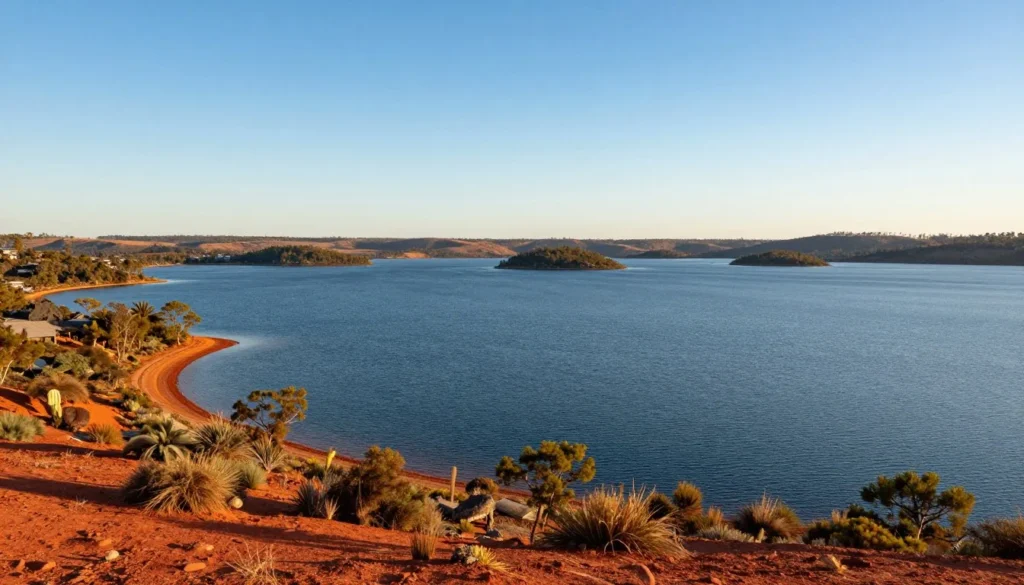
The Kimberley region surrounds Purnululu National Park with additional extraordinary destinations. Extending your journey reveals the full scope of this remarkable part of Western Australia.
Lake Argyle
Australia’s largest freshwater lake spreads across 1,000 square kilometers (247,000 acres) when full. Created by Ord River Dam in 1972, this massive reservoir sits roughly 70 kilometers (43 miles) from Kununurra.
Sunset cruises showcase the lake’s scale and beauty. Swimming in crocodile-free waters provides welcome relief after Purnululu’s heat. Barramundi fishing attracts anglers from around the world.
El Questro Wilderness Park
This million-acre private wilderness park offers gorges, hot springs, and diverse landscapes. Emma Gorge features a stunning waterfall and swimming hole. Zebedee Springs provides natural thermal pools surrounded by palm forests.
El Questro sits along Gibb River Road, roughly 100 kilometers (62 miles) west of Kununurra. Accommodation ranges from bush camping to luxury homestead stays.
Halls Creek and China Wall
Halls Creek serves as a supply hub for the region. The China Wall, located 6 kilometers (3.7 miles) from town, presents a natural quartz wall resembling a human-made structure. This geological oddity rises dramatically from surrounding plains.
Gibb River Road
This legendary 4WD track stretches 660 kilometers (410 miles) from Derby to Kununurra. The road passes through pristine wilderness, cattle stations, and numerous gorges including Manning Gorge, Bell Gorge, and Windjana Gorge.
The full journey takes 4-7 days depending on stops and side trips. High-clearance 4WD vehicles are essential for the rough, corrugated track.
Mitchell Falls
Located in Mitchell River National Park, these spectacular four-tiered waterfalls drop 80 metres (262 feet) through ancient sandstone. Helicopter flights provide the easiest access, while adventurous hikers can trek 8 kilometers (5 miles) each way.
The falls flow best from May through July following wet season rains. By September, flow reduces significantly though the landscape remains impressive.
Practical Travel Tips
Essential Packing List
- High-clearance 4WD vehicle with spare tires
- Satellite phone or emergency beacon
- Comprehensive first aid kit including snake bite bandage
- Minimum 20 liters (5 gallons) of water per person
- Wide-brimmed hat and high-SPF sunscreen
- Sturdy hiking boots with ankle support
- Insect repellent containing DEET
- Camping equipment rated for temperature extremes
Money and Services
- Bring sufficient cash as ATMs are scarce
- Halls Creek has the nearest banking services
- Credit cards accepted at major lodges only
- Fuel available at Warmun, Halls Creek, and Kununurra
- No fuel, food, or supplies sold within the park
- Park entry fees approximately $15 AUD per vehicle
Photography Recommendations
Bring extra camera batteries as charging opportunities are limited. Memory cards fill quickly given the photogenic landscape. Protect equipment from dust using sealed bags during driving.
Polarizing filters reduce glare on rock surfaces and deepen sky colors. Wide-angle lenses capture gorge interiors and sweeping landscape vistas. Telephoto lenses isolate individual dome formations and distant features.
Health Precautions
Apply sunscreen every 2 hours, more frequently when sweating. Wear long sleeves and pants to prevent sunburn and reduce insect bites. Treat all surface water before drinking to avoid waterborne illness.
The nearest hospital is in Kununurra, roughly 300 kilometers (186 miles) from the park. Halls Creek has a small medical center for non-emergency treatment. Carry adequate personal medications plus extras in case of delays.
Communication
Mobile phone coverage is completely absent throughout the national park and most of the surrounding region. Telstra provides limited coverage in Warmun, Halls Creek, and Kununurra only.
Satellite phones ensure emergency communication capability. Rental units are available in Darwin, Broome, and Kununurra. Daily rental rates start around $15 AUD plus call charges.
Permits and Regulations
National park entry permits are required for all visitors. Purchase permits at the park entrance or in advance through Parks and Wildlife Service. Camping permits are separate from entry permits.
Drone use is prohibited without explicit written permission. Commercial photography and filming require special permits. Collecting rocks, plants, or cultural artifacts is strictly illegal.
Your Journey Into Ancient Stone Awaits
Purnululu National Park stands apart from ordinary destinations. This is not a place you simply visit and photograph. It demands something more from travelers willing to venture this far into Australia’s remote heart.
The ancient sandstone domes witnessed Earth’s story unfold across 350 million years. They watched as inland seas receded, as life moved from water to land, as Aboriginal people arrived and created cultures that endure today. Now they invite you to add your own brief chapter to their endless chronicle.
Yes, reaching the Bungle Bungle Range requires effort. The corrugated roads test your patience. The heat challenges your endurance. The remoteness strips away the familiar comforts of connected modern life. But these same difficulties protect what makes Purnululu extraordinary. The landscape remains largely as it has been for millennia precisely because getting here is not easy.
Stand inside Cathedral Gorge as silence amplifies every breath. Watch sunrise paint the striped domes in colors that seem impossible. Sleep under stars so numerous they transform the night sky into a glowing river of light. These moments cannot be purchased with simple convenience. They emerge only when you commit fully to the journey.
The Kimberley region guards its secrets carefully, revealing them only to those who respect the land’s power and beauty. Purnululu National Park represents the finest of these hidden treasures. Your adventure awaits in the ancient stone.