Hotels by Trip.com
Flights by Trip.com
Did you know that Suva is one of the wettest capital cities in the world, receiving over 3,000 mm (118 inches) of rainfall annually? This abundant precipitation creates the lush, emerald landscapes that make Fiji’s capital city a hidden gem for travelers seeking authentic cultural experiences beyond the typical beach resorts. While most visitors to Fiji head straight to the island beaches, Suva offers a fascinating glimpse into the true heart of Fijian life, history, and culture that shouldn’t be missed.
Getting There & Planning Your Journey
Suva is located on the southeastern coast of Viti Levu, Fiji’s main island. The closest airport is Nausori International Airport (SUV), about 23 km (14 miles) northeast of the city. However, most international travelers arrive at Nadi International Airport (NAN) on the western side of the island, approximately 200 km (124 miles) from Suva.
From Nadi International Airport, you have several options to reach Suva:
- By bus: Express buses run regularly between Nadi and Suva, taking about 4-5 hours and costing around FJ$20-30.
- By taxi: A taxi from Nadi to Suva costs approximately FJ$200-250 and takes about 3-4 hours.
- By rental car: Self-driving gives you flexibility to explore along the way.
- By domestic flight: Fiji Airways operates daily flights between Nadi and Nausori (Suva’s airport).
Best Time to Visit & Weather Tips

Suva’s tropical climate means it’s warm year-round, but timing your visit can make a big difference in your experience.
| Season | Months | Weather | Recommendation |
| Dry Season (Best) | May to October | Less rainfall, temperatures 20-26°C (68-79°F) | Ideal for sightseeing and outdoor activities |
| Wet Season | November to April | Frequent rain, temperatures 23-30°C (73-86°F) | Lower prices but prepare for afternoon showers |
| Peak Season | July to August | Dry and pleasant | Book accommodations well in advance |
| Shoulder Season | May, June, September, October | Good weather, fewer crowds | Best value for money |
Even during the dry season, Suva can experience brief showers, so it’s always wise to pack a light rain jacket. The city’s lush greenery is a result of its abundant rainfall, which is part of its unique charm.
Getting Around Locally

Navigating Suva is relatively straightforward with several affordable options:
- Taxis: Abundant and inexpensive, with fares starting at FJ$1.50 and most city trips costing under FJ$10. Always ensure the driver uses the meter.
- Buses: The local bus network is extensive and very affordable (FJ$1-2 per trip). Buses are color-coded by route.
- Walking: The city center is compact and walkable, making it easy to explore attractions like the Fiji Museum and Municipal Market on foot.
- Car Rental: If you plan to explore beyond the city, renting a car gives you flexibility. Remember that Fiji drives on the left side of the road.
For destinations outside the city like the Colo-i-Suva Forest Park, consider hiring a taxi for a few hours or joining an organized tour for convenience.
Where to Stay

Suva offers accommodation options for every budget, from luxury hotels to budget-friendly guesthouses:
Luxury
Grand Pacific Hotel – This historic landmark hotel, known as the “Grand Old Lady” of Suva, offers colonial charm with modern amenities. It hosted Queen Elizabeth II during her visits to Fiji.
Holiday Inn Suva – Centrally located with an outdoor pool, restaurant, and comfortable rooms with modern amenities.
Mid-Range
Novotel Suva Lami Bay – Located 15 minutes from the city center in a quiet waterfront location with pool and restaurant.
Quest Suva – Apartment-style accommodations in the heart of the city, ideal for longer stays.
Budget
City Private Hotel – Simple but clean rooms in a central location at affordable rates.
Check 30,000+ Local Sightseeing Tours Worldwide
✓ Numerous languages and currencies are available
Suva Motor Inn – Offers basic accommodations with a pool and restaurant at budget-friendly prices.
Most accommodations are concentrated in the city center, making it easy to explore Suva’s attractions on foot. For a more authentic experience, consider homestays in nearby villages, which can be arranged through local tour operators.
Dining & Local Cuisine

Suva’s diverse culinary scene reflects its multicultural population, with strong influences from Indian, Chinese, and indigenous Fijian traditions:
Must-Try Fijian Dishes:
- Kokoda – Fijian ceviche made with raw fish marinated in lime and coconut milk
- Lovo – Meats and vegetables cooked in an underground earth oven
- Ika Lolo – Fish cooked in coconut milk with vegetables
- Cassava and Taro – Starchy root vegetables that are staples in Fijian cuisine
Where to Eat in Suva:
- Tiko’s Floating Restaurant – Seafood restaurant on an anchored boat with sunset views
- Maya Dhaba – Renowned for authentic Indian cuisine
- Governors – Fine dining restaurant at the Grand Pacific Hotel
- Suva Municipal Market – For fresh tropical fruits and local snacks
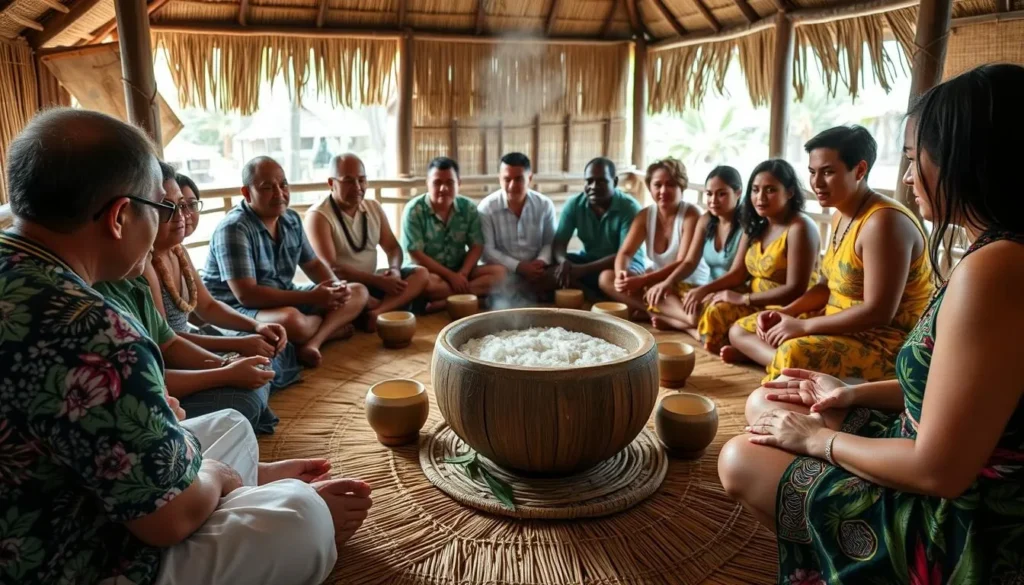
Don’t miss the chance to try kava, Fiji’s traditional ceremonial drink made from the root of the yaqona plant. While it has an earthy flavor that might take some getting used to, participating in a kava ceremony is an important cultural experience.
Attractions, Sightseeing & Activities

1. Fiji Museum
Located in Thurston Gardens, the Fiji Museum houses an impressive collection of archaeological artifacts, cultural objects, and historical exhibits that tell the story of Fiji’s rich heritage. Don’t miss the display of the rudder from the HMS Bounty and the sobering exhibit about cannibalism in Fiji’s past. Entrance fee is only FJ$10 and guided tours are available.

2. Thurston Gardens
These beautiful botanical gardens surround the Fiji Museum and feature a stunning collection of native Fijian plants and trees. The gardens provide a peaceful retreat from the bustling city and are perfect for a leisurely stroll or a picnic lunch.

3. Suva Municipal Market
This bustling market is the heart of local life in Suva. Spread across two floors, it offers an incredible array of tropical fruits, vegetables, spices, kava, and seafood. Visit in the morning for the freshest produce and a truly authentic experience. The market is especially lively on Saturdays.
4. Colo-i-Suva Forest Park
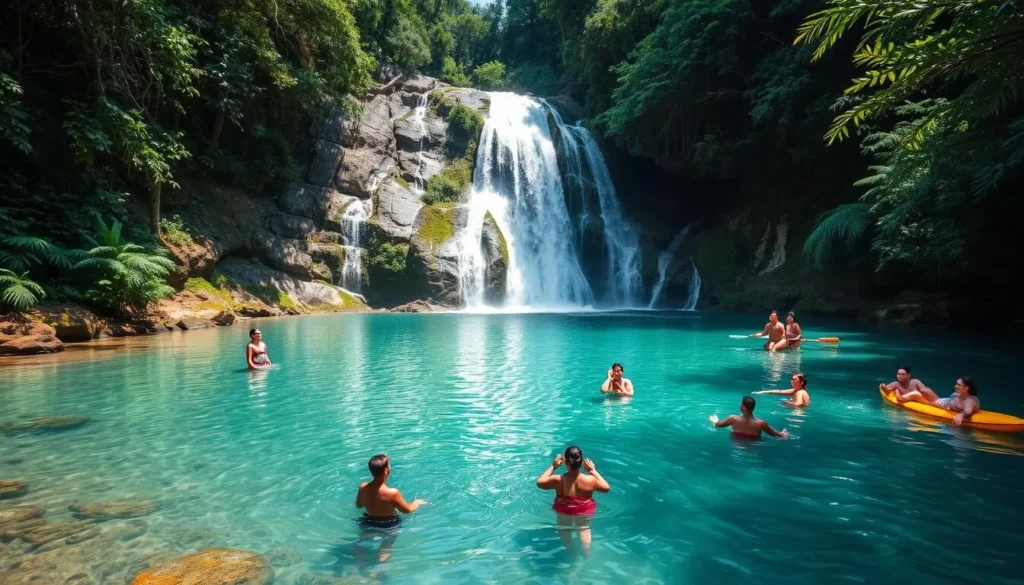
Just 15 minutes from the city center, this lush rainforest reserve offers natural swimming pools, beautiful waterfalls, and hiking trails. The park is home to numerous bird species and provides a refreshing escape from Suva’s heat. Entrance fee is FJ$5, and guided tours are available to help spot wildlife.

5. President’s House
While you can’t enter this impressive building, you can view it from the gates and even take a photo with the ceremonial guard who performs a march every 15 minutes. The colonial architecture and hilltop location make it a worthwhile stop on your Suva itinerary.

6. Albert Park
This historic park in the heart of Suva has been the site of many significant events in Fiji’s history, including the landing of Sir Charles Kingsford Smith in 1928 during the first trans-Pacific flight. Today, it’s a popular spot for sports, picnics, and community events.
Museums, Cultural Spots & Festivals

Cultural Experiences in Suva
Beyond the Fiji Museum, Suva offers several opportunities to immerse yourself in Fijian culture:
- Village Tours – Several tour operators offer visits to authentic Fijian villages near Suva, where you can participate in traditional ceremonies, learn about daily life, and interact with locals.
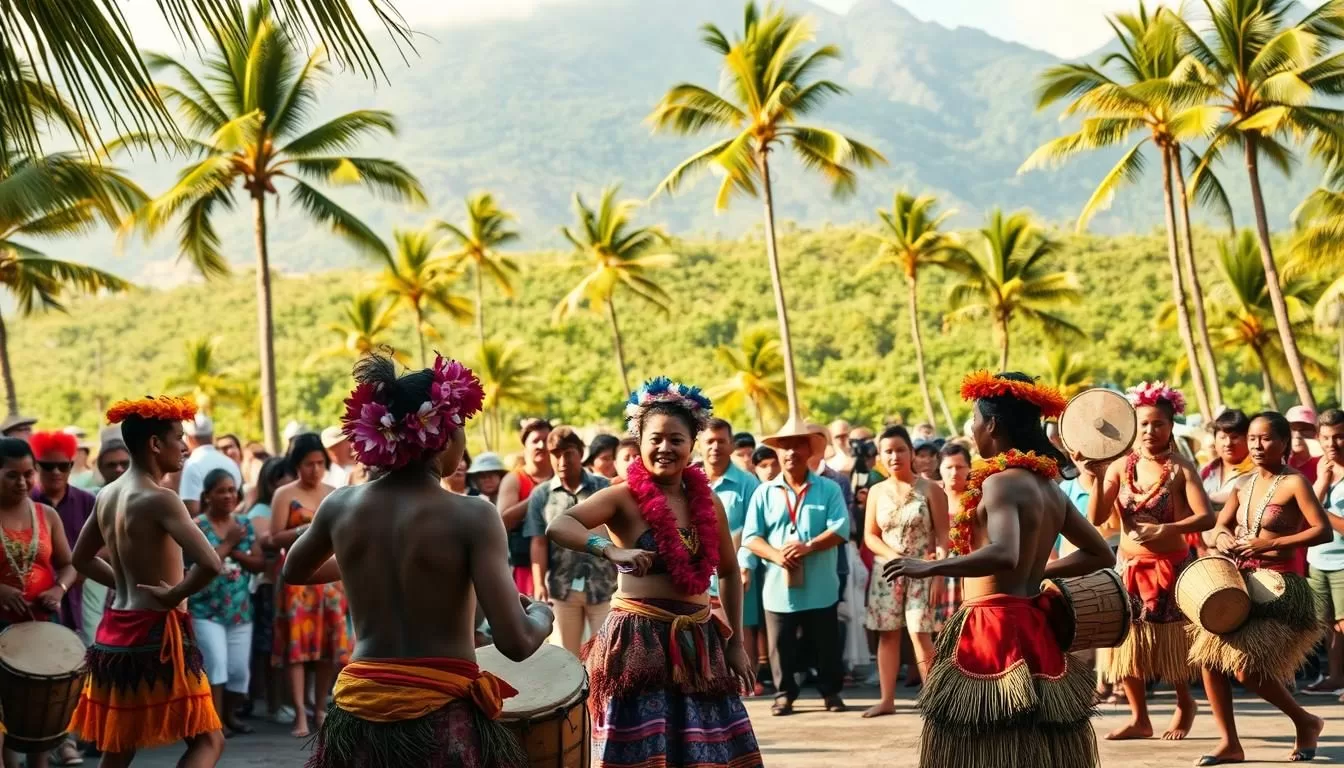
- Meke Performances – Traditional Fijian dance and music performances are regularly held at hotels and cultural centers. These vibrant displays tell stories of Fiji’s history and legends.
- Kava Ceremonies – Participating in a traditional kava ceremony is a must-do cultural experience in Fiji.
- Handicraft Markets – Look for locally made crafts including tapa cloth (made from mulberry bark), woven mats, and wood carvings.
Festivals in Suva
If your visit coincides with these events, don’t miss the opportunity to experience them:
- Hibiscus Festival (August) – Suva’s largest annual festival featuring parades, music, dance, and the crowning of Miss Hibiscus.
- Diwali (October/November) – The Hindu festival of lights is widely celebrated in Suva due to the large Indo-Fijian population.
- Fiji Day (October 10) – Celebrates Fiji’s independence with cultural performances and festivities.
Sports, Nature & Outdoor Experiences

The area around Suva offers numerous opportunities for outdoor adventures:
Water Activities
- Snorkeling and Diving – While Suva isn’t known for its beaches, there are excellent diving and snorkeling spots in the harbor and nearby reefs.
- Sea Kayaking – Explore the coastline and nearby islands by kayak. Equipment rentals and guided tours are available.
- River Rafting – The Navua River offers exciting whitewater rafting adventures through pristine rainforest landscapes.
Land Adventures
- Hiking – Beyond Colo-i-Suva, there are several hiking trails in the hills surrounding Suva.
- Biking – Rent a bicycle to explore the city or venture into the surrounding countryside.
- Golf – The Fiji Golf Club offers an 18-hole course in a beautiful setting.

For nature lovers, the Waimakare Forest Farm offers a unique opportunity to learn about Fiji’s native flora and fauna. This 12-acre natural farm uses traditional agroforestry techniques and offers guided tours that explain the medicinal and historical uses of various plants.
Safety, Etiquette & Local Customs
Safety Tips
Suva is generally safe for tourists, but as in any city, it’s wise to take basic precautions:
- Avoid walking alone at night, especially in poorly lit areas.
- Keep valuables secure and be aware of your surroundings.
- Use registered taxis, especially at night.
- Stay hydrated and use sun protection, as the tropical sun can be intense.
- During the wet season, be cautious of flooding in low-lying areas.
Cultural Etiquette
Fijians are known for their warmth and hospitality. Respecting local customs will enhance your experience:
- When visiting villages, dress modestly (shoulders and knees covered).
- Remove hats and sunglasses when entering a village, as wearing them is considered disrespectful.
- It’s customary to bring a small gift (sevusevu), usually kava root, when visiting a village.
- Always ask permission before taking photos of local people.
- Remove shoes before entering someone’s home.
- Respect the traditional hierarchy in villages and follow your guide’s instructions.
The traditional Fijian greeting is “Bula” (pronounced “mbula”), which means life or health. You’ll hear it everywhere, and saying it with a smile is always appreciated.
Visitor Comments About Suva
“Suva was the highlight of our Fiji trip! While most tourists stick to the resort islands, we found the capital to be the perfect place to experience authentic Fijian culture. The Fiji Museum was fascinating, and our village tour outside the city gave us insights we wouldn’t have gotten elsewhere. Don’t miss the Municipal Market – the colors, smells, and friendly vendors make it an unforgettable experience.”
“We almost skipped Suva during our Fiji holiday but I’m so glad we didn’t. The Colo-i-Suva Forest Park was magical – swimming in natural pools beneath waterfalls surrounded by rainforest. The city itself has a charming colonial character and the locals were incredibly welcoming. Make time for a proper kava ceremony if you can – it’s a cultural experience you won’t forget.”
“As a solo traveler, I found Suva to be safe and easy to navigate. The public buses are a great way to get around and meet locals. The highlight for me was the food – from the fresh produce at the market to the incredible Indian restaurants. Don’t miss Tiko’s Floating Restaurant for seafood with a sunset view. Suva gives you a real taste of Fiji beyond the postcard beaches.”
Practical Travel Tips

- Currency: The Fijian Dollar (FJD) is the local currency. ATMs are readily available in Suva, and major credit cards are accepted at hotels and larger establishments.
- Language: English is widely spoken, along with Fijian and Hindi.
- Electricity: Fiji uses 240V, 50Hz electricity with three-pin power outlets (the same as Australia and New Zealand).
- Internet: Wi-Fi is available at most hotels and many cafes. Local SIM cards with data plans are affordable and widely available.
- Tipping: Tipping is not customary in Fiji, though it’s appreciated for exceptional service.
- Dress Code: Dress modestly in the city, especially when visiting religious sites or villages. Casual resort wear is fine for most restaurants.
- Shopping: The best souvenirs include handwoven mats, tapa cloth, wood carvings, and kava bowls. Haggling is not common in Fiji.
- Water: While tap water in Suva is generally safe, bottled water is widely available and recommended for visitors.
The Heart of Fiji Awaits
While Suva may not have the postcard-perfect beaches that Fiji is famous for, it offers something equally valuable: an authentic glimpse into the soul of this island nation. From the rich cultural heritage displayed in the Fiji Museum to the vibrant energy of the Municipal Market, from the lush rainforests of Colo-i-Suva to the warm smiles of the local people, Suva reveals a side of Fiji that many tourists never experience. By including Suva in your Fiji itinerary, you’ll return home with a deeper understanding of this fascinating country and memories that go beyond the typical resort experience. The true heart of Fiji awaits in Suva – are you ready to discover it?
Related Posts