
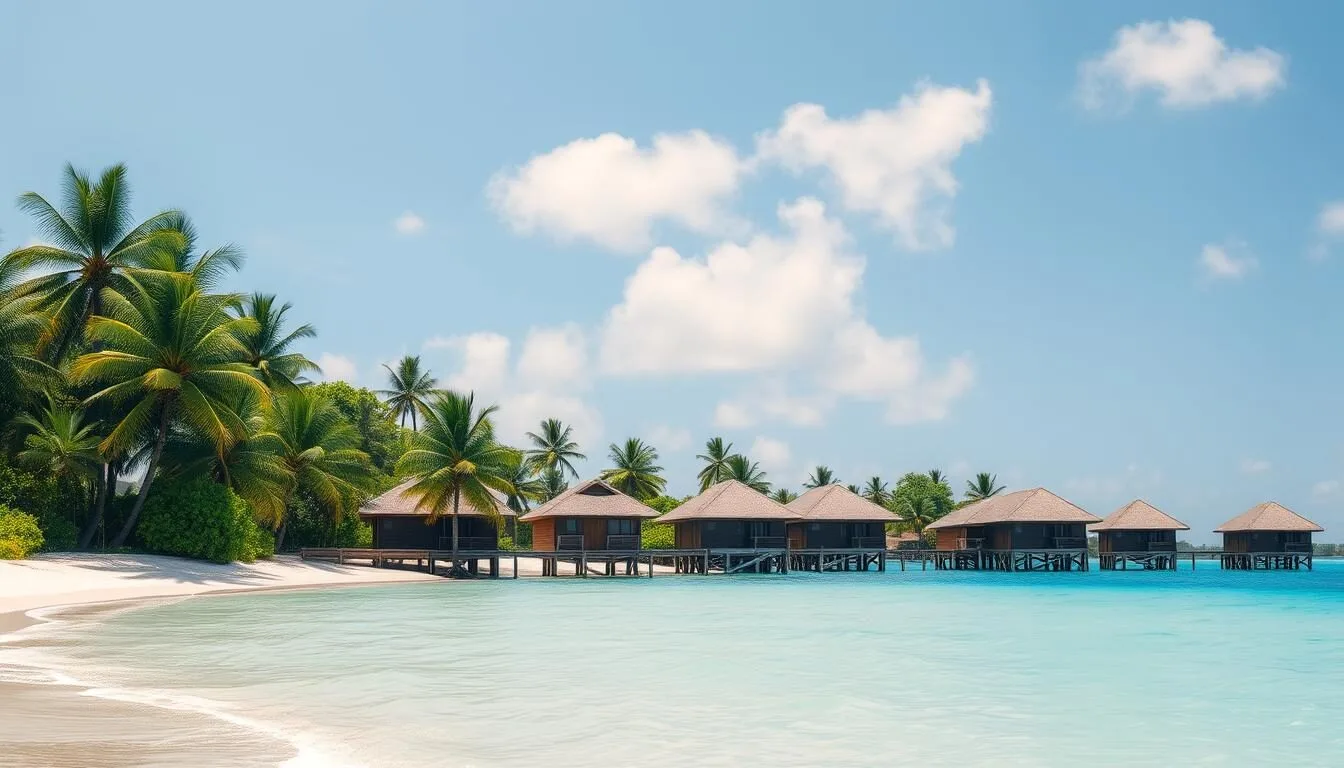
Did you know that South Tarawa, the vibrant capital of Kiribati, has a population density similar to Hong Kong despite having almost no buildings taller than a single story? This fascinating Pacific island nation spans 3.5 million square kilometers of ocean but has a total land area smaller than New York City. Your journey to South Tarawa promises authentic cultural experiences and pristine natural beauty far from mainstream tourism.
Getting to South Tarawa: Transportation and Access
Reaching South Tarawa requires careful planning as it’s one of the most remote destinations in the Pacific. The journey itself is part of the adventure, with limited but strategic flight options connecting this island paradise to the rest of the world.
Flight Options and Airlines
Bonriki International Airport (TRW) is South Tarawa’s gateway to the world. Currently, these airlines provide service to Kiribati:
- Fiji Airways: Weekly flights from Nadi, Fiji
- Solomon Airlines: Weekly service from Honiara, Solomon Islands
- Nauru Airlines: Bi-weekly flights connecting through Nauru
Airport Transfer Tips
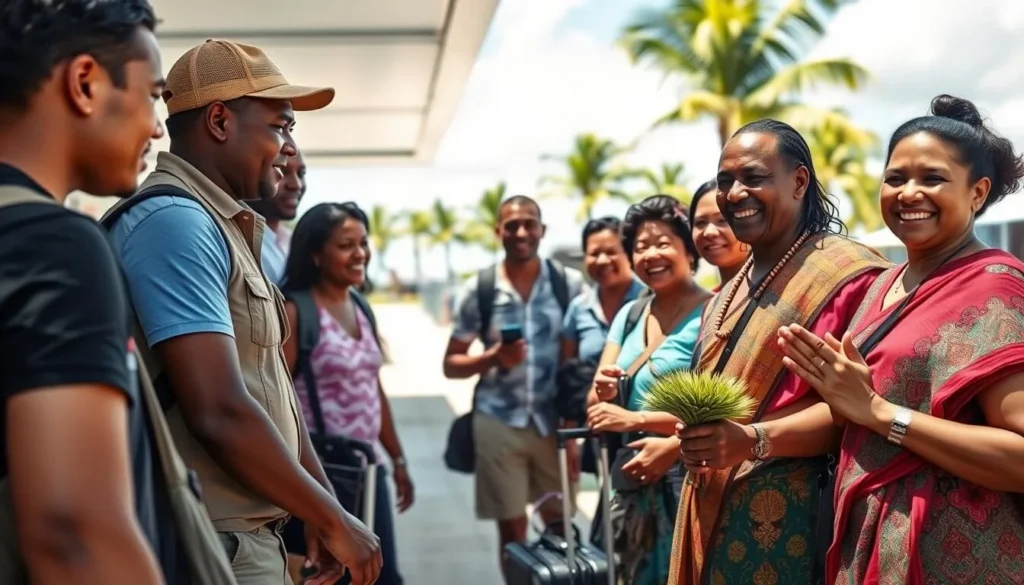
Upon arrival at Bonriki International Airport, you’ll need local transportation to reach your accommodation. The airport is simple but functional, located about 25 km from Betio (the main township) at the opposite end of the atoll.
- Arrange airport pickup through your accommodation if possible
- Carry Australian dollars (AUD) or Kiribati dollars for local payments
- Be prepared for a scenic 45-60 minute drive along the main atoll road
Best Time to Visit South Tarawa
South Tarawa has a tropical climate with consistent temperatures year-round, but rainfall patterns create distinct seasons that can significantly impact your experience.
Recommended Months: May to October
The dry season from May to October offers the most pleasant conditions for exploring South Tarawa:
- Temperatures between 25°C and 30°C (77°F to 86°F)
- Lower humidity and minimal rainfall
- Ideal conditions for beach activities and outdoor exploration
- Peak period: June to September (book accommodations early)
Months to Avoid: November to April
The wet season brings challenges that might impact your travel experience:
- Higher temperatures between 28°C and 32°C (82°F to 90°F)
- Frequent heavy rainfall and occasional storms
- Higher humidity levels
- Some outdoor activities may be limited
“Travel is about experiencing the rhythm of a place, and in South Tarawa, that rhythm flows best during the dry season.” – Local Travel Expert
Getting Around Locally
South Tarawa is a long, narrow atoll with a single main road connecting most settlements. Understanding your local transportation options will enhance your experience exploring this unique destination.
Public Transportation
The primary public transportation in South Tarawa is the local minibus system:
- Minibuses run frequently along the main road from early morning until evening
- Fares are inexpensive (typically 1-2 AUD per trip)
- No formal schedule – simply flag one down when you see it approaching
- Buses can be crowded but offer an authentic local experience
Taxis and Private Hire
Shared taxis are available and offer more flexibility than public buses:
- Negotiate the fare before starting your journey (typically 5-10 AUD depending on distance)
- Consider hiring a driver for the day for comprehensive island exploration (40-60 AUD)
- Local guide Molly Brown (+686 73001016) comes highly recommended for island tours
Bicycle and Walking
For shorter distances or a more active experience:
- Bicycles can be rented from some guesthouses (10-15 AUD per day)
- Walking is practical for exploring individual villages and beaches
- Always carry water and sun protection as shade can be limited
Where to Stay in South Tarawa
Accommodation options in South Tarawa are limited but offer authentic experiences. Most lodging is concentrated in Betio, Bairiki, and Bikenibeu areas. Advance booking is essential due to limited capacity.
Utirerei Hotel
The most recommended option with modern rooms, hot water, stable internet, and an excellent restaurant. Located with convenient access to public transportation.
Price range: AUD$120-150 per night
Mary’s Motel
Budget-friendly option with basic but clean rooms. Includes breakfast and airport transfers. One of the most affordable options in Kiribati.
Price range: AUD$100-120 per night
Tabon de KeeKee Eco Lodge
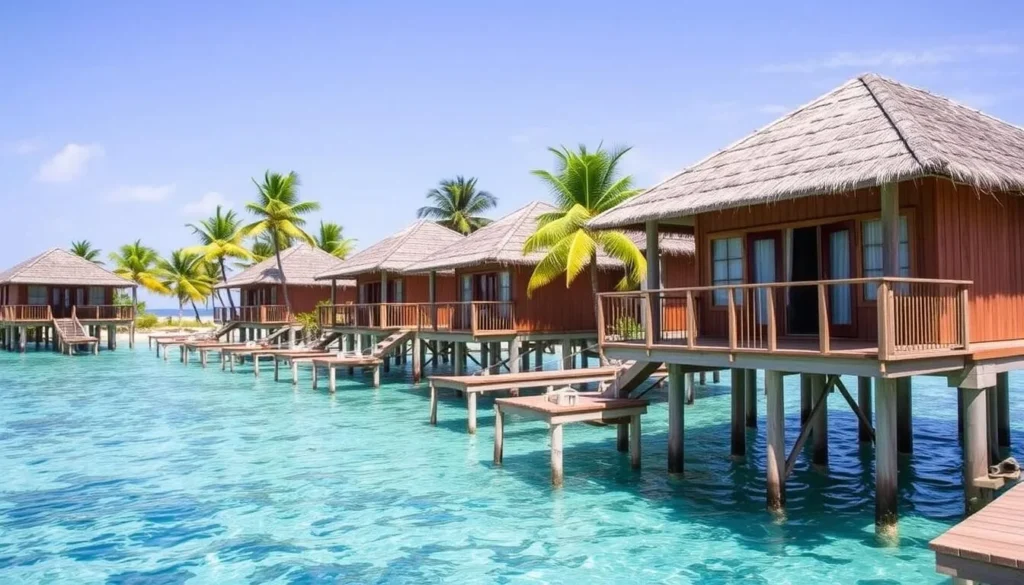
Located in North Tarawa, this eco-lodge offers traditional stilt houses over the water. Perfect for those seeking a more secluded experience away from the main hub.
Price range: AUD$130-160 per night
South Tarawa, Kiribati: Best Things to Do – Top Picks
South Tarawa offers a fascinating blend of historical sites, cultural experiences, and natural beauty. Here are the must-see attractions and activities during your visit to this unique Pacific destination.
Exploring Betio’s World War II Sites
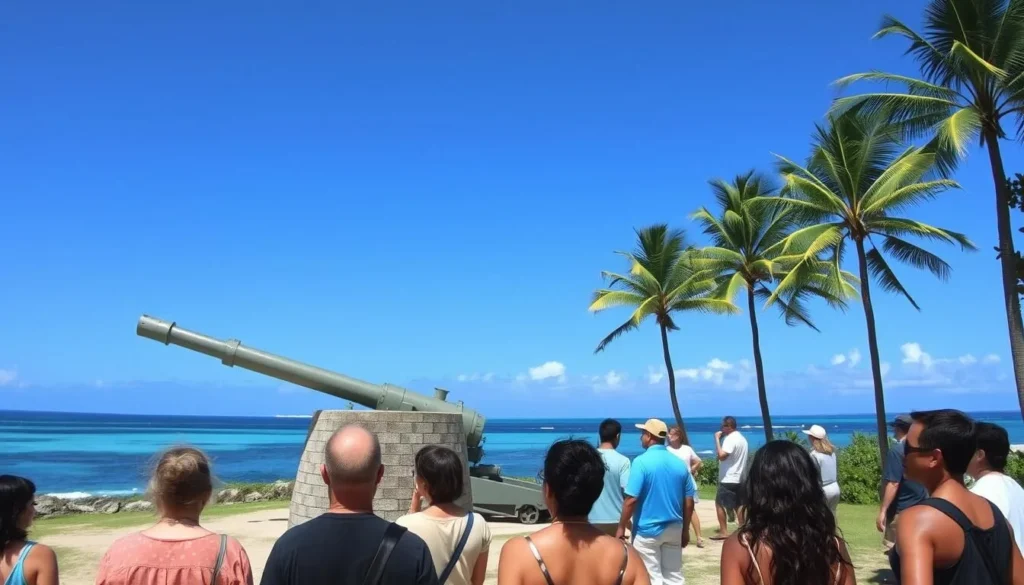
Betio Island holds significant historical importance as the site of the Battle of Tarawa in 1943. History enthusiasts will find numerous well-preserved relics:
- 8-inch Japanese anti-ship guns on the ocean-facing side
- Japanese command bunker now located within a church compound
- American War Memorial outside the Betio Sports Complex
- Red Beach, Green Beach, and other landing sites with historical significance
“Betio represents more than a battlefield—it’s a living museum of World War II Pacific history.” – Military Historian
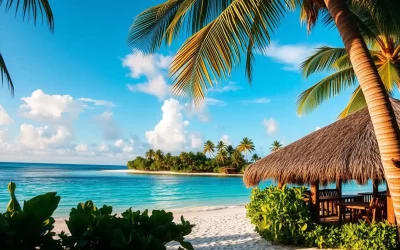
Beach Life and Water Activities
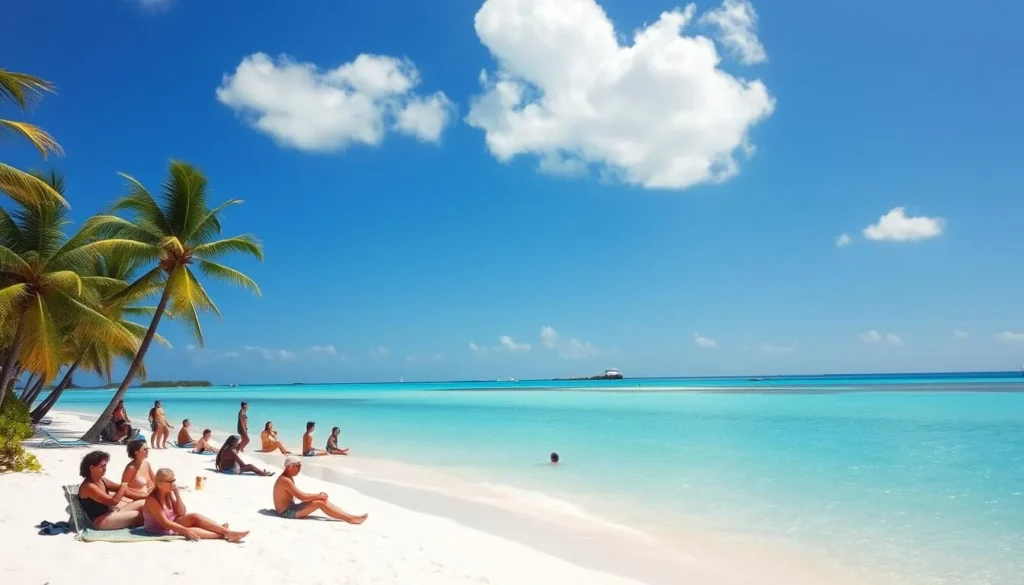
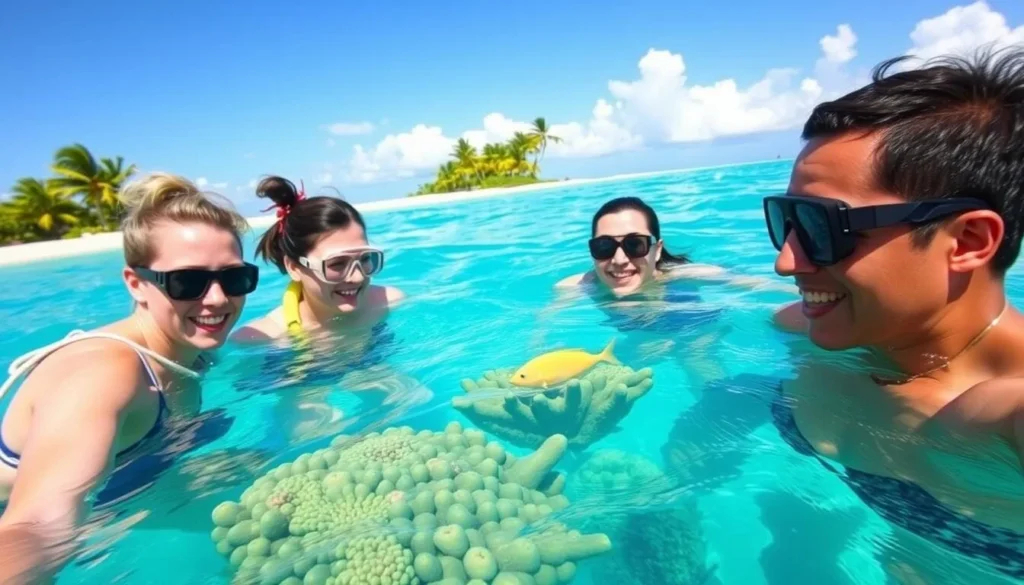
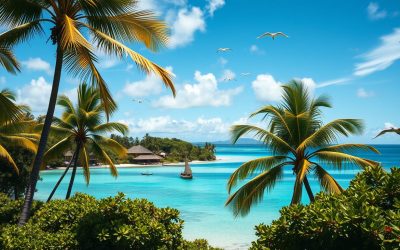
The stunning coastline of South Tarawa offers excellent opportunities for beach relaxation and water activities:
- Swimming in protected lagoon areas with calm, crystal-clear waters
- Snorkeling among vibrant coral formations and tropical fish
- Kayaking along the shoreline (available for rent at some accommodations)
- Beach walks to discover hidden coves and local fishing activities
Local Culture and Traditional Experiences
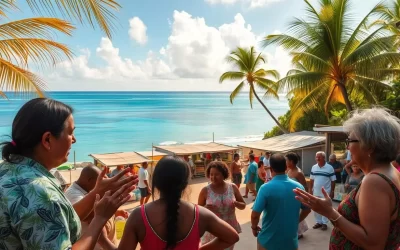
Immersing yourself in Kiribati’s rich cultural heritage is a highlight of any visit to South Tarawa. The I-Kiribati people are known for their warmth and willingness to share their traditions with respectful visitors.
Traditional Village Visits
Visiting a traditional village offers insight into authentic daily life:
- Observe traditional weaving techniques using pandanus leaves
- Learn about traditional fishing and navigation methods
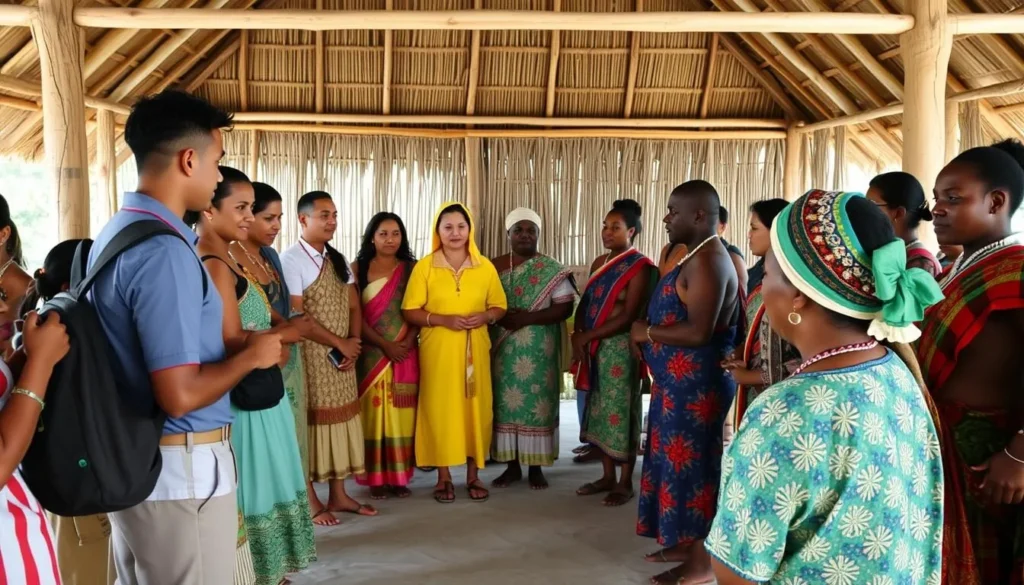
- Visit a maneaba (traditional meeting house) – the heart of community life
- Witness community activities and craftsmanship
Cultural Performances
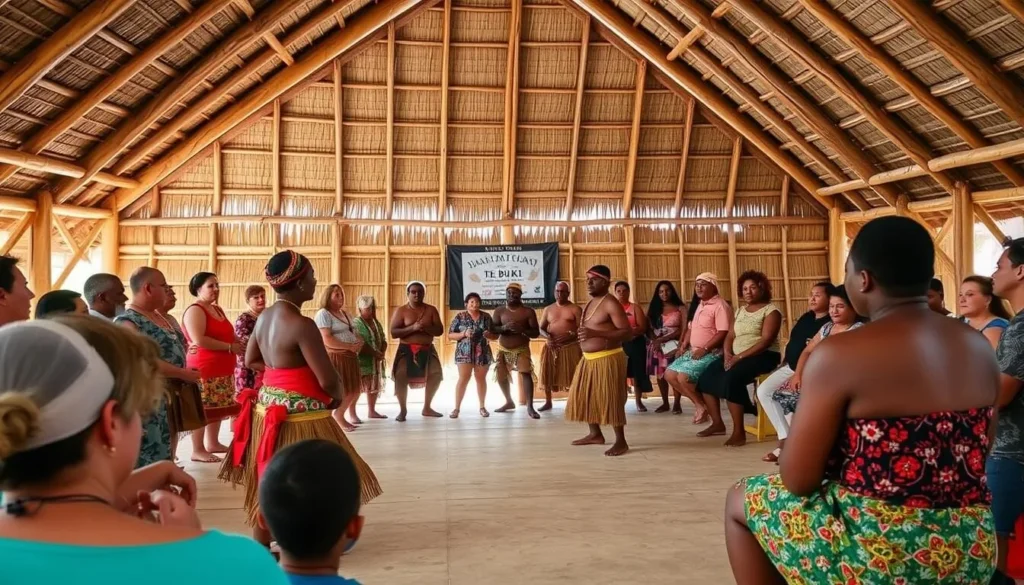
Traditional dance and music performances showcase Kiribati’s cultural heritage:
- Te Buki dance performances featuring community rhythms
- Traditional singing that tells stories of island history
- Performances often held at community events or by arrangement
Unique Attractions in South Tarawa
Beyond the beaches and historical sites, South Tarawa offers several distinctive attractions that provide insight into local life and the country’s unique challenges.
Parliament Building
Kiribati’s Parliament Building is built on an artificial island and offers an interesting glimpse into the nation’s governance. When not in session, security guards often allow visitors to take photos and explore the complex, which includes a bar overlooking the sea.
Highest Point on Tarawa
Visit the famous “highest point” on Tarawa – standing just 3 meters (9.8 feet) above sea level. This site highlights the vulnerability of these low-lying islands to climate change and rising sea levels, a serious concern for Kiribati’s future.
Coconut Oil Factory
The coconut oil factory in Betio provides fascinating insight into Kiribati’s main export industry. Locally designed machinery processes coconut flesh into oil for beauty products and nutritious animal feed, showcasing island ingenuity and resourcefulness.
Food Scene and Local Cuisine
Kiribati cuisine revolves around fresh seafood, coconut, and locally grown produce. The food scene in South Tarawa offers authentic flavors that reflect the island’s connection to the ocean.
Traditional Dishes
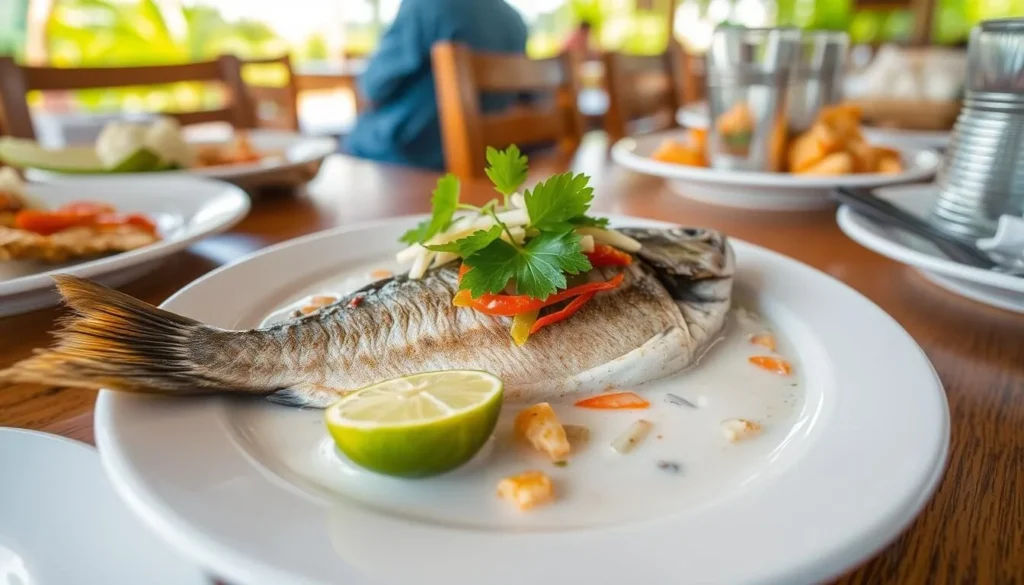
- Te Bua Toro: Raw fish marinated in coconut milk and lime juice
- Freshly caught tuna prepared with local spices
- Coconut-based seafood recipes
- Breadfruit and pandanus fruit specialties
Where to Eat
Chatterbox Cafe
Great coffee, fresh fruit smoothies, and toasted wraps. Also offers reliable internet and a small souvenir store.
Utirerei Hotel Restaurant
One of the best dining options with a diverse menu featuring both local and international dishes.
Abatao Island Restaurant
Worth the journey to North Tarawa for fresh seafood ceviche and slow-cooked fish. Allow plenty of time as preparation can take hours.
Day Trips and Excursions
While South Tarawa offers plenty to explore, consider these rewarding day trips to experience more of Kiribati’s beauty and culture.
North Tarawa Excursion
North Tarawa offers a more tranquil experience away from the relatively busy South Tarawa:
- Visit Tabon de KeeKee Eco Lodge for traditional stilt houses over water
- Experience authentic village life with fewer tourists
- Enjoy pristine beaches and excellent swimming conditions
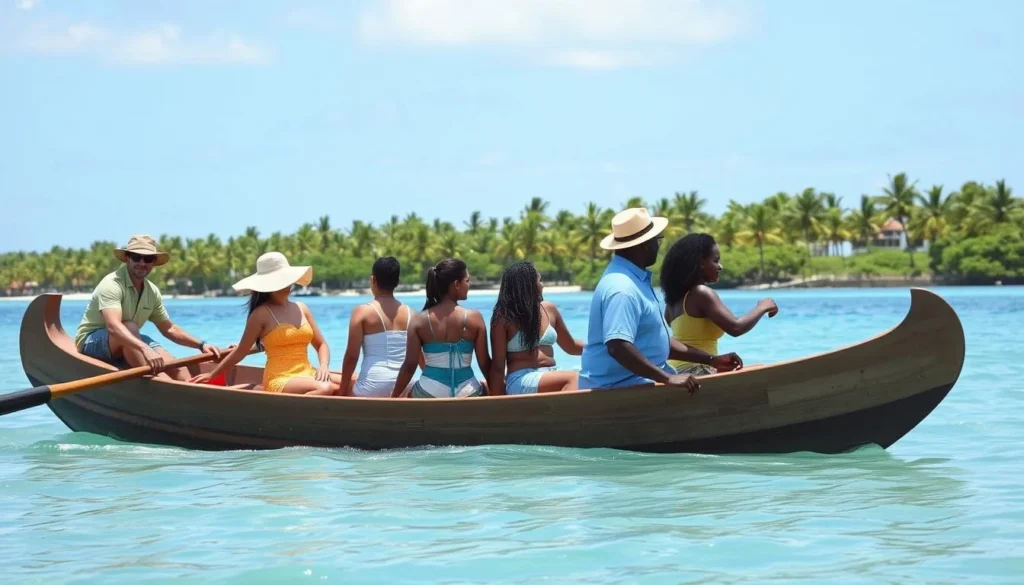
- Access via public transport to the end of the road, then a short canoe taxi
Outer Atolls
For the adventurous traveler with flexible time, consider exploring beyond Tarawa:
- Arrange boat charters to nearby atolls for day visits
- Check with Air Kiribati for weekly flights to outer islands
- Christmas Island (Kiritimati) offers world-class bonefishing
Safety, Etiquette & Local Customs
Understanding local customs and safety considerations will enhance your experience in South Tarawa and show respect for the local culture.
Cultural Etiquette
- Dress modestly – shoulders and knees should be covered, especially when visiting villages
- Ask permission before taking photographs of local people
- Remove shoes when entering a maneaba (meeting house) or someone’s home
- Greet people with a smile and “Mauri” (hello in Gilbertese)
Health and Safety
- Drink bottled or boiled water only
- Use strong sun protection – the equatorial sun is intense
- Bring basic medications as pharmacies are limited
- Medical facilities are basic – comprehensive travel insurance is essential
Visitor Comments About South Tarawa
“South Tarawa offered the most authentic Pacific island experience I’ve ever had. The World War II sites were fascinating, and the locals welcomed us like family. Just remember to pack plenty of sunscreen and respect the laid-back island pace.”
“What struck me most about South Tarawa was the resilience of its people in the face of climate change. The highest point being just 3 meters above sea level really puts things in perspective. The seafood was incredible and freshly caught each day.”
“Visiting the traditional villages in North Tarawa was the highlight of my trip. I stayed at Tabon de KeeKee Eco Lodge and woke up to the sound of water beneath my stilt house. The simplicity of life here is both challenging and refreshing.”
Practical Travel Tips
Money and Payments
- The Australian dollar (AUD) is the official currency
- No ATMs available – bring sufficient cash
- Credit cards accepted only at larger hotels
- Budget approximately AUD$100-150 per day for mid-range travel
Communication
- Limited internet access – purchase vouchers at Chatterbox Cafe
- Local SIM cards available but coverage can be patchy
- English is widely spoken alongside Gilbertese
- Download offline maps before arrival
Packing Essentials
- High SPF sunscreen and hat (equatorial sun is intense)
- Modest, lightweight clothing
- Reef-safe water shoes
- Insect repellent
- Basic first aid supplies
Local Contacts
- Recommended local guide: Molly Brown (+686 73001016)
- Tabon de KeeKee Eco Lodge: +686 73013757 (WhatsApp)
- Kiribati National Tourism Office: +686 75026003
Your Pacific Island Adventure Awaits
South Tarawa offers a rare glimpse into a Pacific way of life that remains largely unchanged by mass tourism. From the historical significance of Betio’s World War II sites to the natural beauty of its lagoons and the warmth of its people, this remote destination rewards adventurous travelers with authentic experiences far from the beaten path.
As one of the world’s least visited countries, Kiribati provides a chance to be a true explorer rather than just another tourist. The challenges of reaching this remote paradise are more than compensated by the memories you’ll create and the perspectives you’ll gain on a way of life that is both resilient and vulnerable in our changing world.
Pack your sense of adventure, respect for culture, and openness to new experiences – South Tarawa awaits with its unique blend of history, tradition, and natural beauty.
The above is subject to change.
Check back often to TRAVEL.COM for the latest travel tips and deals.

0 Comments