
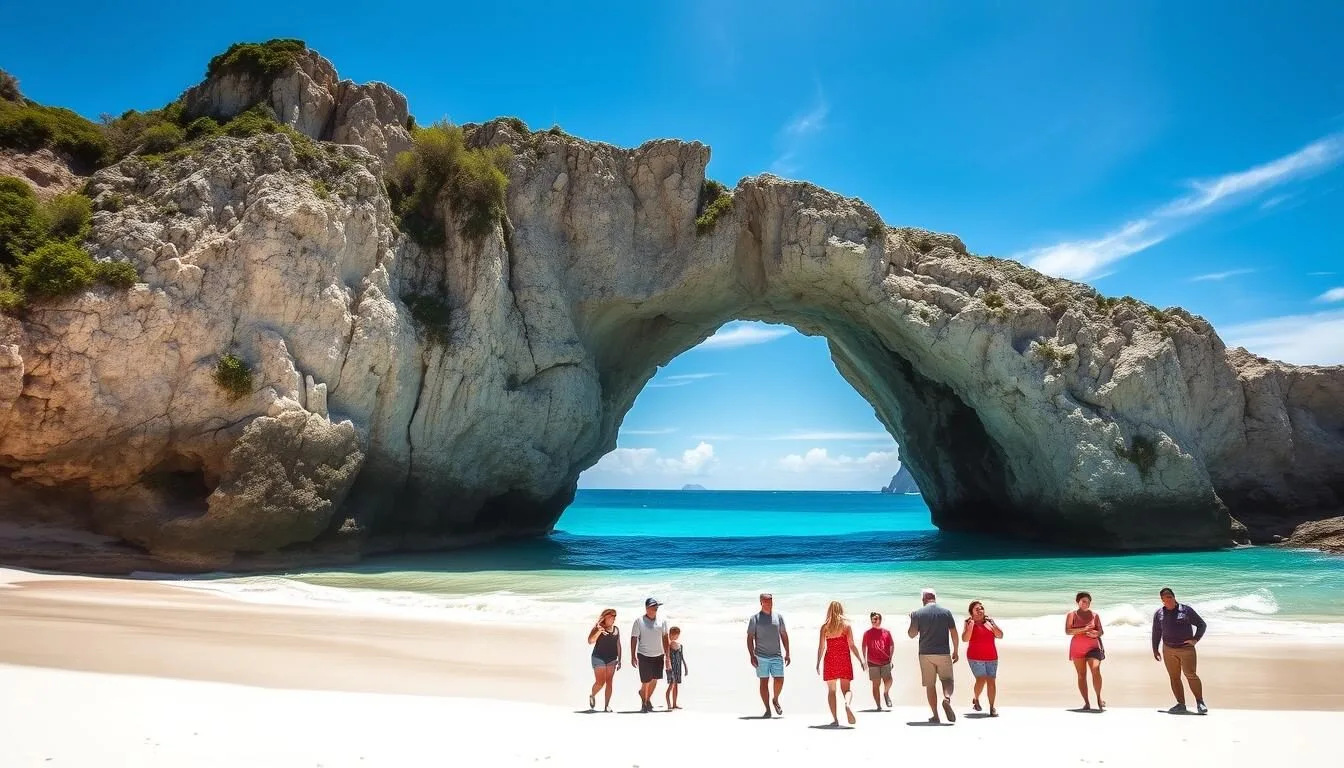
Did you know that the Coromandel Peninsula is home to Hot Water Beach, one of only a handful of places in the world where you can dig your own natural hot spring pool right on the shoreline? This remarkable coastal region attracts over 500,000 visitors annually to its pristine beaches, lush forests, and unique geological wonders, making it one of New Zealand’s most beloved destinations despite being just a 2.5-hour drive from Auckland.
Getting There & Planning Your Journey
The Coromandel Peninsula is conveniently located on New Zealand’s North Island, making it accessible from several major cities. Most visitors arrive via Auckland, which offers the closest international gateway to this coastal paradise.
Closest Airports
- Auckland International Airport (AKL) – The primary international gateway, located approximately 180 km (112 miles) from the Coromandel Peninsula
- Hamilton Airport (HLZ) – A domestic airport about 140 km (87 miles) from the Coromandel
- Whitianga Airport – A small local airport on the Peninsula that receives flights from Auckland (30 minutes)
Driving from Major Cities
- From Auckland: 2.5-3 hours (180 km/112 miles) via State Highway 25
- From Hamilton: 2 hours (140 km/87 miles) via State Highway 25
- From Rotorua: 3 hours (200 km/124 miles) via State Highway 33 and 25
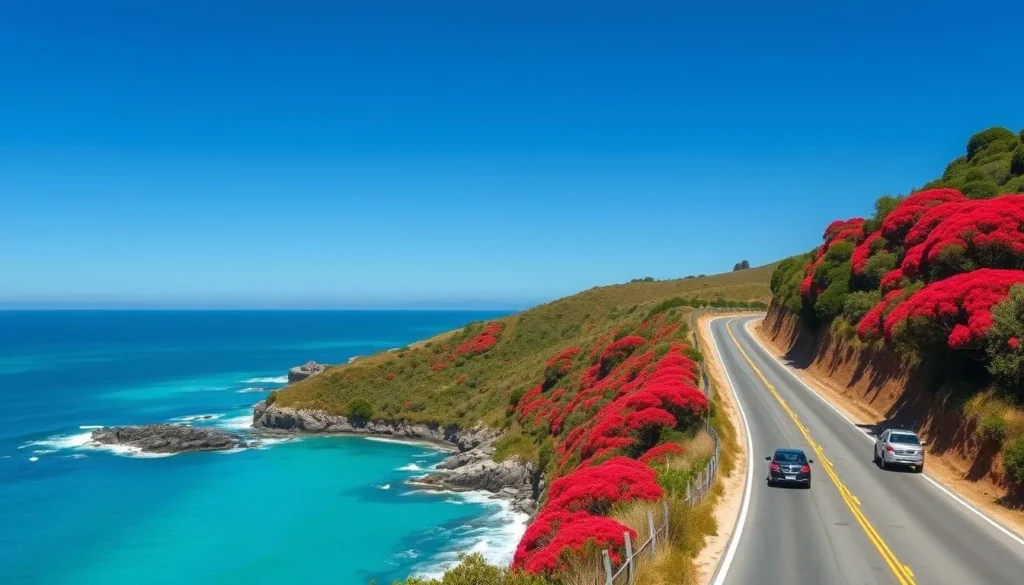
The drive to the Coromandel Peninsula is scenic, with winding coastal roads fringed by pohutukawa trees (New Zealand’s native Christmas tree). If you’re planning to explore multiple locations on the peninsula, renting a car is highly recommended for flexibility.
Best Time to Visit & Weather Tips
The Coromandel Peninsula enjoys a warm, temperate climate with distinct seasons. Timing your visit right can make a significant difference to your experience.
Recommended Months to Visit
Peak Season (December-February)
- Warmest temperatures: 24-31°C (75-87°F)
- Perfect beach weather with long, sunny days
- Busiest period with higher accommodation prices
- Popular attractions like Cathedral Cove can get crowded
Shoulder Season (March-April, October-November)
- Pleasant temperatures: 18-24°C (64-75°F)
- Fewer crowds but still good weather
- Better accommodation rates
- Ideal for hiking and exploring
Months to Avoid
Winter (June-August) brings cooler temperatures of 12-14°C (53-57°F) and increased rainfall. While still milder than many parts of New Zealand, these months see many businesses operating on reduced hours, and some water activities may be limited. However, winter offers peaceful exploration and is ideal for hot springs visits.
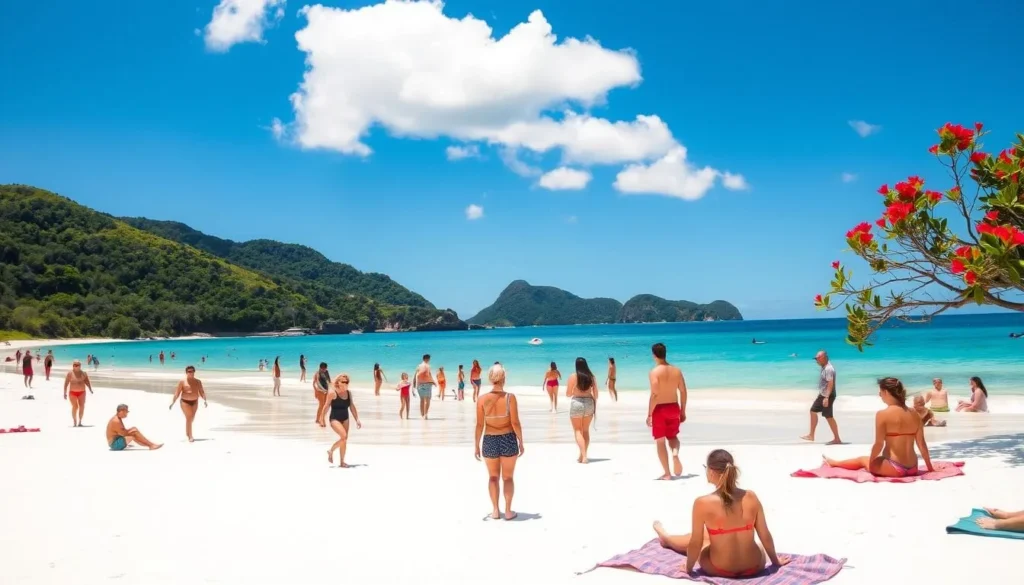
Local Tip: The Coromandel is one of the sunniest regions in New Zealand, receiving approximately 2,100 hours of sunshine annually. Even in winter, you can experience beautiful clear days, though they’ll be cooler and shorter.
Getting Around Locally
The Coromandel Peninsula spans 85 kilometers (53 miles) in length, with numerous bays, beaches, and small towns to explore. Having your own transportation is highly recommended, but there are several options available.
Self-Drive Options
Renting a car or campervan gives you the most flexibility to explore at your own pace. Many of the peninsula’s roads are winding and some are gravel, particularly in the northern section beyond Colville. Standard vehicles are fine for most attractions, but if you plan to venture to remote northern beaches like Fletcher’s Bay, consider a vehicle with higher clearance.
Public Transportation
Public transport is limited on the peninsula. InterCity operates bus services to Thames and Coromandel Town from Auckland, but connections to smaller towns are infrequent. During summer, shuttle services operate between popular spots like Hahei and Cathedral Cove parking areas.
Tours and Shuttles
If you prefer not to drive, guided tours are an excellent option. Day tours from Auckland visit key attractions like Cathedral Cove and Hot Water Beach, while local operators offer shuttles between popular destinations.
Road Safety Note: Many Coromandel roads are narrow and winding. The 309 Road between Coromandel and Whitianga, the Tapu-Coroglen Road, and roads north of Colville are gravel and can be challenging. Drive cautiously, especially if you’re unfamiliar with driving on the left side of the road.
Where to Stay
The Coromandel Peninsula offers accommodation options ranging from luxury resorts to budget-friendly campgrounds. Where you choose to stay depends on which attractions you plan to visit and your preferred atmosphere.
Popular Areas
Whitianga
The largest town on the eastern coast, offering the widest range of accommodations, restaurants, and services. Perfect base for exploring Cathedral Cove and Hot Water Beach.
Hahei
A smaller beach town closest to Cathedral Cove with a stunning beach of its own. Limited but charming accommodation options with a relaxed atmosphere.
Coromandel Town
Historic town on the western side with character and charm. Good base for exploring the northern peninsula and Driving Creek Railway.
Accommodation Types
Luxury Options
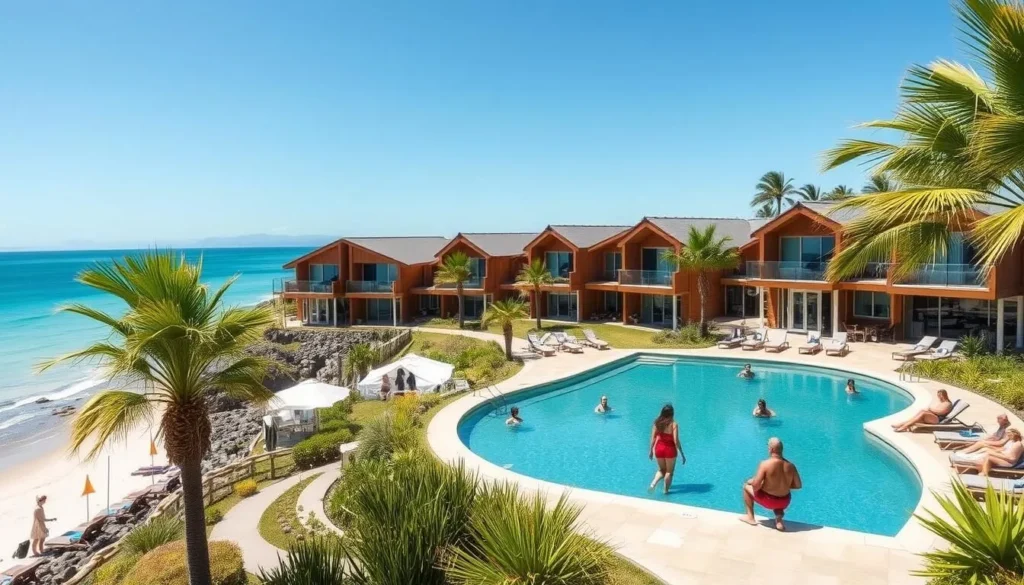
- Beachfront resorts in Whitianga and Pauanui
- Boutique lodges with panoramic ocean views
- Private vacation rentals with premium amenities
Mid-Range Options
- Self-contained apartments and motels
- Bed and breakfasts run by friendly locals
- Holiday parks with cabin accommodations
Budget Options
- Backpacker hostels in main towns
- Department of Conservation (DOC) campgrounds
- Freedom camping (in designated areas only)
Unique Stays
- Glamping sites with ocean views
- Farm stays with local experiences
- Eco-lodges nestled in native bush
Booking Tip: Accommodations in prime locations like Hahei can book out months in advance for the summer season. If you’re planning a visit between December and February, secure your accommodation at least 3-6 months ahead.
Dining & Local Cuisine
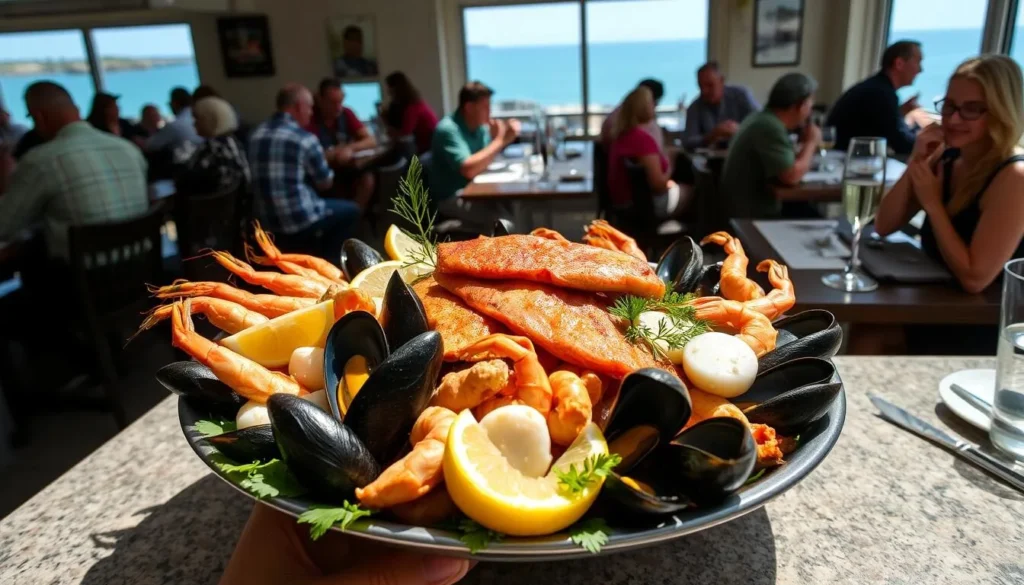
The Coromandel Peninsula offers a delightful culinary scene focused on fresh seafood, local produce, and artisanal creations. From casual beachside cafes to upscale restaurants, there’s something to satisfy every palate.
Must-Try Local Specialties
- Green-lipped mussels – New Zealand’s famous large, flavorful mussels are farmed in the clean waters around the Coromandel
- Manuka honey – Produced from the nectar of the native manuka tree, this honey has distinctive flavor and medicinal properties
- Coromandel scallops – Sweet, tender scallops harvested from local waters (seasonal)
- Macadamia nuts – Locally grown and processed into oils, butters, and snacks
- Craft beers – Several microbreweries operate in the region, offering unique local brews
Dining Hotspots
Whitianga
- The best selection of restaurants on the peninsula
- Waterfront dining with harbor views
- Fresh seafood restaurants and international cuisine
Coromandel Town
- Charming cafes in historic buildings
- Mussel farms nearby ensuring the freshest seafood
- Local artisan food producers and markets
Foodie Experiences
- Mercury Bay Estate – Boutique winery near Cooks Beach offering wine tastings and Italian-inspired cuisine with spectacular views
- The Coromandel Smoking Co. – Artisan producer of smoked seafood and meats
- Luke’s Kitchen – Popular casual eatery in Kuaotunu known for wood-fired pizzas and relaxed beach vibe
- The Pour House – Craft brewery and restaurant in Hahei serving locally brewed beers and hearty meals
Local Tip: Many restaurants in smaller towns operate on reduced hours during the off-season (May-September). It’s advisable to check opening times in advance and make reservations for dinner during the peak summer season.
Attractions, Sightseeing & Activities
The Coromandel Peninsula is renowned for its natural beauty and unique attractions. From iconic beaches to historic sites, there’s something for every type of traveler.
Cathedral Cove
The crown jewel of the Coromandel, Cathedral Cove features a massive natural rock arch connecting two secluded beaches. Made famous by its appearance in “The Chronicles of Narnia: Prince Caspian,” this stunning location attracts visitors from around the world.
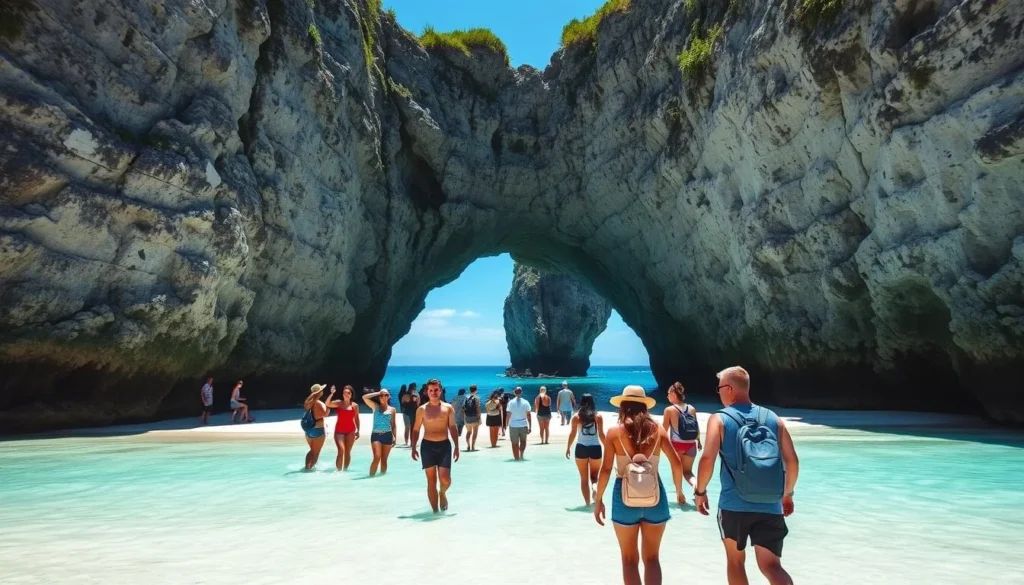
You can reach Cathedral Cove in several ways:
- Walking track – A scenic 45-minute walk (one-way) from the Hahei Beach car park
- Water taxi – Quick boat service from Hahei Beach (seasonal)
- Kayak tour – Guided kayaking trips that allow you to experience the coastline from the water
Hot Water Beach
One of the Coromandel’s most unique attractions, Hot Water Beach allows visitors to create their own natural hot pools in the sand. Underground hot springs filter up through the sand, allowing you to dig your own spa pool right on the beach.
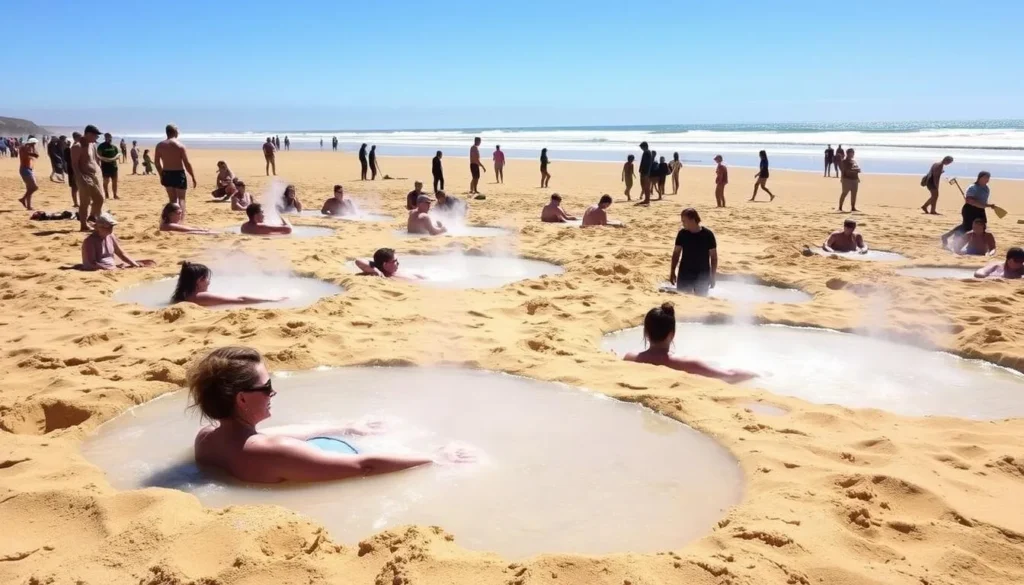
For the best experience:
- Visit within 2 hours either side of low tide
- Bring a spade or rent one from nearby stores
- Be prepared for crowds during peak season
- The hot water area is located in the middle section of the beach
Hot Tip: The sand can reach temperatures up to 64°C (147°F) in some spots! Test the water before settling in, and be careful not to dig too deep.
Driving Creek Railway
This narrow-gauge mountain railway near Coromandel Town offers a unique journey through native kauri forest. Originally built by potter Barry Brickell to access clay and timber, it’s now a popular tourist attraction featuring tunnels, bridges, and spectacular viewpoints.
The Lost Spring
Located in Whitianga, The Lost Spring is a geothermal spa complex featuring naturally heated mineral pools set amid tropical gardens. With temperatures ranging from 32°C to 41°C (89.6°F to 105.8°F), these pools offer a luxurious relaxation experience.
Museums, Cultural Spots & Festivals
While the Coromandel is primarily known for its natural beauty, the region also offers rich cultural experiences that showcase its Māori heritage, gold mining history, and artistic community.
Historical and Cultural Sites
- Coromandel School of Mines & Historical Museum – Located in Coromandel Town, this museum showcases the peninsula’s gold mining past with exhibits of mining equipment, historical photographs, and local artifacts
- The Waterworks – A quirky attraction featuring water-powered sculptures and interactive exhibits made from recycled materials
- Mercury Bay Museum – In Whitianga, this museum covers the area’s maritime history, including Captain Cook’s visit in 1769
- Waihi Gold Discovery Centre – Just outside the peninsula, this interactive museum explores the region’s gold mining heritage
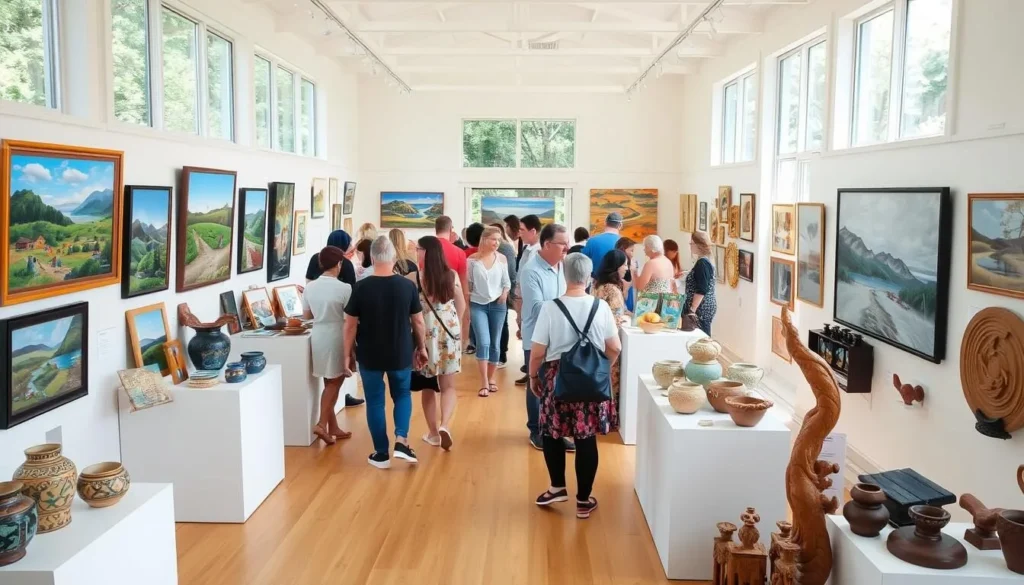
Art Galleries and Studios
The Coromandel has long been a haven for artists and craftspeople. Many studios welcome visitors to view their creative processes:
- Mōkū Artspace – Contemporary gallery in Whitianga featuring local artists
- The Little Gallery – With locations in Tairua and Whangamatā, showcasing fine art and crafts
- Coromandel Goldsmith – Watch artisans create unique jewelry pieces
- Alan Rhodes Potter – Traditional pottery studio in Coromandel Town
Annual Events and Festivals
- Whitianga Scallop Festival (September) – Celebration of the local scallop harvest with cooking demonstrations, live music, and plenty of seafood
- Coromandel Music Festival (January) – Summer music event featuring local and national performers
- Coromandel ArtsTour (October) – Open studios event where visitors can meet artists in their creative spaces
- Keltic Fair (January 2) – Long-running community fair in Coromandel Town with stalls, entertainment, and activities
- Mercury Bay Art Escape (March) – Weekend open studio tour around the eastern peninsula
Cultural Tip: Many Māori sites on the peninsula are considered sacred (tapu). When visiting places of cultural significance, show respect by following any posted guidelines and refraining from removing anything from the site.
Sports, Nature & Outdoor Experiences
The Coromandel Peninsula is an outdoor enthusiast’s paradise, offering everything from gentle coastal walks to challenging multi-day hikes, water sports, and wildlife encounters.
Hiking and Walking Trails
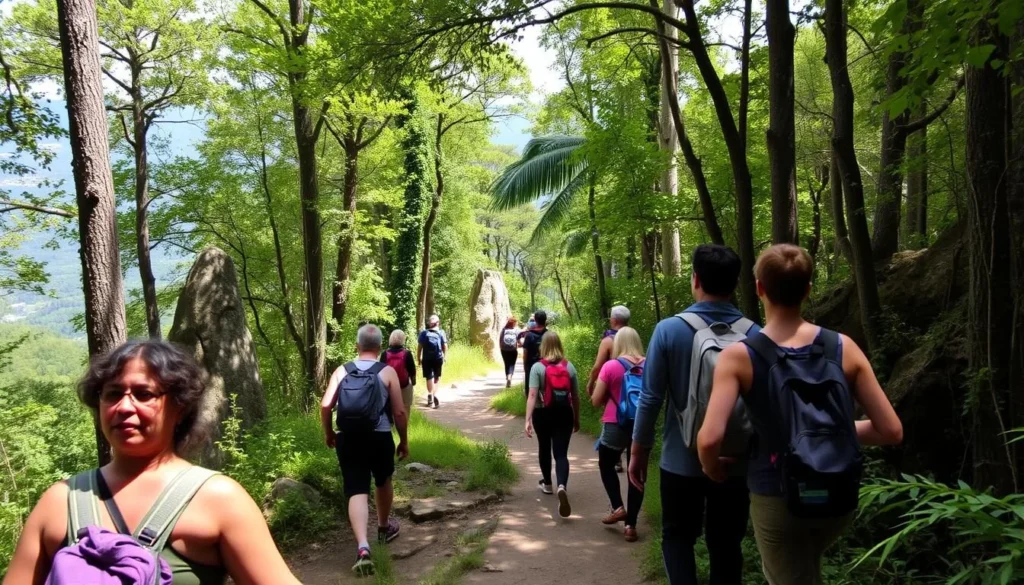
- The Pinnacles Track – Popular overnight hike in the Coromandel Forest Park with spectacular summit views. The 8 km (5 mile) track takes about 3 hours each way
- Coromandel Coastal Walkway – A 10 km (6.2 mile) one-way track between Fletcher Bay and Stony Bay offering stunning coastal views
- Karangahake Gorge Historic Walkway – Easy walking track following an old railway line through a historic gold mining area
- Mount Paku Summit Track – Short but steep 1 km (0.6 mile) walk near Tairua with panoramic views
- Shakespeare Cliff and Lonely Bay – Easy walking tracks with beautiful views near Cooks Beach
Water Activities
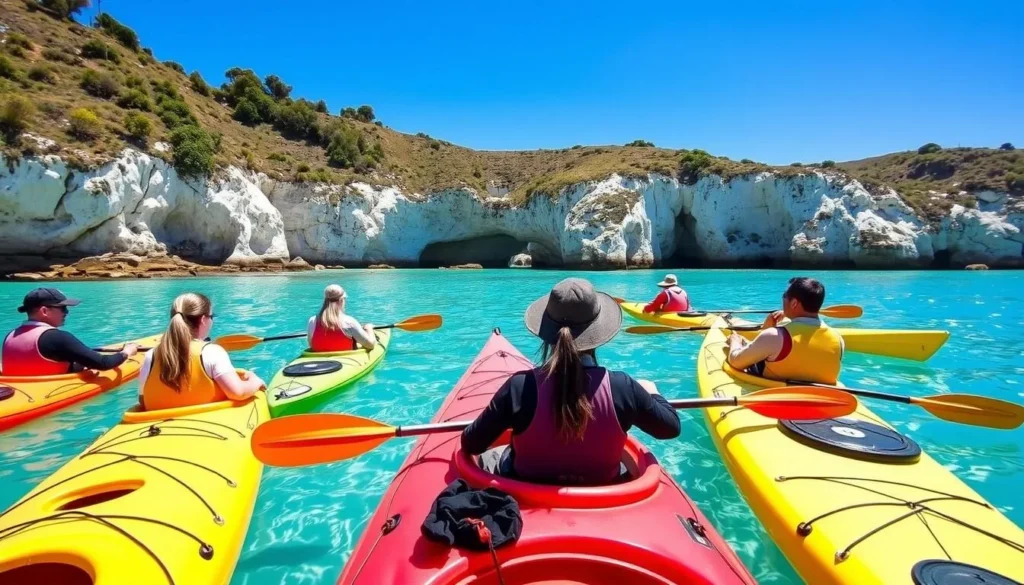
- Kayaking – Explore sea caves and marine reserves around Cathedral Cove and Hahei
- Snorkeling – Discover vibrant marine life in the Te Whanganui-A-Hei Marine Reserve
- Fishing – Charter boats operate from Whitianga and Coromandel Town for deep-sea fishing
- Stand-up Paddleboarding – Perfect for calm bays like Hahei and Whangamatā
- Surfing – Whangamatā and Waihi Beach offer good breaks for surfers of various skill levels
Wildlife Encounters
- Glass Bottom Boat Tours – View marine life in the protected Te Whanganui-A-Hei Marine Reserve
- Bird Watching – Spot native birds like tui, kereru (wood pigeon), and occasionally kiwi in forested areas
- Stargazing – The peninsula’s low light pollution makes it excellent for viewing the southern night sky
- Dolphin Watching – Boat tours offer opportunities to see dolphins in Mercury Bay
Other Outdoor Activities
- Ziplining – Soar through native forest canopy near Coromandel Town
- Mountain Biking – Trails range from easy family rides to challenging mountain tracks
- Golf – Several scenic courses including The Dunes at Matarangi and Mercury Bay Golf Club
- Camping – Numerous campgrounds in stunning locations, from beachfront to forest settings
Adventure Tip: The Coromandel’s outdoor activities are weather-dependent. Have flexible plans and alternative options ready in case of unexpected rain or strong winds.
Safety, Etiquette & Local Customs
Ensuring a safe and respectful visit to the Coromandel Peninsula enhances your experience while preserving this beautiful region for future visitors.
Safety Considerations
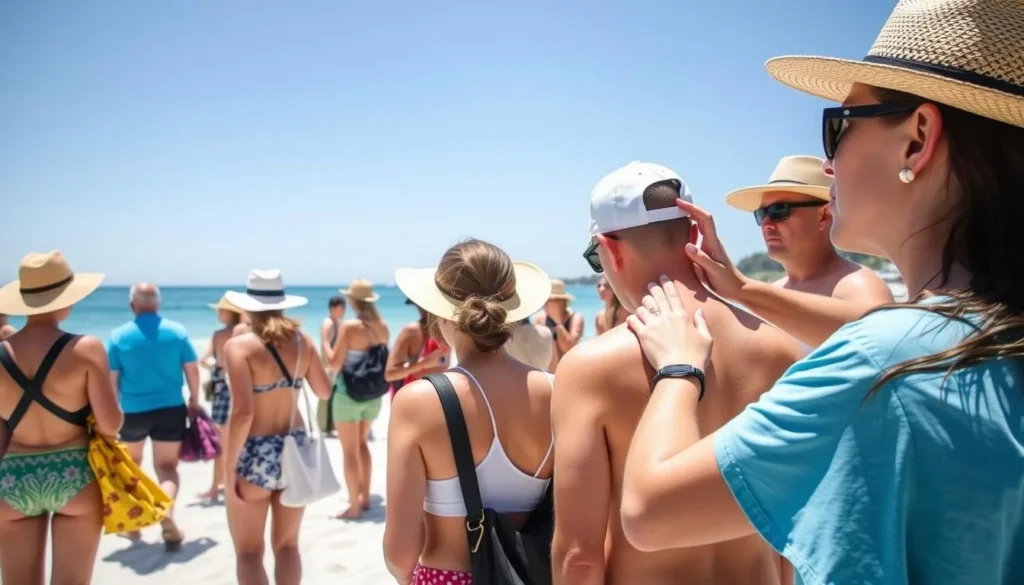
- Sun Protection – New Zealand’s sun is extremely strong due to low ozone levels. Wear sunscreen (SPF 50+), a hat, and sunglasses, even on cloudy days
- Water Safety – Swim between the flags at patrolled beaches. Be aware of rip currents, which can be strong at some Coromandel beaches
- Road Safety – Drive on the left side of the road. Many peninsula roads are narrow and winding; drive cautiously and allow extra time
- Hiking Preparedness – Carry water, food, and appropriate clothing for changing weather conditions. Inform someone of your plans when hiking remote tracks
- Tidal Awareness – Check tide times when visiting beaches like Hot Water Beach or planning coastal walks
Environmental Etiquette
- Leave No Trace – Take all rubbish with you and leave natural areas as you found them
- Kauri Dieback Prevention – Use boot cleaning stations on walking tracks to prevent the spread of kauri dieback disease
- Marine Reserve Rules – No fishing or collecting is allowed in the Te Whanganui-A-Hei Marine Reserve
- Freedom Camping – Only camp in designated areas. Freedom camping is restricted in many parts of the peninsula
- Wildlife Respect – Observe wildlife from a distance without disturbing their natural behavior
Cultural Awareness
- Māori Cultural Sites – Show respect when visiting pa sites (ancient Māori fortifications) and other places of cultural significance
- Local Communities – Many small Coromandel towns maintain a relaxed, friendly atmosphere. Respect local pace and customs
- Private Property – Always ask permission before entering private land, even if it appears accessible
- Local Businesses – Support local producers, artists, and tour operators to contribute to the peninsula’s economy
Emergency Information: New Zealand’s emergency number is 111 for police, fire, or ambulance. Cell phone coverage can be limited in remote areas of the peninsula, particularly in the northern section and on hiking trails.
Visitor Comments About Coromandel Peninsula
“Cathedral Cove exceeded all my expectations! The walk there is almost as beautiful as the destination itself. My tip: go early in the morning to avoid crowds and catch the magical morning light on the arch. Hot Water Beach was another highlight – digging our own hot pool while watching the sunset was unforgettable.”
“We spent a week exploring the Coromandel and wished we had more time. The Pinnacles hike was challenging but worth every step for those panoramic views. Don’t miss the Driving Creek Railway – it’s quirky and fascinating. The seafood throughout the peninsula was some of the freshest I’ve ever tasted!”
“As a family with young children, we found the Coromandel perfect for a relaxed vacation. The beaches are safe and beautiful, and attractions like The Lost Spring were great for everyone. Locals were incredibly friendly and helpful. Renting a car is essential – we discovered so many hidden gems by just exploring the coastal roads.”
Practical Travel Tips
Money Matters
- New Zealand’s currency is the New Zealand Dollar (NZD)
- ATMs are available in larger towns like Whitianga, Thames, and Coromandel Town
- Credit cards are widely accepted, but carry some cash for smaller establishments and remote areas
- Tipping is not expected in New Zealand, though appreciated for exceptional service
Connectivity
- Mobile coverage is good in towns but can be limited in remote areas and on hiking trails
- Free Wi-Fi is available in many cafes, restaurants, and accommodations
- Consider downloading offline maps before exploring remote areas
Packing Essentials
- Layered clothing (weather can change quickly)
- Sturdy walking shoes for trails and beaches
- Swimwear and quick-dry towel
- High-SPF sunscreen and insect repellent
- Reusable water bottle
- Rain jacket (even in summer)
Planning Tips
- Book accommodation well in advance for summer visits (December-February)
- Allow extra driving time – roads are scenic but winding
- Check tide times for Hot Water Beach visits (best 2 hours either side of low tide)
- Many smaller businesses operate on reduced hours during the off-season
- Consider a multi-day stay rather than a day trip to fully experience the peninsula
Paradise Found: Your Coromandel Adventure Awaits
The Coromandel Peninsula represents New Zealand at its most enchanting – a perfect blend of pristine beaches, ancient forests, and warm hospitality. Whether you’re digging your own hot pool at Hot Water Beach, kayaking through sea caves near Cathedral Cove, or hiking to panoramic viewpoints, the Coromandel offers experiences that will stay with you long after you’ve returned home.
With its accessibility from Auckland yet feeling worlds away from city life, the peninsula provides the ideal balance of natural beauty, adventure, and relaxation. Take your time exploring this coastal paradise, connect with friendly locals, and discover why the Coromandel Peninsula has captured the hearts of travelers from around the world.
As the Māori saying goes, “Haere mai ki Hauraki” – Welcome to Hauraki (the Coromandel) – where some of New Zealand’s most treasured memories are waiting to be made.


0 Comments