
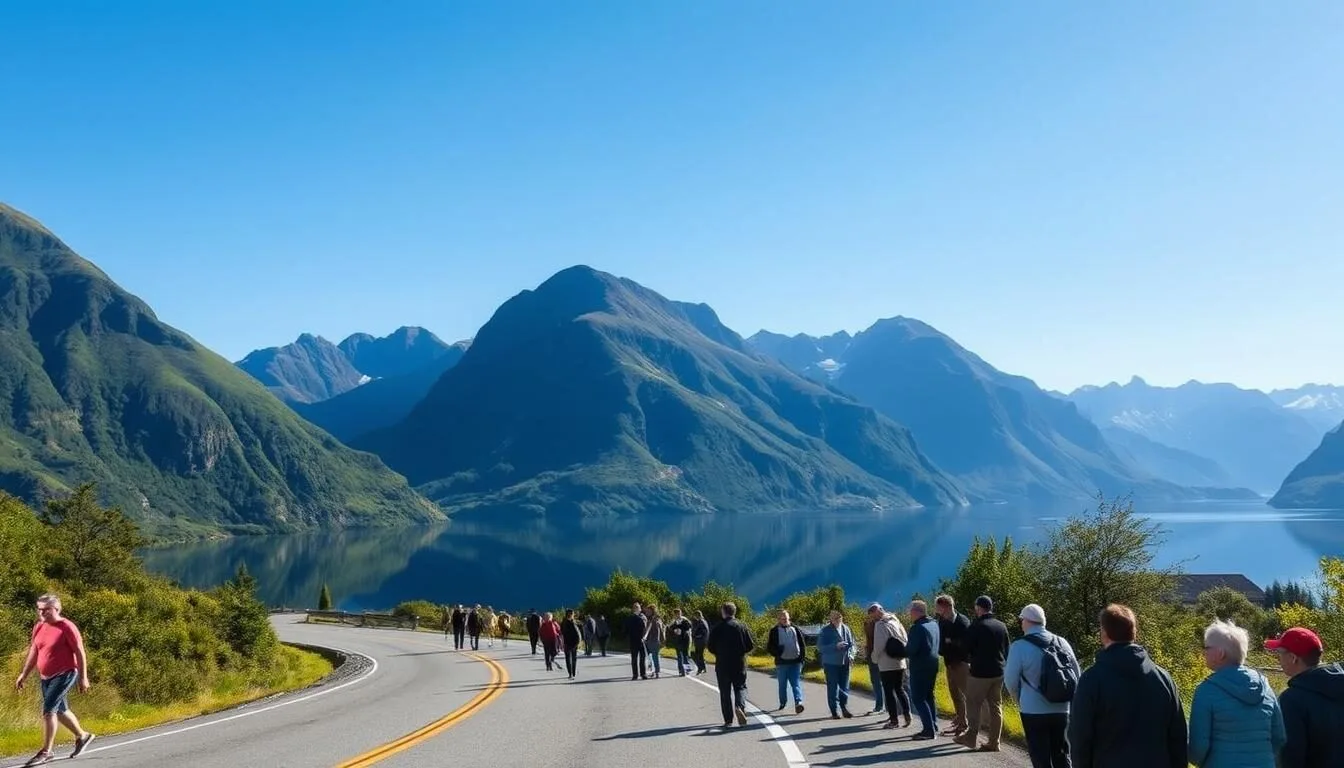
Fiordland National Park receives an astonishing 7 meters (23 feet) of rainfall annually, creating one of the wettest places on Earth and transforming its landscape into a wonderland of temporary waterfalls. This UNESCO World Heritage site spans 12,000 square kilometers (4,633 square miles) of pristine wilderness, where ancient glaciers have carved deep valleys into spectacular fiords that now serve as home to some of New Zealand’s rarest wildlife, including the endangered Fiordland crested penguin and whio (blue duck).
Getting There & Planning Your Journey
The gateway to Fiordland National Park is the small town of Te Anau, located about 171 km (106 miles) from Queenstown. Most visitors begin their Fiordland adventure here before continuing to Milford Sound or other attractions within the park.
Closest Airports
- Queenstown Airport (ZQN) – The most popular option, approximately 2.5 hours drive to Te Anau
- Invercargill Airport (IVC) – About 2 hours drive to Te Anau
- Dunedin Airport (DUD) – Approximately 3.5 hours drive to Te Anau
From Queenstown, you can either rent a car for the scenic drive to Te Anau or join an organized tour. If you’re short on time, scenic flights directly to Milford Sound are available, offering breathtaking aerial views of the park.
Rental Car Options
Having your own vehicle gives you the freedom to explore Fiordland at your own pace. The drive from Te Anau to Milford Sound is considered one of the most scenic in New Zealand, with numerous viewpoints and short walks along the way.
Best Time to Visit & Weather Tips
Recommended Seasons
Summer (December-February)
- Longest daylight hours (up to 16 hours)
- Warmest temperatures: 15-20°C (59-68°F)
- Peak tourist season – book accommodations early
- Best time for hiking and water activities
Autumn (March-May)
- Fewer crowds than summer
- Beautiful fall colors in May
- Temperatures: 10-15°C (50-59°F)
- Increased chance of clear days
Winter (June-August)
- Quietest season with fewer tourists
- Snow-capped mountains create dramatic scenery
- Cooler temperatures: 5-10°C (41-50°F)
- Some hiking trails may be closed due to snow
Spring (September-November)
- Waterfalls at their most impressive
- Wildflowers begin to bloom
- Temperatures: 10-15°C (50-59°F)
- Variable weather conditions
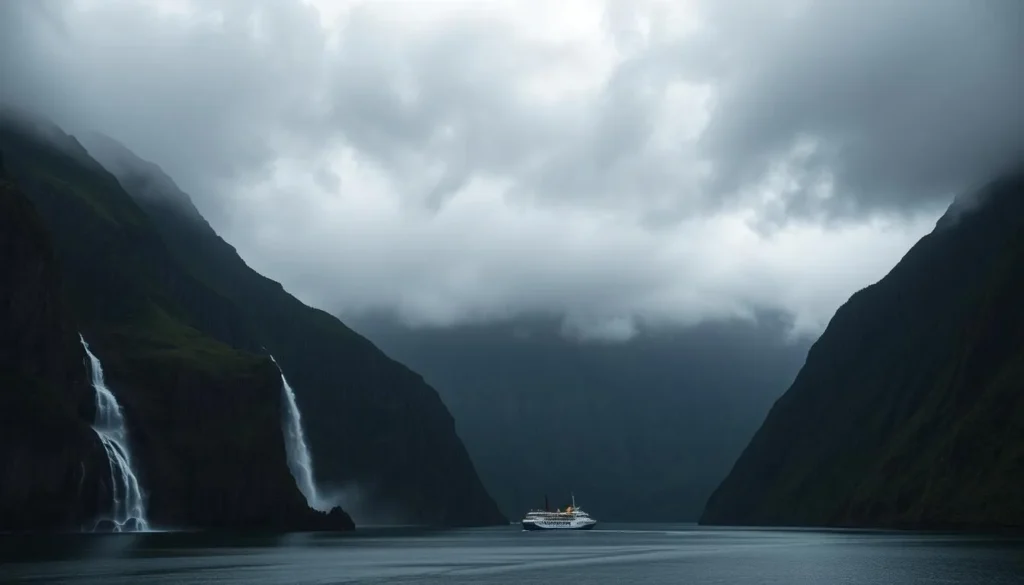
Weather Tip: Fiordland is one of the wettest places in New Zealand, receiving rainfall on approximately 200 days per year. Pack waterproof clothing regardless of when you visit. Many locals say Milford Sound is actually more spectacular during or just after rainfall when hundreds of temporary waterfalls cascade down the cliff faces!
Seasons to Avoid
There’s no bad time to visit Fiordland, but July and August can bring road closures due to snow and ice, particularly on the Milford Road. If hiking is your primary goal, the winter months may limit your options as some trails close seasonally.
Getting Around Locally
Self-Drive
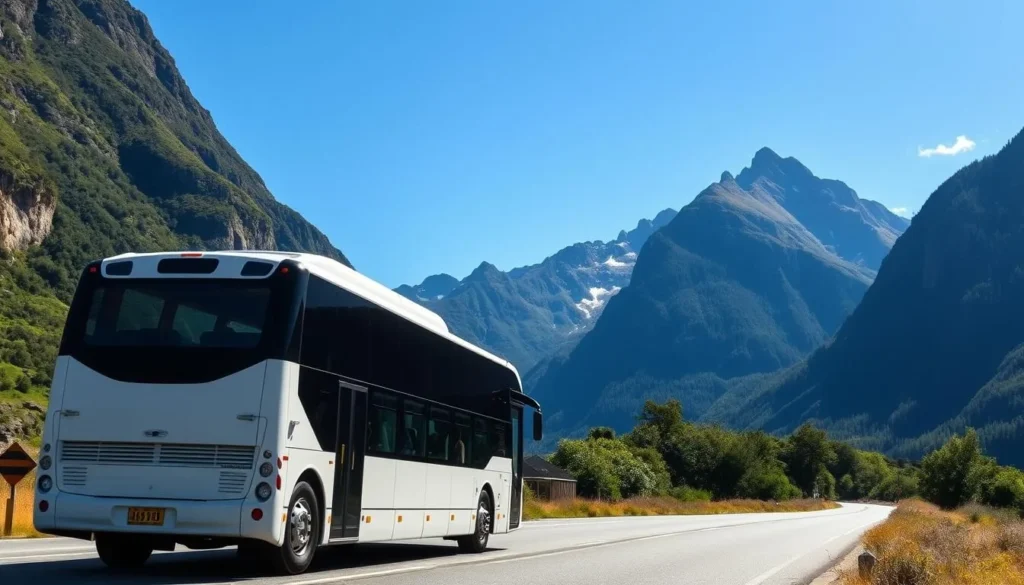
Renting a car gives you the most flexibility to explore Fiordland National Park. The 120 km (75 mile) journey from Te Anau to Milford Sound takes approximately 1.5 hours without stops, but allow at least 3-4 hours to enjoy the numerous scenic viewpoints along the way.
Road Safety: The Milford Road (State Highway 94) can be challenging, especially in winter when snow and ice are common. Check road conditions before departing at the Te Anau Visitor Centre or online. During winter months (May-September), snow chains may be required.
Guided Tours
If you prefer not to drive, numerous companies offer day trips from Te Anau or Queenstown to Milford Sound. These typically include transportation, a cruise on Milford Sound, and stops at key viewpoints along the Milford Road.
Shuttle Services
For hikers tackling the multi-day Great Walks (Routeburn, Kepler, or Milford Tracks), shuttle services are available to transport you to trailheads and pick you up at the end points.
Where to Stay
Te Anau Accommodations
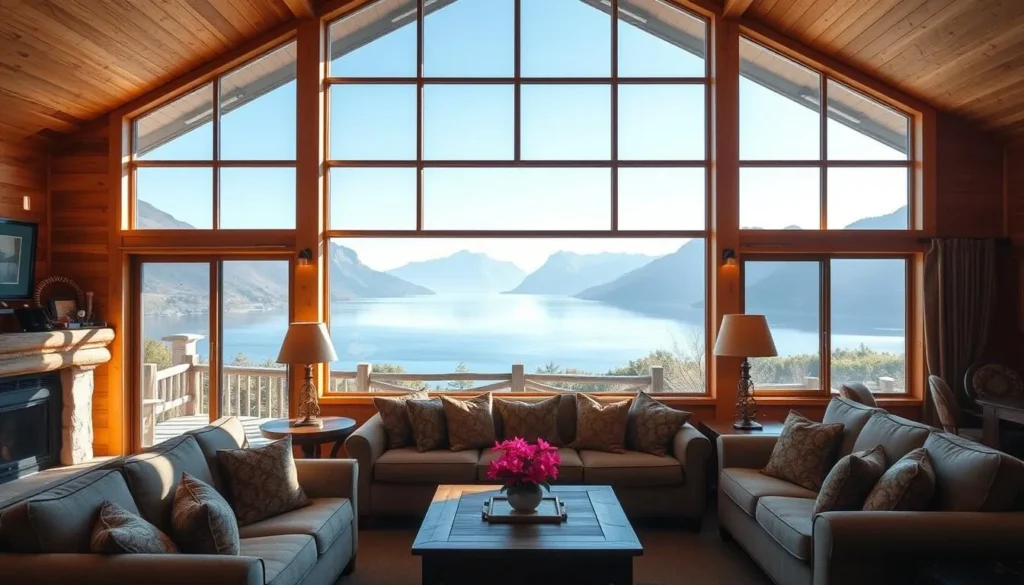
Te Anau is the main base for exploring Fiordland National Park, offering a range of accommodation options from budget to luxury.
Budget Options
- Te Anau Lakeview Kiwi Holiday Park – Campsites and budget rooms
- Te Anau Lakefront Backpackers – Dormitory and private rooms
- YHA Te Anau – Clean, affordable hostel accommodation
Mid-Range Options
- Aden Motel – Self-contained apartments
- Lakefront Lodge – Comfortable rooms with lake views
- Bella Vista Motel Te Anau – Modern, well-equipped units
Luxury Options
- Fiordland Lodge – Premium eco-lodge with gourmet dining
- Distinction Te Anau Hotel – Upscale hotel with lake views
- High Leys Lodge – Boutique B&B with panoramic views
Milford Sound Accommodations
Accommodation options at Milford Sound itself are extremely limited:
- Milford Sound Lodge – The only land-based accommodation at Milford Sound
- Overnight cruises – Several companies offer the chance to spend the night on Milford Sound aboard a cruise vessel
Department of Conservation (DOC) Huts
For those hiking the Great Walks, the Department of Conservation maintains a network of huts along the trails. These must be booked well in advance, especially for the peak summer season.
Dining & Local Cuisine
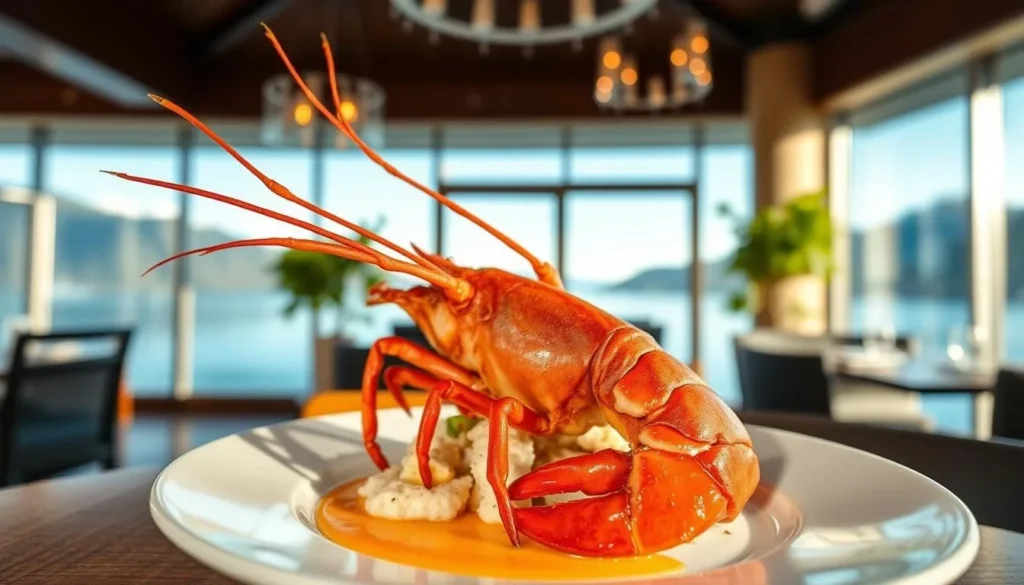
While Fiordland National Park itself has limited dining options, Te Anau offers a variety of restaurants and cafés serving local specialties.
Local Specialties
- Fiordland Crayfish – A local delicacy similar to lobster
- New Zealand Lamb – Often served with local vegetables
- Venison – Locally sourced and a specialty of the region
- Green-lipped Mussels – A New Zealand specialty
- Whitebait Fritters – Seasonal delicacy (August-November)
Recommended Restaurants in Te Anau
Casual Dining
- Redcliff Café – Cozy atmosphere with local ingredients
- Sandfly Café – Great for breakfast and lunch
- The Fat Duck – Gastropub with craft beers
Fine Dining
- Kepler Restaurant – Upscale dining with local ingredients
- Fiordland Lodge Restaurant – Gourmet meals with advance booking
- The Olive Tree – Italian-inspired cuisine with local produce
Dining at Milford Sound
Options at Milford Sound are limited to:
- Milford Sound Lodge Restaurant – The only full-service restaurant
- Blue Duck Café – Located at the visitor terminal, offering light meals and snacks
- Cruise boat meals – Many cruises include lunch or refreshments
Tip: If you’re planning a full day at Milford Sound, consider packing a picnic lunch from Te Anau. There are beautiful spots to enjoy it along the Milford Road or at Milford Sound itself.
Attractions, Sightseeing & Activities
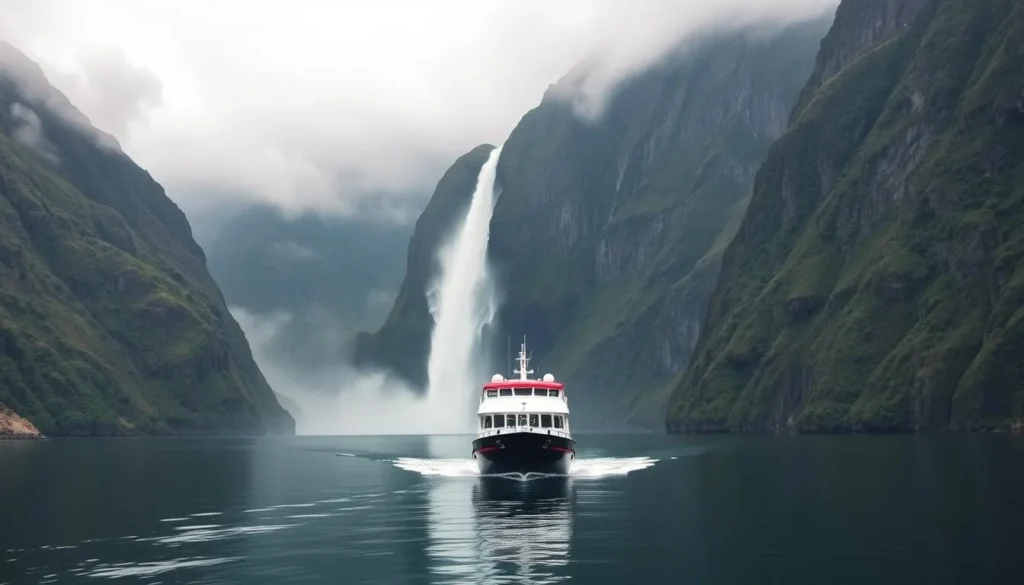
Milford Sound
The crown jewel of Fiordland, Milford Sound is a must-visit destination known for its towering peaks, including the iconic Mitre Peak (1,692 m/5,551 ft), and cascading waterfalls.
Milford Sound Cruises
A cruise on Milford Sound is the quintessential Fiordland experience. Options range from large, comfortable vessels to smaller, more intimate boats that can get closer to waterfalls and wildlife.
Doubtful Sound
Larger and less visited than Milford Sound, Doubtful Sound offers a more remote wilderness experience. Known as the “Sound of Silence,” it’s renowned for its peaceful atmosphere and abundant wildlife.
Doubtful Sound Cruises
Accessing Doubtful Sound requires a boat trip across Lake Manapouri and a coach journey over Wilmot Pass. Day cruises and overnight options are available, with the latter offering a unique chance to experience the sound at dawn and dusk.
Te Anau Glowworm Caves
These 12,000-year-old caves house a unique glowworm grotto accessible by boat. The 2.5-hour tour includes a cruise across Lake Te Anau and guided exploration of the cave system.
Scenic Flights
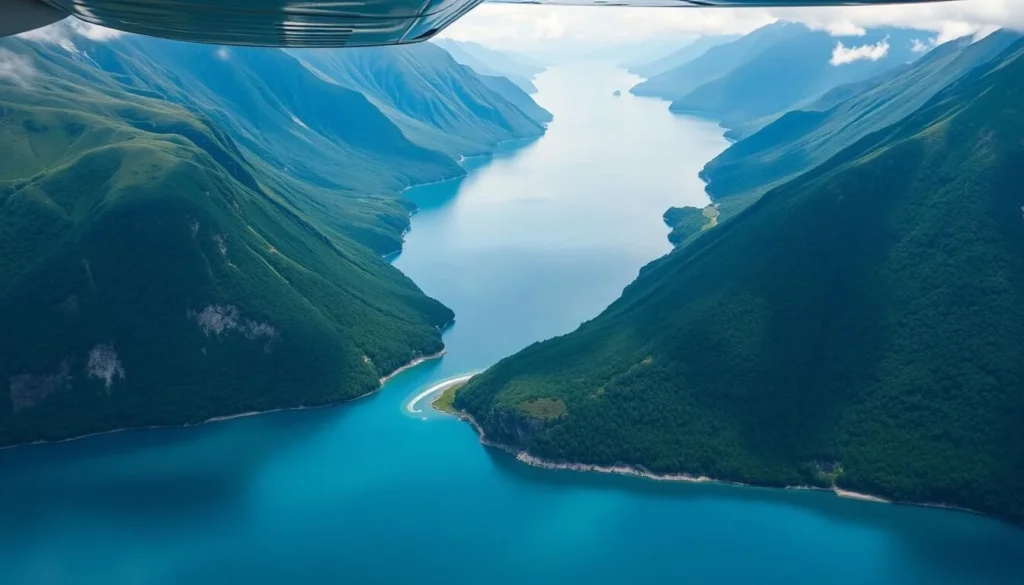
For a bird’s-eye view of Fiordland’s spectacular landscape, scenic flights by fixed-wing aircraft or helicopter offer unforgettable perspectives. Some tours include landings on remote mountaintops or glaciers.
Hiking Trails & Great Walks
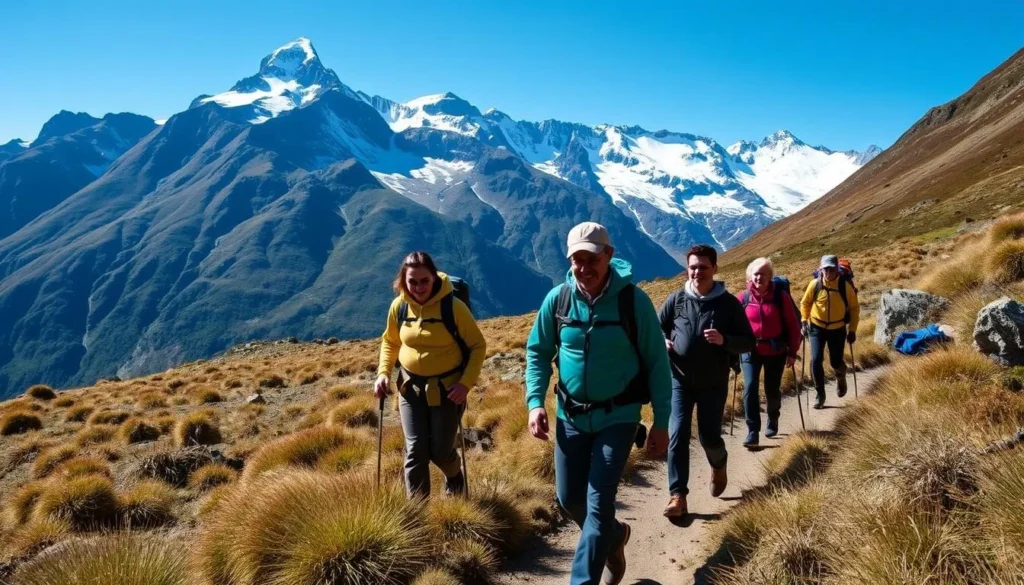
Fiordland National Park is home to three of New Zealand’s ten Great Walks, as well as numerous day hikes suitable for all fitness levels.
Great Walks
Milford Track
Often called the “finest walk in the world,” this 53.5 km (33.2 mile) track takes 4 days to complete. It winds through glacial valleys, native forest, and past New Zealand’s tallest waterfall, Sutherland Falls (580 m/1,904 ft).
Difficulty: Moderate
Booking: Essential, up to 6 months in advance
Routeburn Track
This 32 km (20 mile) track crosses both Fiordland and Mount Aspiring National Parks, offering diverse alpine scenery. It typically takes 2-3 days to complete.
Difficulty: Moderate
Booking: Essential, up to 6 months in advance
Kepler Track
A 60 km (37 mile) loop track starting and ending near Te Anau. It takes 3-4 days and offers spectacular ridge-line views and diverse ecosystems.
Difficulty: Moderate to challenging
Booking: Essential, up to 6 months in advance
Day Hikes
Key Summit Track
A 3-hour return hike offering panoramic views of the Humboldt and Darran Mountains. It’s part of the Routeburn Track and accessible from The Divide on the Milford Road.
Difficulty: Moderate
Distance: 7 km (4.3 miles) return
Lake Marian Track
A 3-hour return hike to an alpine lake surrounded by mountains. The track begins with a series of waterfalls before climbing steeply through forest.
Difficulty: Moderate to challenging
Distance: 6.2 km (3.9 miles) return
Gertrude Saddle
A challenging day hike with spectacular views down to Milford Sound. Only attempt in good weather as sections can be dangerous when wet.
Difficulty: Challenging
Distance: 7 km (4.3 miles) return
Wildlife & Nature Experiences
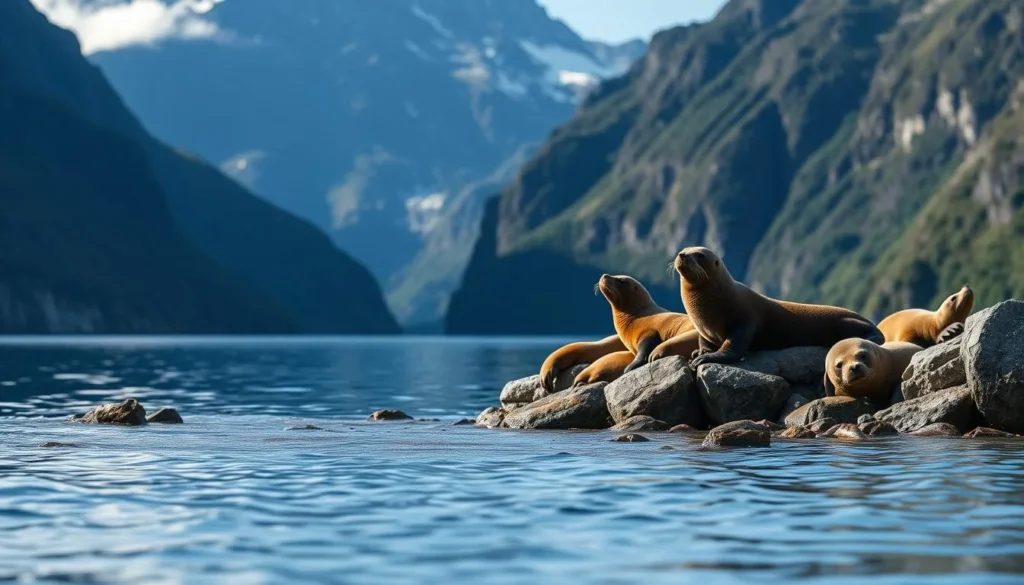
Fiordland National Park is home to unique wildlife, much of which can be spotted during cruises or while hiking.
Marine Wildlife
- New Zealand Fur Seals – Commonly seen basking on rocks in both Milford and Doubtful Sounds
- Bottlenose Dolphins – Resident pods in Doubtful Sound
- Fiordland Crested Penguins – One of the world’s rarest penguins, best spotted during breeding season (July-November)
- Little Blue Penguins – Occasionally seen in coastal areas
Bird Life
- Kea – The world’s only alpine parrot, known for its intelligence and curiosity
- Whio (Blue Duck) – Rare native duck found in fast-flowing rivers
- Takahē – Once thought extinct, this flightless bird can be seen at the Te Anau Bird Sanctuary
- Tūī and Bellbird – Native birds known for their distinctive calls
Unique Ecosystems
Fiordland’s heavy rainfall creates a unique marine environment in the fiords. A layer of dark freshwater sits on top of the saltwater, filtering light and allowing deep-sea species like black coral to grow at much shallower depths than normally possible.
Te Anau Bird Sanctuary
Visit the Punanga Manu o Te Anau (Te Anau Bird Sanctuary) to see rare native birds that are part of conservation breeding programs. Entry is by donation, and guided tours are available.
Cultural Spots & Māori Heritage
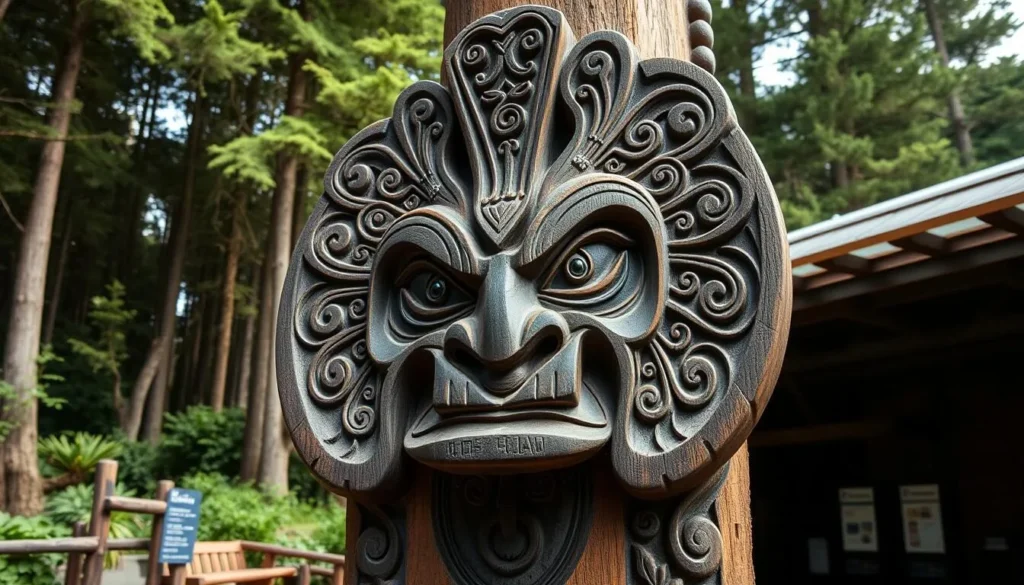
While Fiordland National Park is primarily known for its natural wonders, the area has a rich cultural history, particularly for Māori people.
Māori History in Fiordland
For Māori, Fiordland is known as “Te Rua-o-te-moko” (the tattooed face of the ancestor). The area was important for gathering pounamu (greenstone/jade) and for seasonal food collection. Milford Sound’s Māori name is Piopiotahi, named after the now-extinct piopio bird.
Cultural Experiences
- Te Anau Māori Heritage Centre – Learn about local Māori history and culture
- Guided cultural tours – Some tour operators incorporate Māori perspectives and stories into their experiences
- Pounamu carving workshops – Try your hand at carving this culturally significant stone
European History
European exploration of Fiordland began in the late 18th century. The area’s remoteness and challenging terrain meant it remained largely untouched until the construction of the Milford Track in the late 19th century and the Milford Road in the 1950s.
Fiordland Museum
Located in Te Anau, this small museum showcases the natural and human history of the Fiordland region, including displays on early exploration, the construction of the Homer Tunnel, and local wildlife.
Water Activities
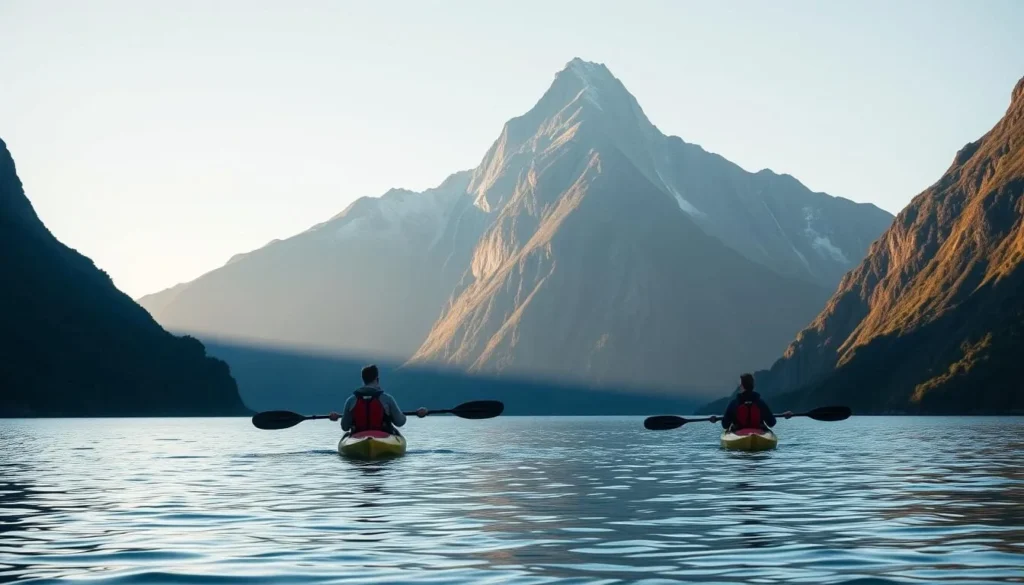
Kayaking
Exploring Milford or Doubtful Sound by kayak offers an intimate perspective of these magnificent waterways. Guided kayak tours range from a few hours to multi-day expeditions.
Kayaking Tip: For the best experience, book a morning kayak tour when the waters are typically calmer and wildlife more active.
Diving
Fiordland offers a unique diving experience due to its unusual marine environment. The dark freshwater layer that sits on top of the saltwater allows deep-sea species like black coral to grow at much shallower depths than normally possible.
Fishing
Fiordland’s lakes and rivers offer excellent fishing opportunities, particularly for brown and rainbow trout. A New Zealand fishing license is required and can be purchased online or at local sports shops.
Safety, Etiquette & Local Customs
Safety in Fiordland
Weather Awareness
- Weather can change rapidly – always check forecasts
- Be prepared for rain at any time of year
- In winter, check road conditions before traveling
- Carry chains for your vehicle in winter months
Hiking Safety
- Always tell someone your plans before hiking
- Carry appropriate equipment and clothing
- Bring sufficient food and water
- Know your limits and turn back if conditions deteriorate
Sandfly Warning: Fiordland is infamous for its sandflies – tiny biting insects that can make outdoor experiences uncomfortable. Bring insect repellent and wear long sleeves and pants, especially at dawn and dusk when they’re most active.
Environmental Etiquette
- Stay on marked trails to protect fragile ecosystems
- Take all rubbish with you – “Pack it in, pack it out”
- Do not feed wildlife, especially kea parrots
- Clean your boots between hikes to prevent the spread of invasive species
- Respect closures of tracks due to weather or conservation work
Cultural Considerations
Fiordland holds cultural significance for Māori people. Show respect by:
- Learning about the cultural history of the area
- Using Māori place names where appropriate
- Not removing any natural items from the park
- Respecting any rāhui (temporary restrictions) that may be in place
Visitor Comments About Fiordland National Park
“We visited Fiordland during a rainy day and were initially disappointed, but our guide assured us this was the best time to see Milford Sound. He was right! The temporary waterfalls cascading down the cliffs were absolutely magical. Don’t let rain deter you – embrace it as part of the Fiordland experience.”
“The Kepler Track was challenging but worth every step. The views from the ridgeline were unlike anything I’ve ever seen. My tip: book the huts well in advance and be prepared for all weather conditions, even in summer. We experienced sunshine, rain, and fog all in one day!”
“We splurged on an overnight cruise in Doubtful Sound and it was the highlight of our New Zealand trip. Waking up surrounded by mist-covered mountains in complete silence was an experience I’ll never forget. If your budget allows, choose the overnight option over a day cruise.”
Practical Travel Tips

What to Pack
- Waterproof jacket and pants
- Layers for variable temperatures
- Sturdy hiking boots
- Insect repellent for sandflies
- Sunscreen (UV rays are strong in NZ)
- Camera with extra batteries
- Reusable water bottle
Connectivity
- Limited cell coverage in the park
- Download maps offline before arrival
- Te Anau has good WiFi options
- Consider renting a satellite phone for remote hikes
- Inform someone of your plans if hiking
Money Matters
- ATMs available in Te Anau
- Limited payment options at Milford Sound
- Most tours can be booked by credit card
- Tipping is not expected in New Zealand
- Carry some cash for small purchases
Booking Advice
- Book Great Walk huts 6-9 months in advance for peak season
- Reserve accommodation in Te Anau early, especially December-February
- Consider visiting midweek to avoid weekend crowds
- Book morning cruises for calmer waters and better wildlife viewing
Nature’s Masterpiece Awaits
Fiordland National Park stands as one of the world’s last great wilderness areas, a place where nature’s raw power and beauty remain largely untamed. From the majestic fiords carved by ancient glaciers to the symphony of birdsong in pristine rainforests, every moment spent in Fiordland offers a profound connection to the natural world. Whether you’re cruising beneath towering cliffs, hiking along alpine ridges, or simply standing in awe as rain transforms mountainsides into cascading waterfalls, Fiordland promises experiences that will stay with you long after you’ve returned home. This remarkable corner of New Zealand isn’t just a destination—it’s a reminder of what our planet can be at its most spectacular and unspoiled.



0 Comments