Hotels by Trip.com
Flights by Trip.com
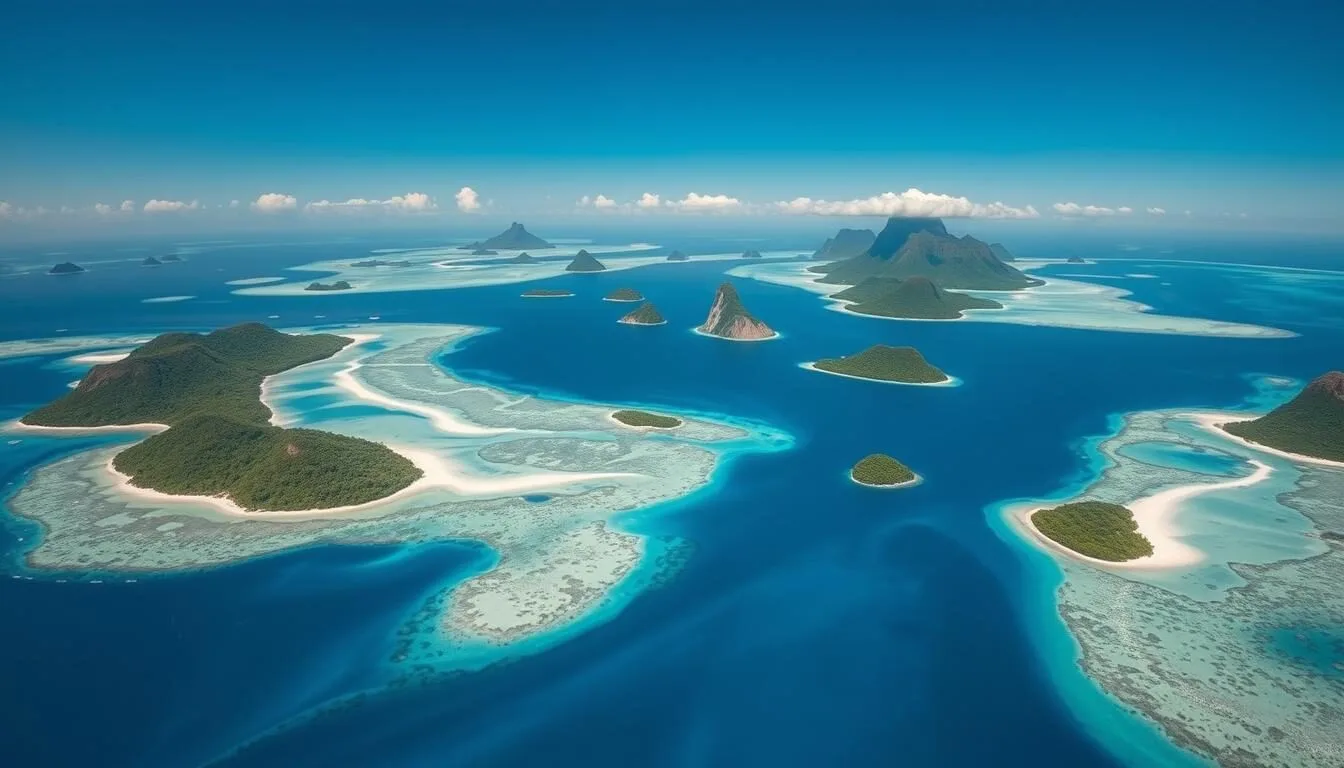
Did you know that beneath the crystal-clear waters surrounding Honiara lies “Iron Bottom Sound,” named for the more than 50 Allied and Japanese ships sunk during World War II? This underwater museum is just one of many surprises awaiting visitors to the Solomon Islands’ capital. While most travelers to the South Pacific flock to Fiji or Vanuatu, Honiara offers a raw, authentic experience where you’ll often find yourself the only tourist exploring its treasures. From world-class diving among WWII wrecks to vibrant markets and pristine waterfalls, this underrated destination deserves a prime spot on your travel bucket list.
Getting to Honiara & Planning Your Journey
Honiara is served by Honiara International Airport (HIR), formerly known as Henderson Field – a name that history buffs will recognize from its significant role in WWII. Solomon Airlines operates regular international flights from Brisbane, Australia, with connections also available from Fiji, Vanuatu, and Papua New Guinea.
For those preferring to arrive by sea, Honiara is a port of call for some cruise lines exploring the South Pacific. These cruises typically offer day excursions that provide a taste of the island’s highlights.
When planning your trip, consider spending at least 3-4 days in Honiara to fully appreciate its attractions. Many travelers use the capital as a starting point before exploring other islands in the archipelago. A valid passport is required, and most visitors receive a 90-day visa upon arrival.
Best Time to Visit Honiara
Dry Season (May-October)
The ideal time to visit Honiara is during the dry season from May to October. During these months, you’ll enjoy:
- Pleasant temperatures averaging 24-30°C (75-86°F)
- Lower humidity levels
- Minimal rainfall
- Excellent visibility for diving and snorkeling
- More reliable transportation options
August to October offers the clearest waters for underwater activities, making it perfect for exploring Honiara’s famous dive sites.
Wet Season (November-April)
The wet season brings challenges but also benefits:
- Higher temperatures of 25-32°C (77-90°F)
- Increased humidity
- Heavy afternoon downpours
- Risk of cyclones (especially January-March)
- Lush, vibrant landscapes
- Fewer tourists and potential discounts
If you don’t mind occasional rain showers and are seeking budget-friendly options, the shoulder months of November and April can be good compromises.
Getting Around Honiara
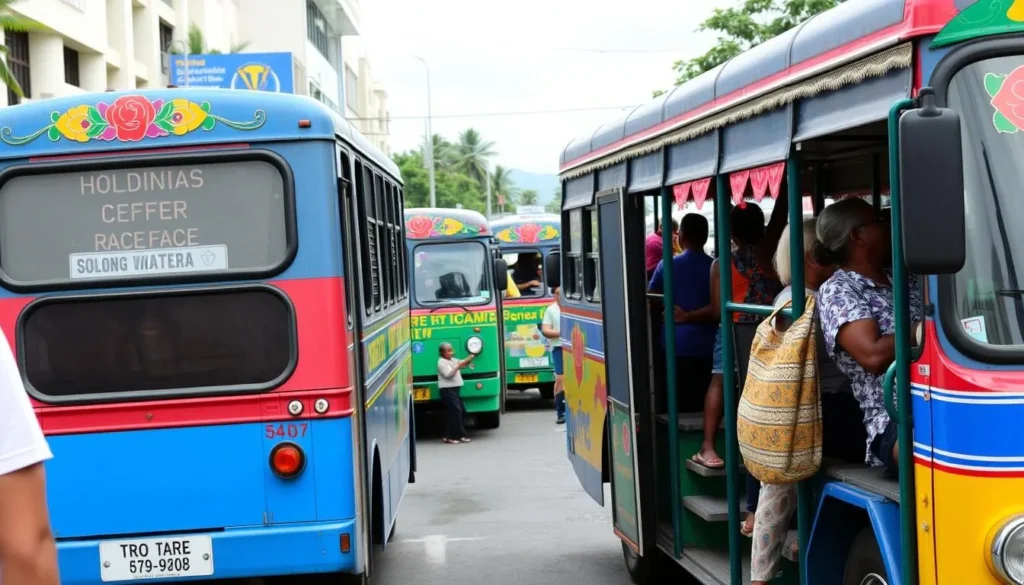
Navigating Honiara is relatively straightforward given its compact size. The main part of town stretches along Mendana Avenue, with most attractions within walking distance of each other. However, for exploring further afield, you’ll need transportation.
Local Transportation Options
Taxis
Taxis are plentiful in Honiara and relatively affordable. Expect to pay around 30-50 SBD (approximately $3.50-6 USD) for short trips within the city. Always negotiate the fare before departing, as meters are rarely used. For day trips outside the city, you can arrange for a taxi to wait for you at a rate of about 800-1,000 SBD ($100-125 USD) per day.
Local Buses
Colorful minibuses operate along set routes throughout Honiara and cost just 3-5 SBD (less than $1 USD) per trip. They’re an economical option and provide a glimpse into local life, though they can be crowded and routes may not be clearly marked. Look for the destination written on the front or side of the bus.
Rental Cars
For maximum flexibility, especially when exploring attractions outside the city, consider renting a vehicle. Several agencies operate in Honiara, with rates starting from around 800 SBD ($100 USD) per day. An international driving permit is recommended.
Where to Stay in Honiara

Honiara offers a range of accommodation options to suit different budgets and preferences. Most hotels are concentrated along Mendana Avenue and the coastal areas. While luxury options are limited compared to more developed Pacific destinations, you’ll find comfortable places to stay with friendly service.
Check 30,000+ Local Sightseeing Tours Worldwide
✓ Numerous languages and currencies are available
Luxury & Business Hotels
- Heritage Park Hotel – Upscale option with pool, restaurants, and harbor views
- Coral Sea Resort & Casino – Modern waterfront property with casino and private beach
- Solomon Kitano Mendana Hotel – Japanese-owned hotel with excellent restaurant and business facilities
Expect to pay 1,500-3,000 SBD ($180-370 USD) per night for these premium options.
Mid-Range Accommodations
- King Solomon Hotel – Hillside property with funicular access and good restaurant
- Pacific Casino Hotel – Spacious rooms and multiple dining options
- Iron Bottom Sound Hotel – Centrally located with historical significance
Mid-range options typically cost between 800-1,500 SBD ($100-180 USD) per night.
Budget-Friendly Options
- United Church Rest House – Simple, clean rooms with shared facilities
- Honiara Hotel – Older property with pool and basic amenities
- Chester Rest House – Family-run guesthouse with local atmosphere
Budget accommodations range from 300-800 SBD ($35-100 USD) per night.
Dining & Local Cuisine in Honiara

Honiara’s food scene reflects its multicultural influences, with strong Melanesian traditions complemented by Asian and Western cuisines. Seafood naturally dominates many menus, with fresh catches prepared in various styles. Most restaurants are concentrated along Mendana Avenue and in the major hotels.
Must-Try Local Dishes
- Kokoda – Raw fish marinated in lime juice and coconut milk, similar to ceviche
- Poi – Taro leaves cooked with coconut cream and sometimes seafood
- Cassava pudding – Grated cassava baked with coconut milk
- Motu – Food cooked in an earth oven with hot stones
- Fresh lobster – Often grilled or prepared with coconut milk
Top Dining Spots in Honiara
Local Experiences
- Central Market – For fresh fruits, vegetables, and simple prepared foods
- Lime Lounge – Popular café with good coffee and international menu
- The Breakwater Café – Waterfront spot with seafood and local dishes
International Cuisine
- Haydn’s Steakhouse – Quality steaks and international dishes at Coral Sea Resort
- The Ofis – Popular with expats, serving pizza, pasta, and pub food
- Tenkai Sushi Café – Japanese cuisine with fresh seafood options
Hotel Restaurants
- Bamboo Bar & Grill – At Heritage Park Hotel, offering Pacific Rim cuisine
- Chikoro Restaurant – Japanese-influenced dining at the Kitano Mendana Hotel
- Club Tropicana – Casual dining with themed buffet nights
Local Tip: For an authentic experience, visit the Central Market in the morning when it’s bustling with activity and the produce is freshest. Try the local fruits like soursop, rambutan, and fresh coconuts opened right before your eyes!
Top Attractions in Honiara, Solomon Islands
Honiara offers a fascinating mix of historical sites, cultural attractions, and natural beauty. While the city itself is relatively small, it serves as an excellent base for exploring the surrounding areas. Here are the must-visit attractions in and around Honiara:
Historical & Cultural Sites
National Museum of Solomon Islands
Located on Mendana Avenue, this small but informative museum houses traditional artifacts, historical exhibits, and cultural displays. Don’t miss the outdoor area featuring traditional house styles from different islands. The museum provides excellent context for understanding Solomon Islands’ rich cultural heritage.
Entry fee: Free (donations appreciated)
Central Market
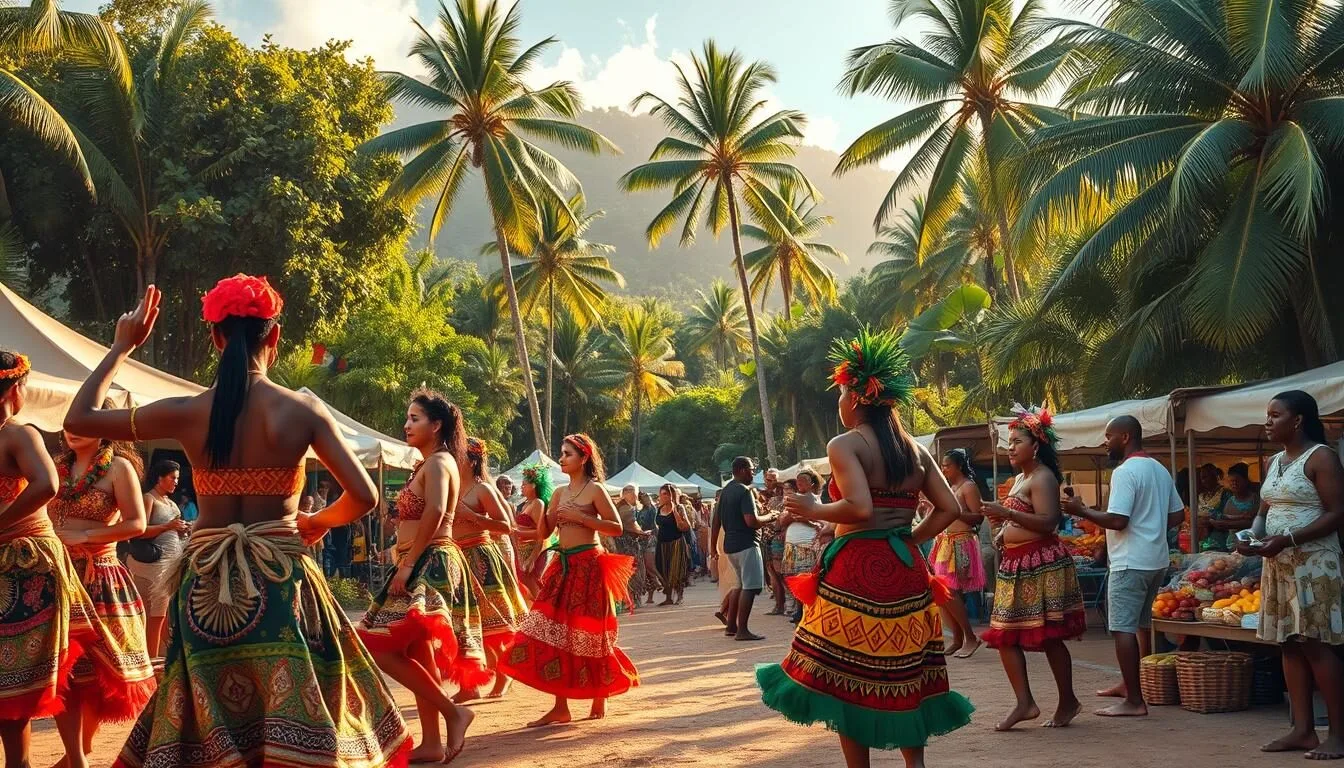
The bustling heart of Honiara, this vibrant market offers a sensory feast with colorful produce, fresh seafood, and local crafts. Visit in the morning to see it at its liveliest, when vendors from surrounding villages bring their goods. It’s an excellent place to sample local fruits and observe daily life in the Solomon Islands.
Location: Along Mendana Avenue by the waterfront
Parliament Building
With its distinctive traditional-meets-modern architecture, the Parliament Building is worth a visit. The structure incorporates traditional Solomon Islands design elements, including a roof inspired by traditional leaf houses. While tours of the interior are limited, the exterior is impressive and photogenic.
Location: Eastern end of Honiara
World War II Historical Sites
Guadalcanal American Memorial
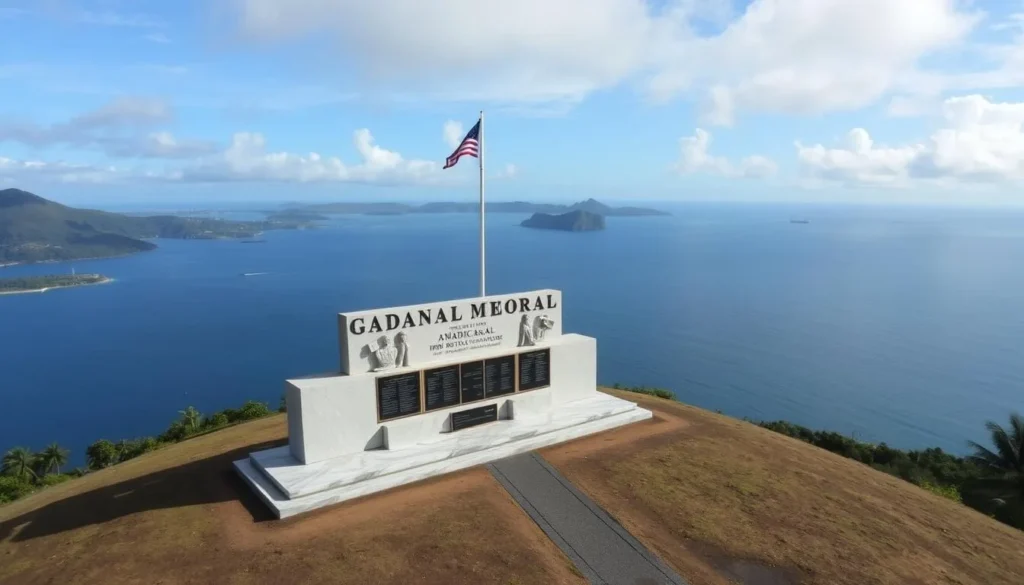
Perched on a hill overlooking Iron Bottom Sound, this solemn memorial commemorates the Americans who lost their lives during the Guadalcanal Campaign. The site offers informative displays about the battles and spectacular views of the coastline. It’s a place for reflection on the significant WWII history that shaped the Solomon Islands.
Location: Skyline Ridge (Hill 73), northwest of Honiara
Vilu War Museum
This open-air museum displays an impressive collection of WWII relics, including aircraft wreckage, artillery pieces, and other military equipment from both Japanese and American forces. Located about 25 km west of Honiara, it’s a fascinating destination for history enthusiasts.
Entry fee: 100 SBD (approximately $12 USD)
Bloody Ridge
The site of a crucial battle during the Guadalcanal Campaign, Bloody Ridge (also known as Edson’s Ridge) is now a peaceful memorial park. A short hike leads to panoramic views and information panels explaining the historical significance of this strategic location.
Location: Approximately 10 km southeast of Honiara
Beaches & Natural Attractions

Bonegi Beach
Located about 10 km west of Honiara, Bonegi Beach is famous for its WWII shipwrecks visible from shore. The remains of two Japanese transport ships, known locally as Bonegi I and Bonegi II, provide excellent snorkeling and diving opportunities. Even non-divers can see parts of the wrecks protruding from the water.
The beach itself offers a pleasant setting for picnics and swimming, with facilities including basic changing rooms and picnic areas.
Tenaru Falls
This stunning waterfall is reached via a moderately challenging 45-minute hike through lush rainforest. The 20 m (65 ft) cascade plunges into a refreshing natural pool perfect for swimming. The journey involves crossing the river several times, so be prepared to get your feet wet.
Guides are essential and can be arranged through hotels or tour operators. The complete excursion typically takes 3-4 hours round trip from Honiara.
Mataniko Falls
Another impressive waterfall near Honiara, Mataniko Falls features caves that served as hiding places for Japanese soldiers during WWII. The hike is more challenging than Tenaru Falls but rewards visitors with spectacular scenery and historical significance.
The trail passes through local villages, offering glimpses into rural Solomon Islands life. A guide is mandatory, as the route is not marked and involves some tricky terrain.
Adventure Tip: When visiting waterfalls, wear sturdy water shoes or sandals with good grip, as paths can be slippery. Bring a dry bag for electronics and a change of clothes. Most importantly, always hire a local guide – they provide safety, cultural insights, and their fees support the local economy.
World-Class Diving & Snorkeling
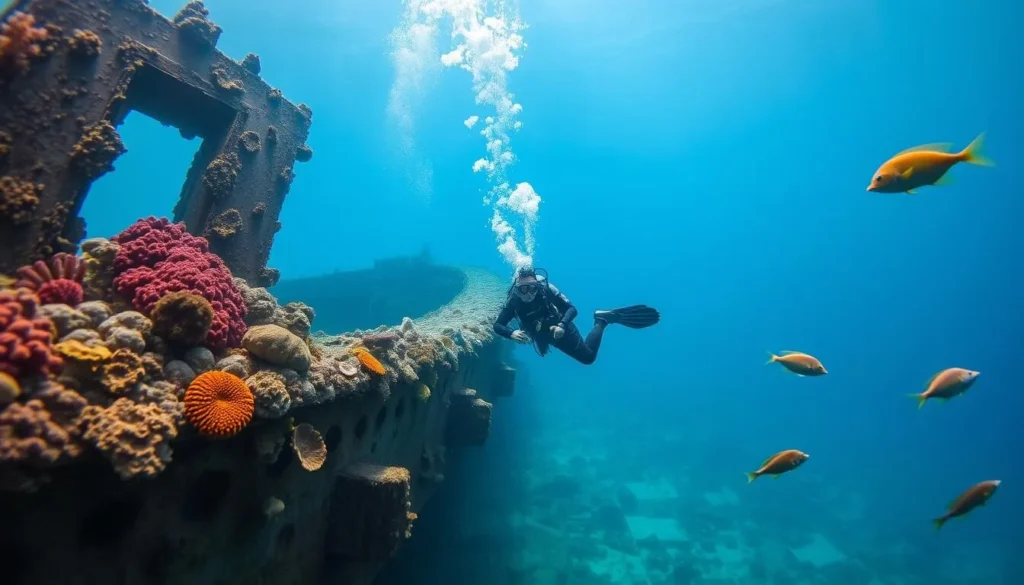
The waters around Honiara are a diver’s paradise, offering a unique combination of WWII wrecks, vibrant coral reefs, and abundant marine life. Even if you’re not a certified diver, many sites are accessible to snorkelers, making underwater exploration one of the best things to do in Honiara, Solomon Islands.
Top Diving & Snorkeling Sites
Bonegi Wrecks
The two Japanese transport ships at Bonegi Beach (Hirokawa Maru and Kinugawa Maru) offer shore diving suitable for all experience levels. Encrusted with coral and teeming with marine life, these accessible wrecks are among Honiara’s most popular dive sites.
Depth: 5-35 m (16-115 ft)
Visibility: 10-20 m (33-66 ft)
Iron Bottom Sound
Named for the numerous vessels sunk during WWII, this area between Guadalcanal and the Florida Islands contains dozens of wrecks. Highlights include the USS Aaron Ward destroyer and the Japanese I-1 submarine. These deeper sites are suitable for advanced divers only.
Depth: 20-60 m (66-197 ft)
Visibility: 15-30 m (49-98 ft)
Tulagi Harbor
A day trip from Honiara, Tulagi offers spectacular diving among WWII aircraft, ships, and submarines in relatively shallow waters. The area is known for its excellent visibility and diverse marine life, including barracuda, reef sharks, and manta rays.
Depth: 10-40 m (33-131 ft)
Visibility: 15-30 m (49-98 ft)
Diving Operators in Honiara
- Tulagi Dive – Established operator offering daily dive trips to nearby sites
- Raiders Hotel & Dive – Specializes in WWII wreck diving with knowledgeable guides
- Solomon Islands Diving – Offers courses, equipment rental, and guided dives
Day Trips from Honiara
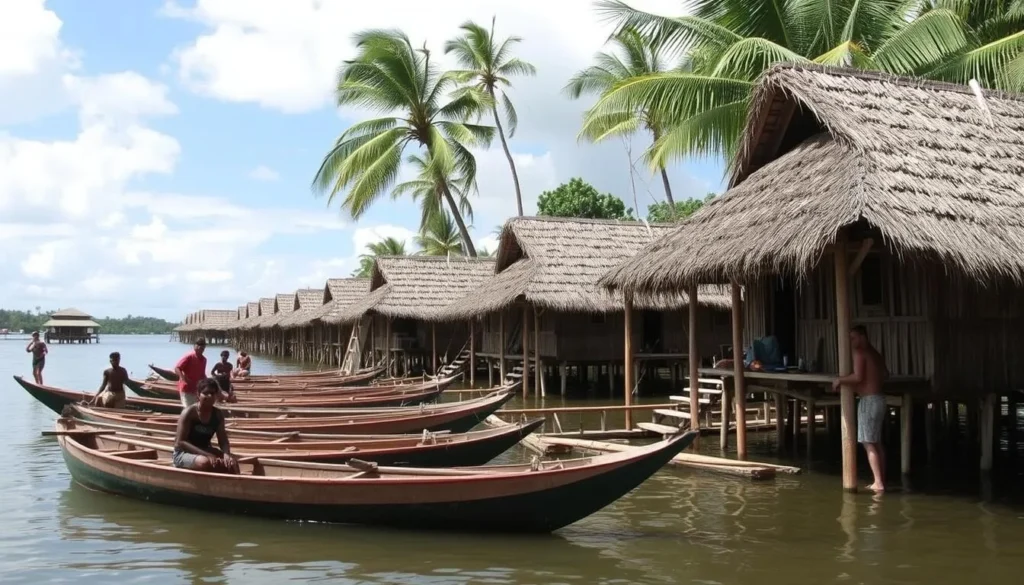
While Honiara itself offers plenty to explore, some of the best experiences in the Solomon Islands require venturing beyond the capital. These day trips provide opportunities to experience pristine nature, authentic village life, and more remote historical sites.
Florida Islands
Just a 1-2 hour boat ride from Honiara, the Florida Islands (Nggela Islands) offer beautiful beaches, traditional villages, and excellent snorkeling opportunities. Visitors can experience local culture, enjoy fresh seafood, and explore WWII relics scattered throughout the islands.
Tour operators in Honiara can arrange day trips that include village visits, snorkeling, and beach time. Some tours include lunch with local families for an authentic cultural experience.
Savo Island
This volcanic island, located about 35 km northwest of Honiara, is known for its geothermal features, megapode birds (which bury their eggs in the warm volcanic sand), and wild dolphin sanctuary. A day trip typically includes a village visit, hot springs experience, and dolphin watching.
The boat journey takes approximately 45-60 minutes each way, depending on sea conditions. Tours usually depart early in the morning for the best chance of spotting dolphins.
Visale Catholic Mission
Located about 40 km west of Honiara, this historic mission was established in the late 19th century and played a significant role during WWII. The beautiful church, scenic coastline, and warm local community make this a rewarding day trip.
The journey takes about 1.5 hours by car or taxi. Visitors should dress modestly when visiting the church and seek permission before taking photographs of local residents.
Practical Travel Tips for Honiara

Essential Information
Currency & Money
- The local currency is the Solomon Islands Dollar (SBD)
- ATMs are available in Honiara but limited elsewhere
- Major hotels accept credit cards, but smaller establishments and markets are cash-only
- Bring Australian dollars as backup – they’re widely accepted
- Current exchange rate: approximately 1 USD = 8 SBD
Health & Safety
- Malaria is present – take appropriate precautions
- Drink bottled or boiled water only
- Basic medical facilities are available in Honiara
- Comprehensive travel insurance is essential
- Avoid walking alone at night, especially in Honiara’s outskirts
Communication
- Local SIM cards are available from Our Telekom and bmobile
- WiFi is available at major hotels but can be slow
- The country code is +677
- English is widely spoken alongside Pijin (local creole)
- Learning a few Pijin phrases is appreciated by locals
Cultural Etiquette
“Visiting the Solomon Islands and just staying in Honiara is like visiting Australia and just going to Canberra. You just don’t.” – Local tourism officer
- Dress modestly, especially when visiting villages and churches. Shoulders and knees should be covered.
- Ask permission before taking photographs of people or entering villages.
- Remove shoes when entering someone’s home.
- Respect Sunday as a day of rest and church attendance. Many businesses close, and activities may be limited.
- Bring small gifts like school supplies or fishing hooks when visiting villages – it’s appreciated but not expected.
- Greet people with a smile and handshake. The local greeting “Hello oloketa” (hello everyone) is always welcomed.
Island Time: The pace of life in the Solomon Islands is relaxed. Schedules are flexible, and things may not always run on time. Embrace this slower rhythm and you’ll enjoy your visit much more!
Why Honiara Should Be Your Next Pacific Adventure
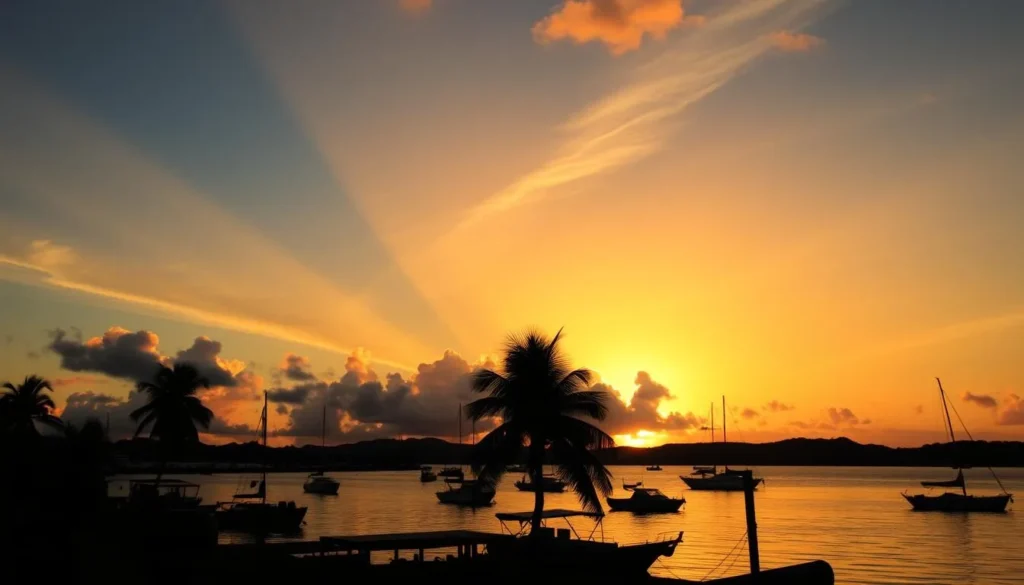
Honiara may not have the polished tourism infrastructure of other Pacific destinations, but that’s precisely what makes it special. Here, you’ll find authentic experiences, fascinating history, and natural beauty without the crowds. From diving among WWII wrecks to hiking through lush rainforests to waterfalls, from exploring vibrant markets to connecting with welcoming locals, Honiara offers adventures that feel genuinely off the beaten path.
The Solomon Islands’ tourism slogan is “Solomons Is.” – simple and profound. It invites you to experience this unique destination exactly as it is: raw, real, and remarkably beautiful. As you plan your journey to this Pacific gem, remember that the best souvenirs will be your stories of unexpected discoveries and meaningful connections made along the way.
What is the best time of year to visit Honiara, Solomon Islands?
The best time to visit Honiara is during the dry season from May to October, with August to October offering the clearest waters for diving and snorkeling. During these months, you’ll enjoy temperatures between 24-30°C (75-86°F), lower humidity, and minimal rainfall. The wet season (November-April) brings higher humidity, afternoon downpours, and occasional cyclones, especially from January to March.
Is Honiara safe for tourists?
Honiara is generally safe for tourists who exercise common sense precautions. Avoid walking alone at night, especially in the outskirts of town and squatter settlements. Keep valuables secure and be aware of your surroundings. Most visitors experience no problems, and locals are typically friendly and helpful. The main health concern is malaria, so appropriate precautions are recommended.
What are the must-see attractions in Honiara for history buffs?
History enthusiasts should visit the National Museum, Guadalcanal American Memorial, Vilu War Museum, and Bloody Ridge. The WWII wrecks at Bonegi Beach are also significant historical sites that can be explored by snorkeling or diving. For those interested in colonial history, the Parliament Building and Holy Cross Cathedral offer architectural insights into different periods of Solomon Islands history.