
Hotels by Trip.com
Flights by Trip.com
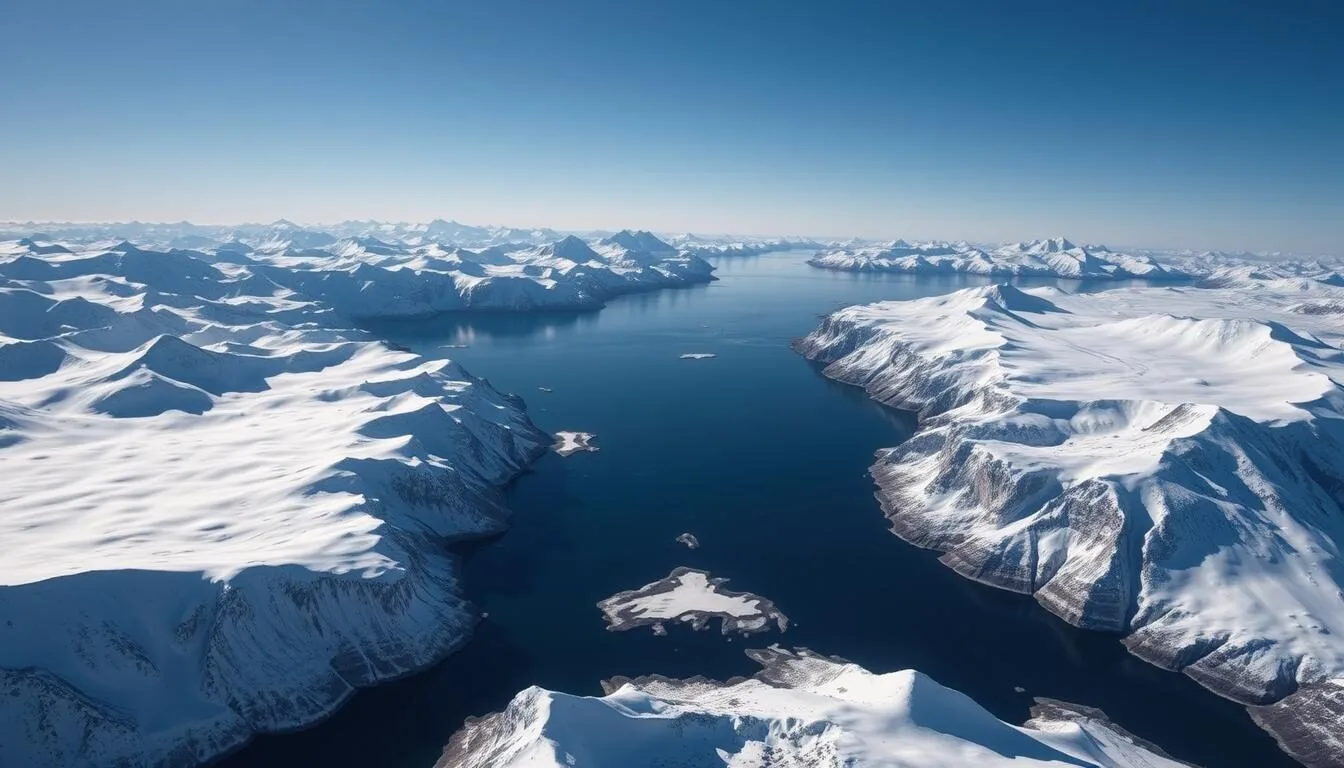
Did you know that the Arctic region experiences a phenomenon called “midnight sun” where the sun doesn’t set for up to 24 hours a day during summer months? This natural wonder is just one of many breathtaking experiences awaiting visitors to the top of the world. The Arctic Circle, encompassing eight countries and the North Pole itself, offers some of Earth’s most extraordinary landscapes and wildlife encounters that few travelers ever witness. From the dancing northern lights to close encounters with polar bears, this pristine wilderness promises adventures that will forever change how you see our planet.
Getting There & Planning Your Journey
Reaching the Arctic Circle and North Pole requires careful planning. The most common gateway airports include Oslo (Norway), Helsinki (Finland), Reykjavik (Iceland), and Tromsø (Norway). From these hubs, smaller regional flights connect to Arctic communities like Longyearbyen (Svalbard), Ilulissat (Greenland), and Rovaniemi (Finland).
For the North Pole itself, most expeditions depart from Longyearbyen in Svalbard, Norway. These journeys typically involve specialized icebreaker ships that can navigate through the thick Arctic sea ice. Some expeditions also offer flights that land directly on the Arctic ice near the North Pole, usually departing from Svalbard.
When planning your Arctic adventure, book well in advance (12-18 months is recommended for popular cruises) and ensure you have appropriate travel insurance that covers Arctic expeditions. Many tour operators require medical clearance forms before departure, especially for North Pole journeys.
Best Time to Visit & Weather Tips
Recommended Seasons:
- Summer (June-August): Midnight sun, warmest temperatures (0°C to 10°C/32°F to 50°F), best for wildlife viewing, hiking, and polar cruises. Sea ice is at its minimum, allowing ships to navigate further north.
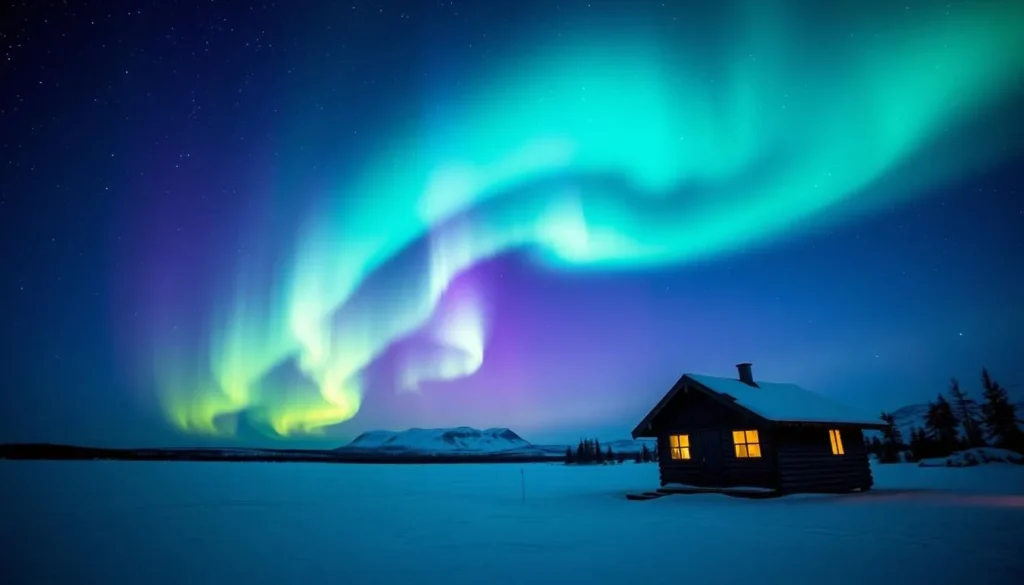
- Spring (April-May): Increasing daylight, good for dog sledding, snowmobiling, and seeing newborn polar bear cubs. Northern lights still visible in early spring.
- Autumn (September): Return of the northern lights, fewer tourists, beautiful fall colors in southern Arctic regions.
Seasons to Avoid:
- Winter (October-March): Polar night (24-hour darkness), extremely cold temperatures (-30°C to -15°C/-22°F to 5°F). Limited accessibility to many regions, though some destinations like Finnish Lapland and Tromsø offer winter tourism experiences.
Weather in the Arctic is highly unpredictable. Pack layers regardless of season, including waterproof and windproof outer layers. During summer, temperatures can occasionally reach 15°C (59°F) in southern Arctic regions, but can quickly drop below freezing with wind chill, especially on the water.
Getting Around Locally
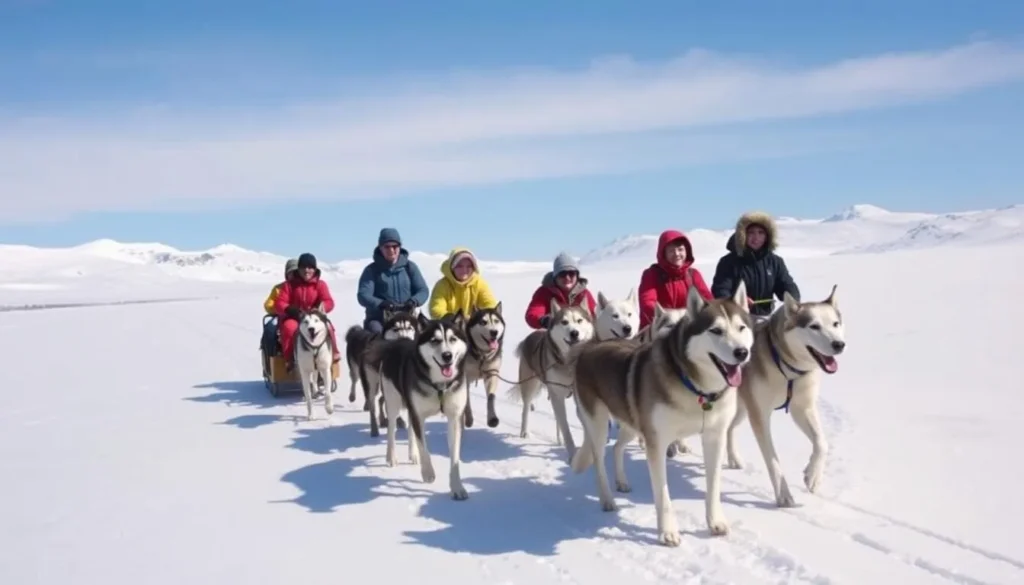
Transportation within the Arctic varies greatly depending on location and season. During winter months, traditional methods like dog sledding and snowmobiles become essential ways to traverse the frozen landscape. In summer, boats and small aircraft are common for reaching remote areas.
Transportation Options:
- Expedition Cruises: The most popular way to explore multiple Arctic destinations, especially for wildlife viewing and reaching remote areas.
- Zodiac Boats: Small, inflatable motorboats used for shore landings from larger expedition ships and for close-up exploration of icebergs and coastlines.
- Dog Sledding: Traditional Arctic transportation, available as both authentic experiences with local guides and as tourist activities.
- Snowmobiles: Faster alternative to dog sleds, popular for winter excursions.
- Helicopters: Used for some premium North Pole expeditions and to reach extremely remote areas.
Within Arctic towns like Longyearbyen or Tromsø, walking is often sufficient for getting around, though local buses or taxis may be available. For any wilderness excursion, local guides are essential not only for navigation but also for safety and wildlife awareness.
Where to Stay
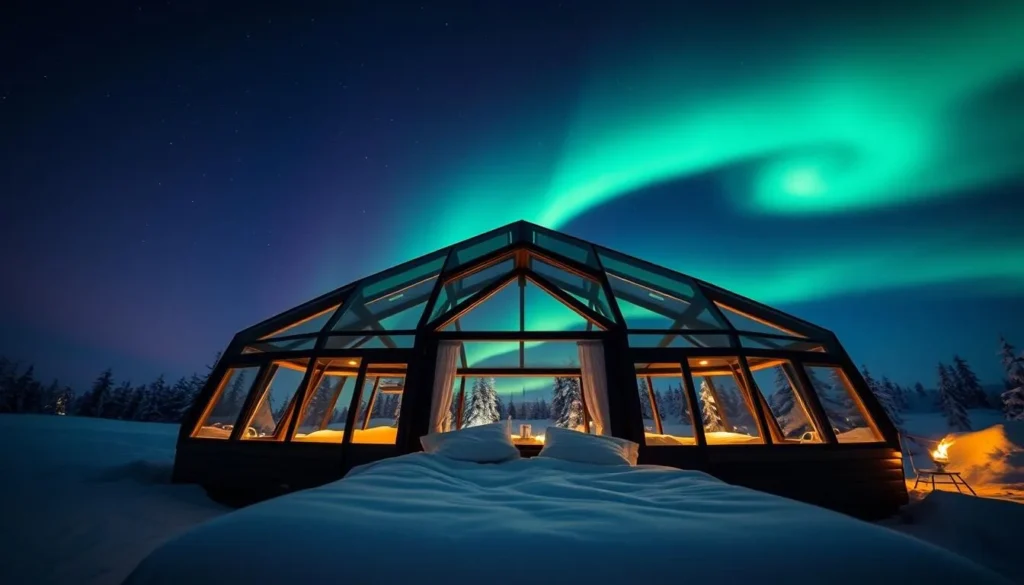
Accommodation in the Arctic ranges from expedition ships and basic research stations to luxury lodges and unique ice hotels. Options vary greatly by location and season.
Accommodation Types:
- Expedition Ships: From former research vessels to luxury polar-class ships, these floating hotels offer the most flexibility for exploring multiple Arctic destinations.
- Arctic Lodges: Found in locations like Finnish Lapland, northern Norway, and parts of Canada, these range from rustic to luxury accommodations.
- Glass Igloos & Aurora Cabins: Popular in Finnish Lapland, these unique accommodations feature glass roofs for northern lights viewing from your bed.
- Ice Hotels: Seasonal accommodations built entirely from snow and ice, found in Sweden, Norway, and Finland.
- Wilderness Camps: For the adventurous, some operators offer camping experiences on the Arctic ice or tundra.
In established Arctic communities like Longyearbyen (Svalbard), Ilulissat (Greenland), or Tromsø (Norway), you’ll find standard hotels and guesthouses, though often with Arctic-specific amenities like thermal gear rental and northern lights wake-up calls.
Book accommodations well in advance, especially for specialty options like ice hotels or glass igloos, which can fill up a year or more ahead during peak northern lights season.
Dining & Local Cuisine

Arctic cuisine is characterized by locally sourced ingredients adapted to the harsh environment. Traditional foods include game meats, seafood, preserved foods, and wild berries. Modern Arctic restaurants often blend traditional ingredients with contemporary culinary techniques.
Must-Try Arctic Foods:
- Reindeer: A staple protein across the Arctic, especially in Sami cuisine, often served as steak, stew, or dried meat.
- Arctic Char: Delicious freshwater fish found throughout Arctic waters.
- King Crab: Massive crabs harvested from the Barents Sea, especially popular in northern Norway.
- Cloudberries: Golden Arctic berries with a unique flavor, used in desserts and liqueurs.
- Traditional Breads: Like Finnish rieska or Norwegian lefse, often served with meals.
On expedition cruises, meals are typically included and range from buffet-style to fine dining depending on the ship. In Arctic communities, restaurants often feature local specialties but may have limited options and higher prices due to the cost of importing ingredients.
For those with dietary restrictions, communicate your needs well in advance, especially when traveling to remote areas where food options may be limited.
Check 30,000+ Local Sightseeing Tours Worldwide
✓ Numerous languages and currencies are available
Attractions, Sightseeing & Activities
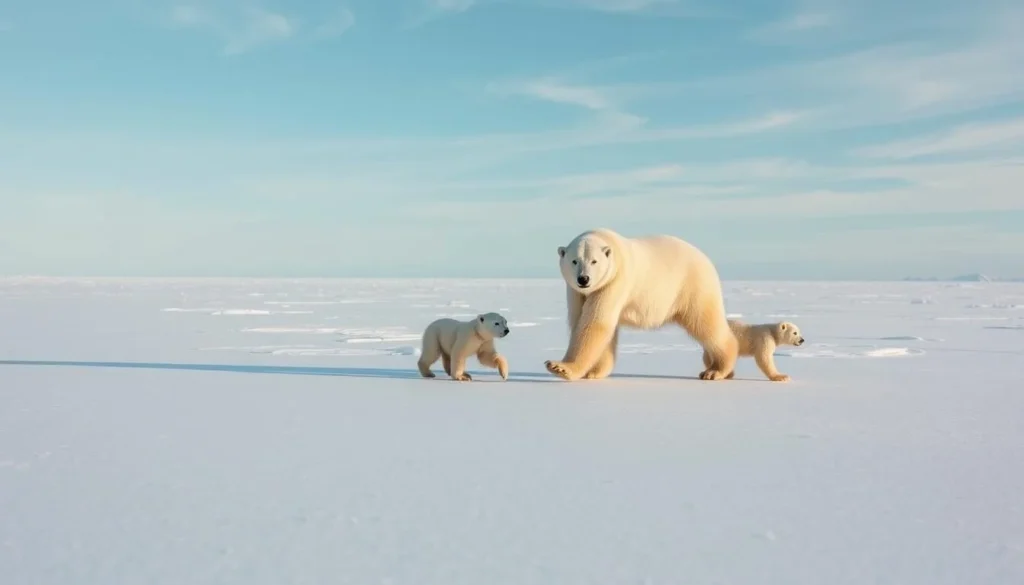
Top Arctic Attractions:
- The Geographic North Pole: Standing at 90° North, the top of the world, is a bucket-list achievement accessible via icebreaker cruises or helicopter expeditions.
- Northern Lights: The aurora borealis is visible throughout the Arctic during dark, clear nights from September to April.
- Midnight Sun: Experience 24 hours of daylight during summer months, perfect for extended exploration and photography.
- Polar Bears in Svalbard: One of the best places on Earth to observe polar bears in their natural habitat.
- Ilulissat Icefjord (Greenland): UNESCO World Heritage site featuring massive icebergs calving from Greenland’s ice sheet.
- Scoresby Sund (Greenland): The world’s largest fjord system with dramatic landscapes.
- Northwest Passage: Historic sea route connecting Atlantic and Pacific Oceans through the Canadian Arctic.
Popular Activities:
- Wildlife Watching: Besides polar bears, look for Arctic foxes, reindeer, muskoxen, walruses, whales, and numerous bird species.
- Dog Sledding: Traditional Arctic transportation turned adventure activity.
- Kayaking: Paddle among icebergs and along Arctic coastlines.
- Zodiac Cruising: Small boat excursions for close-up exploration of ice formations and wildlife.
- Hiking: Explore the Arctic tundra with its unique flora and vast landscapes.
- Photography: Capture otherworldly landscapes and wildlife in magical light conditions.
Museums, Cultural Spots & Festivals
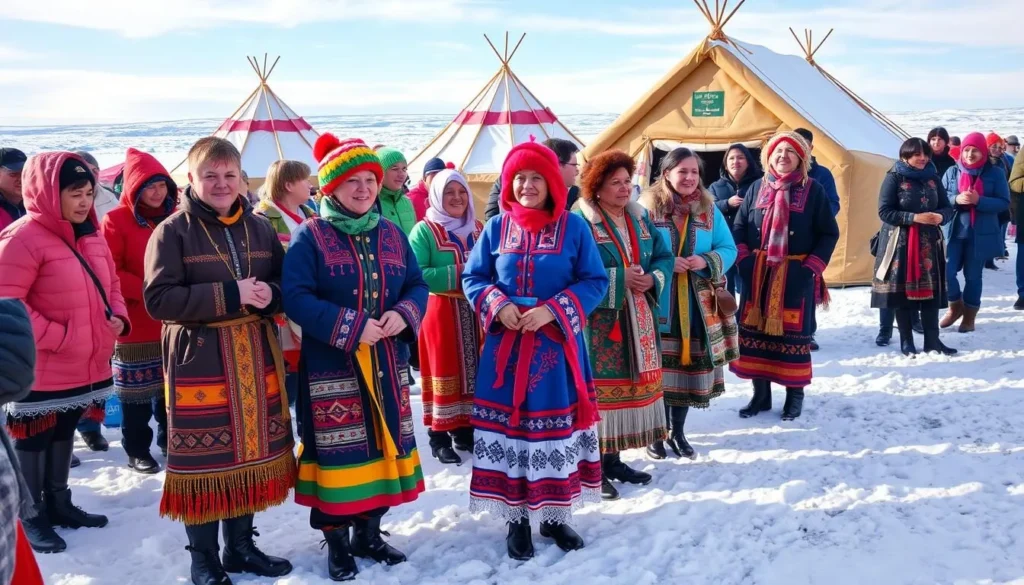
The Arctic is home to rich indigenous cultures that have thrived in this challenging environment for thousands of years. Visiting cultural sites and museums offers insight into both traditional ways of life and the history of polar exploration.
Cultural Highlights:
- Sami Culture: Experience the traditions of the indigenous Sami people in northern Scandinavia through museums, cultural centers, and authentic village visits.
- Inuit Heritage: Learn about Inuit culture in Greenland and Canada through local museums and community visits.
- Polar Exploration History: Visit sites related to famous Arctic explorers like Roald Amundsen and Fridtjof Nansen.
- Svalbard Museum (Longyearbyen): Excellent exhibits on Arctic wildlife, exploration history, and mining heritage.
- Arctic Cathedral (Tromsø): Iconic modern architecture and cultural events.
- Alta Rock Art (Norway): UNESCO World Heritage site featuring prehistoric carvings dating back 7,000 years.
Notable Festivals:
- Midnight Sun Marathon (Tromsø): Run under the midnight sun in June.
- Northern Lights Festival (Tromsø): Music festival held in January.
- Sami Week (February): Celebrations of Sami National Day across northern Scandinavia.
- Arctic Arts Festival: Celebrating indigenous arts and culture.
Sports, Nature & Outdoor Experiences
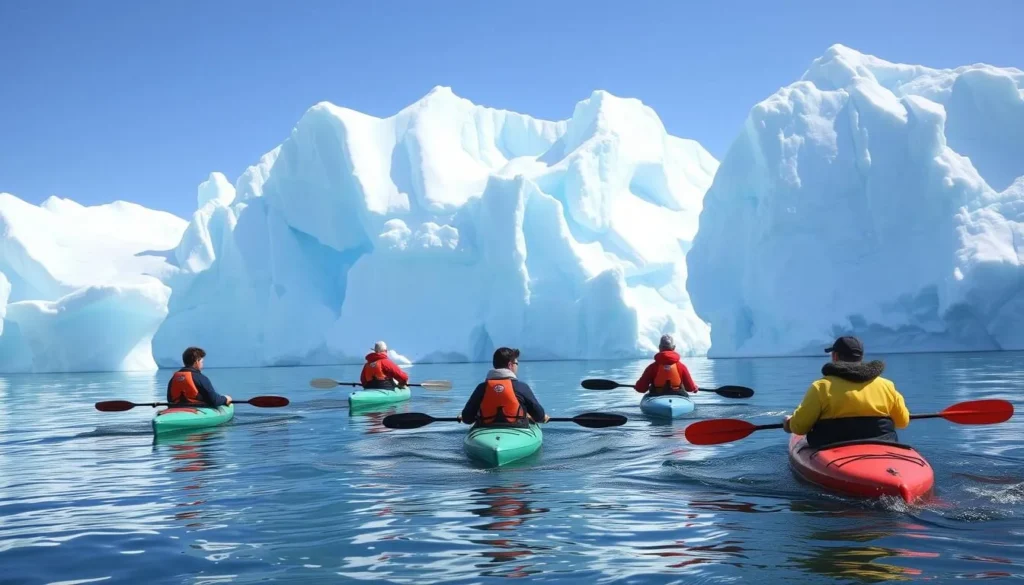
The Arctic offers some of the world’s most unique outdoor experiences, from adrenaline-pumping adventures to peaceful communion with pristine nature.
Top Outdoor Experiences:
- Kayaking Among Icebergs: Paddle silently through Arctic waters for an up-close perspective of massive ice formations.
- Hiking on Arctic Tundra: Experience the vast, treeless landscapes with unique flora that has adapted to extreme conditions.
- Snowshoeing: Traditional way to traverse deep snow, available as guided excursions.
- Cross-country Skiing: Popular throughout Scandinavia, with trails in many Arctic communities.
- Ice Fishing: Try catching Arctic char or other species through holes in frozen lakes or sea ice.
- Glacier Hiking: Guided walks on ancient ice formations, particularly in Greenland and Iceland.
- Arctic Swimming: For the brave, a quick dip in Arctic waters (often followed by a sauna) is a memorable experience.

Many outdoor activities in the Arctic require specialized equipment and experienced guides. Most expedition cruises and tour operators provide necessary gear for included activities. For independent travelers, many Arctic communities have outfitters that rent equipment and offer guided excursions.
Remember that weather conditions can change rapidly in the Arctic. Always follow guide instructions and be prepared with appropriate clothing regardless of the season.
Safety, Etiquette & Local Customs
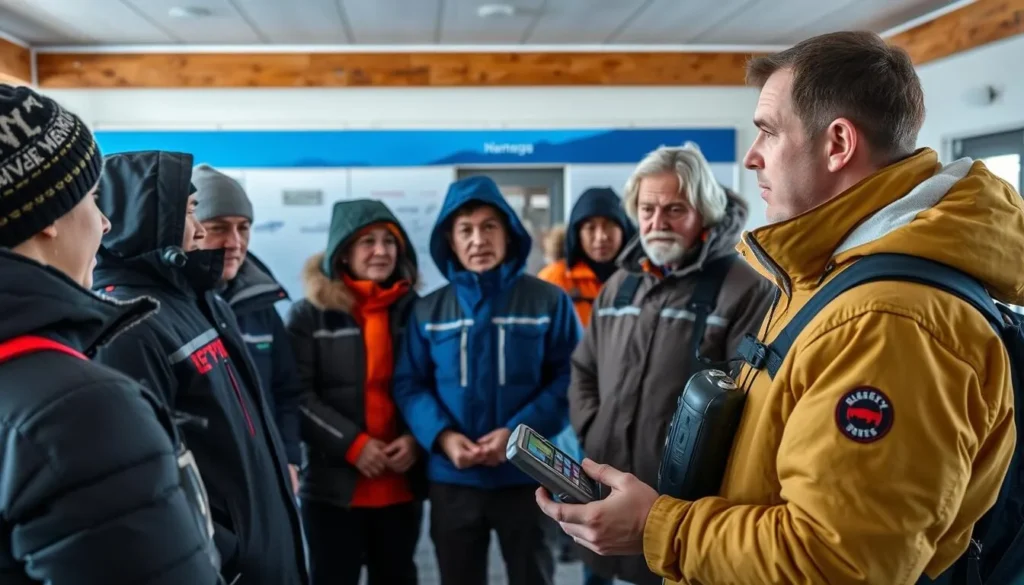
Safety Considerations:
- Wildlife Safety: Maintain safe distances from all wildlife, especially polar bears. In many Arctic regions, guides carry firearms as a last resort for bear protection.
- Cold Weather Preparation: Even in summer, hypothermia is a risk. Dress in layers, stay dry, and be aware of changing weather conditions.
- Ice Safety: Never venture onto sea ice or glaciers without experienced guides.
- Communication: Cell service is limited or nonexistent in many Arctic areas. Consider satellite phones or personal locator beacons for remote travel.
- Medical Access: Medical facilities are limited and evacuation can be difficult and expensive. Comprehensive travel insurance is essential.
Cultural Etiquette:
- Indigenous Communities: When visiting indigenous communities, respect local customs and ask permission before taking photographs of people.
- Environmental Respect: Follow “Leave No Trace” principles. The Arctic ecosystem is fragile and slow to recover from damage.
- Sustainable Tourism: Choose operators committed to environmental protection and supporting local communities.
- Photography Ethics: Never disturb wildlife for photographs. Follow guide instructions about minimum distances.
In many Arctic communities, removing shoes when entering homes is customary. When visiting cultural sites or attending traditional events, modest dress and respectful behavior are appreciated. Learning a few basic phrases in local languages can also help create positive interactions.
Visitor Comments About Arctic
“Watching the northern lights dance above Tromsø was like witnessing magic unfold in the sky. We spent five nights there in March, and saw the aurora three times. The dog sledding experience with local Sami guides was equally unforgettable – those huskies have so much personality!”
“Our expedition cruise to Svalbard exceeded all expectations. Seeing a polar bear with cubs from the ship’s deck left me speechless. The guides’ knowledge about Arctic wildlife and ecosystems added tremendous value to the experience. Pack good binoculars and a camera with a zoom lens!”
“The midnight sun phenomenon in Ilulissat, Greenland was surreal – hiking at ‘night’ with full daylight among massive icebergs is something I’ll never forget. The local Greenlandic food was surprisingly delicious, especially the fresh seafood. Worth every penny of this once-in-a-lifetime journey.”
Practical Travel Tips
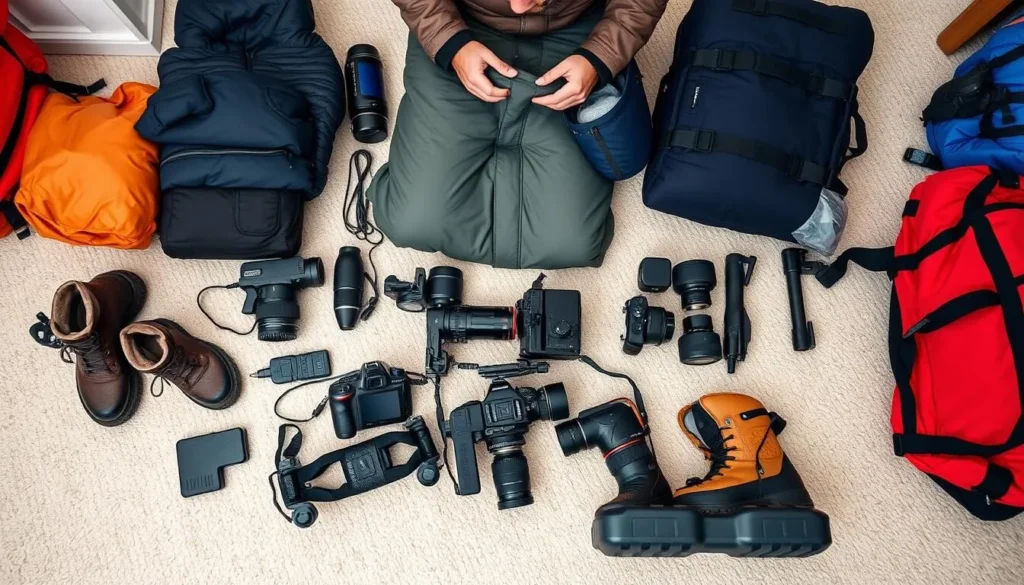
Essential Packing List:
- Layered Clothing: Base layers (merino wool or synthetic), mid-layers (fleece), and waterproof/windproof outer layers.
- Insulated Waterproof Boots: Rated for cold temperatures.
- Accessories: Warm hat, waterproof gloves/mittens, neck gaiter or scarf, thermal socks.
- Sun Protection: Sunglasses (UV protection), sunscreen (even in winter), lip balm with SPF.
- Camera Equipment: Weather-sealed camera if possible, extra batteries (cold depletes them quickly), lens cleaning supplies.
- Binoculars: Essential for wildlife viewing.
- Medications: Bring extra supplies of any prescription medications.
Money & Communications:
- Currency: Carry some local currency for the countries you’ll visit, though credit cards are widely accepted in most established Arctic communities.
- Internet Access: Limited and expensive in remote areas. Download maps, guides, and entertainment before departure.
- Power Adapters: Bring appropriate adapters for the countries you’ll visit.
Other Tips:
- Book in Advance: Popular Arctic experiences like northern lights tours, dog sledding, and accommodation can sell out months ahead.
- Travel Insurance: Ensure your policy covers Arctic travel and activities, including emergency evacuation.
- Flexibility: Weather conditions can change plans quickly in the Arctic. Maintain a flexible attitude.
- Sustainability: Choose operators committed to responsible tourism practices and minimizing environmental impact.
Embrace the Arctic’s Timeless Magic
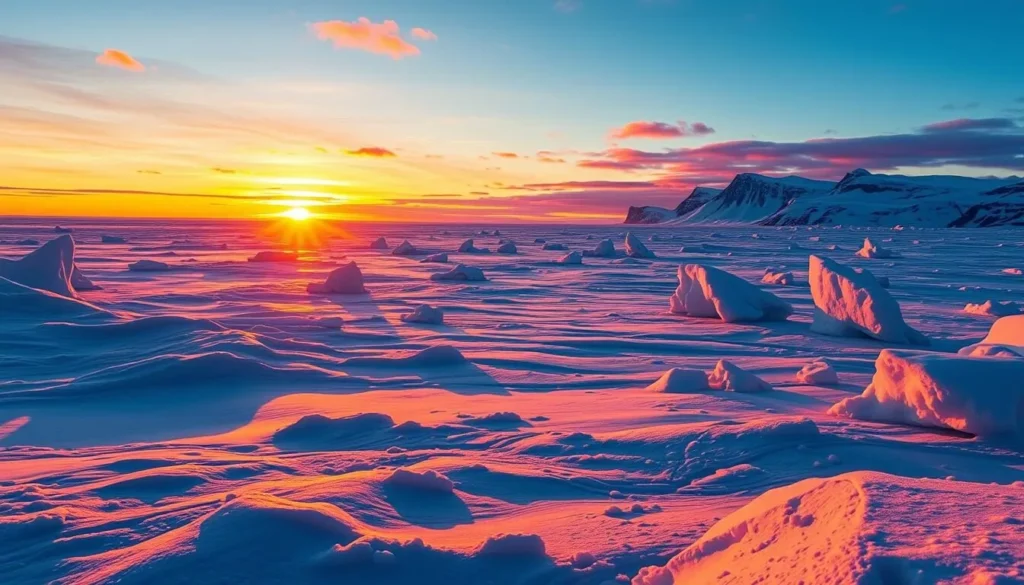
The Arctic is not merely a destination; it’s a profound experience that connects visitors to the raw power and fragile beauty of our planet. From the dancing northern lights to the silent majesty of polar bears on sea ice, the memories created here will remain vivid long after you’ve returned home. The challenges of Arctic travel – the cold, the remoteness, the unpredictability – are precisely what make it so rewarding.
As climate change continues to transform this region at an unprecedented rate, the Arctic you experience today may be dramatically different for future generations. This lends a certain urgency to Arctic travel, not as a conquest of a harsh frontier, but as an opportunity to witness, understand, and ultimately advocate for one of Earth’s most extraordinary environments.
Whether you’re standing at the Geographic North Pole, kayaking among ancient icebergs, or simply gazing in wonder at the midnight sun, the Arctic offers experiences that transcend ordinary travel. It reminds us of nature’s power, our own resilience, and the profound importance of preserving wild places. The journey to the top of the world is, in many ways, a journey to the heart of what makes our planet so remarkable.
Related Posts
No Results Found
The page you requested could not be found. Try refining your search, or use the navigation above to locate the post.
Coming Soon: Clickable Maps