
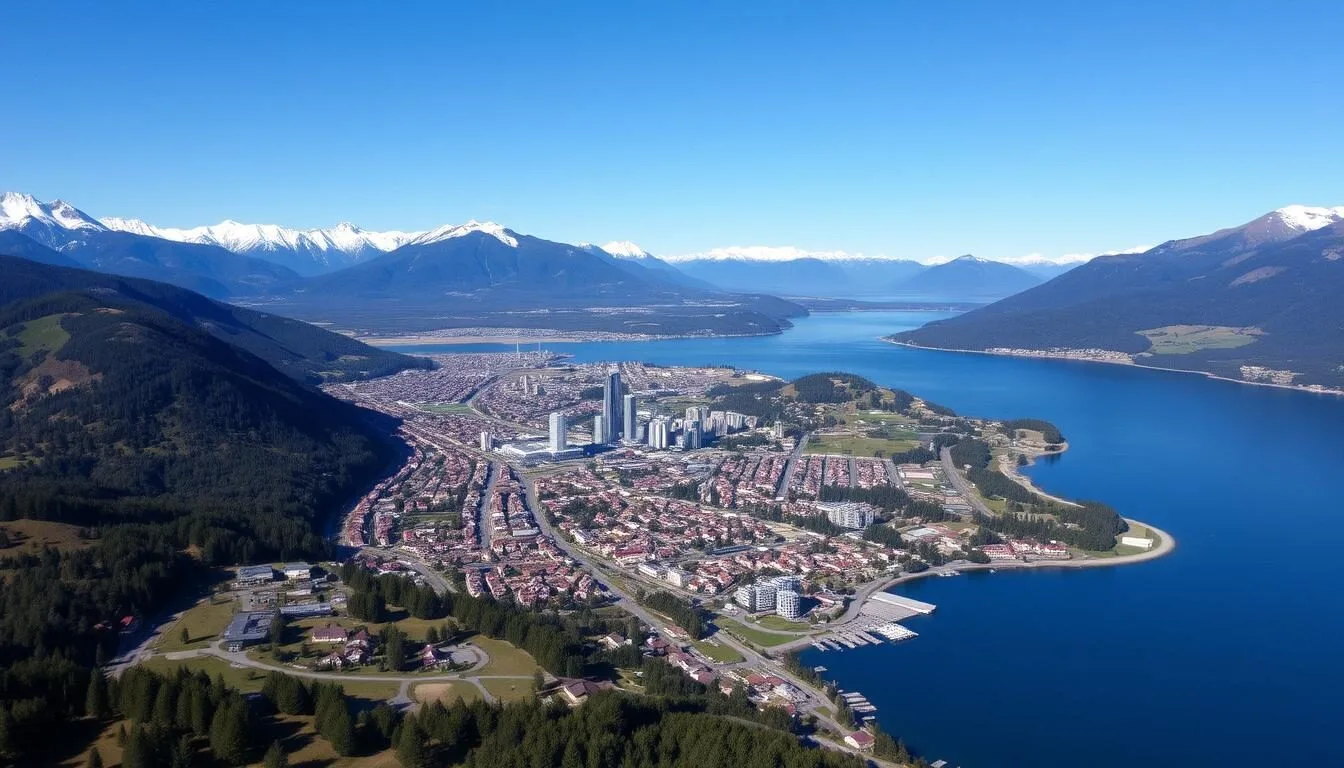
Did you know that Bariloche is home to the largest ski resort in South America, with over 120 km (75 miles) of skiable terrain? This alpine gem in Argentina’s northern Patagonia isn’t just a winter wonderland though—it’s a year-round destination where Swiss-inspired architecture meets the breathtaking landscapes of Nahuel Huapi National Park. Whether you’re seeking outdoor adventures, culinary delights, or simply stunning views, Bariloche offers an unforgettable Patagonian experience unlike anywhere else in Argentina.
Getting to Bariloche & Planning Your Journey
San Carlos de Bariloche, commonly known as Bariloche, is located in Argentina’s Rio Negro province in northern Patagonia, approximately 1,600 km (994 miles) southwest of Buenos Aires. The city sits on the southern shore of Lake Nahuel Huapi and is surrounded by the national park of the same name.
By Air
The most convenient way to reach Bariloche is by flying into Teniente Luis Candelaria International Airport (BRC), located just 15 km (9 miles) east of the city center. Several daily flights connect Bariloche with Buenos Aires, with the journey taking about 2 hours. During high season, there are also direct flights from other Argentine cities and Santiago, Chile.
By Bus
If you prefer overland travel, long-distance buses connect Bariloche with major Argentine cities. From Buenos Aires, the journey takes approximately 22 hours but offers comfortable “cama” (bed) and “semi-cama” options. From Mendoza, expect about 18 hours of travel time. Buses from Puerto Varas, Chile take around 6 hours and include a scenic border crossing through the Andes.
Border Crossing from Chile
The picturesque Cruce Andino route combines buses and boats to travel between Bariloche and Puerto Varas or Puerto Montt in Chile. This full-day journey takes you across three lakes and through stunning mountain scenery.
Best Time to Visit Bariloche & Weather Tips
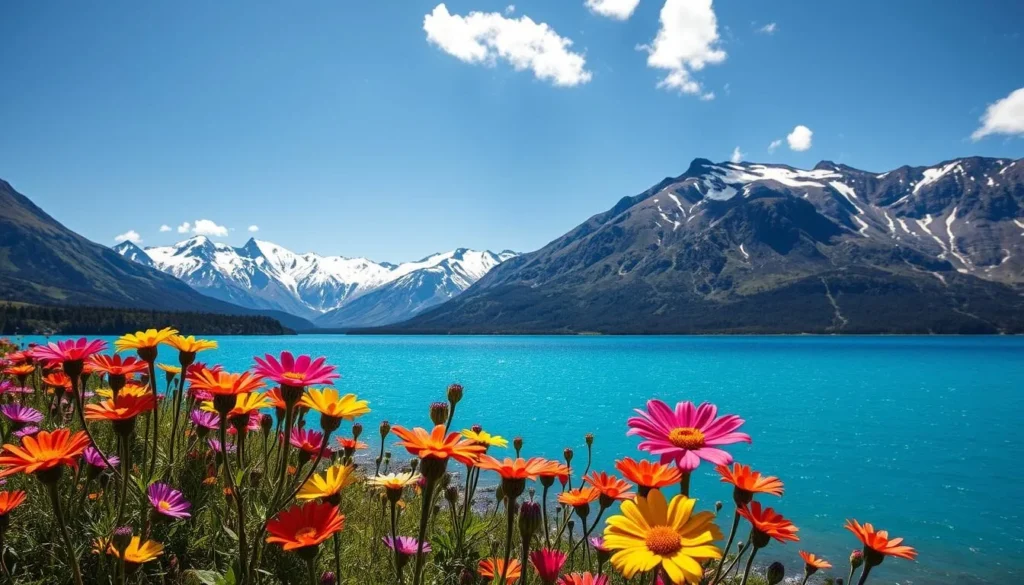
Bariloche experiences distinct seasons, each offering unique experiences for visitors. Your ideal time to visit depends on the activities you’re most interested in experiencing.
Recommended Seasons to Visit
Summer (December to March)
Peak season with warm temperatures ranging from 15°C to 25°C (59°F to 77°F). Perfect for hiking, mountain biking, kayaking, and swimming in the lakes. Days are long with sunlight until 9 PM, allowing for extended outdoor activities. Expect higher prices and more tourists, especially in January when Argentinians take their summer holidays.
Winter (June to September)
Prime skiing season with temperatures between -2°C and 8°C (28°F to 46°F). Cerro Catedral ski resort is in full operation, and the town has a festive atmosphere. July is the busiest month as it coincides with Argentine winter school holidays. Book accommodations well in advance and prepare for premium pricing.
Seasons to Consider Avoiding
Fall (March to June)
The rainiest season in Bariloche with temperatures gradually dropping from 12°C to 5°C (54°F to 41°F). Many hiking trails become muddy and less accessible. However, fall foliage creates beautiful landscapes, and prices are significantly lower.
Spring (September to December)
A transitional season with unpredictable weather. Temperatures range from 8°C to 15°C (46°F to 59°F). Early spring may still have snow at higher elevations, limiting some hiking options. By late November, conditions improve significantly for outdoor activities.
Weather Tip: Mountain weather can change rapidly in any season. Always pack layers, rain gear, and sun protection regardless of when you visit Bariloche.
Getting Around Bariloche
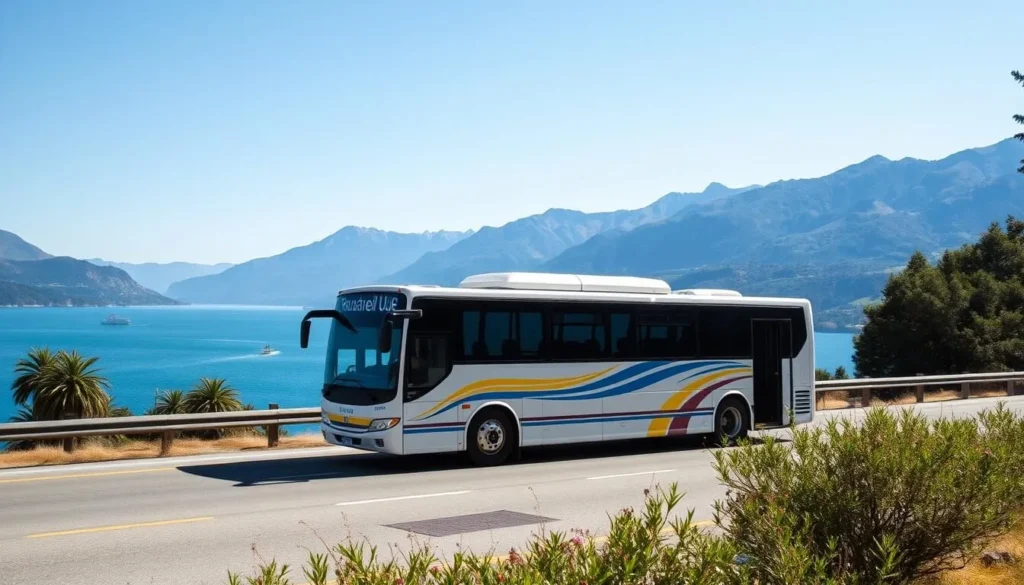
Navigating Bariloche and its surrounding attractions is relatively straightforward with several transportation options available to visitors.
Public Transportation
Bariloche has an extensive public bus network that connects the city center with outlying areas and many popular attractions. To use the buses, you’ll need to purchase a SUBE card from kiosks or the SUBE office in the civic center. Bus fares range from 1-6 euros depending on distance. Lines 20 and 10 are particularly useful for tourists as they run along the lake to popular spots like Cerro Campanario and Llao Llao.
Rental Cars
For maximum flexibility, especially if you plan to explore the Route of the Seven Lakes or venture to more remote areas, renting a car is highly recommended. The roads around Bariloche are generally well-maintained, though winter driving requires extra caution. Having your own vehicle allows you to stop at viewpoints and explore at your own pace.
Taxis and Remises
Taxis are readily available in the city center and can be a convenient option for shorter trips. Remises (private cars with drivers) offer fixed rates and can be booked in advance for day trips or airport transfers.
Bicycles
During summer months, renting a bicycle is a popular way to explore the scenic Circuito Chico. Many rental shops offer mountain bikes and electric bikes, with prices starting around 30 euros per day for standard bikes and 60 euros for e-bikes.
Where to Stay in Bariloche
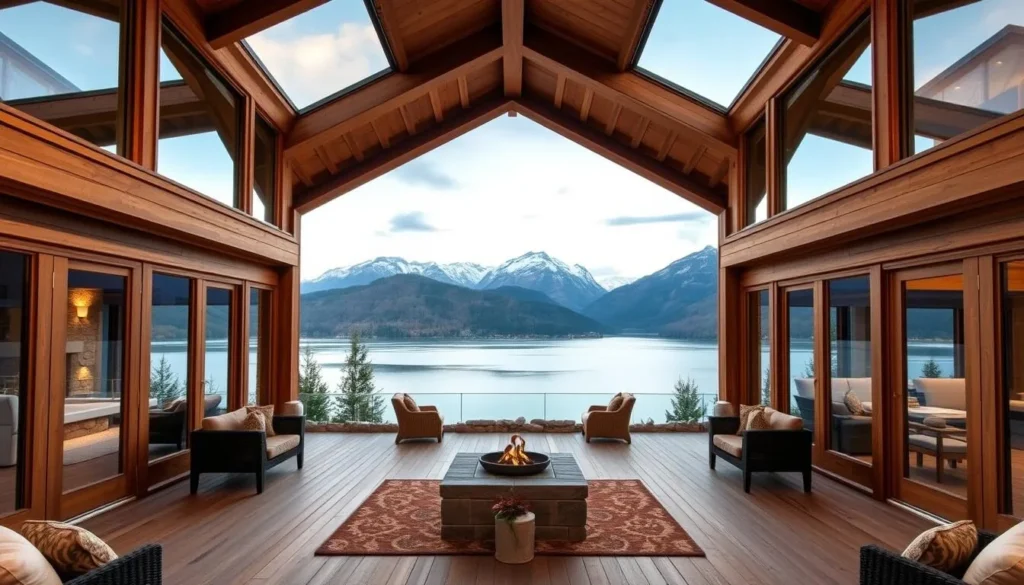
Bariloche offers a wide range of accommodation options to suit every budget and preference. From luxury lakeside resorts to cozy hostels, you’ll find something that enhances your Patagonian experience.
Best Areas to Stay
City Center
Ideal if you don’t have a car, as you’ll be within walking distance of restaurants, chocolate shops, and the civic center. The area around Centro Cívico and Mitre Street offers convenient access to public transportation and amenities. Best for first-time visitors who want to be close to services.
Lakeside (“Los Kilómetros”)
The scenic stretch along Nahuel Huapi Lake west of downtown (particularly Melipal and Playa Bonita neighborhoods) offers stunning views and a more peaceful atmosphere. You’ll need transportation to reach the city center, but buses 10 and 20 run regularly along this route.
Villa Catedral
Located near Cerro Catedral ski resort, this area is perfect for winter visitors focused on skiing. In summer, it provides easy access to hiking trails. Accommodations tend to be more upscale and prices higher, especially during ski season.
Accommodation Types
Luxury Lodges
The iconic Llao Llao Hotel & Resort represents the pinnacle of luxury in Bariloche, with its stunning location on the Llao Llao Peninsula. Other high-end options include lakefront lodges with spa facilities and gourmet restaurants. Expect to pay $200+ per night.
Mid-Range Hotels & Cabins
Numerous alpine-style hotels and self-catering cabins (cabañas) offer comfortable accommodations with mountain or lake views. Many feature wooden architecture reminiscent of the region’s Swiss influence. Prices range from $75-150 per night.
Budget Options
Hostels concentrated around Salta Street provide affordable dormitory and private rooms. In summer, campgrounds near the lakes offer an economical option for outdoor enthusiasts. Hostels start around $20 per night for dormitory beds.
Dining & Local Cuisine in Bariloche
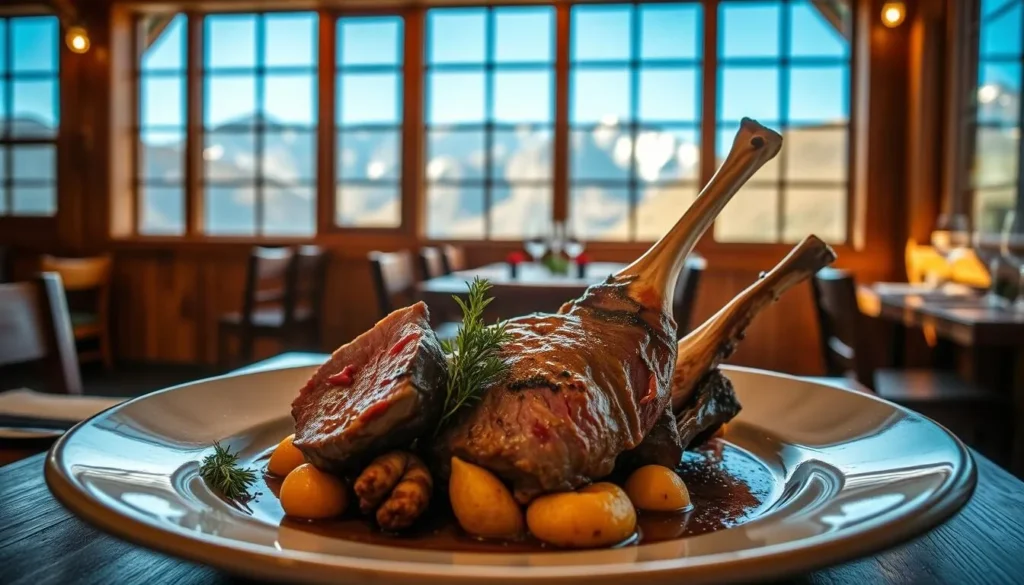
Bariloche’s culinary scene blends Patagonian traditions with European influences, particularly Swiss and German. The region is famous for its chocolate, craft beer, and hearty mountain fare that’s perfect after a day of outdoor activities.
Must-Try Local Specialties
Recommended Restaurants
El Boliche de Alberto
A meat-lover’s paradise offering some of the best steaks and lamb in Bariloche. The portions are generous enough to share between two people. Located downtown with multiple locations.
Cassis Restaurant
Set in a converted family home near Lake Gutierrez, this charming restaurant produces its own wine, olive oil, and vinegar. The menu features sophisticated Patagonian cuisine in a beautiful setting.
Cervecería Patagonia
This popular brewery offers excellent craft beers paired with delicious regional appetizers like smoked trout, cheese boards, and fresh bread. The lakeside location provides stunning views.
Chocolate & Sweet Treats
No visit to Bariloche is complete without exploring its famous chocolate shops. The tradition began after World War II when Italian immigrants from Alpine regions brought their chocolate-making expertise to Patagonia.
Top Chocolaterías
Tea Houses
Bariloche’s tea house tradition reflects its European heritage. These cozy establishments serve elaborate tea services with scones, cakes, and sandwiches—perfect for a relaxing afternoon break. Many are located along Mitre Street and around the Civic Center.
Top Attractions & Sightseeing in Bariloche
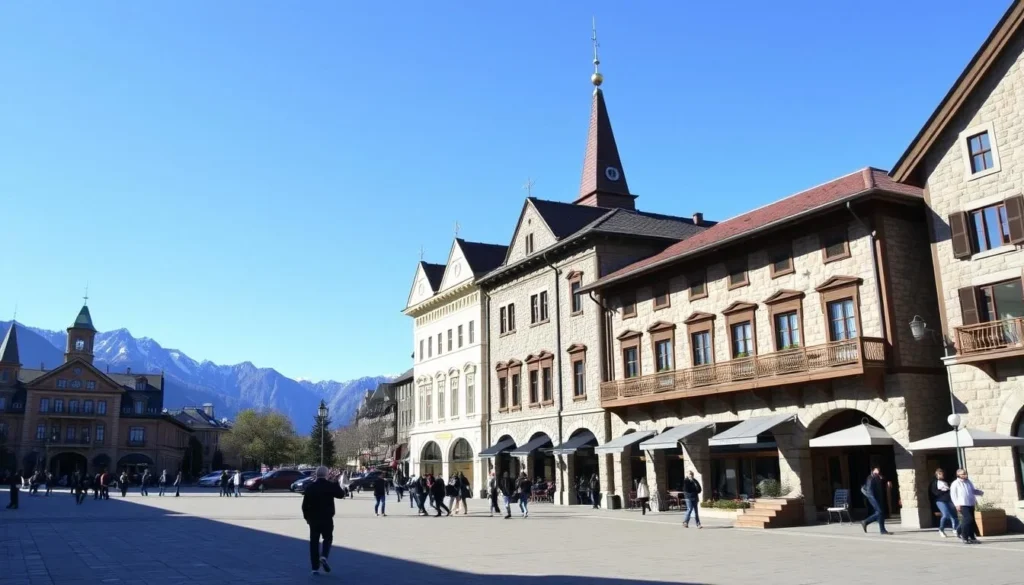
Bariloche offers a perfect blend of natural wonders and cultural attractions. While the surrounding landscapes are the main draw, the city itself has several noteworthy sights worth exploring.
In the City
Scenic Viewpoints
Nearby Natural Attractions
Outdoor Adventures in Bariloche
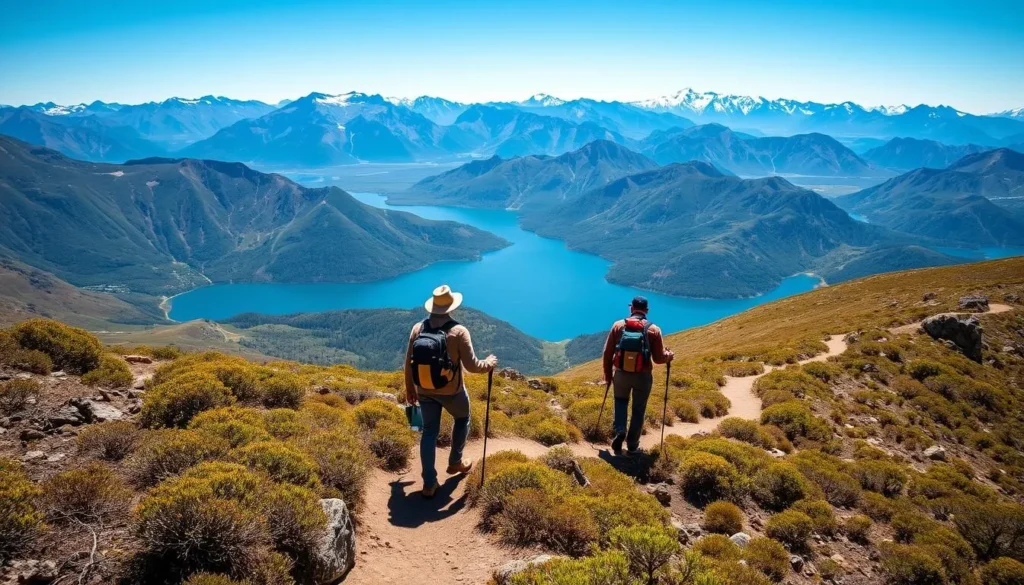
Bariloche is a paradise for outdoor enthusiasts in every season. The surrounding mountains, lakes, and forests provide endless opportunities for adventure, from gentle nature walks to adrenaline-pumping activities.
Hiking
Nahuel Huapi National Park offers numerous well-marked trails for all skill levels. Here are some of the most popular hikes:
Refugio Frey
One of the most popular day hikes, this trail leads to a mountain hut surrounded by dramatic granite spires and a small alpine lake. The 20 km (12.4 mile) round trip takes 6-7 hours and can be started from either Villa Catedral or Villa Los Coihues. Moderate difficulty with 860 m (2,822 ft) elevation gain.
Cerro Llao Llao
A relatively easy 4.6 km (2.9 mile) round trip hike with stunning views of lakes and mountains. The trail begins near the famous Llao Llao Hotel and takes about 2-3 hours to complete. Elevation gain is approximately 200 m (656 ft).
Cerro López
This challenging hike rewards with panoramic views from its 2,076 m (6,811 ft) summit. The full round trip is about 16 km (10 miles) with 1,200 m (3,937 ft) of elevation gain. Most hikers take 7-8 hours to complete it.
Water Activities
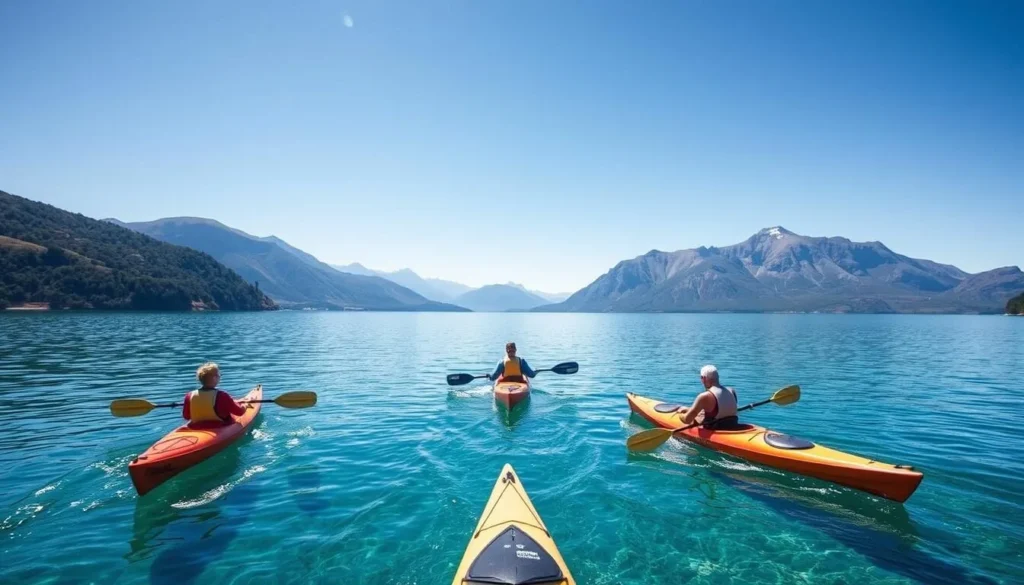
Kayaking & Canoeing
The calm waters of Lakes Nahuel Huapi, Gutiérrez, and Moreno are perfect for paddling. Rental equipment and guided tours are available at many lakeside locations. Prices start around 30 euros for a half-day rental.
White Water Rafting
The Manso River offers exciting rafting opportunities with rapids ranging from Class II to IV. Full-day excursions typically include transportation, equipment, and a riverside lunch. The most popular section runs through the scenic Terciopelo ravine.
Winter Sports
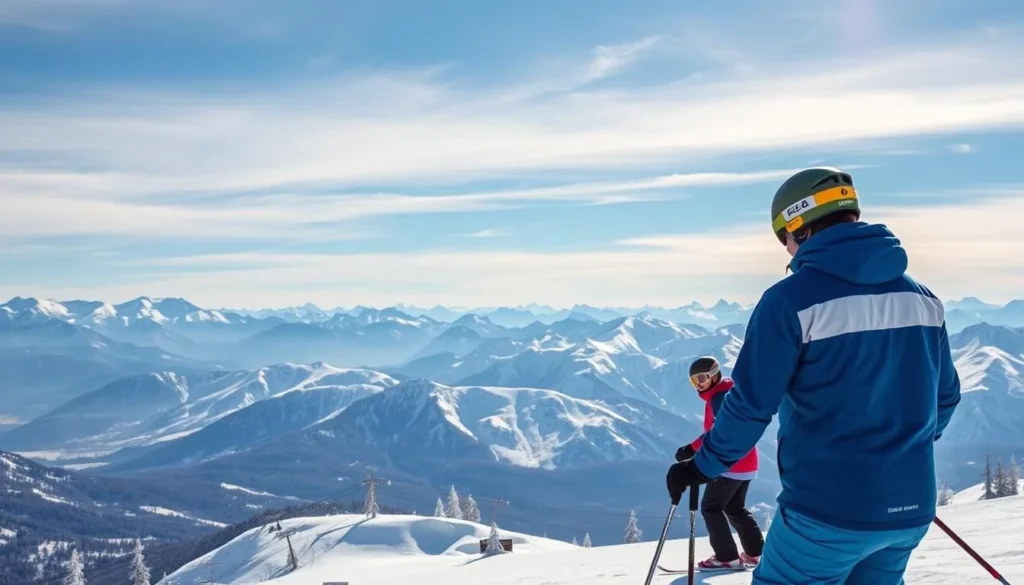
From June to October, Bariloche transforms into a winter sports destination. Cerro Catedral, just 20 km (12 miles) from downtown, is the largest ski center in South America with:
Beyond alpine skiing and snowboarding, winter visitors can enjoy:
Cycling
The famous Circuito Chico is a 65 km (40 mile) scenic route that’s popular with cyclists. This loop takes you along Lake Nahuel Huapi, through forests, and past several viewpoints. Many visitors opt to rent bikes and complete a shortened 25 km (15.5 mile) version starting from Villa Campanario.
Popular Day Trips from Bariloche
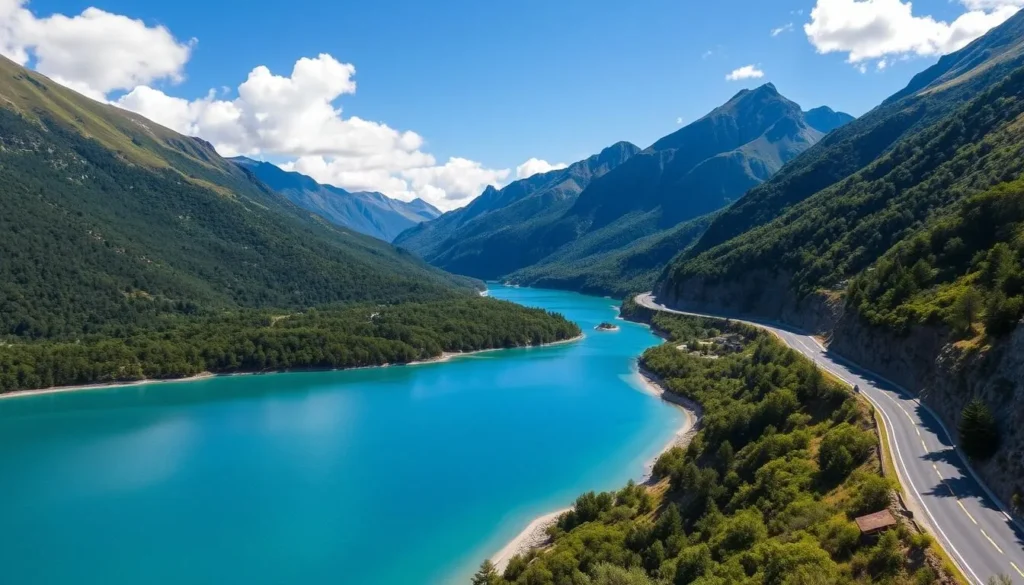
Bariloche serves as an excellent base for exploring the wider Lake District region. These popular day trips showcase the area’s diverse landscapes and attractions.
Route of the Seven Lakes
This iconic 108 km (67 mile) scenic drive follows Ruta 40 from Villa La Angostura to San Martín de los Andes, passing seven stunning lakes along the way. While the complete route can be done in a day, it’s better to focus on a few highlights if you’re short on time.
Villa La Angostura
Often called the “Garden of Patagonia,” this picturesque town is located 80 km (50 miles) north of Bariloche on Lake Nahuel Huapi. Highlights include:
El Bolsón
Located 120 km (75 miles) south of Bariloche, this bohemian town is known for its artisanal culture, organic farms, and craft beer. Visit on Tuesday, Thursday, or Saturday to experience the famous artisan market in the town plaza. The surrounding area offers excellent hiking, including trails to Cerro Piltriquitrón and the Cajón del Azul gorge.
Tronador Volcano
A day trip to the base of this extinct volcano takes you through diverse ecosystems within Nahuel Huapi National Park. The highlight is the “Black Glacier” (Ventisquero Negro), a rare glacier darkened by volcanic sediment. The area around Pampa Linda offers several hiking trails with views of waterfalls and the imposing 3,491 m (11,453 ft) peak.
Cultural Experiences & Festivals
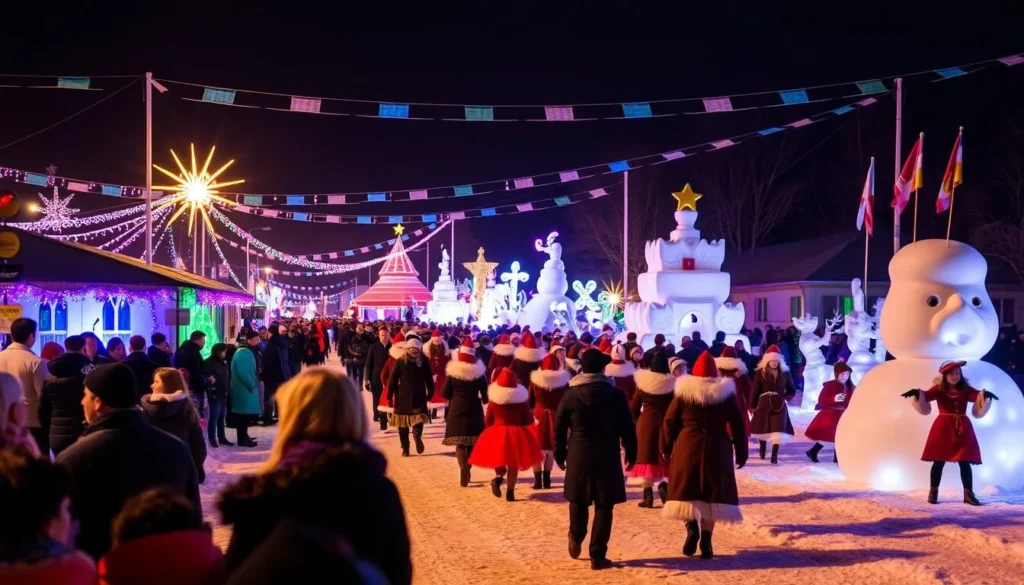
While Bariloche is primarily known for its natural attractions, the city also offers rich cultural experiences that reflect its unique blend of indigenous Mapuche heritage, European immigrant influences, and Argentine traditions.
Museums & Cultural Sites
Annual Festivals
Local Crafts & Shopping
Bariloche offers excellent shopping opportunities for locally made products:
The best places to shop for these items include the artisan market at the Civic Center, shops along Mitre Street, and the weekly fair at Colonia Suiza.
Practical Travel Tips
Money & Costs
Safety & Health
Communication
Packing Essentials
National Park Entry: Nahuel Huapi National Park charges an entrance fee (approximately 4000 pesos for foreign visitors). Tickets are valid for multiple days and can be purchased at park entrances or the park administration office in Bariloche.
Sample 3-Day Bariloche Itinerary
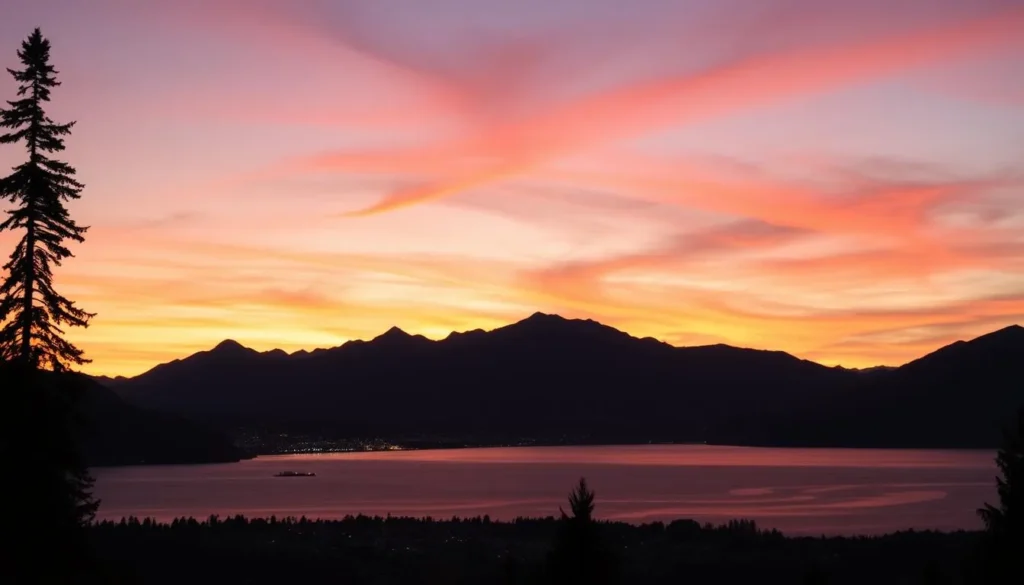
Here’s a suggested itinerary to make the most of a short visit to Bariloche:
Day 1: City Exploration & Scenic Views
Day 2: Circuito Chico & Llao Llao
Day 3: Lake Excursion
Extending Your Stay? With additional days, consider a full-day trip along the Route of the Seven Lakes, hiking to Refugio Frey, or visiting Villa La Angostura.
Conclusion
Bariloche offers a unique blend of stunning natural landscapes, outdoor adventures, European-influenced culture, and delicious cuisine that makes it one of Argentina’s most captivating destinations. Whether you’re skiing down the slopes of Cerro Catedral, hiking through Nahuel Huapi National Park, sailing across crystal-clear lakes, or simply enjoying chocolate and craft beer with mountain views, Bariloche creates memories that last a lifetime. The region’s beauty changes with each season, making it worth visiting more than once to experience its different faces. As the locals say, “Quien conoce Bariloche, siempre vuelve” (Whoever knows Bariloche always returns)—and after experiencing this Patagonian gem, you’ll understand why.
0 Comments