
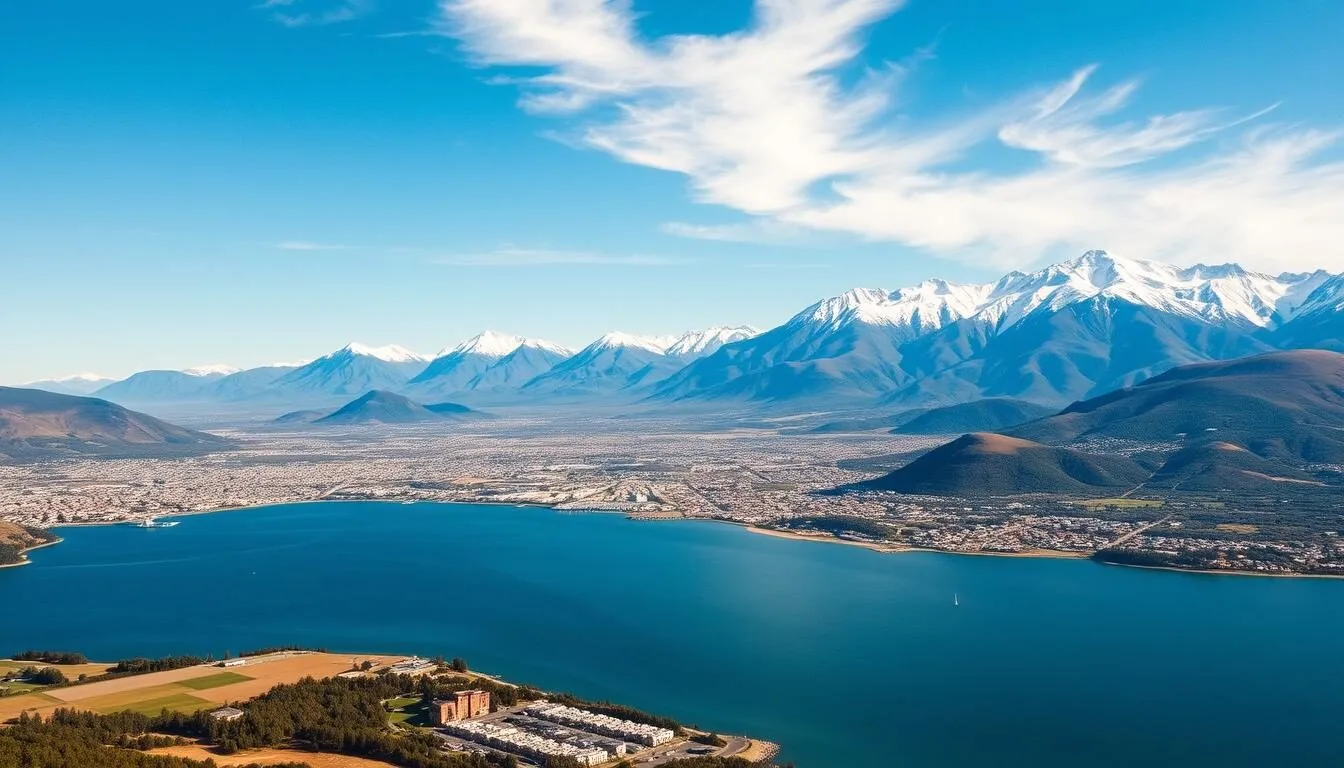
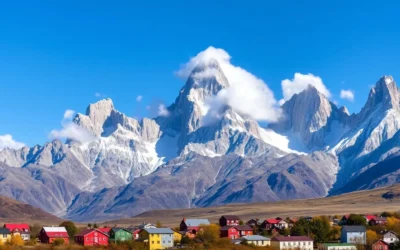
Did you know that San Carlos de Bariloche welcomes over 700,000 visitors annually yet manages to preserve 95% of its pristine Nahuel Huapi National Park wilderness? This alpine gem in northern Patagonia offers a unique blend of Swiss-inspired architecture, world-class chocolate, and some of South America’s most breathtaking mountain landscapes. Whether you’re seeking adventure on snow-capped peaks, tranquility by crystal-clear lakes, or the simple pleasure of lakeside dining with a glass of Malbec, Bariloche delivers experiences that rival Europe’s most celebrated mountain destinations—at a fraction of the cost.
Getting There & Planning Your Journey
Reaching Bariloche is relatively straightforward despite its remote Patagonian location. Most international travelers arrive via Buenos Aires, then take a connecting flight to Bariloche’s San Carlos de Bariloche Airport (BRC), located just 13 km from the city center.
Flight Options
Several airlines operate daily flights from Buenos Aires to Bariloche, with the journey taking approximately 2 hours. During peak season (July-August and December-February), it’s advisable to book well in advance as flights fill quickly.
Bus Travel
For budget travelers or those looking to see more of Argentina, long-distance buses connect Bariloche to major cities. The Buenos Aires to Bariloche route takes approximately 20 hours, while connections from Mendoza take about 18 hours. These buses are surprisingly comfortable, with fully-reclining seats and meal service on premium options.
Planning Tips
- Consider spending at least 4-5 days in Bariloche to fully experience the region
- If visiting during peak season (July-August for skiing or January-February for summer), book accommodations at least 3-4 months in advance
- Combine your Bariloche trip with visits to other Patagonian destinations like El Calafate or El Chaltén for a comprehensive Patagonia experience
- Pack a universal power adapter (Argentina uses Type I plugs with 220V)
Best Time to Visit & Weather Tips
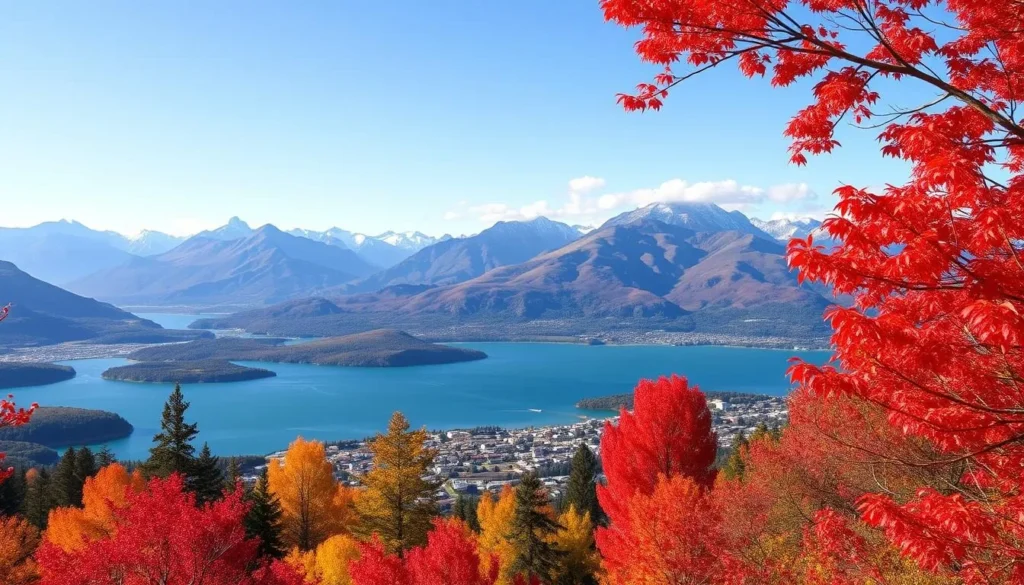
Bariloche experiences four distinct seasons, each offering unique experiences for visitors. Your ideal time to visit depends largely on the activities you’re most interested in.
| Season | Months | Temperature | Best For | Considerations |
| Summer | December-February | 15-25°C (59-77°F) | Hiking, lake activities, outdoor dining | Peak tourist season, higher prices |
| Fall | March-May | 5-15°C (41-59°F) | Photography, fewer crowds | Increasing rainfall, shorter days |
| Winter | June-August | 0-8°C (32-46°F) | Skiing, snowboarding, winter sports | High season for Cerro Catedral |
| Spring | September-November | 8-18°C (46-64°F) | Wildflowers, moderate crowds | Unpredictable weather |
Weather Tips
Pro Tip: Patagonian weather is notoriously changeable. Even in summer, temperatures can drop suddenly, especially near the lakes or at higher elevations. Always pack layers regardless of when you visit!
The shoulder seasons (October-November and March-April) often provide the best balance of pleasant weather, reasonable prices, and fewer crowds. If you’re planning to ski, July and August offer the most reliable snow conditions at Cerro Catedral, though weekends can be extremely crowded with domestic tourists.
Getting Around Locally
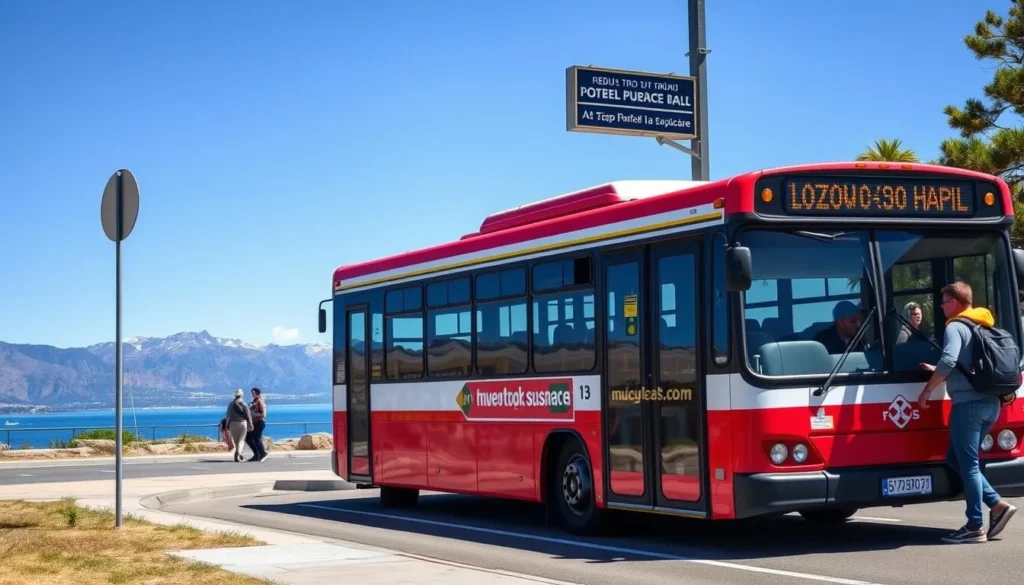
Navigating Bariloche and its surrounding attractions is relatively straightforward, with several transportation options available depending on your preferences and budget.
Public Transportation
Bariloche has an extensive public bus network that connects the city center with major attractions along Avenida Bustillo and the Circuito Chico. The most useful routes for tourists are lines 10 and 20, which run along the lakeshore to popular destinations. To use the buses, you’ll need a SUBE card, which can be purchased at kiosks throughout the city.
Rental Cars
For maximum flexibility, especially if you plan to explore beyond the immediate Bariloche area, renting a car is highly recommended. Having your own vehicle allows you to visit attractions at your own pace and reach more remote areas like the Seven Lakes Route.
Taxis and Remises
Taxis are readily available in the city center and can be hailed on the street or called by phone. Remises (private car services) are also popular and can be arranged through your accommodation. Both options are relatively affordable for short trips within the city.
Bicycles
During the warmer months, renting a bicycle is a popular way to explore the Circuito Chico. Several rental shops are located at the beginning of the circuit, offering standard and electric bikes. The route is approximately 25 km and features moderate hills, so consider your fitness level before committing.
Navigation Tip: Locals often refer to locations by their kilometer marker along Avenida Bustillo (e.g., “km 18”). These markers start from the city center and increase as you move west along the lake.
Where to Stay
Bariloche offers a wide range of accommodation options to suit every budget and preference. From luxury lakeside resorts to cozy mountain cabins and budget-friendly hostels, you’ll find something that fits your needs.
Neighborhoods
City Center
Staying in downtown Bariloche puts you within walking distance of restaurants, chocolate shops, and public transportation. This area is ideal for first-time visitors who want convenience and don’t plan to rent a car.
Playa Bonita
Located about 8 km from the city center, this area offers beautiful lake views and a more tranquil setting. It’s well-connected by public buses and features several mid-range and upscale hotels.
Llao Llao Peninsula
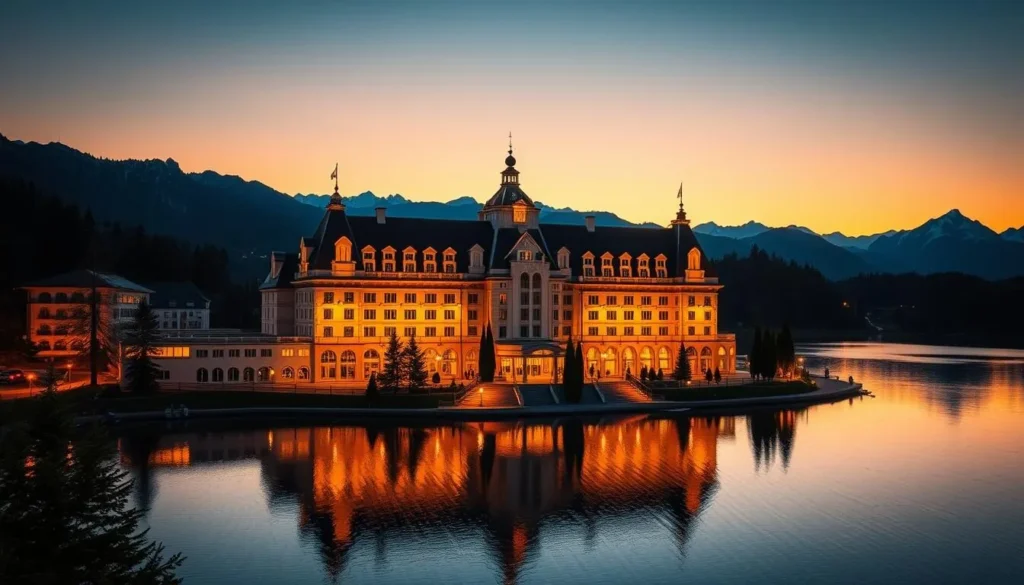
Home to the iconic Llao Llao Hotel, this exclusive area offers stunning natural surroundings and proximity to the Circuito Chico. It’s perfect for luxury travelers seeking seclusion and natural beauty.
Villa Catedral
Located at the base of Cerro Catedral ski resort, this area is ideal for winter sports enthusiasts. In summer, it offers access to excellent hiking trails.
Accommodation Types
Luxury Hotels
The crown jewel is the historic Llao Llao Hotel & Resort, offering world-class amenities in a spectacular setting. Other upscale options include Design Suites Bariloche and Charming Luxury Lodge.
Mid-Range Options
For comfortable accommodations at reasonable prices, consider Hotel Cristal, Villa Huinid Resort & Spa, or Hosteria La Cascada. These properties offer good amenities and convenient locations.
Budget-Friendly
Hostels like Hospedaje Penthouse 1004 and Hostel Inn Bariloche offer affordable dormitory and private rooms. For families or groups, apartment rentals can provide excellent value.
Booking Advice: Bariloche is extremely popular with both international and domestic tourists. Book accommodations at least 3-4 months in advance for high season (July-August and January-February).
Dining & Local Cuisine

Bariloche’s culinary scene reflects its unique cultural heritage, blending Argentine traditions with European influences. The city is famous for its chocolate, craft beer, and hearty mountain cuisine that’s perfect after a day of outdoor activities.
Must-Try Local Specialties
- Patagonian Lamb: Slow-roasted over open flames, this regional specialty is tender and flavorful
- Trout and Salmon: Freshly caught from local lakes and rivers, often smoked or grilled
- Fondue and Raclette: Reflecting the Swiss influence, these cheese dishes are popular in winter
- Wild Game: Look for dishes featuring venison, wild boar (jabalí), or hare
- Artisanal Chocolate: Bariloche is Argentina’s chocolate capital, with dozens of shops producing handmade treats
- Craft Beer: The region boasts numerous breweries producing excellent ales, stouts, and lagers
Chocolate Heaven
No visit to Bariloche is complete without exploring its famous chocolate shops. The tradition began with Italian immigrants who brought their chocolate-making expertise to Patagonia. Today, Calle Mitre is known as the “Avenue of Chocolate Dreams,” lined with tempting shops offering everything from truffles to hot chocolate.
Mamuschka
Perhaps the most famous chocolate shop in Bariloche, recognizable by its distinctive Russian doll logo. Their chocolate-covered fruits and dulce de leche bonbons are particularly popular.
Rapa Nui
Beyond excellent chocolates, Rapa Nui offers a beautiful café space with ice cream and pastries. Don’t miss their signature “frambuesas” (chocolate-covered raspberries).
Benroth
A local favorite recommended by residents, Benroth offers thick chocolate bars with generous fillings that feel more artisanal and less commercial than some other options.
Top Restaurants
Bariloche offers dining options ranging from rustic mountain lodges to sophisticated fine dining establishments. Here are some standout choices:
Alto el Fuego
An exceptional parrilla (steakhouse) serving premium cuts of beef and Patagonian lamb. Reservations essential.
Cassis
Located near Lake Gutierrez, this charming restaurant in a converted family home offers farm-to-table cuisine and house-made wines.
La Fonda del Tío
Famous for serving what many consider Argentina’s best milanesa (breaded cutlet), this casual spot draws crowds of locals and tourists alike.
Cervecería Gilbert
Located along Circuito Chico, this brewery offers excellent craft beers alongside hearty mountain fare like wild boar stew in a cozy, cabin-like setting.
Ánima
For a special occasion, this fine dining restaurant offers sophisticated cuisine featuring local ingredients with stunning lake views.
Cerveza Patagonia
This popular brewery features spectacular views and a relaxed atmosphere perfect for enjoying craft beers and casual food after a day of activities.
Dining Tip: Argentines eat dinner much later than in many other countries, with restaurants typically filling up around 9:00 PM. For earlier dining, consider making a reservation or be prepared for a quieter experience.
Attractions, Sightseeing & Activities
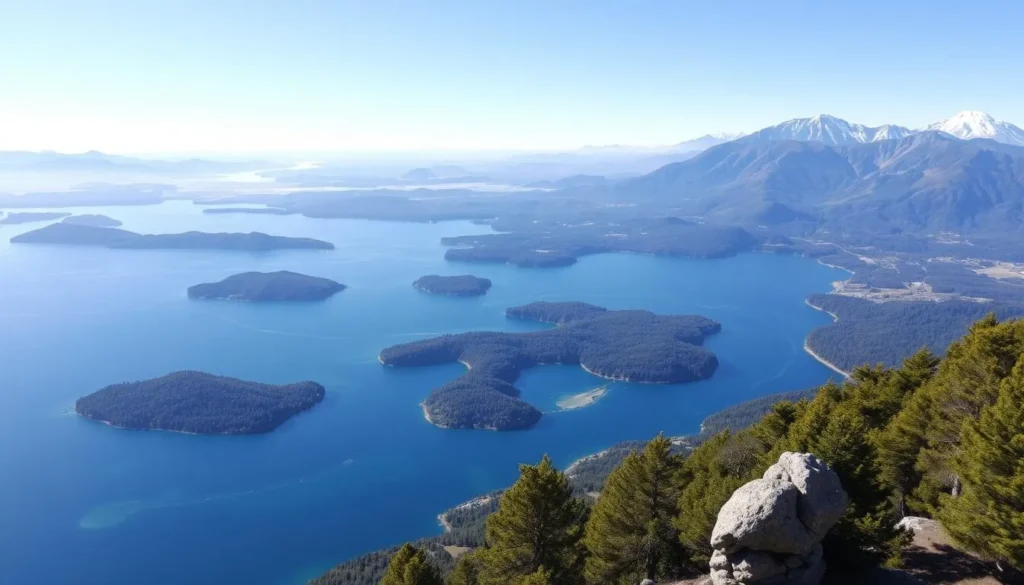
Bariloche offers an impressive array of attractions that showcase the region’s natural beauty, cultural heritage, and outdoor recreation opportunities. From scenic drives to historic sites, there’s something for every type of traveler.
Circuito Chico
This 60-kilometer scenic loop is Bariloche’s most popular attraction and for good reason. The route takes you through some of the area’s most spectacular landscapes, with numerous viewpoints and attractions along the way. You can drive, bike, or take a guided tour of the circuit.
Key stops along Circuito Chico include:
- Punto Panorámico: The iconic viewpoint offering the postcard view of Bariloche’s lakes and mountains
- Hotel Llao Llao: The historic luxury hotel that has become a symbol of Bariloche
- Capilla San Eduardo: A charming wooden chapel with beautiful views
- Puerto Pañuelo: The departure point for boat excursions to Isla Victoria and Bosque de Arrayanes
- Bahía López: A stunning bay with crystal-clear waters
Cerro Campanario
Often cited as offering “one of the best views in the world” by National Geographic, this lookout point provides a 360-degree panorama of the surrounding lakes and mountains. You can reach the summit via a chairlift or a short but steep 30-minute hike. At the top, there’s a café where you can enjoy hot chocolate while taking in the breathtaking scenery.
Isla Victoria & Bosque de Arrayanes
This popular boat excursion takes you across Nahuel Huapi Lake to Victoria Island and the unique Arrayanes Forest. The island features diverse flora, including introduced species from around the world, while the Arrayanes Forest is one of the few places on earth where these cinnamon-barked trees grow in concentration, creating a magical woodland setting that reportedly inspired Walt Disney’s “Bambi.”
Centro Cívico
The heart of downtown Bariloche, this stone-built civic center houses the city hall, library, police station, and museum. Designed by architect Ernesto de Estrada in the 1940s, its Alpine-inspired architecture has become emblematic of the city. The square is a popular meeting point and hosts an artisan market where you can purchase local crafts.
Colonia Suiza
This small settlement was founded by Swiss immigrants in the late 19th century. Today, it’s known for its artisan market and traditional “curanto” – a method of cooking meat and vegetables underground on hot stones. The curanto is typically prepared on Wednesdays and Sundays, making these the best days to visit.
Learn More
Museums, Cultural Spots & Festivals
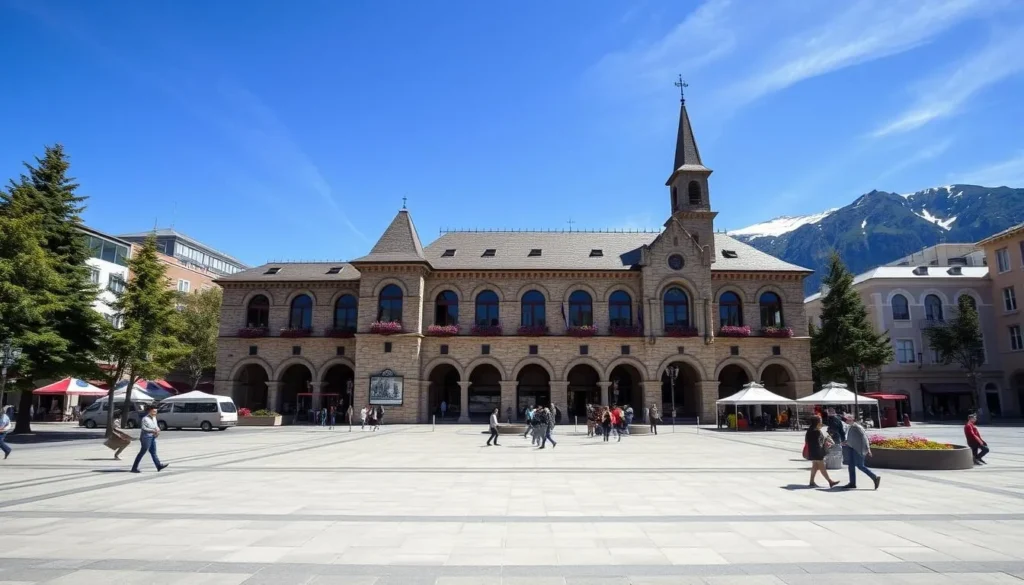
While Bariloche is primarily known for its natural attractions, the city also offers interesting cultural experiences that provide insight into the region’s history and heritage.
Museums
Museo de la Patagonia
Located in the Centro Cívico, this museum showcases the natural and cultural history of Patagonia. Exhibits cover geology, indigenous peoples, early European settlement, and the region’s flora and fauna. It’s a perfect introduction to understanding the context of your Bariloche visit.
Museo del Chocolate Havanna
Learn about the history and process of chocolate making at this small but interesting museum operated by one of Argentina’s famous chocolate brands. Guided tours include tastings and demonstrations.
Centro de Interpretación Patagonia
This modern interpretation center offers interactive exhibits about the region’s ecosystems, conservation efforts, and sustainable tourism practices. It’s particularly informative for those planning to explore Nahuel Huapi National Park.
Museo Paleontológico Bariloche
Displaying fossils and artifacts found in northwestern Patagonia, this small museum offers an interesting glimpse into the prehistoric life that once inhabited the region.
Cultural Tours
Several walking tours in Bariloche focus on specific aspects of the city’s complex history:
- German Footprint Tour: Explores the significant German influence in Bariloche, including the controversial post-WWII period when some Nazi officials found refuge here
- Indigenous Peoples Tour: Highlights the often-overlooked history of the Mapuche and Tehuelche peoples who originally inhabited the region
- Architectural Heritage Tour: Focuses on the unique Alpine-inspired architecture that gives Bariloche its distinctive character
Festivals & Events
Fiesta Nacional de la Nieve (National Snow Festival)
Held annually in August, this winter celebration features skiing competitions, torchlight parades down the slopes, fireworks, and the crowning of the Snow Queen. It’s the highlight of the winter season in Bariloche.
Chocolate Festival
Taking place at Easter, this sweet celebration includes chocolate sculptures, tastings, workshops, and the creation of massive chocolate eggs. It’s a paradise for chocolate lovers and families.
Bariloche a la Carta
This gastronomic festival in October showcases the region’s culinary offerings with special menus at participating restaurants, cooking demonstrations, and food-related activities throughout the city.
Artisan Markets
For locally made crafts and souvenirs, visit the artisan market in the Centro Cívico or the larger market in Colonia Suiza. You’ll find handcrafted wooden items, knitted goods, ceramics, and regional food products like jams and preserves made from local berries.
Sports, Nature & Outdoor Experiences
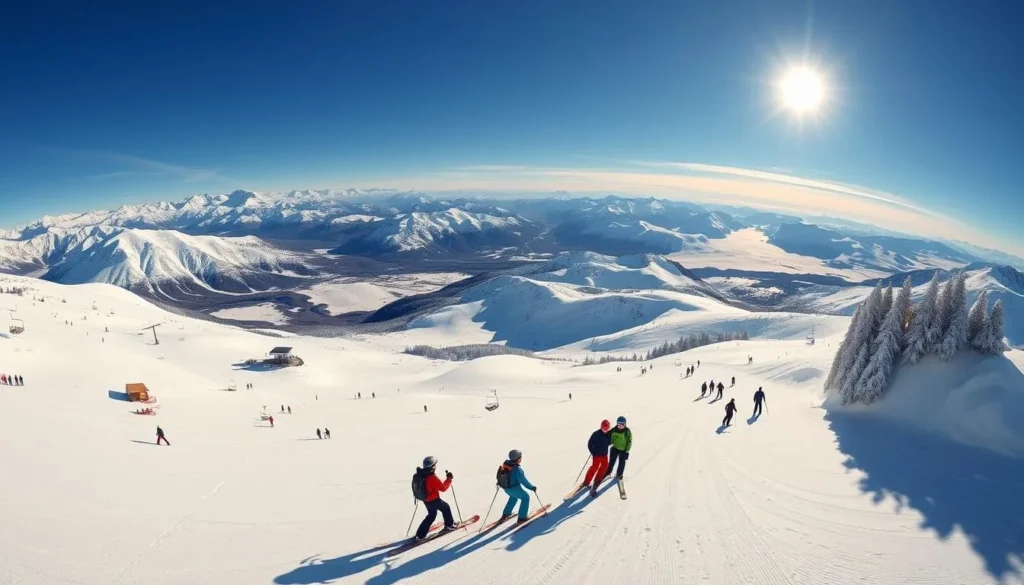
Bariloche is an outdoor enthusiast’s paradise, offering year-round activities amid some of South America’s most spectacular scenery. The region’s diverse landscapes provide endless opportunities for adventure and recreation.
Winter Sports (June-September)
Cerro Catedral is the largest ski center in South America, with over 120 km of skiable terrain catering to all ability levels. The resort features 38 lifts, modern infrastructure, and spectacular views of Nahuel Huapi Lake from the slopes.
Skiing & Snowboarding
With a vertical drop of 1,000 meters and terrain ranging from gentle beginner slopes to challenging off-piste areas, Cerro Catedral offers something for everyone. Equipment rental and lessons are readily available at the base.
Cross-Country Skiing
Several areas around Bariloche offer groomed cross-country trails, including Cerro Otto and the forests near Villa Catedral.
Snowshoeing
Guided snowshoe excursions allow you to explore the winter landscape at a slower pace, accessing areas that would be difficult to reach otherwise.
Snow Activities for Non-Skiers
Even if you don’t ski, you can enjoy snow tubing, snowmobiling, or simply riding the cable cars up the mountain for the views and a meal at one of the mountain restaurants.
Hiking & Trekking (October-April)
Bariloche boasts an extensive network of hiking trails ranging from easy walks to challenging multi-day treks. The region’s mountains, forests, and lakes create a stunning backdrop for hiking adventures.
Refugio Frey
This popular day hike (or overnight trek) leads to a mountain hut situated beside a picturesque alpine lake. The trail offers spectacular views and can be accessed from Cerro Catedral.
Cerro Llao Llao
A relatively easy 2-hour hike on the Llao Llao peninsula rewards with panoramic views of lakes and mountains. The trailhead is accessible by public bus.
Refugio Lopez
This challenging hike climbs to a mountain refuge with spectacular views. In winter, it becomes a popular snowshoeing destination with a guide.
Hiking Tip: All hikers in Nahuel Huapi National Park must register before starting their trek. This can be done online through the or at visitor centers in Bariloche.
Water Activities (December-March)
The region’s numerous lakes and rivers provide excellent opportunities for water-based recreation during the warmer months.
- Kayaking & Canoeing: Rent kayaks at beaches like Playa Bonita or Playa Serena to explore the shoreline of Nahuel Huapi Lake
- Sailing: Sailing excursions and lessons are available from Puerto San Carlos in the city center
- Whitewater Rafting: The Manso and Limay rivers offer exciting rafting experiences for various skill levels
- Fishing: The region is renowned for its trout fishing, with guided excursions available from November to April
- Beaches: While the water remains chilly even in summer, beaches like Villa Tacul and Playa Bonita are popular for sunbathing and brave swimmers
Scenic Drives
Beyond the Circuito Chico, two spectacular driving routes allow you to explore the broader Lake District:
Seven Lakes Route (Ruta de los Siete Lagos)
This iconic 110-kilometer stretch of Ruta 40 connects Bariloche with San Martín de los Andes, passing seven stunning lakes along the way. The drive takes about 3-4 hours one-way without stops, but you’ll want to allow a full day to enjoy the numerous viewpoints and beaches.
Circuito Grande
This longer loop takes you through diverse landscapes from alpine forests to the Patagonian steppe. Highlights include Villa Traful, a charming lakeside village, and the impressive Valle Encantado (Enchanted Valley) with its unusual rock formations.
Safety, Etiquette & Local Customs
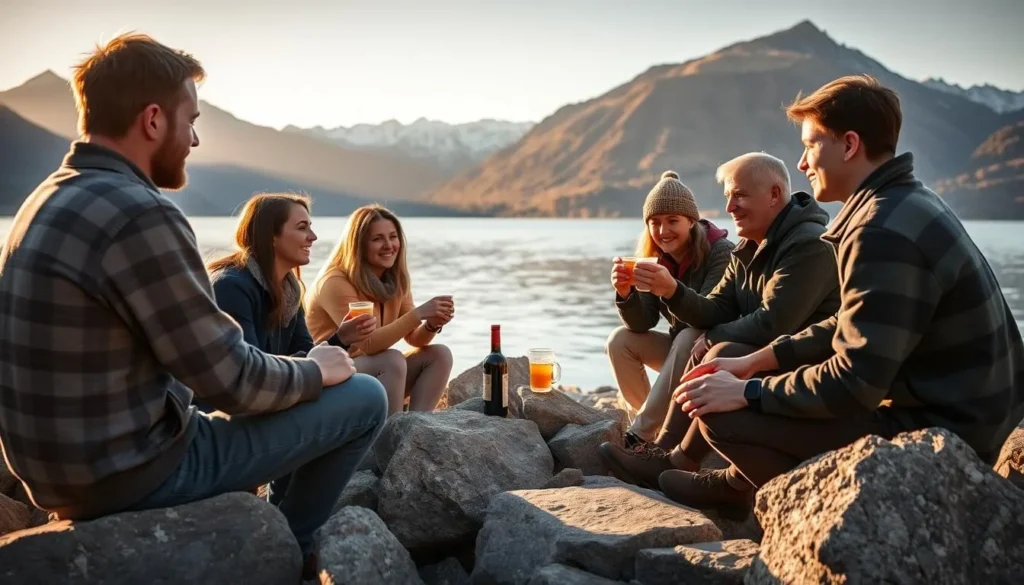
Bariloche is generally a safe destination for tourists, but as with any travel location, it’s important to be aware of local customs and take basic precautions to ensure a smooth and enjoyable visit.
Safety Considerations
- Outdoor Safety: If hiking or engaging in other outdoor activities, always inform someone of your plans, check weather forecasts, and carry appropriate gear
- Petty Crime: While violent crime is rare, be vigilant against pickpocketing in crowded tourist areas and the city center
- Road Safety: If driving, be aware that mountain roads can be winding and challenging, especially in winter conditions
- Wildlife: Respect wildlife and maintain a safe distance, particularly from pumas (though sightings are rare)
- Water Safety: The lakes are extremely cold even in summer, and strong winds can create dangerous conditions for swimmers and small watercraft
Local Customs & Etiquette
Greetings
Argentines typically greet with a kiss on the cheek, even when meeting for the first time. This applies to women greeting women and men greeting women. Men may shake hands or kiss depending on their relationship.
Mate Culture
Sharing mate (pronounced “mah-tay”), a traditional herbal tea, is a social ritual in Argentina. If offered mate, accept it and drink through the metal straw (bombilla) without moving it. Return the gourd to the person who served it.
Dining Customs
Argentines eat dinner late, typically starting around 9:00 PM or later. Tipping 10% is standard in restaurants. Service may seem unhurried by North American standards – this is normal and not considered poor service.
Language
While Spanish is the official language, many people in the tourism industry speak some English. Learning a few basic Spanish phrases is appreciated and will enhance your experience.
Cultural Sensitivity
Bariloche has a complex history that includes both European immigration and the displacement of indigenous peoples. Additionally, the region became home to some Nazi officials after World War II. Be sensitive when discussing these topics, particularly with locals.
Important: If hiking in Nahuel Huapi National Park, remember that fires are strictly prohibited except in designated areas. The region has experienced devastating forest fires in the past.
Practical Travel Tips
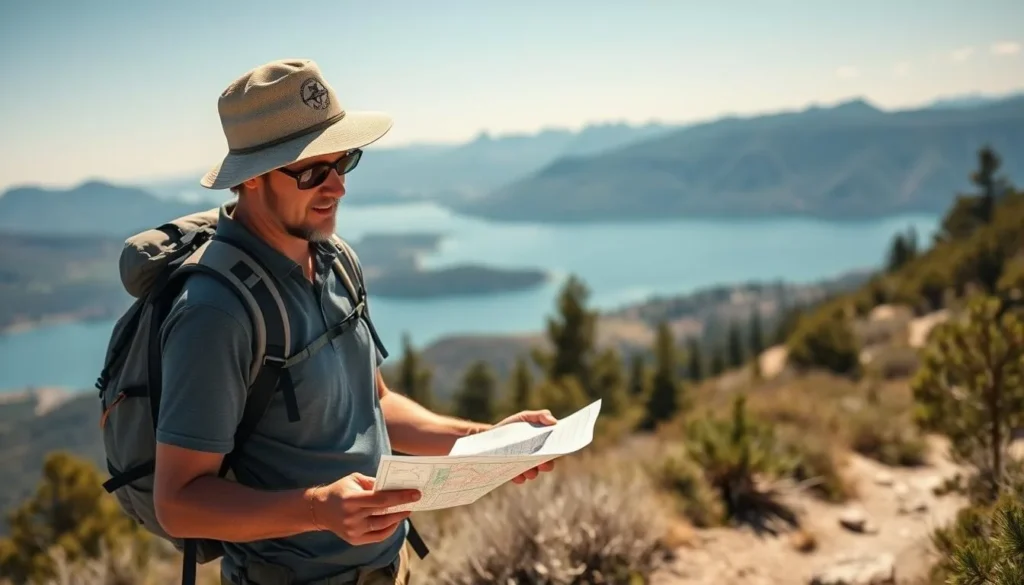
These practical tips will help you make the most of your Bariloche experience while avoiding common pitfalls and inconveniences.
Money Matters
- Currency: Argentina uses the peso (ARS), but USD is sometimes accepted at tourist establishments
- Cash vs. Cards: While credit cards are widely accepted in Bariloche, some smaller establishments and activities may require cash
- ATMs: Available throughout the city center, but they sometimes run out of cash during peak tourist season
- Exchange Rates: Argentina has had a complex economic situation with multiple exchange rates. Research the current situation before your trip
Connectivity
Wi-Fi is widely available in accommodations, restaurants, and cafés throughout Bariloche. For mobile service, you can purchase a local SIM card from providers like Personal, Claro, or Movistar if your phone is unlocked. Coverage is generally good in the city and along main routes but can be spotty in more remote areas.
Packing Essentials
Year-Round Items
- Layered clothing (weather can change rapidly)
- Comfortable walking shoes
- Sunscreen and sunglasses (UV is intense at this altitude)
- Insect repellent (summer months)
- Daypack for excursions
Summer Additions
- Swimwear (if you’re brave enough for the cold lakes)
- Light rain jacket
- Hat for sun protection
- Hiking boots if planning serious treks
- Water bottle
Winter Additions
- Warm, waterproof jacket
- Thermal layers
- Gloves, hat, and scarf
- Waterproof footwear
- Ski gear (or rent locally)
Health Considerations
Bariloche has good medical facilities, but travel insurance is strongly recommended. The high altitude (around 800 meters) isn’t typically problematic for most visitors, but staying hydrated is important. If hiking to higher elevations, be aware of altitude sickness symptoms. The tap water is generally safe to drink in Bariloche.
Time-Saving Tips
- Purchase your SUBE card (for public transportation) as soon as you arrive, as they can be difficult to find
- Book popular excursions like the Isla Victoria boat trip in advance during high season
- Visit Cerro Campanario early in the morning or late afternoon to avoid crowds
- If skiing at Cerro Catedral, rent equipment the evening before to avoid morning lines
- Many attractions along Circuito Chico can be crowded midday; go early or late for a more peaceful experience
Pro Tip: Bariloche is known for its chocolate, but the shops in the city center tend to be more expensive. For better value, look for chocolate factories slightly outside the center that offer factory tours and discounted products.
Ready for Your Bariloche Adventure?
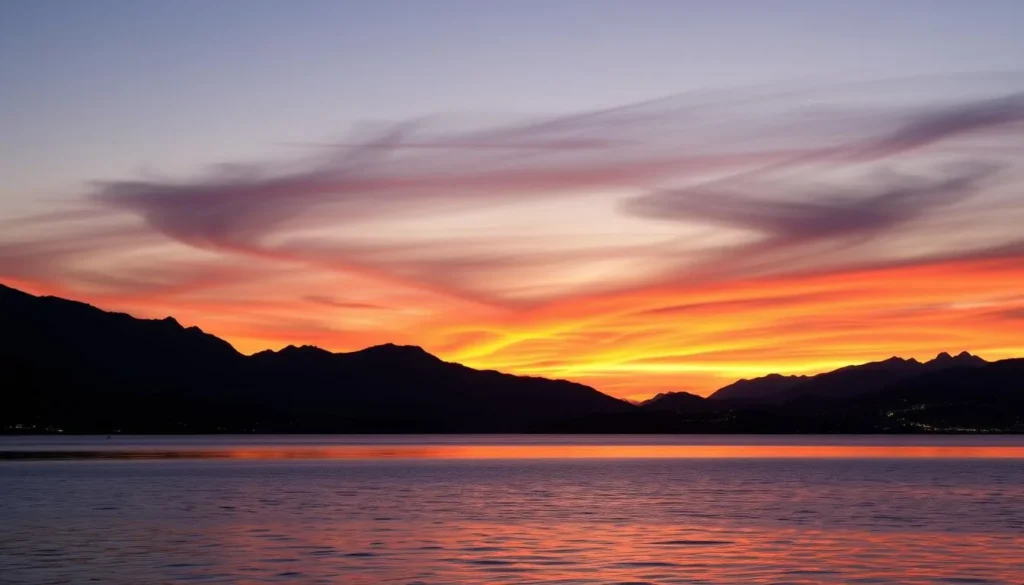
San Carlos de Bariloche offers a unique blend of natural beauty, outdoor adventure, cultural experiences, and culinary delights that make it one of Argentina’s most captivating destinations. Whether you’re carving fresh powder at Cerro Catedral, hiking to a remote mountain refuge, savoring artisanal chocolates on Calle Mitre, or simply gazing at the breathtaking lake and mountain panoramas, Bariloche creates memories that will last a lifetime.
With its distinct seasons each offering different experiences, Bariloche rewards visitors year-round. The Swiss-Alpine architecture, warm Argentine hospitality, and stunning Patagonian landscapes combine to create a destination that feels both familiar and exotic, comfortable yet adventurous.
As you plan your journey to this Patagonian paradise, remember that Bariloche’s true magic lies in the balance between its natural wonders and human touches – from the perfect viewpoint along Circuito Chico to that unforgettable piece of chocolate enjoyed after a day of exploration. Your Andean adventure awaits in Bariloche, where European charm meets Patagonian grandeur in one unforgettable destination.
0 Comments