
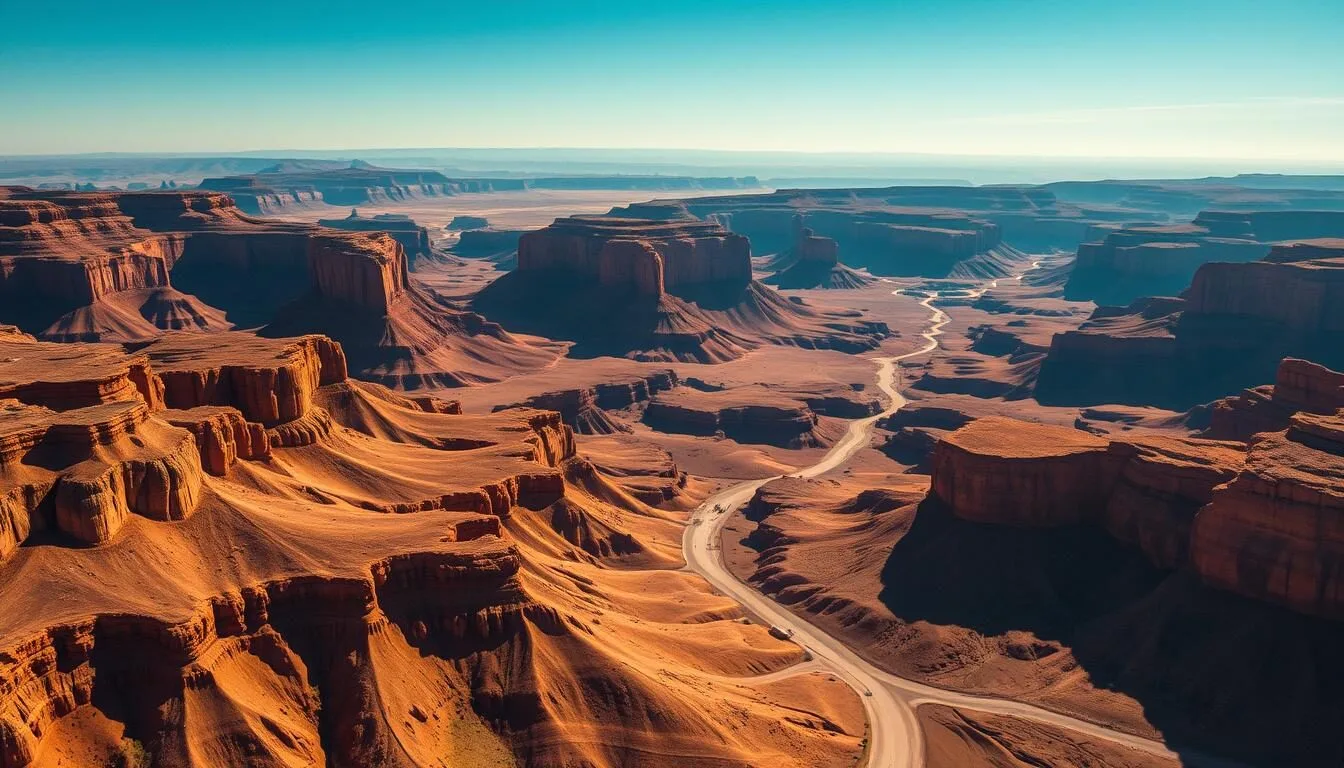
Did you know that Talampaya National Park in Argentina houses rock formations dating back 250 million years? This UNESCO World Heritage site preserves one of the most complete fossil records from the Triassic Period, when dinosaurs first began to dominate Earth. With its towering 150-meter red sandstone walls, mysterious petroglyphs, and unique wildlife, Talampaya offers visitors a journey through time unlike any other in South America.
Getting There & Planning Your Journey
Talampaya National Park is located in La Rioja province in northwestern Argentina, approximately 55 km from the town of Villa Unión. The most convenient way to reach the park is by flying into La Rioja Airport (IRJ) and then driving about 3.5 hours to Villa Unión, the main gateway to the park.
From Buenos Aires, you can take a direct flight to La Rioja, which takes approximately 2 hours. Alternatively, you can fly to San Juan and drive about 4 hours to reach the park area. should be booked well in advance, especially during high season.
For those who prefer ground transportation, long-distance buses operate from major Argentine cities to La Rioja and San Juan. From there, you’ll need to arrange additional transportation to Villa Unión. are highly recommended for flexibility in exploring the region.
Best Time to Visit & Weather Tips
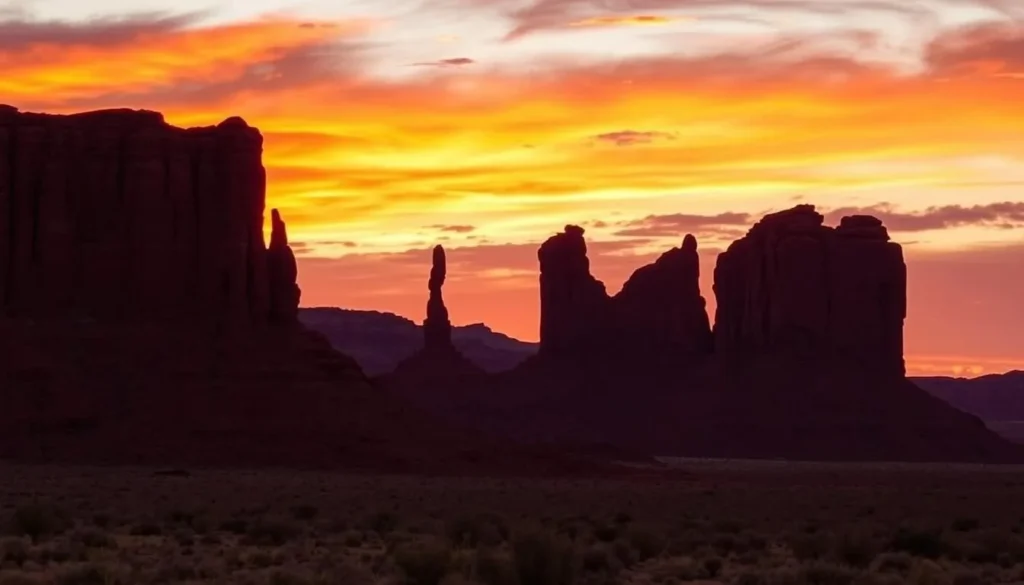
The ideal time to visit Talampaya National Park is during spring (September to November) and fall (March to May) when temperatures are moderate. Summer (December to February) brings extreme heat with daytime temperatures often exceeding 40°C (104°F), making exploration challenging.
Winter (June to August) offers pleasant daytime temperatures around 15-20°C (59-68°F), but nights can drop below freezing. The park receives very little rainfall throughout the year, with occasional summer thunderstorms that can cause flash flooding in the canyons.
Weather Tip: Temperature variations between day and night can be extreme in this desert environment. Pack layers even if visiting during warmer months, as evenings can be surprisingly cool.
Park tours may be suspended during rainy conditions or when the zonda wind (a strong, hot wind) is present, which typically occurs only a few days per year, mainly in January and February.
Getting Around Locally
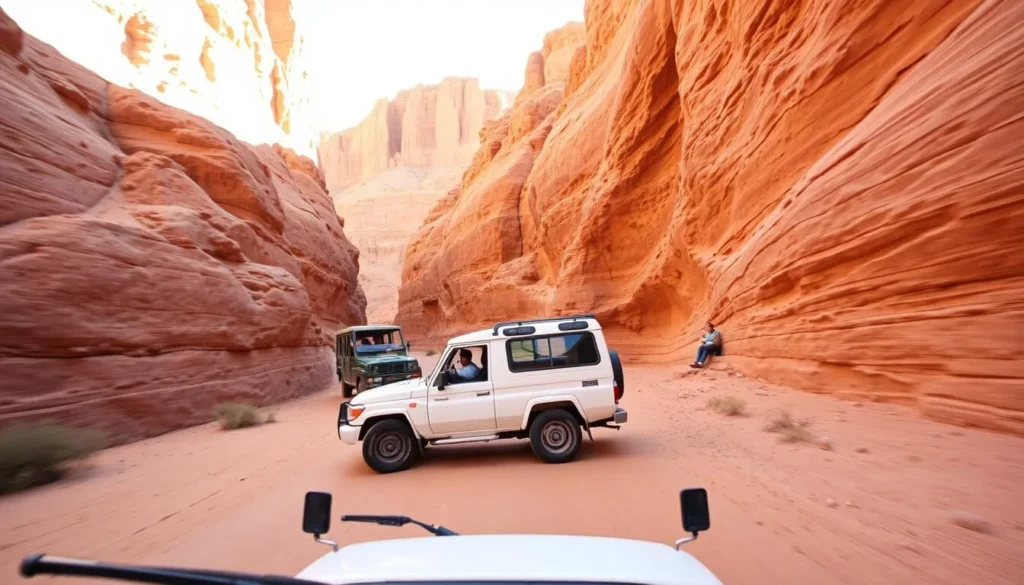
Exploring Talampaya National Park requires joining guided tours, as independent exploration is not permitted in most areas. Upon arrival at the park entrance, you’ll find a visitor center, restaurant, and parking area where you must leave your personal vehicle.
The park is managed by a private concession that operates all tours within the canyon. Three main excursion options are available:
- Talampaya Canyon Experience (2.5 hours): The classic tour by minibus with stops at petroglyphs, the botanical garden, Gothic Cathedral, and the Monk rock formation.
- Talampaya and Shimpa Canyon Experience (4 hours): A 4×4 truck tour that includes both canyons, with the Shimpa section featuring walls just 7 meters apart.
- Talampaya Canyon plus Balconies (4 hours): Combines the standard canyon tour with a trek to viewpoints atop the canyon walls.
Tours should be booked in advance, especially during high season. You can reserve directly through the
Official Talampaya Website
or book a guided experience that includes transportation from nearby towns.
Where to Stay (Lodging Options)
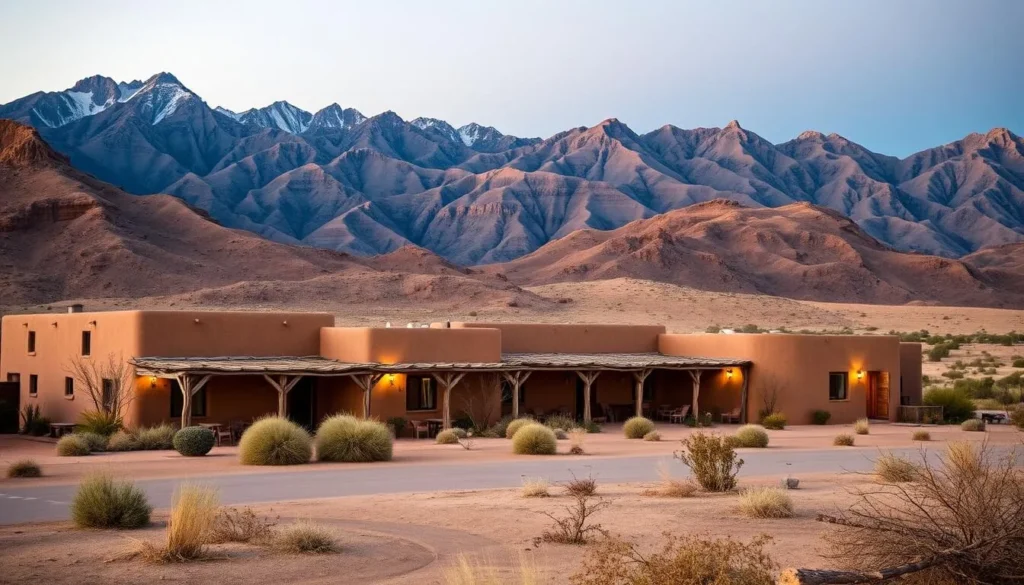
Accommodation options near Talampaya National Park are limited but sufficient for travelers. Most visitors stay in Villa Unión, a small town about 55 km from the park entrance that serves as the main base for exploring both Talampaya and nearby Ischigualasto Provincial Park (Valle de la Luna).
Villa Unión Options
- Hotels: Several mid-range hotels offer comfortable rooms, restaurants, and swimming pools to cool off after a day in the desert heat.
- Hospedajes: Family-run guesthouses provide budget-friendly options with basic amenities and often include breakfast.
- Cabañas: Self-catering cabins are available for those who prefer more independence and space.
Alternative Locations
- Camping: There is one basic campsite within Talampaya National Park with toilet facilities and a restaurant that closes around 10 pm.
- Baldecitos: This tiny settlement near Ischigualasto offers very basic accommodation but is convenient if you’re visiting both parks.
- Pagancillo: A small village between Villa Unión and the park with a few accommodation options.
Due to the remote location, it’s essential to book accommodation in advance, especially during peak tourist seasons. Many lodgings in this region have limited online presence, so booking through a travel agency might be easier.
Dining & Local Cuisine
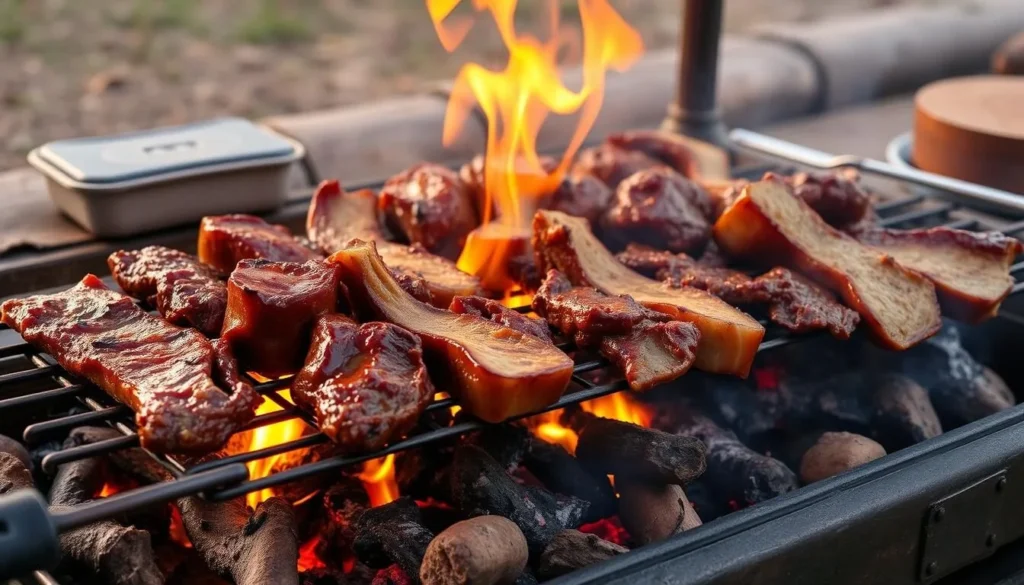
The La Rioja region offers distinctive culinary experiences that blend Andean and Spanish influences. While dining options within Talampaya National Park are limited to one restaurant called “Naturaleza Mística” at the visitor center, the surrounding towns provide authentic local cuisine.
Regional Specialties
- Chivito: Roasted kid goat, a specialty of the region prepared with local herbs and spices.
- Empanadas Riojanas: Local-style empanadas filled with meat, olives, and hard-boiled eggs.
- Locro: A hearty stew made with corn, beans, and meat, perfect for cooler evenings.
- Torta del Horno: A traditional bread baked in clay ovens, often served with meals.
In Villa Unión, you’ll find several restaurants serving regional cuisine and Argentine classics like asado (barbecue). Many accommodations also offer dining options, which can be convenient given the early start times for park tours.
Dining Tip: Pack plenty of water and snacks for your day in the park. While some tours include light refreshments, food options within the park are limited. The restaurant at the visitor center can be expensive and crowded during peak times.
Attractions, Sightseeing & Activities
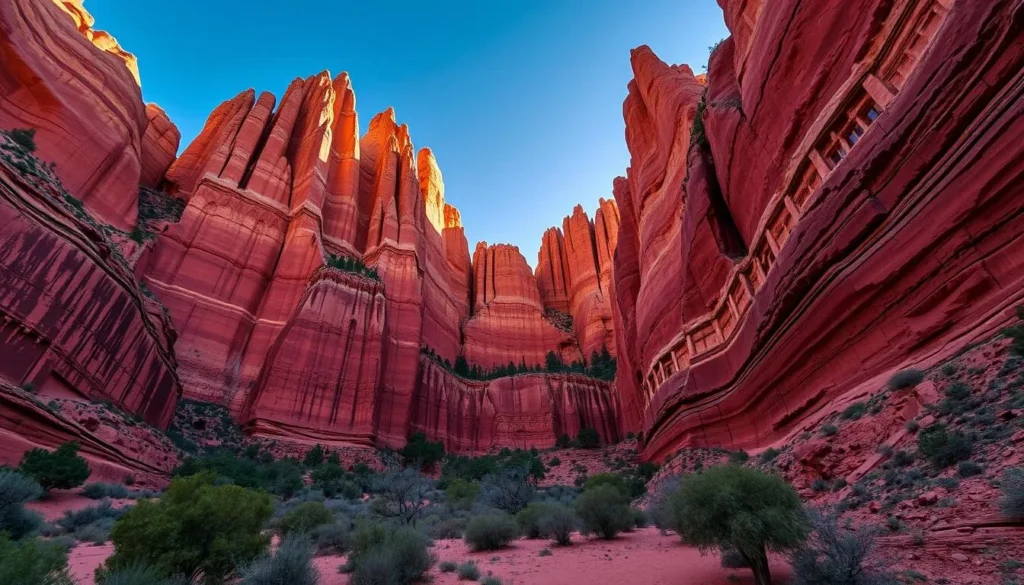
Talampaya National Park offers a fascinating blend of geological wonders, archaeological sites, and natural beauty. Here are the must-see attractions and activities:
Key Attractions
The Petroglyphs
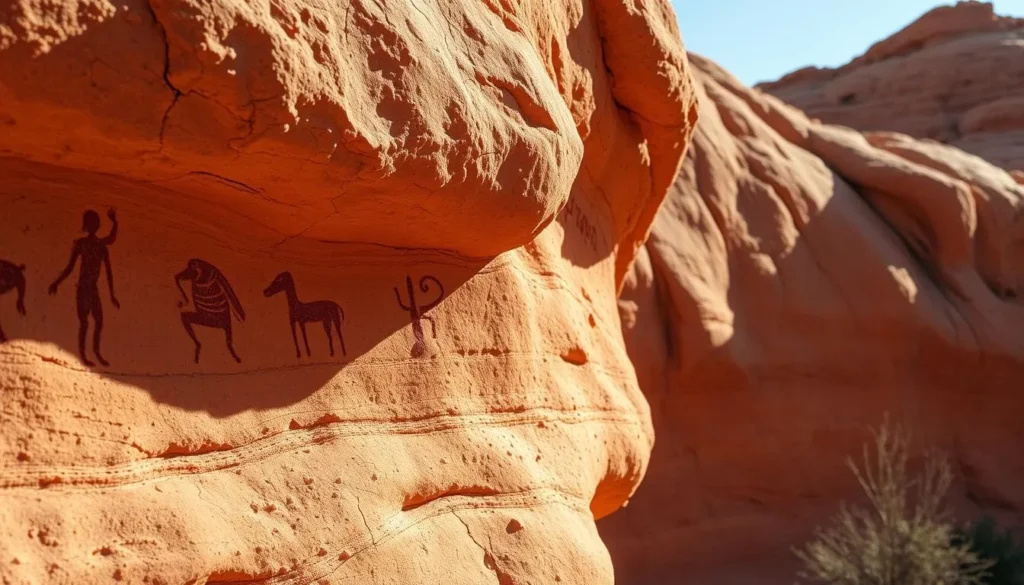
Ancient rock carvings dating back 1,500-2,000 years created by indigenous peoples. These fascinating artworks depict animals, human figures, and geometric patterns that offer insights into prehistoric cultures.
The Gothic Cathedral
A massive rock formation resembling a cathedral with towers and spires, created through millions of years of erosion. It’s one of the most photographed spots in the park and truly spectacular in scale.
The Monk
A distinctive rock formation that resembles a solitary monk in contemplation. Accessible via wooden walkways, this formation offers excellent photo opportunities against the backdrop of towering canyon walls.
Botanical Garden
A surprising oasis within the canyon featuring native trees and plants that thrive in this harsh environment. The area includes the famous “chimney” where you can experience a remarkable echo effect.
Shimpa Canyon
A narrow canyon with walls just 7 meters apart in some sections, creating a dramatic corridor of red rock. This area is only accessible via the 4×4 tour option and offers a more intimate canyon experience.
The Balconies
Viewpoints atop the canyon walls reached by a moderately challenging trek. From here, you’ll enjoy panoramic views of the entire canyon system and appreciate the vast scale of this remarkable landscape.
Museums, Cultural Spots & Festivals
While Talampaya National Park is primarily known for its natural wonders, it also offers significant cultural and historical attractions that provide insight into the region’s past.
Archaeological Heritage
The park contains numerous archaeological sites with petroglyphs created by indigenous cultures that inhabited the region between 1,000 and 2,000 years ago. These rock carvings depict humans, animals, and geometric patterns that offer fascinating glimpses into prehistoric life in the area.
Triassic Trail
Located near the visitor center, this self-guided trail features life-sized replicas of dinosaurs and prehistoric creatures that once roamed the area during the Triassic Period. Information panels explain the paleontological significance of the region and the fossil discoveries made here.
Regional Museums
While there isn’t a dedicated museum within the park itself, the nearby cities of La Rioja and San Juan house museums with exhibits related to the region’s natural history, paleontology, and indigenous cultures:
- Museo de Ciencias Naturales in La Rioja city showcases fossils and geological specimens from the region.
- Museo de Ciencias Naturales in San Juan features an impressive collection of dinosaur fossils discovered in the area.
Local Festivals
If your visit coincides with local celebrations, you might experience traditional music, dance, and cuisine that reflect the cultural heritage of La Rioja province:
- Fiesta Nacional de la Chaya (February): La Rioja’s most important festival celebrating local traditions with music, dance, and food.
- Tinkunaco (December 31-January 1): A religious and cultural celebration in La Rioja city blending indigenous and Catholic traditions.
Sports, Nature & Outdoor Experiences
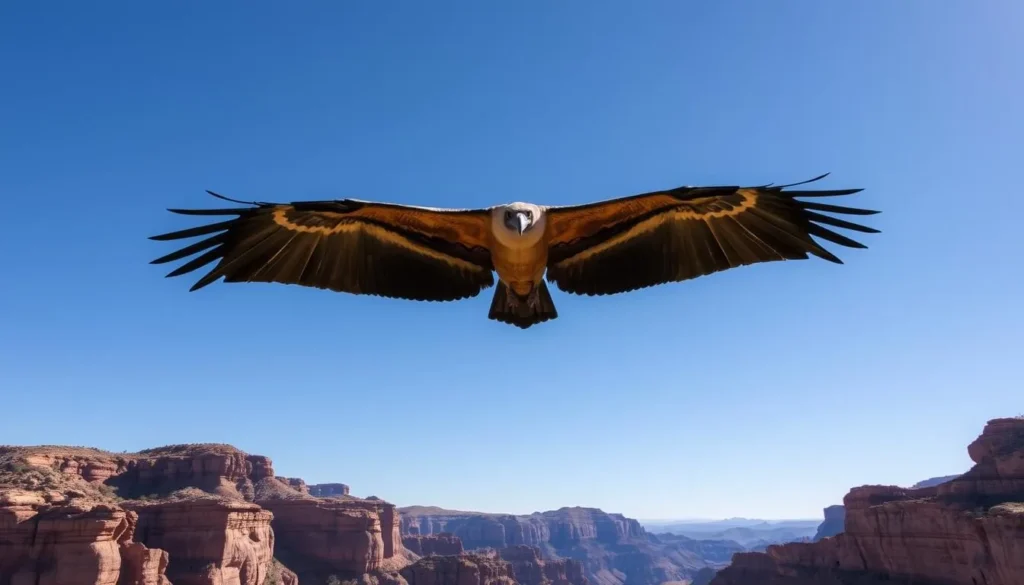
Talampaya National Park offers numerous opportunities to connect with nature and enjoy outdoor activities in a unique desert environment. Here are some of the best outdoor experiences:
Wildlife Watching
While the arid environment might seem inhospitable, Talampaya is home to a surprising variety of wildlife. Keep your eyes peeled for:
- Andean Condors: These magnificent birds with wingspans up to 3 meters often soar above the canyon walls.
- Guanacos: Wild relatives of llamas that roam the park’s montane grasslands.
- Maras: Large rodents unique to South America, resembling a cross between a rabbit and a small deer.
- Foxes: Several species inhabit the park and may be spotted during early morning or evening hours.
Stargazing
The remote location and minimal light pollution make Talampaya an exceptional destination for stargazing. If camping in or near the park, take advantage of the clear desert nights to observe the southern hemisphere’s spectacular night sky.
Photography
The dramatic landscapes, unique rock formations, and striking red colors make Talampaya a photographer’s paradise. The changing light throughout the day creates different moods and highlights various aspects of the canyon walls.
Photography Tip: The best lighting for photography is during the early morning or late afternoon when the sun casts dramatic shadows and enhances the red color of the rocks. Midday light can be harsh and flatten the appearance of the formations.
Hiking
While most of the park can only be explored via guided tours, the Balconies trek offers a challenging hiking experience with rewarding panoramic views. This trek is available as part of the “Talampaya Canyon plus Balconies” tour option.
Safety, Etiquette & Local Customs
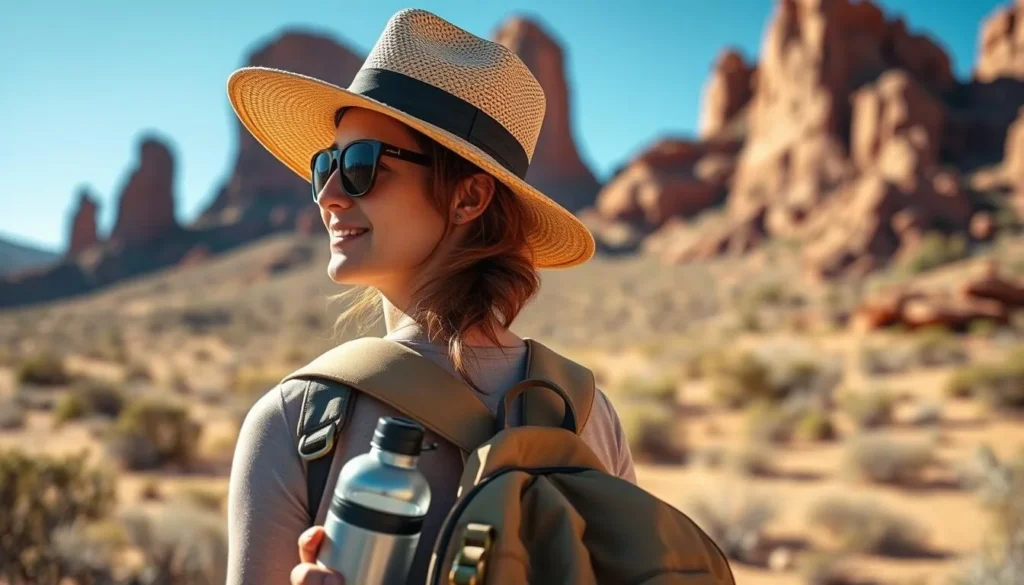
Visiting Talampaya National Park requires some preparation and awareness of safety considerations due to its remote location and desert environment. Here are important guidelines to ensure a safe and respectful visit:
Safety Precautions
- Sun Protection: The desert sun is intense year-round. Wear a wide-brimmed hat, sunglasses, and apply high-SPF sunscreen regularly.
- Hydration: Carry plenty of water, even during cooler months. Dehydration can occur quickly in the dry desert air.
- Appropriate Clothing: Wear lightweight, breathable clothing during hot days, but always bring layers as temperatures can drop significantly in the evening.
- Sturdy Footwear: Comfortable walking shoes with good traction are essential for navigating uneven terrain.
- Flash Floods: Be aware that sudden rainstorms, even distant ones, can cause flash flooding in canyons. Always follow guide instructions during inclement weather.
Park Etiquette
- Stay on Designated Paths: To protect the fragile desert ecosystem and archaeological sites, remain on marked trails and viewing areas.
- No Touching: Do not touch or climb on rock formations or petroglyphs, as oils from skin can damage these ancient features.
- Leave No Trace: Pack out all trash and leave natural objects where you find them.
- Quiet Observation: Keep noise levels down to avoid disturbing wildlife and other visitors.
- Photography: Photography is permitted throughout the park, but drones are prohibited without special permission.
Local Customs
When interacting with local communities in the surrounding areas:
- Greet people with a friendly “Buen día” (good day) or “Buenas tardes” (good afternoon).
- Ask permission before photographing local people, especially in small communities.
- Respect siesta time (typically 1-4 PM) when many businesses in small towns may close.
- Tipping guides 10-15% for good service is customary and appreciated.
Practical Travel Tips
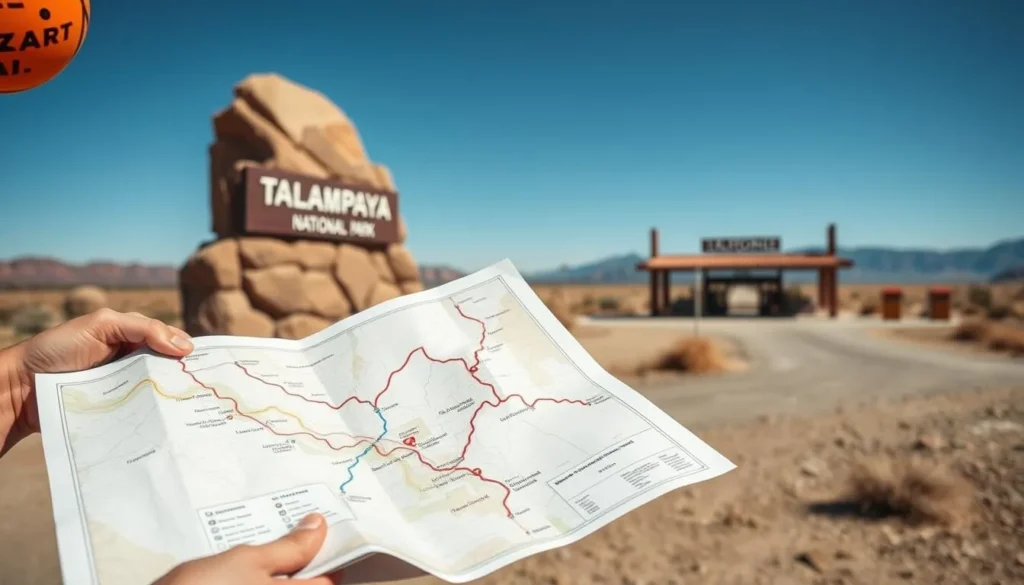
Make the most of your visit to Talampaya National Park with these practical tips:
Essential Planning
- Book Tours in Advance: Especially during high season (July-October), tours can fill up quickly. Reserve your preferred tour option through the
Official Website
.
- Park Entrance Fees: As of 2023, entrance fees are separate from tour costs. Bring cash as credit cards may not be accepted at the park entrance.
- Tour Timing: Morning tours often provide better lighting for photography and cooler temperatures for comfort.
- Combined Visits: Consider visiting nearby Ischigualasto Provincial Park (Valle de la Luna) as part of your itinerary. The two parks complement each other geologically and can be visited over two days.
Connectivity & Services
- Cell Service: Mobile coverage is limited or non-existent within the park. Download maps and information before your visit.
- ATMs: The nearest reliable ATMs are in larger towns. Withdraw sufficient cash before heading to the park area.
- Fuel: Fill your tank in Villa Unión or other larger towns, as gas stations are scarce in the immediate park vicinity.
- Language: While tour guides typically speak some English, having basic Spanish phrases will enhance your experience, especially in smaller communities.
Pro Tip: Consider spending at least one night in the area to fully appreciate both Talampaya and Ischigualasto parks without rushing. The stargazing opportunities alone make an overnight stay worthwhile!
Conclusion
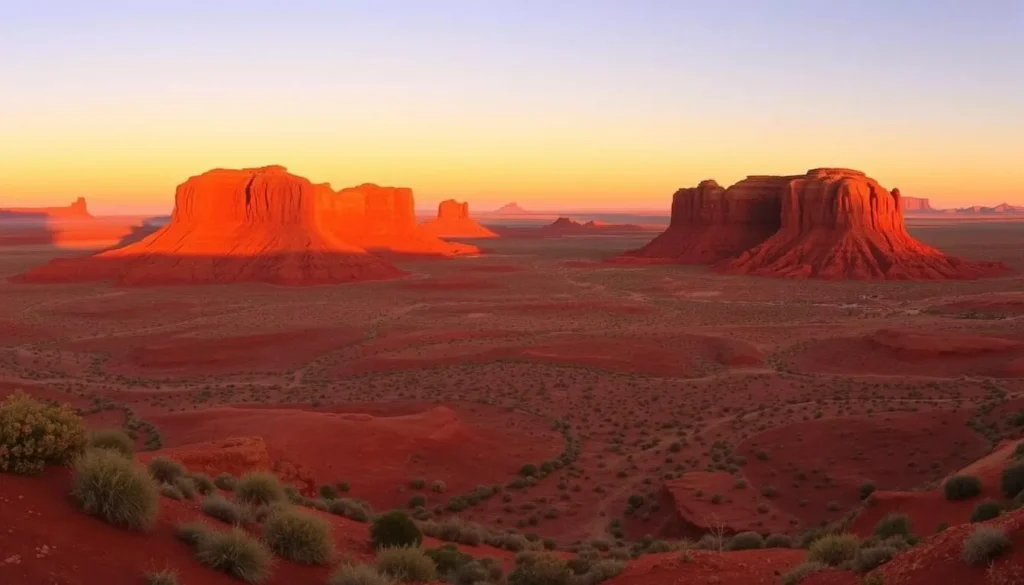
Talampaya National Park offers a truly unique experience that combines breathtaking geological formations, fascinating archaeological sites, and a glimpse into Earth’s distant past. From the towering red canyon walls to the ancient petroglyphs and diverse wildlife, this UNESCO World Heritage site rewards visitors with unforgettable memories.
Whether you’re marveling at the Gothic Cathedral formation, listening to your echo bounce off canyon walls, or gazing at the Milky Way from a desert campsite, Talampaya connects you with both natural history and the timeless beauty of Argentina’s landscapes. By planning ahead and following the tips in this guide, you’ll be well-prepared to make the most of your journey through this remarkable corner of northwestern Argentina.
Ready to walk through 250 million years of history? Start planning your Talampaya adventure today!
Related Posts
Trevelin, Argentina: Best Things to Do – Top Picks
Mendoza Province, Argentina: Best Things to Do – Top Picks
San Martin de los Andes, Argentina: Best Things to Do – Top Picks
Bariloche, Argentina: Best Things to Do – Top Picks

El Calafate, Argentina: Best Things to Do – Top Picks
El Chalten, Argentina: Best Things to Do – Top Picks
Coming Soon: Clickable Maps