
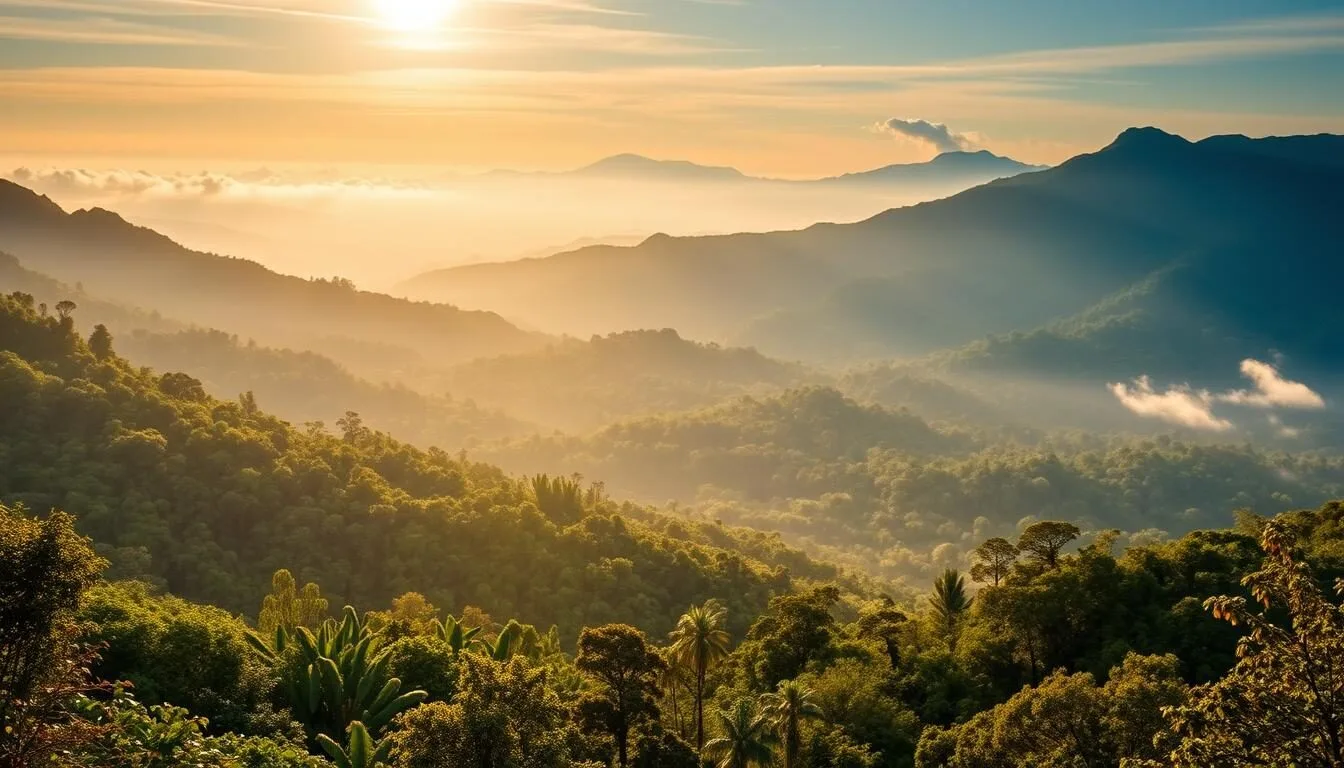
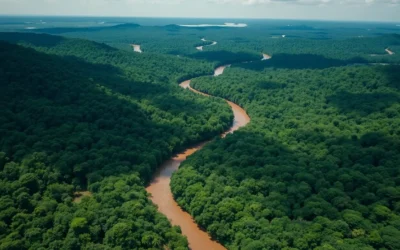
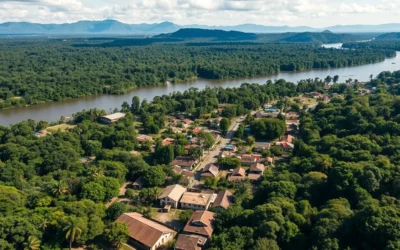
At the remarkable “Elbow of the Andes” lies one of Earth’s most extraordinary biological treasures. Amboro National Park in Bolivia is the only place on the planet where three distinct ecosystems converge—the Amazon Basin, the northern Chaco, and the Andean foothills—creating a biodiversity hotspot that hosts more bird species (812) than all of North America combined. This unique ecological intersection makes Amboro an unparalleled destination for nature enthusiasts and adventure seekers alike.
Amboro National Park Overview
Spanning a massive 4,425 square kilometers, Amboro National Park is a protected wilderness area established in 1984 through the efforts of conservation biologists including Noel Kempff and Robin Clark. The park’s unique position at the “Elbow of the Andes” creates an extraordinary convergence of ecosystems that supports nearly 3,000 plant species, 177 mammals, 135 reptiles, and 173 amphibians.
What makes Amboro truly special is not just its biodiversity but also its accessibility. Located just 40 kilometers west of Santa Cruz, Bolivia’s largest city, this natural paradise offers visitors the chance to experience pristine wilderness without venturing too far from urban comforts.
Getting There & Planning Your Journey
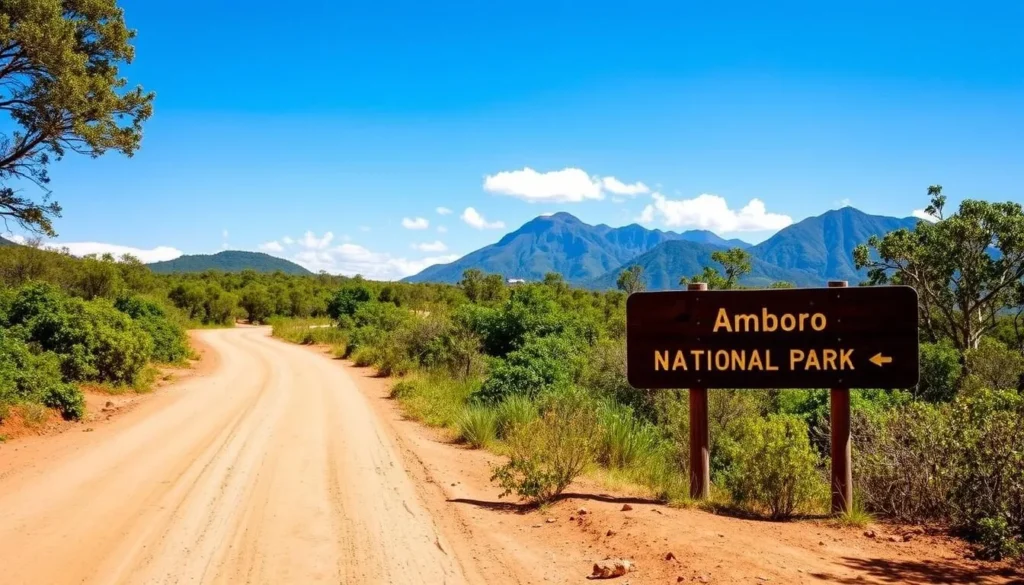
Reaching Amboro National Park is relatively straightforward, with two main access points depending on which part of the park you wish to explore. The park is divided into northern and southern sections, each offering different landscapes and experiences.
From Santa Cruz to the North Side
The northern entrance to Amboro is accessed through the town of Buena Vista, located about 1.5 hours (100 km) from Santa Cruz along the new paved road to Cochabamba. Public mini-buses depart regularly from the old bus terminal on Calle Isos in Santa Cruz, heading to “Yapacani” (ask to be dropped at Buena Vista’s main square). A one-way ticket costs approximately 20-25 BOB ($3 USD).
Once in Buena Vista, visit the Amboro Information Centre for up-to-date details about exploring the park. From here, you’ll need a 4×4 vehicle to access trailheads leading to attractions like La Chonta, Macuñucu, and the Yapacaní River.
From Santa Cruz to the South Side
The southern entrance is accessed via the town of Samaipata, approximately 3 hours (120 km) from Santa Cruz along the old road to Cochabamba. Public mini-buses (No. 8) depart from the Santa Cruz bus terminal on Avenue Omar Chavez Ortiz, costing around 30-40 BOB ($4-5 USD) per person.
From Samaipata, secondary gravel roads lead to park entrances near El Torno, Mairana, Pampa Grande, Mataral, and Comarapa. A 4×4 vehicle is highly recommended, especially during the rainy season.
Important: By law, all visitors must enter Amboro National Park with a certified guide. Tour operators in Santa Cruz, Samaipata, and Buena Vista can arrange guided excursions ranging from day trips to multi-day adventures.
Best Time to Visit Amboro National Park
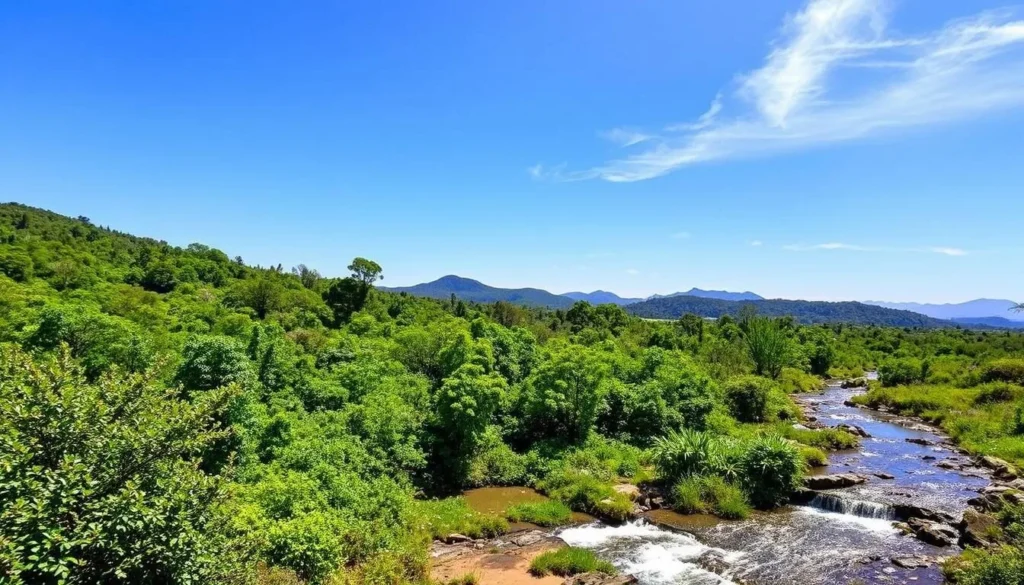
Amboro National Park experiences a bi-seasonal climate with distinct wet and dry periods. The park’s varying altitude (300-3500 meters above sea level) creates different microclimates throughout the region.
Recommended Months to Visit
Dry Season (May-September)
Best for: Hiking, wildlife viewing, photography
The dry season offers cooler temperatures, less mud on trails, and fewer mosquitoes. This is generally considered the optimal time to visit Amboro. Though temperatures are cooler (especially at higher elevations), the clear skies and reduced precipitation make for more comfortable exploration.
Wet Season (October-April)
Best for: Lush landscapes, flowing waterfalls, plant diversity
The rainy season brings warmer temperatures with maximum rainfall in January. While trails can become muddy and rivers may swell rapidly, the vegetation is at its most vibrant, and waterfalls are at their most impressive. Be prepared for afternoon showers and more challenging conditions.
Weather Advisory: During the rainy season, rivers can rise rapidly, potentially trapping visitors for 1-2 days while waiting for water levels to drop. Always check current conditions and plan accordingly if visiting between October and April.
Temperature & Rainfall
Temperatures vary significantly by elevation:
- Lowland areas: 25-35°C (77-95°F) year-round
- Highland areas: 15-25°C (59-77°F) during the day, potentially dropping to 10°C (50°F) at night
- Annual rainfall: 600-4,000 mm, with the north receiving more precipitation than the south
Where to Stay
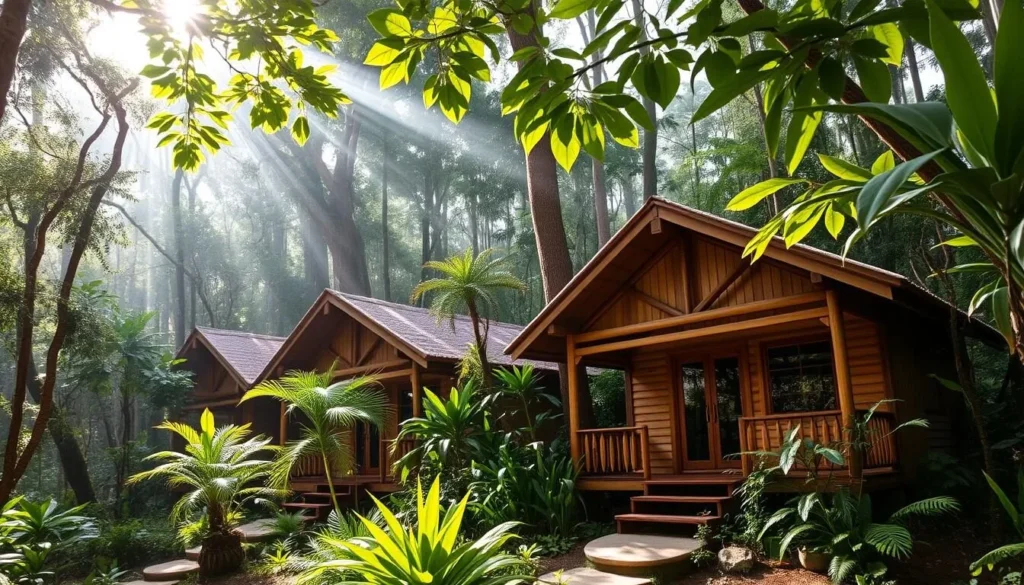
Accommodations around Amboro National Park range from basic camping to comfortable eco-lodges. Where you stay will largely depend on which section of the park you plan to explore.
North Side Accommodations
La Chonta Lodge
A comfortable eco-lodge with private cabins, hot showers, and excellent meals. Located in pristine forest with easy access to trails and wildlife viewing opportunities.
Price range: $70-120 USD per night
Villa Amboró
Family-run accommodation with basic but clean rooms and home-cooked meals. Situated near the park entrance with knowledgeable local guides available.
Price range: $40-60 USD per night
Mataracú Tent Camp
For the adventurous traveler, this camp offers an immersive jungle experience with platform tents, shared facilities, and communal dining.
Price range: $30-50 USD per night
South Side Accommodations
Refugio Los Volcanes
A stunning eco-lodge set in a dramatic valley with comfortable rooms, excellent food, and immediate access to some of the park’s most beautiful trails.
Price range: $80-130 USD per night
La Yunga Eco Lodge
Sustainable accommodation with solar power, organic gardens, and spectacular views. Perfect for birdwatchers and nature photographers.
Price range: $60-90 USD per night
Hostal Andoriña (Samaipata)
While not in the park itself, this charming hostel in Samaipata offers comfortable rooms, homemade bread, and helpful owners who can arrange park tours.
Price range: $20-40 USD per night
Best Things to Do in Amboro National Park
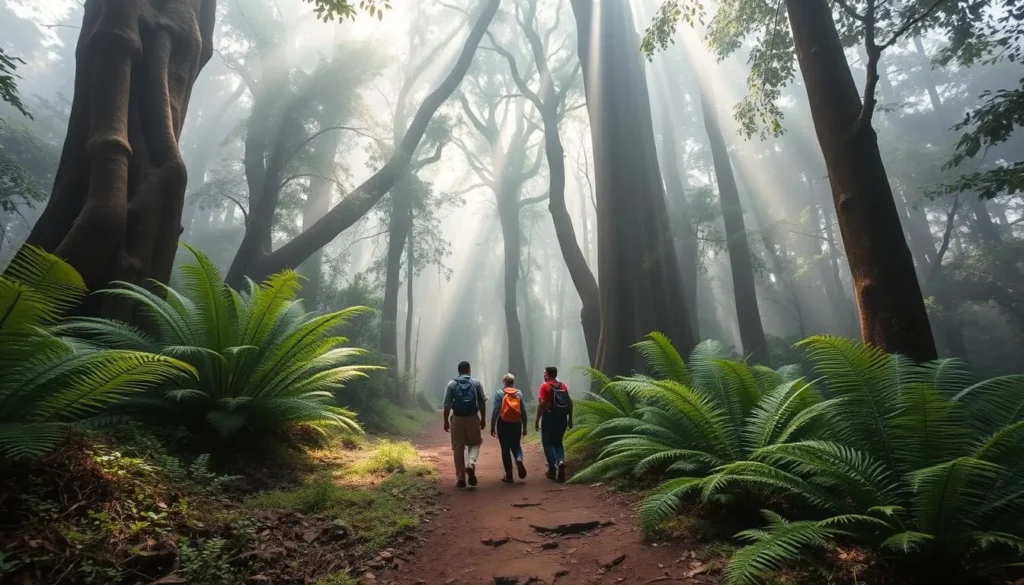
Amboro National Park offers a wealth of activities for nature lovers, adventure seekers, and wildlife enthusiasts. Here are the top experiences not to miss during your visit:
1. Explore the Cloud Forest
One of Amboro’s most magical experiences is hiking through the misty cloud forest with its giant ferns—plant species so ancient they once fed dinosaurs. The southern section of the park offers the best access to this unique ecosystem, where flying “air rivers” create suspended waterfalls in the sky.
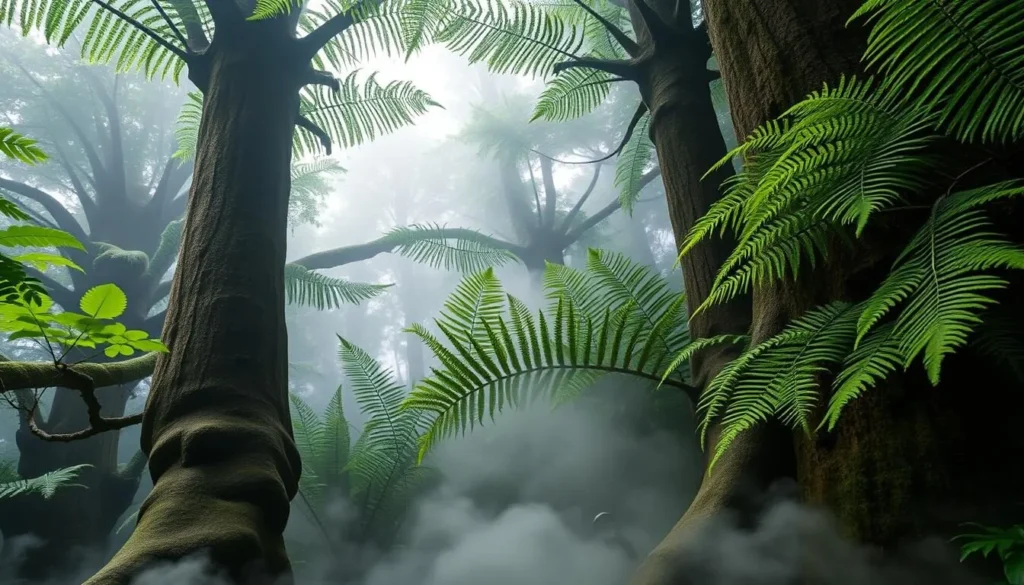
Recommended trails include the Giant Fern/Cloud Forest hike from Samaipata, which takes you to La Mina summit for breathtaking views of the “air rivers” phenomenon. This full-day hike covers approximately 12 km and requires a certified guide.
2. Wildlife Watching
Amboro hosts an incredible diversity of wildlife, including elusive mammals like jaguars, pumas, spectacled bears, and giant anteaters. While large mammals can be difficult to spot in the dense vegetation, signs of their presence—like tracks and markings—are commonly seen with the help of experienced guides.
Birdwatching is particularly rewarding in Amboro, with over 830 species to discover. Look for colorful toucans, macaws, hummingbirds, and the striking cock-of-the-rock. The best locations include:
- Refugio Los Volcanes (south side) for Andean condors and black-chested eagles
- La Chonta area (north side) for military macaws and emerald toucans
- Mataracú region for a chance to spot the rare blue-horned curassow
3. Waterfall Adventures
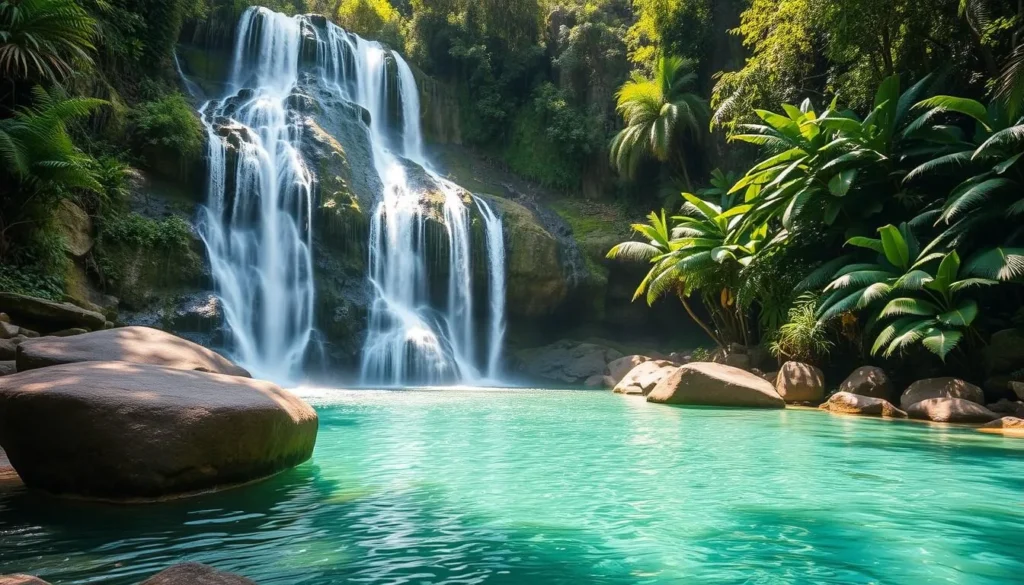
Amboro’s varied topography creates numerous stunning waterfalls that offer perfect spots to cool off after a trek. Notable waterfall destinations include:
- Las Cuevas Waterfalls – A series of three cascades with swimming holes between short hikes
- Jardin de las Delícias – Features rappelling opportunities for adventure seekers
- Laguna Verde – Crystal-clear pools fed by 50-meter-high waterfalls
4. River Activities
The numerous rivers flowing through Amboro provide opportunities for refreshing adventures:
- Canoeing and kayaking along the Cajones del Ichilo
- Picnicking at the beaches of the Surutu River
- Fishing in the clear mountain streams (with proper permits)
5. Cultural and Geological Discoveries
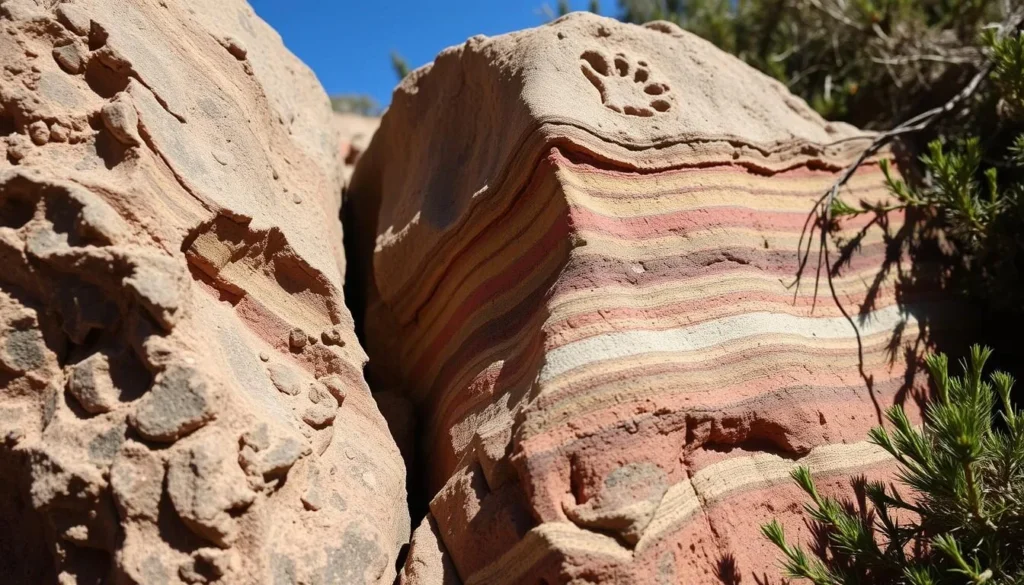
Beyond its natural wonders, Amboro offers fascinating glimpses into prehistoric times:
- Walk the “Dinosaurios” path to see fossilized dinosaur footprints
- Explore mysterious caves and enormous ravines
- Visit the Amboró Interpretation Center to learn about the park’s biological, geographical, and cultural significance
Guided Tours in Amboro
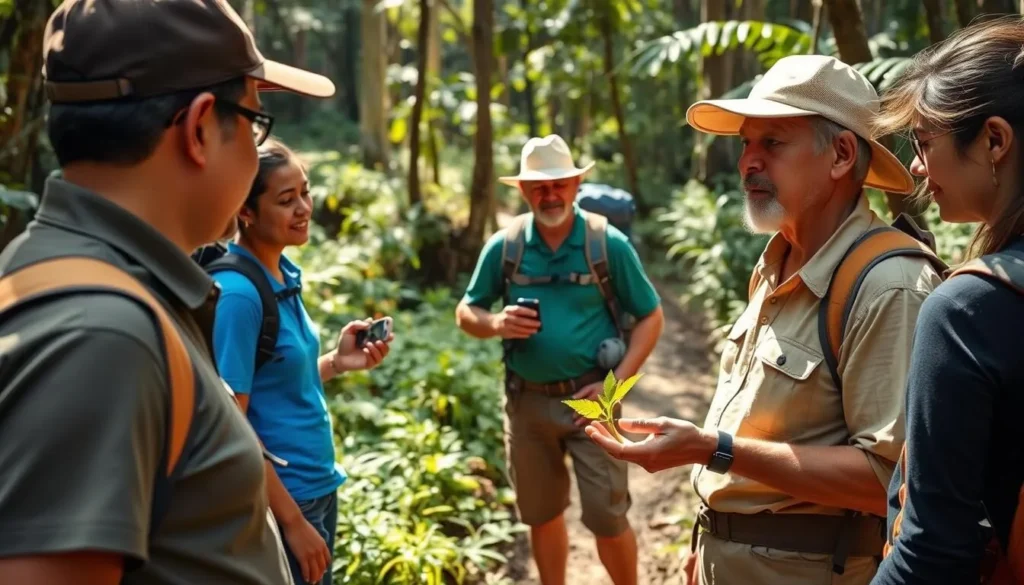
By law, all visitors must enter Amboro National Park with a certified guide. This requirement not only ensures safety but also enhances your experience through local knowledge and expertise.
Tour Options
Day Trips
Perfect for visitors with limited time, day trips typically include:
- Transportation from Santa Cruz, Samaipata, or Buena Vista
- Guided hiking on established trails
- Wildlife spotting opportunities
- Lunch and water
- Cost: $50-80 USD per person (varies by group size)
Multi-Day Adventures
For a more immersive experience, 2-3 day tours offer:
- Accommodation in lodges, cabins, or tents
- All meals and water
- Multiple guided hikes and activities
- Night safaris for nocturnal wildlife
- Transportation to/from nearby cities
- Cost: $120-250 USD per person (varies by accommodation type and group size)
Recommended Tour Operators
While many companies offer tours to Amboro, quality and standards vary significantly. These operators consistently receive positive reviews:
- Tukandera Tours – Run by a Bolivian biologist with extensive knowledge of local ecosystems
- Chané Tours – Specializes in wildlife-focused expeditions
- Samaipata Tours – Offers a range of options from the southern entrance
Money-saving tip: Tour prices decrease significantly with larger groups. Look for signs outside tour agencies indicating “tomorrow 2 pax” to join existing groups, or ask at hostels about other travelers looking to share costs.
Practical Travel Tips
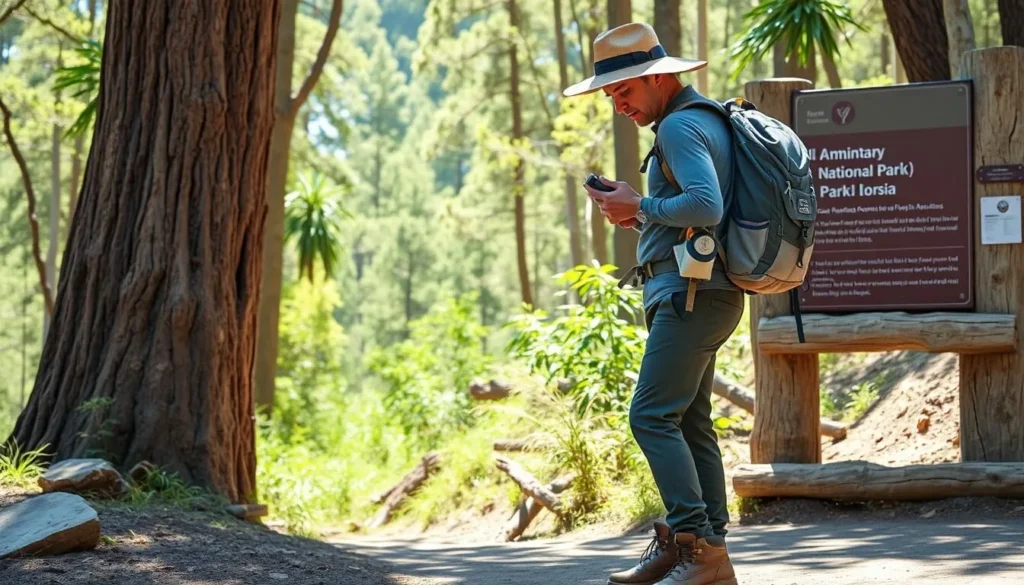
What to Pack
- Clothing: Long-sleeved shirts and pants (for sun and insect protection), lightweight rain jacket, hat, sturdy hiking boots
- Protection: High-SPF sunscreen, insect repellent with DEET, mosquito net for overnight stays
- Equipment: Flashlight/headlamp, water bottle or filtration system, small first aid kit, binoculars for wildlife viewing
- Documents: Passport, park entrance fees in cash (BOB), printed accommodation confirmations
Health and Safety
Medical Preparation: Consult a travel physician before visiting for up-to-date advice on vaccinations and malaria prevention. The risk varies by season and specific area within the park.
Additional safety considerations:
- Always register with park administration before entering and leave your itinerary
- During rainy season, be prepared for sudden river rises that may block trails
- Drink only purified or bottled water
- Do not feed or approach wildlife
- Follow your guide’s instructions at all times
Responsible Tourism
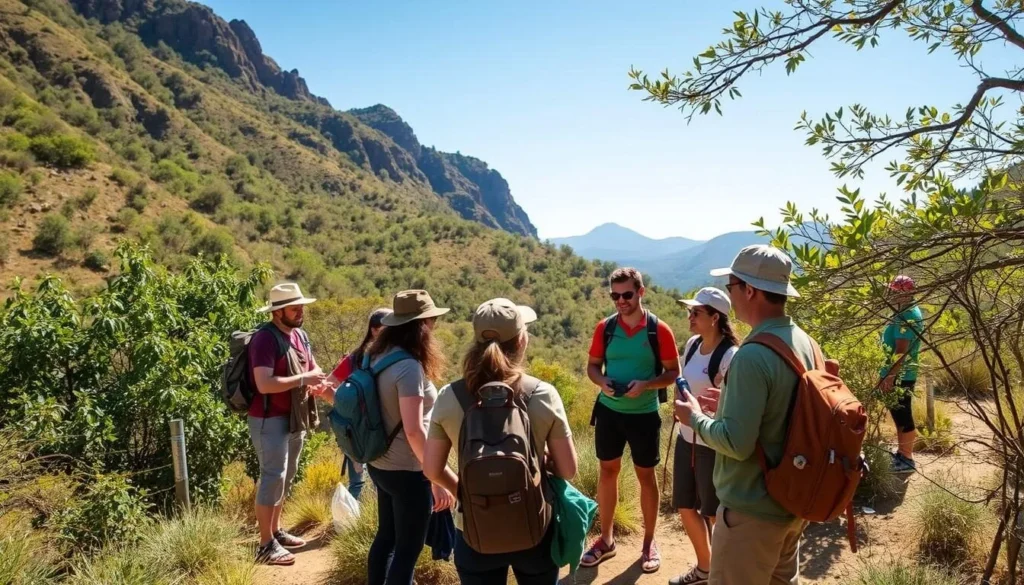
Help preserve Amboro’s unique ecosystems by following these principles:
- Take only pictures, leave only footprints
- Do not remove plants, seeds, or other natural items from the park
- Stay on designated trails to minimize erosion and habitat disturbance
- Support local communities by hiring local guides and purchasing local products
- Properly dispose of all waste and consider carrying out what you carry in
Experience the Magic of Amboro
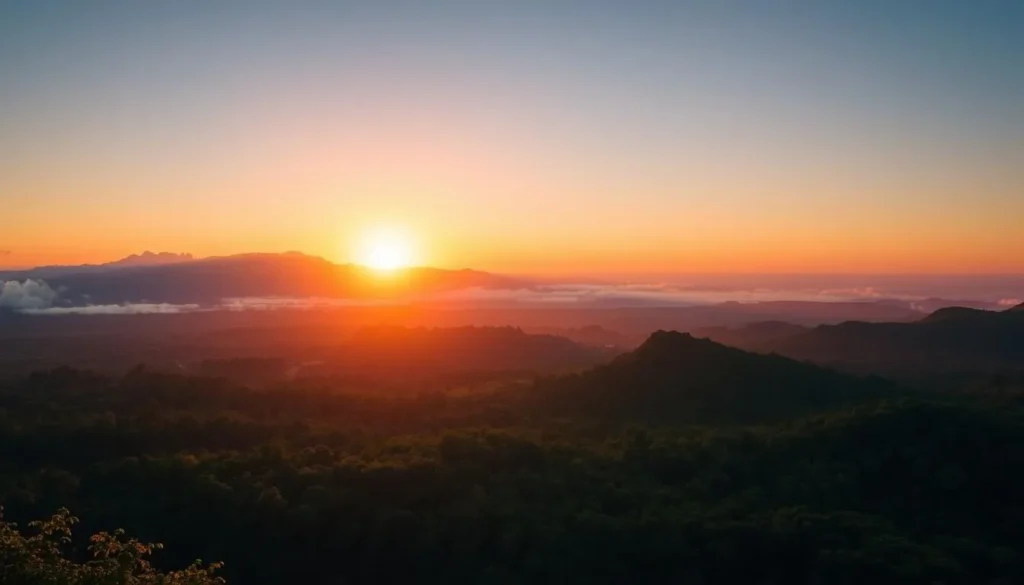
Amboro National Park stands as one of South America’s most remarkable yet underappreciated natural treasures. The unique convergence of three distinct ecosystems creates a biological wonderland that rewards visitors with unforgettable experiences—from walking among prehistoric giant ferns to spotting brilliant tropical birds against misty mountain backdrops.
Whether you’re an avid wildlife photographer, a passionate hiker, or simply someone seeking connection with pristine nature, Amboro offers countless opportunities for discovery and adventure. By visiting with respect and awareness, you’ll not only create lasting memories but also contribute to the conservation of this extraordinary ecological jewel.
0 Comments