
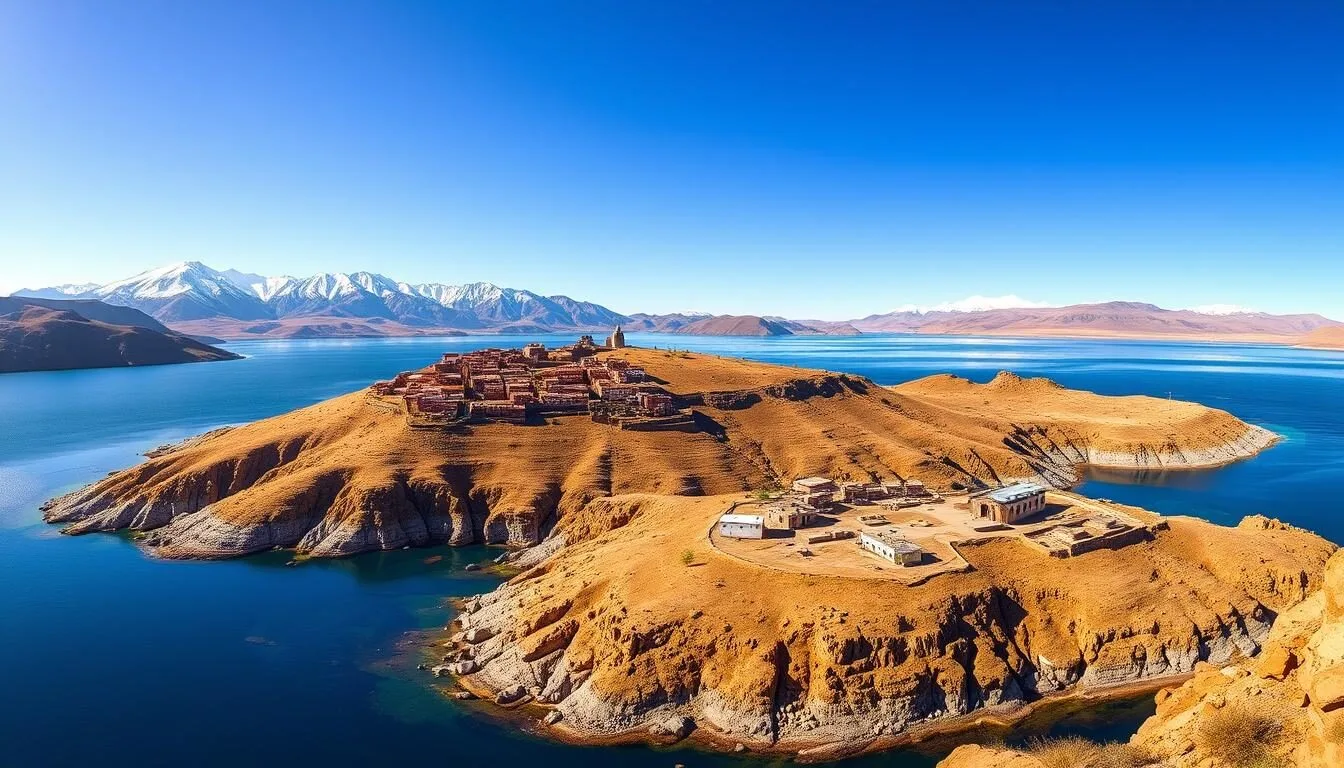
Did you know Isla del Sol is believed to be the birthplace of the Inca sun god? This sacred 14.3 km² (5.5 mi²) island floating in the vast blue waters of Lake Titicaca houses over 80 ancient ruins dating back to the 15th century. As the legendary site where the sun was born and the first Incas emerged, this mystical island offers travelers a unique blend of spiritual history, breathtaking panoramic views, and authentic local experiences that can’t be found anywhere else in Bolivia.
Isla del Sol, Bolivia: An Overview
Isla del Sol (Island of the Sun) sits majestically in Lake Titicaca, the world’s highest navigable lake at 3,812 m (12,507 ft) above sea level. Located on the Bolivian side of the lake, this car-free island offers a peaceful escape from modern life with its ancient Inca ruins, traditional villages, and spectacular views of the surrounding Cordillera Real mountains.
The island stretches approximately 9.6 km (6 mi) long by 4.8 km (3 mi) wide and is home to around 800 indigenous families living in small communities. The two main settlements are Yumani in the south and Challapampa in the north, connected by hiking trails that wind through agricultural terraces, eucalyptus groves, and pristine beaches.
For travelers seeking both cultural immersion and natural beauty, Isla del Sol delivers an authentic Bolivian experience that feels worlds away from the mainland. Whether you’re interested in Inca mythology, hiking scenic trails, or simply disconnecting in a place where time seems to stand still, this sacred island deserves a spot on your Bolivia itinerary.
Getting There & Planning Your Journey
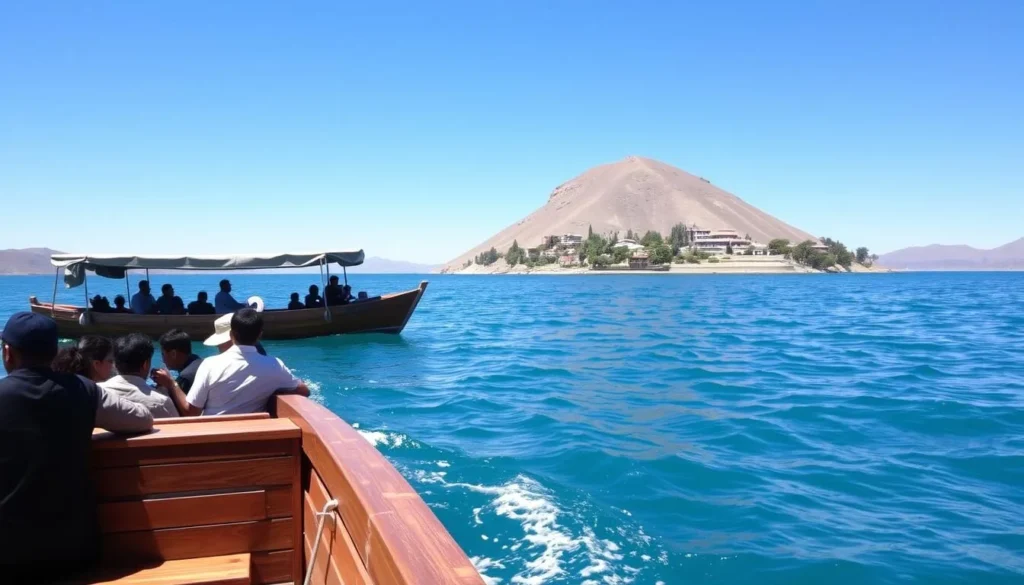
The only way to reach Isla del Sol is by boat from the lakeside town of Copacabana, the main gateway to Lake Titicaca on the Bolivian side. Here’s how to plan your journey:
From La Paz to Copacabana
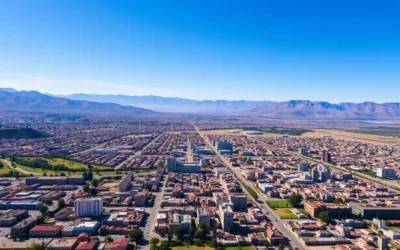
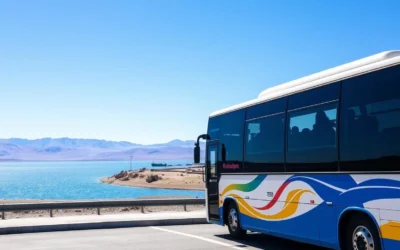
The journey begins in La Paz, Bolivia’s administrative capital. Regular buses depart from the main bus terminal to Copacabana, taking approximately 3-4 hours. The route includes a short ferry crossing at the Tiquina Strait, where passengers disembark while the bus is transported on a separate barge.
From Copacabana to Isla del Sol
Boats to Isla del Sol depart from Copacabana’s main dock daily, typically at 8:30 AM and 1:30 PM. The journey takes approximately 1.5-2 hours to reach the southern port (Yumani) and an additional 30 minutes to the northern port (Challapampa).
Boat tickets cost between 20-40 Bs ($3-6 USD) one-way, with slightly higher prices for boats that visit both sides of the island. Tickets can be purchased directly at the dock or through tour agencies in Copacabana.
Pro Tip: Verify the return boat schedule when purchasing your ticket. The last boat back to Copacabana typically leaves around 3:30 PM from the south side and 1:00 PM from the north side. Missing the last boat means spending an unplanned night on the island!
Day Trip vs. Overnight Stay
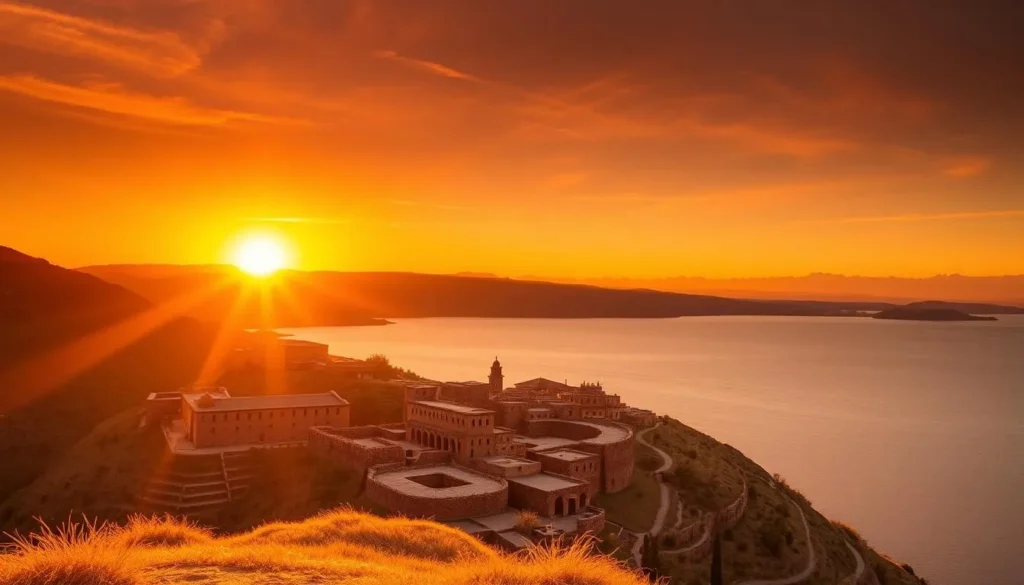
While Isla del Sol can be visited as a day trip from Copacabana, staying at least one night on the island is highly recommended. This allows you to experience the magnificent sunrises and sunsets that give the island its name, and provides enough time to explore both the north and south sides without rushing.
If you’re short on time, consider this that covers the main highlights of the island.
Best Time to Visit & Weather Tips
Isla del Sol can be visited year-round, but certain seasons offer better experiences than others. Here’s what to expect throughout the year:
Best Time to Visit Isla del Sol
Recommended Months (May-September)
- Dry season with clear, sunny days
- Excellent visibility of the Cordillera Real mountains
- Perfect conditions for hiking and photography
- Average daytime temperatures of 16-17°C (60-63°F)
- Cool nights, sometimes dropping to near freezing
Months to Avoid (December-March)
- Rainy season with frequent afternoon showers
- Muddy trails can make hiking difficult
- Reduced visibility of distant mountains
- Slightly warmer temperatures of 18-19°C (64-66°F)
- Occasional port closures due to high winds
What to Pack
Due to the high altitude and variable weather conditions, it’s important to pack appropriately:
- Layers of clothing (temperatures can change dramatically between day and night)
- Sturdy walking shoes for the rocky trails
- High SPF sunscreen (UV exposure is intense at this altitude)
- Hat and sunglasses for sun protection
- Rain jacket (even in dry season, occasional showers occur)
- Water bottle and snacks (limited options available on the island)
- Cash (no ATMs on the island)
Altitude Tip: Isla del Sol sits at approximately 3,812 m (12,507 ft) above sea level. Consider spending a day or two in La Paz (3,640 m/11,942 ft) to acclimatize before visiting the island to minimize altitude sickness symptoms.
Getting Around Locally
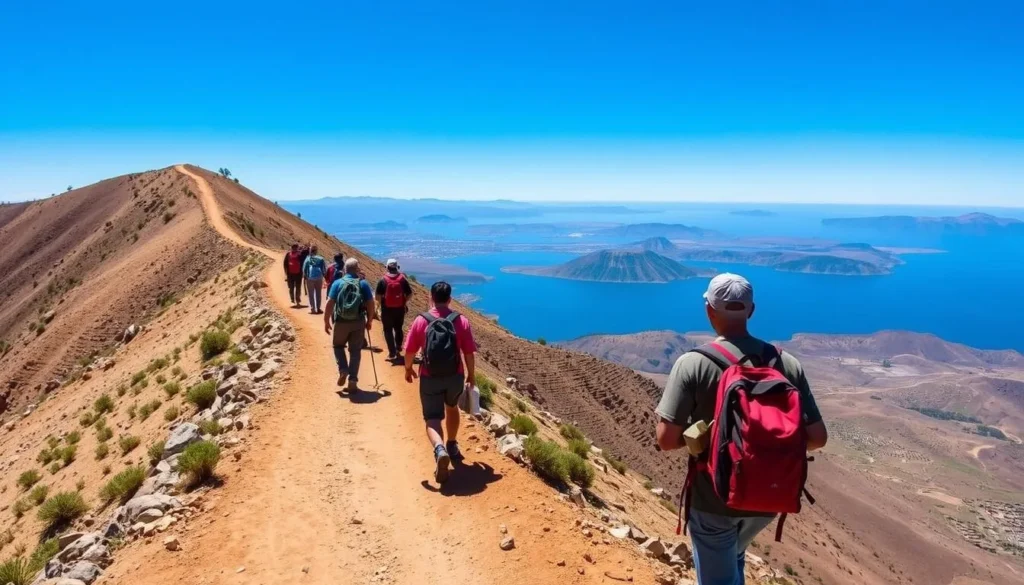
One of Isla del Sol’s most charming aspects is the complete absence of motorized vehicles. The island is explored entirely on foot, offering a refreshing break from modern transportation and a chance to experience the landscape at a slower pace.
Walking the Island
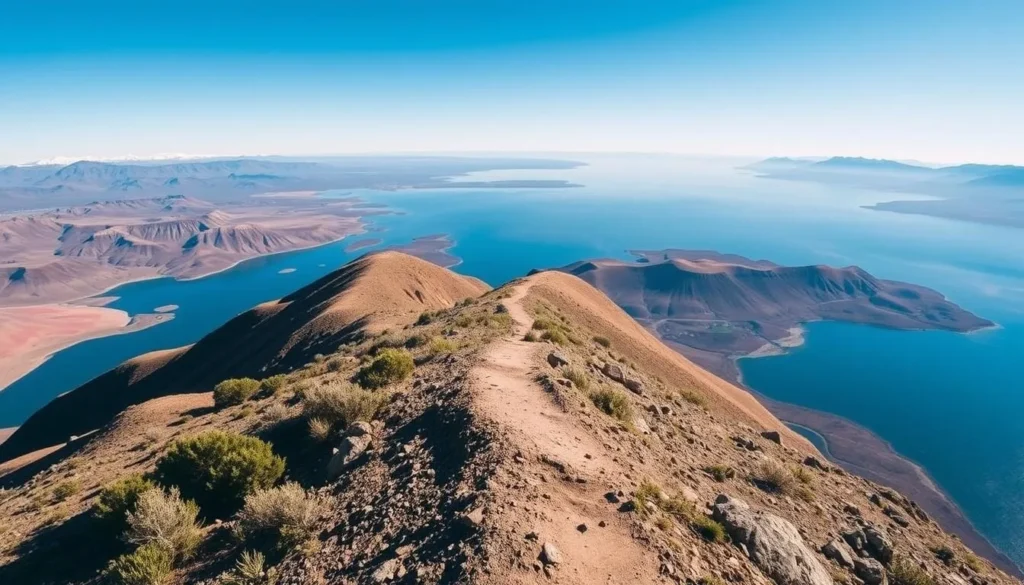
The main trail connecting the north and south ends of the island follows the spine of the ridge, offering spectacular views of Lake Titicaca on both sides. The full hike from Yumani (south) to Challapampa (north) takes approximately 3-4 hours at a moderate pace.
There are two main routes:
- Ridge Route (Willa Thaki): Following the island’s backbone, this scenic path provides the best panoramic views and passes by several important archaeological sites.
- Coastal Route: A longer but less strenuous path that follows the eastern shoreline, passing through small settlements and beaches.
Trail Conditions
The trails are generally well-marked but can be rocky and uneven in places. Some sections involve steep climbs, particularly the Inca stairs leading up from the southern port to Yumani village. Good walking shoes are essential, and trekking poles can be helpful for those with knee issues.
Important: As of 2024, the full north-south trail is open to tourists. However, local community disputes occasionally result in temporary trail closures. Check with your accommodation or boat operator for the latest information.
Local Transportation Options
While walking is the primary mode of transportation, there are a few alternatives:
- Inter-Island Boats: If you don’t want to hike the full island, boats occasionally run between the north and south ports (schedule varies seasonally).
- Donkey Transport: In Yumani, local families sometimes offer donkey transport for luggage up the steep Inca stairs (approximately 10-20 Bs).
Where to Stay
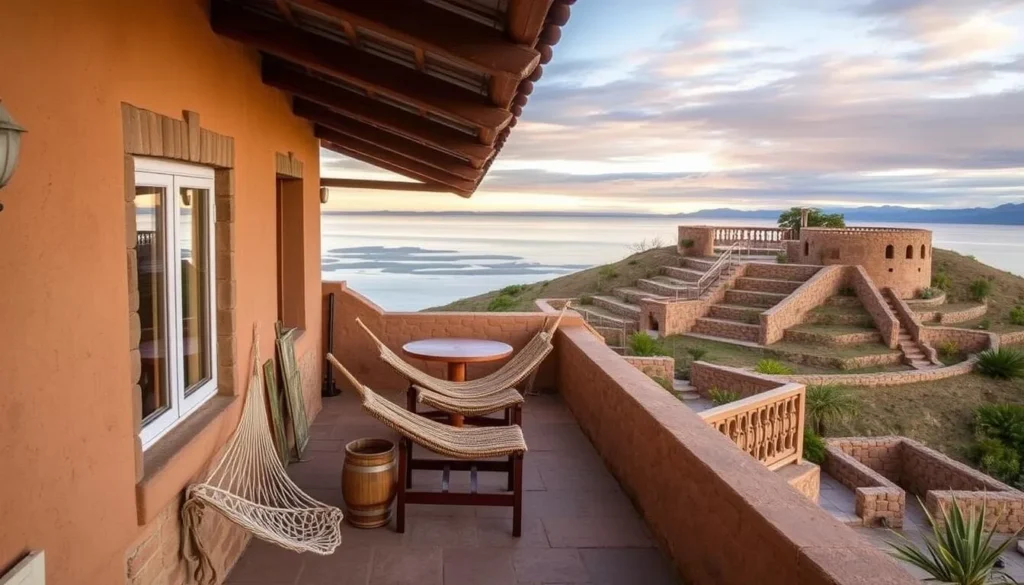
Accommodations on Isla del Sol are generally basic but comfortable, with most options concentrated in the southern village of Yumani. While facilities may be simpler than mainland standards (limited hot water, intermittent electricity, and spotty Wi-Fi), the spectacular views and peaceful atmosphere more than compensate.
Yumani (South Island)
The larger and more developed of the two main villages, Yumani offers the widest range of accommodation options and the best sunset views.
Budget Options
Simple guesthouses with shared bathrooms, starting around $10-15 USD per night.
- Hostal Inka Pacha
- Hostal del Sol
- Casa de la Luna
Mid-Range Options
Comfortable rooms with private bathrooms and hot water, ranging from $30-50 USD per night.
- Ecolodge Descanso
- Hostal Phaxsi
- Palla Khasa Eco Lodge
Luxury Options
The island’s best accommodations with enhanced amenities, from $60-100 USD per night.
- Wiñay Inti Lodge
- Inti Illimani Lodge
- Las Islas Eco Hotel
Challapampa (North Island)
The smaller village offers fewer but quieter accommodation options, with the advantage of being close to the main archaeological sites.
- Willka Kuti Hostal: Beachfront location with simple, clean rooms.
- Titi Qala Hostel: Budget-friendly option with basic amenities.
Staying in Copacabana
If you prefer more comfortable accommodations with reliable amenities, consider staying in Copacabana and visiting Isla del Sol as a day trip. The lakeside town offers a wide range of options from backpacker hostels to upscale hotels like Hotel Rosario Lago Titicaca.
Packing Tip: If staying overnight on Isla del Sol, pack light! Most accommodations require a steep uphill walk from the dock, and at 3,800+ meters altitude, carrying heavy luggage can be extremely challenging.
Dining & Local Cuisine
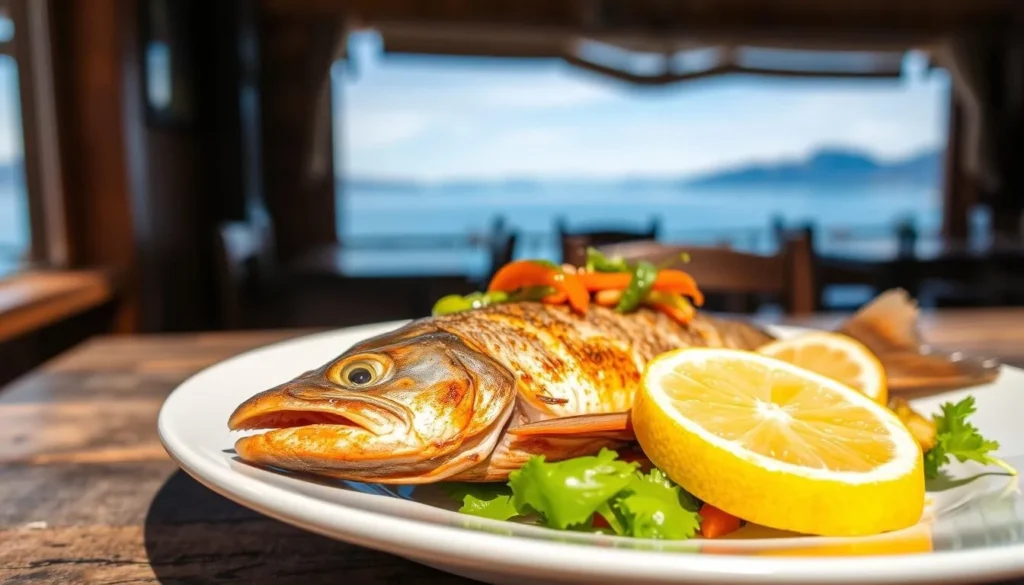
The culinary scene on Isla del Sol is simple but satisfying, with most restaurants offering similar menus centered around fresh lake trout (trucha) and traditional Bolivian staples. Dining options are concentrated in Yumani, with fewer choices available in Challapampa.
What to Eat
Local specialties worth trying include:
- Trucha: Fresh trout from Lake Titicaca, typically grilled or fried and served with rice, potatoes, and vegetables.
- Quinoa Soup: A hearty, nutritious soup made with locally grown quinoa.
- Papas a la Huancaína: Potatoes in a creamy, slightly spicy cheese sauce.
- Llama Meat: Available at some restaurants, often served as a steak or in stews.
Best Restaurants in Yumani
While most restaurants offer similar fare, a few stand out for their quality, views, or unique offerings:
- Las Velas: Known for homemade pizzas and pastas, plus traditional dishes. Offers spectacular sunset views from its terrace.
- Inti Jalanta: Simple but delicious set menus featuring fresh trout and soup.
- Pachamama: Traditional Bolivian cuisine in a cozy setting.
- Pizzeria Suma Uru Casera: Surprisingly good pizza with lake views.
- Waliki Restaurant: Great for dinner with sunset views over the lake.
Dining Tips
- Restaurants typically prepare food from scratch, so service can be slow. Plan accordingly and don’t expect fast food timing.
- Prices are generally higher than on the mainland due to the cost of transporting supplies to the island.
- For day-trippers, consider bringing a packed lunch from Copacabana to maximize your exploration time.
- Most restaurants close early (around 8-9 PM), so plan dinner accordingly.
- Bring cash – credit cards are rarely accepted on the island.
Water & Beverages
Tap water is not safe to drink on the island. Bottled water is available at small shops, but it’s environmentally friendly to bring a refillable bottle and water purification tablets or a filter. For beverages, try the local coca tea (helpful for altitude adjustment) or a cold Bolivian beer like Paceña or Huari while watching the sunset.
Attractions, Sightseeing & Activities
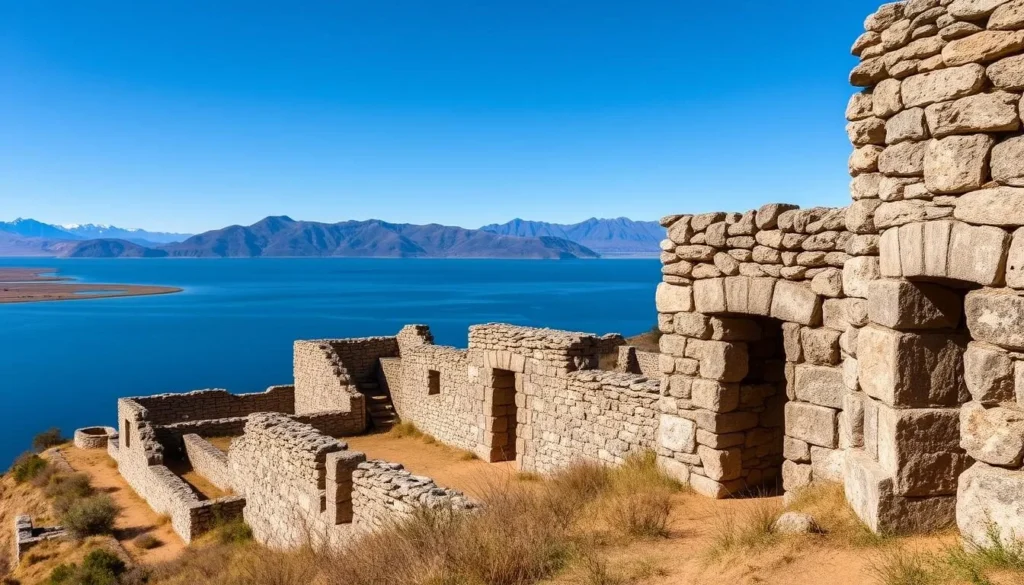
Isla del Sol’s main attractions revolve around its archaeological sites, natural beauty, and the opportunity to experience traditional Andean culture. Here are the must-see sights and activities:
Archaeological Sites
Northern Island
- Chincana Ruins: The island’s most impressive archaeological complex, this labyrinthine structure was once a sacred site for Inca priests. The name means “place where one gets lost” due to its maze-like passages.
- Sacred Rock (Titikala): The puma-shaped rock from which Lake Titicaca derives its name. According to Inca mythology, this is where the sun was born and the first Incas emerged after a great flood.
- Footprints of the Sun: Foot-shaped impressions in the rock believed to have been created when the sun walked from the Sacred Rock to light the world.
- Mesa Ceremonica: A ceremonial table where sacrifices were allegedly performed during Inca times.
Southern Island
- Inca Steps: A steep staircase of more than 200 steps leading from the southern port up to Yumani village. Built by the Incas, these steps have withstood the test of time.
- Fountain of Youth: A sacred spring with three separate spouts representing the Inca principles: “Don’t be lazy, don’t be a liar, don’t be a thief.” Legend claims that drinking from the fountain keeps you forever young.
- Pillkukayna: A well-preserved two-story Inca temple built into the side of a cliff above Lake Titicaca.
Museo del Oro (Gold Museum)
Located in Challapampa, this small but fascinating museum displays artifacts recovered from around the island and under the waters of Lake Titicaca. The collection includes pottery, stone boxes, and gold and silver figurines of both Tiwanaku and Inca origin. Entrance fee: 10 Bs ($1.40 USD), which also covers entry to the Chincana and Pillkukayna ruins.
Hiking Trails
The island offers several excellent hiking options:
- Full Island Trek: The complete north-south trail takes 3-4 hours and offers the most comprehensive experience of the island’s diverse landscapes and archaeological sites.
- Yumani to Pillkukayna: A shorter 1-hour hike ideal for those with limited time.
- Challapampa to Chincana: A 1-hour uphill hike to the most significant ruins on the island.
Hiking Tip: Start early in the morning to avoid the midday sun and crowds. The high altitude makes hiking more strenuous than you might expect, so pace yourself and bring plenty of water.
Cultural Experiences & Local Life
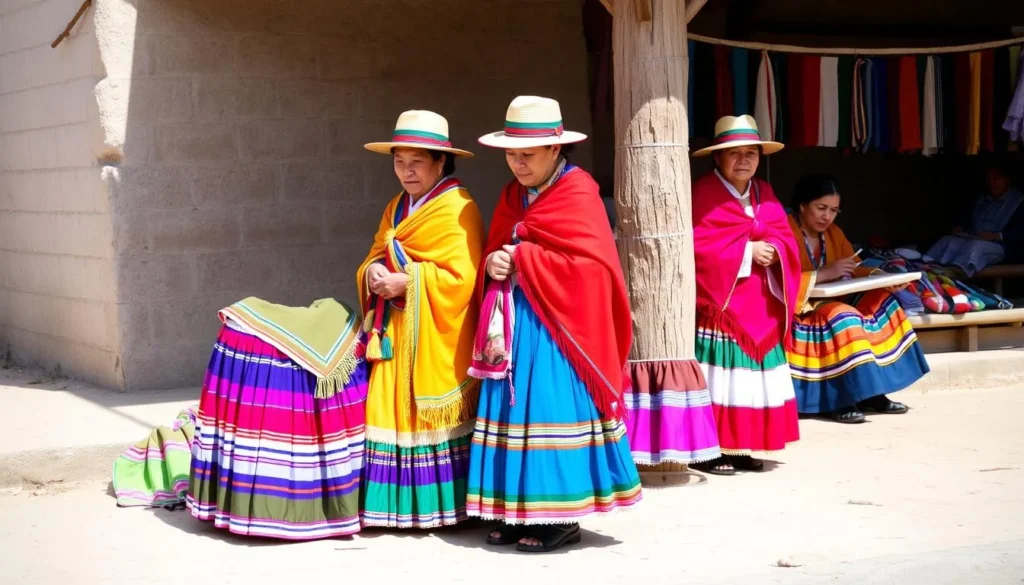
Beyond its archaeological treasures, Isla del Sol offers a window into traditional Andean life. The island’s approximately 800 residents, primarily of Aymara and Quechua descent, maintain many ancient traditions while adapting to the growing tourism industry.
Local Communities
The island is divided into three main communities:
- Yumani: The largest settlement, located on the southern end of the island.
- Challapampa: The northern village, home to many of the island’s archaeological sites.
- Cha’lla: A smaller community on the central eastern coast, known for its beautiful beach.
Traditional Agriculture
As you hike across the island, you’ll notice ancient agricultural terraces still in use today. Local farmers grow potatoes, quinoa, corn, and other crops using traditional methods passed down through generations. The island’s isolation has helped preserve these agricultural practices that date back to pre-Columbian times.
Handicrafts and Souvenirs
Local artisans produce beautiful handwoven textiles, including blankets, scarves, and hats made from alpaca and sheep wool. These make excellent souvenirs and directly support the island’s economy. You’ll find vendors near the main archaeological sites and along the hiking trails.
Cultural Etiquette
- Always ask permission before photographing local people, especially the elderly.
- Dress respectfully when visiting sacred sites.
- Learning a few basic phrases in Spanish or Aymara is greatly appreciated by locals.
- Support the local economy by paying the small entrance fees and hiring local guides.
Special Experiences
For a deeper cultural connection, consider these experiences:
- Aymara Blessing: On the north side of the island, you can receive a traditional blessing from an Aymara priest for approximately 20 Bs ($3 USD).
- Sunrise Ceremony: Some accommodations offer guided sunrise ceremonies that connect to the island’s spiritual significance as the birthplace of the sun.
- Local Homestays: A few families offer basic homestay experiences that provide insight into daily island life.
Outdoor Experiences & Natural Beauty
Isla del Sol’s natural environment is just as impressive as its cultural heritage. The island’s diverse landscapes, from rocky ridges to sandy beaches, provide numerous opportunities for outdoor enthusiasts.
Scenic Viewpoints
The island is renowned for its spectacular vistas. Don’t miss these viewpoints:
- Yumani Ridge: The highest point in the south offers panoramic views of Lake Titicaca and the Cordillera Real mountains.
- Chincana Hilltop: Near the ruins, this viewpoint provides sweeping views of the northern part of the island and the lake.
- Palla Khasa: This area offers some of the best sunset views on the island.
Beaches
While Lake Titicaca’s waters are too cold for comfortable swimming most of the year, the island’s beaches are perfect for relaxing and enjoying the scenery:
- Cha’lla Beach: A beautiful sandy beach on the eastern coast with crystal-clear waters.
- Challapampa Beach: Near the northern village, this beach offers easy access to refreshments and facilities.
Photography Opportunities
Photographers will find endless inspiration on Isla del Sol:
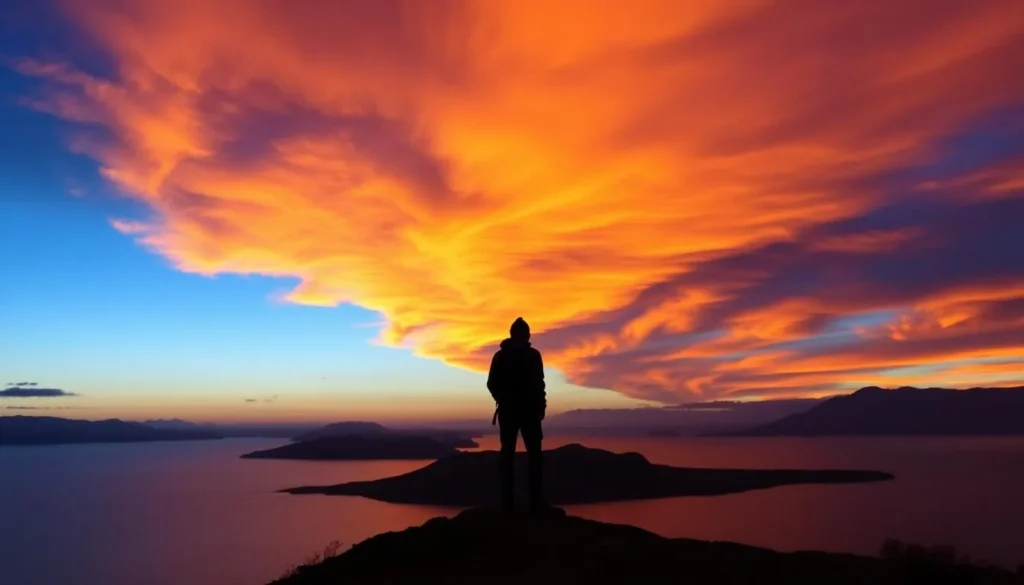
- Golden Hour: The island lives up to its name during sunrise and sunset when the landscape is bathed in golden light.
- Night Sky: With minimal light pollution, the island offers exceptional stargazing opportunities.
- Cultural Photography: Traditional agricultural practices, local architecture, and daily life provide authentic cultural imagery.
Photography Tip: The high altitude means exceptionally clear air and intense light. Bring polarizing filters to manage reflections on the lake, and be prepared for high contrast between light and shadow.
Wildlife Watching
While not known as a wildlife destination, the island and surrounding waters are home to various species:
- Numerous bird species, including Andean gulls and occasionally flamingos
- Native fish species in Lake Titicaca
- Domesticated animals including sheep, donkeys, and pigs that roam parts of the island
Practical Travel Tips
To make the most of your visit to Isla del Sol, keep these practical tips in mind:
Fees and Payments
Several small fees are collected on the island, which help support the local communities:
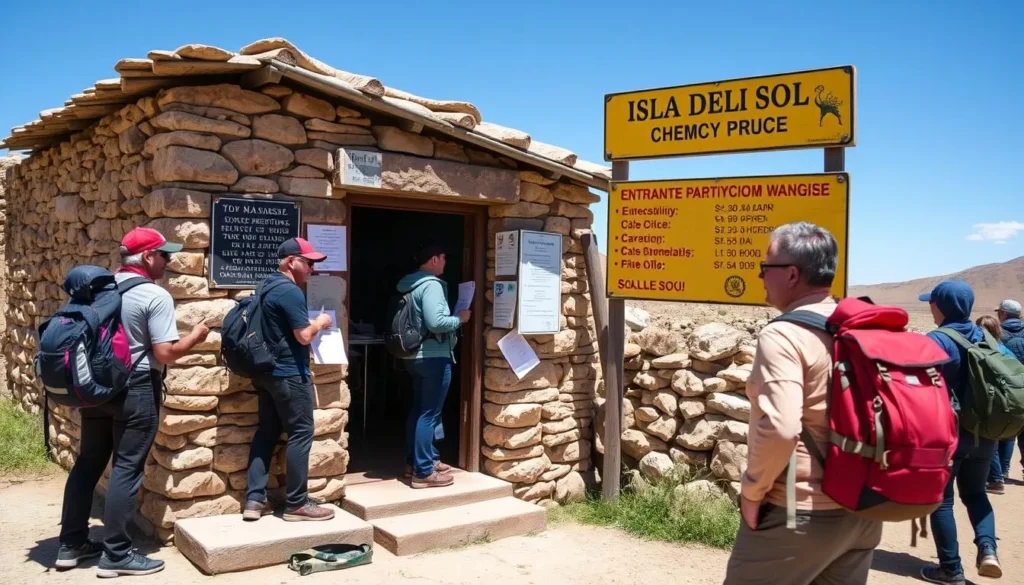
- Island Entrance Fee: 10 Bs ($1.40 USD) per person
- Museum Entrance: 10 Bs ($1.40 USD), which also covers entry to ruins
- Central Checkpoint: 2 Bs ($0.30 USD) when crossing between north and south
- Public Toilets: 1-4 Bs ($0.15-0.60 USD)
Bring plenty of small bills as change can be scarce, and credit cards are rarely accepted anywhere on the island.
Health and Safety
- Altitude: At over 3,800 m (12,500 ft), altitude sickness is a real concern. Acclimatize in La Paz before visiting, stay hydrated, and consider altitude medication if necessary.
- Sun Protection: UV radiation is extremely intense at this altitude. Wear high SPF sunscreen, a hat, and sunglasses, even on cloudy days.
- Water: Bring a water filter or purification tablets, or purchase bottled water on the island.
- Medical Facilities: There are no substantial medical facilities on the island. Bring a basic first aid kit and any necessary medications.
Communication
Cell service is limited on the island, and Wi-Fi is only available at some accommodations (and is typically slow). Inform friends and family of your plans before arriving, and don’t count on staying connected during your visit.
Packing Essentials
- Flashlight or headlamp (electricity can be unreliable)
- Power bank for charging devices
- Cash in small denominations
- Toilet paper (not always provided in public facilities)
- Warm clothing for evenings (temperatures drop significantly after sunset)
- Hiking essentials: water, snacks, map, first aid kit
Respect for Local Communities
Tourism is vital to the island’s economy, but it’s important to be a responsible visitor:
- Stay on marked trails to avoid damaging agricultural terraces
- Ask permission before photographing local people
- Respect sacred sites and local customs
- Pack out all trash (waste management is limited on the island)
- Support local businesses by dining at local restaurants and purchasing handicrafts
Final Thoughts: Is Isla del Sol Worth Visiting?
Isla del Sol offers a rare combination of ancient history, living culture, and natural beauty that makes it one of Bolivia’s most rewarding destinations. While the journey requires some effort and the accommodations are basic, the experience of walking ancient Inca paths, witnessing spectacular sunrises and sunsets over Lake Titicaca, and connecting with traditional Andean communities creates memories that last a lifetime.
For travelers seeking an authentic experience away from the crowds and commercialization found at some other Inca sites, Isla del Sol provides a peaceful alternative that feels like stepping back in time. The island’s sacred energy, breathtaking vistas, and the warm hospitality of its people make it a highlight of any Bolivian itinerary.
Whether you visit for a day or linger for several, Isla del Sol will leave you with a deeper appreciation for the natural and cultural treasures of the Andes. As the birthplace of the sun in Inca mythology, this magical island continues to illuminate the hearts and minds of those fortunate enough to walk its ancient paths.
0 Comments