
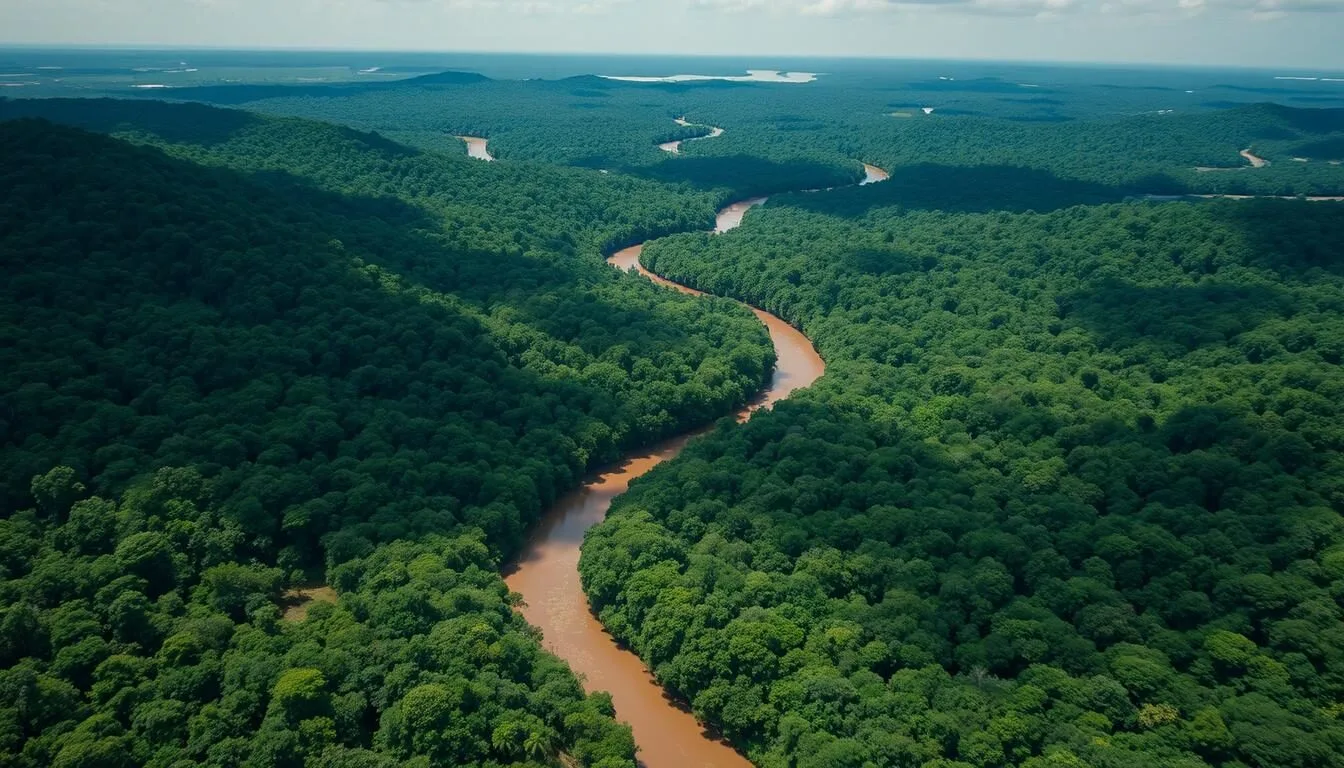
Spanning an incredible 18,958 square kilometers (7,320 square miles), Madidi National Park is one of Earth’s most biodiverse protected areas, home to an astonishing 1,254 bird species—roughly 14% of the world’s total avian population! This pristine Amazon rainforest sanctuary in northwestern Bolivia offers travelers a rare glimpse into one of our planet’s last untouched wilderness areas, where jaguars roam freely and indigenous communities maintain centuries-old traditions.
The breathtaking expanse of Madidi National Park, one of the world’s most biodiverse protected areas
About Madidi National Park
Established in 1995, Madidi National Park is a natural treasure situated in the upper Amazon river basin of Bolivia. The park’s unique geography spans from the Andes mountains to lowland tropical rainforest, with elevations ranging from 200 to 6,000 meters above sea level.
This remarkable topographical diversity creates multiple ecosystems within a single protected area, supporting an extraordinary concentration of plant and animal species. Scientists continue to discover new species here, making it a hotspot for biological research and conservation efforts.
Best Time to Visit Madidi National Park
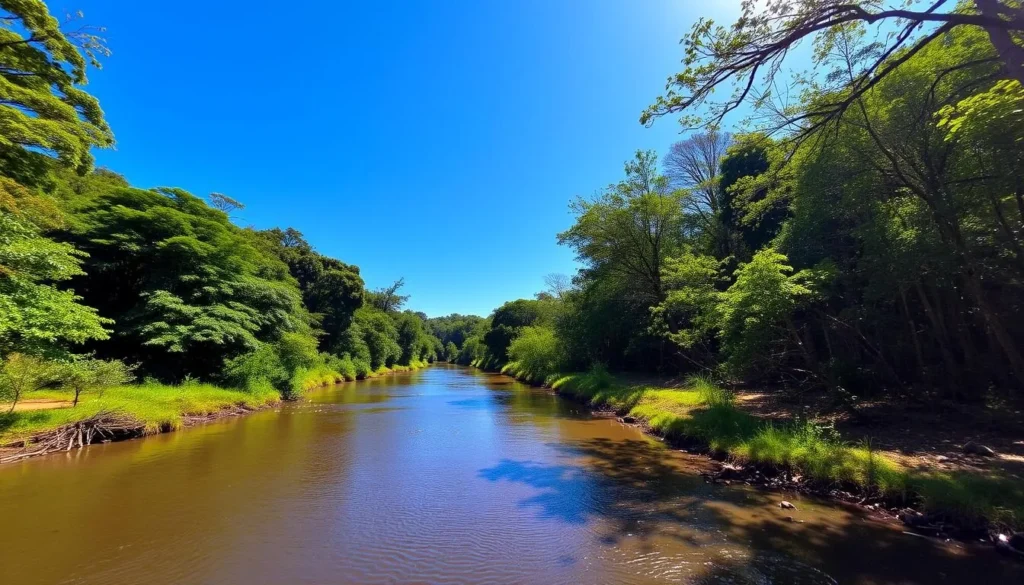
The dry season (May-October) offers optimal conditions for exploring Madidi’s trails
Madidi National Park features two distinct seasons that significantly impact your jungle experience:
Recommended: Dry Season (May-October)
- Temperatures range from 25°C to 33°C (77°F to 91°F)
- Less rainfall means easier hiking on drier trails
- Wildlife congregates near rivers, improving viewing opportunities
- Fewer mosquitoes and other insects
- June-July can experience occasional “friajes” (cold fronts) dropping temperatures to 7-10°C (45-50°F)
Avoid: Rainy Season (November-April)
- Heavy rainfall (800-4,000 mm/31-157 inches annually)
- Muddy, slippery trails make hiking challenging
- Higher humidity levels
- More mosquitoes and other insects
- Potential for tour and flight cancellations due to weather
For the best experience, plan your visit during the dry season when wildlife viewing is optimal and outdoor activities are less likely to be disrupted by rainfall. The shoulder months of May and October offer a good balance of favorable weather with fewer tourists.
Getting to Madidi National Park
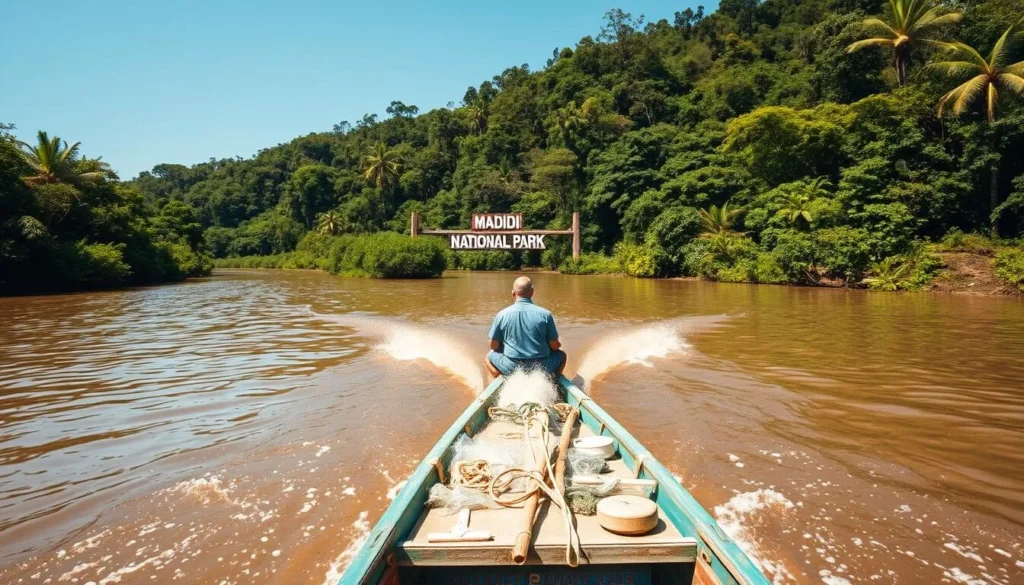
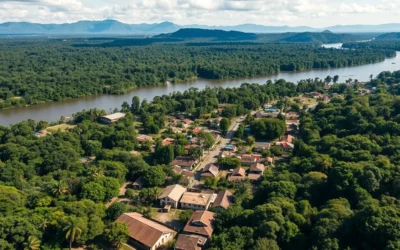
Motorboats on the Beni River are the primary mode of transportation into Madidi National Park
The gateway to Madidi National Park is the small town of Rurrenabaque, located on the banks of the Beni River. Here’s how to reach this jumping-off point:
From La Paz to Rurrenabaque
By Air Recommended
- 40-minute scenic flight across the Andes
- Airlines: Amaszonas (6 daily flights) and TAM
- Cost: $140-$192 USD round trip
- Note: Flights may be canceled due to weather
By Bus
- 20+ hour journey on unpaved mountain roads
- Budget option at approximately $10 USD one way
- Departs from Villa Fatima terminal in La Paz
- Consider breaking journey in Coroico
From Rurrenabaque to Madidi National Park
From Rurrenabaque, you’ll need to take a motorboat up the Beni and Tuichi rivers to enter the park. This journey takes 3-5 hours depending on water levels and weather conditions. Most tour operators include this transportation in their packages.
Map of Madidi National Park and surrounding areas
Wildlife and Biodiversity
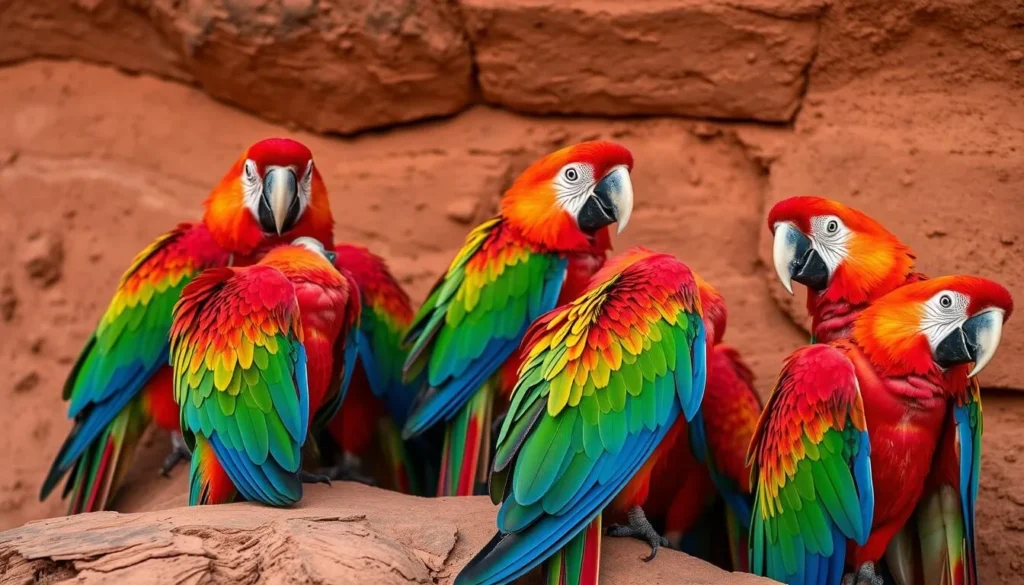
Colorful macaws gather at one of Madidi’s famous clay licks
Madidi National Park is a biodiversity hotspot that continues to amaze scientists with its ecological richness. The park hosts:
- 272 species of mammals (including jaguars, pumas, and spectacled bears)
- 1,254 species of birds (approximately 14% of all bird species worldwide)
- 496 species of fish
- 213 species of amphibians
- 204 species of reptiles
- Over 120,000 species of insects
- More than 20,000 plant species
Iconic Wildlife to Spot
Mammals
- Jaguar (Panthera onca)
- Pink river dolphin (Inia geoffrensis)
- Giant river otter (Pteronura brasiliensis)
- Spectacled bear (Tremarctos ornatus)
- Madidi titi monkey (Callicebus aureipalatii)
Birds
- Harpy eagle
- Red-and-green macaw
- Andean cock-of-the-rock
- King vulture
- Hoatzin (prehistoric-looking bird)
Reptiles & Amphibians
- Black caiman
- Anaconda
- Poison dart frogs
- River turtles
- Various lizard species
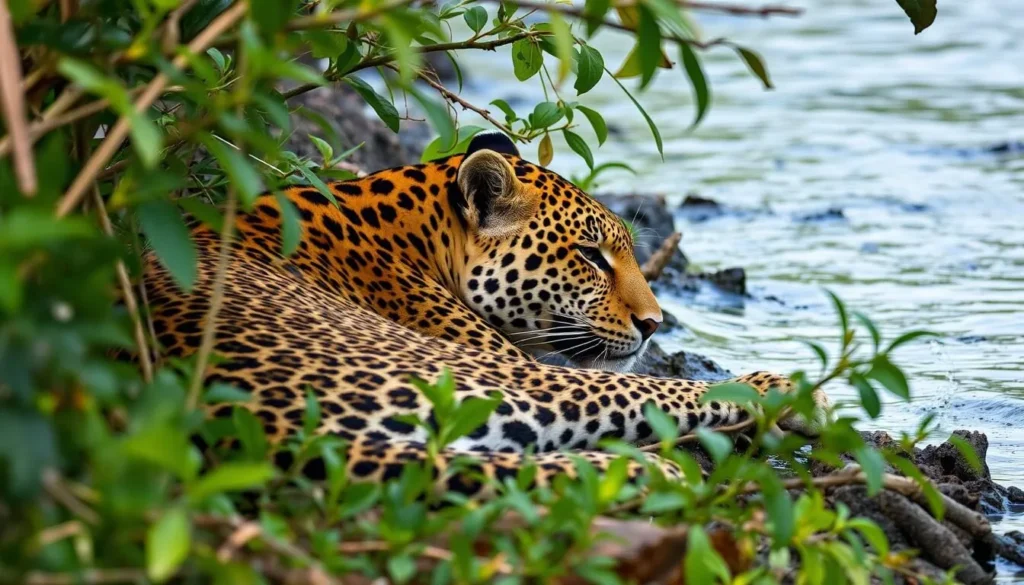
The elusive jaguar is one of Madidi’s most sought-after wildlife sightings
Top Things to Do in Madidi National Park
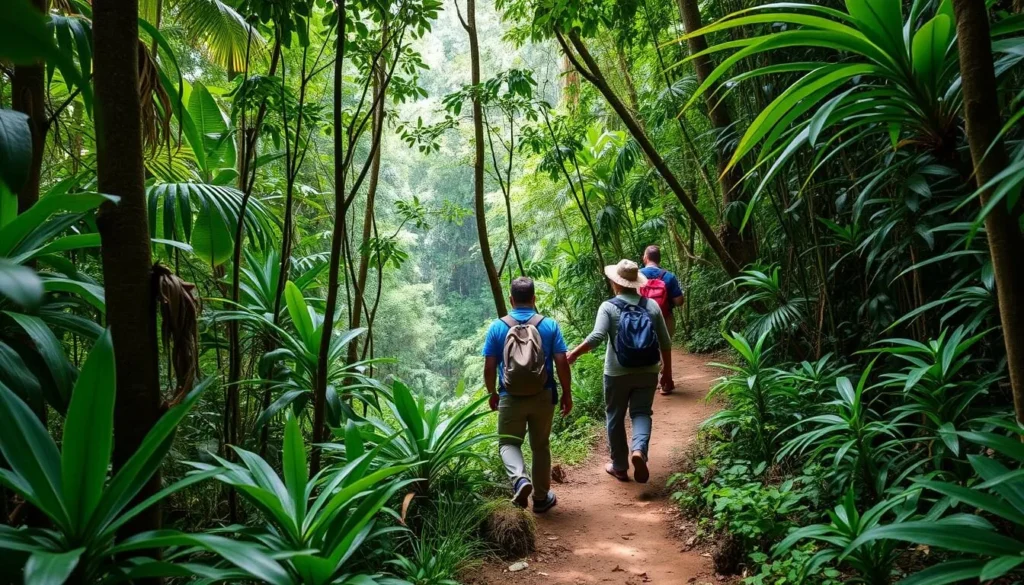
Guided jungle treks with knowledgeable local guides offer the best way to experience Madidi
1. Guided Jungle Treks
Explore Madidi’s extensive trail network with expert indigenous guides who share ancestral knowledge about the rainforest ecosystem. These walks typically last 2-4 hours and are tailored to different fitness levels. Guides help identify wildlife, medicinal plants, and explain the complex relationships between species in the jungle.
2. Wildlife Watching
Visit strategic locations like salt licks where animals gather to obtain essential minerals. Dawn and dusk offer the best wildlife viewing opportunities. Specialized tours focus on specific wildlife interests such as birdwatching, monkey spotting, or searching for elusive predators.
3. River Excursions
Cruise along the Tuichi and Beni rivers to spot wildlife along the riverbanks. Many animals emerge from the dense forest to drink and feed, making this an excellent opportunity to see capybaras, caimans, and various bird species. Some tours include visits to Lake Santa Rosa for additional wildlife viewing.
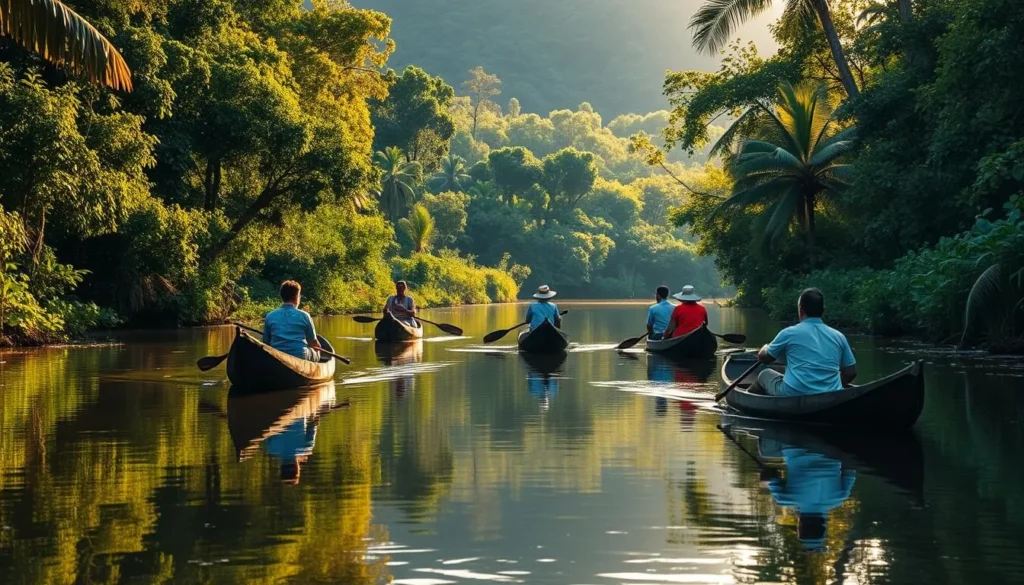
Canoeing offers a peaceful way to explore Madidi’s waterways and spot wildlife
4. Cultural Experiences
Visit indigenous communities like San Jose de Uchupiamonas to learn about traditional Amazonian lifestyles. Many communities offer demonstrations of traditional crafts, medicinal plant use, and sustainable hunting and fishing techniques that have been practiced for generations.
5. Night Walks
Experience the jungle after dark when many nocturnal creatures become active. Equipped with flashlights, guides help spot tarantulas, frogs, snakes, and nocturnal mammals while explaining the unique adaptations of nighttime jungle dwellers.
6. Adventure Activities
Piranha Fishing
Try traditional fishing techniques to catch and release piranhas, catfish, and other Amazonian fish species. This activity is available year-round in streams and lagoons near most ecolodges.
Tubing
During the dry season (April-October), enjoy floating down the Tuichi River in rubber inner tubes. This refreshing activity combines excitement with beautiful scenery and is included in many tour packages.
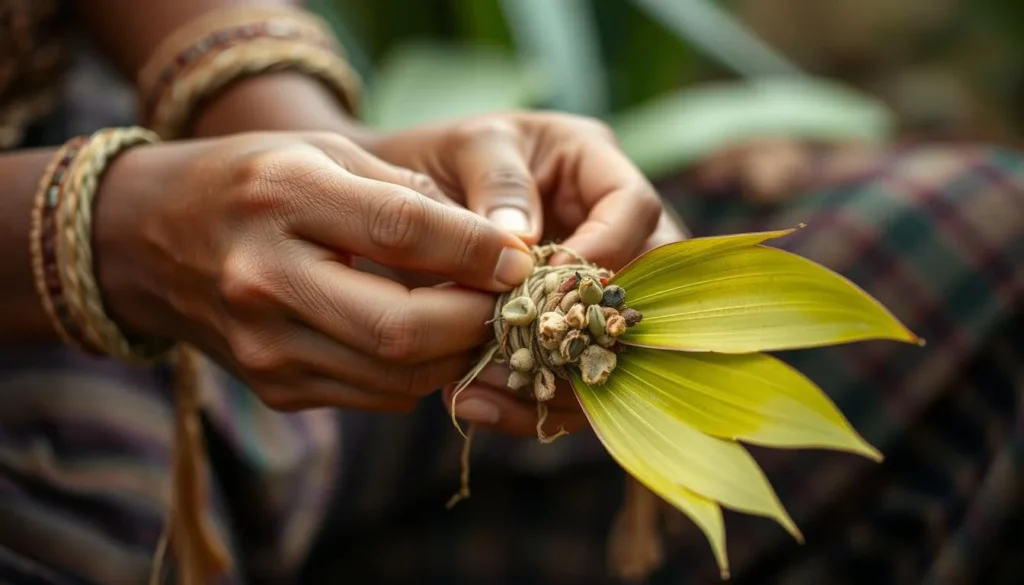
Learning to make traditional handicrafts from natural materials is a popular cultural activity
Where to Stay in Madidi National Park
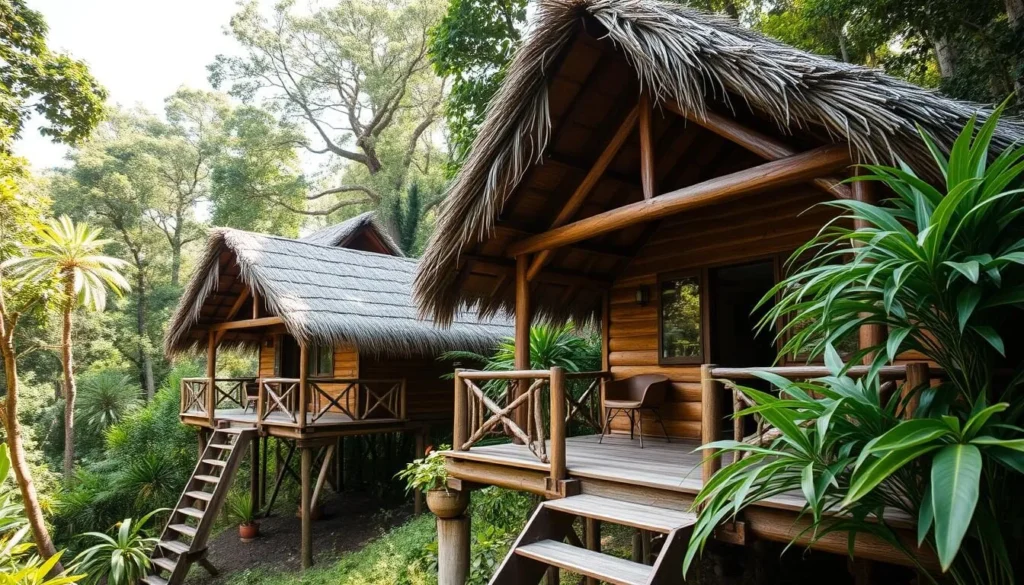
Eco-lodges in Madidi offer comfortable accommodations while minimizing environmental impact
Staying within Madidi National Park means experiencing the unique ambiance of eco-lodges deep in the Amazon rainforest. These accommodations are only accessible by boat and offer an authentic jungle experience with varying levels of comfort.
Top Eco-Lodges in Madidi
Chalalan Eco-lodge
- Community-owned by San Jose de Uchupiamonas
- Solar power and rainwater collection
- Private cabins with en-suite bathrooms
- Located near Lake Chalalan
- Excellent wildlife viewing opportunities
Madidi Jungle Eco-lodge
- 100% indigenous-owned operation
- Comfortable cabins with mosquito netting
- Traditional cuisine using local ingredients
- Access to 40km of jungle trails
- Various program lengths available
Berraco del Madidi Lodge
- Rustic but comfortable accommodations
- Shared bathrooms with basic facilities
- Budget-friendly option
- Excellent location for wildlife spotting
- Experienced local guides
Most lodges are part of tour packages that include transportation, meals, and guided activities. Electricity is typically limited to certain hours, and internet access is generally unavailable, allowing for a true disconnect from modern life.
Tours and Packages
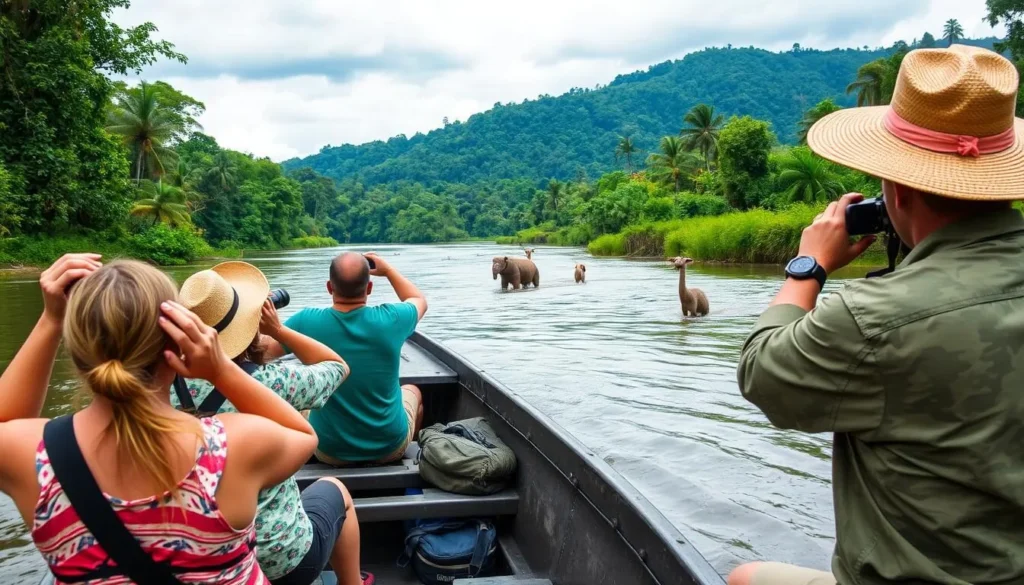
Organized tours provide the safest and most enriching way to experience Madidi
The best way to experience Madidi National Park is through organized tours that handle logistics, provide expert guides, and ensure your safety in this remote wilderness. Most tours depart from Rurrenabaque and include:
- Transportation to and from the park
- Accommodation in eco-lodges
- All meals and non-alcoholic beverages
- Guided activities and excursions
- Basic equipment needed for activities
Popular Tour Options
| Duration | Price Range (USD) | Best For | Typical Activities |
| 2 days/1 night | $180-$220 | Brief introduction, limited time | Short jungle walks, river tour, basic wildlife viewing |
| 3 days/2 nights | $250-$300 | Balanced experience, most popular | Multiple jungle walks, night hike, fishing, cultural activities |
| 4-5 days/3-4 nights | $350-$500 | In-depth exploration, serious wildlife enthusiasts | Extended treks, visit to Santa Rosa Lake, multiple ecosystems, specialized wildlife viewing |
Recommended Tour Operators
These reputable companies offer quality tours to Madidi National Park:
- Madidi Travel (community-based operation)
- Bala Tours (established operator with various packages)
- Mashaquipe Eco Tours (focus on sustainable tourism)
- Nick’s Adventures Bolivia (excellent English-speaking guides)
The park entrance fee (approximately 125 Bs/$18 USD) is typically not included in tour prices and must be paid separately upon arrival.
Preparing for Your Trip

Proper preparation and packing are essential for a comfortable jungle experience
What to Pack
Clothing
- Lightweight, quick-dry long pants and shirts (for sun/insect protection)
- Rain jacket or poncho (even in dry season)
- Sturdy hiking boots or trail shoes
- Hat with brim for sun protection
- Light sweater or jacket for cool evenings
- Swimwear for river activities
Equipment & Supplies
- Insect repellent with DEET
- Sunscreen (SPF 30+)
- Binoculars for wildlife viewing
- Headlamp or flashlight with extra batteries
- Reusable water bottle
- Small daypack for excursions
- Camera with zoom lens and waterproof case
Health Preparations
Consult with a travel medicine specialist at least 4-6 weeks before your trip to discuss:
- Yellow fever vaccination (required for entry to Madidi)
- Malaria prophylaxis options
- Hepatitis A and Typhoid vaccinations
- Basic first aid kit contents
Important: Bring sufficient cash (Bolivianos) for your trip. ATMs in Rurrenabaque are unreliable and often run out of money. Credit cards are rarely accepted in this remote area.
Indigenous Communities and Culture
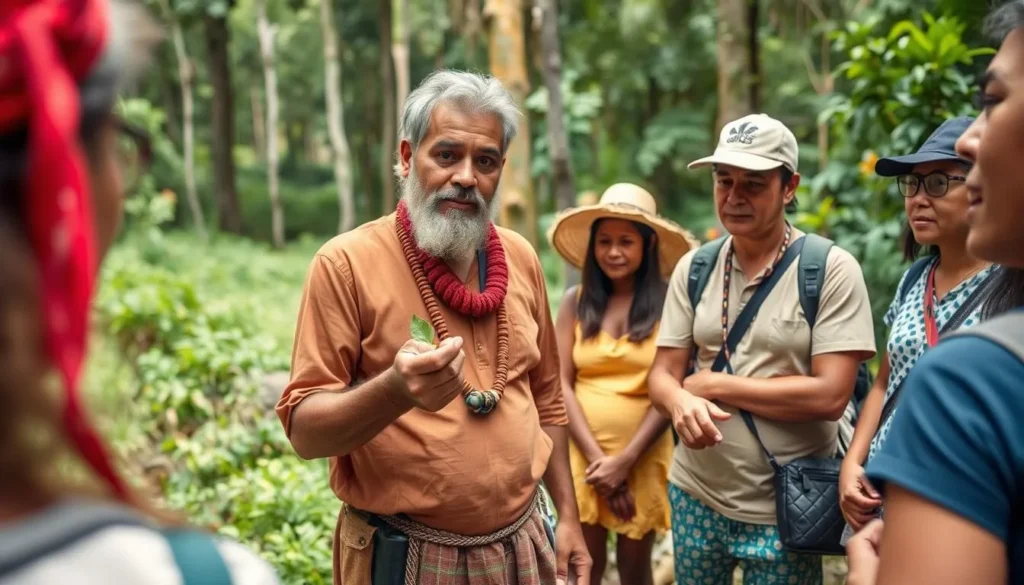
Indigenous guides share generations of knowledge about the rainforest ecosystem
Madidi National Park is home to 46 indigenous communities from six different tribes, including the Tacana, Quechua-Tacana, Ese Ejja, and Chimane peoples. These communities have lived in harmony with the rainforest for centuries, developing sustainable practices and deep knowledge of the ecosystem.
Cultural Experiences
Many tours include visits to indigenous communities, offering insights into traditional Amazonian lifestyles. Visitors can learn about:
- Traditional hunting and fishing techniques
- Medicinal plant knowledge and uses
- Handicraft production using natural materials
- Traditional food preparation methods
- Community-based conservation efforts
Several eco-lodges in Madidi are owned and operated by indigenous communities, providing sustainable income while preserving cultural heritage. By staying at these lodges, visitors directly support local conservation efforts and community development.
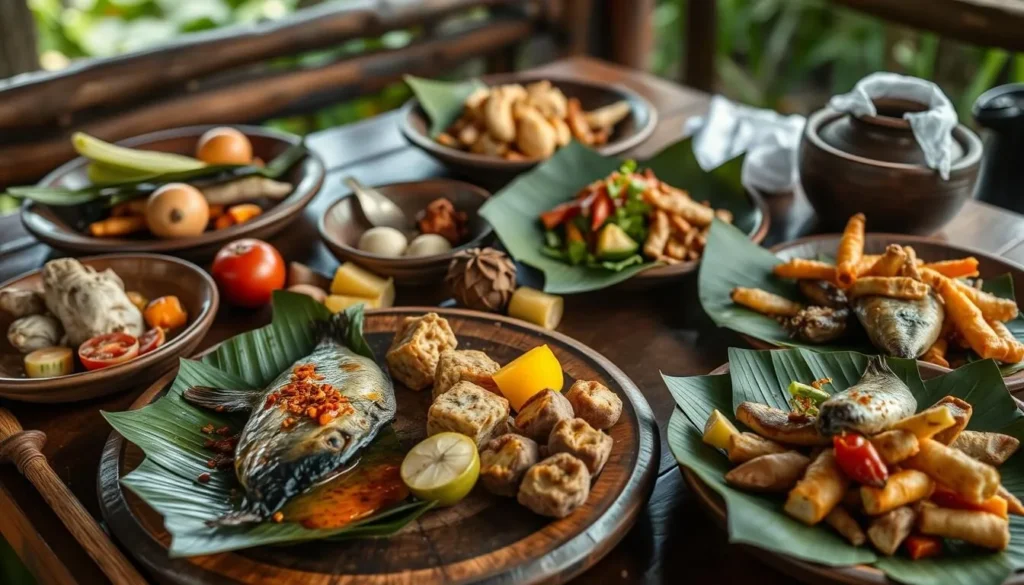
Traditional Amazonian cuisine features local ingredients prepared with ancient techniques
Safety and Travel Tips
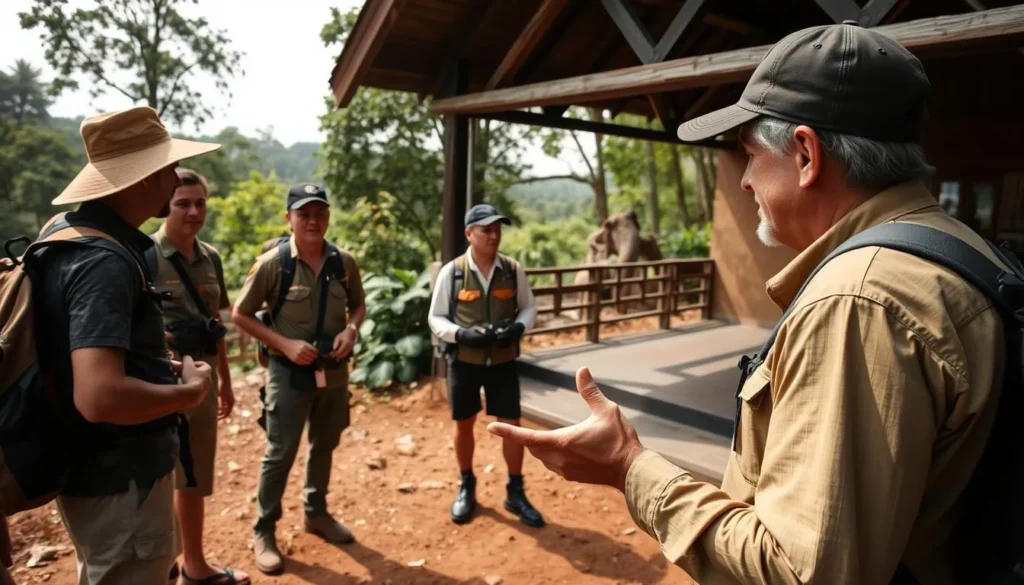
Professional guides ensure visitor safety while exploring Madidi’s wilderness
Health and Safety
- Always follow your guide’s instructions and never wander off alone
- Drink only bottled, filtered, or boiled water
- Use insect repellent consistently and wear protective clothing
- Check for ticks after jungle walks
- Inform guides of any allergies or medical conditions
- Pack any essential medications as they won’t be available in the park
Practical Tips
- Reconfirm flights to/from Rurrenabaque 24 hours in advance as cancellations are common
- Bring extra cash as ATMs in Rurrenabaque are unreliable
- Pack a dry bag or waterproof case for electronics
- Respect wildlife by maintaining distance and not feeding animals
- Follow Leave No Trace principles to minimize environmental impact
- Be prepared for limited or no electricity and internet access
Respect Local Communities: Always ask permission before taking photos of indigenous people. Purchase handicrafts directly from artisans when possible to support local economies.
Experience the Magic of Madidi
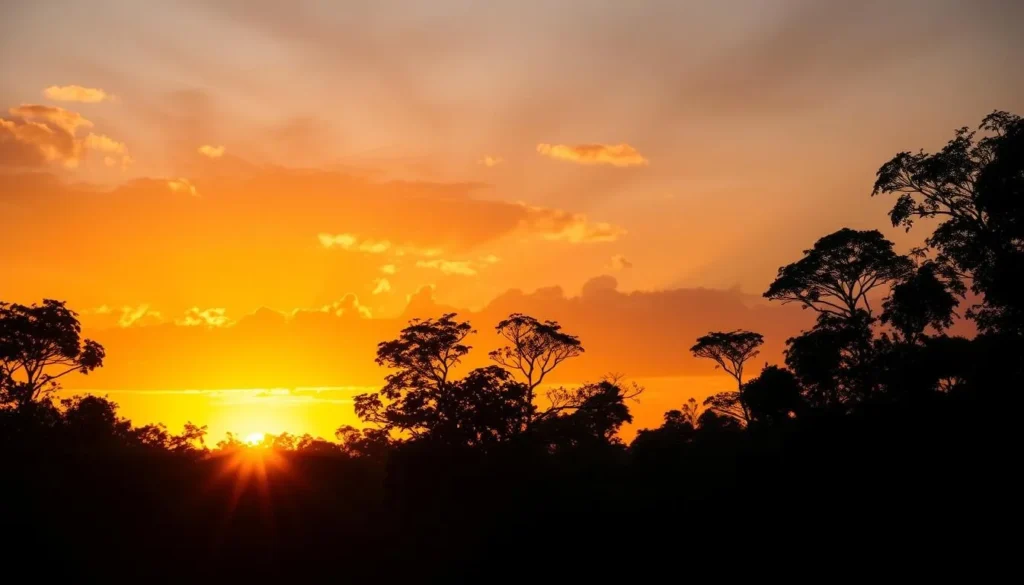
The magical sunset over Madidi’s canopy – an unforgettable sight for visitors
Madidi National Park offers a rare opportunity to experience one of Earth’s most pristine and biodiverse ecosystems. From thrilling wildlife encounters to meaningful cultural exchanges, a journey to this Bolivian treasure creates memories that last a lifetime.
Whether you’re an avid birdwatcher, wildlife enthusiast, adventure seeker, or cultural explorer, Madidi’s extraordinary natural wealth provides endless discoveries. By visiting responsibly and supporting community-based tourism initiatives, you contribute to the preservation of this irreplaceable natural wonder for generations to come.

0 Comments