
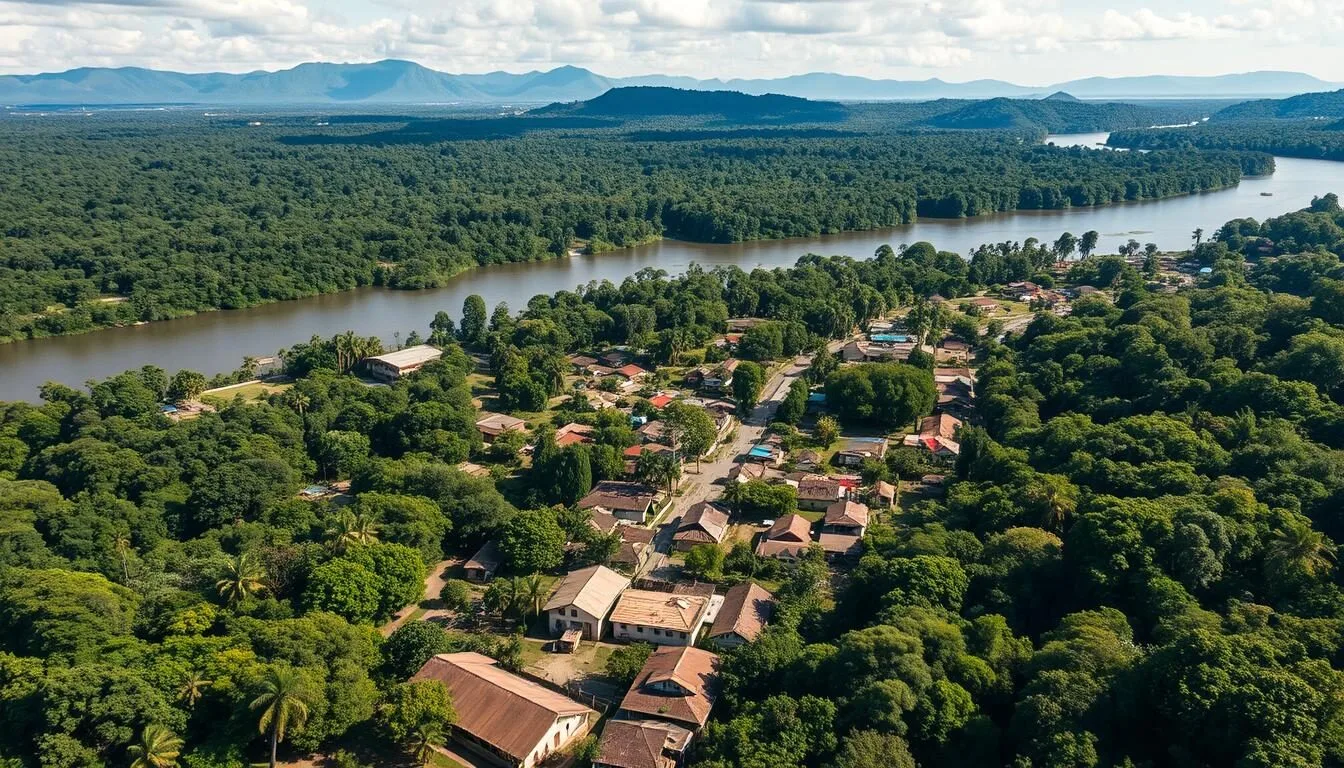
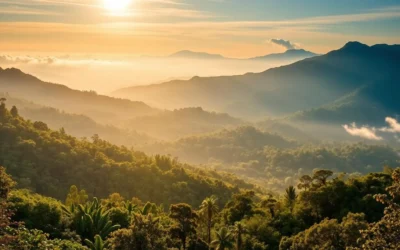
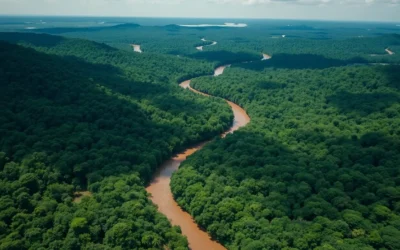
Did you know that Rurrenabaque is one of the few places on Earth where you can experience both dense Amazon rainforest and vast wetland savannas in a single trip? This small Bolivian town of fewer than 8,000 residents serves as the gateway to not one but two of South America’s most biodiverse ecosystems, making it a unique destination where you can spot over 1,000 bird species and 300 types of mammals and reptiles in their natural habitat.
Getting There & Planning Your Journey
Reaching Rurrenabaque requires some planning, but the journey is part of the adventure. Located 266 km (165 mi) northeast of La Paz, there are two main ways to reach this jungle paradise.

By Air
The fastest and most comfortable option is flying from La Paz. Flights take approximately 40 minutes and offer breathtaking views as you descend from the Andean highlands into the Amazon basin. Flights operate daily but can be canceled due to weather conditions, so building flexibility into your schedule is recommended.
By Bus
For budget travelers or those seeking a more immersive experience, buses connect La Paz to Rurrenabaque. The journey takes approximately 18-20 hours on roads that can be challenging, especially during the rainy season. The trip offers stunning scenery as you descend from 4,000 m (13,123 ft) to just 300 m (984 ft) above sea level.
Best Time to Visit Rurrenabaque
Rurrenabaque has a tropical climate with distinct wet and dry seasons that significantly impact your experience.
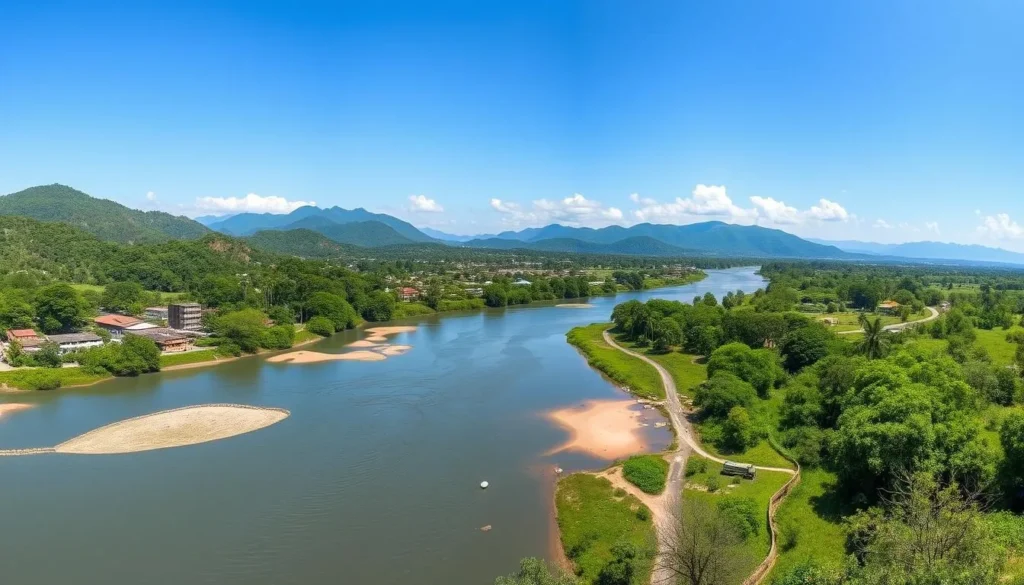
Dry Season (May to October)
The ideal time to visit is during the dry season when:
- Temperatures average 25-30°C (77-86°F)
- Trails are accessible for jungle trekking
- Wildlife is concentrated around water sources in the pampas
- River levels are lower, making some areas more accessible
- June-August offers the most comfortable conditions
Wet Season (November to April)
The rainy season brings challenges but also unique opportunities:
- Heavy rainfall can make roads impassable
- Some jungle trails become too muddy for trekking
- River levels rise, flooding parts of the pampas
- Boat travel becomes the primary mode of transportation
- Fewer tourists mean more intimate experiences
Getting Around Locally
Rurrenabaque is a small town that’s easy to navigate on foot, but there are several transportation options for exploring the surrounding areas.
Within Town
- Walking: Most attractions within Rurrenabaque are within walking distance
- Moto-taxis: Affordable motorcycle taxis are available for longer distances
- Bicycle rentals: Several shops offer bicycle rentals for exploring the town and nearby areas
Exploring the Surroundings
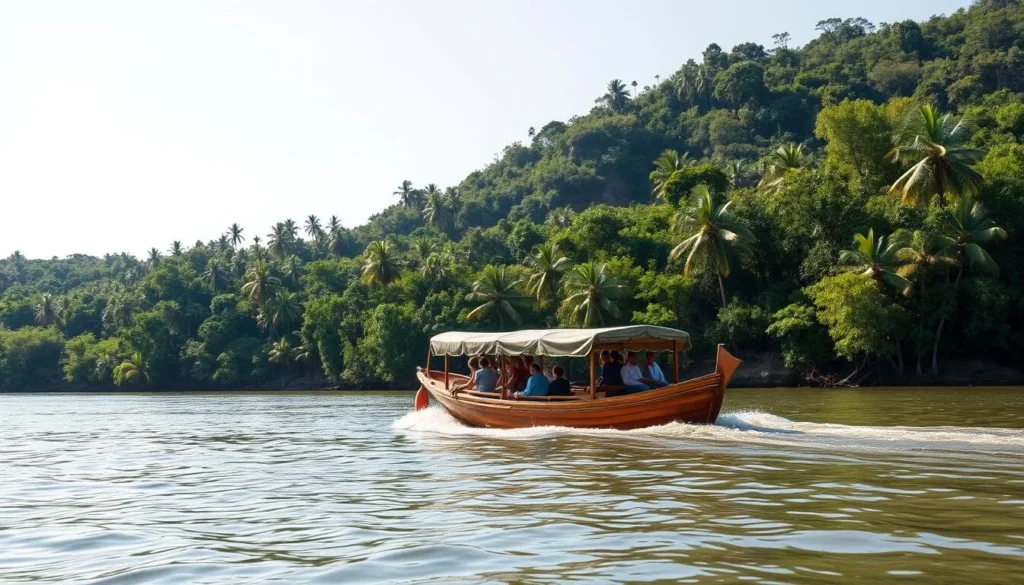
- Boat tours: The primary way to explore the pampas and rivers
- Guided jeep tours: Required for reaching the pampas (typically a 3-hour journey)
- Organized tours: Most jungle and pampas excursions include transportation
Where to Stay in Rurrenabaque
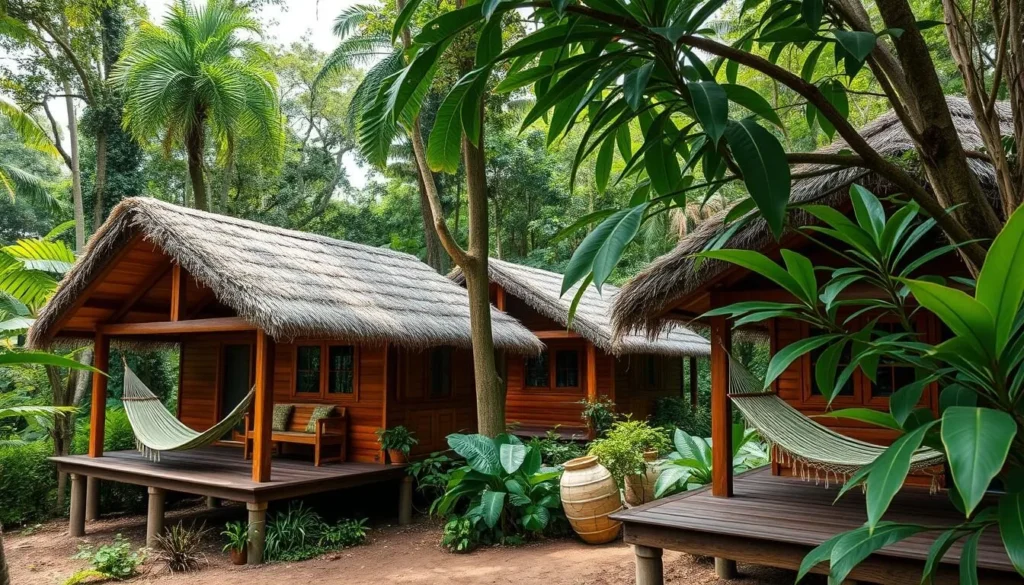
Accommodation options in Rurrenabaque range from budget-friendly hostels to comfortable eco-lodges that immerse you in the natural surroundings.
In Town Accommodations
Staying in Rurrenabaque town offers convenience and access to restaurants, tour operators, and basic amenities:
- Budget options: Hostels like El Curichal and Hostal El Lobo offer affordable dormitories and private rooms
- Mid-range hotels: Hotel Maya de la Amazonia and Hotel Rurrenabaque provide comfortable rooms with air conditioning
- Boutique options: Several smaller hotels offer unique experiences with jungle views and swimming pools
Jungle and Pampas Eco-Lodges
For a more immersive experience, consider staying at one of the eco-lodges in Madidi National Park or the pampas:
- Chalalan Eco Lodge: Community-run lodge deep in Madidi National Park
- Mashaquipe Ecolodge: Comfortable accommodation with excellent wildlife viewing opportunities
- Berraco del Madidi Lodge: Rustic jungle experience with knowledgeable local guides
Dining & Local Cuisine
Rurrenabaque offers a surprising variety of dining options, from local Bolivian specialties to international cuisine catering to travelers.
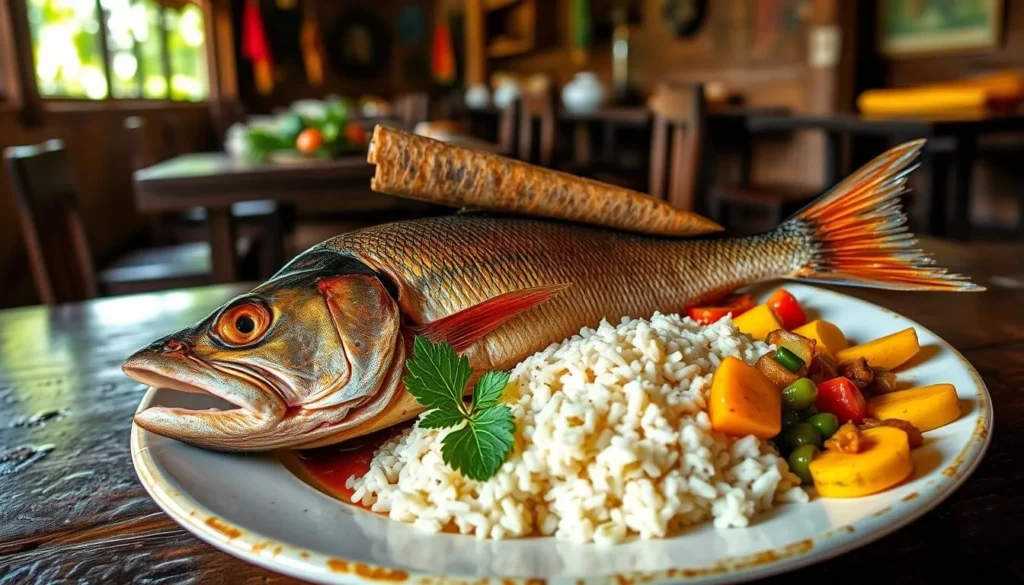
Local Specialties
Don’t miss these regional dishes that showcase the unique flavors of the Bolivian Amazon:
- Surubí: A delicious local river fish often grilled or served in stews
- Majadito: Rice dish with dried meat, eggs, and plantains
- Locro: Hearty soup with meat, corn, potatoes, and vegetables
- Masaco: Mashed plantains or yuca with charque (dried meat)
- Fresh tropical fruits: Try local varieties like achachairú and copoazú
Recommended Restaurants
These establishments offer quality food and memorable dining experiences:
- El Nomadico Bar Restaurant: Popular spot with a diverse menu and riverside views
- Juliano’s: Italian-influenced cuisine with fresh ingredients
- Moskkito Jungle Bar: Great for drinks and international dishes
- The French Bakery: Excellent pastries and breakfast options
- Casa de Campo: Traditional Bolivian cuisine in a rustic setting
Attractions, Sightseeing & Activities
Rurrenabaque offers two distinct ecosystems to explore: the dense jungle of Madidi National Park and the wildlife-rich wetlands of the pampas.
Madidi National Park
One of the most biodiverse protected areas on the planet, Madidi National Park offers immersive jungle experiences:
- Multi-day jungle treks with knowledgeable guides
- Learning about medicinal plants used by indigenous communities
- Spotting rare wildlife including monkeys, tapirs, and hundreds of bird species
- Visiting indigenous communities to learn about traditional ways of life
- Camping under the rainforest canopy for a true wilderness experience
Pampas del Yacuma
The pampas wetlands offer incredible wildlife viewing opportunities in a more open environment:
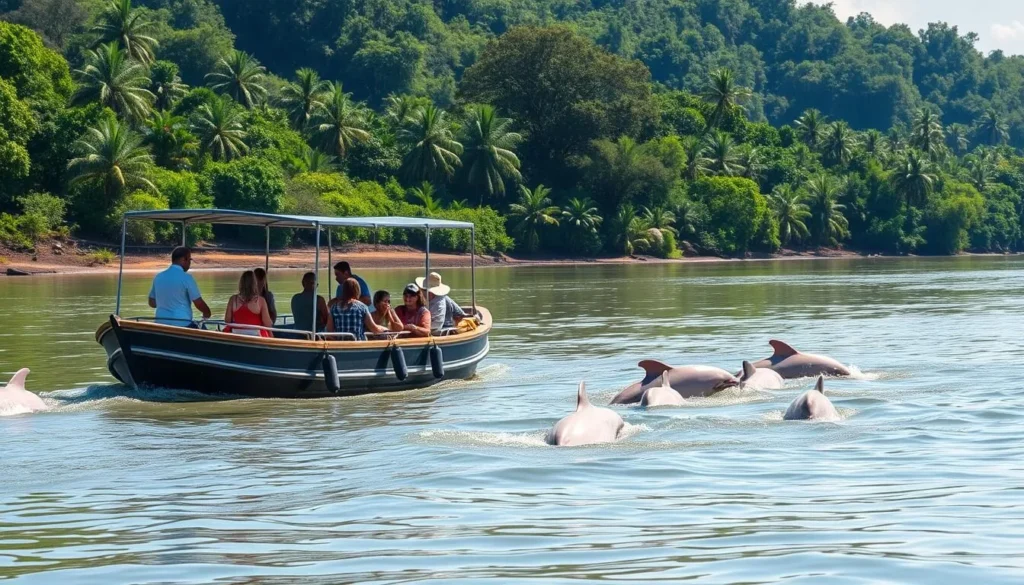
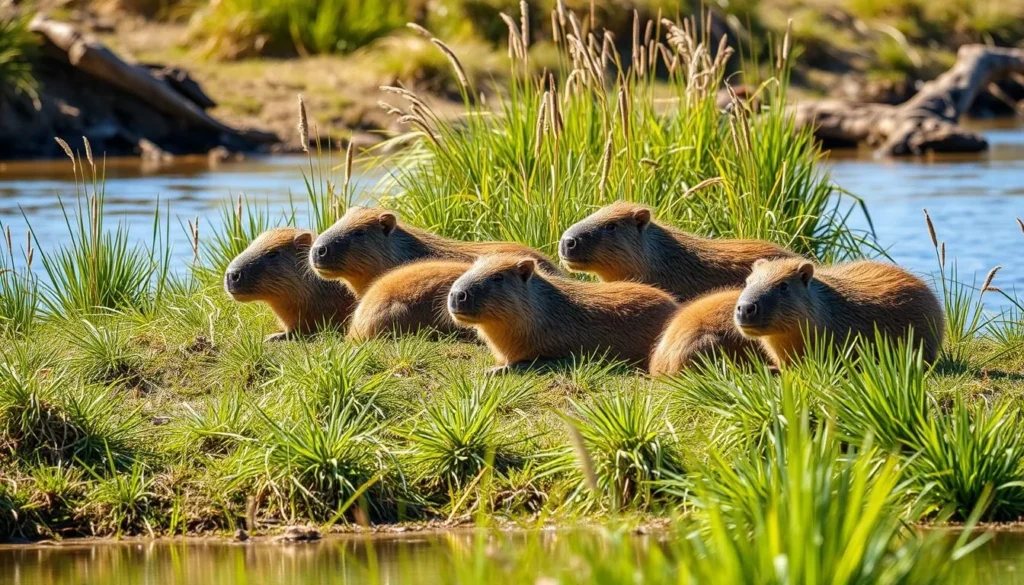
- Boat tours to spot caimans, capybaras, and pink river dolphins
- Anaconda hunting (for photography only)
- Piranha fishing experiences
- Swimming with pink river dolphins
- Bird watching with opportunities to see macaws, toucans, and herons
In and Around Town
- El Chorro: Refreshing waterfall just 1 km upstream from town, accessible by boat
- Mirador de la Cruz: Viewpoint offering panoramic views of Rurrenabaque and Rio Beni
- Swimming pools: Several hotels offer pool access to cool off from the tropical heat
- Local markets: Explore colorful markets selling fresh produce and handicrafts
Indigenous Culture & Festivals
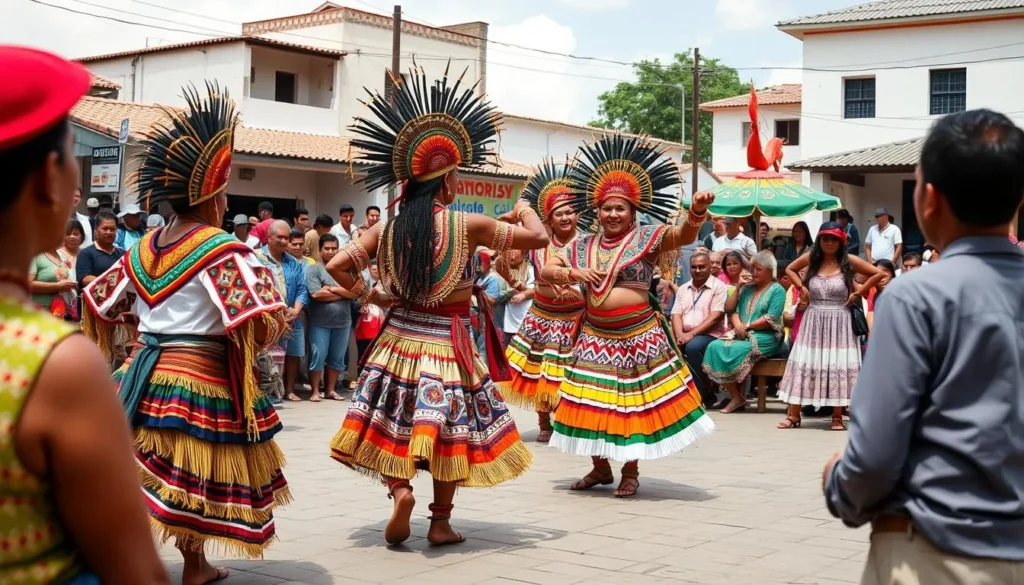
Rurrenabaque is home to the Tacana indigenous people, who maintain their traditional language and customs while embracing visitors interested in their culture.
Cultural Experiences
- Visit indigenous communities through responsible tour operators
- Learn about traditional hunting and gathering techniques
- Discover medicinal plant knowledge passed down through generations
- Participate in craft workshops to learn traditional skills
- Sample traditional foods prepared using ancient methods
Local Festivals
- Fiesta de Rurrenabaque (February): Celebration honoring the town’s founding with processions, dancing, music, and traditional games
- Feria Artesanal (September): Craft fair featuring traditional arts, eco-crafts, and local produce
- San Juan (June 24): Celebrated with bonfires and traditional rituals
Outdoor Adventures
Beyond the standard jungle and pampas tours, Rurrenabaque offers several unique outdoor experiences for adventure seekers.
Adventure Activities
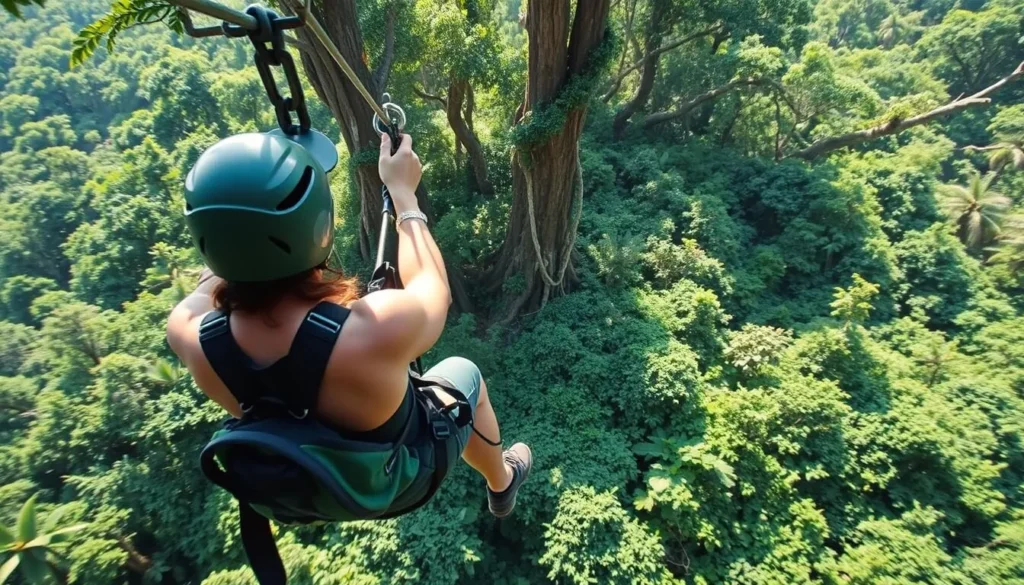
- Canopy Zipline: Fly through the treetops at Canopy Villa Alcira after a short boat ride and hike
- Jungle Survival Skills: Learn techniques for finding food, water, and shelter in the rainforest
- Night Safaris: Spot nocturnal creatures with experienced guides
- Piranha Fishing: Try your hand at catching these famous Amazonian fish
- Hiking: Trails of varying difficulty levels through diverse ecosystems
Safety, Etiquette & Local Customs
Rurrenabaque is generally a safe destination, but there are important considerations to ensure a respectful and trouble-free visit.
Health & Safety
- Consult a travel doctor about vaccinations and malaria prophylaxis before your trip
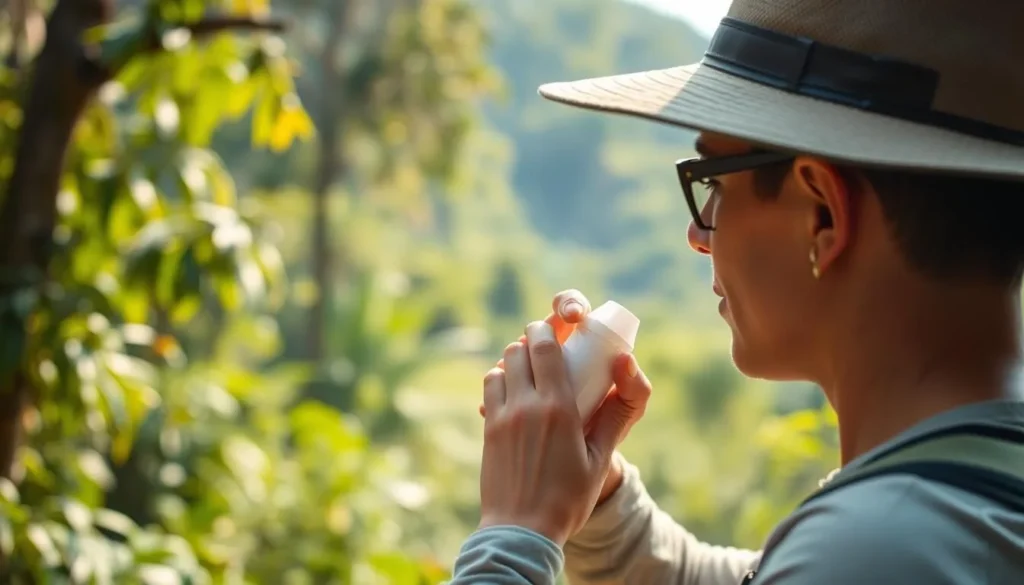
- Use insect repellent containing DEET to protect against mosquitoes
- Wear long-sleeved shirts and pants for jungle excursions
- Drink only bottled or purified water
- Book tours with reputable companies that prioritize safety and environmental responsibility
Cultural Etiquette
- Ask permission before photographing local people, especially in indigenous communities
- Dress modestly when visiting communities (cover shoulders and knees)
- Learn a few basic Spanish phrases – English is not widely spoken
- Support community-based tourism initiatives that benefit local people
- Respect wildlife by maintaining appropriate distances and following guide instructions
Practical Travel Tips
These final tips will help you prepare for a smooth and enjoyable visit to Rurrenabaque.
Money & Communications
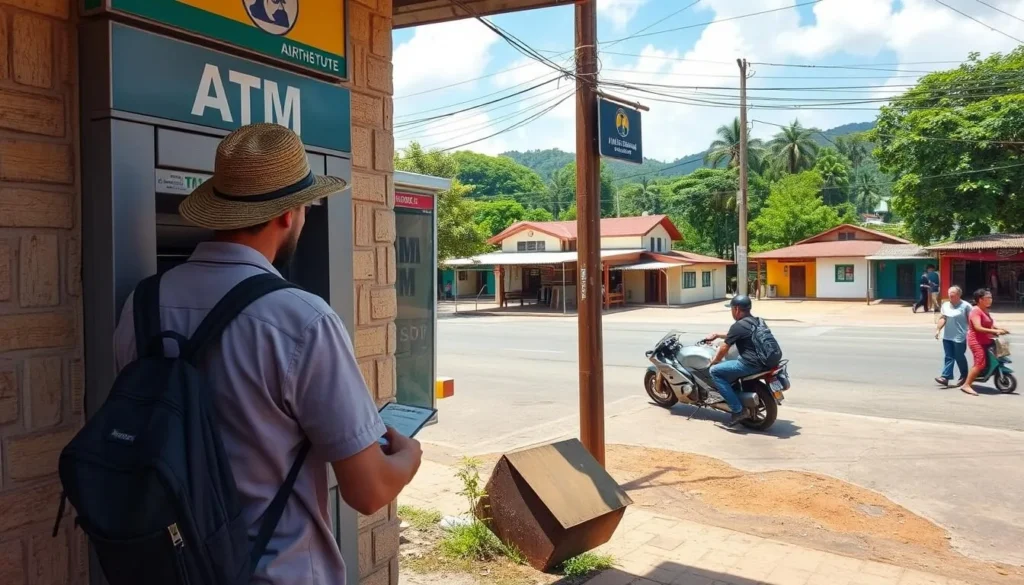
- The local currency is the Boliviano (BOB) – bring cash as ATMs can be unreliable
- Most tour operators and larger hotels accept US dollars, but smaller establishments require local currency
- Internet access is available but can be slow – download maps and information before arrival
- Purchase a local SIM card in La Paz for better connectivity
Packing Essentials
- Lightweight, quick-drying clothing (long sleeves and pants for protection)
- Waterproof bag for electronics and documents
- High-quality insect repellent and sunscreen
- Headlamp or flashlight for power outages and night activities
- Binoculars for wildlife spotting
- Reusable water bottle with filter
Ready for Your Rurrenabaque Adventure?
Rurrenabaque offers a rare opportunity to experience the incredible biodiversity of the Amazon basin in an accessible and affordable way. Whether you’re trekking through the dense jungle of Madidi National Park, spotting wildlife in the pampas wetlands, or simply relaxing in a hammock overlooking the Beni River, this small Bolivian town delivers unforgettable experiences that connect you with nature at its most vibrant and diverse.
With proper planning and an adventurous spirit, your journey to this corner of Bolivia will reward you with memories of pristine wilderness, fascinating wildlife encounters, and authentic cultural experiences that few travelers are fortunate enough to discover. The Amazon awaits – are you ready to answer its call?
0 Comments