
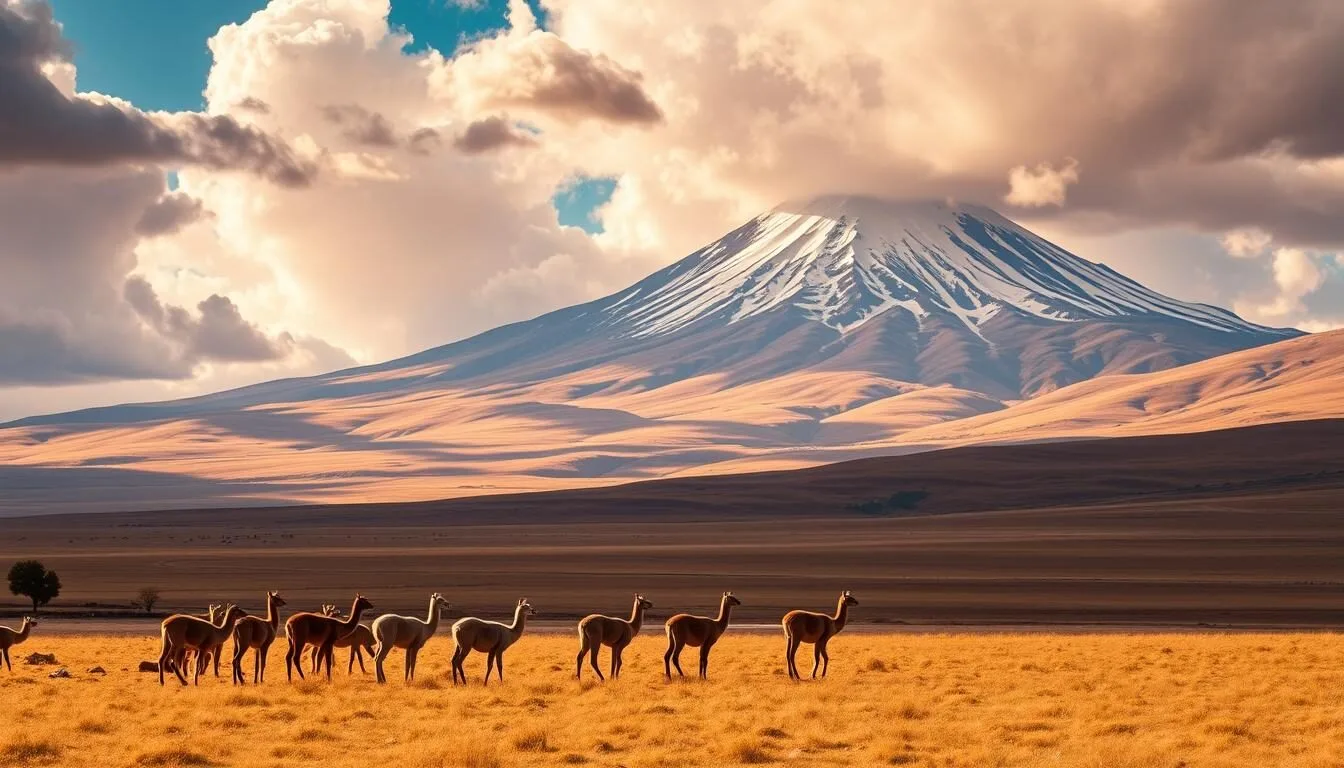
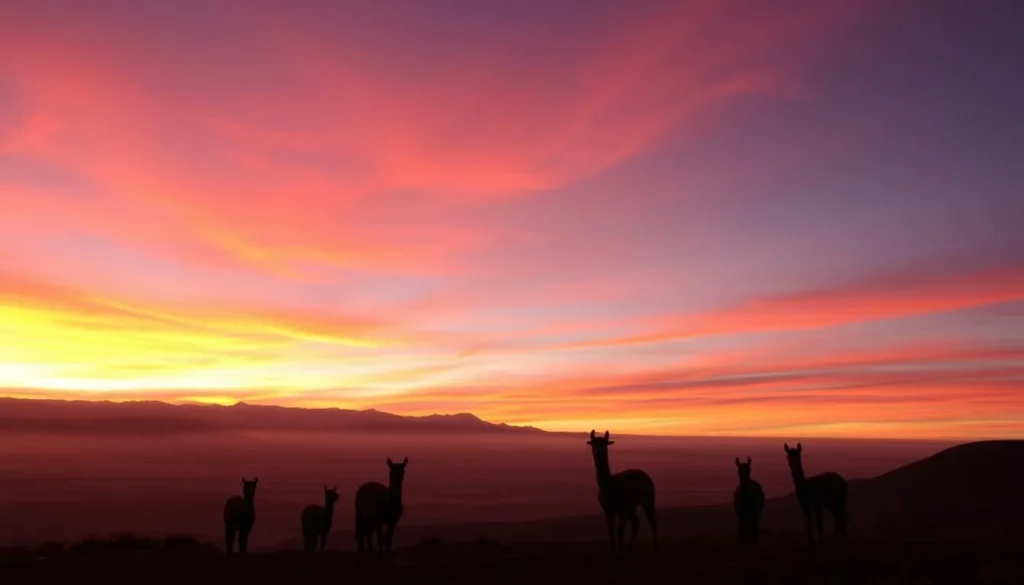
Did you know Sajama National Park is home to the world’s highest forest, where ancient queñua trees thrive at an astonishing 5,200 m (17,060′)? As Bolivia’s first national park, established in 1939, this breathtaking Andean dreamscape offers a magnificent combination of snowcapped volcanoes, bubbling hot springs, and vast wild plains where llamas, alpacas, and vicuñas roam freely.
Overview of Sajama National Park
Located in the southwestern department of Oruro, Sajama National Park borders the province of La Paz in the north and Chile’s Lauca National Park in the west. The park sits within the ecoregion of Puna, a high Andean plateau at elevations ranging from 4,200 to 6,542 meters above sea level.
The park’s crown jewel is Nevado Sajama, Bolivia’s highest mountain peak at 6,542 m (21,463′). Other impressive volcanoes include the twin Payachatas: Parinacota (6,348 m/20,827′) and Pomerape (6,282 m/20,610′). Spanning 1,002 square kilometers, the extensive plains of the altiplano provide prime grazing country for the park’s abundant wildlife.
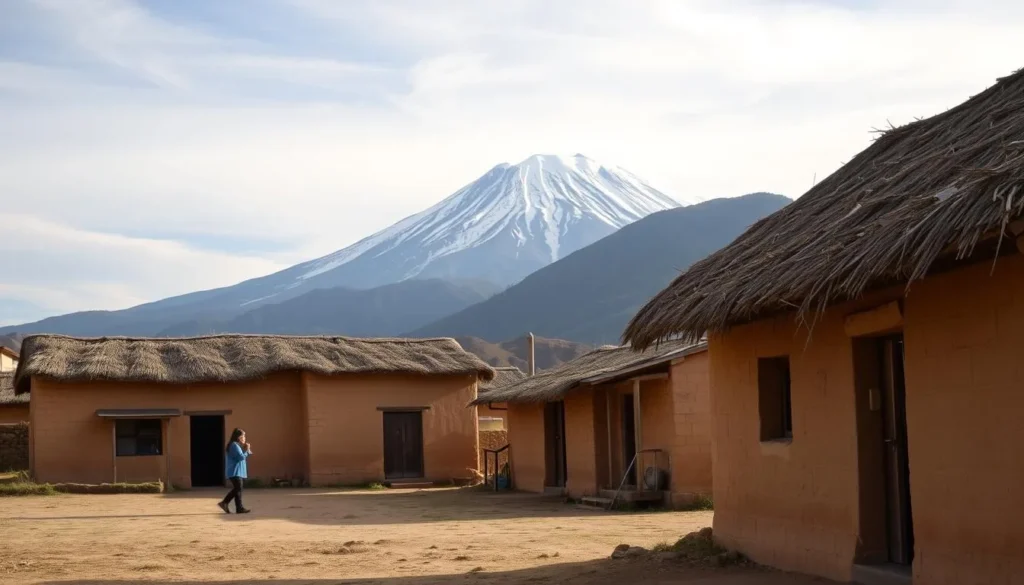
Established as a natural reserve in 1939, Sajama has been home to Bolivia’s Aymara people for thousands of years. Unique artifacts, ancient burial sites, cave paintings, and small adobe churches dot the otherworldly landscape, demonstrating the incredible influence of indigenous culture throughout the region.
Getting to Sajama National Park
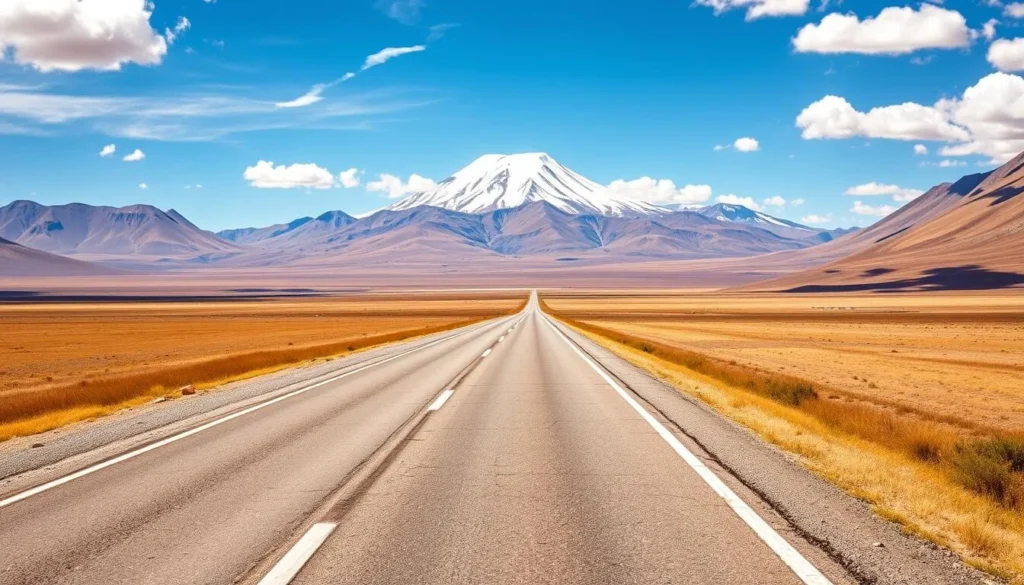
Sajama National Park is accessible via the paved international road between La Paz in Bolivia and Arica in Chile, which passes right next to the park. Here are the main routes to reach this remote paradise:
From La Paz
The most common route is from La Paz. Take a bus from La Paz’s main terminal to the town of Patacamaya (1.5 hours, approximately 10 Bs). From Patacamaya, a direct minibus leaves daily for Sajama village once it’s full – typically between 11:00 am and 2:00 pm. The journey takes about 3 hours and costs around 35 Bs.
From Oruro
Another convenient option is traveling from Oruro. Four vans per day run between Oruro and Tambo Quemado (the border town) at 6:00 am, 10:00 am, 2:00 pm, and 6:00 pm. The journey takes 3 hours for the 270 km distance and costs about 45 Bs. Ask to be dropped at the Sajama Junction, which is slightly before Tambo Quemado.
From Chile
If you’re coming from Chile, buses from Arica leave around 3:00 pm. You can get off either at Tambo Quemado or a few kilometers further at the Sajama Junction after crossing the border into Bolivia.
Best Time to Visit Sajama National Park
With elevations ranging from 4,200 to 6,542 meters, climatic conditions in Sajama National Park are semi-arid and cold. Understanding the seasonal patterns will help you plan your visit for the best experience.
Weather Patterns
While daytime temperatures can be quite warm, evenings become extremely chilly, often dropping below 0°C. The park enjoys an annual average temperature of 10°C, with winter lows of -30°C and summer highs of 22°C. Frost occurs throughout the year, and there’s a rainy season in summer (December to March).
Recommended Months
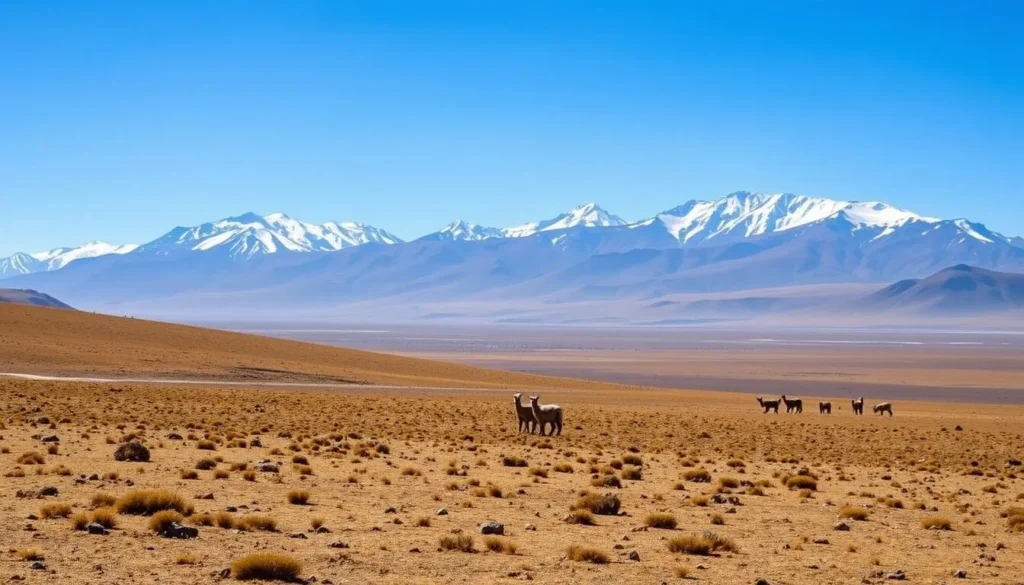
The best time to visit Sajama National Park is during the dry season (April to November). Despite the colder weather, this is when roads and trails are less muddy and visibility is excellent. The lack of cloud cover provides unobstructed views of Sajama’s high mountain peaks year-round.
Months to Avoid
For those traveling between December and March, be aware that tourist activities may be limited due to heavy rainfall. Roads can become difficult to navigate, and some trails may be inaccessible. The average annual rainfall is 300 mm, with January being the wettest month.
| Season | Months | Temperature | Conditions | Recommendation |
| Dry Season | April – November | Day: 10-22°C (50-72°F) Night: -10 to 0°C (14-32°F) |
Clear skies, excellent visibility, cold nights | Highly recommended |
| Rainy Season | December – March | Day: 15-22°C (59-72°F) Night: -5 to 5°C (23-41°F) |
Frequent rain, muddy roads, limited visibility | Not recommended |
Park Fees and Requirements
The entrance fee to Sajama National Park is 100 Bs ($14 US) per person, which includes a small map of the park. Be aware that most tour operators do not include this entrance fee in their package prices.
All visitors are required to register at the park office (SERNAP) in Sajama village using their passport information. The office is open daily from 8:00 am to 12:00 pm and 2:30 pm to 7:00 pm.
Important: There are no ATMs in Sajama or nearby villages. The closest ATM is in Patacamaya, so make sure to bring enough cash with you for your entire stay.
An additional 30 Bs is required if you want to soak in the hot springs. For those planning to climb the mountains or undertake multi-day treks, additional permits and guides may be necessary.
Where to Stay in Sajama National Park
Most visitors to Sajama National Park stay in Sajama Village. Accommodation options range from camping inside the park to basic homestay-style lodging and comfortable hostels.
Hostels and Homestays
Several simple hostels are available in Sajama Village, with prices ranging from 40-80 Bs ($6-12 US) per night. Many are family-run establishments that offer an authentic experience and home-cooked meals.
Recommended accommodations include:
- Hostal Buena Vista – Simple but comfortable rooms with thick blankets for cold nights
- Hospedaje Pachamama – Family-run accommodation with excellent home-cooked meals
- Hostel Oasis – Basic but clean rooms in the center of the village
- Albergue Ecoturístico Tomarapi – A community-run ecolodge about 12km from Sajama Village offering more comfort at a higher price (around 500 Bs per night for full board)
Park rangers at the tourist office can help arrange homestay-style accommodation in Sajama Village, with prices around 60 Bs ($9 US) per night.
Camping
Camping is possible almost anywhere inside the park. However, be prepared for low temperatures (often below freezing) and strong winds. Bring a high-quality sleeping bag rated for at least -10°C (14°F) and a sturdy tent that can withstand wind.
Getting Around Sajama National Park
Exploring Sajama National Park requires some planning due to its vast size and remote location. Here are the best ways to get around:
On Foot
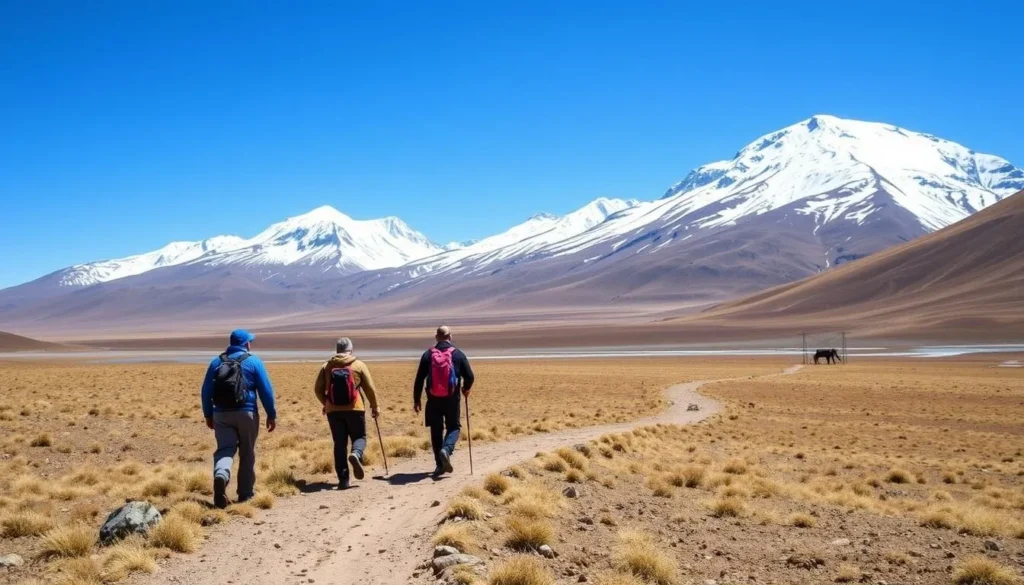
Many visitors come to Sajama specifically for hiking and trekking. The park offers numerous trails of varying difficulty, from easy walks around the village to challenging multi-day treks. Walking is the best way to immerse yourself in the stunning landscapes and spot wildlife.
By Vehicle
For reaching more distant attractions within the park, hiring a local driver with a vehicle is recommended. While there are no official taxis, many locals offer transport services. Expect to pay around 30-40 Bs for short trips to nearby attractions like the geysers or lagoons.
Renting a 4×4 vehicle is ideal if you want to explore the park independently. This gives you the flexibility to visit multiple sites at your own pace and reach more remote areas.
With a Tour Guide
Hiring a local guide is highly recommended, especially for mountain climbing or multi-day treks. Guides typically charge around 560 Bs ($80 US) per day, while porters cost about 140 Bs ($20 US) per day.
Several tour operators offer organized trips to Sajama National Park from La Paz, with options ranging from day trips to multi-day excursions. A typical 2-day/1-night tour costs around $200 US per person and usually includes transportation, accommodation, meals, and guided activities.
Top Things to Do in Sajama National Park
Sajama National Park offers a wealth of activities for nature lovers, adventure seekers, and cultural enthusiasts. Here are the must-do experiences during your visit:
Soak in Natural Hot Springs
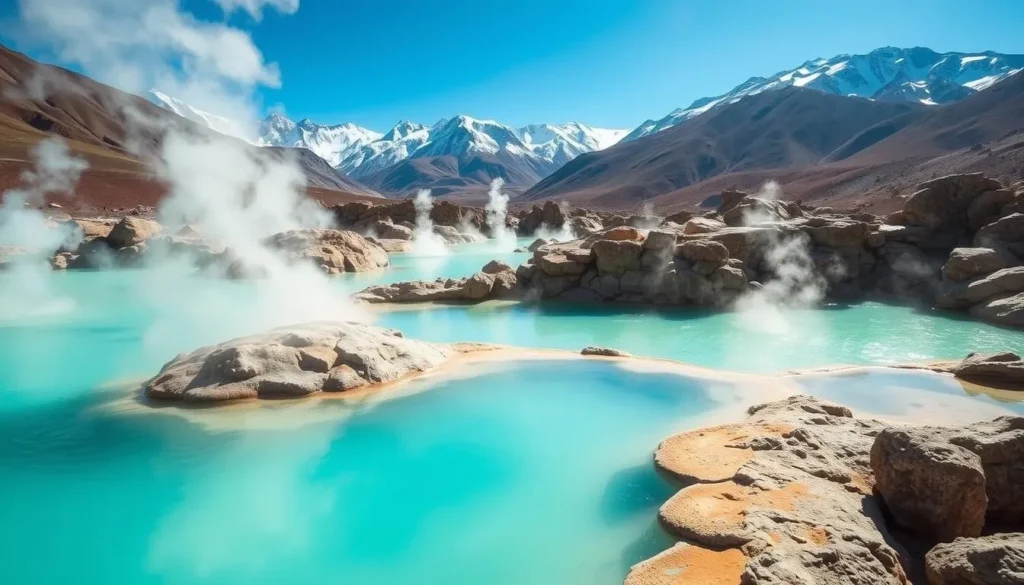
One of the most relaxing experiences in Sajama is bathing in the natural hot springs. The Manasaya hot springs are located about a 1.5-hour walk north of Sajama village. Soaking in the therapeutic waters with views of the Sajama volcano is an unforgettable experience.
There are also private hot springs available for around 30 Bs, including Termales Donia Theodora, which offers a more comfortable bathing experience.
Visit the Juchusuma Geysers
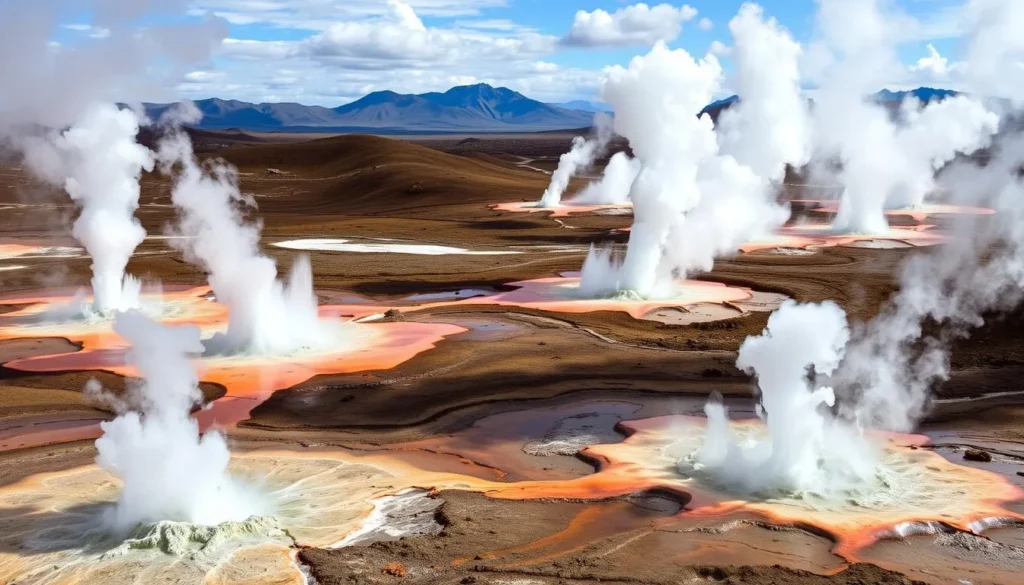
The Juchusuma geysers are located 8 km from Sajama village. Follow the track heading towards the Pomerape volcano, which starts behind the church west of the village. It takes about 2 hours to reach them on foot, or you can hire a local driver for around 30-40 Bs.
Explore the Queñuas Forest
Visit the world’s highest forest, made up of the unique Queñua trees (Polylepis tarapacana) that have adapted to the harsh high-altitude environment. These 3-meter high shrub-like plants grow at elevations between 4,500 and 5,200 meters, making them the highest growing trees in the world.
Hike to Laguna Huayna Khota
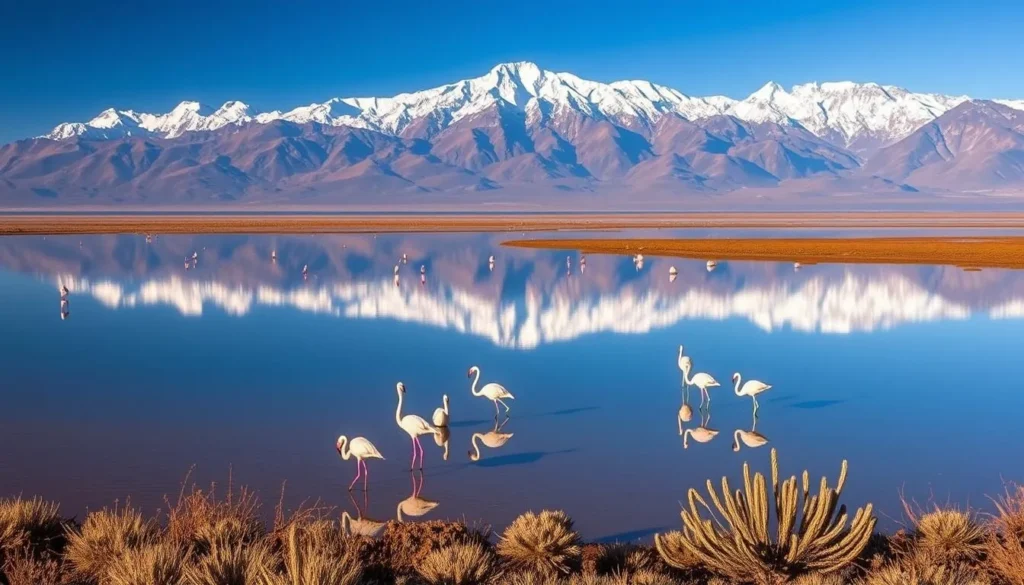
This beautiful lagoon is located 12 km north of Sajama village. It’s a great place for bird watching, where you can spot Andean avocets, horned coots, ruddy ducks, and many other species. The lagoon offers spectacular reflections of the surrounding mountains.
Trek the Tres Lagunas Trail
This 41 km trail takes you to three beautiful high-altitude lagoons: Casiri Macho, Sora Pata, and Chiar Kkota. The trek takes 8-12 hours but can be split into two days if you have proper camping equipment. Along the way, you’ll see abundant wildlife, especially around the lagoons.
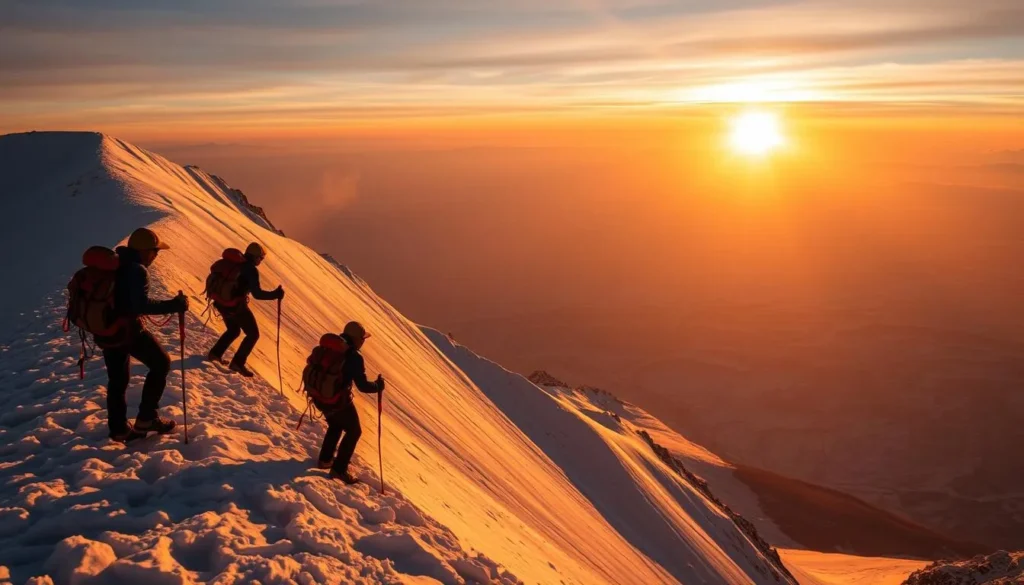
Climb a Volcano
For experienced mountaineers, climbing one of the park’s volcanoes is the ultimate challenge. Options include:
- Nevado Sajama (6,542 m/21,463′) – Bolivia’s highest peak, requiring a 2-3 day guided climb
- Parinacota (6,348 m/20,827′) – A challenging day hike with a guide
- Pomerape (6,282 m/20,610′) – More technically difficult than Parinacota
- Mt. Huisalla (5,053 m/16,578′) – A more accessible peak that can be climbed without a guide
Observe Wildlife
Sajama National Park is home to abundant wildlife, including llamas, alpacas, vicuñas, viscachas, Andean cats, pumas, and numerous bird species. Early morning and late afternoon are the best times for wildlife viewing.
Cultural Experience in Sajama
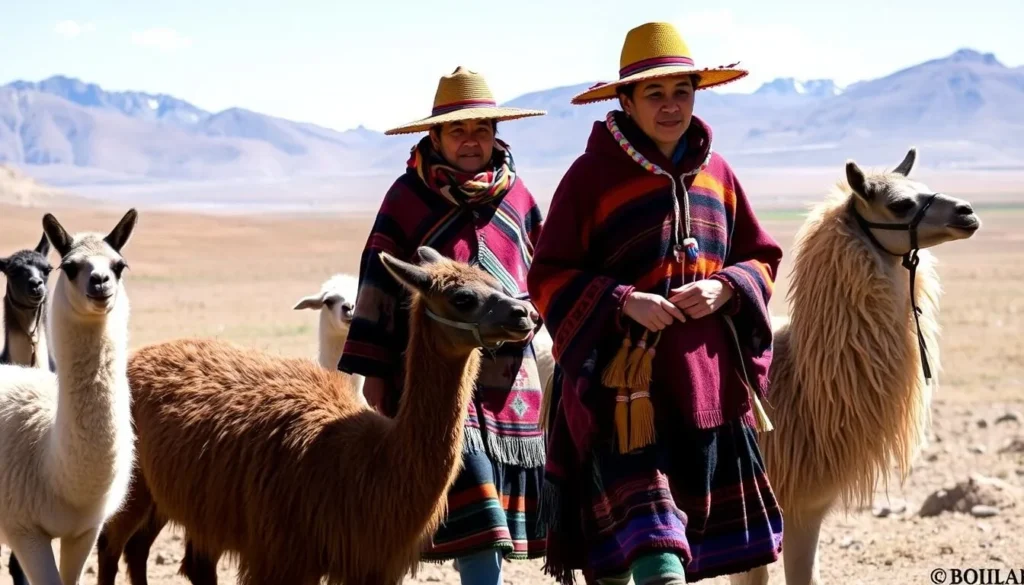
The population of Sajama National Park comprises small Aymaran communities who have lived in this rugged region for millennia. Interacting with the local people and learning about their way of life adds a rich cultural dimension to your visit.
Local Communities
It’s estimated that more than 300 indigenous families live inside the park’s catchment area. Most of their time is spent raising and herding livestock, using the wool of llamas and alpacas to yarn fabrics and weave beautiful textiles.
While the majority of Sajama’s indigenous communities still practice ancient customs and traditions, they increasingly merge their traditional lifestyle with modern approaches. Today, some local people make a living from the park’s growing ecotourism as well as from small commercial ventures such as handicrafts and textiles.
Cultural Sites
Don’t miss the opportunity to visit these cultural highlights:
- Sajama Lines – Mysterious geoglyphs similar to the Nazca Lines but less known
- Pre-hispanic archaeological sites scattered throughout the park
- Tomarapi’s cave paintings showcasing ancient indigenous art
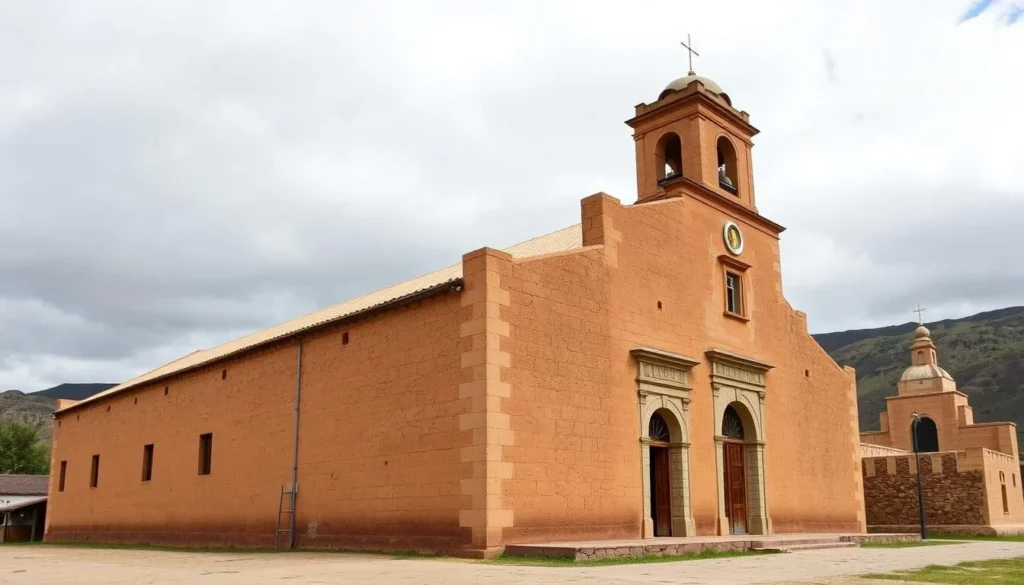
- The “Andean Sistine Chapel” – a beautiful colonial church located in Curahuara de Carangas
Practical Travel Tips for Sajama National Park
To ensure a safe and enjoyable visit to Sajama National Park, keep these essential tips in mind:
Altitude Considerations
Sajama National Park is situated at altitudes over 4,000 meters (13,123′), so altitude sickness is a real concern. Spend a day or two acclimatizing in La Paz or another high-altitude location before undertaking any strenuous activity in the park.
Altitude Sickness Prevention: Stay hydrated, avoid alcohol, eat light meals, and consider taking altitude sickness medication like Diamox. Descend to lower elevation immediately if you experience severe symptoms.
What to Pack
Due to the harsh climate and extreme temperature fluctuations, proper packing is essential:
- Layered clothing (temperatures can range from -10°C to 22°C/14°F to 72°F in a single day)
- Warm hat, gloves, and thermal underwear
- High-quality sunglasses (UV protection is crucial at high altitudes)
- Sunscreen (SPF 50+) and lip balm with sun protection
- Sturdy hiking boots with ankle support
- Headlamp or flashlight (electricity can be unreliable)
- First aid kit including altitude sickness medication
- Sufficient cash (no ATMs in the park)
Food and Water
Food options in Sajama village are limited. Most accommodations offer meals, which is often the best option. Prices for food and drinks in the park are approximately twice as expensive as in nearby towns. Budget around 25 Bs ($4 US) per day for meals.
Always carry plenty of water and some snacks when hiking. Bottled water is available in the village, but consider bringing a water filter or purification tablets for longer treks.
Communication
Cell phone coverage in Sajama National Park is limited and unreliable. Inform someone of your itinerary before heading out on remote trails, especially if hiking or climbing independently.
Why Sajama National Park Should Be on Your Bolivia Itinerary
Sajama National Park offers a perfect combination of natural wonders, adventure opportunities, and cultural experiences far from the tourist crowds. From soaking in hot springs beneath star-filled skies to trekking across vast plains where vicuñas roam freely, this hidden gem showcases Bolivia at its most magnificent.
Whether you’re an adventure seeker looking to climb Bolivia’s highest peak, a nature enthusiast hoping to spot rare Andean wildlife, or a cultural explorer interested in ancient indigenous traditions, Sajama National Park delivers unforgettable experiences in one of South America’s most spectacular settings.
As you plan your journey to Bolivia, make sure to allocate at least 2-3 days to fully appreciate the wonders of Sajama. The effort to reach this remote paradise will be rewarded with memories that last a lifetime and experiences few travelers can claim to have had.
The above is subject to change.
Check back often to TRAVEL.COM for the latest travel tips and deals.
0 Comments