Hotels by Trip.com
Flights by Trip.com
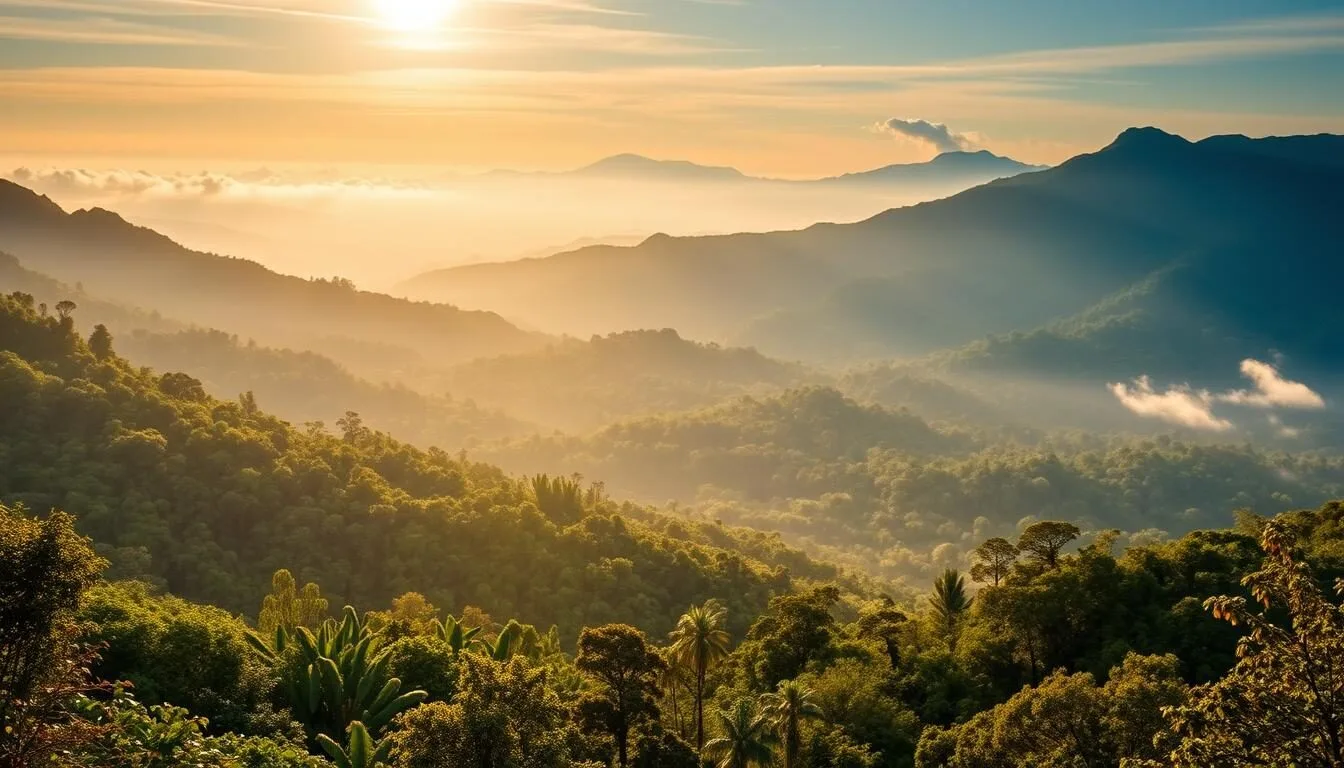
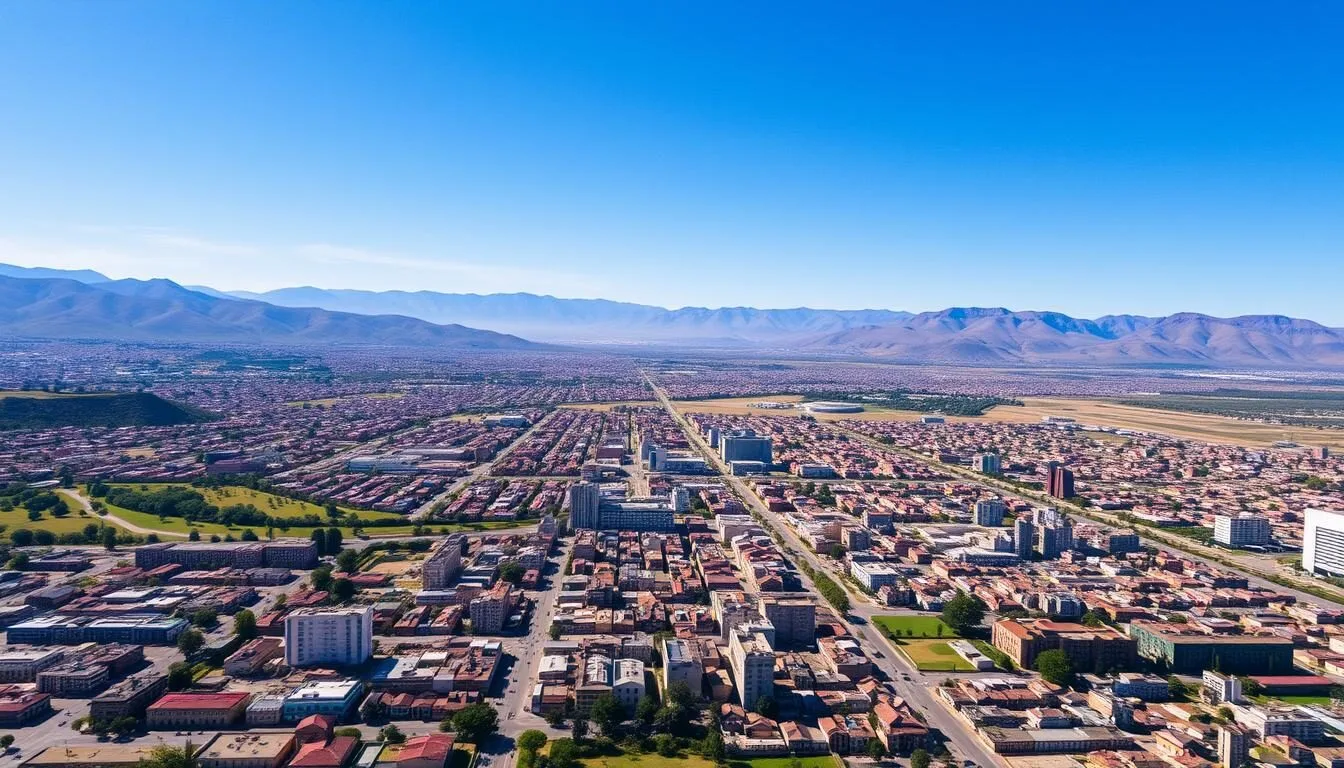
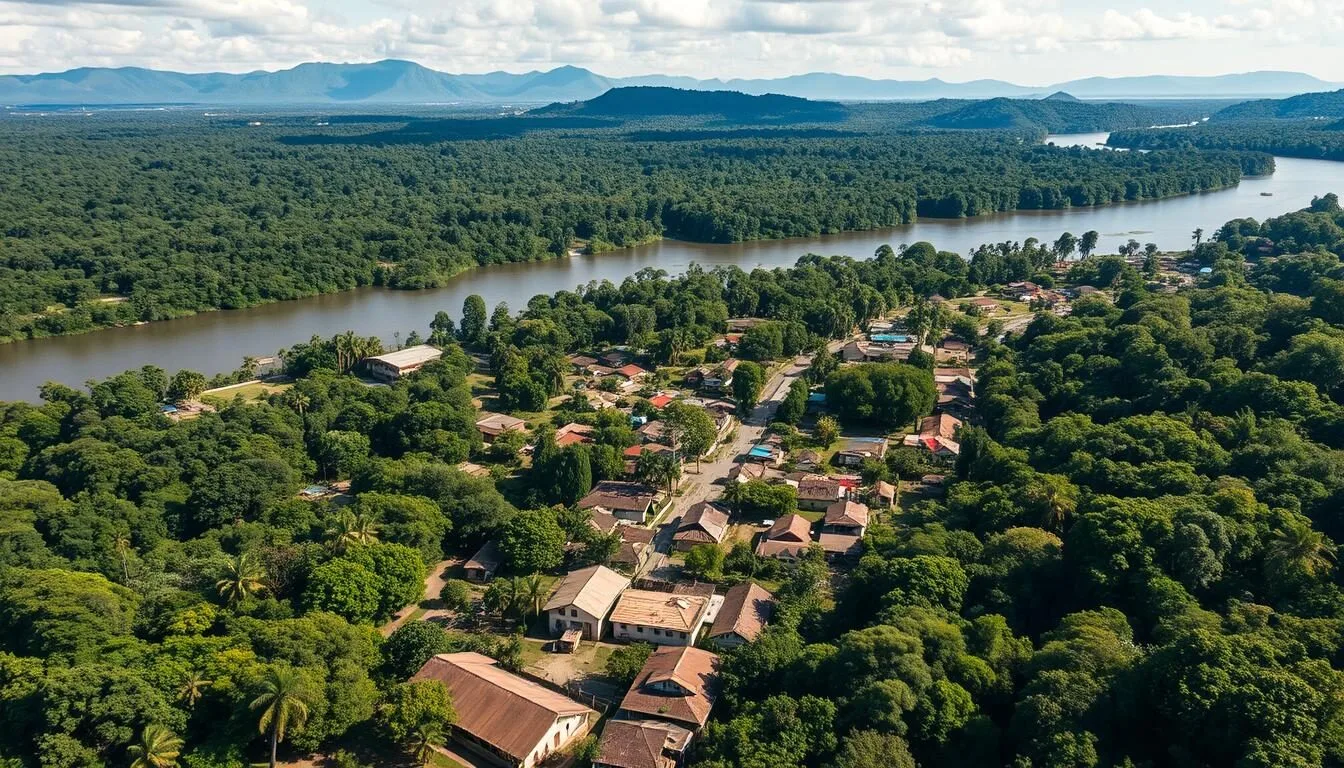
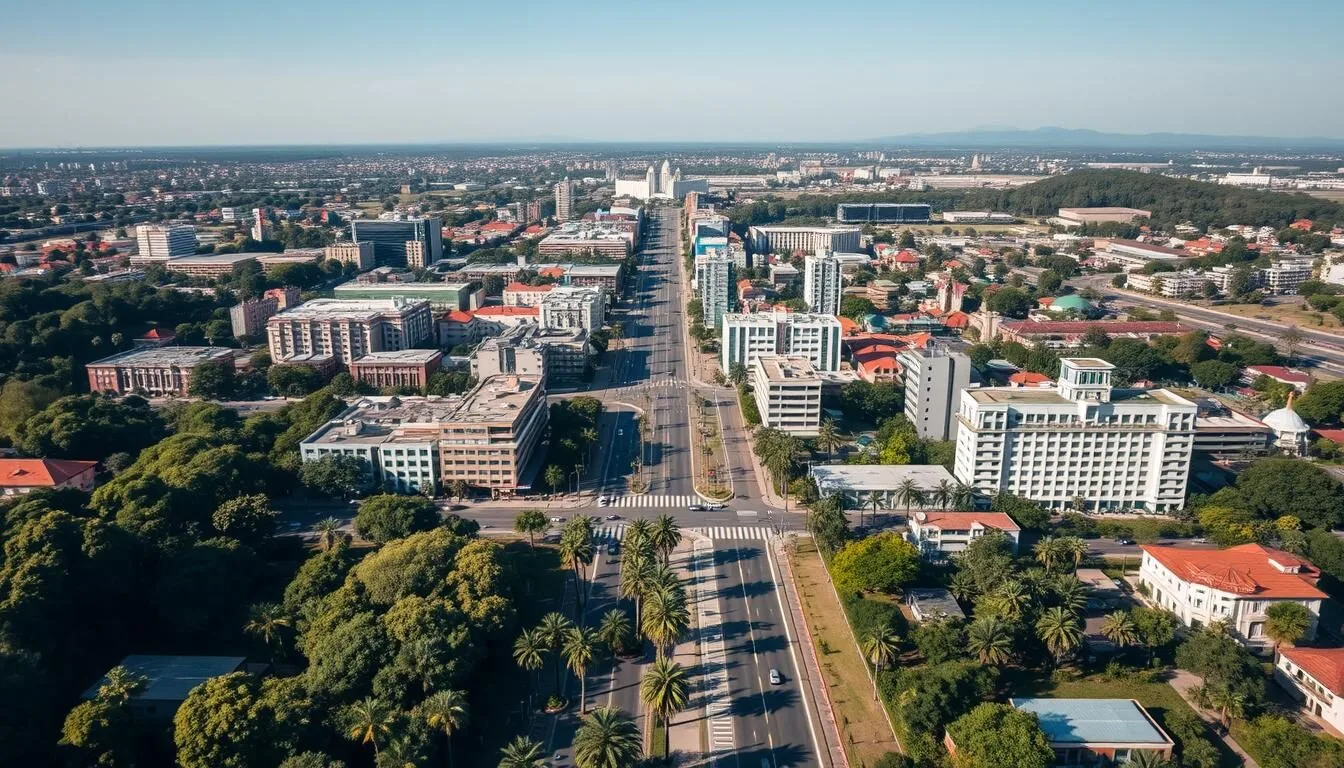
Did you know Santa Cruz de la Sierra is Bolivia’s fastest-growing city and the gateway to 7 national parks, including Noel Kempff Mercado (a UNESCO site)? Unlike the high-altitude cities of La Paz and Potosí, Santa Cruz sits at a comfortable 416 meters (1,365 feet) above sea level, offering visitors a tropical climate and a completely different side of Bolivia that many travelers miss. This vibrant metropolis combines modern amenities with access to some of South America’s most pristine wilderness areas, making it an ideal destination for both city explorers and nature enthusiasts.
Getting There & Planning Your Journey
Santa Cruz is served by Viru Viru International Airport (VVI), Bolivia’s largest and most modern airport. Direct flights connect Santa Cruz to major South American cities, as well as some destinations in North America and Europe. From La Paz, the flight takes approximately one hour, offering stunning views of the Andes Mountains and Amazon Basin below.
If you’re already in Bolivia, you can reach Santa Cruz by bus from major cities like La Paz (15-16 hours), Cochabamba (10 hours), or Sucre (12 hours). However, given the long distances and mountainous terrain, flying is recommended if your budget allows.
Most travelers need a tourist visa to enter Bolivia. Citizens of many countries can obtain a visa on arrival at Viru Viru International Airport, but it’s best to check the latest requirements with your nearest Bolivian embassy or consulate. The Bolivian boliviano (BOB) is the local currency, and while credit cards are accepted at larger establishments in Santa Cruz, it’s advisable to carry cash for smaller vendors, markets, and transportation.
Best Time to Visit Santa Cruz
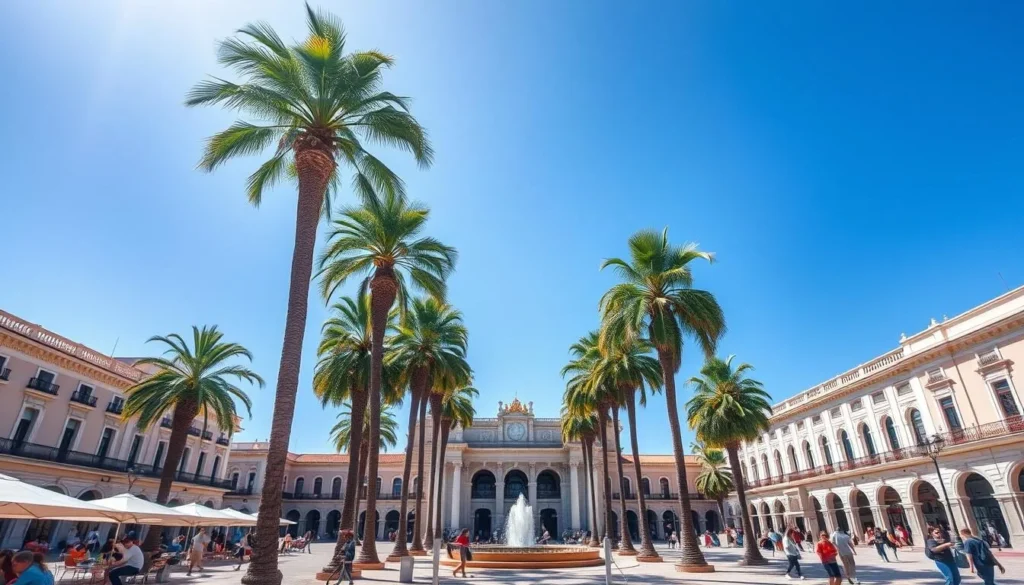
Unlike Bolivia’s highland cities, Santa Cruz enjoys a tropical climate with warm temperatures year-round. The city experiences two distinct seasons: a dry season and a rainy season.
| Season | Months | Temperature | Precipitation | Recommendation |
| Dry Season (Best) | May to October | 21-30°C (70-86°F) | Low | Ideal for all activities |
| Rainy Season | November to April | 24-33°C (75-91°F) | High | Good for lush landscapes, but some trails may be inaccessible |
| Peak Tourist Season | July to August | 20-28°C (68-82°F) | Very Low | Busier but perfect weather |
| Shoulder Season | May, September | 21-30°C (70-86°F) | Low | Good balance of weather and fewer crowds |
The best time to visit Santa Cruz is during the dry season from May to October when days are sunny and rainfall is minimal. This period is ideal for exploring outdoor attractions like Amboró National Park and Lomas de Arena. If you’re planning to visit during the rainy season (November to April), be prepared for afternoon thunderstorms and higher humidity, though mornings are typically clear.
September is an excellent month to visit as the city celebrates its founding anniversary with numerous cultural events, food fairs, and the massive Expocruz international fair, which attracts visitors from across South America.
Getting Around Locally
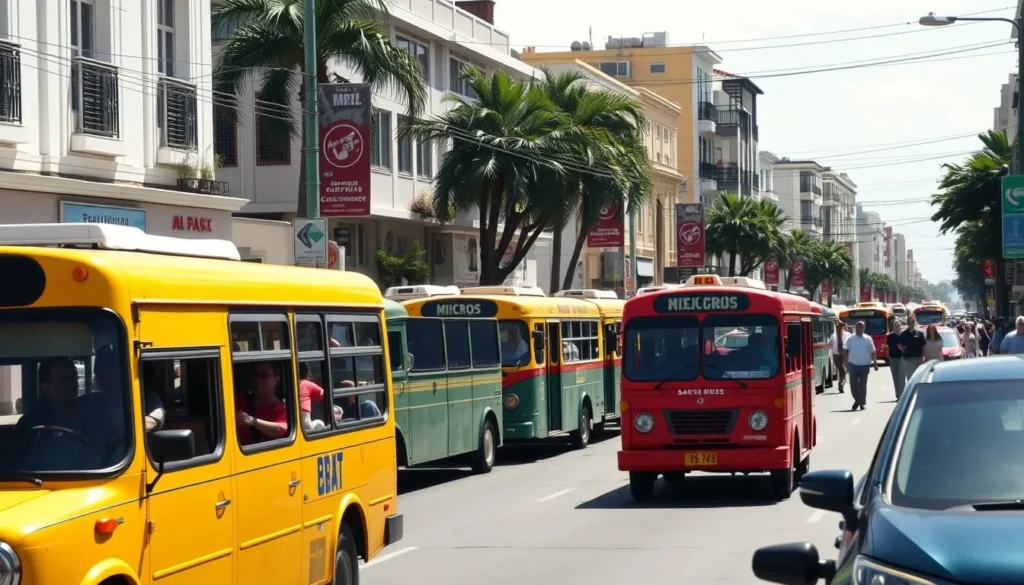
Santa Cruz is built in concentric rings (anillos) that make navigation relatively straightforward once you understand the system. The city center is located within the first ring, with seven rings extending outward. Most tourist attractions are located within the first four rings.
Transportation Options:
Taxis
Taxis are abundant and relatively inexpensive in Santa Cruz. Look for official white taxis with a number on the side. Always agree on a price before starting your journey, as most taxis don’t use meters. A typical ride within the city costs between 15-30 BOB (2-4 USD).
Ride-sharing Apps
Uber and local app PedidosYa operate in Santa Cruz and are often more convenient than traditional taxis. They offer fixed prices and eliminate language barriers for international visitors.
Micros (Mini-buses)
These small buses run on fixed routes throughout the city and are the cheapest way to get around, costing just 2-3 BOB (0.30-0.45 USD) per ride. Look for the route number displayed on the windshield. Be prepared to shout your destination when you want to get off.
Rental Cars
If you plan to explore areas outside the city, renting a car gives you the most flexibility. International agencies like Avis and Hertz have offices at the airport, as do local companies with more competitive rates.
For first-time visitors, the city center (within the first ring) is best explored on foot. The main plaza, Plaza 24 de Septiembre, is pedestrian-friendly and connects to most historical sites. For longer distances or day trips to attractions like Biocentro Güembé or Lomas de Arena, taxis or organized tours are recommended.
Where to Stay
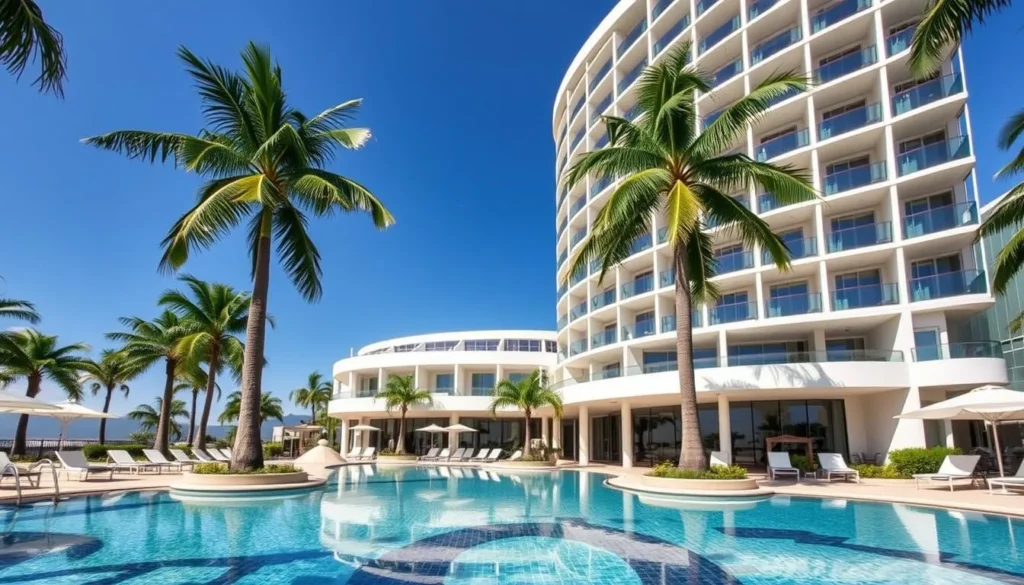
Santa Cruz offers a wide range of accommodation options to suit every budget and preference. The city’s hotel scene has expanded significantly in recent years, with international chains and boutique properties opening alongside traditional guesthouses.
Best Areas to Stay:
City Center (Casco Viejo)
Staying within the first ring puts you within walking distance of the main plaza, cathedral, museums, and restaurants. This area is ideal for first-time visitors who want to be close to historical attractions.
Price range: 150-400 BOB ($22-58 USD) per night
Equipetrol
This upscale neighborhood between the second and third rings is home to Santa Cruz’s best restaurants, cafes, and nightlife. It’s a safe area with many mid-range and luxury hotels.
Price range: 250-700 BOB ($36-100 USD) per night
Northern Zone
The area between the airport and the city offers newer hotels with more amenities like swimming pools and gardens. It’s quieter than the center but requires transportation to reach attractions.
Price range: 200-500 BOB ($29-72 USD) per night
Accommodation Types:
Boutique Hotels
Santa Cruz has several charming boutique hotels that offer personalized service and unique design. Many are converted colonial buildings with interior courtyards and swimming pools. Cosmopolitano Hotel Boutique and LP Santa Cruz Hotel are excellent options.
International Chains
Major hotel chains like Marriott, Radisson, and Hilton have properties in Santa Cruz, primarily in the Equipetrol area. These offer reliable standards and amenities like fitness centers and business facilities.
Budget Hostels
For budget travelers, several hostels offer dormitory beds and private rooms at affordable rates. Most are located near the city center and provide basic amenities like free Wi-Fi and communal kitchens.
Aparthotels
Extended-stay options with kitchenettes are popular with business travelers and families. These offer more space and the convenience of self-catering facilities.
During peak tourist season (July-August) and local festivals like the September Expocruz fair, accommodation prices can increase by 30-50%, and availability becomes limited. It’s advisable to book at least a month in advance if you’re visiting during these periods.
Dining & Local Cuisine
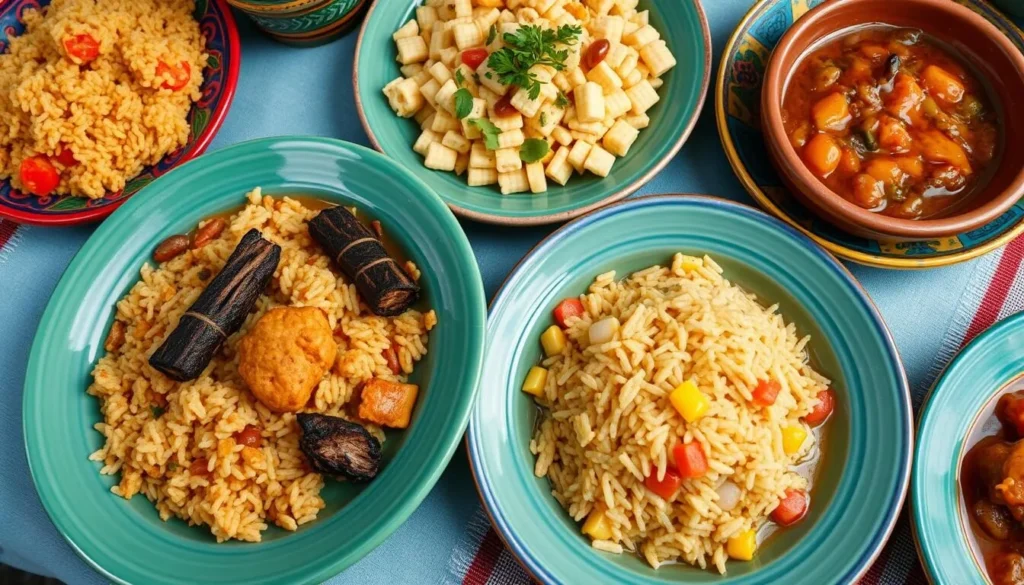
Santa Cruz offers a culinary experience distinct from Bolivia’s highland regions. The local cuisine, known as “comida camba,” reflects the tropical climate and agricultural abundance of the region, with an emphasis on grilled meats, yuca (cassava), plantains, and rice.
Must-Try Local Dishes:
Majadito
A colorful rice dish cooked with charque (dried meat), eggs, plantains, and yuca. It’s seasoned with local spices and often served with a fried egg on top.
Locro
A hearty corn stew with chicken, beef, or pork, flavored with cumin and oregano. It’s typically served with rice and a fresh salad.
Cuñapé
Small cheese bread rolls made with yuca flour and cheese. They’re a popular breakfast item or snack, best enjoyed warm from the oven.
Where to Eat:
Traditional Restaurants
For authentic local cuisine, head to Casa del Camba or El Aljibe, both of which serve traditional dishes in rustic settings. These restaurants often feature live music and cultural performances.
Market Dining
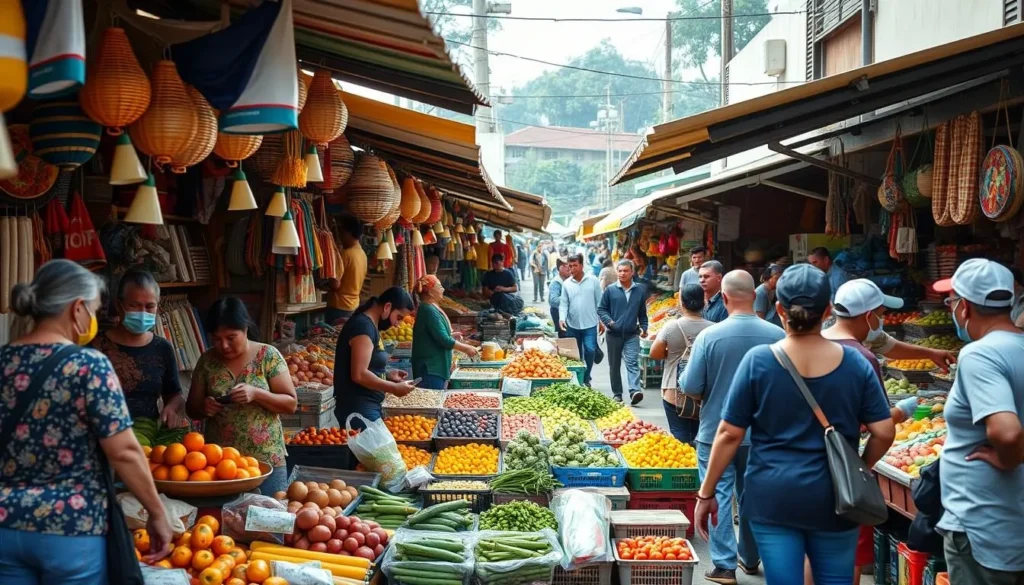
The Mercado Los Pozos and Mercado Nuevo offer inexpensive food stalls serving local specialties. This is where locals eat and provides an authentic culinary experience.
International Options
Santa Cruz has a growing international food scene, with restaurants serving everything from Italian and Japanese to Lebanese and American cuisine. The Equipetrol neighborhood has the highest concentration of upscale international restaurants.
Cafés and Bakeries
The city has excellent cafés serving Bolivian coffee and pastries. Try the achachairú, a local fruit that’s only found in this region of Bolivia, often served in juices and desserts.
Dining in Santa Cruz is generally inexpensive compared to North American or European standards. A meal at a mid-range restaurant costs around 50-80 BOB ($7-12 USD) per person, while street food and market meals can be had for as little as 15-25 BOB ($2-4 USD).
Tip: Many restaurants in Santa Cruz offer a set lunch menu called “almuerzo” that includes a soup, main course, dessert, and drink for a fixed price (typically 25-40 BOB). This is an excellent way to try local cuisine at a reasonable price.
Attractions, Sightseeing & Activities
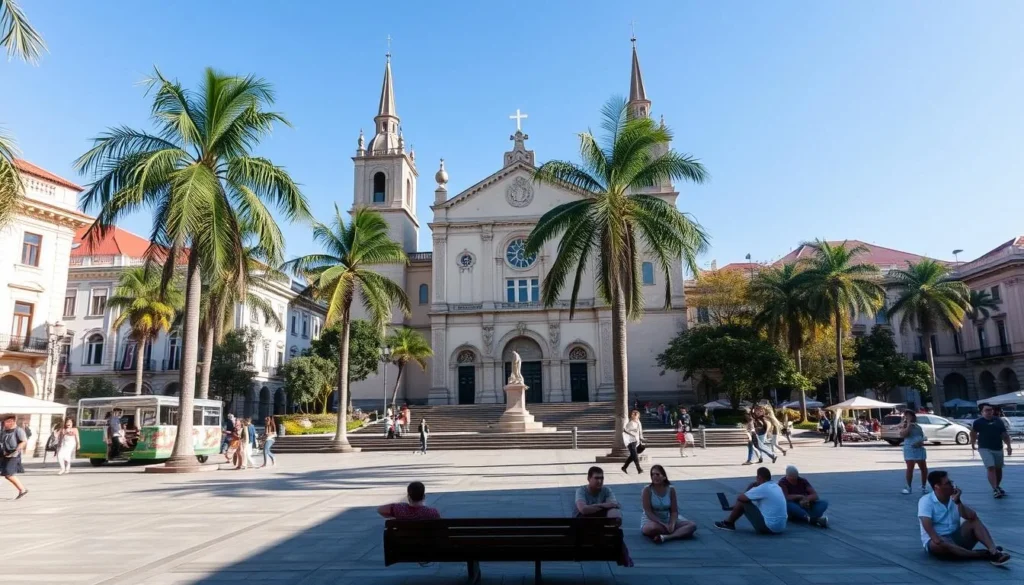
Santa Cruz offers a diverse range of attractions, from its historic city center to natural wonders just a short drive away. Here are the top sights and activities you shouldn’t miss:
City Attractions:
Plaza 24 de Septiembre
The main square is the heart of Santa Cruz, surrounded by the cathedral, government buildings, and restaurants. It’s a lively gathering place for locals and visitors alike, especially in the evenings when families come out to socialize.
Cathedral Basilica of St. Lawrence
This impressive cathedral on the main plaza dates back to the 17th century. Climb the bell tower for panoramic views of the city (entrance fee: 3 BOB).
Manzana Uno Art Gallery
Located near the cathedral, this cultural center showcases contemporary Bolivian art in a beautifully restored colonial building. Admission is free, and the gallery often hosts events and workshops.
Santa Cruz Zoo
Home to over 2,000 animals, including many species native to Bolivia. The zoo focuses on conservation and education about Bolivia’s diverse wildlife.
Noel Kempff Museum of Natural History
This small but fascinating museum displays specimens of birds, animals, and fossils native to Bolivia, including an impressive mastodon skull with 7-foot tusks.
Local Markets
Mercado Los Pozos and Mercado Nuevo offer a glimpse into daily life in Santa Cruz. Browse handicrafts, tropical fruits, and local products while practicing your bargaining skills.
Natural Attractions:

Biocentro Güembé Mariposario
This ecological park 15 minutes from the city center features Bolivia’s largest butterfly sanctuary, aviary, and orchid collection. The complex also has swimming pools and restaurants, making it perfect for a full day out.
Entrance fee: 140 BOB ($20 USD)
Botanical Garden
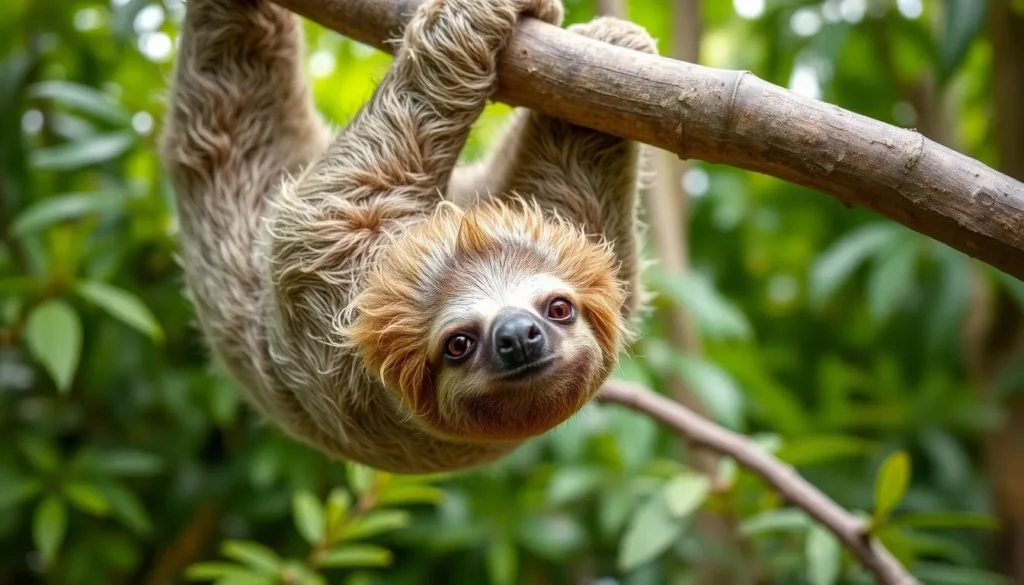
Located on the eastern outskirts of Santa Cruz, the botanical garden preserves native plant species and provides a habitat for wildlife like sloths, monkeys, and turtles. It has several walking trails through different ecosystems.
Entrance fee: 10 BOB ($1.50 USD)
Lomas de Arena Regional Park
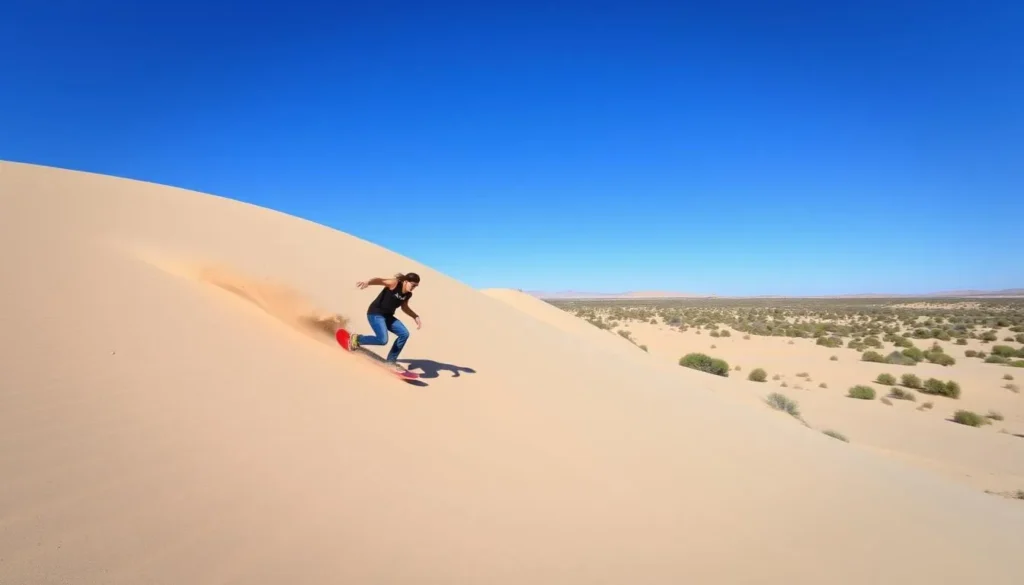
Just 25 km (16 miles) from the city, this surprising desert landscape features massive sand dunes surrounded by forest and a lagoon. It’s popular for sandboarding and wildlife spotting.
Entrance fee: 20 BOB ($3 USD)
Day Trips from Santa Cruz
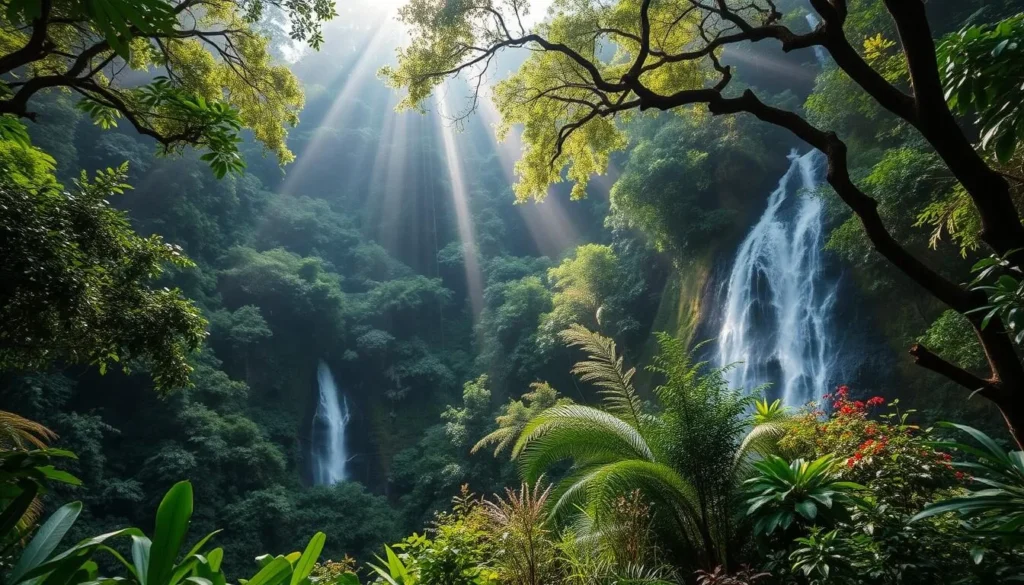
Santa Cruz’s location makes it an excellent base for exploring some of Bolivia’s most spectacular natural areas. These destinations can be visited as day trips, though some deserve a longer stay if your schedule allows:
Amboró National Park
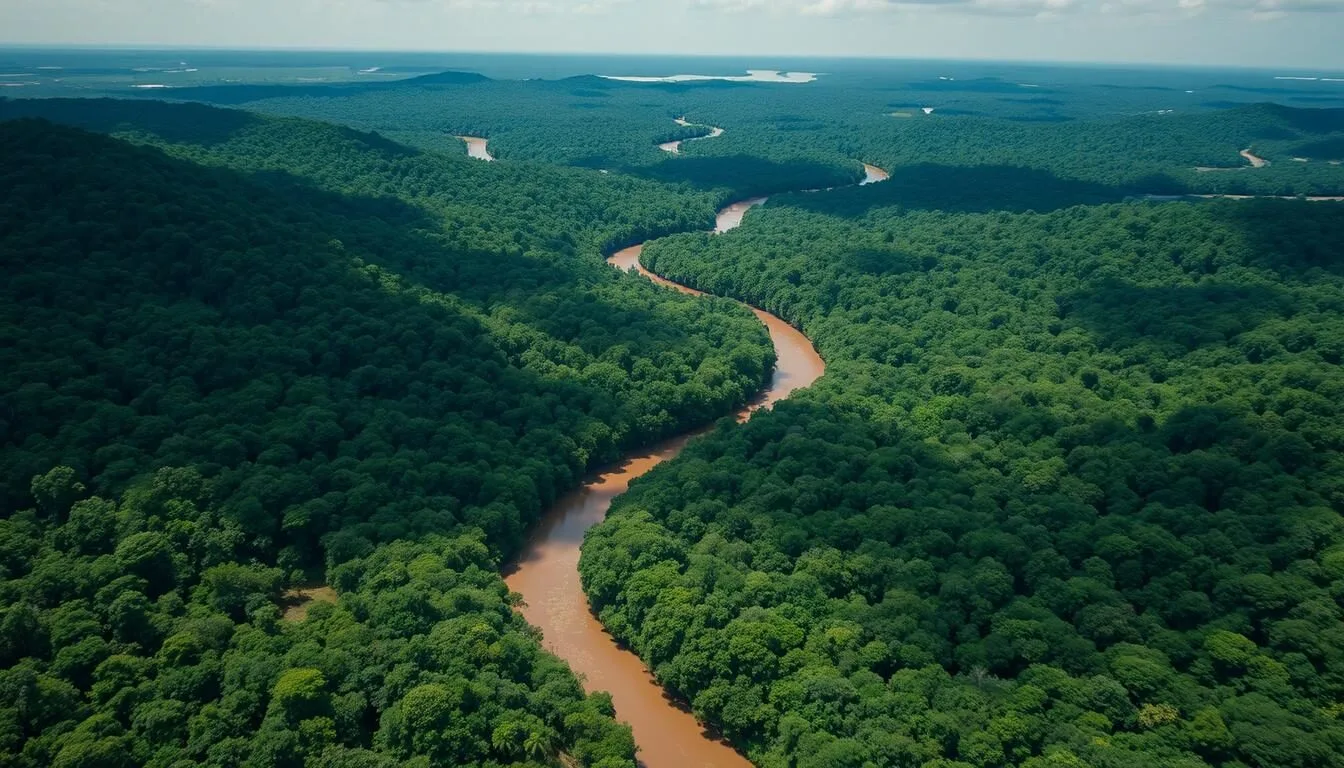
Located just 40 km (25 miles) from Santa Cruz, this biodiverse park sits at the intersection of the Amazon Basin, the Chaco region, and the Andes foothills. It’s home to over 900 bird species, monkeys, jaguars, and spectacled bears. Day tours from Santa Cruz include transportation, guide, and meals.
Tour cost: 520-830 BOB ($75-120 USD)
Samaipata
This charming village 120 km (75 miles) from Santa Cruz is known for its pleasant climate and relaxed atmosphere. Nearby is El Fuerte, a pre-Columbian archaeological site with mysterious stone carvings. The area also features beautiful waterfalls and hiking trails.
Bus fare: 30-40 BOB ($4-6 USD) each way
Buena Vista
A small town that serves as another gateway to Amboró National Park. It offers easier access to the park’s northern, more tropical section. The town itself has a peaceful main square and several eco-lodges.
Distance: 100 km (62 miles) from Santa Cruz
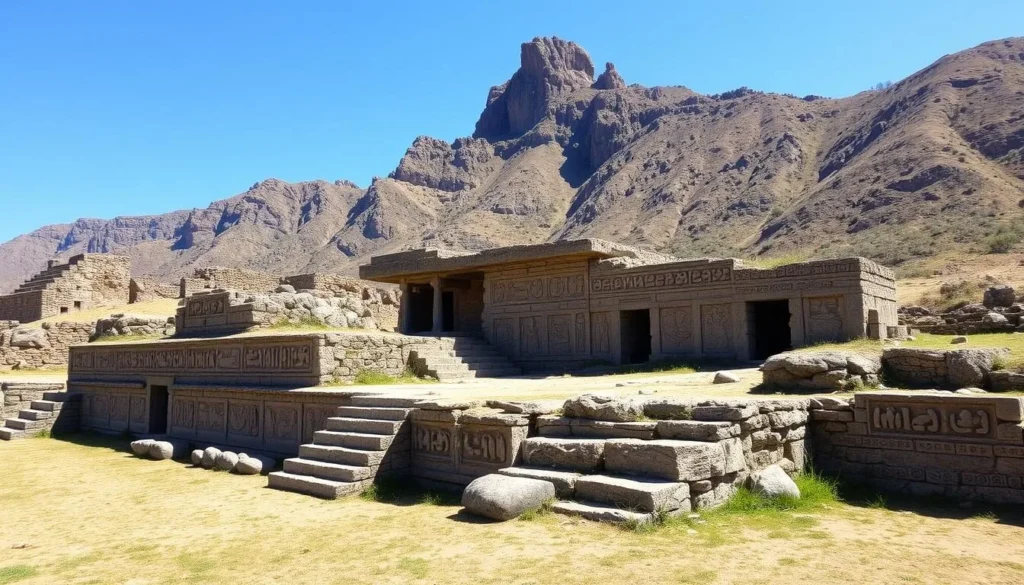
For those with more time, consider extending your trip to visit Noel Kempff Mercado National Park, a UNESCO World Heritage site located in the northeast of Santa Cruz department. This remote park features table mountains, waterfalls, and pristine forests, but requires a multi-day expedition to visit properly.
Note: When visiting national parks, it’s mandatory to go with a certified guide. Most hotels and travel agencies in Santa Cruz can arrange tours with transportation, guides, and necessary permits.
Museums, Cultural Spots & Festivals
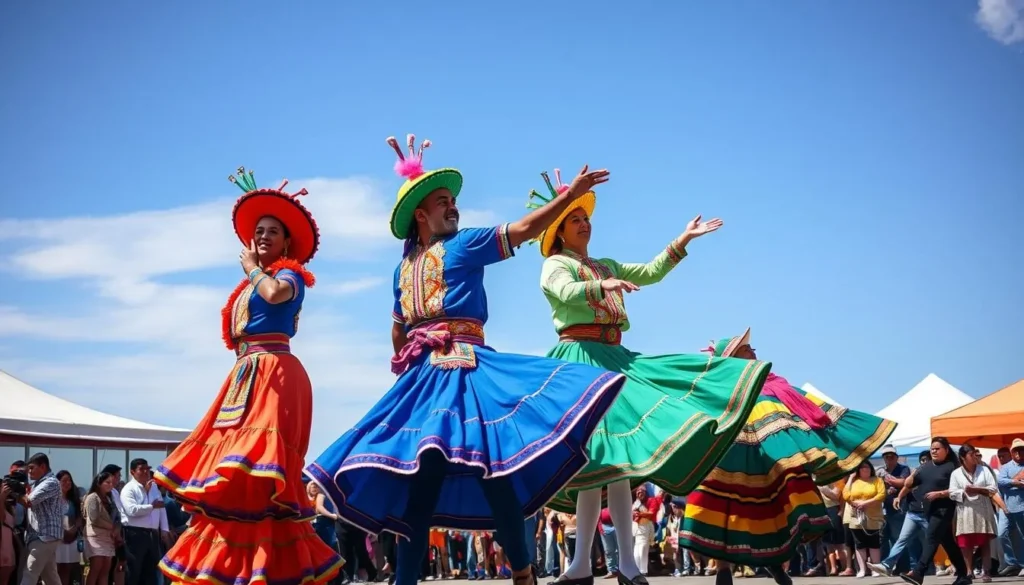
Santa Cruz has a rich cultural heritage that blends indigenous traditions with Spanish colonial influence and modern urban life. The city’s museums, cultural centers, and festivals offer insights into this unique cultural mix.
Museums and Cultural Centers:
Museum of Sacred Art
Located inside the Cathedral, this museum displays religious artifacts, paintings, and sculptures from the colonial period. The collection includes works by master artists from the “Escuela Cruceña” (Santa Cruz School) of painting.
Regional History Museum
Housed in a colonial building near the main plaza, this museum traces the history of Santa Cruz from pre-Columbian times to the present, with exhibits on indigenous cultures, the colonial period, and the city’s development.
Guaraní Museum
This small but informative museum focuses on the Guaraní people, one of Bolivia’s largest indigenous groups. Exhibits include traditional crafts, ceremonial masks, and information about Guaraní culture and history.
Major Festivals:
Expocruz (September)
South America’s largest agricultural and industrial fair takes place in Santa Cruz for 10 days in late September. The event includes livestock exhibitions, commercial pavilions, cultural performances, and a vibrant fairground atmosphere.
Foundation Day (September 24)
The city celebrates its founding with parades, concerts, and cultural events throughout September, culminating on the 24th. This is an excellent time to experience local pride and traditions.
Carnival (February/March)
While not as famous as Oruro’s carnival, Santa Cruz puts on a colorful celebration with parades, music, and water fights. The festivities last for several days before Ash Wednesday.
San Juan Festival (June 23-24)
This traditional festival celebrates the winter solstice with bonfires, traditional foods, and folkloric dances. People jump over fires for good luck in a tradition that blends Catholic and indigenous elements.
Santa Cruz also has a vibrant contemporary arts scene, with galleries like Manzana Uno and the Centro Cultural Santa Cruz hosting exhibitions, concerts, and performances throughout the year. Check local listings or ask at your hotel about current cultural events during your visit.
Sports, Nature & Outdoor Experiences
Santa Cruz’s tropical location and proximity to diverse ecosystems make it an excellent destination for outdoor enthusiasts. From adrenaline-pumping adventures to peaceful nature walks, there’s something for every type of traveler.
Adventure Activities:
Sandboarding
The sand dunes of Lomas de Arena offer perfect conditions for sandboarding. Equipment rental and lessons are available on-site, making this an accessible activity even for beginners.
Hiking
Amboró National Park has numerous hiking trails ranging from easy walks to challenging multi-day treks. The park’s incredible biodiversity makes every hike a chance to spot unique wildlife and plant species.
Mountain Biking
The foothills around Santa Cruz offer excellent mountain biking terrain. Several operators offer guided rides with equipment rental, suitable for different skill levels.
Nature Experiences:
Wildlife Watching
The Botanical Garden and Biocentro Güembé offer opportunities to spot sloths, monkeys, turtles, and numerous bird species in semi-natural environments close to the city.
Bird Watching
Santa Cruz department is a paradise for bird watchers, with over 1,000 species recorded. The transition zone between the Andes and Amazon in Amboró National Park is particularly rich in bird diversity.
River Excursions
The Pirai River that runs through Santa Cruz offers kayaking and fishing opportunities. Further afield, the rivers of the Amazon Basin can be explored by boat tours from towns like Buena Vista.
Sports and Recreation:
Golf
Santa Cruz has several excellent golf courses, including the Las Palmas Country Club, which offers day passes for visitors. The tropical setting and well-maintained courses make for a pleasant golfing experience.
Swimming
Besides hotel pools, Santa Cruz has several recreational complexes with swimming pools, such as Playland water park. The Biocentro Güembé also features beautiful natural-style pools surrounded by tropical gardens.
When participating in outdoor activities, especially in protected areas, remember to follow responsible tourism practices: stay on designated trails, don’t feed wildlife, carry out all trash, and respect local communities and their customs.
Safety, Etiquette & Local Customs
Santa Cruz is generally considered one of Bolivia’s safer major cities, but as with any urban destination, it’s important to take basic precautions and be aware of local customs to ensure a smooth and enjoyable visit.
Safety Tips:
Local Etiquette:
Cultural Considerations:
Health Tip: Santa Cruz’s tropical climate means mosquitoes are present year-round. Use insect repellent, especially during dawn and dusk hours, to prevent mosquito-borne illnesses. Tap water is not safe to drink; stick to bottled or purified water.
Practical Travel Tips

These practical tips will help you navigate Santa Cruz more smoothly and make the most of your visit to this vibrant Bolivian city.
Communication:
Money Matters:
Practical Essentials:
Time-Saving Tips:
Conclusion
Santa Cruz de la Sierra offers visitors a side of Bolivia that many travelers miss. With its tropical climate, rich biodiversity, and blend of modern amenities and traditional culture, it’s a destination that rewards those willing to venture beyond the typical Andean tourist trail. Whether you’re exploring the lush wilderness of Amboró National Park, sandboarding on the dunes of Lomas de Arena, or simply enjoying the vibrant atmosphere of Plaza 24 de Septiembre, Santa Cruz provides a diverse array of experiences that showcase Bolivia’s eastern lowlands at their best.
The city serves as both a destination in its own right and a gateway to some of South America’s most pristine natural areas. By spending a few days in Santa Cruz, you’ll gain a more complete understanding of Bolivia’s geographic and cultural diversity, beyond the high-altitude attractions that dominate most itineraries. So pack your lightweight clothing, brush up on your Spanish phrases, and prepare to discover the tropical heart of Bolivia in Santa Cruz de la Sierra.