

You might be surprised to know that Brasilia, the capital city of Brazil, is home to a thriving Chinese food scene. With a unique blend of traditional Asian flavors and South American influences, the city’s Chinese cuisine has evolved dramatically in recent years.
As you explore the city’s best restaurants, you’ll discover a diverse range of options to suit every taste and budget. From upscale dining establishments to hidden gems near the University of Brasilia, the city’s culinary landscape is both delicious and convenient.
Experience the fascinating history of Chinese immigration to Brazil and how it has shaped the distinctive fusion cuisine found throughout the capital. Get ready to navigate the top Chinese culinary destinations in Brasilia with this comprehensive guide.
The Rise of Chinese Cuisine in Brazil
As you explore the culinary landscape of Brasilia, you’ll discover the significant impact of Chinese cuisine on Brazilian food culture. The foreign influence on Brazilian cuisine is a result of various migratory waves, including Chinese and Japanese immigrants who introduced new food items and cooking techniques.

Historical Background of Chinese Immigration to Brazil
Chinese immigration to Brazil dates back to the 19th century, but it wasn’t until the mid-20th century that Chinese cuisine began to make a significant impact on Brazilian food culture. The integration of Chinese cuisine into Brazilian society was facilitated by the establishment of Chinese restaurants, which initially catered to the Chinese community but eventually became popular among Brazilians.
- The early Chinese immigrants brought with them their culinary traditions, including various cooking techniques and ingredients that were new to Brazil.
- Chinese restaurants in Brazil have evolved from simple takeout establishments to sophisticated dining venues that showcase regional Chinese cuisines beyond the familiar Cantonese style.
- The growing popularity of Chinese cuisine in Brasilia reflects broader cultural shifts in Brazilian society, including increased global connectivity and appreciation for international culinary traditions.
Evolution of Chinese Restaurants in Brazilian Culture
The evolution of Chinese restaurants in Brazilian culture is a story of adaptation and fusion. Brazilian adaptations of Chinese dishes often feature local ingredients like hearts of palm, manioc, and tropical fruits that create unique flavor profiles you won’t find in traditional Chinese cooking.
- Chinese restaurants in Brasilia have become important social spaces where business deals are made, political connections are formed, and families gather for special occasions.
- The integration of Chinese restaurants into Brazilian culture accelerated in the 1980s and 1990s, coinciding with Brasilia’s growth as the administrative capital and its increasing cosmopolitan character.
- You can trace how Chinese culinary influence has expanded beyond restaurants into Brazilian home cooking, with ingredients like soy sauce, ginger, and stir-fry techniques becoming commonplace in domestic kitchens.
The rise of Chinese cuisine in Brazil is a testament to the country’s cultural diversity and its ability to adapt and incorporate foreign influences into its own culinary identity. As you continue to explore the culinary landscape of Brasilia, you’ll discover more about the unique fusion of Chinese and Brazilian flavors that make the city’s food scene so vibrant.
Chinese-Brazilian Fusion: A Unique Culinary Experience
The city’s Chinese-Brazilian fusion cuisine offers a distinct gastronomic adventure. You can experience the blend of traditional Chinese cooking techniques with the vibrant flavors of Brazil, creating a truly unique dining experience.
Traditional Chinese Techniques with Brazilian Ingredients
Chinese cuisine in Brasilia has evolved by incorporating local ingredients into traditional dishes, resulting in a fascinating fusion. You can enjoy Chinese dishes made with Brazilian ingredients like cassava, hearts of palm, and various local peppers, which add a unique twist to classic Chinese recipes.
Key Ingredients in Chinese-Brazilian Fusion:
| Ingredient | Chinese Dish | Brazilian Twist |
|---|---|---|
| Cassava | Used in some Chinese desserts | Used in bobó de camarão, a popular dish |
| Hearts of Palm | Not traditional in Chinese cuisine | Added to stir-fries and salads |
| Local Peppers | Szechuan peppers are traditional | Brazilian peppers add a unique heat |

Popular Fusion Dishes You Must Try
When exploring Chinese-Brazilian fusion, there are several dishes you shouldn’t miss. These include:
- Camarão Xadrez: A Brazilian adaptation of kung pao chicken, substituting shrimp for chicken and incorporating local peppers.
- Pastel Chinês: A fusion of the traditional Brazilian pastel with Chinese fillings like hoisin pork or five-spice beef.
- Rice dishes that combine Chinese fried rice techniques with Brazilian ingredients like calabresa sausage and collard greens.
- Brazilian-style spring rolls with local cheese, palm hearts, and dried beef, served with passion fruit or guava dipping sauces.
These dishes showcase the variety and creativity of Chinese-Brazilian fusion cuisine, offering a range of flavors and textures that cater to different tastes and preferences. You can enjoy these dishes at various price points, making it accessible to a wide range of diners.
Understanding Brasilia’s Culinary Landscape
Brasilia’s status as a diplomatic hub has significantly influenced its culinary landscape, making it a melting pot of global cuisines. This unique position has contributed to the city’s diverse food scene, with a particular emphasis on international cuisines, including Chinese food.
The Capital’s Diverse Food Scene
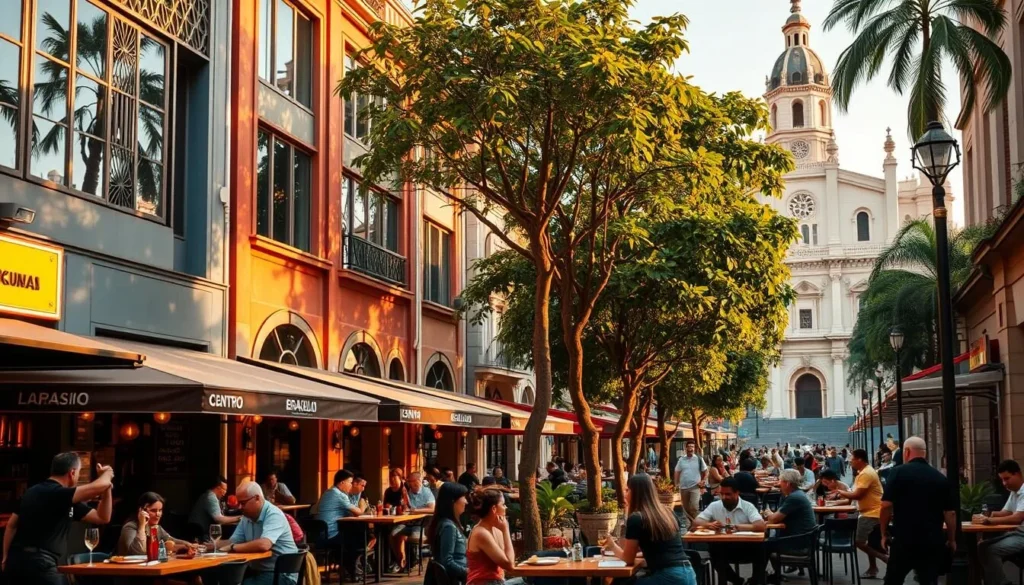
Brasilia’s culinary diversity is reminiscent of São Paulo, which is recognized as one of the world’s top gastronomic destinations, boasting over 9,000 restaurants and bars. While Brasilia may not match São Paulo’s numbers, it offers a distinct culinary experience shaped by its planned architecture and diplomatic status. The city’s food scene is characterized by a wide range of restaurants, including Chinese establishments that cater to various tastes and preferences.
The diversity in Brasilia’s food scene is also reflected in the strategic location of its restaurants. Many Chinese restaurants, for instance, are situated near government buildings, shopping centers, and residential areas, making them easily accessible. This planned distribution contributes to the convenience and variety that diners can enjoy in the city.
What Makes Brasilia’s Chinese Restaurants Special
Brasilia’s Chinese restaurants stand out due to several factors. Firstly, many of these establishments benefit from the city’s diplomatic status, with some employing chefs who have previously worked at Chinese embassies or international hotels. This brings an elevated level of culinary expertise to the city’s Chinese dining scene.
Additionally, the competitive nature of Brasilia’s dining scene pushes Chinese restaurants to maintain high standards of service and food quality. Many restaurants have developed signature dishes specific to Brasilia, creating a unique regional Chinese-Brazilian cuisine. The city’s pleasant year-round climate also allows for outdoor dining options, making these restaurants versatile spaces for various occasions.
The combination of authentic ingredients, maintained through connections with major Chinese communities in São Paulo and Rio de Janeiro, and the spacious dining rooms characteristic of Brasilia’s Chinese restaurants, enhances the overall dining experience. Whether you’re looking for a casual meal or a special occasion venue, Brasilia’s Chinese restaurants offer a compelling choice, blending traditional Chinese cuisine with local flavors and a welcoming atmosphere.
Palace Long Xiang: Brasilia’s Premier Chinese Dining Experience

Brasilia’s culinary scene is elevated by Palace Long Xiang, offering a premium Chinese dining experience. Established in 2001, this esteemed restaurant has been a benchmark for quality and authenticity in Chinese cuisine. As you step into Palace Long Xiang, you’re greeted by an atmosphere that seamlessly blends traditional Chinese elements with a touch of sophistication.
Signature Dishes and Specialties
Palace Long Xiang’s menu is a testament to the rich culinary heritage of China, with dishes that cater to a variety of tastes. You’ll find a range of options, from classic Cantonese dim sum to Szechuan hot pots, all prepared with fresh ingredients and attention to detail. The restaurant’s chefs are well-versed in traditional Chinese cooking techniques, ensuring that each dish is authentic and flavorful.
The menu at Palace Long Xiang offers a variety of dishes, including their signature Peking duck, which is roasted to perfection and served with pancakes and scallions. Other popular dishes include Kung Pao chicken, Cantonese-style roast pork, and a selection of fresh seafood delicacies. For those looking to explore beyond traditional Chinese cuisine, the restaurant also offers innovative fusion dishes that blend Chinese flavors with Brazilian ingredients.
Ambiance, Service, and Pricing
The ambiance at Palace Long Xiang is designed to transport you to China, with elegant decor that includes red lanterns, calligraphy scrolls, and carved wooden screens. The restaurant is spacious, comfortably seating up to 80 people across its dining area. The table arrangements are thoughtfully designed to accommodate both intimate dinners and larger group celebrations, making it suitable for various dining occasions.
The service staff at Palace Long Xiang are well-trained in formal Chinese dining etiquette, providing attentive yet unobtrusive service that enhances your dining experience. The price range for main dishes is between R$60-120, reflecting the restaurant’s upscale positioning. While it’s one of the more expensive Chinese dining options in Brasilia, the quality of food, ambiance, and service justifies the cost.
For special occasions or business meetings, Palace Long Xiang offers private dining rooms with personalized service and custom menu options. The restaurant also boasts an extensive wine list featuring both Brazilian and international selections, with staff trained to recommend appropriate pairings for Chinese cuisine.
Careca: Authentic Chinese Near University of Brasilia
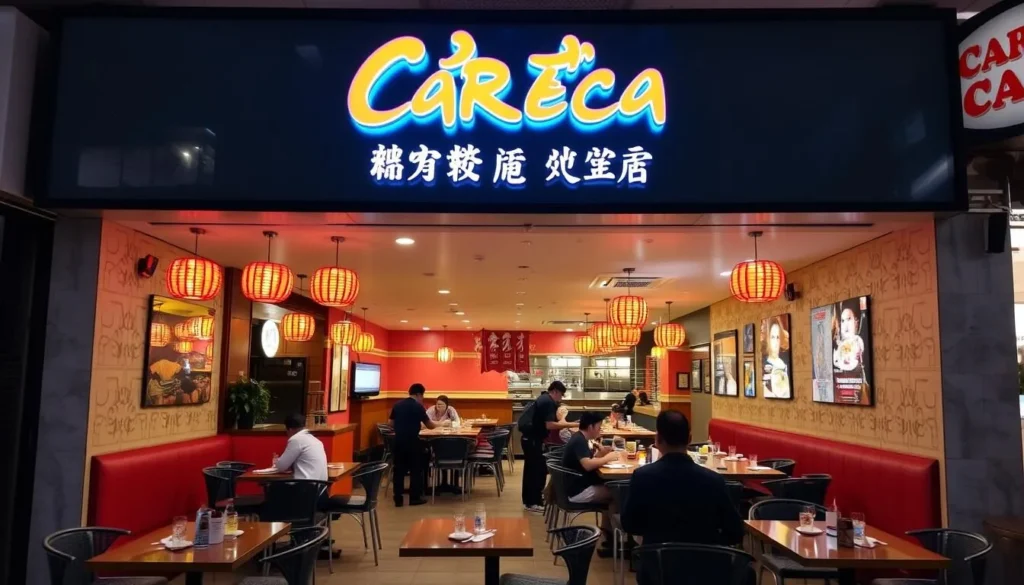
Near the University of Brasilia, Careca stands out as a premier destination for those seeking genuine Chinese cuisine without breaking the bank. This unassuming restaurant has become a staple for students and locals alike, offering a unique blend of authentic flavors and affordability.
Must-Try Dishes at Careca
Careca’s menu boasts a variety of traditional Chinese dishes that are sure to satisfy your cravings. The generous portions are ideal for sharing, making it a great value for your money. Some must-try options include their signature stir-fries, savory noodle dishes, and an array of authentic Chinese specialties. With most dishes priced between R$25-45, you can enjoy a satisfying meal without straining your budget.
The restaurant’s commitment to using fresh ingredients and traditional cooking techniques ensures that every dish is not only delicious but also authentic. Whether you’re in the mood for something spicy or prefer milder flavors, Careca’s diverse menu has something for everyone.
Student-Friendly Pricing and Atmosphere
One of Careca’s standout features is its student-friendly pricing. With most meals falling within the R$25-45 range, it’s an affordable option for students looking for a quality meal. The restaurant’s proximity to the University of Brasilia campus makes it a popular gathering spot, especially during lunch hours when the atmosphere is lively and casual.
The dining space is simple yet comfortable, with an unpretentious setting that focuses on the quality of the food rather than upscale ambiance. Careca is also wheelchair accessible, making it an inclusive option for all diners. While the service can be a bit slower during peak hours, the friendly staff and welcoming atmosphere more than make up for it.
In summary, Careca is an excellent choice for anyone seeking authentic Chinese cuisine near the University of Brasilia. With its large portions, affordable price, and welcoming atmosphere, it’s a must-visit destination for students and locals alike. Just be sure to plan your visit accordingly to avoid the crowds and enjoy the best possible service.
Kosui: Japanese-Chinese Fusion Excellence

With its unique Japanese-Chinese fusion menu, Kosui has established itself as a culinary gem in Brasilia. This award-winning restaurant, recognized as the best Japanese restaurant in 2005 for the fourth consecutive year, offers an exceptional dining experience.
Award-Winning Asian Cuisine
Kosui’s culinary excellence is reflected in its extensive fusion menu, which blends traditional Japanese and Chinese techniques with local ingredients. The attentive service staff are knowledgeable about both culinary traditions, ensuring that customers receive helpful guidance in navigating the menu. The restaurant’s commitment to quality is evident in its comprehensive beverage program, featuring sake, Japanese whisky, Chinese baijiu, and an international wine selection.
The menu at Kosui is designed to complement the fusion cuisine, with dishes that cater to a variety of tastes. The restaurant’s award-winning status is a testament to its dedication to providing an outstanding dining experience for its diverse clientele, including diplomats, business professionals, and culinary enthusiasts.
Location and Dining Experience
Located in the prestigious Academia de Tênis complex, Kosui is surrounded by other fine dining establishments, including Palace Long Xiang. The restaurant’s interior design combines Japanese minimalism with Chinese decorative elements, creating an elegant Asian-inspired atmosphere that enhances the dining experience.
With 100 seats, Kosui can accommodate both intimate dinners and larger gatherings. Reservations are recommended, especially for weekend evenings when the restaurant frequently reaches capacity. The service at Kosui is attentive and knowledgeable, contributing to a sophisticated yet comfortable dining atmosphere. The price range is upper-middle, with most main courses between R$50-90, reflecting the quality of ingredients and the restaurant’s award-winning status.
You’ll appreciate the opportunity to dine at Kosui, where the blend of Japanese and Chinese flavors, along with the restaurant’s upscale ambiance, creates a memorable experience for you and your guests.
Hidden Gems: Lesser-Known Chinese Restaurants in Brasilia
In the heart of Brasilia, the North and South Wings conceal some of the city’s best-kept Chinese culinary secrets. As you explore these areas, you’ll discover a range of exceptional Chinese restaurants that are beloved by locals but remain relatively unknown to tourists.
North Wing Discoveries
The North Wing is home to some remarkable Chinese eateries that are worth visiting. You can start by trying some of the authentic Chinese dishes at local favorites. Some standout options include:
- Panda House in SCLN104, which specializes in Cantonese barbecue and offers some of the best char siu (barbecued pork) and crispy duck in the city.
- Golden Dragon, a family-run restaurant that serves traditional Chinese cuisine with a focus on fresh ingredients and flavorful chicken dishes.
These North Wing establishments often feature a variety of regional Chinese cuisines, ensuring that you can experience the diversity of Chinese culinary traditions. Be sure to check out their menu options, which frequently include rice dishes prepared using traditional methods.

South Wing Treasures
The South Wing is another area where you can find hidden gems among Brasilia’s Chinese restaurants. Some top recommendations include:
- Shanghai Palace near Parque da Cidade, which offers an exceptional weekend dim sum service with steaming bamboo baskets filled with a variety of delicious dishes.
- Rice Bowl in SCLS209, known for their clay pot rice dishes that combine traditional Chinese preparation methods with locally sourced Brazilian ingredients.
These South Wing best restaurants are often characterized by their intimate settings, typically seating between 30-50 customers, which allows for personalized service and attention to detail in food preparation. As a result, you can expect to enjoy high-quality chicken and other dish options that showcase the richness of Chinese cuisine.
Brasilia, Brazil: Acclaimed Chinese Restaurants for Special Occasions
When it comes to celebrating special occasions in Brasilia, choosing the right restaurant can make all the difference. For those looking to impress their loved ones or colleagues, top-rated Chinese restaurants offer an excellent dining experience. In this section, we’ll explore the best options for a memorable night out.
Upscale Dining Experiences
For a luxurious dining experience, consider visiting one of the top-rated Chinese restaurants in Brasilia. These establishments offer a range of upscale amenities, including elegant decor, exceptional service, and exquisite cuisine. Some of the key features to look out for include private dining rooms, customized menus, and exceptional wine lists.
| Restaurant | Location | Price Range |
|---|---|---|
| Palace Long Xiang | Central Brasilia | $50-$100 per person |
| Careca | University Area | $30-$70 per person |
| Kosui | Lago Sul | $40-$80 per person |
When dining at one of these top-rated restaurants, be sure to make a reservation well in advance to ensure availability. You can expect attentive service from the waiters, who will work to ensure that your dining experience is nothing short of exceptional.
To make the most of your dining experience, consider the following tips: make a reservation at least two weeks in advance, inform the restaurant of any special occasions, and take advantage of their wine list.
Budget-Friendly Chinese Eateries in Brasilia
You can enjoy authentic Chinese cuisine in Brasilia without breaking the bank. The city offers a variety of budget-friendly Chinese restaurants that serve delicious food at affordable prices. Whether you’re a student or just looking for a quick, affordable meal, Brasilia’s Chinese eateries have something for everyone.
Where to Find Authentic Chinese Food Without Breaking the Bank
When looking for authentic Chinese food at a reasonable price, you have several options in Brasilia. Many Chinese restaurants offer a mix of traditional Chinese dishes and Brazilian favorites, catering to a wide range of tastes. For instance, you can try China Express in the Commercial Sector North, which provides rapid service and a streamlined menu of Chinese classics. This makes it perfect for a quick lunch between classes or a casual dinner.
| Restaurant | Average Price | Special Features |
|---|---|---|
| China Express | $10-$15 | Rapid service, Chinese classics |
| Careca | $12-$18 | Student discounts, generous portions |
Student Favorites Around University Areas
Around the University of Brasilia, you’ll find several Chinese restaurants that have become favorites among students. Careca remains the most popular, with its convenient location near UnB and menu items priced to accommodate student budgets. Many of these establishments offer special discounts with university ID cards, typically 10-15% off the total bill. The casual, welcoming atmosphere of these restaurants makes them popular gathering spots for study groups and student organizations.
These budget-friendly Chinese eateries understand student schedules, offering extended hours during exam periods and faster service options for those with limited break times. While primarily catering to students, they also attract university staff and faculty, creating a diverse academic community atmosphere that enhances the dining experience.
Chinese Desserts and Specialty Drinks in Brasilia
As you delve into the world of Chinese desserts and beverages in Brasilia, you’ll discover a unique blend of traditional and modern flavors. The city’s culinary scene offers a fascinating mix of Chinese and Brazilian influences, making for a truly exciting gastronomic experience.
Traditional Chinese Sweets with a Twist
Brasília’s restaurants have creatively adapted traditional desserts to incorporate local flavors. You can enjoy sweet treats like mooncakes filled with tropical fruit flavors or ice cream infused with Brazilian ingredients.
| Dessert | Description | Price |
|---|---|---|
| Coconut Mooncake | A traditional mooncake filled with coconut | $5 |
| Sesame Ice Cream | Creamy ice cream infused with sesame seeds | $4 |
Specialty Beverages
Brasília’s tea culture is thriving, with numerous tea houses offering a range of traditional and modern tea varieties. You can experience the art of Chinese tea-making and sample different brews.
Navigating Chinese Menus in Brasilia
To fully enjoy the Chinese dining experience in Brasilia, it’s essential to know how to navigate the menus effectively. Chinese restaurants in Brasilia offer a unique blend of traditional Chinese dishes and Brazilian adaptations, making the menu a fascinating yet sometimes confusing array of options.

Common Dishes and Their Brazilian Adaptations
Chinese menus in Brasilia often feature a mix of authentic Chinese dishes and local favorites. You might notice dishes like “frango ao molho de soja” (chicken in soy sauce) or “camarão à milanesa” (breaded shrimp), which blend Chinese cooking techniques with Brazilian ingredients. Understanding these fusion dishes can enhance your dining experience. For instance, “macarro” (macaroni) is sometimes used in place of traditional Chinese noodles, giving a Brazilian twist to classic Chinese dishes.
Some popular dishes you might find include “Feijoada à chinesa” (Chinese-style bean stew) or “Churrasco de carne com legumes” (grilled meat with vegetables). These dishes showcase the adaptability of Chinese cuisine in Brasilia, incorporating local flavors and ingredients. When ordering, you can ask your waiters, “Quais são os pratos mais populares?” (What are the most popular dishes?) to get recommendations on the best items on the menu.
Language Tips for Ordering Like a Local
Learning a few key Portuguese phrases can significantly enhance your Chinese dining experience in Brasilia. Many waiters may not speak English fluently, so being able to communicate in Portuguese can make a big difference. Start by asking, “Quais são os pratos mais populares?” (What are the most popular dishes?) to get insider recommendations from the waitstaff.
Familiarize yourself with Portuguese terms for common ingredients like “frango” (chicken), “camarão” (shrimp), “legumes” (vegetables), and “picante” (spicy). When ordering family-style, tell your server “Para compartilhar” (to share) so they can suggest appropriate portion sizes. If you have dietary restrictions, learn phrases like “Sem glúten” (gluten-free), “Vegetariano” (vegetarian), or “Sem amendoim” (no peanuts) to communicate your needs clearly.
You’ll also notice that many Chinese restaurants in Brasilia use numbers on their menus, making it easy to order by simply pointing or saying the number. Understanding that “à moda brasileira” (Brazilian style) on a menu typically indicates a dish has been adapted with local ingredients or preparation methods can help you distinguish between authentic Chinese recipes and fusion creations.
Best Areas in Brasilia for Chinese Cuisine
The search for authentic Chinese cuisine in Brasilia leads to some surprising and delightful discoveries throughout the city. As you explore the capital, you’ll find that certain neighborhoods stand out for their concentration of Chinese restaurants, each offering a unique dining experience.
Lago Sul Neighborhood Highlights
Lago Sul is one of Brasilia’s upscale neighborhoods, known for its serene lakeside environment and sophisticated dining options. Here, you’ll discover Chinese restaurants that blend traditional cuisine with modern twists, catering to a discerning clientele. These establishments often feature a serene ambiance, making them ideal for a leisurely dinner or a special occasion. The chefs in Lago Sul’s Chinese restaurants are known for their creativity, incorporating fresh vegetables and locally sourced ingredients into traditional Chinese dishes.
One of the highlights of dining in Lago Sul is the opportunity to enjoy Chinese cuisine in a refined setting, often with views of the surrounding landscape. Whether you’re in the mood for a classic dish like Kung Pao chicken or something more innovative, Lago Sul’s Chinese restaurants are sure to impress.

City Center Chinese Restaurant Clusters
The city center of Brasilia is another hotspot for Chinese cuisine, with a high concentration of restaurants catering to government workers, office employees, and visitors. The commercial sectors of the North and South Wings are particularly noteworthy, offering a range of options from quick-service eateries to full-service restaurants. Many of these establishments are located along W3 North and South avenues, making it easy to find a Chinese restaurant that suits your schedule and budget.
One of the advantages of dining in the city center is the variety of cuisines available. You’ll find Chinese restaurants that specialize in different regional cuisines, from Szechuan to Cantonese, as well as those that offer a fusion of Chinese and Brazilian flavors. The competitive nature of the city center has also led to innovation, with some best restaurants focusing on vegetables and vegan options, while others specialize in traditional dishes from São Paulo and Rio Janeiro.
Exploring the city center’s Chinese cuisine scene is a culinary adventure in itself, with new dishes and flavors to discover around every corner.
Delivery Options: Chinese Food to Your Door in Brasilia
When it comes to enjoying Chinese food, you don’t have to leave your home. Brasilia offers a variety of delivery options that bring Chinese cuisine right to your door.
Top-Rated Delivery Services
Several top-rated services deliver Chinese food in Brasilia. These services partner with local Chinese restaurants, allowing you to browse menus and place orders from the comfort of your own home.
When choosing a delivery service, consider factors such as delivery time, fees, and the variety of restaurants available. Some popular food delivery apps have partnered with local Chinese restaurants to bring you a wide range of options.
What Travels Well and What Doesn’t
Some dishes travel better than others. Stir-fried dishes and braised dishes tend to fare well during transport. On the other hand, dishes with delicate leafy greens may not retain their quality as well.
When ordering, consider the type of dish and its likelihood of arriving in good condition. Dishes like stir-fries and those with heartier ingredients tend to travel well, while steamed dishes or those with leafy greens may not fare as well.
By understanding what travels well, you can make informed decisions when ordering Chinese food for delivery.
Comparing Chinese Cuisine in Brasilia to Other Brazilian Cities
Comparing Brasilia’s Chinese food scene to other major Brazilian cities reveals some interesting differences. As you explore the culinary landscape of Brazil, you’ll notice that Chinese cuisine varies significantly from city to city.
How Brasilia Stacks Up Against São Paulo’s Chinatown
São Paulo is home to the largest Japanese population outside of Japan and has a significant Chinese community as well, particularly in the Liberdade neighborhood, often referred to as São Paulo’s Chinatown. When comparing Brasilia’s Chinese cuisine to São Paulo’s, you’ll find that São Paulo offers a more diverse range of Chinese regional cuisines due to its larger Chinese population. However, Brasilia’s Chinese restaurants are often praised for their authenticity and quality of service.
Some key differences include:
- Brasilia tends to have more formal dining establishments, while São Paulo’s Chinese restaurants range from casual eateries to high-end restaurants.
- São Paulo’s Chinatown offers a wider variety of Chinese ingredients and products, making it a paradise for those looking for authentic Chinese cuisine.
- Spring rolls and other traditional Chinese dishes are found in both cities, but São Paulo’s versions might be more varied due to the influence of different Chinese regional cuisines.

Differences from Rio de Janeiro’s Chinese Food Scene
Rio de Janeiro’s Chinese food scene has its own unique characteristics, shaped by the city’s coastal location and cultural influences. Unlike Brasilia, Rio’s Chinese restaurants often incorporate more seafood into traditional recipes, reflecting the city’s strong seafood tradition.
Notable differences include:
- Rio’s Chinese restaurants are scattered throughout diverse neighborhoods, whereas Brasilia’s are more concentrated within the city’s planned layout.
- The influence of Rio’s Portuguese heritage has led to unique fusion dishes that blend Chinese cooking techniques with Portuguese ingredients, a characteristic less common in Brasilia.
- Chinese restaurants in Rio often feature more casual, beachside atmospheres, contrasting with Brasilia’s more formal dining establishments.
- The pricing of Chinese restaurants in Rio varies dramatically by neighborhood, while Brasilia maintains more consistent pricing across different areas.
By understanding these differences, you can better appreciate the unique qualities of Brasilia’s Chinese cuisine and make informed choices when dining out.
Planning Your Chinese Culinary Tour of Brasilia
Embarking on a culinary journey through Brasilia’s Chinese restaurants is an exciting adventure. With a variety of dining options available, planning your tour can be a fun and rewarding experience.
Suggested Itineraries
To make the most of your culinary tour, consider creating an itinerary that includes a mix of popular and hidden gems. Start by identifying the top Chinese restaurants in Brasilia, such as those in the city’s central areas or near major landmarks. You can then plan your day or evening around these locations, leaving some flexibility for spontaneous stops or recommendations from locals.
For instance, you could begin at a restaurant in the city’s commercial center, enjoying lunch or an early dinner. Afterwards, take a stroll around the nearby areas, exploring local shops or cultural attractions. As the evening unfolds, head to another restaurant for dinner, perhaps trying some of the city’s renowned Chinese cuisine.
Transportation Tips
Getting around Brasilia is relatively straightforward, thanks to its well-planned infrastructure. For transportation between restaurants, consider using ride-sharing services or taxis. Many restaurants are also within walking distance of each other, especially in the city center.
To ensure a smooth journey, you can use mapping apps to navigate the city. Additionally, be sure to check the opening hours and reservation policies of the restaurants on your itinerary to avoid any inconvenience.
By planning ahead and being mindful of the logistics, you can have a seamless and enjoyable culinary tour of Brasilia’s Chinese restaurants.
Conclusion: Embracing Brasilia’s Chinese Culinary Excellence
As you discover the best of Chinese cuisine in Brasilia, you’ll find that the city’s restaurants offer a wide range of options to suit every palate and budget. The capital’s unique position as a diplomatic hub has fostered a diverse and high-quality Chinese culinary scene, from acclaimed establishments like Palace Long Xiang to student-friendly eateries such as Careca near the university.
You can appreciate how Chinese cuisine in Brasilia reflects the city’s character—planned, organized, and relatively young, yet rapidly developing its own identity. The variety of Chinese dining options caters to all budgets and occasions, from casual lunch spots serving generous portions of chicken fried rice to elegant restaurants offering multi-course Peking duck experiences.
The best Chinese culinary experiences in Brasilia often come from understanding the city’s layout and planning your dining adventures according to neighborhood specialties and restaurant strengths. Whether you’re seeking authentic regional Chinese dishes or innovative fusion creations, Brasilia’s Chinese restaurant scene has something to satisfy every taste.
As Brasilia continues to evolve as a culinary destination, its Chinese restaurants remain at the forefront, constantly innovating while honoring traditional cooking methods and flavors. With its diverse range of food options and high-quality restaurants, Brasilia is a must-visit for anyone who appreciates Chinese cuisine.
—
The above is subject to change.
Check back often to TRAVEL.COM for the latest travel tips and deals.





0 Comments