Hotels by Trip.com
Flights by Trip.com
Did you know that Rio de Janeiro is home to the world’s largest urban forest? Tijuca National Park spans over 32 square kilometers within the city limits, making Rio one of the few metropolises where skyscrapers and pristine rainforest exist side by side. This remarkable blend of urban development and natural beauty is just one of the many reasons why the “Marvelous City” captivates millions of visitors each year.
From the iconic Christ the Redeemer statue watching over the city to the rhythmic beats of samba echoing through vibrant neighborhoods, Rio offers an intoxicating mix of breathtaking landscapes, rich cultural heritage, and infectious energy. Whether you’re seeking adventure, relaxation, or cultural immersion, this comprehensive guide will help you discover the best things to do in Rio de Janeiro, Brazil’s most enchanting coastal gem.
Planning Your Trip to Rio de Janeiro

Before diving into the best attractions and activities, let’s cover some essential information to help you plan a smooth and enjoyable trip to Rio de Janeiro.
When to Visit Rio de Janeiro

Rio de Janeiro enjoys a tropical climate with warm temperatures year-round, but timing your visit can significantly impact your experience.
High Season (December to March)
Summer in Rio brings hot temperatures ranging from 25°C to 40°C (77°F to 104°F). This is the most popular time to visit, especially during New Year’s Eve celebrations and the famous Carnival (typically in February). Expect larger crowds, higher prices, and occasional afternoon rain showers. The beaches are at their liveliest during this period.
Shoulder Season (April to June & September to November)
These months offer pleasant temperatures between 20°C and 30°C (68°F to 86°F) with fewer tourists. You’ll enjoy more comfortable sightseeing weather, better hotel availability, and lower prices while still experiencing Rio’s vibrant atmosphere.
Low Season (July to August)
Winter in Rio is mild with temperatures rarely dropping below 18°C (64°F). While this is technically the low season, it remains popular with international visitors seeking to escape northern hemisphere winters. You might encounter occasional rain, but many days are sunny and perfect for exploring.
Best Time to Visit
For the ideal balance of good weather and manageable crowds, consider visiting during April-May or September-October. You’ll avoid the intense summer heat and the peak tourist season while still enjoying plenty of sunshine for beach days and outdoor activities.
Getting to Rio de Janeiro

Rio de Janeiro is served by two main airports: Galeão International Airport (GIG) for international flights and Santos Dumont Airport (SDU) for domestic connections. Most international travelers will arrive at Galeão, located about 20km north of the city center.
Travel Tip: Book your international flights well in advance, especially if you’re planning to visit during Carnival or New Year’s Eve when prices can double or triple. Consider flying into São Paulo and taking a short domestic flight to Rio if you find better international fares.
From Galeão Airport, you have several transportation options to reach your accommodation:
- Airport Shuttle: Premium Auto Ônibus offers comfortable shuttle services to major neighborhoods including Copacabana, Ipanema, and Leblon.
- Taxi: Official airport taxis (yellow) operate on fixed rates to different zones. Pre-paid taxi vouchers can be purchased inside the terminal.
- Ride-sharing: Uber and 99 operate in Rio and often offer more competitive rates than taxis.
- Public Transportation: BRT (Bus Rapid Transit) connects the airport to the subway system, though this option is less convenient with luggage.
Getting Around Rio de Janeiro

Navigating Rio de Janeiro is relatively straightforward once you understand the transportation options available. The city offers various modes of transit to help you explore its diverse neighborhoods and attractions.
Check 30,000+ Local Sightseeing Tours Worldwide
✓ Numerous languages and currencies are available
Metro
Rio’s clean, efficient metro system is the fastest way to travel between major areas. With three lines covering popular tourist destinations, it’s ideal for avoiding traffic. Trains run from 5am to midnight (until 11pm on Sundays) and are safe for tourists. Purchase a prepaid card at any station.
Buses
An extensive bus network covers the entire city, though routes can be confusing for visitors. The BRT (Bus Rapid Transit) system offers faster service on dedicated lanes. For safety, avoid empty buses at night and keep valuables secure.
Taxis & Ride-sharing
Yellow taxis are abundant and can be hailed on the street or found at taxi stands. Ride-sharing apps like Uber and 99 offer convenient, often cheaper alternatives with the added security of tracked journeys.
Cable Cars
The iconic bondinho (cable car) to Sugarloaf Mountain is both a transportation method and a major attraction, offering spectacular views of the city. Another cable car takes visitors to the Christ the Redeemer statue.
Rental Cars
While not necessary for most visitors, rental cars provide flexibility for exploring beyond the city. Be prepared for challenging traffic conditions, limited parking, and navigation difficulties in some areas.
Walking
Many tourist areas like Copacabana, Ipanema, and Leblon are pedestrian-friendly and best explored on foot. Always remain aware of your surroundings, especially at night, and stick to well-lit, populated areas.
Where to Stay in Rio de Janeiro

Choosing the right neighborhood for your stay in Rio can significantly enhance your experience. Each area offers a different atmosphere and access to attractions.
Copacabana
The most famous neighborhood offers easy beach access, abundant restaurants, and good transportation connections. Ideal for first-time visitors, it provides a central location with a range of accommodation options from budget hostels to luxury hotels like the iconic Copacabana Palace.
Ipanema & Leblon
These upscale adjacent neighborhoods offer beautiful beaches, excellent dining, and a more sophisticated atmosphere than Copacabana. Accommodations tend to be more expensive, but the area is safer and more relaxed while still providing good access to attractions.
Santa Teresa
This bohemian hilltop neighborhood features charming colonial architecture, artistic vibes, and spectacular views. It’s perfect for travelers seeking character and culture over beach access. The area offers unique boutique hotels and guesthouses in historic buildings.
Botafogo
This residential area provides a more authentic local experience with good metro connections to beaches and attractions. It offers views of Sugarloaf Mountain and more affordable accommodation options, plus an emerging restaurant and bar scene.
Lapa
The center of Rio’s nightlife, Lapa is ideal for party-goers and music lovers. Accommodations are generally budget-friendly, but the area can be noisy and requires extra caution at night. It’s best for experienced travelers who prioritize nightlife.
Barra da Tijuca
This modern district offers wide beaches, shopping malls, and a more spread-out, Miami-like atmosphere. It’s quieter and safer than central areas but requires longer travel times to main attractions. Ideal for longer stays or repeat visitors.
Safety Tips for Visiting Rio de Janeiro
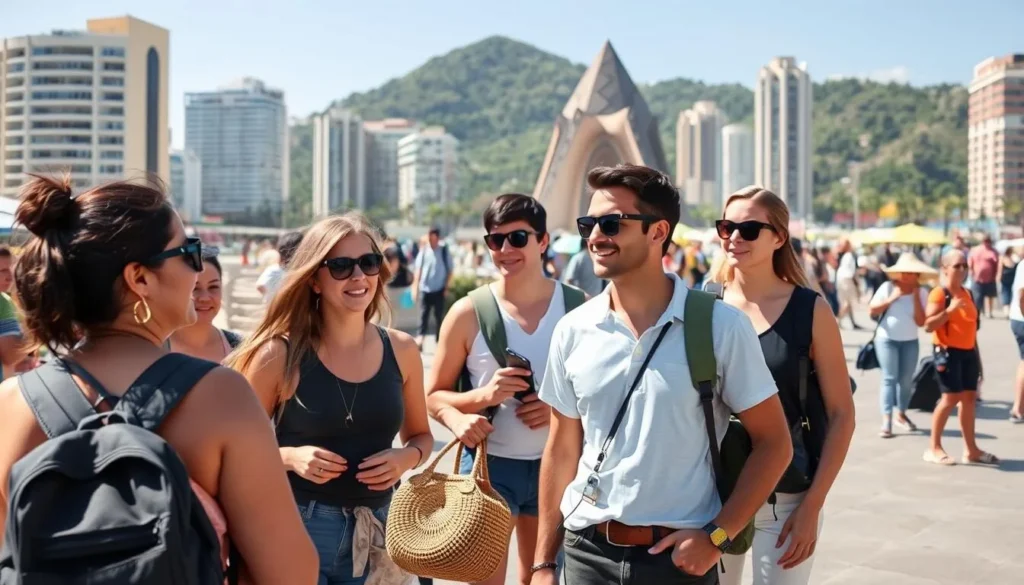
While Rio de Janeiro offers incredible experiences, it’s important to stay informed about safety considerations. With proper precautions, most visitors enjoy their trip without incident.
General Safety Precautions
- Remain aware of your surroundings, especially in crowded areas and on public transportation.
- Avoid displaying expensive jewelry, cameras, or smartphones unnecessarily.
- Use hotel safes for passports, extra cash, and valuables.
- Stick to well-lit, populated areas, particularly at night.
- Consider using money belts or hidden pouches for important documents and cash.
- Make copies of important documents and store digital versions securely.
Beach Safety
- Never leave belongings unattended on the beach, even for a quick swim.
- Bring only what you need for the day—a small amount of cash, a copy of your ID, and your hotel key.
- Pay attention to the colored flags indicating swimming conditions.
- Apply sunscreen regularly—the Brazilian sun is stronger than many visitors expect.
- Stay hydrated and seek shade during peak sun hours (10am-3pm).
Important: Avoid entering favelas (informal settlements) without a reputable local guide. While some offer organized tours that benefit the community, unguided visits can be dangerous. If using navigation apps, be aware of your route to avoid accidentally entering these areas.
The most popular tourist areas (Copacabana, Ipanema, Leblon) have increased police presence, especially during high season. Trust your instincts, use common sense, and you’ll likely have a safe, memorable experience in Rio.
Top Attractions in Rio de Janeiro, Brazil

Rio de Janeiro offers an incredible mix of natural wonders, cultural landmarks, and vibrant experiences. Here are the must-see attractions that should be on every visitor’s itinerary.
Christ the Redeemer (Cristo Redentor)

Standing 30 meters tall atop Corcovado Mountain, the iconic Christ the Redeemer statue is Rio’s most recognizable landmark and one of the New Seven Wonders of the World. This Art Deco masterpiece, completed in 1931, offers breathtaking 360-degree views of the city, beaches, mountains, and Guanabara Bay.
Getting There
You can reach the statue via the Corcovado Train, which departs from Cosme Velho station, by van tours from Largo do Machado or Copacabana, or by hiking through Tijuca National Park (recommended only with a guide). The train journey itself is scenic, passing through lush Atlantic Forest.
Best Time to Visit
Early morning (8-9am) or late afternoon (3-4pm) offers the best lighting for photos and smaller crowds. Weekdays are generally less crowded than weekends. Check the weather forecast, as clouds can completely obscure the statue and views.
Visitor Tips
- Purchase tickets in advance online to avoid long lines, especially during high season.
- Bring water, sunscreen, and a hat as there’s limited shade at the top.
- Allow 2-3 hours for the entire experience, including transportation and viewing time.
- Visit on a clear day for the best views—check the weather forecast before booking.
- The site can be windy, so bring a light jacket even on warm days.
Sugarloaf Mountain (Pão de Açúcar)

This iconic granite peak rising 396 meters above Guanabara Bay offers some of the most spectacular views in Rio. The name “Sugarloaf” comes from its resemblance to the traditional shape of concentrated refined loaf sugar.
The Cable Car Experience
The journey to the summit involves two cable car rides. The first takes you from Praia Vermelha to Morro da Urca (220 meters), where you’ll find viewing platforms, cafes, and souvenir shops. The second cable car continues to the summit of Sugarloaf itself, where panoramic views await.
Best Time to Visit
Late afternoon is ideal, allowing you to experience the mountain in daylight, sunset, and after dark when the city lights create a magical atmosphere. The last cable car up is usually around 8:00 PM, with the final descent at 9:00 PM.
Visitor Tips
- Purchase tickets online to avoid long lines, especially during high season.
- Allow 2-3 hours for the complete experience.
- Bring a camera with plenty of memory—the views are spectacular from every angle.
- Consider the Pista Cláudio Coutinho hiking trail around the base for additional perspectives.
- For adventurous visitors, rock climbing is available with certified guides.
Rio’s Famous Beaches

Rio’s beaches are more than just stretches of sand—they’re the social and recreational heart of the city. Each beach has its own distinct character and attracts different crowds.
Copacabana
This 4km crescent of golden sand is Rio’s most famous beach, bordered by the distinctive black and white wave-patterned promenade designed by landscape architect Roberto Burle Marx. The beach is divided into numbered sections (postos) that attract different crowds. Visit early morning to watch locals exercising or late afternoon for beach volleyball and football. Street vendors offer everything from drinks to beach chairs and umbrellas for rent.
Ipanema
Made famous by the bossa nova song “The Girl from Ipanema,” this trendy beach attracts a younger, more fashionable crowd. The beach is cleaner and generally safer than Copacabana, with spectacular views of the Dois Irmãos (Two Brothers) mountains. Posto 9 is known as the gathering spot for young, beautiful Cariocas, while Arpoador at the eastern end offers spectacular sunset views and is popular with surfers.
Leblon
Adjacent to Ipanema, Leblon beach is more upscale and family-friendly. The waters tend to be calmer, making it better for swimming. The beach is backed by the affluent Leblon neighborhood with excellent restaurants and shopping. It’s less crowded than Copacabana and Ipanema, offering a more relaxed atmosphere while still providing beautiful views and good facilities.
Beach Etiquette: Cariocas (Rio locals) take beach culture seriously. Swimwear is minimal—men wear sunga (fitted swim trunks) rather than board shorts, and women wear bikinis. Bring as little as possible to the beach, never leave belongings unattended, and be prepared to pay for chairs and umbrellas (around R$5-10 each). Vendors will approach offering drinks, snacks, and souvenirs—a simple “não, obrigado/a” (no, thank you) suffices if you’re not interested.
Santa Teresa Neighborhood
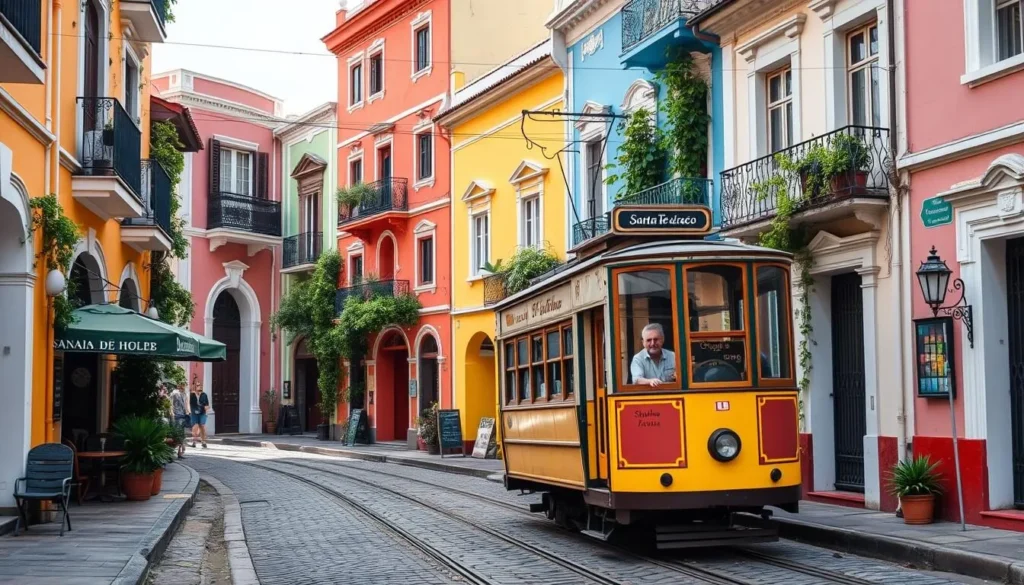
Perched on a hill overlooking downtown Rio, Santa Teresa is a bohemian enclave with winding cobblestone streets, colonial mansions, and artistic flair. Originally an affluent neighborhood in the early 20th century, it’s now a creative hub filled with artists’ studios, boutiques, and charming cafes.
Highlights
- Santa Teresa Tram (Bondinho): The historic yellow tram that climbs the hill from downtown is an attraction itself, offering scenic views along the way.
- Parque das Ruínas: The preserved ruins of a mansion belonging to Brazilian socialite Laurinda Santos Lobo, now a cultural center with panoramic city views.
- Museu da Chácara do Céu: A small but excellent art museum housed in a modernist mansion with works by Brazilian and European masters.
- Ateliês Santa Teresa: Numerous artists’ studios and galleries showcasing local talent, many of which welcome visitors.
Visitor Tips
The best way to experience Santa Teresa is simply to wander its streets, discovering hidden gems along the way. The neighborhood is best visited during daylight hours. While generally safe, it borders some less secure areas, so maintain awareness of your surroundings.
For a perfect day in Santa Teresa, start with breakfast at Cafecito or Cultivar, explore the museums and shops, enjoy lunch at one of the traditional restaurants like Bar do Mineiro, and finish with sunset drinks at one of the viewpoints overlooking the city.
Tijuca National Park

The world’s largest urban rainforest, Tijuca National Park covers 32 square kilometers within Rio’s city limits. This hand-planted forest (reforested in the late 19th century after being cleared for coffee plantations) is home to hundreds of species of plants and wildlife, including monkeys, toucans, and butterflies.
Main Attractions
- Pico da Tijuca: The highest point in the park at 1,022 meters, offering spectacular views for those willing to hike to the summit.
- Cascatinha Taunay: A picturesque 30-meter waterfall accessible via an easy trail.
- Vista Chinesa: A Chinese-style pavilion offering panoramic views of the city, Sugarloaf Mountain, and Guanabara Bay.
- Mayrink Chapel: A small pink chapel in the heart of the forest, featuring murals by Brazilian artist Cândido Portinari.
Hiking and Activities
The park offers numerous hiking trails ranging from easy walks to challenging climbs. Popular routes include the trail to Pico da Tijuca and the path to Pedra Bonita, which offers views of São Conrado beach and is a launch point for hang gliding.
For less experienced hikers, the park offers guided jeep tours that visit the main attractions while providing information about the forest’s ecology and history. These can be arranged through your hotel or tour operators in the city.
Lapa Neighborhood & Selarón Steps
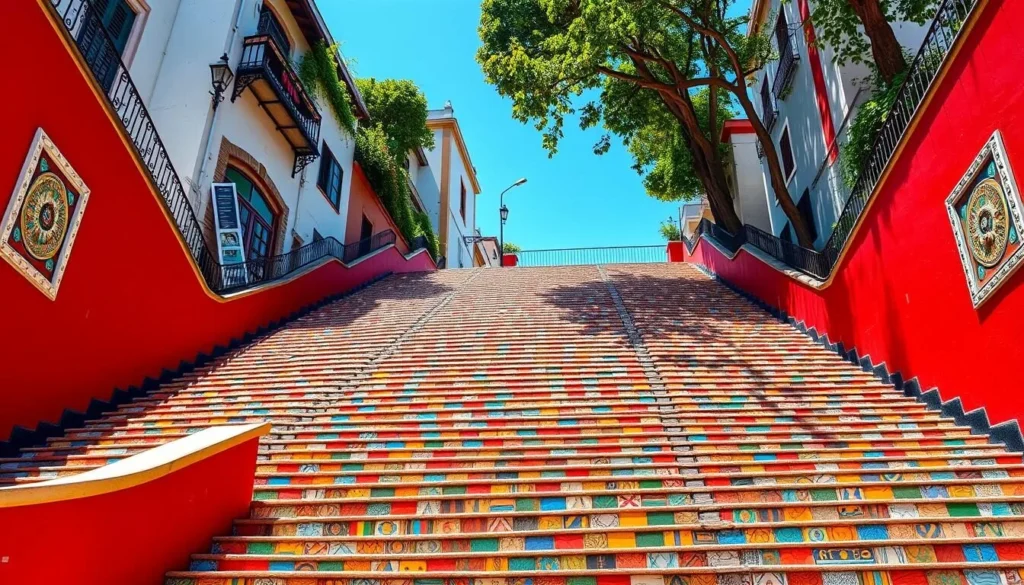
Lapa is Rio’s vibrant nightlife district, where historic architecture meets bohemian energy. By day, you can admire the iconic Arcos da Lapa (Lapa Arches), an impressive 18th-century aqueduct. By night, the area transforms into the city’s entertainment hub, with samba clubs, bars, and street parties.
Selarón Steps
The highlight of the area is the Selarón Steps (Escadaria Selarón), a colorful mosaic staircase created by Chilean artist Jorge Selarón. What began as a small renovation project outside his home became his life’s work, with over 2,000 tiles collected from more than 60 countries covering the 215 steps connecting Lapa to Santa Teresa.
The steps are constantly evolving, as Selarón continued adding and replacing tiles until his death in 2013. Look for the recurring motif of a pregnant woman, a personal symbol for the artist, and tiles sent by visitors from around the world.
Nightlife in Lapa
Lapa truly comes alive after dark, when locals and tourists flock to its numerous music venues. For an authentic experience, visit:
- Rio Scenarium: A multi-level venue in a restored colonial building, featuring live samba and choro music. The décor alone—antiques and curiosities covering every surface—is worth the visit.
- Carioca da Gema: A more intimate club known for high-quality samba performances.
- Arco do Teles: A historic passageway lined with bars and restaurants that spill out into a lively street party on weekends.
Safety Tip: While Lapa is generally safe during busy evenings when there’s a strong police presence, remain vigilant about your belongings and avoid walking alone in quieter streets. Consider taking a taxi directly to and from venues rather than wandering the area, especially late at night.
Cultural Experiences in Rio de Janeiro

Beyond its natural beauty, Rio de Janeiro offers rich cultural experiences that provide insight into Brazilian traditions, music, and lifestyle. Immerse yourself in these authentic activities to truly understand the soul of the city.
Samba & Music Experiences
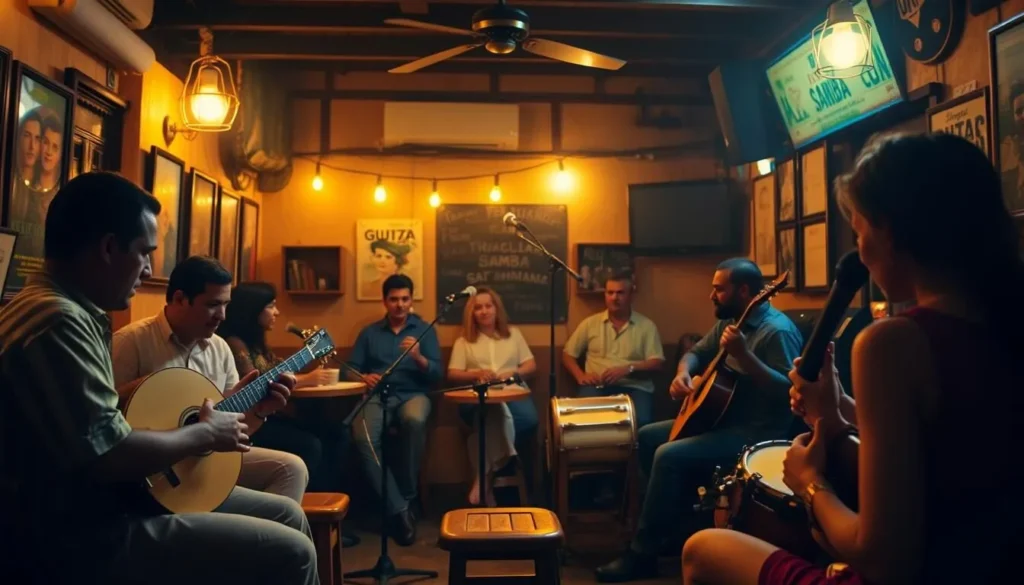
Samba is more than music in Rio—it’s a cultural expression deeply woven into the city’s identity. From sophisticated jazz-influenced bossa nova to energetic batucada rhythms, experiencing live music is essential to understanding Rio’s soul.
Where to Experience Samba
- Pedra do Sal: This historic site in the port area hosts outdoor roda de samba (samba circles) on Mondays and Fridays, attracting a diverse, local crowd. The informal gathering offers an authentic experience with musicians playing around tables while people dance and sing along.
- Clube dos Democráticos: One of Rio’s oldest gafieiras (samba dance halls), offering dance lessons before live music begins.
- Samba School Rehearsals: In the months leading up to Carnival, samba schools open their rehearsals to the public. These high-energy events offer a behind-the-scenes look at Carnival preparations.
Samba Lessons
For a more participatory experience, consider taking a samba lesson. Many dance schools and cultural centers offer classes for beginners, including:
- Rio Samba Dancer: Offers classes specifically designed for tourists with English-speaking instructors.
- Carlinhos de Jesus Dance School: Founded by a famous choreographer, this school offers both private and group lessons.
Even with just one lesson, you’ll gain a deeper appreciation for this challenging dance form and feel more confident joining in when you visit music venues.
Carnival Experience

Rio’s Carnival is the world’s largest festival, attracting millions of participants for five days of non-stop celebration before Lent. While the main event occurs in February or early March (depending on the religious calendar), you can experience elements of Carnival year-round.
Visiting During Carnival
If you’re fortunate enough to visit during Carnival, you have two main ways to experience it:
- Sambadrome Parades: The official competition where samba schools perform elaborate 80-minute presentations with thousands of costumed participants, floats, and drummers. Tickets range from affordable grandstand seats to luxury boxes.
- Street Parties (Blocos): Hundreds of free neighborhood celebrations where costumed revelers dance behind small bands playing samba. Each bloco has its own character, from family-friendly morning events to all-night parties.
Carnival Experience Year-Round
Even outside Carnival season, you can experience elements of this cultural phenomenon:
- Cidade do Samba (Samba City): This complex houses the workshops where Carnival floats and costumes are created. Guided tours show the craftsmanship behind the spectacle.
- Carnival Museum: Located in the Sambadrome, this small museum displays costumes, photographs, and memorabilia from past celebrations.
- Samba School Tours: Some major samba schools offer tours of their headquarters and rehearsal spaces, with demonstrations of music and dance.
Planning Tip: If you want to experience Carnival, book accommodations and flights at least 6-12 months in advance, as prices increase dramatically and availability becomes limited. Consider staying longer than just the Carnival period to enjoy Rio when it’s less crowded before or after the festivities.
Food & Drink Experiences
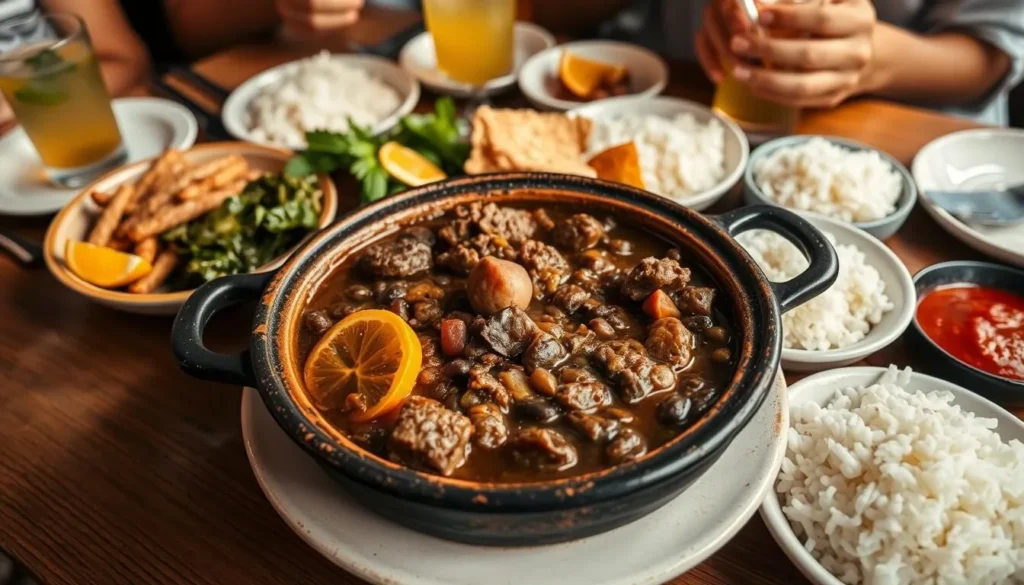
Brazilian cuisine reflects the country’s diverse cultural heritage, with influences from Portuguese, African, and indigenous traditions. Rio offers everything from sophisticated restaurants to casual street food, with an emphasis on fresh ingredients and bold flavors.
Must-Try Dishes
- Feijoada: Brazil’s national dish is a hearty black bean stew with various cuts of pork, served with rice, farofa (toasted manioc flour), collard greens, and orange slices. Traditionally served on Saturdays in most restaurants.
- Churrasco: Brazilian barbecue featuring various cuts of meat grilled to perfection. Experience it at a rodízio restaurant where servers bring skewers of meat directly to your table.
- Pão de Queijo: Cheese bread balls with a crispy exterior and chewy center, perfect for breakfast or a snack.
- Açaí: This Amazonian berry is served as a frozen smoothie bowl topped with granola and fruit, popular as a refreshing snack after beach activities.
Where to Eat
- Confeitaria Colombo: A historic café in Centro with Belle Époque décor, perfect for coffee and pastries.
- Bar do Mineiro: A Santa Teresa institution serving authentic feijoada and other traditional dishes.
- Academia da Cachaça: Sample Brazil’s national spirit, cachaça, with over 100 varieties available, along with traditional bar snacks.
- Feira Nordestina: This market in São Cristóvão showcases cuisine from Brazil’s northeast, with live music on weekends.
Drinks to Try
- Caipirinha: Brazil’s national cocktail made with cachaça, lime, sugar, and ice. Variations include caipiroska (with vodka) and caipifruta (with different fruits).
- Chopp: Draft beer served ice cold in small glasses to keep it from warming in the Rio heat.
- Fresh Juices: Rio’s juice bars (sucos) offer an amazing variety of tropical fruit juices and smoothies, many from fruits you’ve never heard of.
- Coconut Water: Served directly from green coconuts at beach stands, it’s the perfect natural refreshment.
Museums & Art Galleries
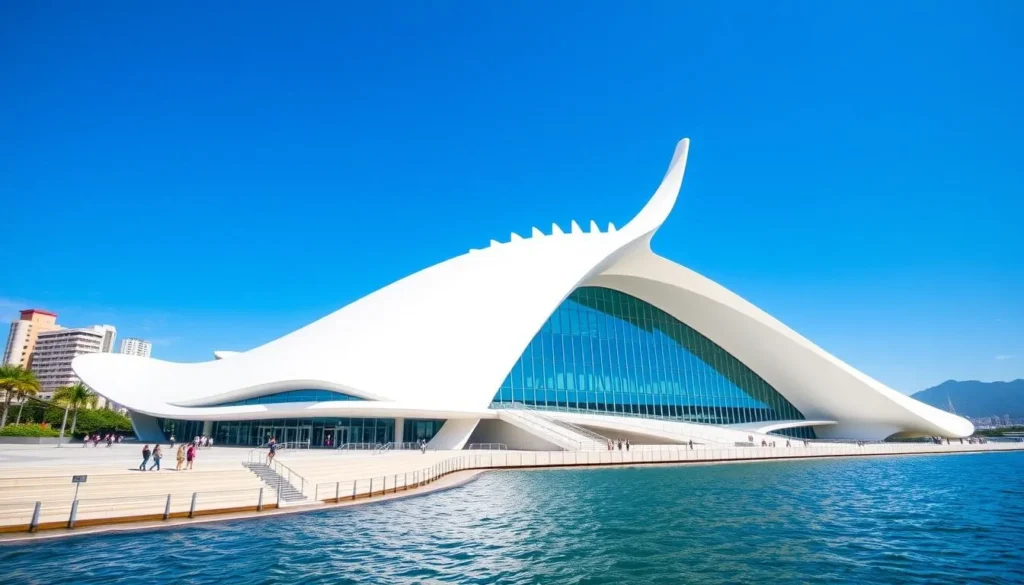
Rio offers a diverse range of museums and galleries that showcase Brazilian art, history, and culture. From contemporary exhibitions to historical collections, these institutions provide insight into the country’s rich heritage.
Museum of Tomorrow (Museu do Amanhã)
This striking science museum designed by Santiago Calatrava focuses on sustainability and humanity’s relationship with the planet. Interactive exhibits explore five main themes: Cosmos, Earth, Anthropocene, Tomorrow, and Us. The building itself, with its distinctive spine-like structure extending over the water, is an architectural marvel worth seeing even from the outside.
Museum of Modern Art (MAM)
Set in a modernist building surrounded by gardens designed by Roberto Burle Marx, MAM houses an important collection of Brazilian and international contemporary art. The museum’s location in Flamengo Park offers beautiful views of Guanabara Bay and Sugarloaf Mountain, making it worth visiting for both the art and the setting.
National Museum of Fine Arts (MNBA)
Housed in a neoclassical building in Centro, this museum contains the most comprehensive collection of Brazilian art, from colonial-era religious paintings to 19th-century academic works and modernist masterpieces. The European collection includes works by Rodin, Modigliani, and others.
Art Galleries in Santa Teresa
Santa Teresa’s bohemian atmosphere has attracted artists for decades, resulting in numerous galleries and studios. Highlights include:
- Museu do Chácara do Céu: A small but excellent collection housed in a modernist mansion, featuring works by Brazilian modernists and European masters including Matisse and Monet.
- Ateliê Contemporâneo: A cooperative gallery showcasing emerging Brazilian artists.
- Parque das Ruínas: Beyond its architectural interest, this venue hosts rotating contemporary art exhibitions.
Street Art
Rio has embraced urban art, with impressive murals throughout the city. Notable areas include:
- Olympic Boulevard: The port area revitalization included commissioning massive murals, including Eduardo Kobra’s “Etnias,” once the world’s largest street art piece.
- Lapa: The streets surrounding the Selarón Steps feature numerous murals and graffiti pieces.
- Jardim Botânico: This neighborhood has become known for its high-quality street art on building facades.
Day Trips from Rio de Janeiro

While Rio offers enough attractions to fill a lengthy stay, the surrounding region features beautiful destinations that make perfect day trips or overnight excursions.
Ilha Grande
This car-free island paradise is known for pristine beaches, crystal-clear waters, and lush Atlantic Forest. The highlight is Lopes Mendes Beach, consistently rated among Brazil’s most beautiful. Reached by boat from Angra dos Reis or Mangaratiba (both accessible from Rio by bus), Ilha Grande offers hiking trails, snorkeling, and a laid-back atmosphere. While possible as a long day trip, an overnight stay allows more exploration.
Petrópolis
Known as the “Imperial City,” Petrópolis served as the summer retreat for Brazil’s royal family. Located in the mountains about 90 minutes from Rio, it offers cooler temperatures and historic attractions including the Imperial Museum (former summer palace), Crystal Palace, and the Gothic Cathedral of São Pedro de Alcântara. The city’s German heritage is evident in its architecture and breweries.
Paraty
This exquisitely preserved colonial town features white-washed buildings with colorful trim, cobblestone streets, and a picturesque setting between mountains and bay. A UNESCO World Heritage site, Paraty’s historic center is closed to vehicles, creating a peaceful atmosphere for exploring its churches, galleries, and shops. Boat tours visit nearby islands and beaches with opportunities for swimming and snorkeling.
Búzios
This sophisticated beach resort gained international fame when Brigitte Bardot visited in the 1960s. The peninsula features more than 20 distinct beaches ranging from calm, protected coves to surf spots with impressive waves. The charming town center offers upscale shopping, dining, and nightlife. While further from Rio (about 2.5 hours by bus), it’s possible to visit as a day trip or, ideally, for an overnight stay.
Niterói
Just across Guanabara Bay from Rio (reached by ferry or bridge), Niterói offers impressive views back toward Rio’s skyline. The main attraction is the Niterói Contemporary Art Museum, designed by Oscar Niemeyer with a distinctive flying-saucer shape. Other highlights include Itacoatiara Beach, popular with surfers, and Fortaleza de Santa Cruz, a historic fortress with guided tours.
Arraial do Cabo
Often called the “Brazilian Caribbean” for its stunningly clear turquoise waters, this fishing village offers some of the region’s most beautiful beaches. Boat tours visit multiple beaches and snorkeling spots inaccessible by land. The white sand dunes and crystal waters create postcard-perfect scenery. While it’s a longer day trip (about 3 hours from Rio), the spectacular beaches make it worthwhile.
Practical Tips for Visiting Rio de Janeiro

These final tips will help you navigate Rio like a local and make the most of your visit to this vibrant city.
Money & Payments
- The Brazilian currency is the Real (R$). ATMs are widely available, but not all accept international cards. Notify your bank before traveling.
- Major credit cards are accepted in most establishments, but carry some cash for small purchases, beach vendors, and transportation.
- Tipping is not obligatory but appreciated. Restaurants typically include a 10% service charge on the bill.
- Bargaining is not common except at street markets and with beach vendors.
Communication
- The official language is Portuguese. While English is spoken in tourist areas and upscale establishments, learning a few basic Portuguese phrases is appreciated.
- Purchase a local SIM card for affordable data and calls. Major providers include Claro, TIM, and Vivo, available at the airport or shopping centers.
- Download offline maps and translation apps before your trip.
Health & Comfort
- Tap water is generally not recommended for drinking. Bottled water is inexpensive and widely available.
- The sun in Rio is intense. Use high SPF sunscreen, reapply frequently, and wear a hat and sunglasses.
- Stay hydrated, especially when spending time at the beach or hiking.
- Pharmacies are well-stocked and often have staff who speak some English.
Local Etiquette
- Cariocas (Rio locals) are generally warm and friendly. Greetings typically involve a kiss on each cheek (women) or a handshake (men).
- Punctuality is flexible in social situations—arriving 15-30 minutes late is normal.
- Beach etiquette is important: minimal swimwear is normal, but cover up when leaving the beach.
- Learning a few Portuguese phrases will be greatly appreciated by locals.
Sustainability Tip: Rio faces environmental challenges including water pollution and waste management. Do your part by using refillable water bottles, declining plastic bags when shopping, and properly disposing of trash, especially at beaches. Consider carbon offsetting your flights and supporting eco-friendly tour operators.
Ready to Experience Rio de Janeiro?

From the iconic Christ the Redeemer statue watching over the city to the rhythmic beats of samba echoing through vibrant neighborhoods, Rio de Janeiro captivates visitors with its unique blend of natural beauty, cultural richness, and infectious energy. Whether you’re soaking up the sun on Ipanema Beach, hiking through the world’s largest urban rainforest, or dancing the night away in Lapa, the “Marvelous City” offers unforgettable experiences at every turn.
The warmth of Cariocas, the breathtaking landscapes where mountains meet the sea, and the vibrant cultural scene create a destination unlike any other. As the locals say, “Deus fez o mundo em sete dias, o oitavo ele dedicou ao Rio de Janeiro” (God made the world in seven days, the eighth he dedicated to Rio de Janeiro). Come discover why this magnificent city continues to enchant travelers from around the globe.