
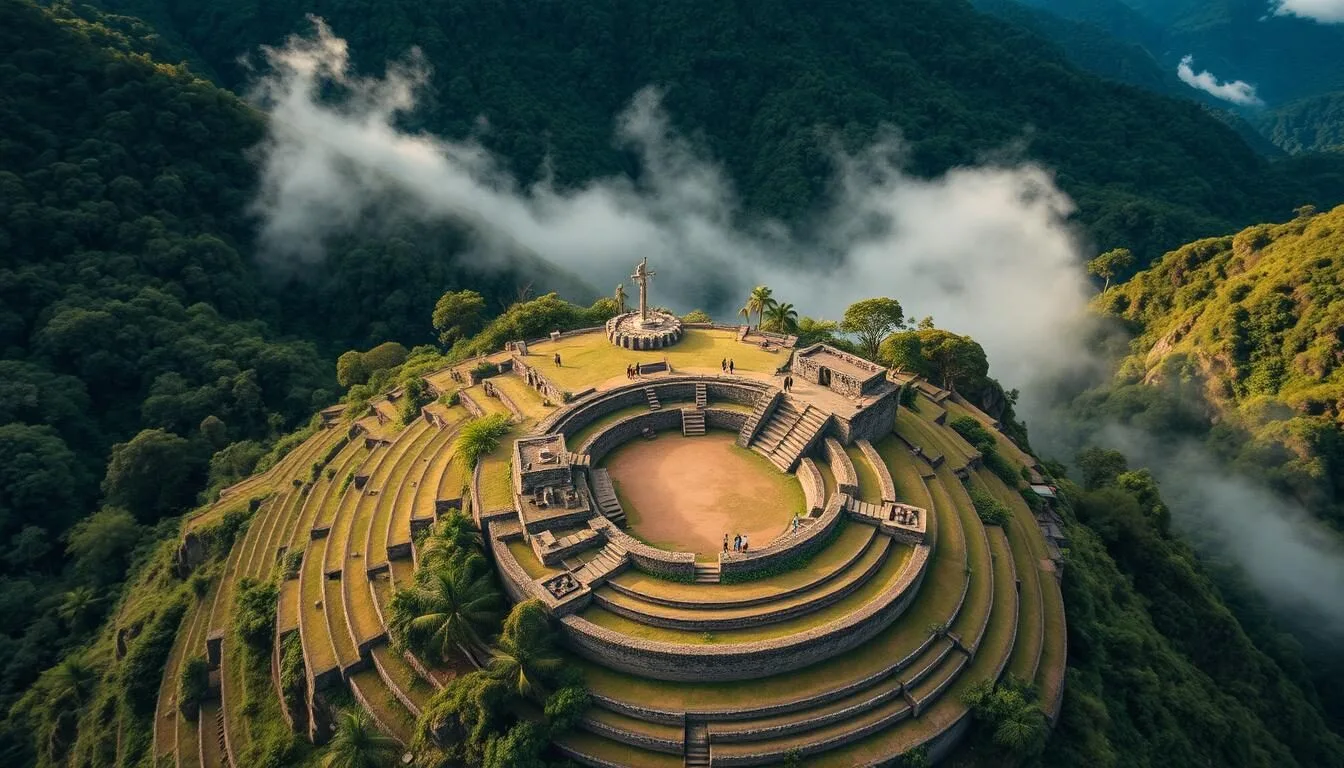
Hidden deep within Colombia’s Sierra Nevada de Santa Marta mountains lies an archaeological wonder that predates Machu Picchu by over 650 years. Ciudad Perdida (the “Lost City”) was built around 800 CE by the Tayrona civilization, yet remarkably, only about 20,000 visitors make the challenging trek to this ancient site annually—less than 1% of those who visit its Peruvian counterpart. This hidden gem offers intrepid travelers a rare combination of pristine jungle trails, ancient history, and meaningful encounters with indigenous communities who still consider this sacred ground.
Getting There & Planning Your Journey
The journey to Ciudad Perdida begins in Santa Marta, a coastal city in northern Colombia. Most international travelers arrive via Simón Bolívar International Airport in Santa Marta or Rafael Núñez International Airport in Cartagena (followed by a 4-hour bus ride to Santa Marta). From Santa Marta, all treks to Ciudad Perdida are organized through authorized tour operators.
Important to note: The only way to visit Ciudad Perdida is through an organized trek with authorized guides. Independent hiking is not permitted, as the site lies within indigenous territories and is protected by the Colombian government. Tours typically last 4-6 days, with the 4-day option being the most physically demanding as it covers the same distance in less time.
Best Time to Visit & Weather Tips
The Sierra Nevada de Santa Marta has its own microclimate, but generally follows Colombia’s dry and rainy seasons.
Best Time to Visit Ciudad Perdida
- December to March: Dry season with less rainfall, clearer trails, and better visibility at the archaeological site. This is the peak tourist season.
- April to May: Transition period with occasional showers but still good conditions.
- June to August: Secondary dry season, though with more humidity.
- September to November: Rainy season with muddy trails, slippery conditions, and potential flooding. Some tour operators limit operations during October.
The temperature in the region typically ranges from 25°C to 30°C (77°F to 86°F) during the day, dropping to around 18°C to 20°C (64°F to 68°F) at night. The humidity remains high year-round, often exceeding 80%, which can make the trek feel more strenuous.
Important: Ciudad Perdida is typically closed during the entire month of October for indigenous spiritual ceremonies and site maintenance. Always check with tour operators about current closure dates before planning your trip.
Trek Options & What to Expect
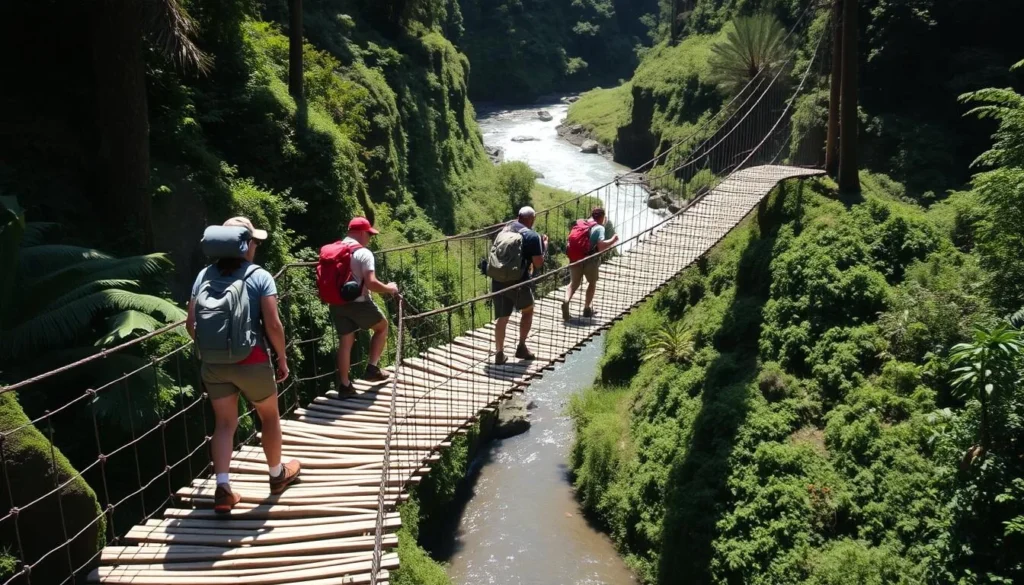
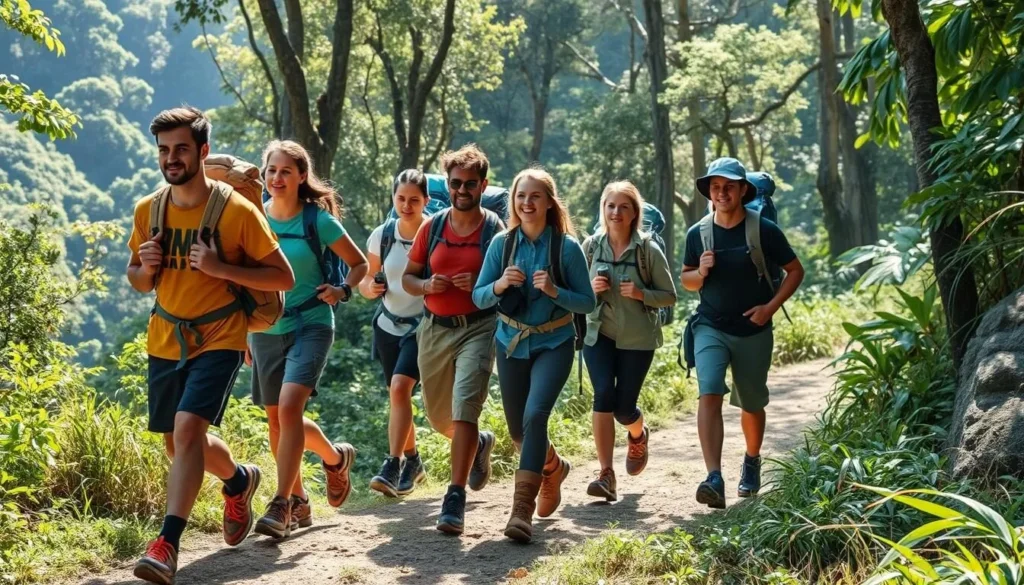
The Ciudad Perdida trek is a challenging but rewarding experience that takes you through diverse ecosystems, indigenous villages, and ultimately to the ancient ruins. There are three main trek options:
4-Day Trek
The most physically demanding option, covering approximately 44 km (27 miles) in four days. Ideal for those with limited time but excellent physical condition. Expect to hike 6-7 hours daily.
Price range: $490-550 USD
5-Day Trek
The most popular option, offering a more balanced pace with the same route spread over five days. This allows more time to rest and enjoy the surroundings.
Price range: $570-630 USD
6-Day Trek
The most relaxed option, perfect for those who want to fully immerse in the experience and have more time at each location, including the archaeological site itself.
Price range: $670-730 USD
What a Typical Day on the Trek Looks Like
Accommodation & Facilities
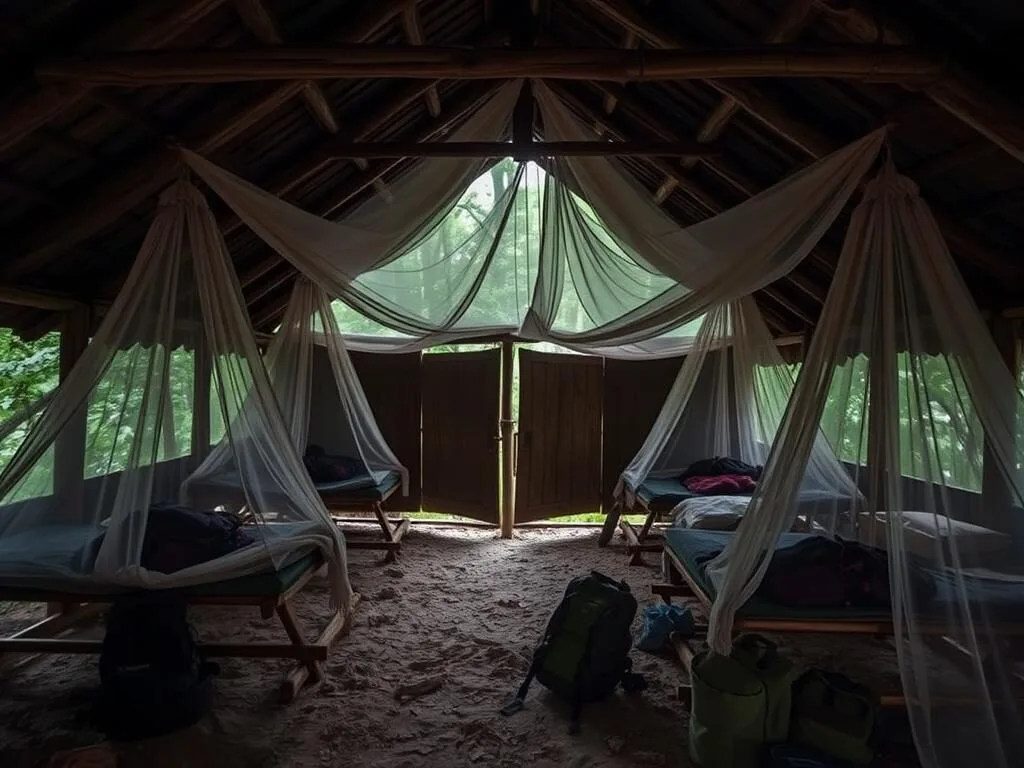
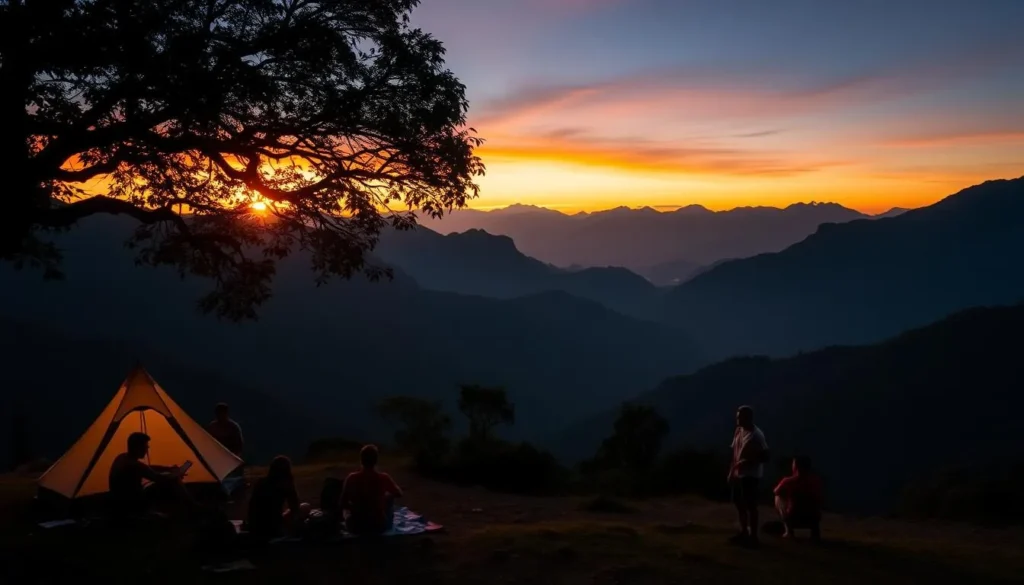
During the trek, accommodation is basic but adequate. You’ll stay in open-air camps with:
- Bunk beds or hammocks with mosquito nets
- Shared bathroom facilities with cold water showers
- Communal dining areas
- Some camps have natural swimming pools in nearby rivers
Before and after your trek, you’ll likely stay in Santa Marta. The city offers a range of accommodations from budget hostels to luxury hotels, primarily in the historic center or the nearby beach area of El Rodadero.
What to Bring
Packing light is essential as you’ll carry your own backpack throughout the trek. Here’s what you should bring:
Essential Items
- Small backpack (30-40L)
- Quick-dry clothing (2-3 sets)
- Hiking boots or trail shoes (broken in)
- Sandals for camp
- Rain jacket or poncho
- Swimwear
- Hat and sunglasses
- Sunscreen and insect repellent
- Personal medications
- Headlamp or flashlight
- Water bottle (1.5L minimum)
- Basic toiletries
- Quick-dry towel
What Not to Bring
- Large backpacks or suitcases
- Excessive clothing
- Heavy electronics
- Valuable jewelry
- Alcohol or drugs
- Single-use plastics
- Heavy books
- Fancy clothing or shoes
- Fragile items
Food & Dining During the Trek
All meals during the trek are provided by the tour operators and prepared by local cooks at the camps. The food is simple but nutritious and plentiful, designed to provide energy for the demanding hike.
| Meal | Typical Options |
| Breakfast | Eggs, arepas (corn cakes), bread, fruit, coffee, hot chocolate |
| Lunch | Rice, beans, meat or fish, vegetables, fresh juice |
| Dinner | Soup, pasta, rice, meat or fish, vegetables |
| Snacks | Fresh tropical fruits, cookies, coffee breaks |
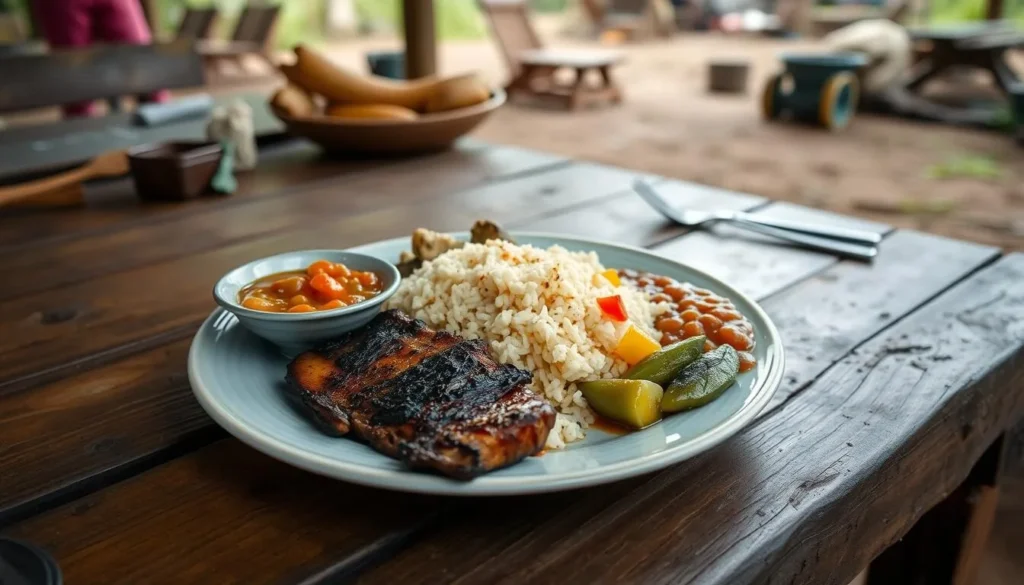
“The food on our trek was surprisingly delicious and abundant. Our cook Sandra prepared amazing meals that gave us all the energy we needed for the challenging hikes. Don’t worry about going hungry on this adventure!”
Indigenous Communities & Cultural Experience
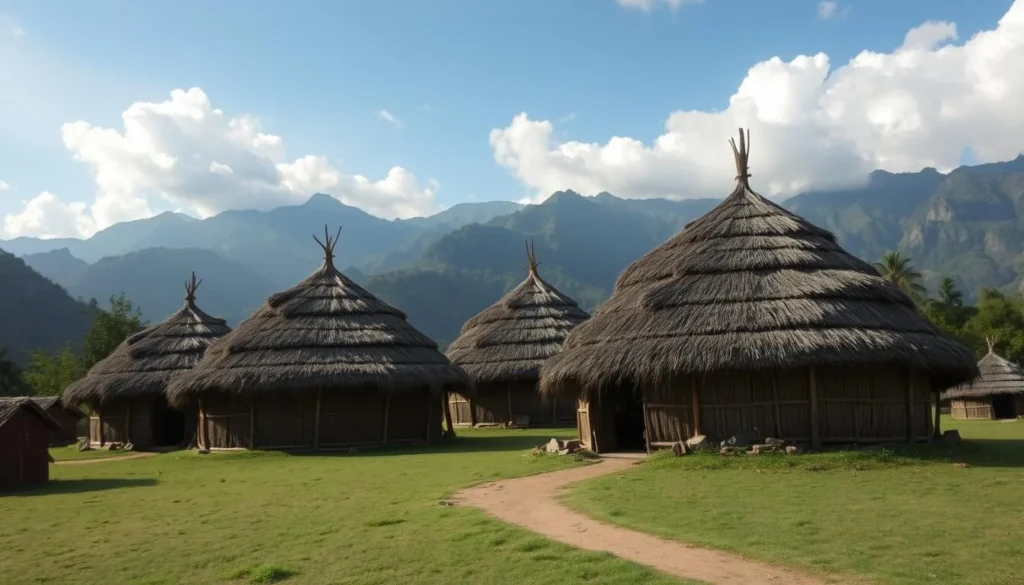
One of the most meaningful aspects of the Ciudad Perdida trek is the opportunity to learn about and interact with the indigenous communities of the Sierra Nevada de Santa Marta. Four indigenous groups—the Kogui, Wiwa, Arhuaco, and Kankuamo—are the descendants of the Tayrona civilization that built Ciudad Perdida. They consider the site sacred and call it “Teyuna.”
Respectful Interaction Guidelines
- Always ask permission before taking photographs of indigenous people or their homes
- Speak quietly and respectfully when near indigenous settlements
- Do not enter indigenous homes unless explicitly invited
- Respect their privacy and cultural practices
- Purchase handicrafts directly from artisans when possible
- Listen attentively when guides explain cultural significance
Many of the guides and support staff on the trek are from local indigenous communities or nearby villages. This community-based tourism approach ensures that your visit benefits the local economy and helps preserve both the natural environment and cultural heritage of the region.
The Lost City: What You’ll See
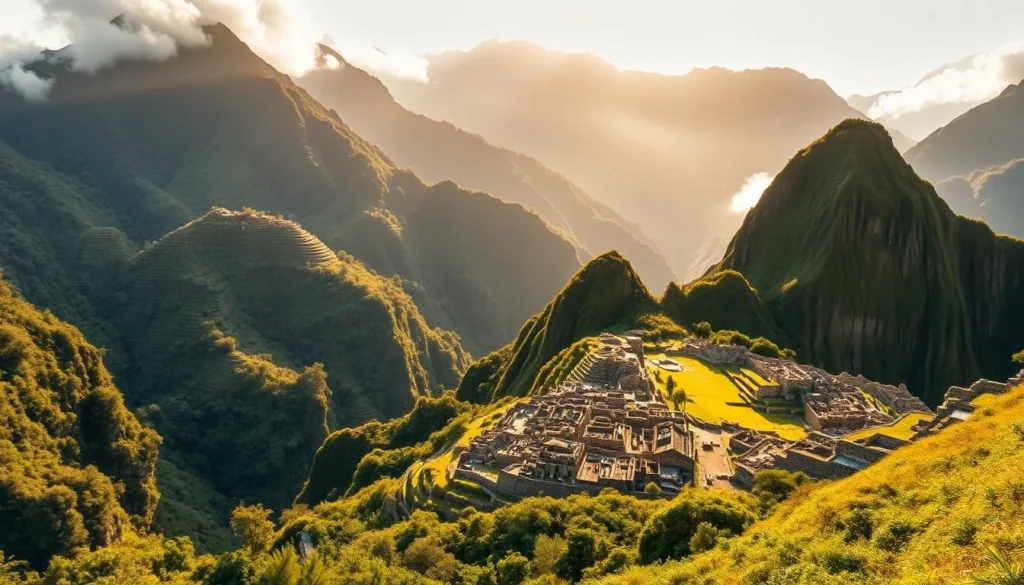
After several days of trekking, you’ll reach Ciudad Perdida itself. The site features:
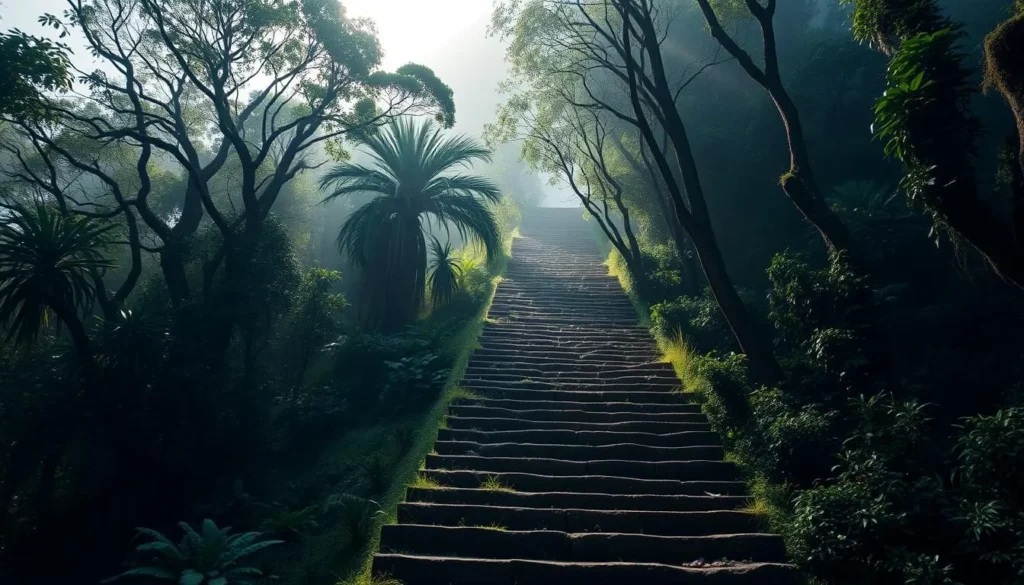
- 1,200 stone steps leading up to the main site
- 169 terraces carved into the mountainside
- Circular plazas that served as gathering spaces
- Stone pathways connecting different sections
- Ceremonial centers and residential areas
- Spectacular views of the surrounding mountains
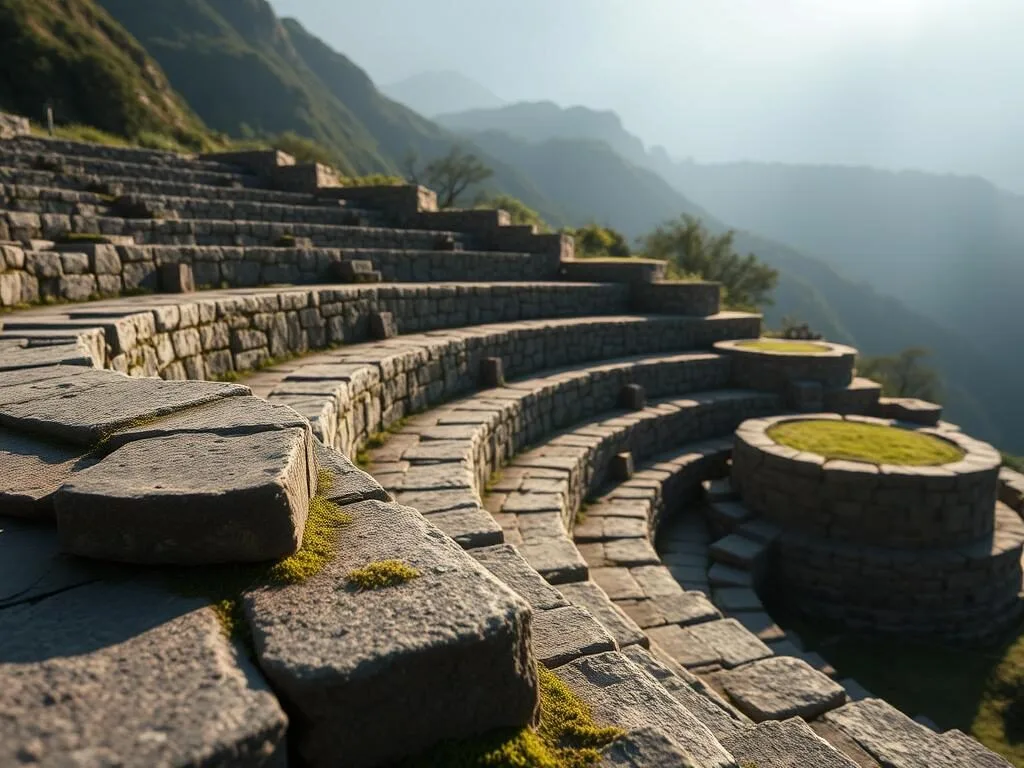
Your guide will explain the history and significance of the site, including its discovery in 1972 by local treasure hunters and subsequent archaeological work. You’ll spend approximately 3-4 hours exploring the ruins before beginning your return journey.
Safety Tips & Health Considerations
The Ciudad Perdida trek is challenging but safe when proper precautions are taken:
Health Preparations
- Consult your doctor before the trek, especially if you have existing health conditions
- Consider getting the yellow fever vaccination (recommended but not mandatory)
- Bring any personal medications you require
- Pack a small first aid kit with basics like pain relievers, bandages, and anti-diarrheal medication
During the Trek
- Stay hydrated: Drink at least 2-3 liters of water daily
- Use sun protection: Apply sunscreen regularly, even in cloudy conditions
- Prevent insect bites: Apply insect repellent and wear long sleeves/pants in the evening
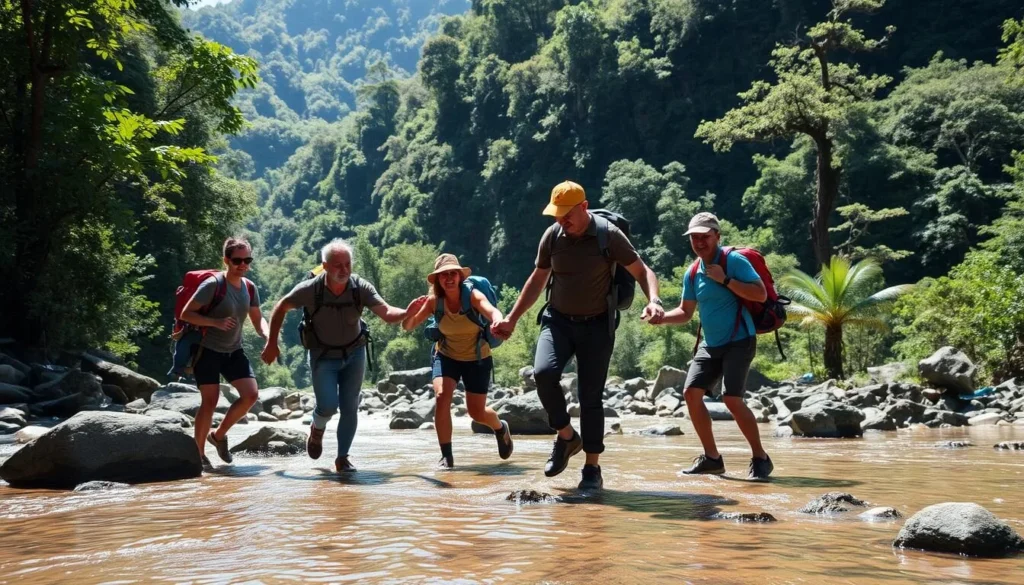
- Watch your step: Trails can be slippery, especially after rain
- Follow guide instructions: Never leave the designated trails
- Pace yourself: It’s not a race; take breaks when needed
Practical Information
Cost & What’s Included
Trek prices range from $490-730 USD depending on duration and typically include:
- All transportation from Santa Marta
- Professional bilingual guides
- All meals during the trek
- Accommodation in camps
- Entrance fee to the archaeological site
- Travel insurance during the trek
- Contribution to indigenous communities
Internet & Connectivity
There is no cell service or internet connectivity during the trek. This is an opportunity to disconnect and fully immerse in the experience. Let family and friends know you’ll be unreachable for the duration of your trek.
Money
Bring some cash (Colombian pesos) for purchasing snacks, drinks, or handicrafts along the route. Most tour operators accept credit cards for booking, but cash is needed during the trek.
Transportation Options
Getting around Colombia before and after your Ciudad Perdida trek:
Flights
Domestic flights connect major Colombian cities. Consider flying into Santa Marta directly or to Cartagena if more flight options are available.
Buses
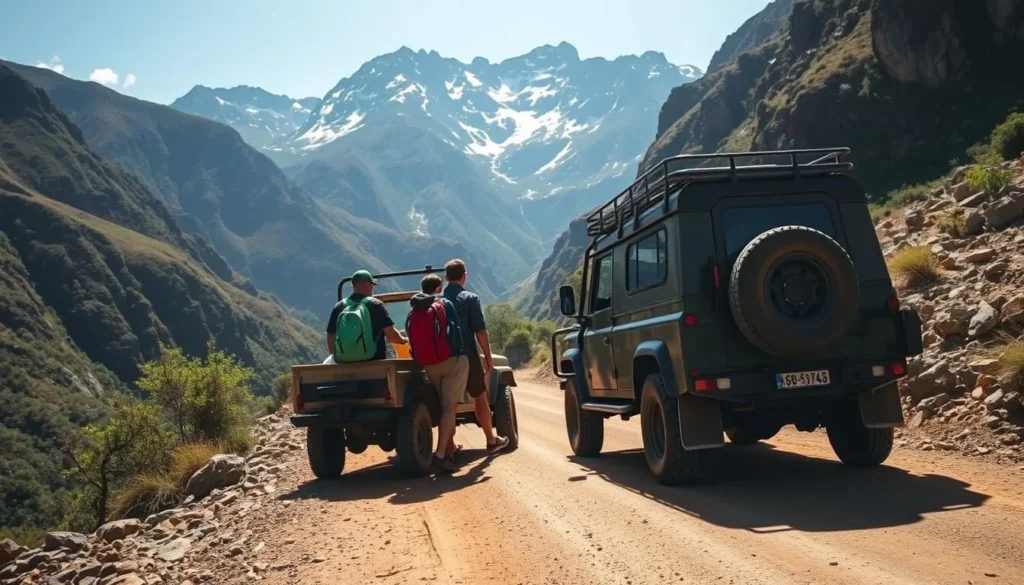
Comfortable long-distance buses connect major cities. The journey from Cartagena to Santa Marta takes approximately 4 hours and costs around $15-20 USD.
Rental Cars
If you plan to explore more of Colombia before or after your trek, a rental car offers flexibility. Note that you’ll need to arrange parking during your trek.
Final Thoughts: Is the Ciudad Perdida Trek Worth It?
The Ciudad Perdida trek is not just about reaching an archaeological site—it’s about the journey itself. The challenging trails, river crossings, breathtaking landscapes, and cultural encounters combine to create an unforgettable experience that few other destinations can match.
“Ciudad Perdida offers something increasingly rare in our connected world: a genuine adventure that requires effort, perseverance, and a willingness to step outside your comfort zone. The reward is not just seeing the ancient city, but discovering something about yourself along the way.”
For travelers seeking an authentic adventure that combines physical challenge, cultural immersion, and historical discovery, the trek to Colombia’s Lost City is absolutely worth the effort. The memories and experiences gained will last far longer than the muscle soreness that follows.


0 Comments