
Did you know that Nuqui sits in one of the rainiest regions on Earth, receiving over 400 inches of annual rainfall? This remarkable precipitation creates one of the planet’s most biodiverse ecosystems, where the lush Chocó rainforest meets the Pacific Ocean. Here, humpback whales migrate annually to birth their calves in warm waters, and the dense jungle harbors countless species found nowhere else on Earth. This remote paradise on Colombia’s Pacific coast offers an authentic travel experience that few destinations can match.
Getting There & Planning Your Journey
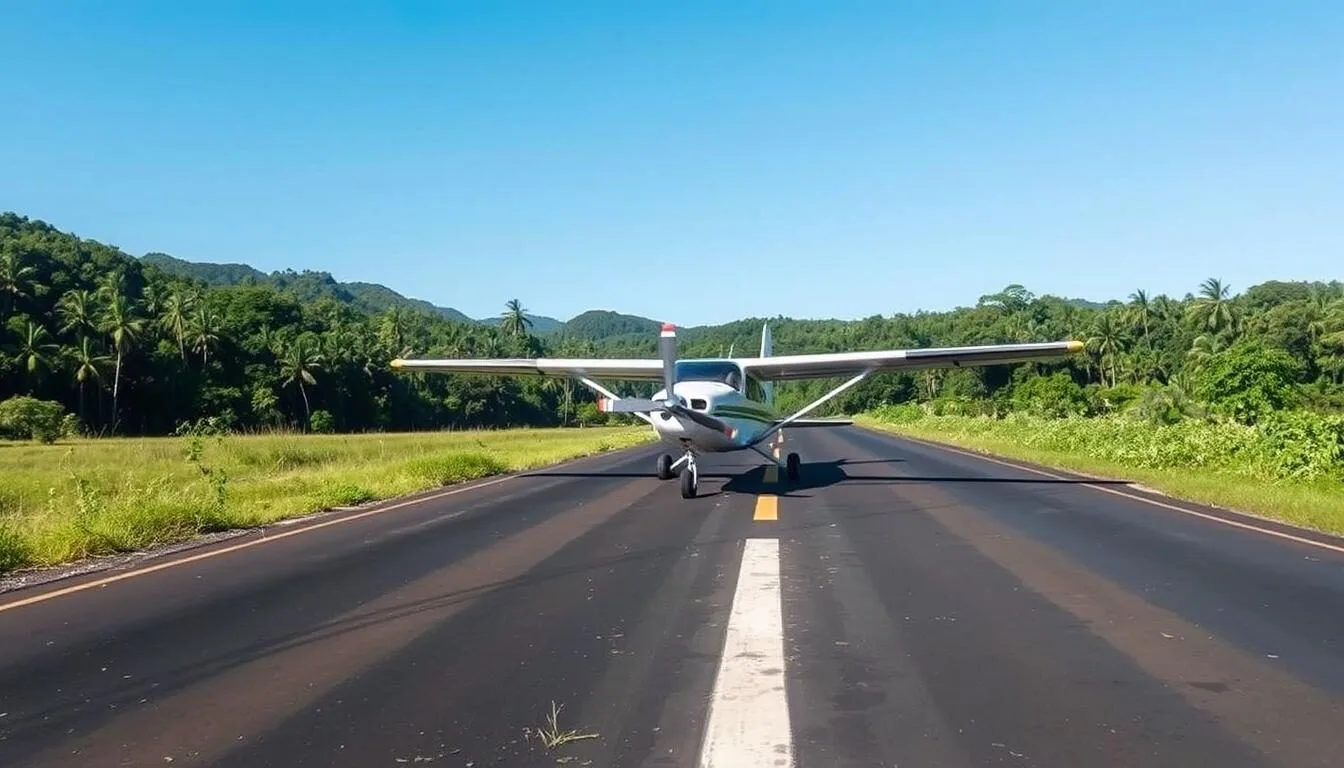
Reaching Nuqui is part of the adventure. The most common route is flying from Medellín’s Olaya Herrera Airport via small airlines like San German Express or Satena. These flights operate several times weekly and take approximately 45 minutes. Book well in advance as seats fill quickly, especially during whale watching season (July-October).
Alternatively, you can reach Nuqui by boat from El Valle (Bahía Solano), though departures are limited to Mondays and Fridays, with the journey taking about 2 hours. Remember that Nuqui has no road connections to the rest of Colombia, adding to its pristine, untouched character.
When planning your trip, consider that Nuqui itself is often just a gateway. Most travelers spend minimal time in town before heading to nearby beaches and ecolodges in villages like Guachalito, Termales, Coqui, or Arusí. Plan to spend at least 3-4 days in the region to fully appreciate its natural wonders.
Best Time to Visit & Weather Tips
Nuqui’s climate is consistently warm and humid year-round, with average temperatures around 28°C (82°F). However, timing your visit depends on what experiences you’re seeking:
Dry Season (December-March)
- Best chance for sunshine and clear skies
- Ideal for beach activities and jungle hikes
- Lower humidity and rainfall
- Good visibility for snorkeling and diving
Wildlife Seasons
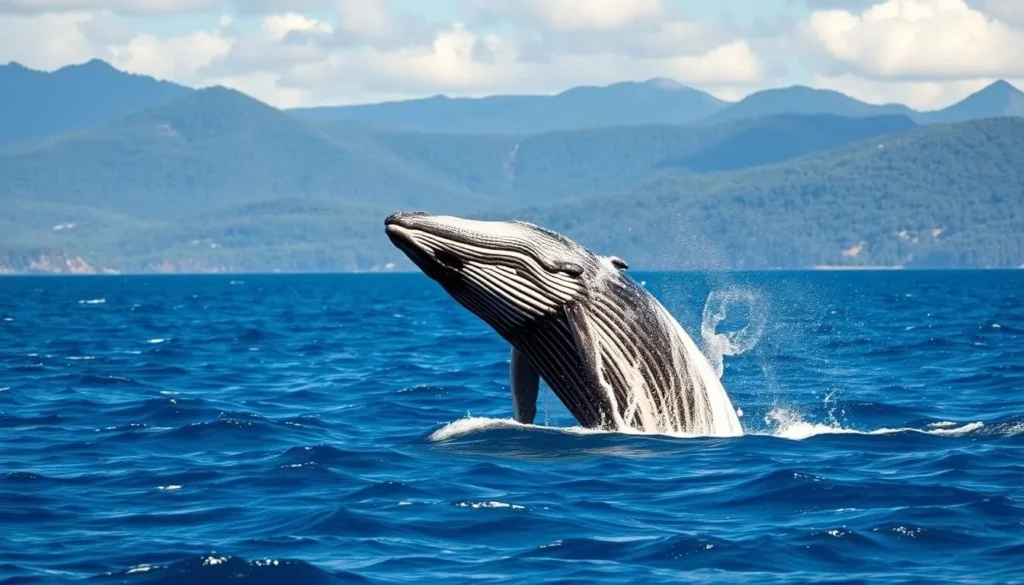
- Whale watching: July to October
- Turtle nesting: August to February
- Whale shark sightings: April to May
- Best surfing waves: May to November
Pack lightweight, quick-drying clothes regardless of when you visit. The region’s extreme humidity means things stay damp, so bring multiple changes of clothes. Don’t forget rain gear, insect repellent, and waterproof bags for electronics. Sturdy water shoes are essential for boat landings on beaches without docks.
Local Tip: Even during the “dry” season, expect occasional rain showers. Embrace the tropical climate as part of your authentic Chocó experience!
Getting Around Locally
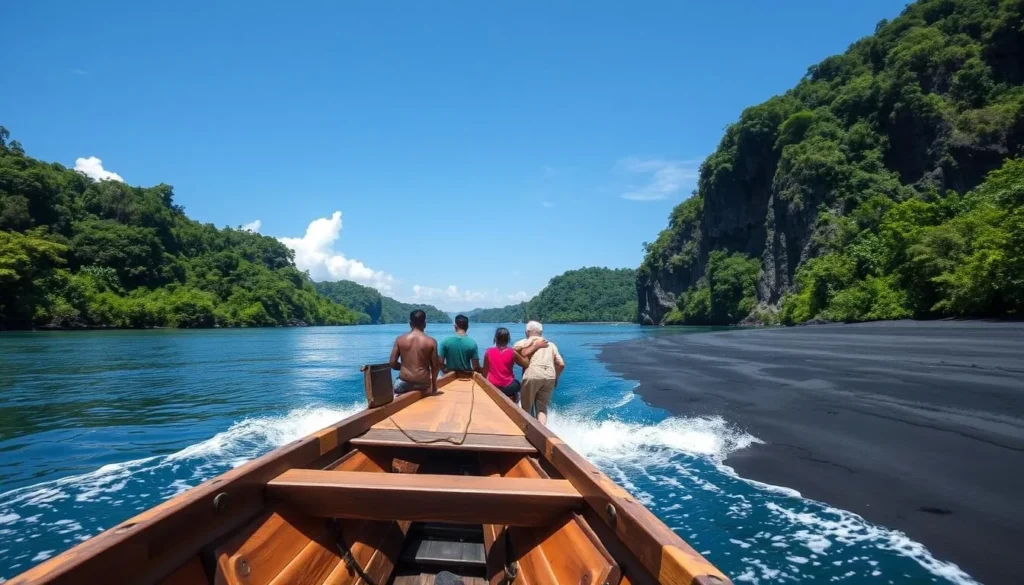
There are no roads connecting the villages along Nuqui’s coastline. The primary transportation method is by lancha (motorboat), which operates in two ways:
- Lancha Publica (Public Boat): A daily service operated by locals that connects Nuqui with surrounding villages. It typically departs Nuqui in the morning (around 8 AM) and returns in the afternoon. This is the most economical option at approximately 20,000-32,000 COP per person, depending on distance.
- Lancha Privada (Private Boat): Available for hire through your accommodation or local operators. More expensive but offers flexibility with departure times and direct routes.
Within Nuqui town, tuk-tuks are readily available for short distances. They’re affordable and can carry up to three passengers. You’ll find them waiting outside the airport upon arrival.
For exploring nearby beaches and villages, walking is often an option, but be mindful of tide schedules. Some beaches become impassable during high tide, so plan accordingly and always ask locals for advice.
Arrival Tip: When arriving by boat to most villages, prepare to jump directly onto the beach as formal docks are rare. Wear appropriate footwear and keep valuables in waterproof containers.
Where to Stay
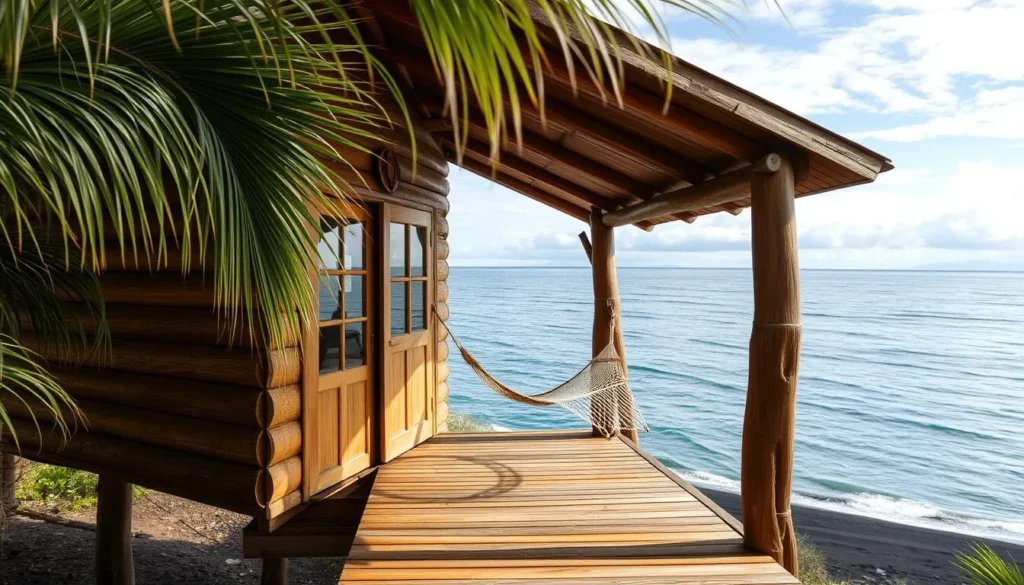
Accommodation in the Nuqui region ranges from simple posadas (guesthouses) to more upscale ecolodges. Most visitors choose to stay outside Nuqui town in one of the coastal villages for a more immersive nature experience.
Nuqui Town
Basic but comfortable options like Escombros del Mar and Cabañas Iracas del Mar. Ideal for overnight stays before heading to coastal villages or if you need to catch an early flight.
Price range: $30-60 USD/night
Guachalito & Termales
The most developed areas for tourism with several ecolodges ranging from mid-range to luxury. Beautiful black sand beaches and proximity to hot springs make this area popular.
Price range: $70-200 USD/night
Arusí & Coquí
More authentic village experiences with fewer tourists. Accommodations tend to be simpler but offer genuine cultural immersion and often lower prices.
Price range: $50-120 USD/night
Most accommodations include meals in their rates, which is essential given the limited dining options in these remote areas. Electricity may be limited to certain hours, and Wi-Fi is rare or non-existent in many places – perfect for a digital detox!
Dining & Local Cuisine
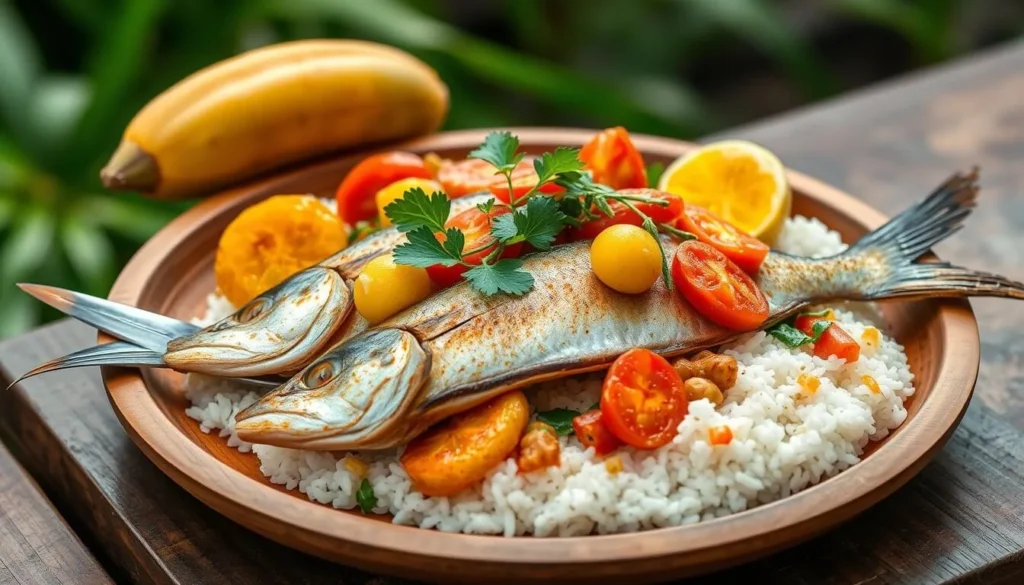
The Pacific coast of Colombia boasts some of the country’s most distinctive cuisine, heavily influenced by Afro-Colombian traditions and abundant seafood. In Nuqui and surrounding villages, expect fresh-caught fish, shellfish, and tropical fruits prepared with coconut milk and local herbs.
Must-Try Local Dishes
- Encocado de Pescado: Fish cooked in coconut sauce, a regional specialty
- Arroz con Coco: Coconut rice, often served with seafood
- Patacones: Fried green plantains, a staple side dish
- Viche/Biche: Traditional fermented sugarcane drink with medicinal properties
- Arrechón: A viche-based cocktail with spices and fruits
In Nuqui town, try Raices, Sabores Ancestrales del Pacífico for authentic local cuisine. Near the airport, look for Inés’s small hut serving exceptional empanadas filled with fresh seafood – perfect while waiting for your boat or flight.
Most ecolodges include all meals with your stay, often featuring family-style dining with whatever was caught or harvested that day. This is typically the best option in remote villages where restaurants are limited.
“The Pacific coast has the best seafood in Colombia – fresh from the ocean to your plate within hours, prepared with generations of culinary knowledge.”
Attractions, Sightseeing & Activities
The Nuqui region offers a perfect blend of nature, adventure, and cultural experiences. Here are the top attractions and activities to include in your itinerary:
Whale Watching (July-October)
Witness humpback whales that migrate from Antarctica to give birth in the warm Pacific waters. Boat tours operate daily during whale season, offering close encounters with these magnificent creatures as they breach, play, and care for their calves.
Termales Hot Springs
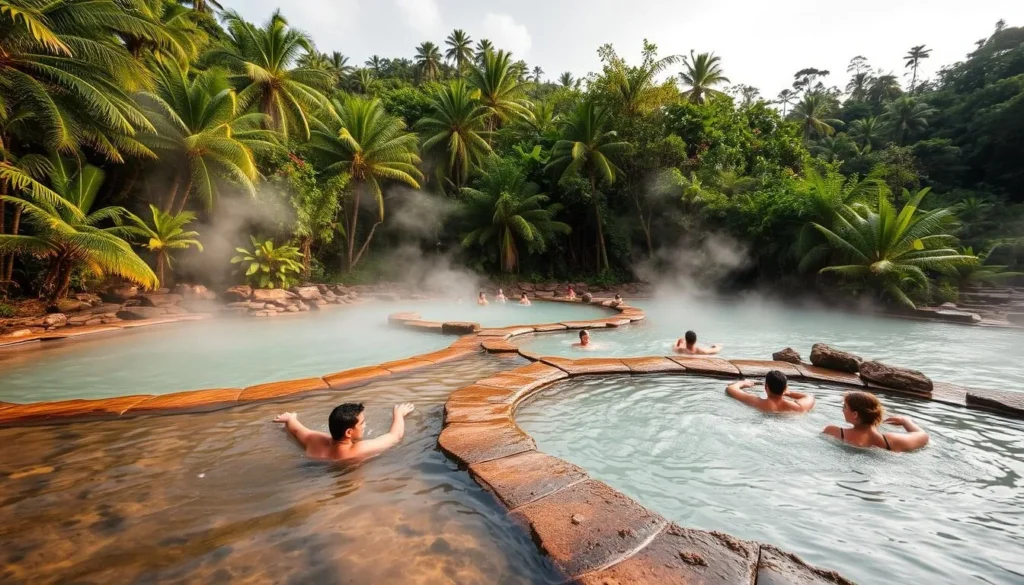
Visit the village of Termales to enjoy natural thermal pools nestled in the jungle. The warm, mineral-rich waters offer a relaxing experience after hiking or beach activities. Local guides can also lead you to nearby waterfalls like Cascada de Cuatro Encantos and Cascada del Amor.
Beaches
Explore the stunning black sand beaches that characterize this coastline. Guachalito Beach is one of the most beautiful, with volcanic rocks scattered across the sand. Other notable beaches include Playa Jovi, Terquito, and the remote beaches near Arusí.
Mangrove Tours
Take a canoe through the extensive mangrove ecosystems, particularly impressive near Coquí village. Local guides explain the ecological importance of these areas while pointing out birds, reptiles, and other wildlife.
Surfing
The Pacific coast offers excellent surfing conditions, especially from May to November. Termales and Terquito Beach near Guachalito are popular spots with surf schools offering lessons and board rentals for beginners and experienced surfers alike.
Cultural Experiences & Local Communities
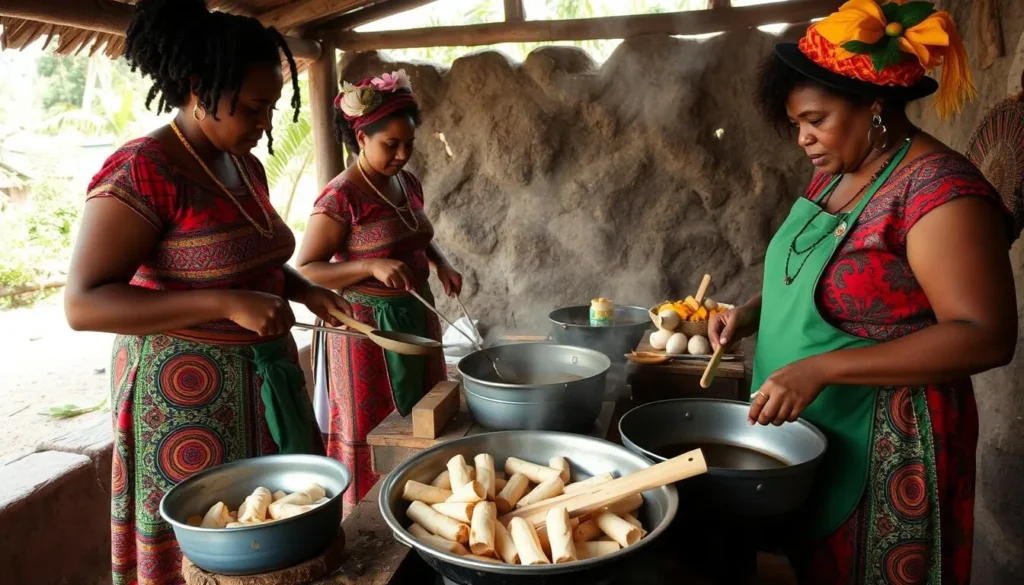
The Nuqui region is home to predominantly Afro-Colombian communities with rich cultural traditions, alongside indigenous Emberá and Wounaan peoples. Engaging with these communities offers meaningful insights into local life and supports sustainable tourism initiatives.
Community Tourism in Coquí
Coquí village stands out for its community-based tourism initiatives. Visit the “Zotea” project, a community restaurant where local women offer cooking classes featuring traditional Pacific cuisine. The Museum of Ancestral Knowledge showcases traditional practices and cultural heritage.
Indigenous Communities
Near Jurubira, you can visit Emberá communities that offer cultural exchanges. Learn about their traditional crafts, medicinal plant knowledge, and distinctive body painting using natural jagua dye.
Local Festivals
- Fiesta del Tamborito: Traditional music and dance celebration in early January
- Fiesta de la Virgen del Carmen: Religious festival in July that travels between coastal villages
- Migration Festival: September event raising awareness about migratory species protection
When visiting communities, remember you’re entering people’s homes. Approach with respect, ask permission before taking photos, and be prepared to contribute financially to community initiatives.
“Community tourism in the Chocó region represents one of Colombia’s most authentic cultural exchanges, where visitors directly support local development while gaining profound insights into Afro-Colombian and indigenous traditions.”
Nature & Outdoor Experiences
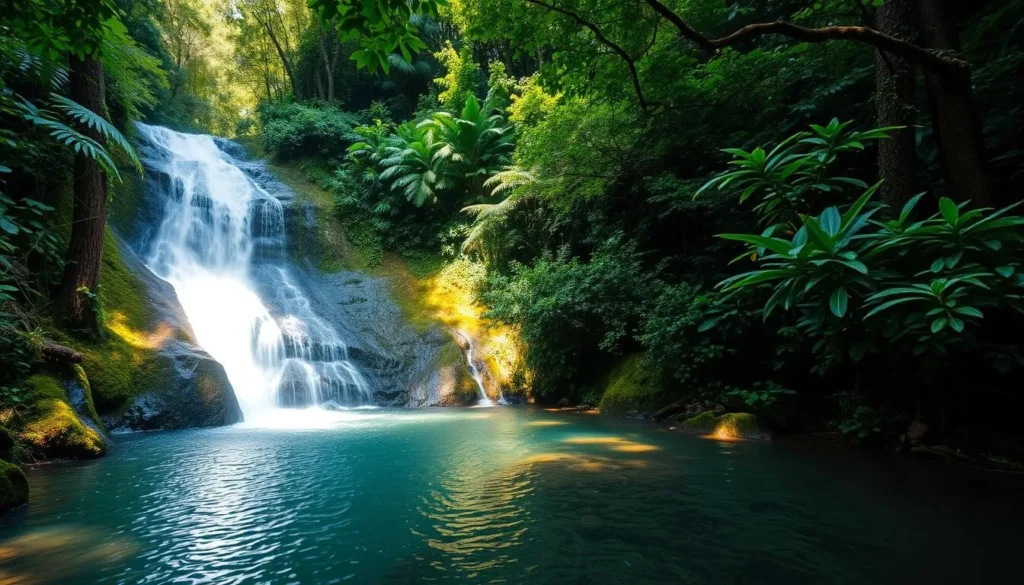
The Chocó region surrounding Nuqui is one of the most biodiverse areas on the planet, with countless opportunities for nature enthusiasts.
Jungle Hikes
Numerous trails lead through the dense rainforest to waterfalls, viewpoints, and natural pools. Popular hikes include the trail to Cascada de Cuatro Encantos from Termales, the Playa de Amargal trek from Arusí, and the Palo Blanco trek with its panoramic viewpoints. Always hire a local guide, as trails are often unmarked and conditions can change rapidly.
River Excursions
Take a canoe trip up the Rio Arusi or Rio Nuqui to spot wildlife and experience the tranquility of the forest from the water. These trips often include swimming stops at pristine spots away from the coast.
Wildlife Watching
Marine Life
- Humpback whales (July-October)
- Sea turtles (nesting August-February)
- Whale sharks (April-May)
- Manta rays and dolphins (year-round)
Land & Forest
- Monkeys (howler, capuchin, titi)
- Sloths and anteaters
- Colorful frogs and reptiles
- Over 300 bird species
Night hikes with local guides offer opportunities to spot nocturnal creatures, particularly amphibians and reptiles. Bring a good headlamp if you’re interested in these excursions.
Snorkeling & Diving
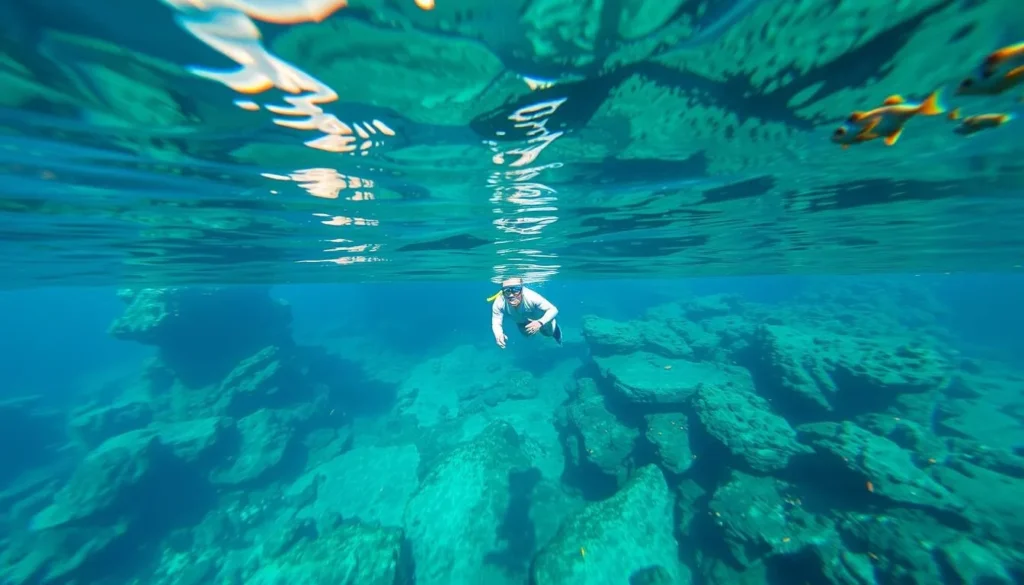
The Pacific waters around Nuqui offer rewarding underwater experiences for both snorkelers and certified divers. While visibility isn’t always comparable to Caribbean destinations, the rich marine biodiversity more than compensates.
Best Snorkeling Spots
- La Arañosa: Rocky formation between Punta Brava and Arusí with abundant fish life
- Punta Brava: Small beaches with rock formations ideal for spotting colorful fish and occasional turtles
- Utría National Park: Protected waters with healthy coral formations (accessible by boat tour)
Diving Information
For certified divers, the Pacific coast offers intermediate to advanced diving with sometimes challenging conditions. January and February typically provide the best visibility. Dive operators in Bahía Solano can arrange trips to sites along the coast, including the waters off Cabo Corrientes near Punta Brava, known for diverse marine life and occasional shark sightings.
During May, lucky divers might encounter massive schools of sardines, creating spectacular underwater scenes as predators feed among them.
Equipment Note: Bring your own snorkeling gear if possible. While some ecolodges offer basic equipment, quality and availability vary. For diving, operators provide tanks and weights, but you may want your own regulator and BCD if you’re particular about equipment.
Safety, Etiquette & Local Customs
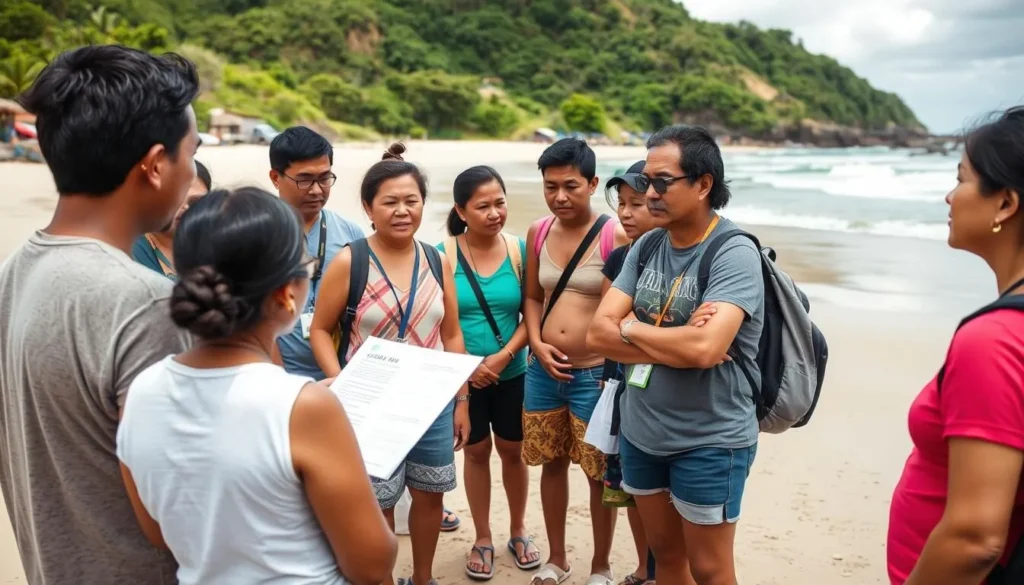
Nuqui and its surrounding villages are generally safe for travelers, but the remote nature of the region requires some special considerations:
Safety Tips
- Always hire local guides for jungle hikes and river excursions
- Check tide schedules before beach walks, as some areas become impassable at high tide
- Bring basic medical supplies as healthcare facilities are limited
- Respect the ocean – currents can be strong, so swim only in recommended areas
- Keep valuables to a minimum and secure in waterproof containers
Cultural Etiquette
The communities around Nuqui maintain strong cultural identities and traditional practices. Show respect by:
- Asking permission before taking photos of people or their homes
- Dressing modestly, especially when visiting villages (not just on beaches)
- Learning a few basic Spanish phrases – English is not widely spoken
- Supporting community tourism initiatives that benefit local people
- Being patient with the relaxed pace of life and services
When visiting indigenous communities, follow additional protocols that your guide will explain. These may include specific greeting customs or restrictions on certain activities or areas.
Environmental Responsibility: The Chocó region faces threats from deforestation and industrial development. Support conservation by choosing eco-friendly accommodations, avoiding single-use plastics, and respecting wildlife viewing guidelines.
Practical Travel Tips
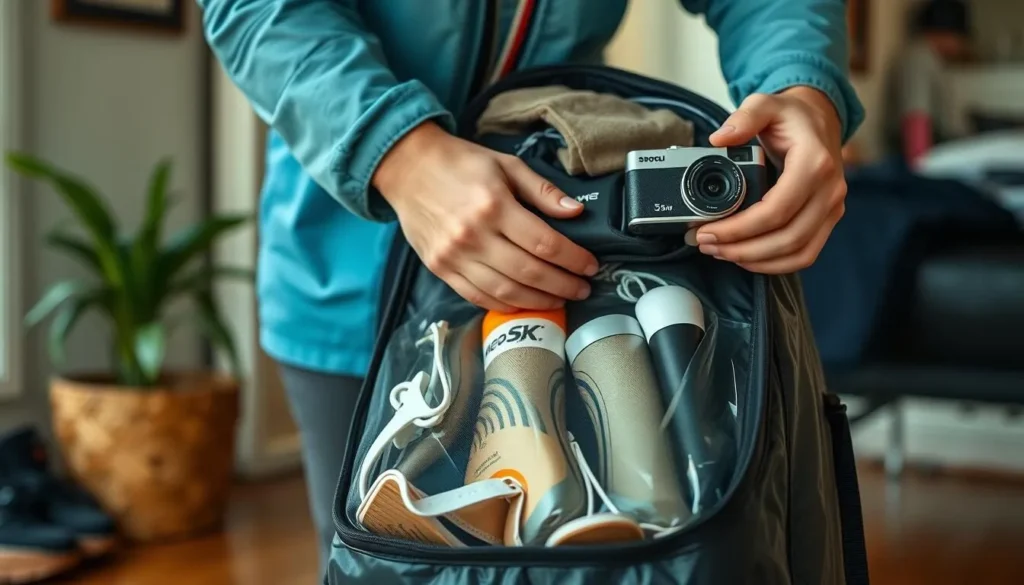
Essential Packing List
Clothing & Gear
- Quick-dry clothing (multiple changes)
- Lightweight rain jacket or poncho
- Water shoes for boat landings
- Hiking sandals or shoes
- Sun hat and sunglasses
- Swimwear (2+ sets)
Other Essentials
- High-SPF biodegradable sunscreen
- Insect repellent (with DEET)
- Waterproof bag for electronics
- Headlamp or flashlight
- Basic first-aid kit
- Cash (no ATMs in villages)
Money & Communications
There are no ATMs outside of Nuqui town, and even there, service can be unreliable. Bring sufficient Colombian pesos for your entire stay. Most accommodations accept cash only, though some larger ecolodges may accept credit cards.
Cell service is limited or non-existent in most villages. Some accommodations offer Wi-Fi during generator hours, but connection is typically slow. Embrace the digital detox as part of your experience!
Health Considerations
No specific vaccinations are required for this region beyond standard travel recommendations. The risk of malaria is low but present, so consider appropriate prophylaxis and always use insect repellent. Drink only bottled or purified water.
“The most valuable thing you can pack for Nuqui is a flexible attitude. Schedules change with the weather and tides, and embracing this rhythm is part of the magic of the Pacific coast.”
Experience the Magic of Nuqui
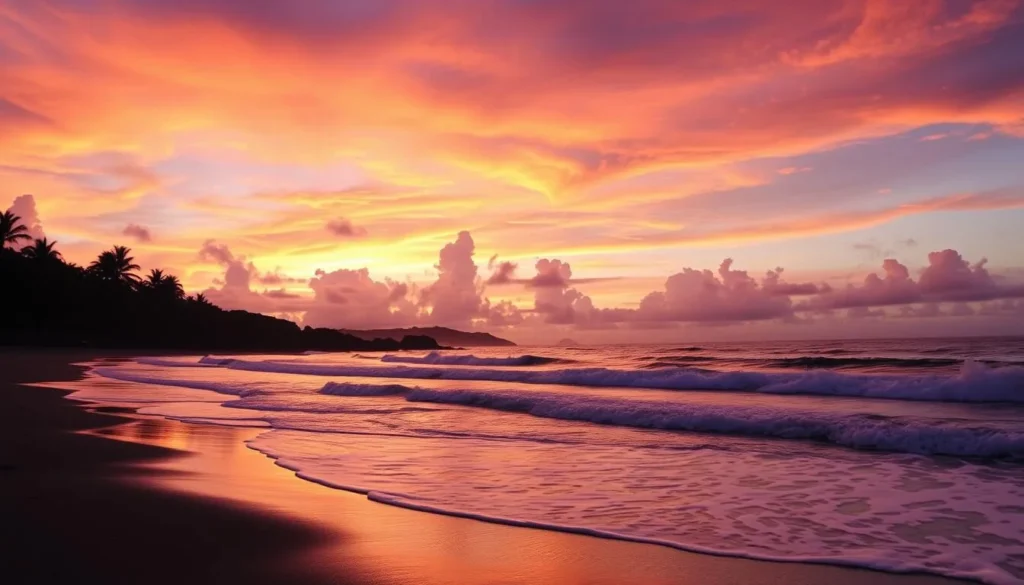
Nuqui represents Colombia at its most authentic and untamed. This remote corner of the Pacific coast rewards travelers with experiences that can’t be found elsewhere – from witnessing the majestic dance of humpback whales to connecting with communities preserving centuries-old traditions.
The journey may require more effort than typical tourist destinations, but that’s precisely what keeps Nuqui special. Here, nature sets the schedule, locals welcome you with genuine warmth, and each day brings unexpected discoveries. Whether you’re seeking adventure, relaxation, or cultural immersion, the diverse villages and landscapes around Nuqui offer a profound connection to both nature and humanity.
As you plan your visit, remember that tourism here is still developing. Approach with patience, respect, and a spirit of adventure, and Nuqui will reveal its treasures in ways that will stay with you long after you’ve returned home.
Related Posts

Amazon Rainforest, Colombia: Best Things to Do – Top Picks
Barichara, Colombia: Best Things to Do – Top Picks
Chingaza National Park, Colombia: Best Things to Do – Top Picks
Cocora Valley, Colombia: Best Things to Do – Top Picks
Ciudad Perdida, Colombia: Best Things to Do – Top Picks
Eje Cafetero, Colombia: Best Things to Do – Top Picks
Coming Soon: Clickable Maps