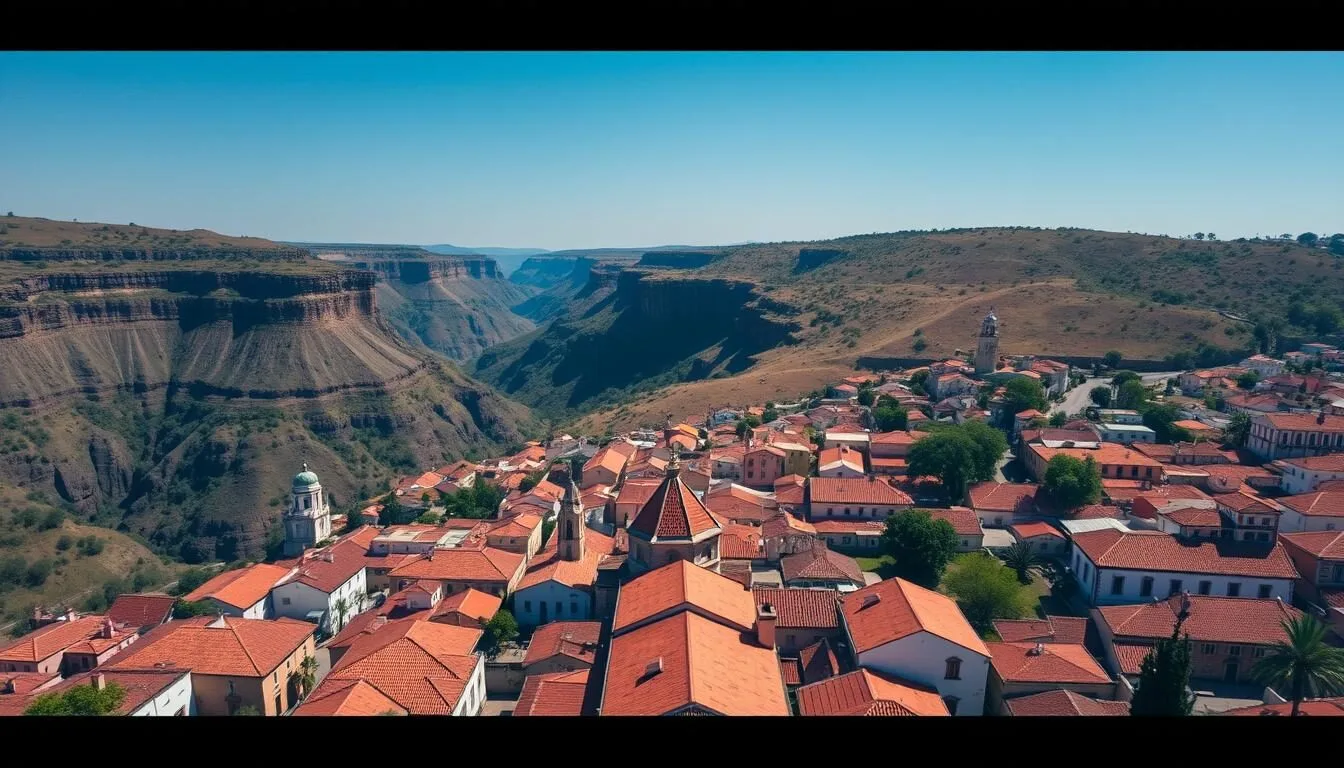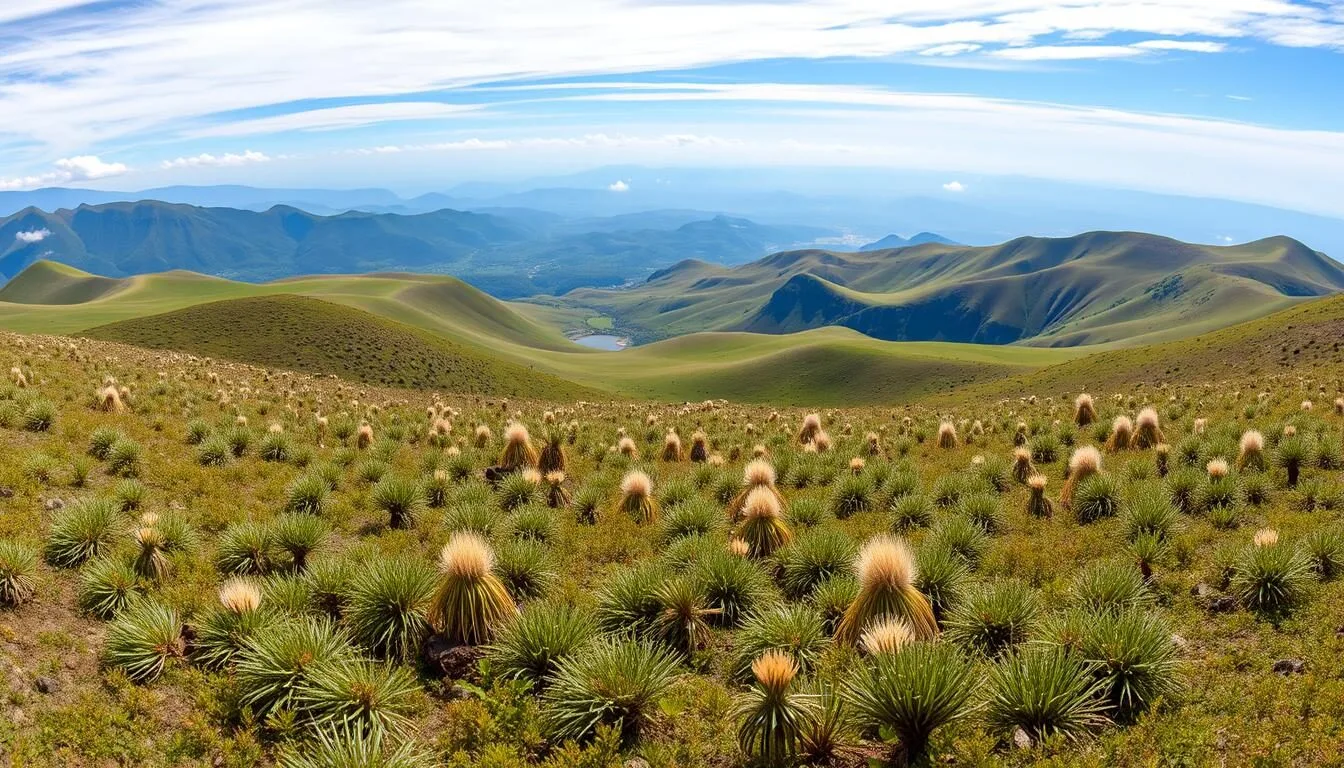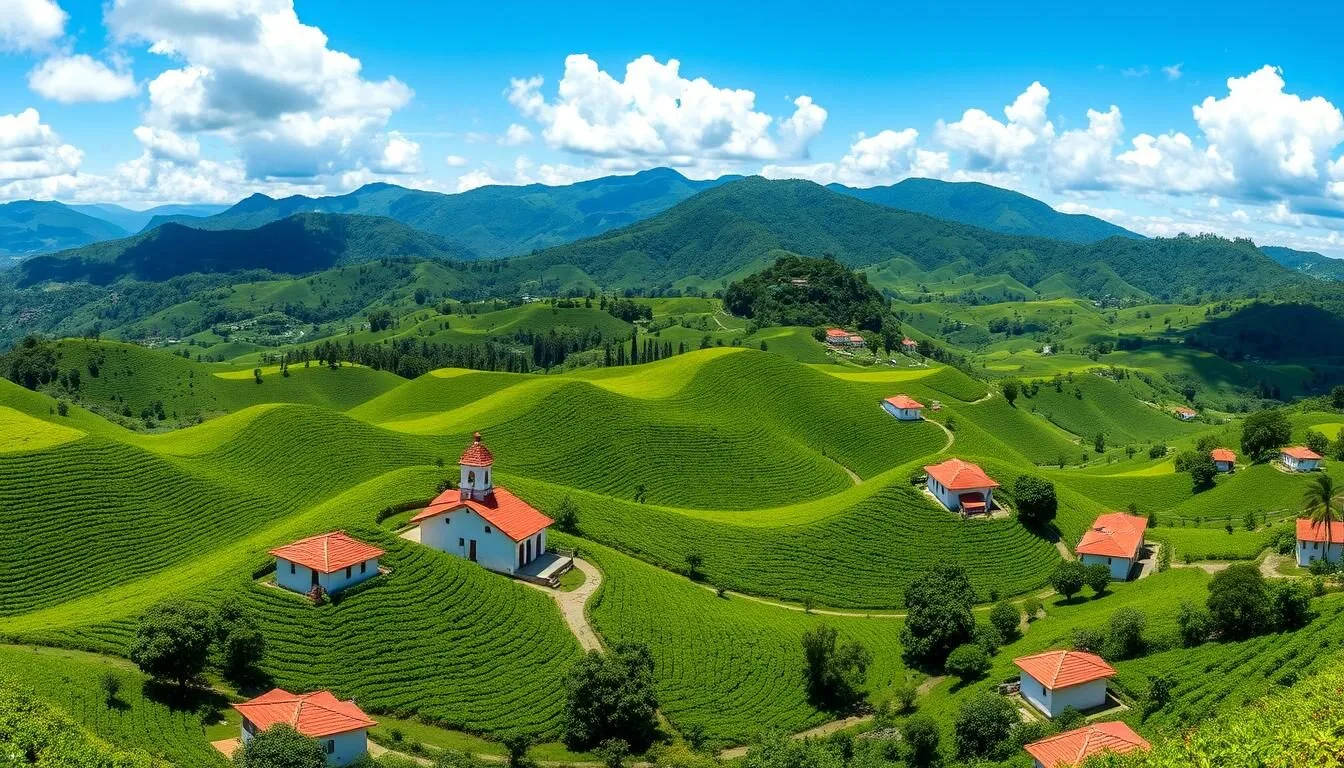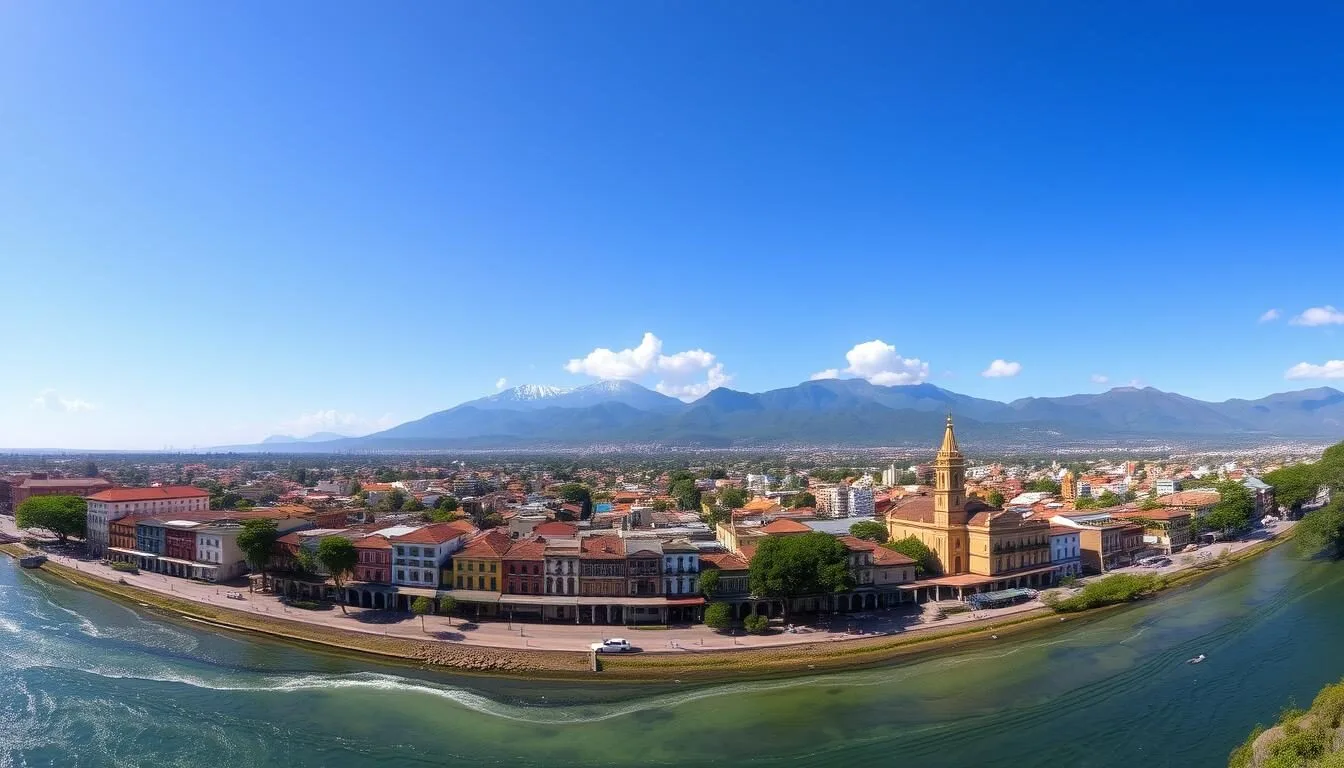
Did you know that Valledupar is the birthplace of vallenato music, Colombia’s beloved folk genre that earned UNESCO Intangible Cultural Heritage status in 2015? This vibrant city nestled between the majestic Sierra Nevada de Santa Marta mountains and the Guatapurí River offers travelers a genuine Colombian experience far from the typical tourist trail. With its rich musical heritage, stunning natural landscapes, and authentic cultural traditions, Valledupar provides a refreshing alternative to Colombia’s more frequented destinations.
Valledupar’s stunning setting between the Sierra Nevada mountains and the Guatapurí River
Getting There & Planning Your Journey
Valledupar is accessible by air and road, with regular connections to major Colombian cities. The Alfonso López Pumarejo Airport offers direct flights from Bogotá, making it convenient for international travelers. If you prefer a more scenic route, bus services connect Valledupar to coastal cities like Santa Marta (4 hours), Cartagena (7 hours), and Barranquilla (3.5 hours).
Alfonso López Pumarejo Airport connects Valledupar with direct flights from Bogotá
Best Time to Visit & Weather Tips
Valledupar features a tropical climate with average daytime temperatures around 34°C (93°F) and nighttime temperatures around 24°C (75°F). The city experiences two dry seasons (December-March and July-August) and two rainy seasons (April-June and September-November), with October typically receiving the most rainfall.
The ideal time to visit is during the dry season from December to March when you can fully enjoy outdoor activities and river swimming. However, if you’re a music enthusiast, plan your trip for late April when the famous Festival de la Leyenda Vallenata takes place, transforming the city into a vibrant celebration of Colombian folk music.
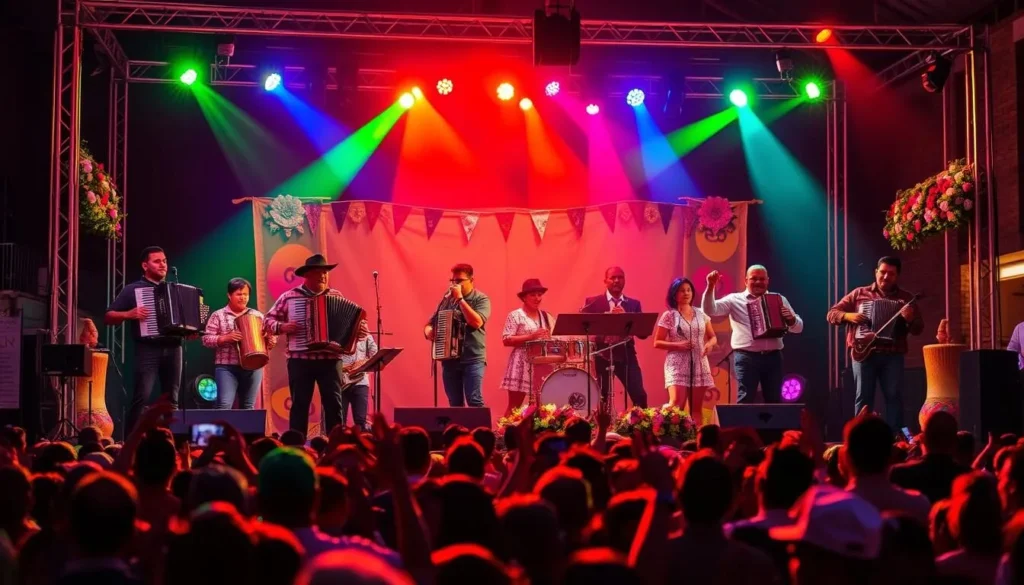
The Festival de la Leyenda Vallenata transforms Valledupar into a musical celebration each April
What should I pack for Valledupar?
Pack lightweight, breathable clothing for Valledupar’s hot climate. Include swimwear for river visits, comfortable walking shoes for exploring the city center, sun protection (hat, sunglasses, sunscreen), and a light rain jacket if visiting during rainy seasons. For the Festival de la Leyenda Vallenata, consider bringing one nicer outfit for evening events.
Getting Around Locally
Valledupar’s historic center is compact and perfect for exploring on foot. For longer distances, taxis are affordable and readily available throughout the city. Mototaxis (motorcycle taxis) are a popular local transportation option but may not be covered by travel insurance. For day trips to surrounding attractions, consider renting a car or booking a guided tour with transportation included.
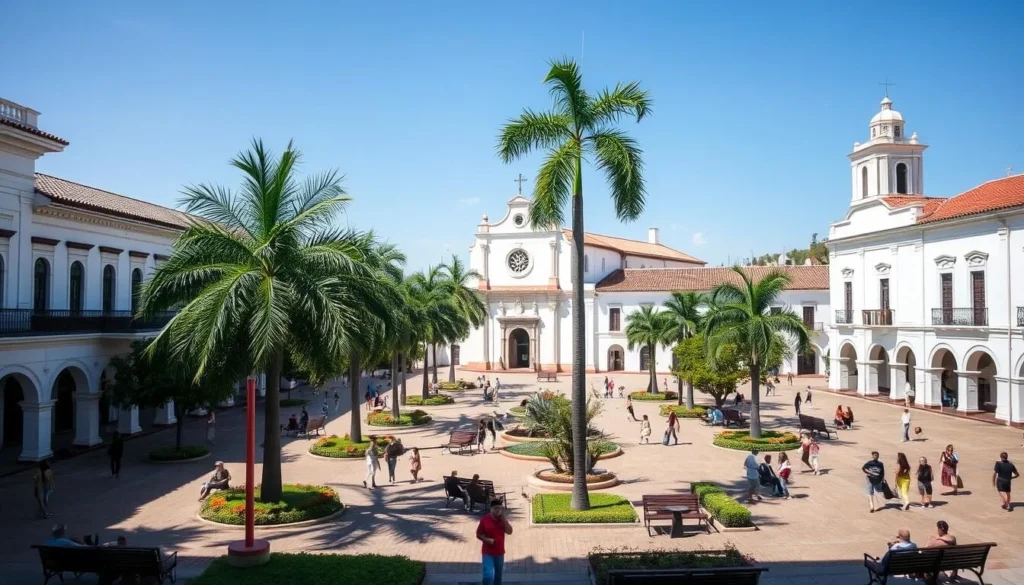
Plaza Alfonso López in Valledupar’s walkable historic center
Where to Stay
Valledupar offers a range of accommodation options, from boutique hotels in restored colonial buildings to modern hotels with all amenities. For the best experience, stay in or near the historic center where you’ll be within walking distance of main attractions, restaurants, and cultural sites.
Luxury
Hotel Boutique Casa de Los Santos Reyes stands out as Valledupar’s most charismatic upscale option, featuring beautifully decorated rooms in a restored colonial building with artistic touches throughout.
Mid-Range
Hotel Boutique Casa Rosalía offers excellent value with its central location, comfortable rooms, swimming pool, and gardens. Vajamar Hotel is another good mid-range option with balcony rooms and a pool.
Budget
Hotel Boutique Calle Grande provides clean, comfortable rooms at affordable rates, plus a terrace bar with city views. Hotel Vans offers budget-friendly private rooms with great reviews from solo travelers.
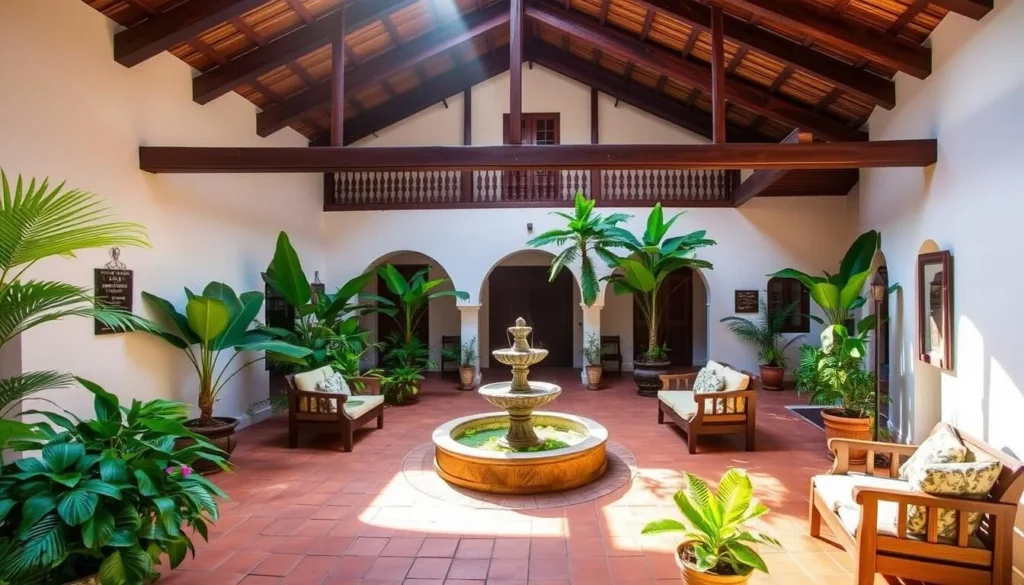
The charming courtyard of Hotel Boutique Casa de Los Santos Reyes
Dining & Local Cuisine
Valledupar’s cuisine reflects its cultural heritage with a delicious blend of indigenous, Spanish, and African influences. The region is known for its meat dishes, particularly goat preparations like “chivo guisado” (stewed goat) and hearty soups like “sancocho de gallina” (hen stew).
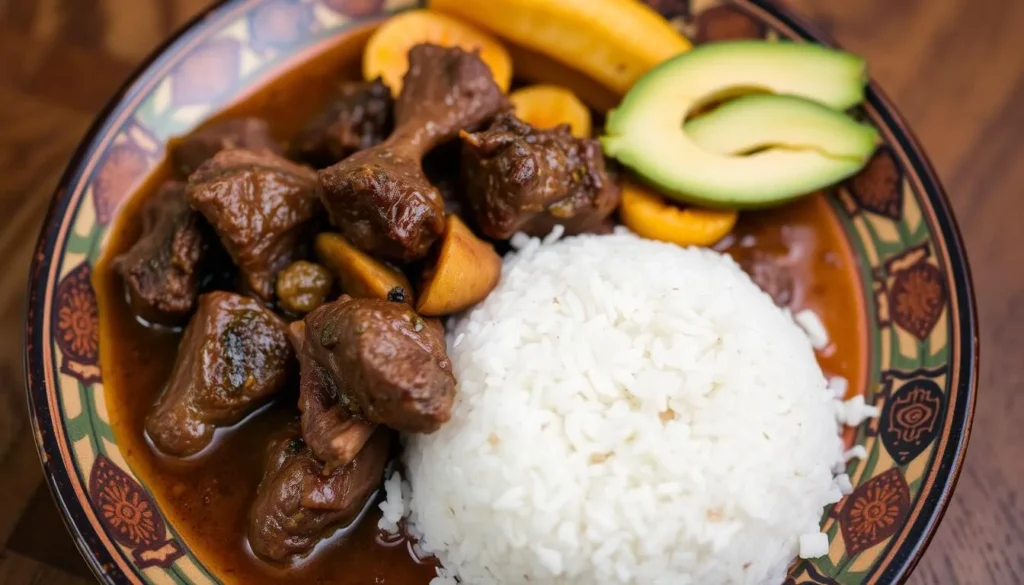
Chivo guisado (stewed goat), a traditional specialty of the Valledupar region
Must-Try Local Dishes
Recommended Restaurants
Compai Chipuco
Located near Plaza Alfonso López, this restaurant offers authentic regional dishes in a casual setting with reasonable prices. Try their chivo guisado for a true taste of Valledupar.
Casa Belén
For a special dining experience, visit this restaurant housed in a beautiful colonial building. They serve excellent fusion cuisine that blends traditional flavors with modern techniques.
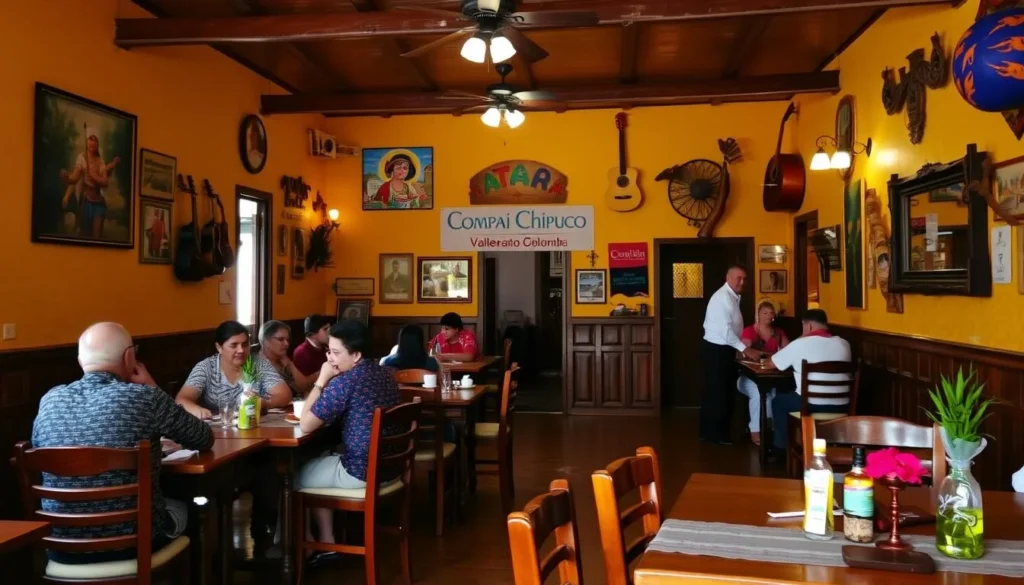
The welcoming atmosphere of Compai Chipuco restaurant, a local favorite
Attractions, Sightseeing & Activities
Valledupar offers a perfect blend of cultural and natural attractions. From exploring the charming historic center to cooling off in crystal-clear river pools, there’s something for every type of traveler.
Historic Center Highlights
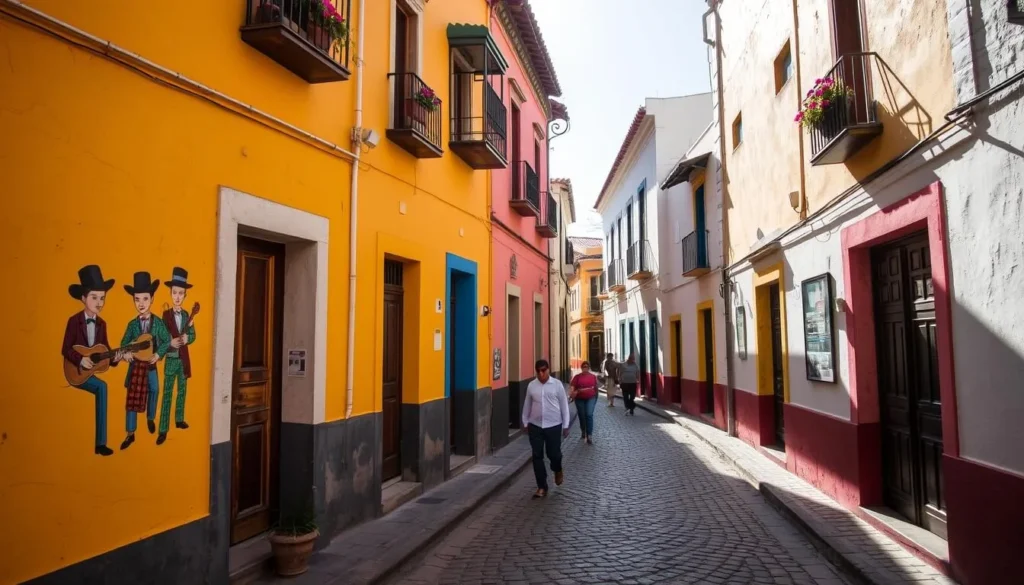
The colorful and historic Callejón de la Purrututú, steeped in local legend
Natural Attractions
Balneario Hurtado
This popular natural swimming pool in the Guatapurí River is perfect for cooling off on hot days. Visit during weekdays for a quieter experience or join the locals on weekends for a lively atmosphere with music and food vendors.
Balneario La Mina
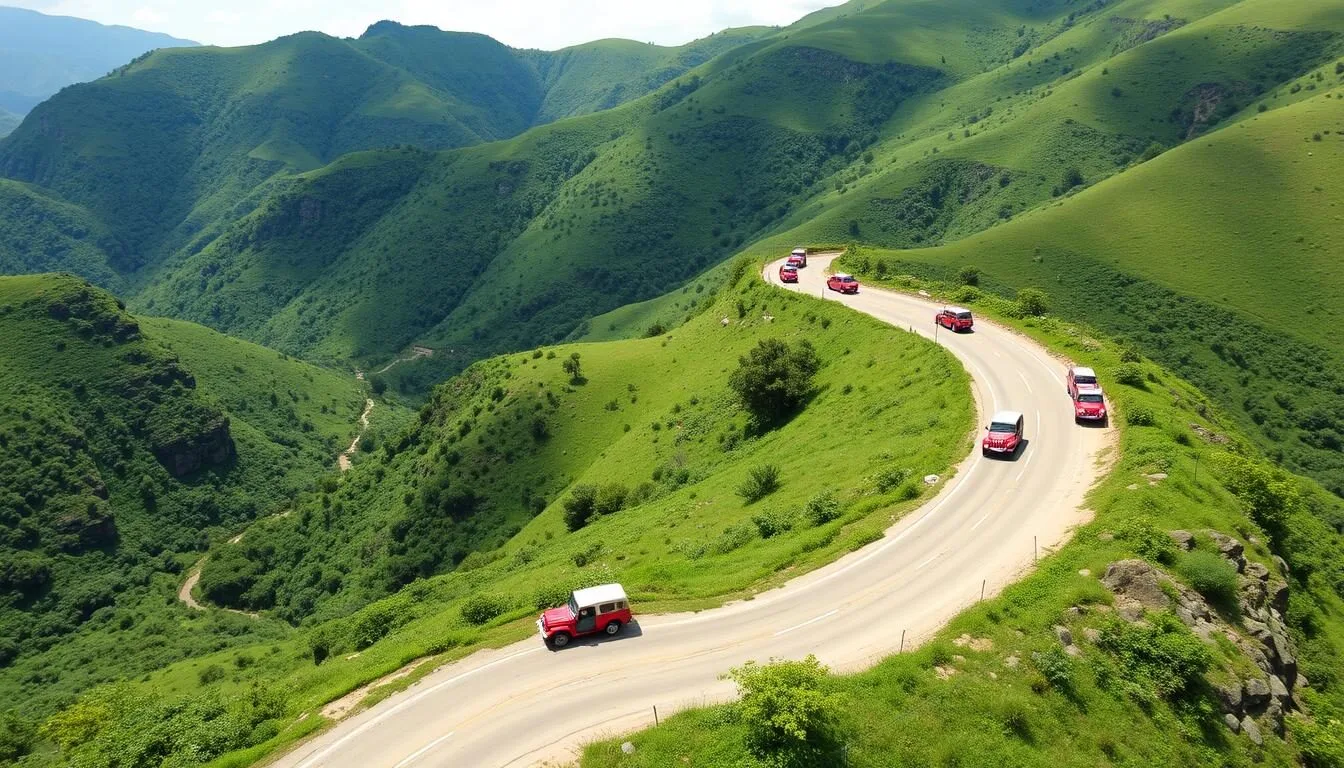
Located about an hour from Valledupar, this stunning river spot features impressive rock formations and crystal-clear waters. The drive along the “Route of Rivers and Tradition” is an experience in itself.
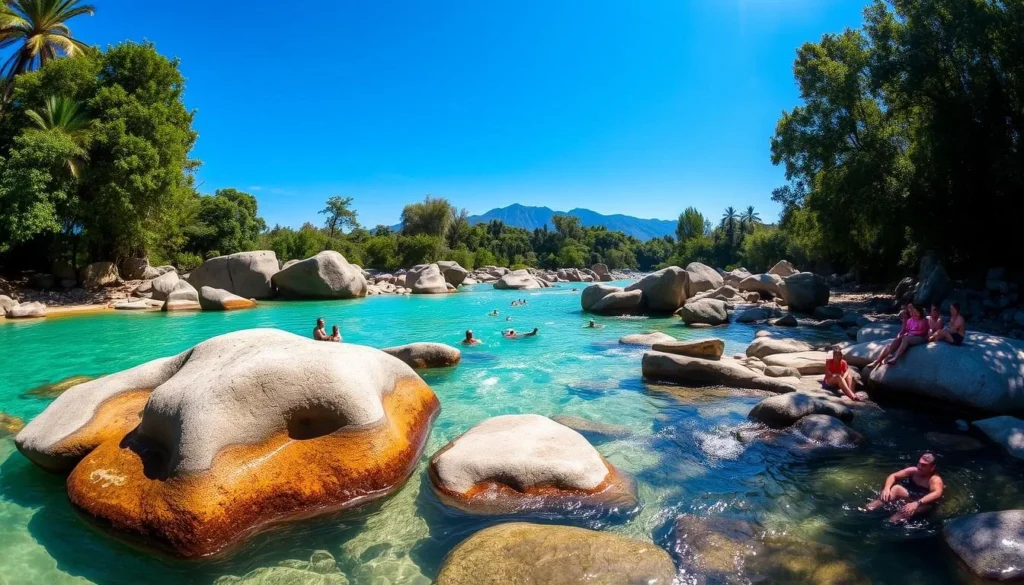
The refreshing natural pools of Balneario Hurtado on the Guatapurí River
Museums, Cultural Spots & Festivals
Valledupar’s rich cultural heritage is best experienced through its museums, music venues, and vibrant festivals that celebrate the region’s traditions.
Museums & Cultural Centers
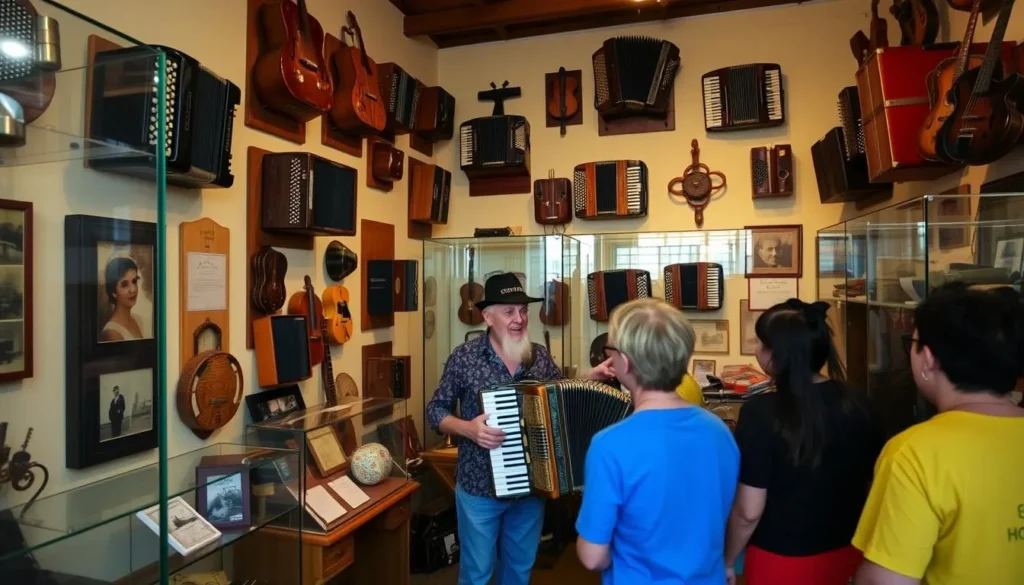
The fascinating collection of historic accordions at Casa Beto Murgas
Monuments & Public Art
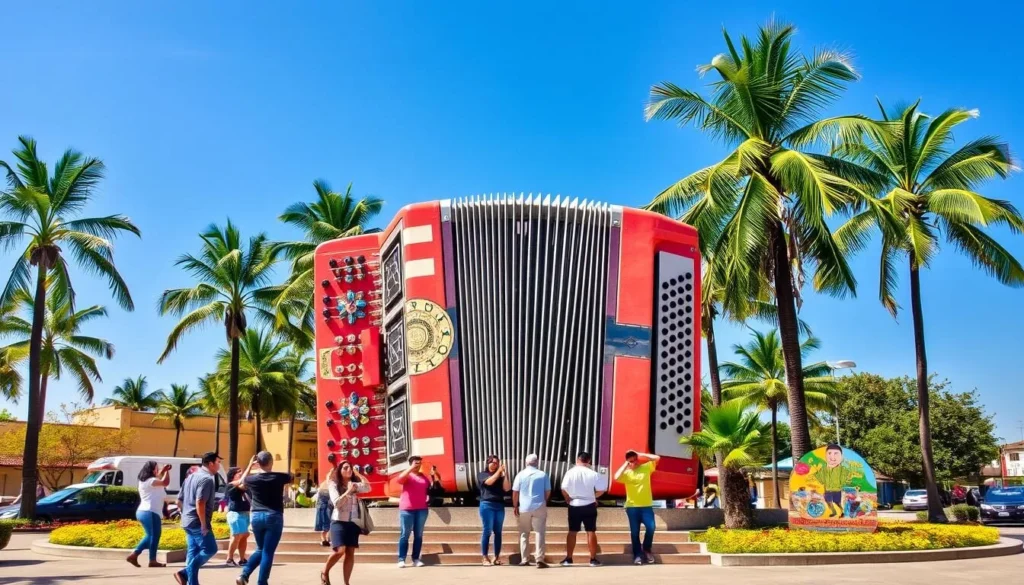
The iconic Mi Pedazo de Acordeón monument celebrating Valledupar’s musical heritage
Festivals & Events
The Festival de la Leyenda Vallenata, held annually in late April, is undoubtedly Valledupar’s most important cultural event. This five-day celebration brings together the best vallenato musicians competing for the title of “King of Vallenato” while thousands of spectators enjoy performances, parades, and cultural activities at the Parque de La Leyenda Vallenata.
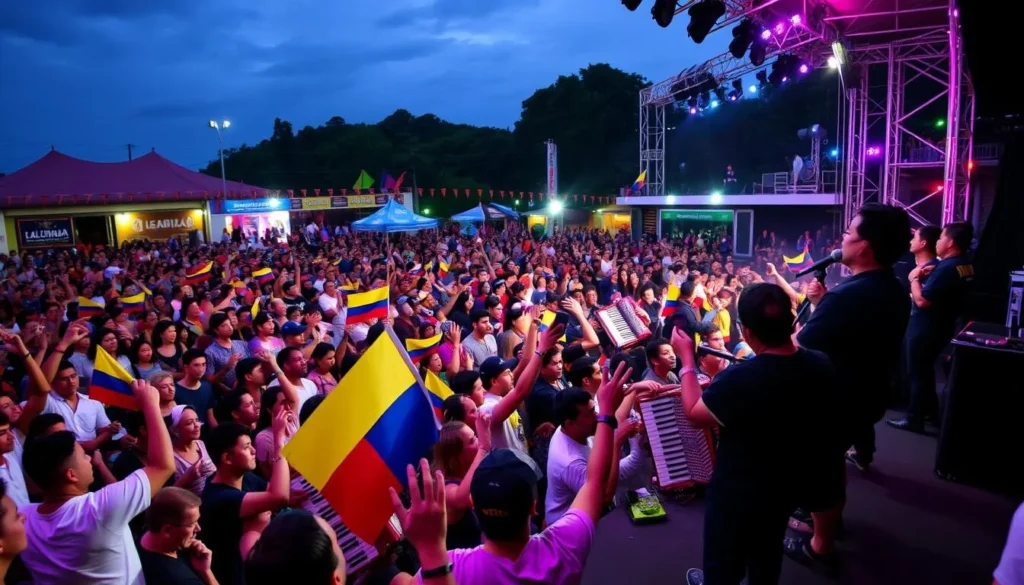
The electrifying atmosphere of the Festival de la Leyenda Vallenata
Sports, Nature & Outdoor Experiences
The natural surroundings of Valledupar offer excellent opportunities for outdoor enthusiasts, from hiking in the Sierra Nevada mountains to birdwatching in pristine natural reserves.
Hiking & Nature Exploration
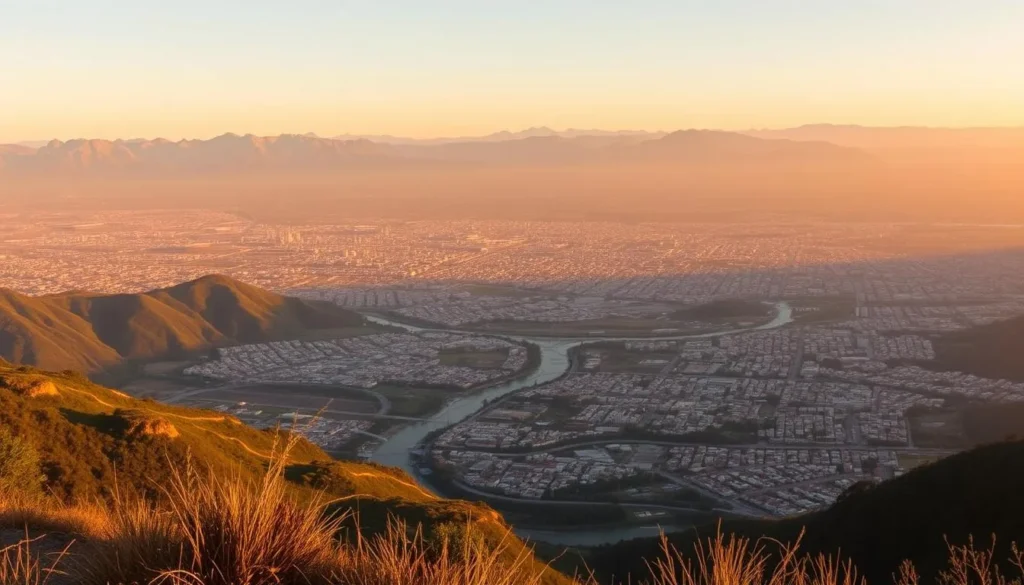
The breathtaking view from Mirador del Santo Ecce Homo overlooking Valledupar
Indigenous Communities & Cultural Experiences
Nabusímake
Visit this Arhuaco indigenous settlement in the Sierra Nevada mountains to learn about traditional culture and spiritual practices. The village features beautiful wattle-and-daub homes and offers insights into indigenous ways of life.
Pueblo Bello
This serene mountain town at 1,200 meters elevation offers pleasant spring-like temperatures, hiking trails, and opportunities to learn about Arhuaco culture at the Cultural Interpretation Center and Buzintana Botanical Garden.
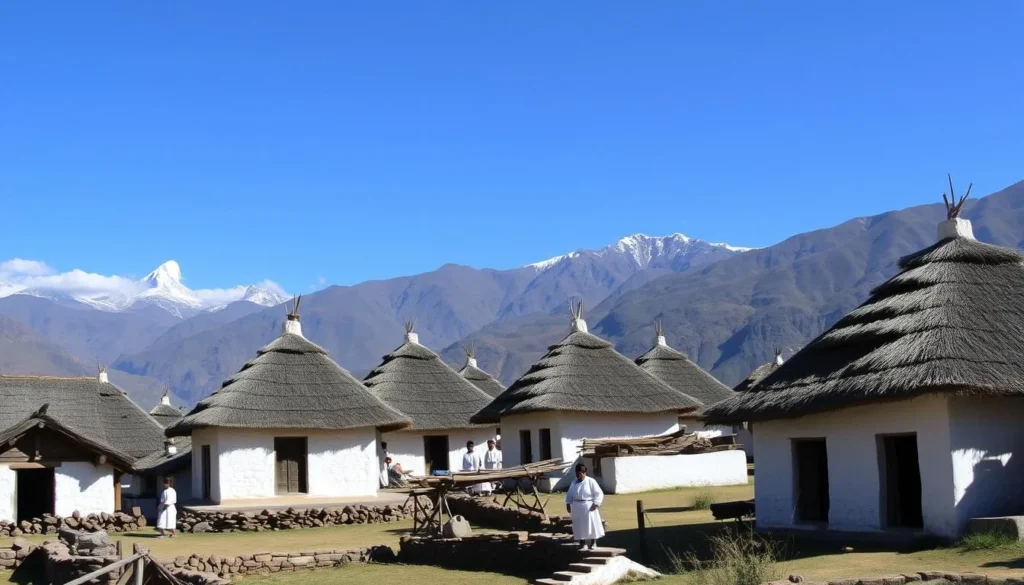
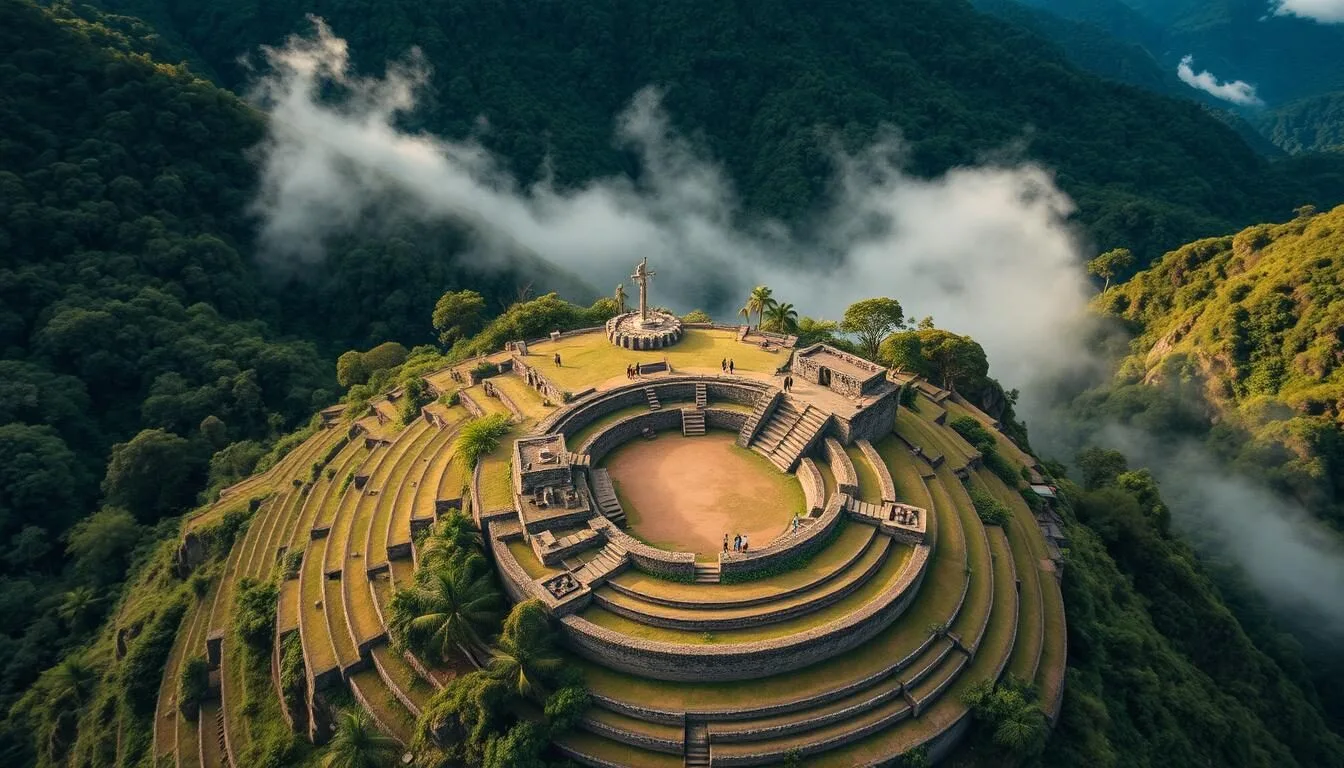
Traditional architecture of Nabusímake, the spiritual capital of the Arhuaco people
Birdwatching
The Cesar department surrounding Valledupar is home to over 500 bird species, making it a paradise for birdwatchers. The Serranía del Perijá, accessible from the town of Manaure, is particularly rich in endemic species like the Perijá hummingbird, Perijá thistletail, and black-fronted brushfinch.
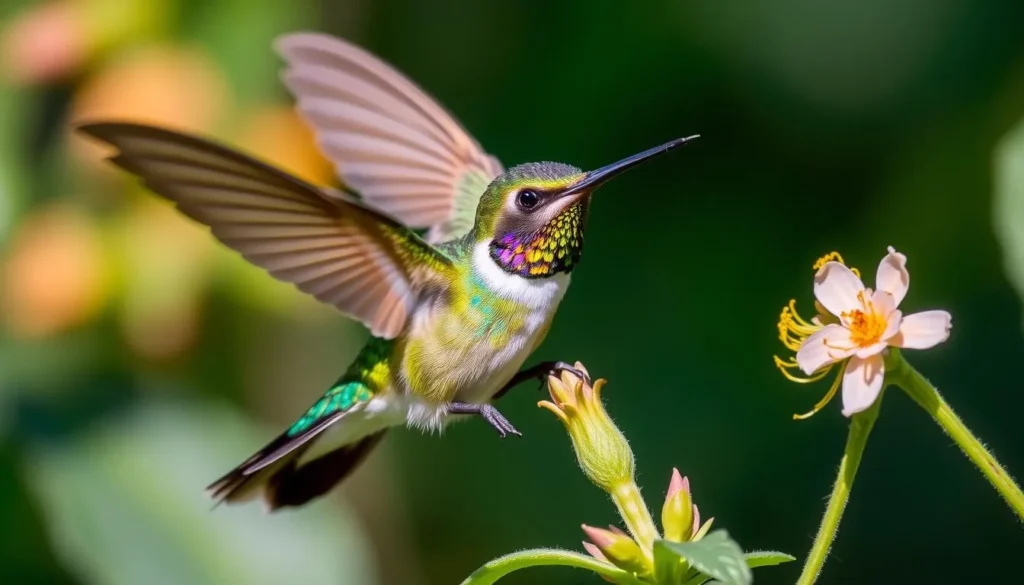
The endemic Perijá hummingbird, a prized sighting for birdwatchers in the region
Safety, Etiquette & Local Customs
Valledupar is generally safe for tourists, but as with any destination, it’s wise to take basic precautions. Avoid walking alone at night, especially in isolated areas, and keep valuables secure. The local people are friendly and welcoming to visitors who respect their customs and traditions.
Cultural Etiquette
Safety Tips
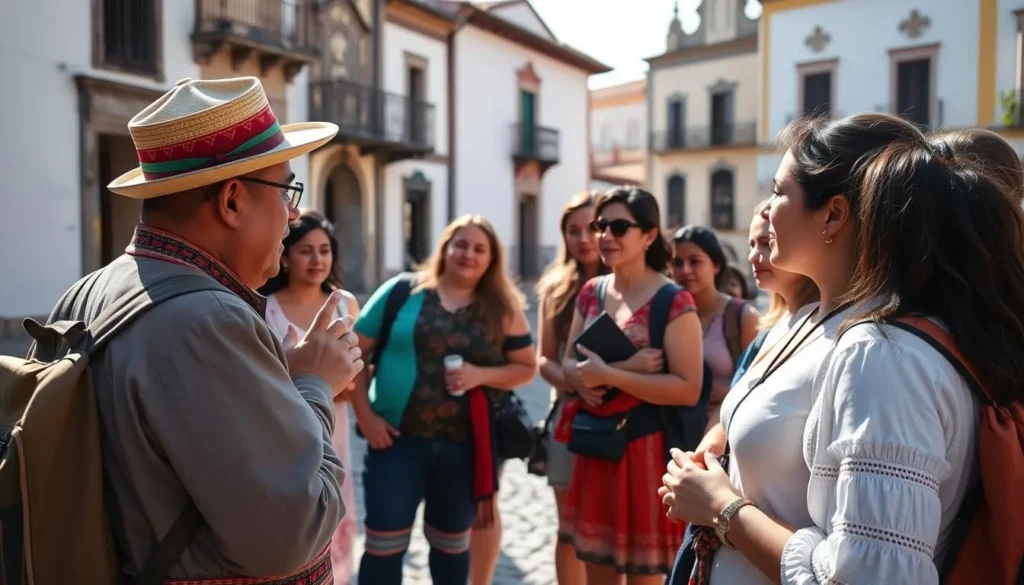
A local guide sharing Valledupar’s rich cultural heritage with visitors
Practical Travel Tips
These final tips will help you make the most of your visit to Valledupar and ensure a smooth, enjoyable experience in this unique Colombian destination.
Money
The Colombian peso (COP) is the local currency. ATMs are available in the city center, but it’s good to carry some cash for smaller establishments and markets. Credit cards are accepted at most hotels and larger restaurants.
Communication
Purchase a local SIM card for affordable data and calls. Claro and Movistar have good coverage in Valledupar. Free WiFi is available in many hotels, restaurants, and cafés.
Health
Drink bottled water and use insect repellent, especially near rivers. Valledupar has several hospitals and clinics for medical emergencies. Travel insurance with medical coverage is recommended.
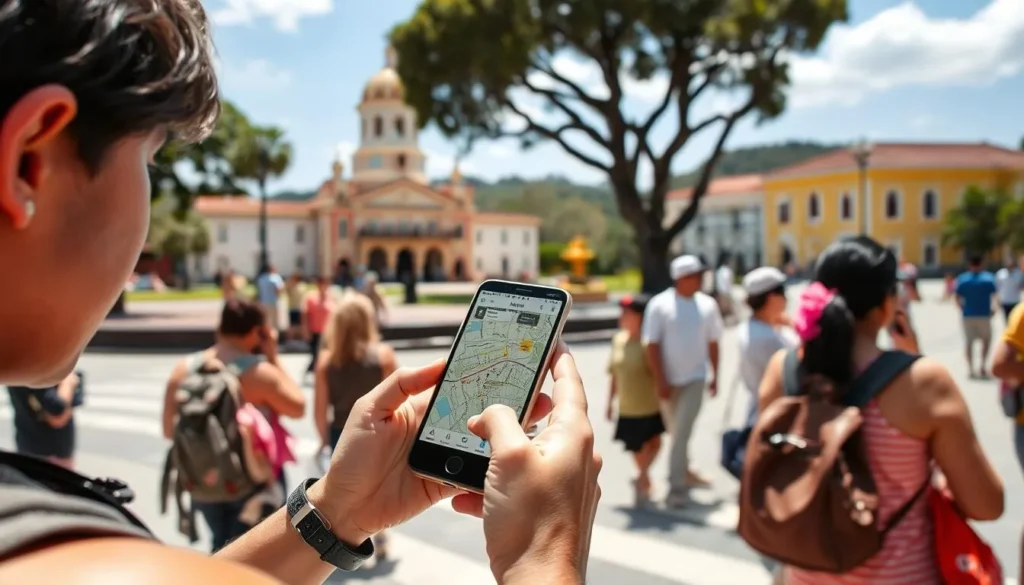
Having a local SIM card makes navigating Valledupar and staying connected much easier
Valledupar, Colombia – Explore the city’s main attractions
Ready to Experience Valledupar?
Valledupar offers travelers a genuine Colombian experience away from the typical tourist trail. From immersing yourself in the birthplace of vallenato music to cooling off in crystal-clear river pools and exploring the foothills of the Sierra Nevada mountains, this vibrant city provides a perfect blend of culture and nature. Whether you’re dancing at the Festival de la Leyenda Vallenata or learning about indigenous traditions in Nabusímake, Valledupar will leave you with unforgettable memories of Colombia’s rich heritage.