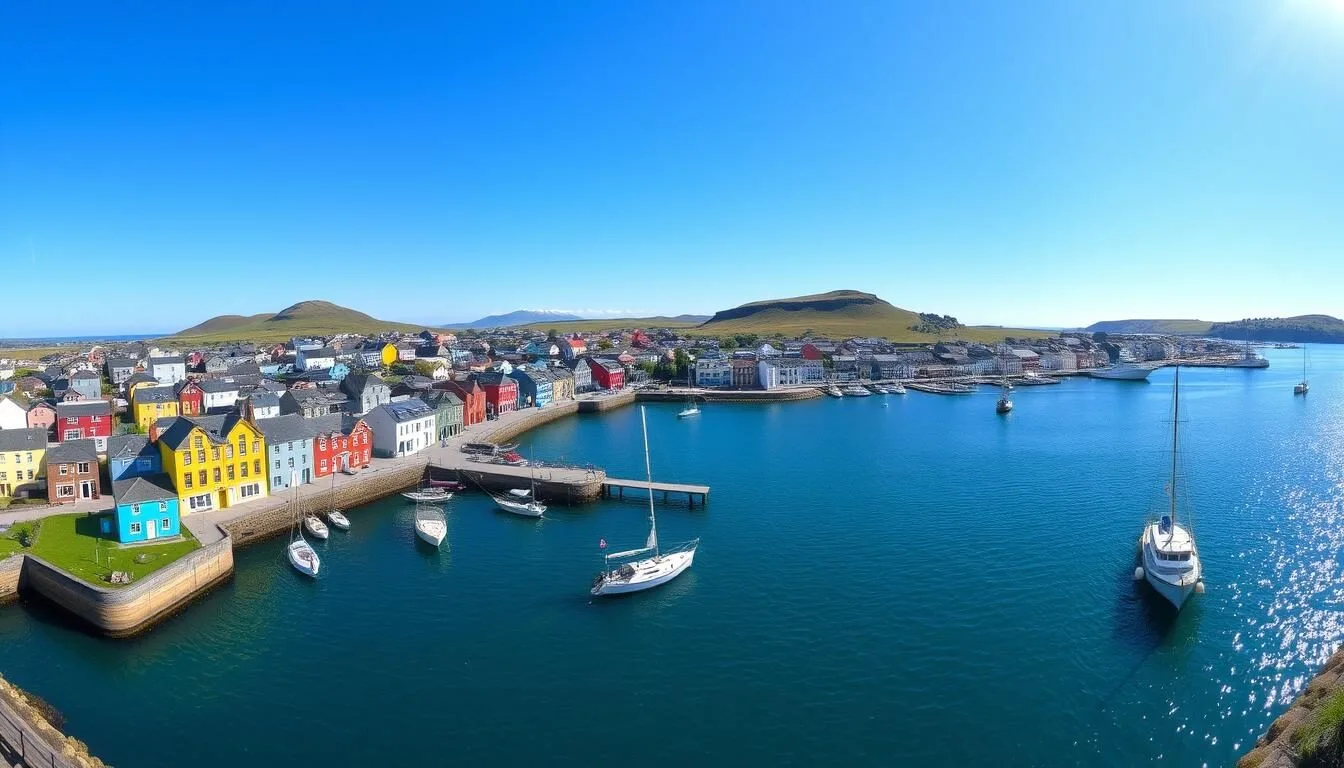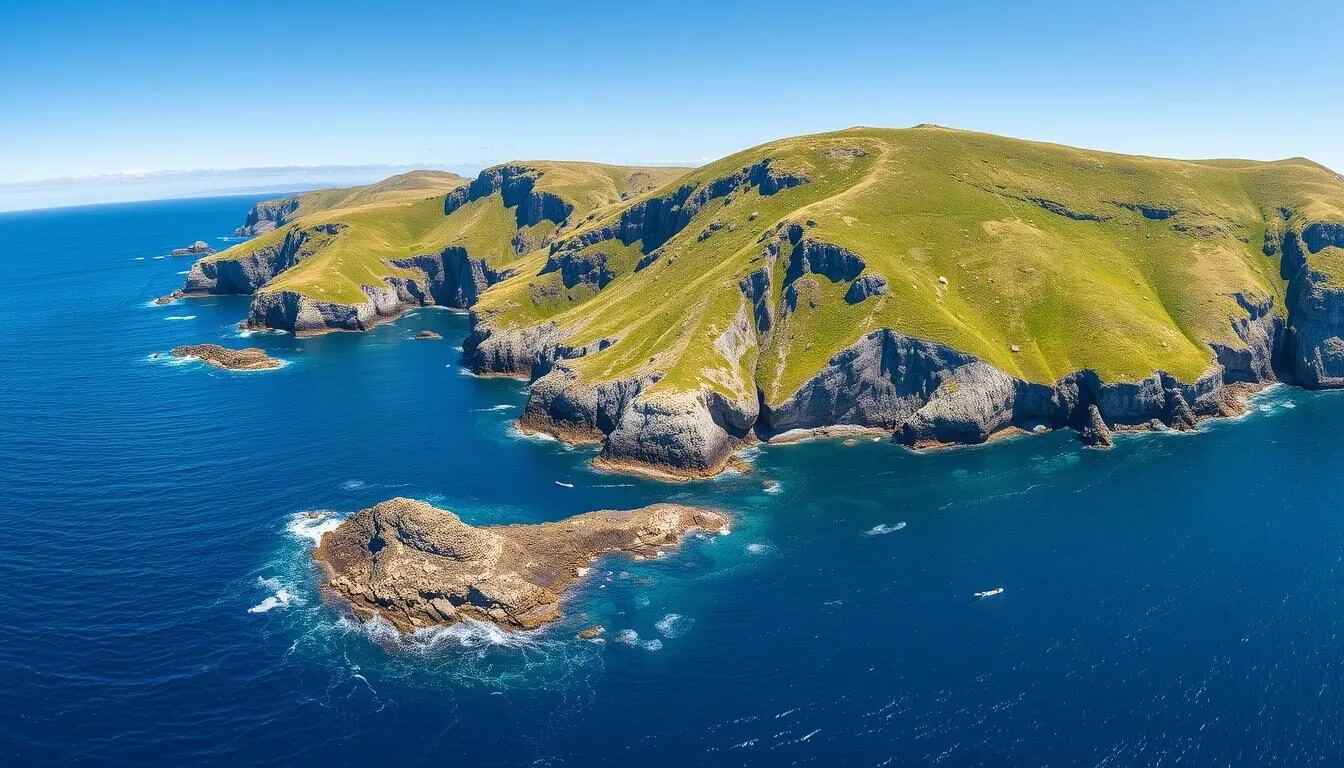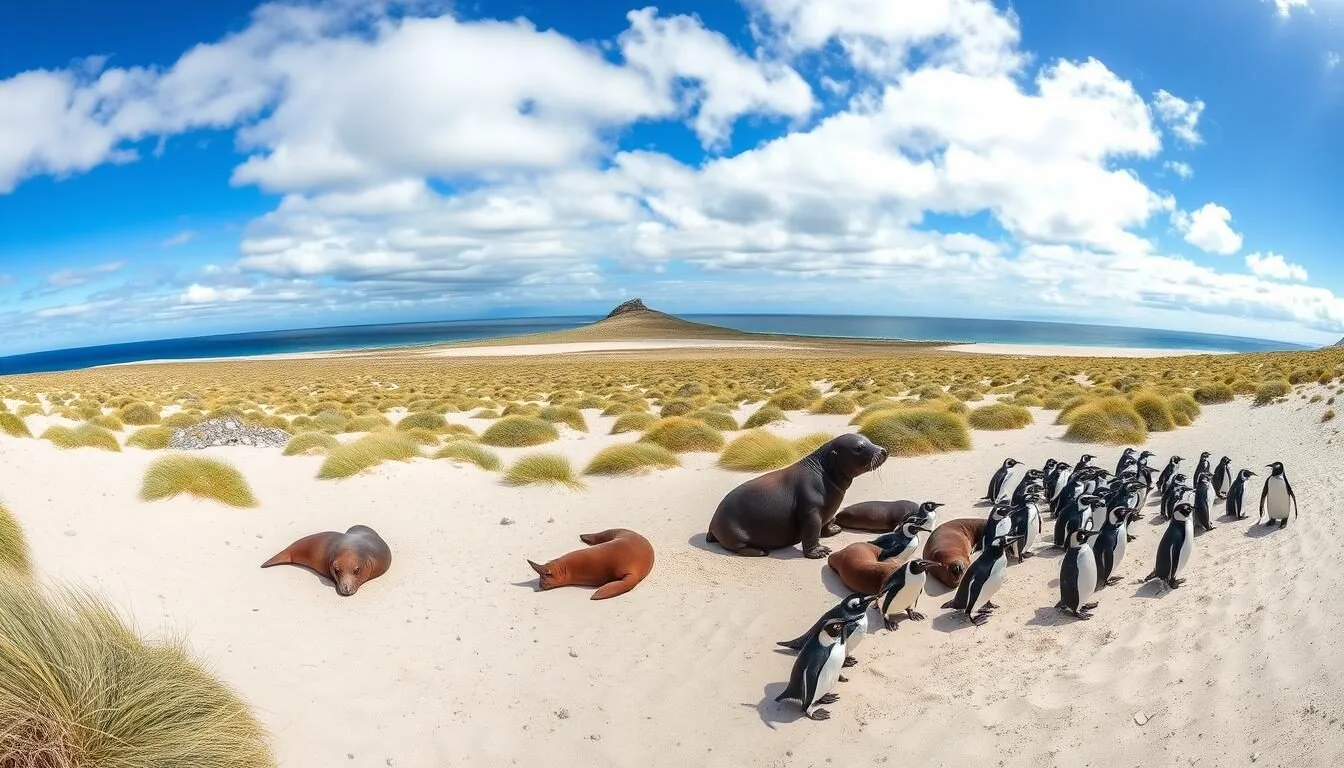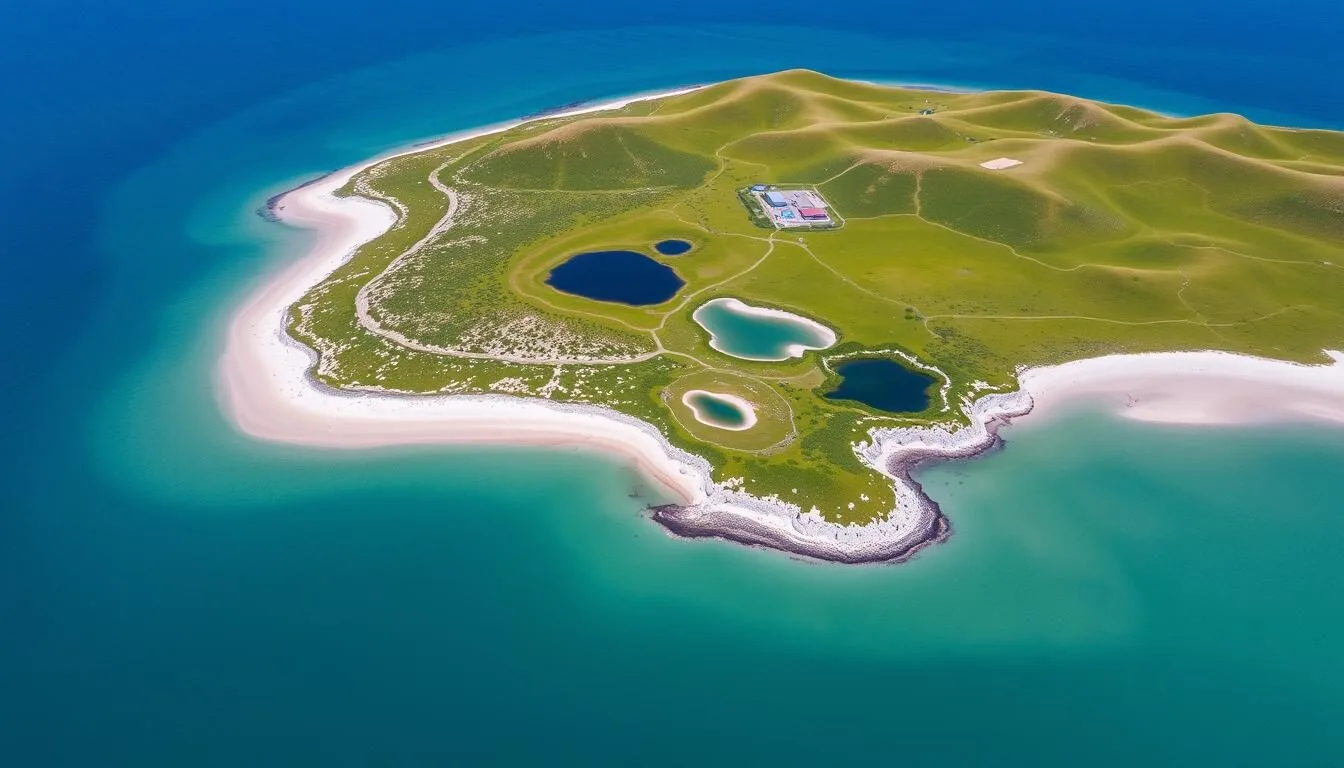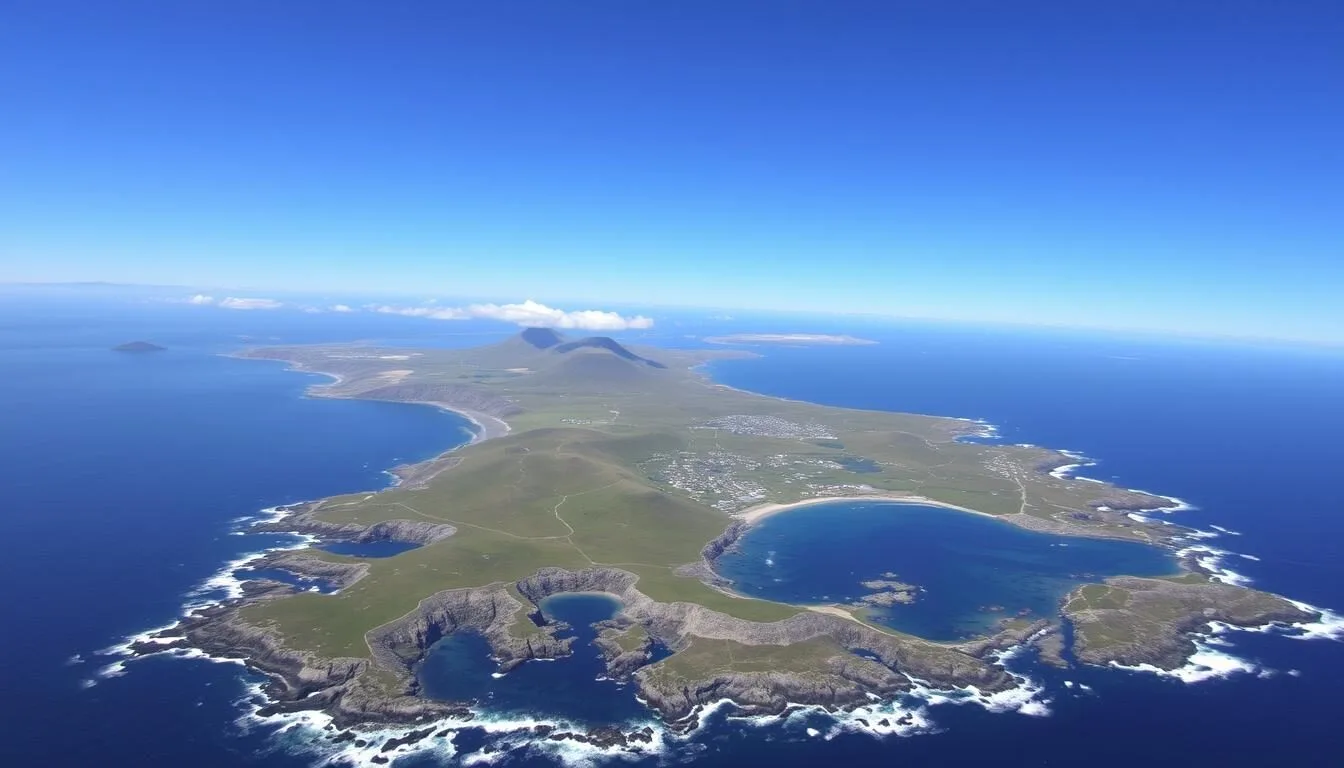
Did you know that penguins outnumber people in the Falkland Islands by nearly 100 to 1? East Falkland, the largest island in this remote South Atlantic archipelago, is home to 70% of the Falklands’ human population but hosts hundreds of thousands of penguins across its windswept shores. This British overseas territory offers an extraordinary blend of wildlife encounters, rugged landscapes, and fascinating history that makes it a dream destination for adventurous travelers seeking experiences far from the typical tourist trail.
Getting There & Planning Your Journey
Reaching East Falkland requires some planning, but the journey is part of the adventure. The island is accessible by both air and sea, with options depending on your starting point and preferences.
By Air
The most common route to East Falkland is via the twice-weekly Royal Air Force (RAF) flight from Brize Norton in the UK, which takes approximately 18 hours including a refueling stop in Cabo Verde. LATAM Airlines also operates a weekly commercial flight from Santiago, Chile with a stopover in Punta Arenas.
Both flights arrive at Mount Pleasant Airport, located about 56 km (35 miles) southwest of Stanley, the capital city. From there, you can arrange a transfer to Stanley through your accommodation or the Falkland Islands Tourist Board.
By Sea
Many visitors arrive via expedition cruise ships that include the Falklands as part of Antarctic or South Atlantic itineraries. These typically dock at Port Stanley, offering day visits or overnight stays. The cruise season runs from October to April, coinciding with the Southern Hemisphere’s spring and summer.
Best Time to Visit & Weather Tips
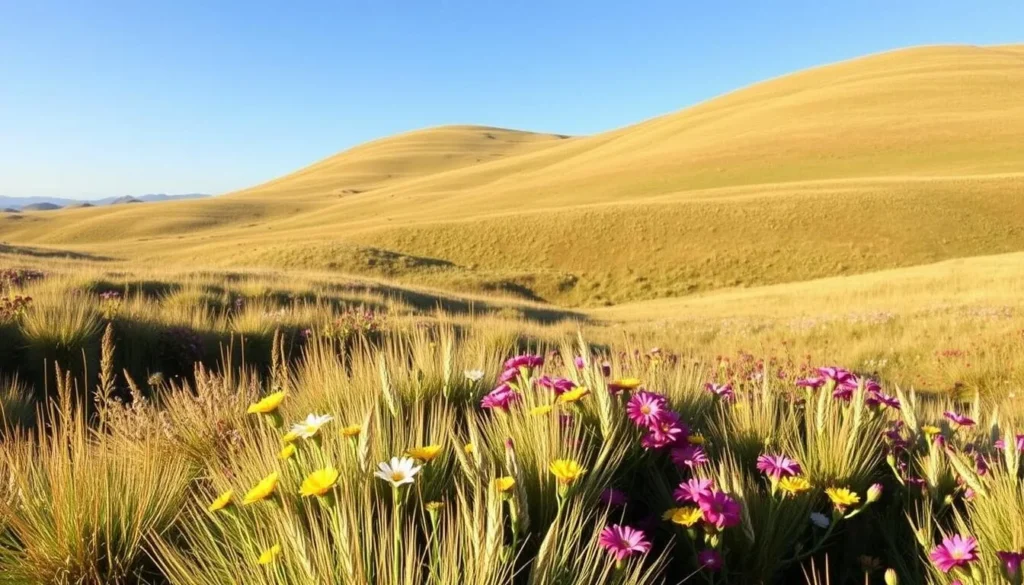
The optimal time to visit East Falkland is during the Southern Hemisphere’s spring and summer, from October through April. This period offers milder temperatures, longer daylight hours, and coincides with the wildlife breeding season.
Weather Considerations
The Falklands have a cool temperate climate dominated by strong winds. Summer temperatures (December-February) typically range from 10-15°C (50-59°F), while winter (June-August) sees temperatures between 2-4°C (36-39°F).
Rain is distributed fairly evenly throughout the year, with frequent light showers rather than prolonged downpours. The islands experience approximately 650 mm (25.5 inches) of rainfall annually.
Wildlife Calendar
For wildlife enthusiasts, timing is crucial:
- October-November: Penguin egg-laying season begins
- December-January: Peak penguin chick hatching period
- February-March: Penguin chicks fledging
- November-April: Best time for whale watching
- October-March: Sea lion breeding season
Packing Tip: Regardless of when you visit, bring windproof and waterproof outer layers, warm mid-layers, and sturdy walking shoes. The Falklands’ weather can change rapidly, and it’s not uncommon to experience “four seasons in one day.”
Getting Around Locally
East Falkland’s rugged terrain and limited infrastructure make transportation planning an important part of your visit.
In Stanley
The capital city is compact and easily explored on foot. Most attractions, shops, and restaurants are within walking distance of each other along the waterfront and surrounding streets.
For those with mobility concerns, limited taxi services are available. It’s advisable to book in advance through your accommodation.
Around East Falkland
To explore beyond Stanley, you have several options:
- Rental 4×4: Essential for independent exploration, as many roads are unpaved. Book well in advance, especially during peak season.
- Guided Tours: Local operators offer day trips to popular destinations like Volunteer Point, Gypsy Cove, and battlefield sites.
- FIGAS Flights: The Falkland Islands Government Air Service operates small planes between settlements, offering both scheduled services and scenic “round robin” flights.
Where to Stay
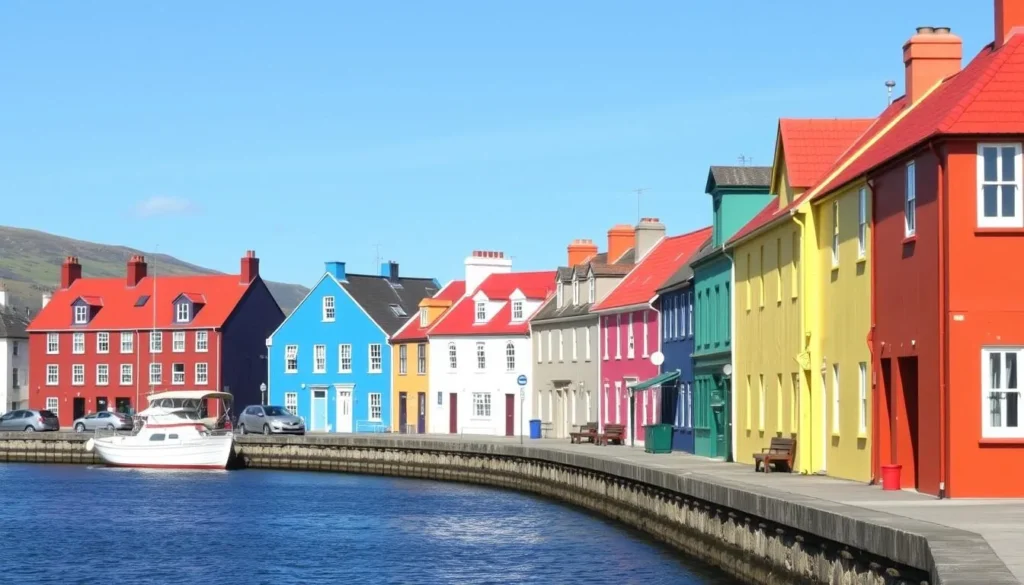
Accommodation options on East Falkland range from comfortable hotels in Stanley to remote lodges and guesthouses in the countryside. Advance booking is essential, especially during the peak season (November-February).
Stanley Accommodations
Malvina House Hotel
Stanley’s premier hotel offers comfortable rooms with sea views, an excellent restaurant serving local cuisine, and a convenient central location. Perfect for those seeking more upscale accommodation.
Waterfront Boutique Hotel
A charming option with individually decorated rooms, harbor views, and a cozy atmosphere. Located on Ross Road, it’s within walking distance of Stanley’s main attractions.
Guesthouses & B&Bs
Several family-run guesthouses offer a more personal experience and insight into local life. Options include The Pale Maiden, Sea Lion Lodge, and Tu Guesthouse, all providing comfortable rooms and home-cooked meals.
Rural Accommodations
For a truly immersive experience, consider staying at one of the farm lodges or self-catering cottages outside Stanley:
- Darwin House: Historic lodge near Darwin Settlement with comfortable rooms and excellent food.
- Bluff Cove Farm: Self-catering cottage near the Bluff Cove Lagoon penguin colony.
- Port Louis Lodge: Remote accommodation in a historic settlement with wildlife viewing opportunities.
Dining & Local Cuisine
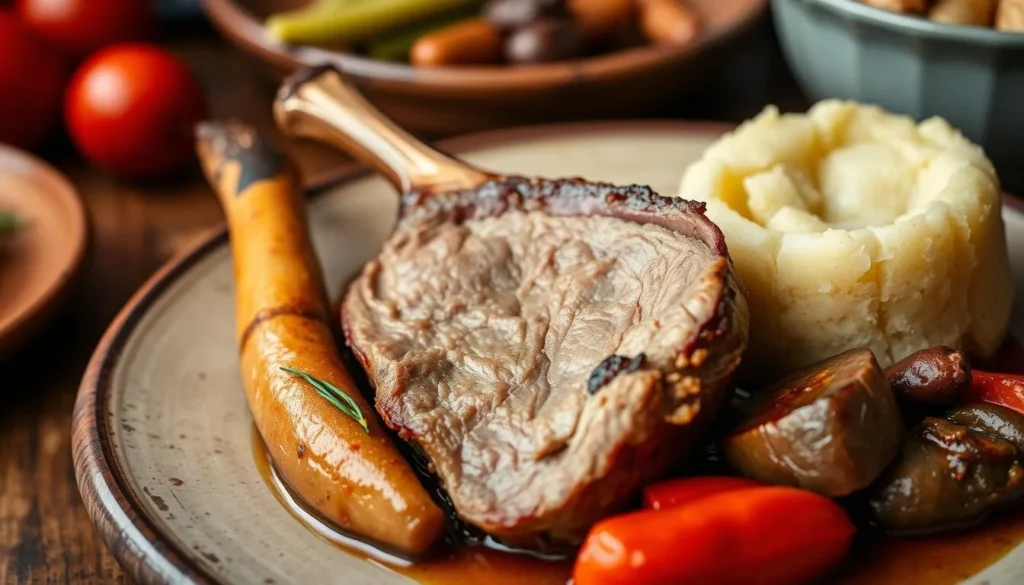
Falkland Islands cuisine reflects both British influences and locally available ingredients, with an emphasis on high-quality meat, seafood, and homegrown produce.
What to Try
- Falkland Lamb: The islands are renowned for their exceptional lamb, raised on natural pastures and often served as roasts or chops.
- Seafood: Fresh catches include Falkland mullet, rock cod, and the prized Patagonian toothfish (often called sea bass).
- Diddle-dee Jam: A local specialty made from the berries of the diddle-dee plant, similar to cranberries.
- Smoko: The Falklands’ version of afternoon tea, featuring homemade cakes, cookies, and sandwiches.
- Local Craft Beer: Try products from Falkland Beerworks, including their popular “Rock Hopper” golden ale.
- Falklands Gin: Locally distilled gin infused with native botanicals.
Where to Eat in Stanley
Malvina House Restaurant
The restaurant at Malvina House Hotel offers upscale dining with a menu featuring local ingredients and international influences. Their seafood dishes are particularly recommended.
Waterfront Kitchen Café
A casual option with harbor views, serving hearty breakfasts, sandwiches, and traditional British fare like fish and chips.
The Victory Bar
A traditional pub atmosphere with classic pub grub, local beers, and a chance to mingle with locals. Their Sunday roast is a popular tradition.
Dining Tip: Many rural accommodations offer full-board options with home-cooked meals. These provide an authentic taste of Falklands cuisine and are often your only dining option when staying outside Stanley.
Attractions, Sightseeing & Activities
Volunteer Point
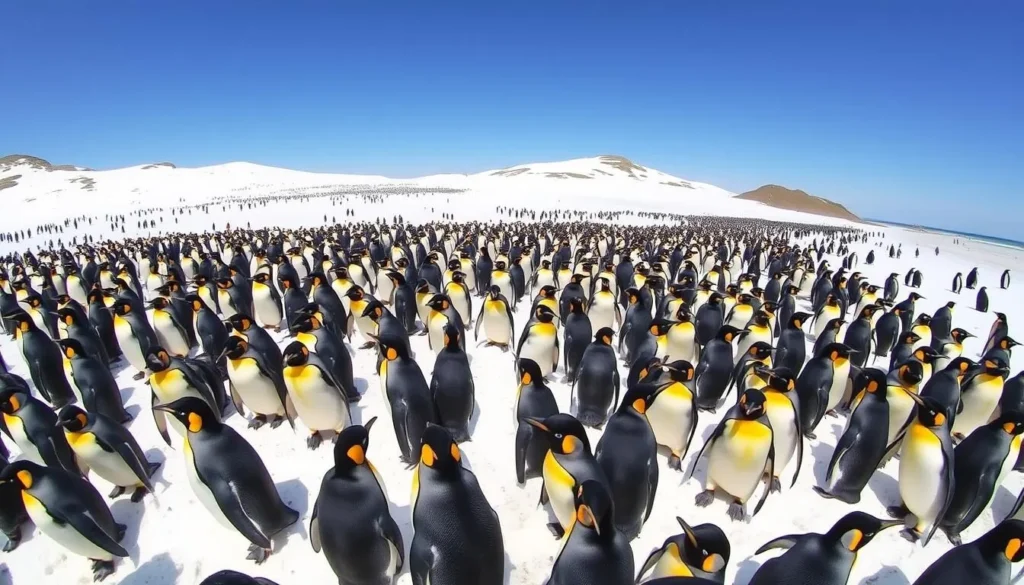
Perhaps East Falkland’s most iconic attraction, Volunteer Point is home to the largest king penguin colony in the Falklands, with over 1,000 breeding pairs. Located about 2.5 hours from Stanley via a combination of road and off-road driving, this spectacular site also hosts gentoo and Magellanic penguins.
The journey requires a 4×4 vehicle and local knowledge to navigate the terrain, so most visitors opt for guided tours. The reward is an unforgettable experience walking among these magnificent birds against the backdrop of a pristine white sand beach and turquoise waters.
Stanley Highlights

Historic Dockyard Museum
This excellent museum provides comprehensive insight into the Falklands’ natural and human history. Exhibits cover everything from early settlement and maritime history to the 1982 conflict and wildlife conservation.
Christ Church Cathedral
The southernmost Anglican cathedral in the world, notable for its Whalebone Arch constructed from the jawbones of two blue whales. The interior features stained glass windows depicting local themes.
Government House
The official residence of the Governor of the Falkland Islands, this impressive building dates from 1845. While the interior is not open to the public, the exterior is worth viewing for its colonial architecture.
Wildlife Spots
Gypsy Cove
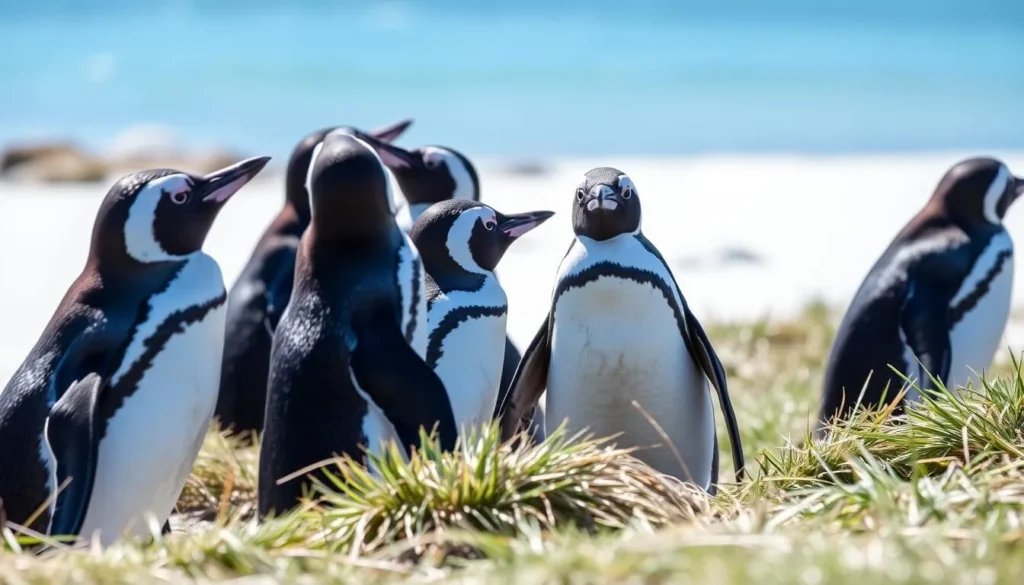
Just a short drive from Stanley, this nature reserve is home to Magellanic penguins, which nest in burrows along the beautiful white sand beach. A walking trail allows visitors to observe the penguins while respecting their habitat.
The area was once off-limits due to landmines from the 1982 conflict but has been safely cleared and opened to the public since 2020.
Cape Pembroke Lighthouse
East Falkland’s easternmost point features a historic lighthouse built in 1855. The area offers excellent bird watching opportunities and coastal views. You can obtain the key from the Historic Dockyard Museum to access the lighthouse interior.
The 17 km (10.5 mile) round-trip hike from Stanley takes you through diverse landscapes and past several points of interest.
Battlefield Sites
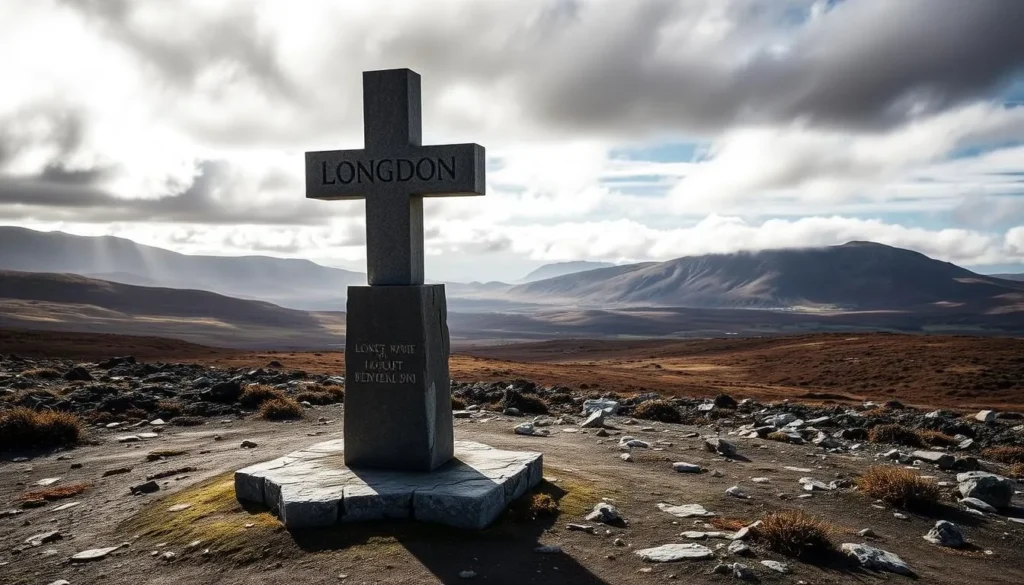
The 1982 Falklands War left a significant mark on East Falkland, and several battlefield sites are now preserved as memorials:
- Mount Longdon: Site of one of the conflict’s bloodiest battles, now marked with memorials and offering panoramic views.
- Wireless Ridge: Another key battlefield with remaining trenches and memorials.
- Goose Green: Location of a pivotal battle, with a memorial to the fallen and a small museum.
- Argentine Cemetery: Near Darwin, this cemetery contains the graves of Argentine soldiers who died during the conflict.
Guided battlefield tours provide historical context and ensure respectful visits to these significant sites.
Museums, Cultural Spots & Festivals
Museums & Cultural Attractions
Historic Dockyard Museum
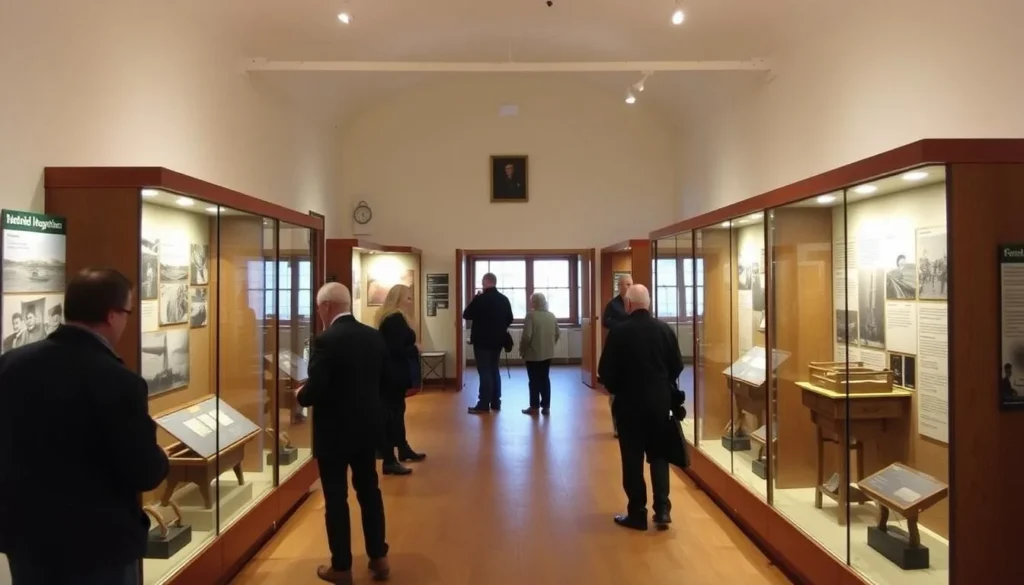
The museum’s comprehensive exhibits are spread across multiple buildings in Stanley’s historic dockyard. The main building covers social history, the 1982 conflict, and Antarctic connections, while the upper floor focuses on maritime history and wildlife.
Don’t miss the Cartmell Cottage annex, which recreates a typical Falklands home from the early 20th century.
Falkland Islands Philatelic Bureau
The Falklands are renowned for their distinctive stamps, which often feature local wildlife and historical themes. The Philatelic Bureau on Ross Road offers collectors and casual visitors the opportunity to purchase unique stamps and first-day covers.
It’s also a great place to send postcards home with authentic Falklands postmarks.
Annual Events & Festivals
- Liberation Day (June 14): Commemorates the end of the 1982 conflict with a parade, memorial service, and community celebrations.
- Farmers’ Week (July): A gathering of the farming community with agricultural exhibitions, competitions, and social events.
- Standard Chartered Stanley Marathon (March): The world’s southernmost AIMS-certified marathon, attracting international runners.
- May Ball (May): A traditional formal dance celebrating the coming of age of young Falkland Islanders.
- Winter Show (August): An exhibition of local crafts, baking, and produce during the winter months.
Sports, Nature & Outdoor Experiences
Hiking & Walking
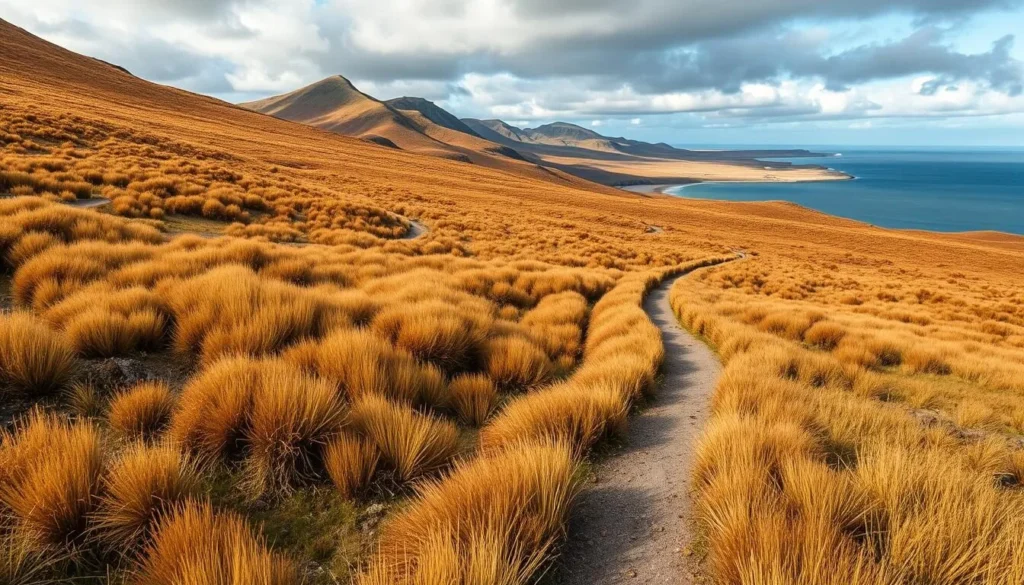
East Falkland offers numerous walking opportunities, from gentle coastal strolls to more challenging hill climbs. The Tourist Information Centre in Stanley provides maps and self-guided walk brochures.
- Cape Pembroke Peninsula: A 17 km (10.5 mile) circular route from Stanley to the lighthouse, passing beaches and wildlife habitats.
- Mount Tumbledown: A moderate hike with historical significance and panoramic views of Stanley and surrounding areas.
- Gypsy Cove Trail: An easy 4 km (2.5 mile) walk with excellent wildlife viewing opportunities.
- Lady Elizabeth Shipwreck: A coastal walk to view the impressive rusting hull of this 1879 iron barque.
Wildlife Watching
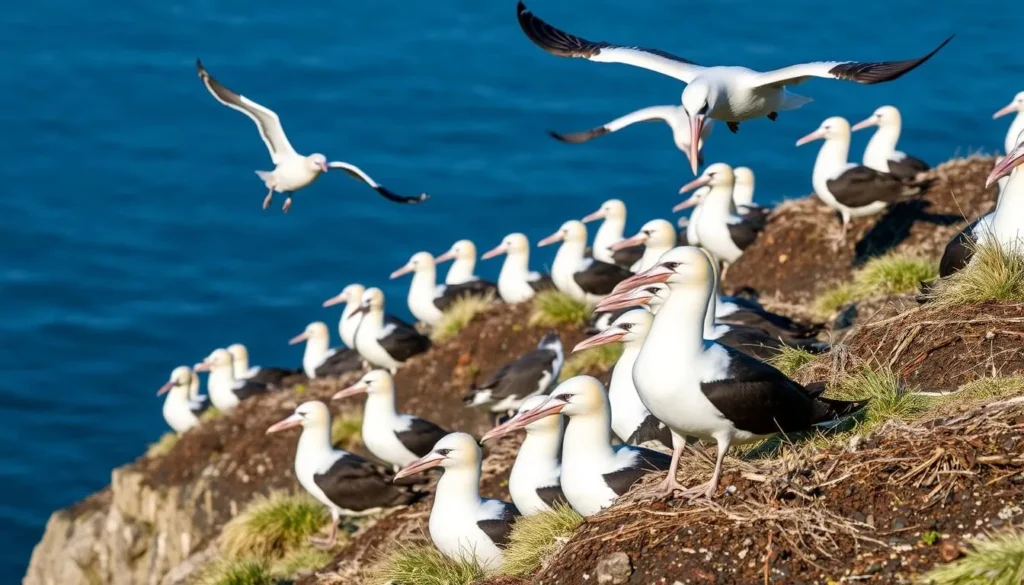
Beyond the famous penguin colonies, East Falkland offers diverse wildlife viewing opportunities:
Bird Watching
The Falklands host over 220 bird species, including five penguin species, black-browed albatrosses, and endemic species like Cobb’s wren and the Falkland steamer duck.
Prime locations include Bertha’s Beach (an Important Bird Area), Cape Dolphin, and the wetlands around Stanley.
Marine Mammals
Look for southern sea lions at Gypsy Cove and Cape Bougainville, while elephant seals can be spotted at Sea Lion Island (accessible by FIGAS flight from Stanley).
Commerson’s dolphins often play in the surf at Bertha’s Beach and Yorke Bay, particularly during summer months.
Fishing
The Falklands offer world-class sea trout fishing in the rivers and streams of East Falkland. The Murrell River, just outside Stanley, is particularly renowned for its trophy-sized sea trout.
Fishing licenses are required and can be purchased at the Falkland Islands Government Fisheries Department in Stanley. The season runs from September through April, with peak fishing from December to March.
Safety, Etiquette & Local Customs
Safety Considerations
Weather & Terrain
The Falklands’ weather can change rapidly. Always carry waterproof and windproof layers, even on seemingly fine days. When hiking, inform someone of your route and expected return time.
The terrain can be challenging with boggy areas and hidden holes. Stick to marked paths where possible and wear appropriate footwear.
Wildlife Encounters
Maintain a respectful distance from all wildlife. The recommended minimum is 6 meters (20 feet) from penguins and 10 meters (33 feet) from sea lions and elephant seals, which can be aggressive if threatened.
Never feed wild animals or approach nesting birds, which may abandon their eggs or chicks if disturbed.
Important: While most minefields from the 1982 conflict have been cleared, some remote areas may still have warning signs. Never enter areas marked with red and white posts or mine warning signs.
Local Etiquette & Customs
- Private Land: Most land outside Stanley is privately owned. Always ask permission before entering farmland or private property.
- Gates: When driving in rural areas, leave gates as you found them (open or closed) to prevent livestock from escaping.
- Conservation: Follow the Countryside Code: take nothing but photographs, leave nothing but footprints.
- Political Sensitivity: The sovereignty dispute between the UK and Argentina remains a sensitive topic. Respect local perspectives on this issue.
- Smoko: This traditional mid-morning or afternoon tea break is an important social custom. If invited to join, it’s considered polite to accept.
Practical Travel Tips

Money Matters
The Falkland Islands pound (FKP) is the local currency, which is pegged at parity with the British pound (GBP). British pounds are accepted throughout the islands, but Falklands pounds cannot be exchanged outside the territory.
There is only one bank (Standard Chartered) in Stanley with limited opening hours. ATMs are scarce, so it’s advisable to bring sufficient cash. Major hotels and some larger shops accept credit cards, but many smaller establishments are cash-only.
Communications
Internet & Phone
Sure (the local telecommunications provider) offers mobile coverage in Stanley and some settlements, but service is limited or non-existent in remote areas.
Wi-Fi is available at most accommodations in Stanley, though connections can be slow and expensive. The public library offers limited free internet access.
Postal Services
The post office in Stanley offers reliable international mail services. Postcards and letters typically take 1-2 weeks to reach Europe or North America.
Falkland Islands stamps are collectors’ items worldwide, making postcards a special souvenir to send home.
Essential Packing List
- Layered Clothing: Waterproof and windproof outer layers, warm mid-layers, and moisture-wicking base layers.
- Sturdy Footwear: Waterproof hiking boots or shoes with good ankle support.
- Sun Protection: The UV index can be high despite cool temperatures. Bring sunscreen, sunglasses, and a hat.
- Binoculars: Essential for wildlife watching, especially bird spotting.
- Camera Equipment: Bring extra batteries and memory cards, as replacements are limited.
- Medications: Pack a comprehensive first-aid kit and any prescription medications, as pharmacy options are limited.
- British Adapter Plugs: The Falklands use British-style three-pin plugs (Type G).
Local Tip: The Falkland Islands Tourist Board office on the Stanley waterfront is an excellent resource for up-to-date information, maps, and advice. Make it your first stop upon arrival.
Ready for Your East Falkland Adventure?
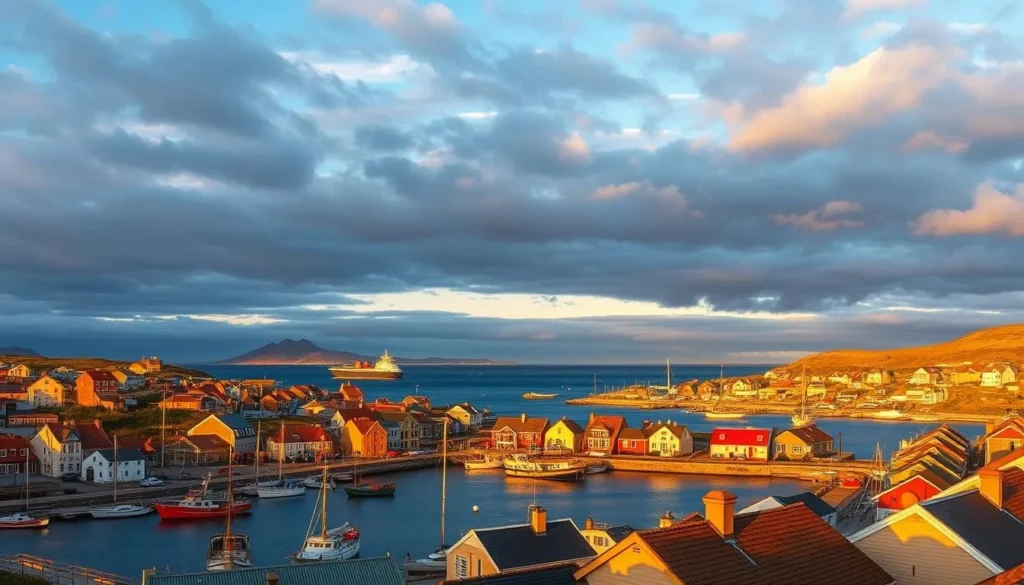
East Falkland Island offers a rare combination of extraordinary wildlife encounters, fascinating history, and pristine landscapes far from the beaten tourist path. From the colorful streets of Stanley to the magnificent king penguin colony at Volunteer Point, this remote destination rewards adventurous travelers with authentic experiences and memories to last a lifetime.
Whether you’re drawn by the abundant wildlife, the intriguing history, or simply the appeal of visiting one of the world’s most remote inhabited places, East Falkland promises an unforgettable journey. Pack your windproof jacket, charge your camera batteries, and prepare to discover this remarkable corner of the South Atlantic.