
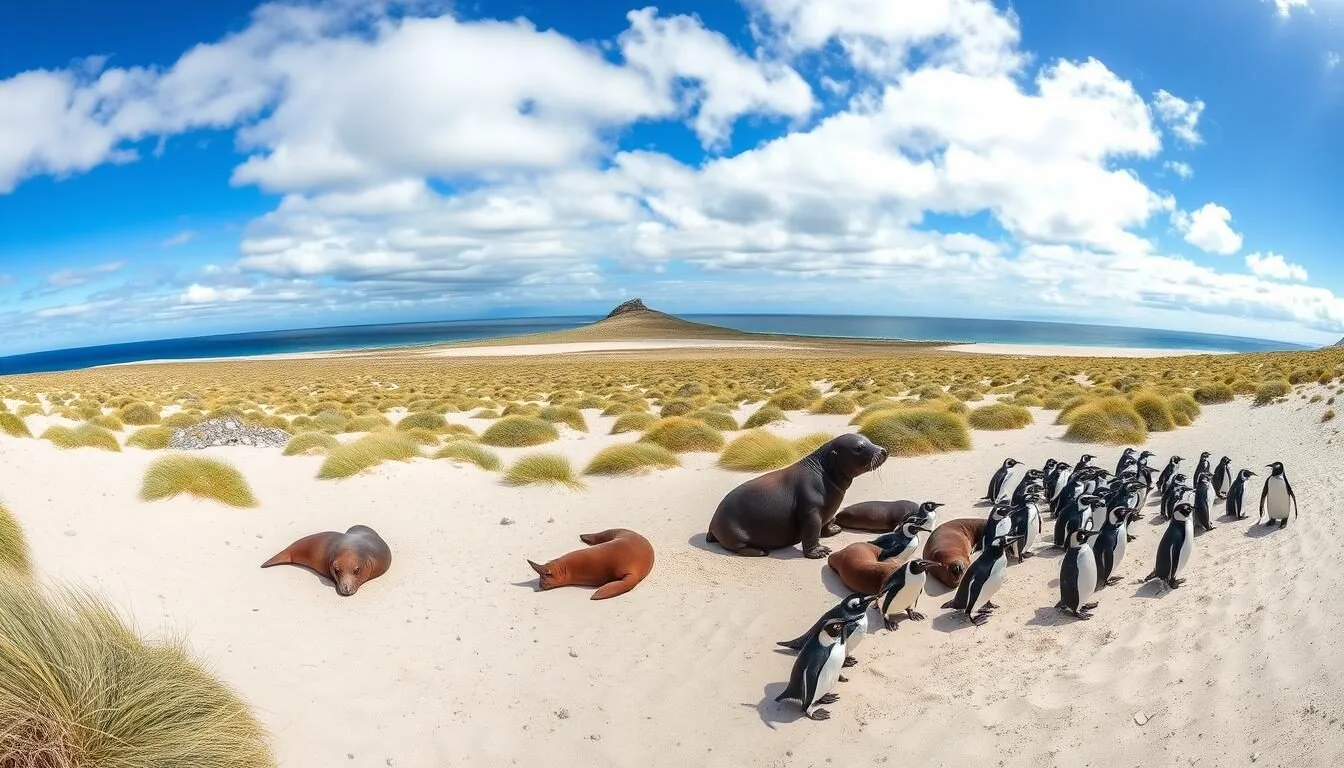
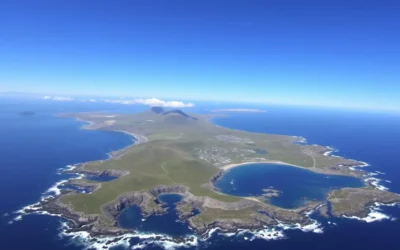
Did you know that Sea Lion Island hosts the largest breeding colony of southern elephant seals in the Falkland Islands, with over 2,000 of these magnificent creatures gathering during the peak season? This remote wildlife paradise, measuring just 8 km (5 miles) long and 1.6 km (1 mile) wide, offers some of the most accessible and extraordinary wildlife encounters on the planet, where penguins outnumber people by more than 350 to 1.
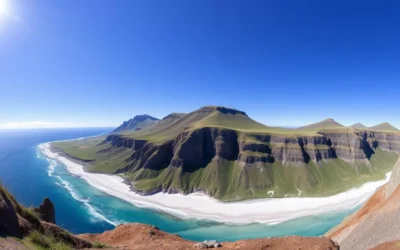
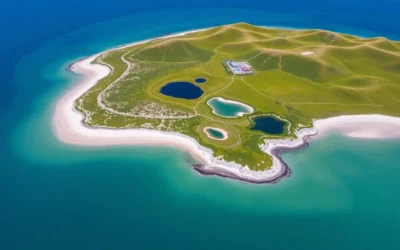
Sea Lion Island stands as the southernmost inhabited island in the Falkland archipelago and represents one of the most accessible wildlife sanctuaries in the South Atlantic. Despite its modest size, this ecological gem packs an incredible diversity of wildlife into its varied landscapes of sandy beaches, tussock grass plantations, dramatic cliffs, and open plains.
For nature enthusiasts and photographers, Sea Lion Island offers unparalleled opportunities to observe five species of penguins, massive elephant seals, sea lions, and over 40 bird species, all at remarkably close range. The island’s small size makes it perfect for exploration on foot, creating intimate wildlife encounters that are increasingly rare in today’s world.
Getting There & Planning Your Journey
Reaching Sea Lion Island requires some planning, as this remote destination is accessible only by air. The Falkland Islands Government Air Service (FIGAS) operates daily flights from Stanley, the capital of the Falklands, to Sea Lion Island. The flight takes approximately 40 minutes and offers spectacular aerial views of the archipelago.
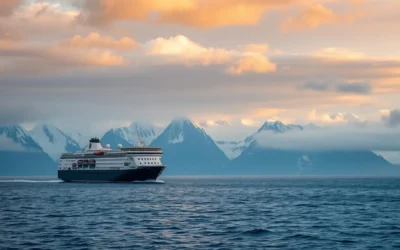
To reach the Falkland Islands themselves, you have two main options:
Due to limited accommodation and flight availability, it’s essential to book your Sea Lion Island stay well in advance – ideally 6-12 months before your planned visit. The island’s only accommodation, Sea Lion Lodge, has just 10 rooms and fills quickly, especially during peak season.
Best Time to Visit & Weather Tips
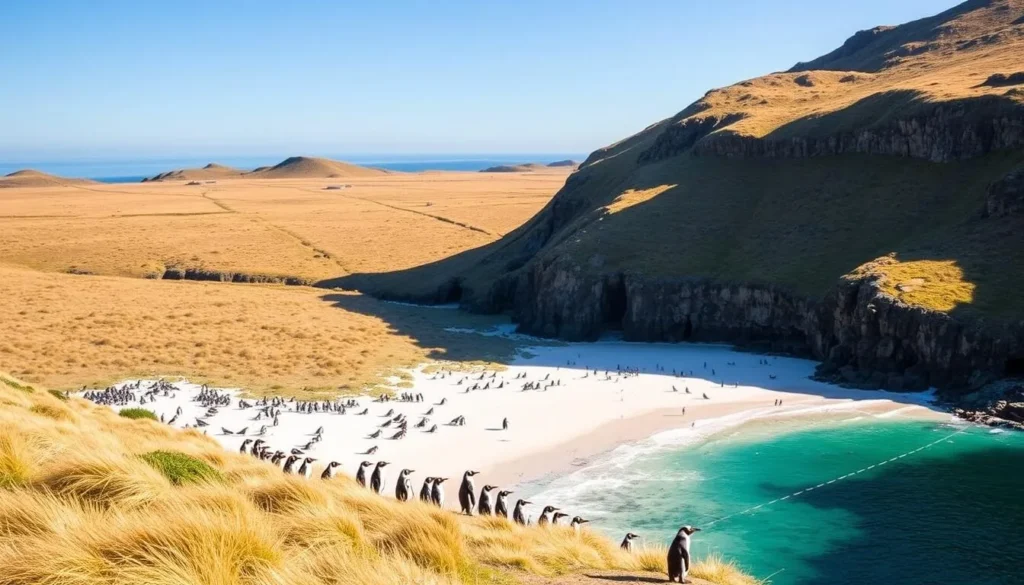
The Falkland Islands experience a cool temperate climate influenced by the surrounding South Atlantic Ocean. Sea Lion Island’s weather can be unpredictable, with conditions changing rapidly throughout the day. Wind is a constant companion, so windproof clothing is essential regardless of when you visit.
Peak Season (December-February)
Summer brings the warmest temperatures, averaging 10-15°C (50-59°F), and up to 18 hours of daylight. This is the prime time for wildlife viewing, with penguin chicks hatching and seal pups visible. However, this is also the busiest and most expensive period.
Shoulder Seasons (Oct-Nov & Mar-Apr)
These months offer fewer tourists while still providing excellent wildlife viewing. October-November sees the arrival of migratory birds and penguins establishing colonies. March-April features elephant seals and sea lions. Temperatures range from 5-12°C (41-54°F).
Wildlife Calendar Highlights
| Month | Wildlife Highlights | Weather |
| October | Elephant seal breeding season peak; Southern sea lions arrive | Cool and variable, 4-10°C (39-50°F) |
| November | Orcas hunting seal pups; Penguin eggs being laid | Milder, 6-12°C (43-54°F) |
| December | First penguin chicks; Peak orca sightings | Warmer, 8-14°C (46-57°F) |
| January | Penguin colonies at maximum activity; Seal pups growing | Warmest month, 10-15°C (50-59°F) |
| February | Penguin chicks fledging; Molting adults | Warm but cooling, 8-14°C (46-57°F) |
| March | Juvenile elephant seals return to molt | Cooling, 6-12°C (43-54°F) |
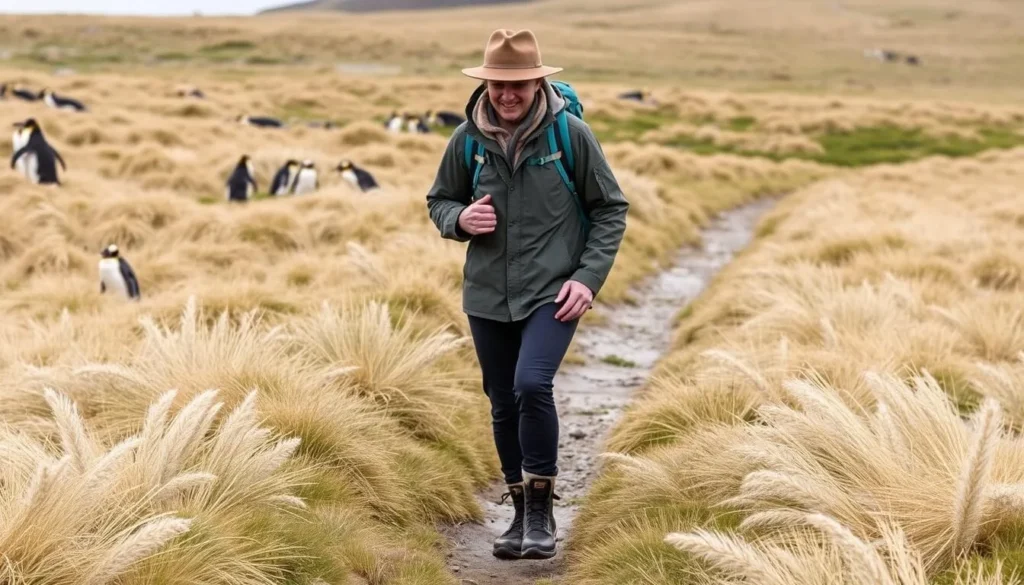
Packing Tip: Regardless of when you visit, bring layers including thermal base layers, a windproof/waterproof outer layer, hat, gloves, and sturdy walking shoes. Don’t forget sunscreen – the Falklands sun can be deceptively strong despite cool temperatures.
Getting Around Locally
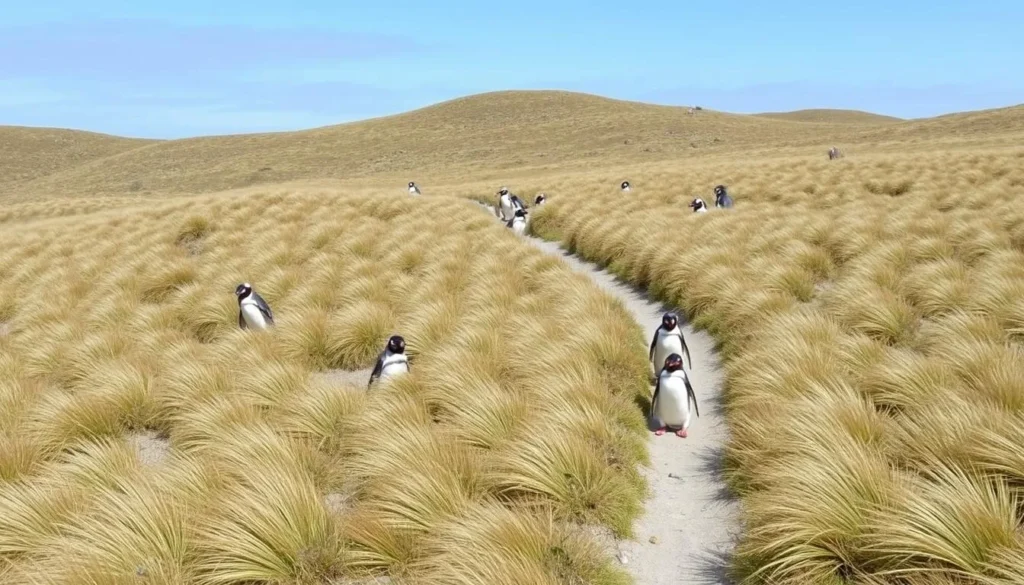
One of Sea Lion Island’s greatest advantages is its compact size and pedestrian-friendly nature. Unlike many other Falkland Islands destinations that require 4×4 vehicles to explore, Sea Lion Island can be thoroughly explored on foot from the centrally located lodge.
Walking on Sea Lion Island
The island is roughly divided into two sections:
North Section
Home to Sea Lion Lodge, this area features Gentoo penguin colonies, elephant seal beaches, and the famous “Orca Pool” where killer whales can be spotted hunting. Most wildlife highlights in the north are within a 10-30 minute walk from the lodge.
South Section
Requires a longer walk (approximately 1-2 hours each way) and features Rockhopper penguin colonies, cormorant nesting sites, and the HMS Sheffield memorial. The southern section generally has more dispersed wildlife sightings.
The lodge provides maps and guidance for self-guided walks to all major wildlife sites. Well-worn paths make navigation straightforward, though the terrain can be uneven in places. For those with mobility concerns, the lodge owner can provide transport to the southern part of the island for a small fee (approximately £10).
Safety Note: When walking around the island, be mindful of wildlife. Keep a respectful distance from animals (minimum 5 meters/16 feet), never walk between seals and the sea, and be careful not to trip over seals hidden in tussock grass. Also, avoid crossing the airstrip when planes are scheduled to arrive or depart.
Where to Stay
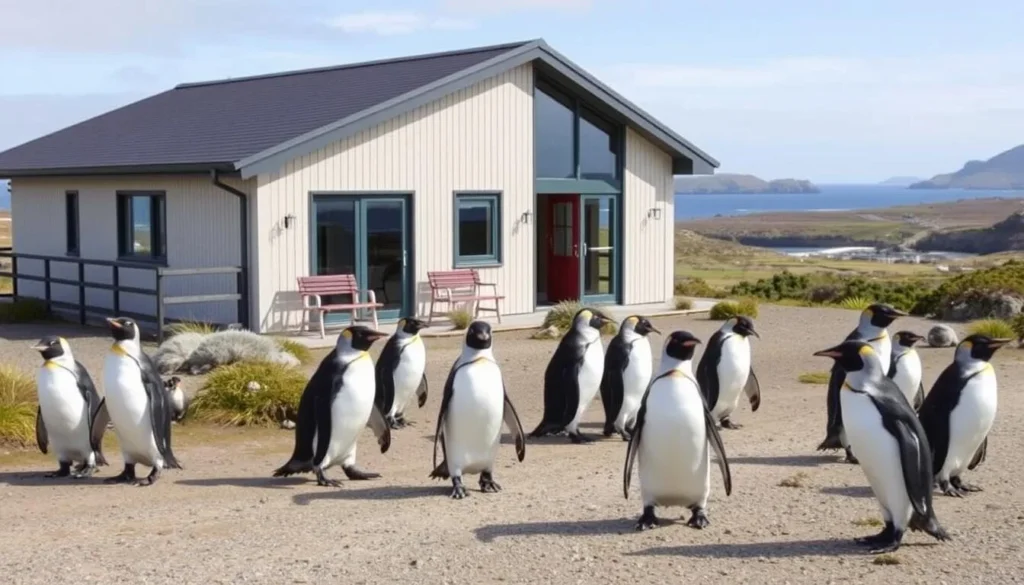
Accommodation options on Sea Lion Island are straightforward – there is only one place to stay: Sea Lion Lodge. This simplicity is part of the island’s charm, as the lodge provides everything you need for a comfortable and memorable stay.
Sea Lion Lodge
This small, comfortable lodge accommodates fewer than 20 guests and offers a warm, homely atmosphere. Owned and operated by Micky and Sarah, who are also the caretakers of the entire island, the lodge provides full-board accommodation with home-cooked meals.
Lodge Facilities
“I’d only been in my room a few minutes when a troupe of Gentoo Penguins wandered past my window – talk about setting the epic wildlife tune!”
Booking Tip: Sea Lion Lodge fills up quickly, with many guests booking 1-2 years in advance, especially for peak season (December-February). For the best chance of securing your preferred dates, book at least 12 months ahead. Contact the lodge directly through for availability and reservations.
Dining & Local Cuisine

Dining on Sea Lion Island is a straightforward affair, as all meals are provided by Sea Lion Lodge as part of your stay. The food reflects traditional Falklands cuisine – hearty, home-cooked meals using locally sourced ingredients where possible.
Meal Schedule at Sea Lion Lodge
Falklands Cuisine Highlights
The food at Sea Lion Lodge showcases traditional Falklands fare, characterized by hearty, home-style cooking that’s perfect after a day of wildlife watching in the bracing South Atlantic air:
Local Specialties
Dietary Considerations
The lodge can accommodate dietary requirements with advance notice. Vegetarian options are available, and they even stock plant-based milk alternatives. Due to the remote location, it’s essential to communicate any dietary needs when booking to ensure they can be properly accommodated.
Local Tradition: Don’t miss “smoko” – the Falklands tradition of mid-morning or afternoon tea breaks featuring home-baked treats. It’s not just a refreshment but a social institution that reflects the islands’ British heritage and community spirit.
Wildlife Encounters: The Island’s Main Attraction
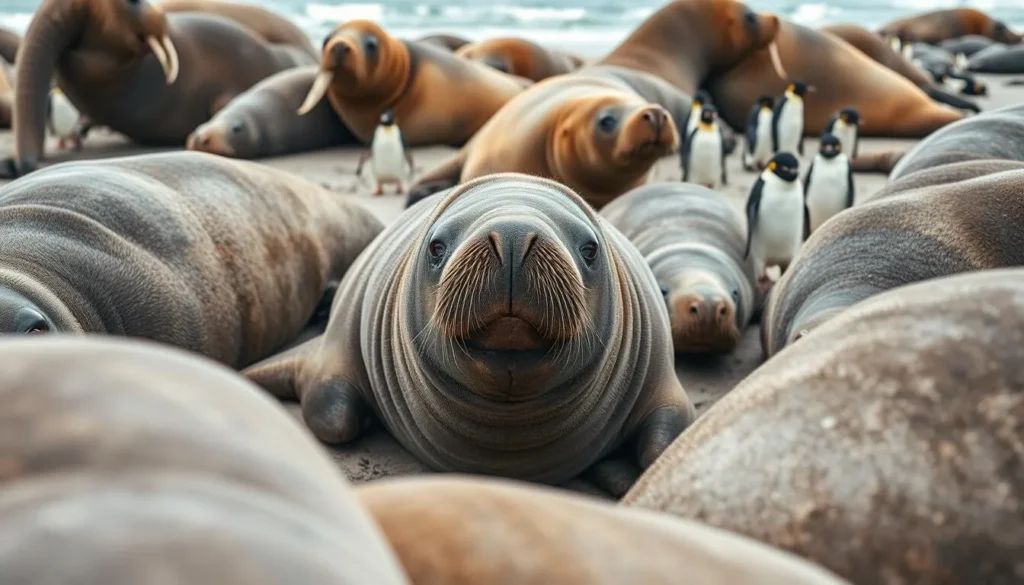
Wildlife viewing is the primary reason to visit Sea Lion Island, and the island delivers an extraordinary experience that rivals anywhere in the world. What makes Sea Lion Island special is not just the diversity of species, but their accessibility and the intimate nature of the encounters.
Key Wildlife Species
Penguins
Marine Mammals
Birds
Prime Wildlife Viewing Locations
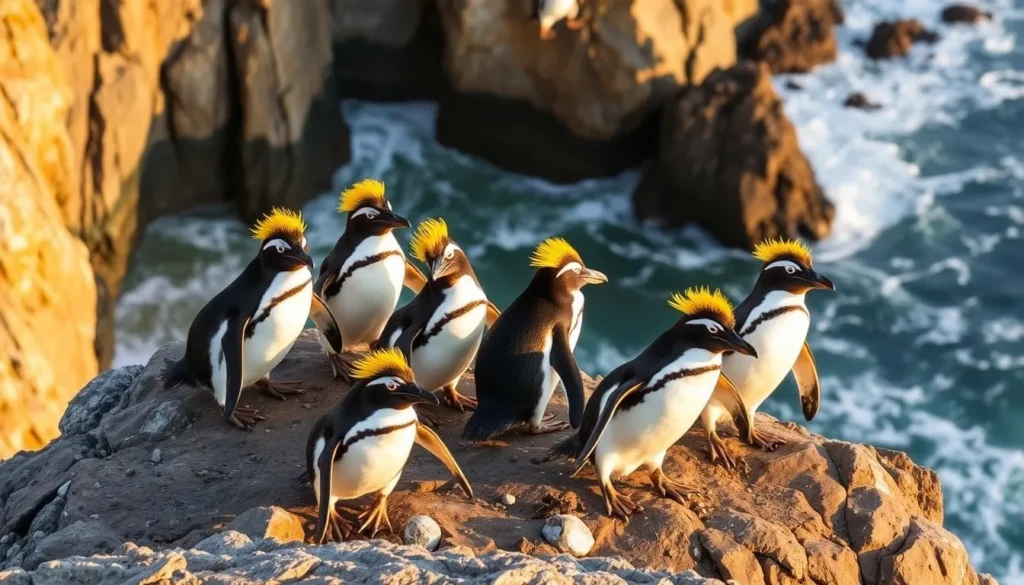
North Beach & Orca Pool
Just a 10-minute walk from the lodge, this area is excellent for viewing elephant seals and Gentoo penguins. The shallow rock pool is where orcas come to hunt young seals, especially at dawn between mid-November and mid-December.
Rockhopper Point
Located in the south of the island, this area hosts colonies of Rockhopper penguins and Imperial cormorants. It’s also home to the HMS Sheffield memorial. Best visited at sunset for dramatic photography opportunities.
Photography Tip: For the best wildlife photography, plan to be out at dawn and dusk when animals are most active and the light is optimal. Bring a zoom lens (at least 200mm) for close-ups, but don’t worry about extreme telephoto lenses – the wildlife is often remarkably close!
Daily Activities & Experiences
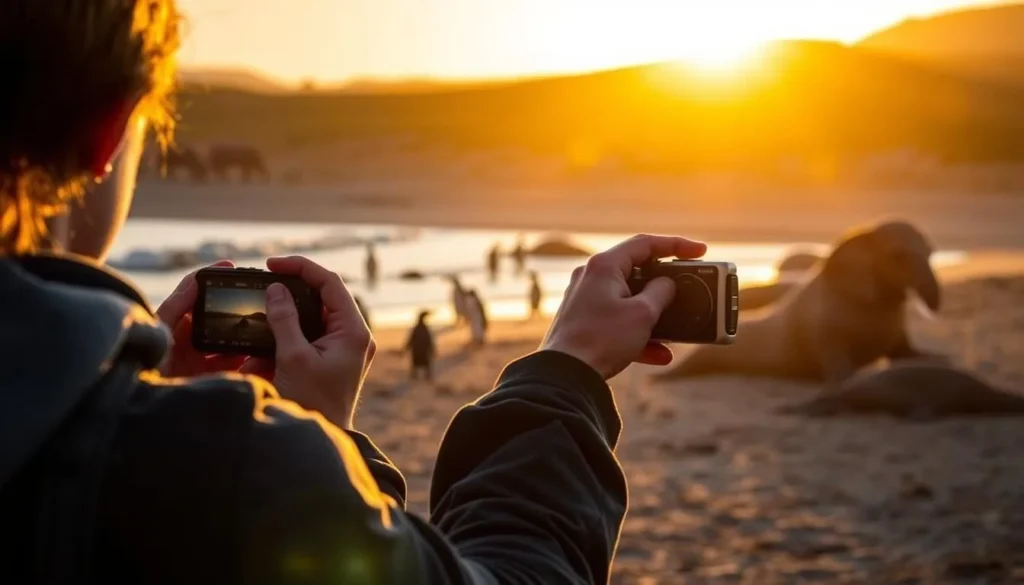
While wildlife viewing is the main attraction, Sea Lion Island offers several distinct experiences that make for an unforgettable visit. Here’s how to make the most of your time on the island:
Dawn Wildlife Watch
The most magical time on Sea Lion Island is undoubtedly dawn. Set your alarm for around 4:00 AM (during summer) and make the 10-minute walk to the Orca Pool. Here, you might witness killer whales hunting young seals in the shallow waters – a dramatic natural spectacle. Even without orca sightings, the early morning light and heightened wildlife activity make this a special experience.
Guided Nature Walks
While the island is easy to explore independently, the lodge owners can provide informal guidance about wildlife hotspots and interesting features. Their knowledge of the island and its inhabitants adds valuable context to your explorations.
Photography Opportunities
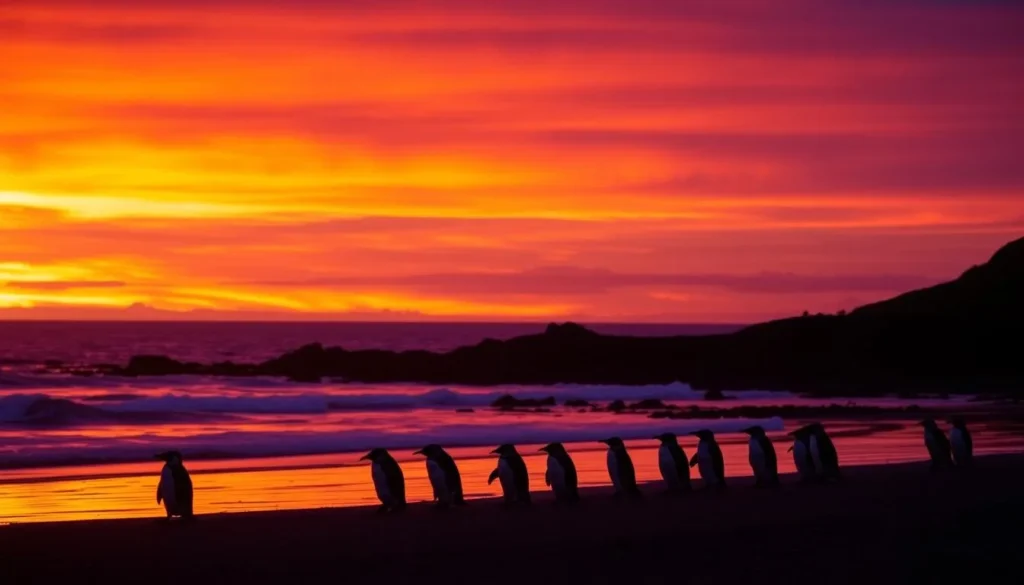
Sea Lion Island offers exceptional photography opportunities throughout the day:
Historical Sites
While natural history dominates Sea Lion Island, there are also sites of human historical interest:
Practical Travel Tips
What to Pack
Essential Gear
Practical Items
Health & Safety
Communications
Internet access on Sea Lion Island is limited and expensive. WiFi cards (£10 for 400MB with a 1-hour time limit) can be purchased and used in the lodge lounge. There is no mobile phone coverage on the island. This limited connectivity is part of the island’s charm, allowing for a true digital detox and immersion in nature.
Important: Flight times with FIGAS are confirmed only the evening before travel and can change due to weather conditions. Build flexibility into your itinerary and consider staying at least two nights on Sea Lion Island to ensure you have a full day to explore.
Suggested Itineraries
To help you plan your visit to Sea Lion Island, here are some suggested itineraries based on the length of your stay:
One-Night Stay (Minimum Recommended)
Two-Night Stay (Recommended)
Three-Night Stay (Ideal)
“If I took a straw poll and asked frequent Falkland travelers where their best Falkland memories come from, I bet it would be Sea Lion Island!”
Experience the Magic of Sea Lion Island
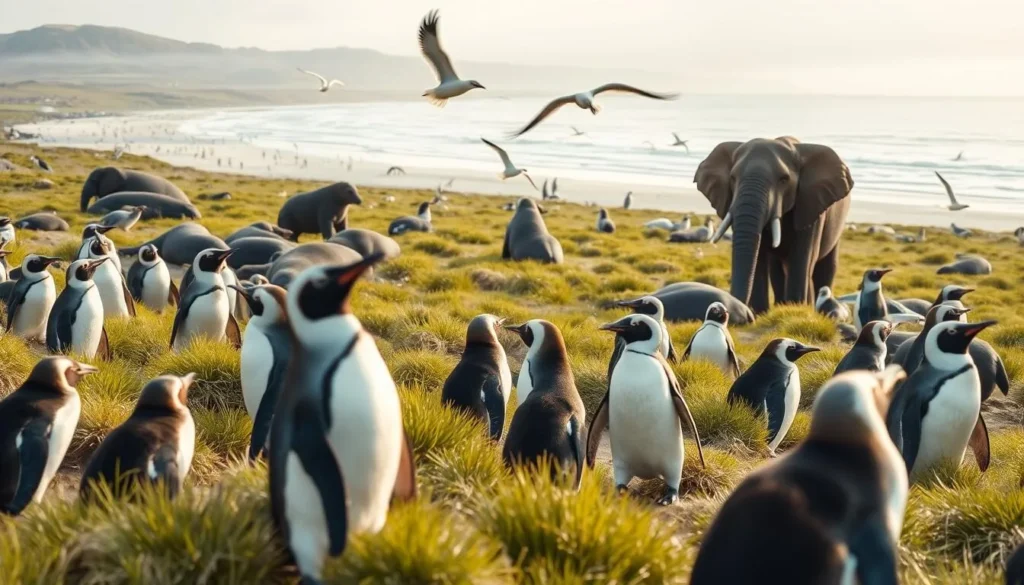
Sea Lion Island offers a wildlife experience that rivals anywhere on Earth. The combination of accessible wildlife, intimate encounters, and the island’s small size creates a truly special destination for nature enthusiasts, photographers, and anyone seeking connection with the natural world.
What makes Sea Lion Island extraordinary isn’t just the diversity of species, but how close you can get to them. Walking among penguin colonies, watching elephant seals battle on the beach, or witnessing orcas hunting in the shallows – these are experiences that will stay with you long after you’ve returned home.
While reaching this remote outpost requires effort and planning, those who make the journey are rewarded with wildlife encounters of unparalleled intimacy in one of the world’s last great wilderness areas. As visitor numbers remain low, Sea Lion Island continues to offer an authentic experience increasingly rare in today’s world.
0 Comments