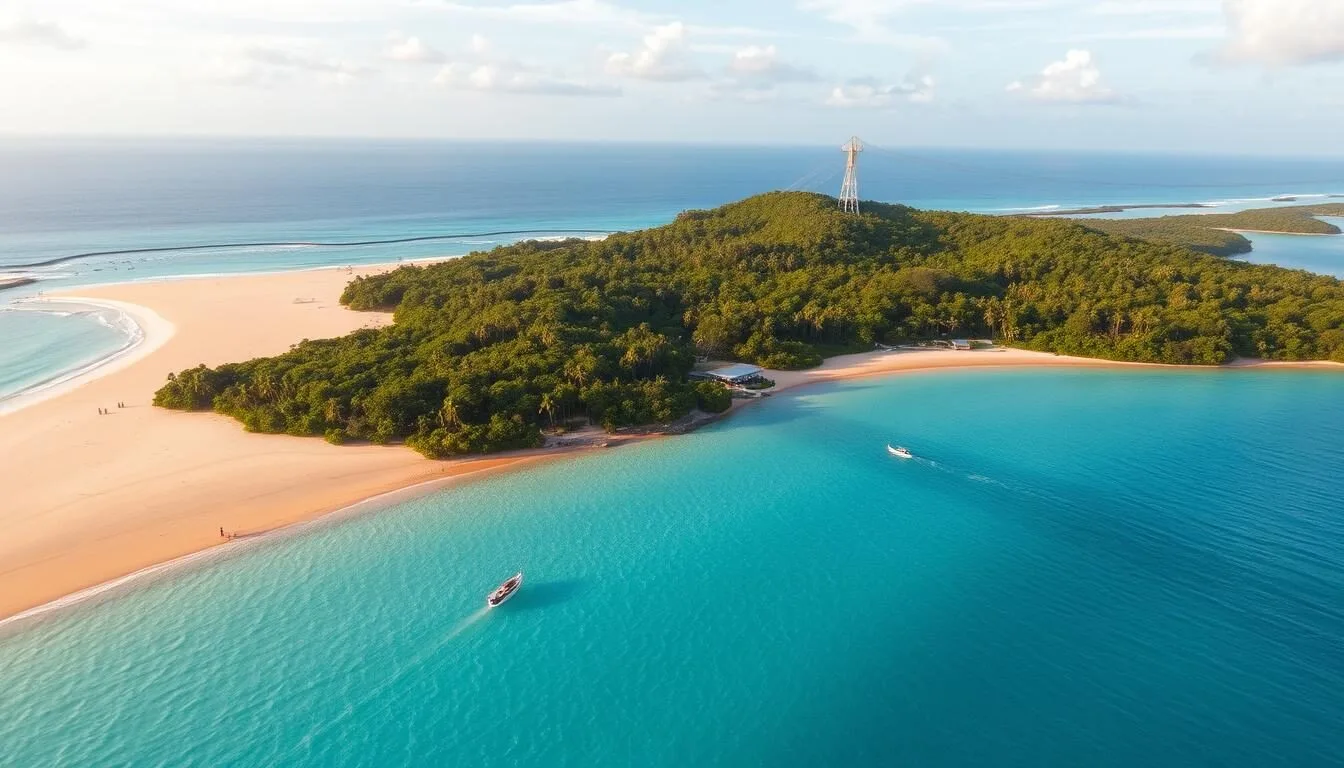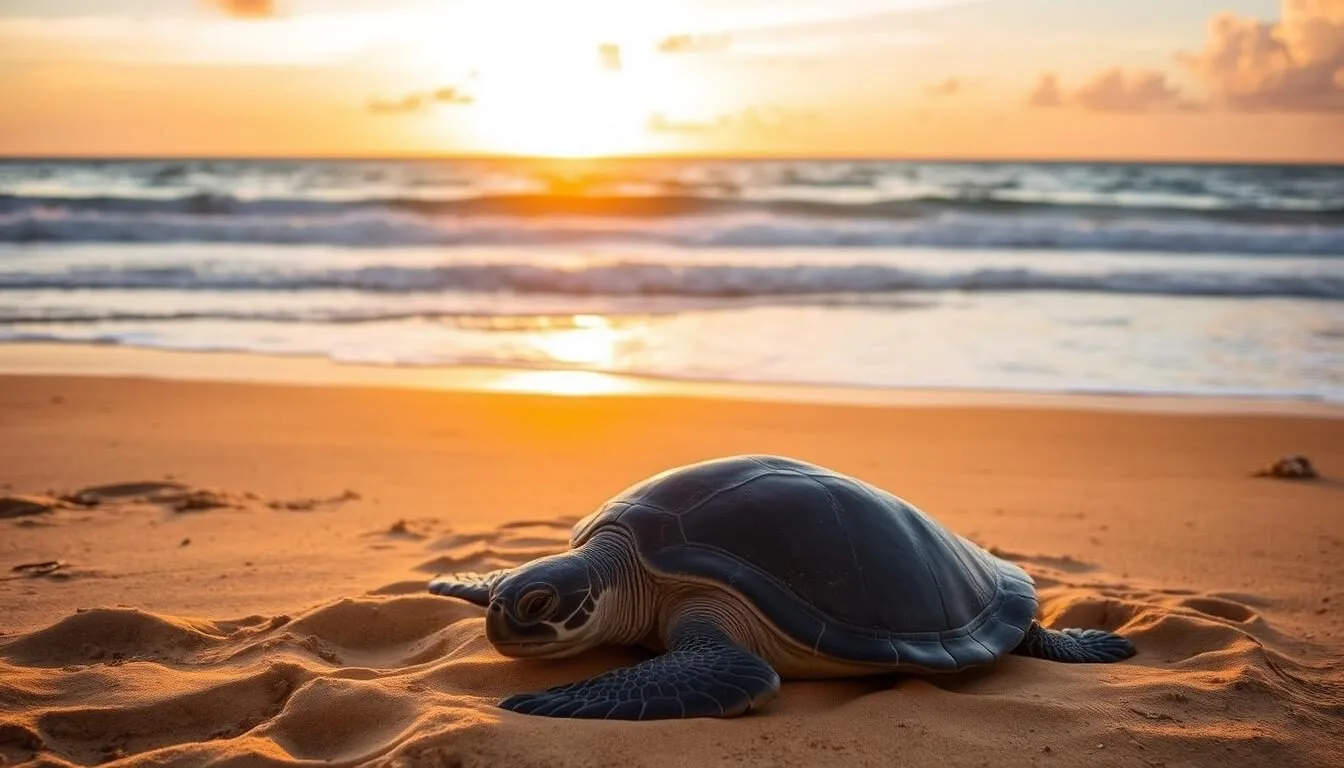
Shell Beach is one of only four primary nesting sites in the world for the endangered leatherback sea turtle, with some nests containing over 80 eggs each. This remarkable 120-kilometer (75-mile) stretch along Guyana’s northwestern coast isn’t just a haven for marine turtles – it’s a biodiversity hotspot where conservation efforts and ecotourism create unforgettable experiences for nature enthusiasts.
Getting There & Planning Your Journey
Reaching Shell Beach requires careful planning due to its remote location. Most visitors begin their journey in Georgetown, Guyana’s capital city, before embarking on an adventure to this coastal sanctuary.
Airports & Flights
The closest international airports to Shell Beach are:
- Cheddi Jagan International Airport (GEO) – 245 km (152 miles) from Shell Beach
- Eugene F. Correia International Airport (OGL) – 230 km (143 miles) from Shell Beach
From Georgetown, you’ll need to arrange transportation to the northwest region of Guyana.
The Journey to Shell Beach
The adventure to Shell Beach typically involves:
- A 12-hour journey via speedboats through Guyana’s river systems
- Navigation through the “99 turns” – a winding river passage
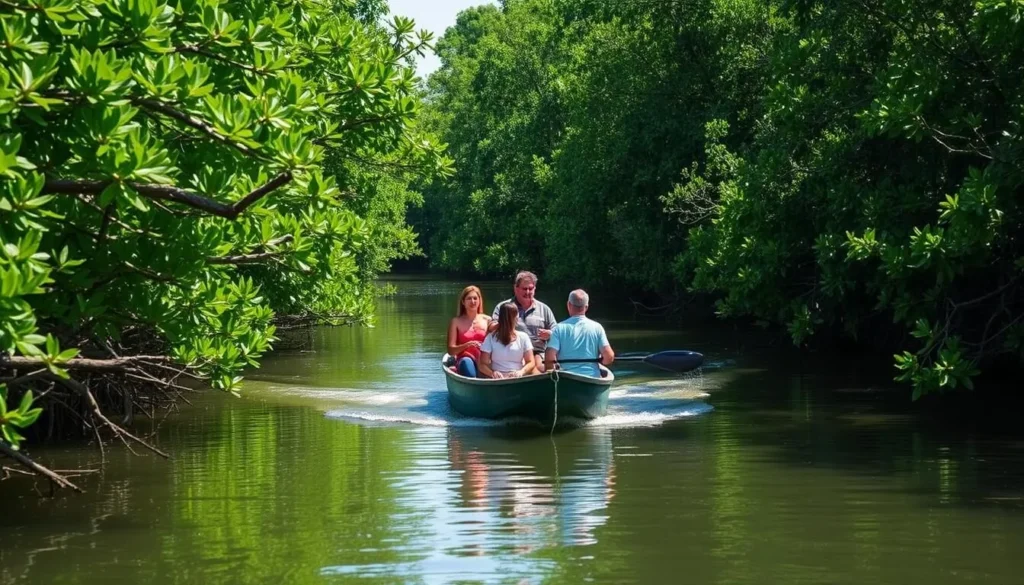
- Travel through pristine mangrove forests and along the Pomeroon River
- Government permits are required for visiting (arrange in advance)
Local tour operators like Wilderness Explorers and Adventure Guianas can arrange all necessary transportation and permits.
Best Time to Visit Shell Beach Protected Area
Timing your visit is crucial to experience the magic of Shell Beach’s turtle nesting season and to avoid the challenges of Guyana’s rainy periods.
Recommended Months
- February to August: Prime sea turtle nesting season
- March to July: Peak period for leatherback turtles
- April to June: Best weather conditions with less rainfall
Months to Avoid
- September to January: Rainy season with potential flooding
- December to January: Heaviest rainfall period
- October to November: High coastal erosion risk
Weather Tips: Temperatures range from 24°C to 32°C (75-90°F) year-round with high humidity. Even during the dry season, be prepared for afternoon showers. The coastal location means steady trade winds provide some relief from the heat.
Getting Around Locally
Once you’ve reached Shell Beach, local transportation options are limited but well-suited to the protected area’s natural environment.
Transportation Options
- Guided Boat Tours: The primary way to explore the coastline and mangrove areas
- Walking Trails: Several paths allow exploration of the beach and inland areas
- Local Guides: Essential for navigation and wildlife spotting
Where to Stay
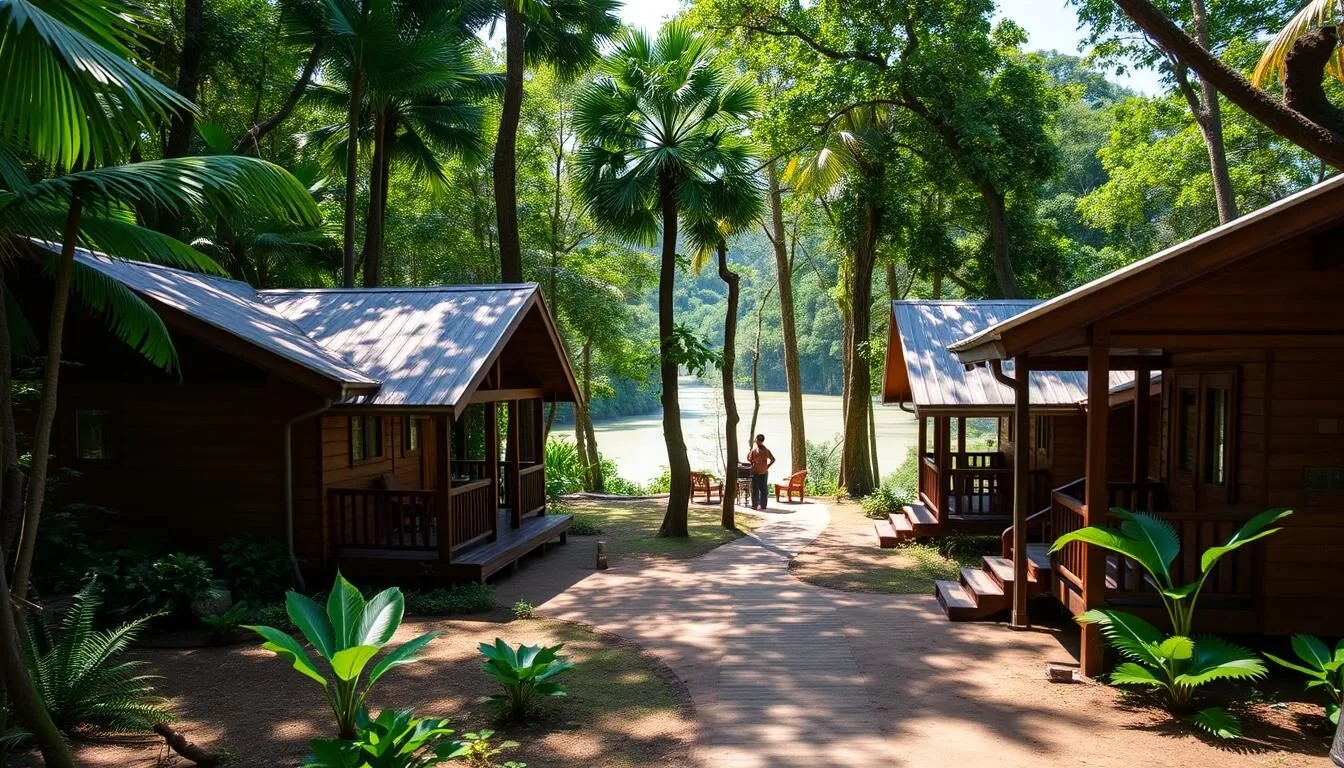
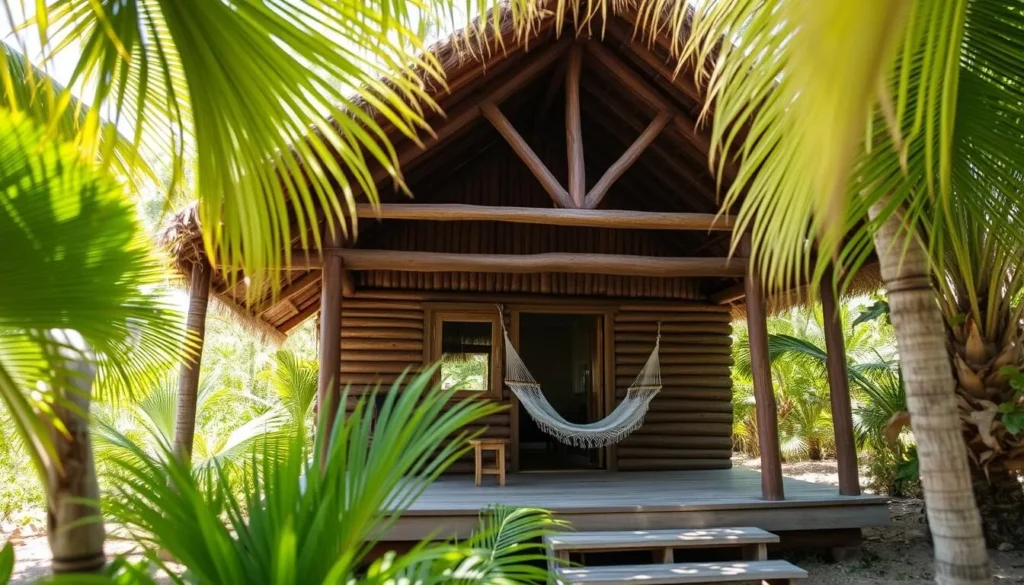
Accommodation options at Shell Beach are limited and rustic, reflecting the remote nature of this protected area. Most visitors stay in basic facilities that support conservation efforts.
Almond Beach Facilities
Basic ranger accommodations at the operational hub of turtle conservation efforts:
- Male and female quarters
- Communal dining area
- Limited electricity (solar-powered)
- Rustic but comfortable facilities
Community Homestays
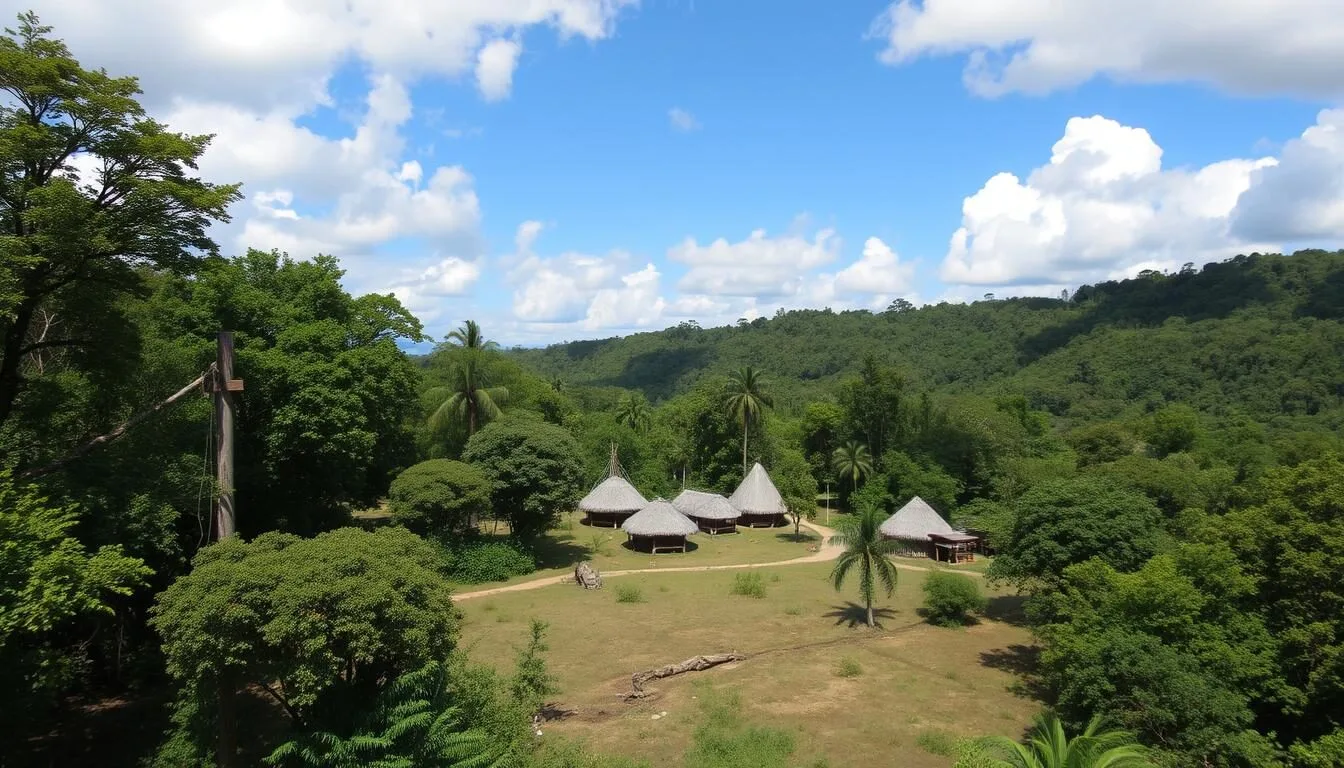
Stay with local indigenous communities near Shell Beach:
- Cultural immersion experience
- Home-cooked local meals
- Support for local economies
- Insights into traditional ways of life
Georgetown Accommodations
Many visitors base themselves in Georgetown and arrange multi-day excursions:
- Range of hotels and guesthouses
- Modern amenities available
- Starting point for organized tours
- Convenient for international arrivals/departures
Dining & Local Cuisine
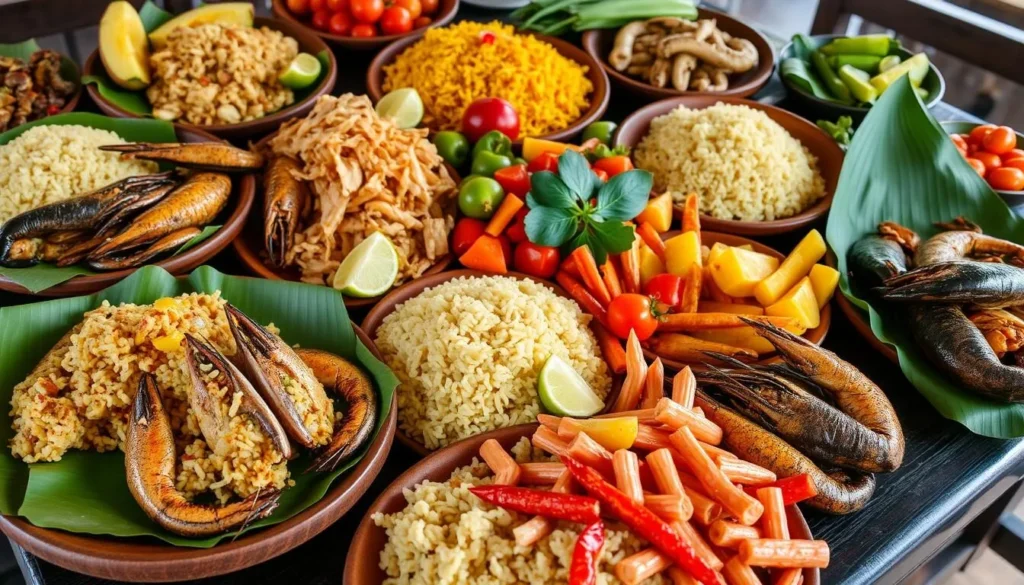
Dining at Shell Beach is a simple but authentic experience, with fresh seafood and local ingredients featuring prominently in meals.
What to Expect
- Fresh Seafood: Fish, crab, and shrimp caught daily
- Cassava Bread: Traditional indigenous staple food
- Tropical Fruits: Mangoes, pineapples, and local varieties
- Communal Dining: Meals are often shared experiences
Dining Arrangements
Most meals are included in tour packages and prepared by:
- Local community members
- Tour guides during excursions
- Accommodation staff at ranger stations
Visitors should bring some snacks and drinking water, though bottled water is usually provided with organized tours.
Food Tip: Try pepperpot, Guyana’s national dish – a rich meat stew flavored with cinnamon, cassareep (cassava extract), and other spices. Vegetarian options can be arranged with advance notice to tour operators.
Attractions, Sightseeing & Activities
Shell Beach Protected Area offers unique wildlife encounters and natural attractions centered around its rich biodiversity and conservation efforts.
Sea Turtle Watching
The highlight of any visit to Shell Beach:
- Observe nesting leatherback, green, olive ridley, and hawksbill turtles
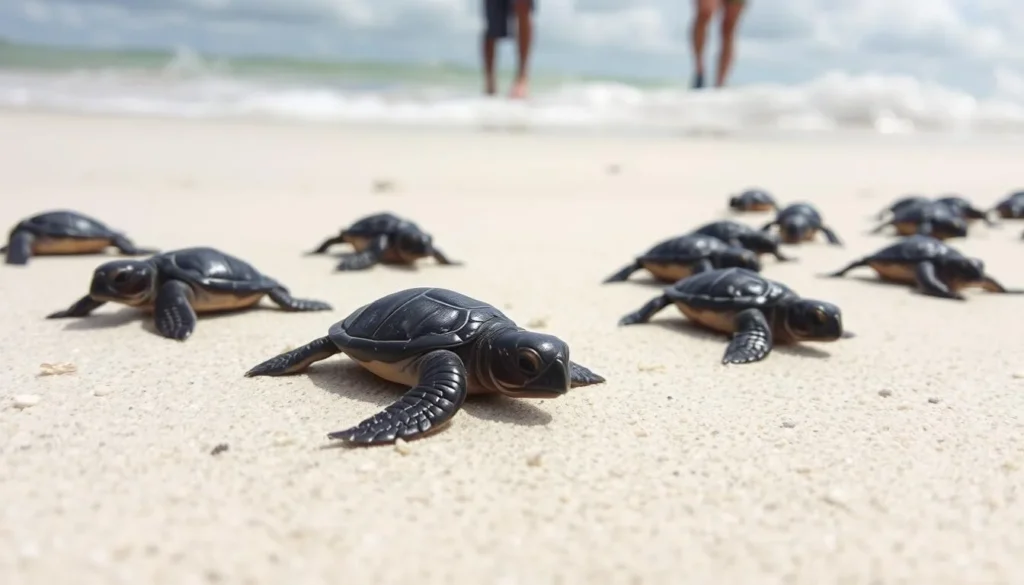
- Witness hatchlings making their way to the ocean
- Learn about conservation efforts from rangers
- Best experienced on guided night walks (February-August)
Mangrove Forest Exploration
Discover one of Guyana’s most intact mangrove ecosystems:
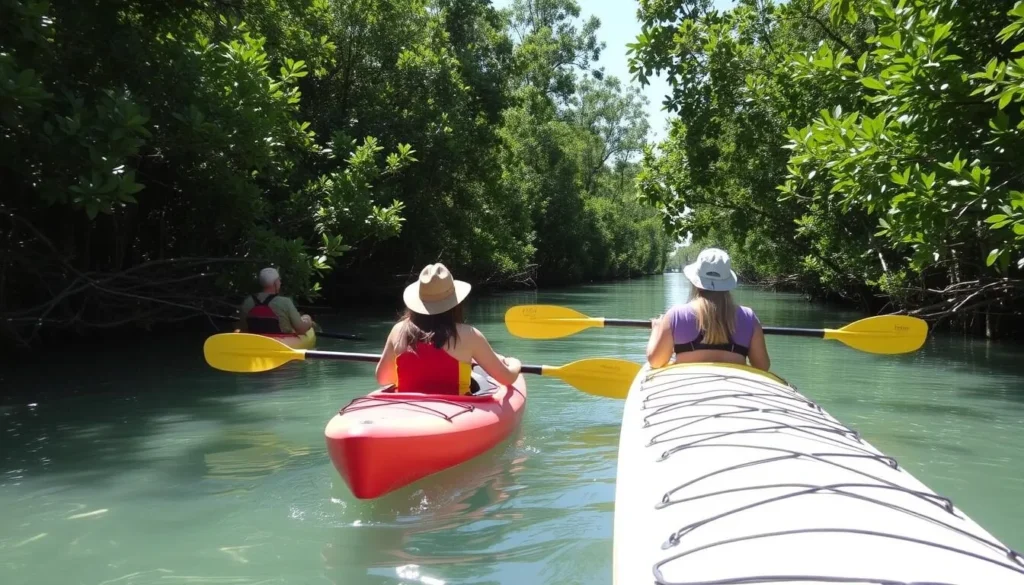
- Boat tours through winding waterways
- Bird watching opportunities (over 200 species)
- Learn about the ecological importance of mangroves
- Spot wildlife including monkeys and sloths
Beach Exploration
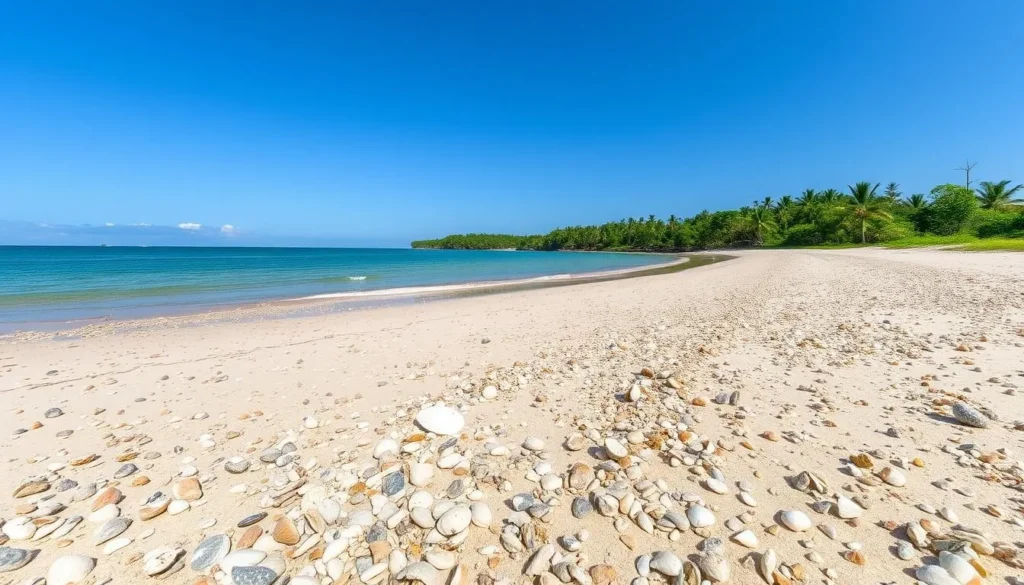
Discover the unique shell-covered beaches:
- Walk along beaches composed of fragmented shells
- Observe coastal bird species
- Learn about beach formation and erosion cycles
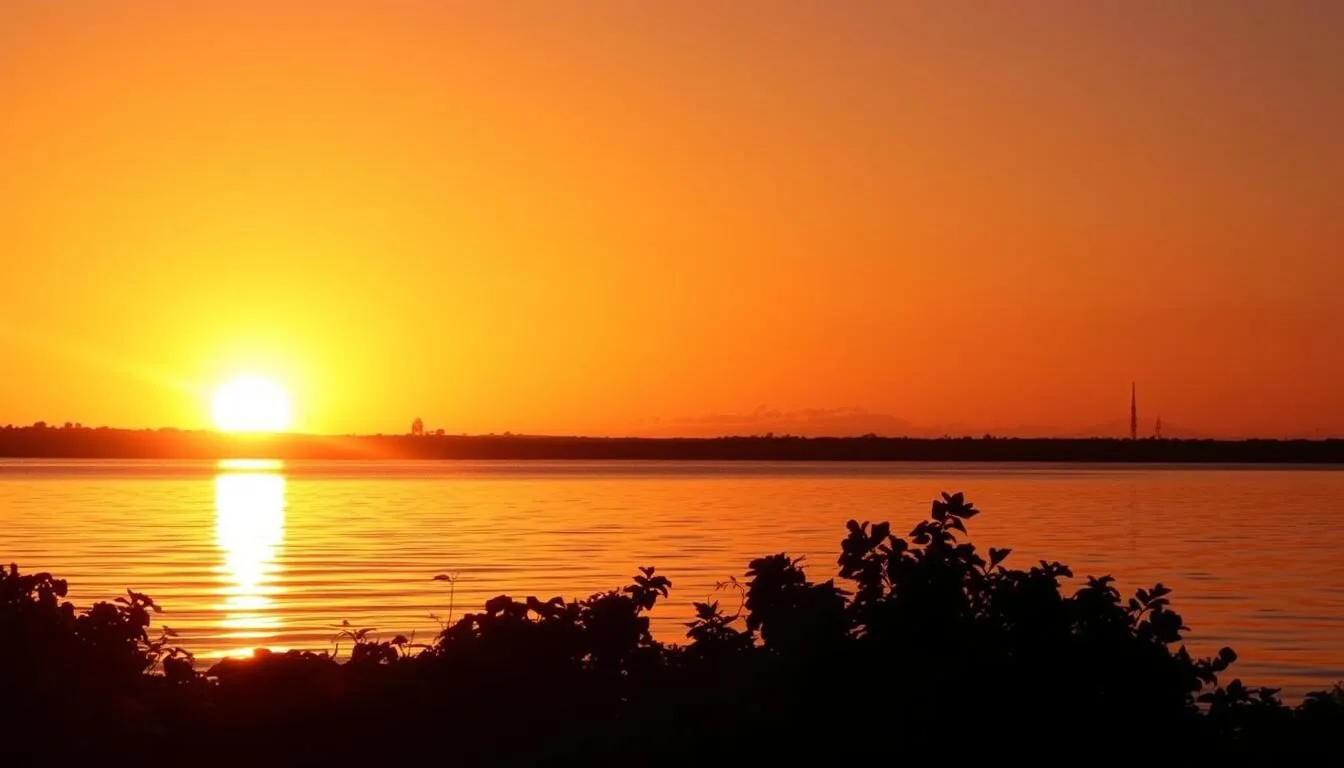
- Spectacular sunrise and sunset views
Museums, Cultural Spots & Festivals
While Shell Beach itself has limited cultural facilities, the surrounding region offers opportunities to engage with indigenous communities and learn about local traditions.
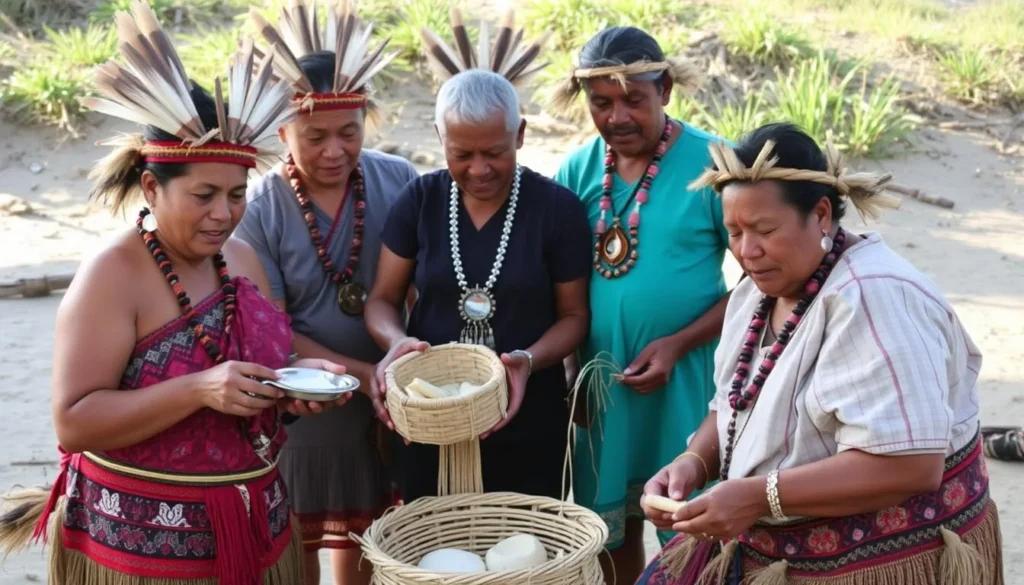
Cultural Experiences
- Community Visits: Engage with Warao and Carib indigenous peoples
- Traditional Crafts: Observe and learn basket weaving and pottery
- Storytelling: Listen to traditional stories about sea turtles and conservation
- Sustainable Harvesting: Learn about traditional resource management
Regional Cultural Sites
- Port Kaituma: Nearest town with local markets and community events
- Georgetown Museums: Visit before or after your Shell Beach trip
- Indigenous Heritage Month: September celebrations throughout Guyana
- Turtle Festival: Occasional conservation awareness events during nesting season
Sports, Nature & Outdoor Experiences
Shell Beach Protected Area offers numerous opportunities for nature enthusiasts to explore its diverse ecosystems through various outdoor activities.
Wildlife Observation
Beyond sea turtles, Shell Beach is home to diverse wildlife:
- West Indian manatees in coastal waters
- Jaguars and other wild cats in forest areas
- Howler and capuchin monkeys in mangroves
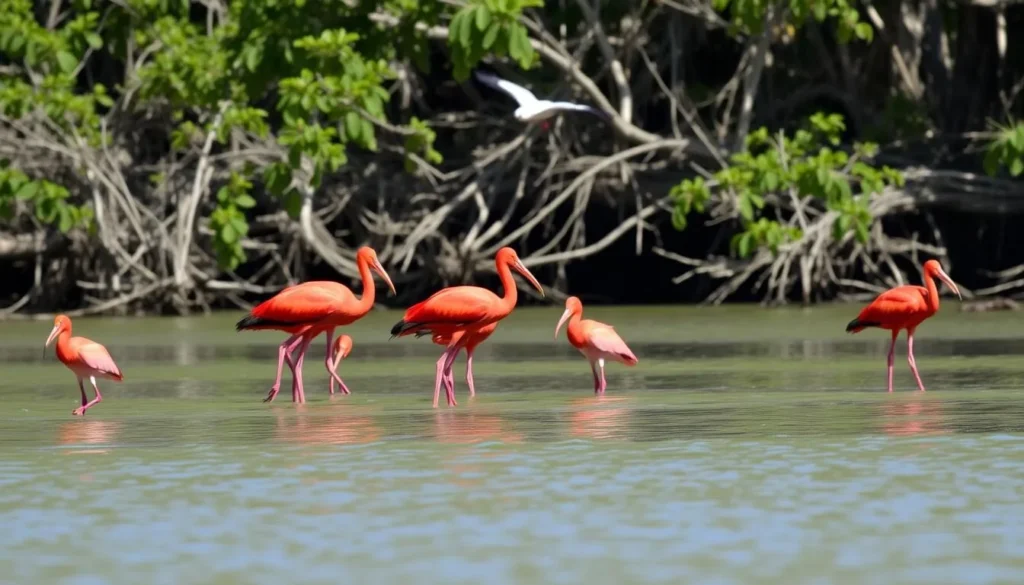
- Scarlet ibis and over 200 bird species
Water Activities
Explore the coastal and river environments:
- Guided kayaking through mangrove channels
- Fishing excursions with local guides
- Swimming in designated safe areas
- Boat tours along the coastline
Conservation Activities
Participate in ongoing conservation efforts:
- Volunteer with turtle monitoring (seasonal)
- Beach clean-up initiatives
- Citizen science data collection
- Educational workshops with rangers
Safety, Etiquette & Local Customs
Visiting Shell Beach Protected Area requires respect for both the natural environment and local communities. Following these guidelines ensures a safe, enjoyable, and responsible experience.
Turtle Watching Etiquette
- Keep beaches dark – no flash photography or bright lights
- Maintain a respectful distance from nesting turtles
- Wear dark clothing during night turtle watches
- Follow ranger instructions at all times
- Never touch turtles or hatchlings
Safety Considerations
- Always travel with experienced guides
- Bring insect repellent and sun protection
- Pack basic first aid supplies
- Stay hydrated in the tropical climate
- Respect wildlife – keep safe distances
Important: Shell Beach has no cell phone coverage or internet access. Inform someone of your travel plans before departing, and arrange communication schedules with your tour operator.
Visitor Comments About Shell Beach Protected Area
“Witnessing leatherback turtles nesting under the moonlight was a spiritual experience. The rangers were incredibly knowledgeable and passionate about conservation. This remote paradise is worth every effort it takes to get there.”
“The journey to Shell Beach was an adventure in itself! Traveling through the ’99 turns’ by boat was thrilling. Staying in basic accommodations made us appreciate the dedication of the conservation teams working in such remote conditions.”
“The biodiversity at Shell Beach is astounding. Beyond the turtles, we spotted scarlet ibis, monkeys in the mangroves, and even glimpsed a jaguar track on the beach. A true wilderness experience that feels untouched by mass tourism.”
Practical Travel Tips
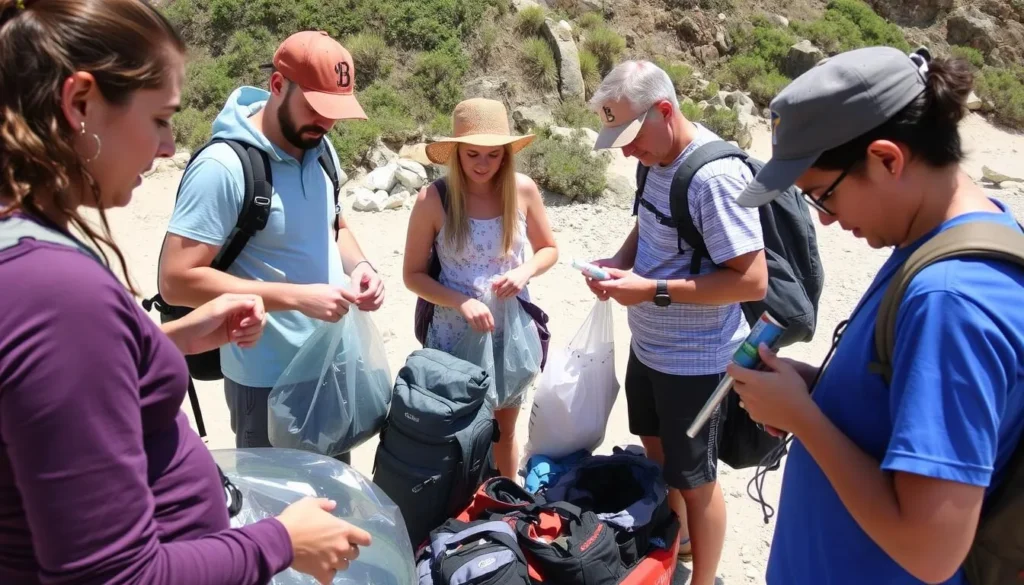
What to Pack
- Lightweight, quick-dry clothing
- Dark clothes for night turtle watching
- Waterproof bags for electronics
- Insect repellent and sunscreen
- Reusable water bottle
- Basic first aid supplies
- Headlamp with red light option
Planning Essentials
- Book tours 3-6 months in advance
- Arrange government permits early
- Consider travel insurance with evacuation coverage
- Bring sufficient cash (no ATMs available)
- Pack any necessary medications
- Prepare for no internet or phone service
Responsible Tourism
- Pack out all trash you bring in
- Support local communities by purchasing crafts
- Follow all conservation guidelines
- Consider donating to turtle conservation efforts
- Respect indigenous lands and traditions
- Use biodegradable toiletries
Your Unforgettable Shell Beach Adventure Awaits
Shell Beach Protected Area represents Guyana at its most pristine – a place where endangered sea turtles have found sanctuary for millennia, where mangrove forests teem with life, and where conservation and community come together. The journey may be challenging, but those who make the effort are rewarded with extraordinary wildlife encounters and the rare privilege of experiencing one of Earth’s special places. As you plan your visit, remember that your presence supports vital conservation efforts and local communities, creating a positive impact that extends far beyond your footprints in the shell-strewn sand.