Hotels by Trip.com
Flights by Trip.com
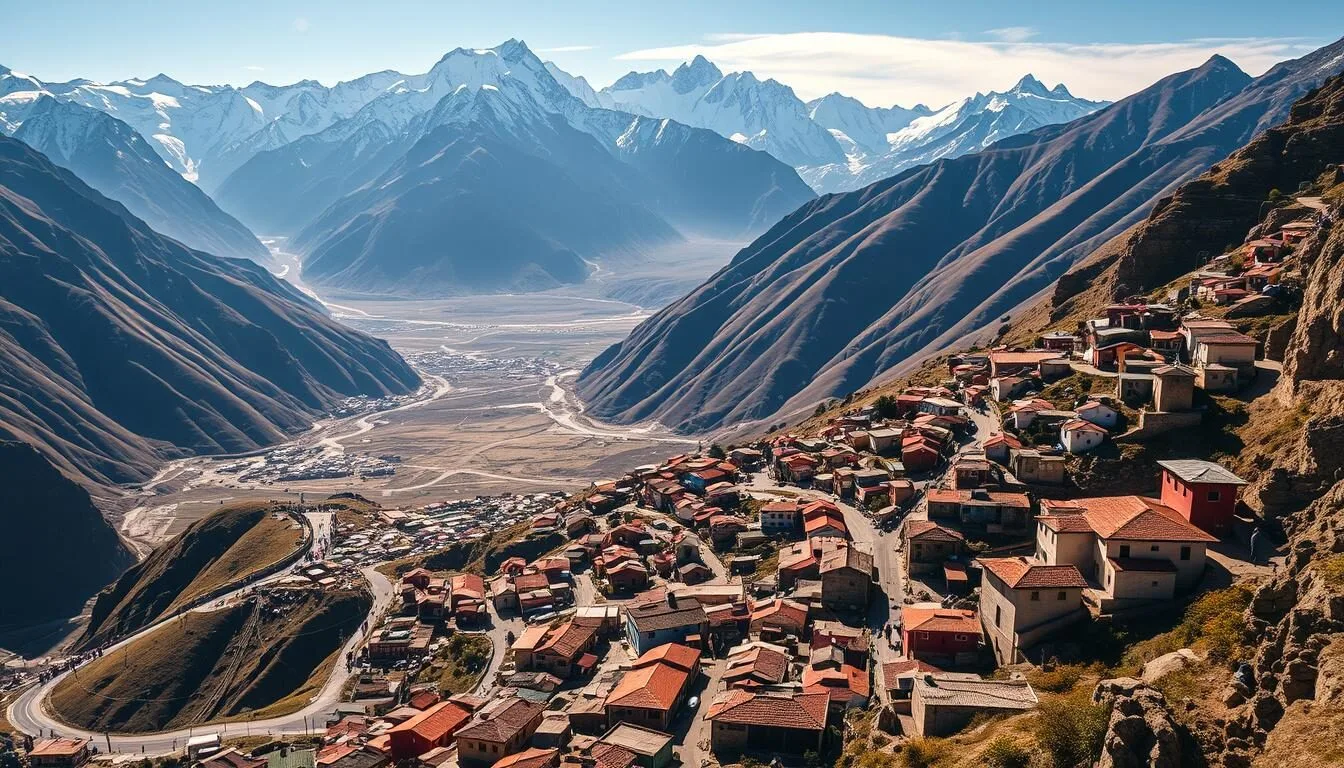
Nestled in the remote Andes, Chachapoyas is a treasure trove of adventure and history, waiting to be explored. With its ancient ruins and breathtaking natural beauty, this charming town is an adventurer’s paradise.
You can explore the remnants of the “Warriors of the Clouds” civilization, marvel at towering waterfalls, and experience the unique culture of this relatively undiscovered region. Whether you’re a history buff, an adventure seeker, or simply looking for a new destination, Chachapoyas has something to offer.
As you plan your trip, you’ll want to know the best time to visit and what makes this place special compared to more touristy areas. Get ready to uncover the secrets of this incredible destination.
Discovering the Hidden Gem of Northern Peru
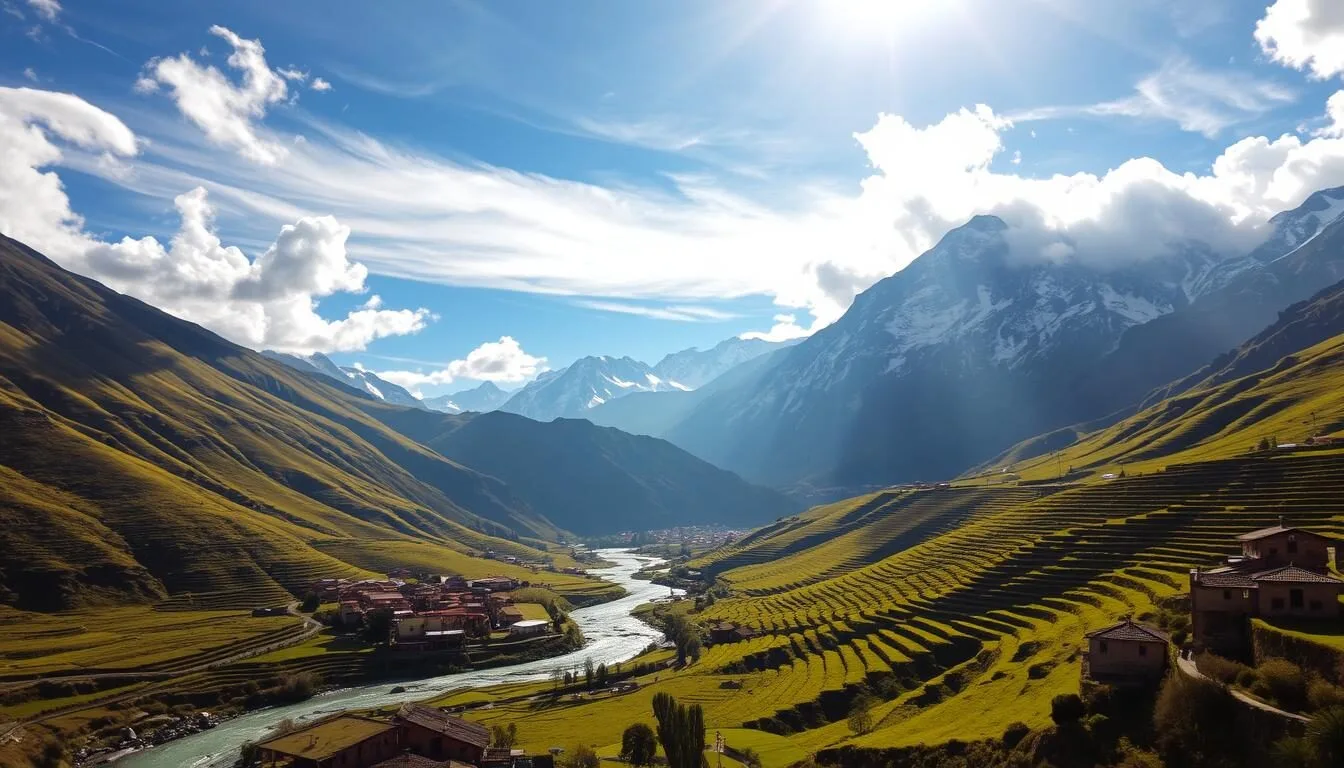
Tucked away in the misty Andes, Chachapoyas is a treasure waiting to be discovered. The name “Chachapoyas” means “Warriors of the Clouds”—a nod to the thick mist that often blankets the region. This area is steeped in history and culture, making it an intriguing destination for travelers.
The Ancient “Warriors of the Clouds”
The Chachapoyas culture is believed to have emerged around the 8th century, reaching its peak in the 11th century, before being absorbed by the Inca Empire and later the Spanish. For hundreds of years, the “Warriors of the Clouds” thrived in this misty region. You can explore the fascinating history of this culture, known for their resilience and unique traditions.
- Explore the rich history of the Chachapoyas people and their culture.
- Understand how the remote location has preserved archaeological sites.
Why Chachapoyas Deserves a Spot on Your Peru Itinerary
Unlike more accessible places like Machu Picchu, Chachapoyas remains relatively untouched, offering an authentic experience. Travelers seeking unique landscapes and ancient culture are increasingly adding Chachapoyas to their Northern Peru itineraries. The region’s diverse ecosystem, nestled between the arid Western Andes and lush Eastern Andes, is unlike anywhere else in Peru.
- Discover why Chachapoyas is becoming a must-visit destination for those seeking authentic experiences.
- Learn about the unique geographical position of Chachapoyas and its impact on the local ecosystem.

By visiting Chachapoyas, you are experiencing a part of Peru that is rich in history and natural beauty, without the crowds found at more famous destinations. This makes it an ideal addition to your Peru travel plans.
Kuelap: The Majestic Pre-Inca Fortress
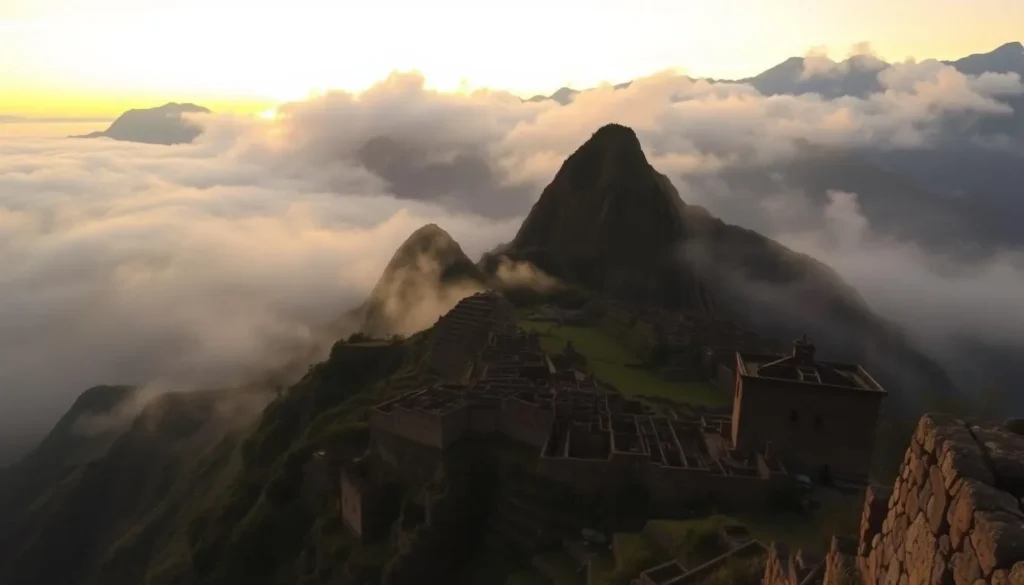
Kuelap, built in the 6th century, is an archaeological complex that continues to fascinate visitors with its mysterious past and stunning architecture. This pre-Inca site is a must-visit destination in northern Peru, often referred to as the “Machu Picchu of the North.”
History and Significance of the “Machu Picchu of the North”
The Kuelap fortress is an impressive historical site that showcases the ingenuity of the Chachapoya civilization. Built around 600 AD, it served as both an administrative and religious center. The complex includes the remains of houses, temples, and towers, offering a glimpse into a long-gone civilization.
Perched on a mountain ridge at 3,000 meters above sea level, Kuelap affords breathtaking 360-degree views of the surrounding landscape. The strategic location and well-preserved ruins make it a fascinating destination for history enthusiasts and archaeology buffs.
Practical Tips for Visiting Kuelap
When planning your trip to Kuelap, consider the entrance fee, which is approximately 30 soles. You have the option to hire a guide or join a tour to enhance your experience. The recently introduced cable car service has made accessing the site easier, offering a convenient alternative to the traditional hiking route.
Check 30,000+ Local Sightseeing Tours Worldwide
✓ Numerous languages and currencies are available
To make the most of your visit, be sure to wear comfortable shoes and dress in layers, as the weather can be unpredictable. With its rich history and stunning views, Kuelap is sure to leave a lasting impression, much like its more famous counterpart, Machu Picchu.
Breathtaking Waterfalls of Chachapoyas
Chachapoyas is home to some of the most breathtaking waterfalls in Peru, making it a must-visit destination for nature lovers. The region’s unique geography creates a perfect setting for these natural wonders, attracting visitors from around the world.
Gocta Waterfall: The Spectacular Two-Tiered Giant
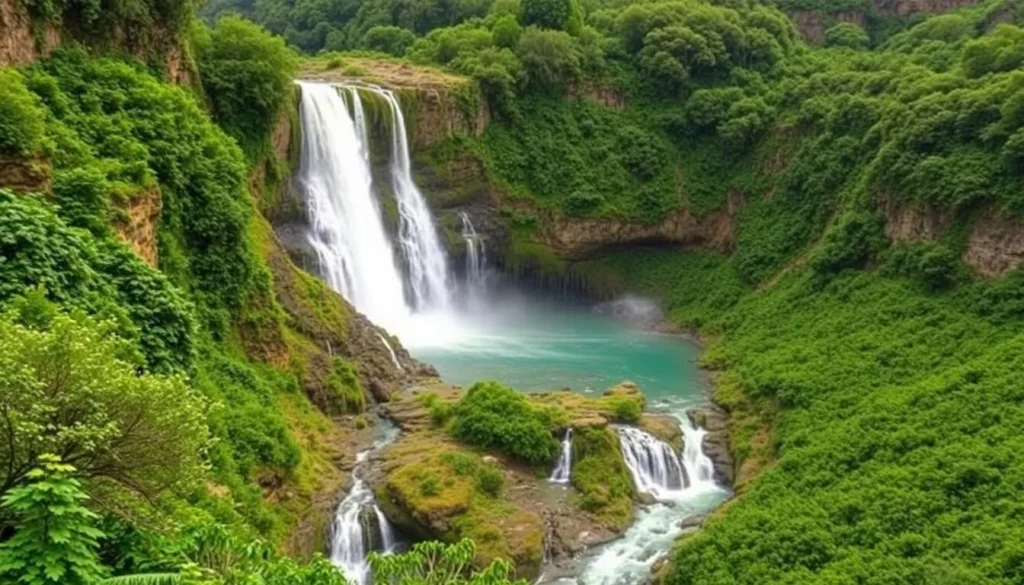
Gocta Waterfall is one of the tallest waterfalls in the world, standing at an impressive 2,530 feet. This spectacular two-tiered giant is a sight to behold, with its powerful drops of 760 and 1,770 feet. To experience Gocta up close, you’ll need to hike about 11 kilometers round-trip from the village of Cocachimba. The hike can be challenging due to its uphill and downhill terrain, but the breathtaking views make it well worth the effort.
The hike to Gocta Waterfall is approximately 3-4 hours long, depending on your pace. You can choose to hike independently or with a guide from Cocachimba. Either way, you’ll be rewarded with stunning views of the surrounding landscape and the opportunity to swim at the base of the waterfall.
Key Highlights: Marvel at Gocta Waterfall’s two-tiered giant standing at 2,530 feet tall, plan your hike to Gocta, and discover local legends surrounding the waterfall.
Yumbilla Waterfall: The Hidden Fifth Highest Falls in the World

Yumbilla Waterfall is another natural wonder in Chachapoyas, standing at 2,940 feet and ranking as the fifth highest waterfall in the world. Although it’s less visited than Gocta, Yumbilla offers an equally impressive experience for those willing to explore. The hike to Yumbilla is also challenging, but the scenic views and the chance to swim at its base make it a worthwhile adventure.
Visiting Yumbilla Waterfall allows you to experience the untouched beauty of Chachapoyas. With its dense foliage and serene surroundings, Yumbilla is a hidden gem waiting to be discovered.
Key Highlights: Discover Yumbilla Waterfall, the fifth highest in the world, and experience the natural beauty of Chachapoyas.
Ancient Burial Sites: Windows into Chachapoya Culture
As you explore the Chachapoyas region, you’ll uncover ancient burial sites that offer a fascinating glimpse into the culture of this pre-Inca civilization. The Chachapoyas people left behind a rich legacy, and their burial practices are a significant part of understanding their way of life.
The Sarcophagi of Karajia: Cliff-Side Guardians
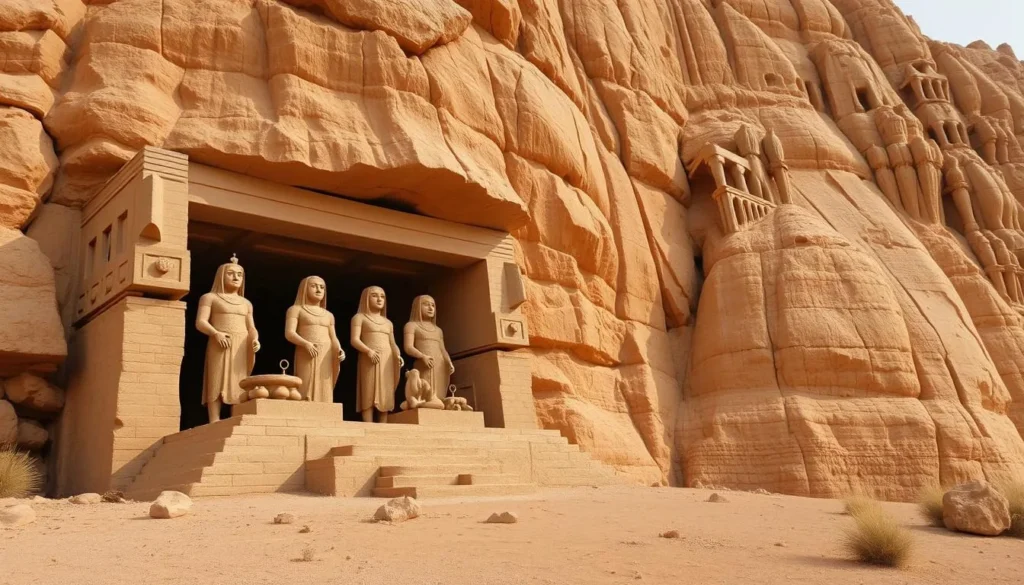
The Sarcophagi of Karajia are a remarkable example of the Chachapoyas’ funerary practices. Perched 656 feet above the ground on a cliff face, these anthropomorphic sarcophagi, known as “Purunmachacos,” stand up to 8 feet tall and are a testament to the ingenuity and craftsmanship of the Chachapoyas people. Although the sarcophagi cannot be accessed for conservation reasons, visitors can view them from a distance, gaining insight into the cultural significance of these cliff-side guardians.
These sarcophagi contained the mummies of the Chachapoya elite, and their study has revealed valuable information about the beliefs and practices of this ancient culture. The inaccessible location of the sarcophagi has helped preserve them, protecting them from looting that affected many other archaeological sites in the area.
Revash Mausoleums: Colorful Houses of the Dead
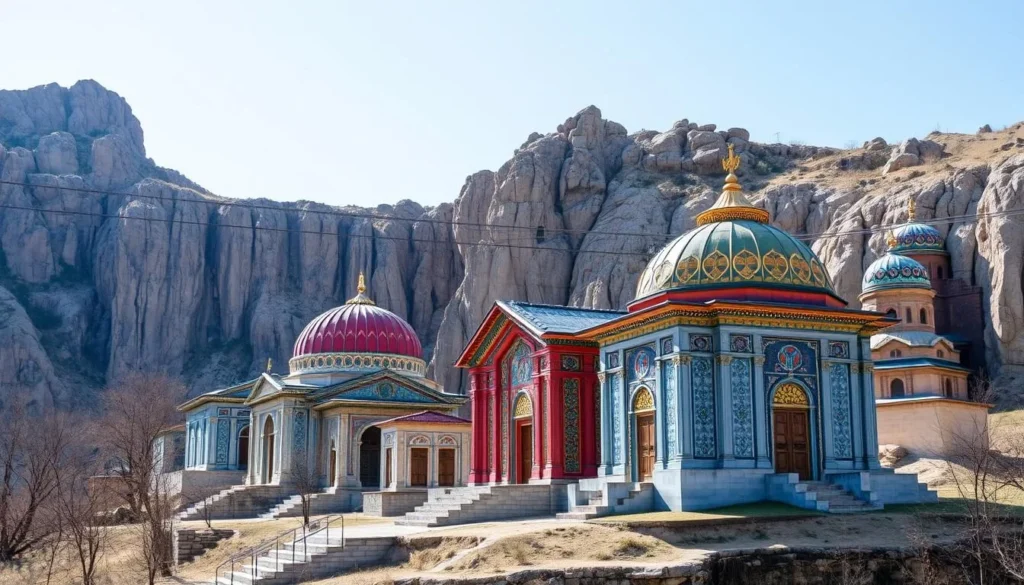
The Revash Mausoleums are another significant burial site in the Chachapoyas region, showcasing the cultural and architectural achievements of the Chachapoyas people. These house-like structures are built into the mountain cliffs and feature walls adorned with red geometric patterns, serving as the final resting places for important individuals within the Chachapoya culture.
The Revash Mausoleums provide archaeologists with valuable insights into the spiritual beliefs and social structure of the pre-Inca Chachapoya civilization. The elaborate construction of these mausoleums on seemingly inaccessible cliff faces demonstrates the advanced capabilities of this ancient mountain culture.
Both the Sarcophagi of Karajia and the Revash Mausoleums are testaments to the rich cultural heritage of the Chachapoyas region. By exploring these ancient burial sites, you’ll gain a deeper understanding of the people who once inhabited this area and the significance of their funerary practices.
Underground Wonders and Sacred Lakes
Beyond the ancient ruins, Chachapoyas conceals underground marvels and sacred sites waiting to be explored. This region is a treasure trove of natural and archaeological wonders that will captivate any traveler.
Quiocta Cave: Stalactites, Stalagmites, and Ancient Remains
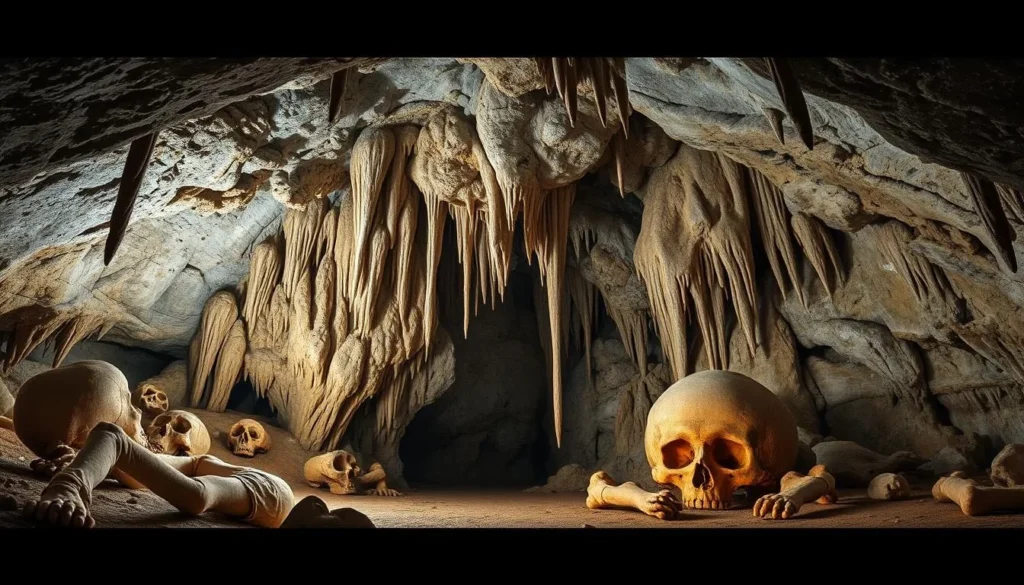
Quiocta Cave is a fascinating site that combines natural beauty with ancient history. As you enter the cave, you’re immediately struck by the presence of ancient human remains, including skulls and bones, in the mausoleum area. The cave’s muddy conditions are managed with the help of guides who provide knee-high rubber boots. The hike into the cave is about half a kilometer, with stops to admire the stalactite and stalagmite formations.
Laguna de los Condores: The Mummies’ Lake

Laguna de los Condores, or the Mummies’ Lake, is a remote and significant archaeological site. In 1997, an astonishing 200 mummies were discovered in six mausoleums, along with various artifacts such as shell necklaces, ceramics, and textiles. The lake was an important site for the Chachapoya culture, and remnants of a village can still be seen on the heights surrounding the lake. Reaching Laguna de los Condores requires a challenging three-day trek through the jungle, involving both horseback riding and hiking.
Exploring Chachapoyas Town and Nearby Attractions
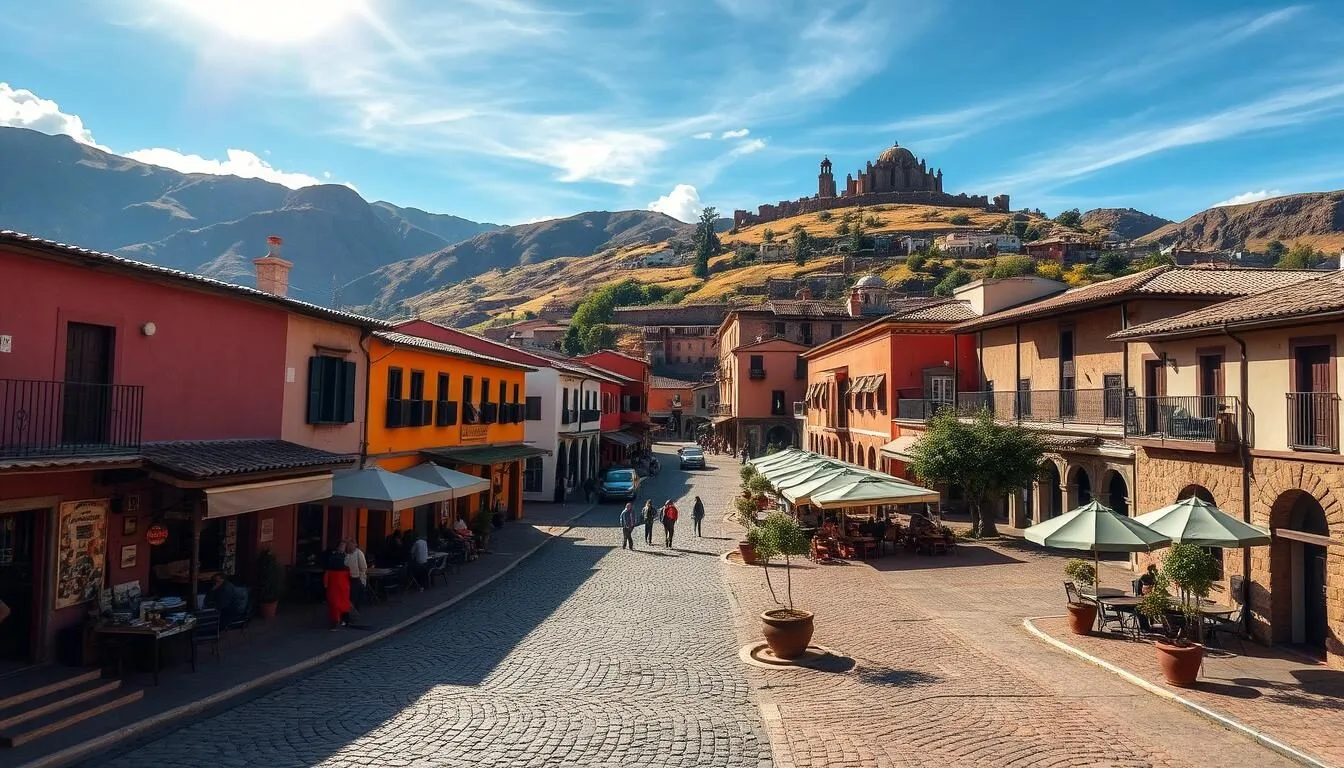
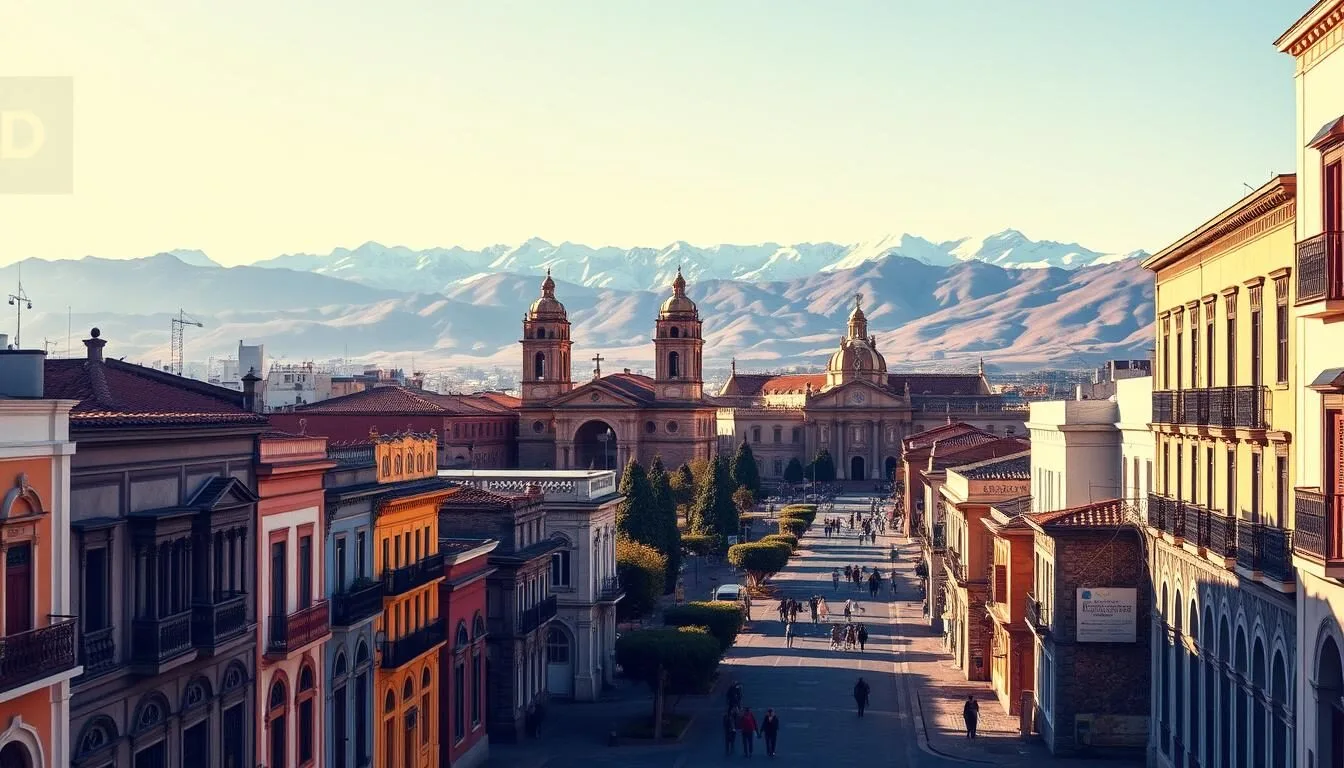
Chachapoyas, a colonial city in northern Peru, is a treasure trove of history, culture, and natural beauty. As the capital of the Amazonas department, it serves as a convenient base for exploring the surrounding area. You can discover the charming town by visiting its picturesque plazas, such as the Plaza de la Independencia and the Plaza de Armas, which are lined with colonial buildings featuring beautiful balconies.
Colonial Architecture and Local Culture
The city of Chachapoyas boasts a rich cultural heritage, evident in its well-preserved colonial architecture. Visit the Gilberto Tenorio Ruiz room to explore an interesting exhibition on the Chachapoyas culture, featuring ceramics, textiles, and mummies. Nearby, the Casona Monsante, a typical Chachapoyan colonial house turned hotel, showcases an impressive collection of exotic plants. Don’t miss the vibrant local market, where you can enjoy affordable meals and fresh juices while interacting with the friendly residents of this mountain city.
Sonche Canyon and Huaylla Belen Valley

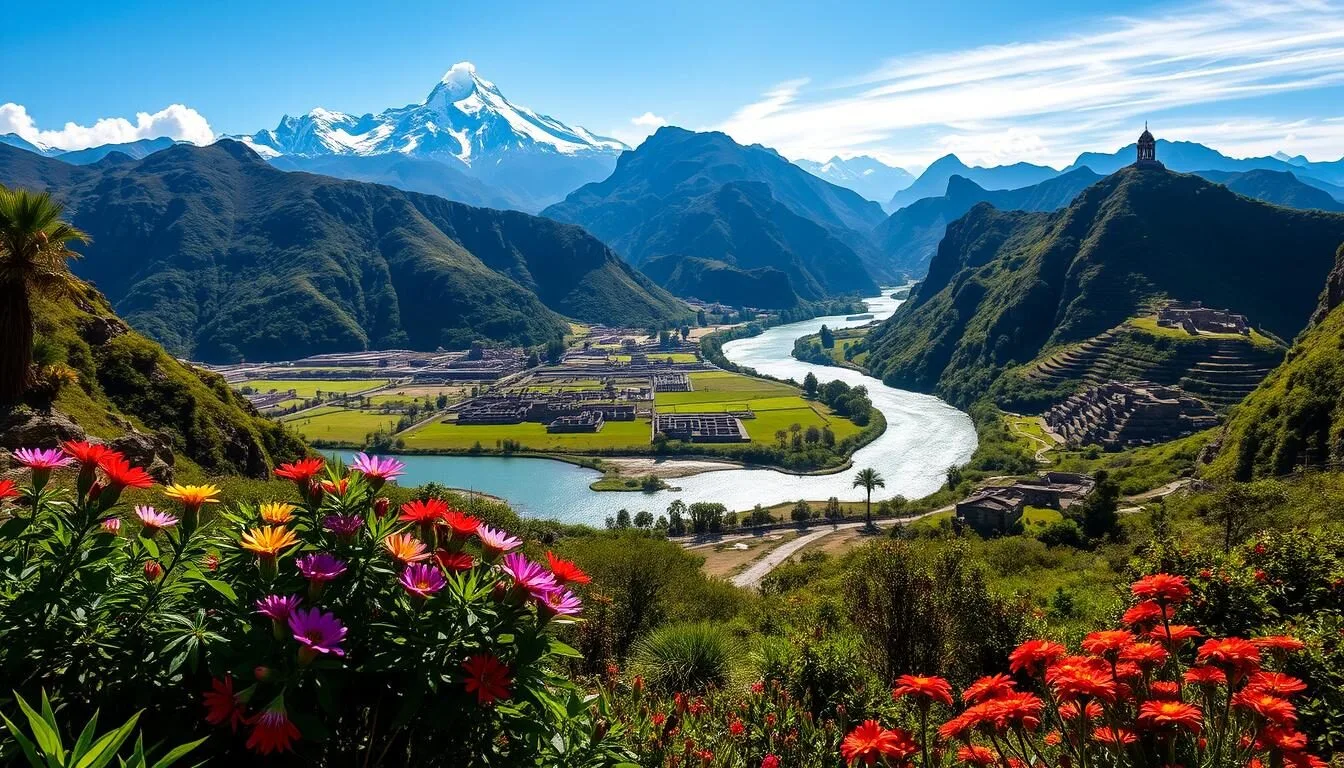
Just a short drive from Chachapoyas lies the breathtaking Sonche Canyon, which plunges 3,115 feet deep and offers spectacular views from various lookout points near the pottery-making village of Huancas. Further afield, the Huaylla Belen Valley is a lush and verdant destination, with its winding “Silver Snake” river surrounded by cloud forest and serving as an important archaeological area. As you explore this region, you’ll be immersed in the natural beauty of the Peruvian jungle.
Practical Information for Visiting Chachapoyas, Peru: Best Things to Do
Planning a trip to Chachapoyas, Peru, requires some practical information to make the most of your journey. Whether you’re looking for the best way to get there, where to stay, or when to visit, this section has got you covered.
How to Get to Chachapoyas
There are several ways to reach Chachapoyas. You can fly directly to the local airport with Atsa Airlines from Lima, which takes about 1 hour and 20 minutes. Alternatively, you can take a flight from Lima to Jaén with Latam, followed by a 4-hour bus ride to Chachapoyas. For a more budget-friendly option, consider taking a direct bus from Lima to Chachapoyas, a journey of around 23 hours with companies like Civa or Movil Tours.
Where to Stay in Chachapoyas

Chachapoyas offers a range of accommodation options to suit every budget. From backpacker hostels to luxury hotels and eco-lodges, you’ll find the perfect place to stay. Consider colonial boutique hotels like La Xalca Hotel or Hotel Fundo Achamaqui for a unique experience.
Best Time to Visit and What to Pack
The best time to visit Chachapoyas is during the dry season, from May to October. Avoid visiting during the rainy season (November to April) as it can cause landslides and make some attractions inaccessible. When packing, consider the activities you plan to do and the varying climates you may encounter. Renting a car can be a great way to explore the area at your own pace, but be aware that driving on mountain roads requires confidence.
Entrance fees for main attractions typically range between 20-30 soles, with additional costs for transportation and guides. Whether you choose to rent a car or rely on organized tours, being prepared will make your trip to Chachapoyas more enjoyable.
Conclusion: Why Chachapoyas Should Be Your Next Peruvian Adventure
If you’re looking for an authentic Peruvian experience, Chachapoyas is the place to be. This region offers a unique blend of adventure and cultural discovery, from hiking to towering waterfalls like Gocta, to exploring ancient ruins and mausoleums. With its remote location, Chachapoyas has remained relatively untouched, preserving its natural beauty and historical sites. Plan for at least 4-5 days to fully experience the highlights, including the Kuelap fortress and the sarcophagi of Karajia, making for an unforgettable trip.